

Introduction
Your academic journey at Harvard is supported by a broad advising network that includes residential staff, peer mentors, faculty, and other academic experts. Starting in your first year, the College provides you with an initial network of advisors and structured opportunities to begin exploring your interests, asking questions, and making informed academic decisions.
As you progress through your education, you’ll continue to build that network by seeking out new perspectives and developing relationships with the people best equipped to help you pursue your goals. Your advising network can help you understand your options, think through difficult decisions, and find the people who can answer your questions. They can also help you learn how to ask better questions, seek out expertise, and make decisions for yourself. Over time, you’ll build the knowledge and relationships to take greater ownership of your education.

Small Group Advising Sessions
In the summer before your first year, you’ll participate in the online small-group advising conversation Building Your Harvard Education, which is led by academic staff. Building on the online modules Summer Orientation to Academics at Harvard, the session introduces you to other students and helps you think about your academic interests, explore your options, and learn how to find the information and expertise you need to make informed course choices. You’ll have opportunities to ask and answer questions, hear how other students are approaching their decisions, and begin developing a plan for your first semester. The session is one part of a larger summer advising experience, which also includes opportunities to connect with faculty, departments, and other academic experts. After you participate, the advising hold on your Crimson Cart will be lifted so that you can enroll in classes during fall term registration in August.
What's a PAF?
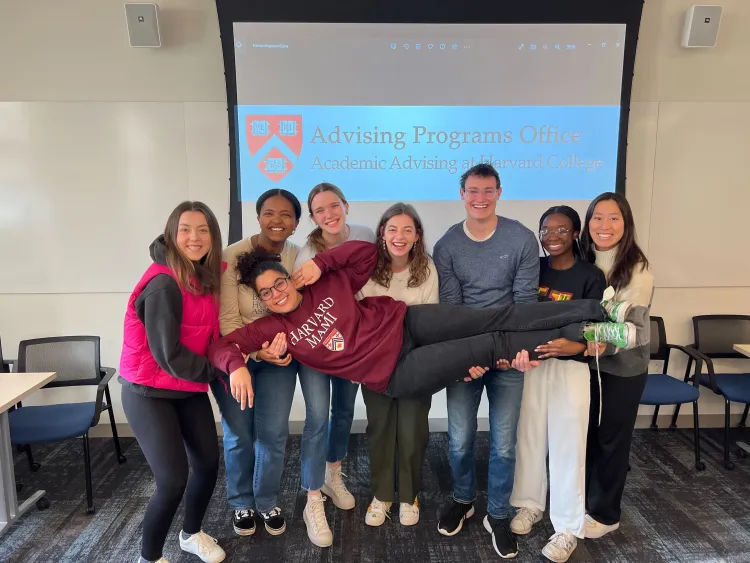
In late July or early August before you arrive on campus, you’ll hear from your Peer Advising Fellow (PAF), an upper-level student who can help you navigate the transition to academic and student life at Harvard. Because PAFs have recently faced many of the same choices you’ll encounter, they can share their own experiences, help you think through your options, and offer a student perspective on everything from choosing courses to finding communities and opportunities on campus.
PAFs can also help you learn how to navigate Harvard: where to look for information, whom to ask different kinds of questions, and when it might be useful to seek out a faculty member, department, or other academic expert. Your PAF will stay connected with your entryway throughout your first year and will help build community through conversations, activities, and informal gatherings.
Who is my Proctor?
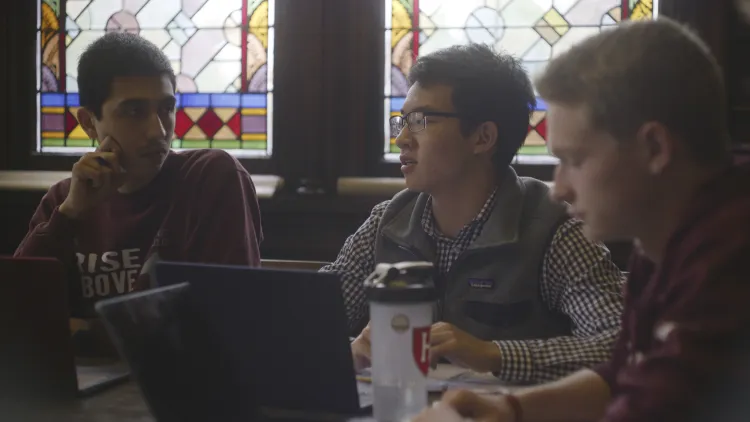
Proctors are an easily accessible resource in your first year because they live right next to you. At this point, you may have heard the word "entryway" once or twice. Anywhere from 20–40 students live in each entryway. Each first-year dorm splits up entryways differently, and each entryway has access to someone called a Proctor.
Proctors are similar to Resident Advisors at other colleges. Here at Harvard, many Proctors are graduate students or Harvard professionals with a passion for helping students navigate college. They live where you do, and they're available to support you with anything from exploring academic pathways to navigating roommate disagreements.
In addition to providing this social support, Proctors also play an important role in your advising network. During both the fall and spring semesters, they lead required entryway advising meetings before course registration to help you prepare for the next term. After you attend these meetings, your Proctor will lift the advising hold on your account so you can register for classes.
Proctors and PAFs work together to host regular Study Breaks for their entryway, which are small get-togethers where students can hang out withthe entryway, learn about different co-curricular opportunities and other academic resources on campus, and decompress at the end of the day.
Your Proctor is generally the person to turn to if you feel like there's a conflict with someone in your dorm room or entryway that you can't resolve on your own.
What does a Resident Dean do?
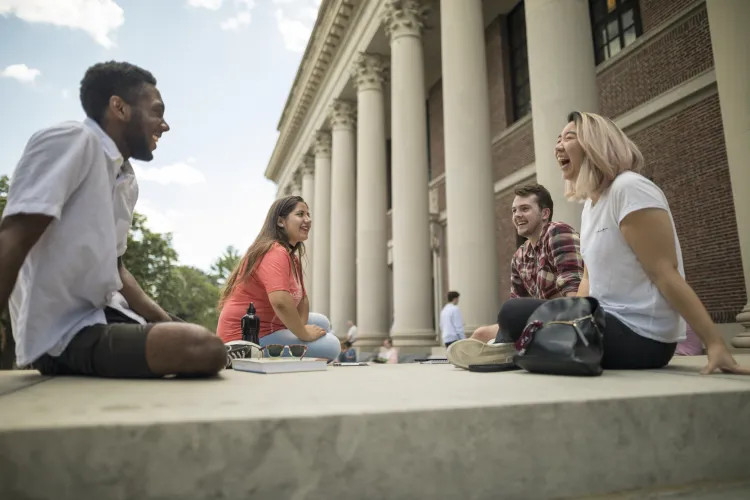
There are four Resident Deans of First-Year Students who oversee the different first-year yards. You are welcome to visit your Resident Dean, who is always willing to meet with you to talk about your experience. Resident Deans also oversee first-year students' academic progress and supervise Proctors.

Who Else Can I Go To for Advice?
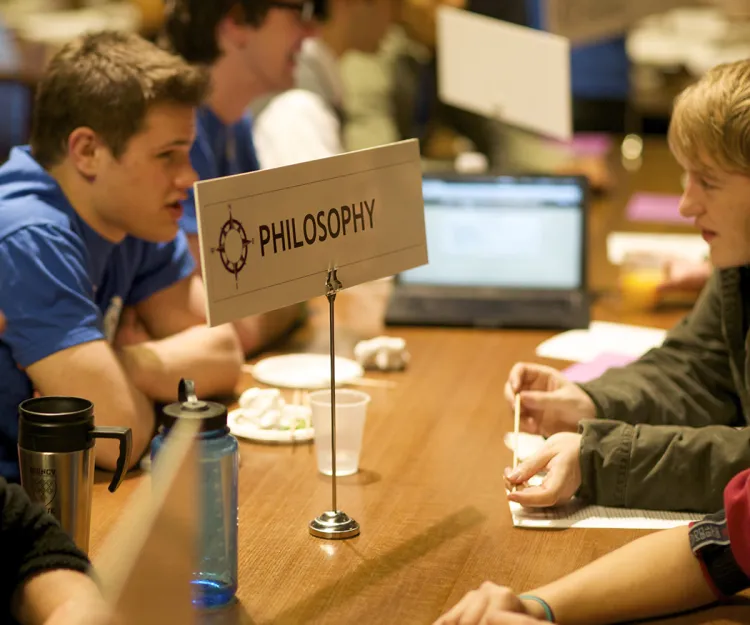
Your advising network extends well beyond your PAF, Proctor, and Resident Dean. Different questions call for different kinds of expertise, and part of building your advising network is learning whom to seek out for what. Faculty members are an important part of that network. Office hours are an opportunity to ask questions about a course, explore an academic interest, or simply get to know a professor and learn more about their field. You don’t need to have a fully-formed question, or already know what you want to study, to start a conversation. You can also seek advice from staff across the College, including the First-Year Dean’s Office’s advising and academic staff, the Mignone Center for Career Success (MCS), Office of Undergraduate Research and Fellowships (URAF).
You don't need to declare a concentration before talking with departments, either. Every concentration has a Director of Undergraduate Studies (DUS) or Assistant Director of Undergraduate Studies (ADUS), who can meet with you to discuss academic interests, explain the concentration, and help you determine whether the field aligns with your goals. Most DUSs and ADUSs hold office hours, which are listed on their department websites.
Upper-Level Student Advising
As you move beyond your first year, your advising network will continue to evolve. You’ll transition from a first-year residential community supported by Proctors and Resident Deans of the First Year to a House community supported by resident tutors and an Allston Burr Resident Dean. At the same time, you’ll continue to build relationships with faculty, departmental advisors, and others whose expertise can help you pursue your academic and personal goals. During your sophomore year, departmental advising will become increasingly important as you explore your interests and prepare to declare a concentration in the fall. The relationships you build along the way can continue to support you as your interests develop and your goals change throughout your time at Harvard.
Making the Switch from Proctors to Tutors
When you move into your House, resident Tutors will become an important part of your residential advising network. Like Proctors, Tutors live in the community and can be a resource for academic, personal, and residential questions. They also help build community through study breaks, social events, and other House activities.
Your entryway tutor will serve as a general advising resource, much as your Proctor did during your first year. Houses also include tutors with expertise in particular academic and professional fields, giving you access to a broader range of perspectives as your interests and goals develop. You can seek out tutors across your House based on the questions you have and the expertise that would be most useful to you.

Who Helps Me With My Concentration?
As you explore your academic interests, you can seek advice from departments at any point, well before you are ready to choose a concentration. Departmental advisors and faculty can help you learn about a field, understand course pathways, and think through whether a concentration aligns with your developing interests and goals.
You’ll declare your concentration in the fall of your sophomore year. Once you declare, your concentration will become an important part of your advising network, providing specialized guidance as you move from introductory courses into advanced work, and, when applicable, a senior thesis or other culminating project.
Each concentration approaches advising differently. Depending on your department, you may work with faculty members, the Director or Assistant Director of Undergraduate Studies, an Undergraduate Coordinator, or others within the concentration. Most concentrations encourage students to seek advice from multiple people rather than relying on a single advisor.