
What is the difference between pure and applied math? Don’t worry if you don’t know the answer! I’m here to help explain.
When I got to Harvard as a first-year student, I had some idea of what I wanted to study. I was a STEM-oriented student, but I was also a music lover and open to learning about new disciplines. Math was a subject I was planning on continuing so I could have a solid foundation in science classes. I then learned that there were two types of math I could study: pure mathematics and applied mathematics. Initially, I felt slightly overwhelmed because I had never heard of the distinction before; I thought math was just math! Luckily, both the Math and Applied Mathematics departments have very helpful and kind people who are here to help students.
Logistically, pure mathematics requires 12 courses (48 credits), of which 8 are in the math department and four are in math or related subjects. Applied mathematics requires 14-15 courses, including five courses in a chosen application area. Happily, if you are not sure which to choose, but you do know you want to study mathematics, many courses overlap and will count for both concentration requirements.
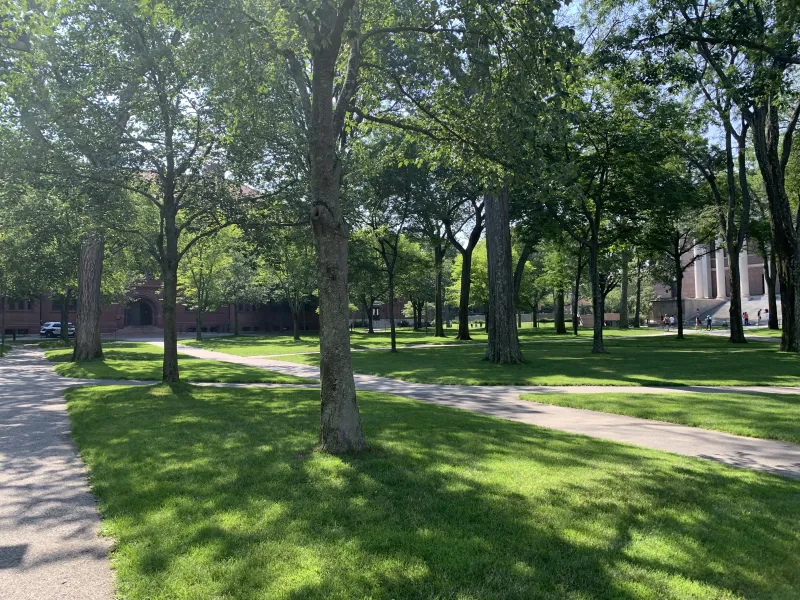
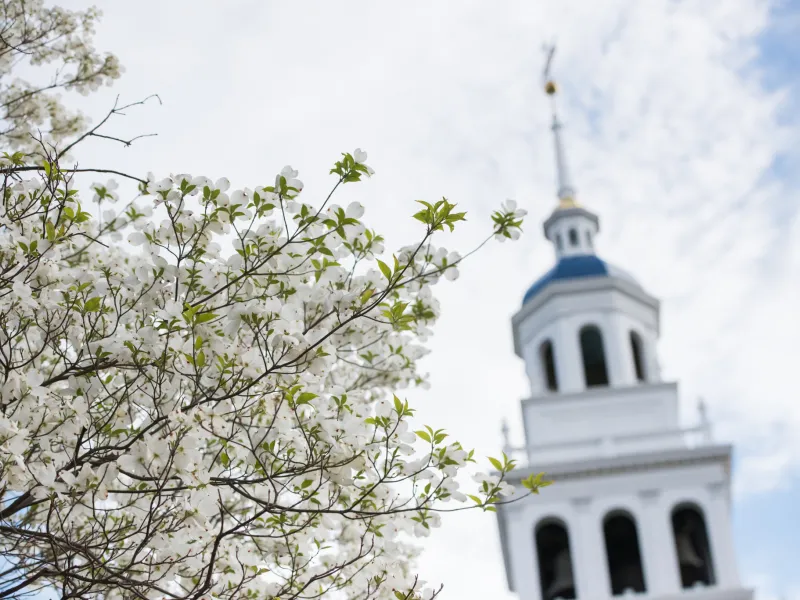
Summertime in Harvard Yard
Perrin Price
In terms of what differs between the two concentrations, it is actually pretty intuitive! Essentially, pure mathematics focuses on abstract and theoretical concepts in math working to prove theorems and research and discover new realms of math. Pure math courses are heavily proof-based and deal with theoretical possibilities of math. On the other hand, applied mathematics focuses on ways to use math. This is why all students choose a specific application area within their applied math concentration. For example, many students choose economics as their application area and take courses learning the mechanics of how to use math in economic situations.
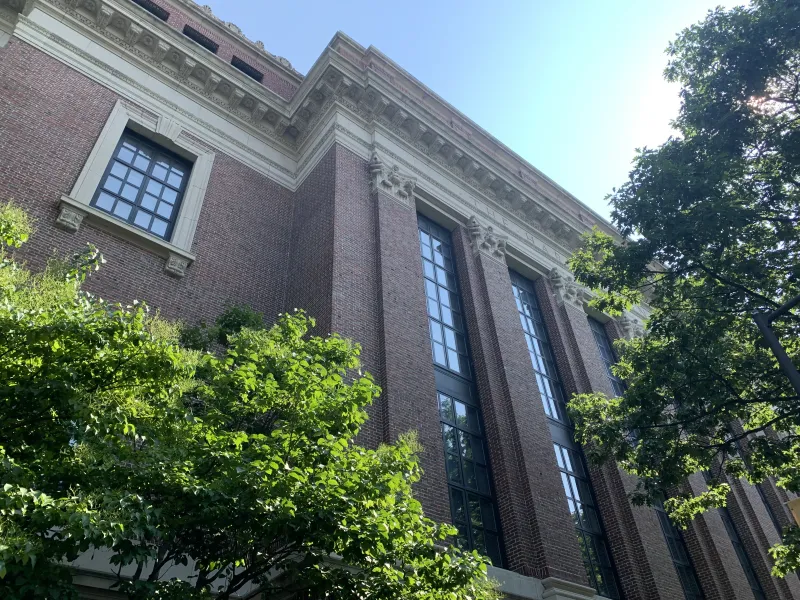
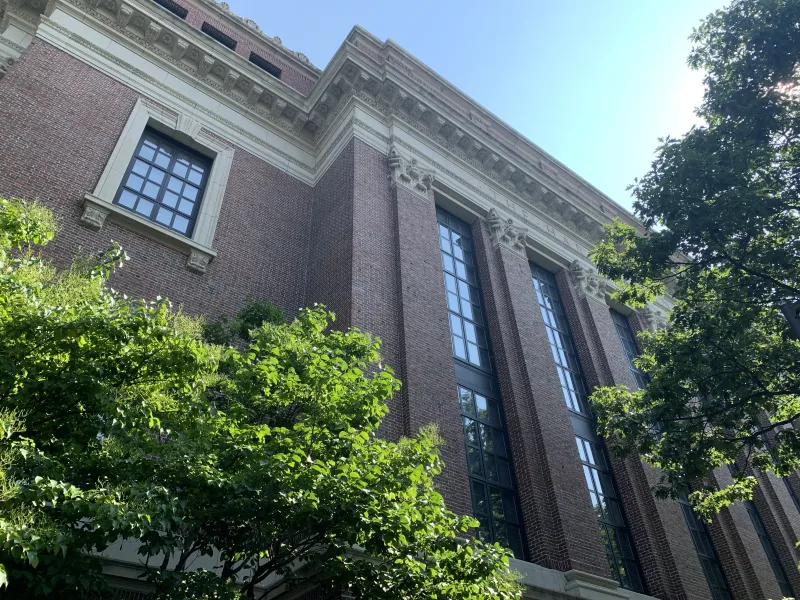
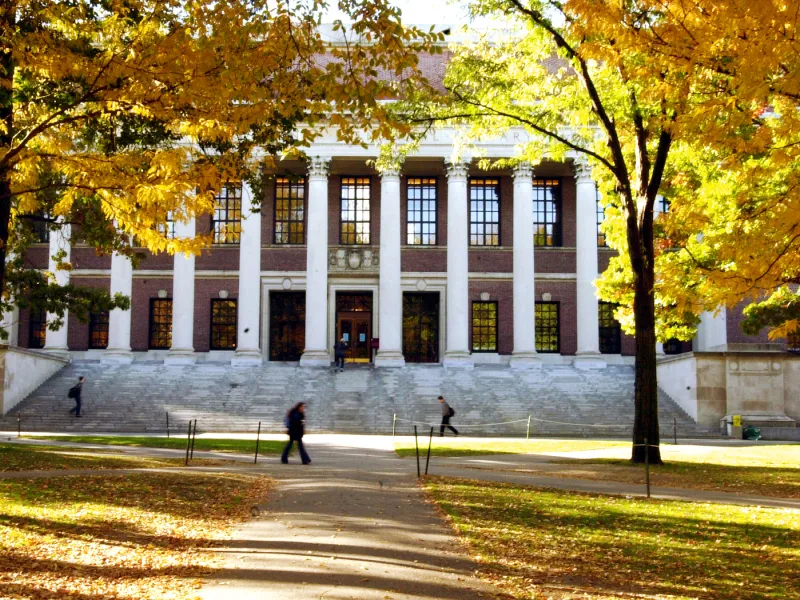
Students also like to study at Widener Library in the many study nooks as well as large study rooms.
Perrin Price
Math is also interdisciplinary. Last semester, I took Applied Math 50: Introduction to Applied Mathematics. In this class, we learned about many different areas of study in math, including topics like epidemiology, game theory and network theory. The exposure to many different subjects helped us all gain an understanding of what sorts of processes and systems math can help create and also see how they might relate. Many processes that help create models in one subject, like epidemiology, can also be used in the same way to learn how connected humans are socially. The end of the class concluded with a final project where we used coding skills and math processes we had learned about to research our own topic. My group decided to study how the attributes of popular music in the U.S. affect their chart rating. It was fascinating to combine music and math together and come out with analyses from the data.
Both concentrations are highly useful for gaining a broad and comprehensive understanding of math that will help students in the workforce or in further academic endeavors. Math is simply everywhere and serves as the backbone to many systems we rely on every day and might even take for granted.
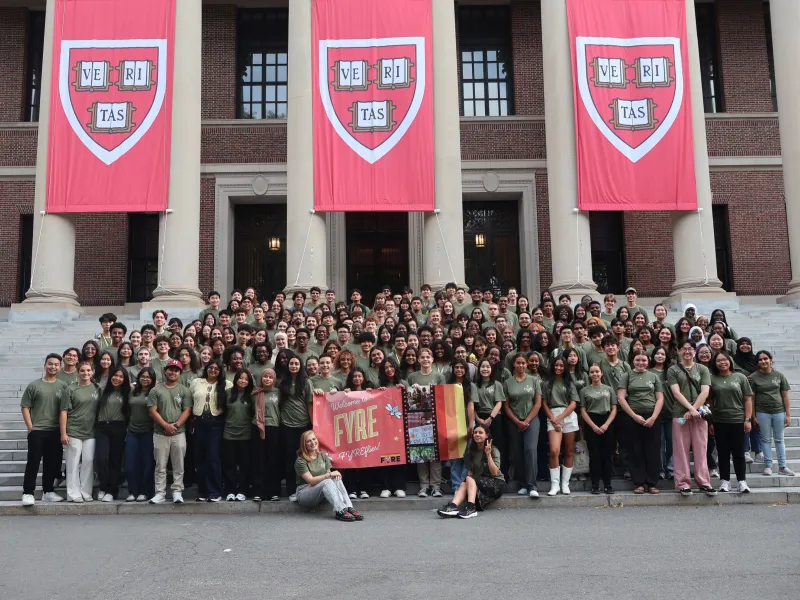
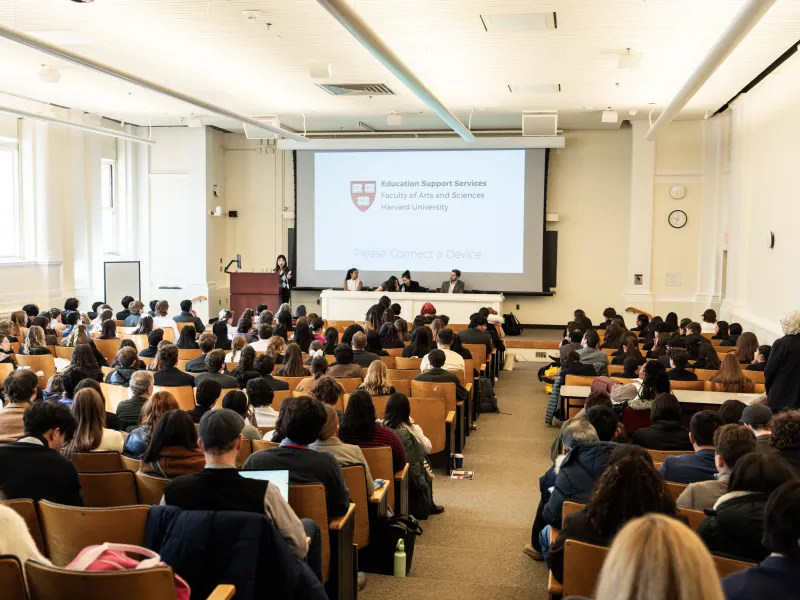 Nearly 200 students across 20+ high schools attended Harvard's first High School Ethics Bowl (HCHSEB)
 The Barker Center, home to the Harvard College Writing Center


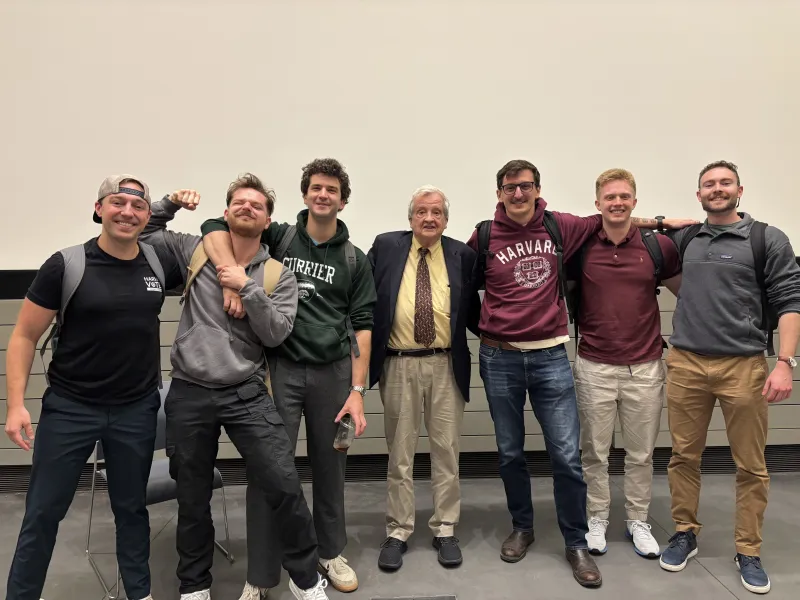
 Quinn Ewanchyna '26 stands with platoon members during a training exercise in the Mojave Desert, 2020
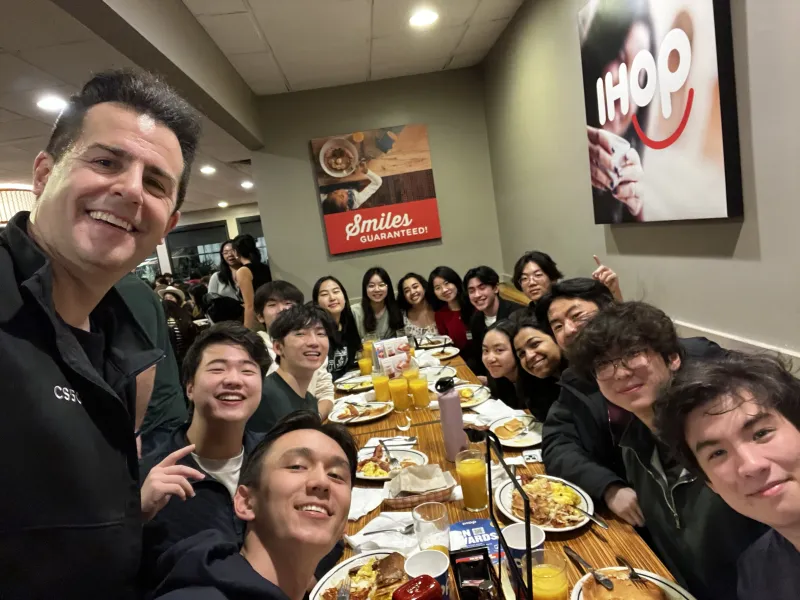 CS50 Hackathon IHOP Breakfas


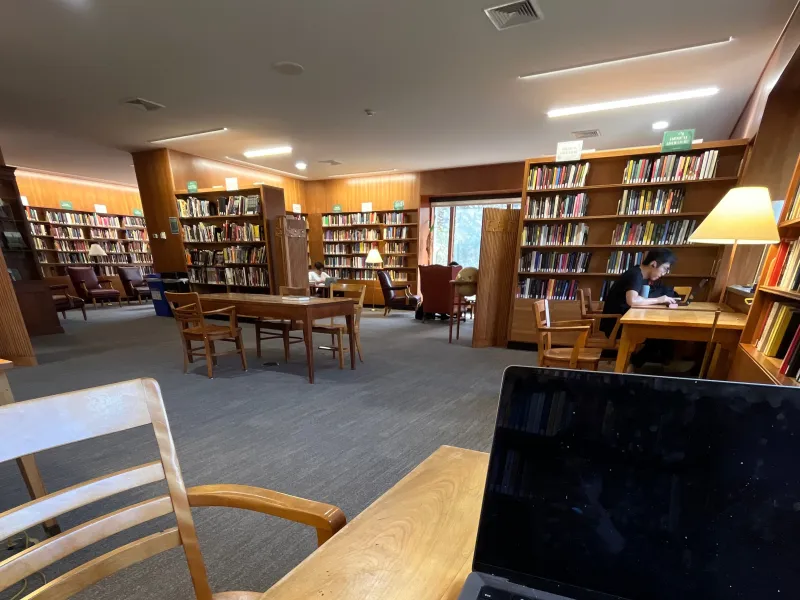
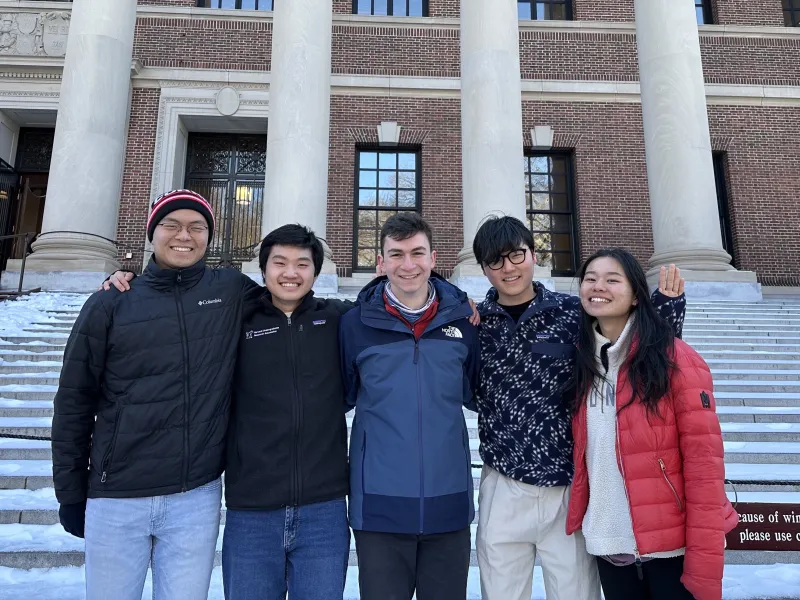 My friends and I celebrating our last first day of classes this semester.

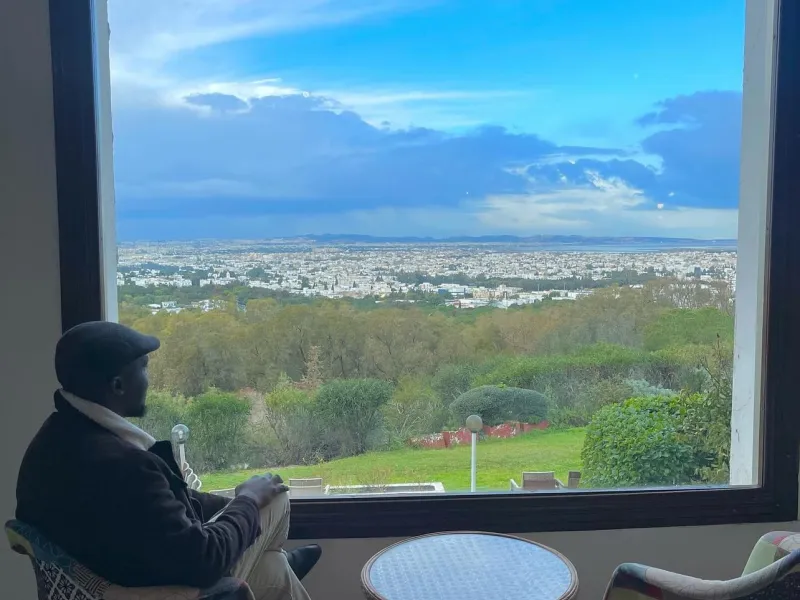 View from the hotel in Sidi Bou Said, Tunis
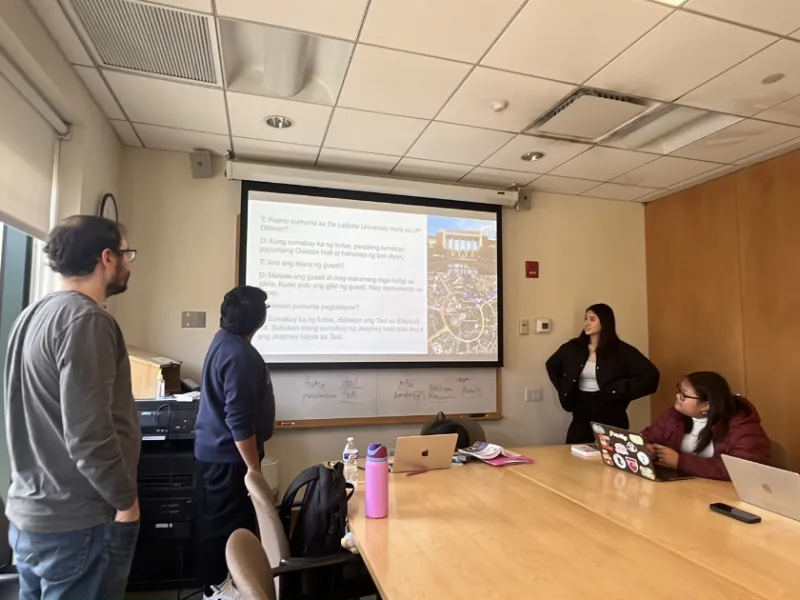 Intermediate Filipino Class
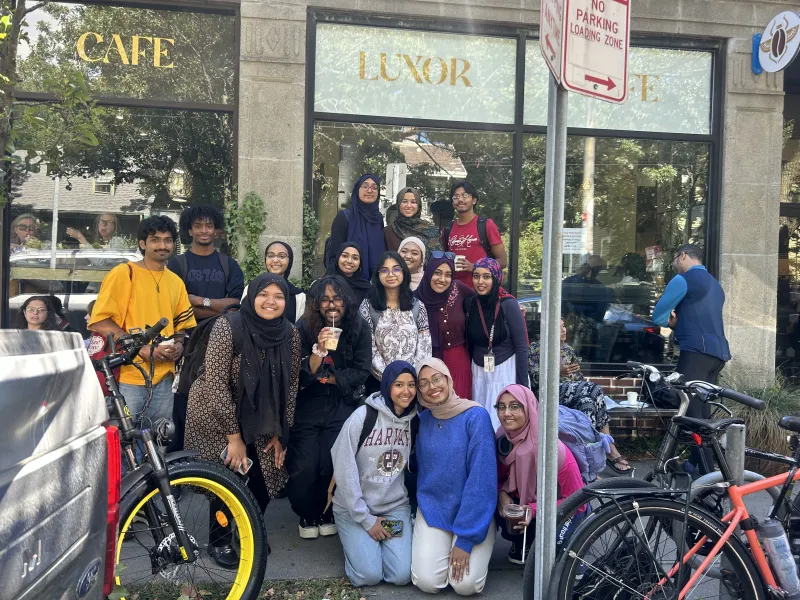 Samia Afrose with friends at Luxor Cafe

 A photo of myself looking at the Zanzibari waters




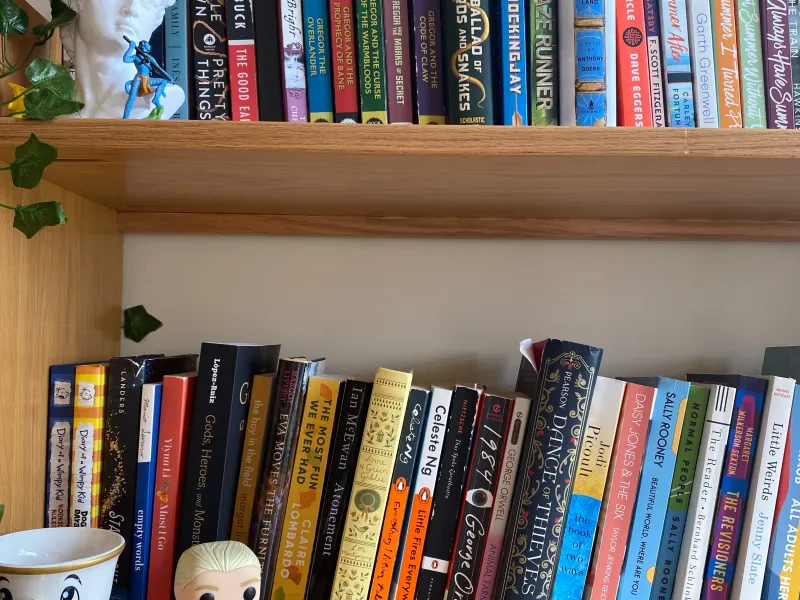 My bookshelf in my dorm!
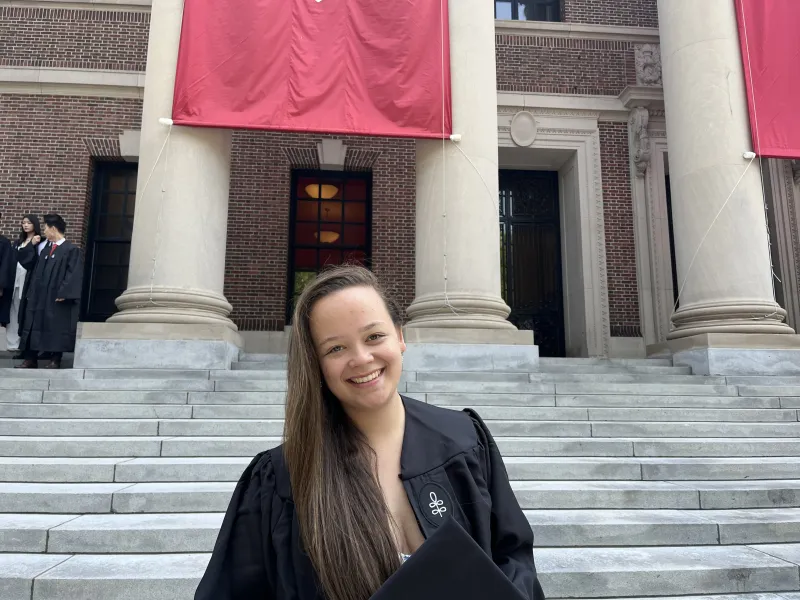
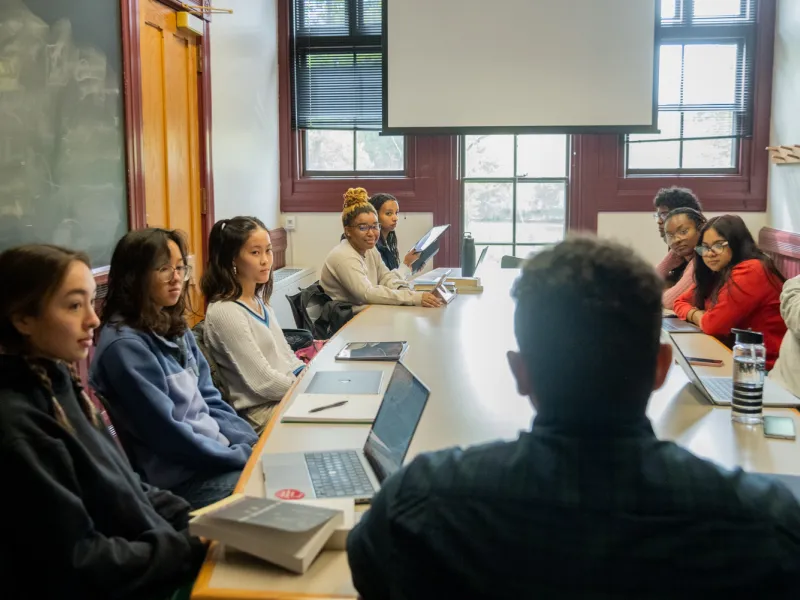
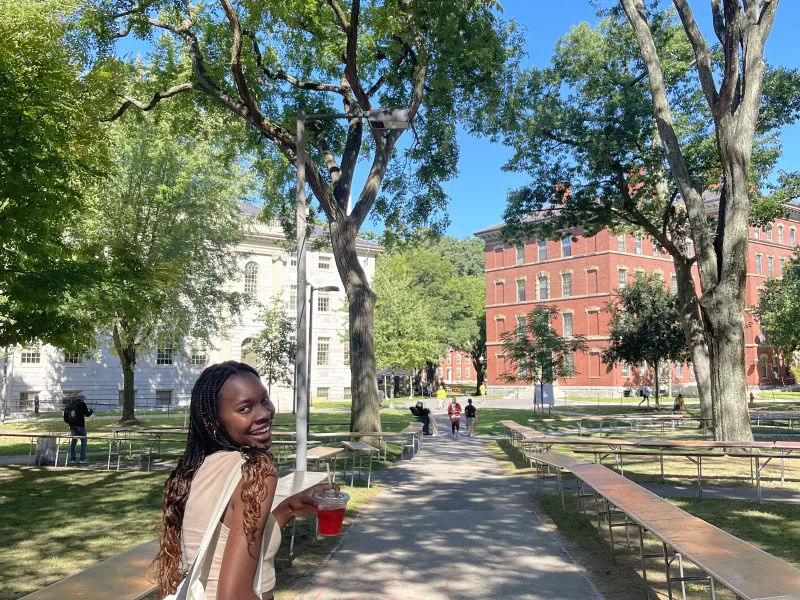
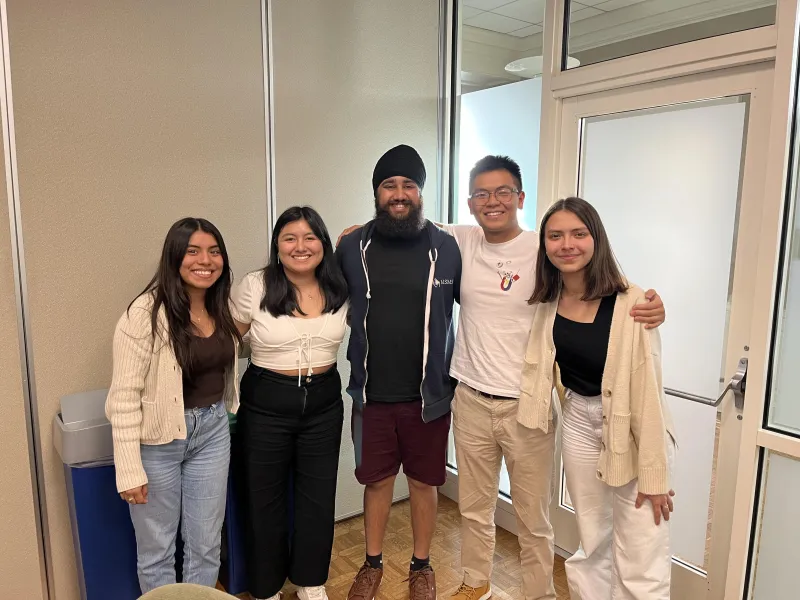
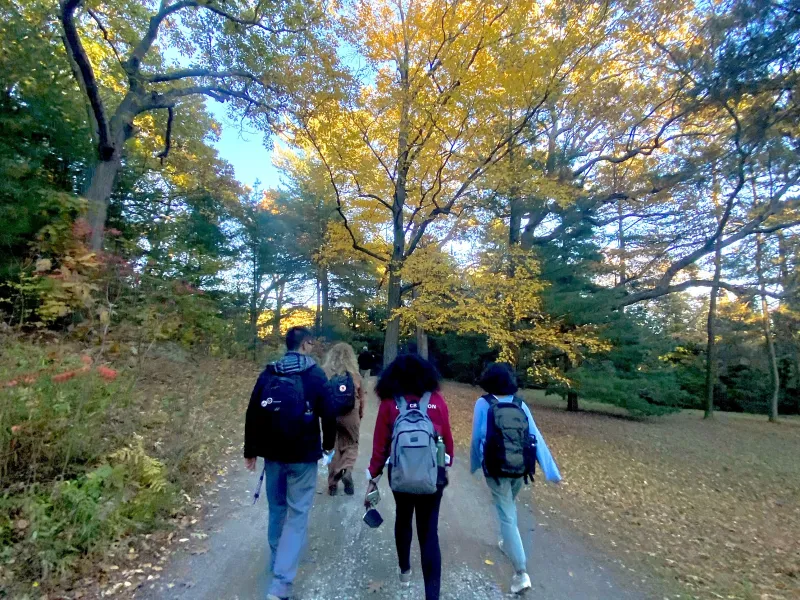
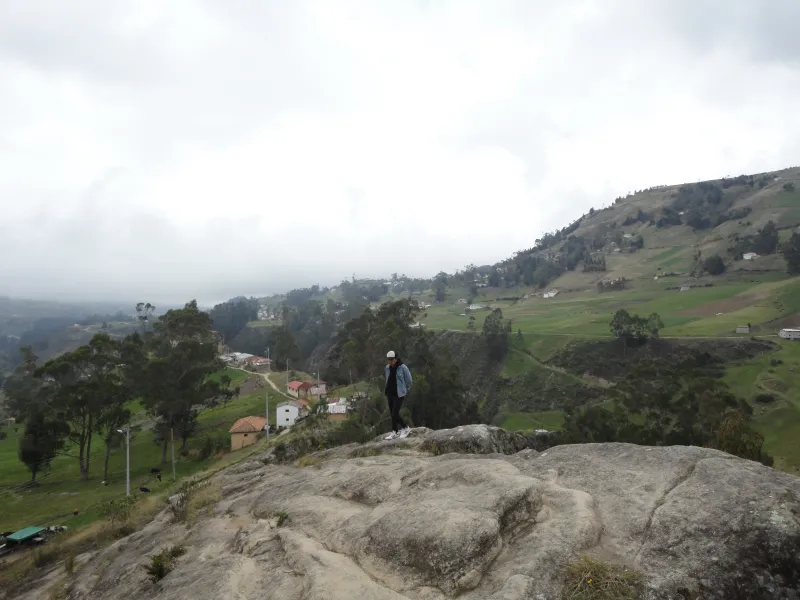 I passed through Cañar on my trip to my hometown, where I got to visit the Ingapirca Ruins!
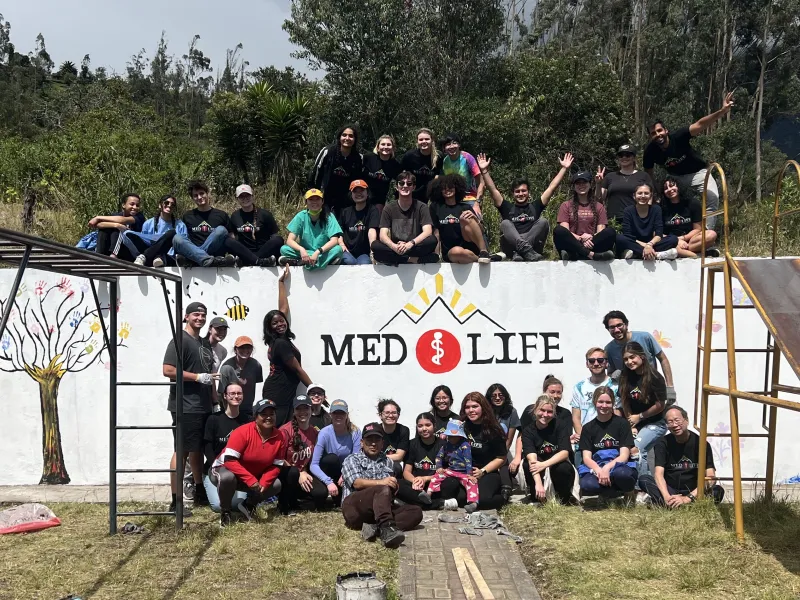 MEDLife volunteers posing for picture with MEDLife Logo
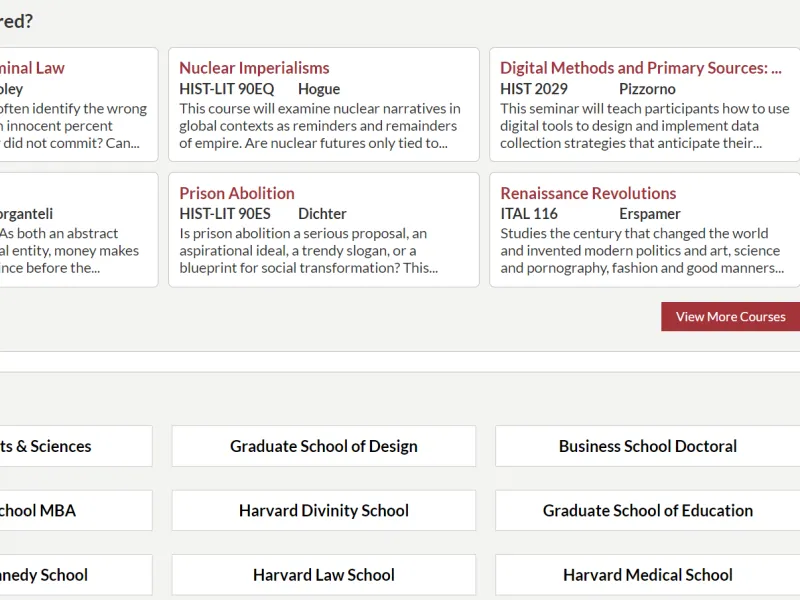 Harvard's course search page allows you to browse the 3,500+ courses offered each semester
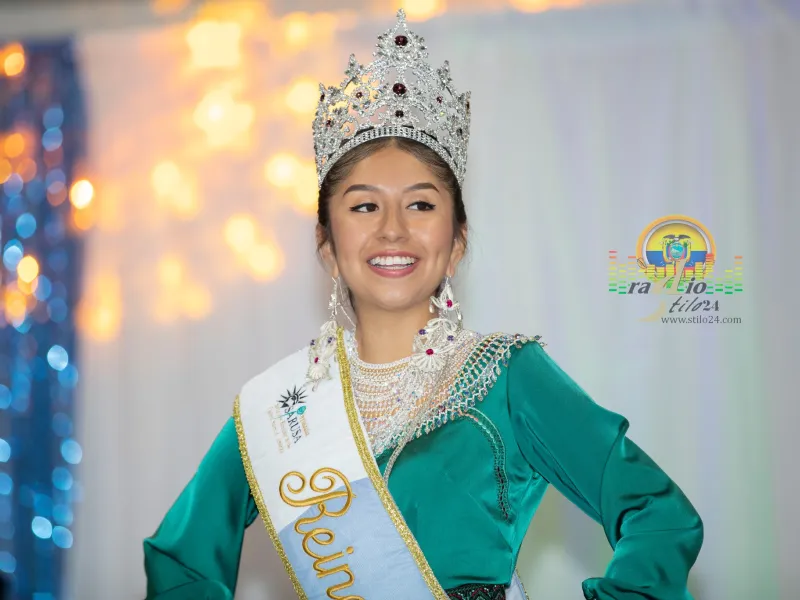 After weeks of preparation, my hard work paid off when I was elected as the queen of my tribal organization in the US, SarUSA (Saraguro Residents in the USA).
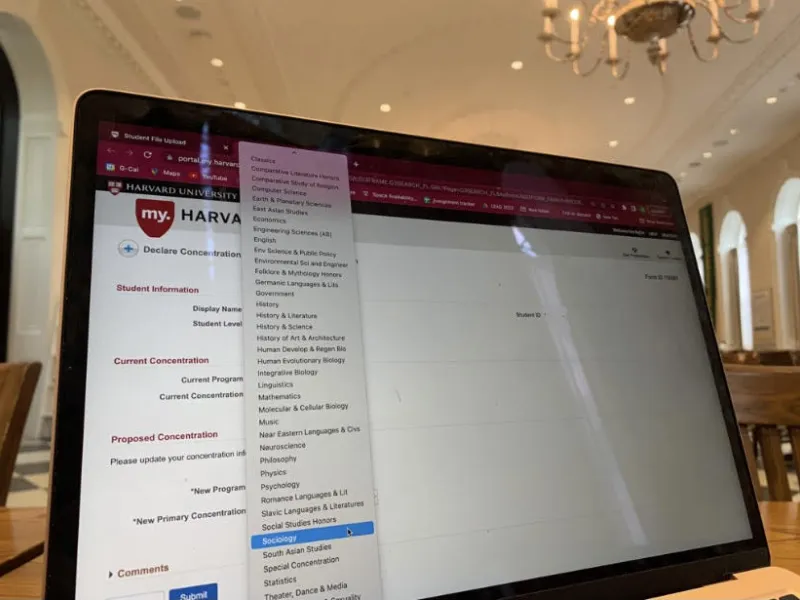 I officially declared Sociology as my concentration this fall!
 My First Harvard Yale Game
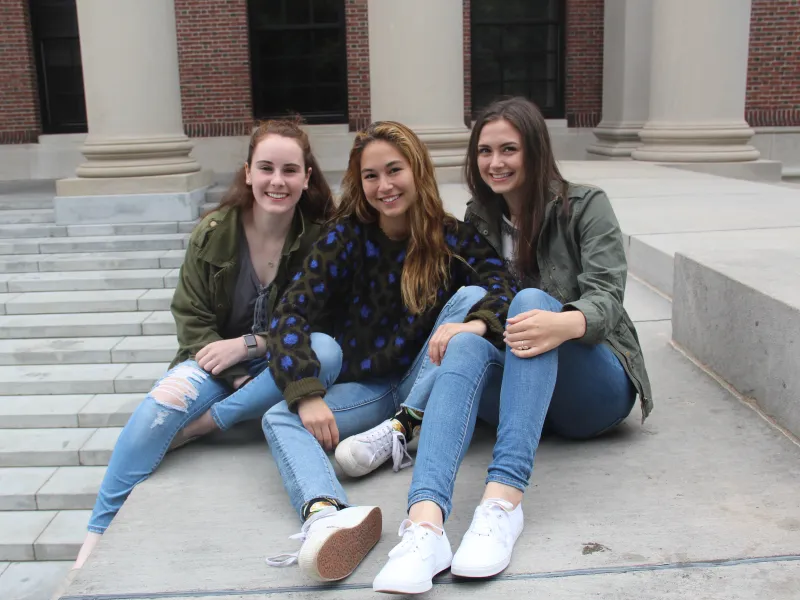 Sitting in front of Widener with my first friends at Harvard in fall 2018. None of us could have predicted that we would end up taking a leave of absence together two years later.
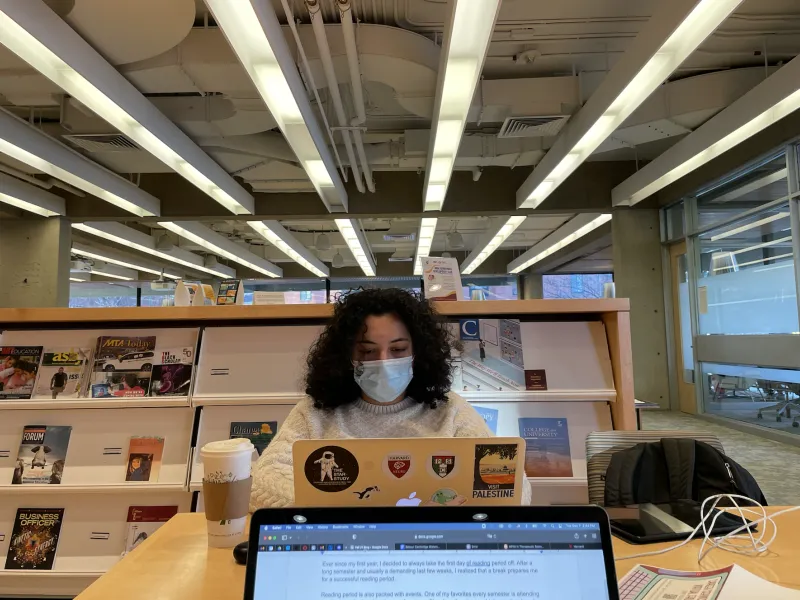
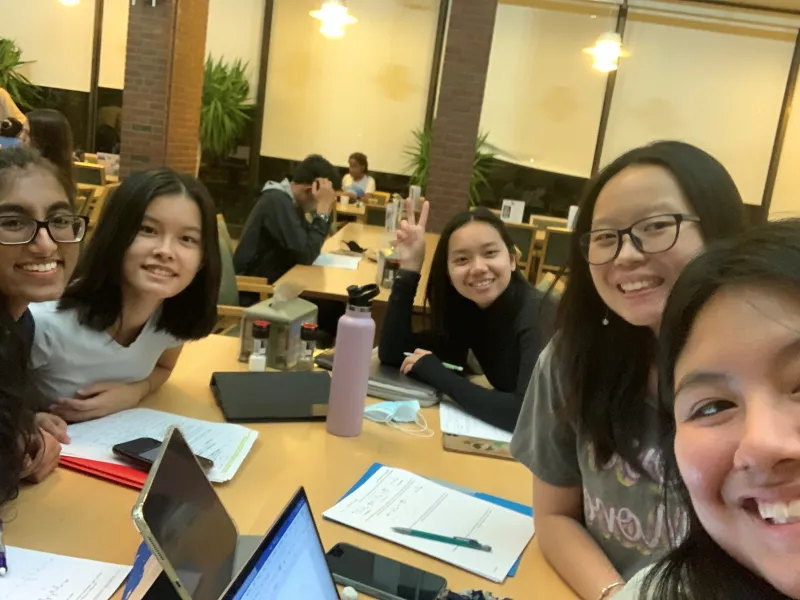

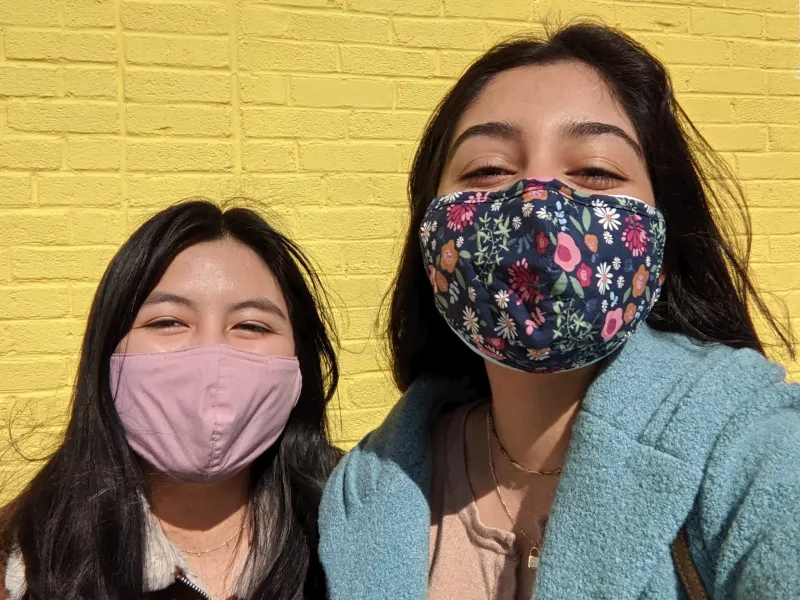
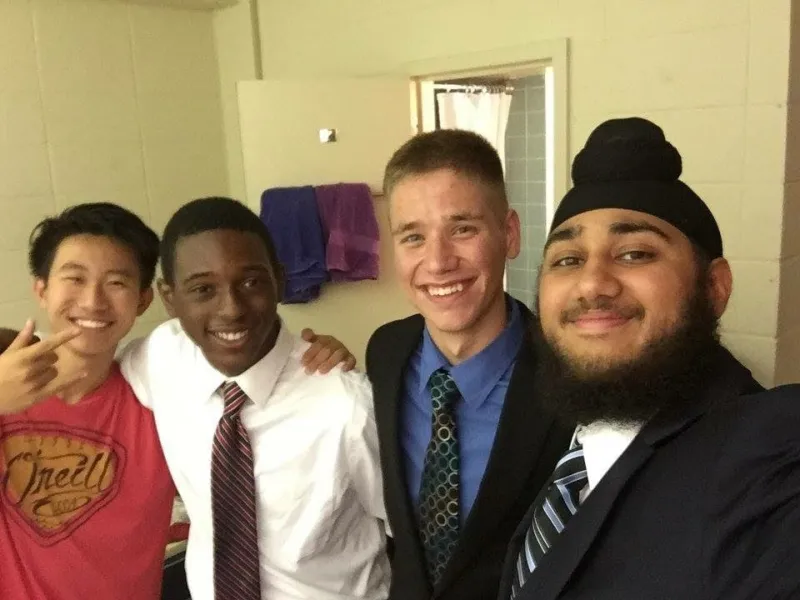 Here's Harpreet and I with our best friends back in high school!
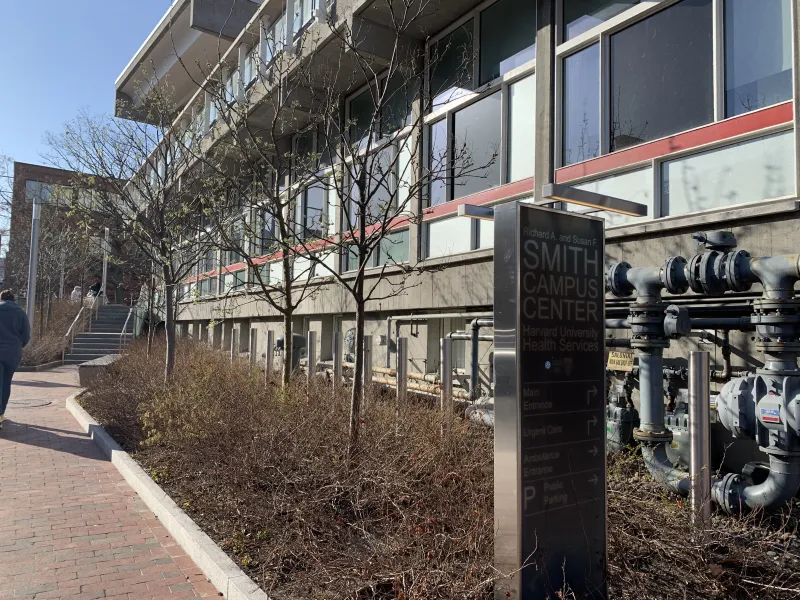 Mt. Auburn Street Side of Harvard University Health Services/Smith Center
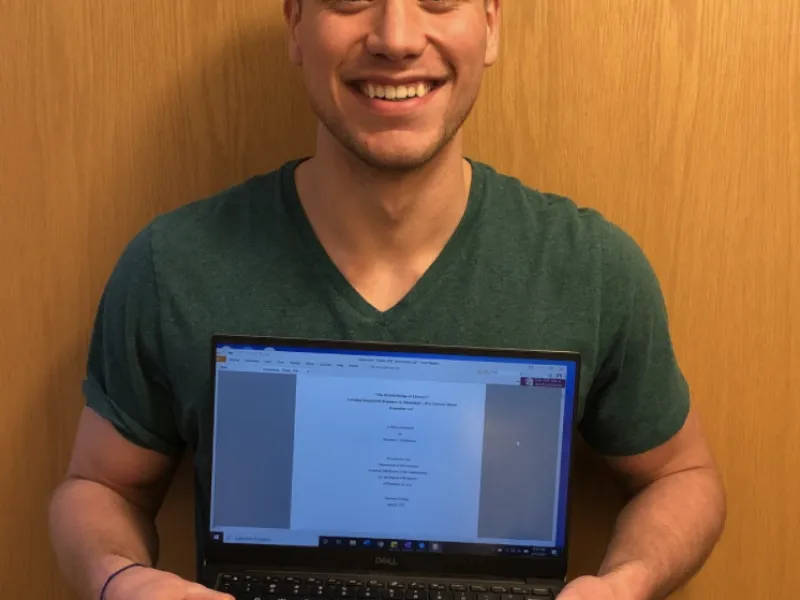
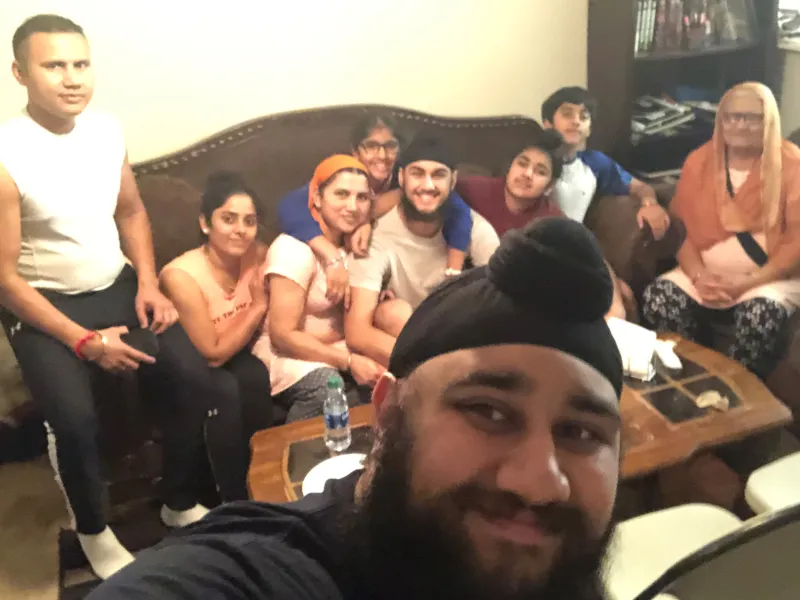 Here is a picture of my family, including my mom, brothers, grandma, uncle and aunt, and cousins.
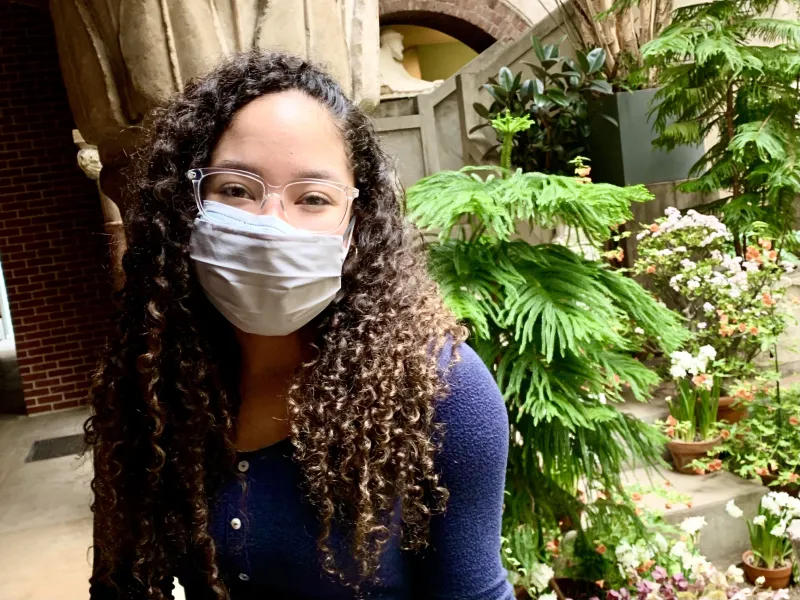 trips into Boston are worth it!

 I have very specific playlists for every mood.
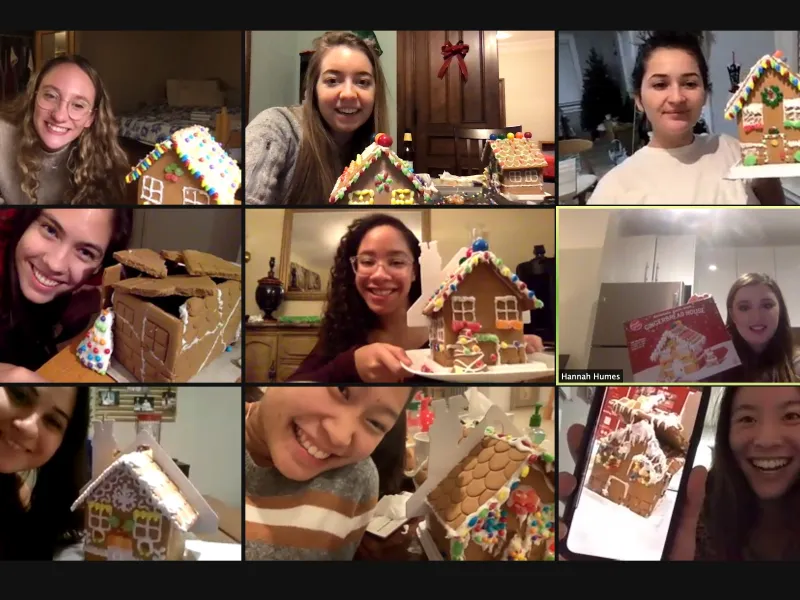

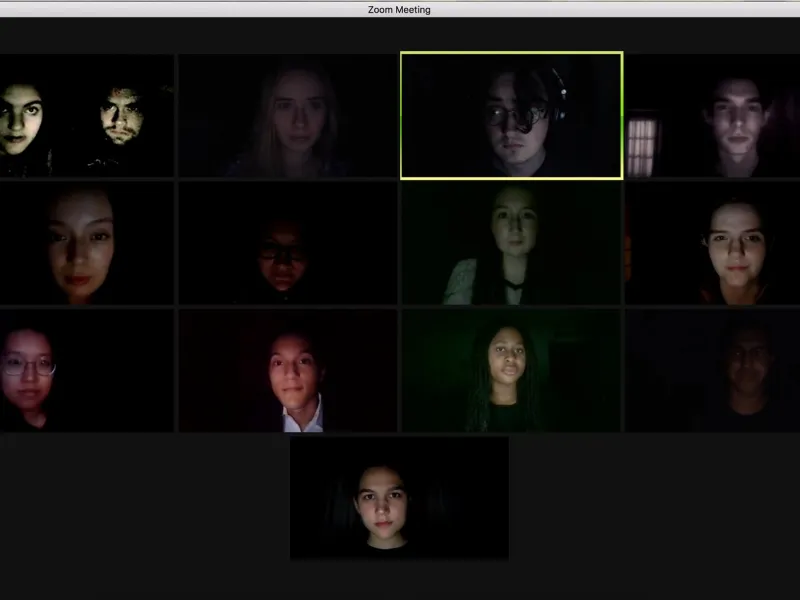 Here is the full cast (and some of our crew) for the Hyperion Shakespeare Company's production of Macbeth!
 Walking to Class

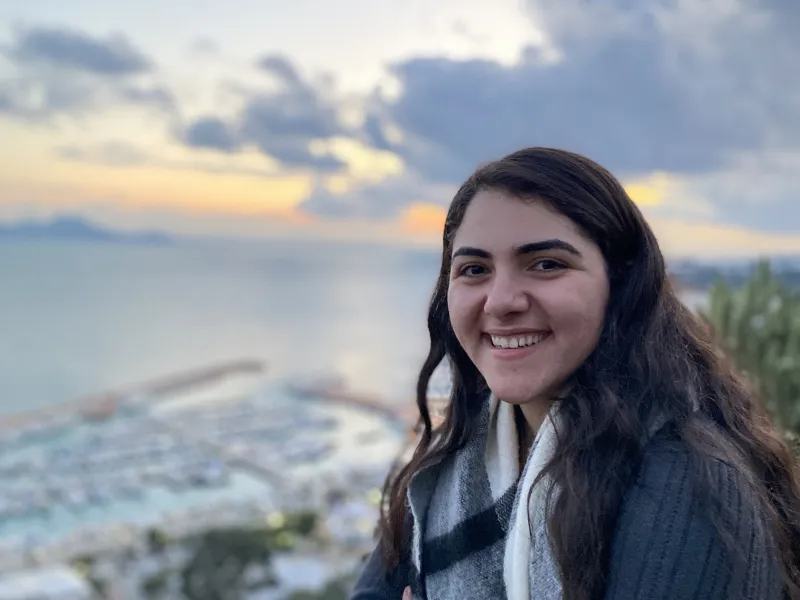
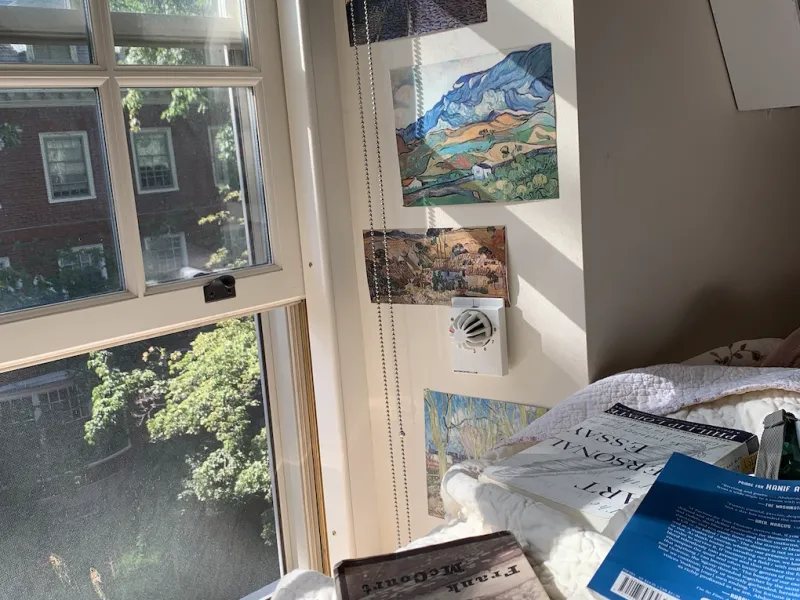 I miss doing reading for my English and creative writing classes on my Winthrop House dorm room!

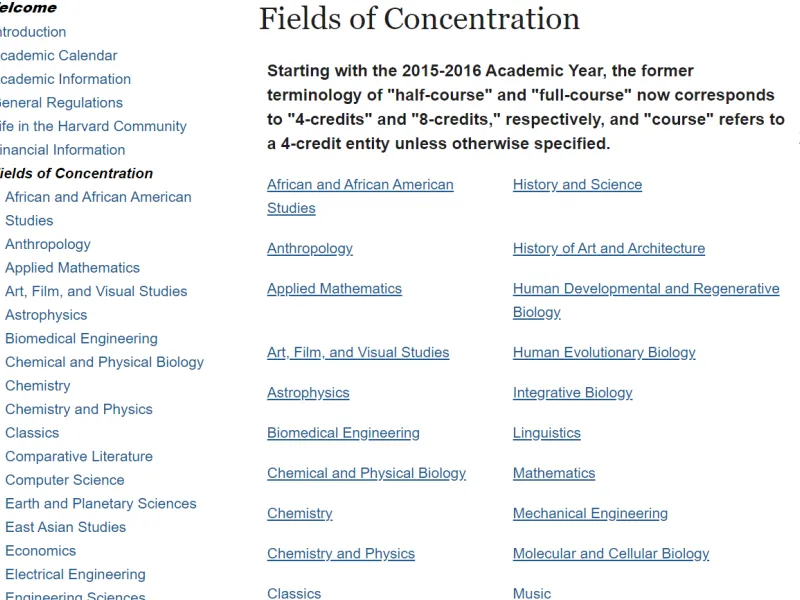 A list of just some of the possible concentrations offered at Harvard
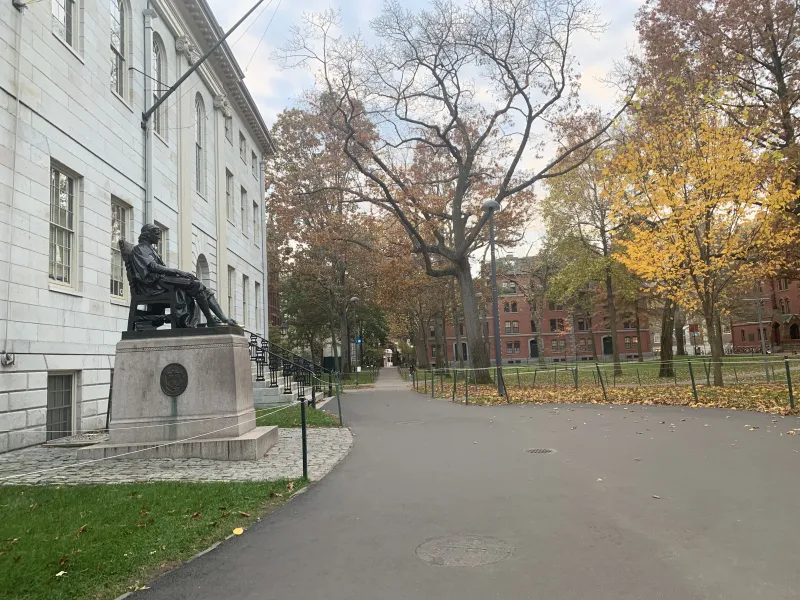
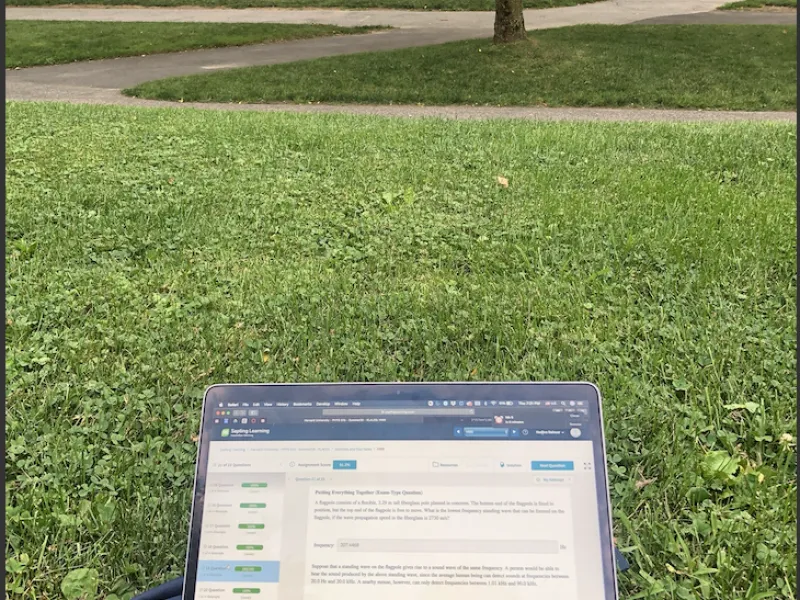 A snap of an empty Tercentenary theater as I worked on my homework
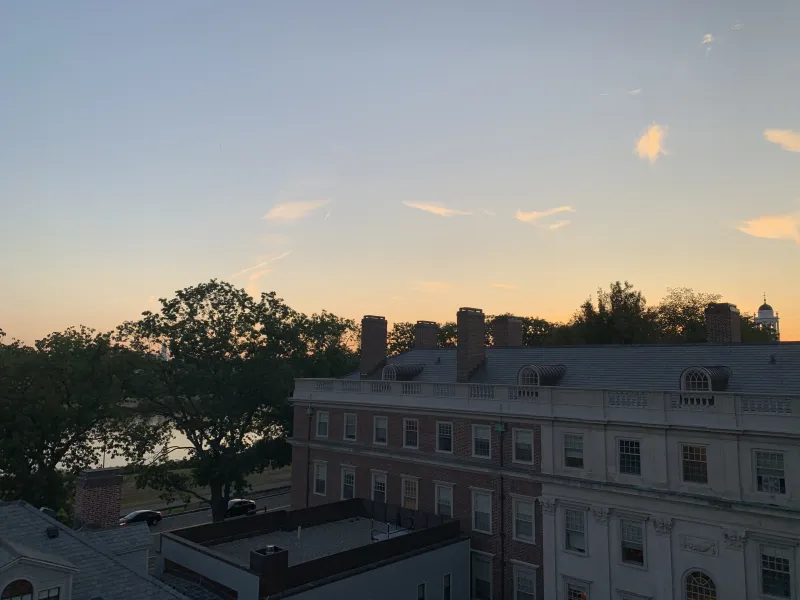 My friends and I love hanging out in the roof-top common room in Winthrop House!
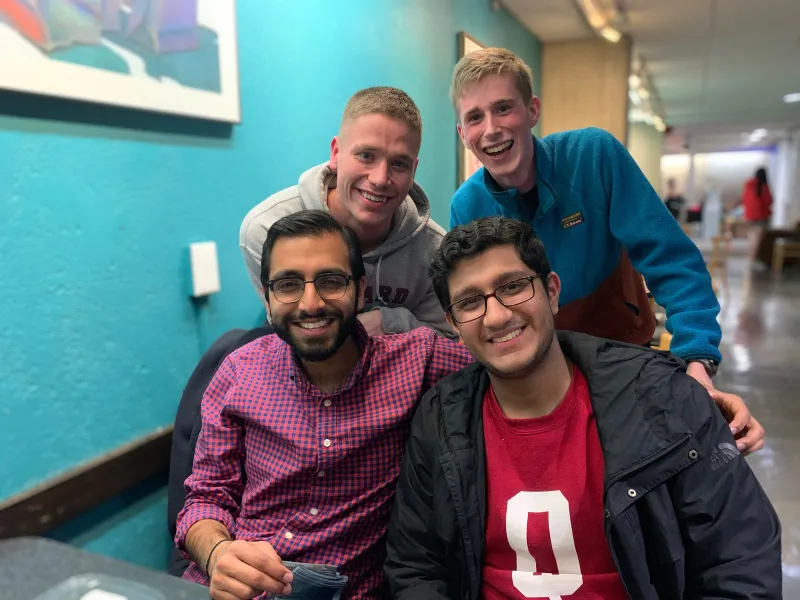

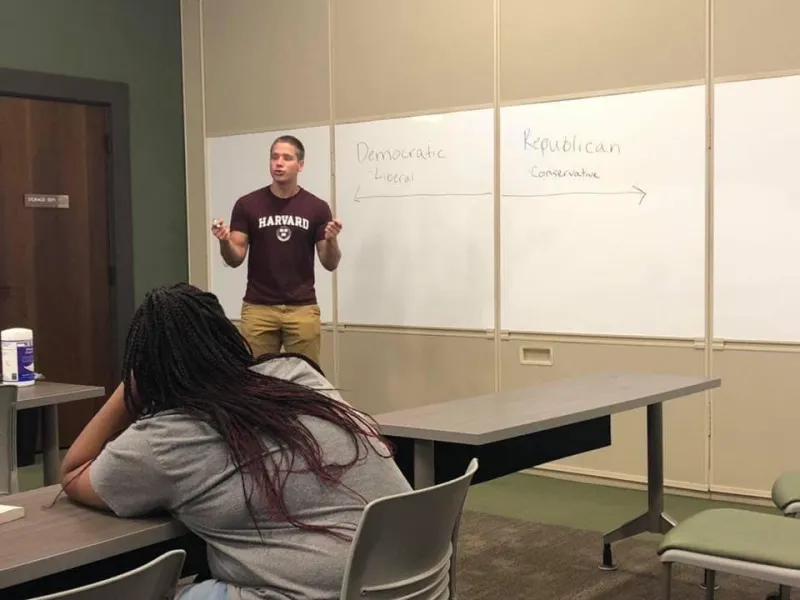 Here I am teaching a government class from last summer!
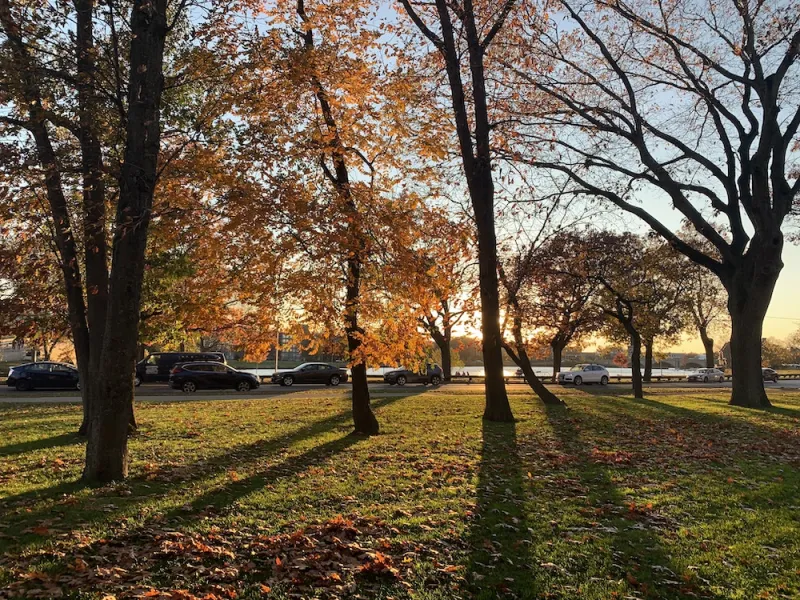 The view of the Charles River from Leveret House, which is right next to Winthrop House!
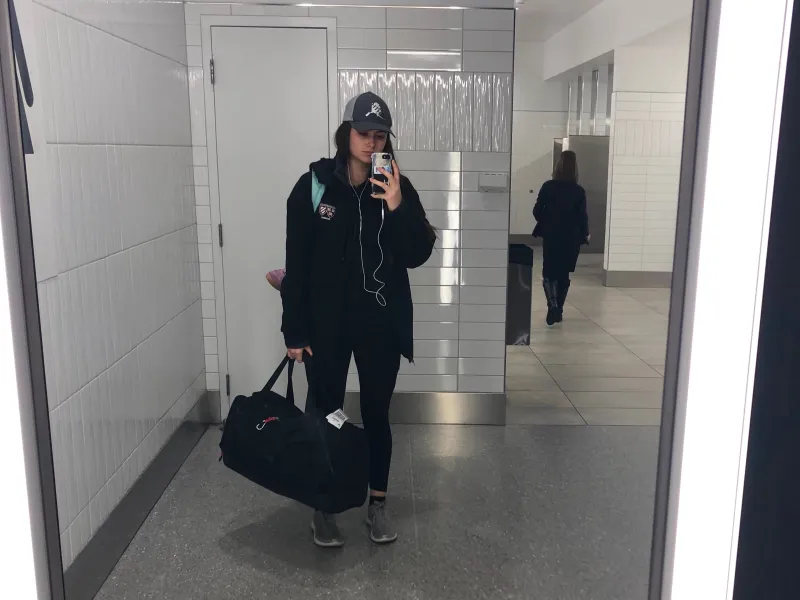 Selfie in the Seattle Airport.
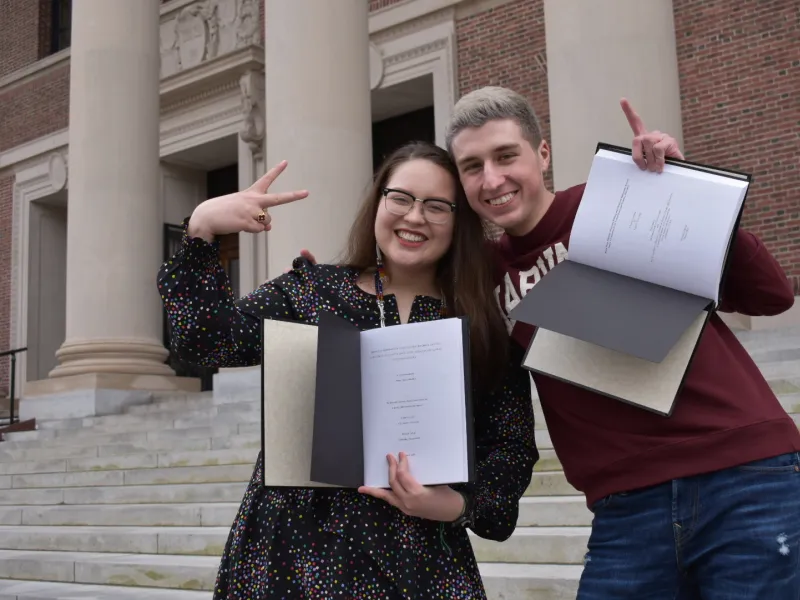
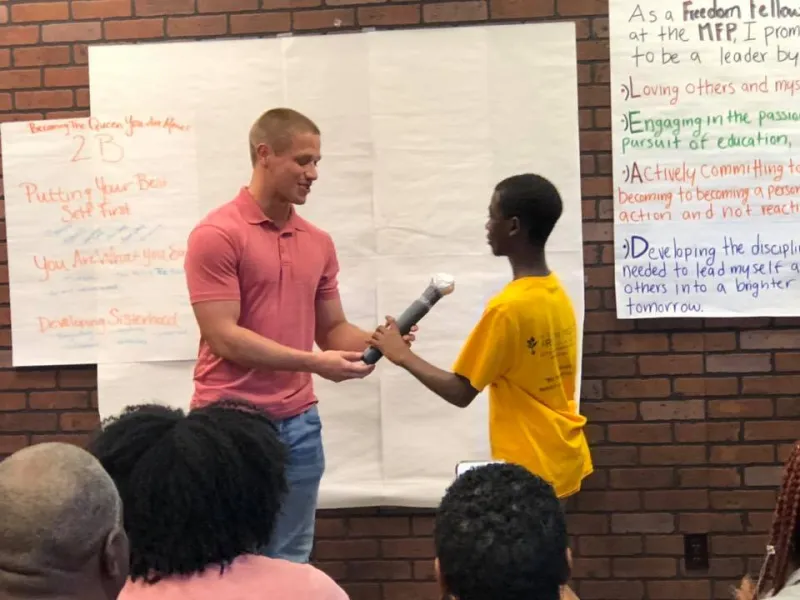 Me giving out homemade awards to my MFP students!
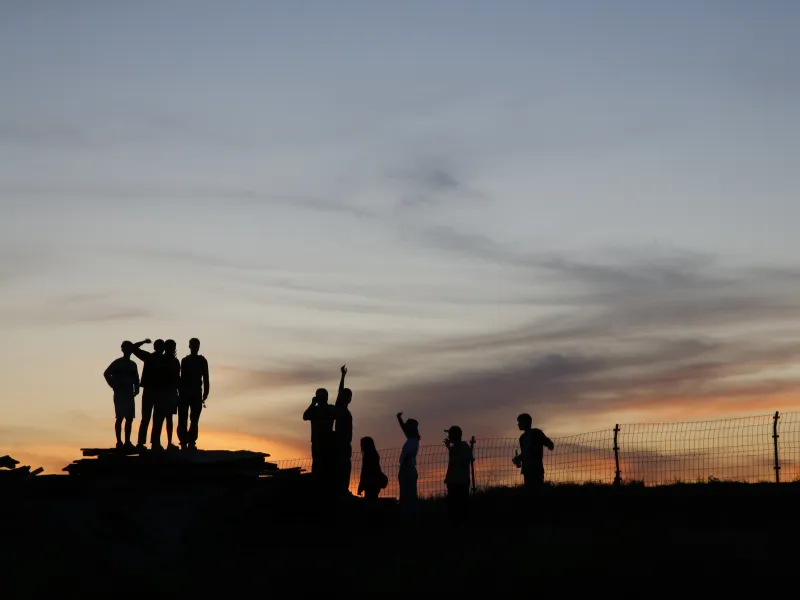
 A photo of me and friends in front of the Carpenter Center my freshman year