
History is not just about the past; it is how we continue to make sense of the inheritance we were called to continue.
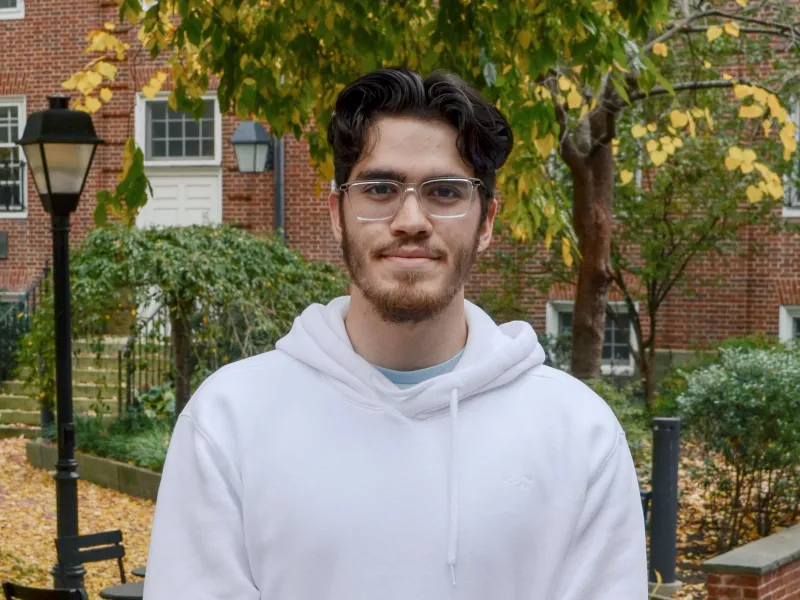
After many months of research and writing, I am more than thrilled to say that I have completed my senior history thesis! For the first time in a while, I feel like I can relax as a Harvard student. In this new period of relaxation, I have taken the time to think about what drew me to love history so much that I was happy to write a 104-page thesis on Catholics in the American Revolution.
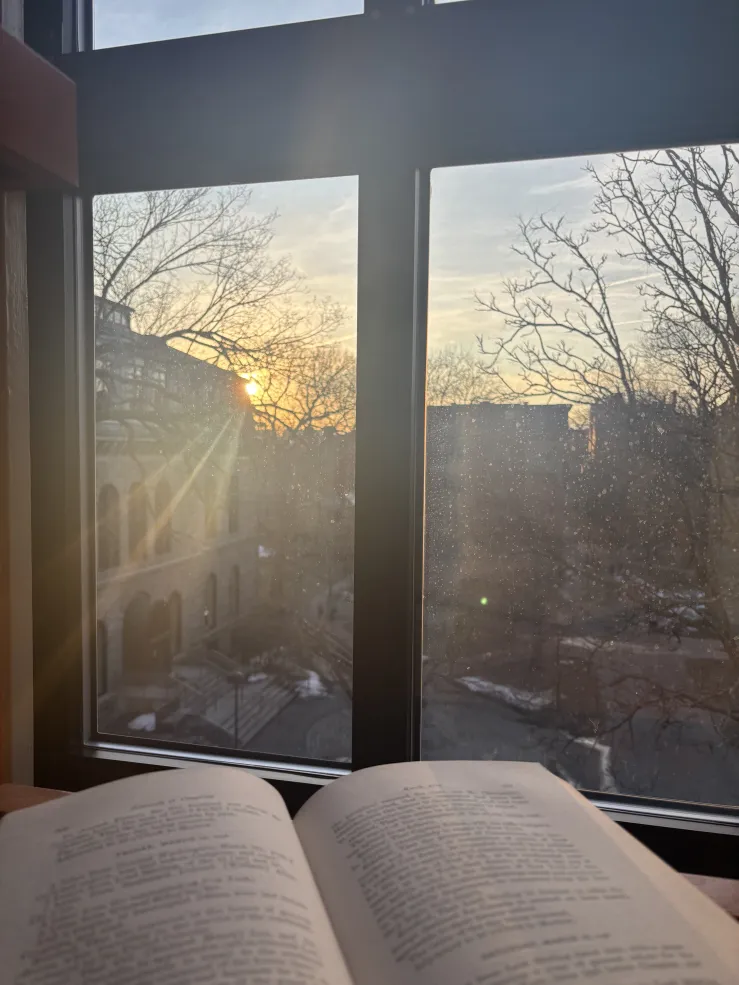
Sunset at Widener Library
My view of the sunset while "thesising" at Widener Library Jordy Chaves
To many incoming students, one of the first questions on their mind is, "What am I going to study?" It certainly was a question in my mind. I thought a lot about what I loved to study most in high school. Memories of some lessons in Chemistry, English, and even my least favorite subject, Physics (no hate), flooded my mind. But what I really loved about those lessons was studying alongside friends, not necessarily the subjects themselves. When I really thought about the subject I loved studying the most, the thing I would study for without a teacher telling me to, the answer was clear. It was history!
So coming into college, I knew immediately what I wanted to study. My story is a little unorthodox to the average Harvard experience. Most students come onto campus not knowing what they want to study. For the record, that is completely fine! The whole point of your first year at Harvard is to explore the classes you are most interested in before you declare your concentration. I encourage all incoming first-years to explore whatever topic interests them and take advantage of the liberal arts education offered at Harvard. But I knew from the day I stepped foot on campus that history was the concentration for me.
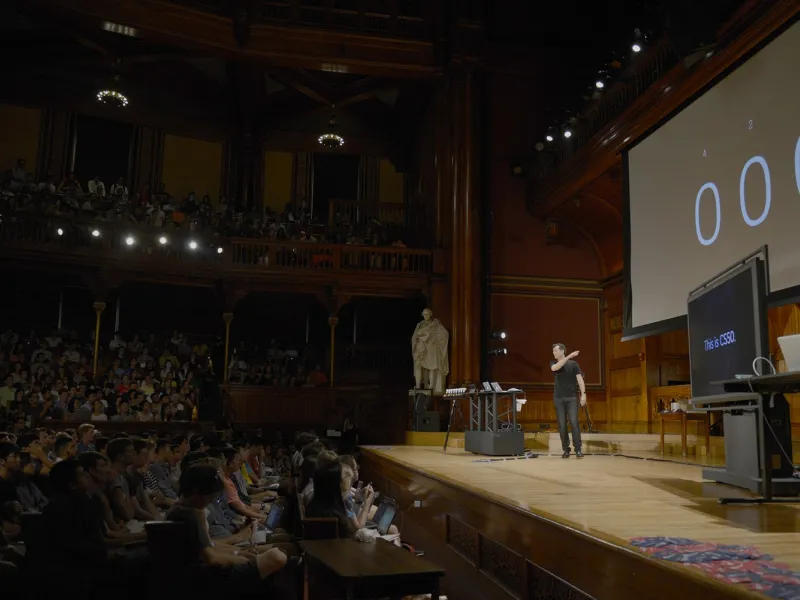
My first ever class at Harvard was a history class on 20th-century American history. Immediately, I was hooked on the ways that my professor engaged my peers and me in the class. In every lecture, my professor provided multiple opportunities for students to analyze texts, advertisements, and other primary sources, fostering a collaborative environment. Whether as a whole class or in smaller groups, these discussions showed me that history is not an isolating discipline, but one that is built on the fruitful exchange of ideas.
History, especially in high school, gets a bad reputation for being a recitation of facts and dates and nothing more. For that reason, many people view history as boring. But history is so much more than that. History is as creative as any other discipline. Harvard's history department really wants students to think critically about history and form their own arguments about the facts presented to them. Rather than just recounting history, the backbone of Harvard's history concentration is the ability of each student to question history and offer their interpretation of it. Because of that, I have found an environment where I have been challenged to reinterpret "settled" accounts that are constantly being debated in the present world.
The papers we write, the conversations we have, are just manifestations of the creative process involved in thinking about the history of anything. One of my professors in a history seminar I took put this idea best when he said that a paper is just as creative as any other project. We get to choose what we write, how we write it, and what we want an audience to take away from it. As with any piece of art, we are in control of how we use tools (paintbrushes or the English language) to convey the message we want the world to see. In that spirit, I have never found history papers boring because they have been moments to express my creativity.
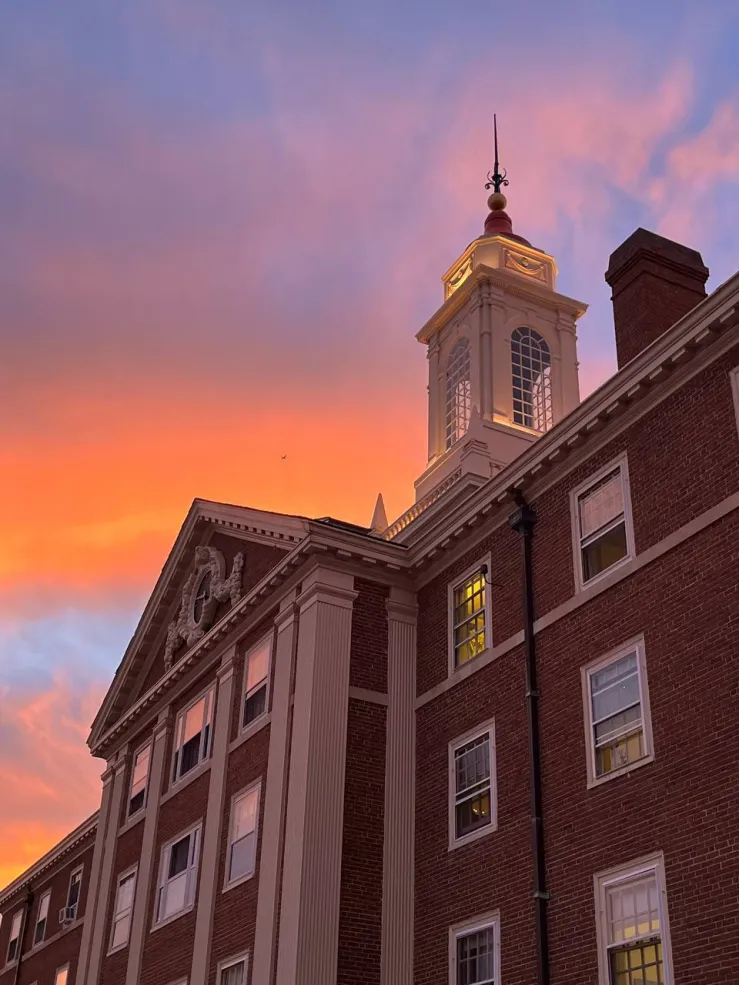
Sunset at Pforzheimer House
My Upperclassmen House, Pforzheimer House: Where I wrote many history papers! Fujia Sun
Throughout my years here, every history class has been built on that model. From a class on modern Chinese history, the Japanese Empire, to American capitalism, all these classes have proven to be collaborative environments where students are ready to share ideas. It also helps that the professors are incredibly passionate about what they teach and desire nothing more than to share that information with students! Their desire to teach students was so strong that I even had a professor (as a part of our final project) invite our 10-person class to his home for an amazing sushi dinner! Harvard is not short of professors who not only care about their students in class but are ready to personally connect with them.
So whether you want to write about the history of horses in World War II, or are just a tad bit curious about the coming of the U.S. Civil War, Harvard's history department welcomes you to explore what we have to offer. Who knows, maybe you will fall in love with history just like I did!