
Choosing a concentration felt like picking a favorite out of a sampler platter. Here's how a computer science problem set, a government paper, and one unexpected conversation about my research helped me figure it out.
During my first year, I had the opportunity to explore all of my academic interests through taking a wide range of courses spanning computer science and mathematics to government and sociology. Harvard makes this really easy, since nobody expects you to know what you want to study when you show up. So I treated freshman year like a sampler platter.
During my academics, a moment that stuck with me from that year was finishing a COMPSCI 1240 “pset” (Problem Set) late one night. It was one of those psets where a bunch of ideas finally clicked together, and I felt great. Then, right after, I opened a blank doc and started my GOV 1010 final paper. The switch was weird in the best way. The pset had a right answer that could be proven, and the paper had an argument that could only be defended. One felt like building a bridge, and the other felt like convincing someone the bridge should exist. I liked both, and that was kind of the problem.
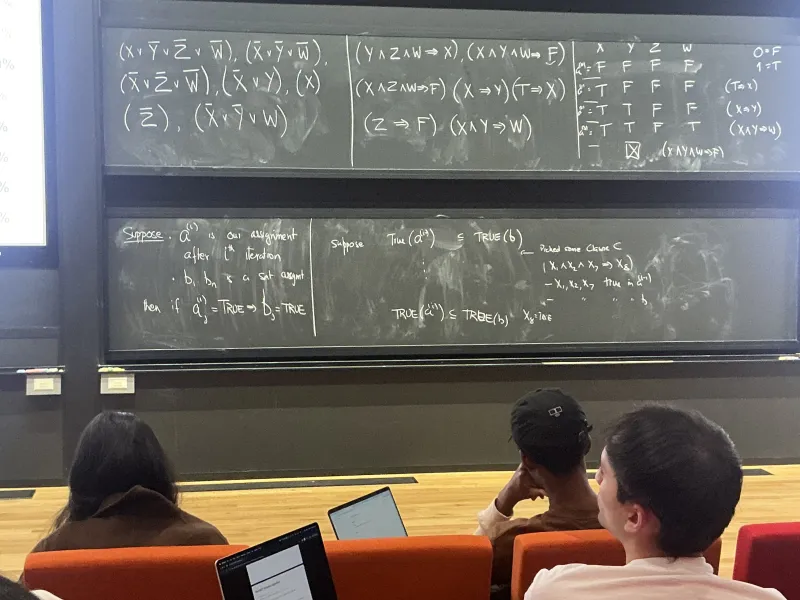
My Favorite COMPSCI 1240 Lecture
Harvard Lingo: Concentrations
Since a few terms are about to come up, here’s a quick rundown. A concentration is basically Harvard’s version of a major. If you want to combine fields, there are a few ways to do it. A double concentration means completing the requirements for two separate concentrations, so it’s kind of like doing two majors at once. A joint concentration is one concentration that blends two fields into a single set of requirements along with a senior thesis demonstrating your connection between the two concentrations, which is great if you want your coursework to connect the two. A secondary is similar to a minor, and it’s added on top of your concentration. There’s also a language citation, which is offered for students who want to show they’ve gone deep in a foreign language. It’s a nice option if you’re not looking for a full concentration or secondary but still want your language work recognized.
Sophomore Fall
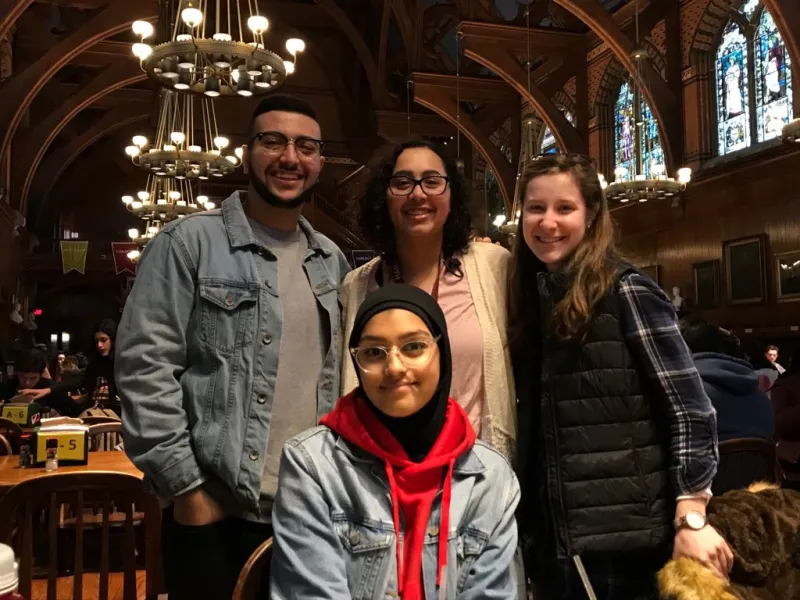
Then sophomore fall rolled around, and I needed to declare. All of my friends were figuring it out at the same time, so every dining hall meal turned into a mini focus group. It was stressful, but it was also a little comforting to know nobody had it fully figured out. For me, what helped the most was looking back at my coursework. When I laid out everything I had taken, the classes I got most excited about, and the ones I kept thinking about after the semester ended, were in computer science and mathematics. The clubs I joined and the research I got involved in on campus pointed the same direction. I decided on a joint concentration because I felt like it gave me a balance with my coursework and I wanted to write a senior thesis that combined my respective interests in each field.
The Neuroscience Plot Twist
Just when I thought my plan was settled, my research took an unexpected turn. During a conversation with my research advisor, it came up that the work I was having the most fun with had a stronger connection to neuroscience. I hadn’t really thought about it that way before, but once it was said out loud, I couldn’t stop thinking about it. That constant thought led to me talking to my friends who were concentrating in neuroscience, and with every question I had, the thought of including neuroscience into my time at Harvard kept getting louder. I wasn’t sure a whole new concentration was the right move, though. That’s where a secondary in neuroscience came in. It gave me a way to dig into the questions I was curious about, with real coursework behind it, without having to restart my whole plan.
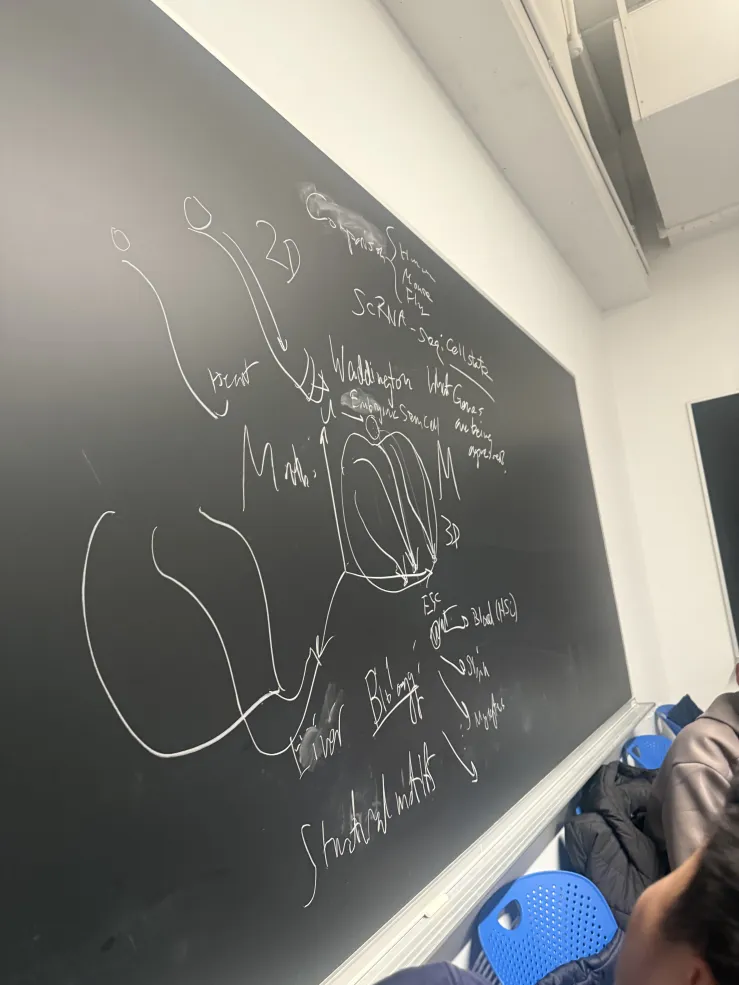
My Favorite MATH 243 Lecture
Four Semesters is Still A Lot
I still have four semesters left at Harvard College. That might sound like not much time, but it’s enough for new interests to be picked up along the way, all the way until the end. If you’re a first-year or sophomore stressing about having it all figured out, my advice is to take the random class, pay attention to what you keep coming back to, and trust that it’ll make sense later. Mine did, just not in the order I expected.
 Walks at sunrise and sunset along the Nafplio promenade were memorable ways to begin and end days in the classroom.
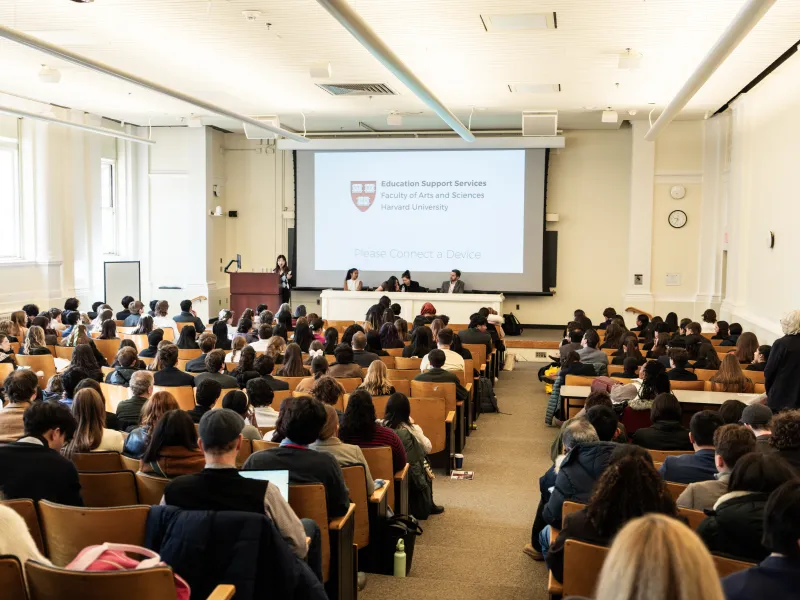 Nearly 200 students across 20+ high schools attended Harvard's first High School Ethics Bowl (HCHSEB)
 The Barker Center, home to the Harvard College Writing Center


 Quinn Ewanchyna '26 stands with platoon members during a training exercise in the Mojave Desert, 2020
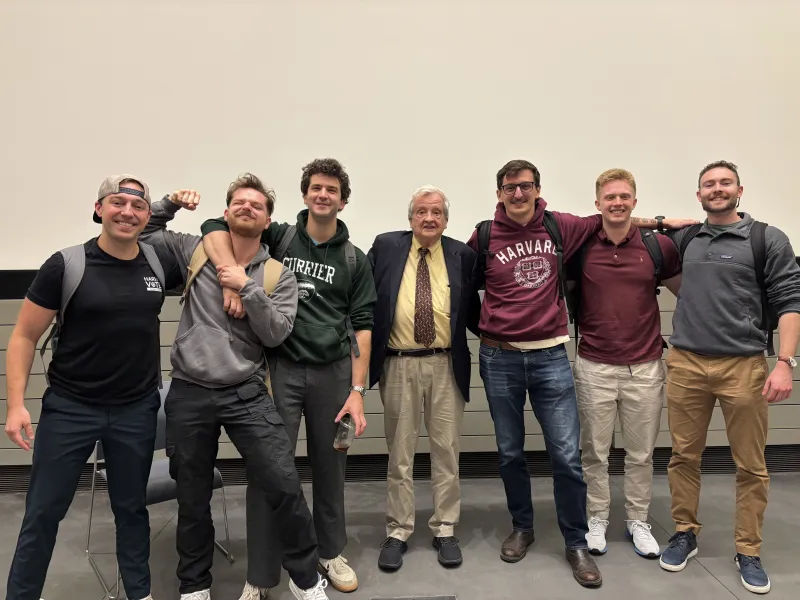
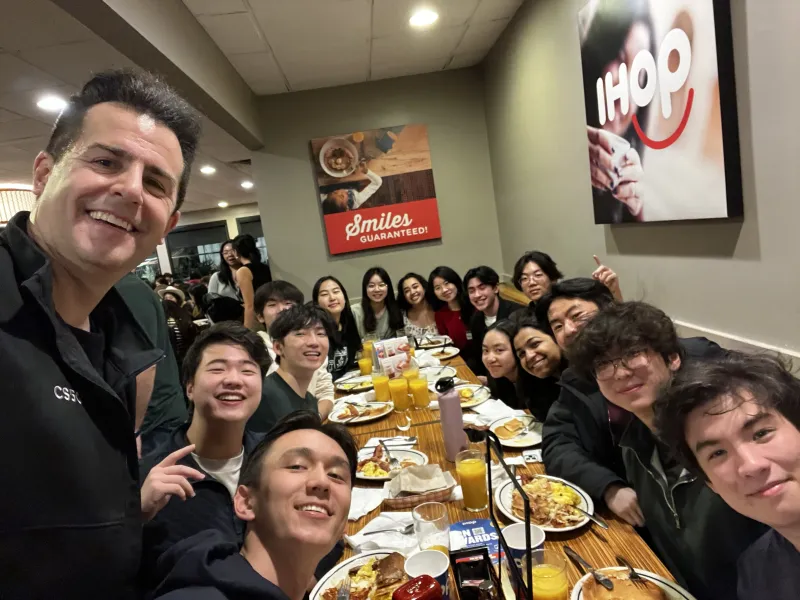 CS50 Hackathon IHOP Breakfas



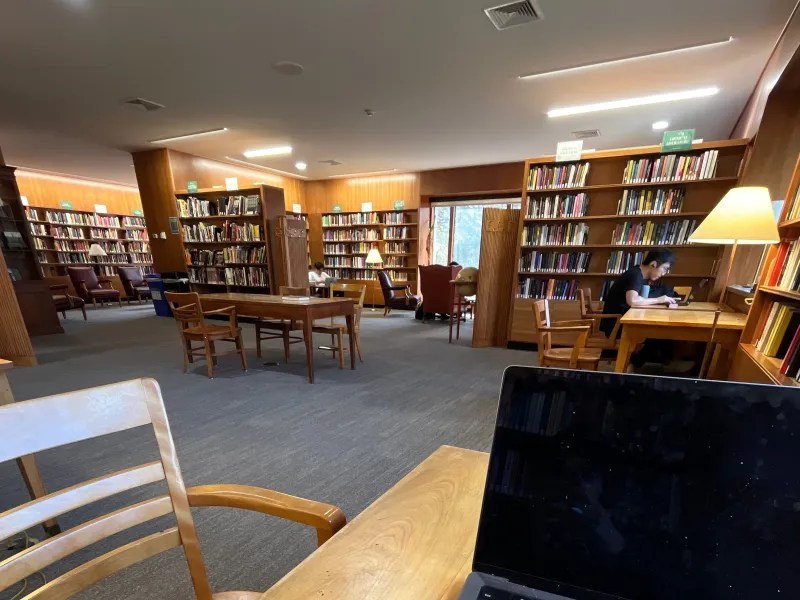
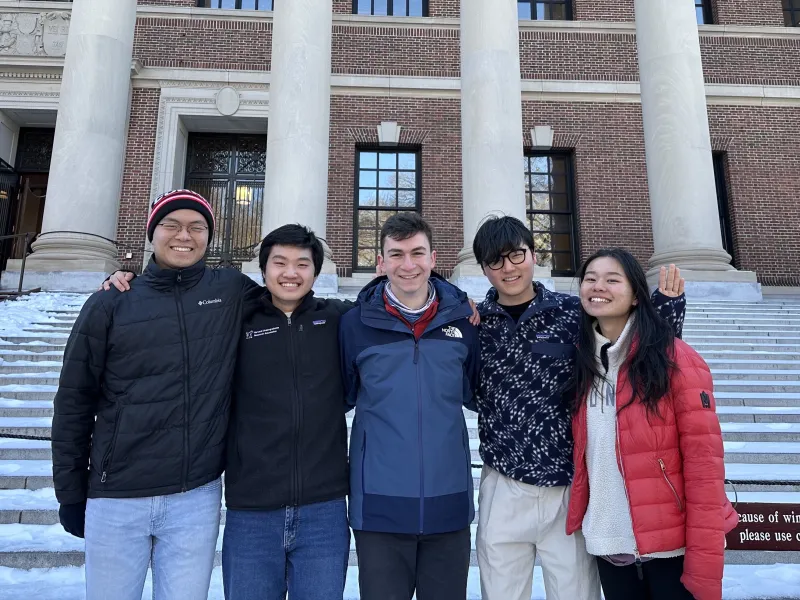 My friends and I celebrating our last first day of classes this semester.

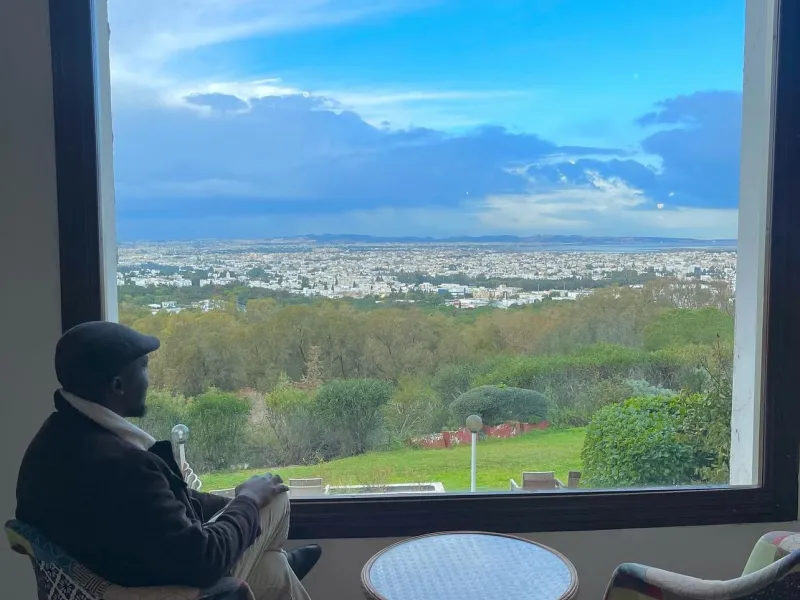 View from the hotel in Sidi Bou Said, Tunis
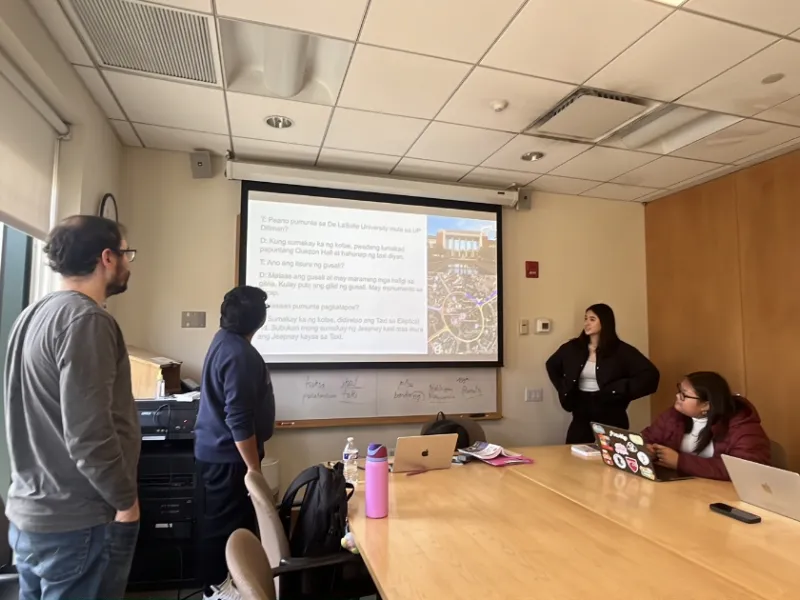 Intermediate Filipino Class
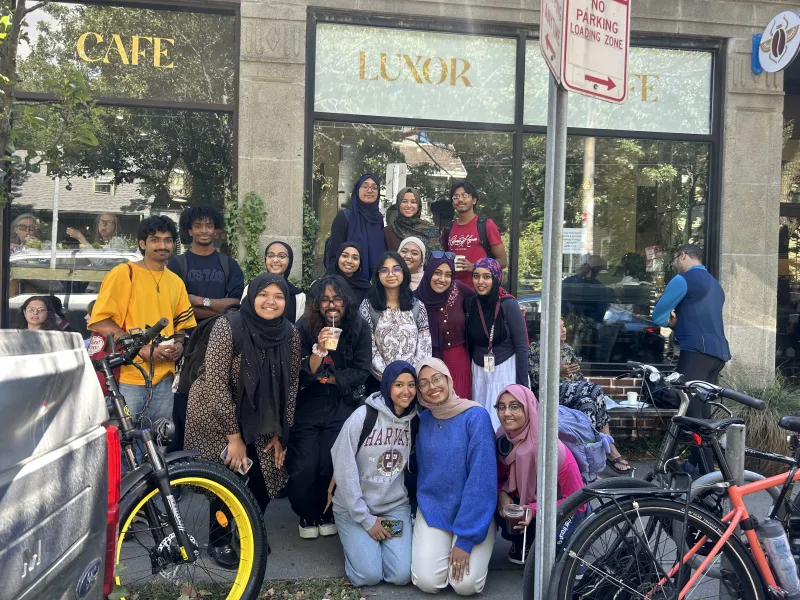 Samia Afrose with friends at Luxor Cafe

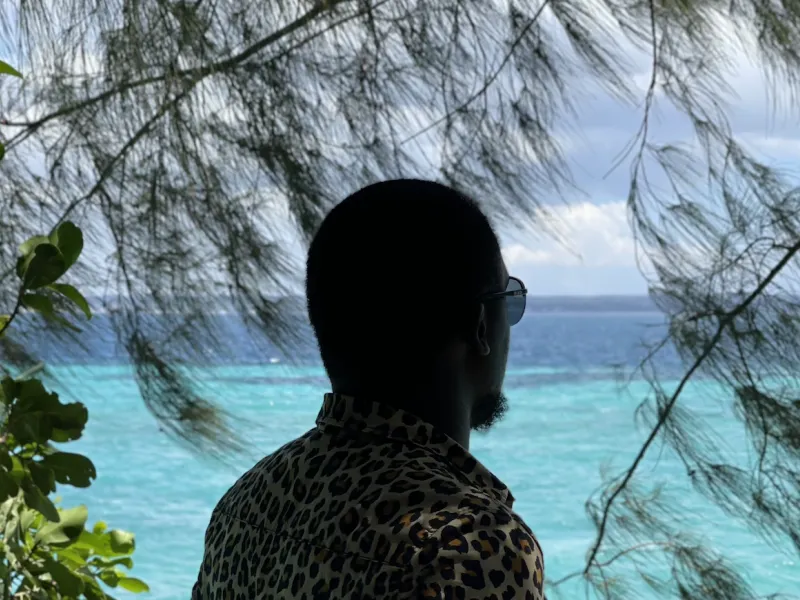 A photo of myself looking at the Zanzibari waters




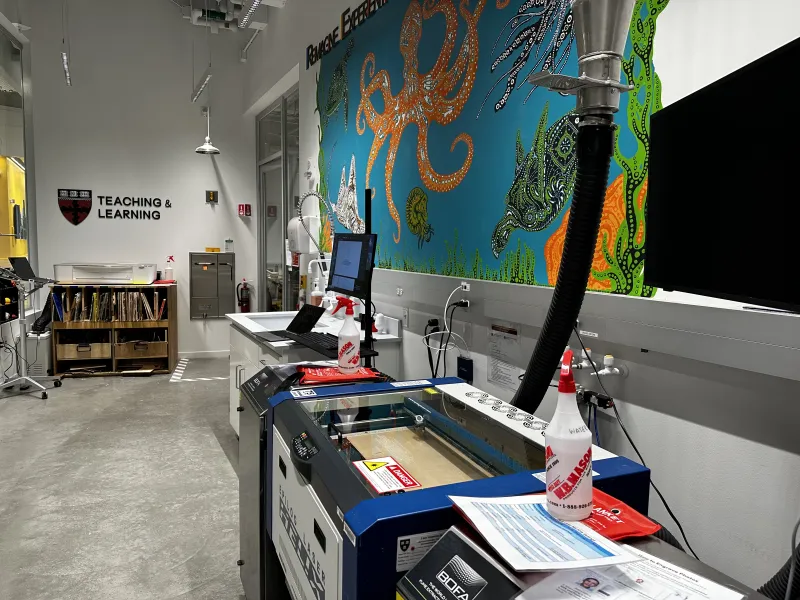
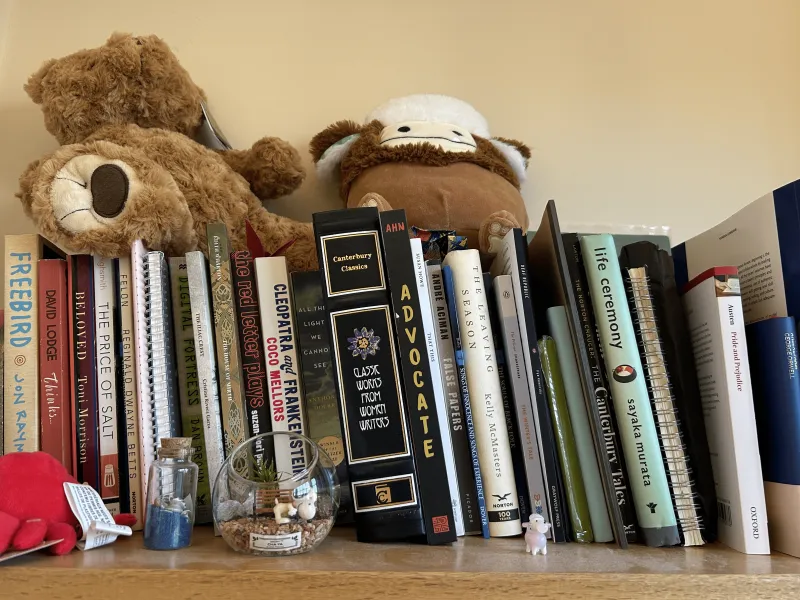
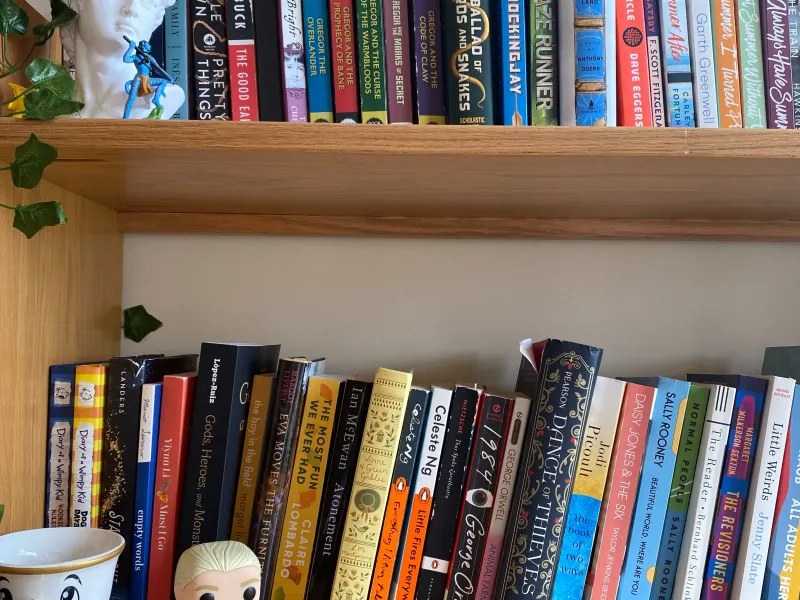 My bookshelf in my dorm!
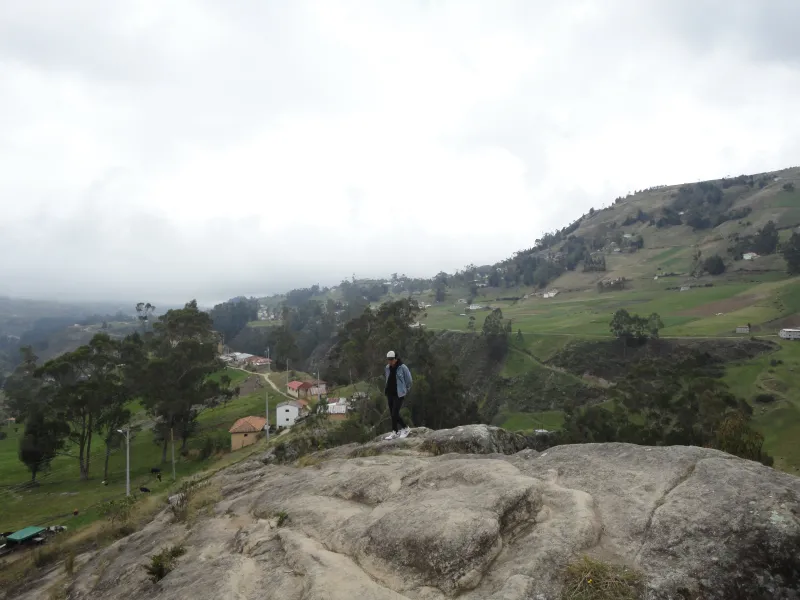 I passed through Cañar on my trip to my hometown, where I got to visit the Ingapirca Ruins!
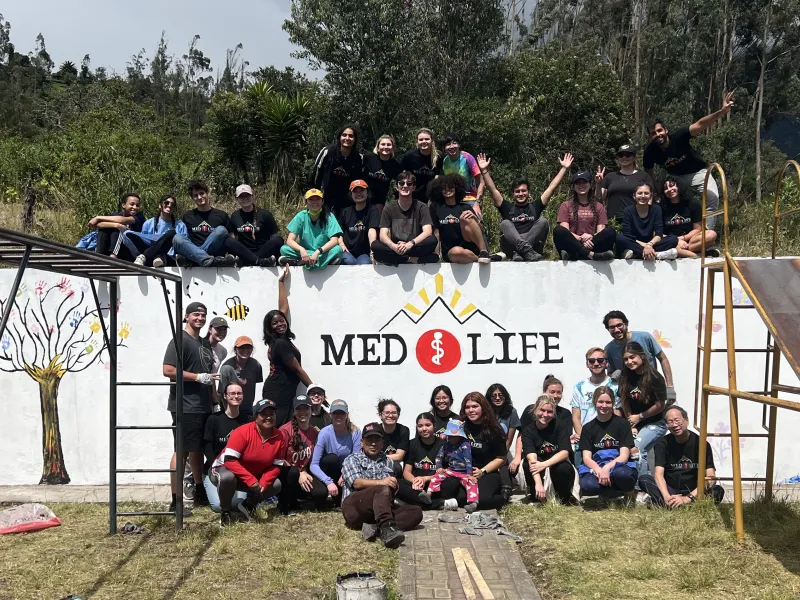 MEDLife volunteers posing for picture with MEDLife Logo
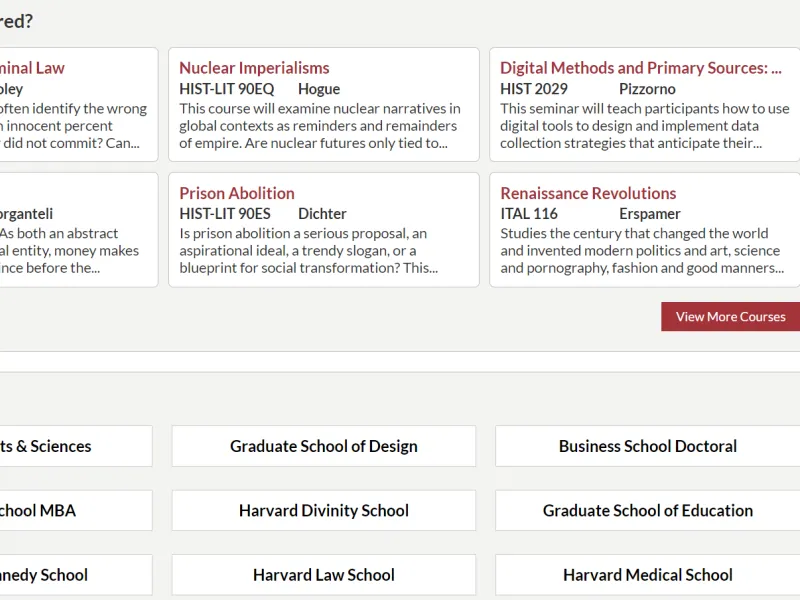 Harvard's course search page allows you to browse the 3,500+ courses offered each semester
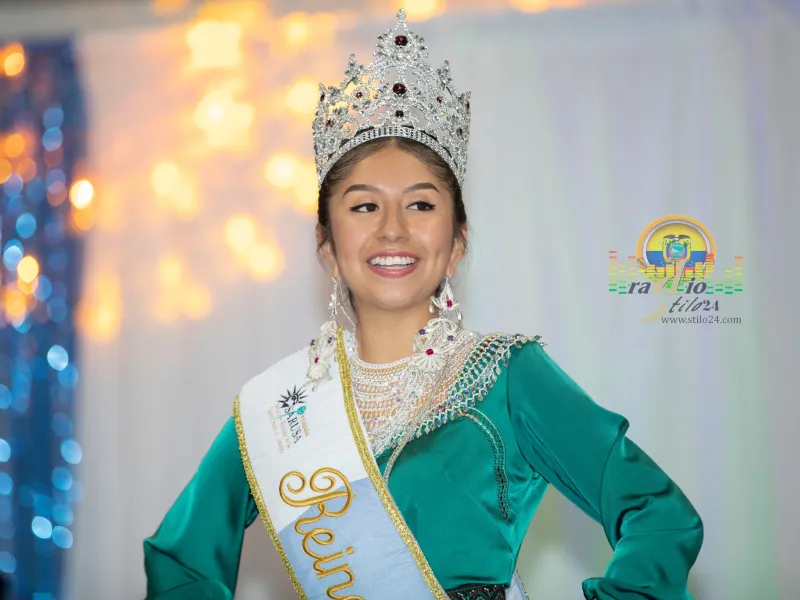 After weeks of preparation, my hard work paid off when I was elected as the queen of my tribal organization in the US, SarUSA (Saraguro Residents in the USA).
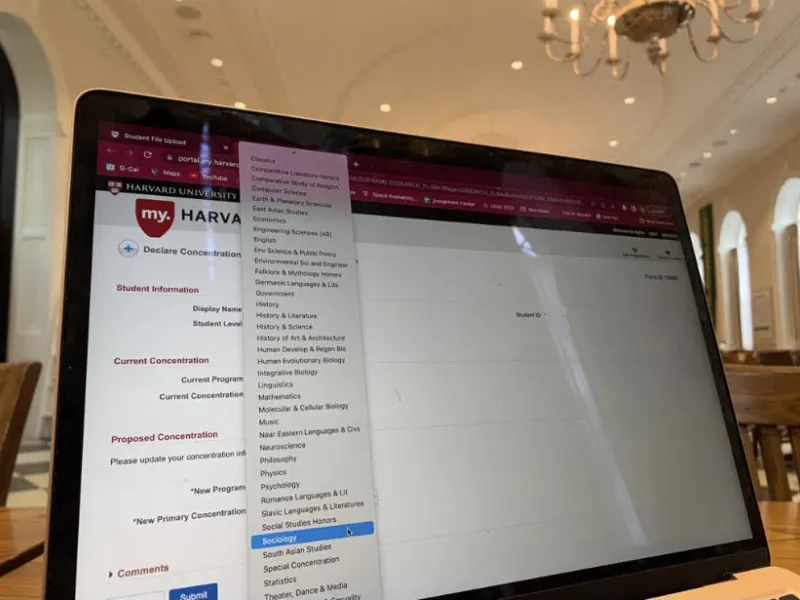 I officially declared Sociology as my concentration this fall!
 My First Harvard Yale Game

 Sitting in front of Widener with my first friends at Harvard in fall 2018. None of us could have predicted that we would end up taking a leave of absence together two years later.
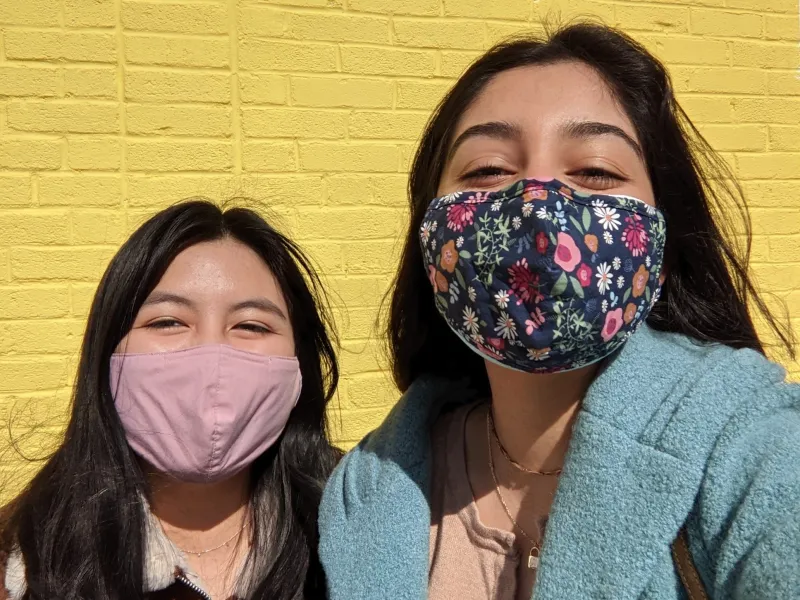
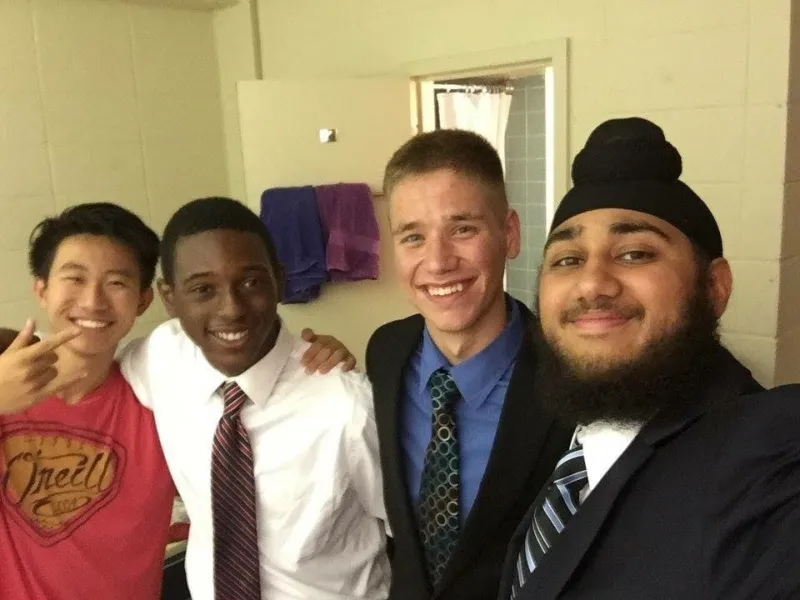 Here's Harpreet and I with our best friends back in high school!
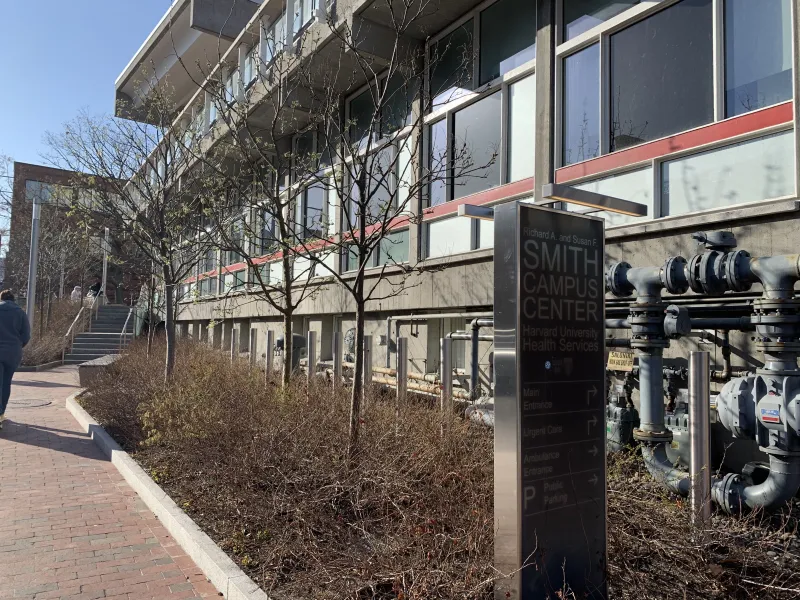 Mt. Auburn Street Side of Harvard University Health Services/Smith Center
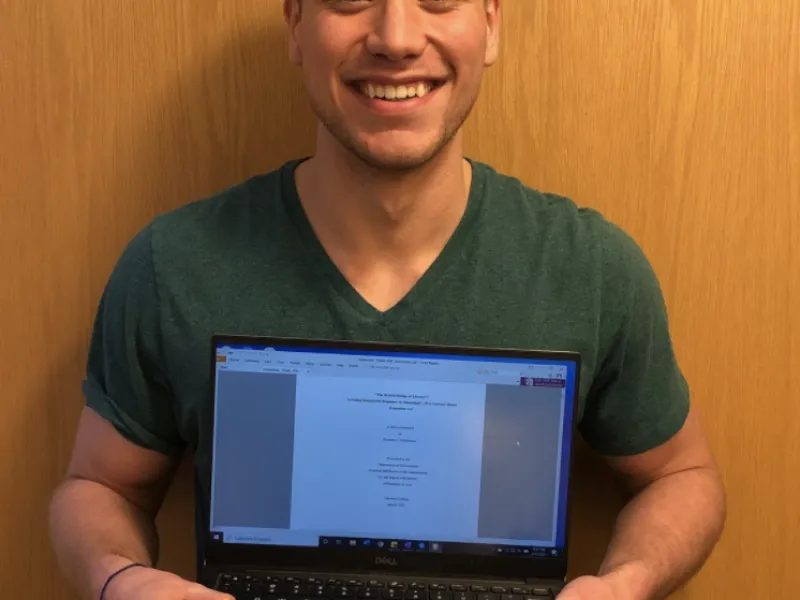
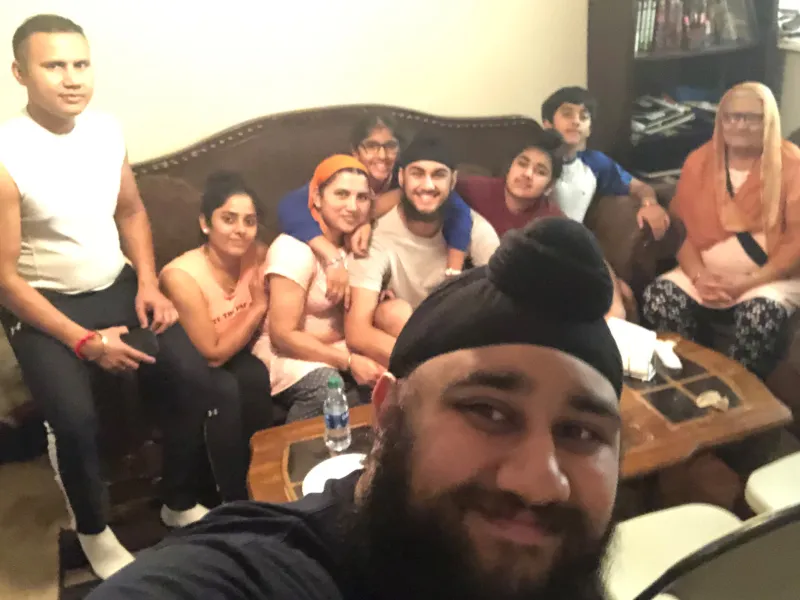 Here is a picture of my family, including my mom, brothers, grandma, uncle and aunt, and cousins.
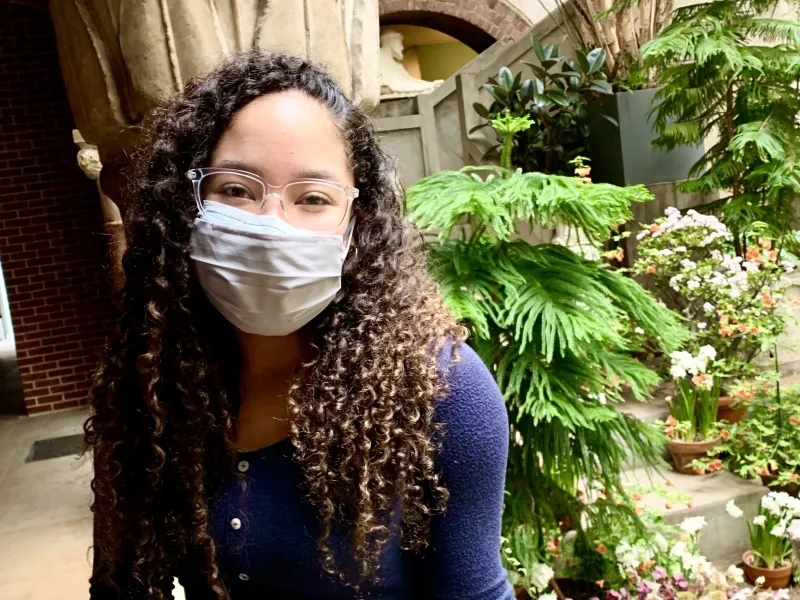 trips into Boston are worth it!
 I have very specific playlists for every mood.
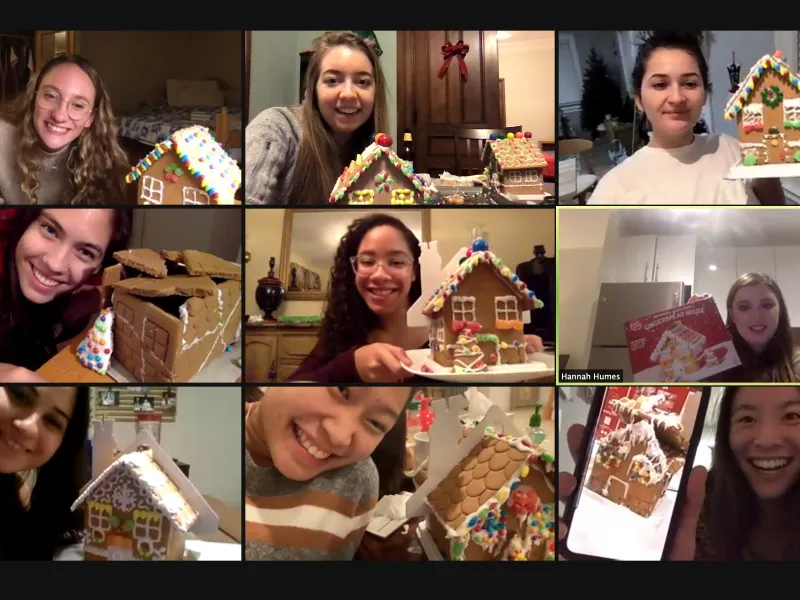

 Here is the full cast (and some of our crew) for the Hyperion Shakespeare Company's production of Macbeth!
 Walking to Class
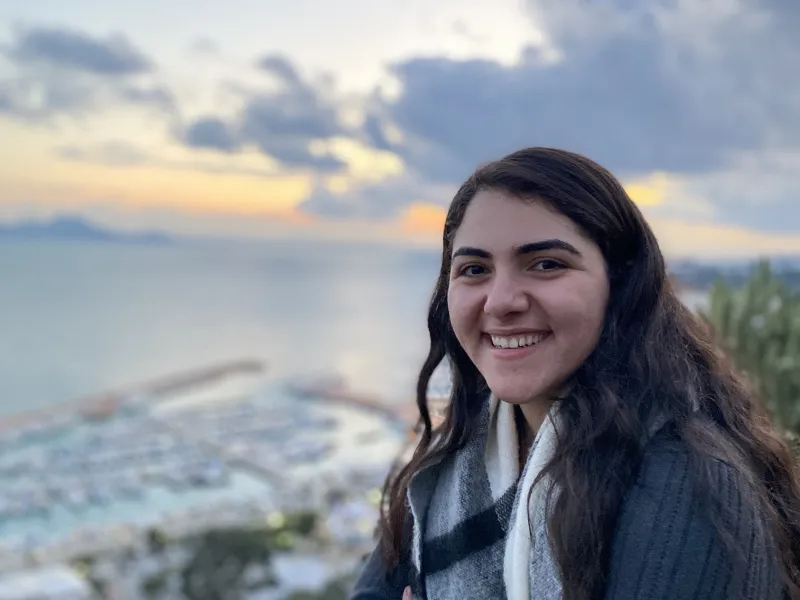
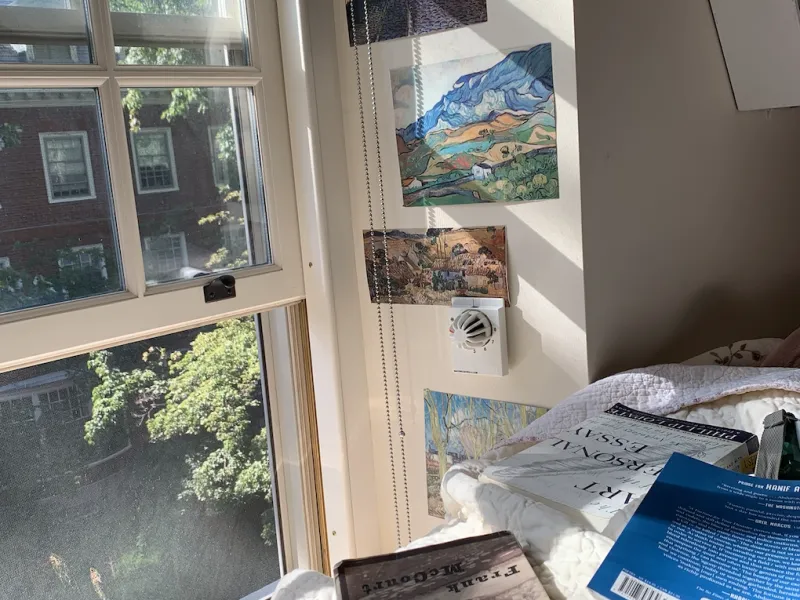 I miss doing reading for my English and creative writing classes on my Winthrop House dorm room!

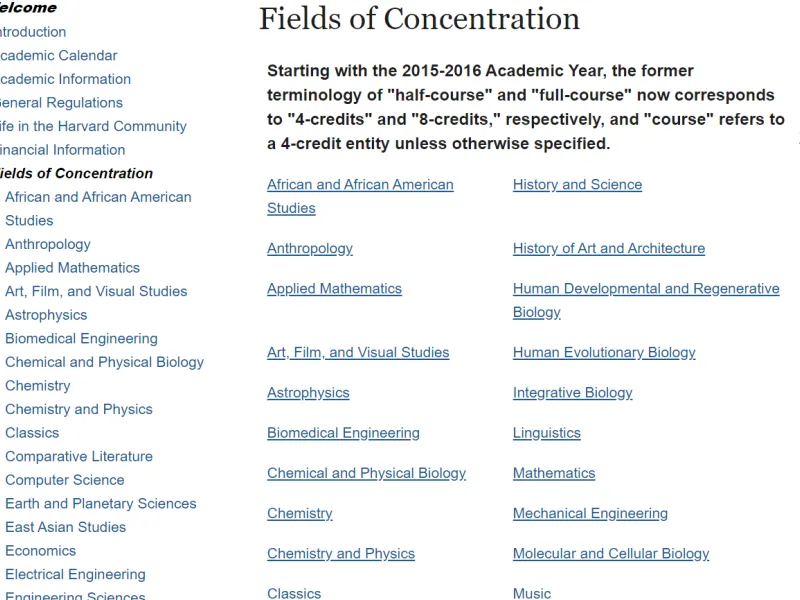 A list of just some of the possible concentrations offered at Harvard
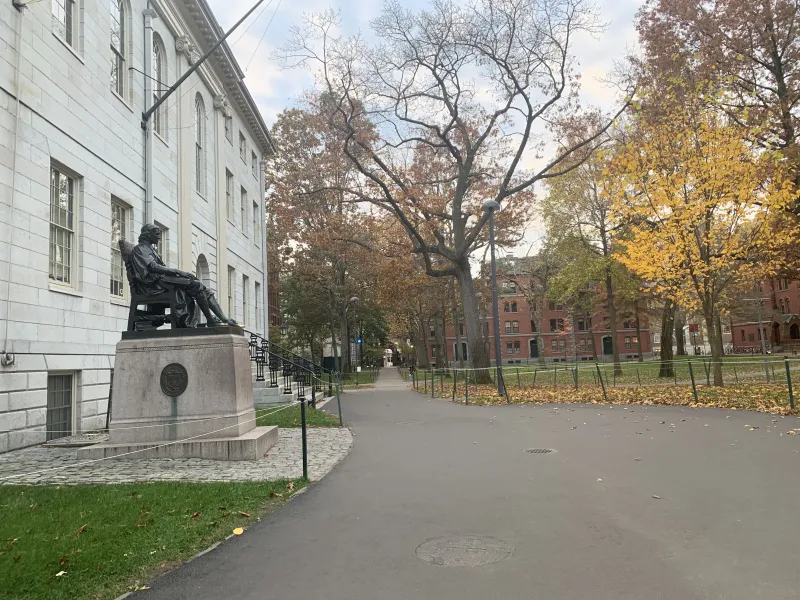
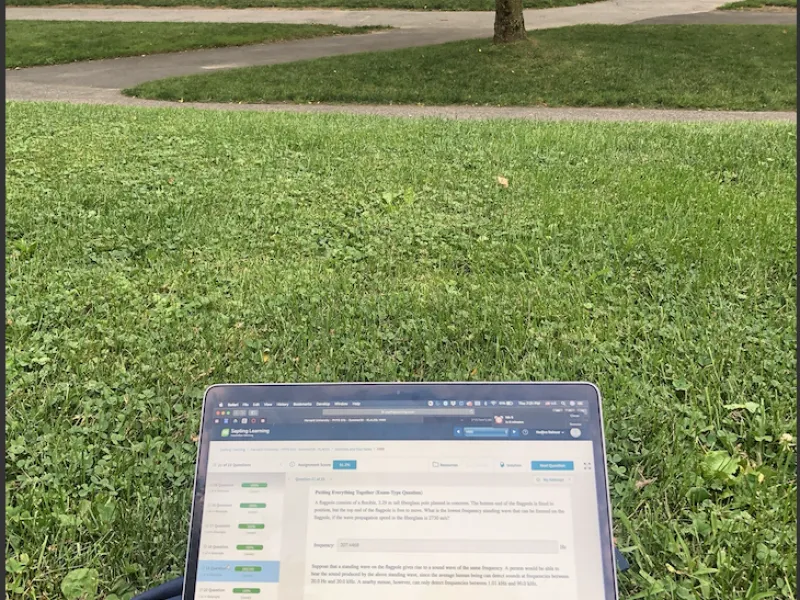 A snap of an empty Tercentenary theater as I worked on my homework
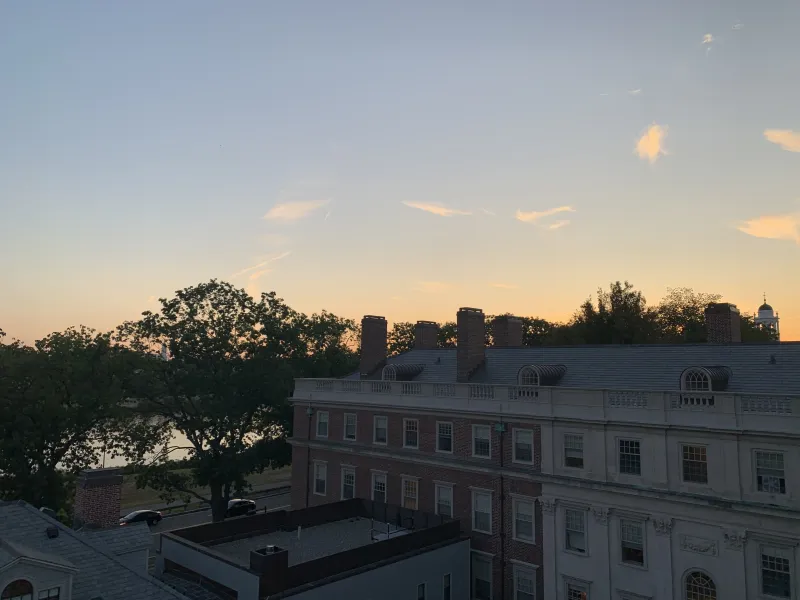 My friends and I love hanging out in the roof-top common room in Winthrop House!
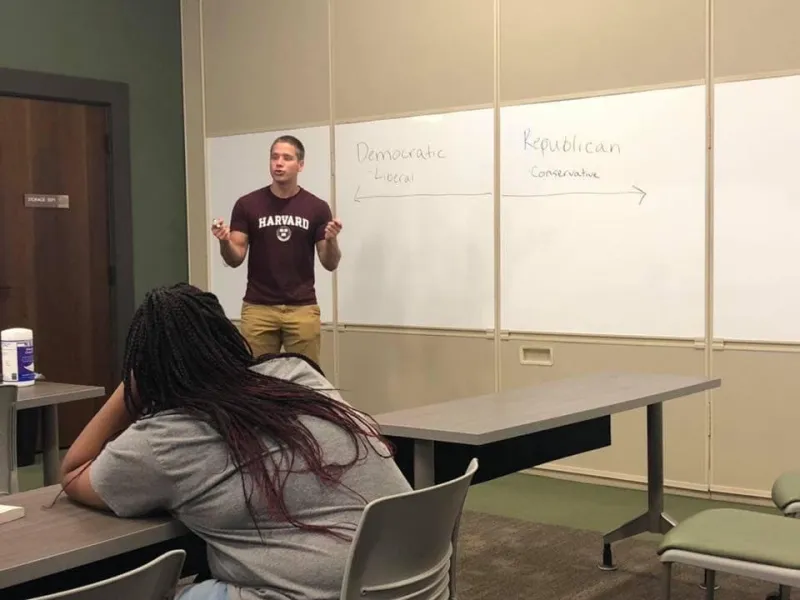 Here I am teaching a government class from last summer!
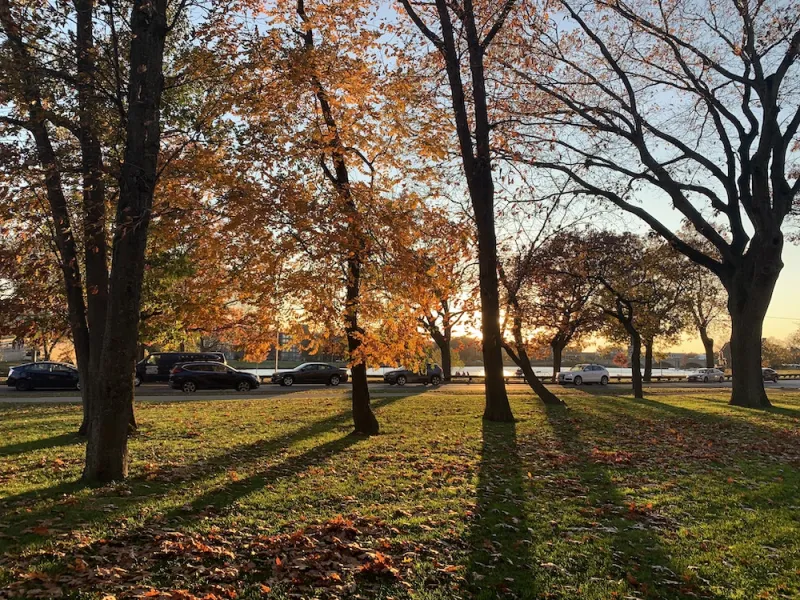 The view of the Charles River from Leveret House, which is right next to Winthrop House!
 Selfie in the Seattle Airport.
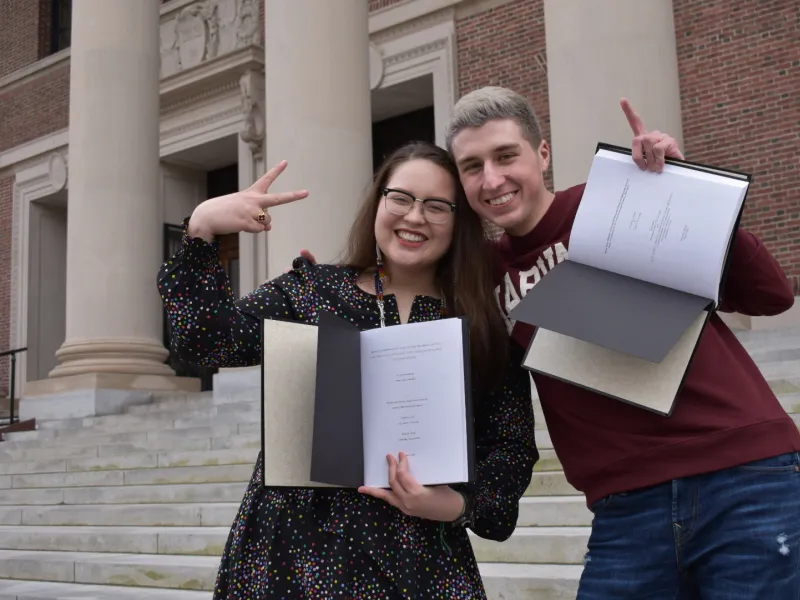
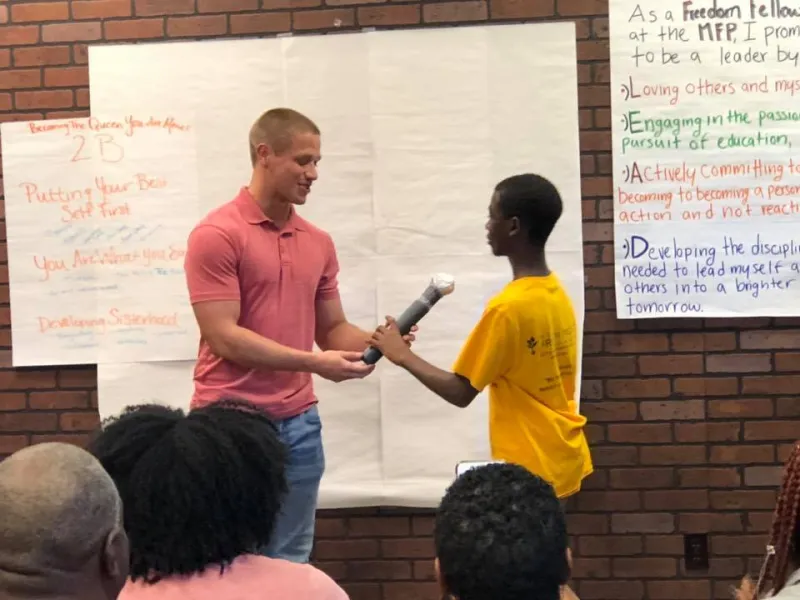 Me giving out homemade awards to my MFP students!
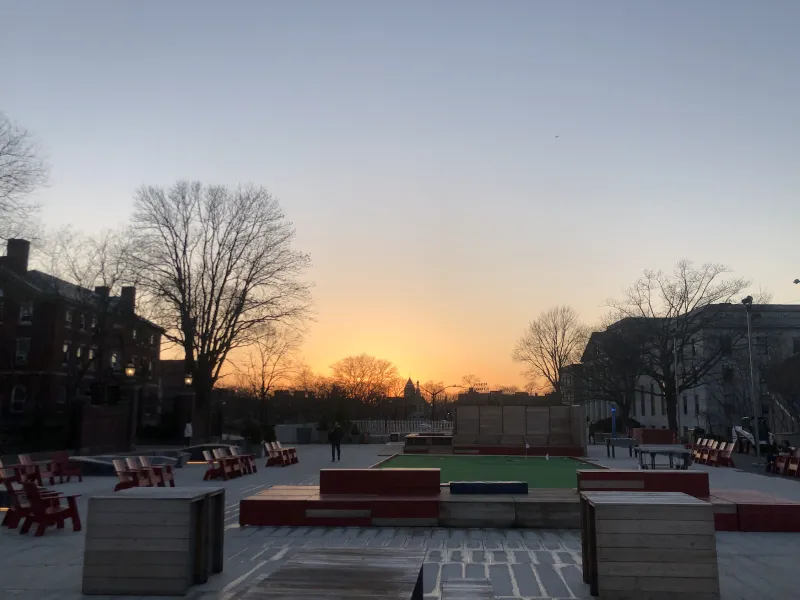
 A photo of me and friends in front of the Carpenter Center my freshman year