
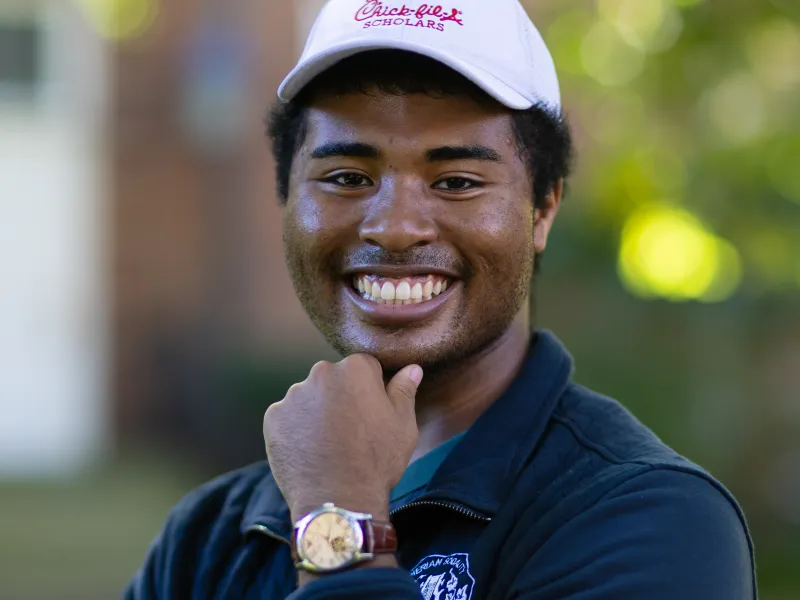
Just before nine on a Tuesday morning, I stepped off the elevator on the top floor of William James Hall and found a folded card with my name on it at a long wooden table.
Around that table sat professors from fields like psychology, philosophy, statistics, economics, and computer science, along with deans from the Office of Undergraduate Education and one other undergraduate. For the next eighty minutes, we talked about how Harvard grades its students. I’m one of two student members of the Standing Committee on Undergraduate Educational Policy this year, and I want to tell you what it’s like to be a student voice in that room.
Wait, what's the EPC?
The Standing Committee on Undergraduate Educational Policy, which everyone calls the EPC, is a faculty committee where ideas about teaching and grading get worked out in detail. Members talk through proposals, raise concerns, and sometimes form smaller subcommittees to study a question in depth before anything goes to the full faculty. The committee has always included students, and at our first meeting, one of the deans told us that student feedback had been critical to its recent work on grading. I was appointed as a student member by Amanda Claybaugh, the Dean of Undergraduate Education, supported by Dr. Sarah Champlin-Scharff, the Director of Academic Policy, and I sit at the table as a full participant.
A quick Harvard decoder for this post:
- OUE (Office of Undergraduate Education): the office that oversees the academic side of the College, from courses to academic policies.
- Concentration: Harvard's word for a major.
- SAT/UNSAT: a grading option where a course is marked satisfactory or unsatisfactory instead of receiving a letter grade.
- Registrar: the office that keeps every student's academic record and builds the systems grades flow through.
The view from the fifteenth floor
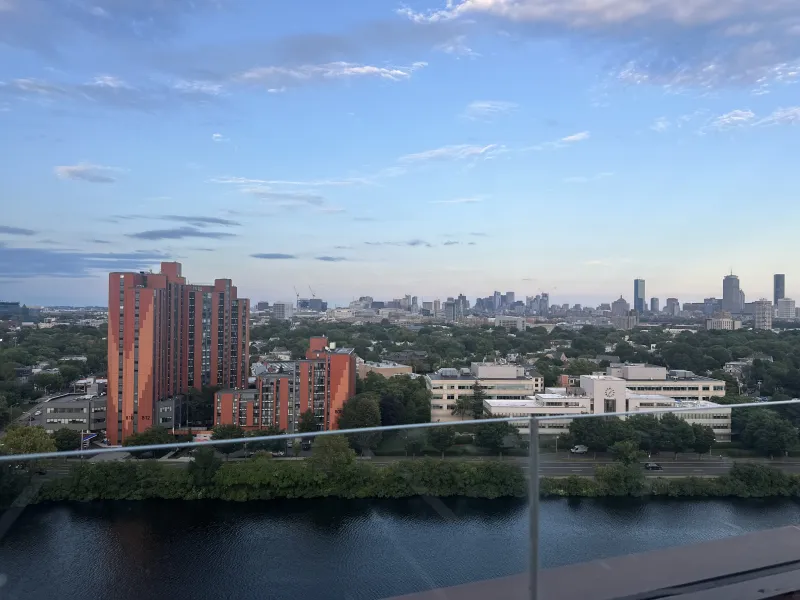
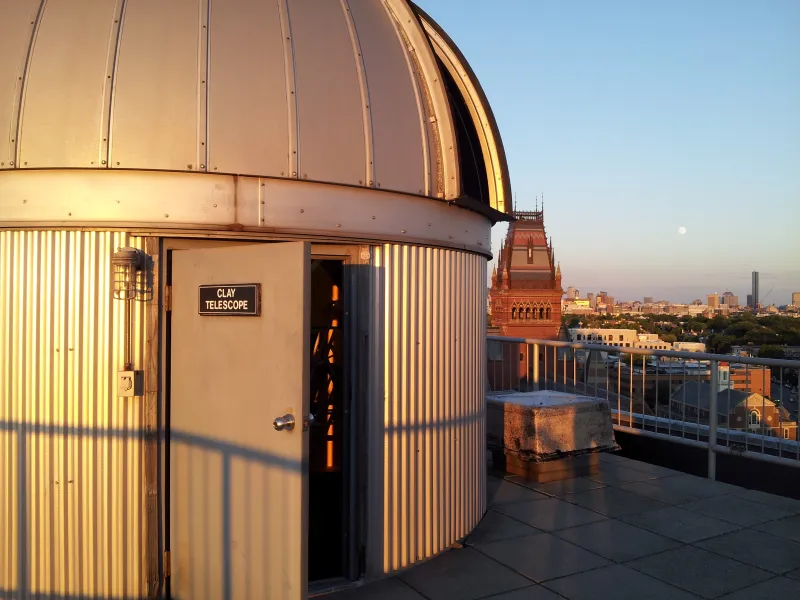
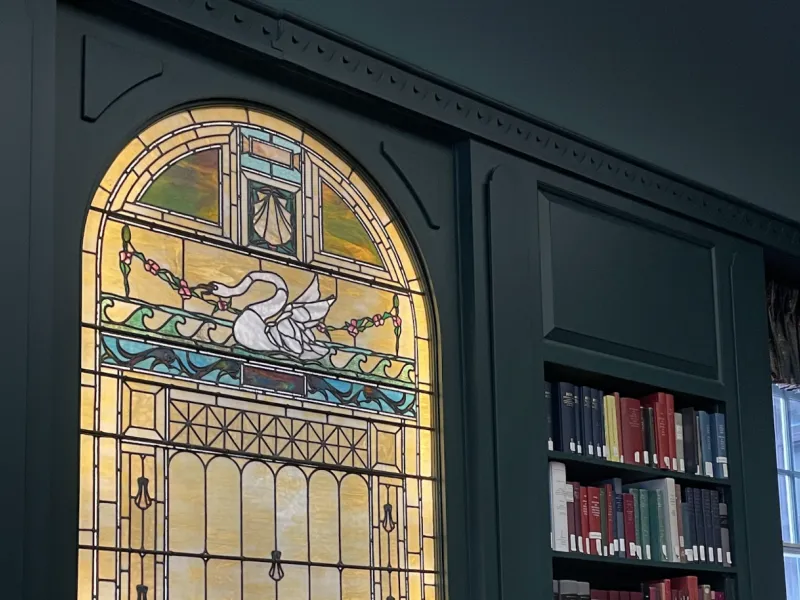
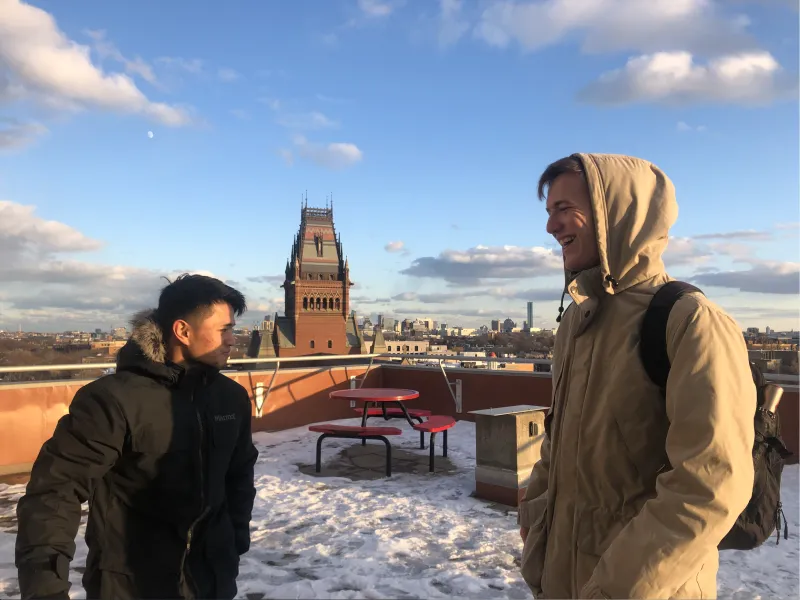
The first thing anyone notices in that room is the window. From up there, Cambridge turns into a carpet of treetops, and the Boston skyline stretches across the horizon. On a clear morning you can pick out the Prudential Center from your seat, which makes the first five minutes a little hard to focus.
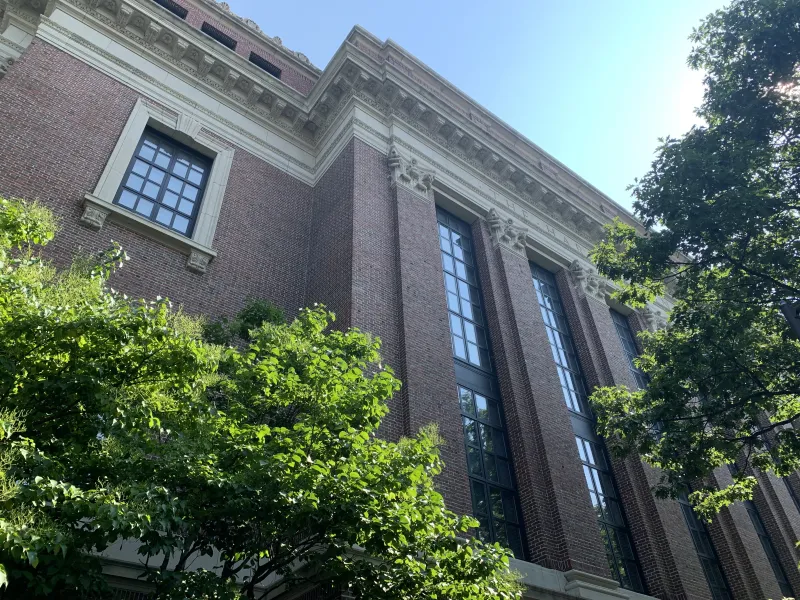
The building has a strange history of its own. William James Hall was designed by Minoru Yamasaki, the architect behind the original World Trade Center, and according to the Cambridge Historical Commission, its top floor was built with a screened deck so researchers could study people on the street below without being seen. Today, the people up there are mostly debating grading policy, and I can’t decide whether that’s more or less interesting.
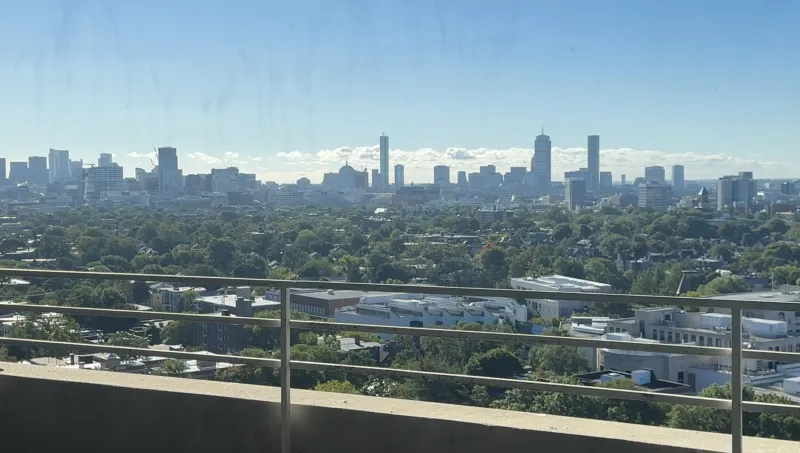
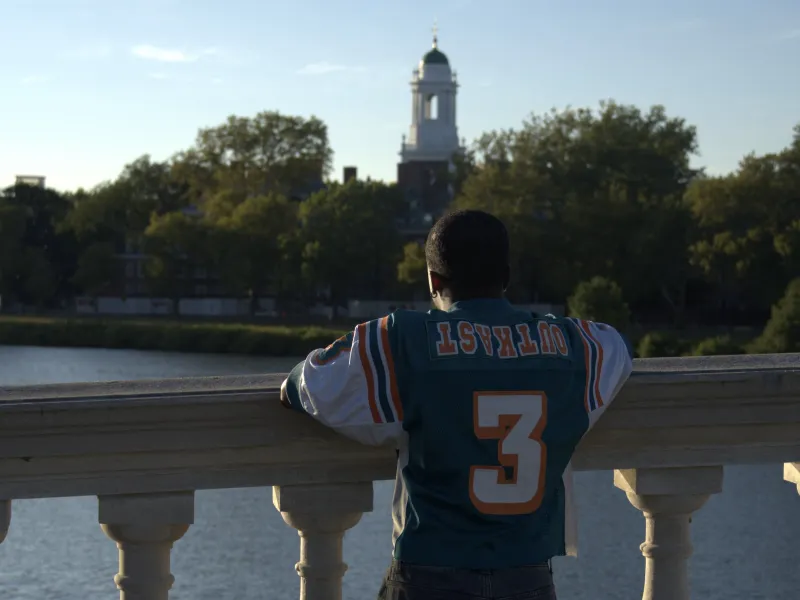
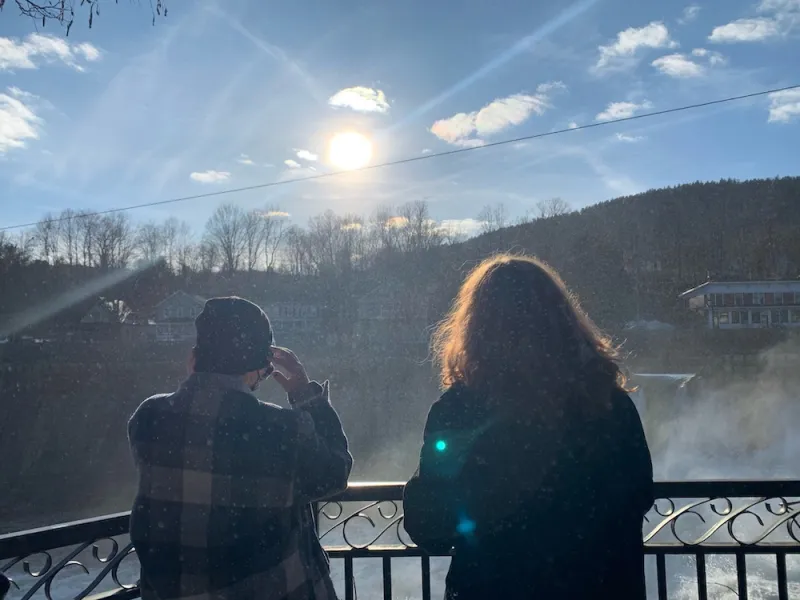
The railing outside the top floor of William James Hall, where researchers once watched passersby below.
Above Kirkland Street James Obasiolu
At my first meeting, we went around the table and introduced ourselves. When it was my turn, I mentioned that back home in Maryland, I had served as the student member of my county’s Board of Education, voting on policy for tens of thousands of students. I had sat through plenty of meetings like this one. What felt new was that the policies on this table would shape classes I’ll be sitting in myself.
What we actually talk about
Before this year, I assumed policy was mostly about big decisions. Most of our time goes to the questions that come after a big decision is made, and many of the questions on our agenda sound technical until you notice that each one decides something real for a student.
In September, we worked through how Harvard’s new grading policy will run once it takes effect: how a failing grade should count, how a limit on A grades should work in a course split across many sections with different instructors or in an intro science lab built around a year of research, and when a grade becomes final if a student takes a makeup exam weeks later. We also discussed what a course should have to show before switching from letter grades to SAT/UNSAT, and whether makeup exams could happen within the same semester instead of months later.
This past month, we turned to a review of the program that lets some students earn a master’s degree alongside their bachelor’s, and to the College's work on guidance for how faculty should and shouldn’t use AI in teaching and grading student work. Every topic comes with a stack of reading. I’ve learned that a single late grade can ripple through a whole course’s records, which means someone has to think about it before it happens.
What happens when a student speaks
At our first meeting, one of the deans told us that because membership turns over, nobody should hold back for being new, himself included. I took that as permission.
So I raised my hand about orchestra. I played cello in the Harvard-Radcliffe Orchestra last year, and I asked how you fairly grade more than a hundred musicians who spend every rehearsal trying to sound like one instrument. Staff explained how ensemble courses are graded now, and the faculty picked up the question from there. Later, I pointed out that the data in front of us showed how makeup exams affect students but not how much work they create for faculty, and I suggested asking faculty directly. One of the deans explained that a subcommittee would be the place to gather that kind of input, with the Faculty Council weighing in along the way.
The other student member asked how the new grading rules would play out in specific courses she knew from the inside, and the professors engaged with her examples as seriously as they did with each other’s. At the end of every meeting, the deans invite each member to email them with questions or information to bring back next time, and that invitation includes the two of us.
Why I'm telling you this
Students are the ones who sit the exams and live with the grades, so the committee wants to hear how a policy will land before it does. If you’ve read about Harvard’s grading changes and wondered what students think, you can ask me. What I can tell you here is what I’ve seen: the conversations are careful and slow, and the people having them want to get the details right. Students are in the room for them.
When I applied to college, I pictured Harvard as a place where professors make the rules and students follow them. Some Tuesday mornings, I get a seat at the table where those rules take shape, with the whole city out the window.
If you have questions about Harvard’s academic environment or how policy gets made here, reach out through The Recruitment Ambassadors Inbox. I'll write back!
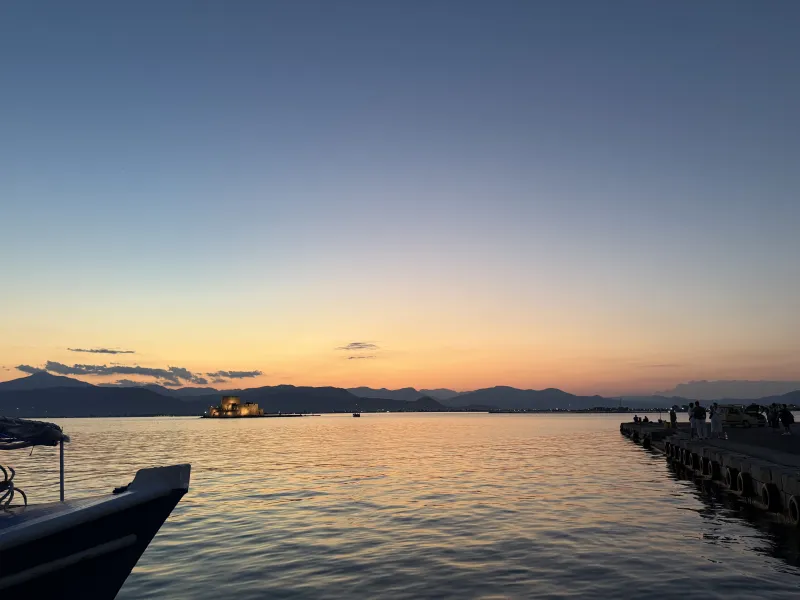 Walks at sunrise and sunset along the Nafplio promenade were memorable ways to begin and end days in the classroom.
 Secquoia on her first-day of senior fall
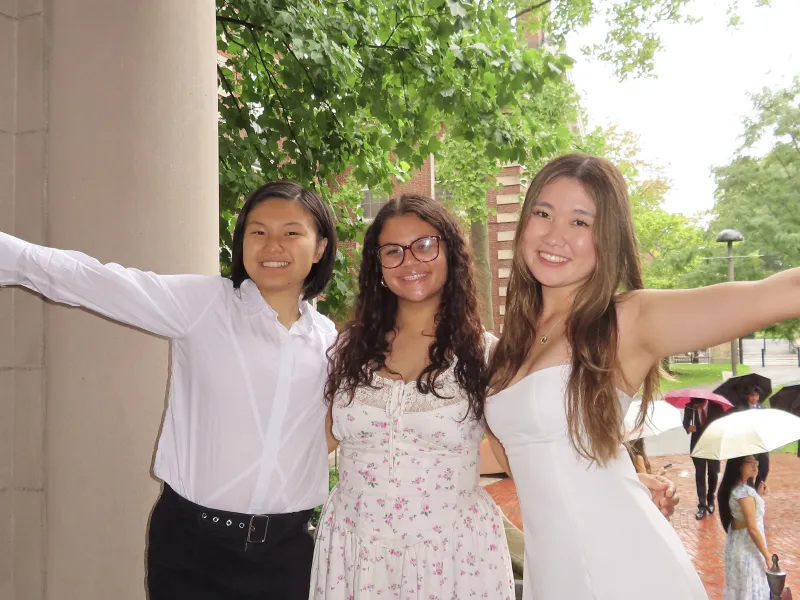
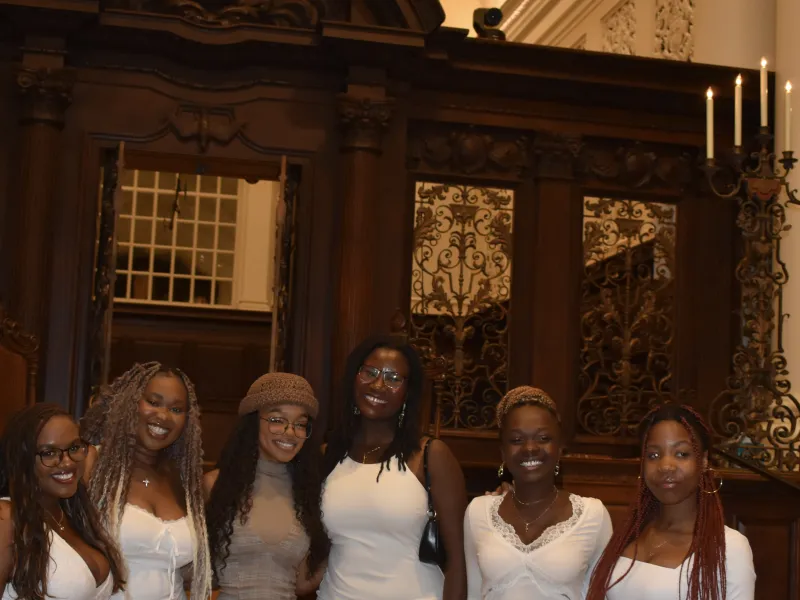 Cool senior year experiences: Meeting actress Marsai Martin at the Black Student Association's (BSA) Black Convocation!
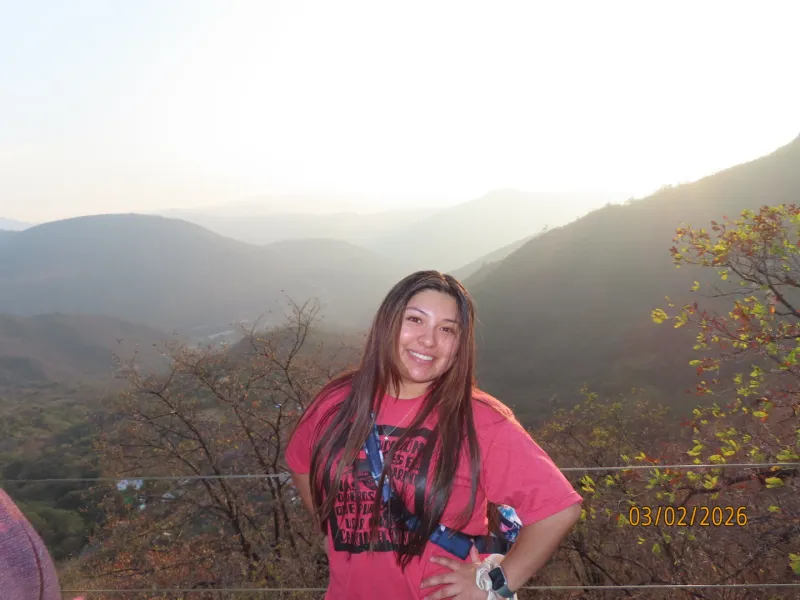
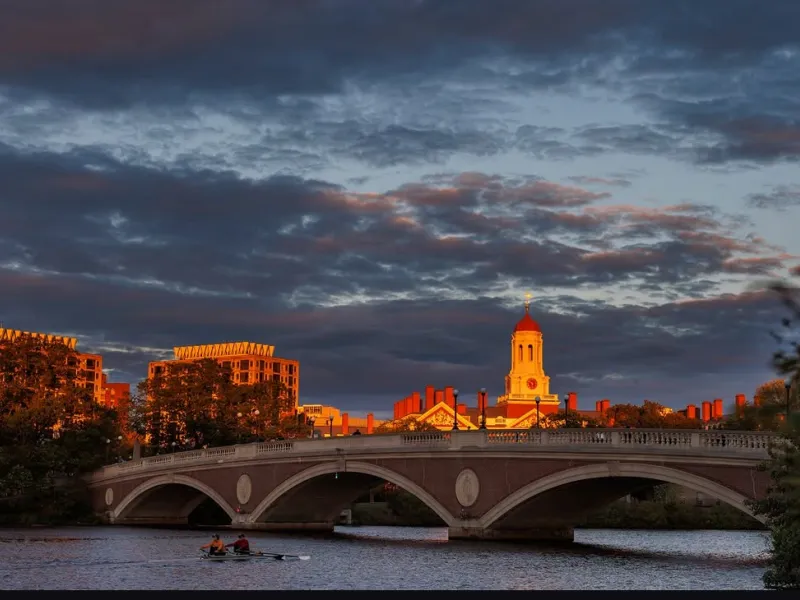
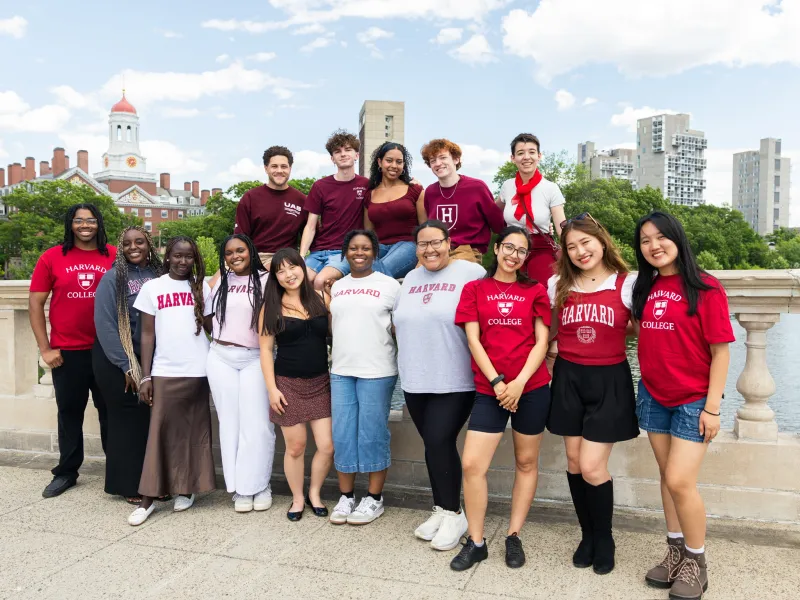 A photo of the 2026 Summer Recruitment Ambassadors on the Weeks Bridge
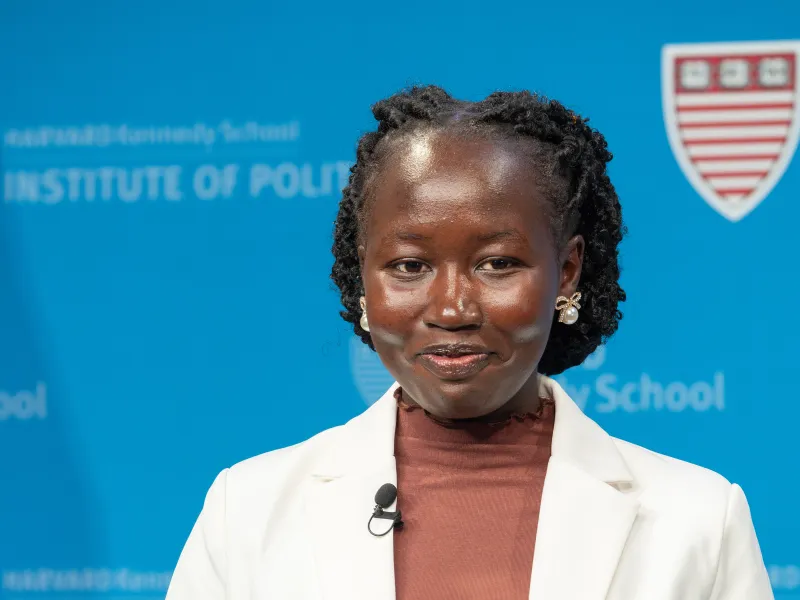 The Our Narrative brings 6-7 student speakers every semester to share their journey into public service
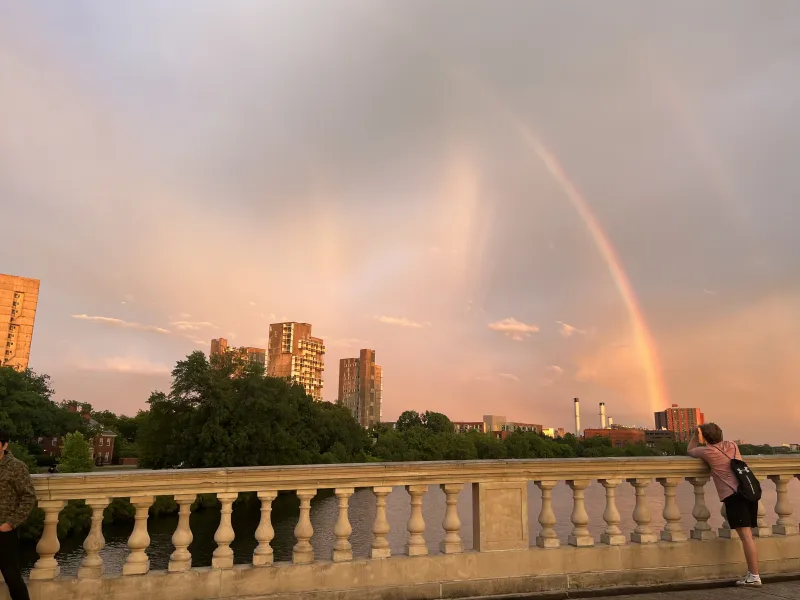 Weeks Bridge has one of the best views of the Cambridge skyline, especially at sunset.
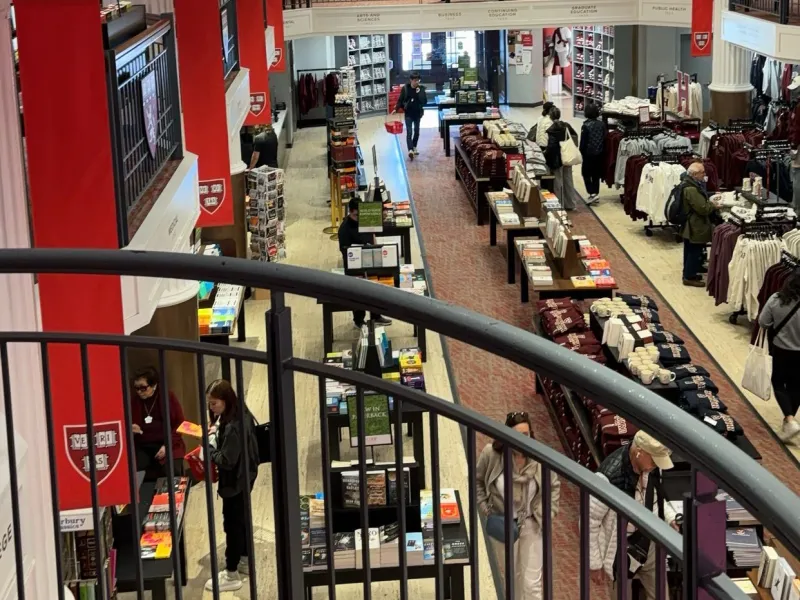 The inside of The Coop from the second floor view
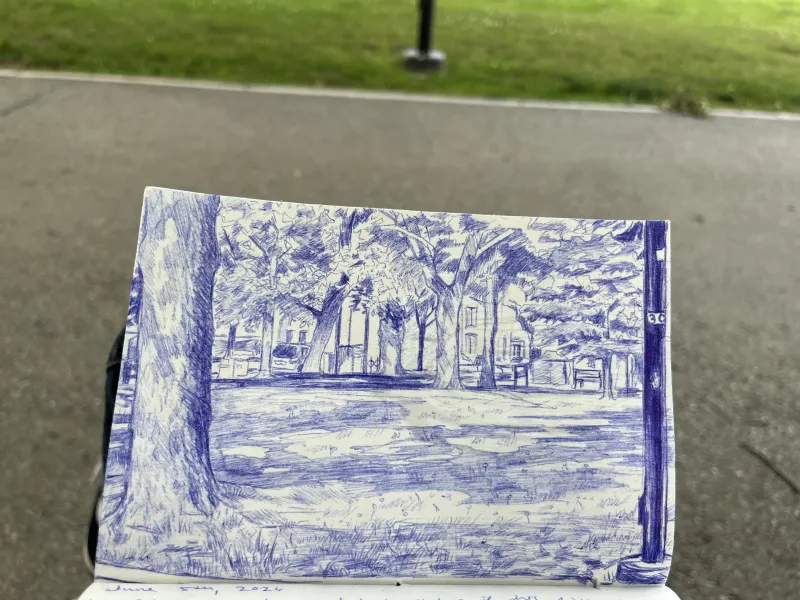 Drawing can be a leisure activity or a great way to relax. A sketch book and pen often accompanied me at the park in my free moments.
 A photo of the Harvard Art Museums
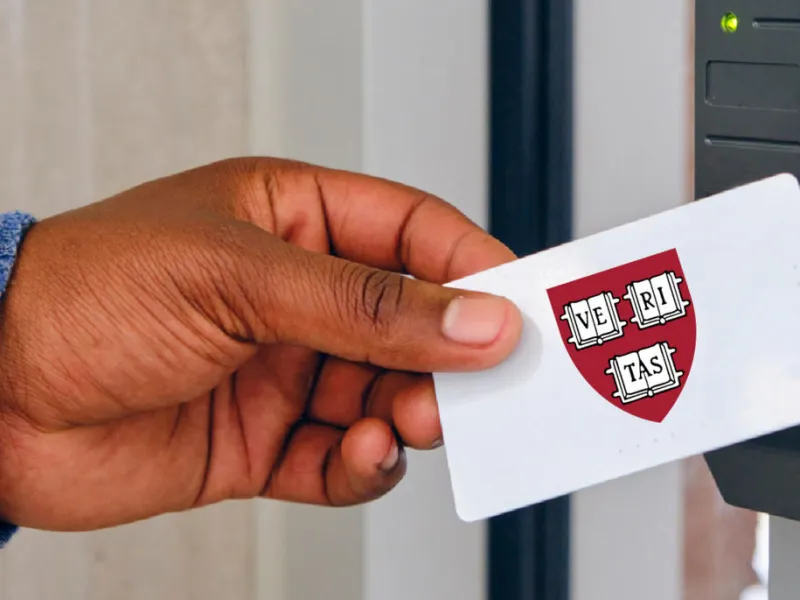 A hand holding a card featuring a Harvard ID with the Harvard crest
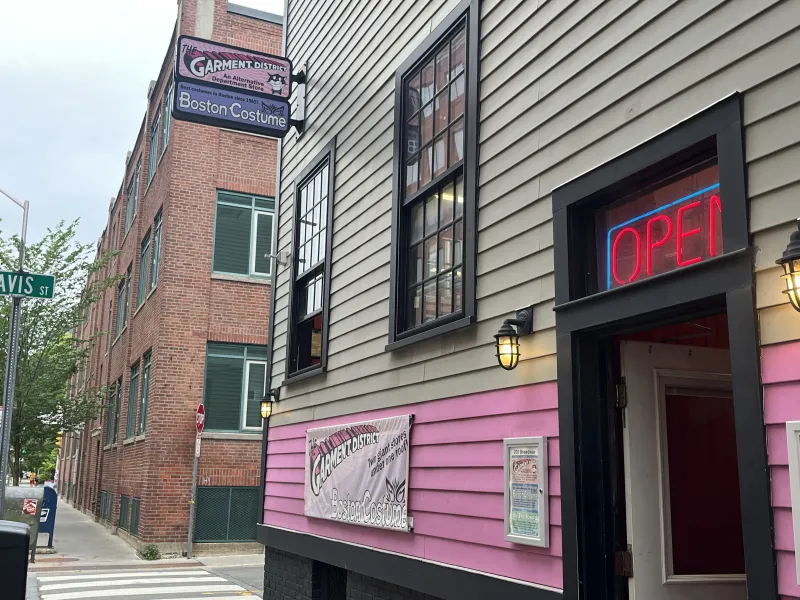 The Garment District is a thrift and costume shop just outside of Harvard's campus.
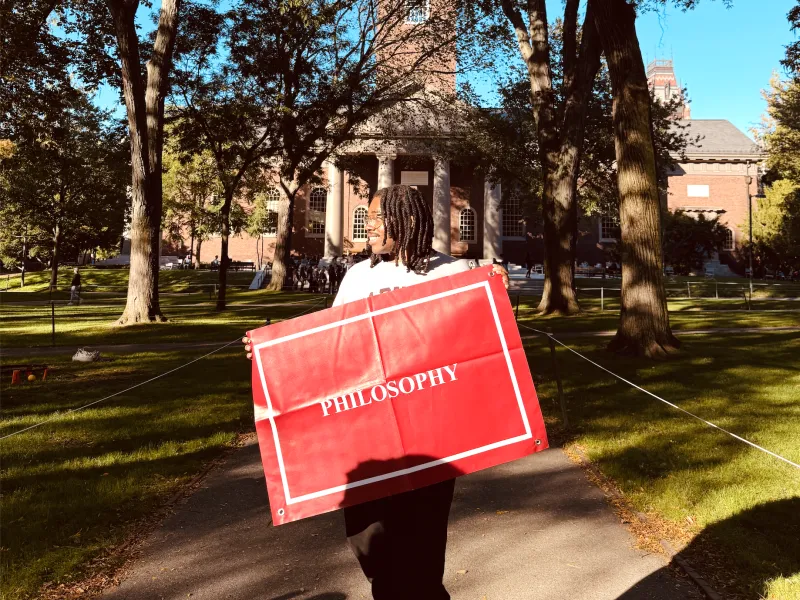 My Philosophy banner
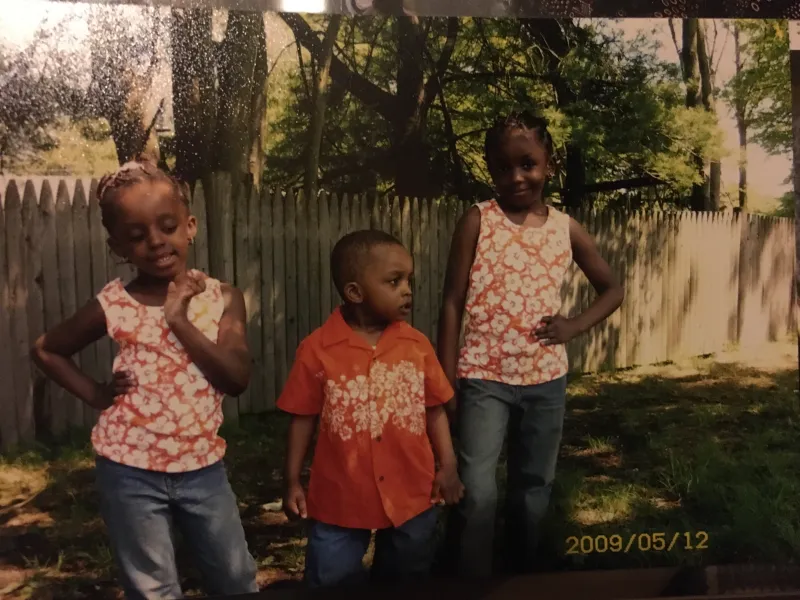 My Siblings and I When we were Younger
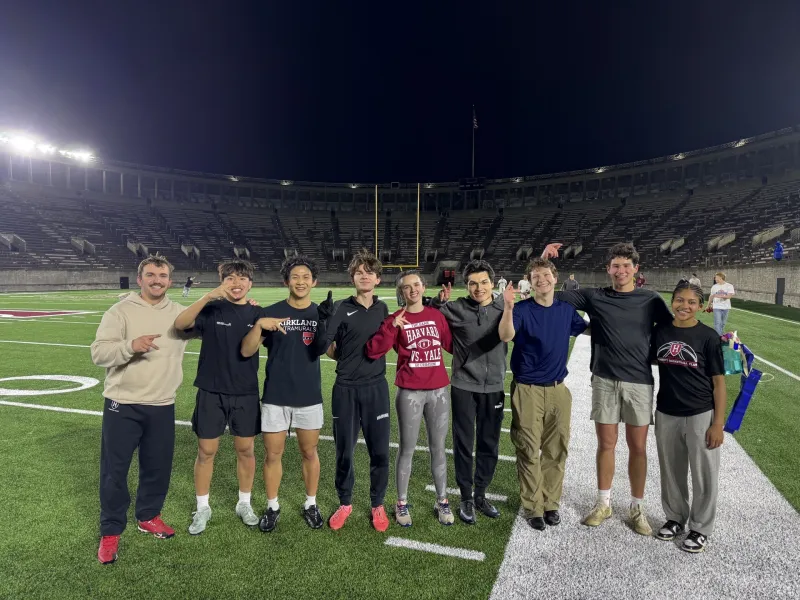 Here I posed with my new team to celebrate our victory in my first game of flag football. I even taught the team how to sign "K" for Kirkland House in ASL
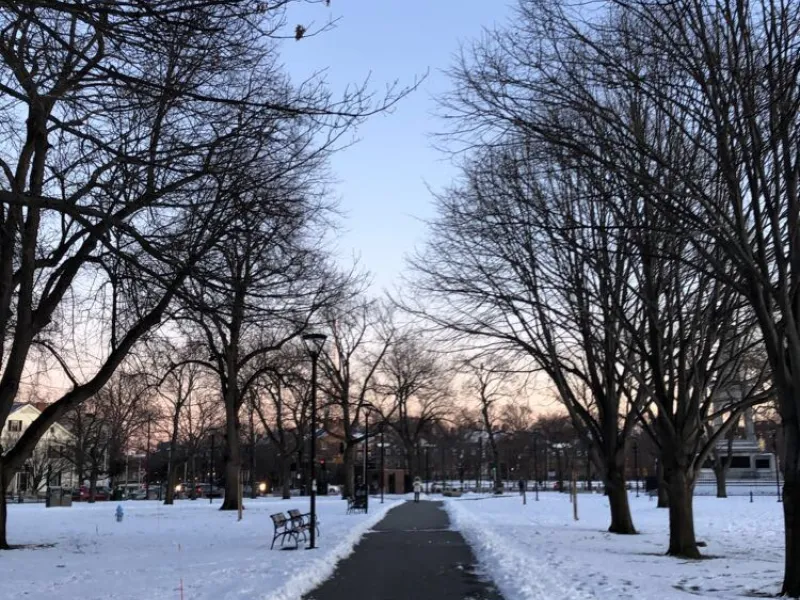
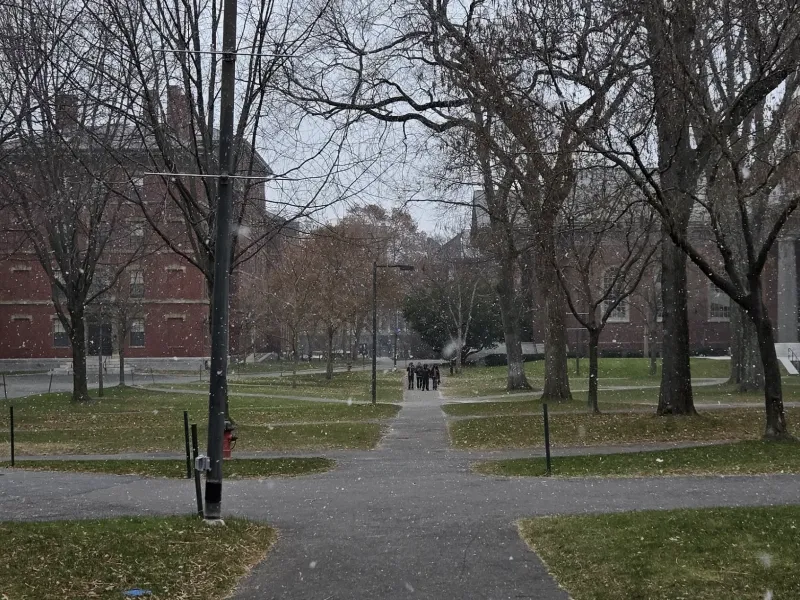 My daily walk during the winter
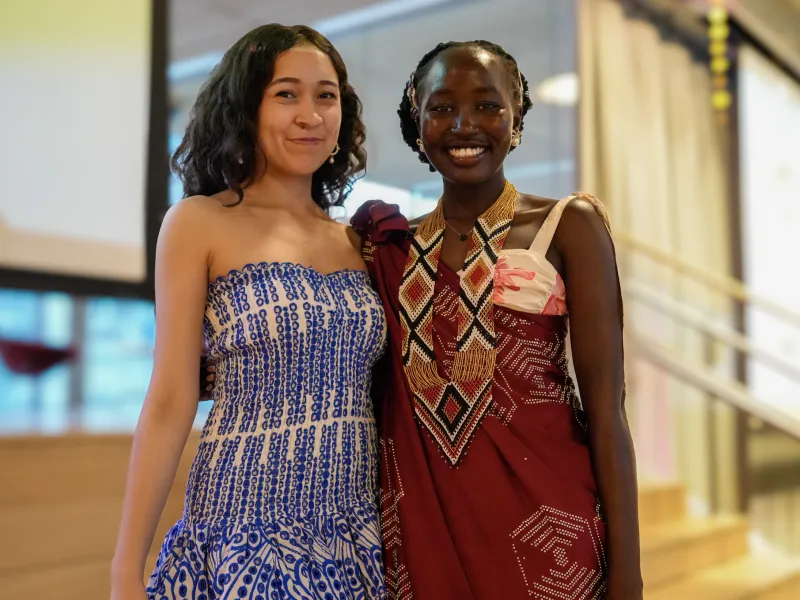 During the Cultural Rhythms, Caitlyn showcased her beautiful Vesido De Flores dress from Mexico and I showcased South Sudanese Lawa. Later only to find out she is in Pforzheimer House, the best house. We become friends ever since. An amazing woman
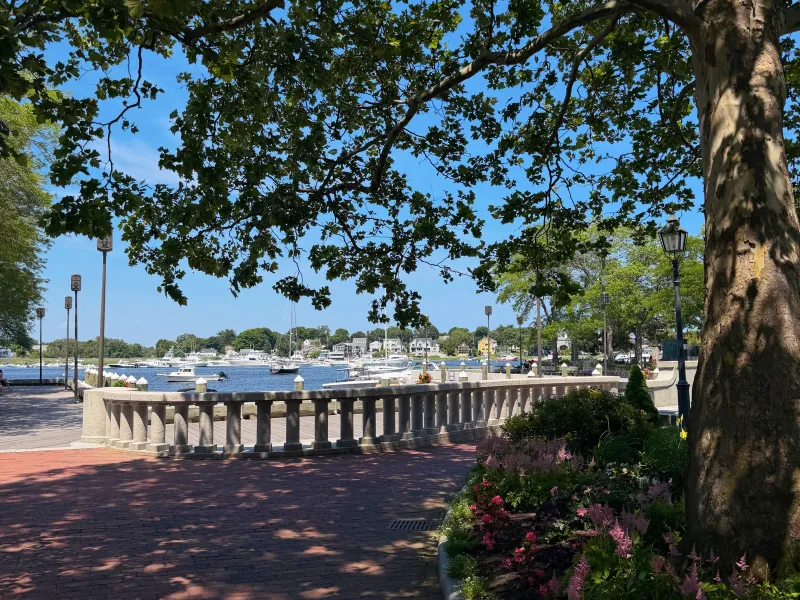
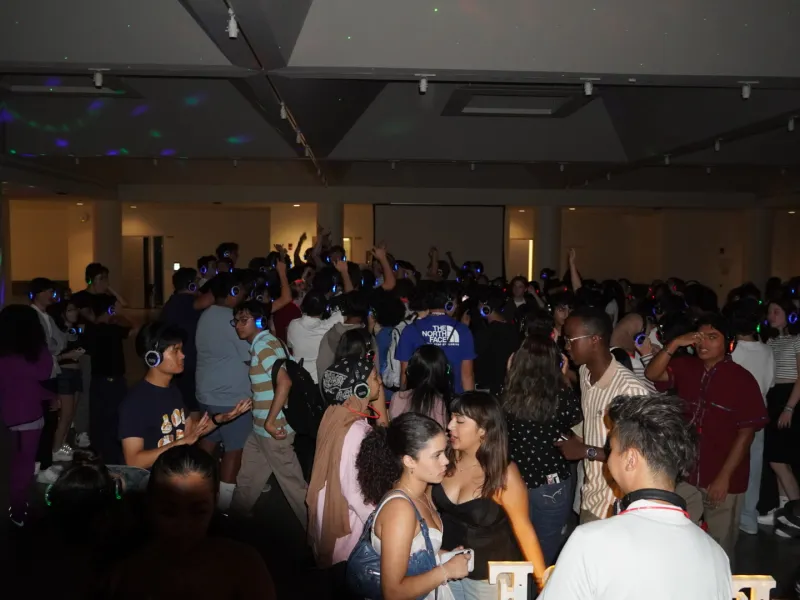 FUP Silent Disco
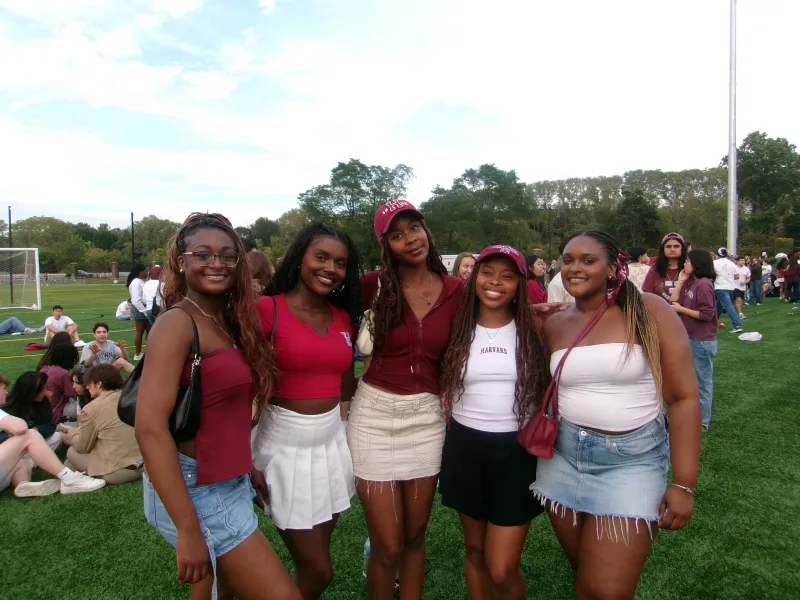 Me and my friends showcase similar styles
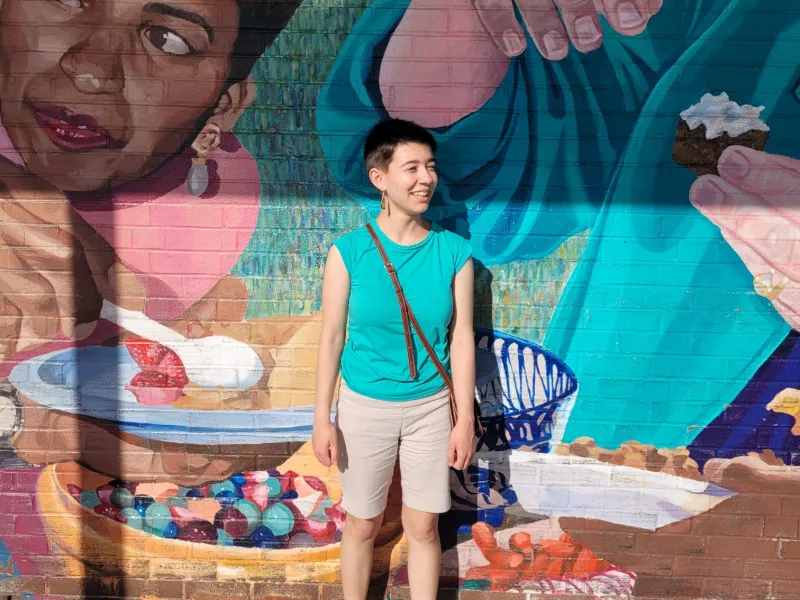
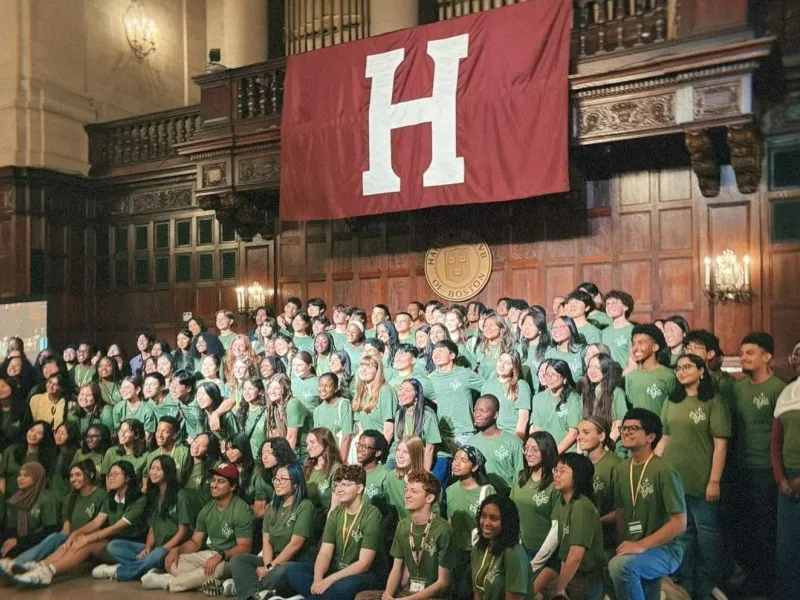 First-year students gather to commemorate a successful alumni networking event at the historically exclusive Harvard Club of Boston
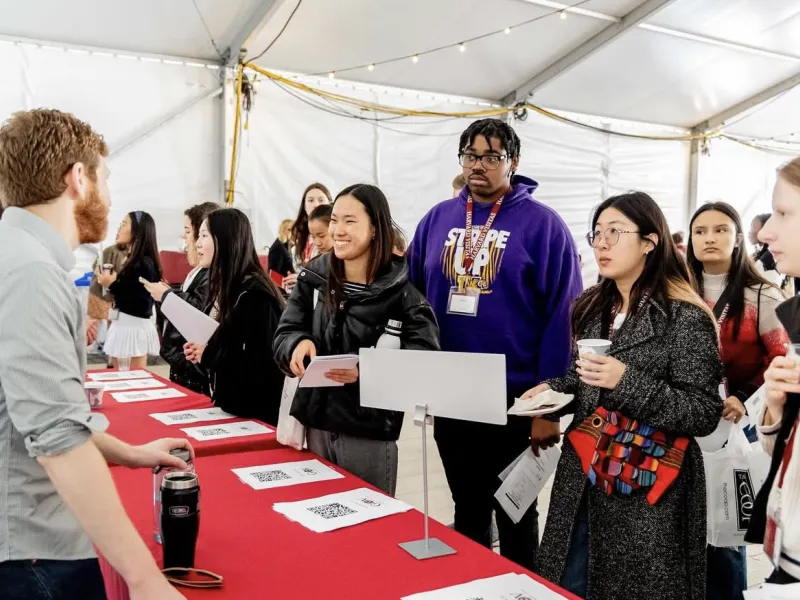 Picture of me and others at the Visitas Concentration Fair in 2024
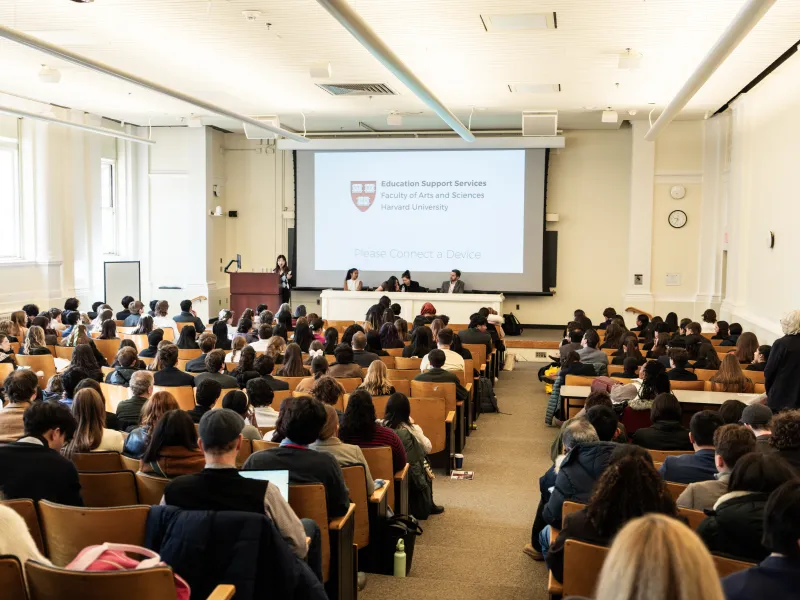 Nearly 200 students across 20+ high schools attended Harvard's first High School Ethics Bowl (HCHSEB)
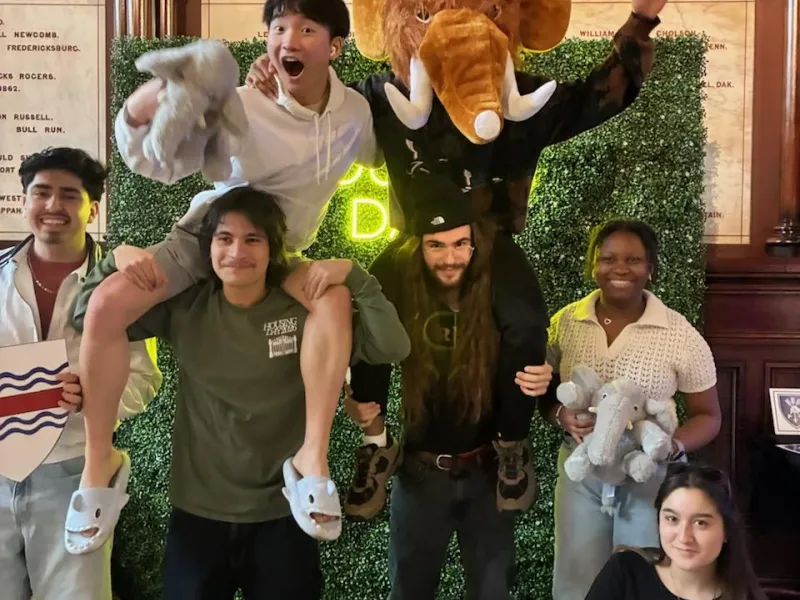 A picture of some of my blocking group members and I on Housing Day!
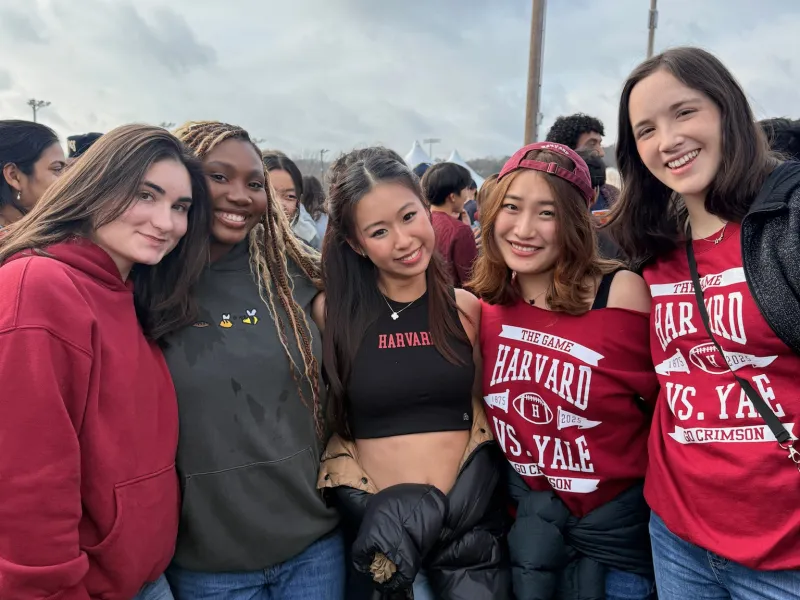
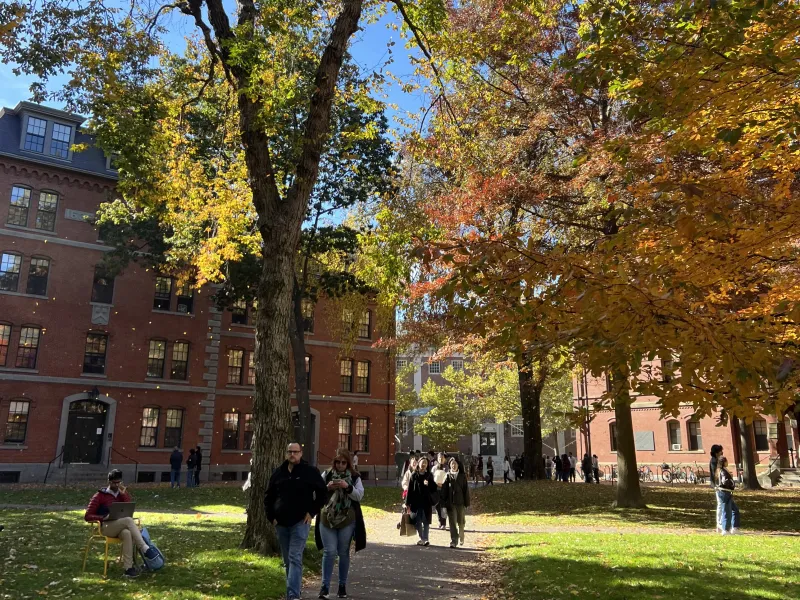 Harvard Yard
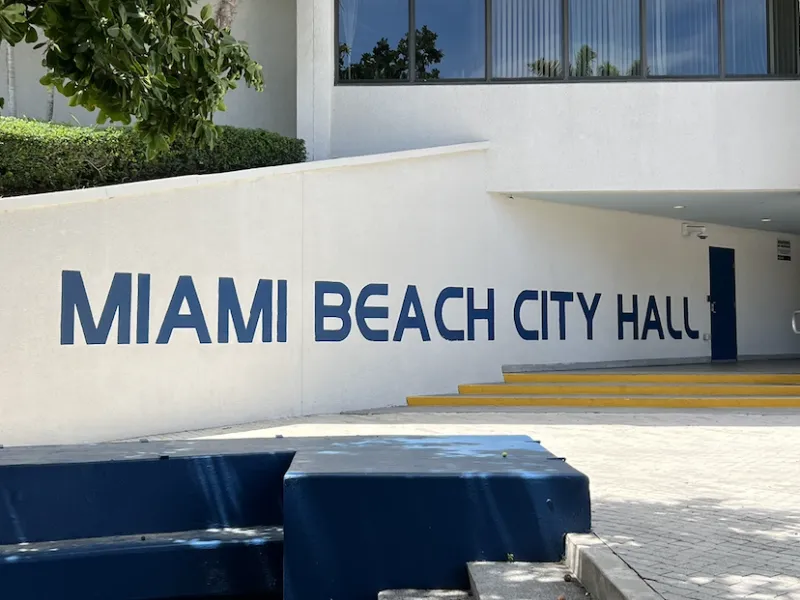 Miami Beach City Hall
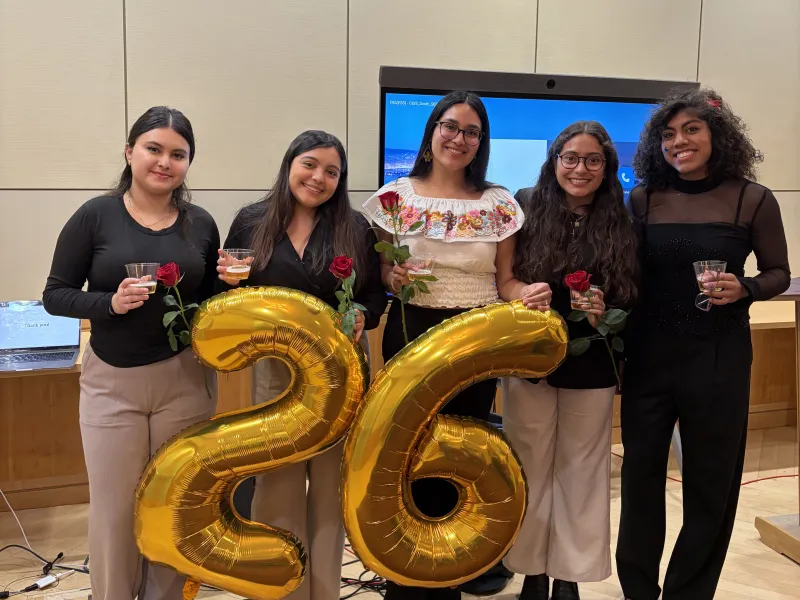 Lizbeth and friends at the Latinx Senior Thesis Forum, where they presented on their year-long projects.
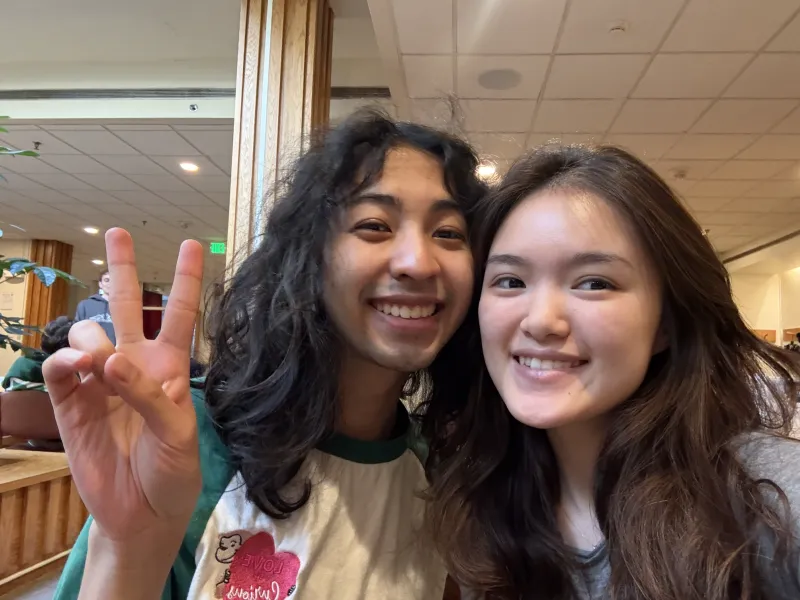 Mollie and Kai during the interview at Currier House!
 A sign welcoming new Quincy house residents on Housing Day!
 The Barker Center, home to the Harvard College Writing Center
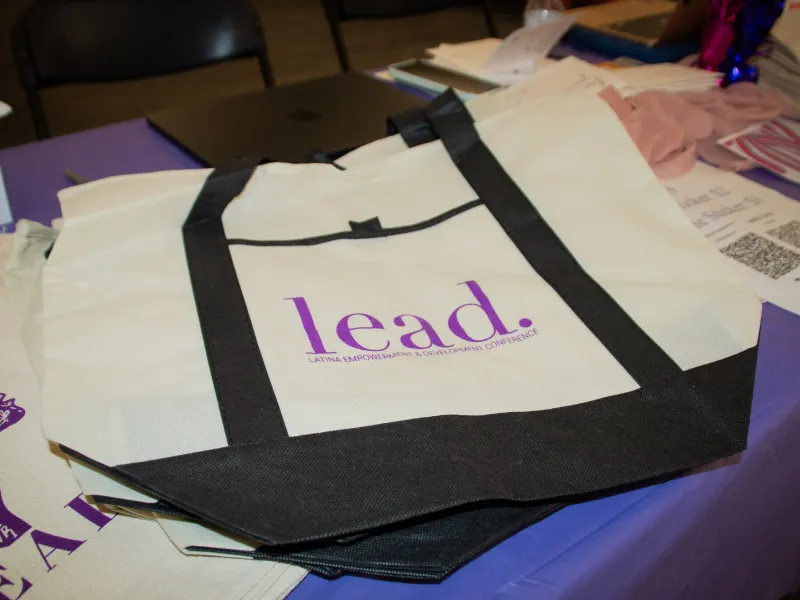
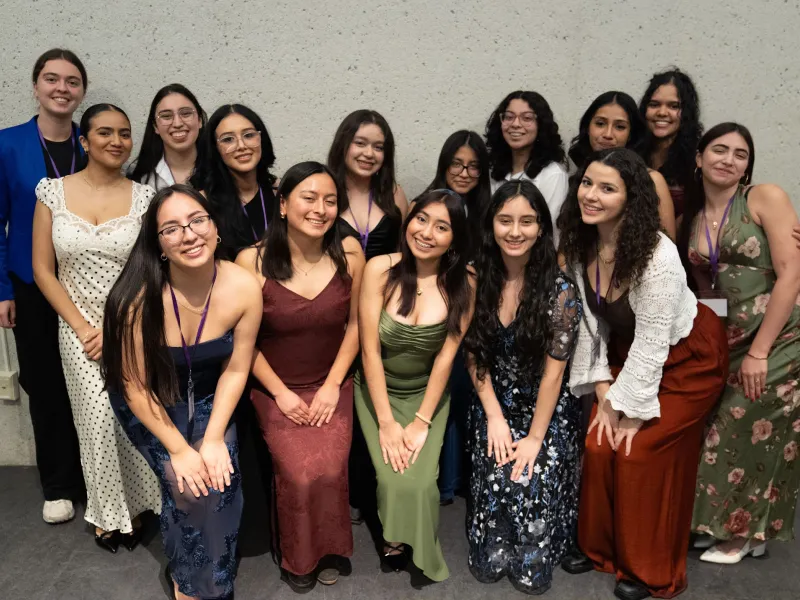 2026 LEAD Board
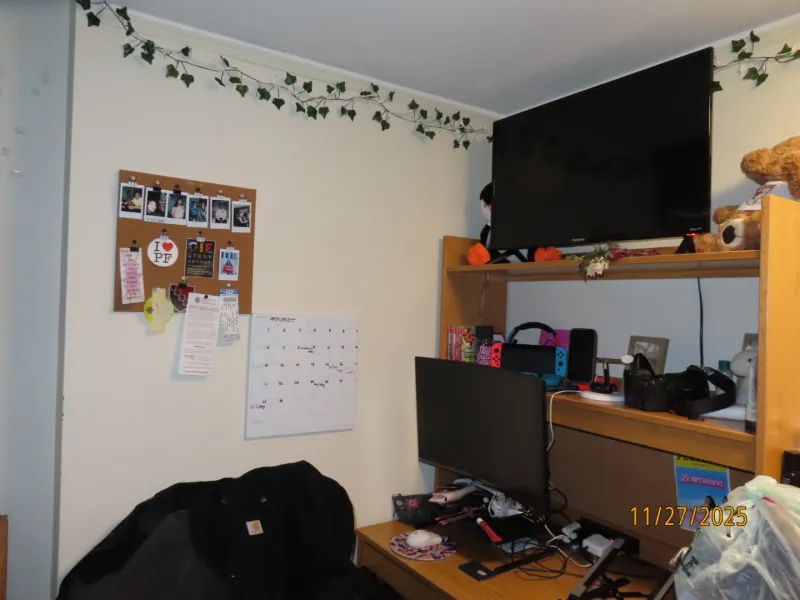 This is my junior year desk where I have my trusty monitor where I did most of my readings. But the TV served as a great medium to watch comfort movies and shows.
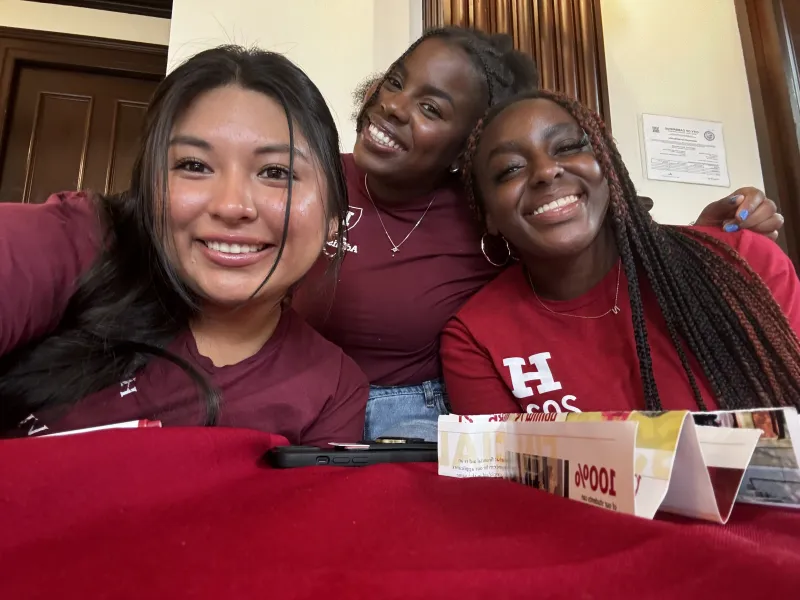 During my internship at the Harvard Admissions Office, I met great people who continue to be my close friends.
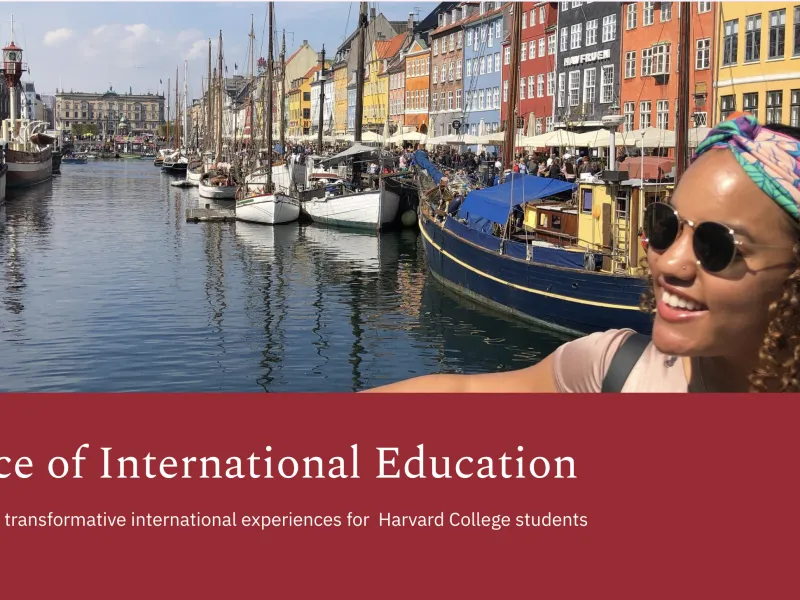 This is the opening page of Harvard's Office of International Education, where you can find plenty of resources in your study abroad journey.
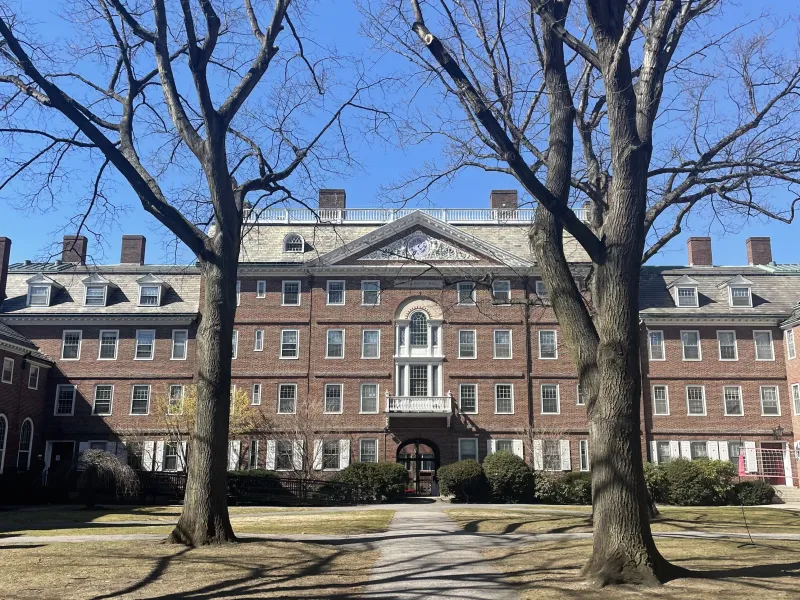
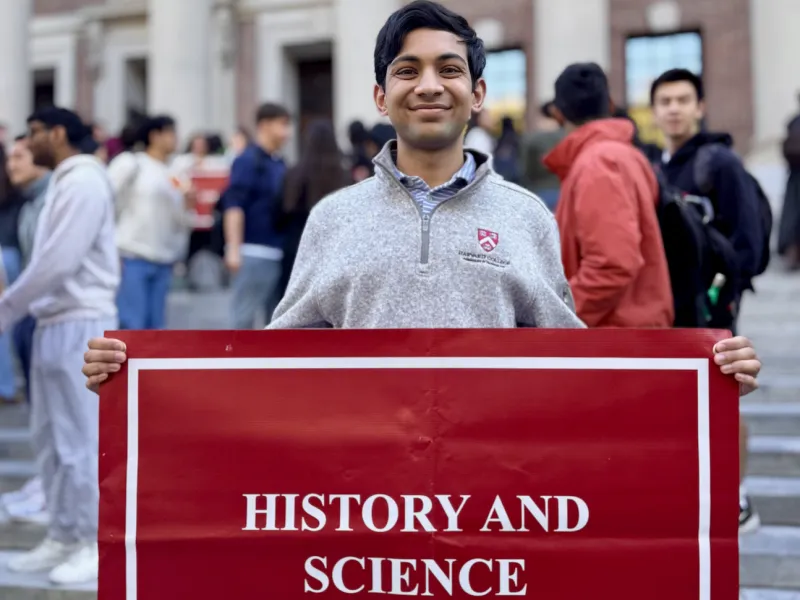 I pose with the sign for History and Science in front of Widener Library
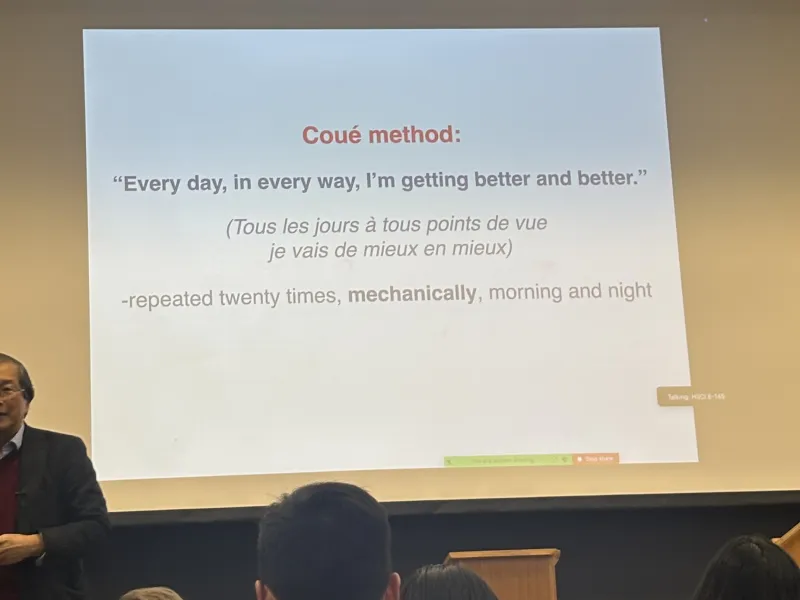
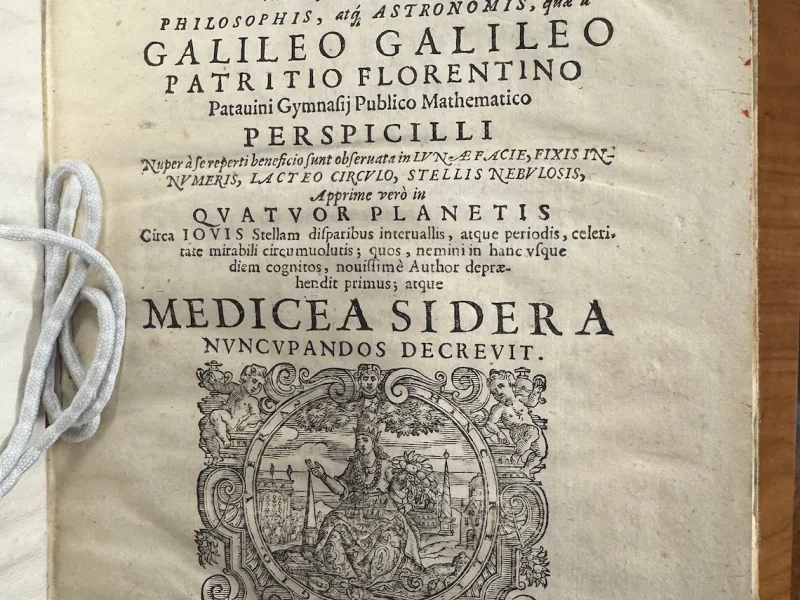 One of Galileo's works in Houghton Library.
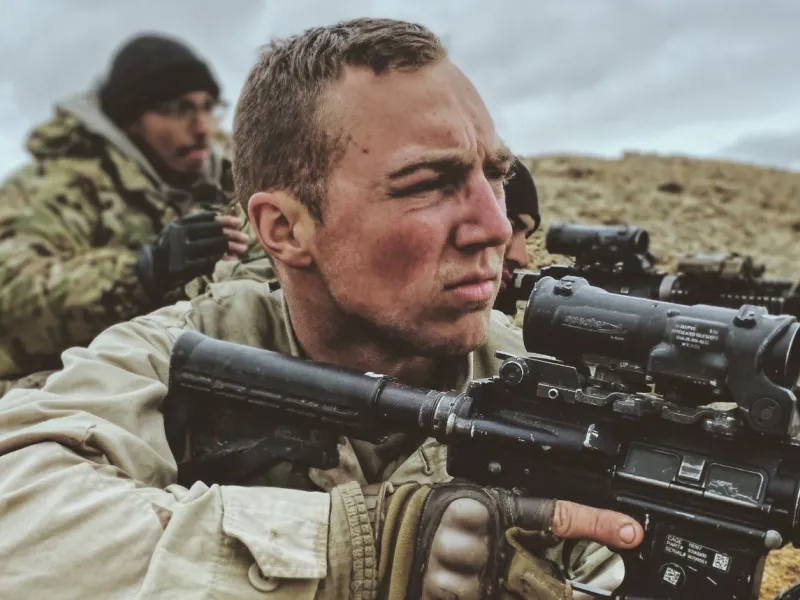
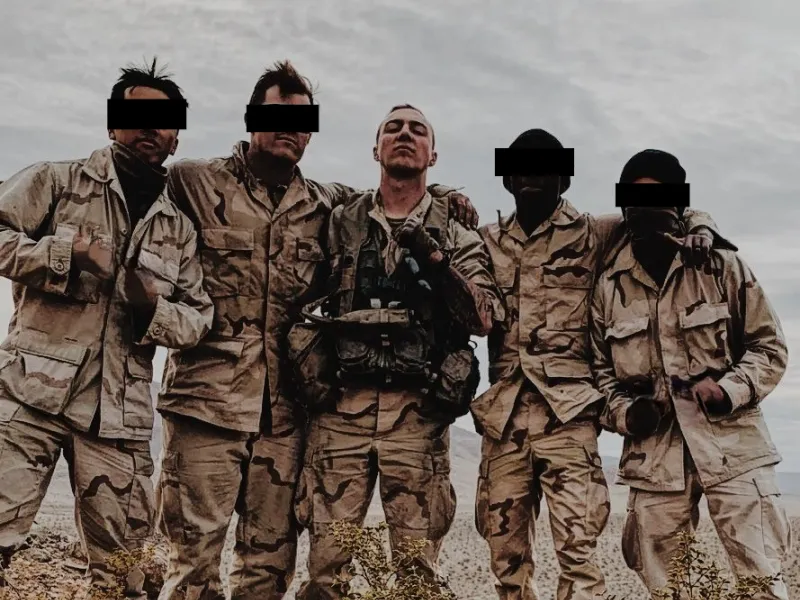 Quinn Ewanchyna '26 stands with platoon members during a training exercise in the Mojave Desert, 2020
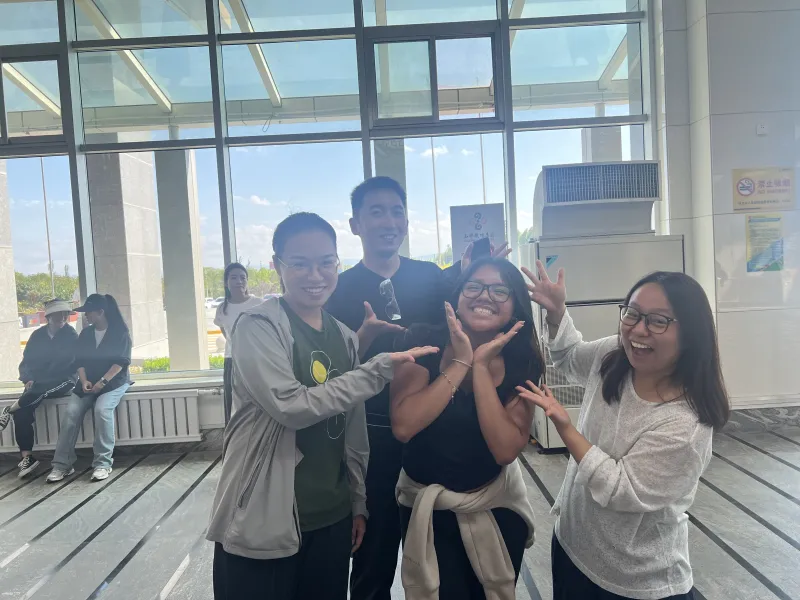
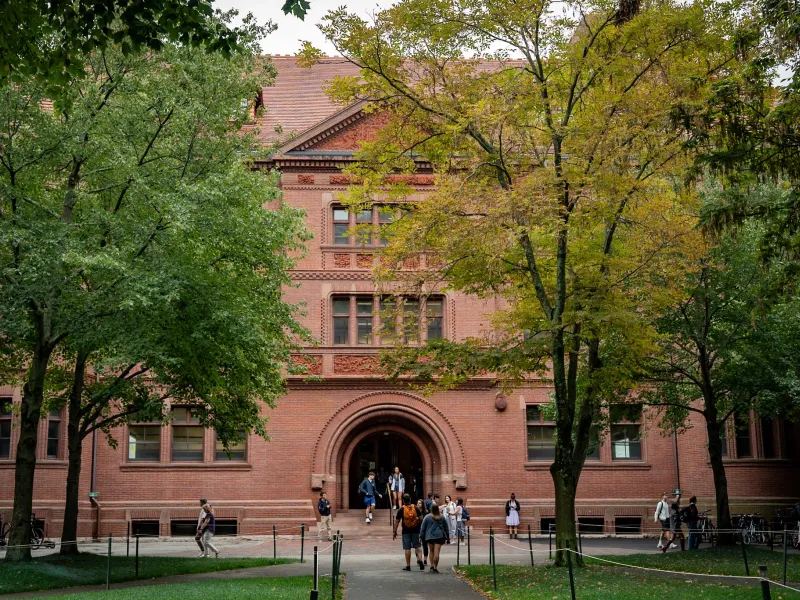
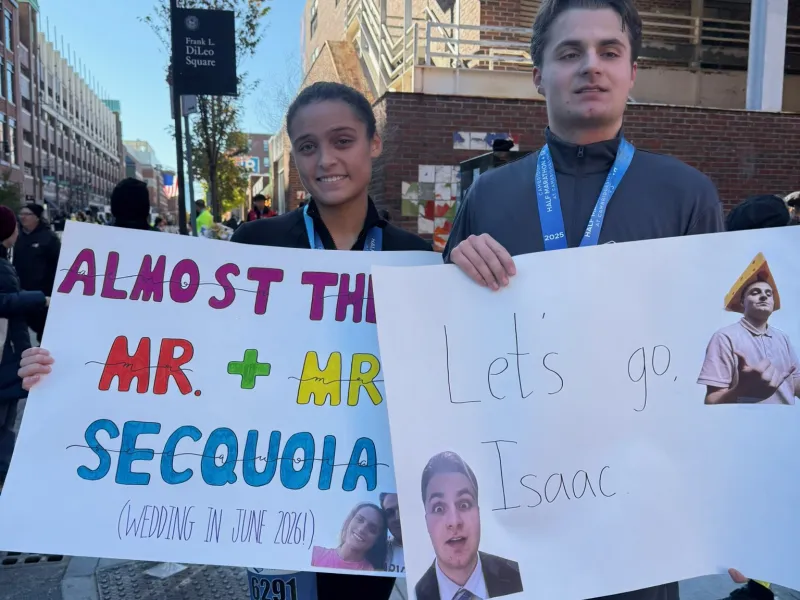 Secquoia and her fiancé after running the Cambridge Half Marathon
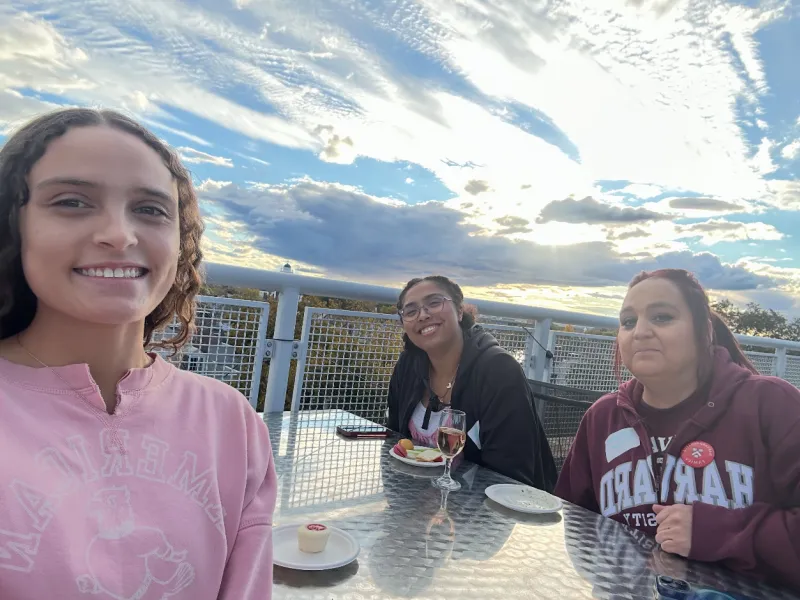 Secquoia with her mom and sister at a family weekend event!
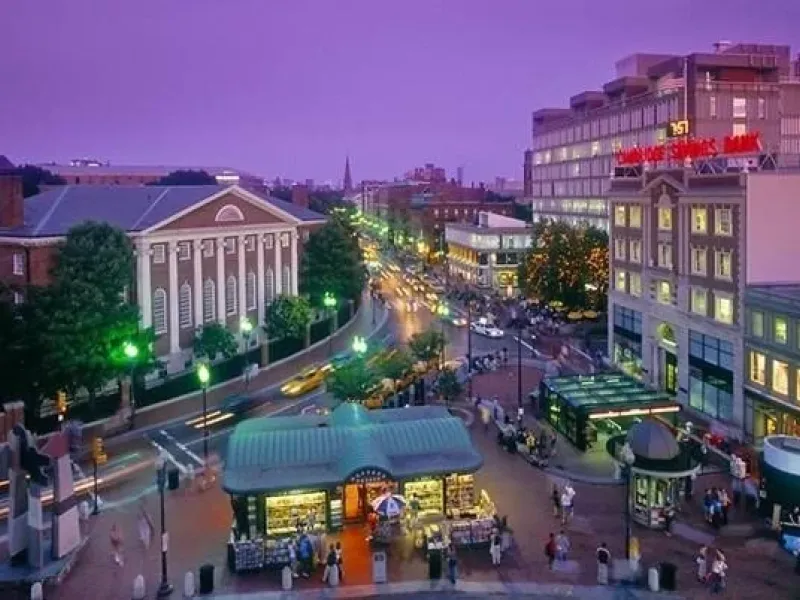
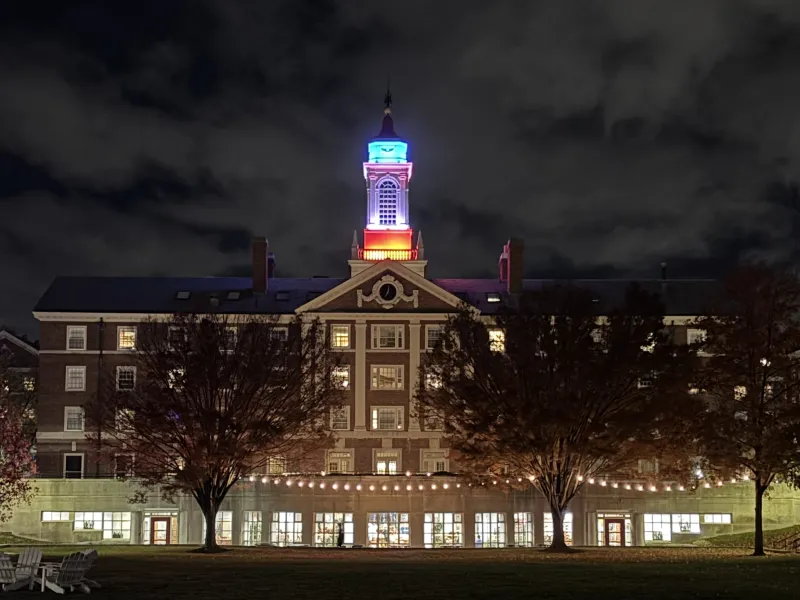 Pforzheimer House at night with its beautifully lit belltower.
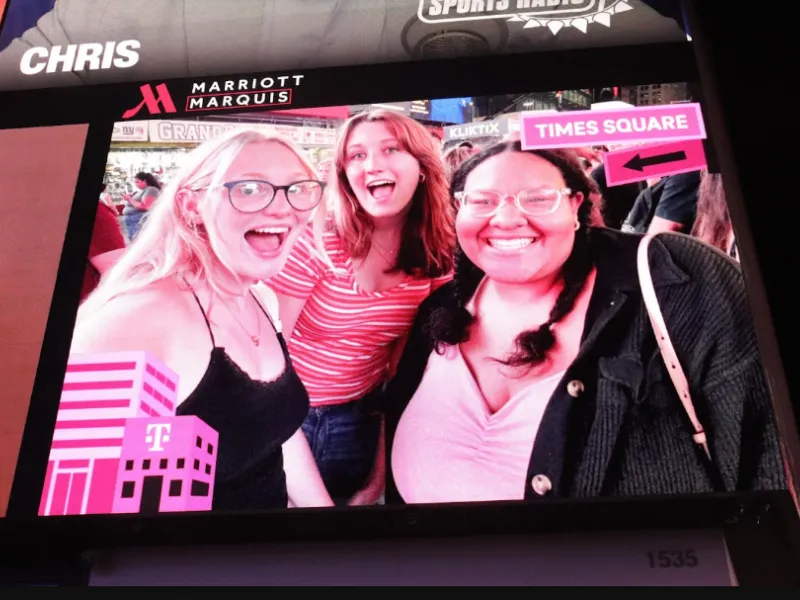
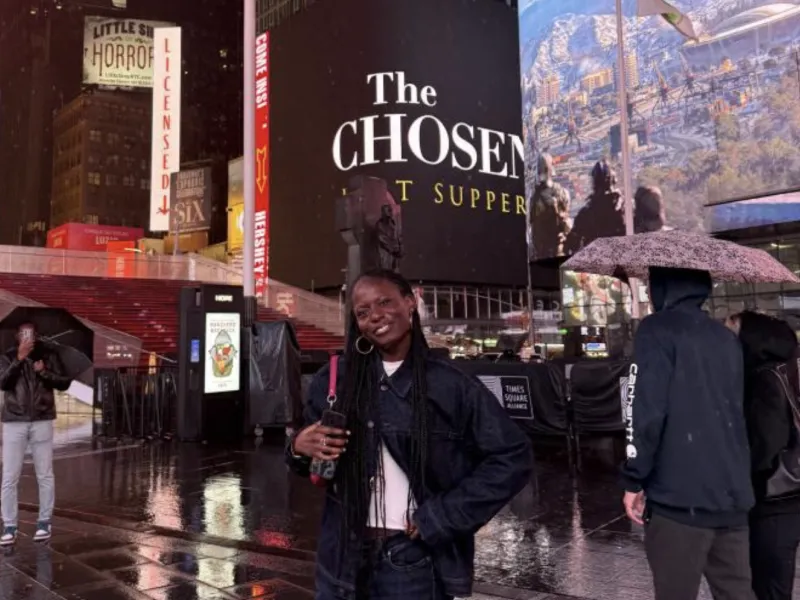 Some friends and I took a coach bus from Boston to New York City and visited Times Square as a part of this trip!
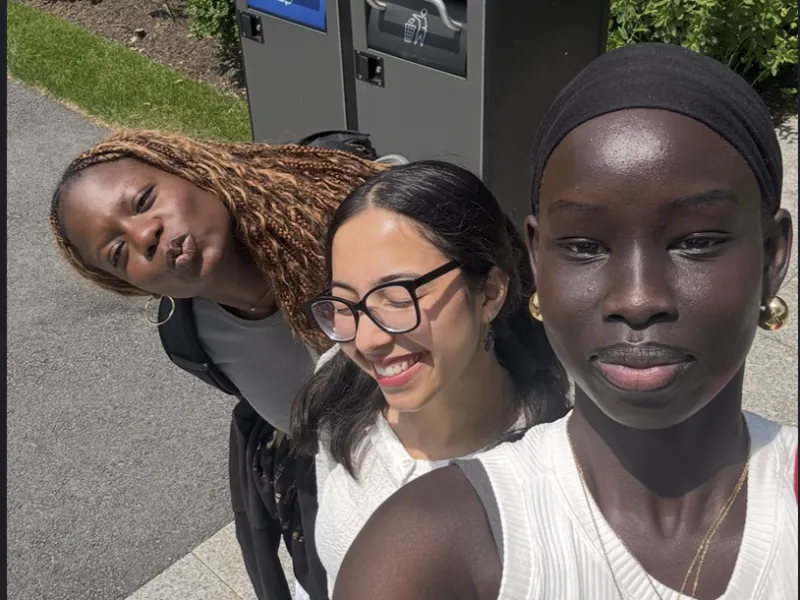
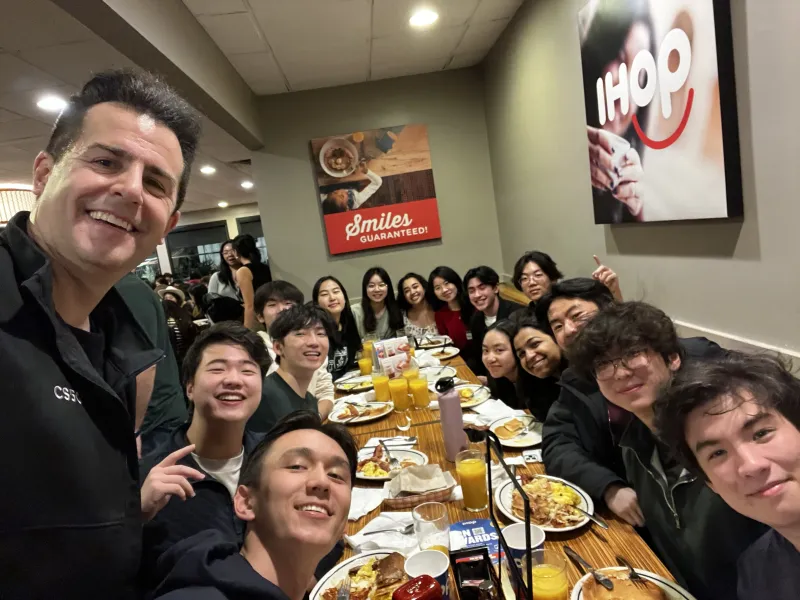 CS50 Hackathon IHOP Breakfas
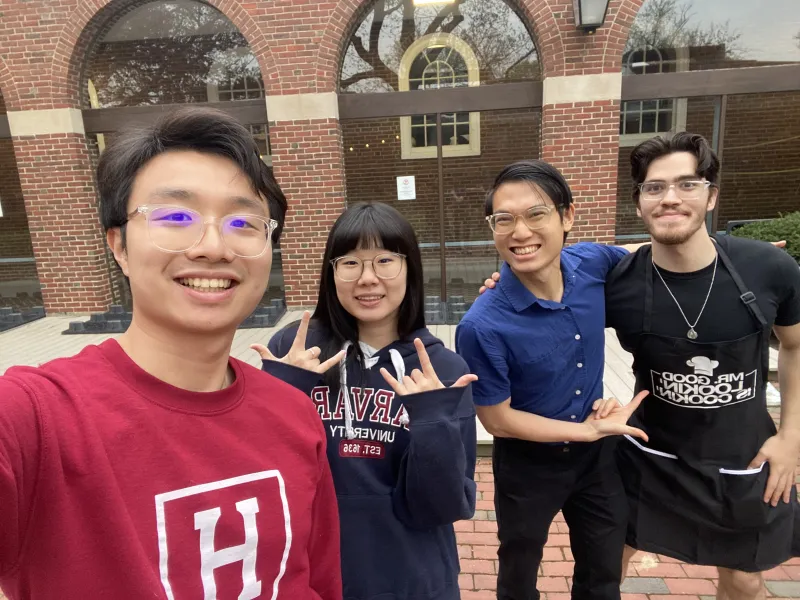 Pfohomies Enjoying the Grill'n'Stein
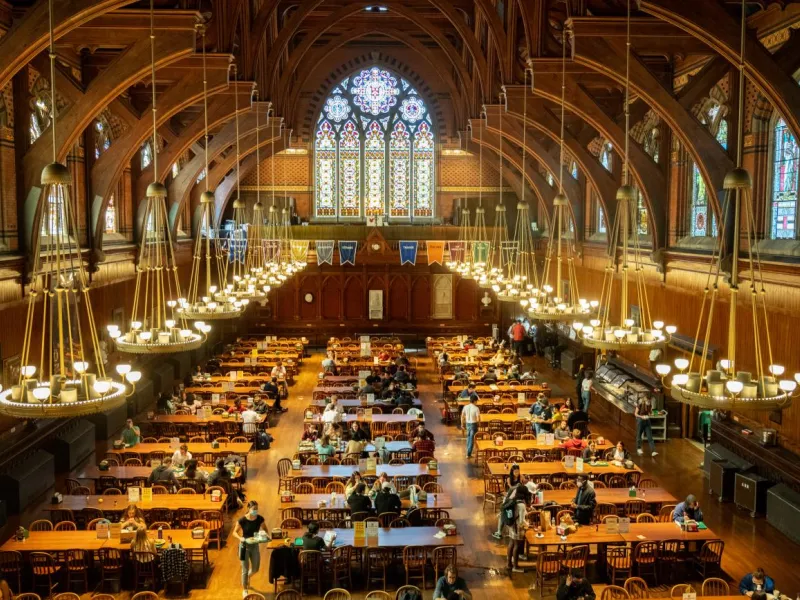
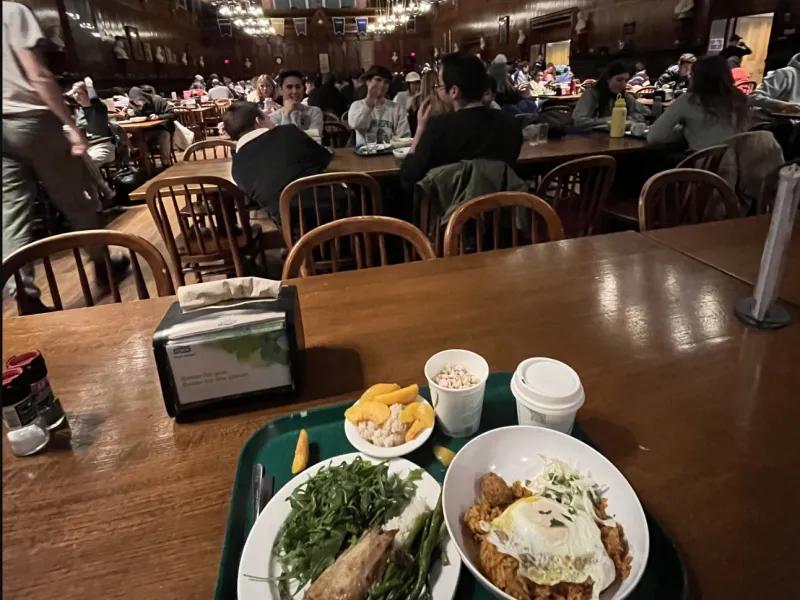 A view with my food from my first year, eating in the famous Annenberg Hall.
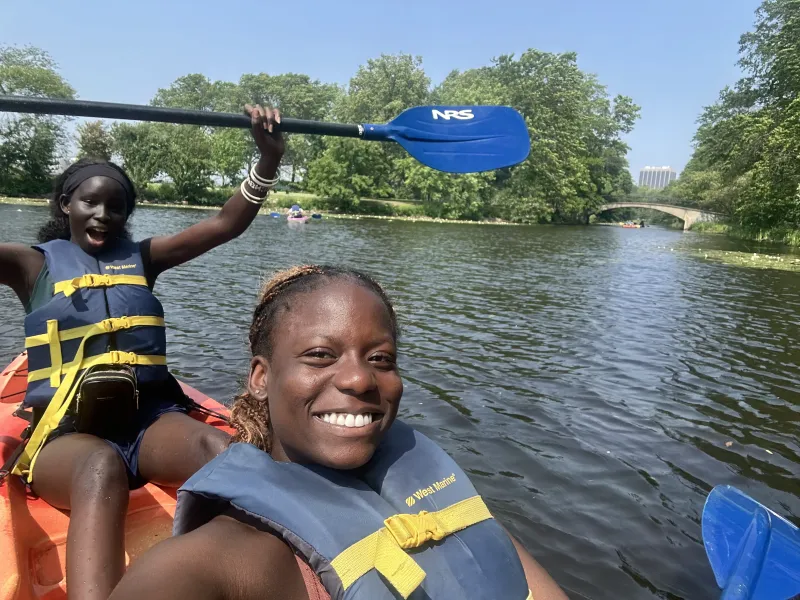
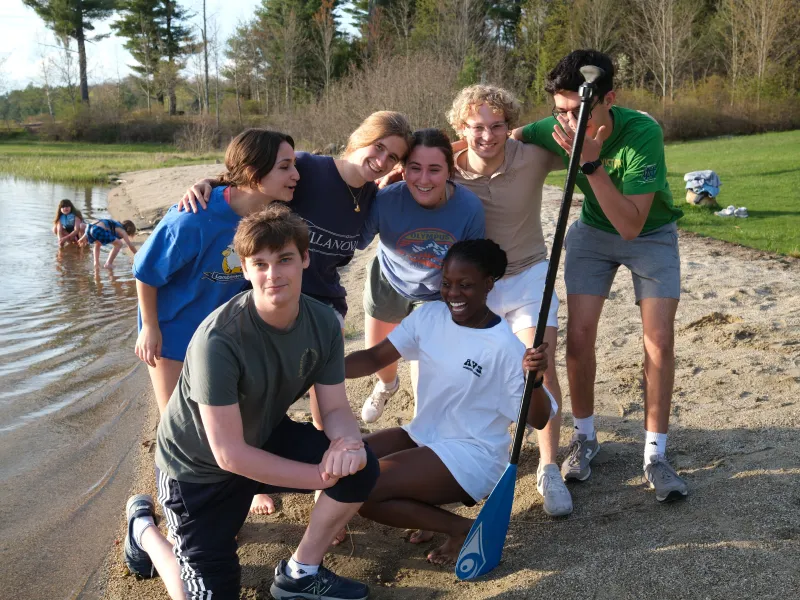 My friends from my entryway and I pose for a picture together before we go kayaking!
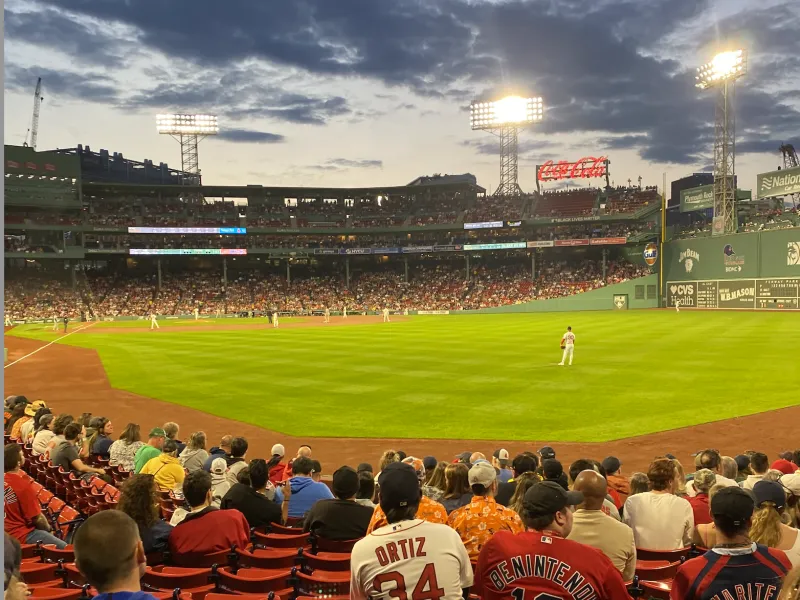 Outfield seat view of a game at Fenway Park between the Boston Red Sox and the Baltimore Orioles
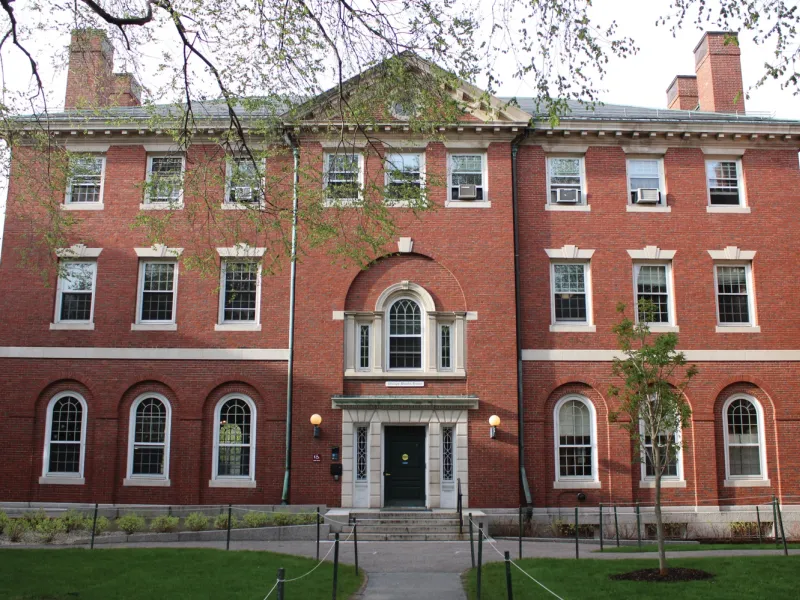 Philip Brooks House, the locus of public service on campus, located in Harvard Yard.
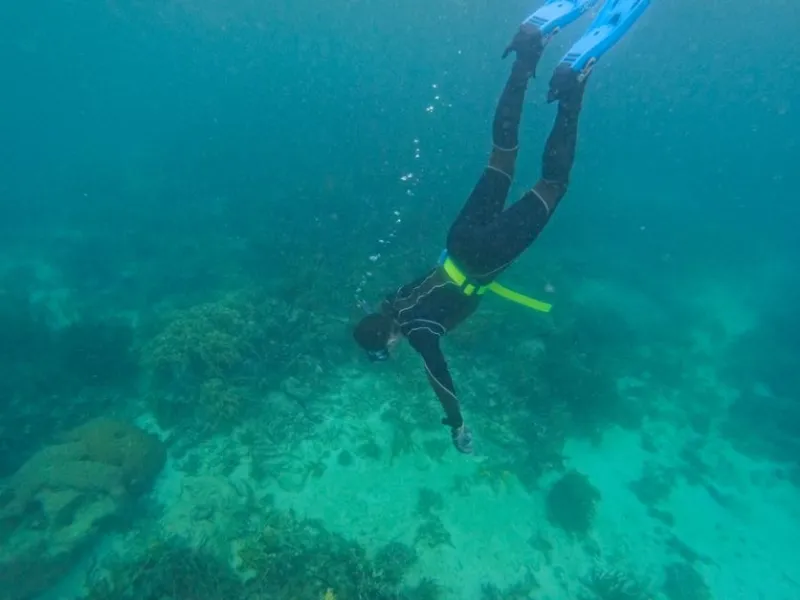 First-time snorkeling!
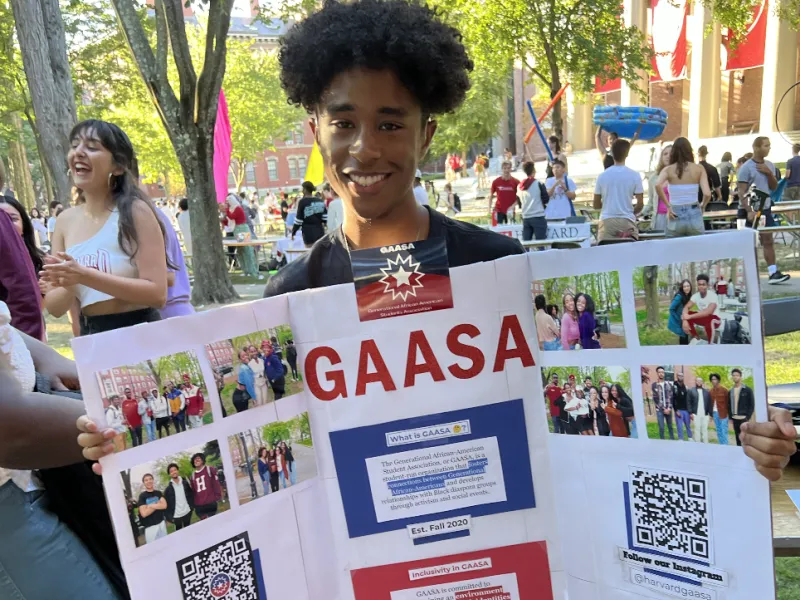 Every September, the College holds an Extracurricular Fair in Harvard Yard. This is one of the first opportunities for many to learn about GAASA.
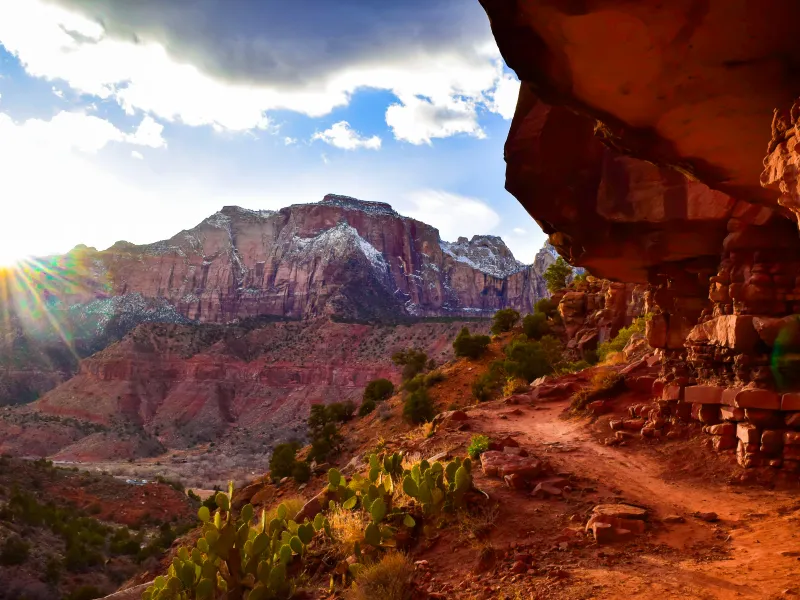 Captured around sunset as we hiked the Watchman Trail.
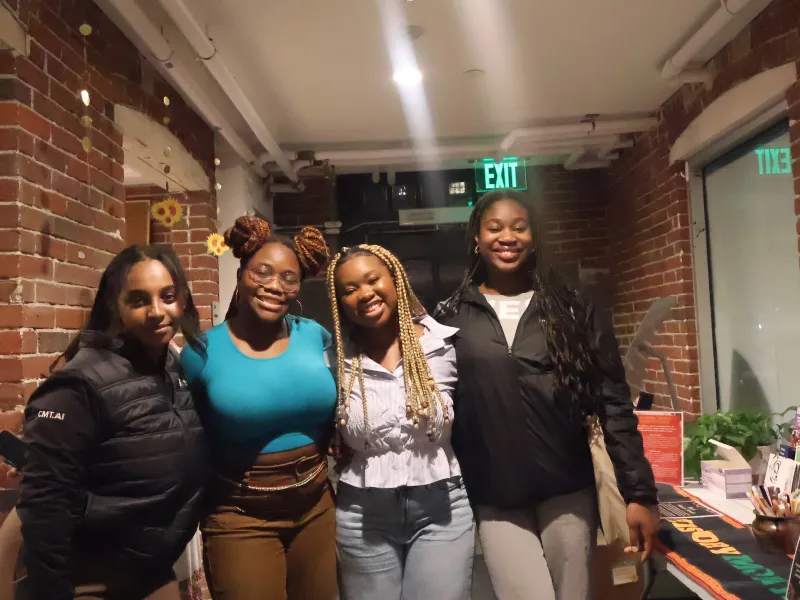
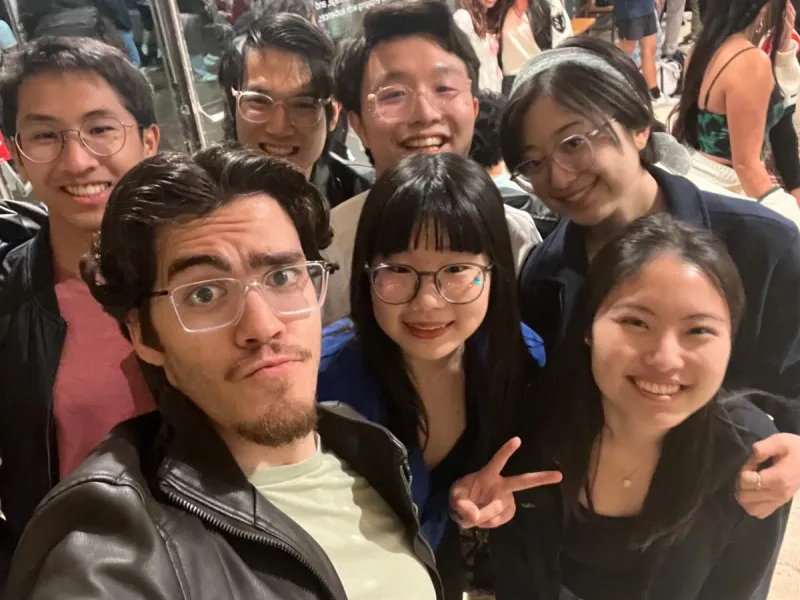 A selfie with six of my block mates, two of which performed in this dance show!
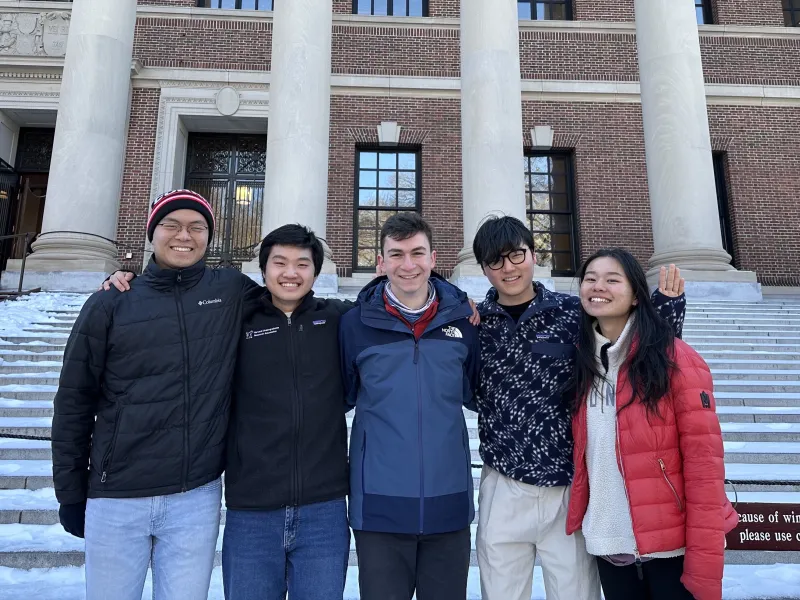 My friends and I celebrating our last first day of classes this semester.
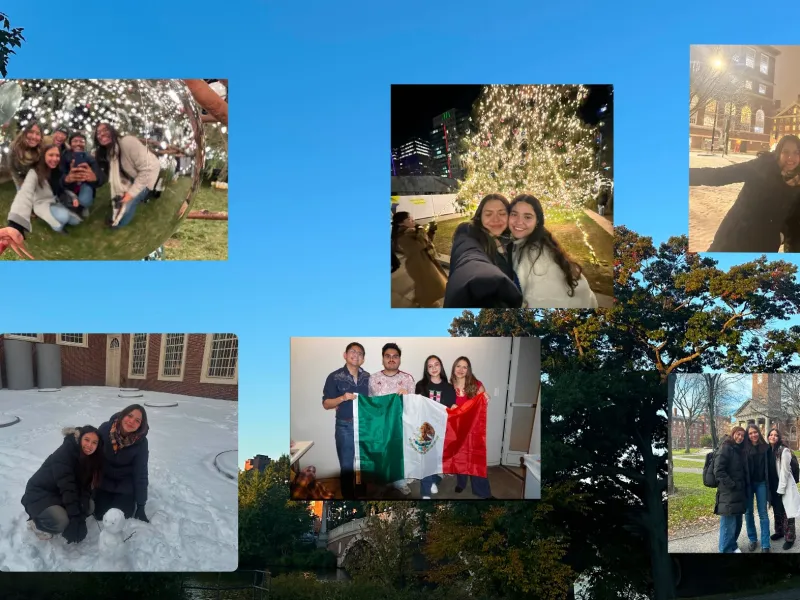 Ana's Harvard (Friends)
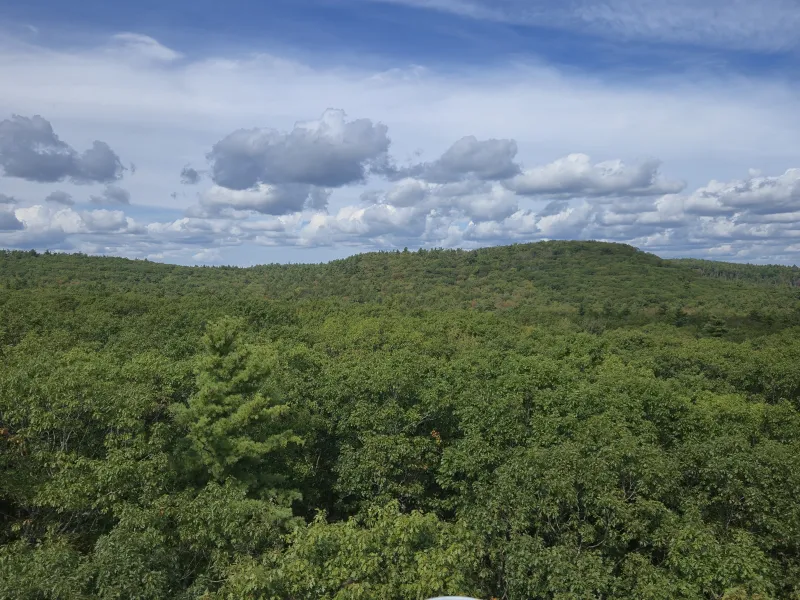
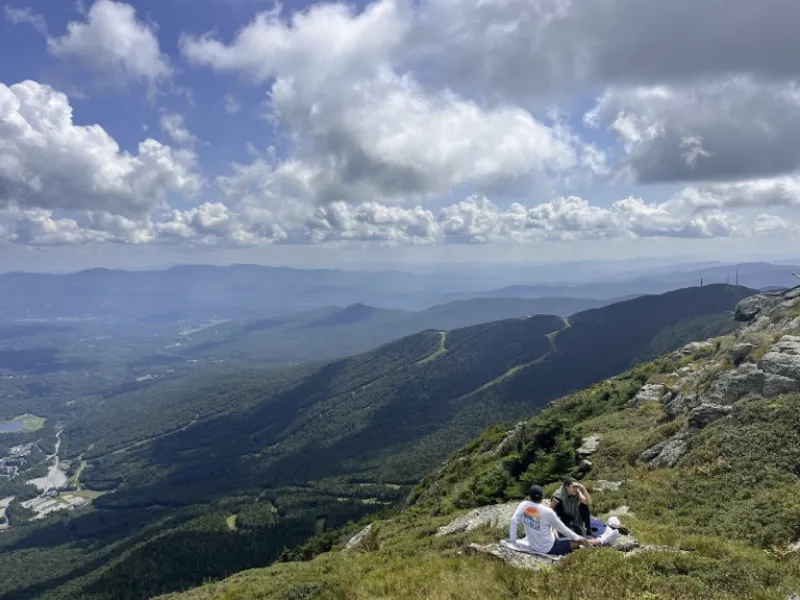 The view from one of the peaks in Mount Mansfield State Forest, Vermont!
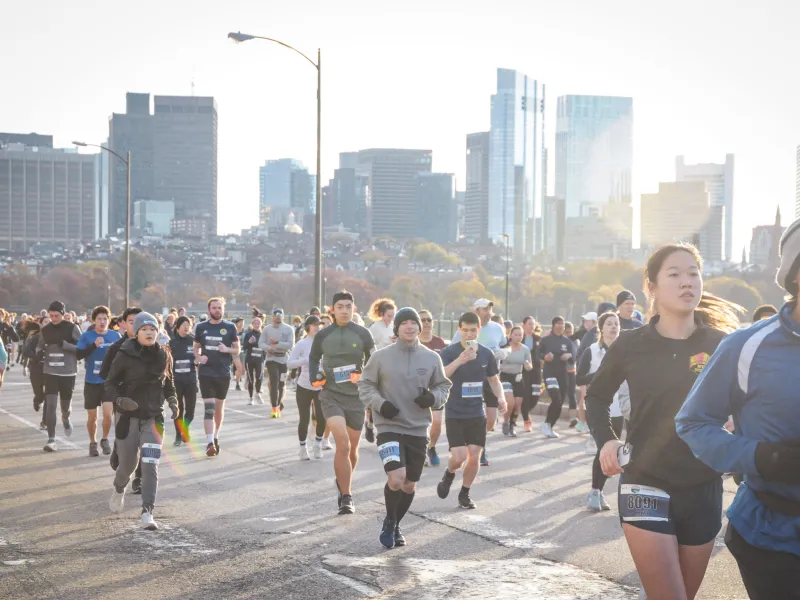 A picture of many runners (including the author, Ricky) running during the Cambridge Half Marathon.
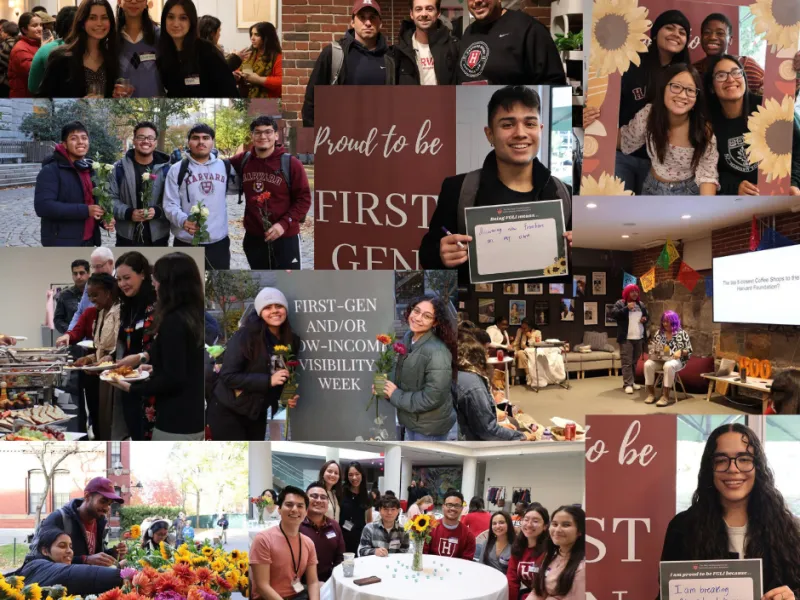
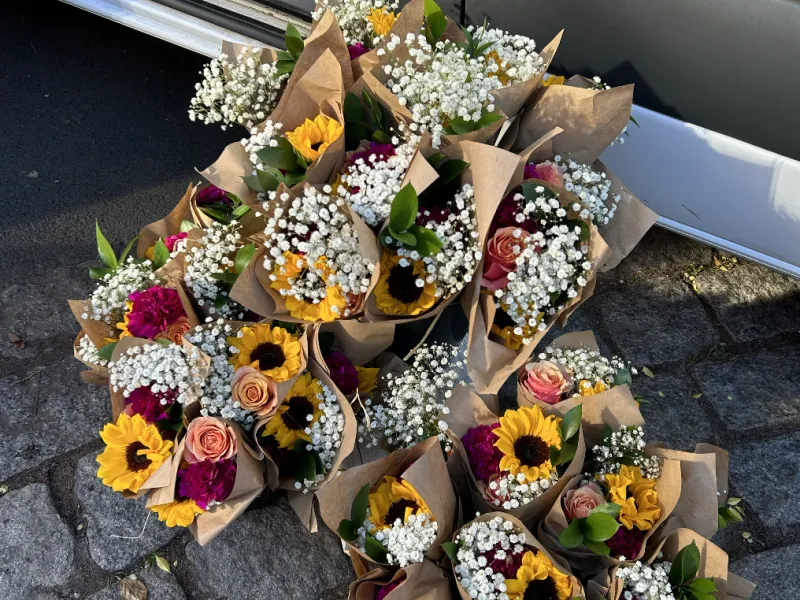 Various colorful flower bouquets which were given to first-gen/low-income student on the kick of of FGLI Visibility Week.
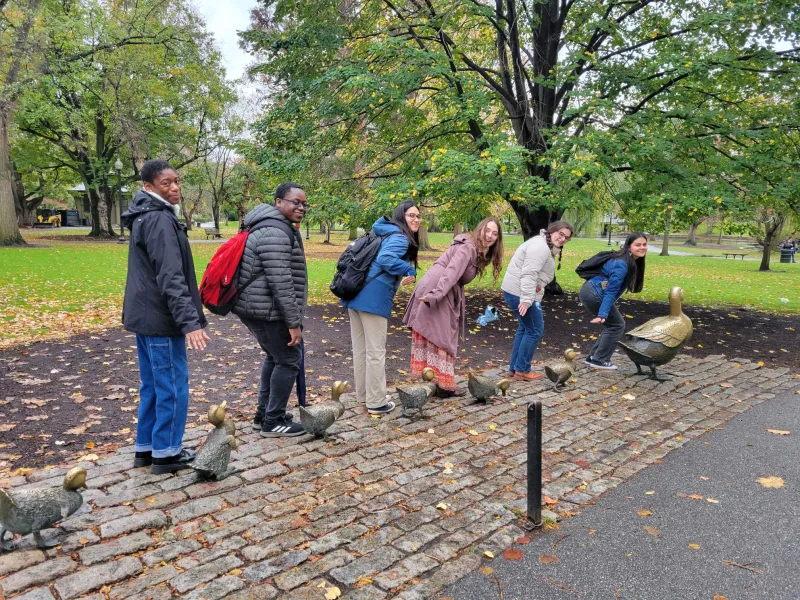 Lizbeth pictured in the Boston Commons with five friends from her Emerging Scholars Program cohort.
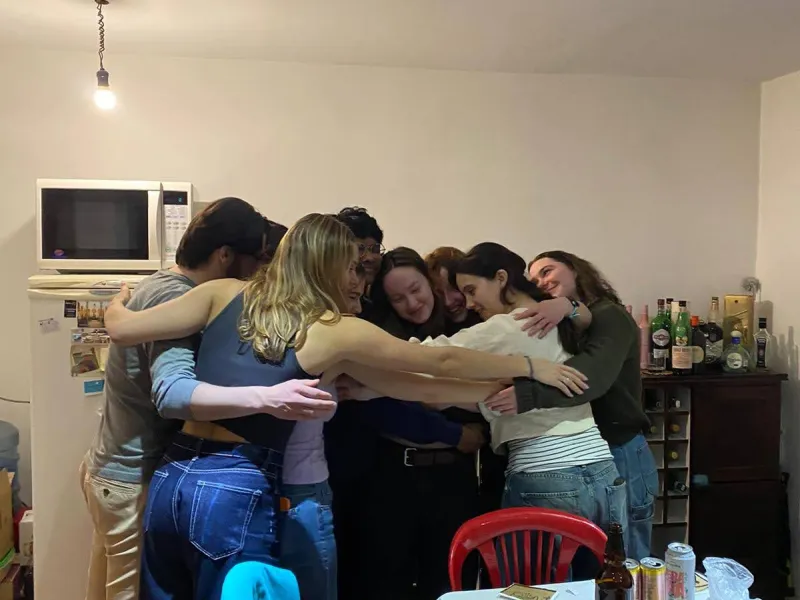
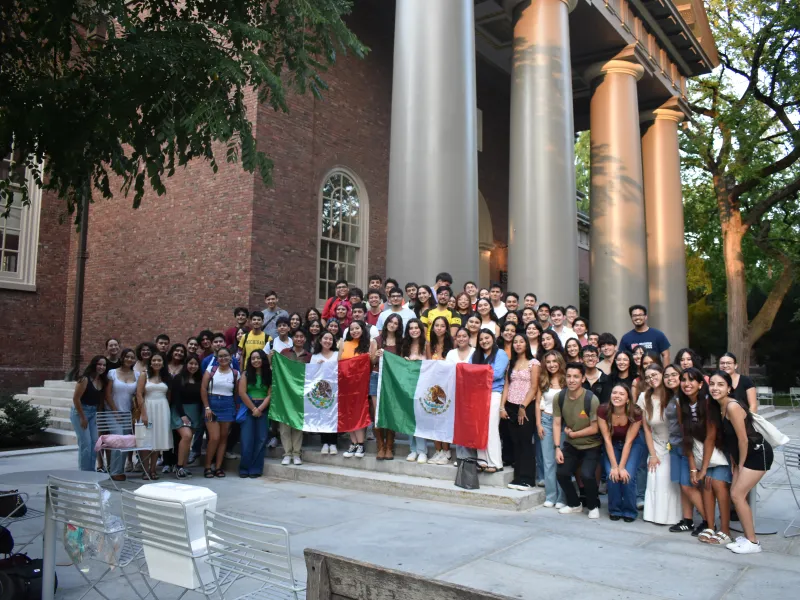 A picture of Harvard College students who attended RAZA's first event of the semester in the fall of 2024.

 A photo of me with the first two other students who were hired as freshman student workers last fall
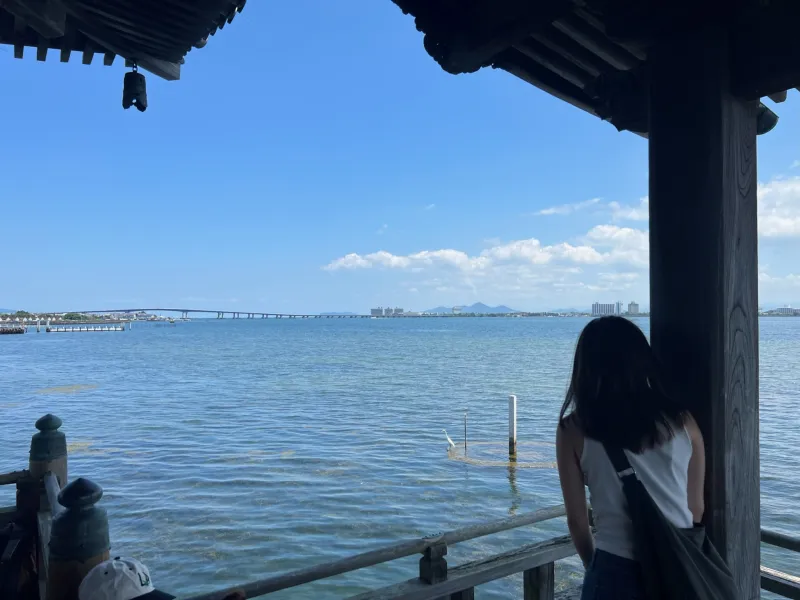
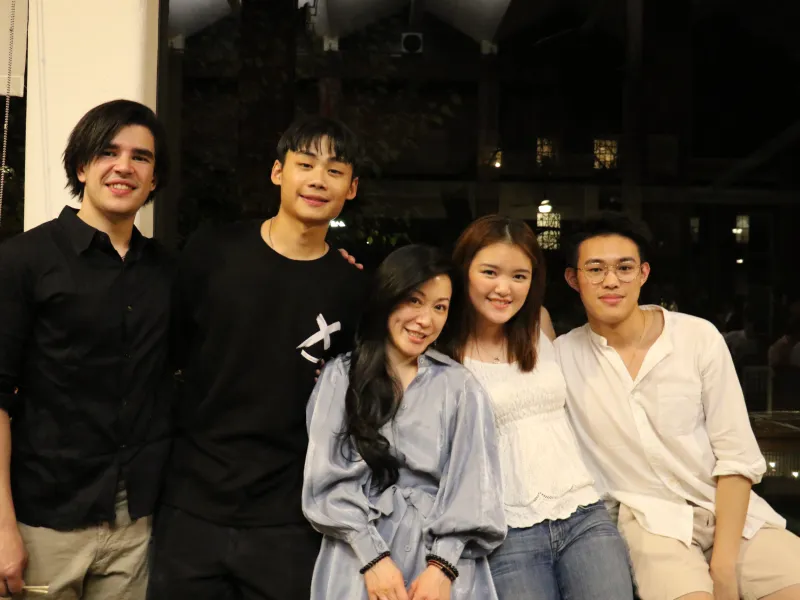 One of my favorite photos of TCS. Small Island, Big Family!
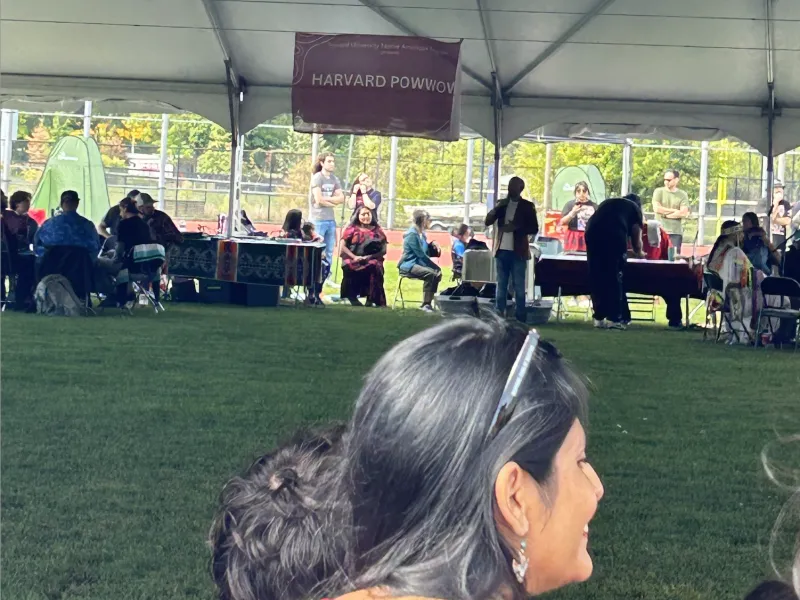
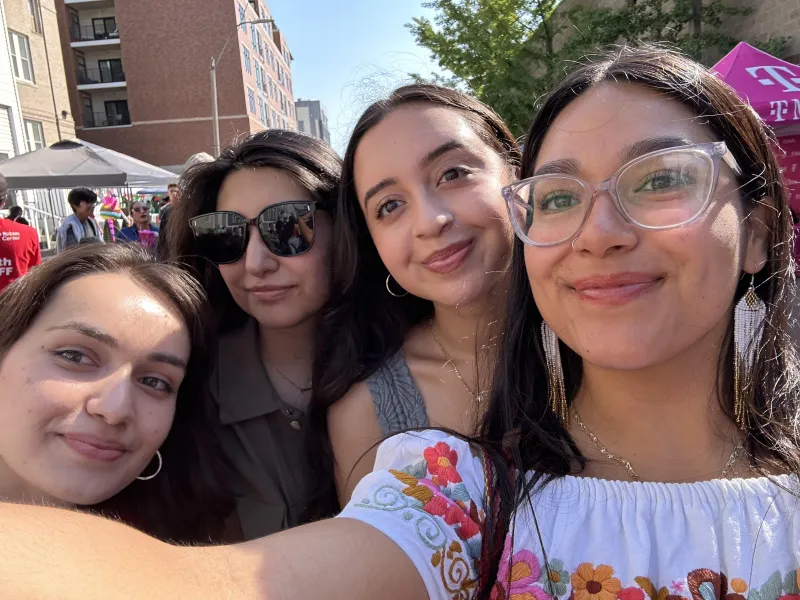

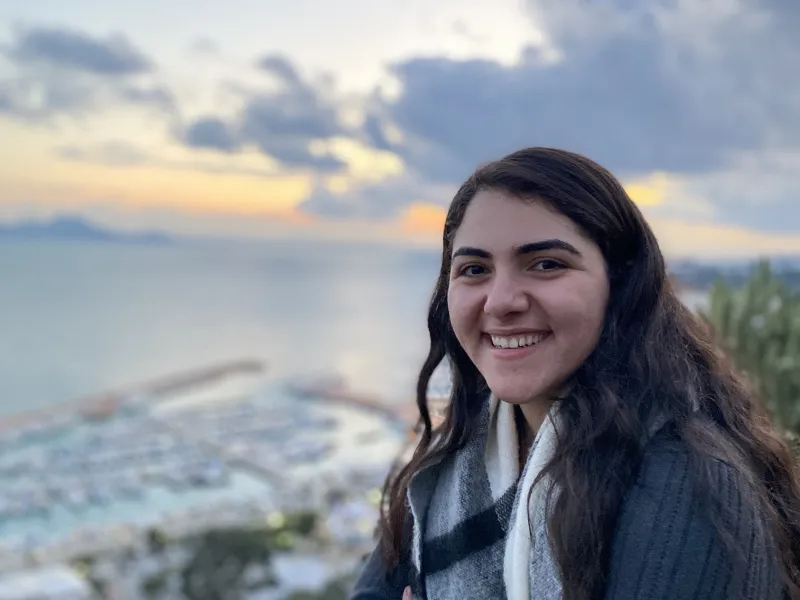
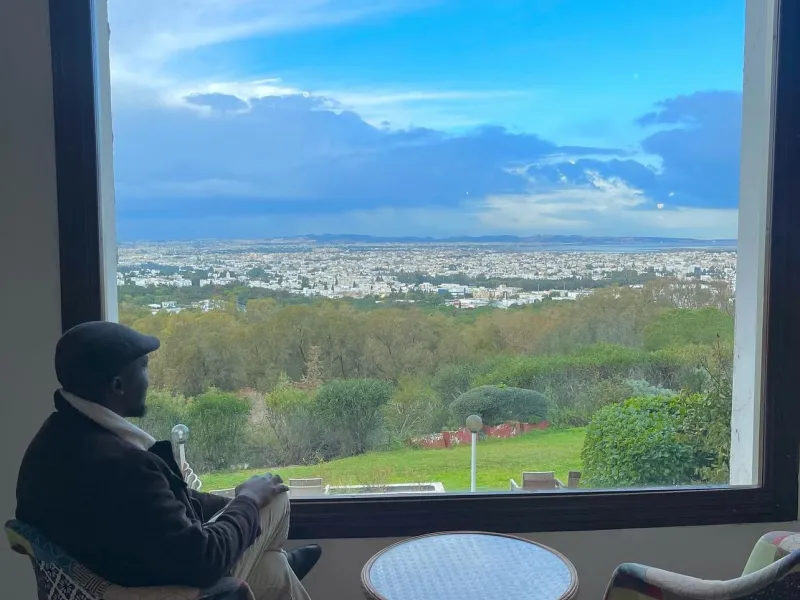 View from the hotel in Sidi Bou Said, Tunis
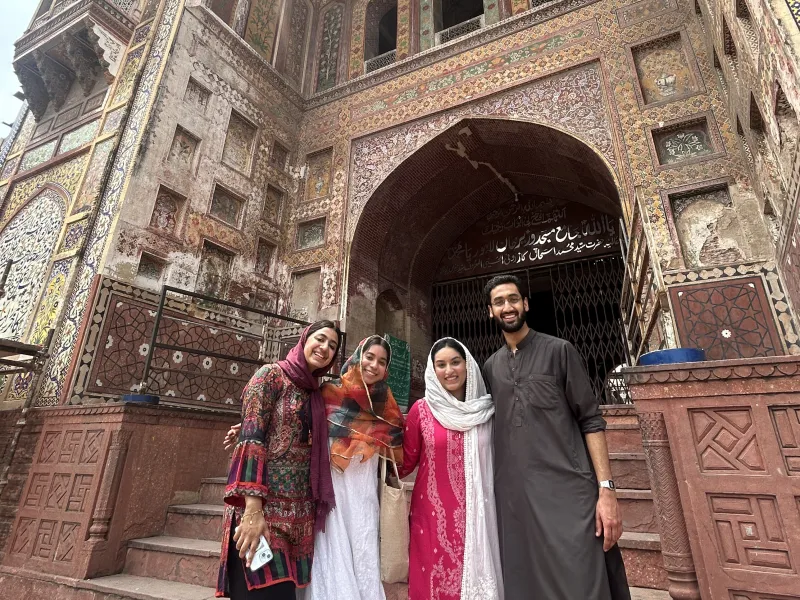
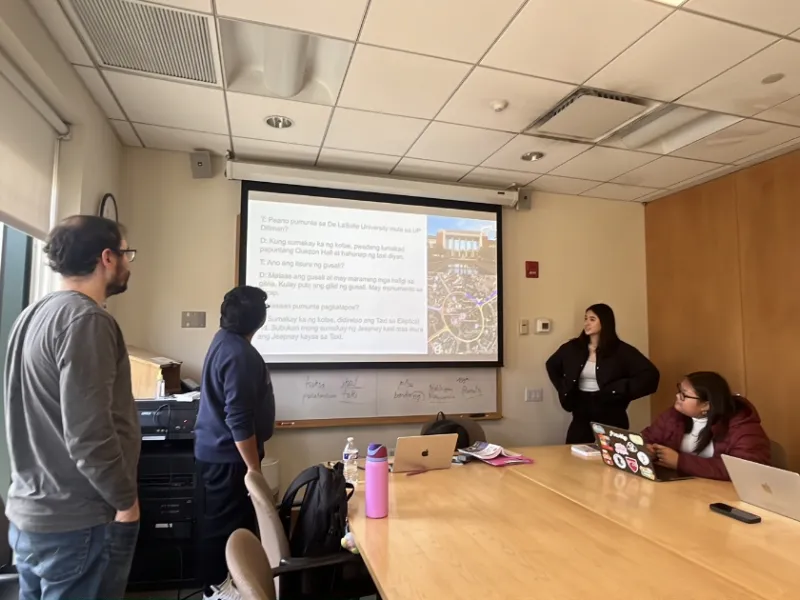 Intermediate Filipino Class
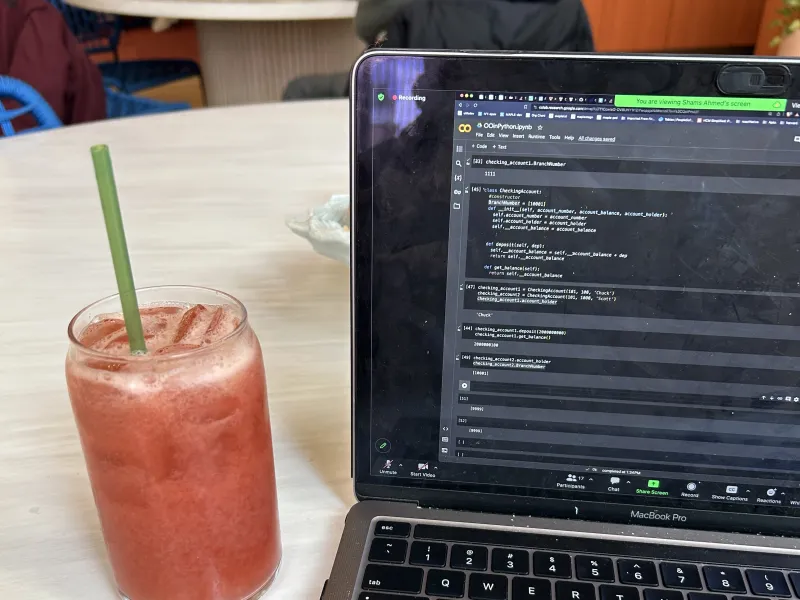
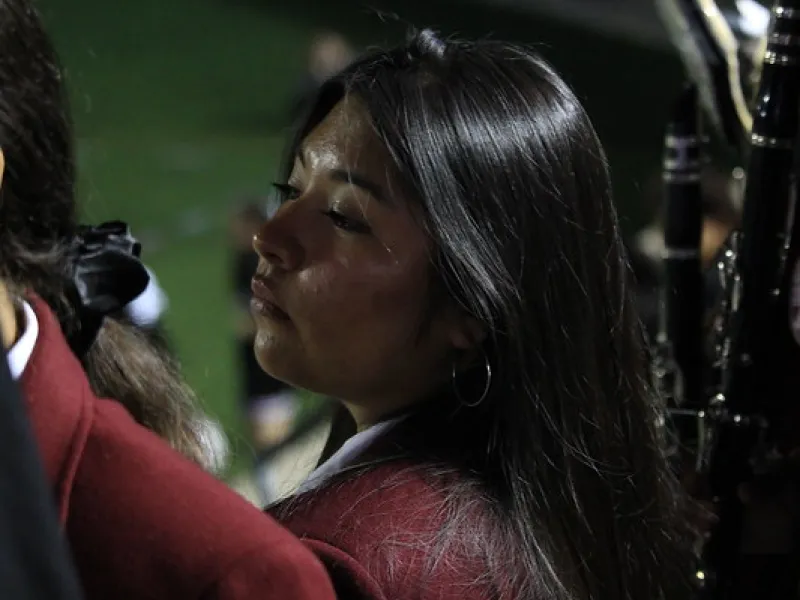 A picture taken of me during Harvard vs. University of New Hampshire.

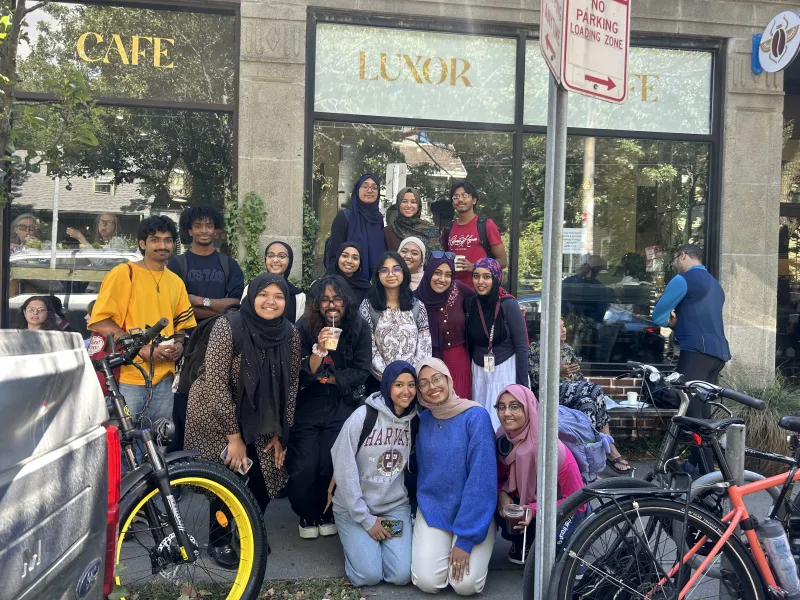 Samia Afrose with friends at Luxor Cafe
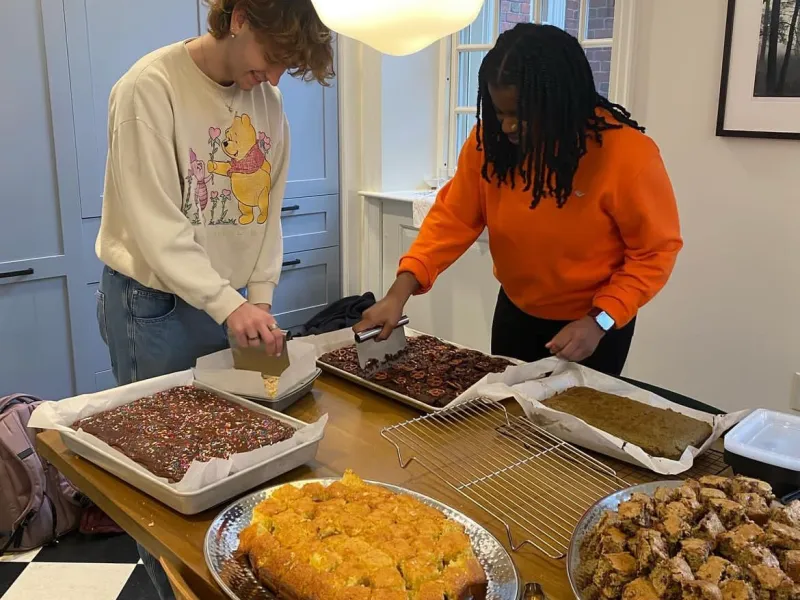
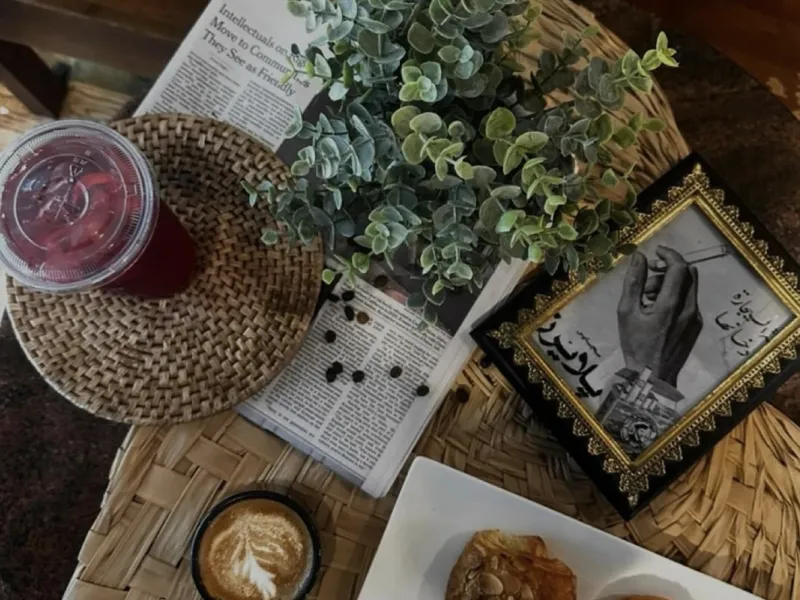
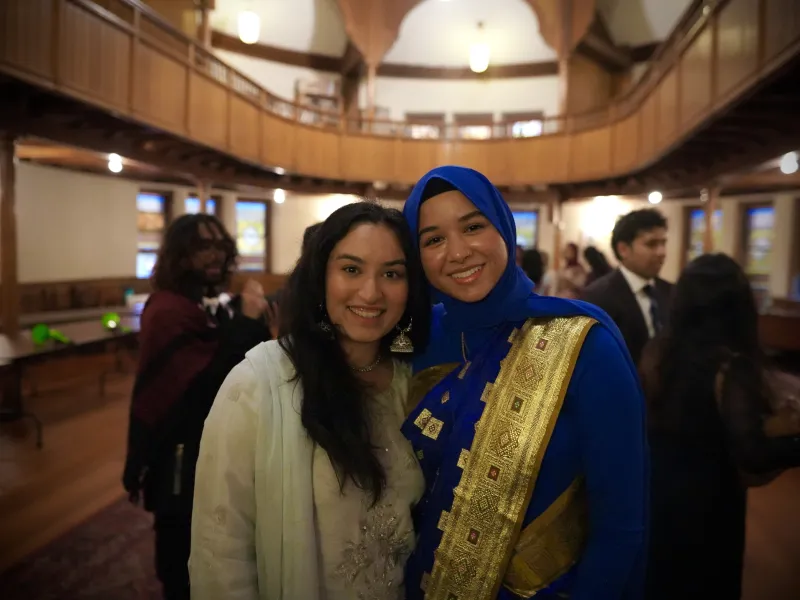 Samia Afrose and Hana Rehman at South Asian Convocation
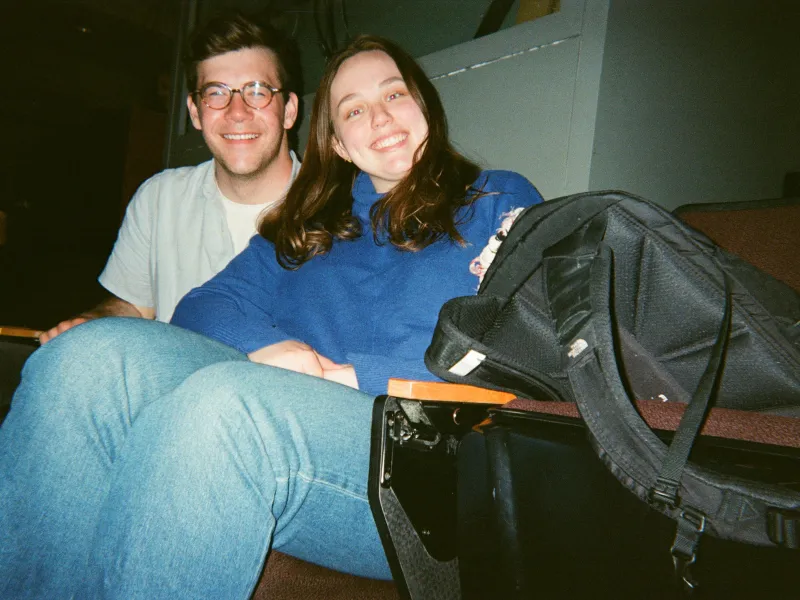 A photo taken in my last class at Harvard with one of my closest friends my senior year.
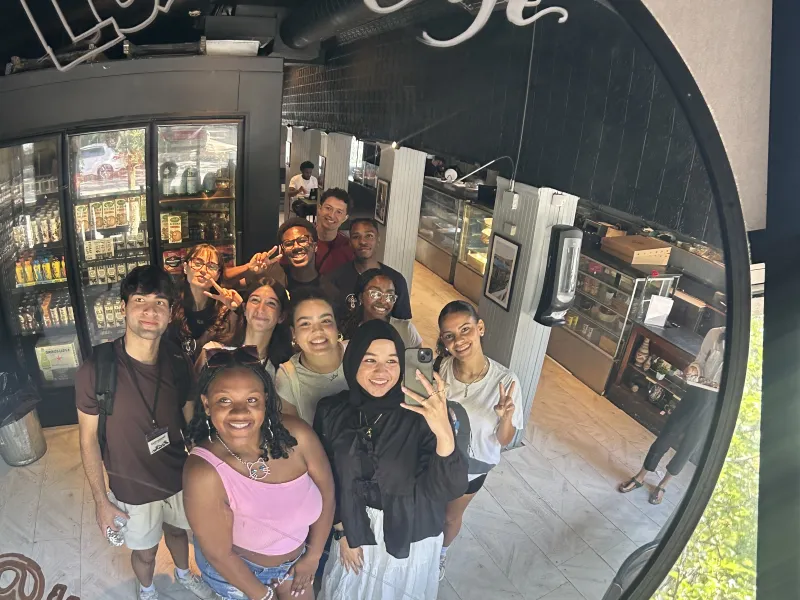
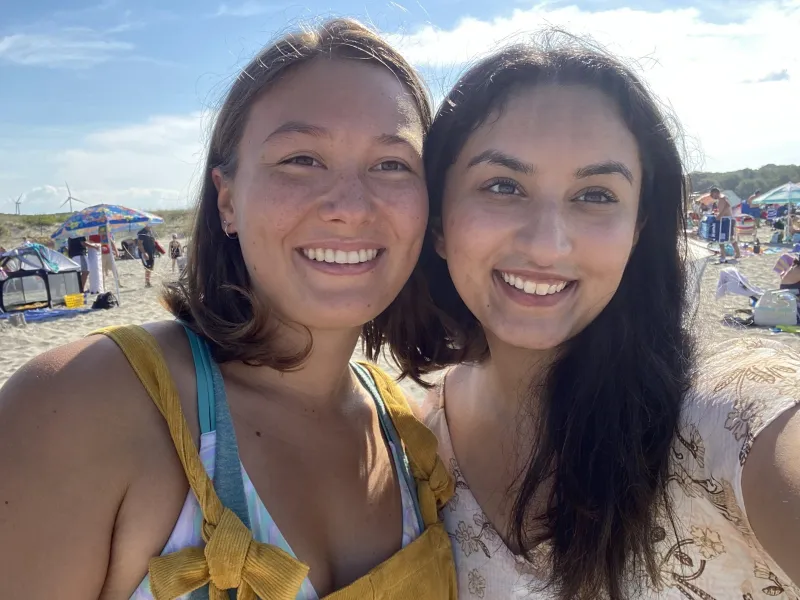 Hana Rehman in Gloucester
 My Sister and I on NSA's Executive Board in 2023
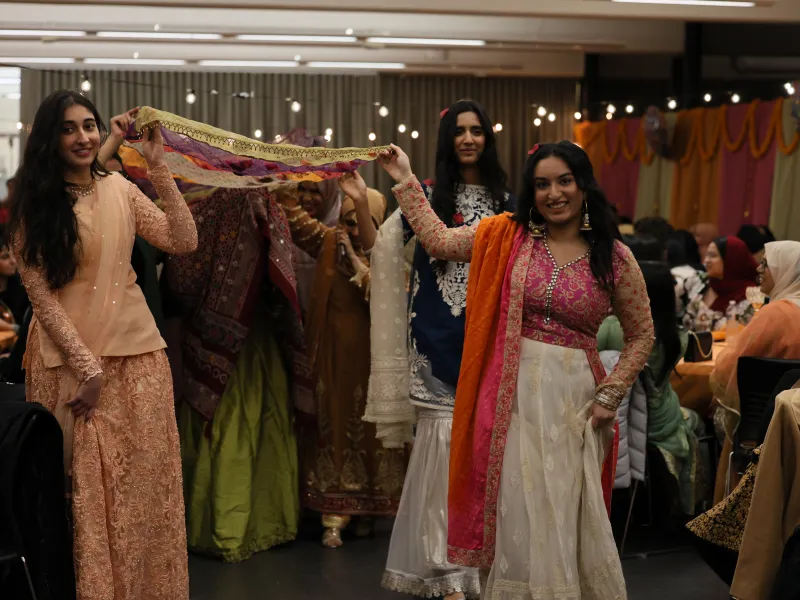 Hana Rehman at Mock Mehndi
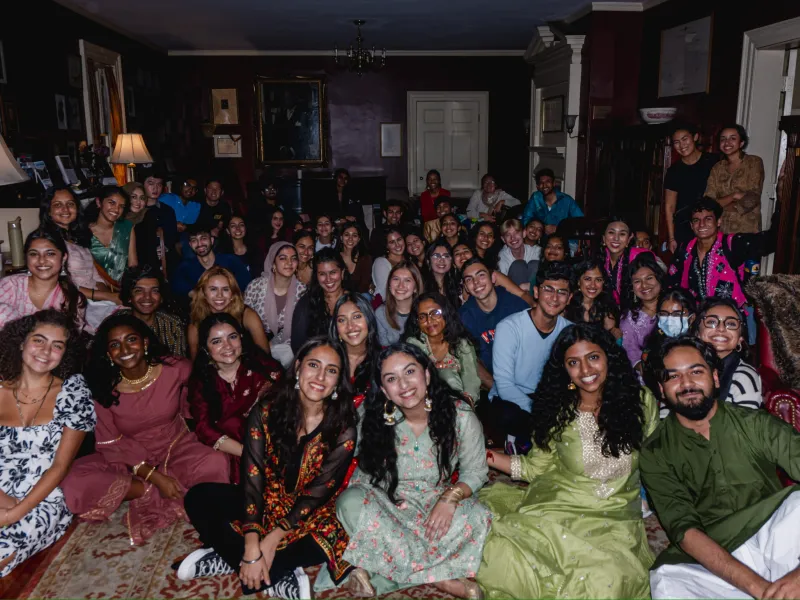 Hana Rehman at Sur Sagar
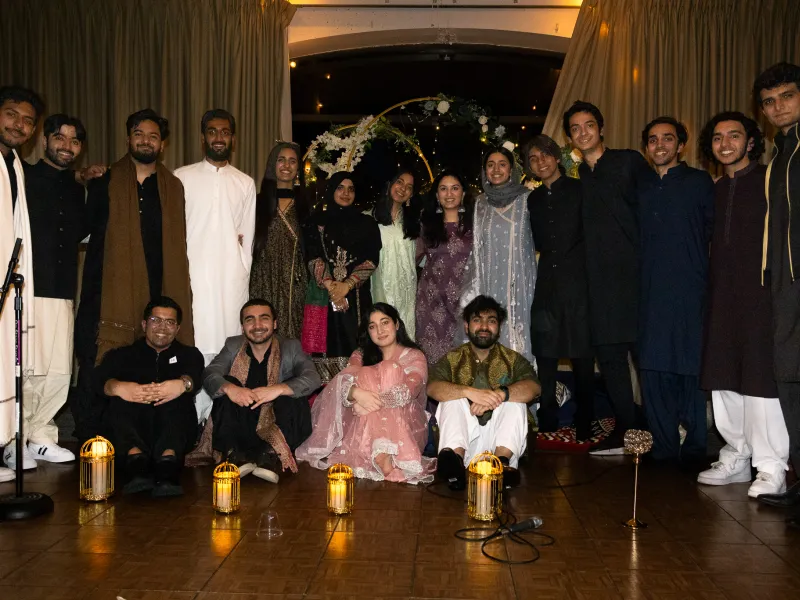 Harvard College students host Chaand Raat.

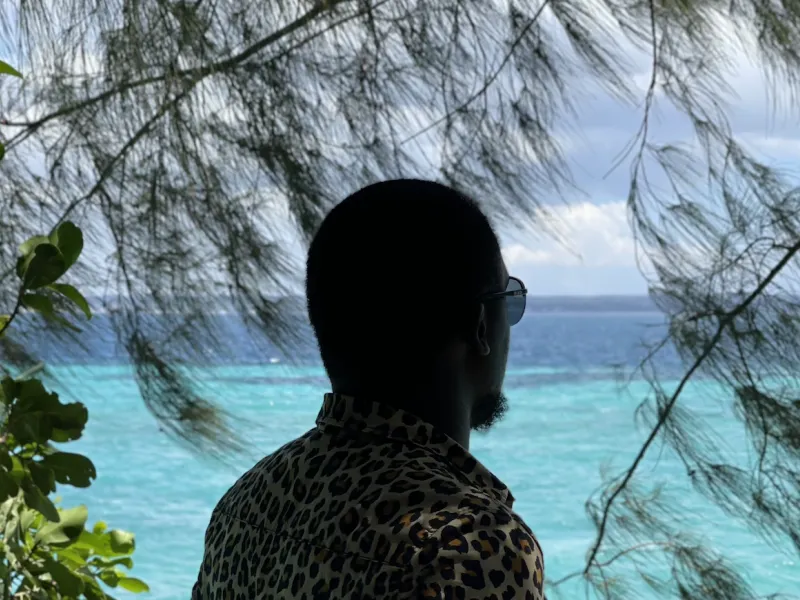 A photo of myself looking at the Zanzibari waters
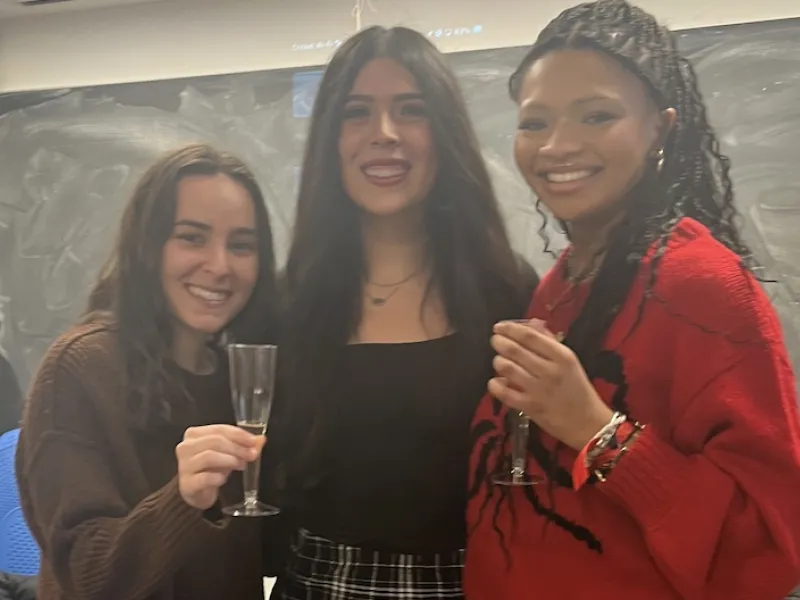 Laboratory of Cognitive Neuroscience Senior Thesis Writers
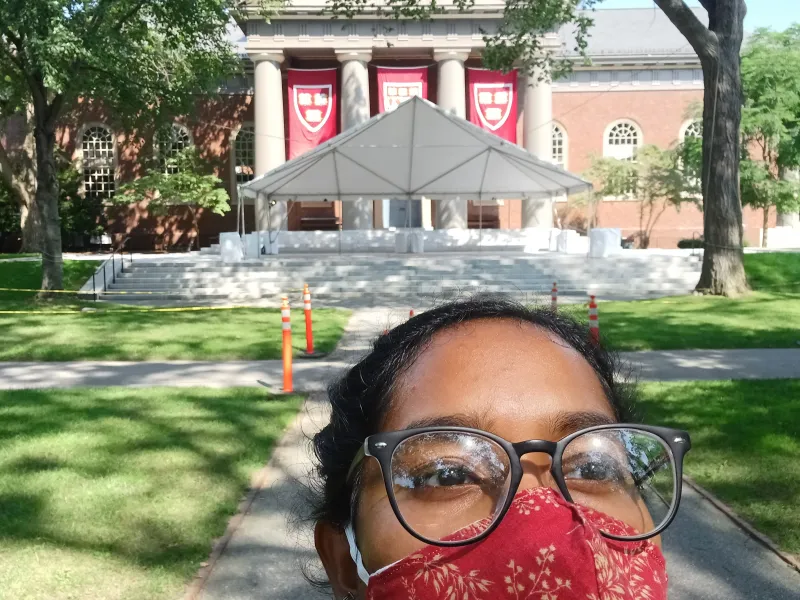
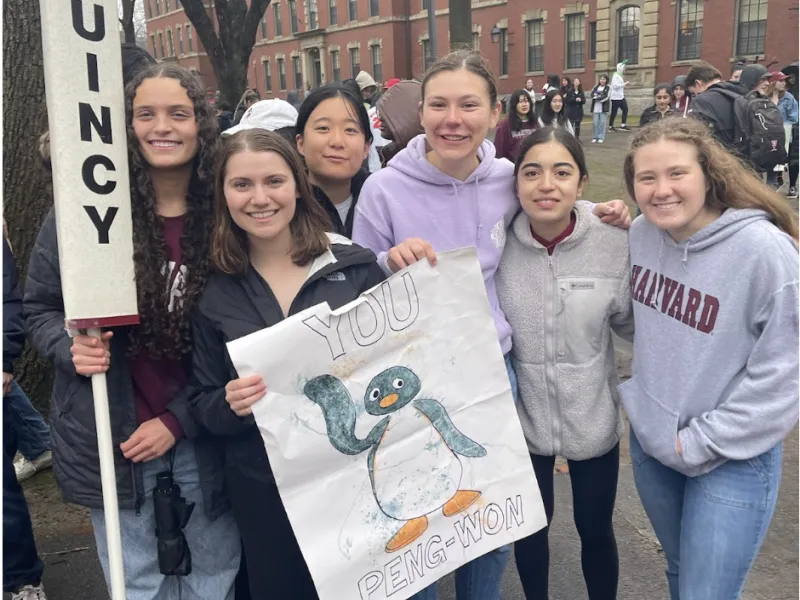 My blocking group and I after being dorm stormed
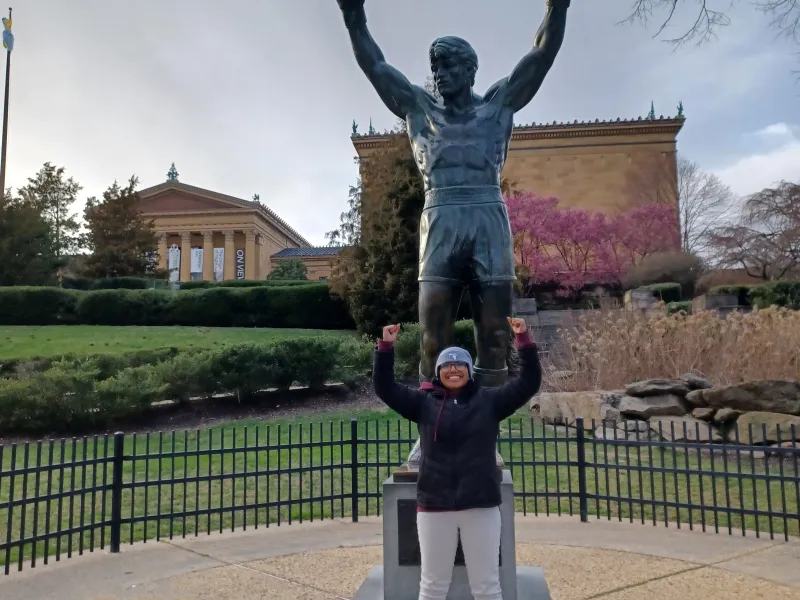 Cheering you on in your scholarship application journey!
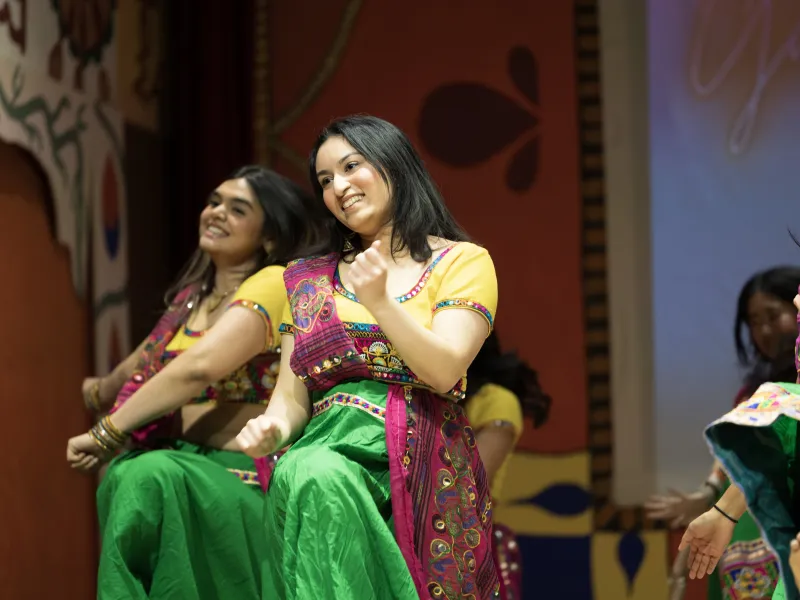
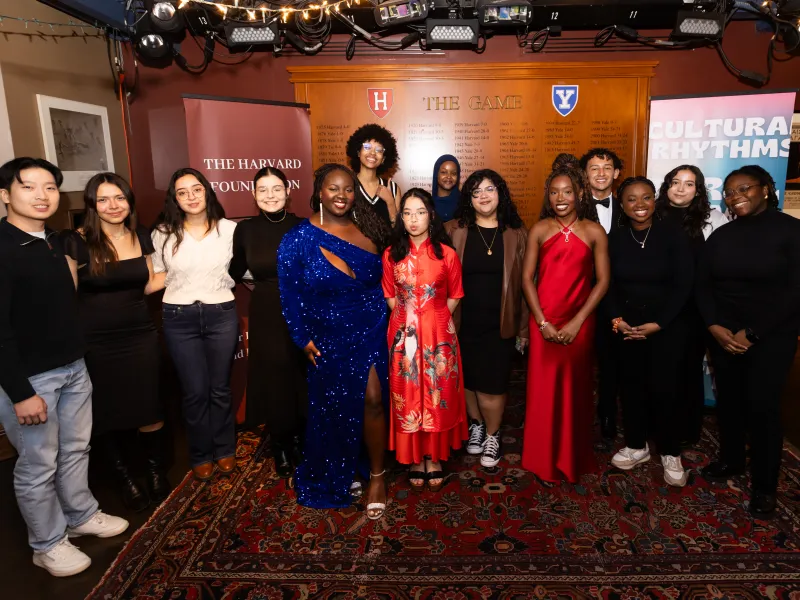 Harvard Foundation interns in the spring of 2024, dressed up before the event of Cultural Rhythms.
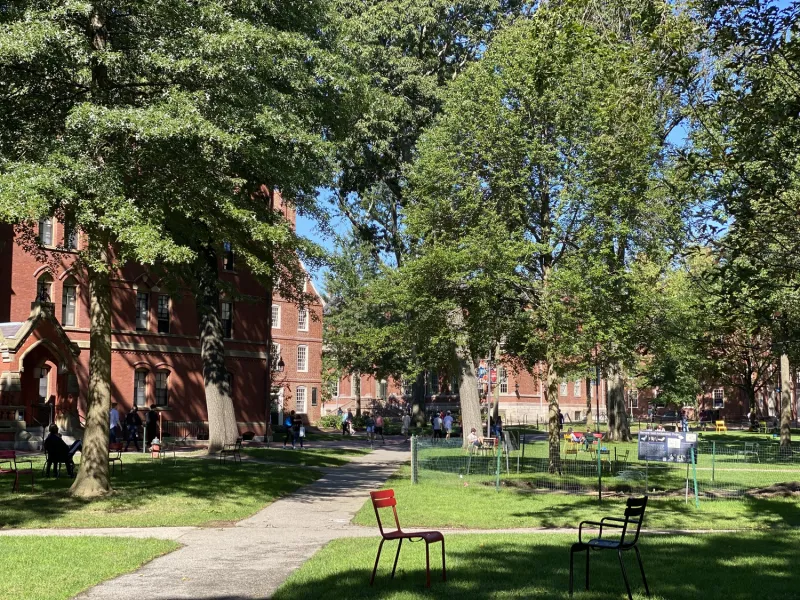
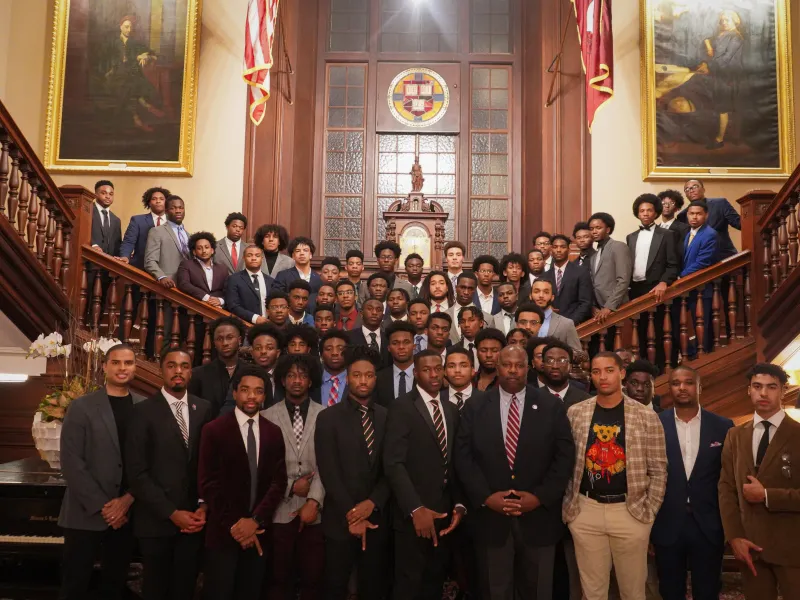
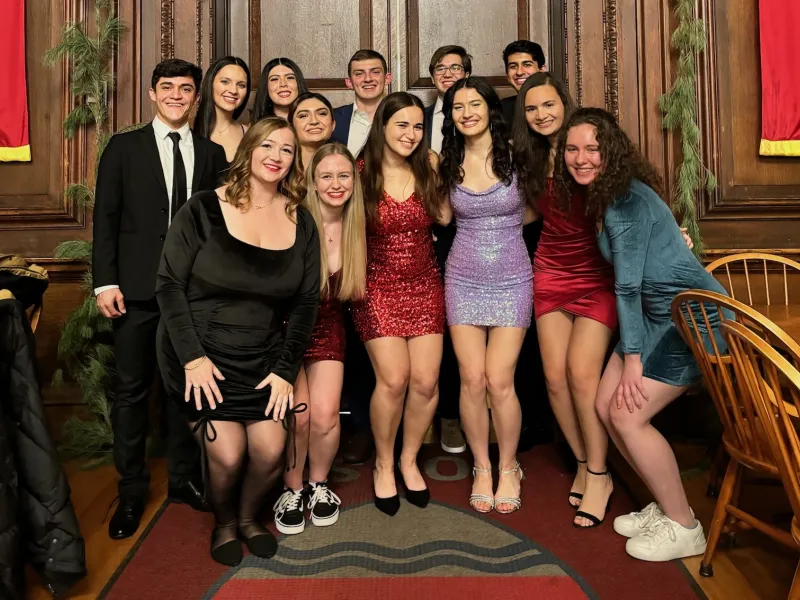 My friends and I before our last Eliot Fall Formal
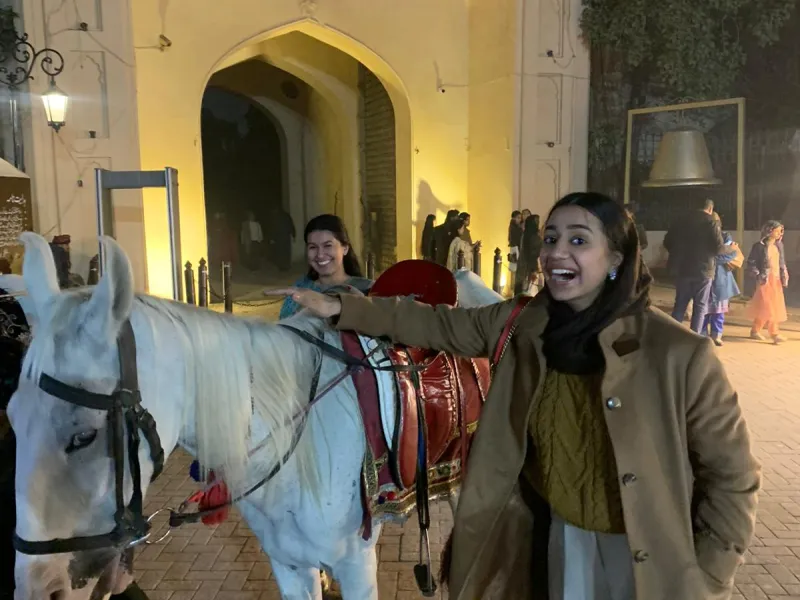
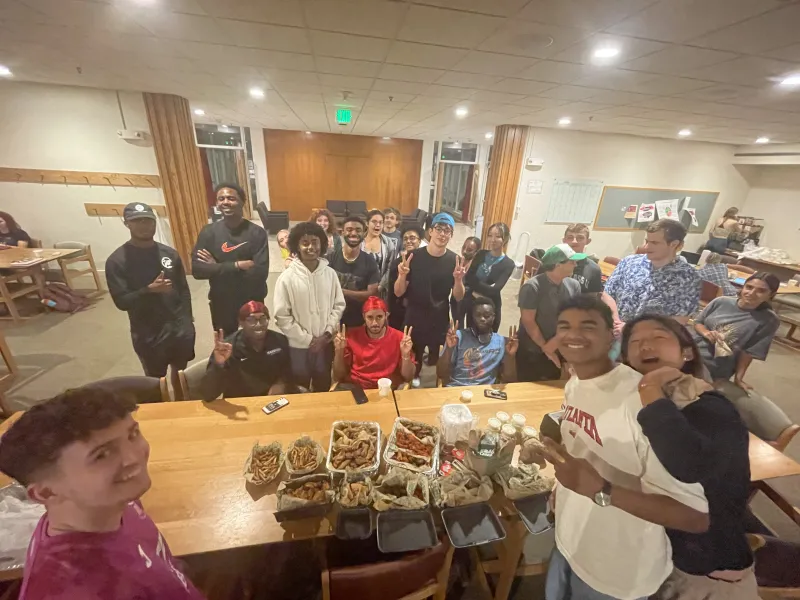
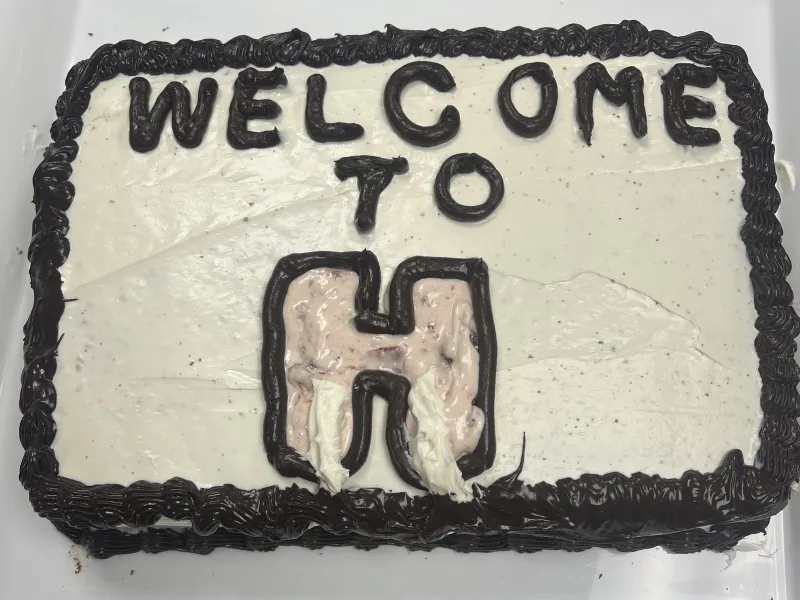
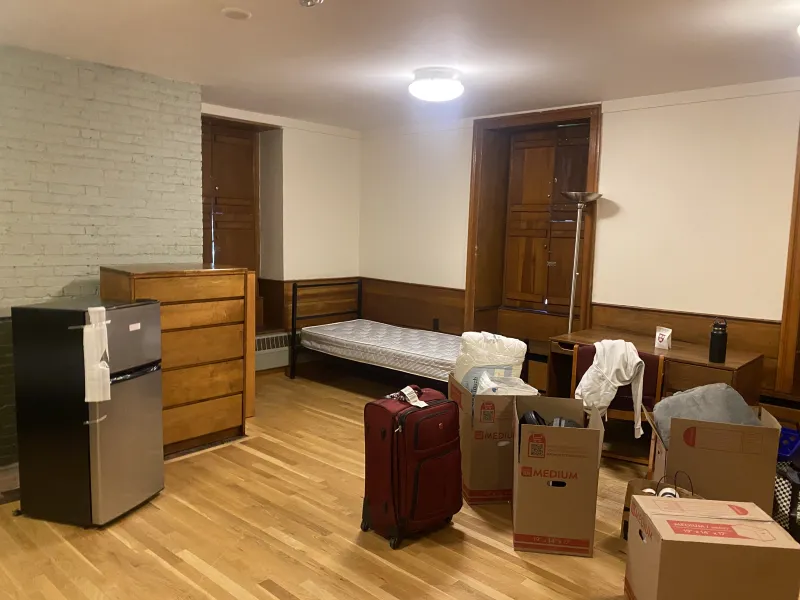 My room in the wonderful Stoughton Hall!
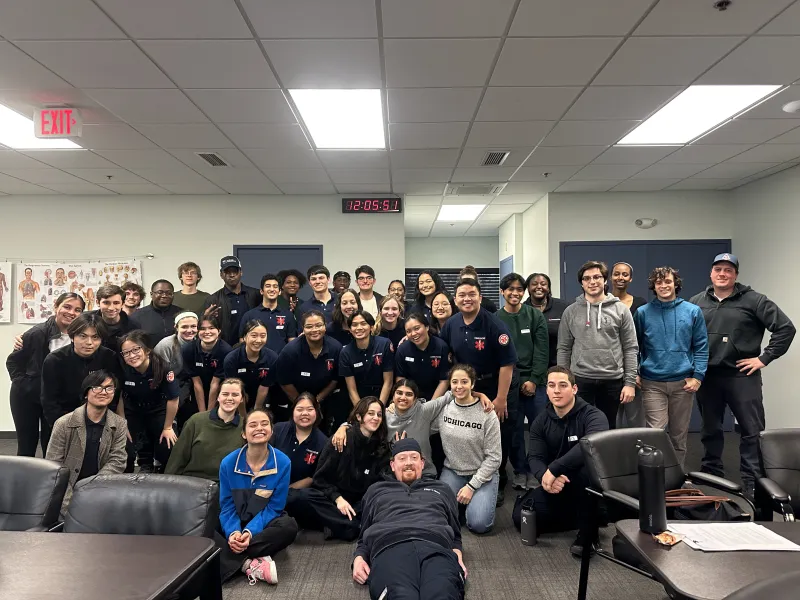 A group photo on the last day of class!
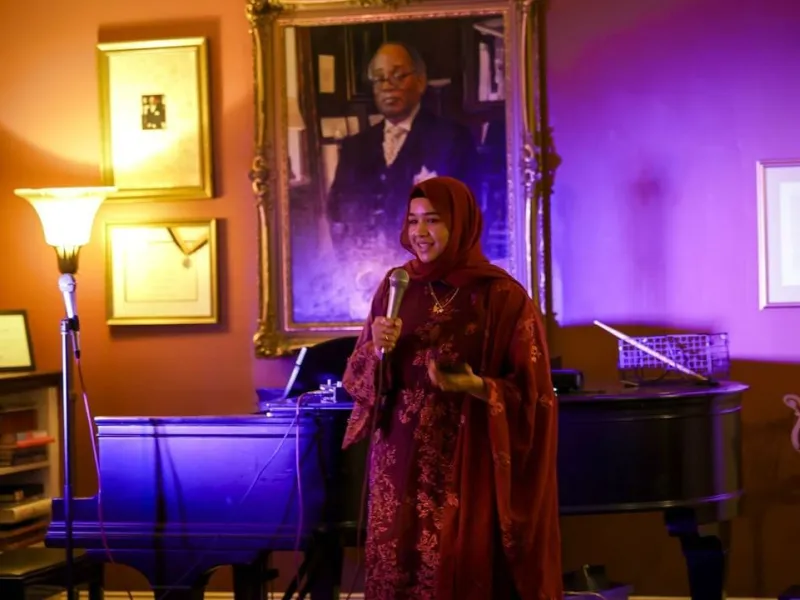


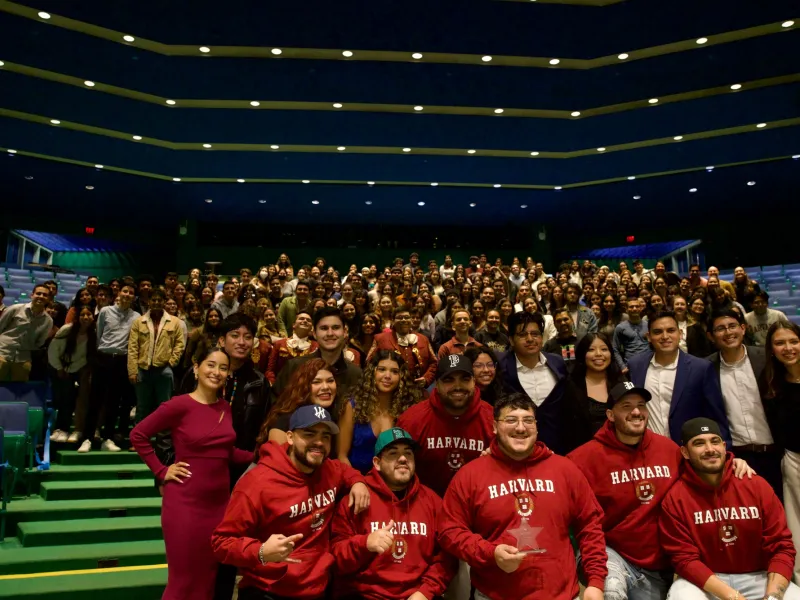 Grupo Frontera with those who attended RAZA’s Trailblazer Award ceremony
 My view from atop a hill near a mining camp.

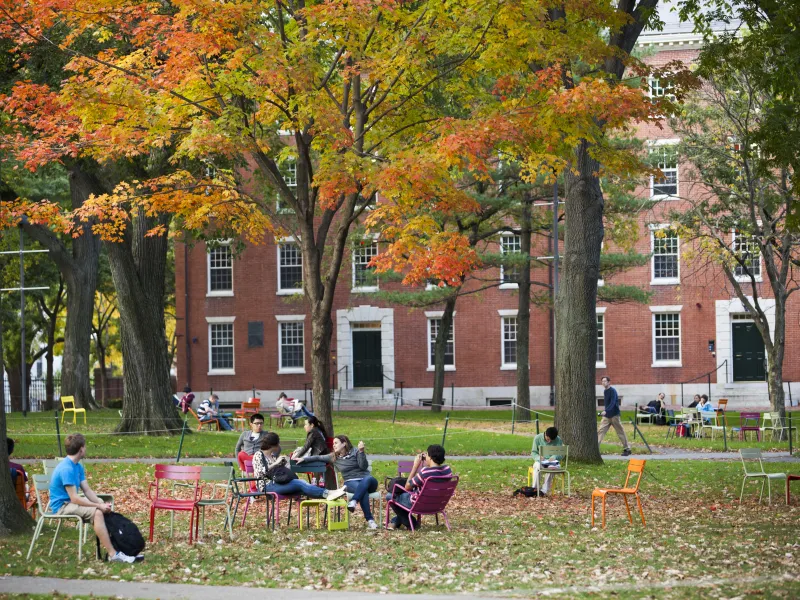
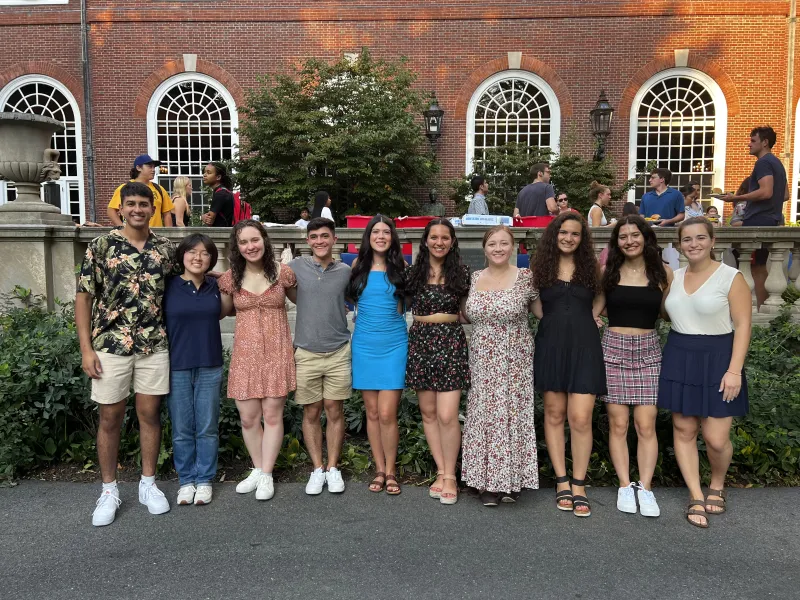 Eliot First day of class BBQ

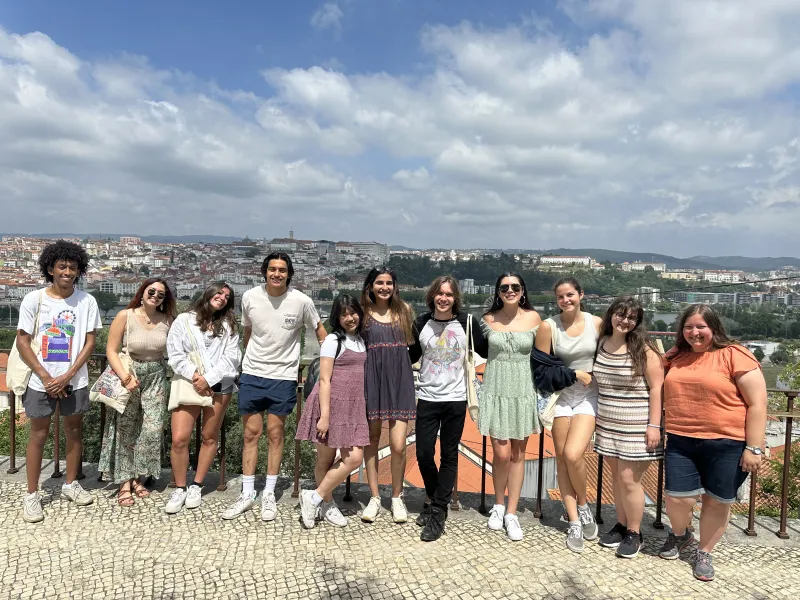 Our first day we were taken on a city tour to explore!
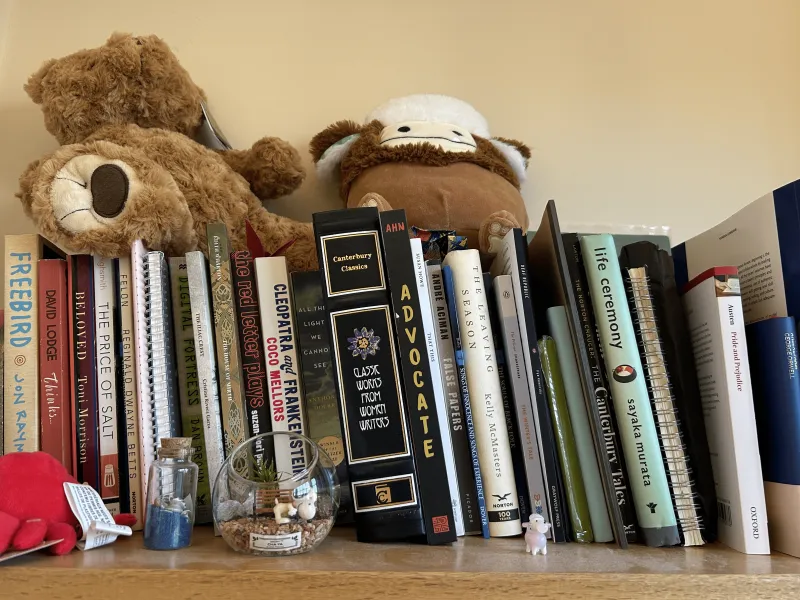
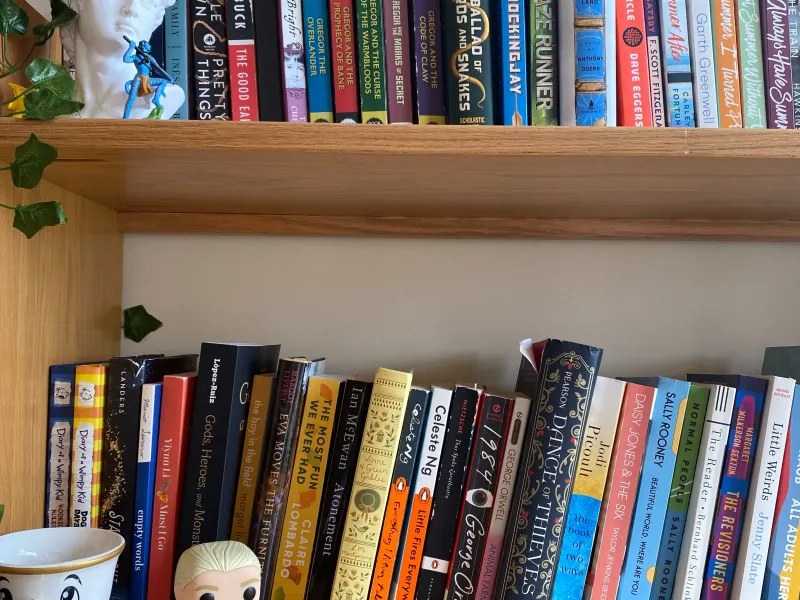 My bookshelf in my dorm!
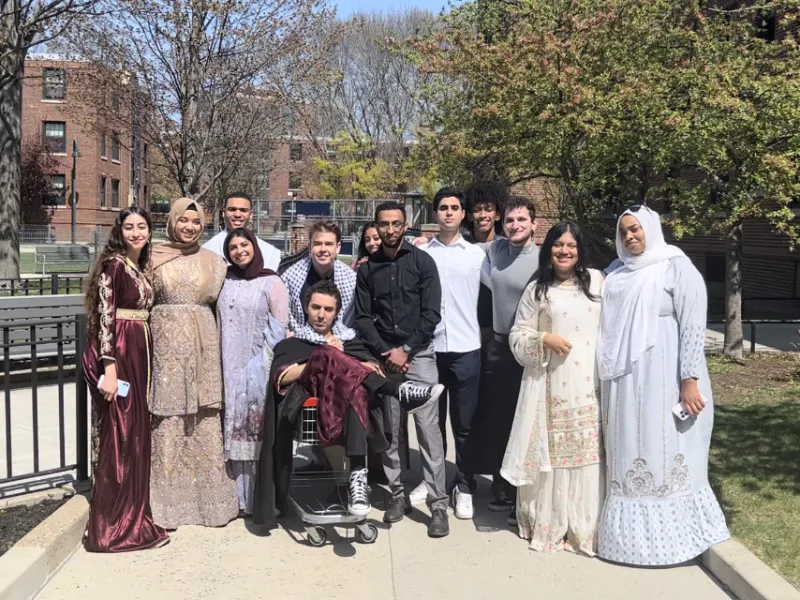
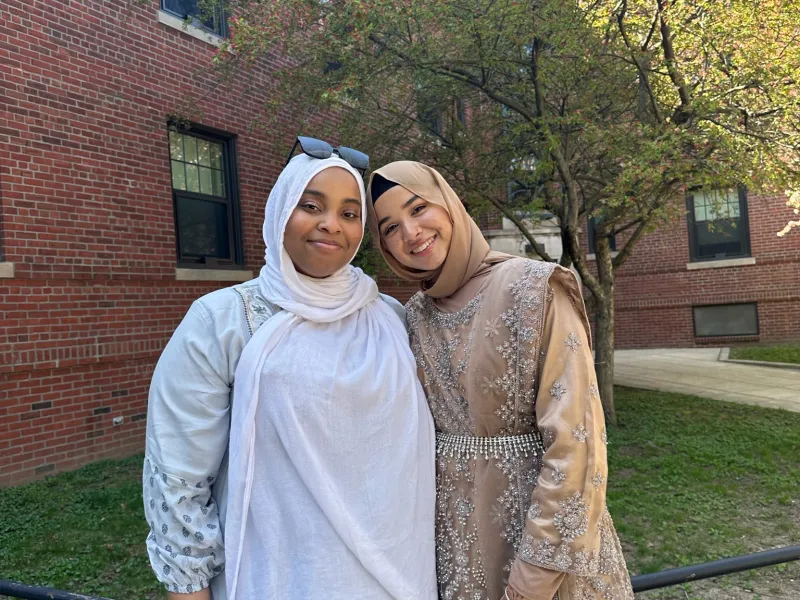 Malika Umar and Samia Afrose Celebrating Eid-al-Fitr
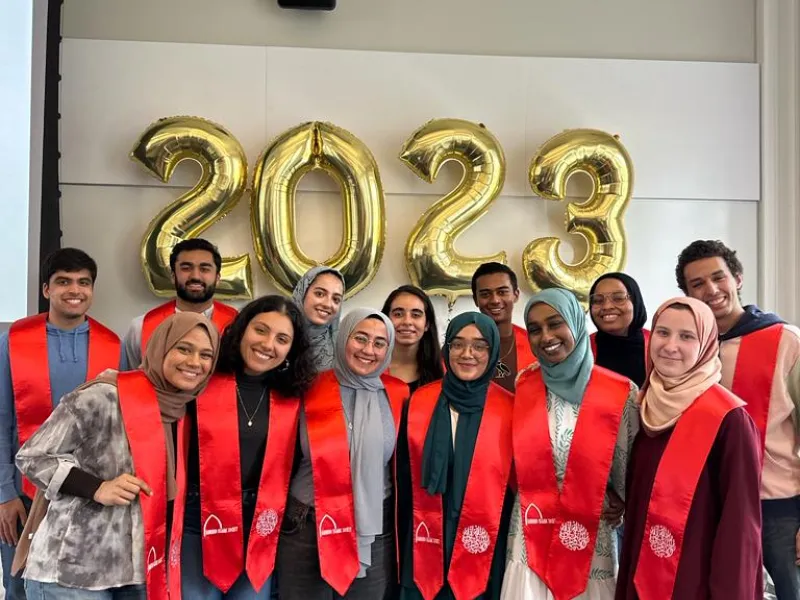 Seniors at the Harvard Islamic Society Send Off

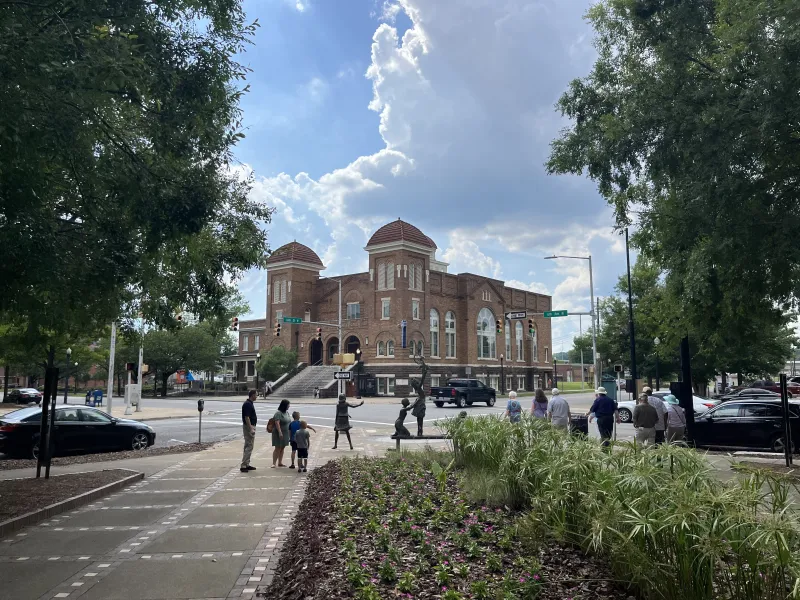 16th St Baptist Church Birmingham, AL
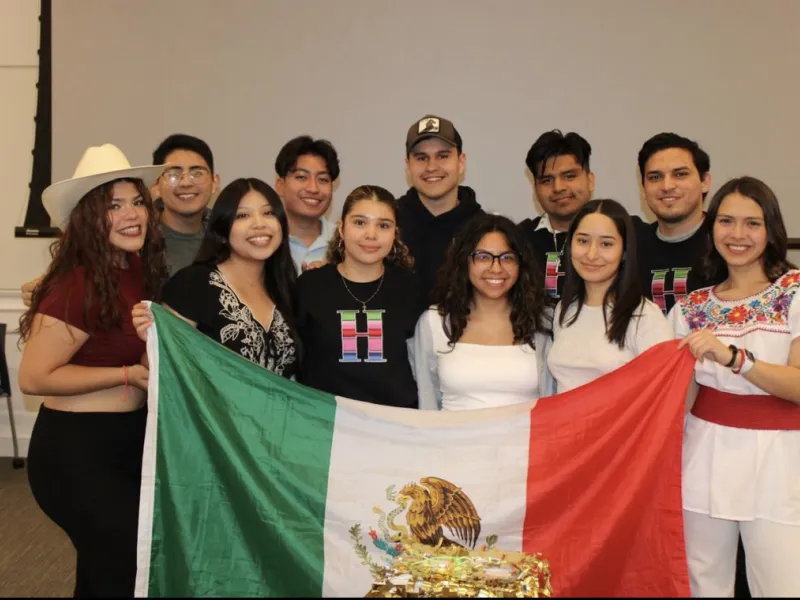 RAZA's Board on the last Mesa (social event) of the 2023 spring semester.
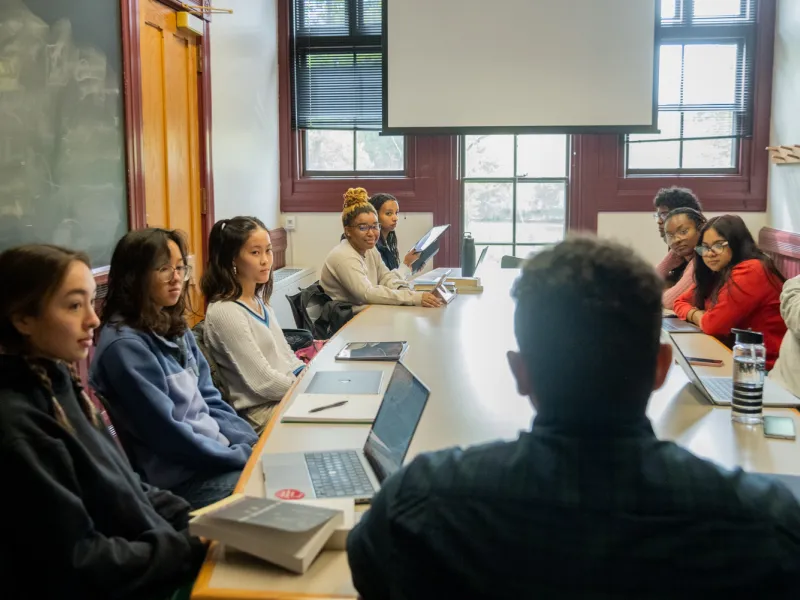
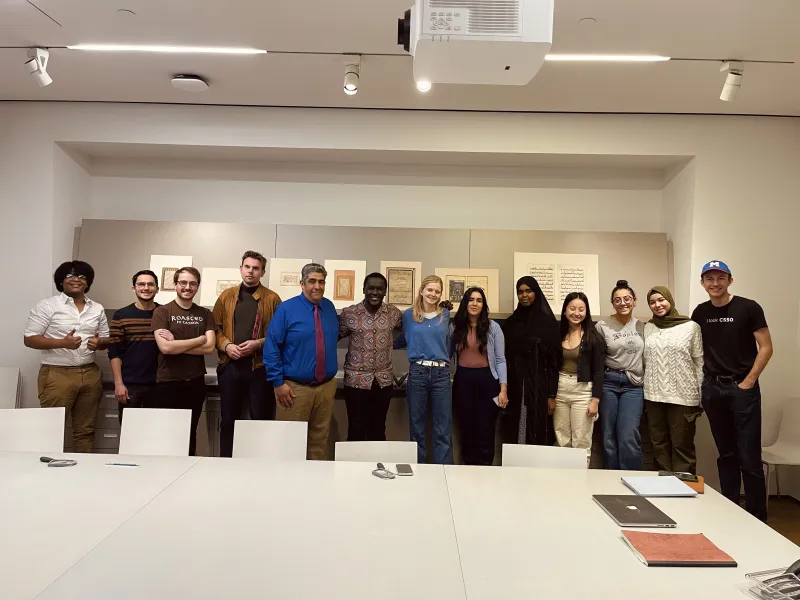 A photo of my classmates, Prof. Habib and I
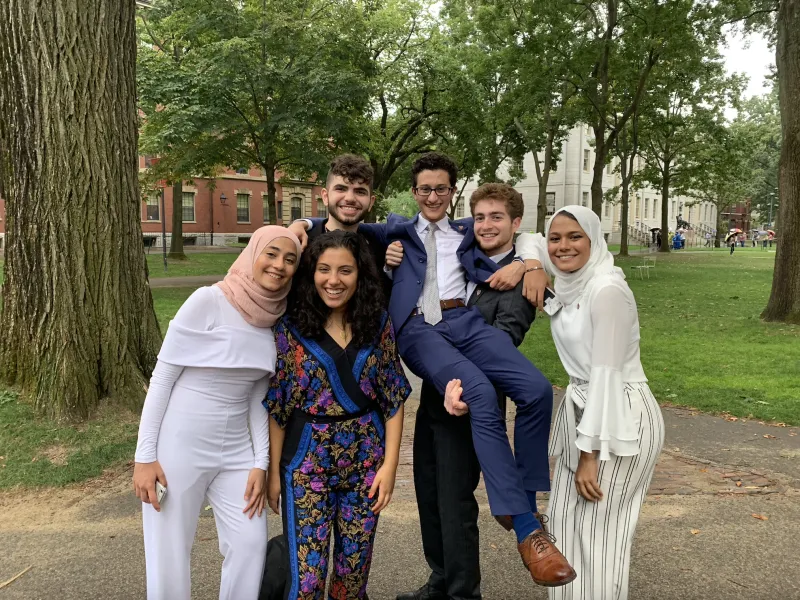 Some of the many great friends I made during my first-year!
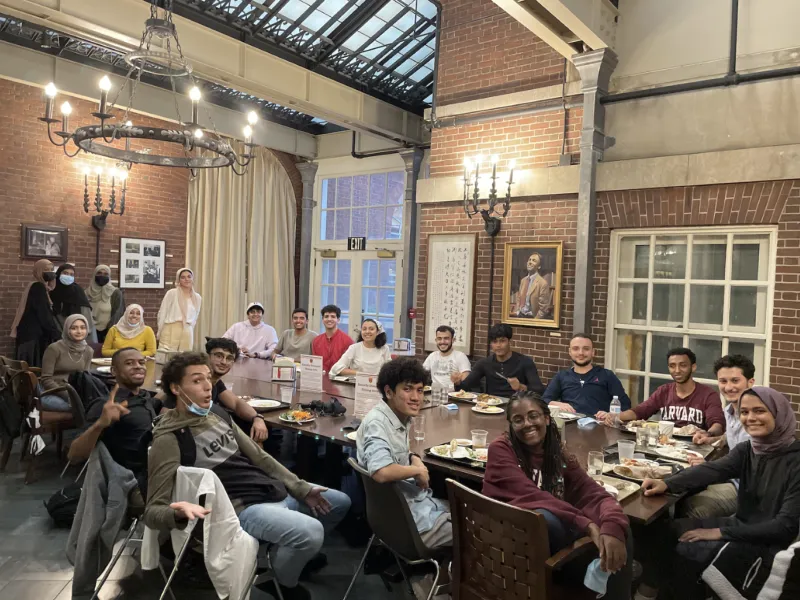 Dining with the Harvard Muslim community, my junior year
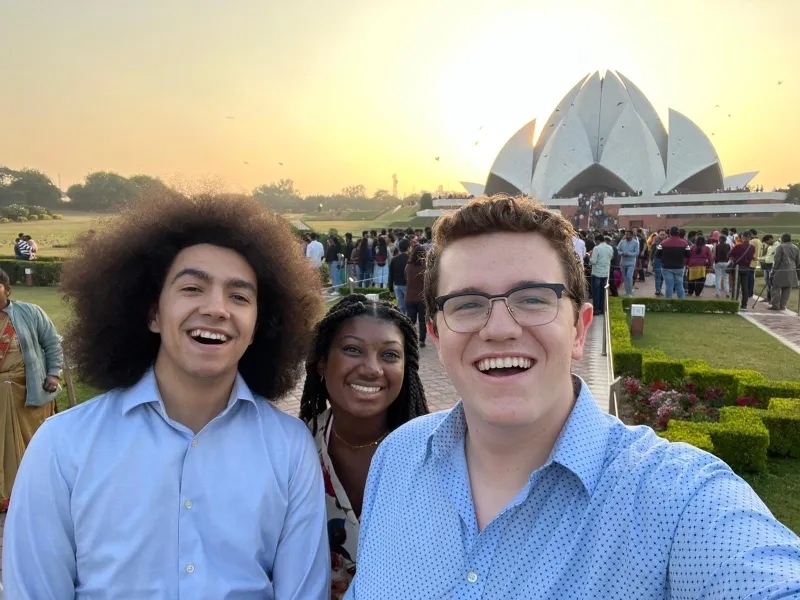 Seeing the Lotus Temple in Delhi, India was only one of the many great experiences I've had thanks to Harvard Model Congress
 Me with the director of FOP, the wonderful Lesedi Graveline
 My mom and I at Junior Parents Weekend
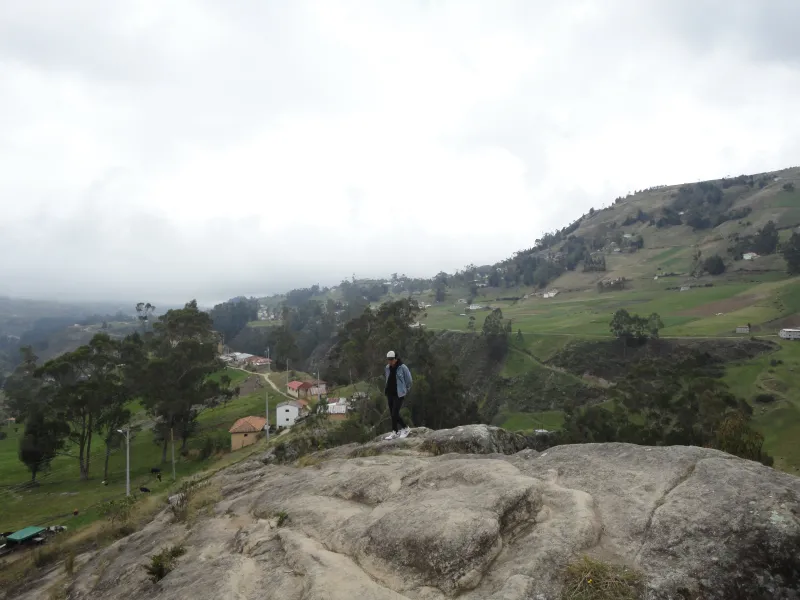 I passed through Cañar on my trip to my hometown, where I got to visit the Ingapirca Ruins!
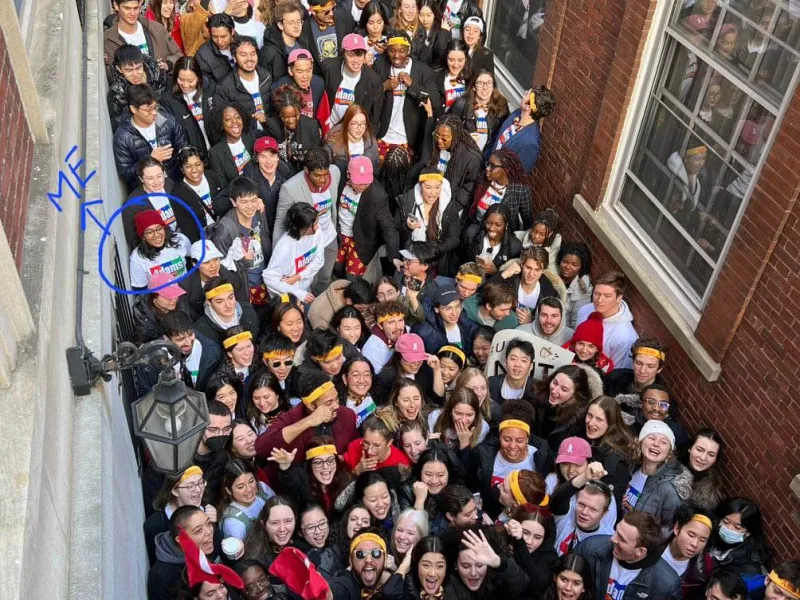
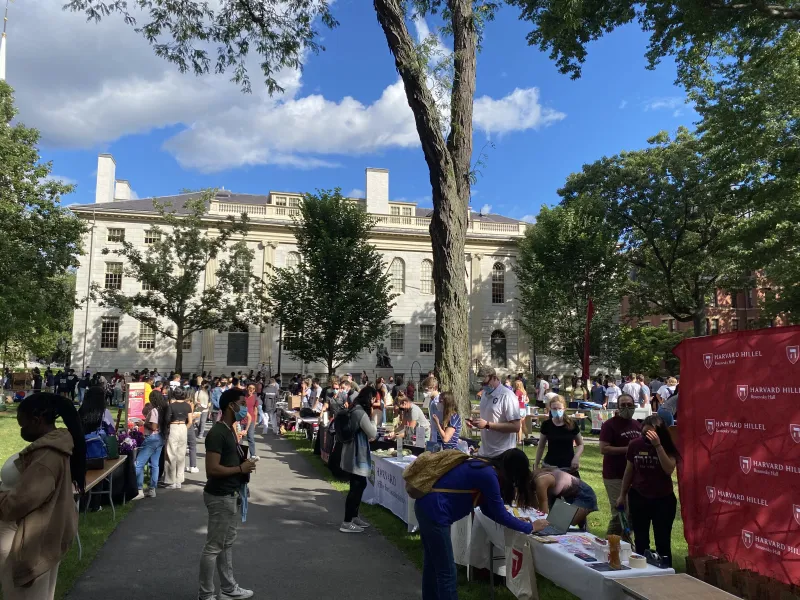
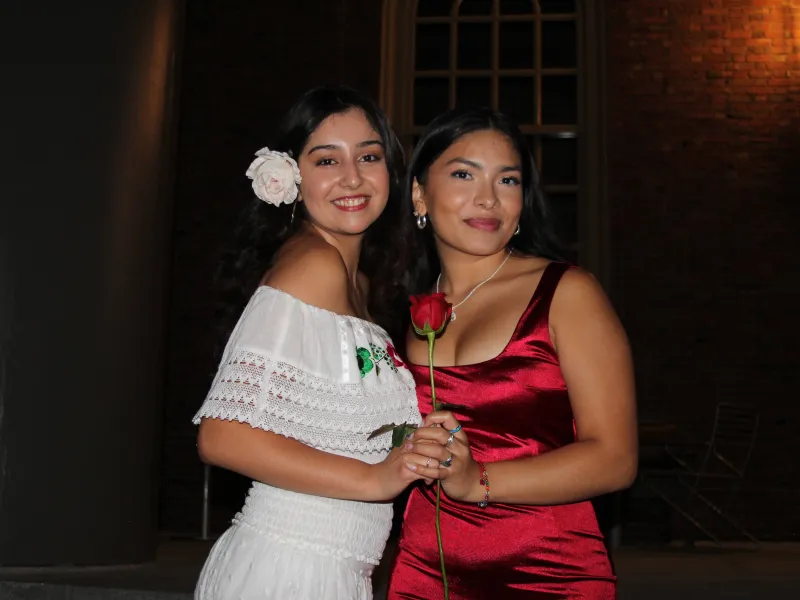 Latinx Convocation is an important event that celebrates Latinx culture and welcomes first years to Harvard! Julia Casas president of Fuerza on the left and Gloria Maldonado president of Latinas Unidas on the right.
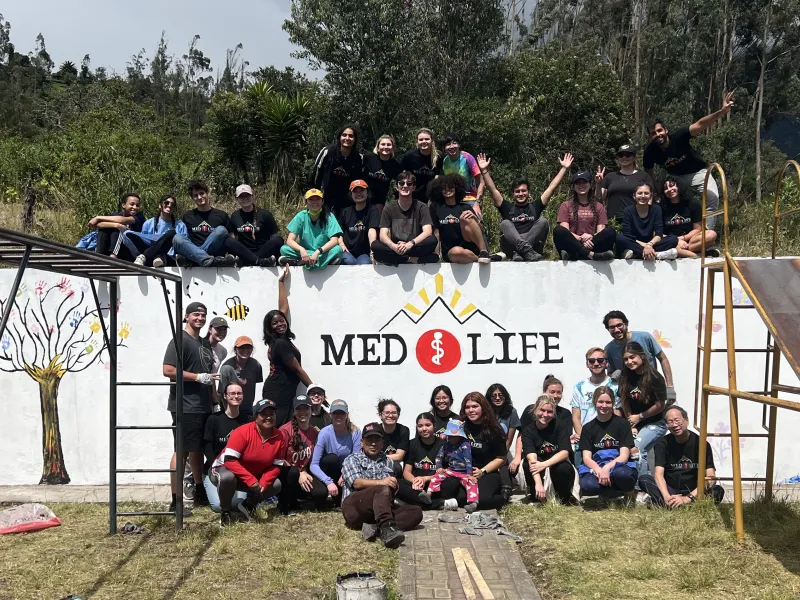 MEDLife volunteers posing for picture with MEDLife Logo
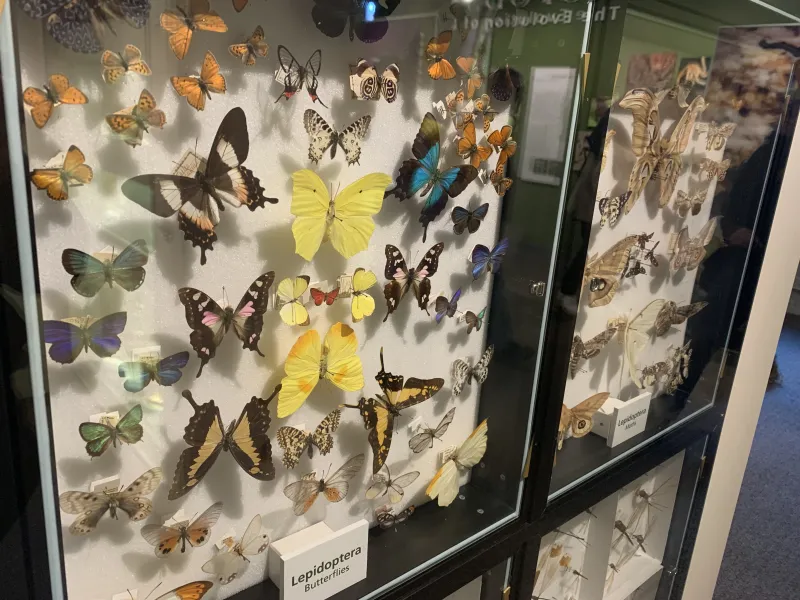 Display of butterflies at the Harvard Natural History Museum.
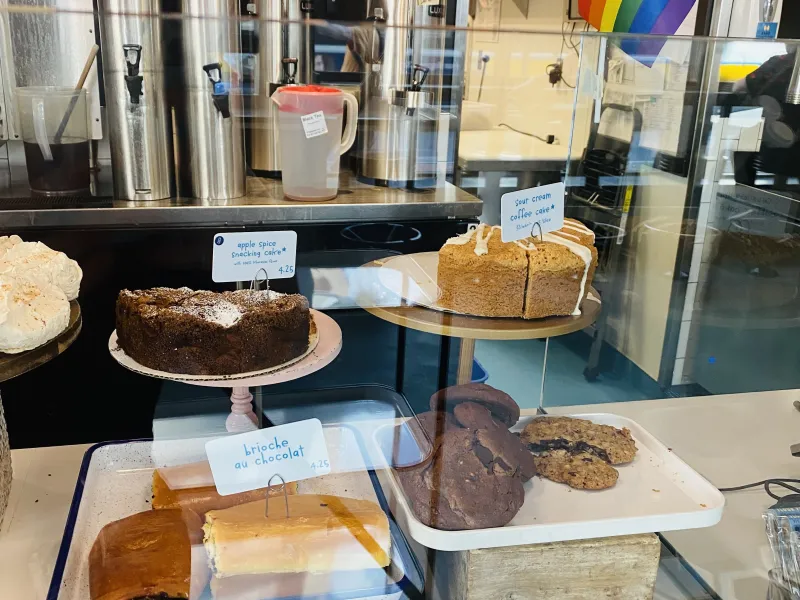

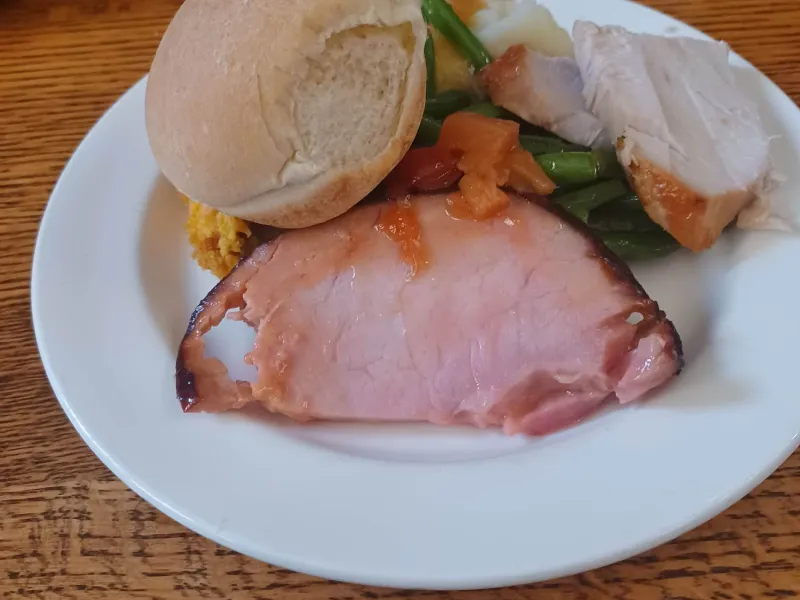 Food provided by Harvard University Dining Service Workers on Thanksgiving Day
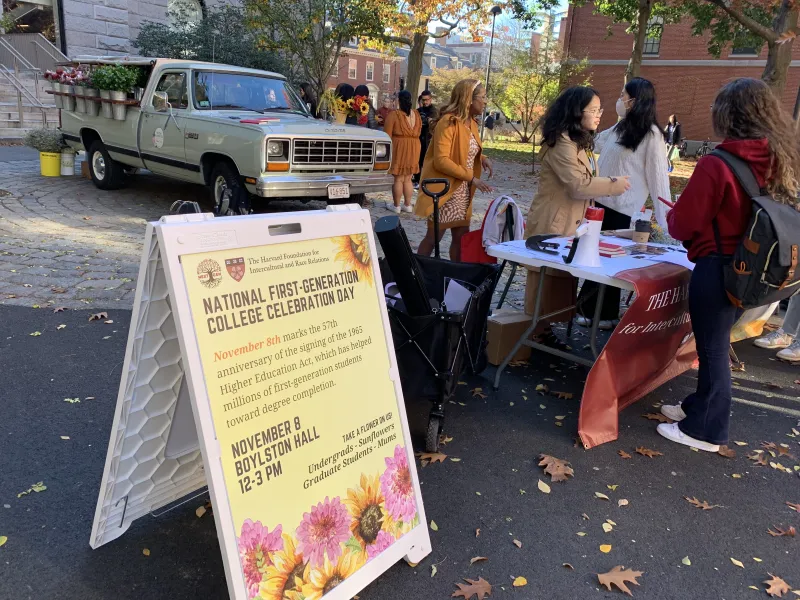
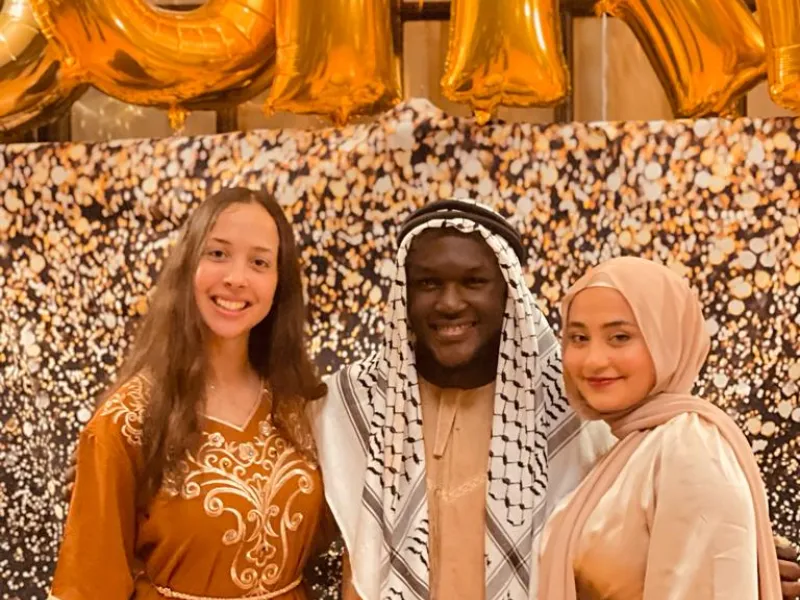 My fellow HFAI coordinators and I at Sufra!
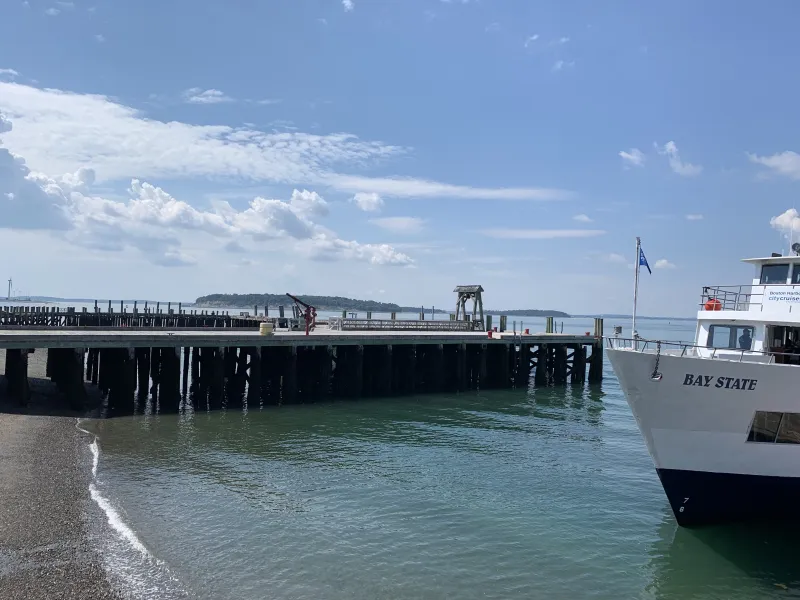 After a warm ride aboard the ferry, we made it to Georges Island!
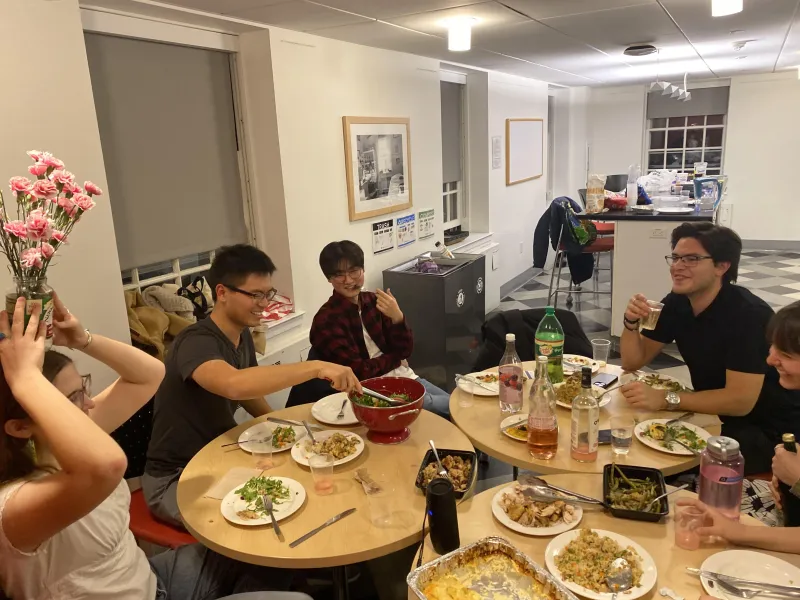 My friends and our Thanksgiving dinner.
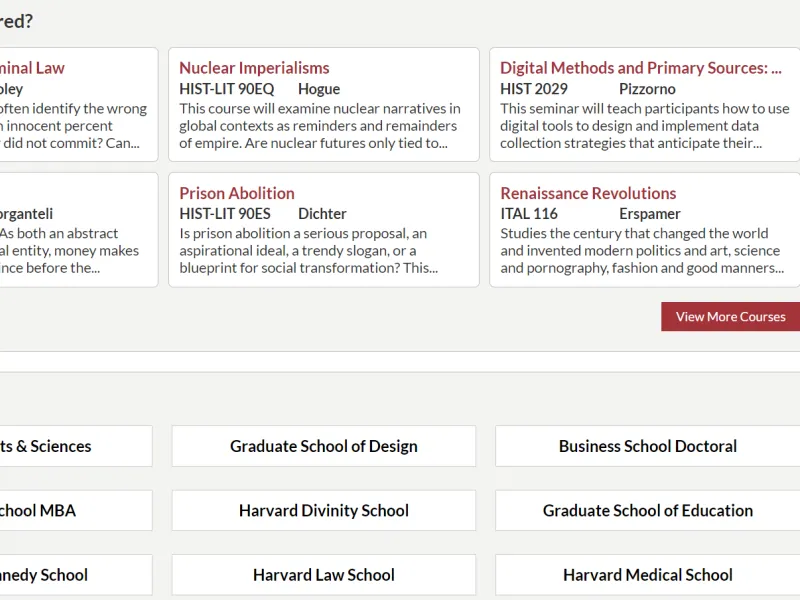 Harvard's course search page allows you to browse the 3,500+ courses offered each semester
 The SCC

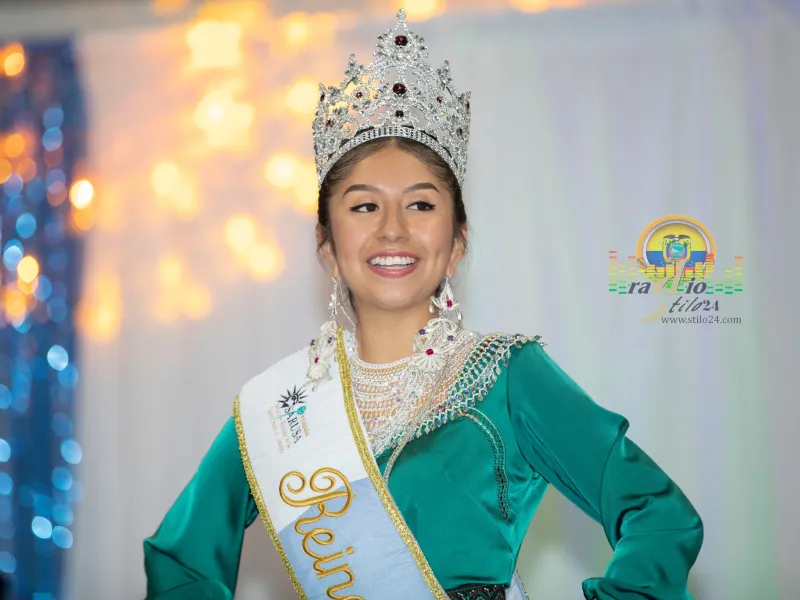 After weeks of preparation, my hard work paid off when I was elected as the queen of my tribal organization in the US, SarUSA (Saraguro Residents in the USA).
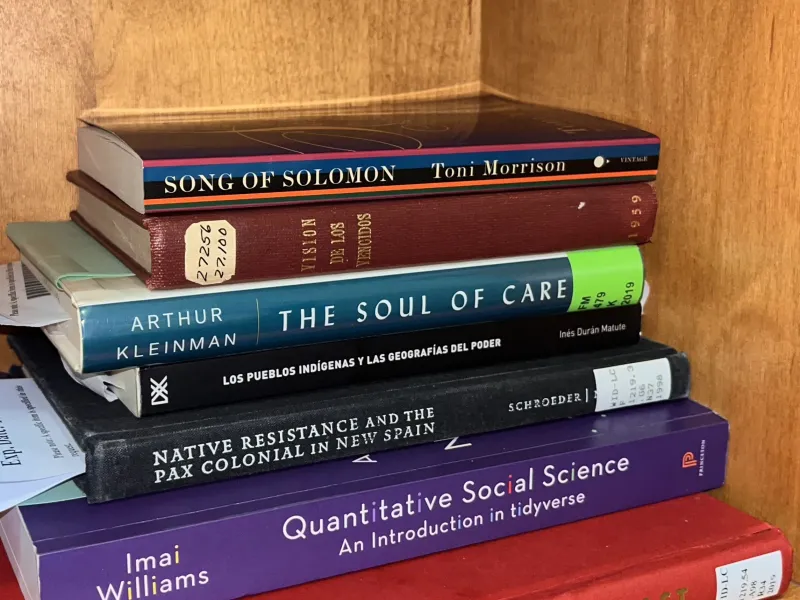 These are some of the books sitting on my shelf.
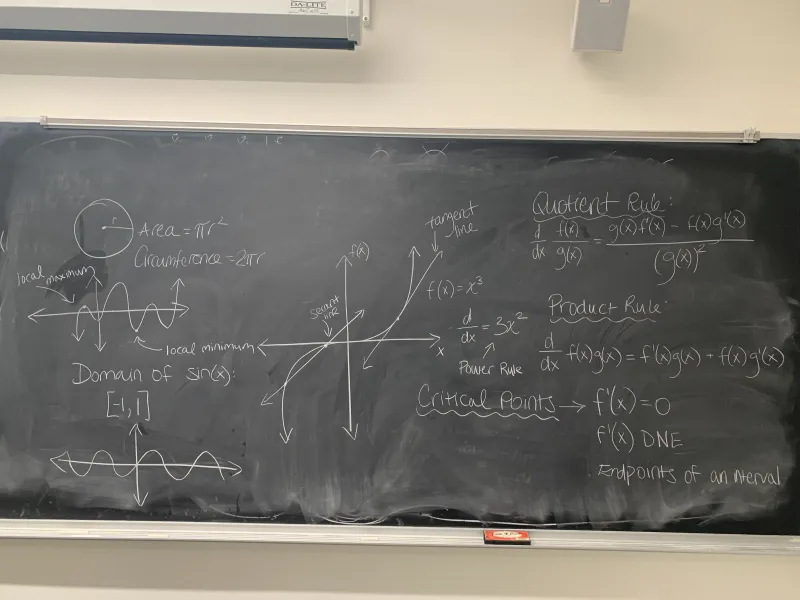 A chalkboard full of math in the Science Center
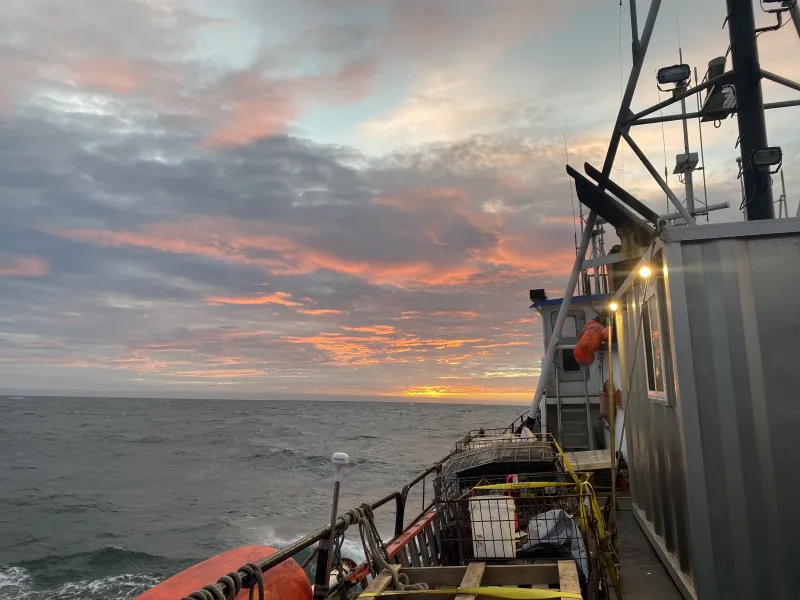 Sunrise during our first morning at sea.
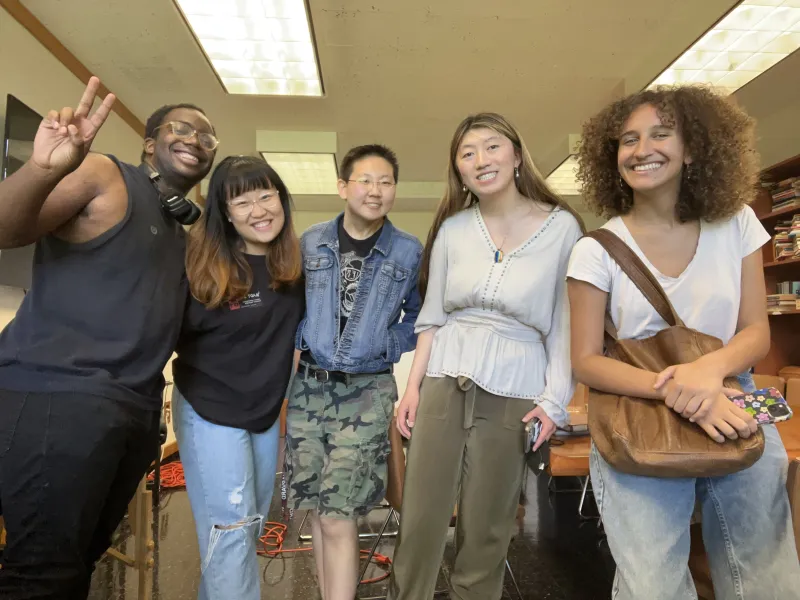 The 2022 summer American Repertory Theater (from left to right): Chinyere Obasi '24, Caron Kim '24, Sophie Kim '24, Diana Chen '25, Sophie Garrigus '25.
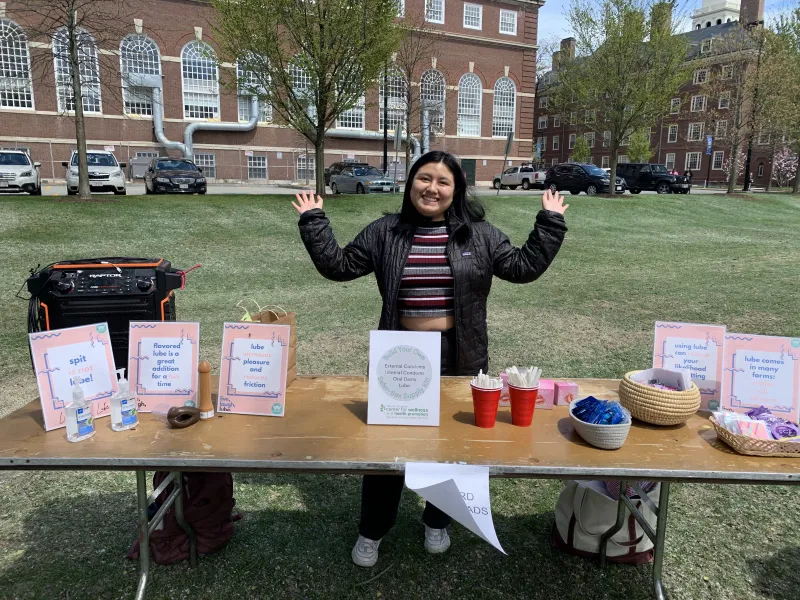
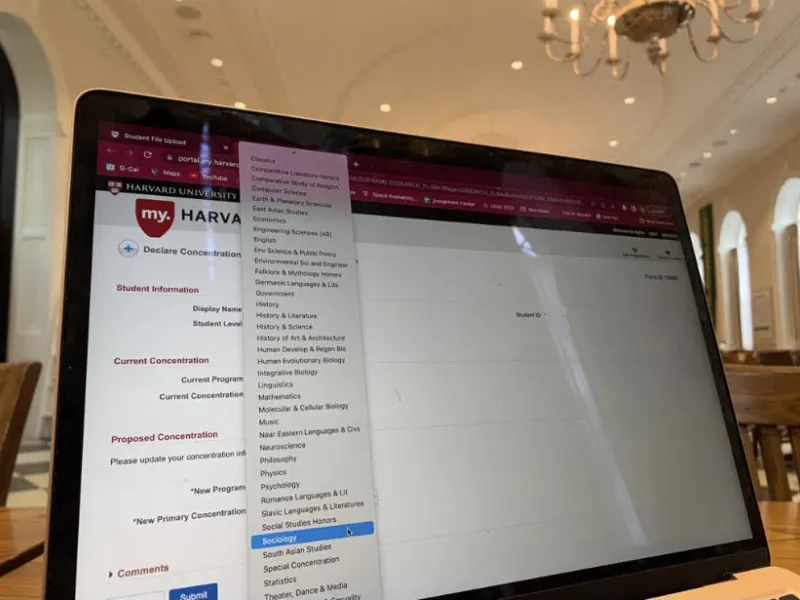 I officially declared Sociology as my concentration this fall!
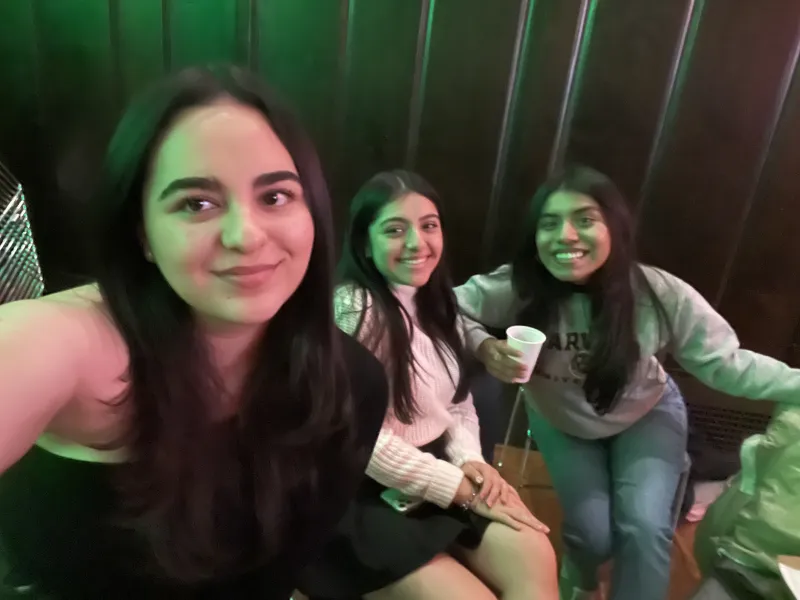 My friends and I love attending the socials that are hosted by the affinity groups!
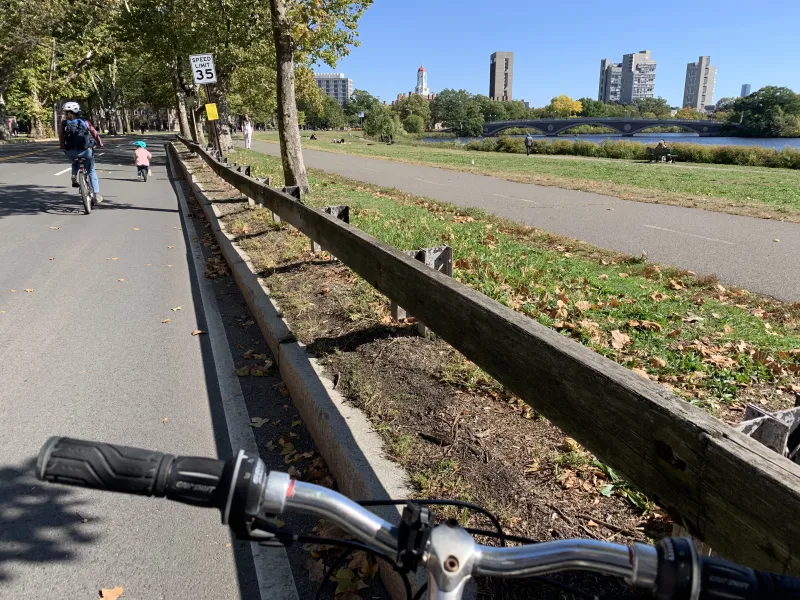 I love catching the crisp morning breeze every Saturday morning!
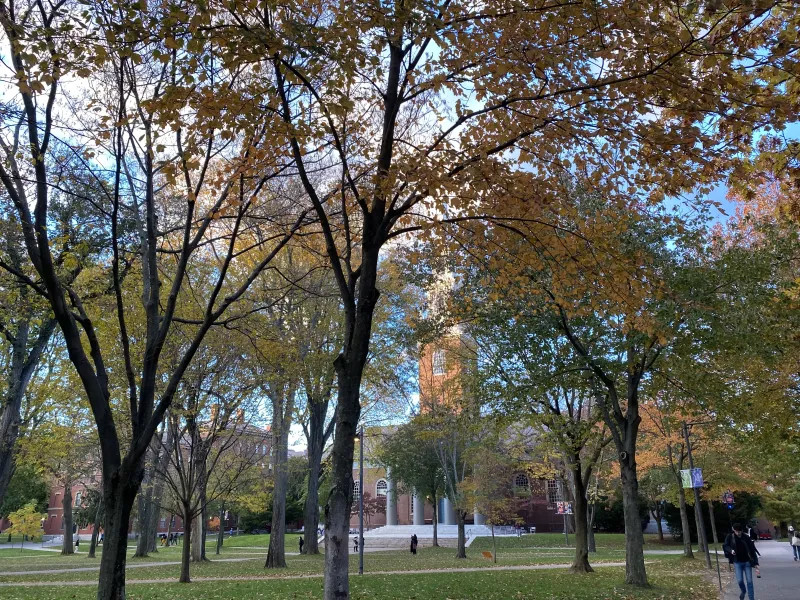 Fall foliage

 This is LS50.
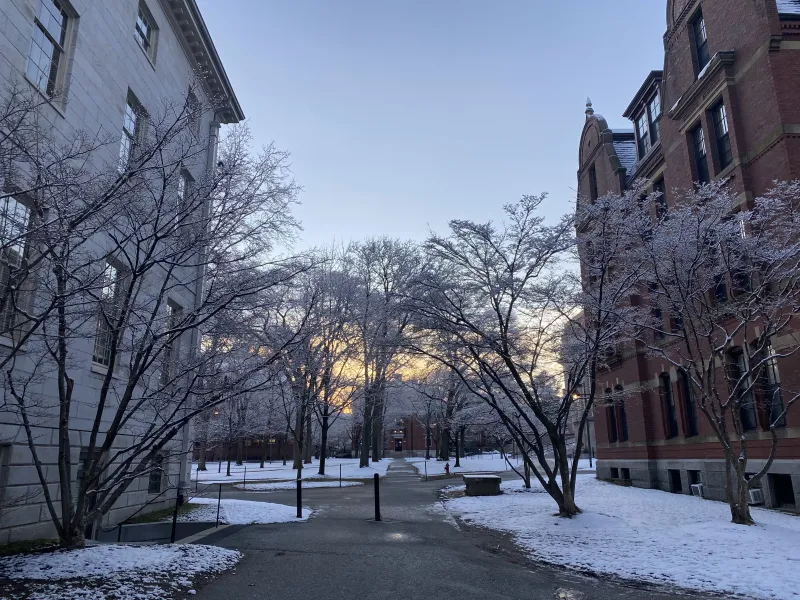 The sunrise on the morning of Housing Day this year.
 Ana's Blog Thumbnail
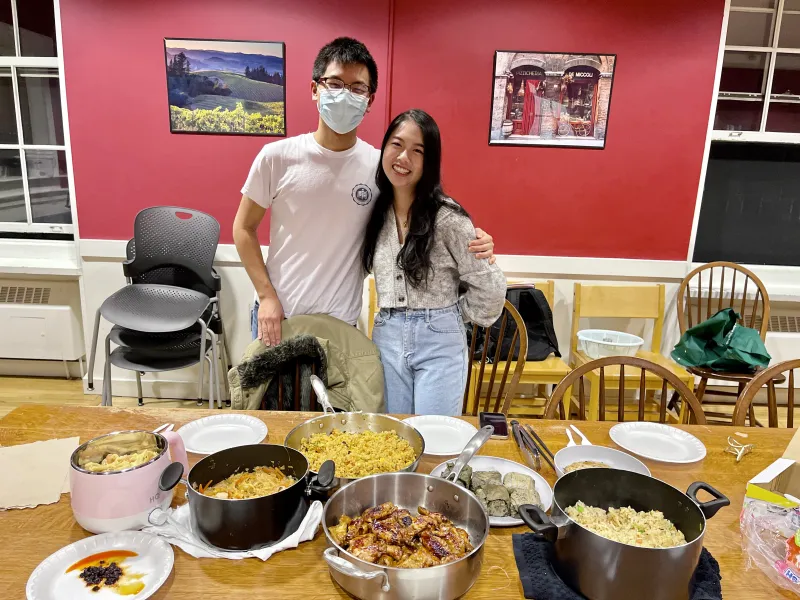 My first cookout at Harvard was successful!
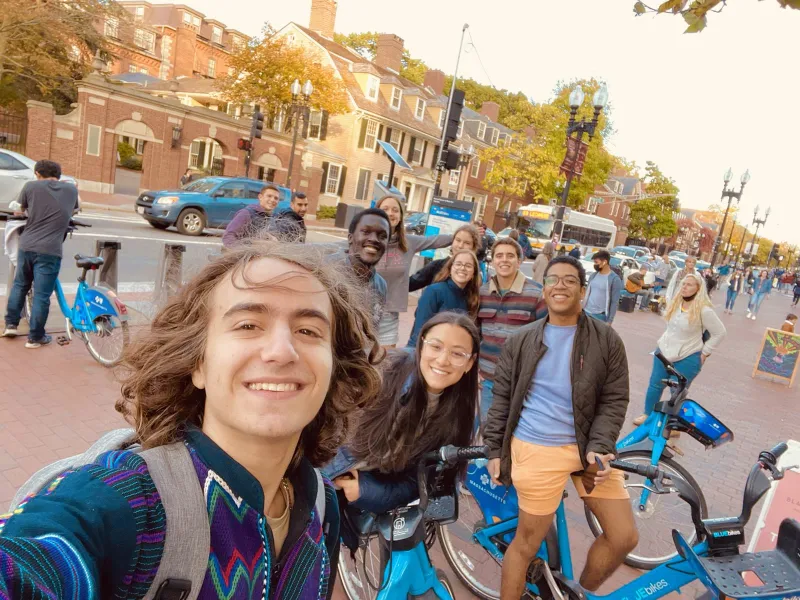
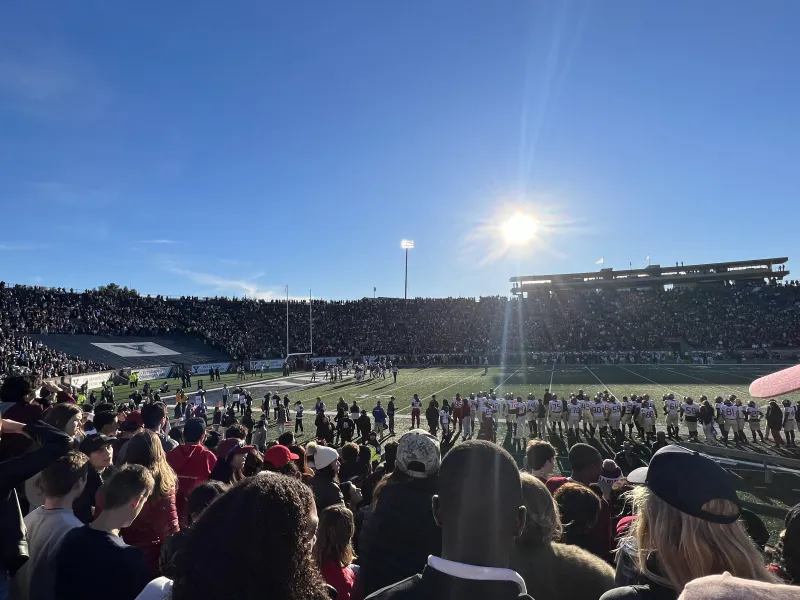
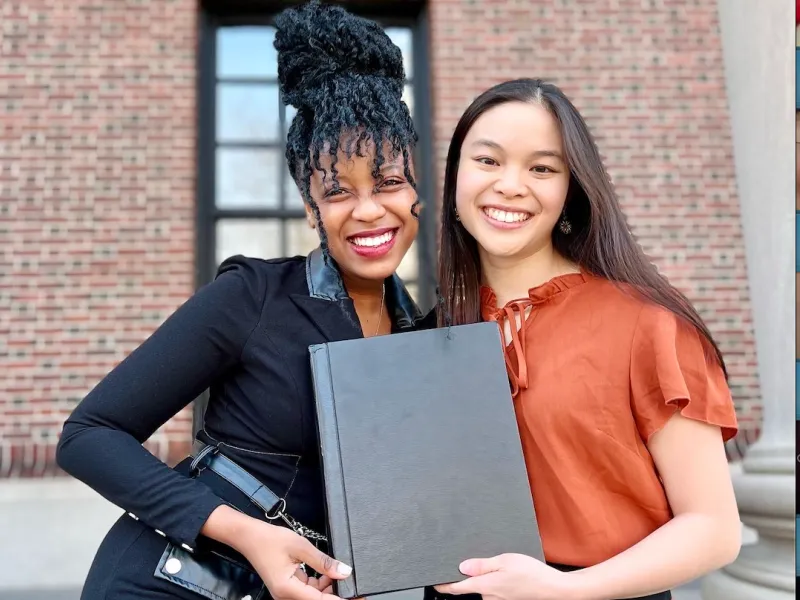 My First Harvard Yale Game
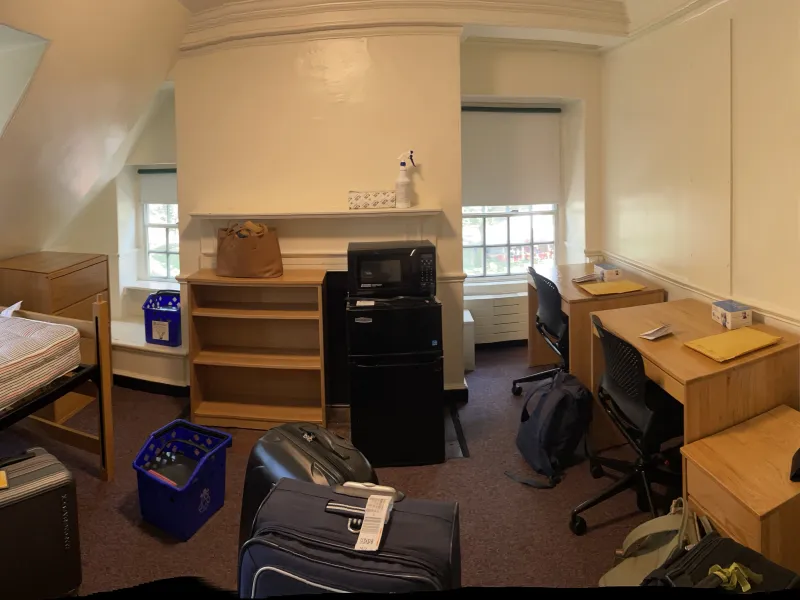 An empty room? More like a clean canvas!
 Where I love to study no matter what I’m concentrating in!
 The Fall 2021 HFAI Student Coordinator Team!
 Adding as thumbnail for blog

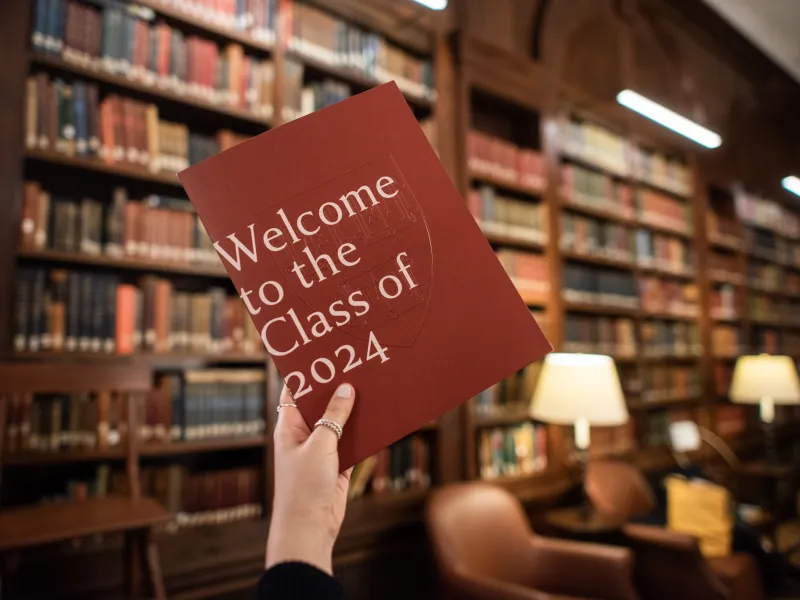
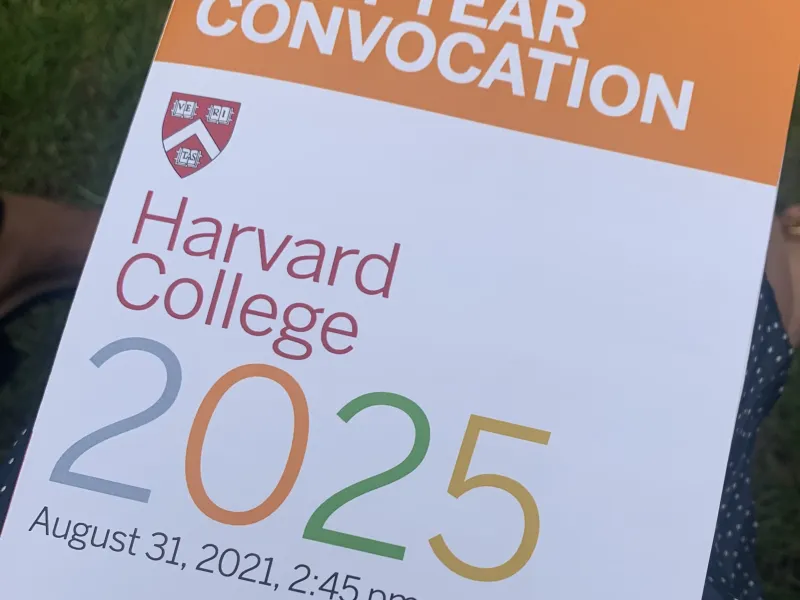 The brochure given to us on Convocation, a day before the start of classes
 A picture of a white poster with "Adams House is the Best House" written on it.
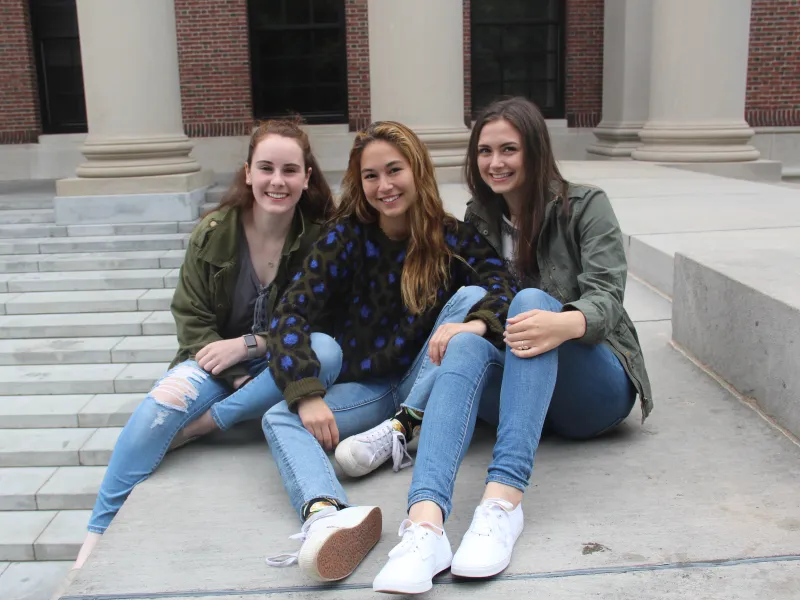 Sitting in front of Widener with my first friends at Harvard in fall 2018. None of us could have predicted that we would end up taking a leave of absence together two years later.

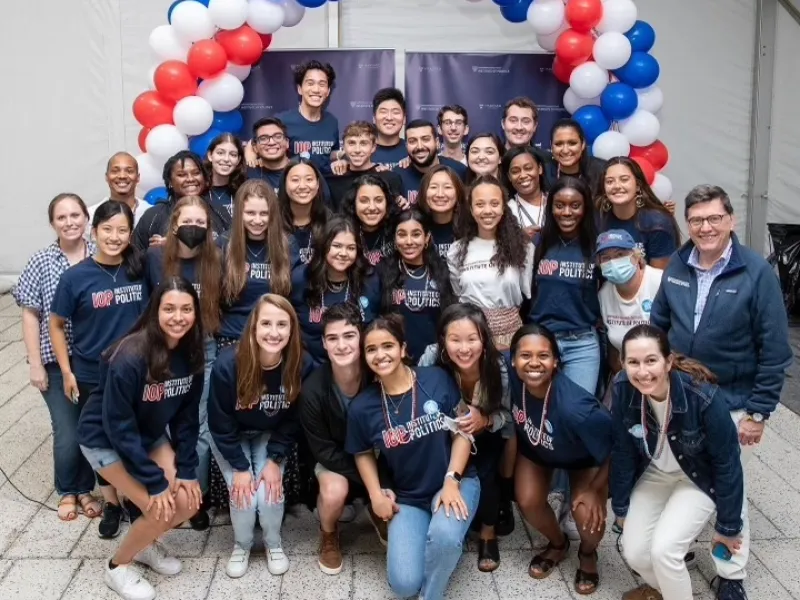 So grateful to have worked with these amazing student leaders this past year!
 hey, what's that--a liminal space?
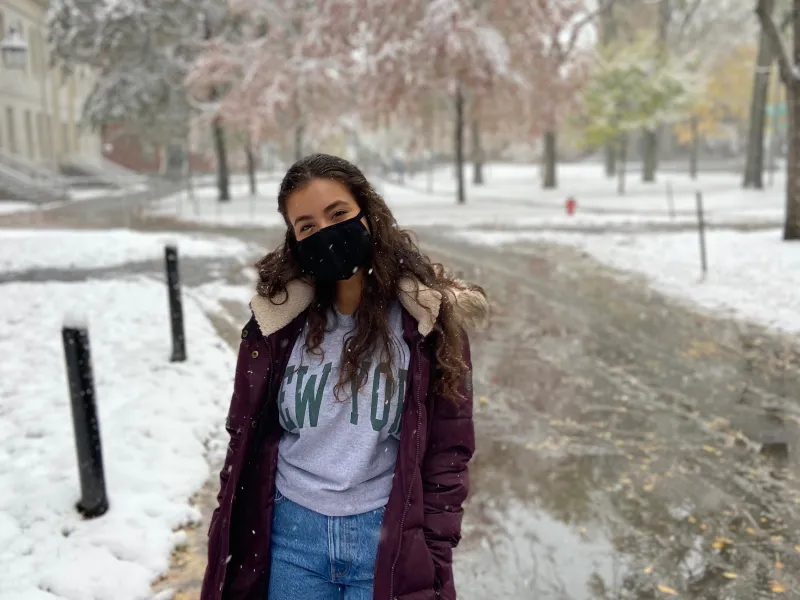 My one of my Floridian roommates in the snow last year looking warm in a coat and jeans!
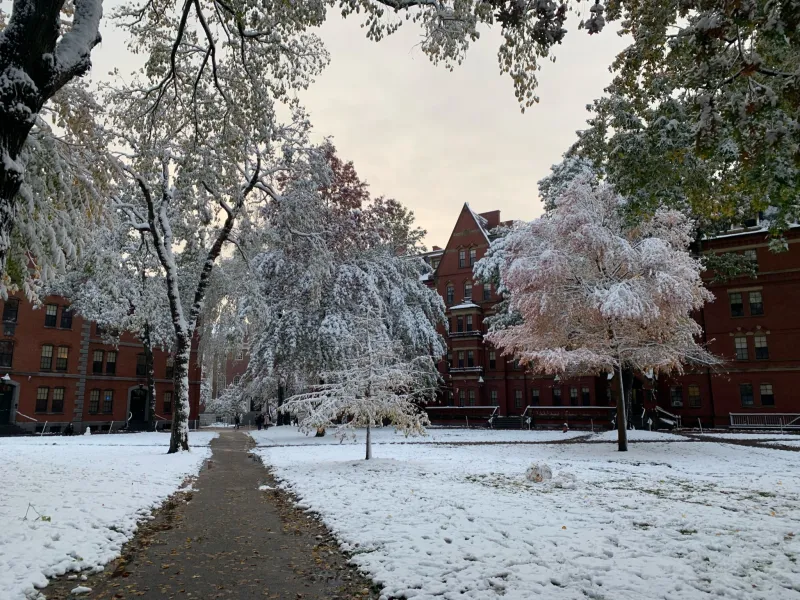

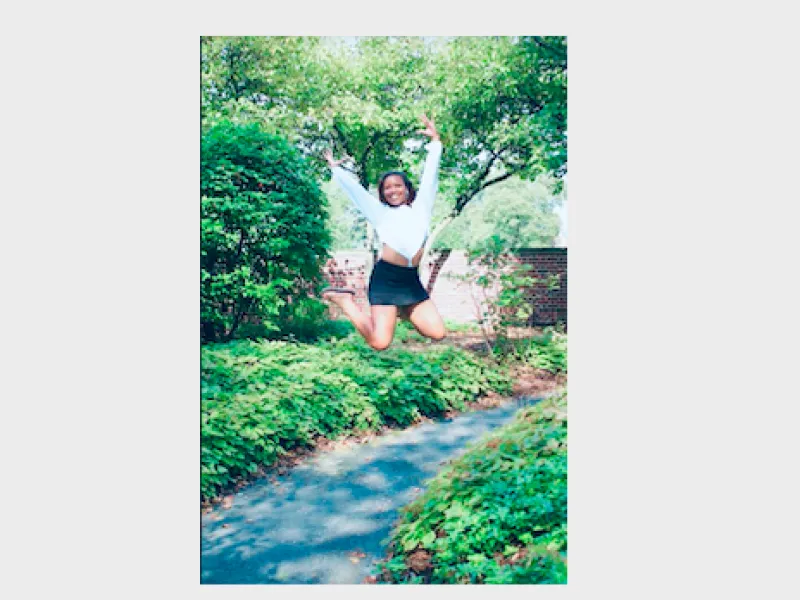 A dancer jumping in the air
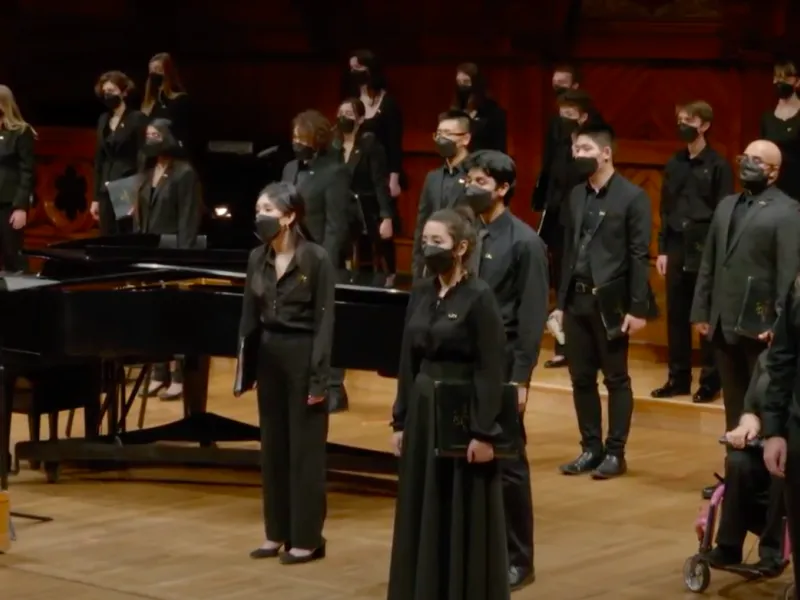 My fellow singers and I singing “Lay Me Low,” our closing number, by Addah Z. Potter and arranged by Kevin Siegfried, at Reunion: A Fall Concert.
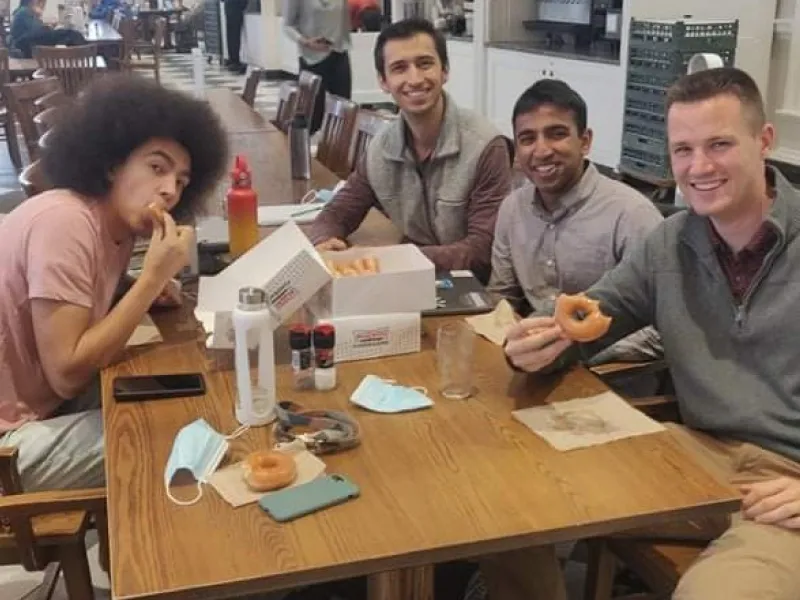 To relax after midterms, some friends and I enjoyed donuts for breakfast in Leverett Dining hall.
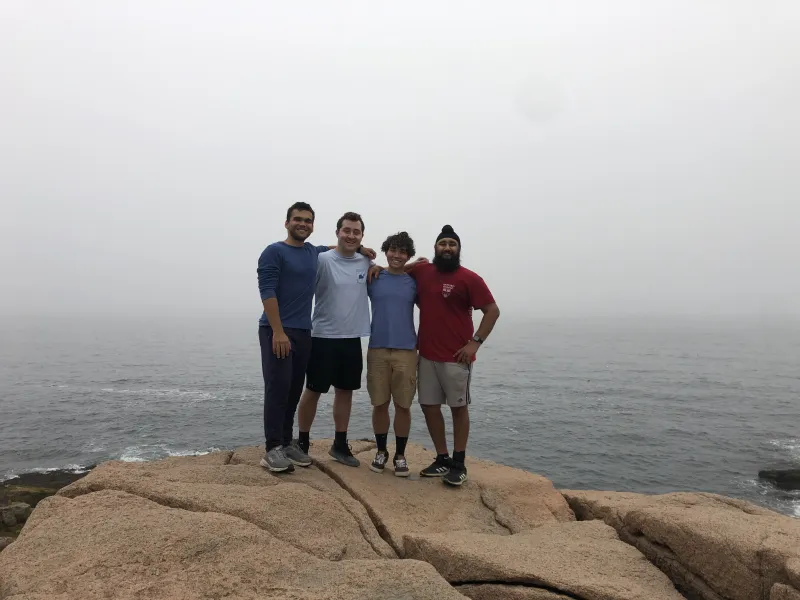 Here's some friends and I at Acadia National Park over an extended weekend!
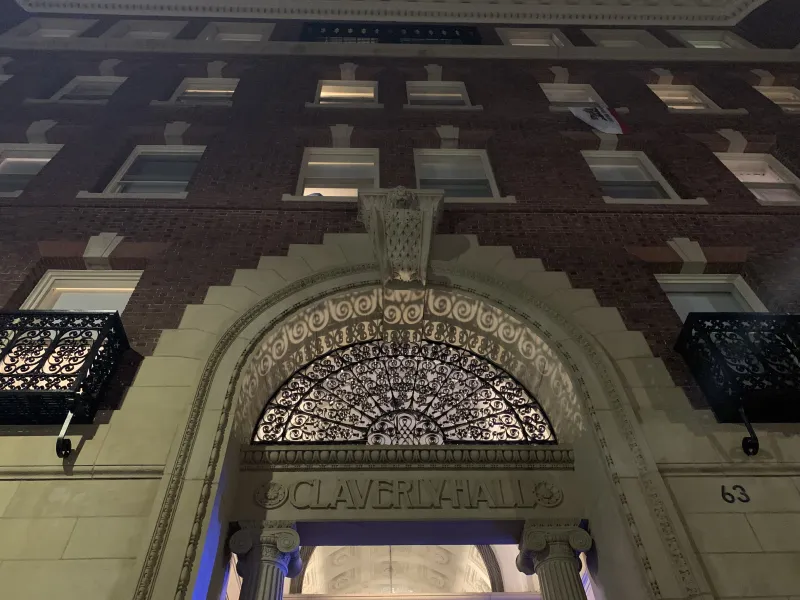 The front of Claverly Hall on Mt. Auburn Street.
 This is our entryway ready for their convocation!
 A snapshot of my room in the afternoon
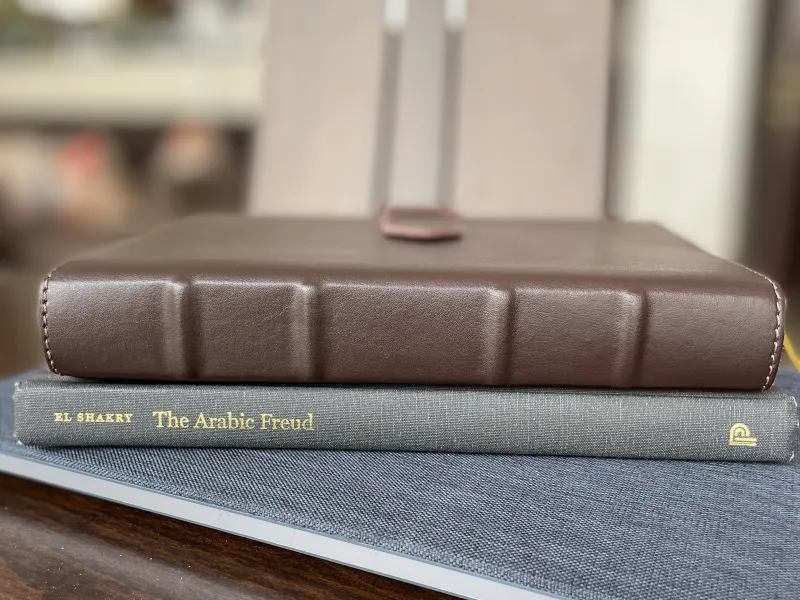 These research materials and I have been attached all summer.
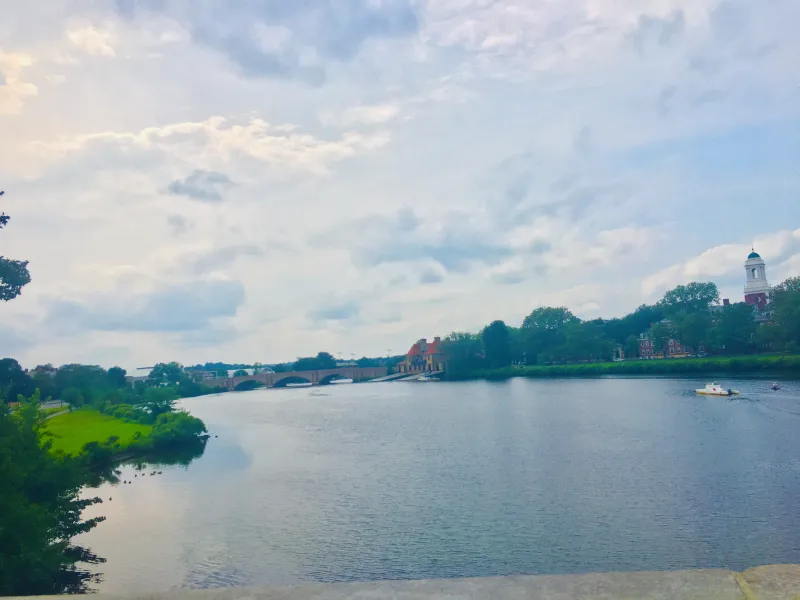 A picture of the Charles River overlooking Harvard's River Houses
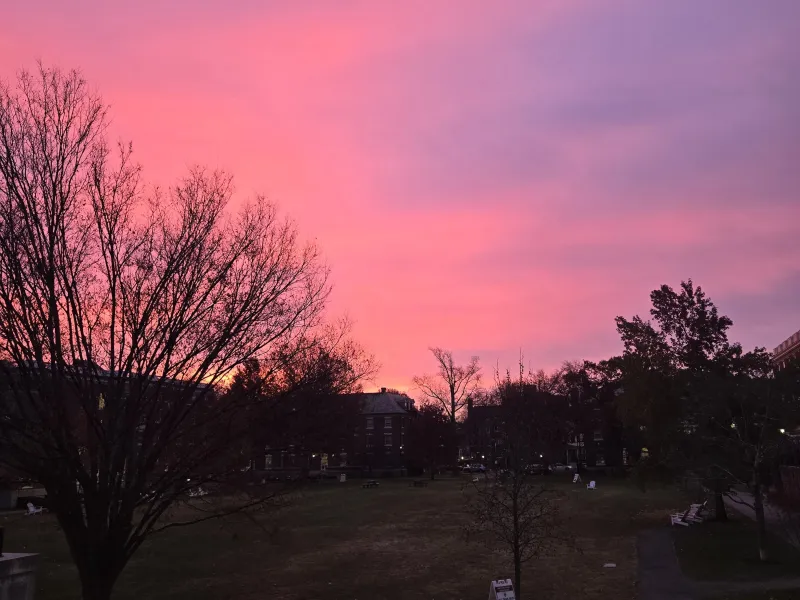
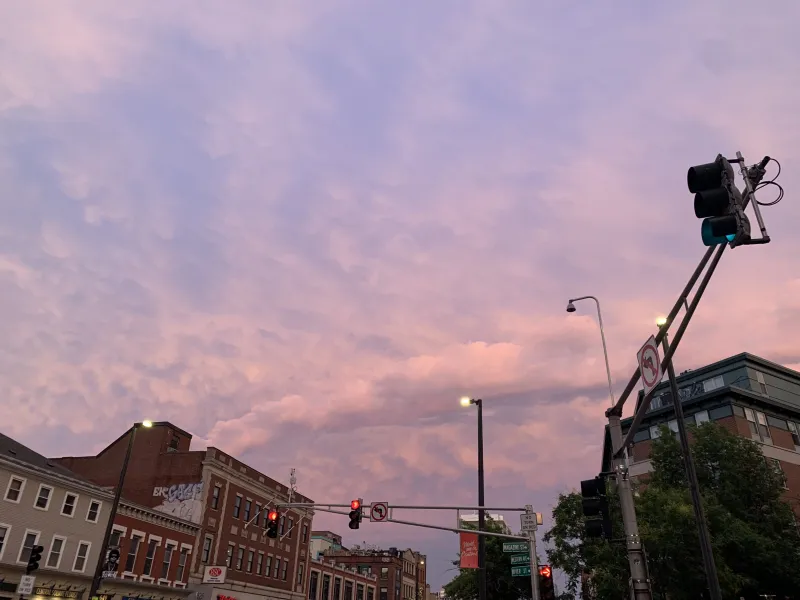 One of my favorite parts of Cambridge summers is how beautiful the sky gets as the sun starts to set. I've dubbed them "cotton candy skies" due to the vibrant pinks, blues, and purples that the sky takes on during this time.
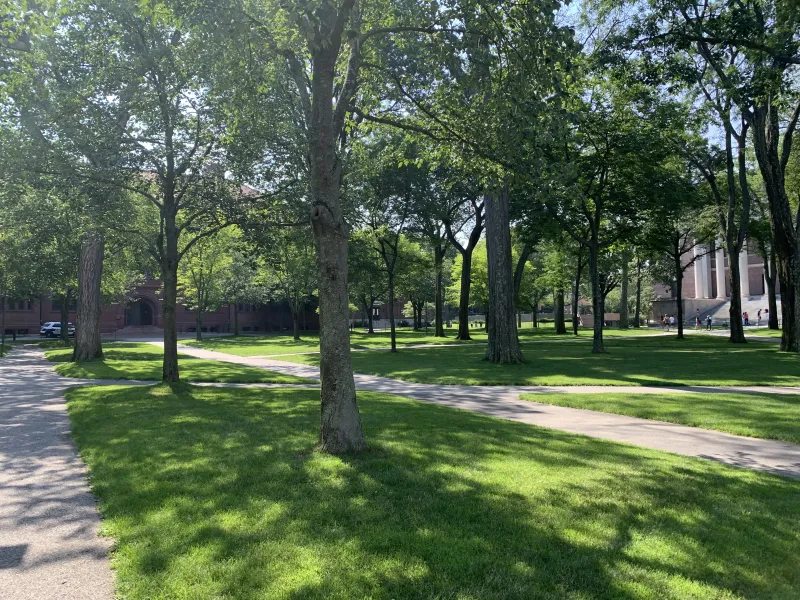
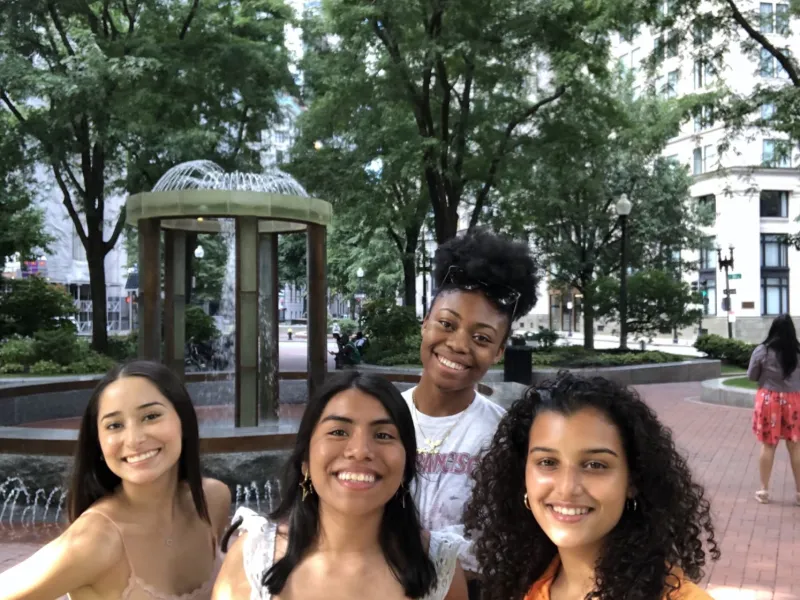 This was during our first few weeks at Harvard!
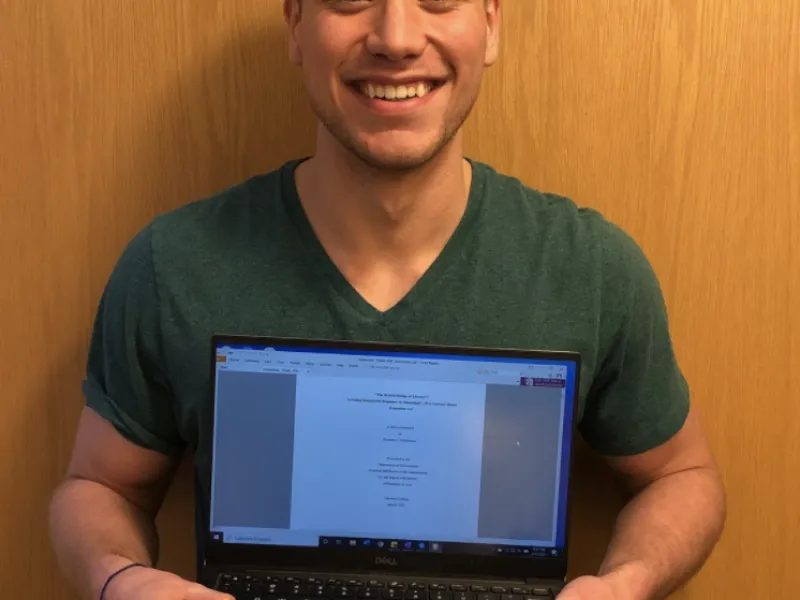
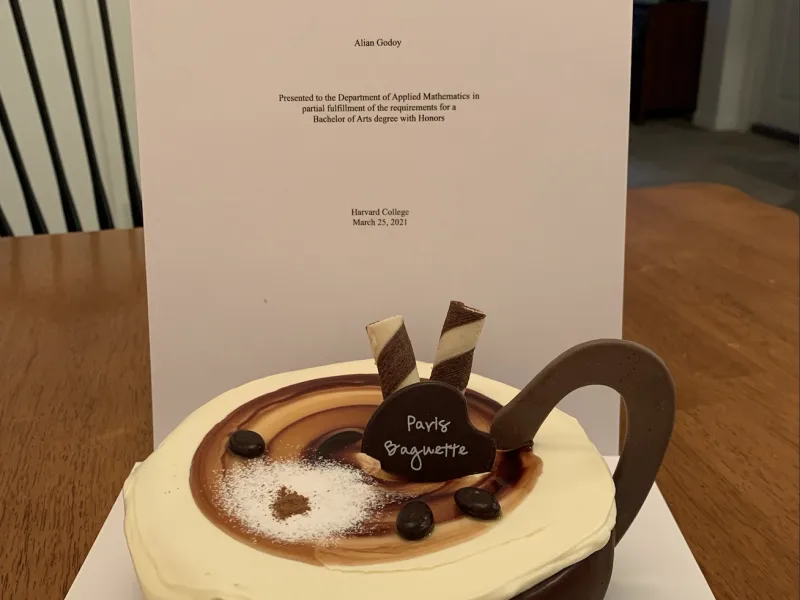 Cake from Paris Baguette & my Thesis Title Page
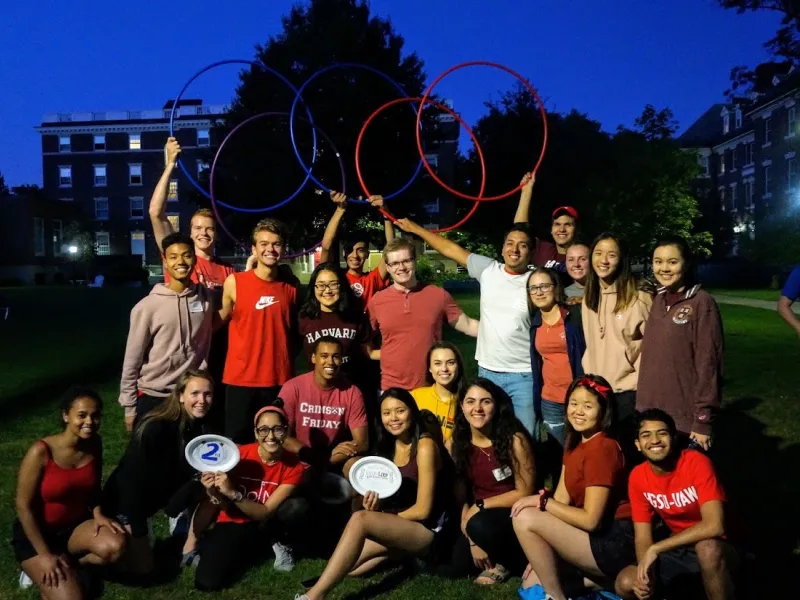 A group of PAFs after an evening of games during orientation.
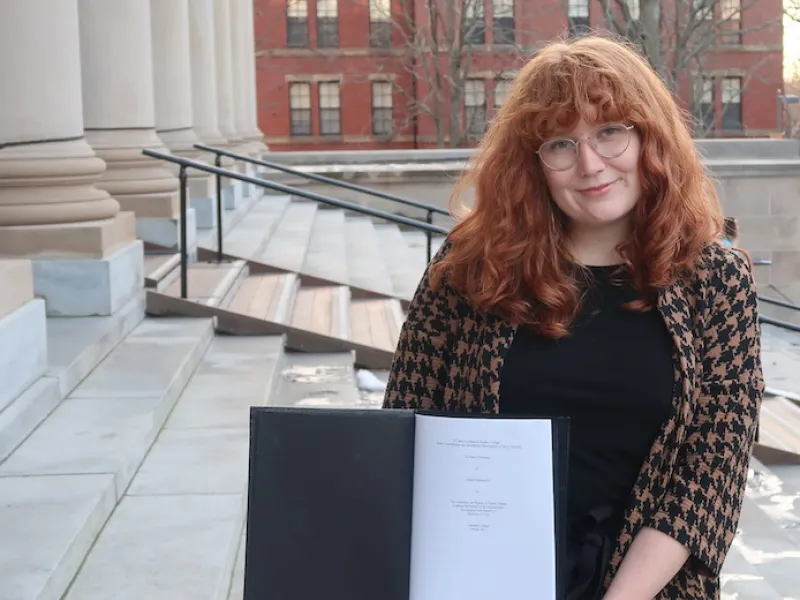 I got to take photos with my thesis (or at least the first 25 pages of it) on the steps of Widener Library!
 Me and a teammate sailing the first double handed sail of the year.
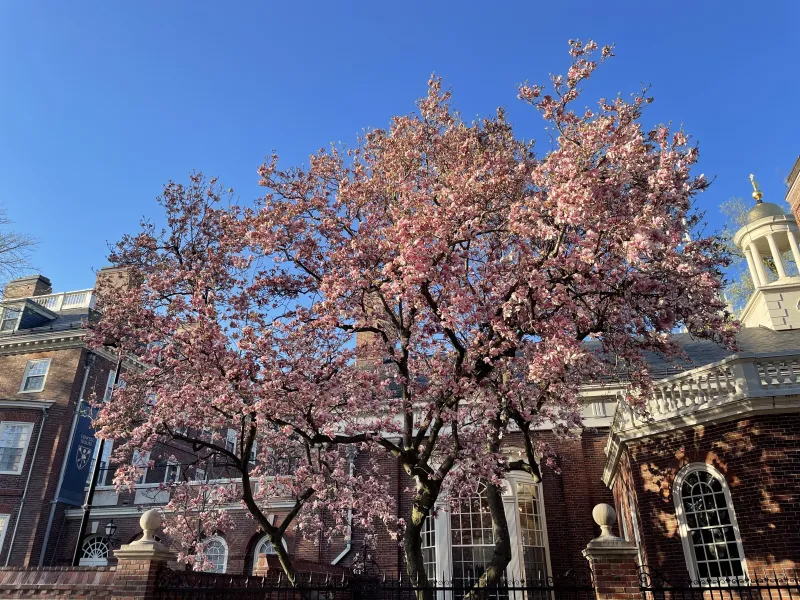 Cherry Blossom outside Lowell
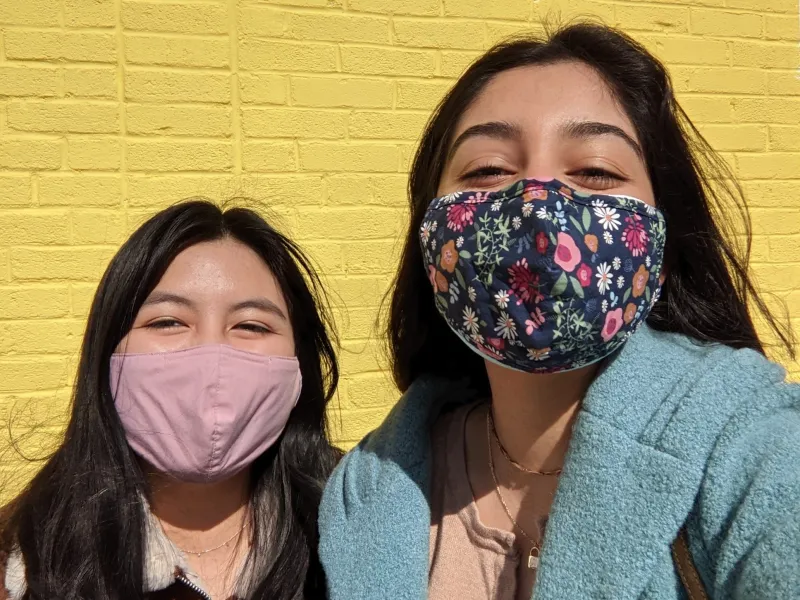
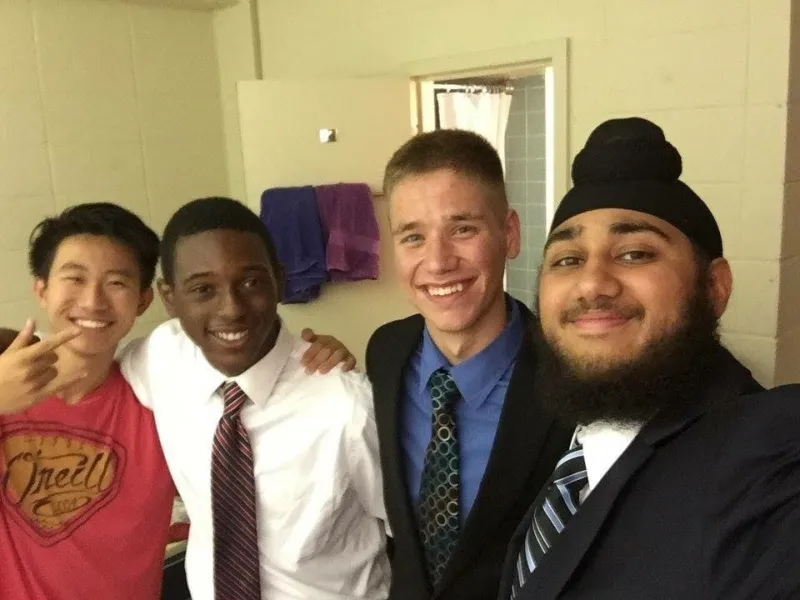 Here's Harpreet and I with our best friends back in high school!
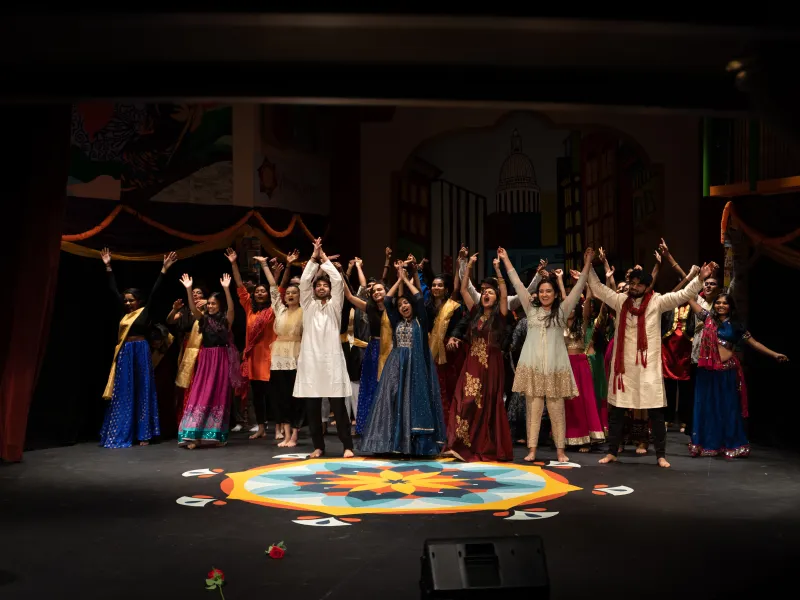 The finale act of the 2020 show!
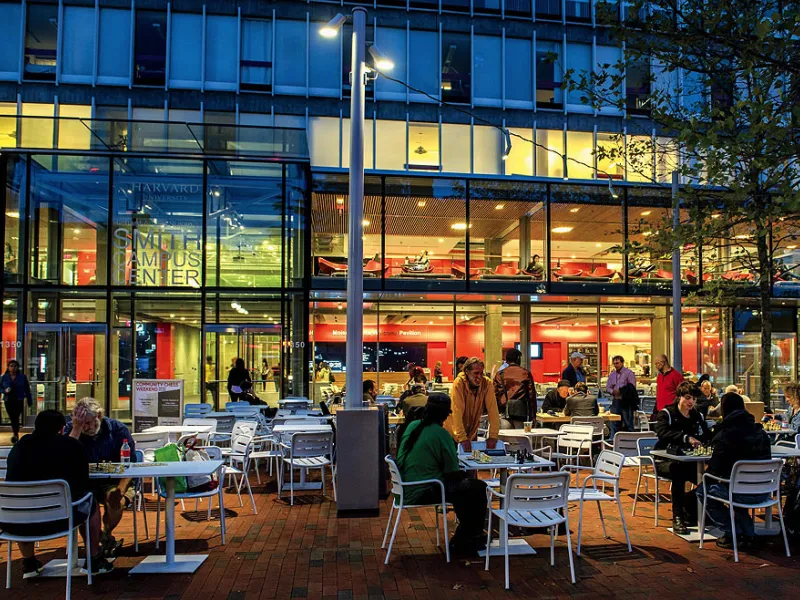
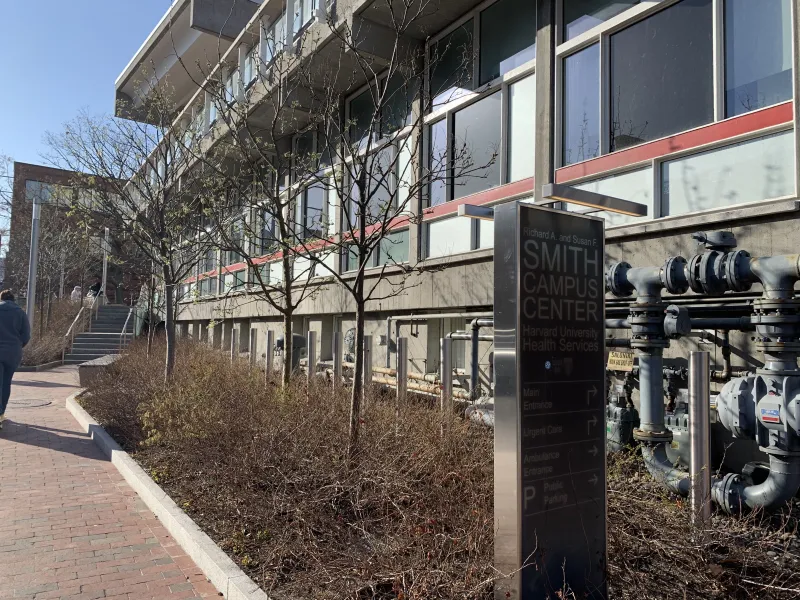 Mt. Auburn Street Side of Harvard University Health Services/Smith Center
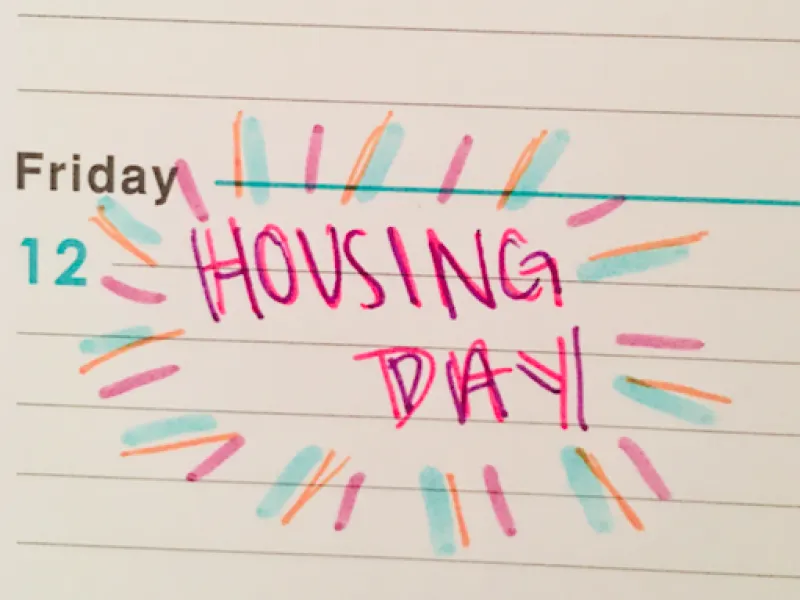


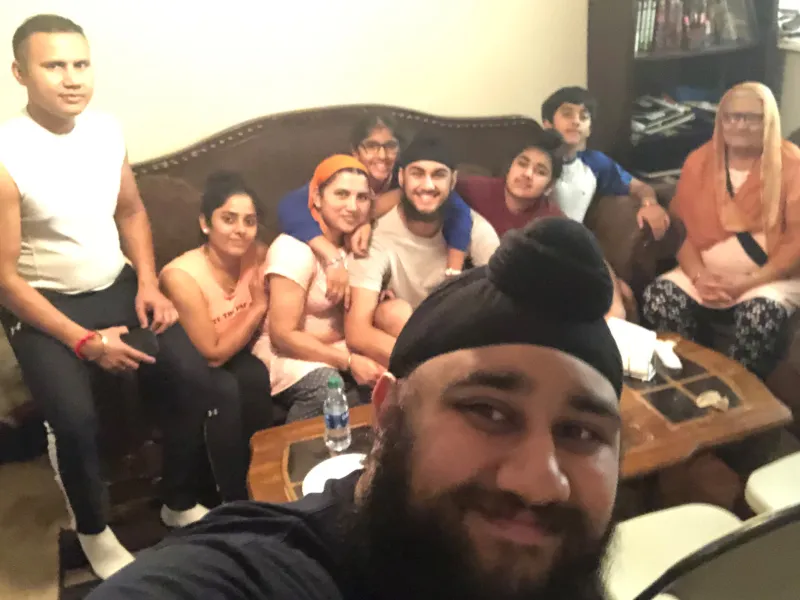 Here is a picture of my family, including my mom, brothers, grandma, uncle and aunt, and cousins.
 The SEF is just one way for low-income students to receive extra support towards the cost of attendance at Harvard
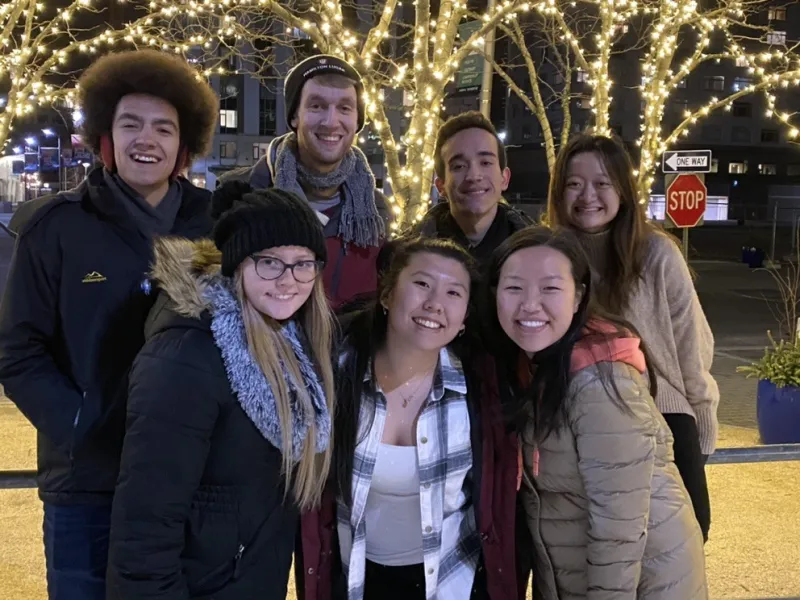
 trips into Boston are worth it!
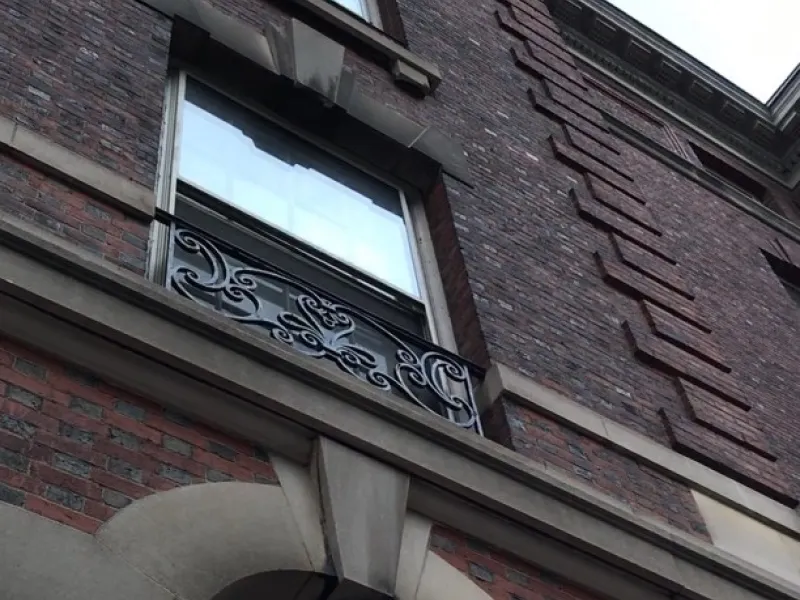 Photo of side of Apley Court
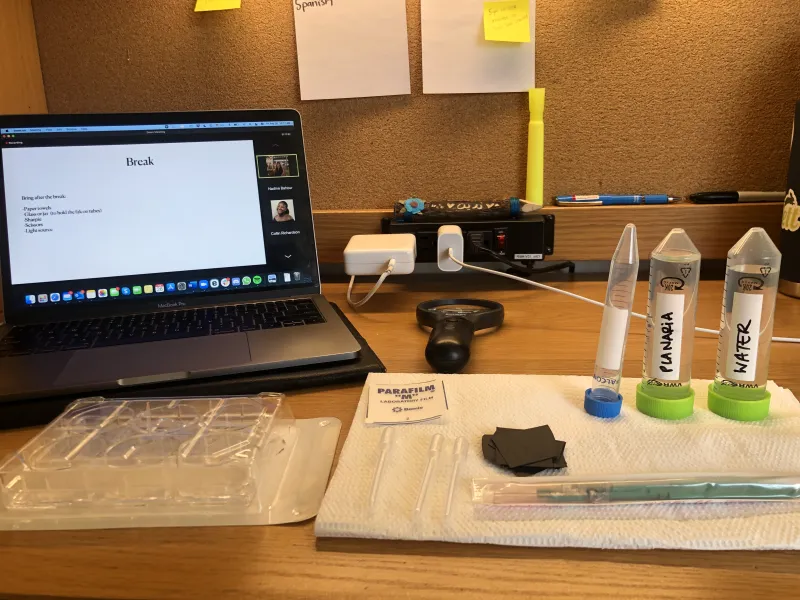 I transformed my desk to a workstation to dissect the worms for my lab.
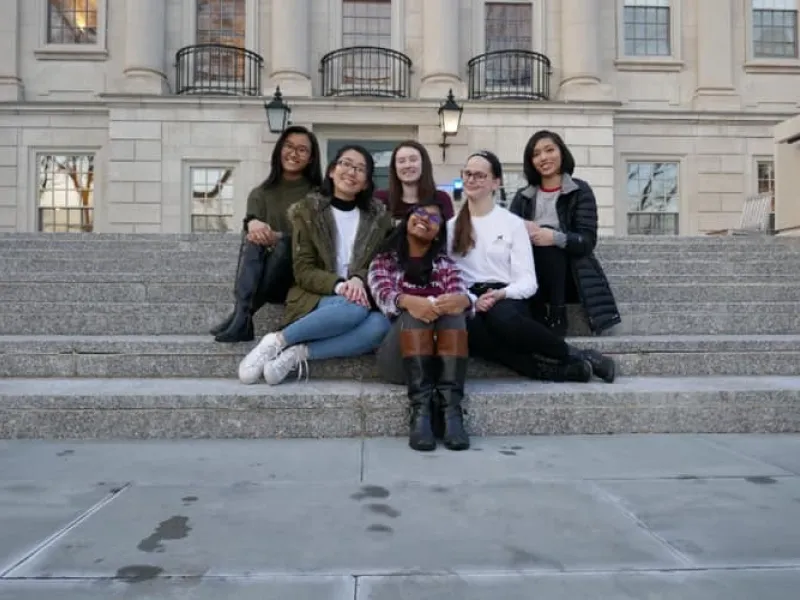 My blockmates and I at Winthrop House on our Housing Day!
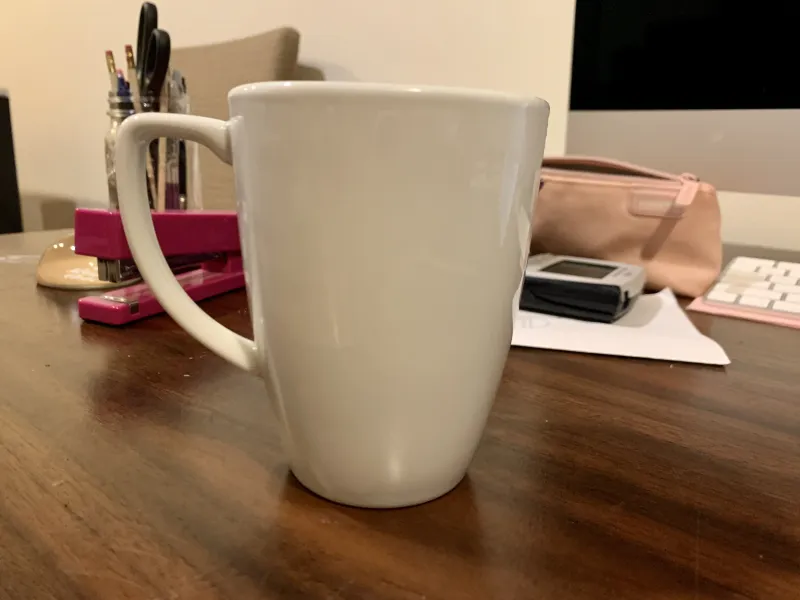
 Studying on a cold day with some coffee.
 I have very specific playlists for every mood.
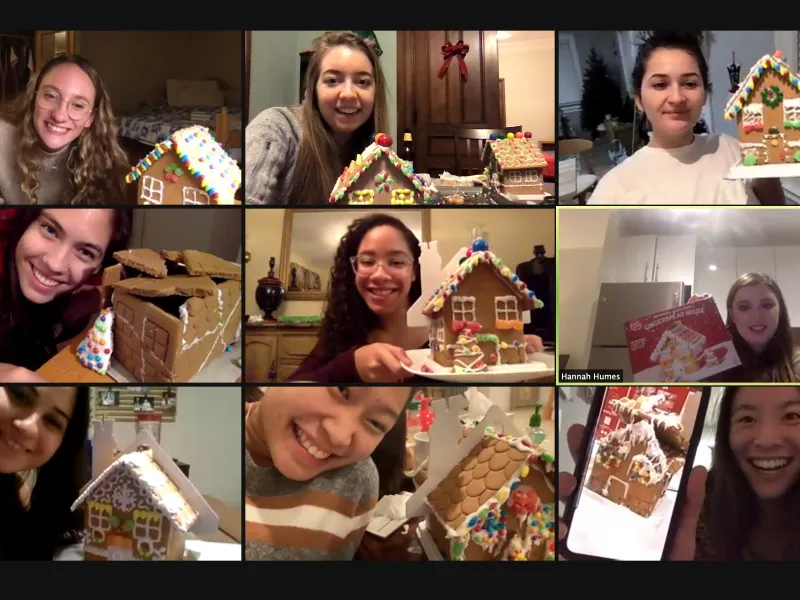
 Here are some of the books I've been reading for fun lately!
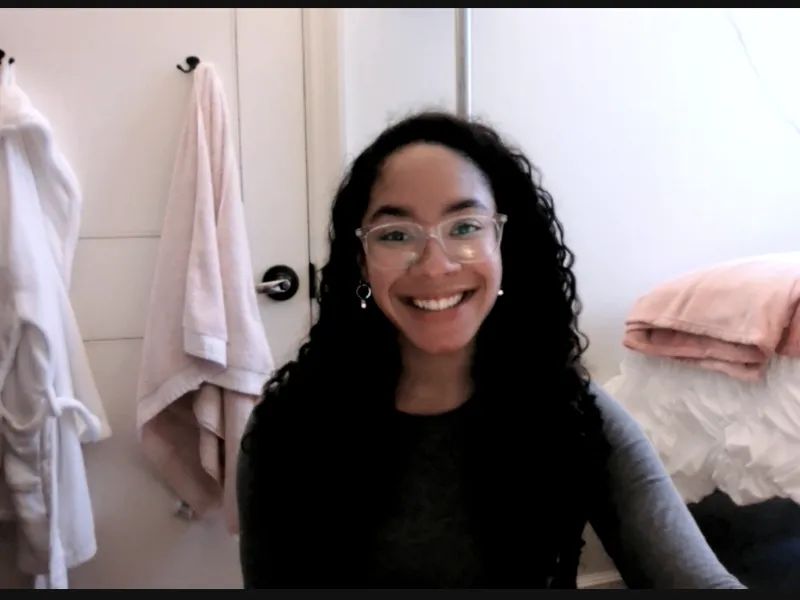


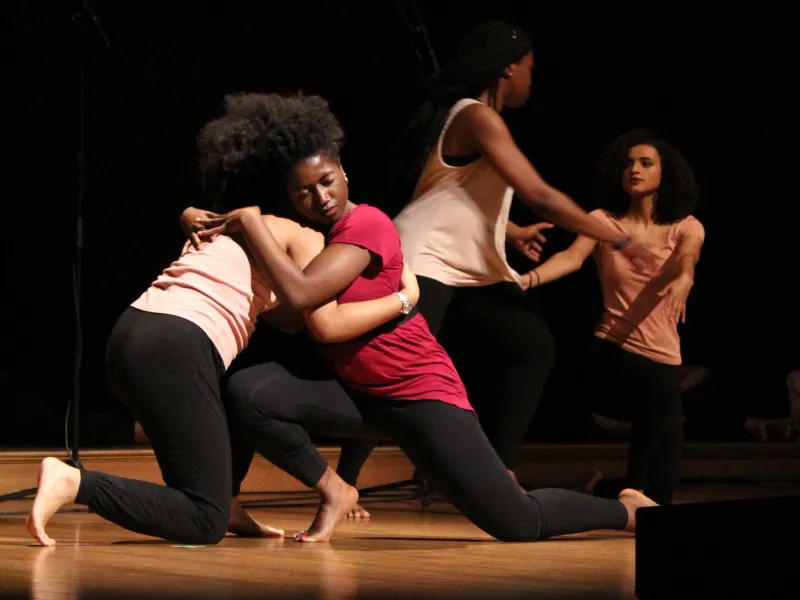 Kuumba had a winter concert last year that focused on the importance of Black Love; this photo, which captures the power of intimacy, was taken during the dance section of the concert.

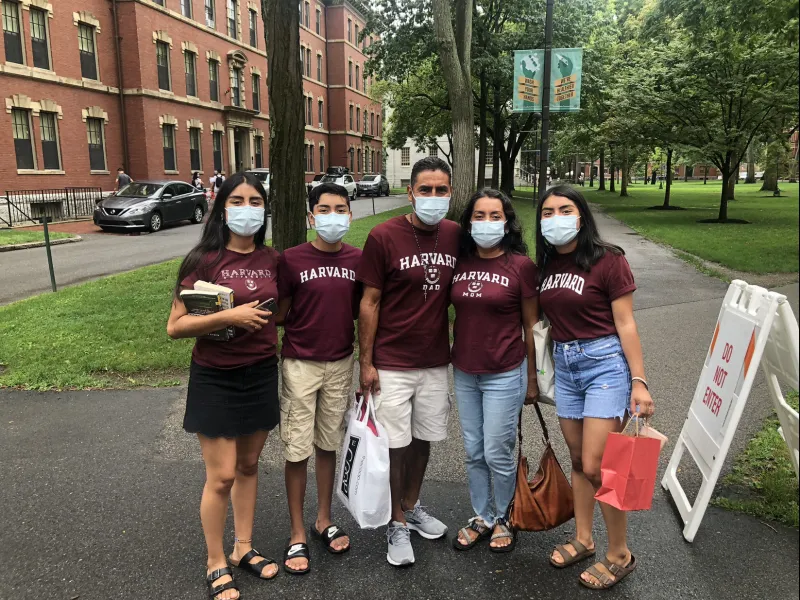 My family and I during my move in.
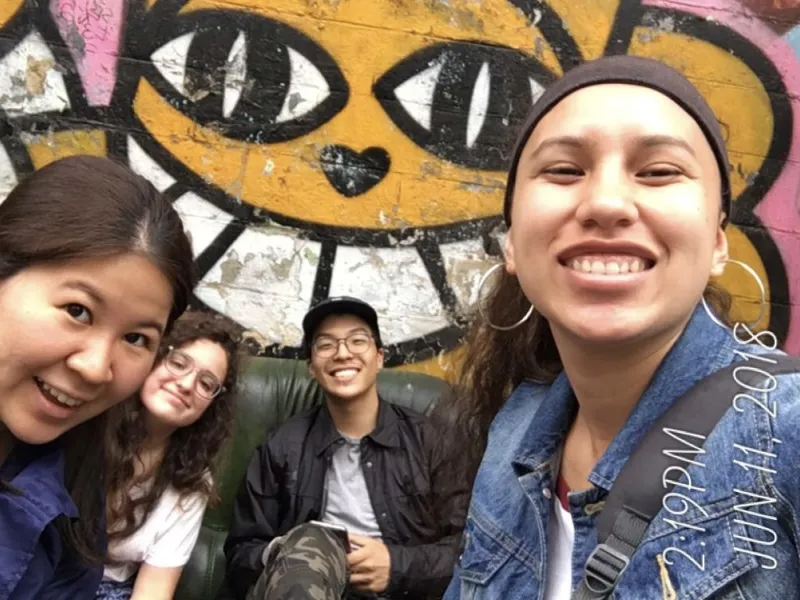 Pictured with me (on the left) are Louisa (student at the Center for Research and Interdisciplinarity in Paris), TJ (Harvard Class of 2020), and Gabi (Harvard Class of 2021) from left to right.
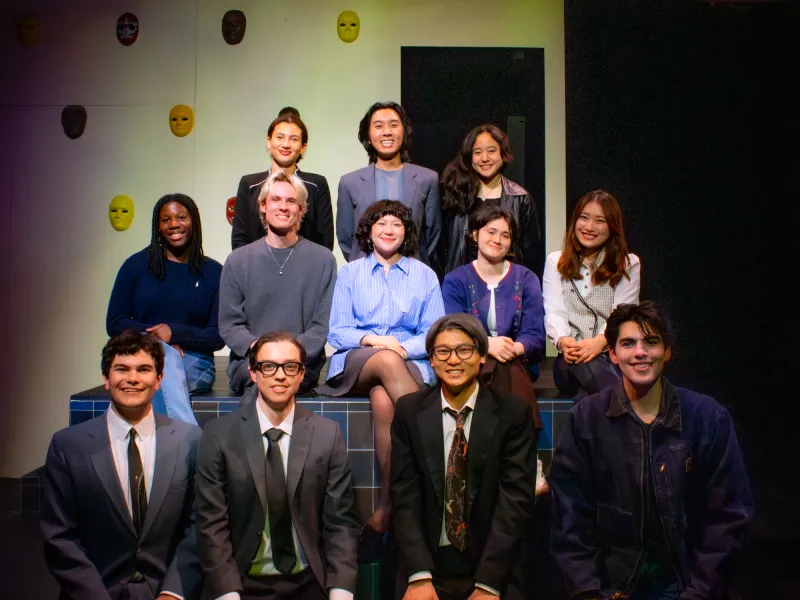
 Here is the full cast (and some of our crew) for the Hyperion Shakespeare Company's production of Macbeth!
 Walking to Class
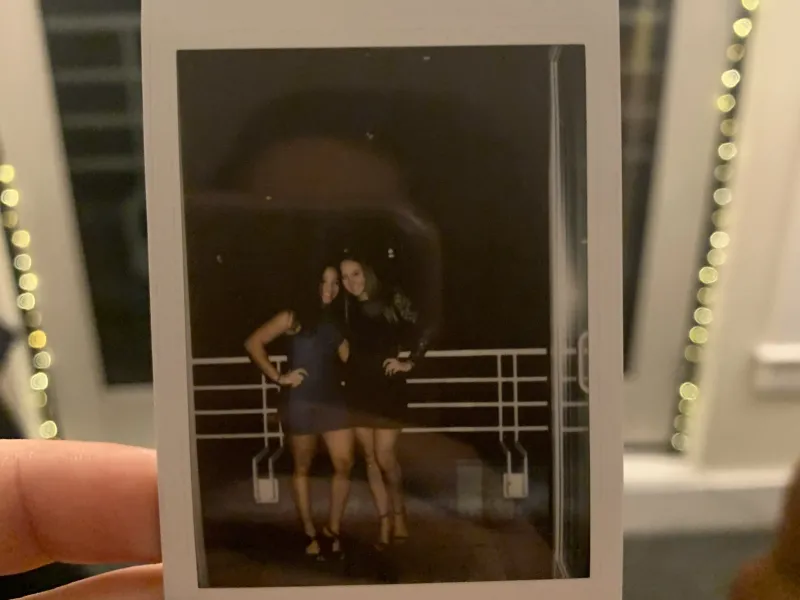
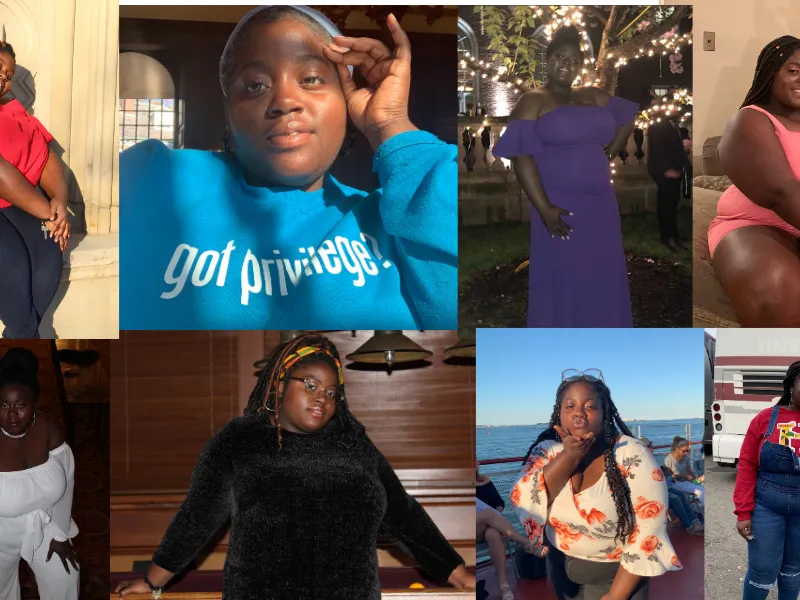 Here's a collage of all the outfits I'll be featuring in this blog.
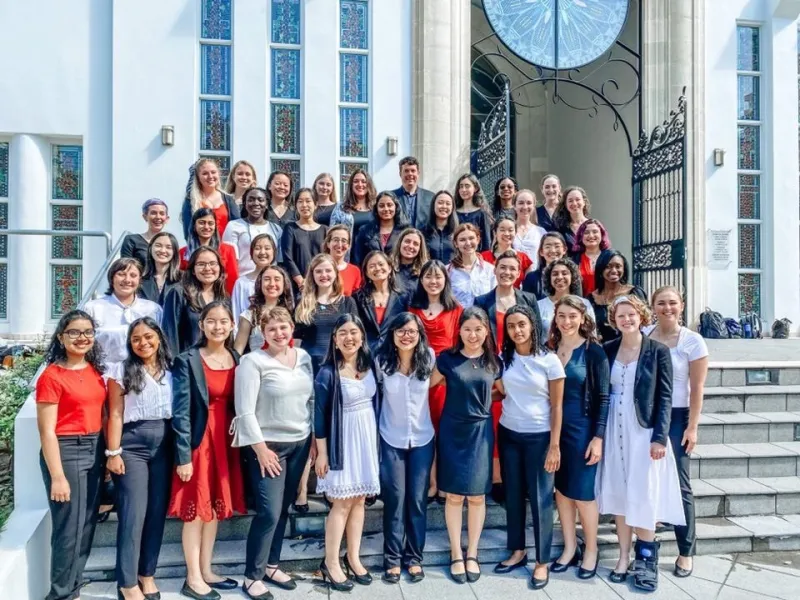 Here's a group photo of the Radcliffe Choral Society on the steps of Stella Maris Church in San Juan! We sang here several times, for rehearsals, church services, and our finale concert the night before we flew back to Boston.
 Here's the new Sunflower sign we just put up with our students as community service.
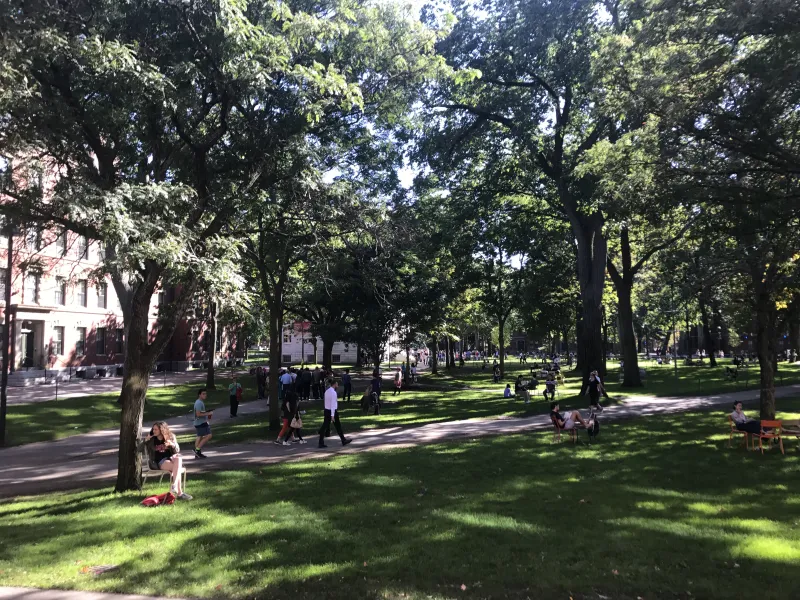
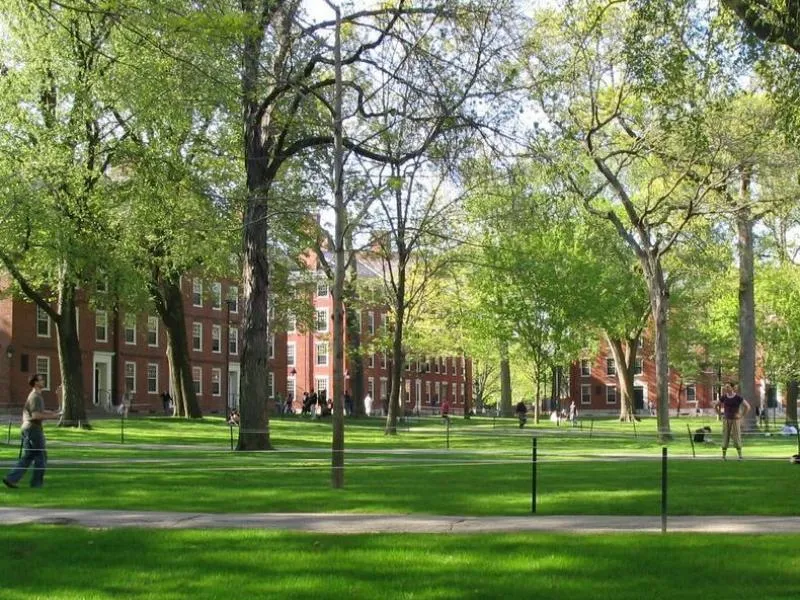 Harvard Yard, where many first-year students live.

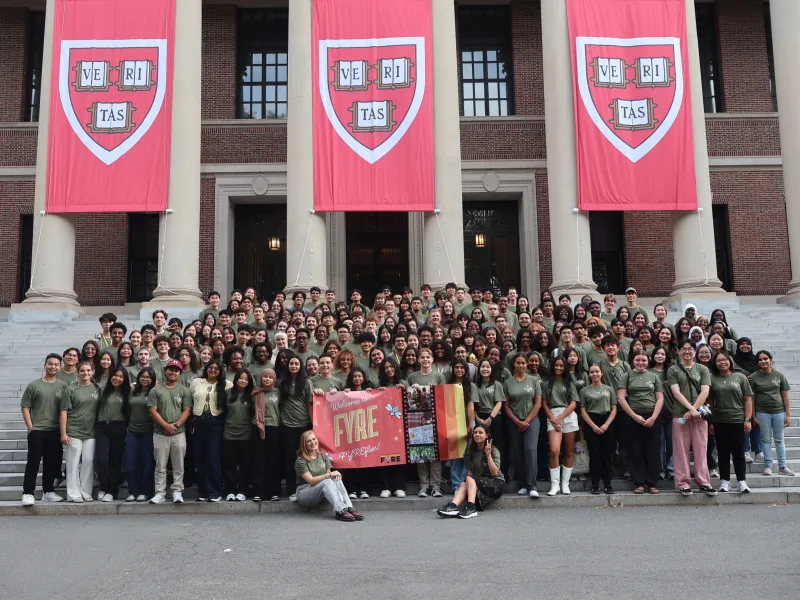
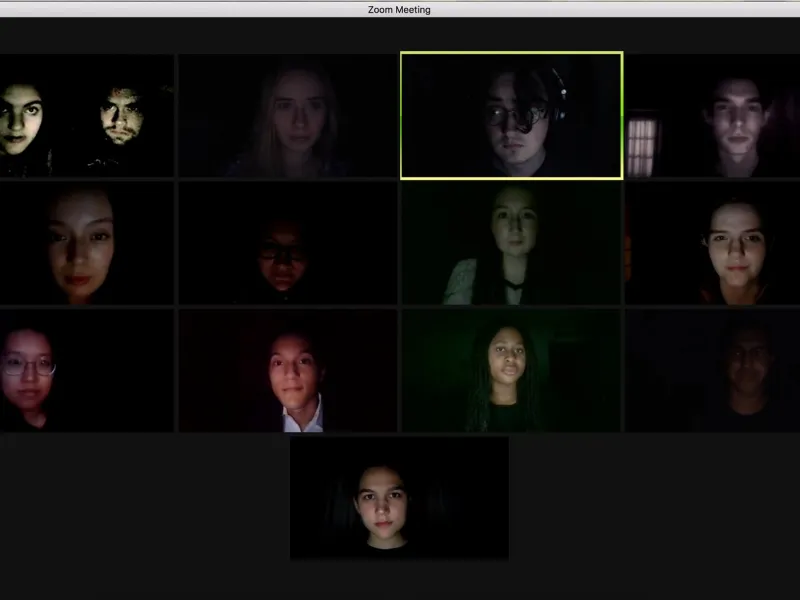
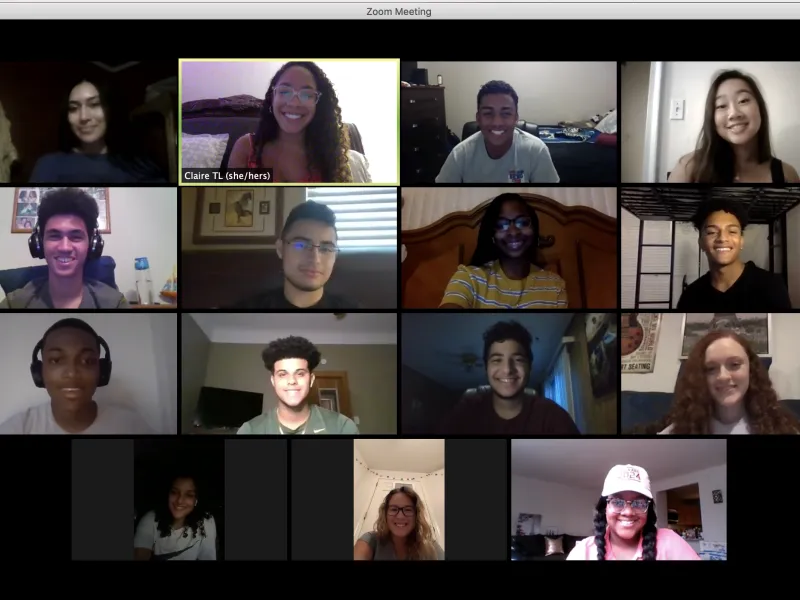 A Zoom Picture from my FYRE Family!
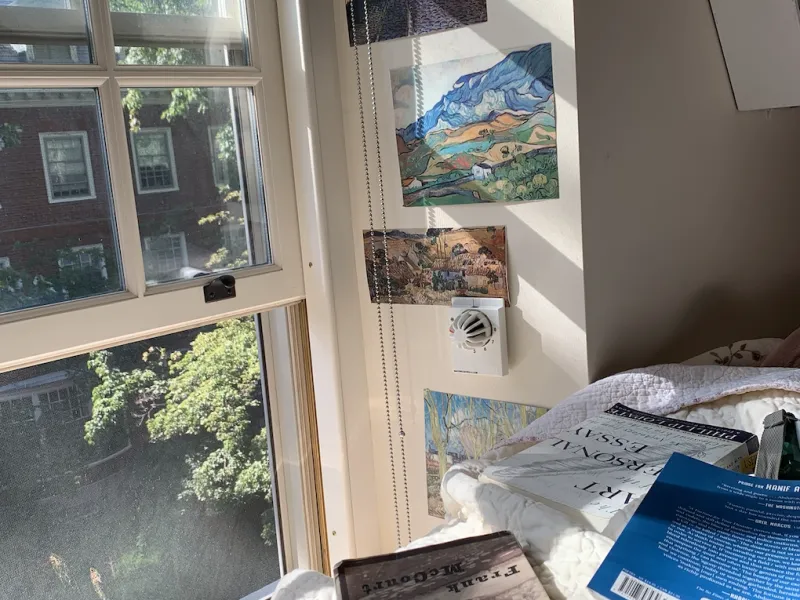 I miss doing reading for my English and creative writing classes on my Winthrop House dorm room!

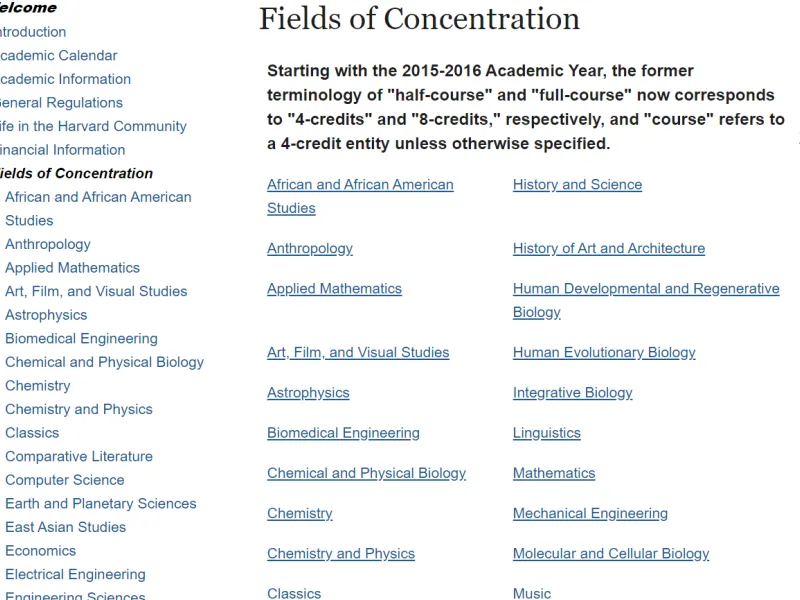 A list of just some of the possible concentrations offered at Harvard
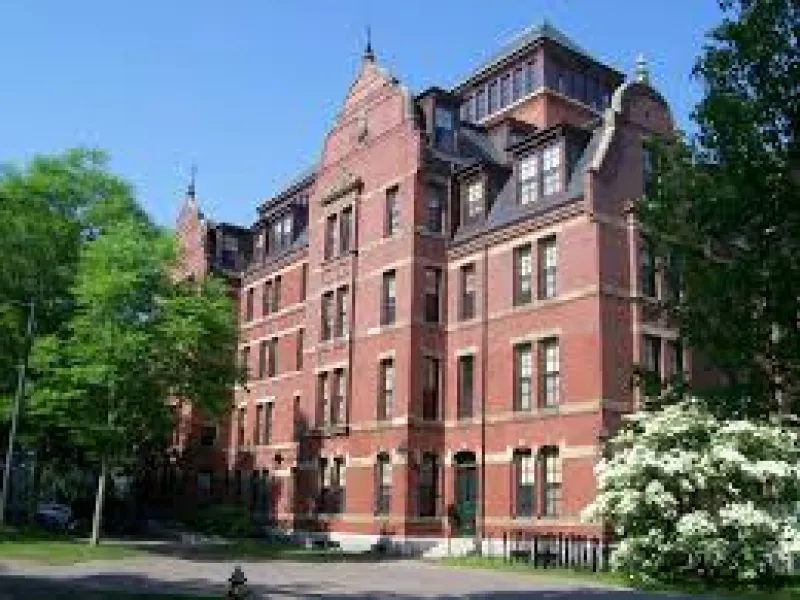 Weld Hall, the first-year dorm where I am a PAF!
 A snap of an empty Tercentenary theater as I worked on my homework
 My friends and I love hanging out in the roof-top common room in Winthrop House!
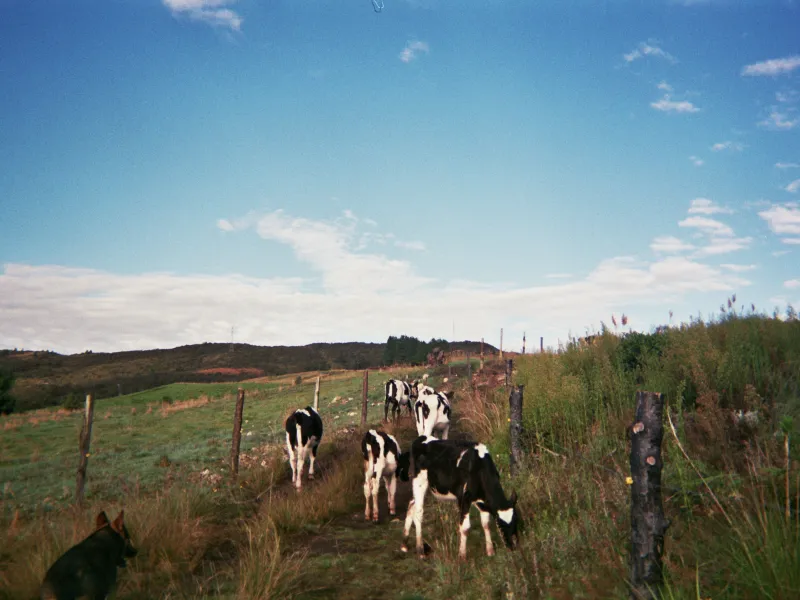 I took this photo of my grandpa's cows on a film camera during one of my visits! The view was absolutely breathtaking.
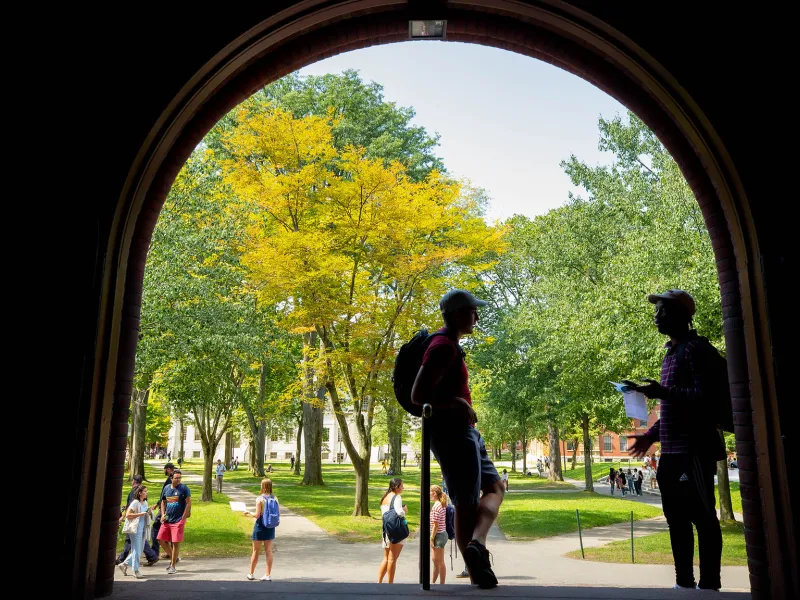
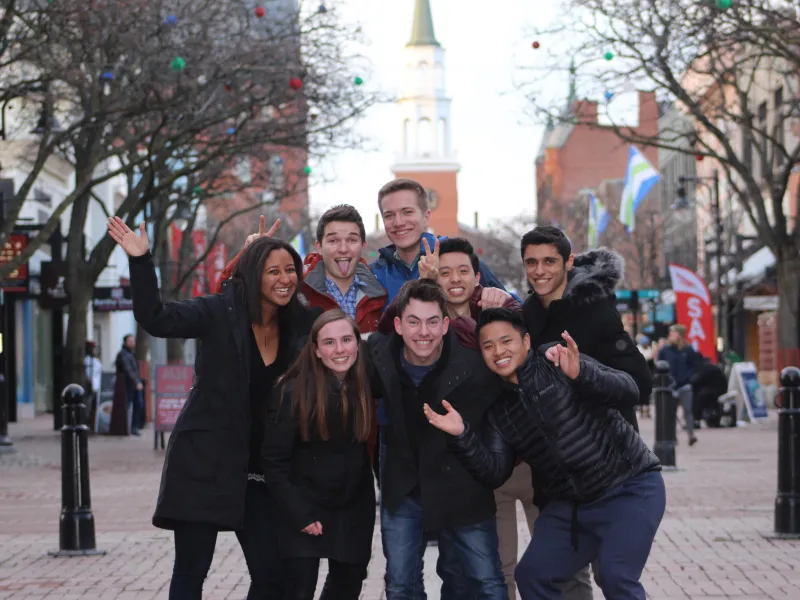
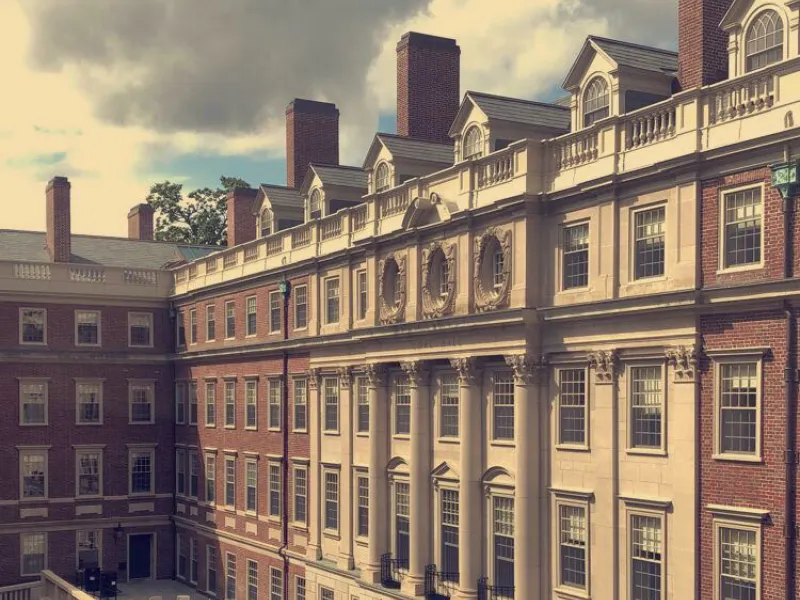
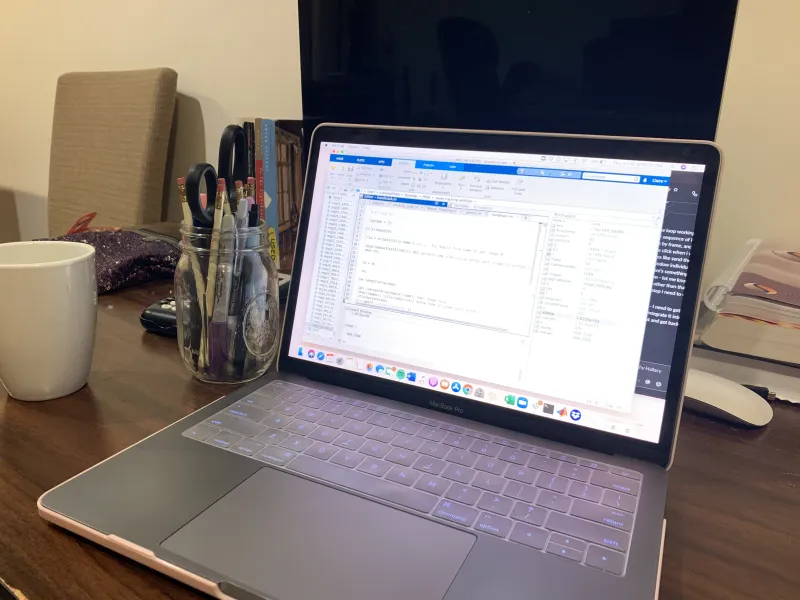
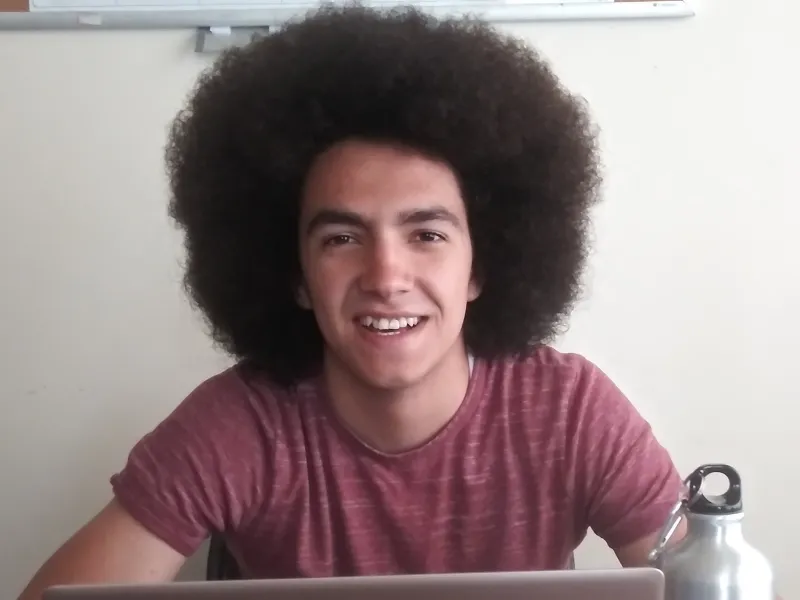 I found myself this summer sitting at my laptop a lot more than I had originally planned
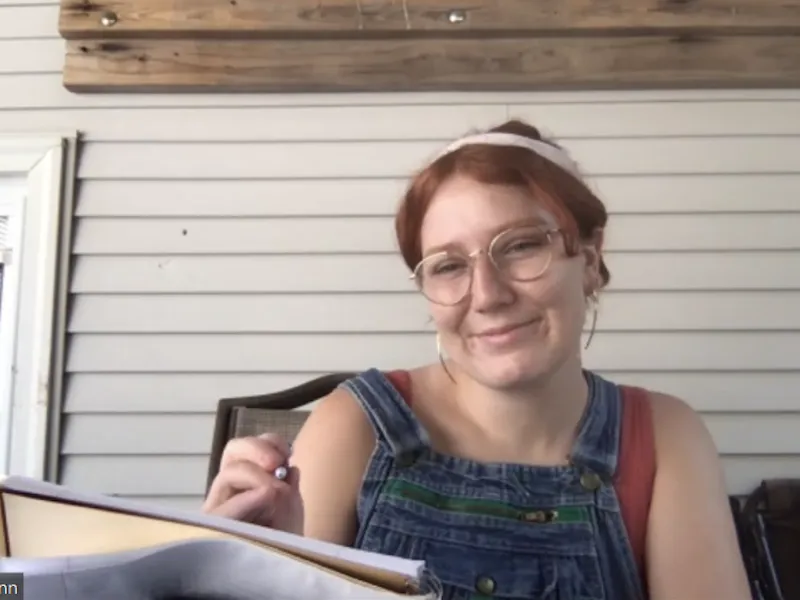 I make the most of my Zoom-ed reality by taking calls outside!
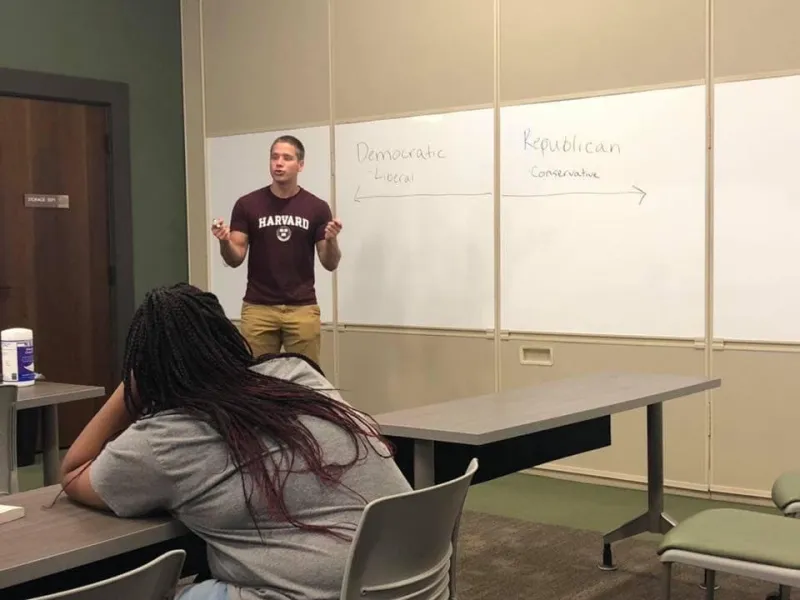 Here I am teaching a government class from last summer!
 During the last days of first-year, I organized an outdoor picnic in Harvard Yard for the Black Class of 2022. There was pizza, music, and an entertaining, but yet chaotic game of musical chairs.
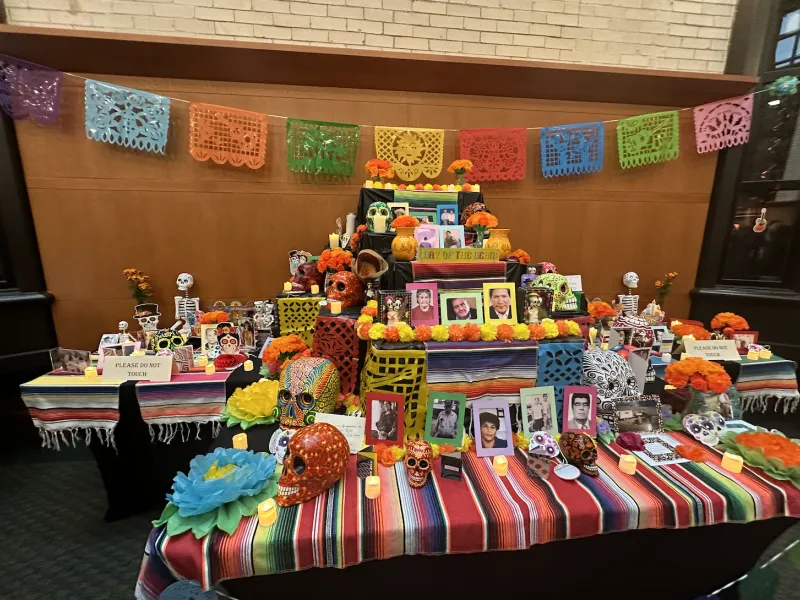
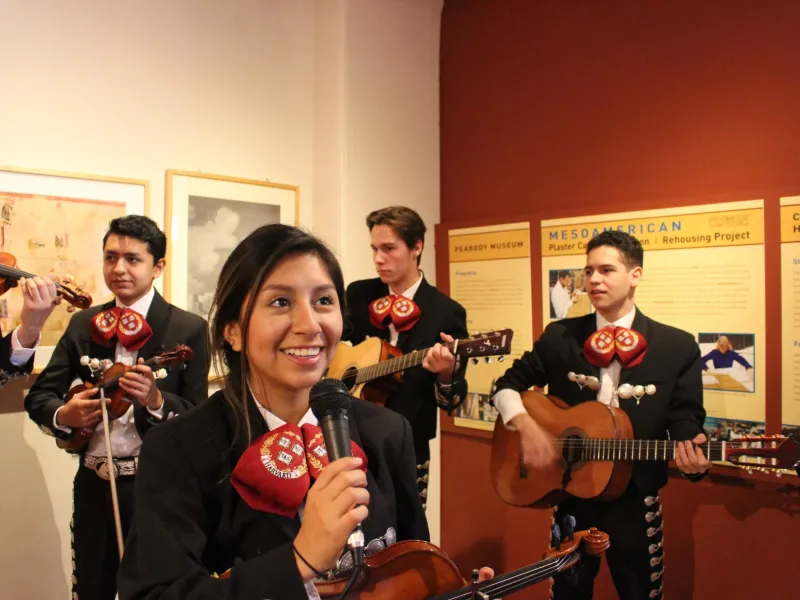 Performing at the Peabody Museum's Day of the Dead celebration and exhibit.
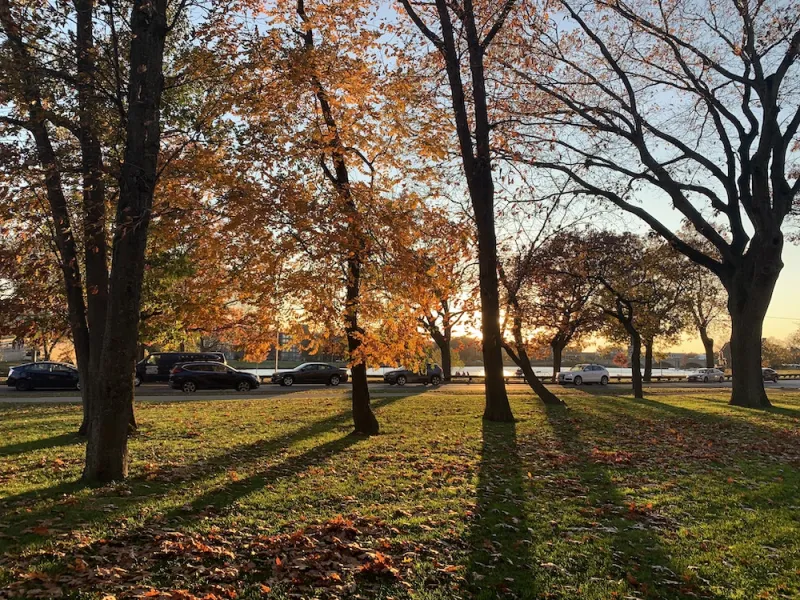 The view of the Charles River from Leveret House, which is right next to Winthrop House!
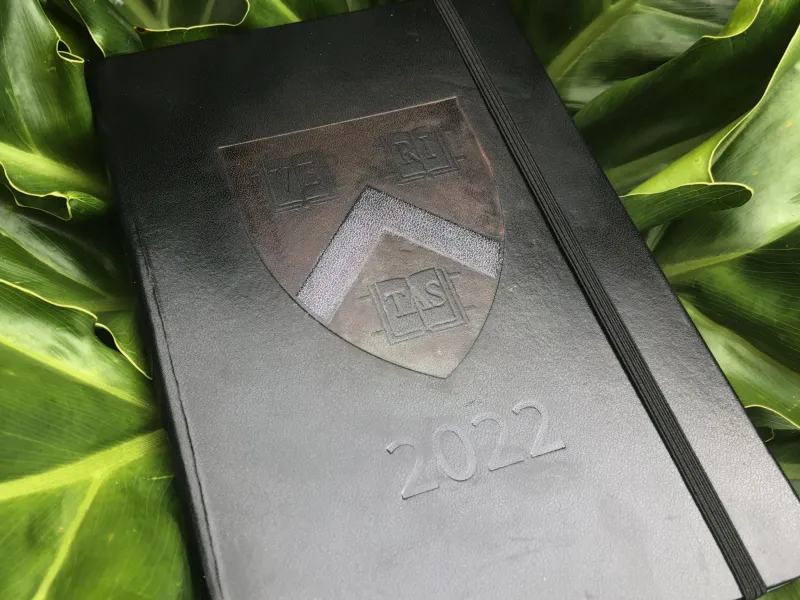 My Harvard Journal Project notebook, with its (not so successful) attempt to color the Harvard logo on the front.
 Selfie in the Seattle Airport.
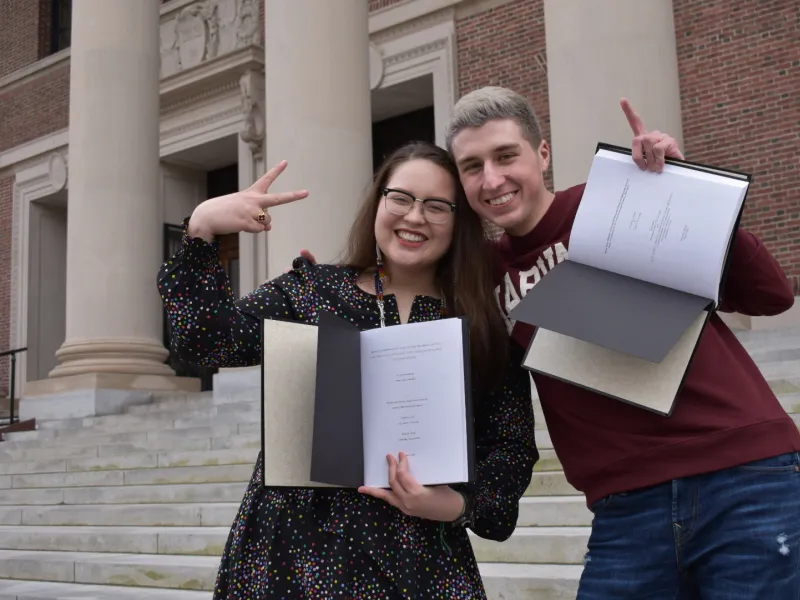
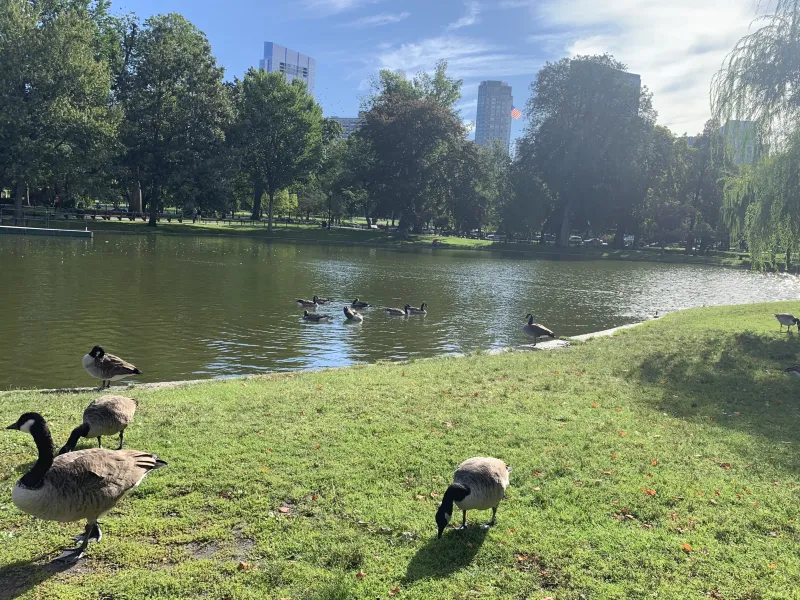
 My friends and I decided to have a group photo session the day before leaving campus!

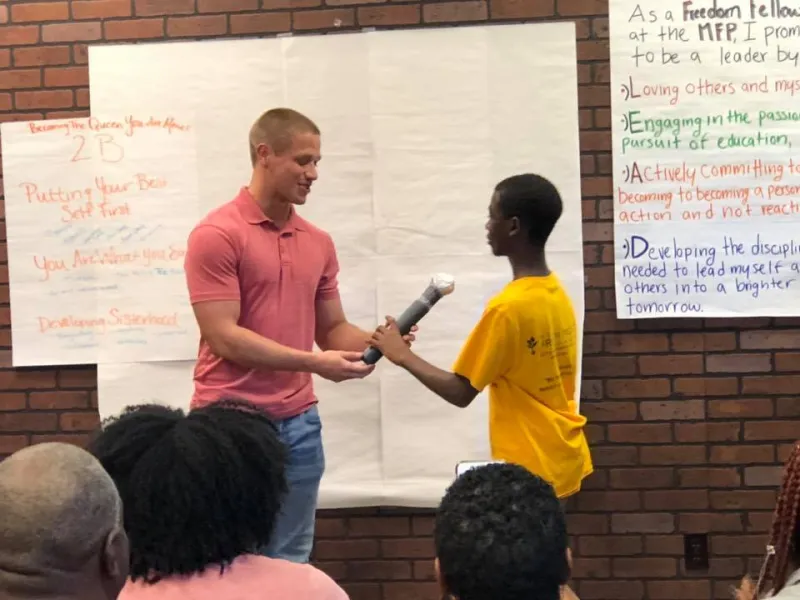 Me giving out homemade awards to my MFP students!

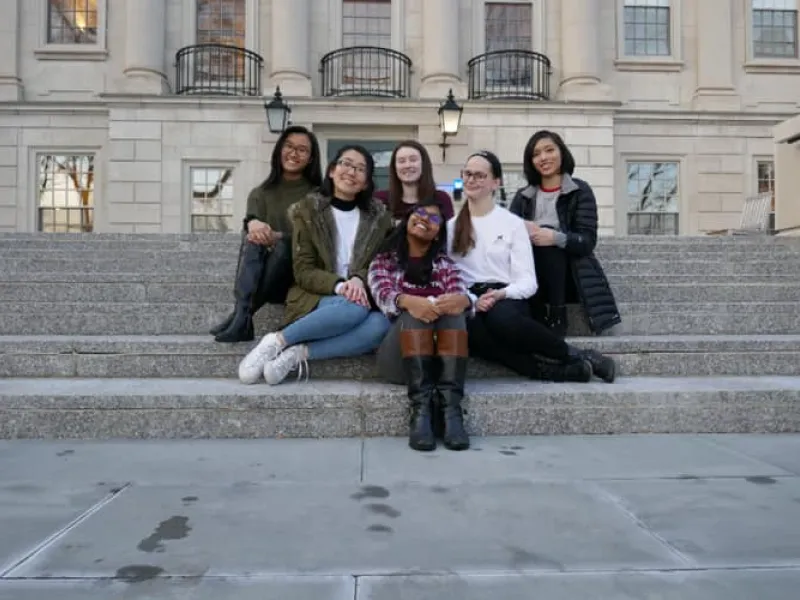
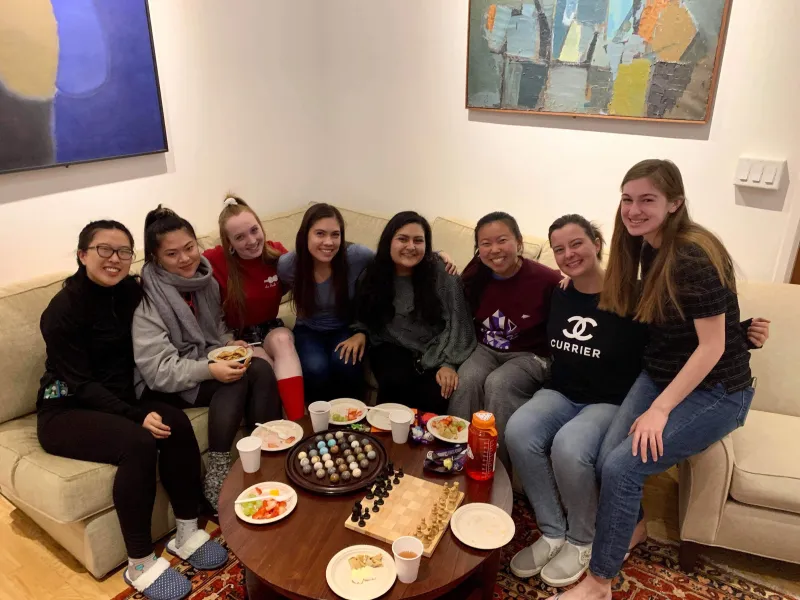 I've gotten to make some incredible friendships during my time here, and these lovely people are some of my closest friends.
 My view out the window as I flew to Europe for the first time

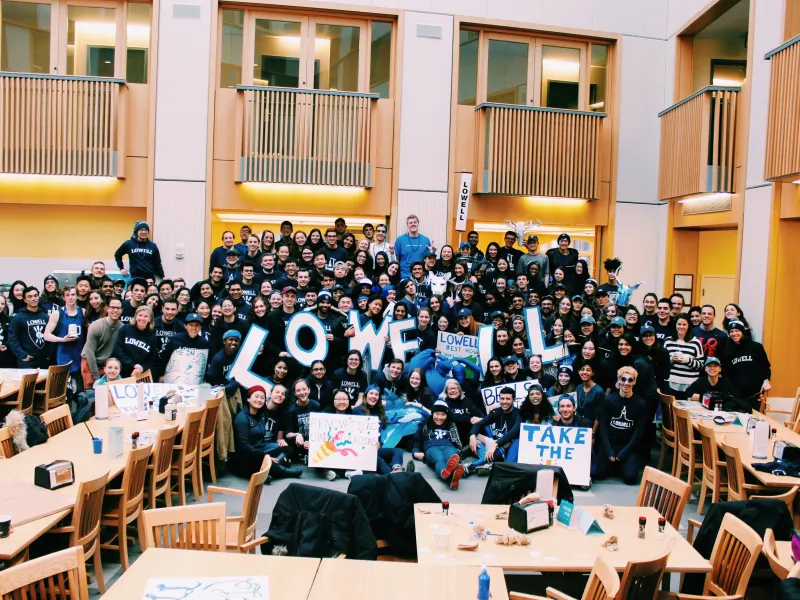 Lowellians ready to welcome first years to our home!
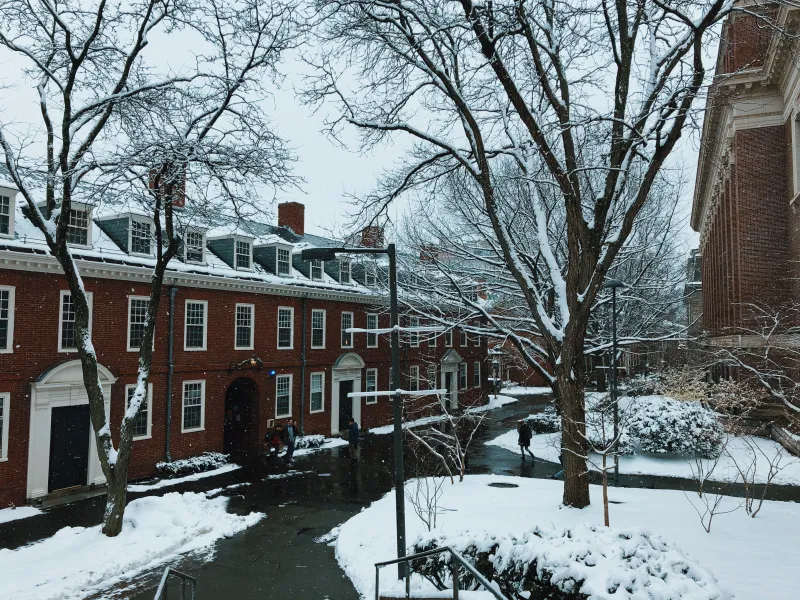 Snow falling outside Wigglesworth Hall, one of 17 first-year dorms.
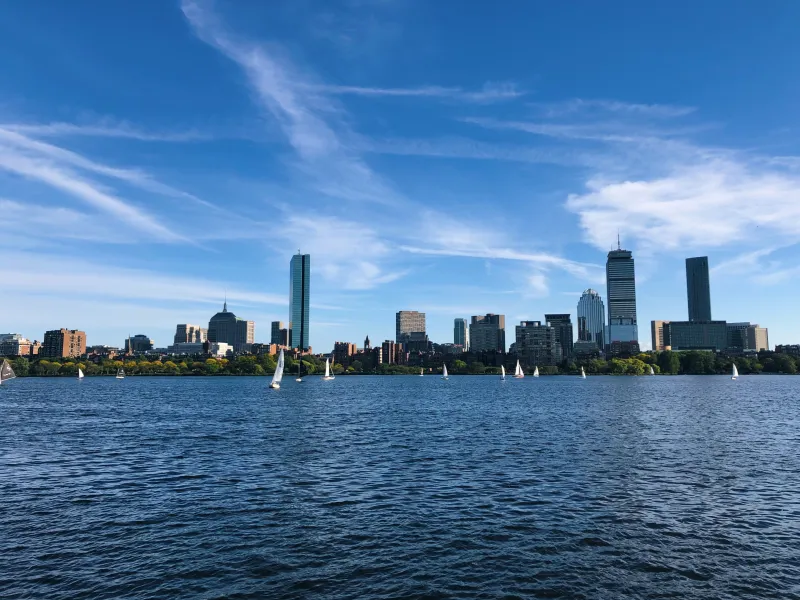 I took this photo of the Boston skyline while running by the Charles River.
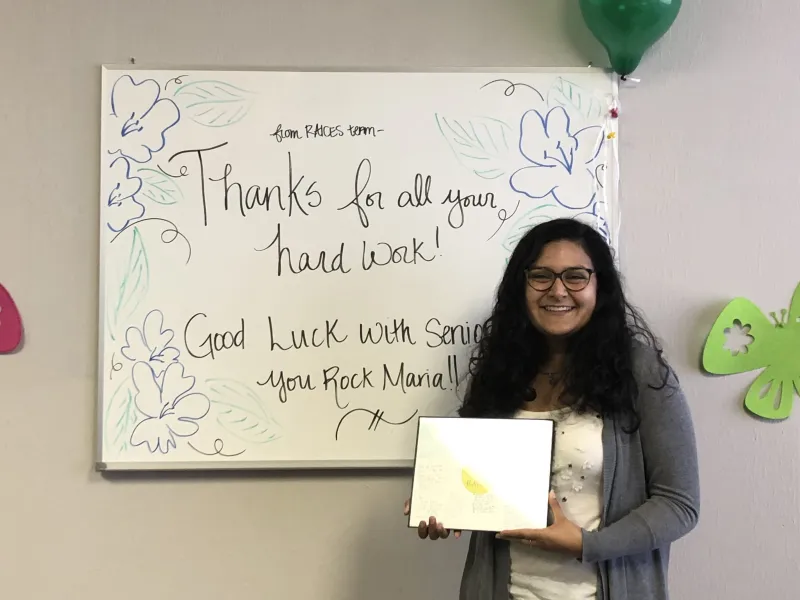 The office threw me a mini goodbye party to thank me for my work during the summer!
 A photo of me and friends in front of the Carpenter Center my freshman year
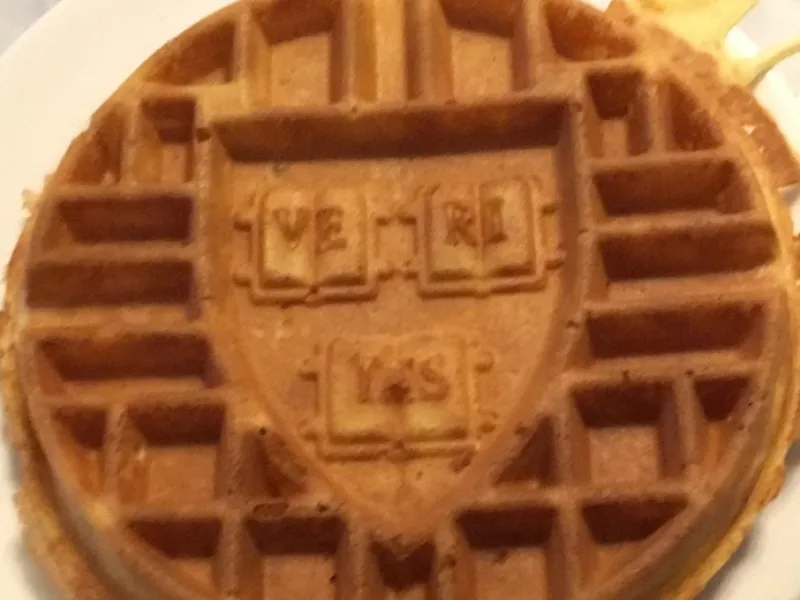
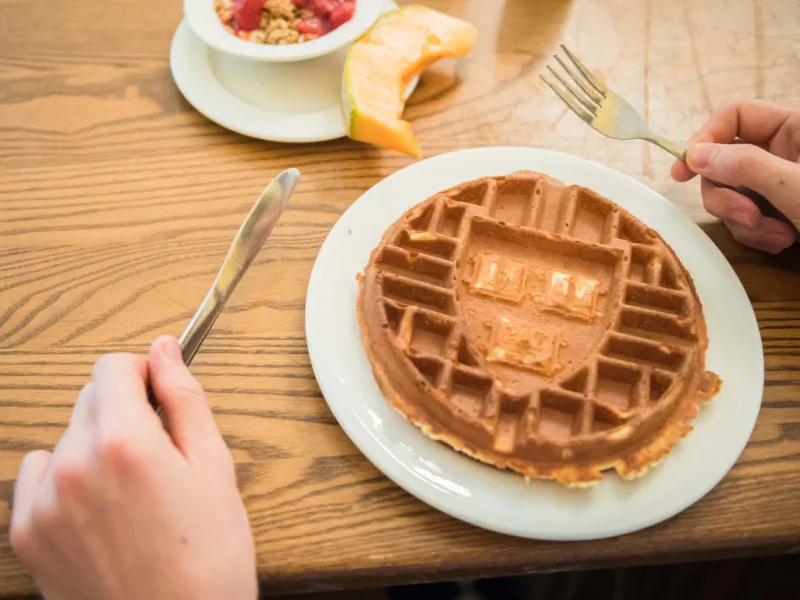 Veritaffle
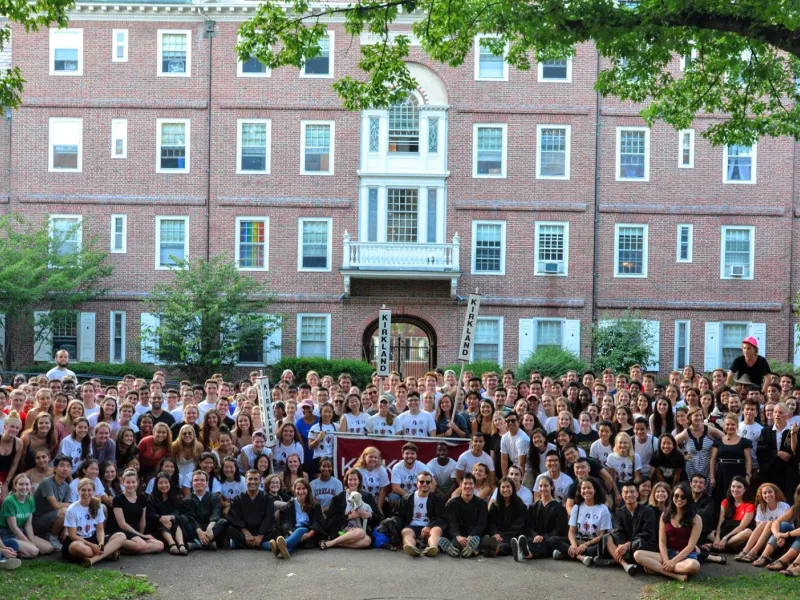 Kirkland House Opening Days 2018

 Another spot to rest with great views of New Hampshire!
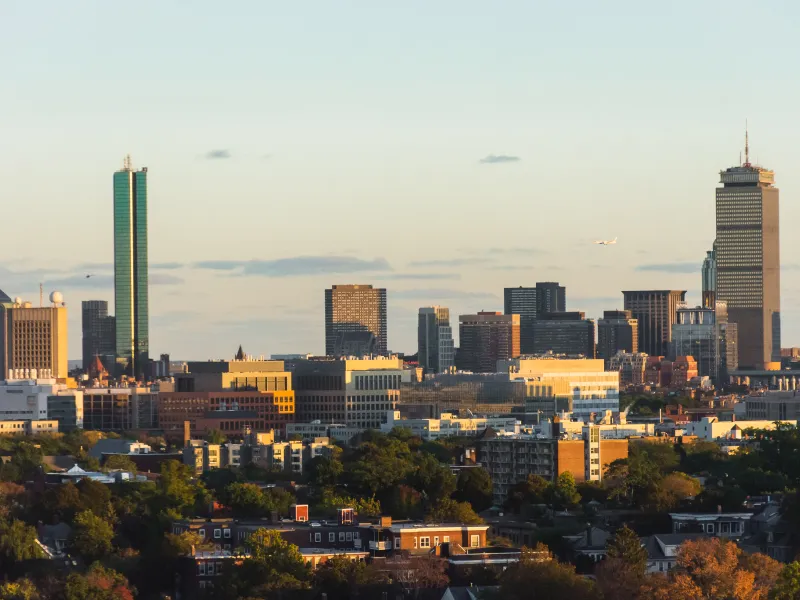 A view of the city of Boston from Harvard's campus.
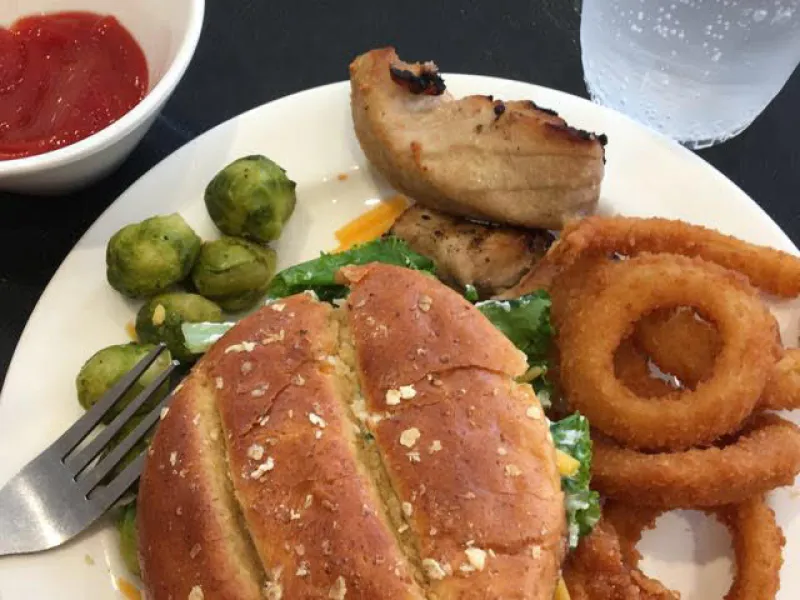 Chicken Schnitzel Sandwich
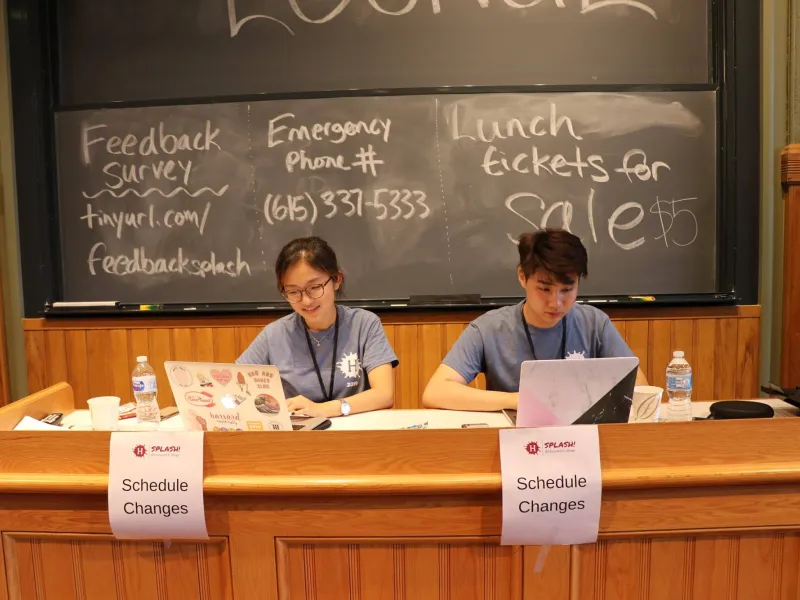 HUSE board members working hard to manage student lounge and to assist students during Splash.
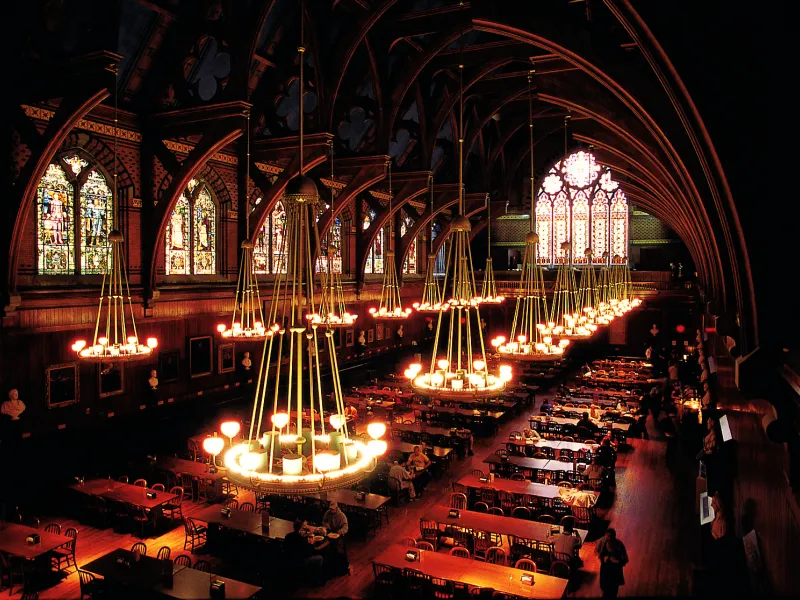 Harvard's dining hall for first-year students.
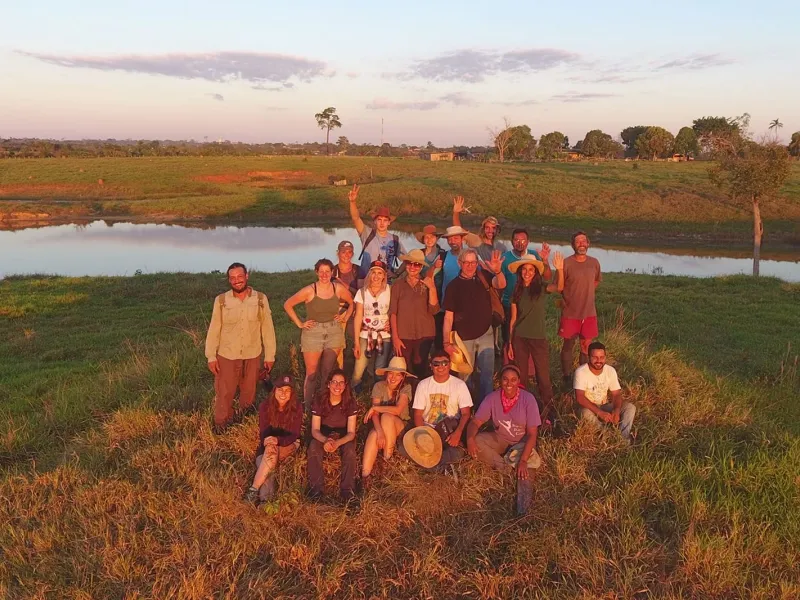 My field team in Bazil.
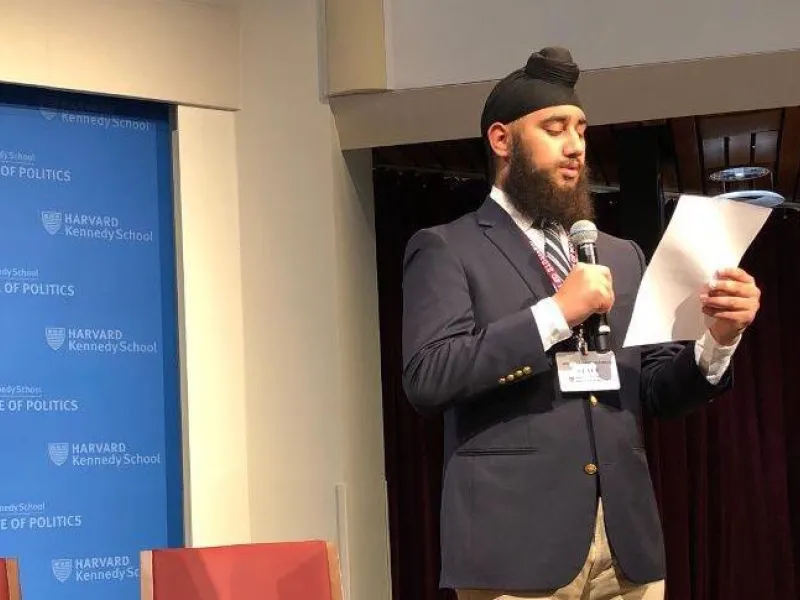
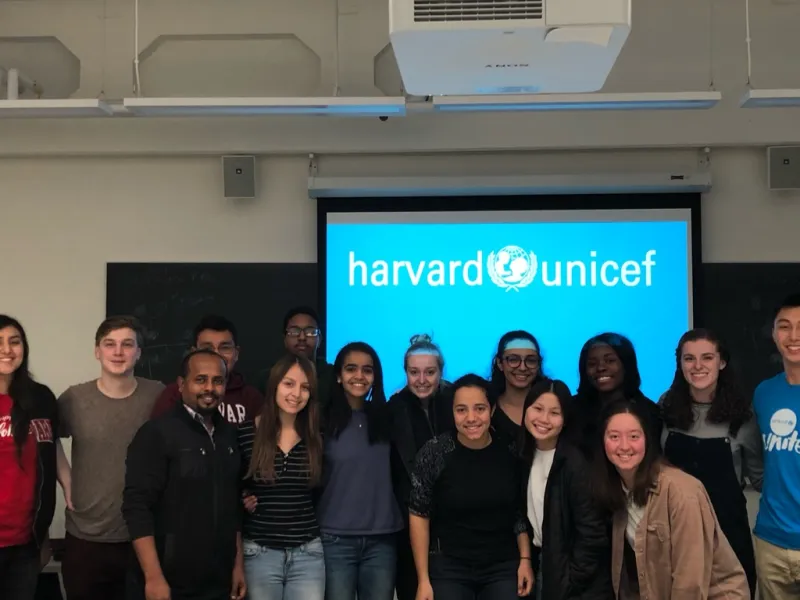 Harvard Undergraduate UNICEF Club
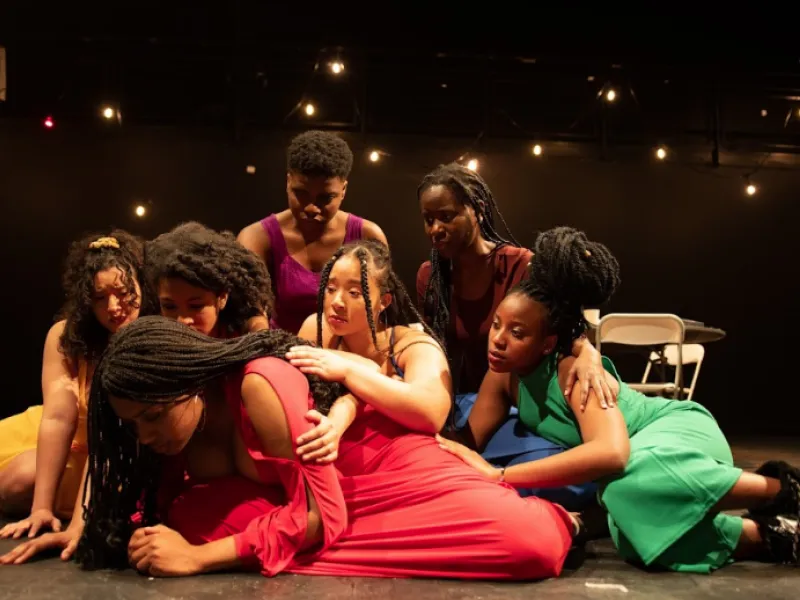 The Ladies of the Rainbow. I am the Lady in Blue in my last Black CAST production.
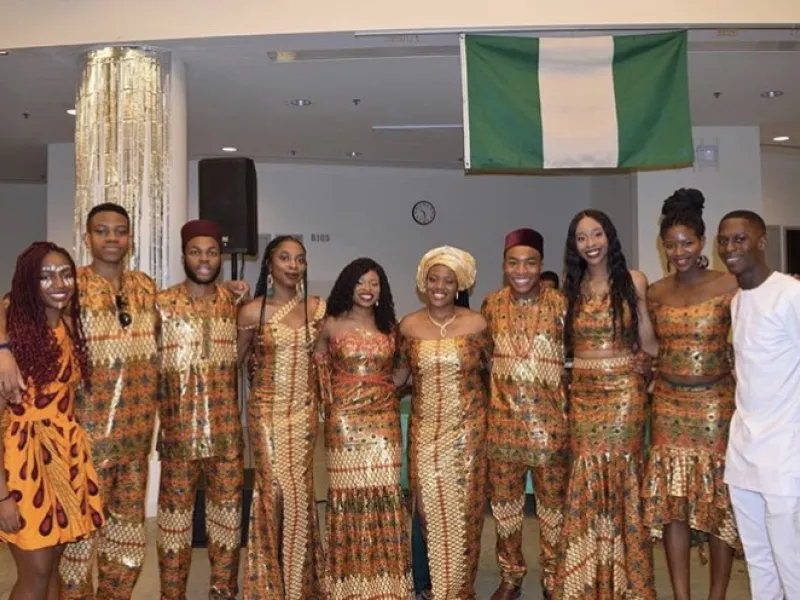 Nigerian Students Association Executive Board at our 9th Annual Independence Day Gala
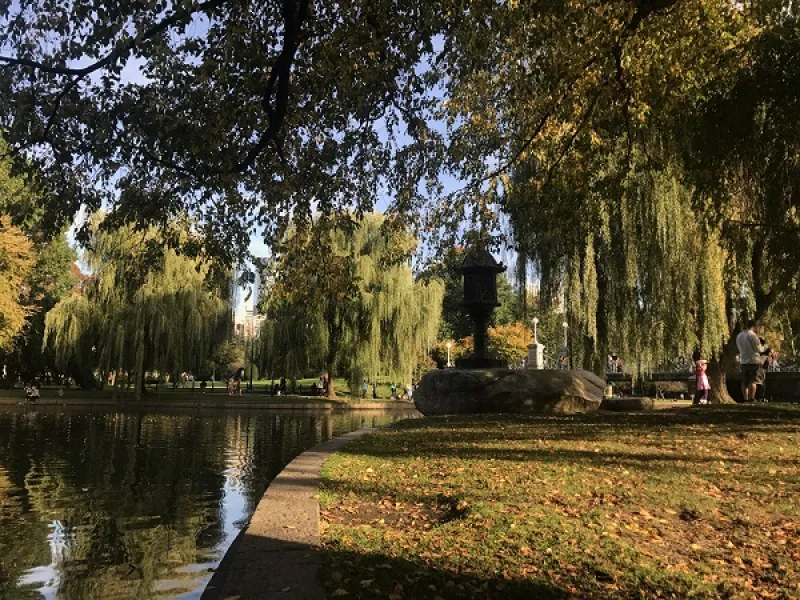 My favorite place to read at the Public Garden is in the shade by one of the ponds!
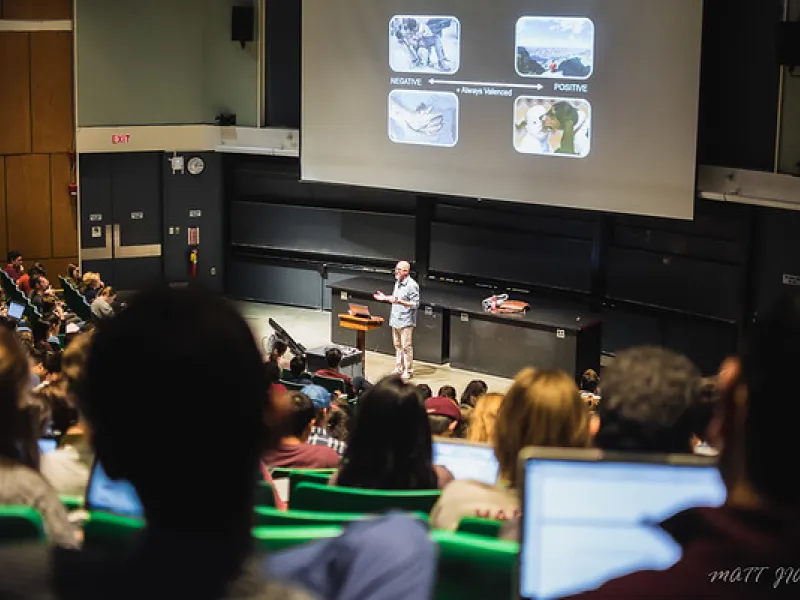
 My mom and I in a lecture hall for the Junior One Ring Ceremony.
 Dining in at By Chloe in Fenway
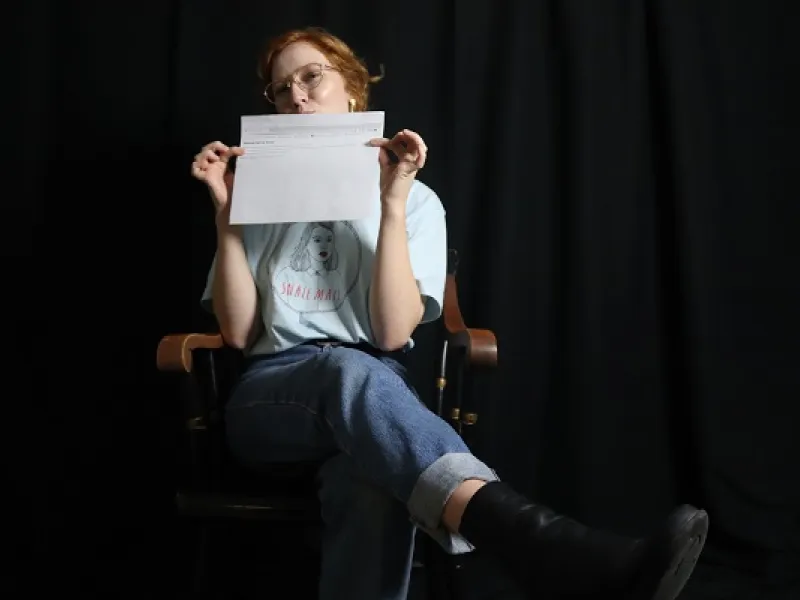 This is the photo for my satirical piece: "My Guilty Pleasure is the Crimson Arts Internal Service Error."
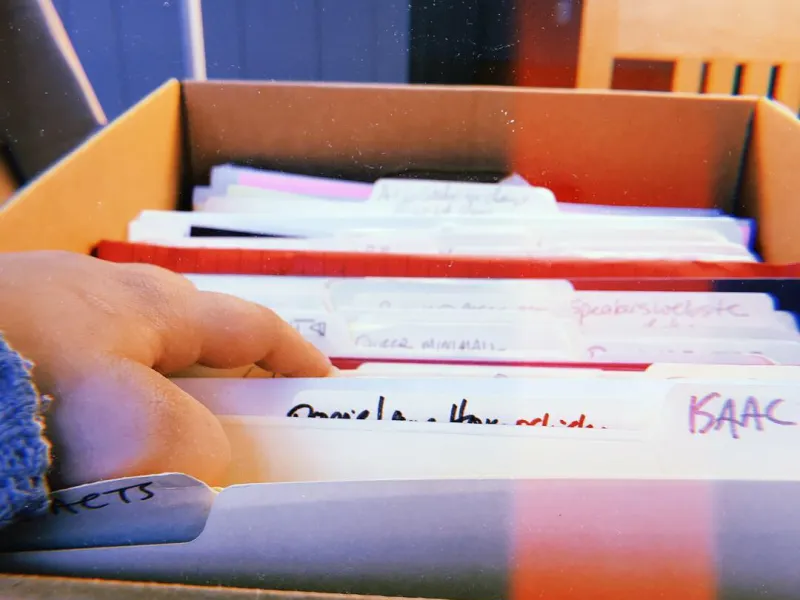 I spent A LOT of days in the archives
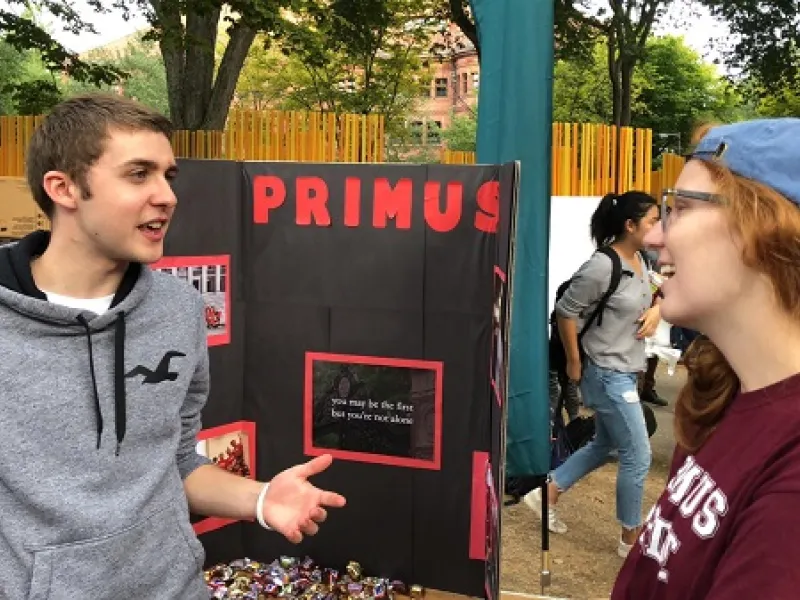 Harvard Primus's President Brandon and I at our table at this year's activities fair!
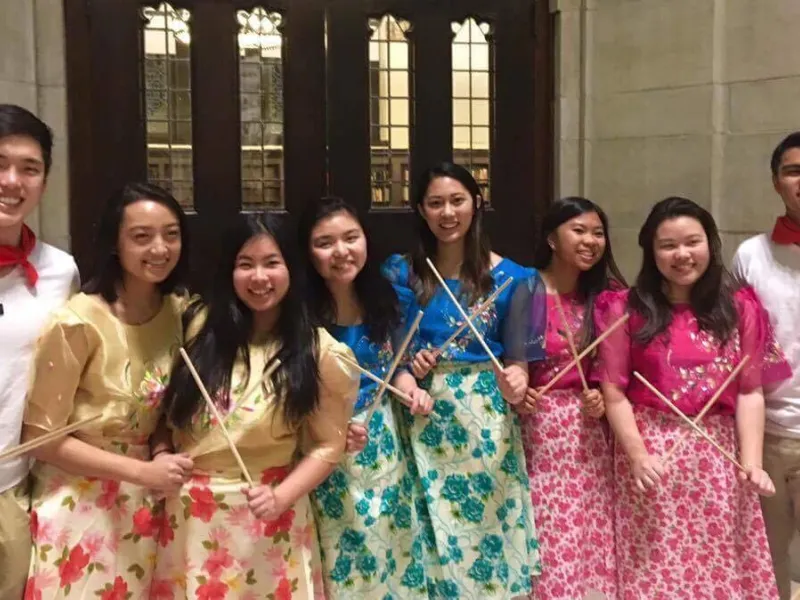 HPF teamed up with Wellesley's Club Filipino for a Kamayan performance!
 Me and my friends at Fenway during this year's game
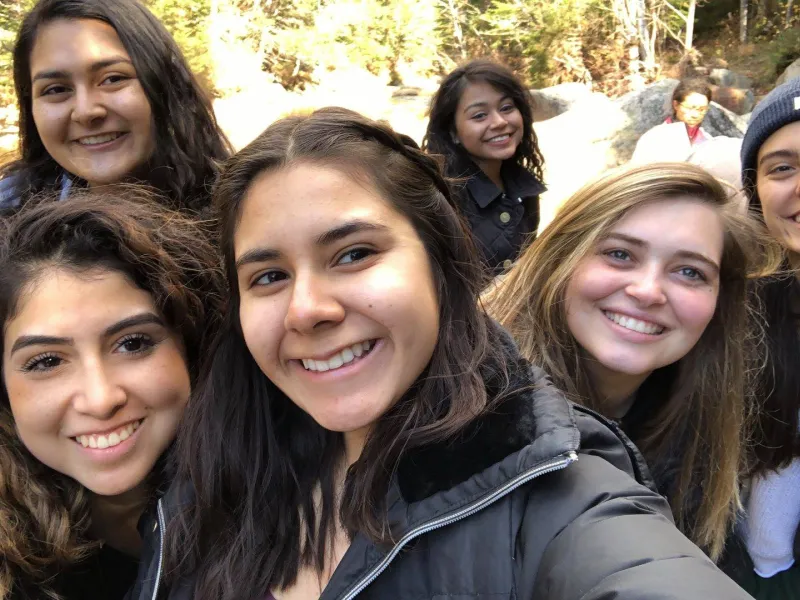 Since the trail was too muddy to actually hike, we decided to walk around near the creek and take pictures together.
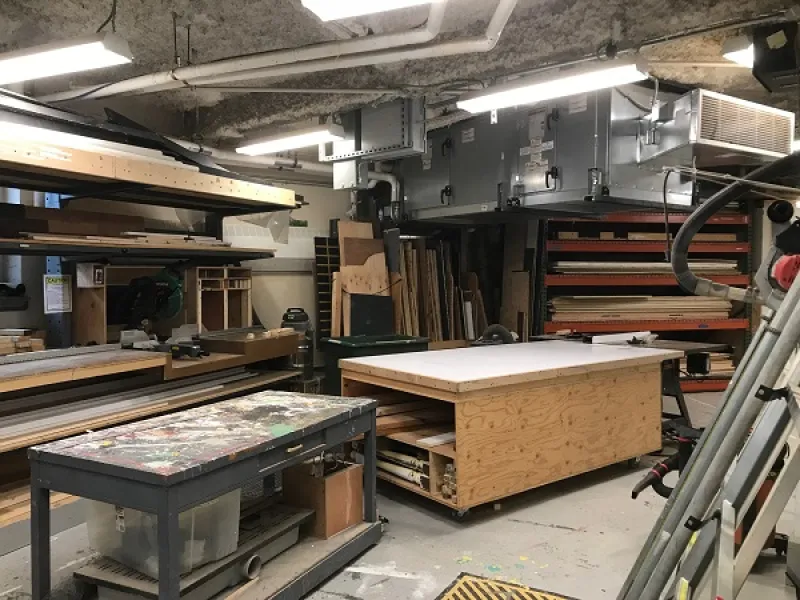 This is where I'm building the R&J set!
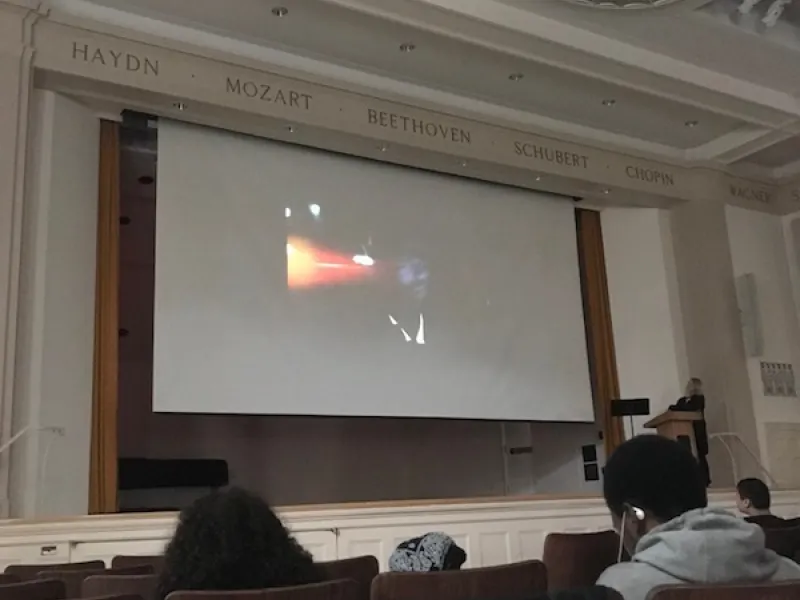 Watching a music video in class during a lecture about "Consuming Black Culture"
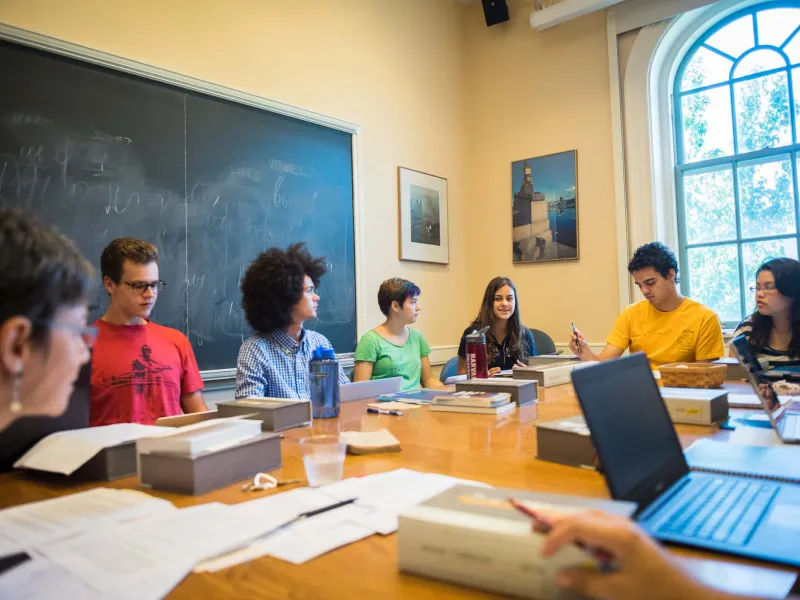
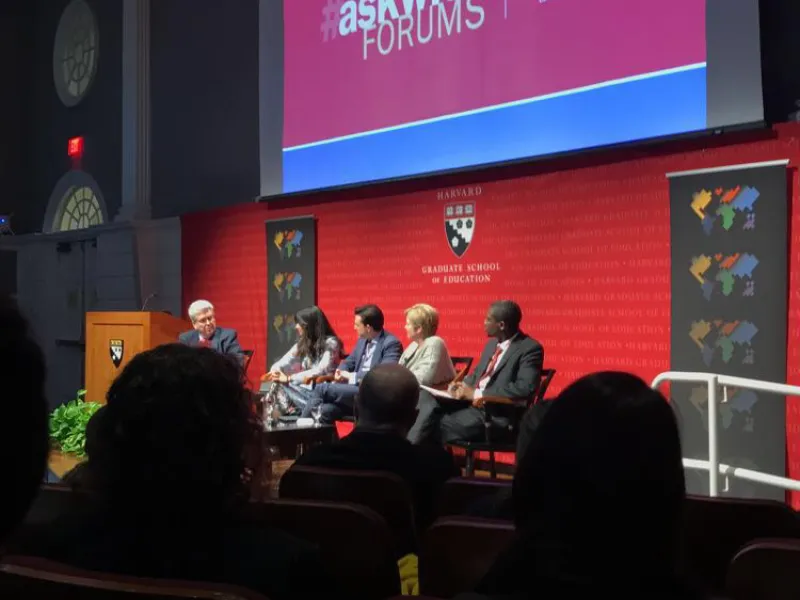
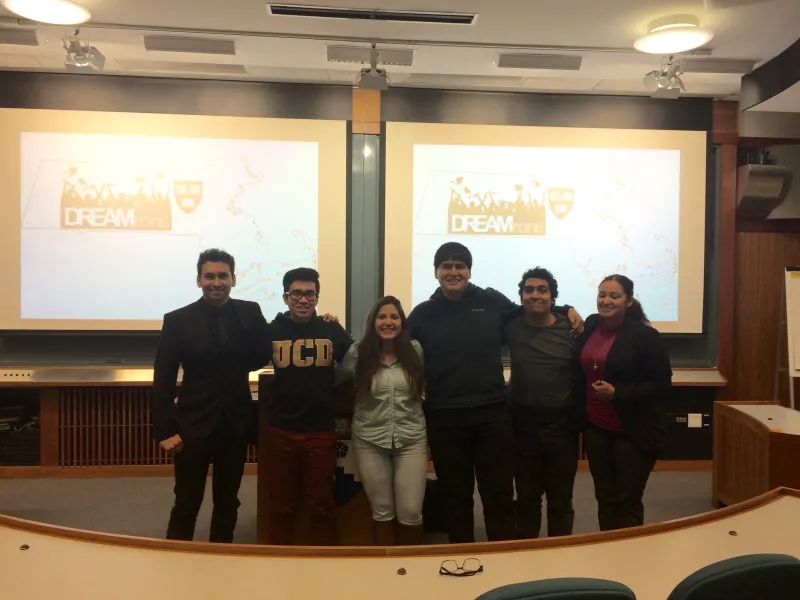 A photo of me and my classmates during a group presentation!
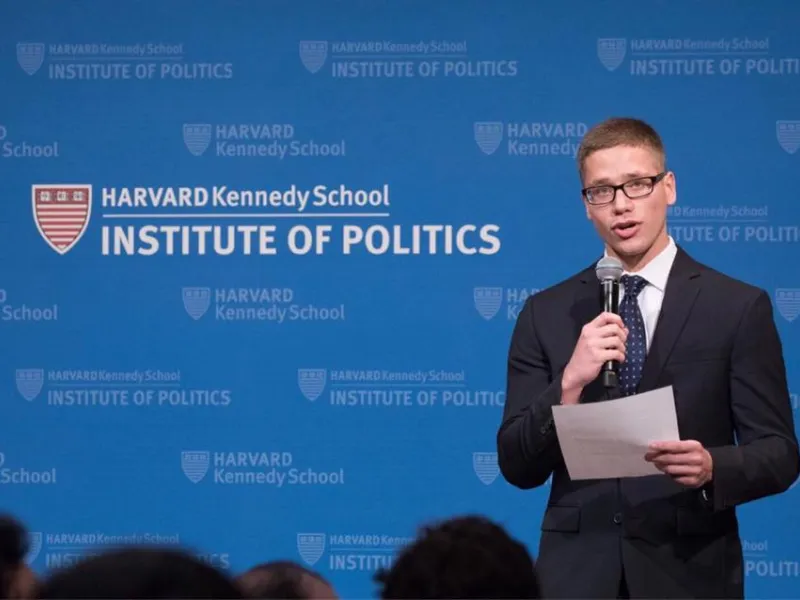 Me introducing speakers at the JFK Jr. Forum!
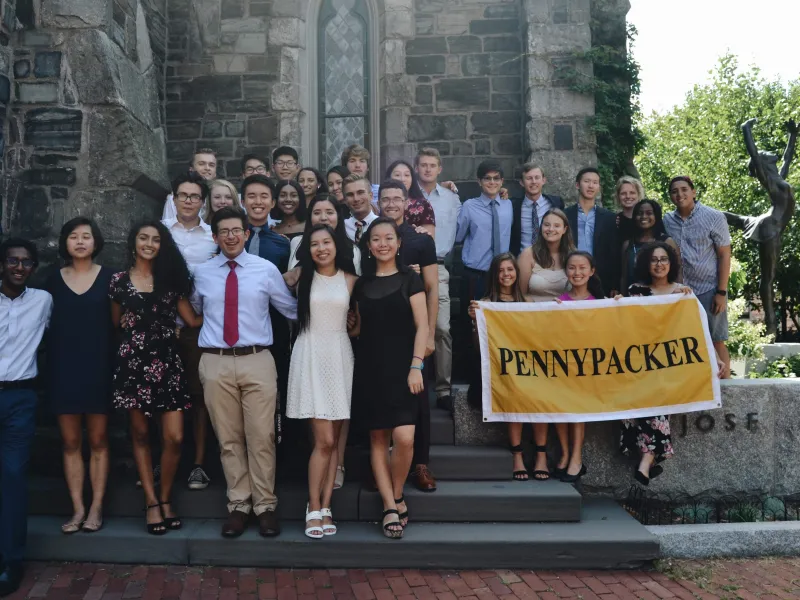
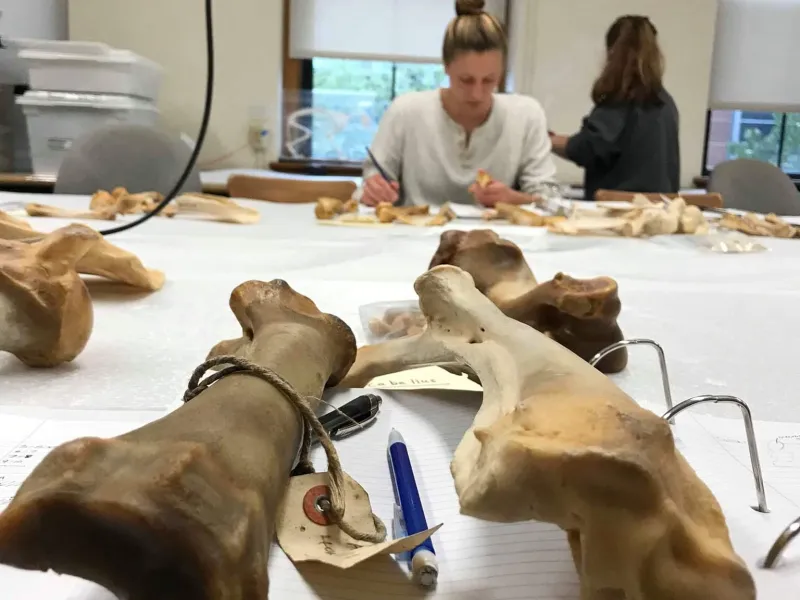 My friend Mathilde in our Osteoarchaeology class
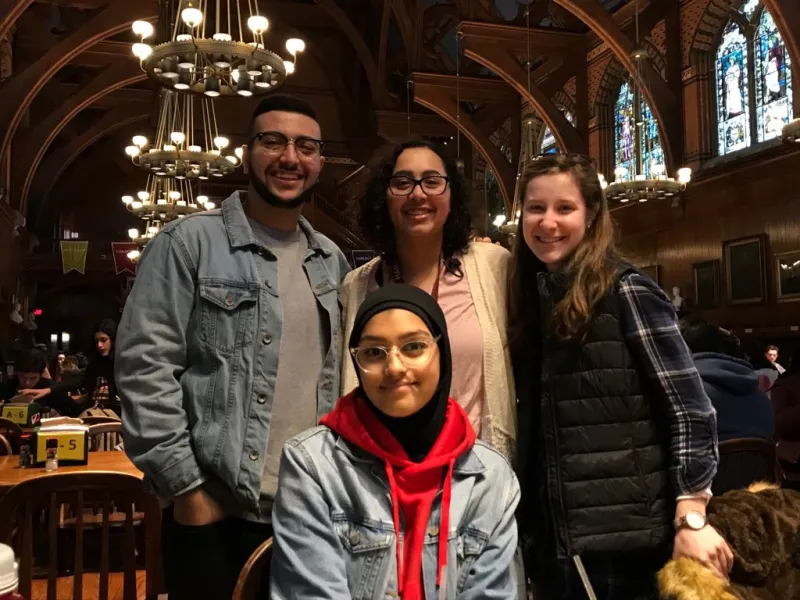
 The NAHC Board!
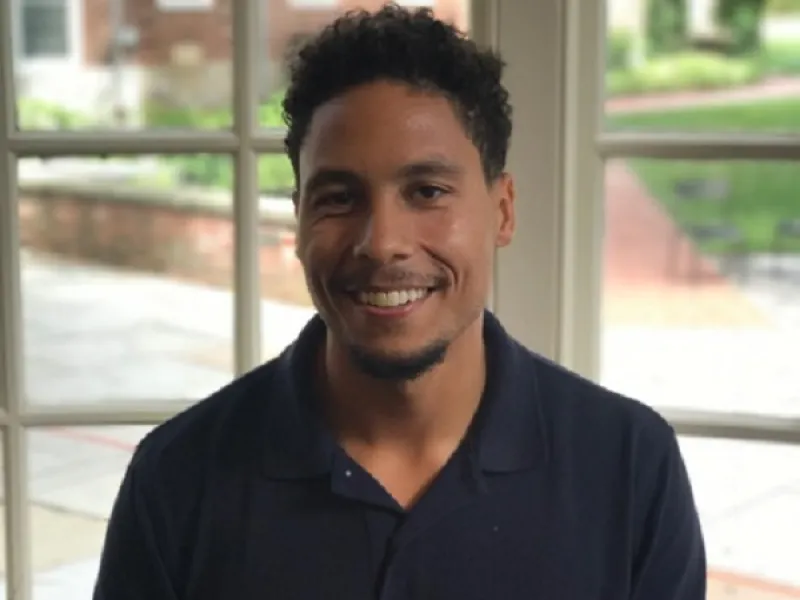 Photograph of Dan Lobo
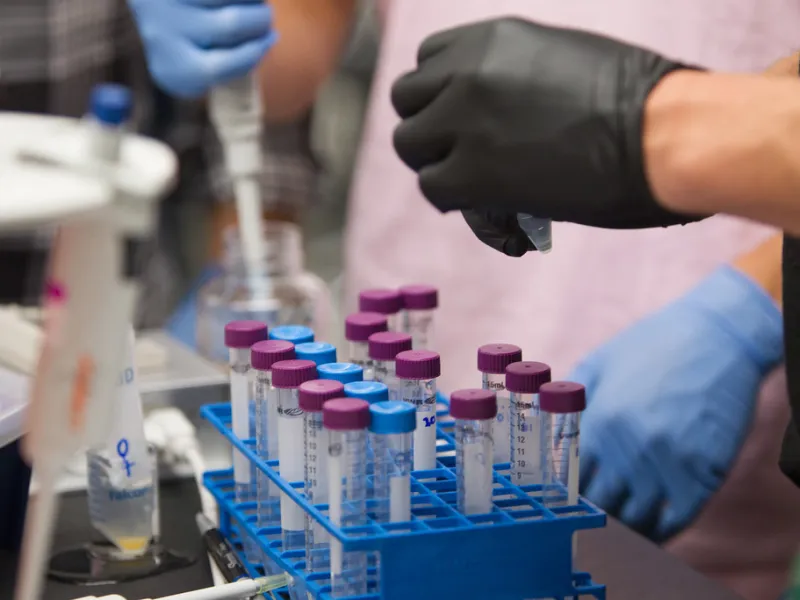 Test tubes in a laboratory
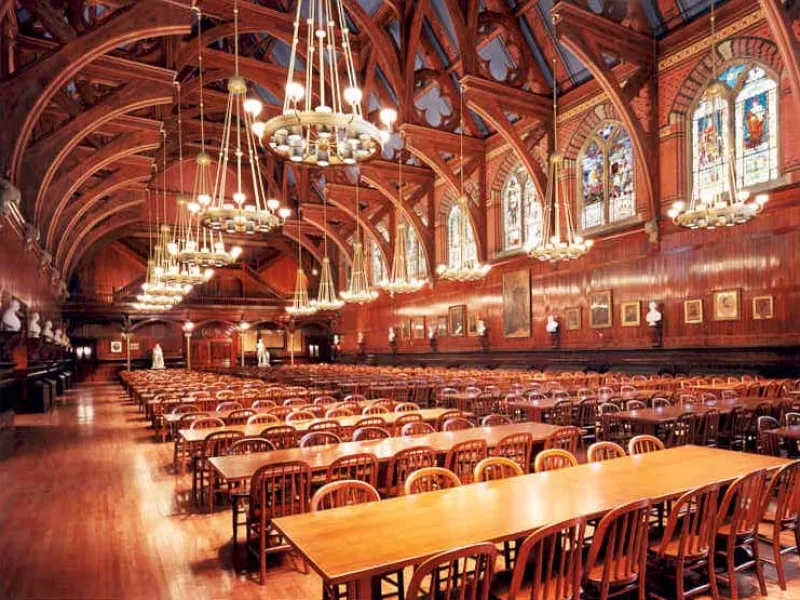 Annenberg or The Berg or The Great Hall of Hogwarts