
Studying abroad is often described as a once-in-a-lifetime opportunity. For me, it became an experience that not only broadened my perspective, but also challenged the assumptions I had about my future. Before studying abroad, I believed I had a clear sense of what I wanted to pursue after graduation. My time abroad, however, encouraged me to reconsider those plans and think more intentionally about the kind of work I hope to do.
While studying in Oaxaca, Mexico, I developed a deeper understanding of Mexico’s relationship with the United States and other countries across Latin America. As the child of Mexican immigrants, I found myself especially drawn to this new knowledge. I began connecting what I was learning abroad with the perspectives I had encountered in my Western-focused courses at Harvard. These conversations extended beyond the classroom as well. I frequently spoke with my study abroad coordinator in Spanish about Mexican politics and the ways in which political decisions have shaped communities and institutions.
These experiences led me to recognize how important it is for my future career to incorporate both of the languages I speak: Spanish and English. I have come to see bilingualism not simply as a skill, but as an important part of how I understand and engage with the world. Limiting my professional life to one language would mean overlooking a significant part of my identity and the perspectives that have shaped me.
My time abroad also introduced me to interests I had not previously considered as central to my academic and professional goals. In particular, I became more interested in the influence of Indigenous communities and peoples on Mexican politics and, more broadly, in the ways Indigenous perspectives have shaped political life across Latin America. Learning about these histories encouraged me to think more critically about the forces that have contributed to the political and social conditions we see today.

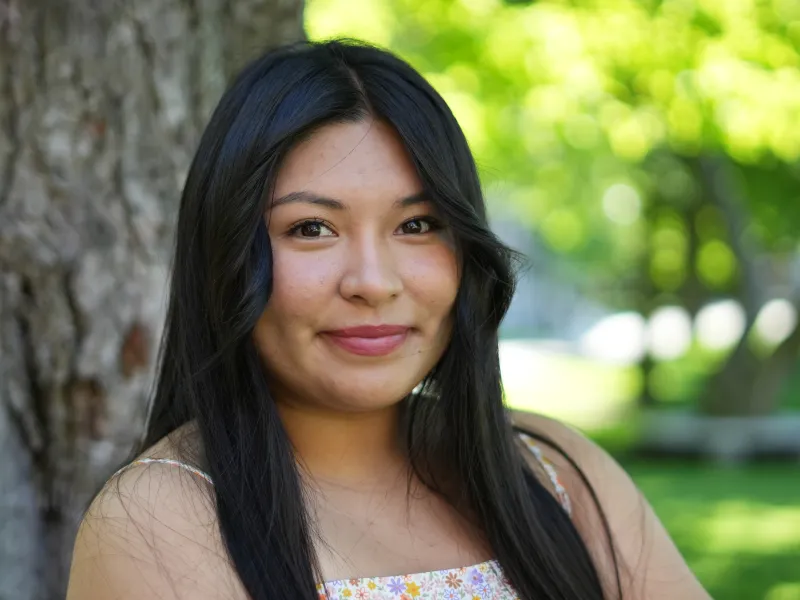
Here I am in Mexico City where my study abroad group studied Central American migration into Mexico.
As I consider my future career, I want to work in an environment that values this kind of historical perspective. I am interested in work that does not view current events and institutions in isolation, but instead considers the historical, cultural, and political forces that have shaped them. Studying abroad showed me the value of asking not only what is happening, but also why, and how the past continues to influence the present.
I also realized that I want to continue exploring different countries and work cultures before beginning a career in corporate America. Rather than viewing graduation as an immediate transition into the workforce, I now see the years following college as an opportunity to continue learning. I hope to pursue fellowships and other opportunities that will allow me to conduct research, work internationally, and gain a deeper understanding of professional cultures beyond my own. There is still so much I want to explore, and I want to give myself the space to do so.
Harvard gave me the opportunity to explore these questions in ways I had not anticipated. Studying abroad did not provide me with a definitive answer about what I want to do after graduation. Instead, it gave me a clearer understanding of the questions I want my career to address and the perspectives I hope to bring to my work.
Looking back, I am grateful for the uncertainty that came with the experience. What initially felt like a complication to my post-graduation plans ultimately became an invitation to think more broadly about my future. I hope to carry that sense of curiosity with me long after I leave Harvard.


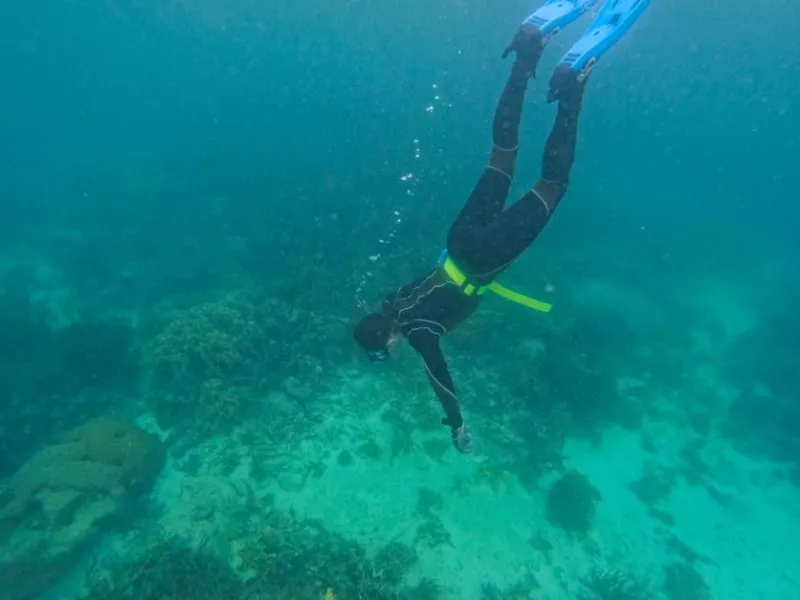 First-time snorkeling!
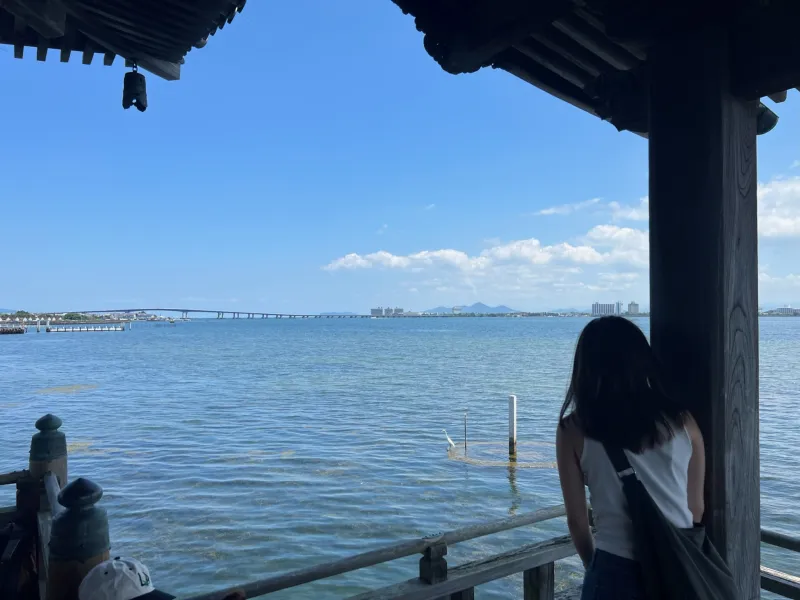
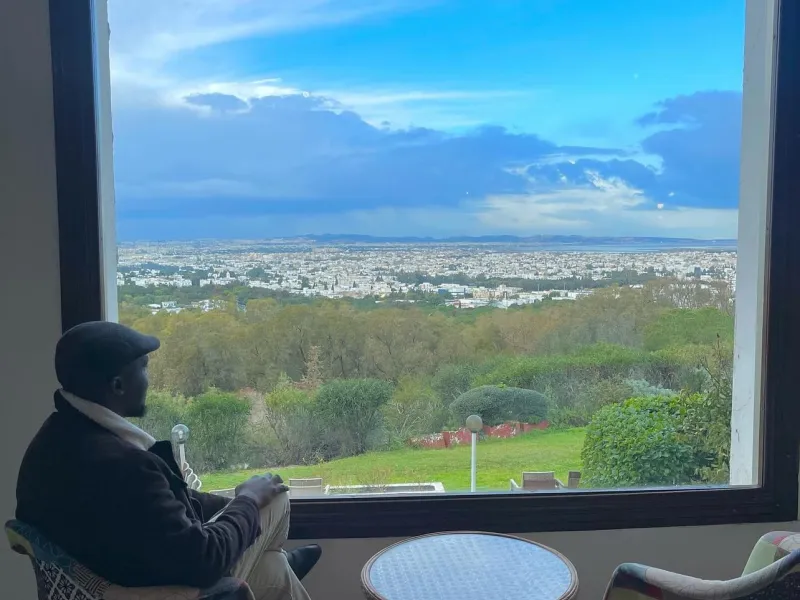 View from the hotel in Sidi Bou Said, Tunis

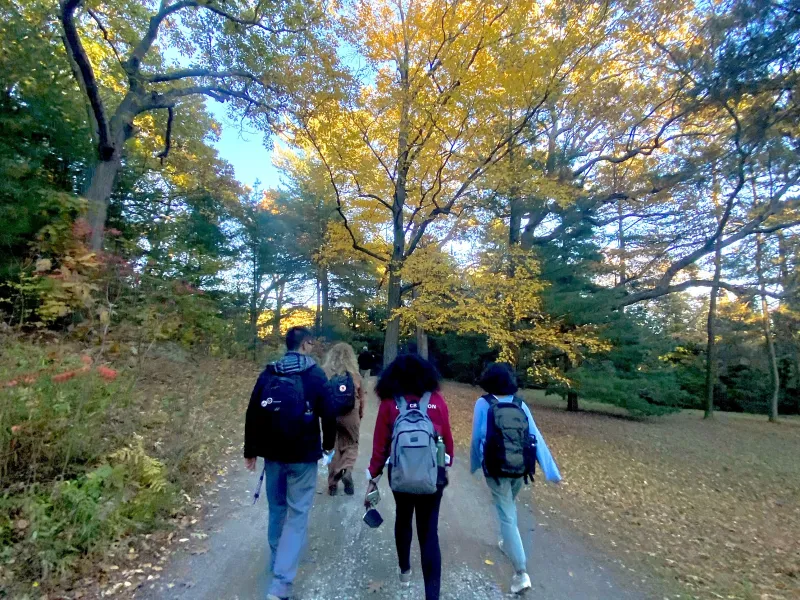

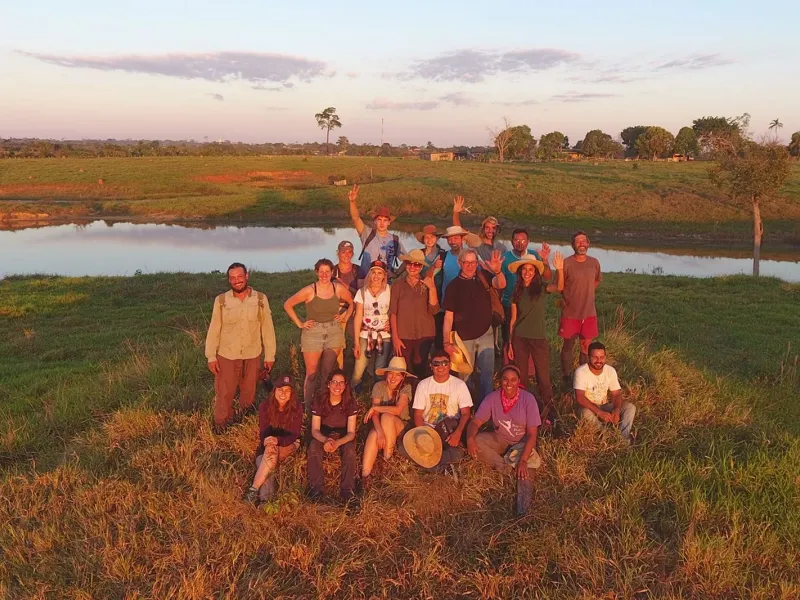 My field team in Bazil.
 Test tubes in a laboratory