
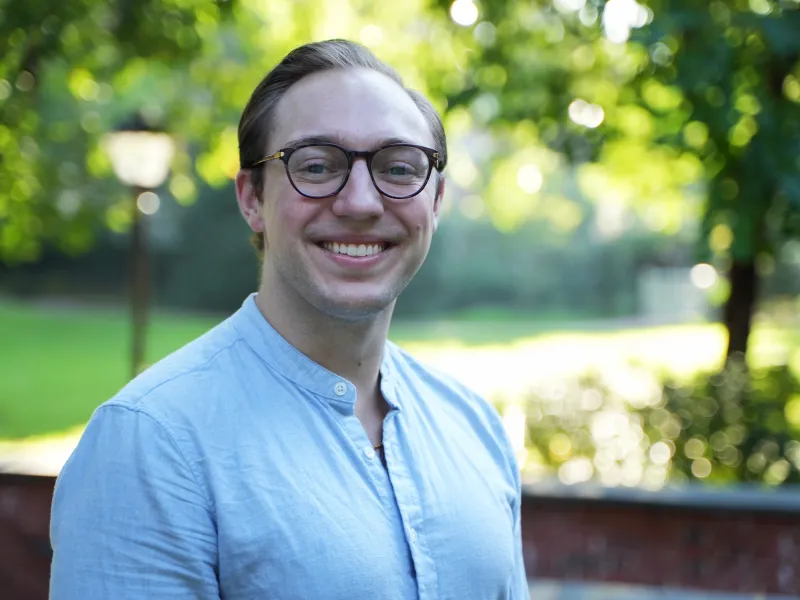
During my final semester as an undergraduate student at Harvard, I enrolled in one of the College’s most renowned courses: GENED 1074: The Ancient Greek Hero, taught by Dr. Gregory Nagy, one of the world’s foremost scholars in Homeric poetry.
The course itself has been taught for decades, with several students in my class mentioning that their parents had taken the very same course many years ago – an intergenerational testament to its profound influence.
The class addresses a deceptively simple question through the literary perspective of ancient Greece: How should human beings face death? For many veterans at Harvard, including myself, this question remains a complex familiarity that resonates with unusual immediacy. When you first enlist in the military, you raise your right hand and swear an oath to support and defend the Constitution, even at the cost of your own life. In many ways, it is a blank check written to every single American in the name of upholding freedom. Thus, every individual who has raised their right hand and recited this oath has, at one point or another, internally grappled with the concept of mortality.
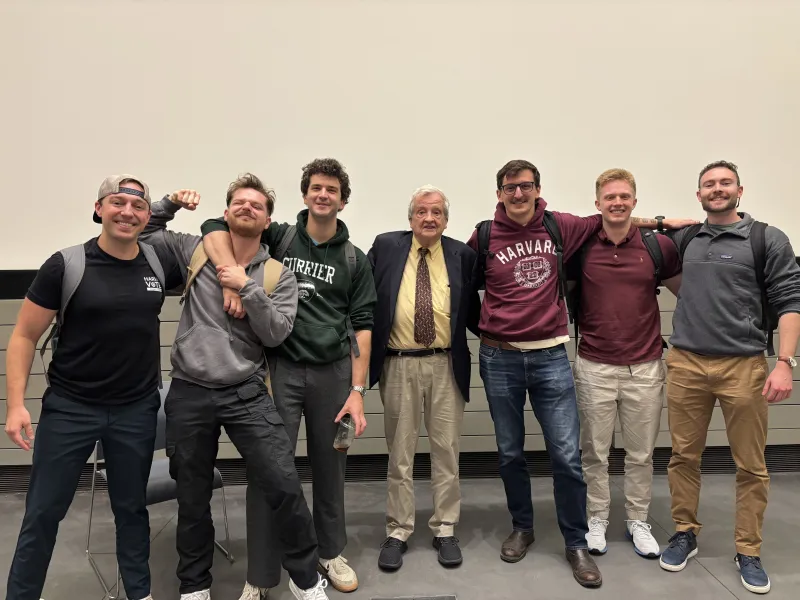
Harvard Veterans x Greek Heroes
GENED 1074: The Ancient Greek Hero, has remained a favorite course for veterans at Harvard College. Quinn Ewanchyna
GENED 1074: The Ancient Greek Hero examines this theme through the translations of Homer, Plato, Aeschylus, and even through analyzing visual art pieces in person at the Harvard Arts Museum. In ancient Greek thought, the hero was not heroic because they were invincible, but rather because they confronted death with clarity and purpose through the attainment of kleos (everlasting fame and glory) and aristeia (excellence; the culmination of the warrior in war). Achilles, for example, steps onto the battlefield during the ongoing Trojan War with the understanding that his inevitable mortality is fated. Yet, he chooses this path with prowess due to the kleos which awaits him – the transcendence of generational glory passed down in the form of story and song. As Professor Nagy continuously emphasized, this served as a way of giving mortal life meaning.
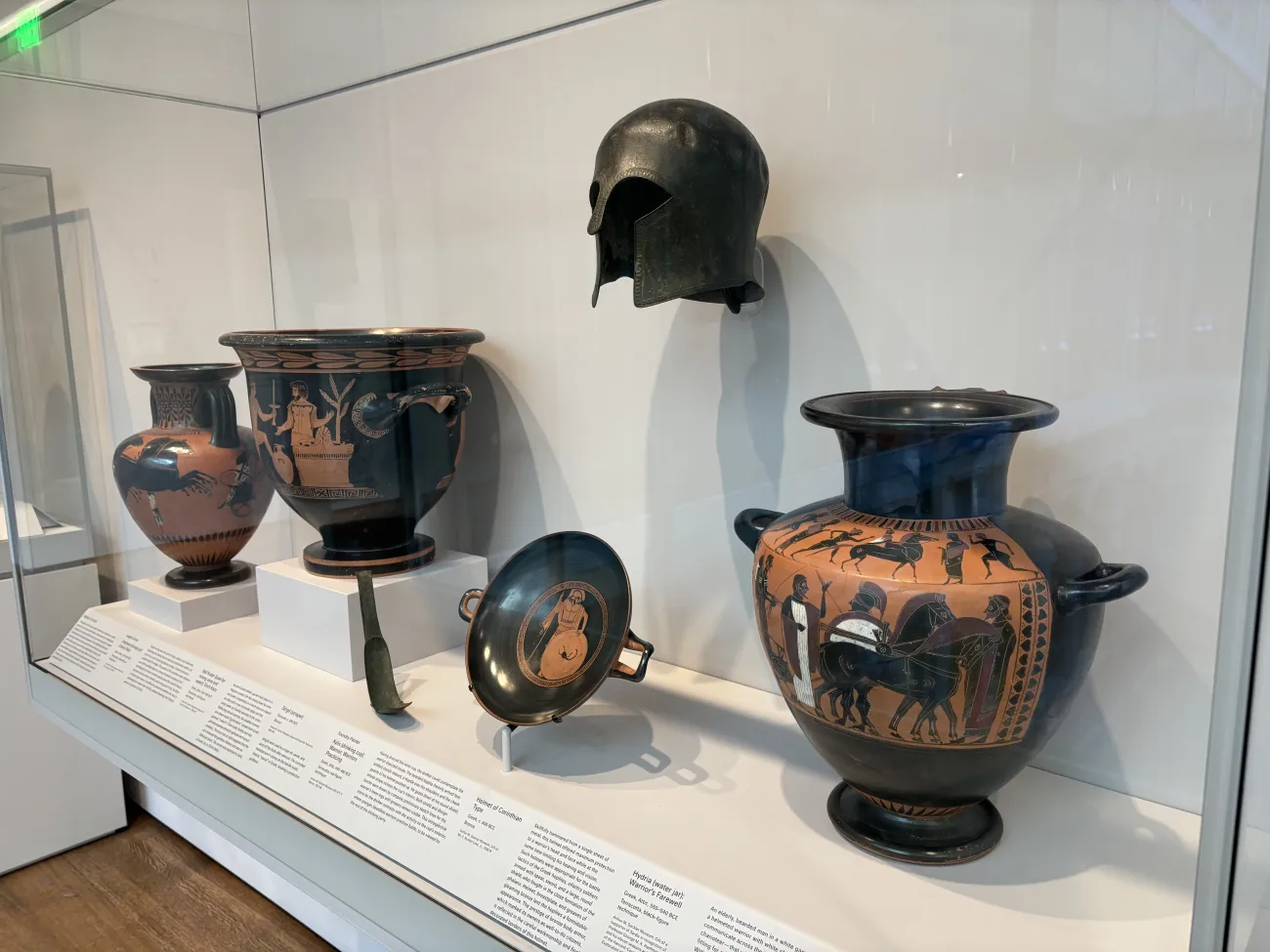
Ancient Greek Artifacts at Harvard Art Museum
A collection of ancient Greek artifacts we studied throughout the course, including a hydria (water jug), amphora (storage jar), and an ancient Corinthian warrior's helmet. Quinn Ewanchyna, Harvard Art Museum
For me and other veterans in the classroom, the parallels between the heroes of ancient Greece and our own pursuit of kleos seemed infinite. Nearly every veteran I know at Harvard has enrolled in the course at some point during their undergraduate journey, and one of my closest friends even carried copies of the Iliad and the Odyssey with him throughout several combat deployments. The search for purpose amidst the face of danger, alongside the commitment to those beside you and the desire for a meaningful legacy, are experiences which transcend time and appear just as clearly in ancient epics as they do in modern military service.
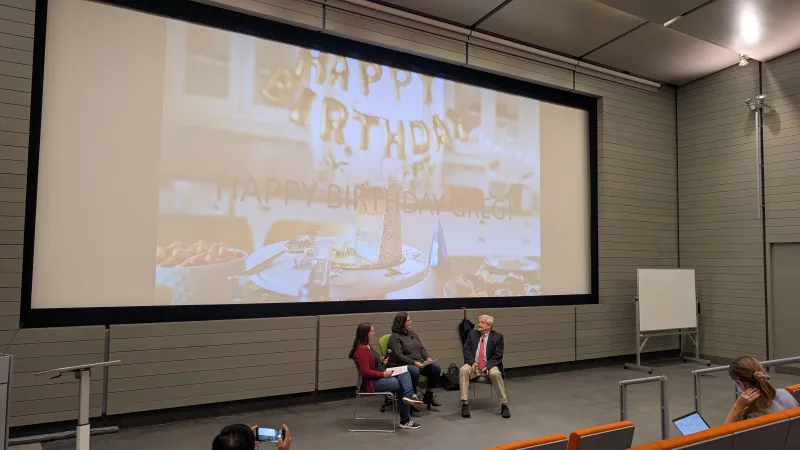
Dr. Nagy's 87th Birthday
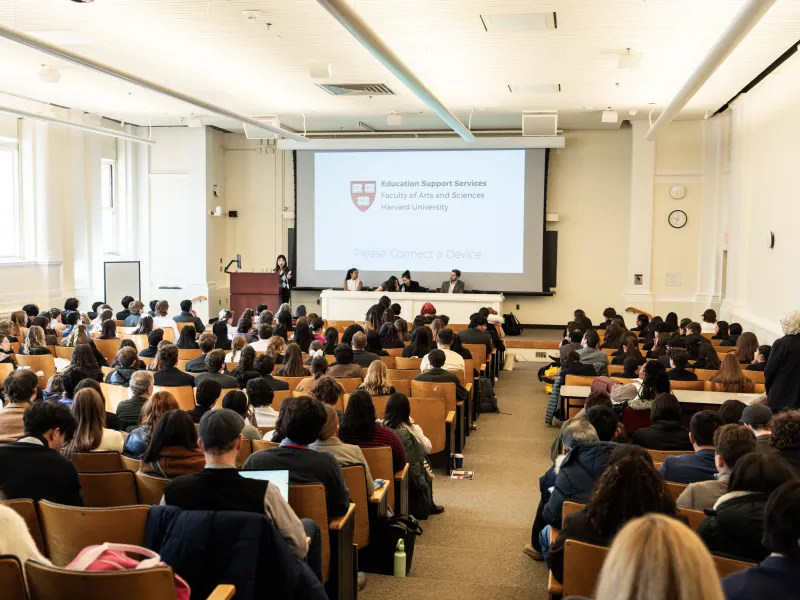
We had the opportunity to celebrate Dr. Nagy's 87th birthday, as the lecture hall filled with the sound of hundreds of Harvard students singing "Happy Birthday" as loud as we could. Ciara Ní Riain, Department of Celtic Languages and Literatures
The Ancient Greek Hero did not romanticize war or death, nor does the course suggest that ancient values should be uncritically applied today. Rather, the course provided an avenue for processing experiences which many have carried for years. The instinct to discover meaning amidst hardship and search for purpose in the face of mortality is deeply human, and far older than any conflict, nation, or uniform. To me, the lessons from the course are revelations that I will carry with me for the remainder of my life. They demonstrate the idea that, especially at a place like Harvard, the classroom serves a space where lived experiences enrich scholarly inquiry, with ancient text functioning as a tool for interconnection rather than distance. Its meaning is universal, and links the warriors of Homeric poetry to modern-day warriors walking across Harvard Yard.
 Nearly 200 students across 20+ high schools attended Harvard's first High School Ethics Bowl (HCHSEB)
 The Barker Center, home to the Harvard College Writing Center

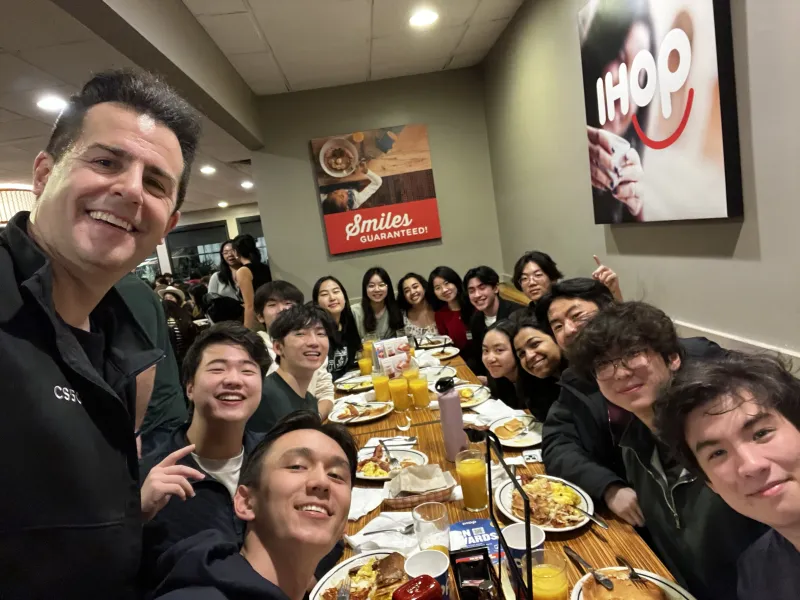 CS50 Hackathon IHOP Breakfas



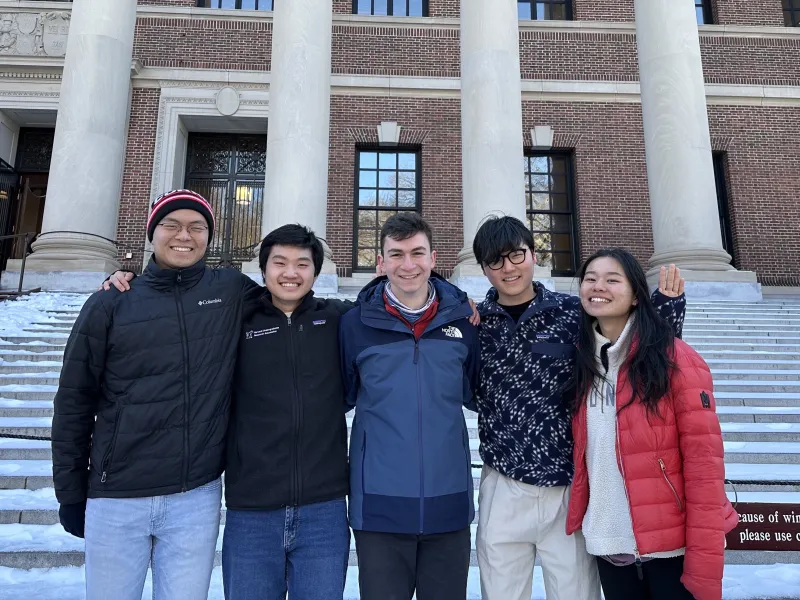 My friends and I celebrating our last first day of classes this semester.

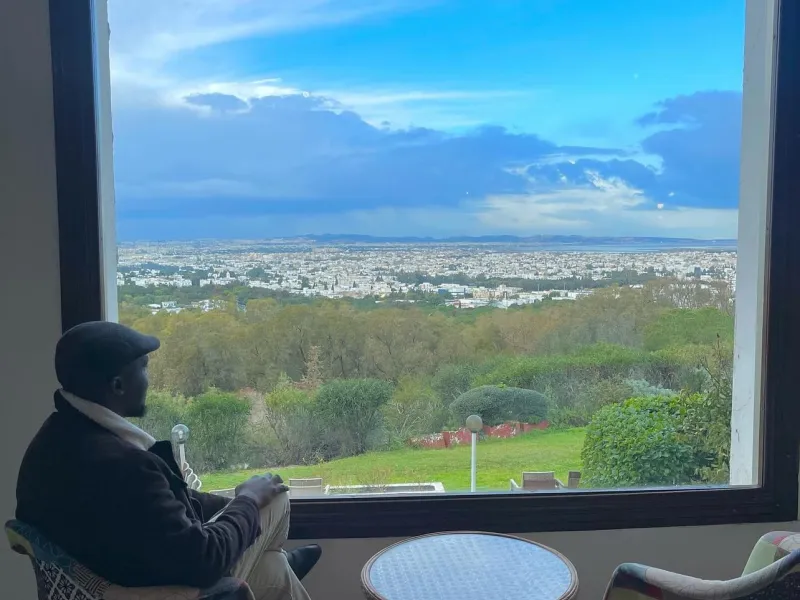 View from the hotel in Sidi Bou Said, Tunis
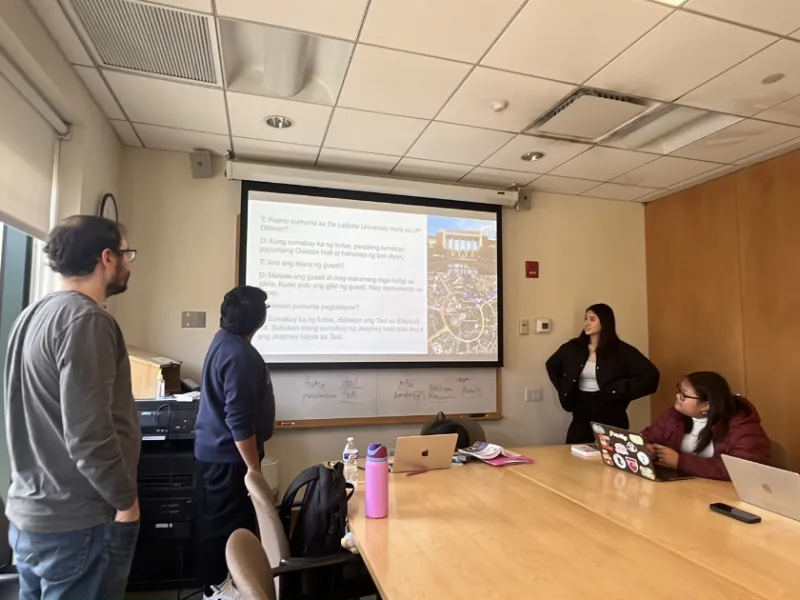 Intermediate Filipino Class
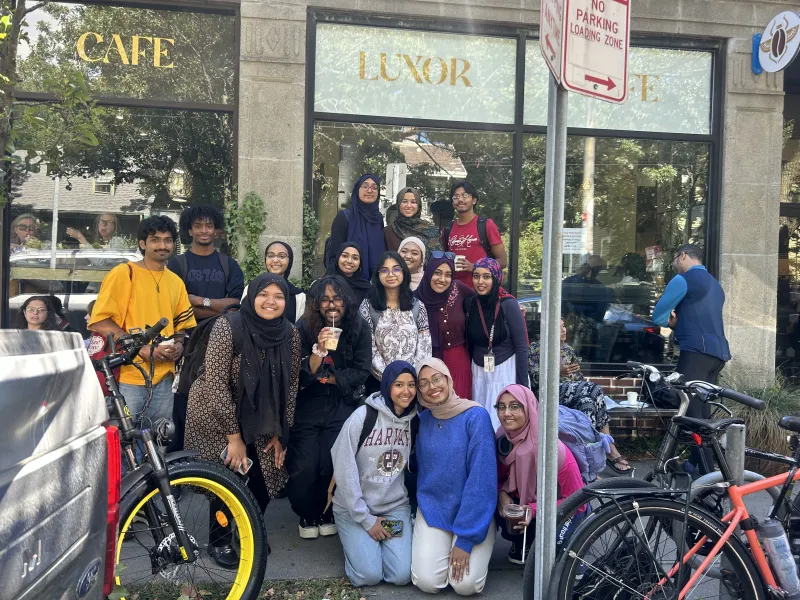 Samia Afrose with friends at Luxor Cafe

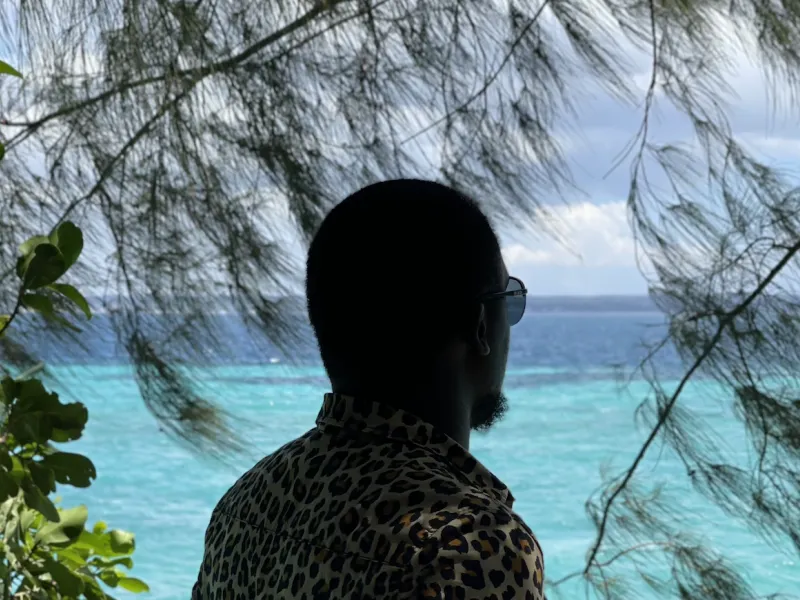 A photo of myself looking at the Zanzibari waters





 My bookshelf in my dorm!
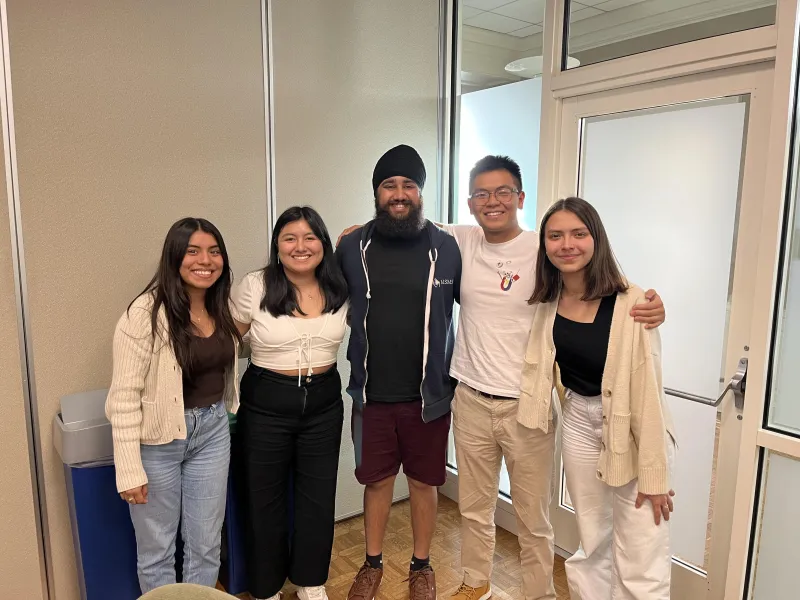
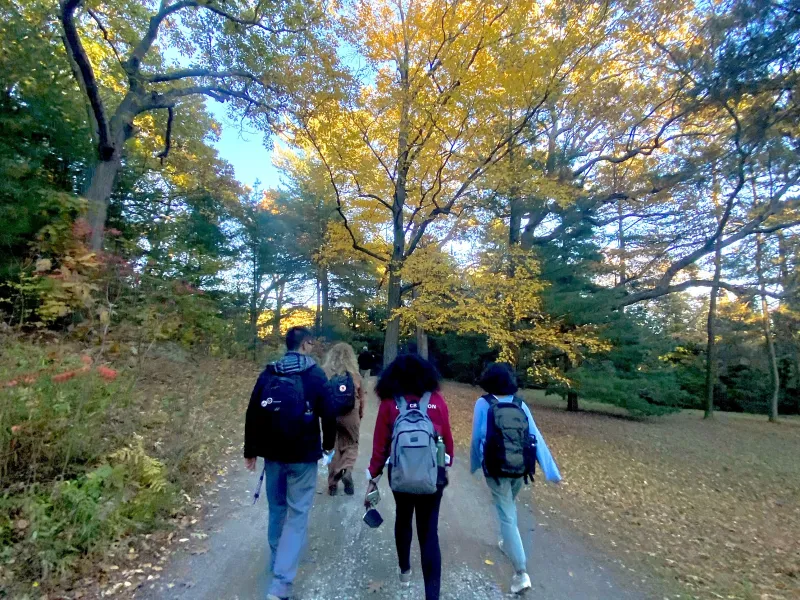
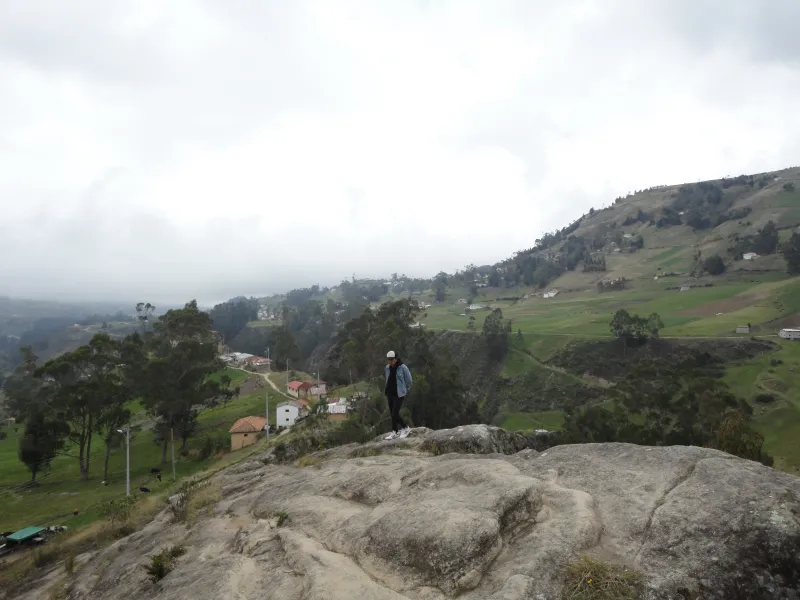 I passed through Cañar on my trip to my hometown, where I got to visit the Ingapirca Ruins!
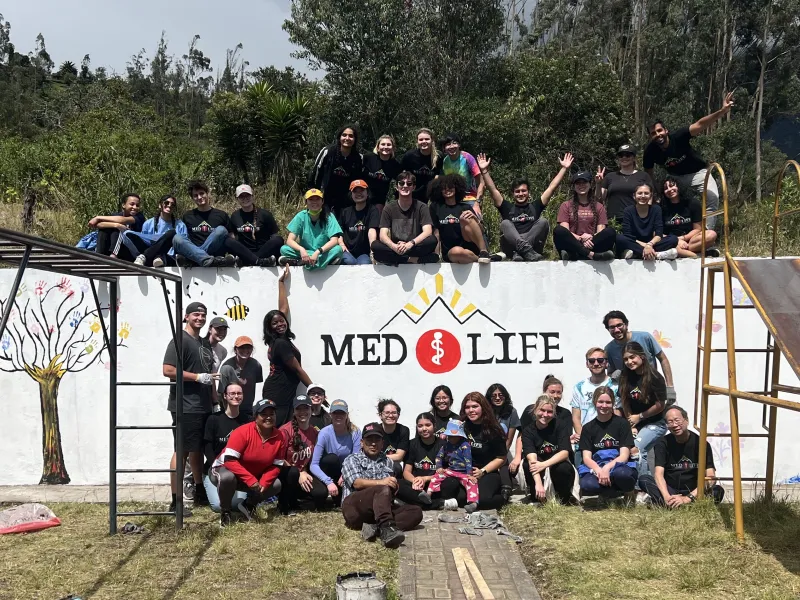 MEDLife volunteers posing for picture with MEDLife Logo
 Harvard's course search page allows you to browse the 3,500+ courses offered each semester
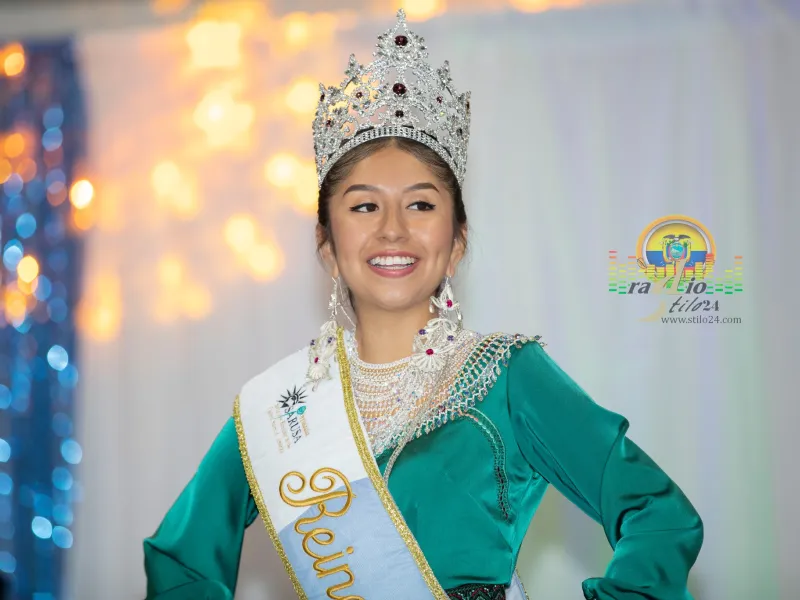 After weeks of preparation, my hard work paid off when I was elected as the queen of my tribal organization in the US, SarUSA (Saraguro Residents in the USA).
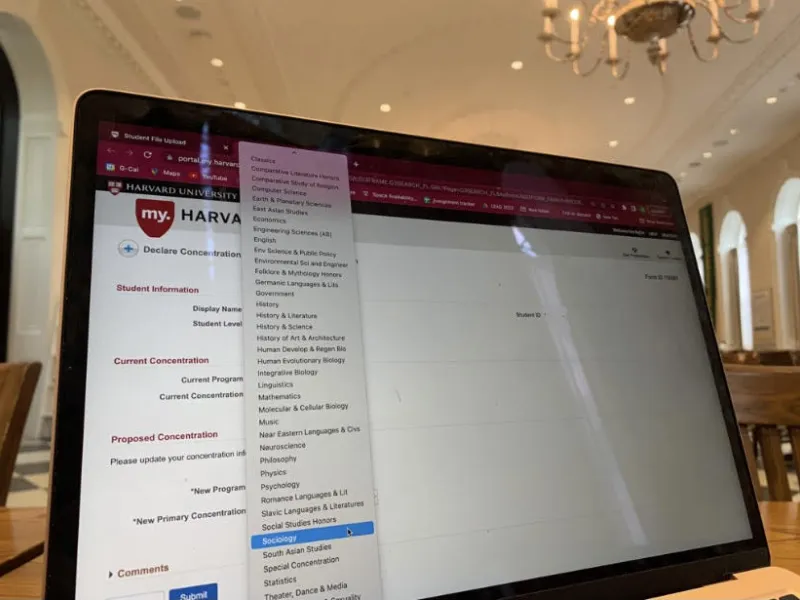 I officially declared Sociology as my concentration this fall!
 My First Harvard Yale Game
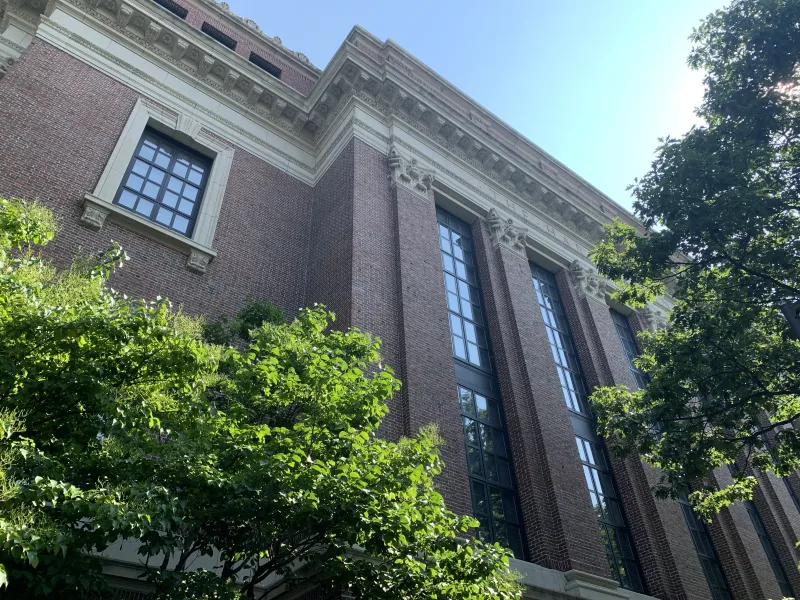
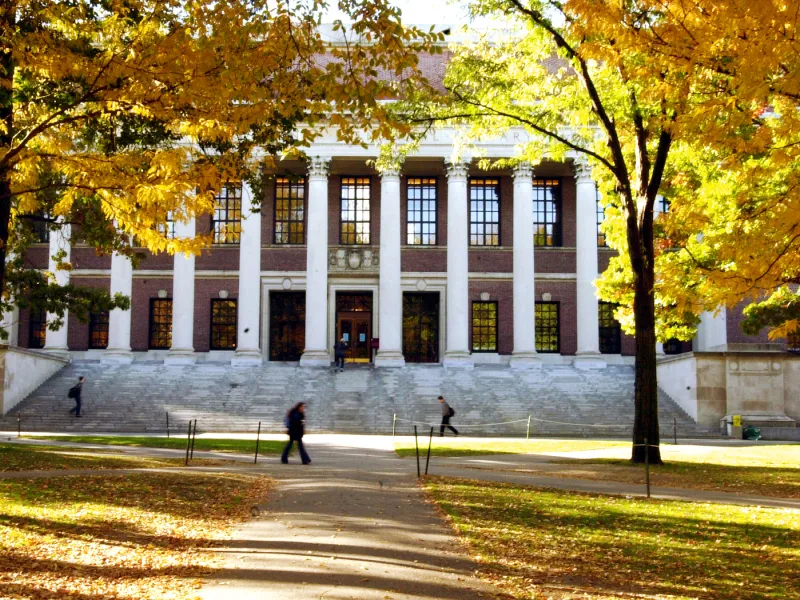
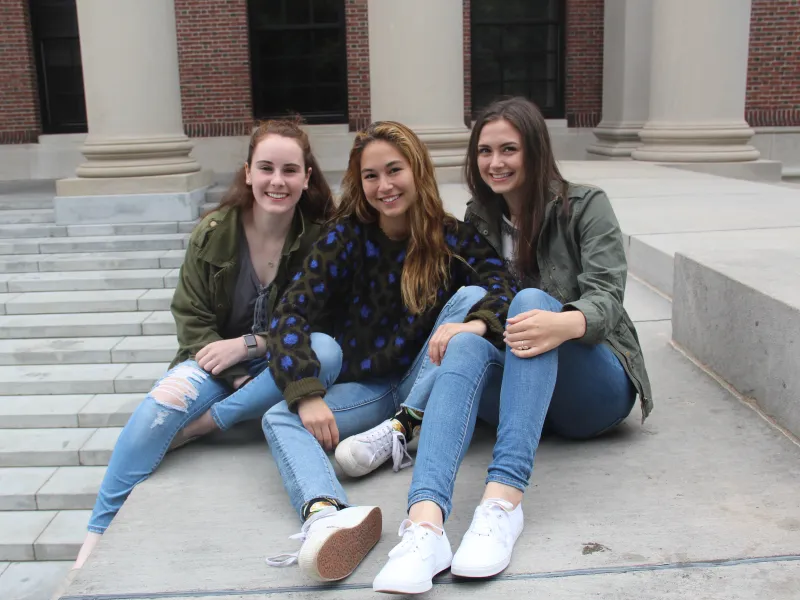 Sitting in front of Widener with my first friends at Harvard in fall 2018. None of us could have predicted that we would end up taking a leave of absence together two years later.
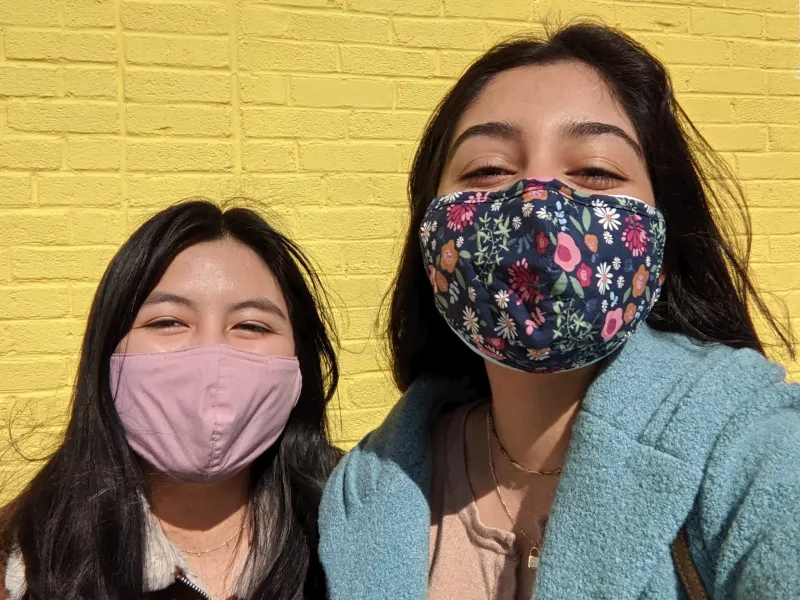
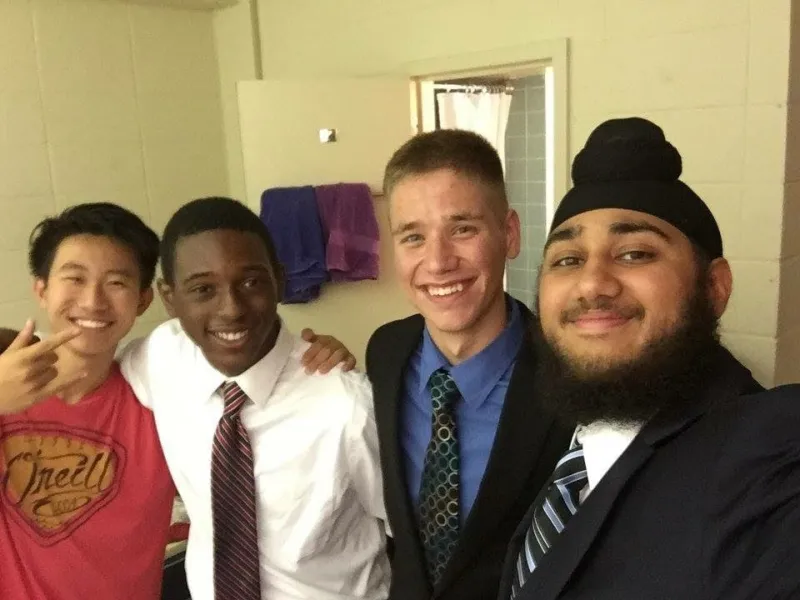 Here's Harpreet and I with our best friends back in high school!
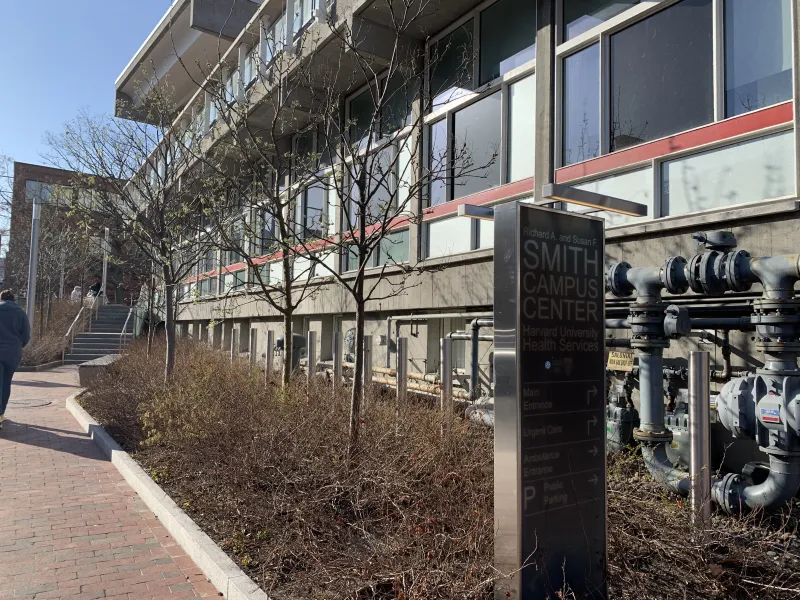 Mt. Auburn Street Side of Harvard University Health Services/Smith Center
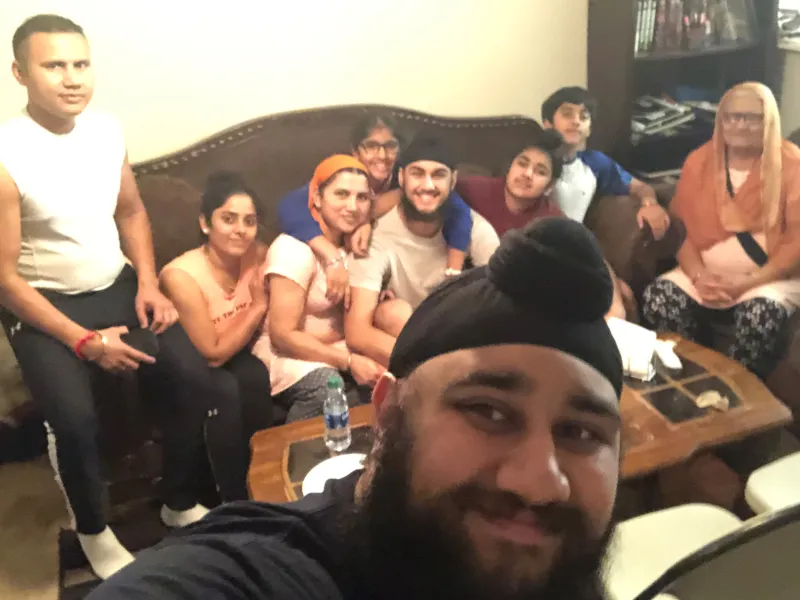 Here is a picture of my family, including my mom, brothers, grandma, uncle and aunt, and cousins.
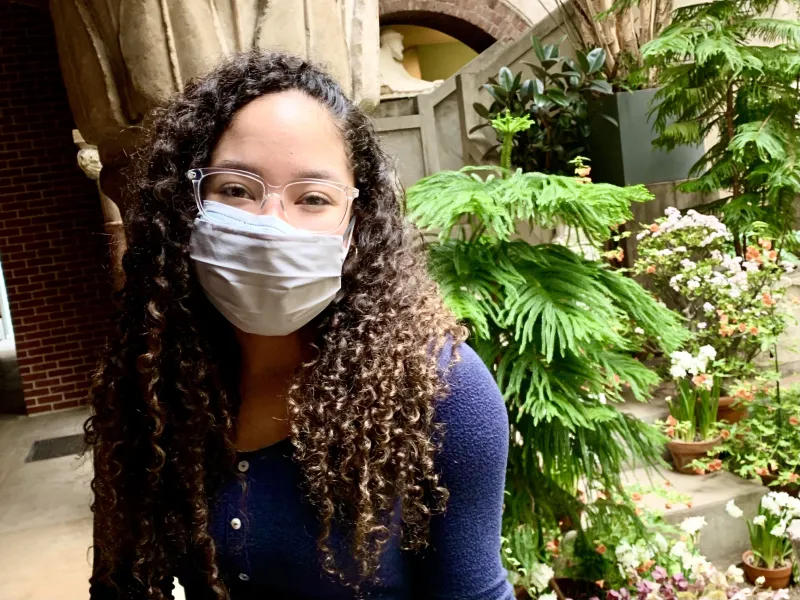 trips into Boston are worth it!

 I have very specific playlists for every mood.


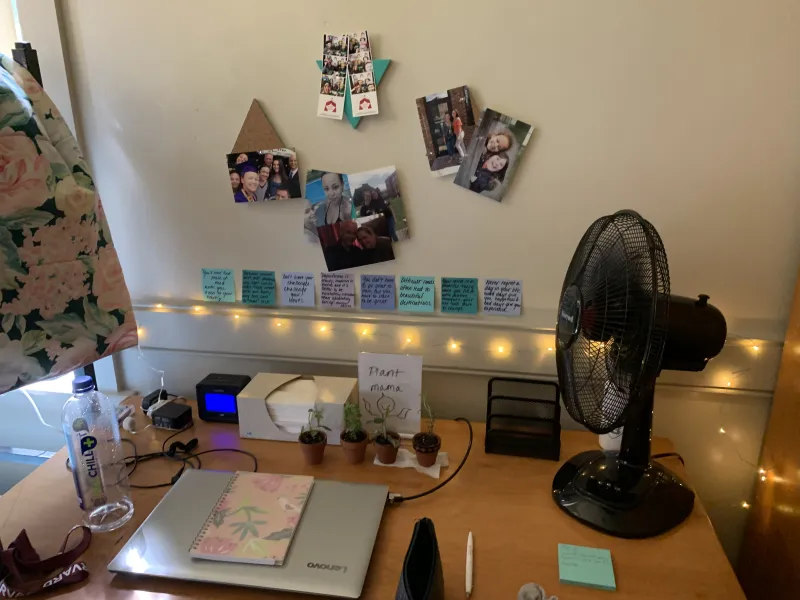

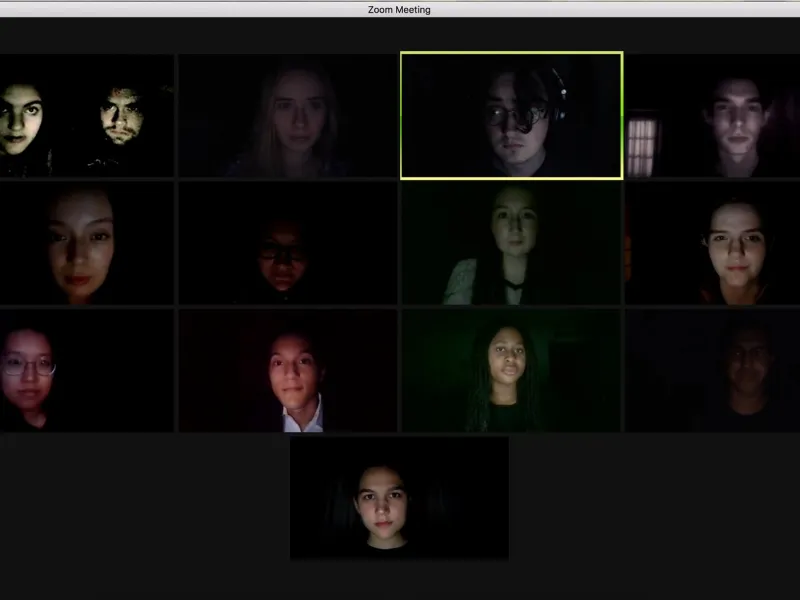 Here is the full cast (and some of our crew) for the Hyperion Shakespeare Company's production of Macbeth!
 Walking to Class

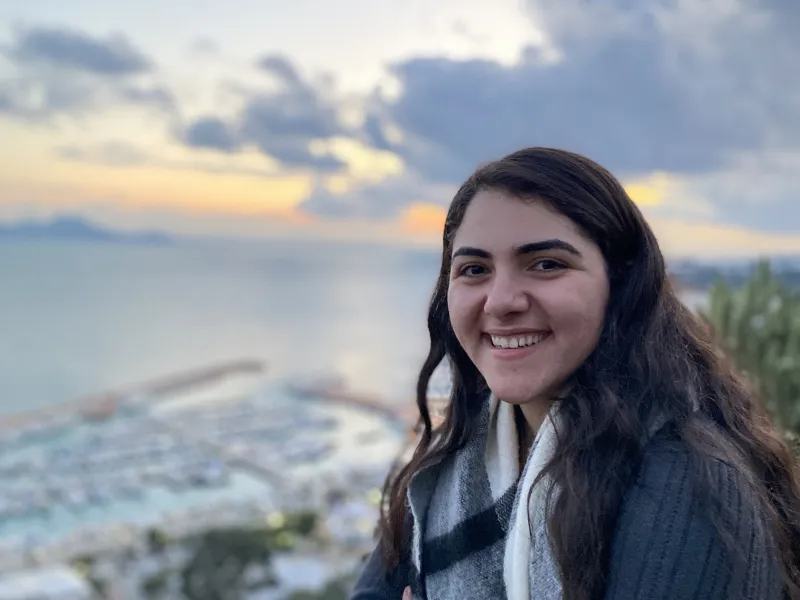
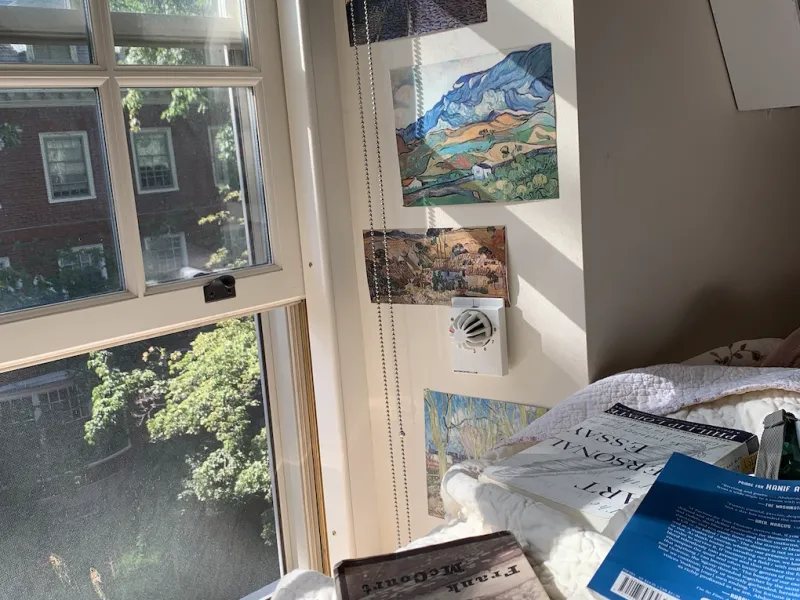 I miss doing reading for my English and creative writing classes on my Winthrop House dorm room!

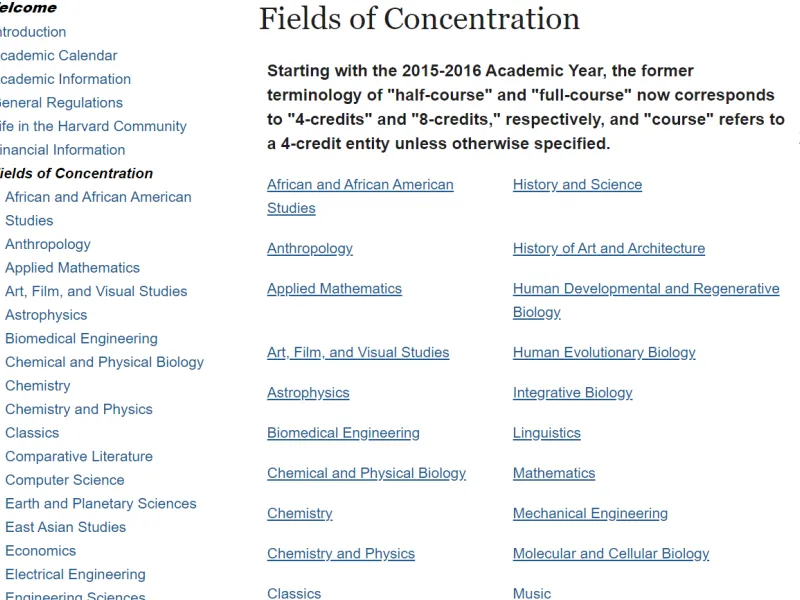 A list of just some of the possible concentrations offered at Harvard
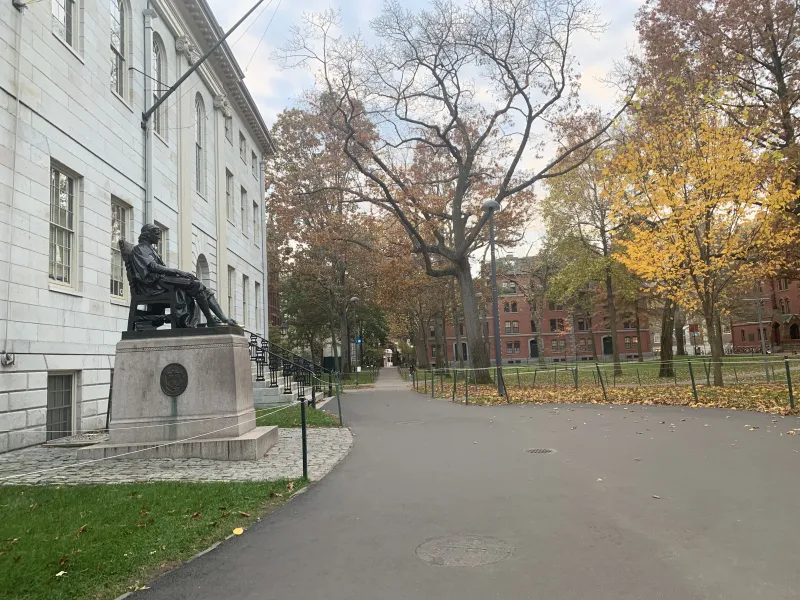
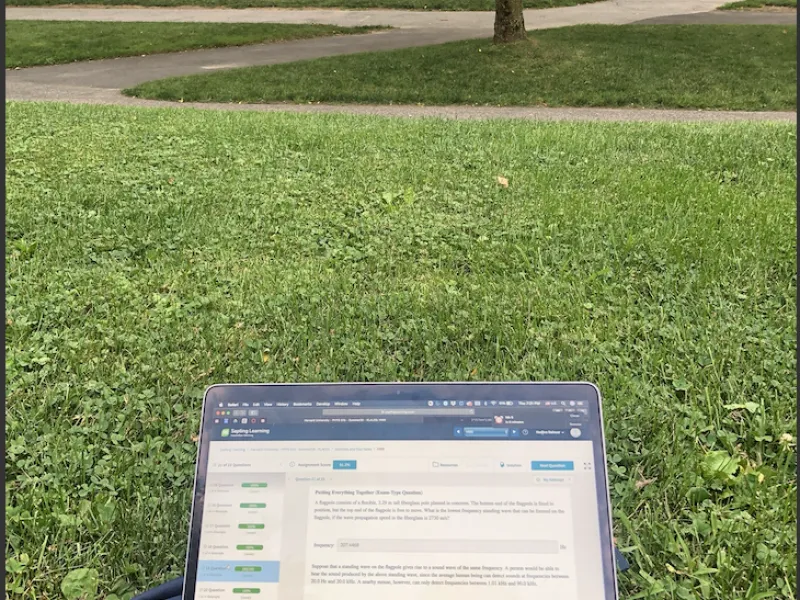 A snap of an empty Tercentenary theater as I worked on my homework
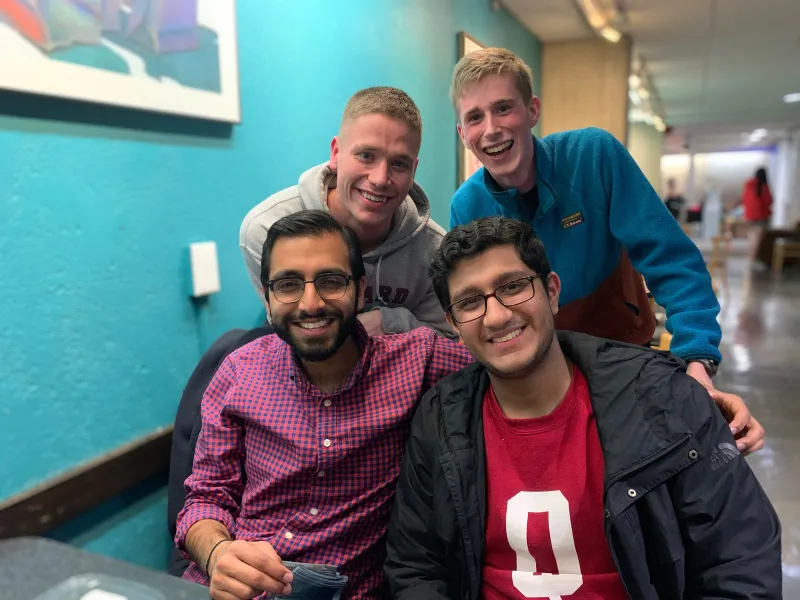
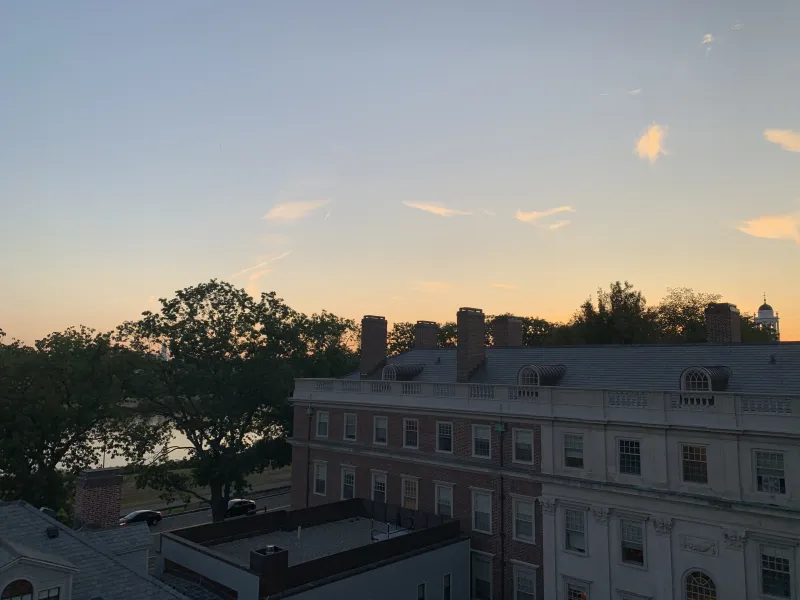 My friends and I love hanging out in the roof-top common room in Winthrop House!

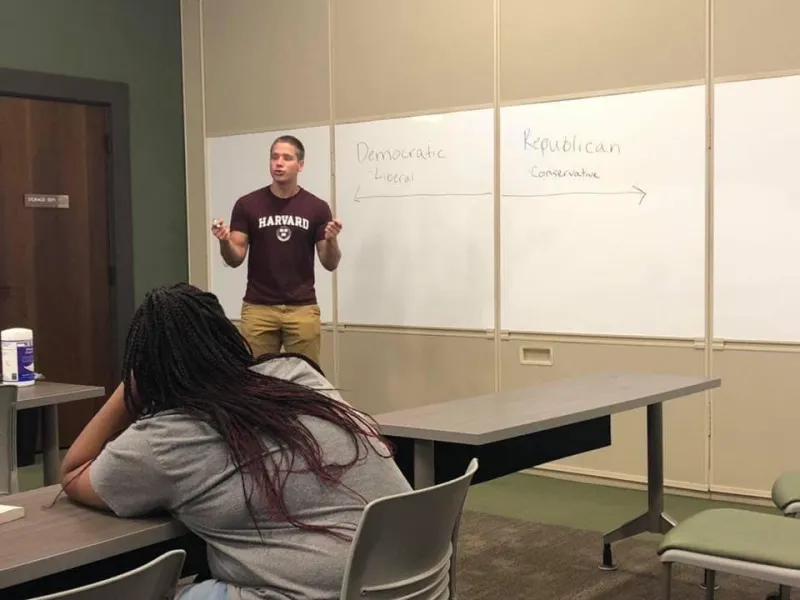 Here I am teaching a government class from last summer!
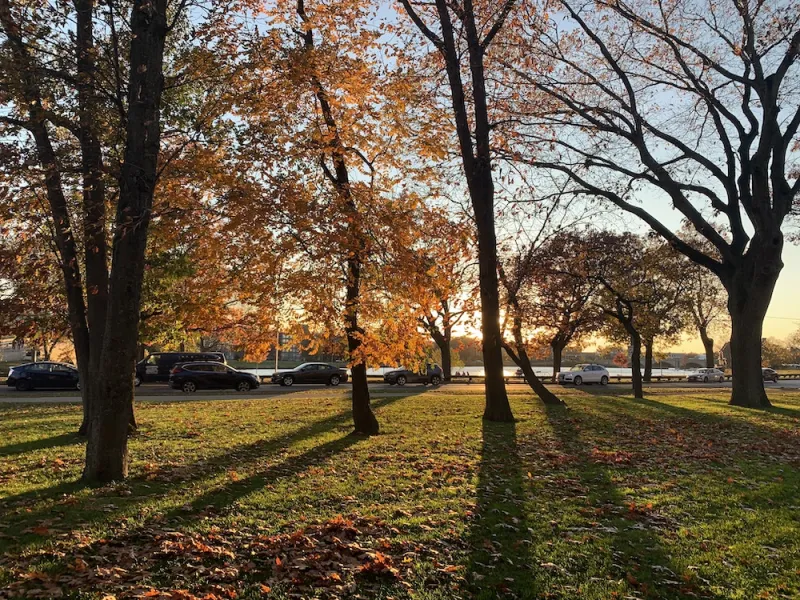 The view of the Charles River from Leveret House, which is right next to Winthrop House!
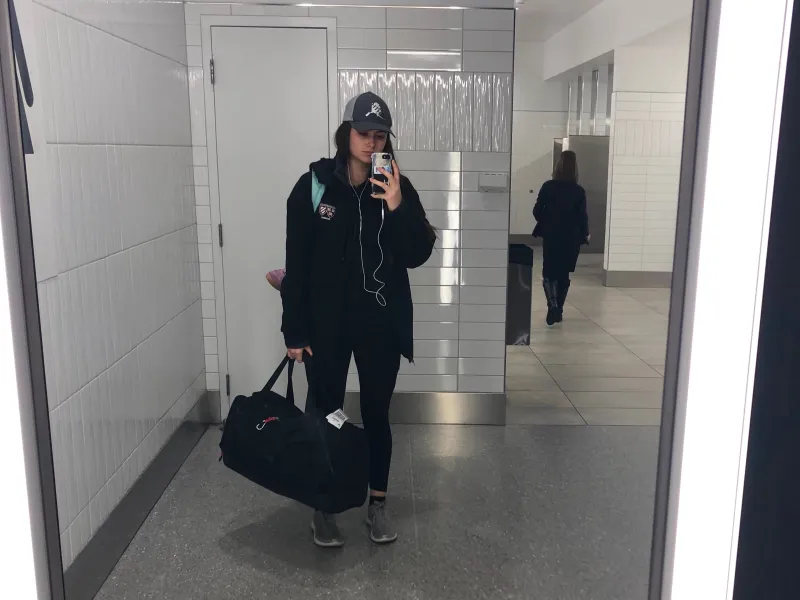 Selfie in the Seattle Airport.
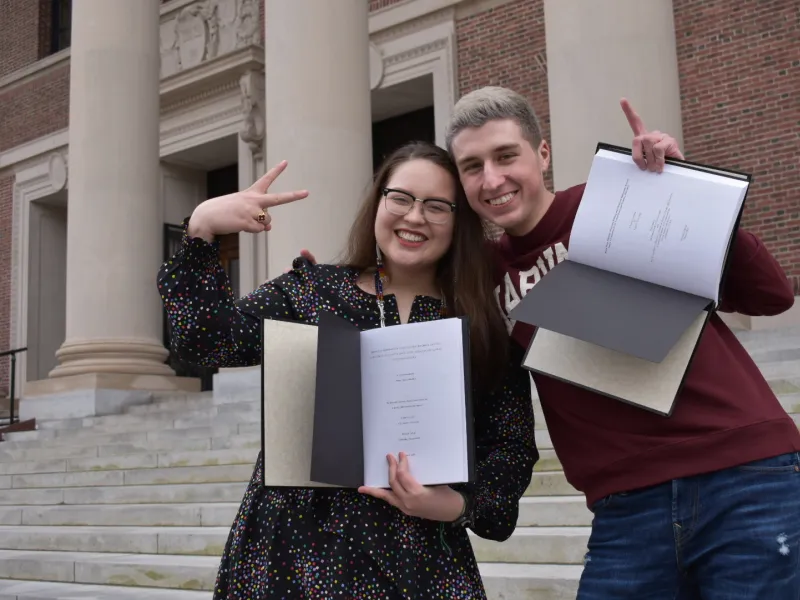

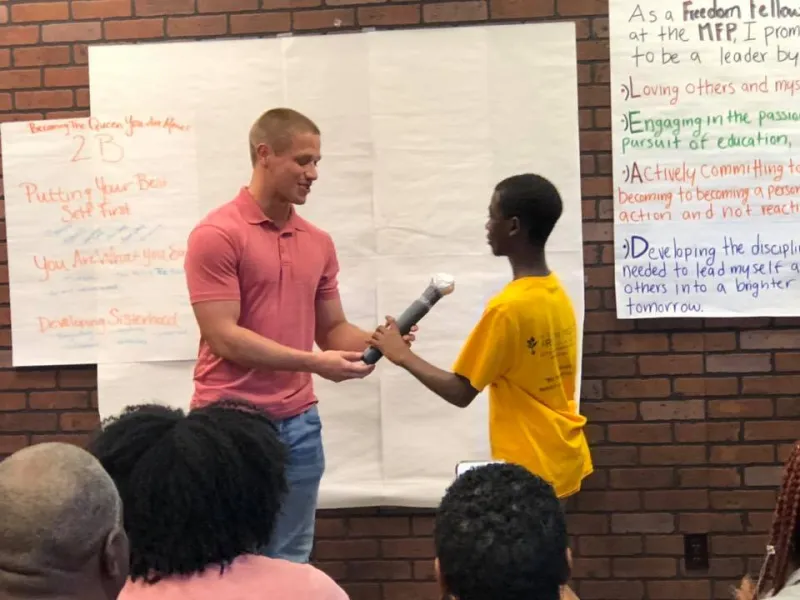 Me giving out homemade awards to my MFP students!
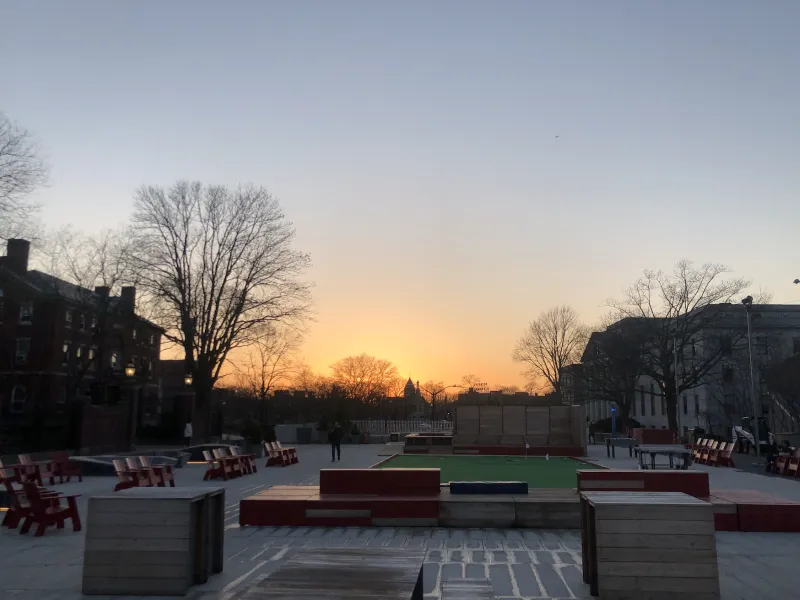
 A photo of me and friends in front of the Carpenter Center my freshman year