
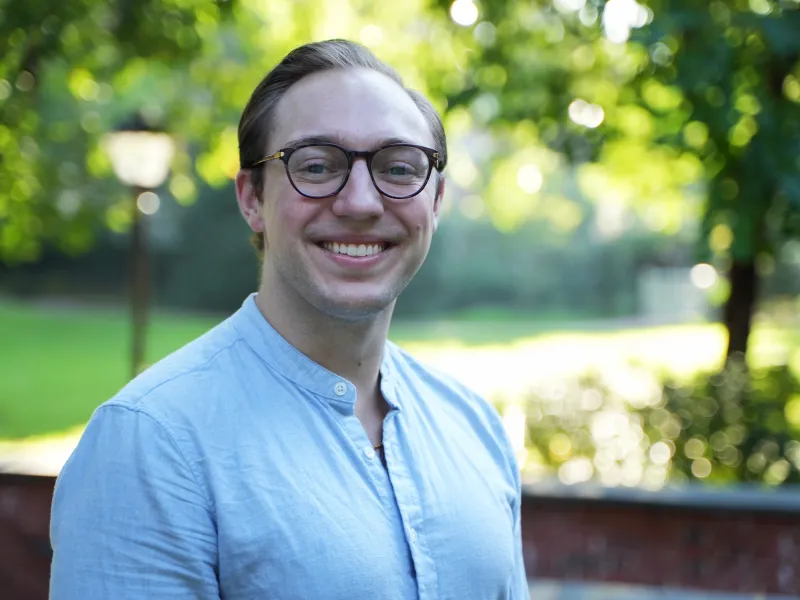
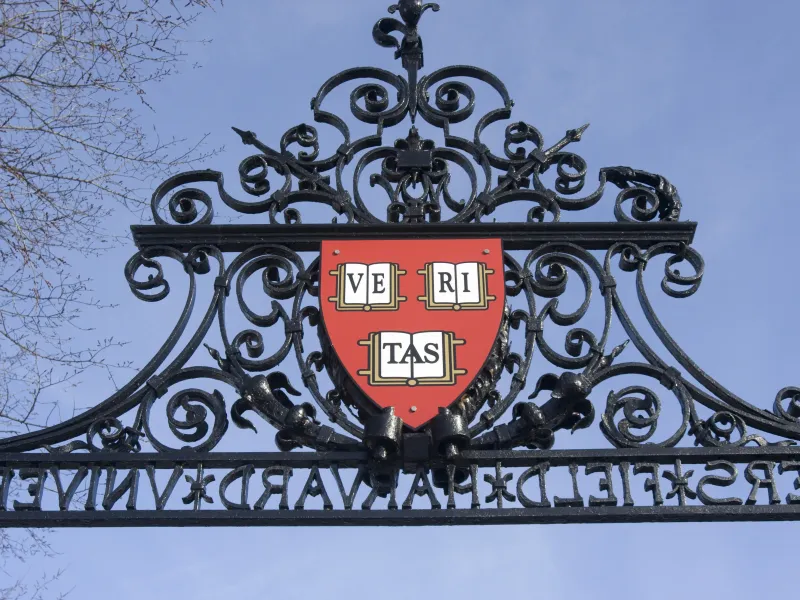
I will be walking through the gates of Harvard for the final time as an undergraduate student this December, passing beneath the words on Dexter Gate that fervently remind us to “Depart to serve better thy country and thy kind.”
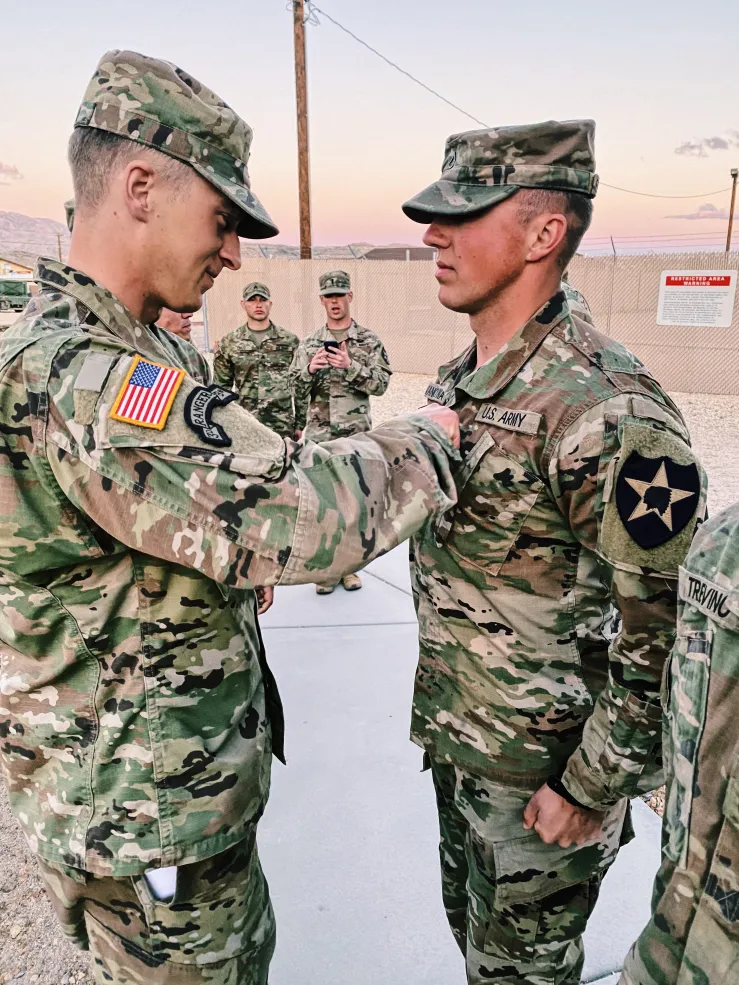
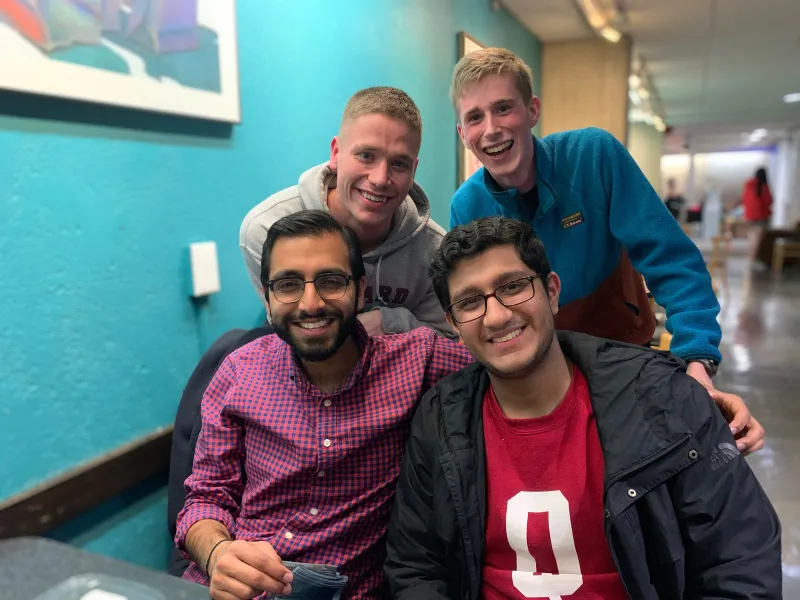
Quinn Ewanchya, a current military veteran at Harvard College, stands during a promotion ceremony in 2020. Quinn Ewanchyna
At one point in my life, particularly while serving in the United States Army, the idea of “Harvard” remained a fictitious illusion that only appeared in the biographies of past American presidents or in movies such as Legally Blonde. However, over the last several years, I have had the honor of referring to Harvard as my home.
As a military veteran living amongst this inimitable community, here are five enduring truths I have come to understand:
1. Wearing the uniform may have made you into who you are, but the uniform doesn’t define who you are.
The military has an outlandish way of ridding yourself of your personal identity and remolding you in Uncle Sam’s image. Minutes after you arrive at basic training, Drill Sergeants herd you into a makeshift barbershop where your head is shaved to appear identical with everyone else – the piles of hair evoking a graveyard of individualism. Your favorite Nike shirt, still carrying the faint scent of your mother’s perfume from saying goodbye the day before, is exchanged for a set of green fatigues. I was no longer Quinn, but instead “Private Ewanchyna”. When I think back to who I was before I chose to serve, my past character is unrecognizable to who I am now. The military instilled a sense of fortitude, leadership, stoic discipline, and selflessness within me that I still carry to this day. However, even the trees which line Harvard Yard began as mere seeds. In other words, the military doesn’t create who you are today out of nothing, but rather accentuates intrinsic characteristics that already existed. While wearing the uniform may have served as the catalyst for the professional you see in the mirror today, it doesn’t determine who you are, or what you can be. Rather, the uniform is simply one shade of your identity’s palette.
2. It's only weird if you make it weird.
On the outside, I don’t necessarily align with the stereotypical Gen Z Harvard student. I’m covered in tattoos, and my back begins to spasm when I sit at a desk for too long. Most of the other students think that I’m the Head TF (Head Teaching Fellow) when I show up to office hours, leading me to believe that the youthful spark that once existed within my eyes has now faded to a subdued flicker. Thus, whenever I tell someone that I’m an undergraduate student at Harvard, the question that inevitably follows is, “Woah! Is that weird?” Not in the slightest. When I arrived on campus in the fall of 2022, my utmost priority was to immerse myself as much as possible within Harvard’s expansive extracurricular life, which makes it so unique. And because of this, I’ve learned that many of life’s opportunities stem from our willingness to step beyond the façade of the status quo that society places upon us. I once scored a “try” during my first rugby match, despite hardly knowing the rules of the sport. I have led tastings as President of the Wine Society. I once attended a debate competition and failed miserably. I produced an award-winning research project last year. So no – it’s not weird. But limiting yourself is.
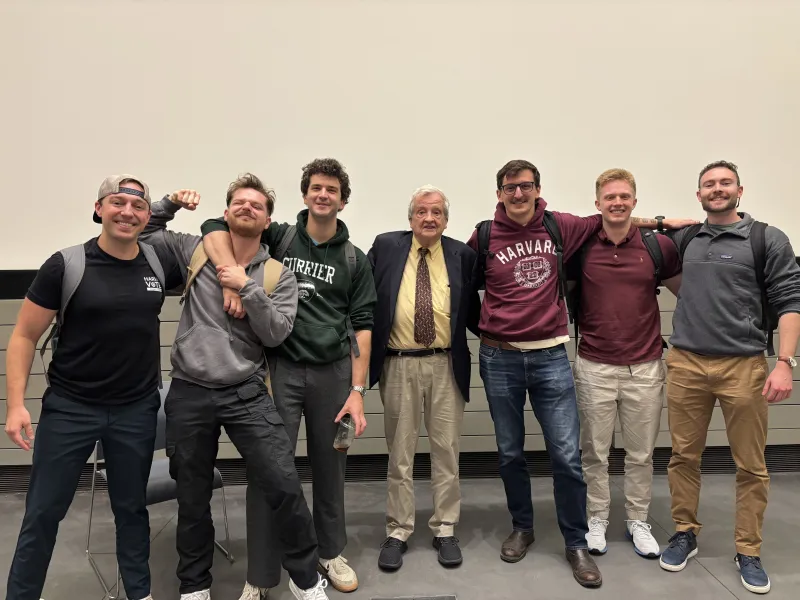
Harvard Veterans x Greek Heroes
GENED 1074: The Ancient Greek Hero, has remained a favorite course for veterans at Harvard College. Quinn Ewanchyna
3. Slow is smooth. Smooth is fast.
I often refer to Cambridge as the most densely populated enclave of the world’s brightest minds, and for good reason. You’re surrounded by students who can complete a PSET in a quarter of the time that it takes you. And as far as I’m concerned, that’s okay. For the overwhelming majority of veterans reentering the cryptic realm of higher education, the last time we heard the term “polynomial function” was probably when Obama was President. Slow down, take a deep breath as you sail upon uncharted waters, and focus on your own individual pace. Slow is smooth. And smooth is fast.
4. You will fall, and you will fail.
As a machine gunner in our platoon’s Weapons Squad, our motto was “The standard is perfection.” In other words, perfection isn’t the goal you strive to attain, but rather the bare minimum you expect to achieve. While I attribute the majority of my successes to this mantra – which I still hold dearly to this day – it’s a double-edged sword. When you hold yourself to such a level of perfection, you’ll quickly find yourself lying awake at 3:00 a.m., mentally replaying that time you courageously decided to speak up during section, and the words just didn’t quite flow the way you wanted. In reality, failure is a fact of life, but it’s also subjective. What truly matters is how you respond to it, and whether you use that experience to rise above your perceived potential or instead fall victim to the idea of “failure” that you have artificially created.
5. Just like those you served alongside, your greatest assets will be your peers.
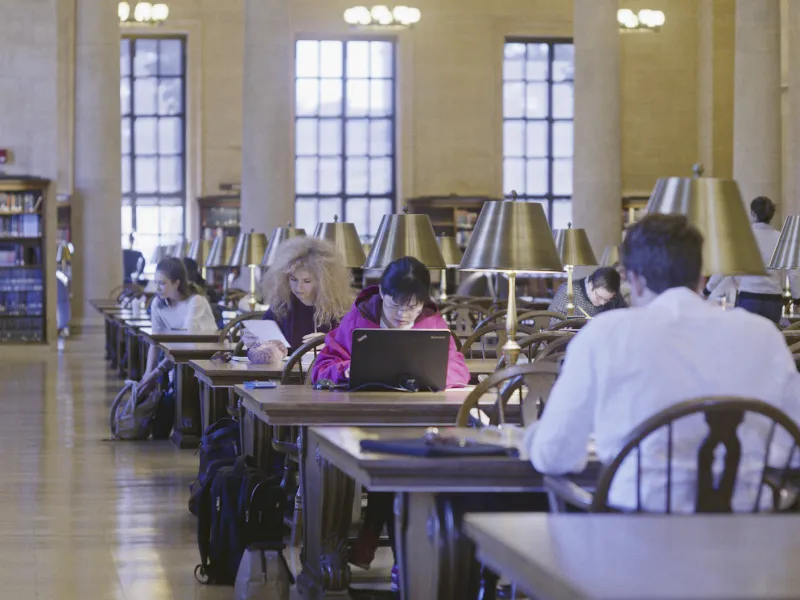
I’ve sat in classrooms as the world’s leading economists stood before me, expanding upon theories which earned them Nobel Prizes. However, whenever someone asks what I feel to be the most valuable component of my Harvard education, I immediately respond with, “My peers.” Late-night conversations in Cabot Library debating the intersection of AI and consciousness, held over a lukewarm Jefe’s burrito, have imparted more knowledge than the walls of a lecture hall ever could. Their stories, ideas, and perspectives that have shaped who they are and the lens through which they view the world have inspired me to achieve more in this world. Whether I had the ability to speak with someone for five minutes or instead five hours working on a consulting case study, I remain certain that the memories I have created alongside my peers at Harvard will follow me for the remainder of my life.
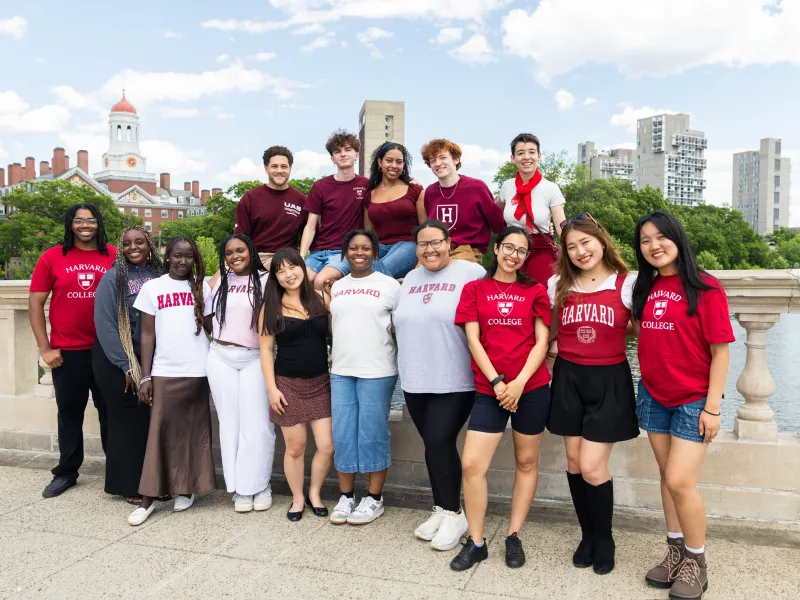 A photo of the 2026 Summer Recruitment Ambassadors on the Weeks Bridge
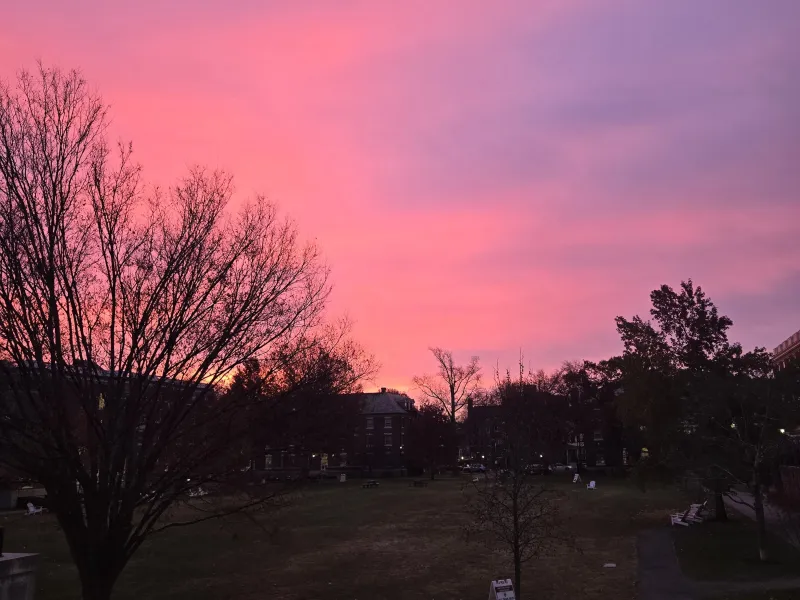
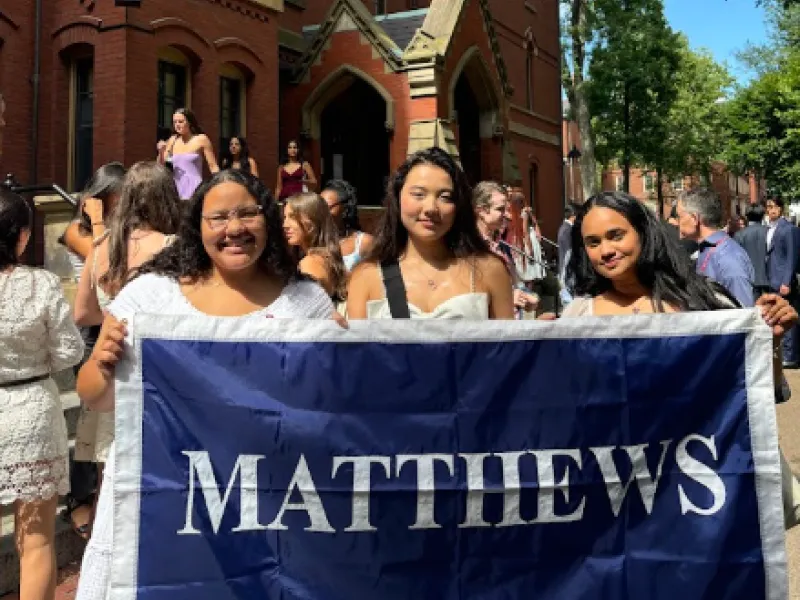
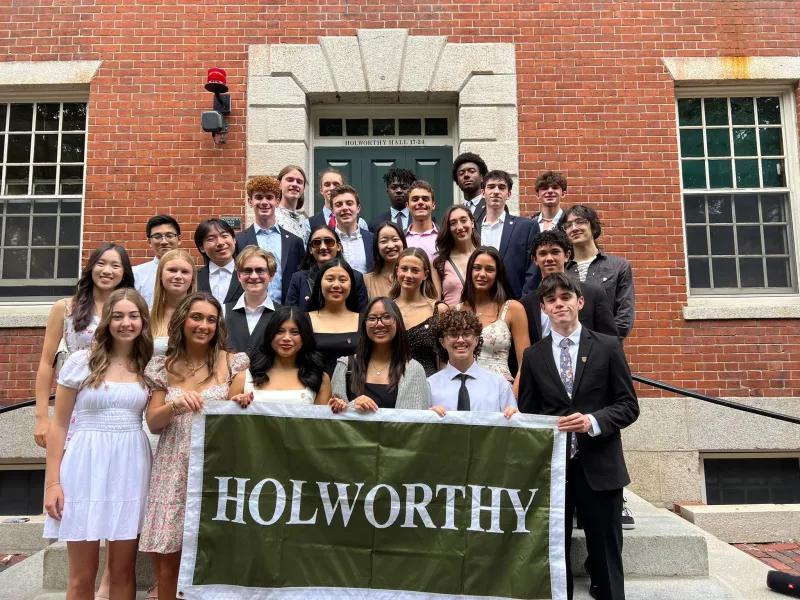 Gathering together for their welcoming ceremony students prepare for the start of a new year.
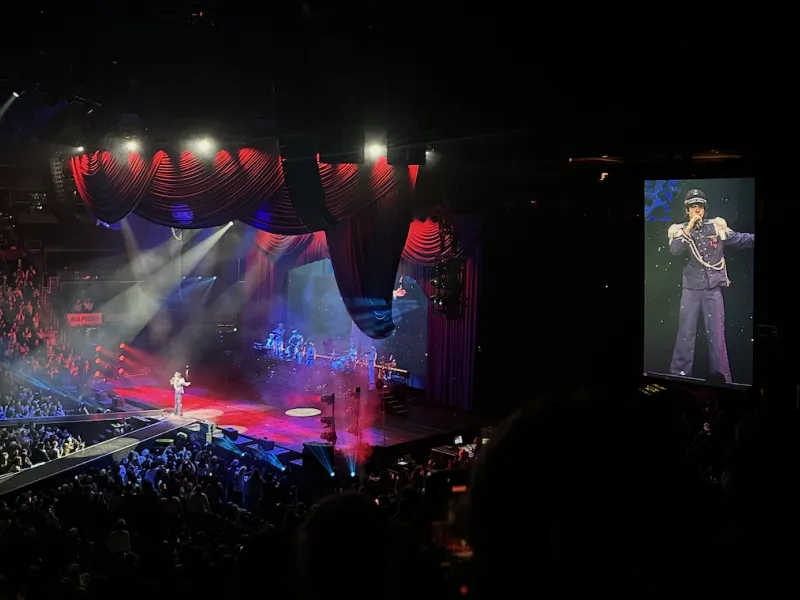
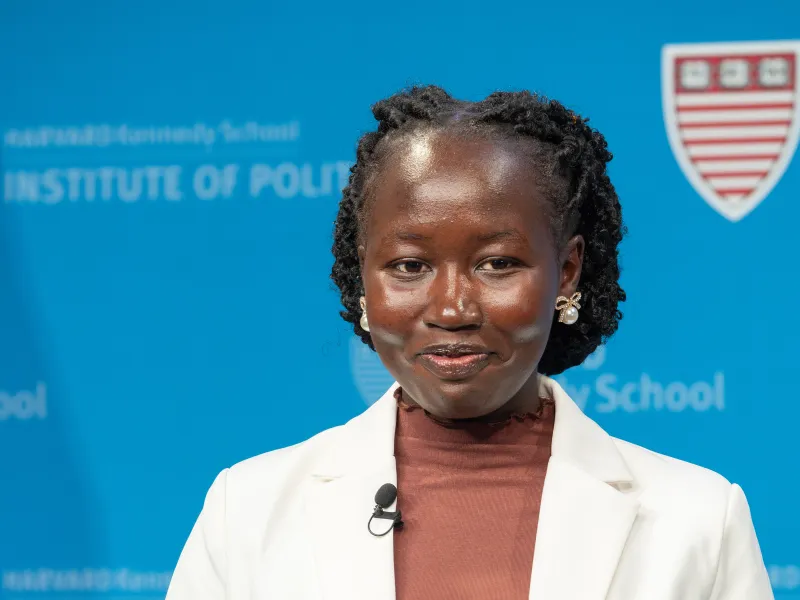 The Our Narrative brings 6-7 student speakers every semester to share their journey into public service
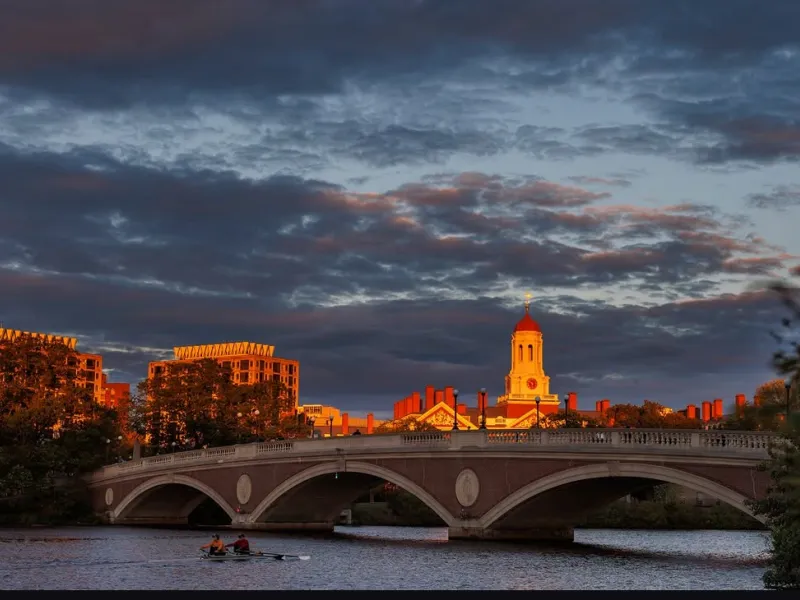
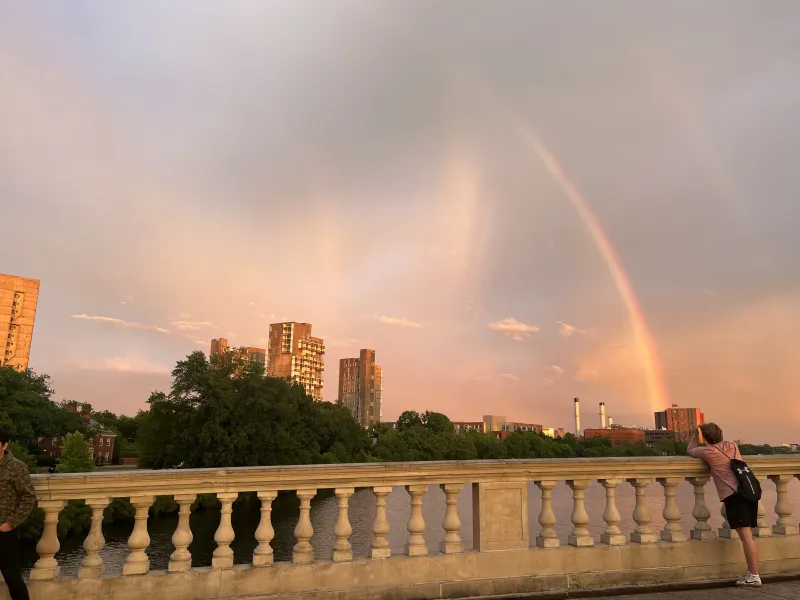 Weeks Bridge has one of the best views of the Cambridge skyline, especially at sunset.
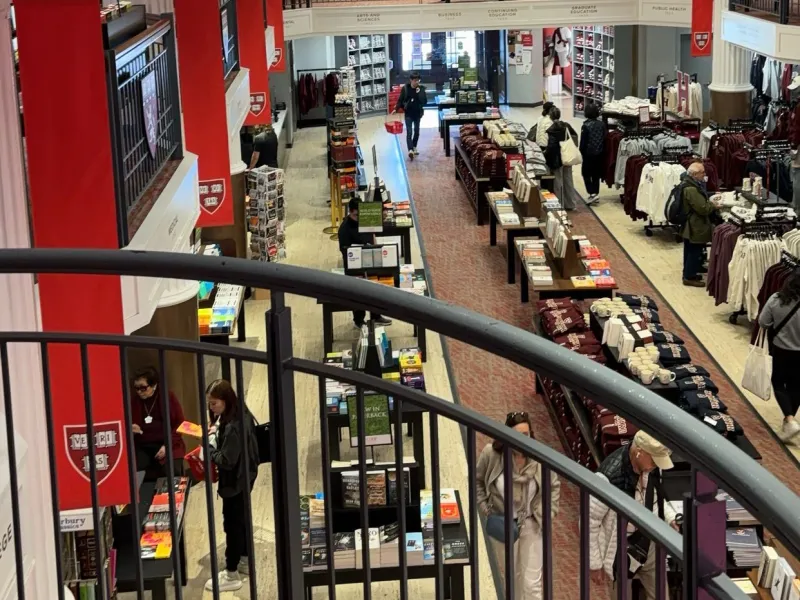 The inside of The Coop from the second floor view
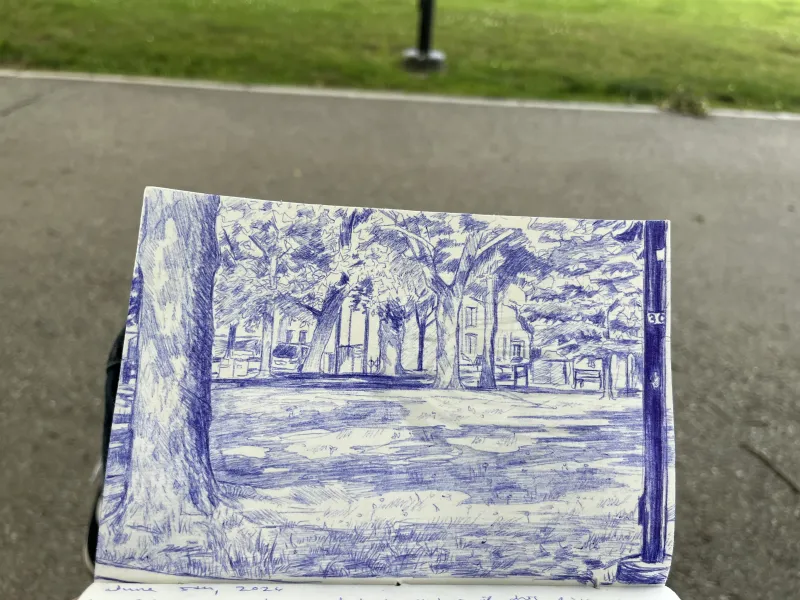 Drawing can be a leisure activity or a great way to relax. A sketch book and pen often accompanied me at the park in my free moments.
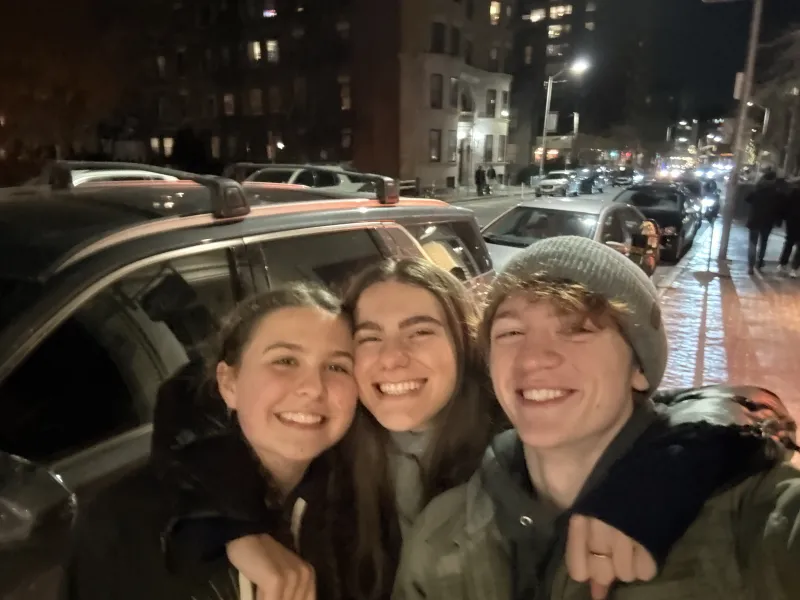
 A photo of the Harvard Art Museums
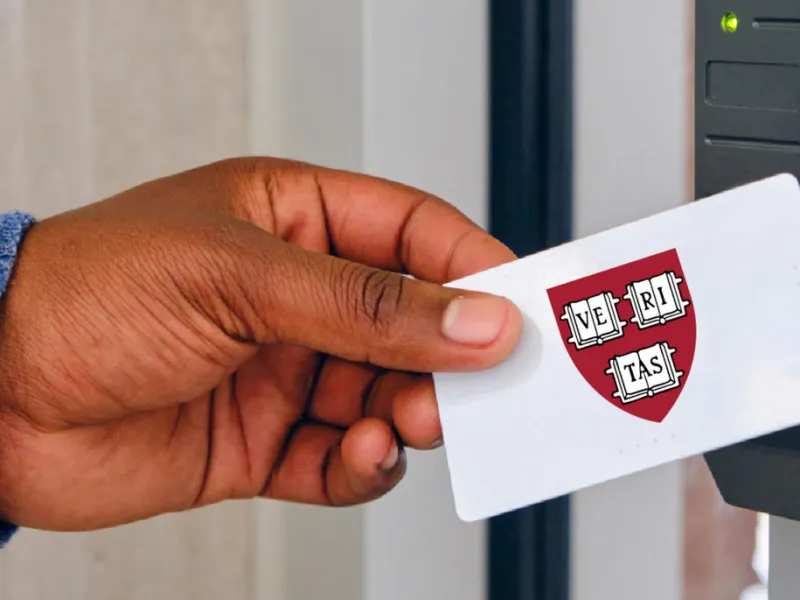 A hand holding a card featuring a Harvard ID with the Harvard crest
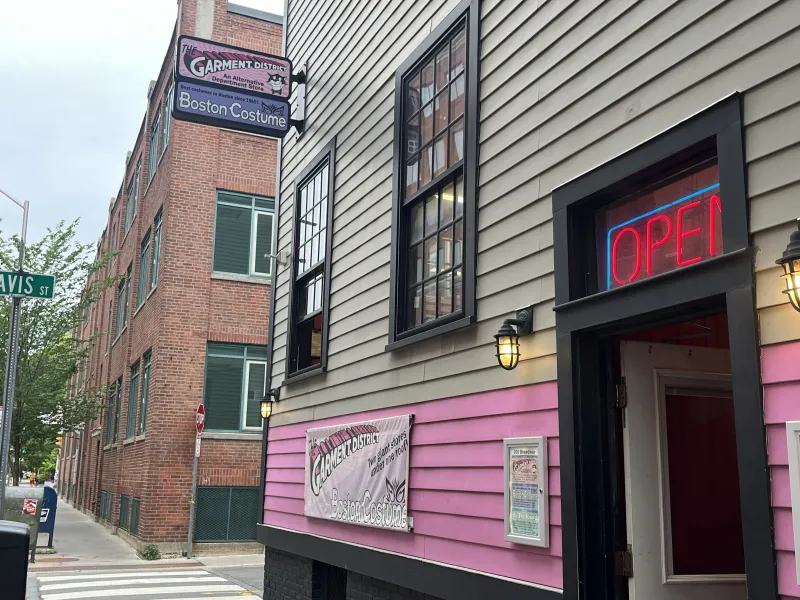 The Garment District is a thrift and costume shop just outside of Harvard's campus.
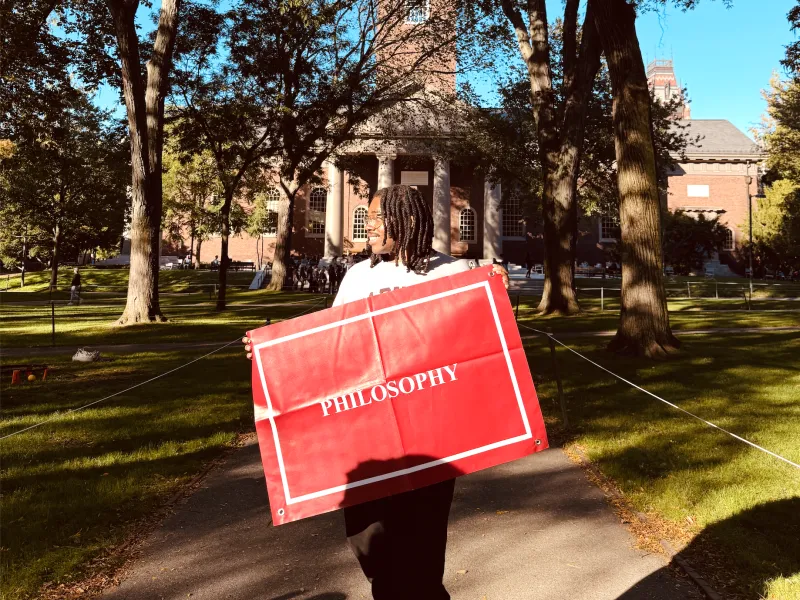 My Philosophy banner
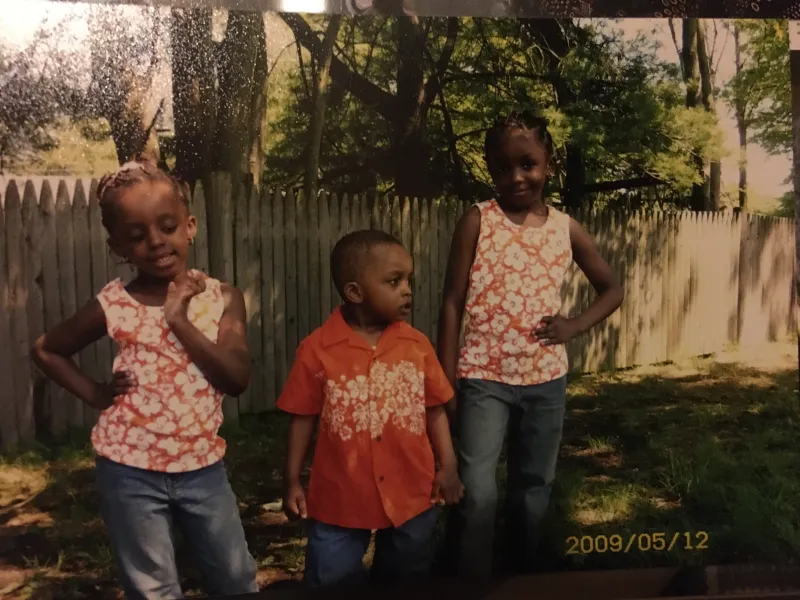 My Siblings and I When we were Younger
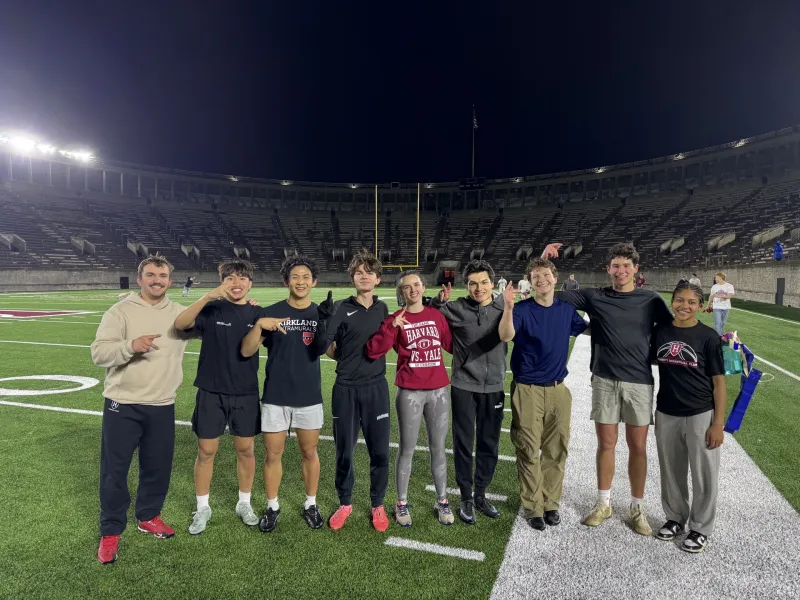 Here I posed with my new team to celebrate our victory in my first game of flag football. I even taught the team how to sign "K" for Kirkland House in ASL
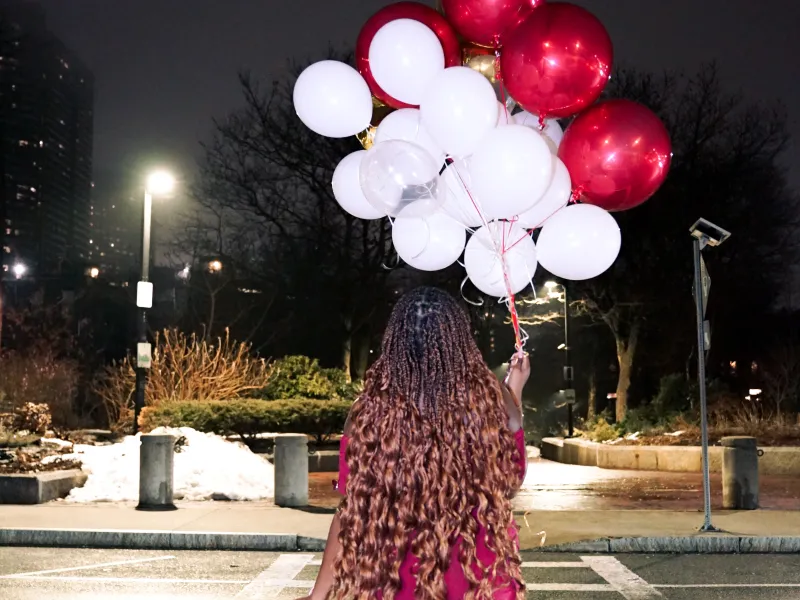
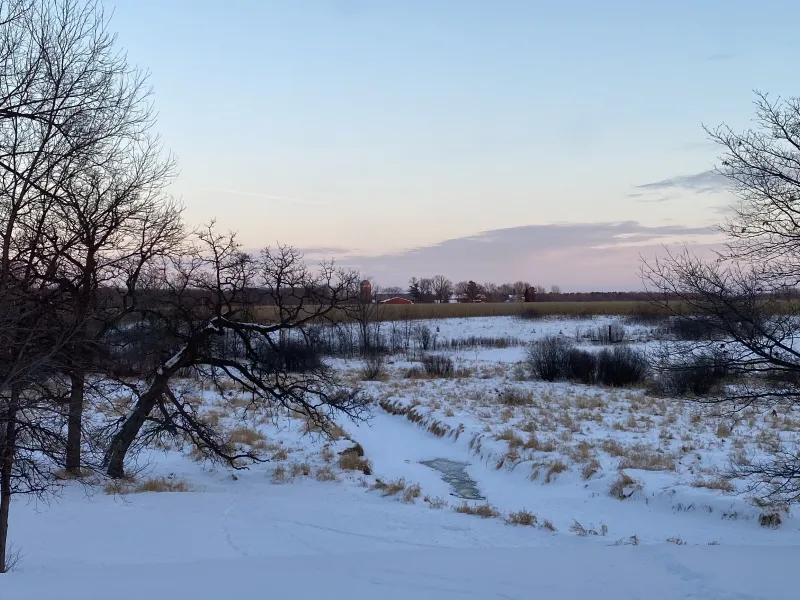
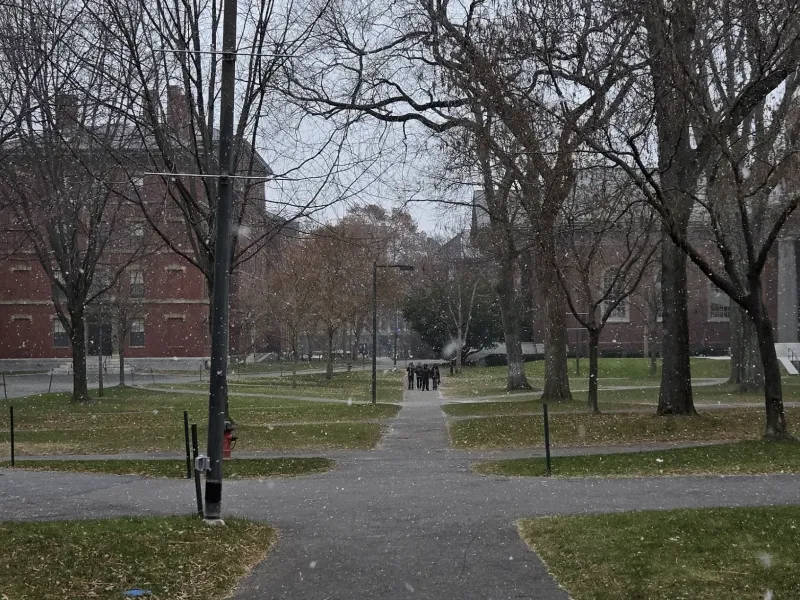 My daily walk during the winter
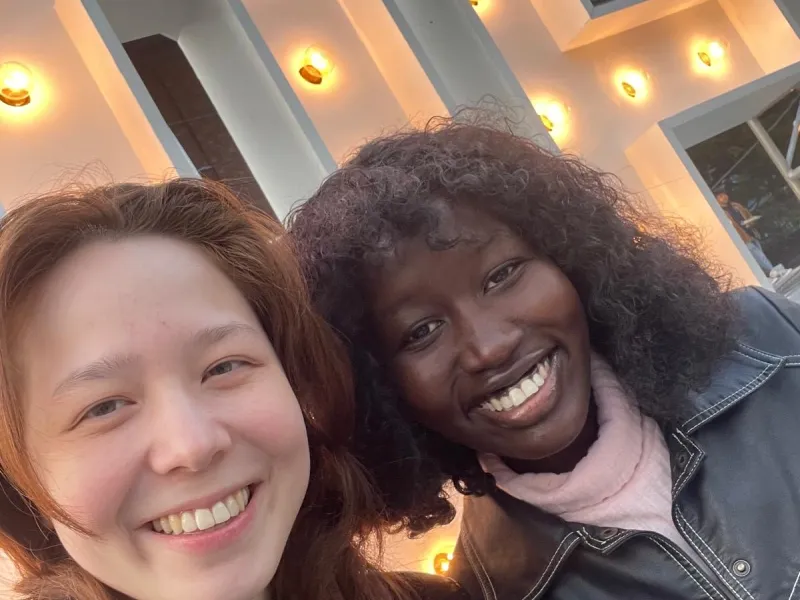
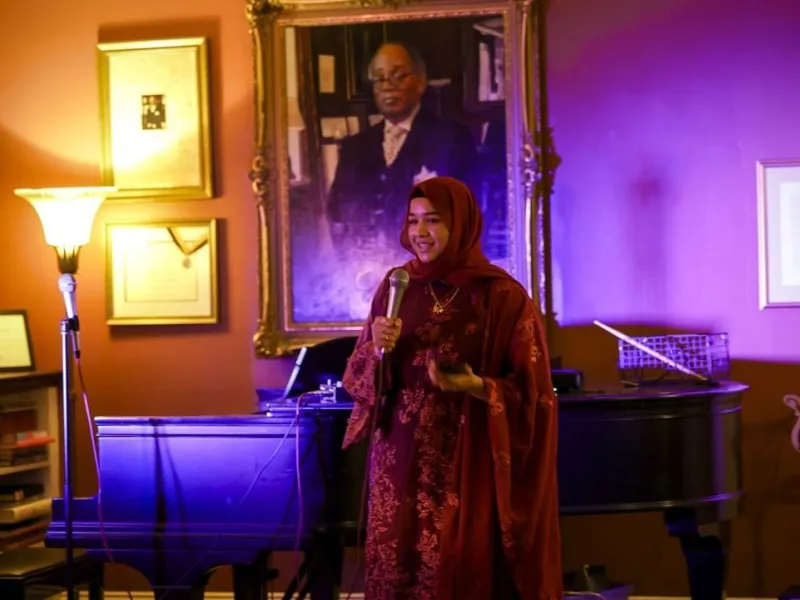
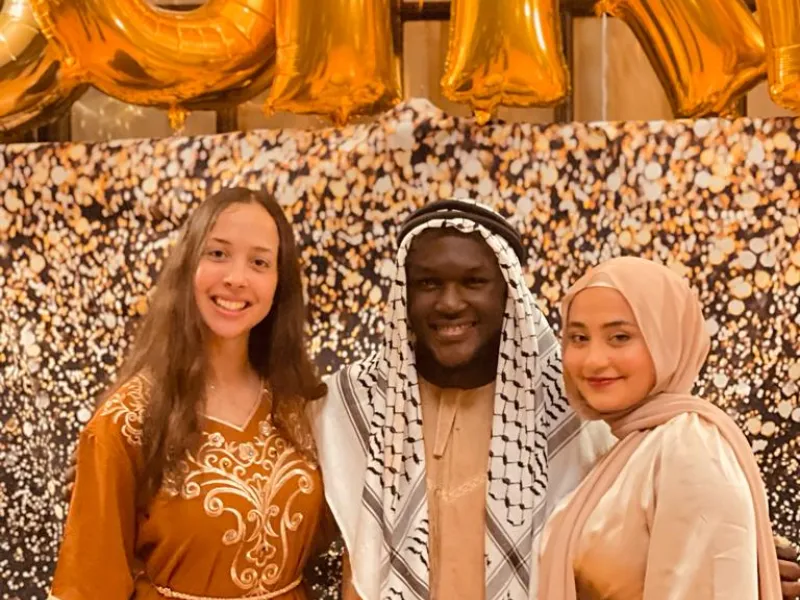
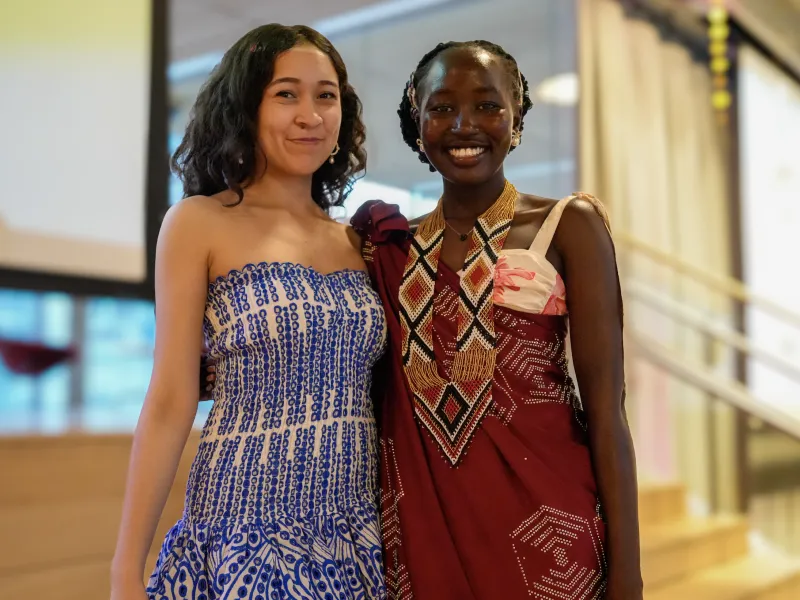 During the Cultural Rhythms, Caitlyn showcased her beautiful Vesido De Flores dress from Mexico and I showcased South Sudanese Lawa. Later only to find out she is in Pforzheimer House, the best house. We become friends ever since. An amazing woman
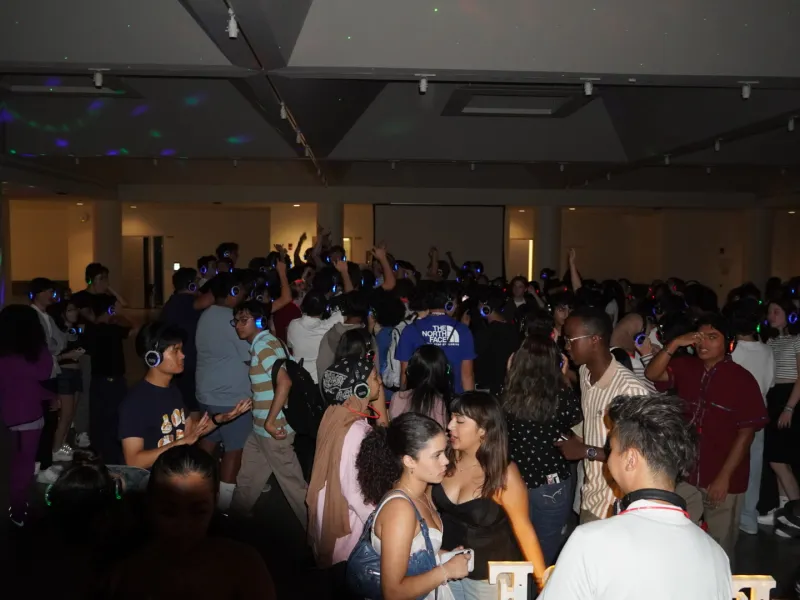 FUP Silent Disco
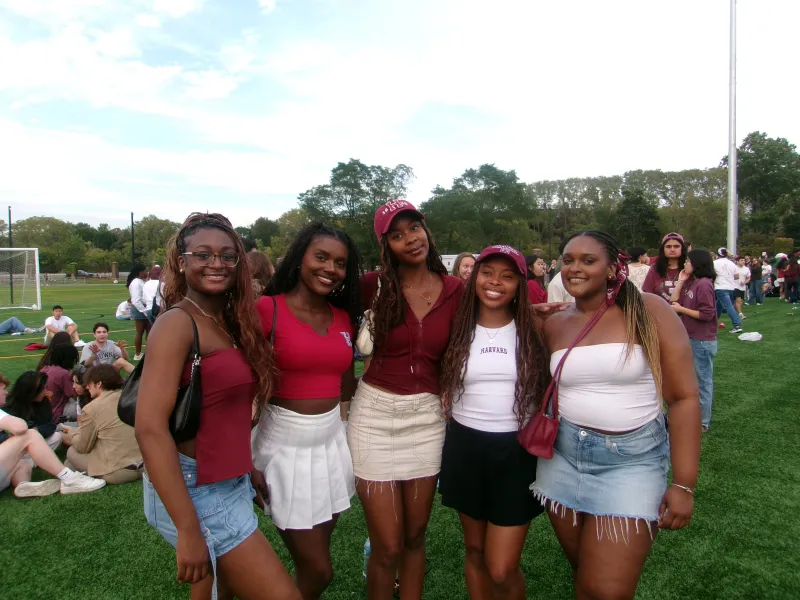 Me and my friends showcase similar styles
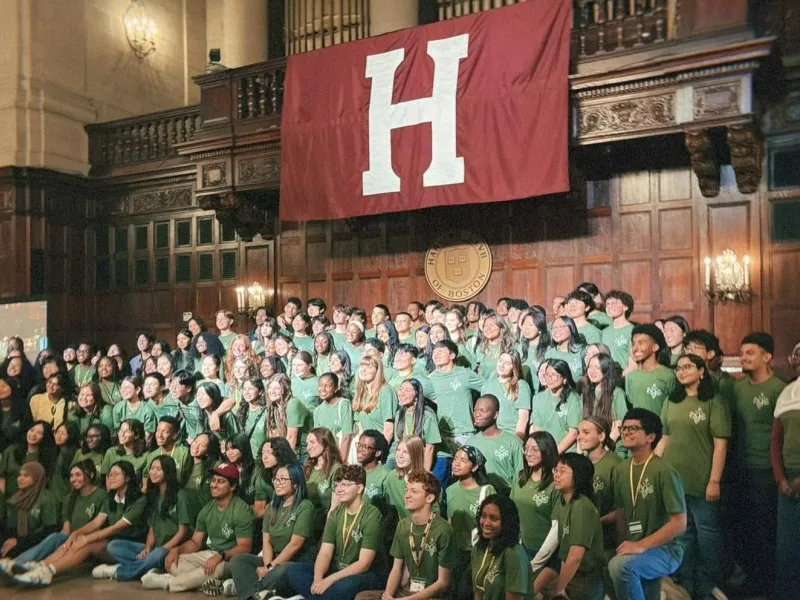 First-year students gather to commemorate a successful alumni networking event at the historically exclusive Harvard Club of Boston
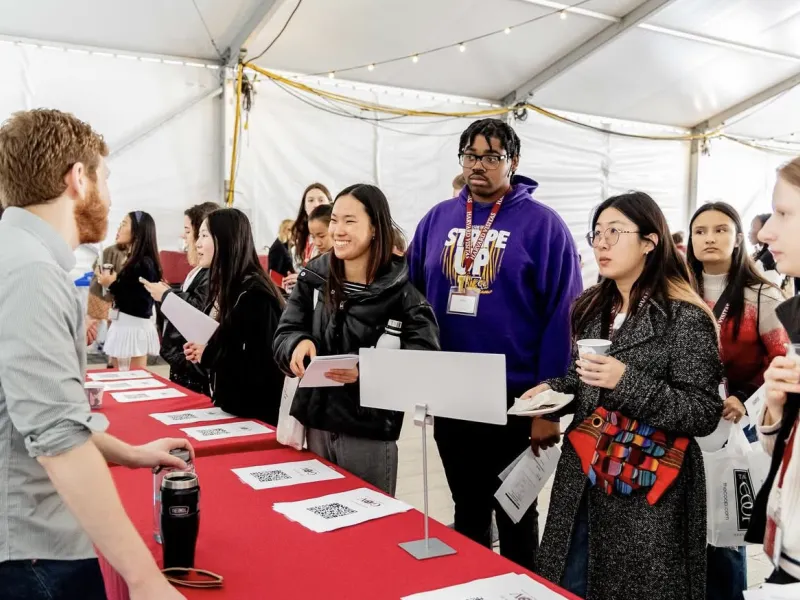 Picture of me and others at the Visitas Concentration Fair in 2024
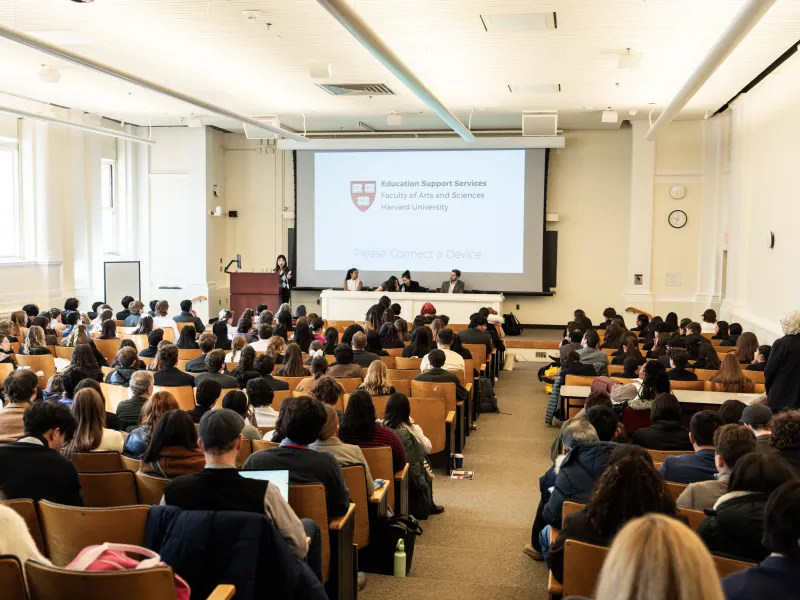 Nearly 200 students across 20+ high schools attended Harvard's first High School Ethics Bowl (HCHSEB)
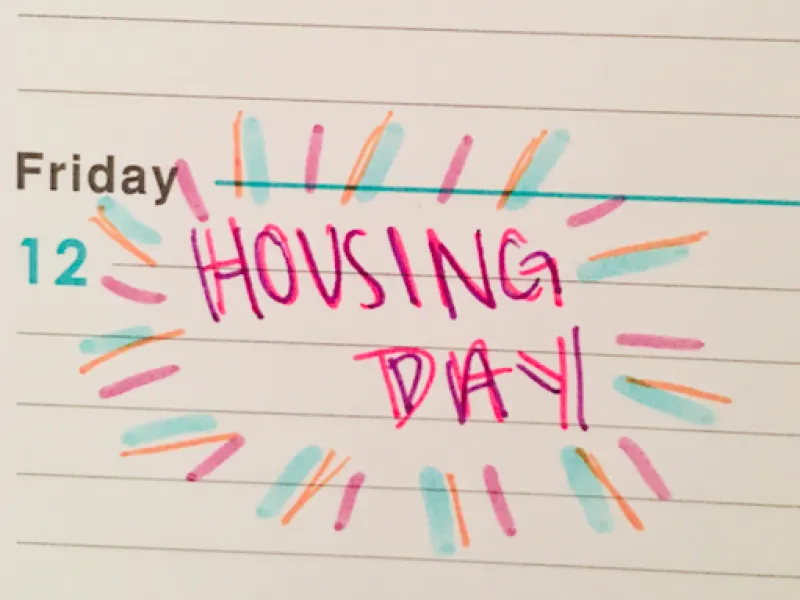
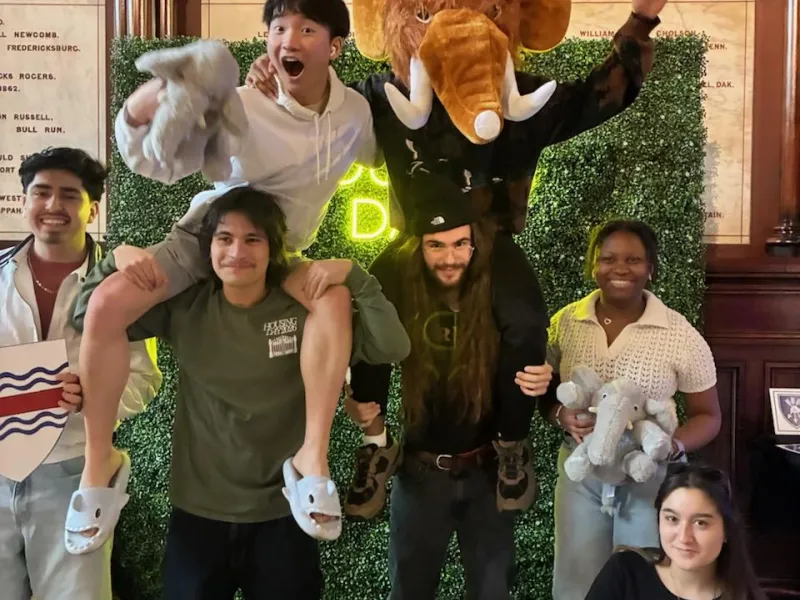 A picture of some of my blocking group members and I on Housing Day!
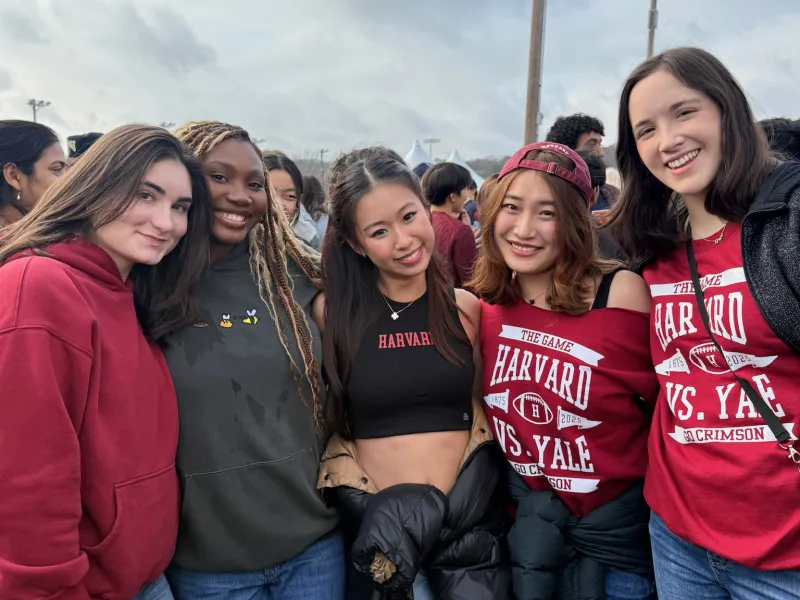
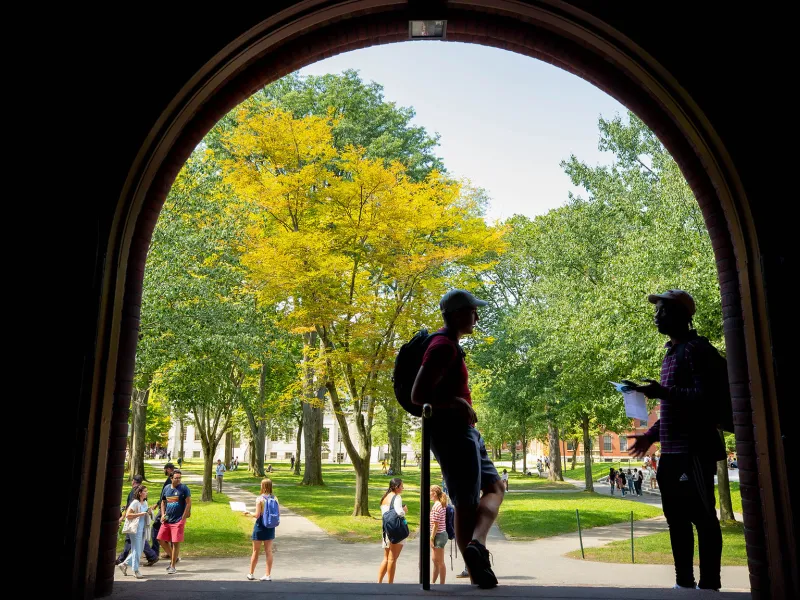
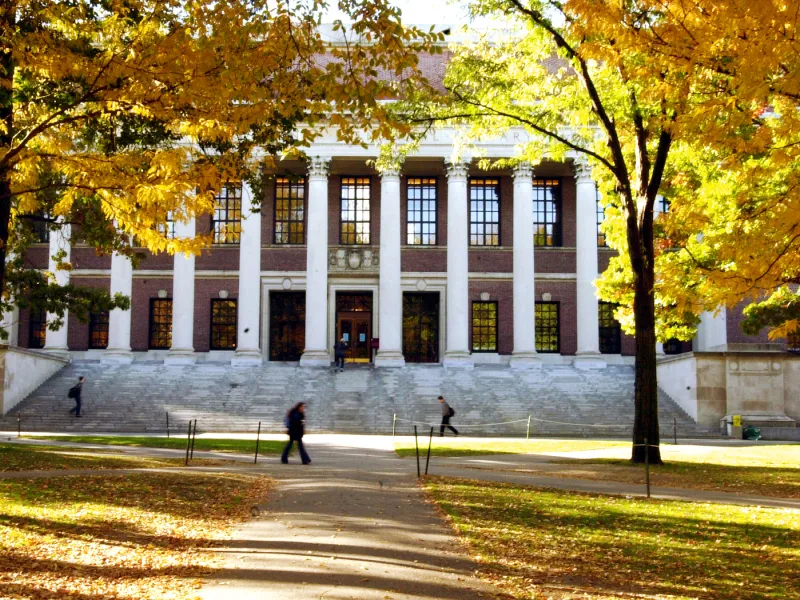
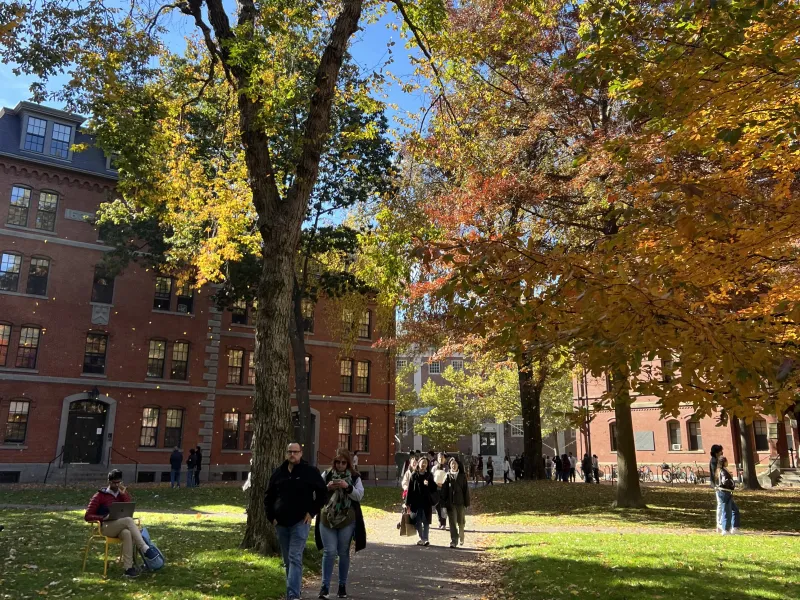 Harvard Yard
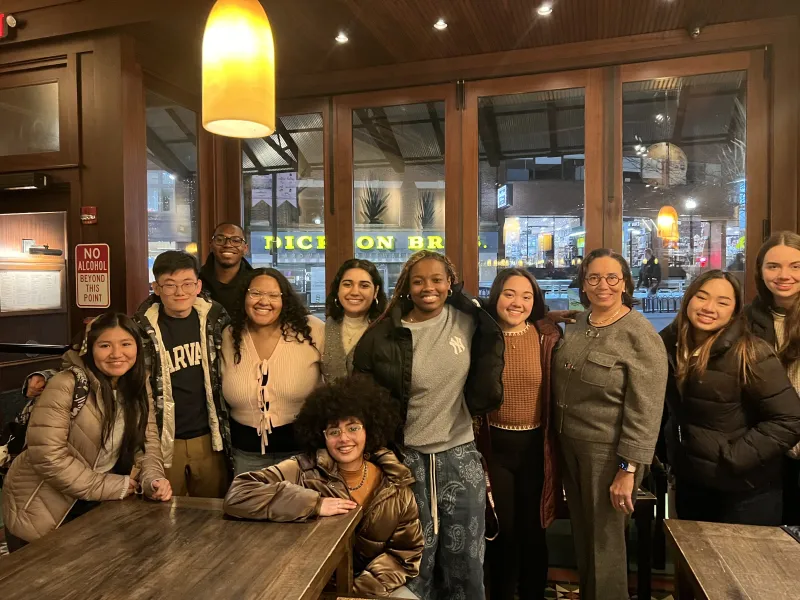
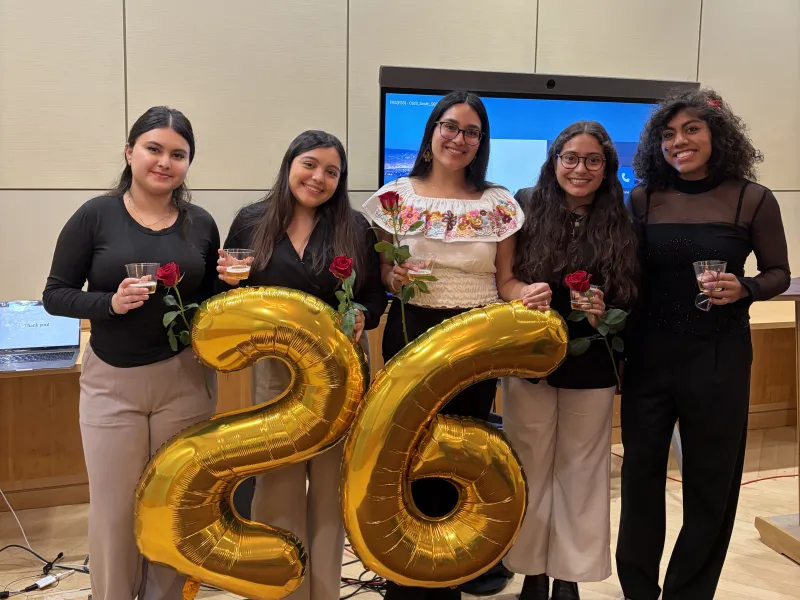 Lizbeth and friends at the Latinx Senior Thesis Forum, where they presented on their year-long projects.
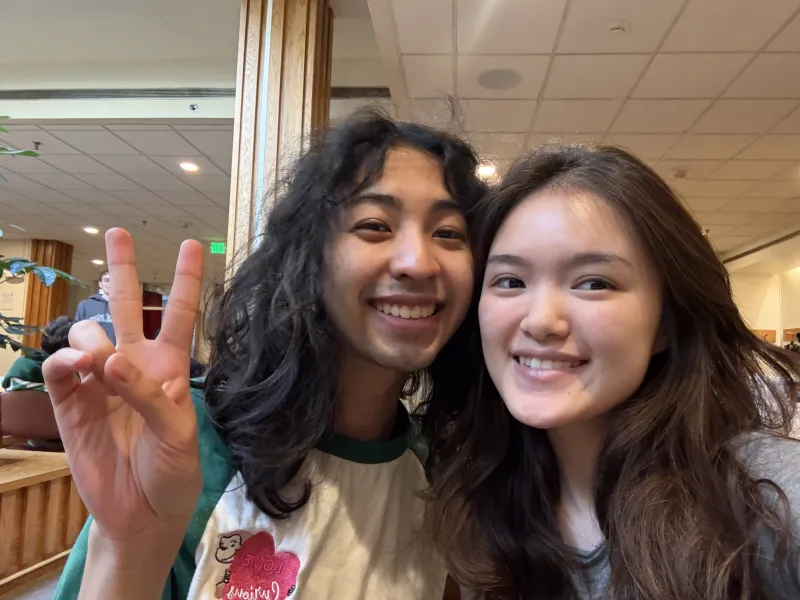 Mollie and Kai during the interview at Currier House!
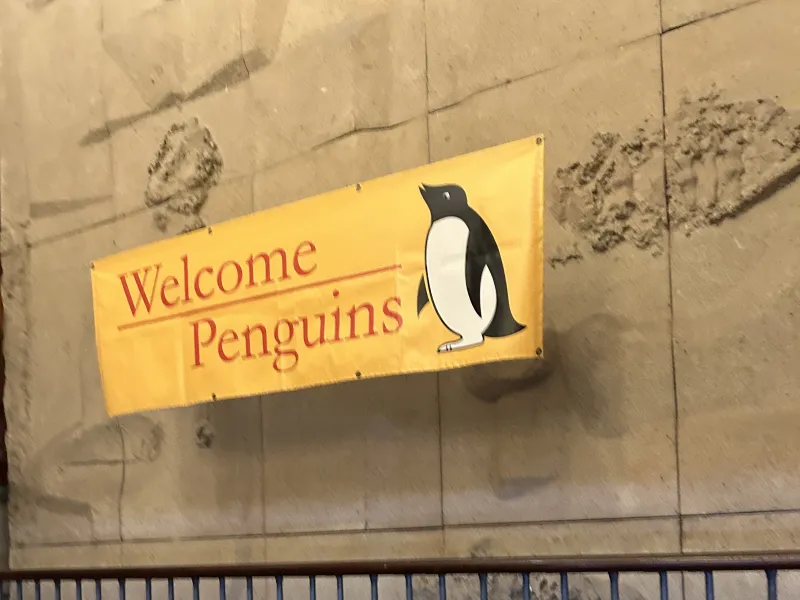 A sign welcoming new Quincy house residents on Housing Day!
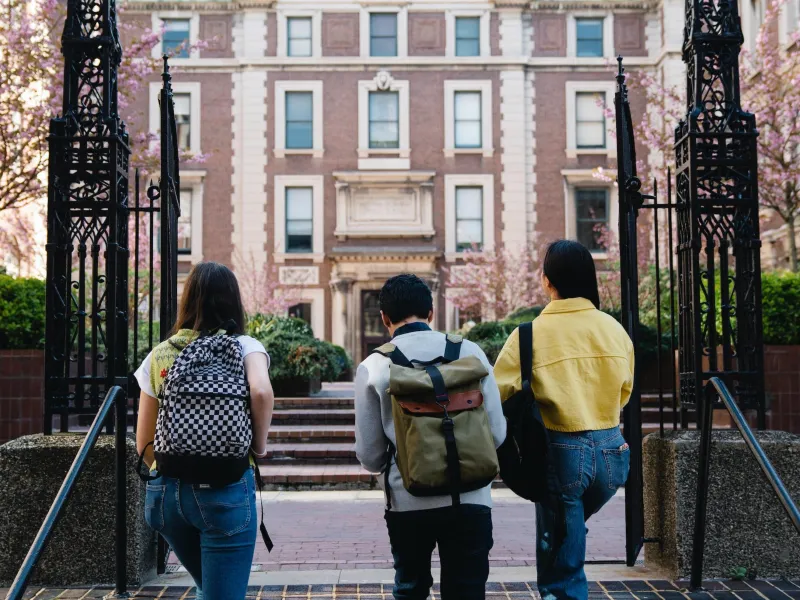 The Barker Center, home to the Harvard College Writing Center
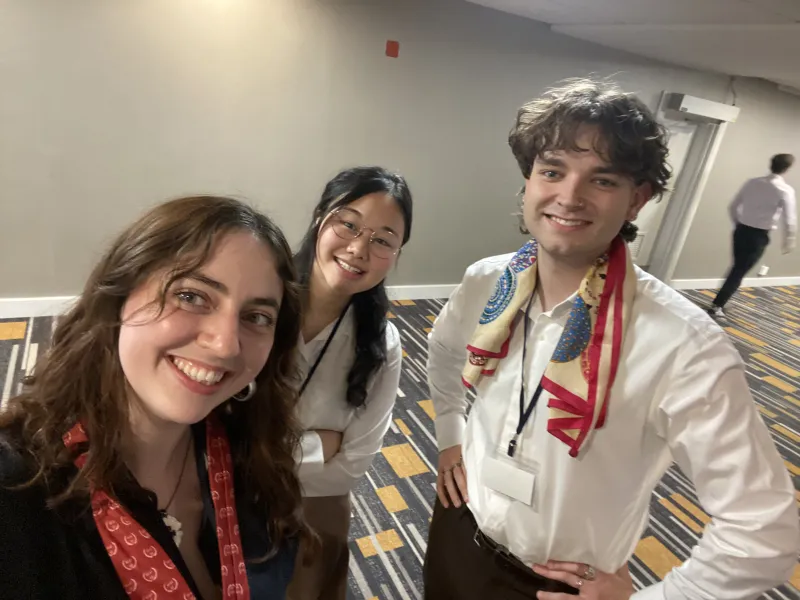
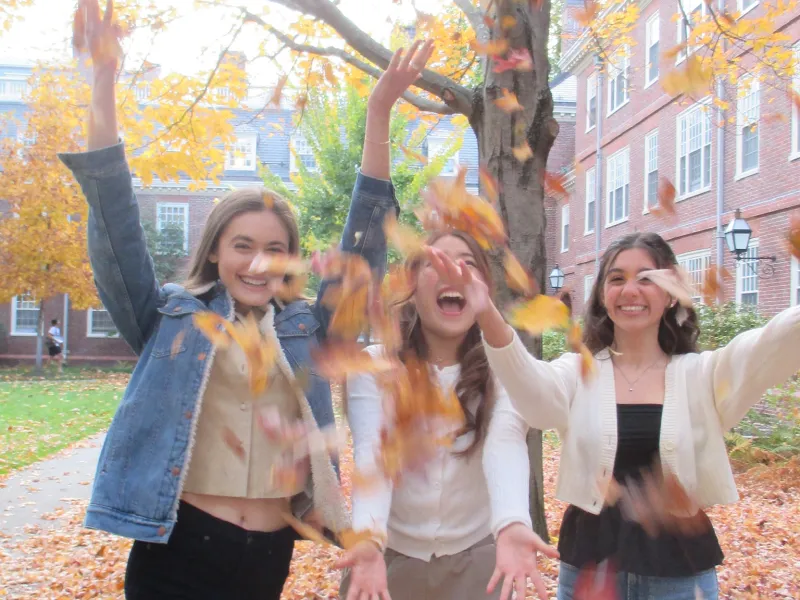
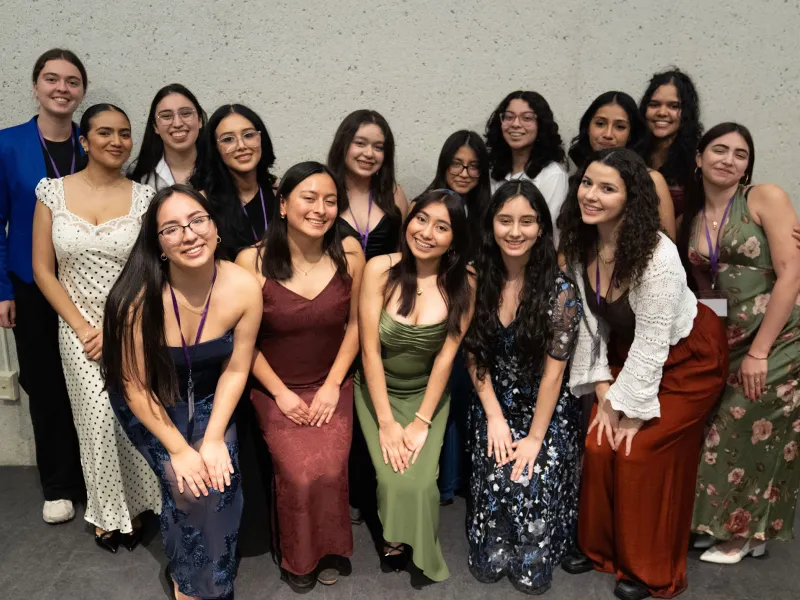 2026 LEAD Board
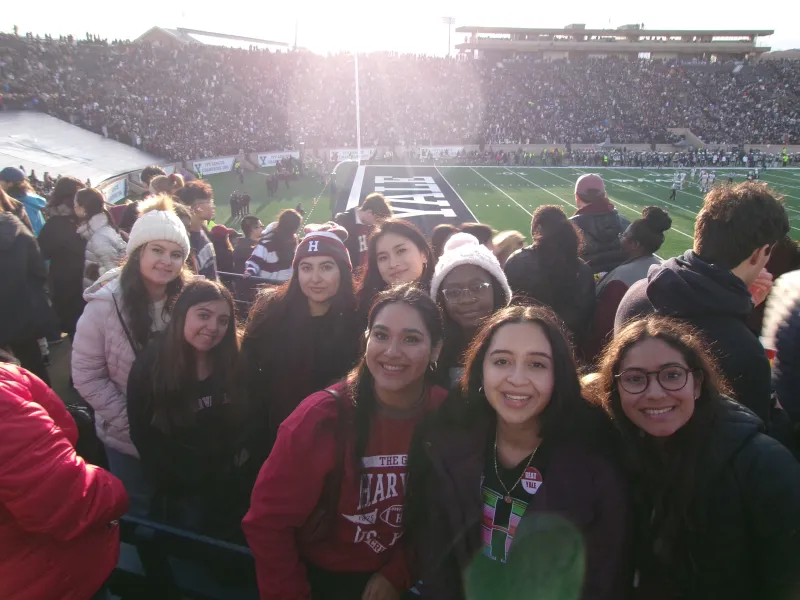
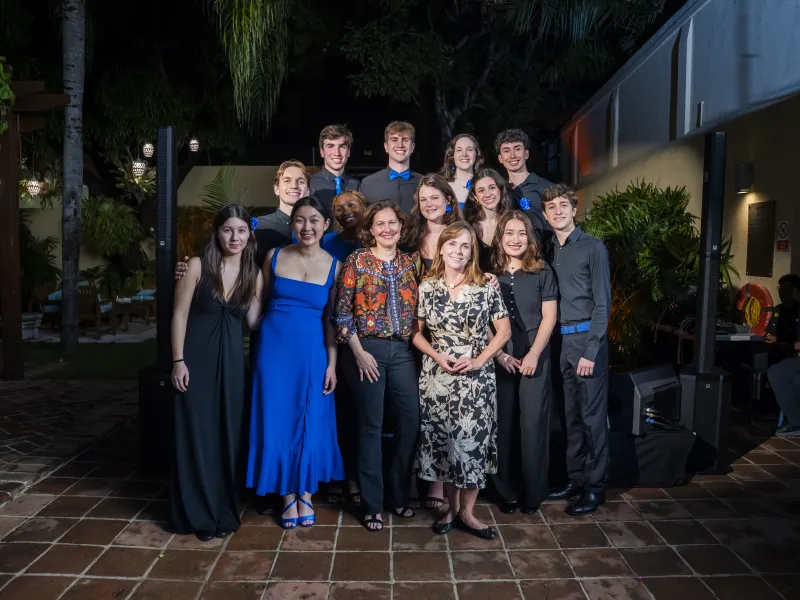
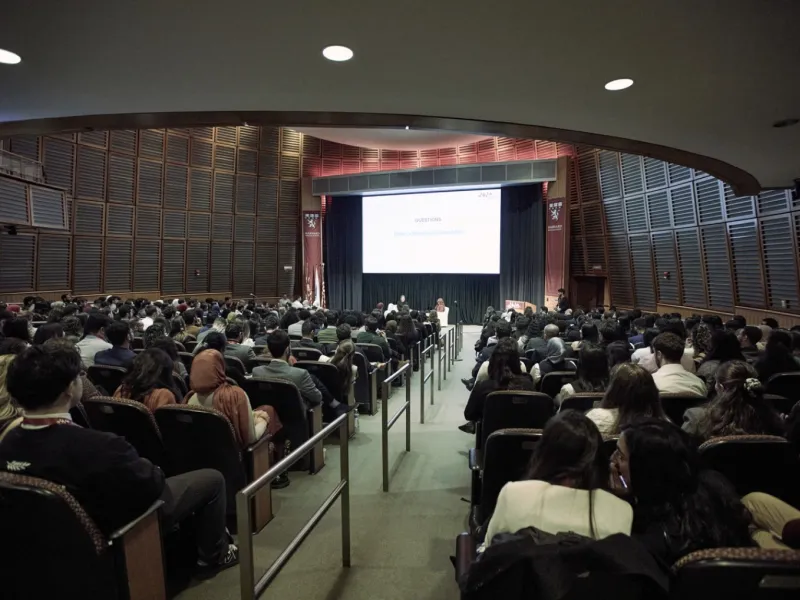
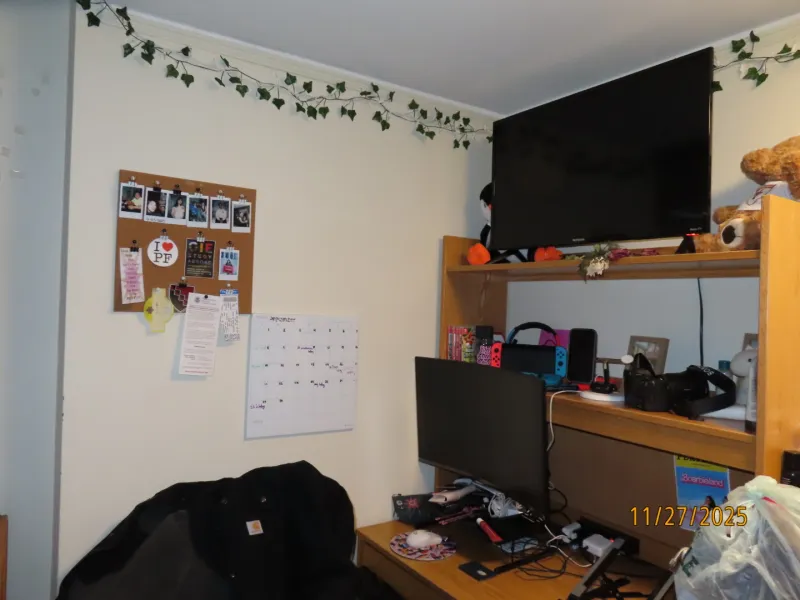 This is my junior year desk where I have my trusty monitor where I did most of my readings. But the TV served as a great medium to watch comfort movies and shows.
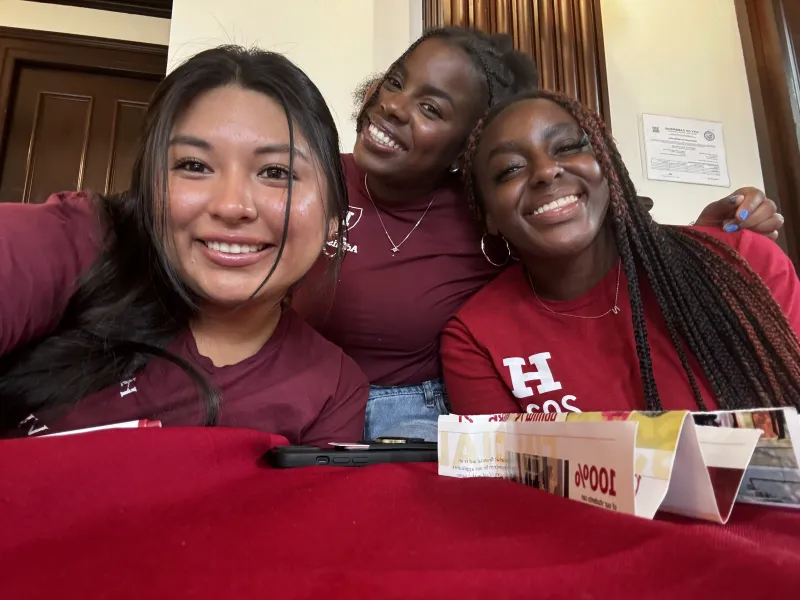 During my internship at the Harvard Admissions Office, I met great people who continue to be my close friends.
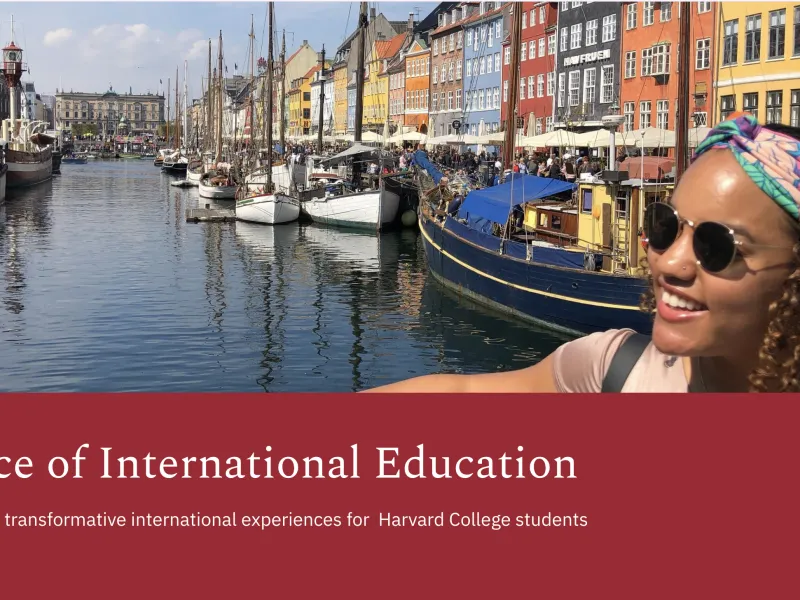 This is the opening page of Harvard's Office of International Education, where you can find plenty of resources in your study abroad journey.
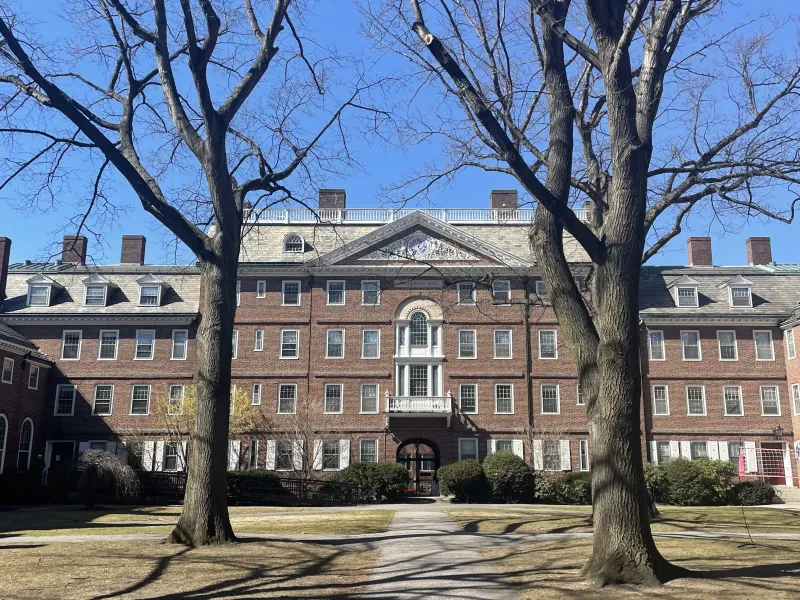
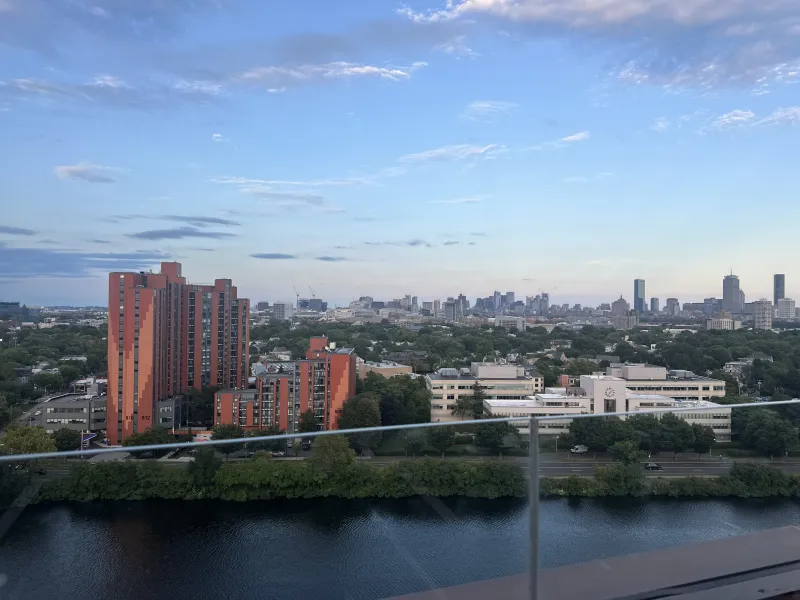
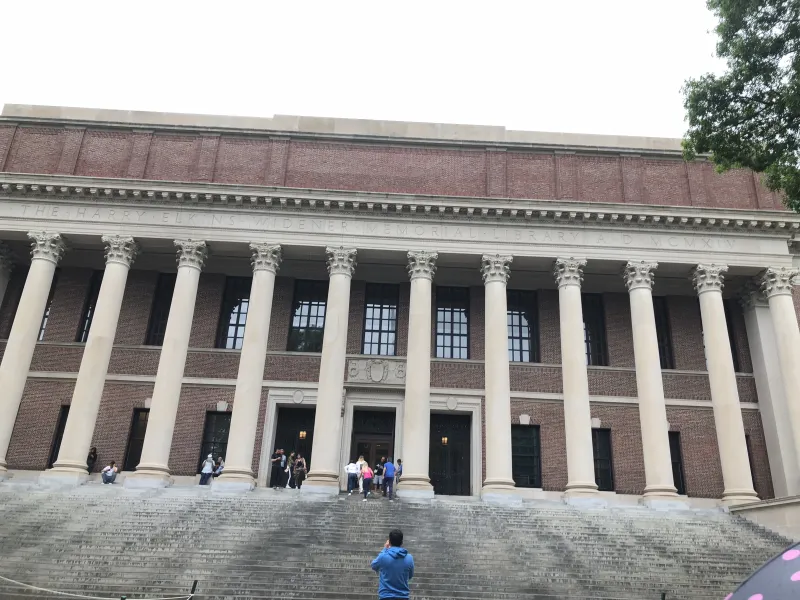
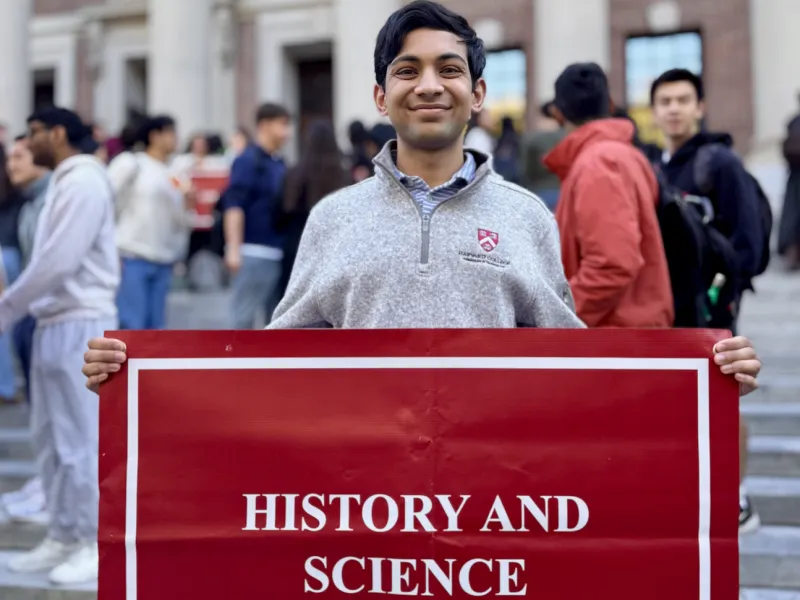 I pose with the sign for History and Science in front of Widener Library
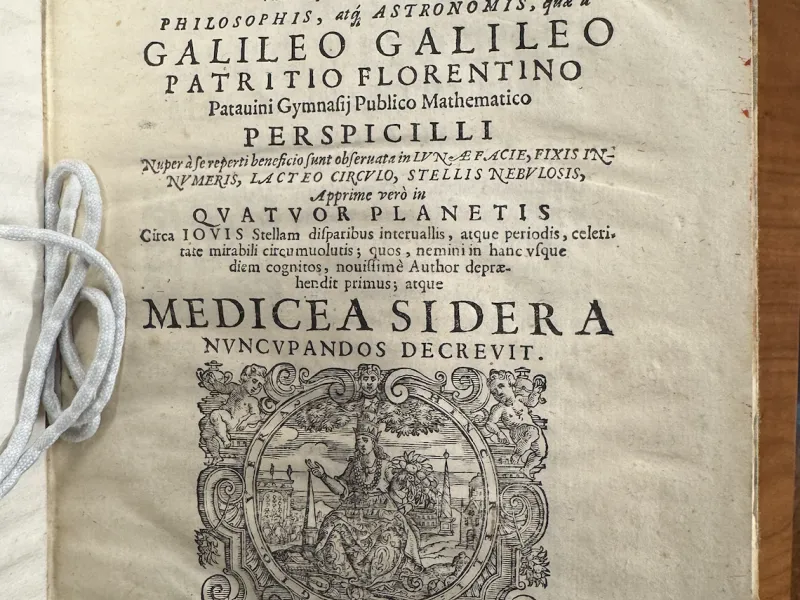 One of Galileo's works in Houghton Library.
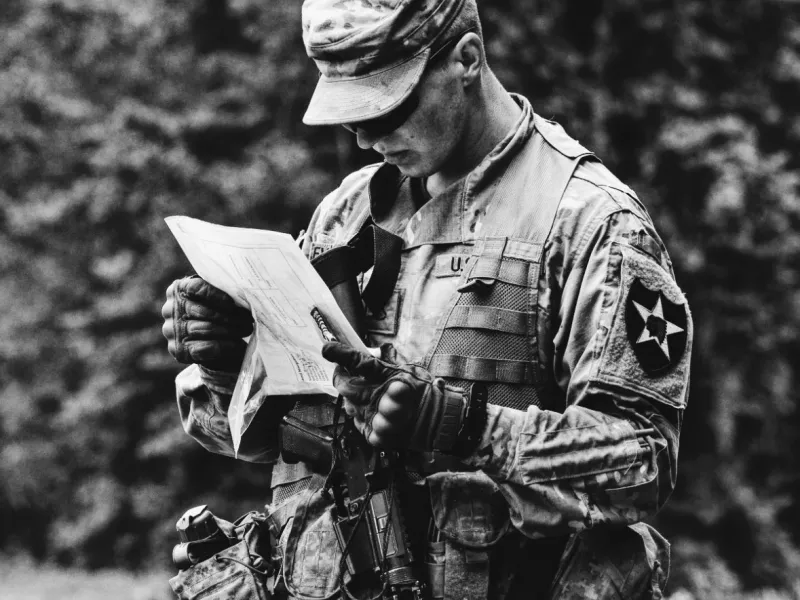
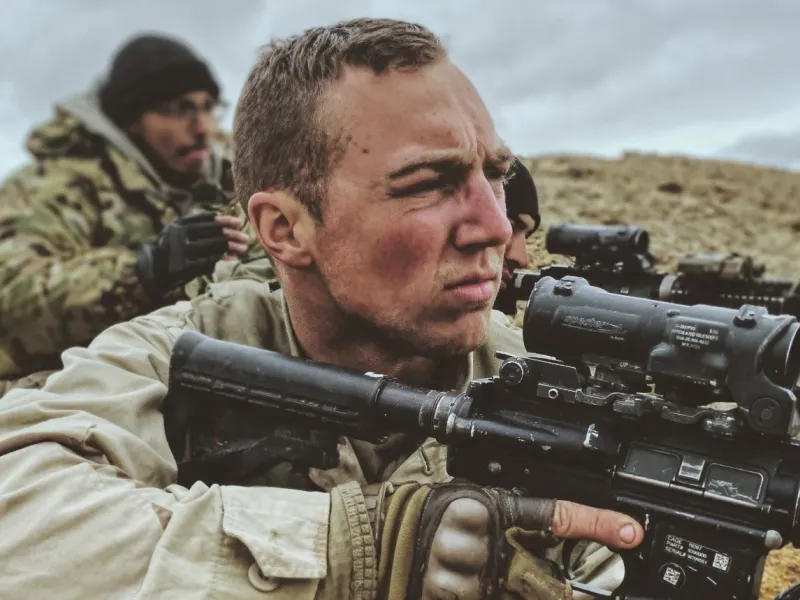
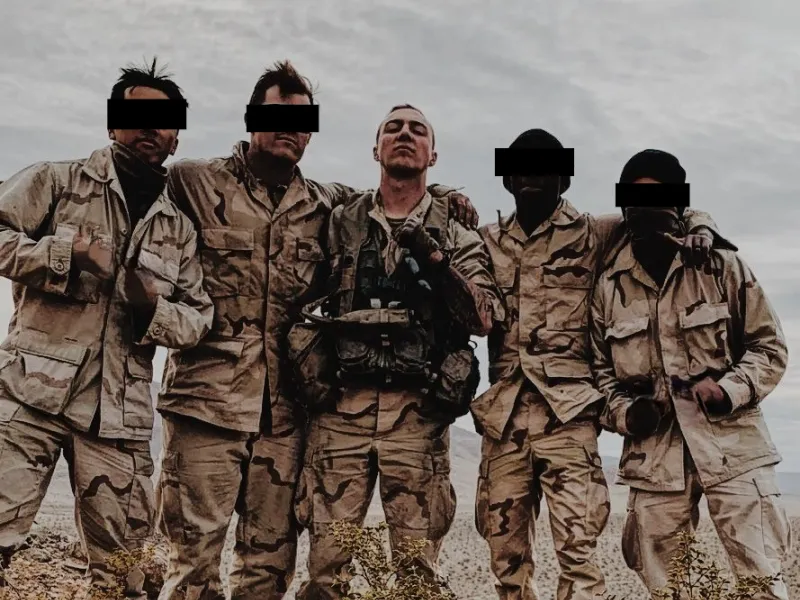 Quinn Ewanchyna '26 stands with platoon members during a training exercise in the Mojave Desert, 2020
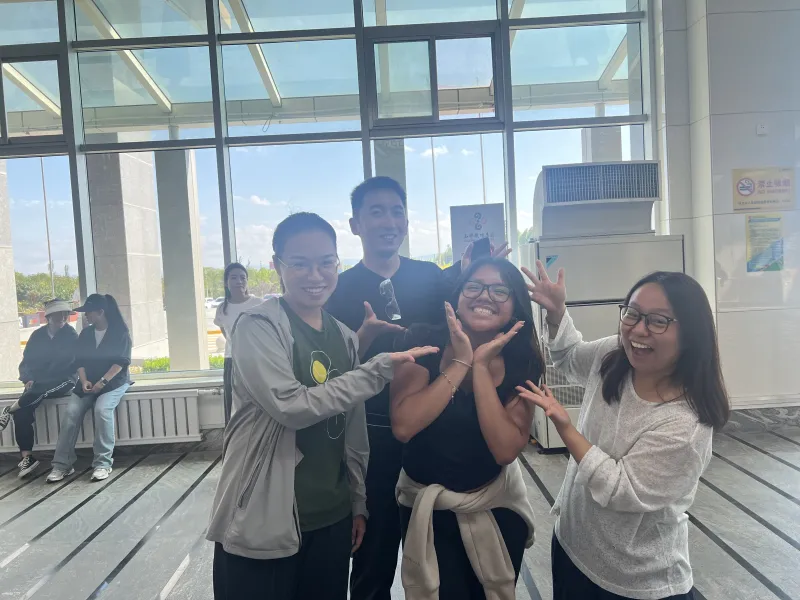
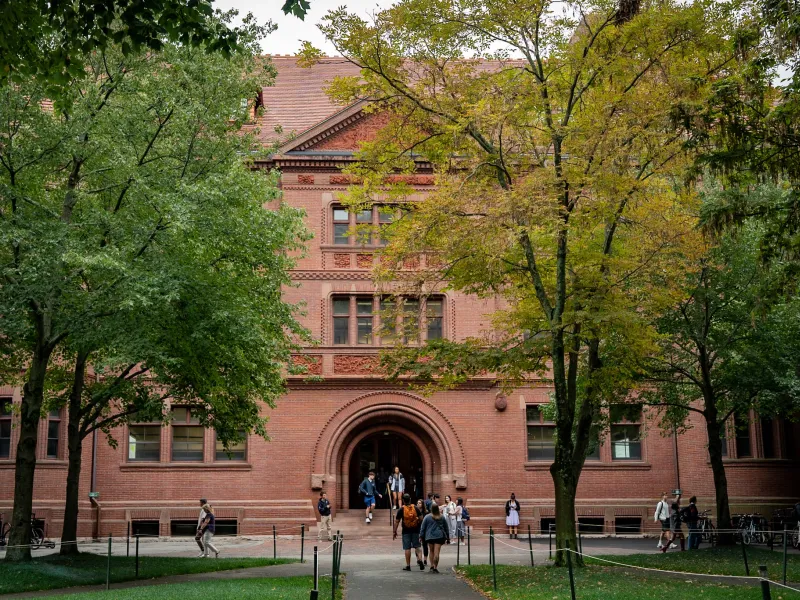
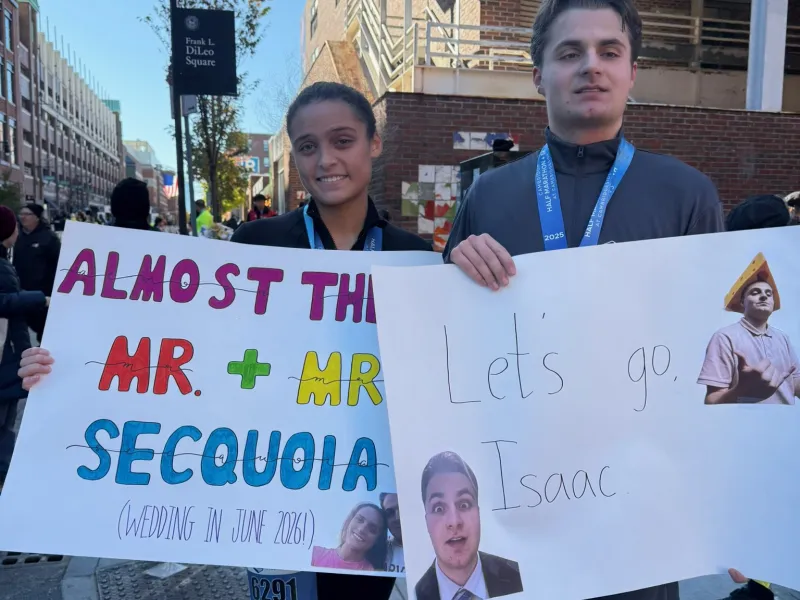 Secquoia and her fiancé after running the Cambridge Half Marathon
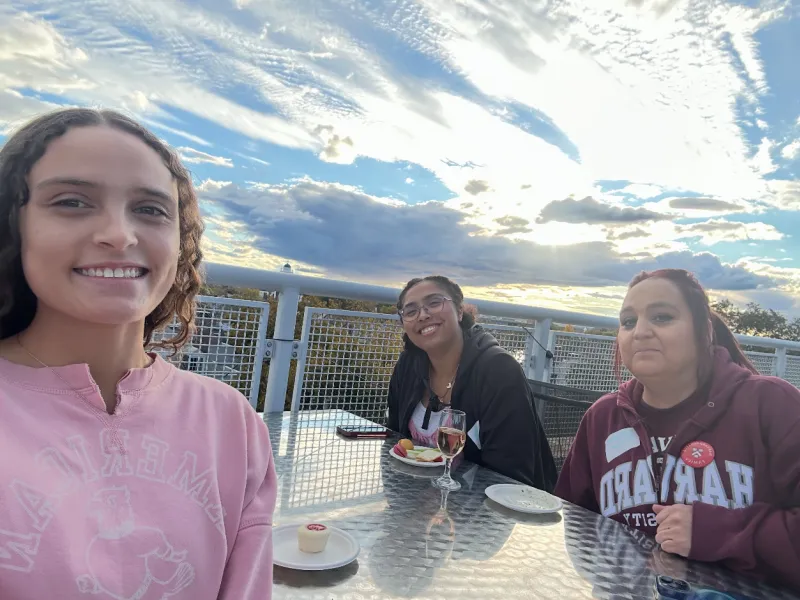 Secquoia with her mom and sister at a family weekend event!
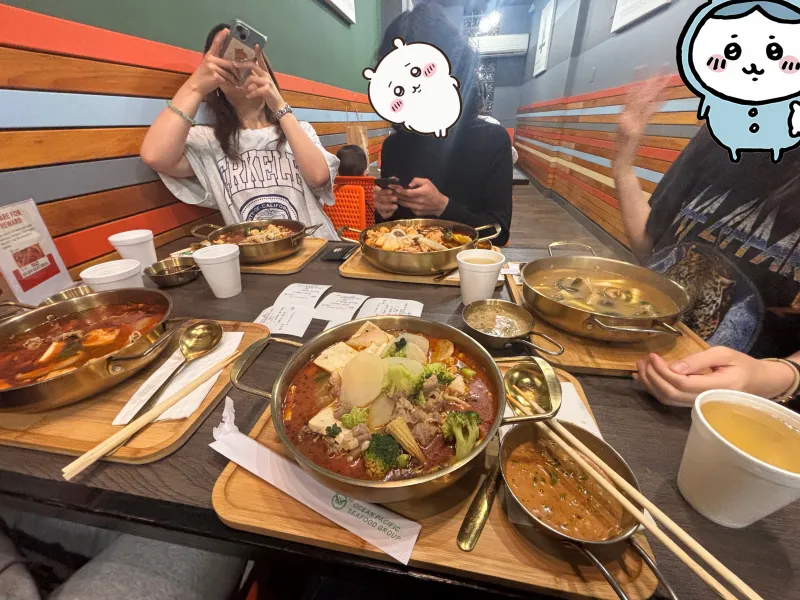
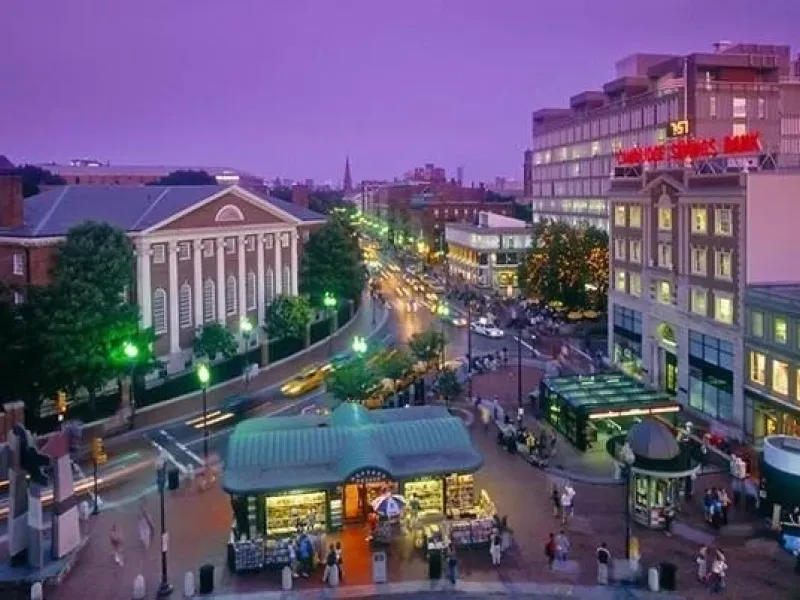
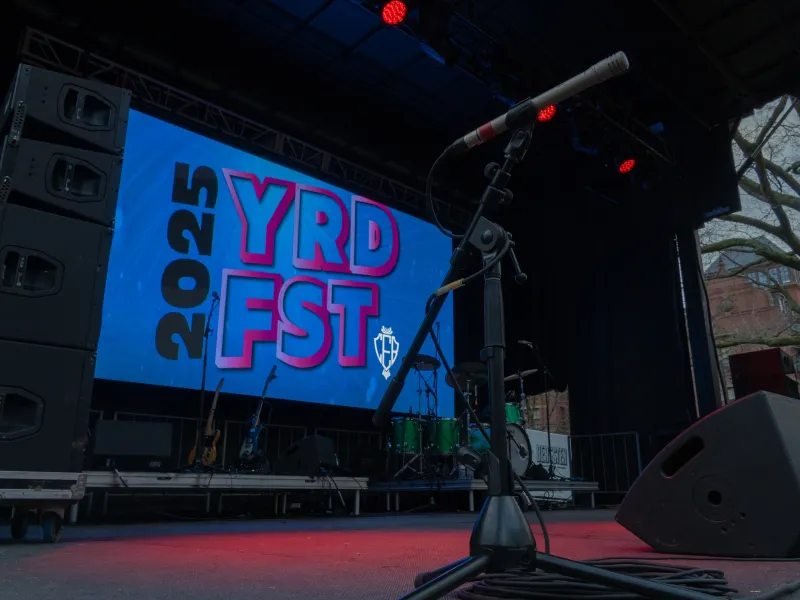
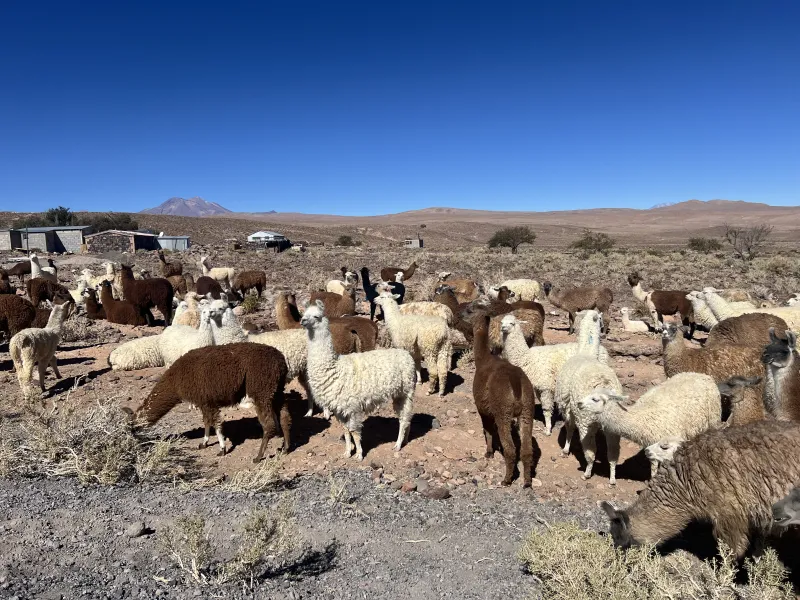
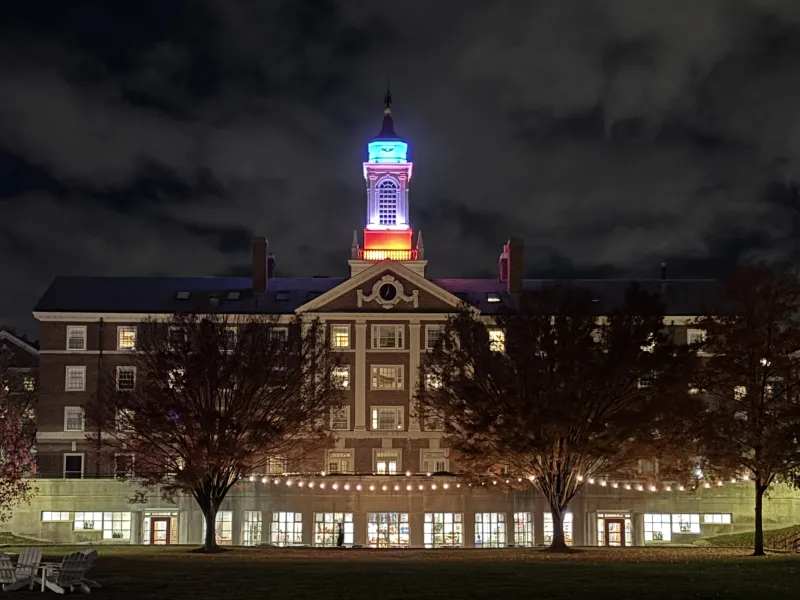 Pforzheimer House at night with its beautifully lit belltower.
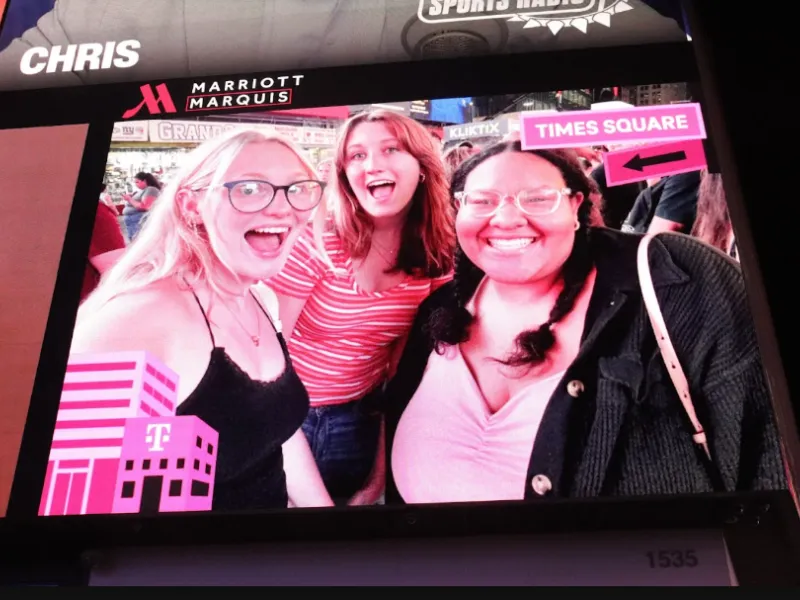
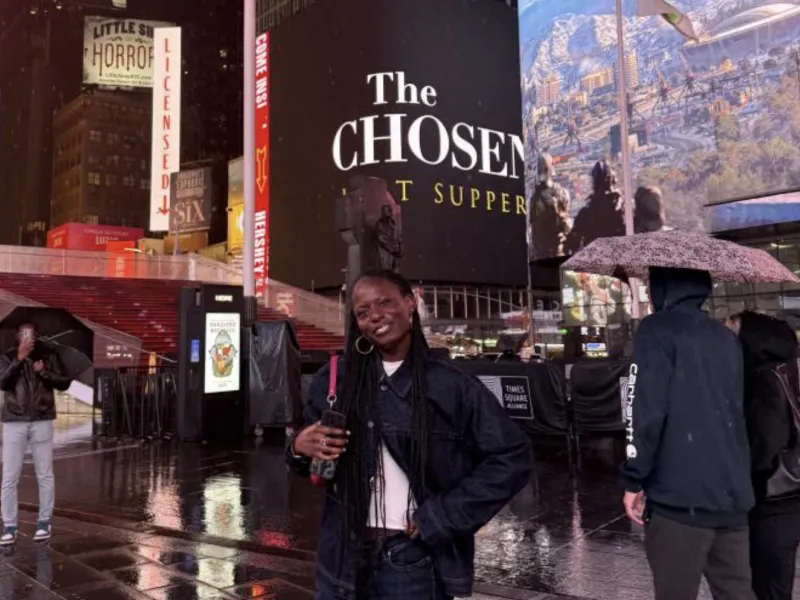 Some friends and I took a coach bus from Boston to New York City and visited Times Square as a part of this trip!
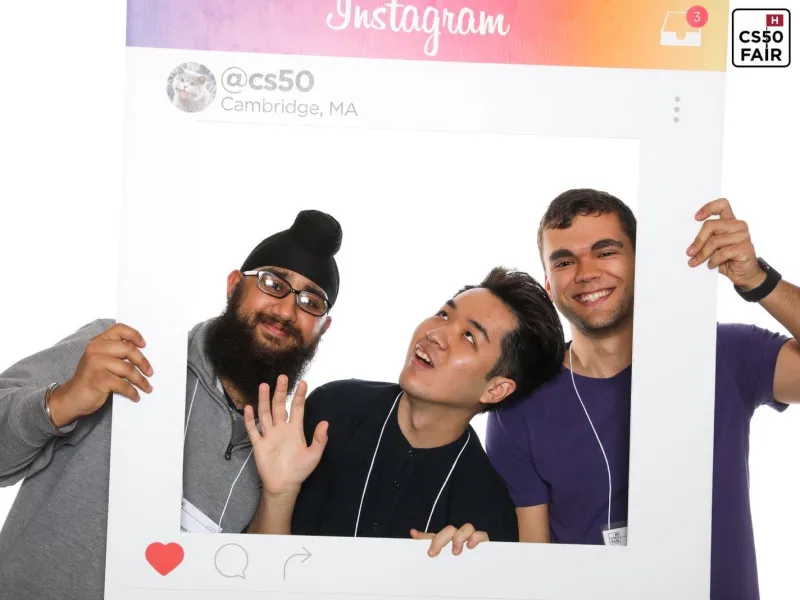
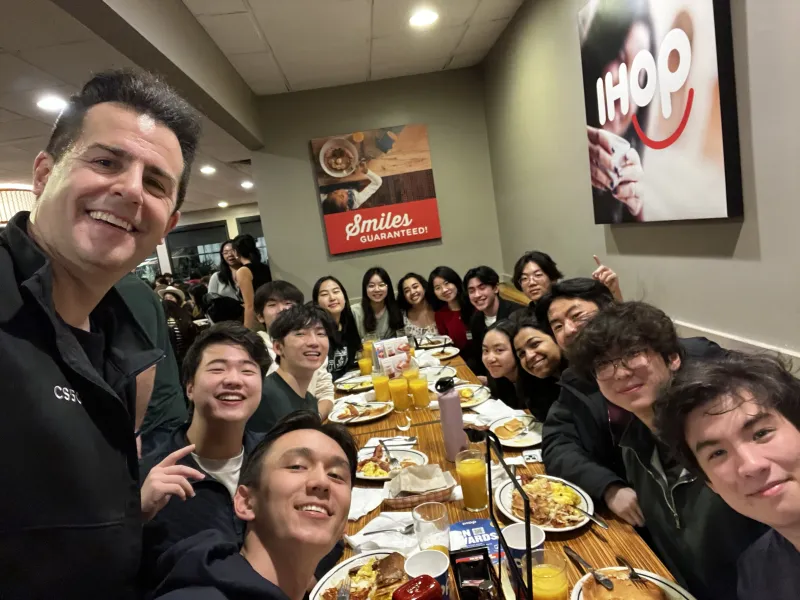 CS50 Hackathon IHOP Breakfas
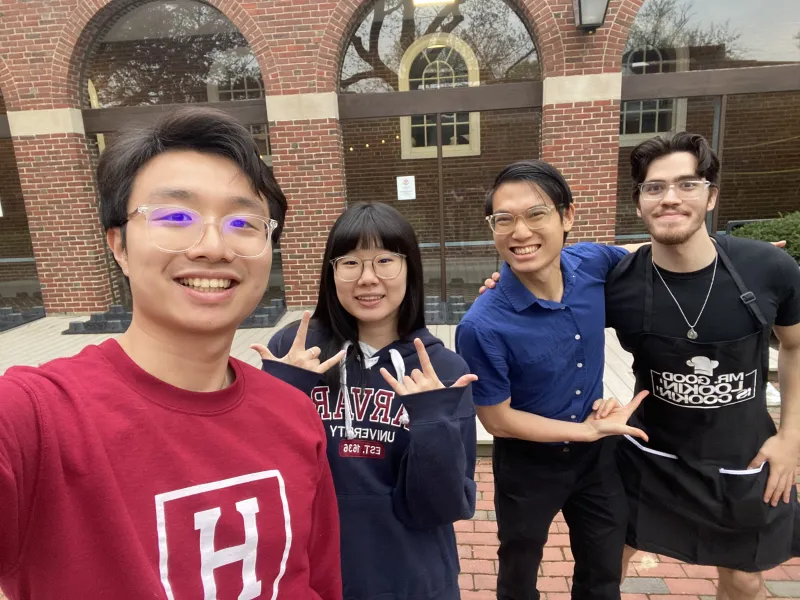 Pfohomies Enjoying the Grill'n'Stein
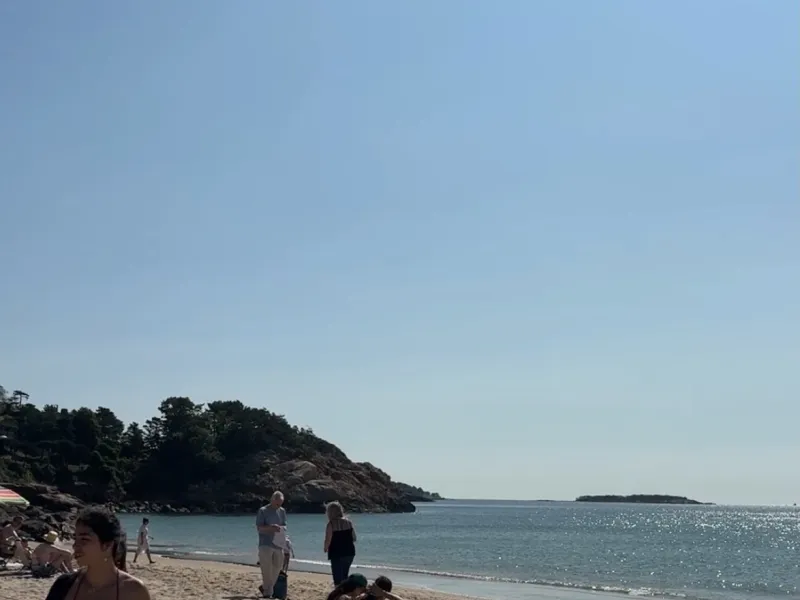
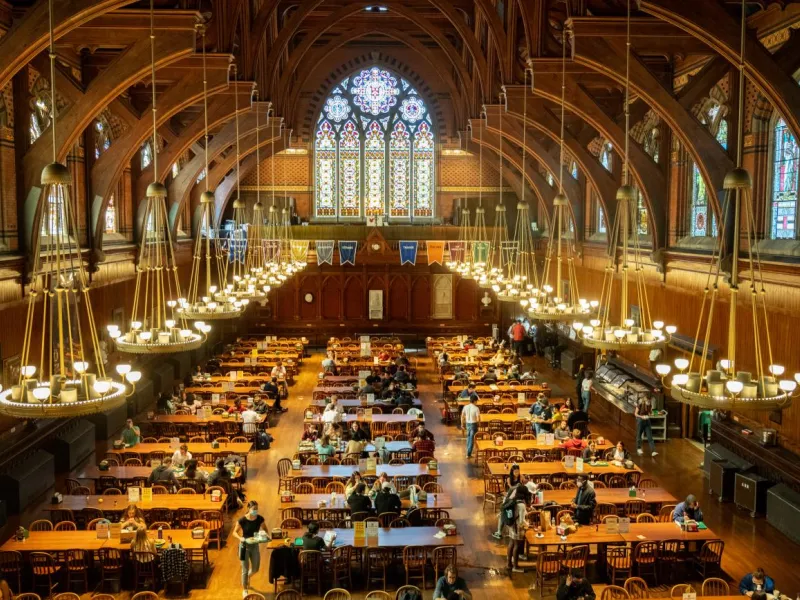
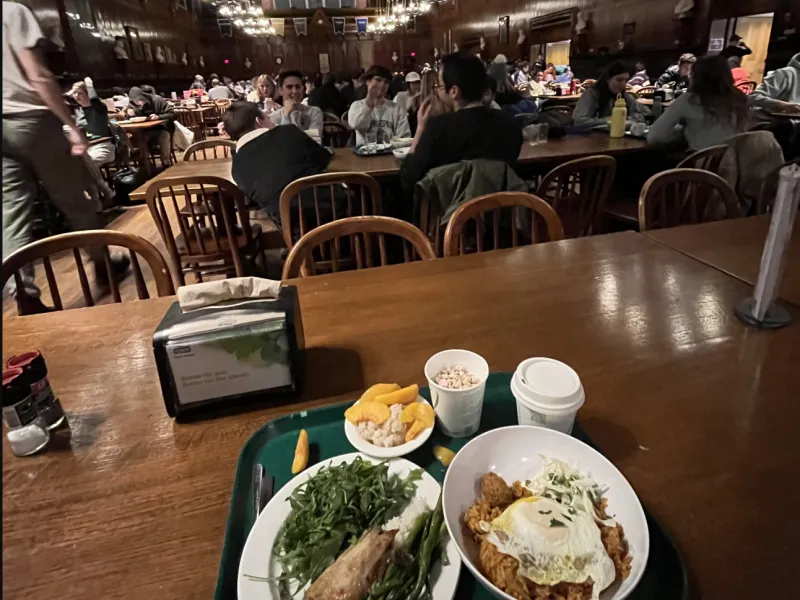 A view with my food from my first year, eating in the famous Annenberg Hall.
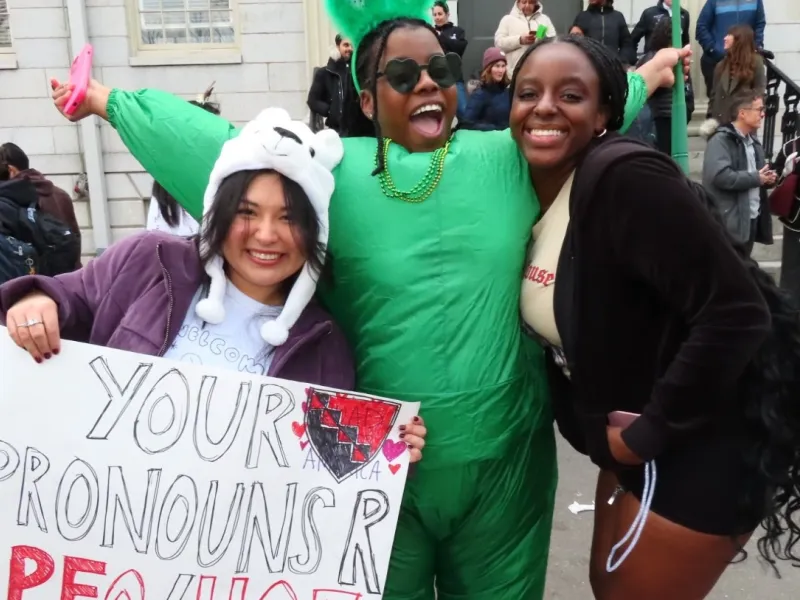
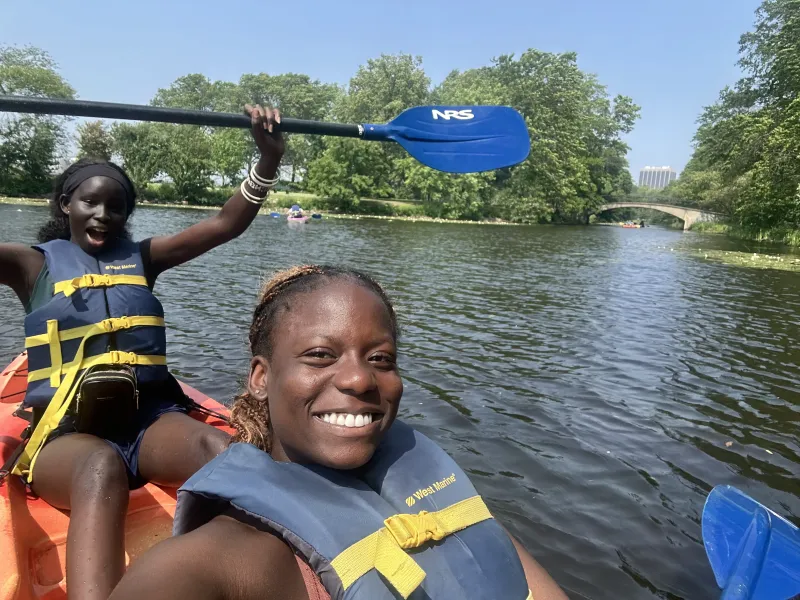
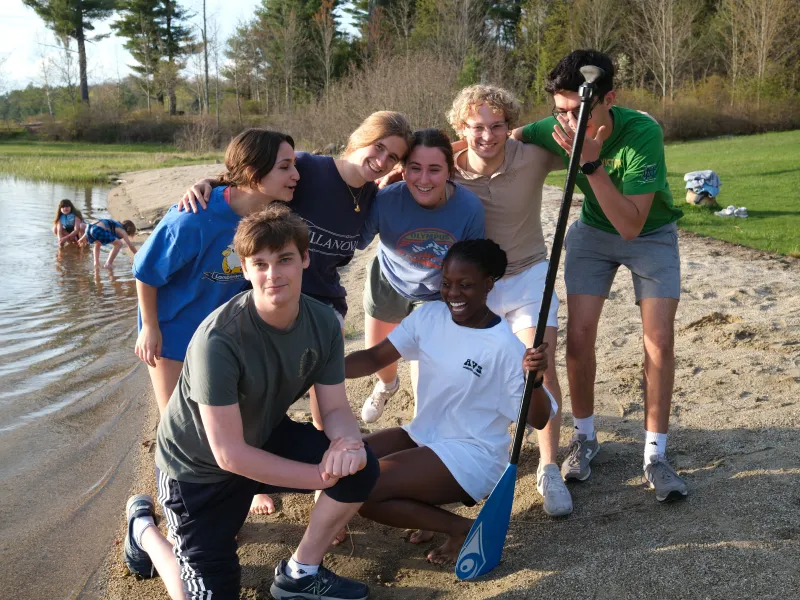 My friends from my entryway and I pose for a picture together before we go kayaking!
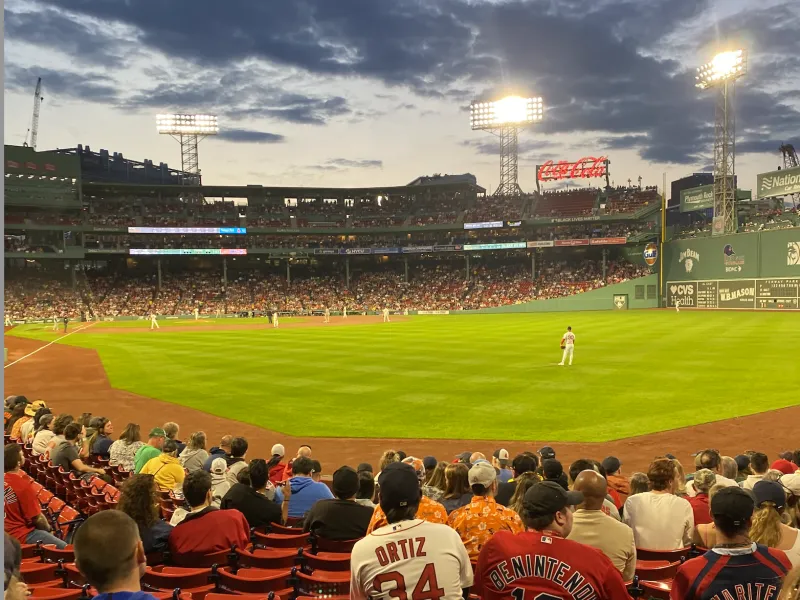 Outfield seat view of a game at Fenway Park between the Boston Red Sox and the Baltimore Orioles
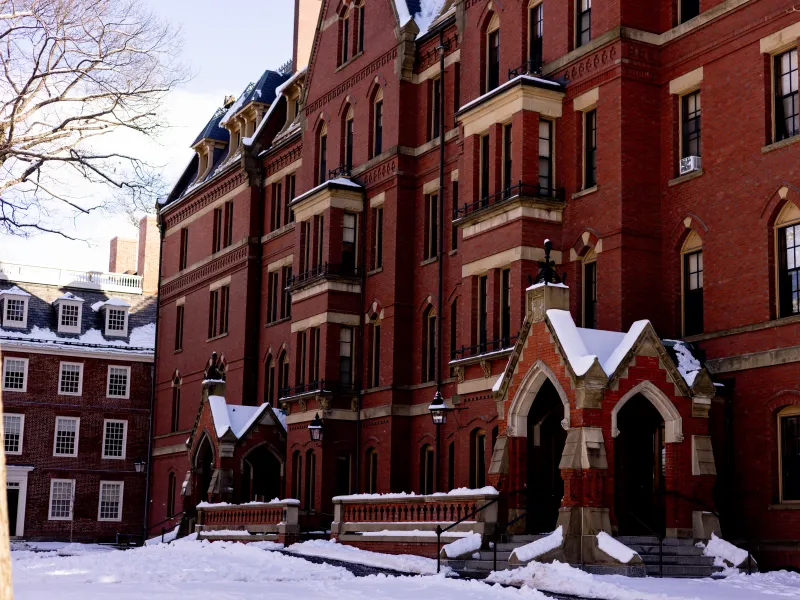
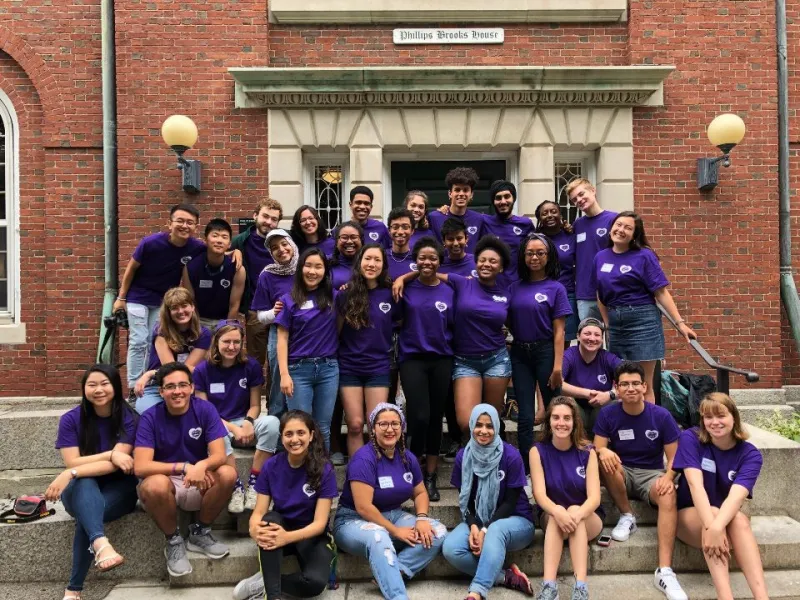
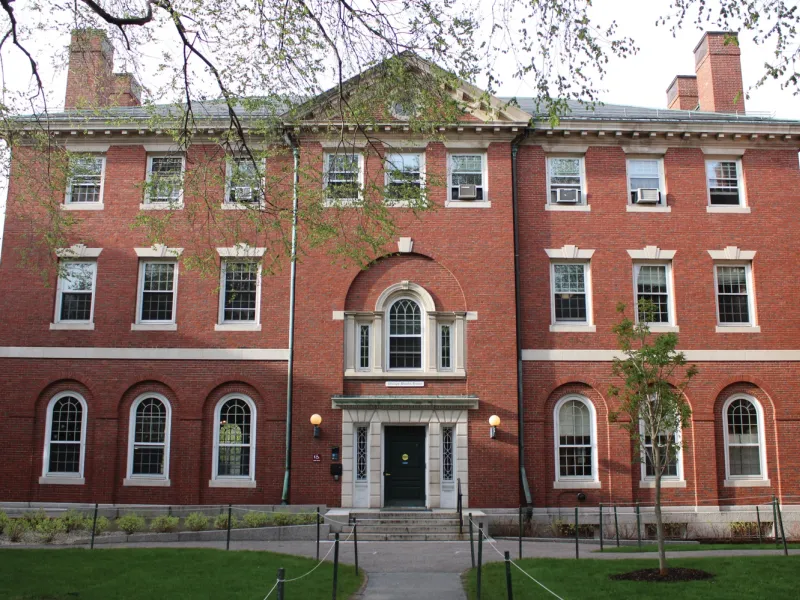 Philip Brooks House, the locus of public service on campus, located in Harvard Yard.
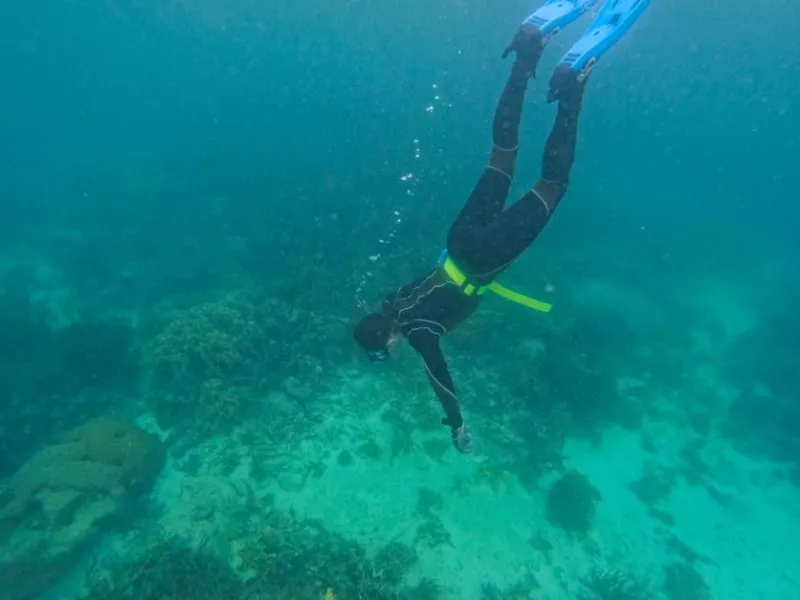 First-time snorkeling!
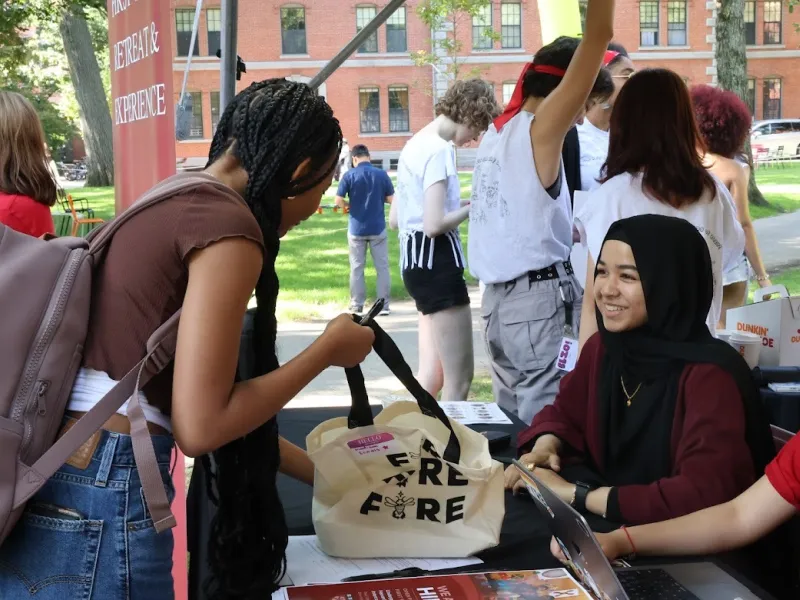
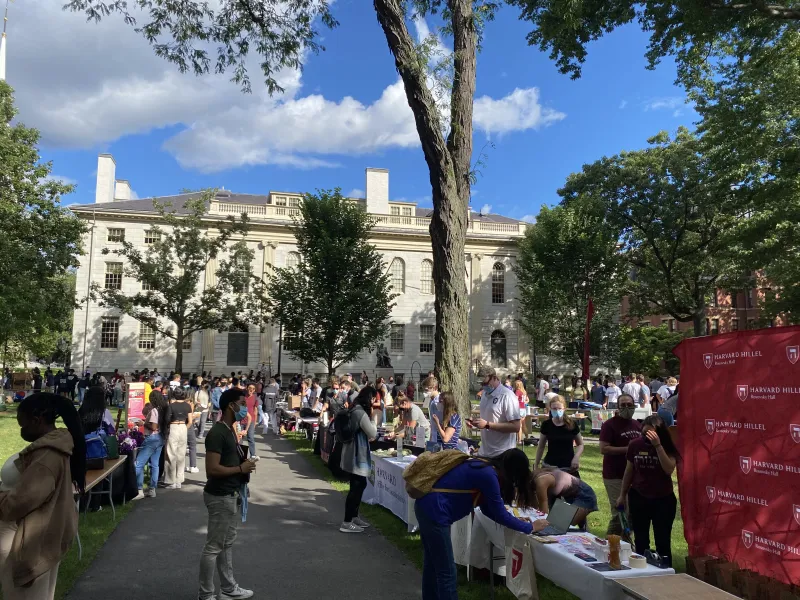
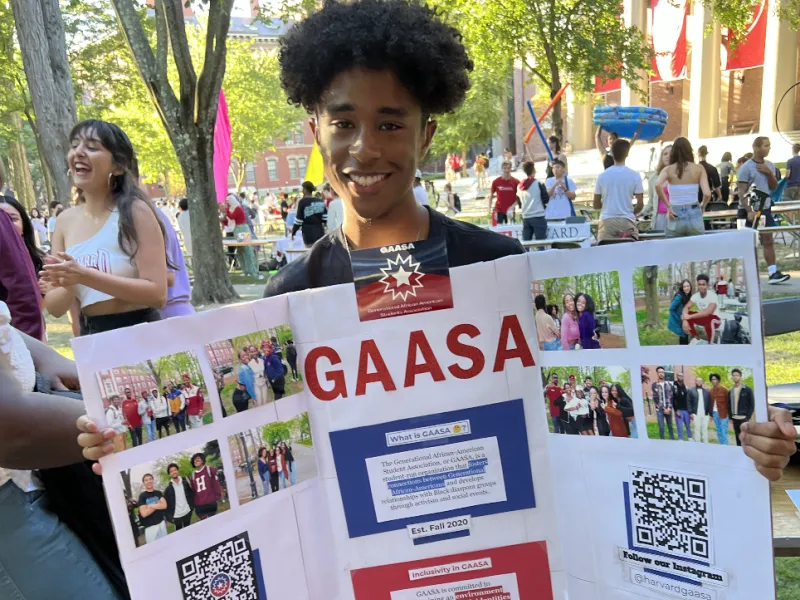 Every September, the College holds an Extracurricular Fair in Harvard Yard. This is one of the first opportunities for many to learn about GAASA.
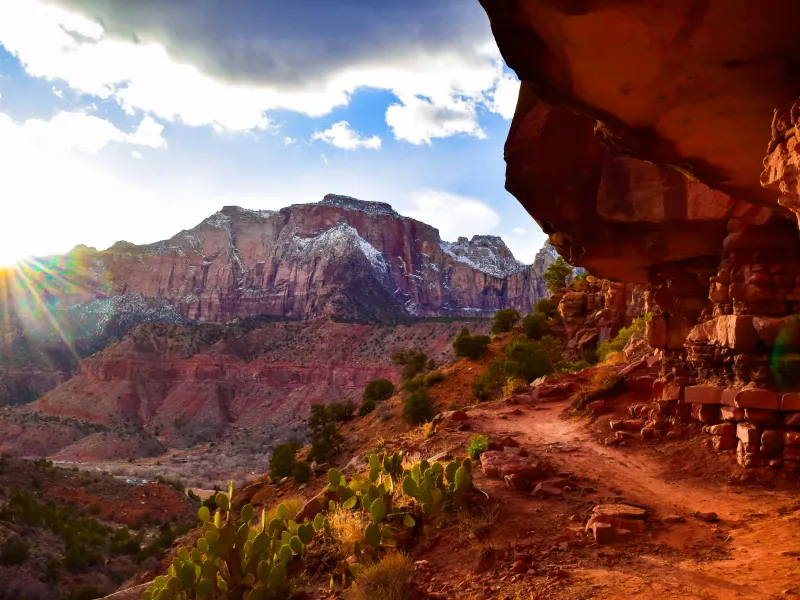 Captured around sunset as we hiked the Watchman Trail.
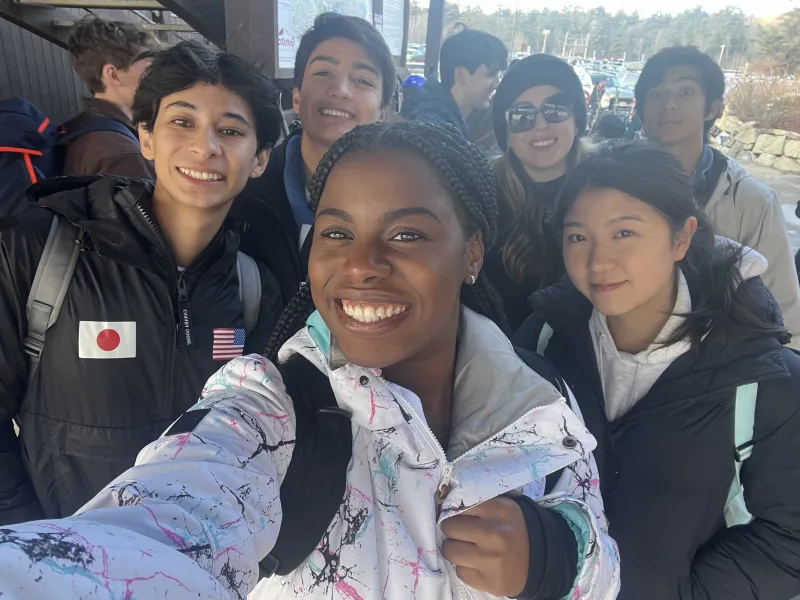
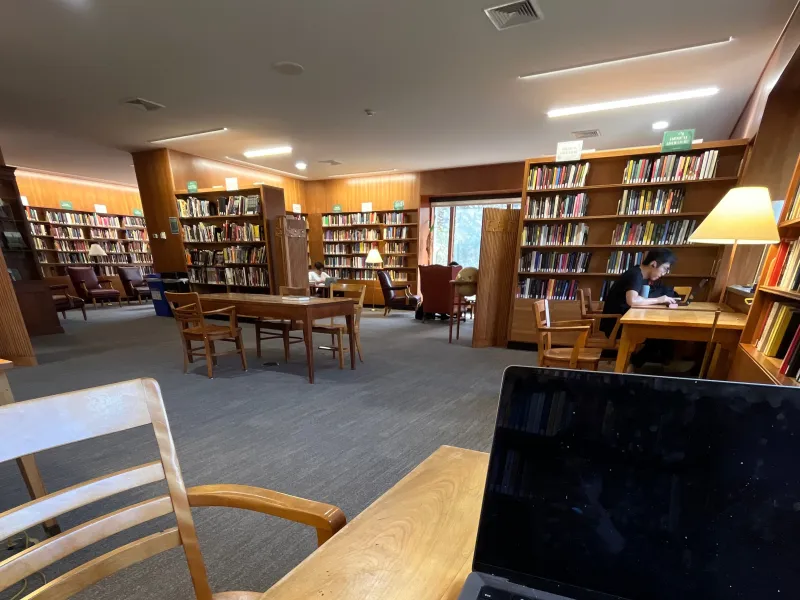
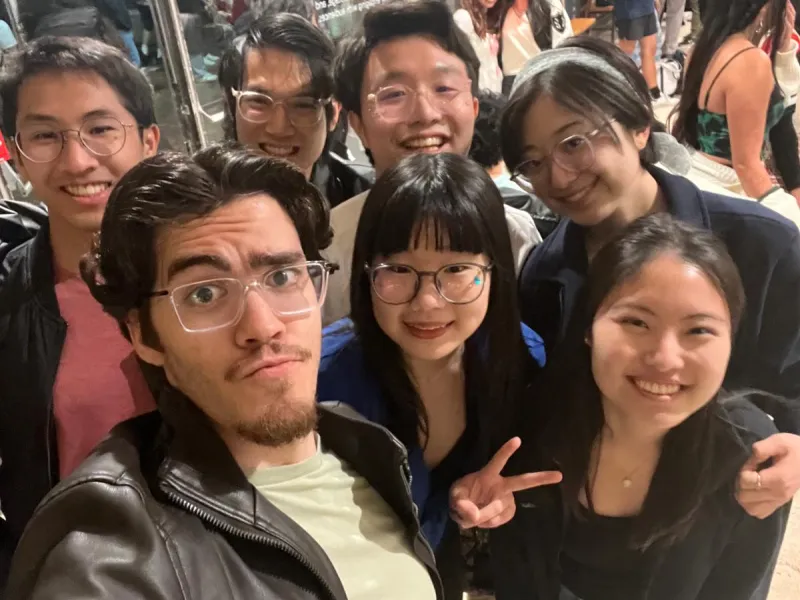 A selfie with six of my block mates, two of which performed in this dance show!
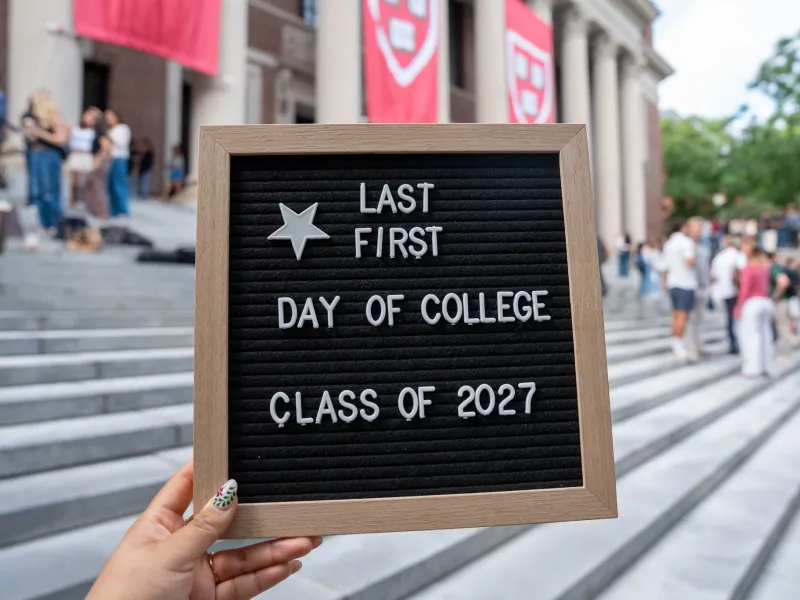
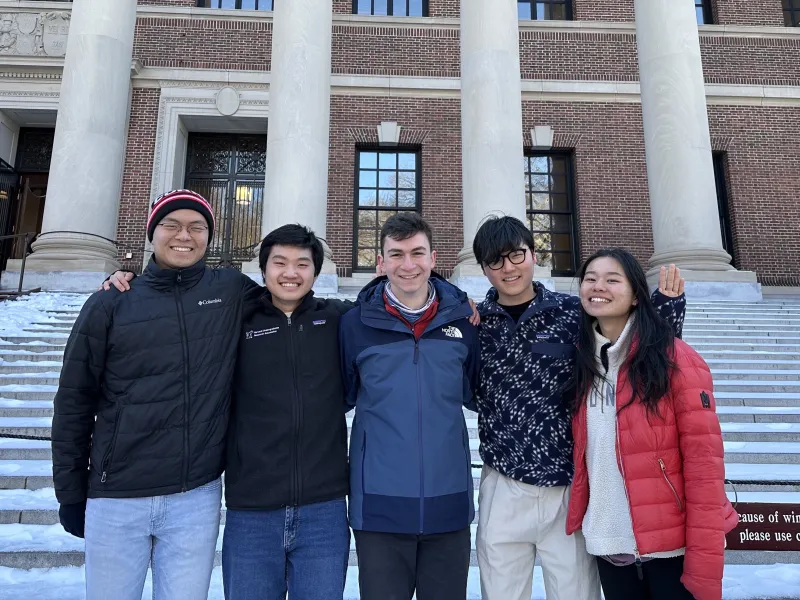 My friends and I celebrating our last first day of classes this semester.
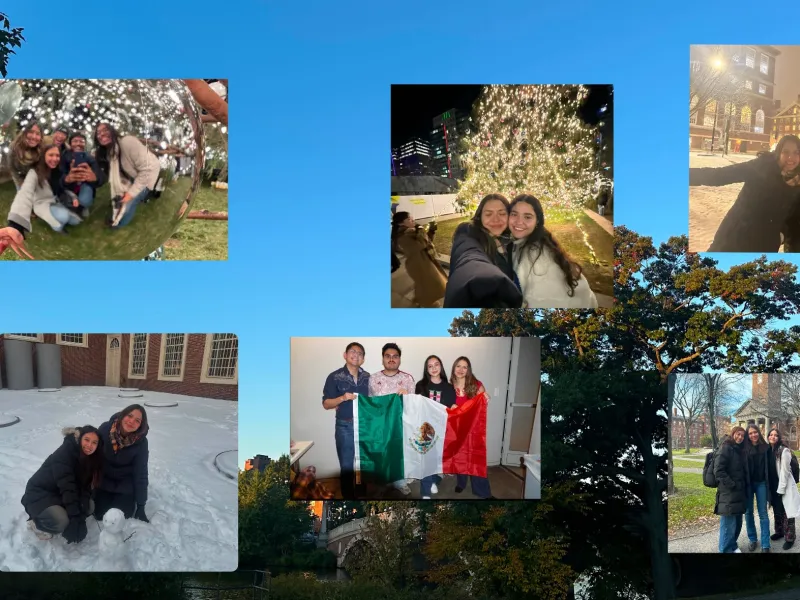 Ana's Harvard (Friends)
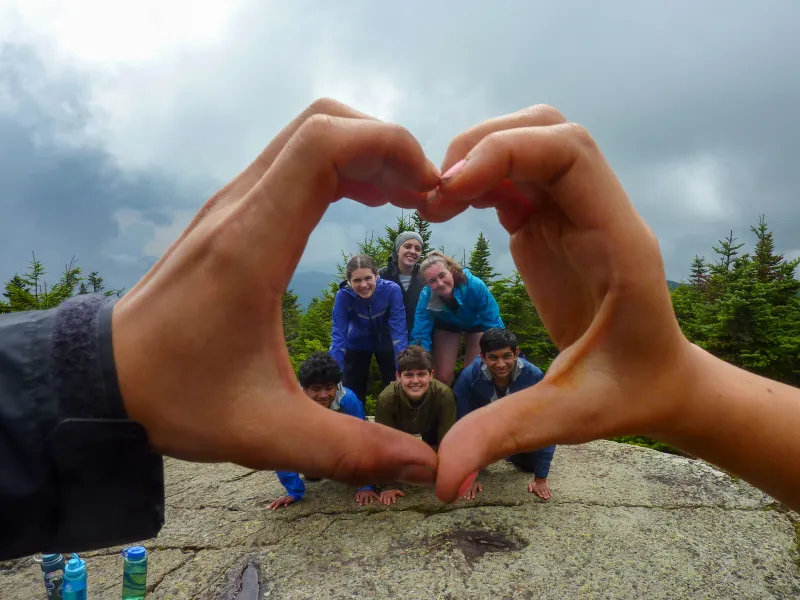
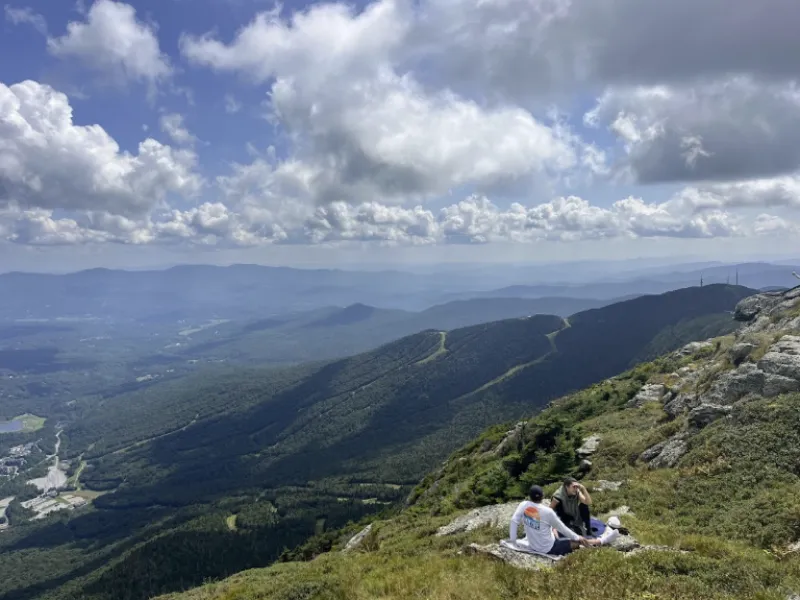 The view from one of the peaks in Mount Mansfield State Forest, Vermont!
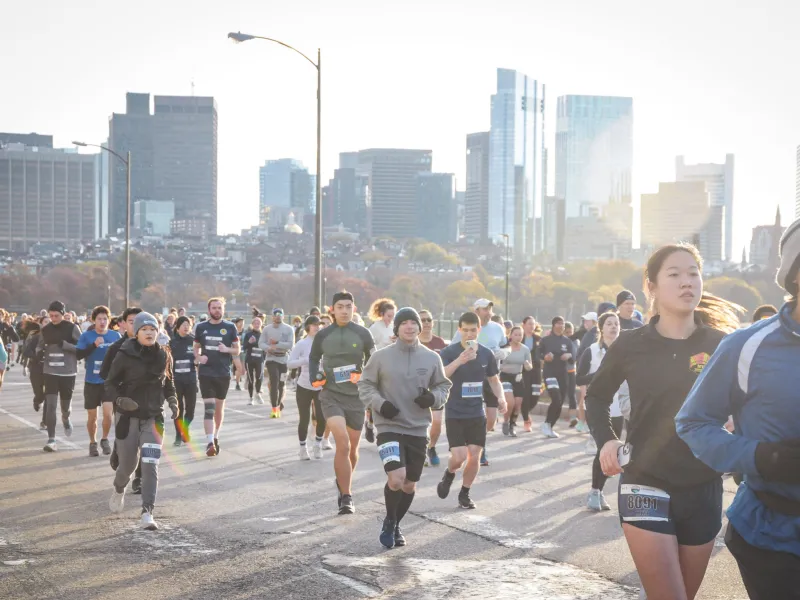 A picture of many runners (including the author, Ricky) running during the Cambridge Half Marathon.
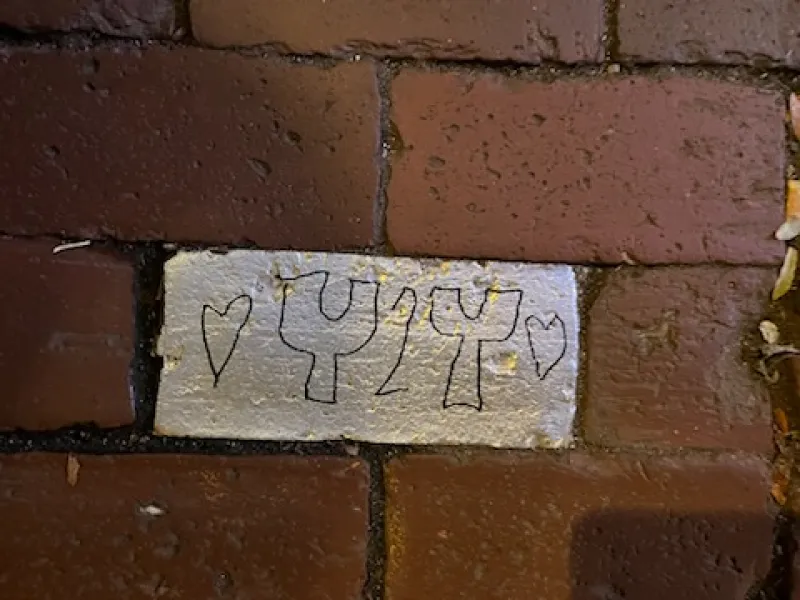
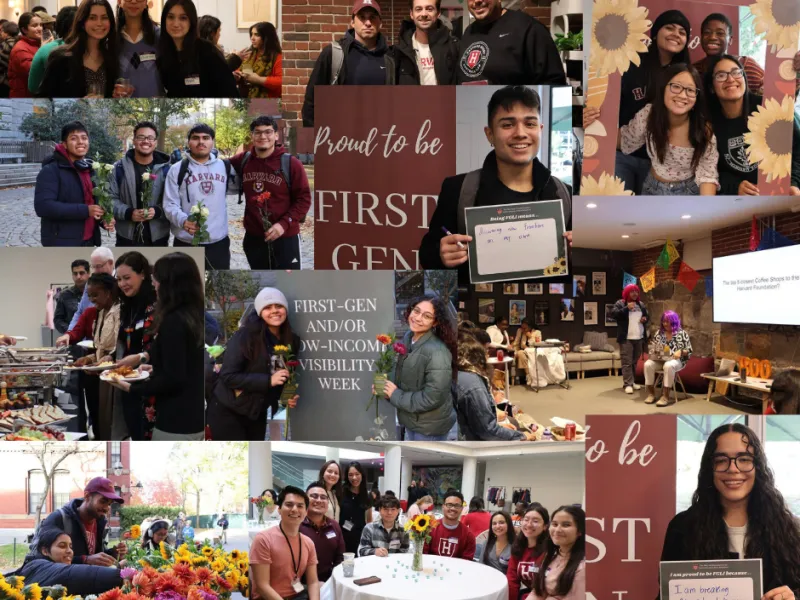
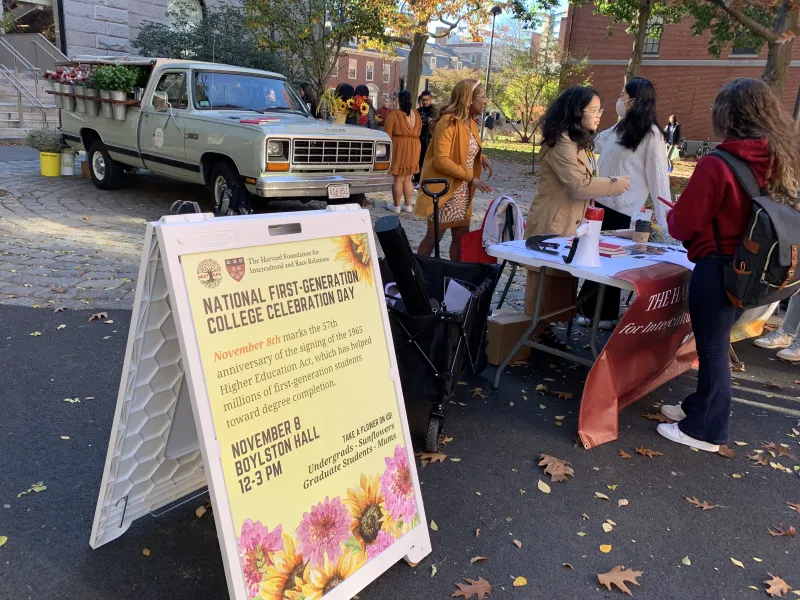
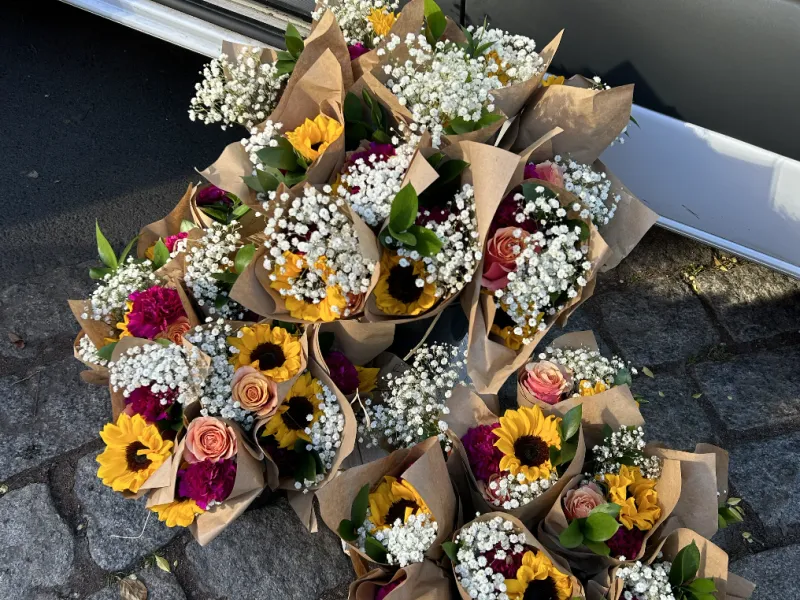 Various colorful flower bouquets which were given to first-gen/low-income student on the kick of of FGLI Visibility Week.
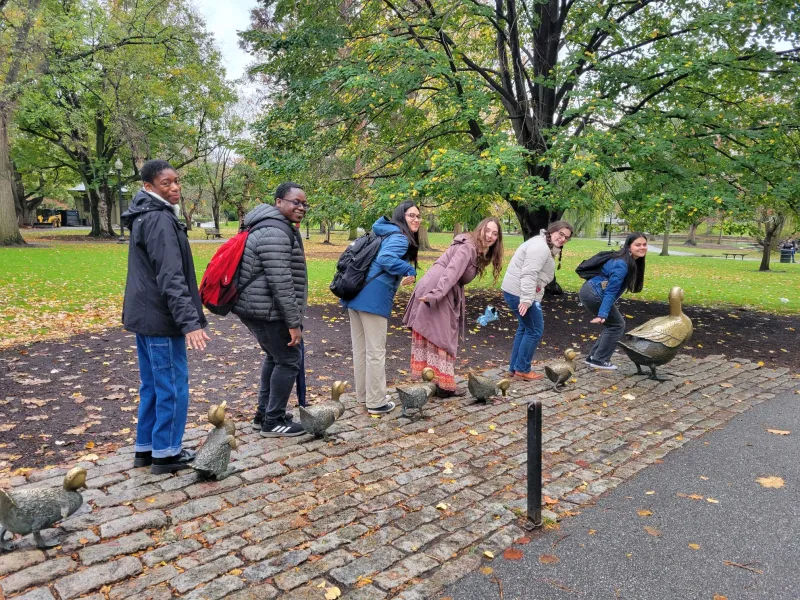 Lizbeth pictured in the Boston Commons with five friends from her Emerging Scholars Program cohort.
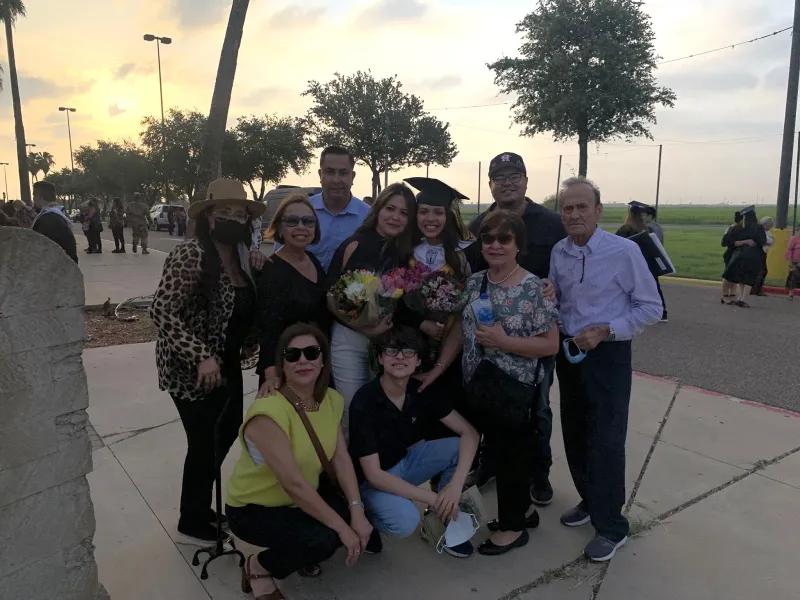 Ana with her family member at her high school graduation.
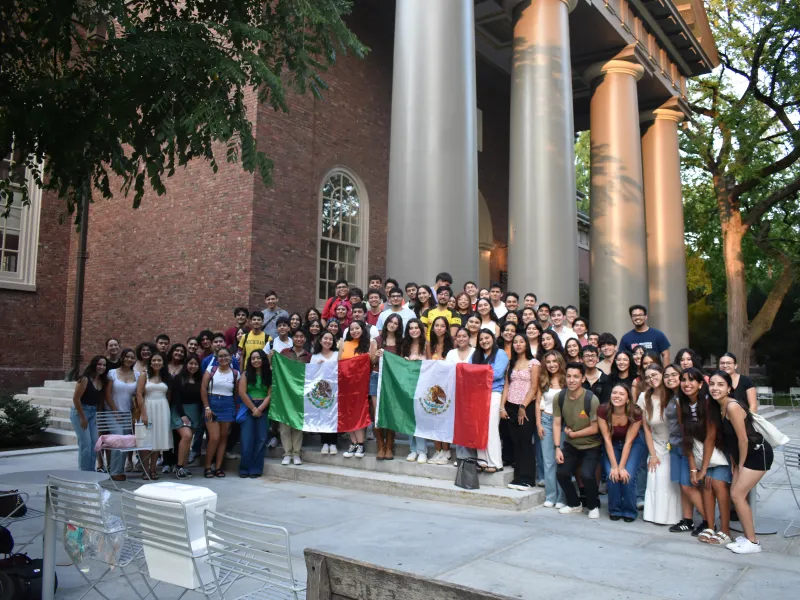 A picture of Harvard College students who attended RAZA's first event of the semester in the fall of 2024.

 A photo of me with the first two other students who were hired as freshman student workers last fall
 One of my favorite photos of TCS. Small Island, Big Family!
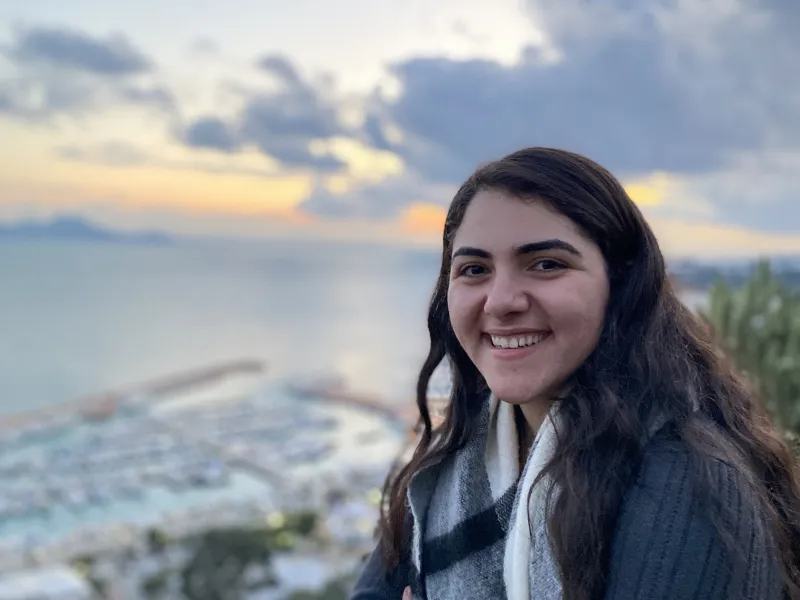
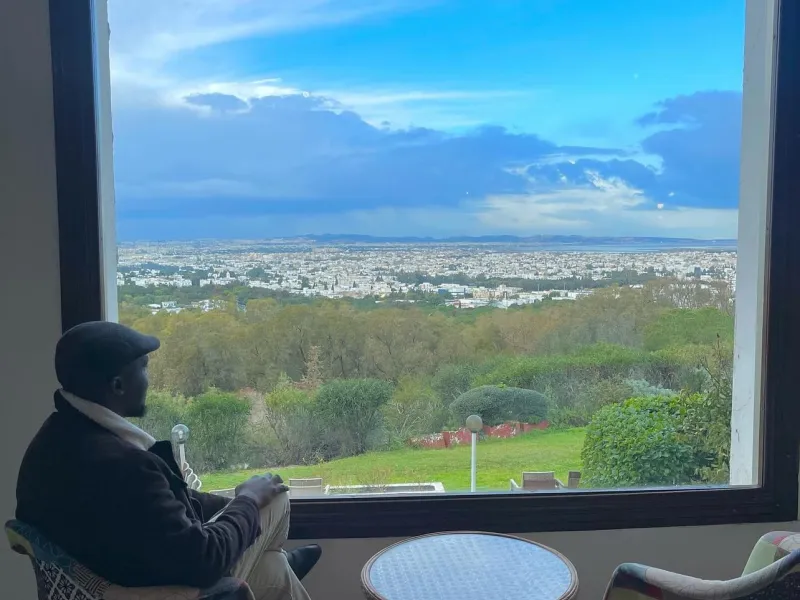 View from the hotel in Sidi Bou Said, Tunis
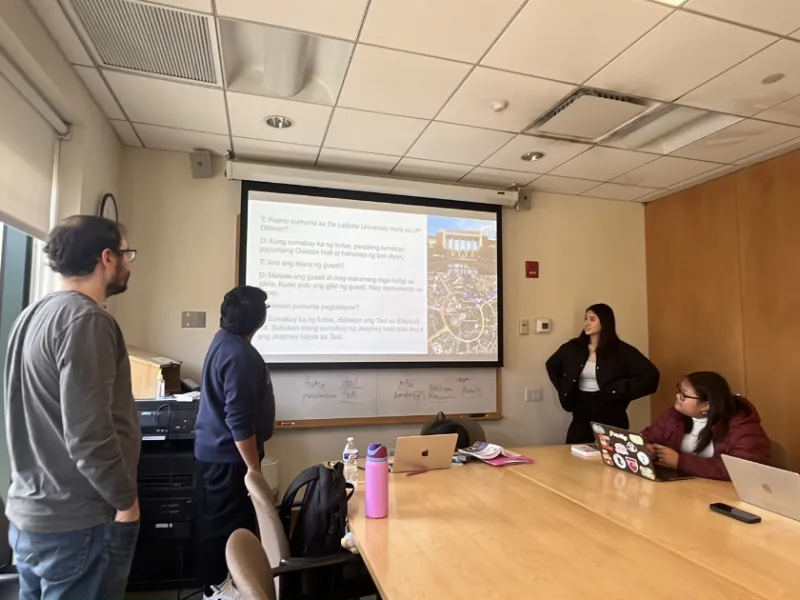 Intermediate Filipino Class
 A picture taken of me during Harvard vs. University of New Hampshire.

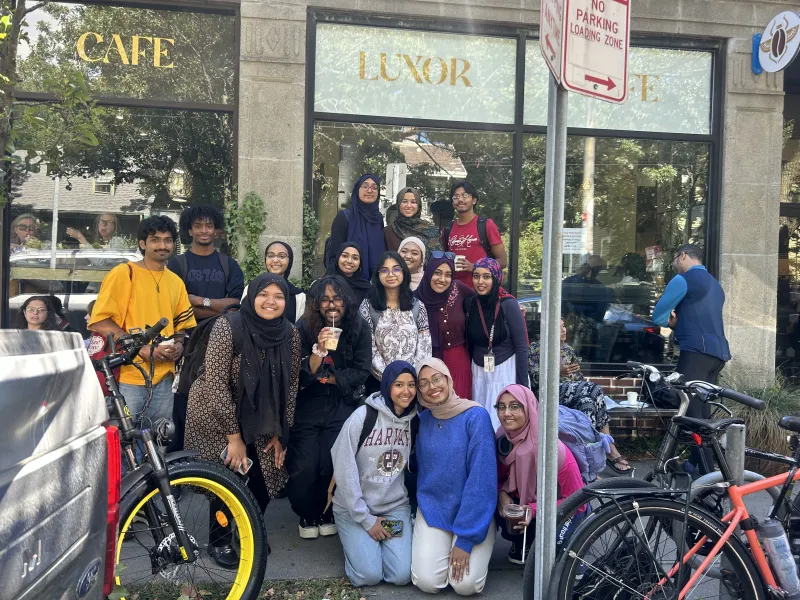 Samia Afrose with friends at Luxor Cafe
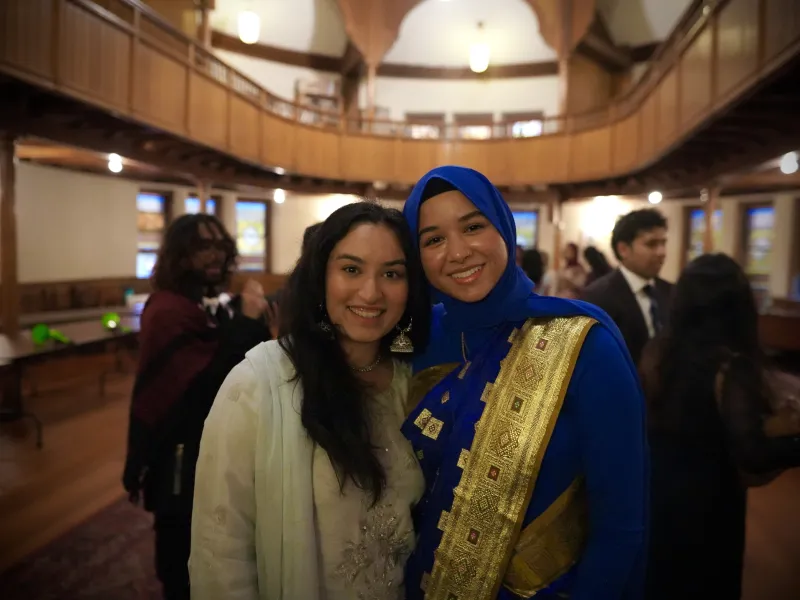 Samia Afrose and Hana Rehman at South Asian Convocation
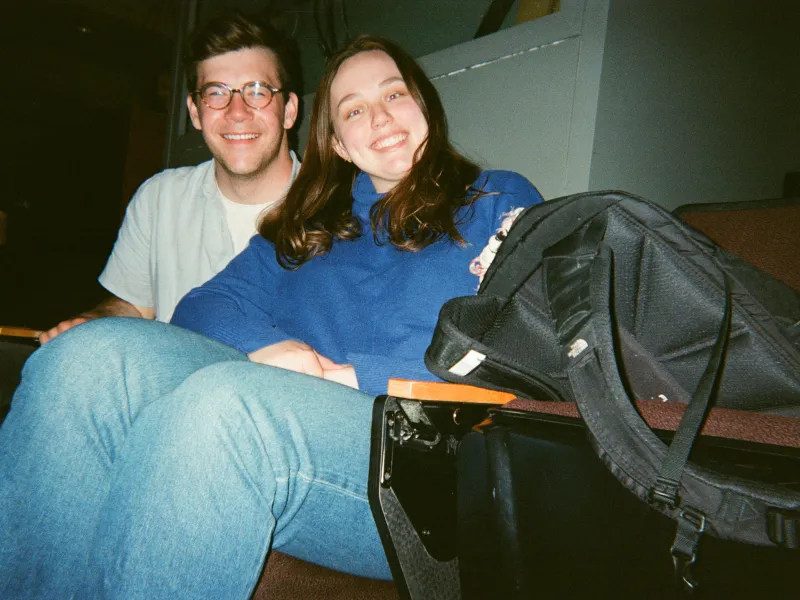 A photo taken in my last class at Harvard with one of my closest friends my senior year.
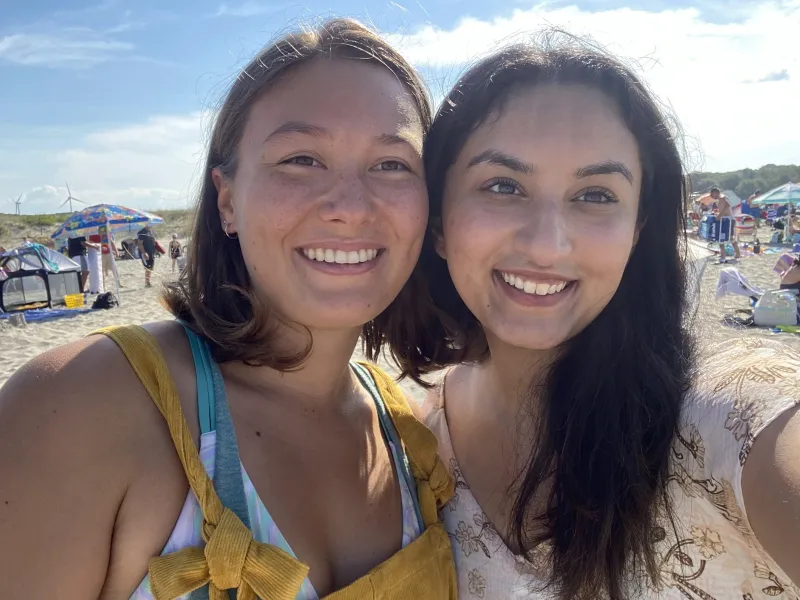 Hana Rehman in Gloucester
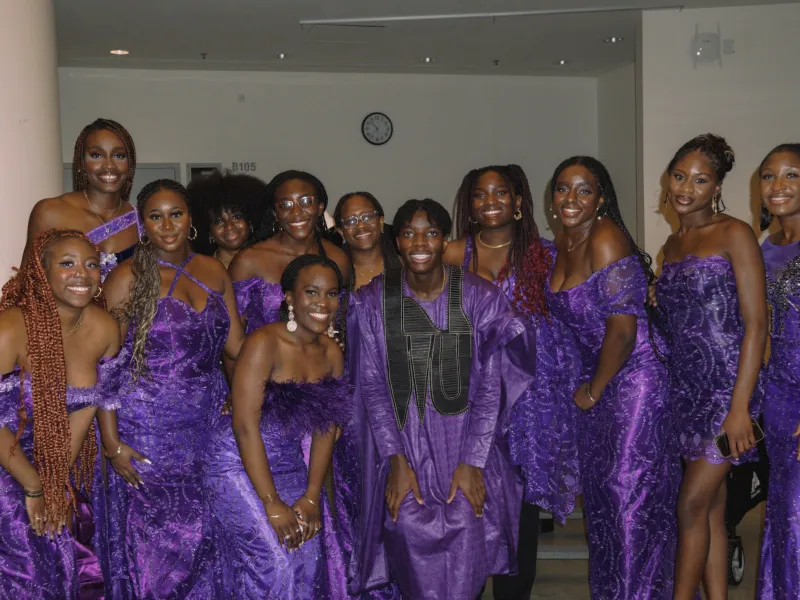 My Sister and I on NSA's Executive Board in 2023
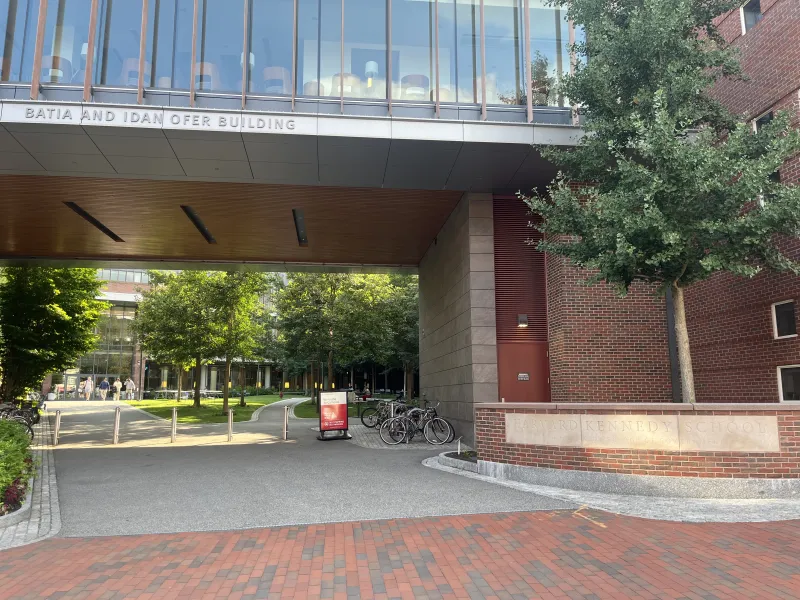
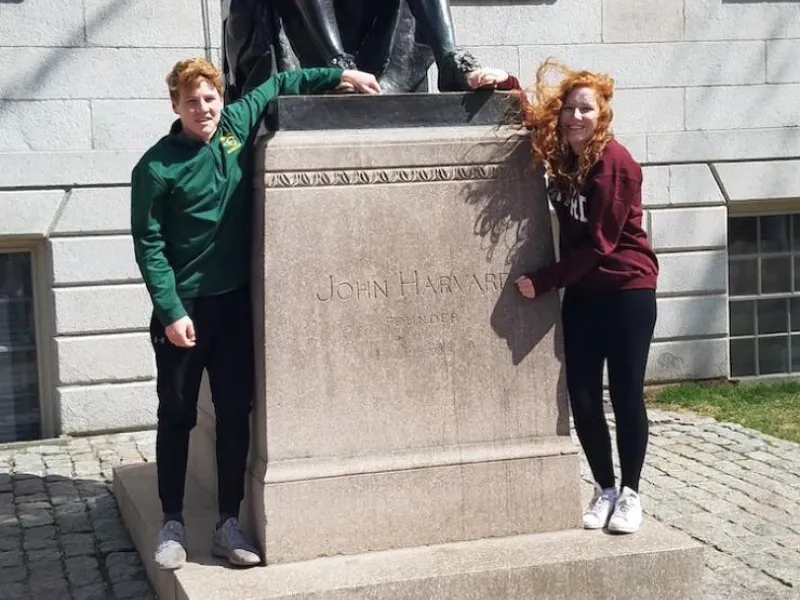
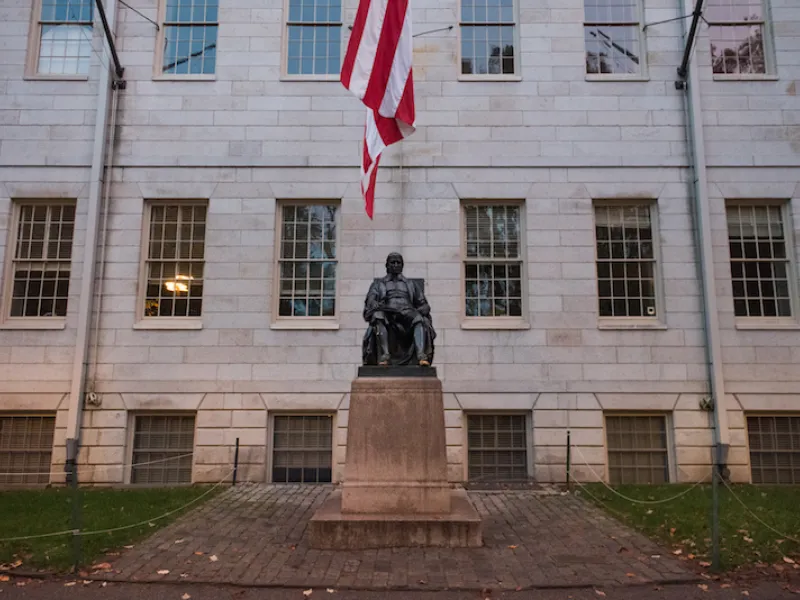
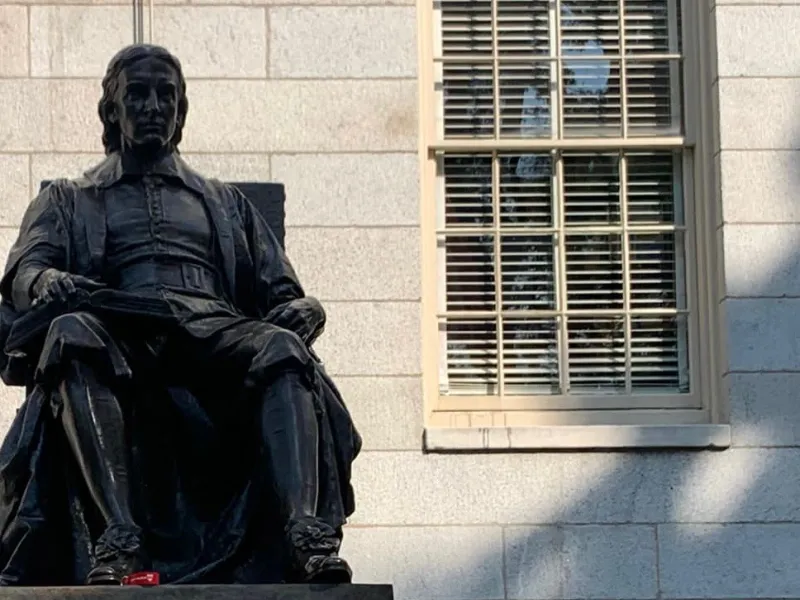 Picture of the John Harvard Statue
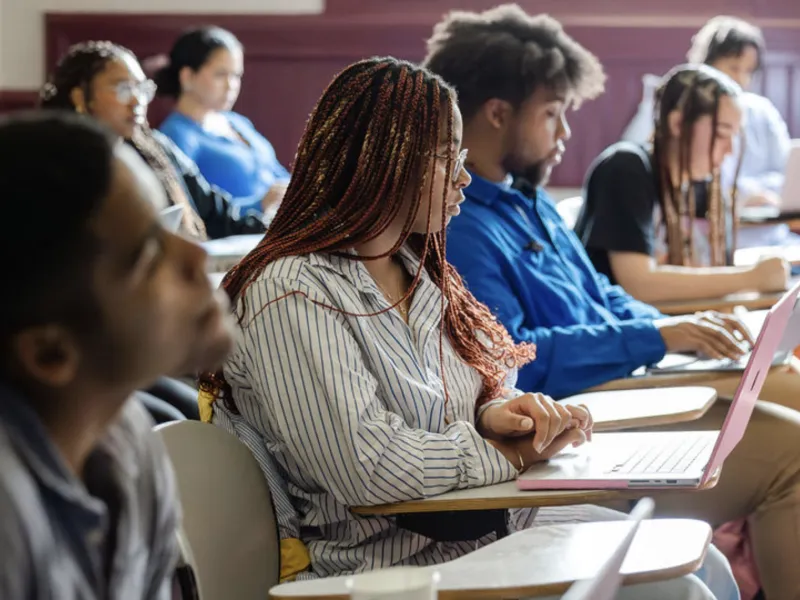
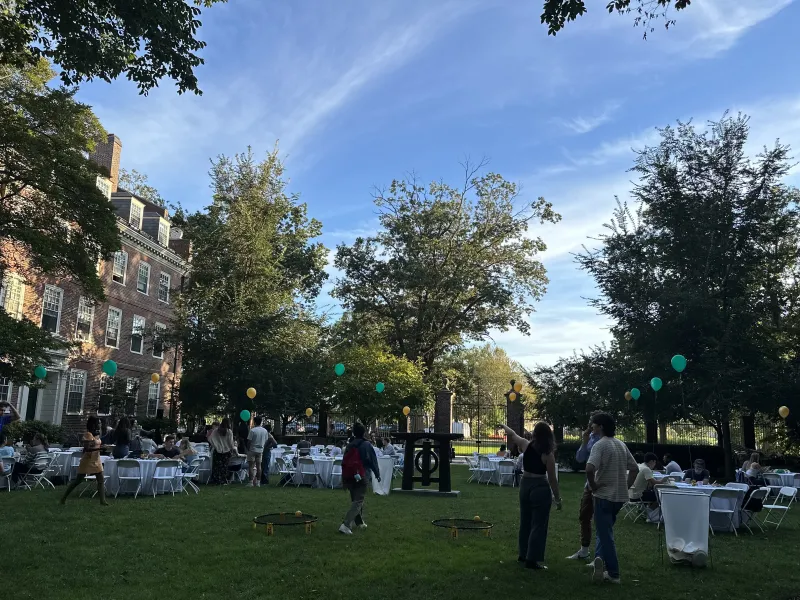
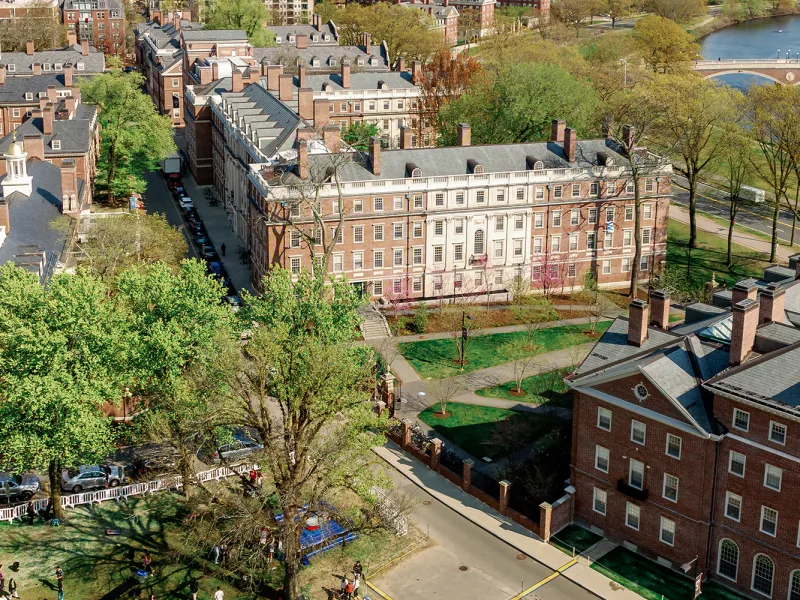
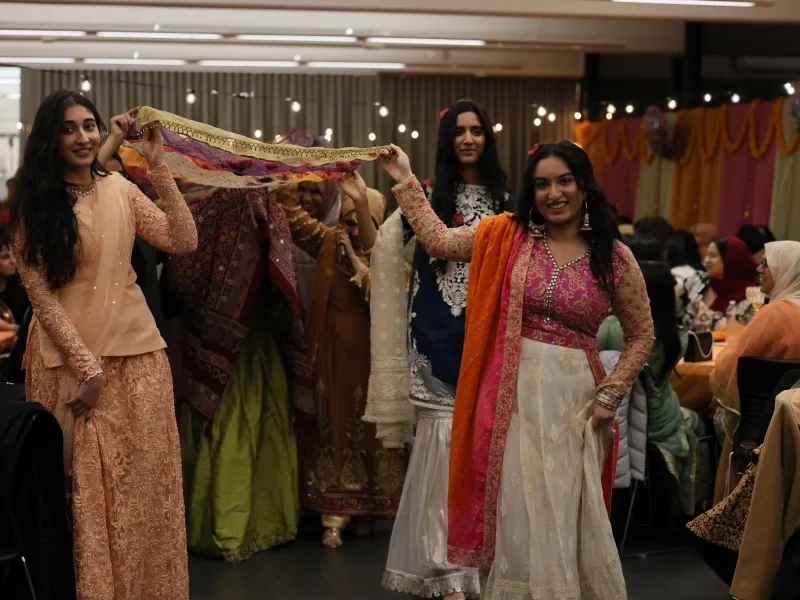 Hana Rehman at Mock Mehndi
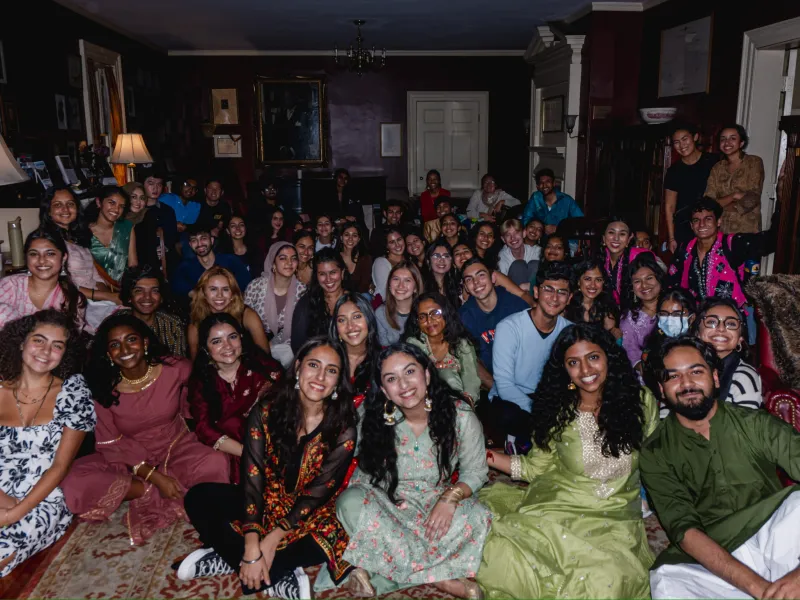 Hana Rehman at Sur Sagar
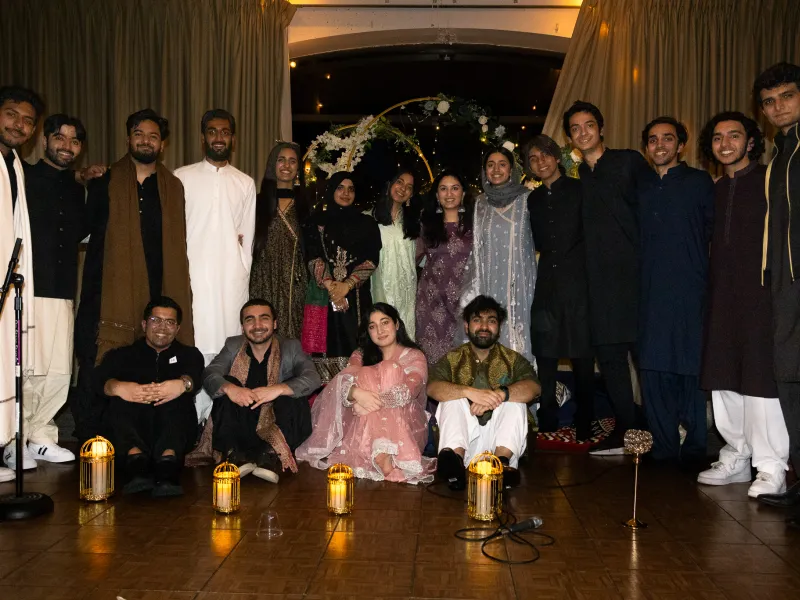 Harvard College students host Chaand Raat.
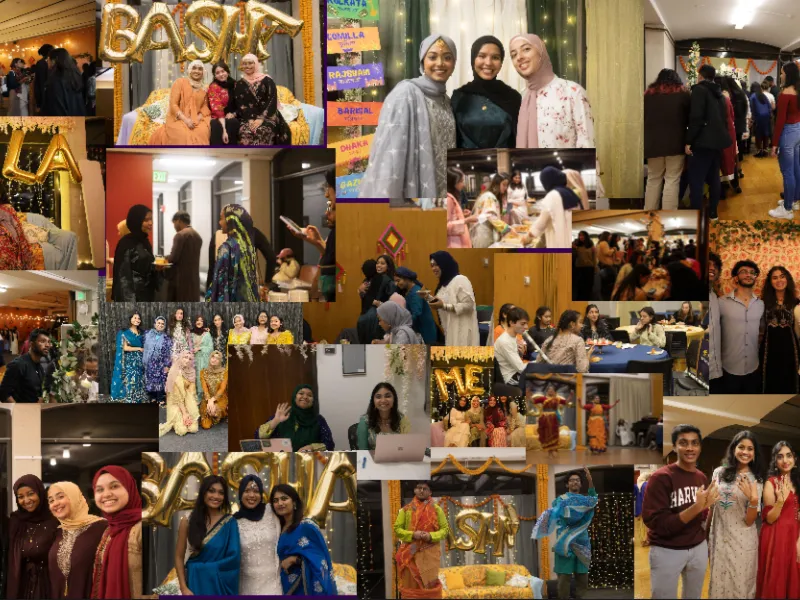
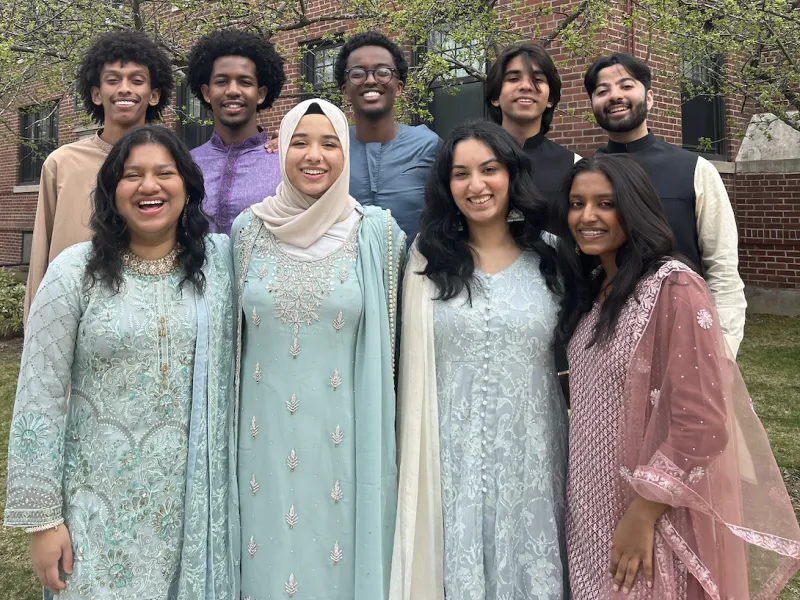
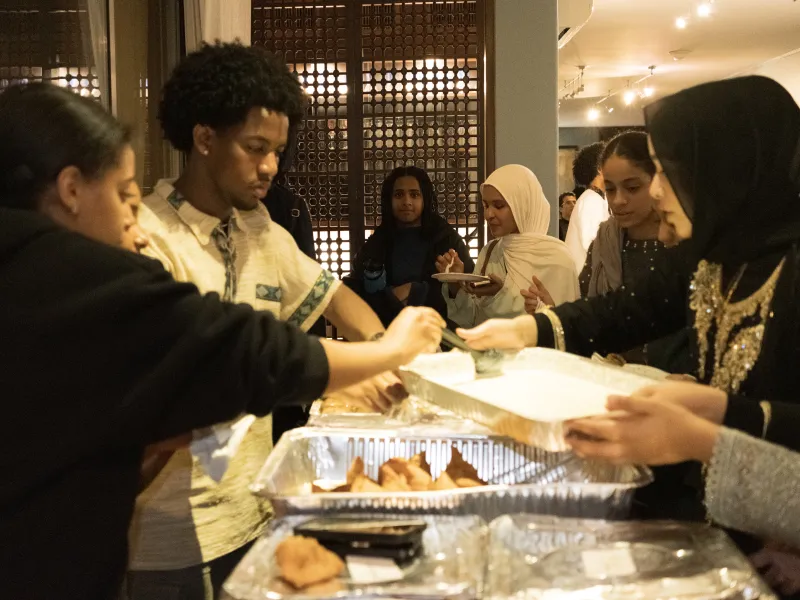
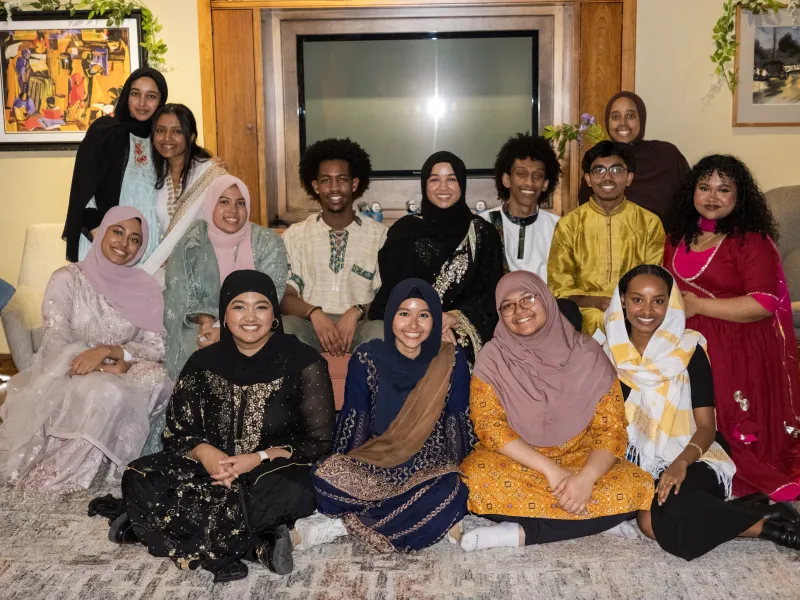

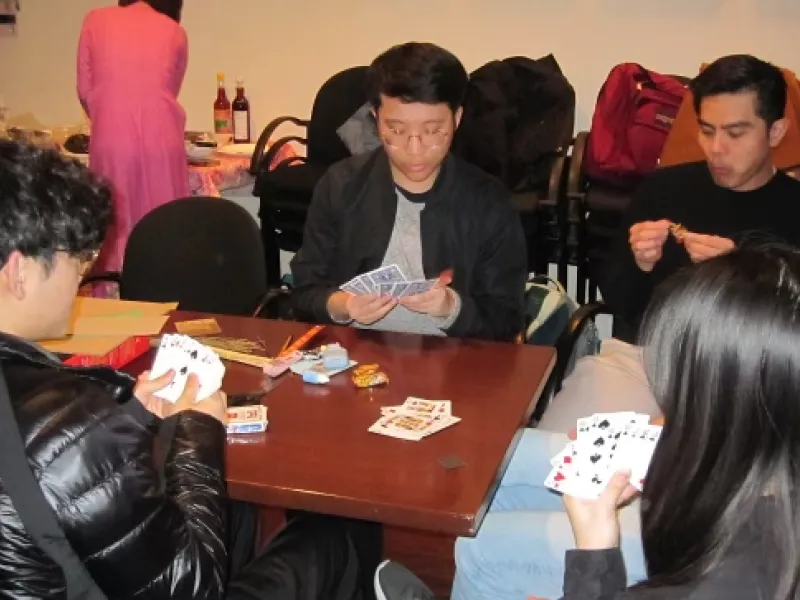
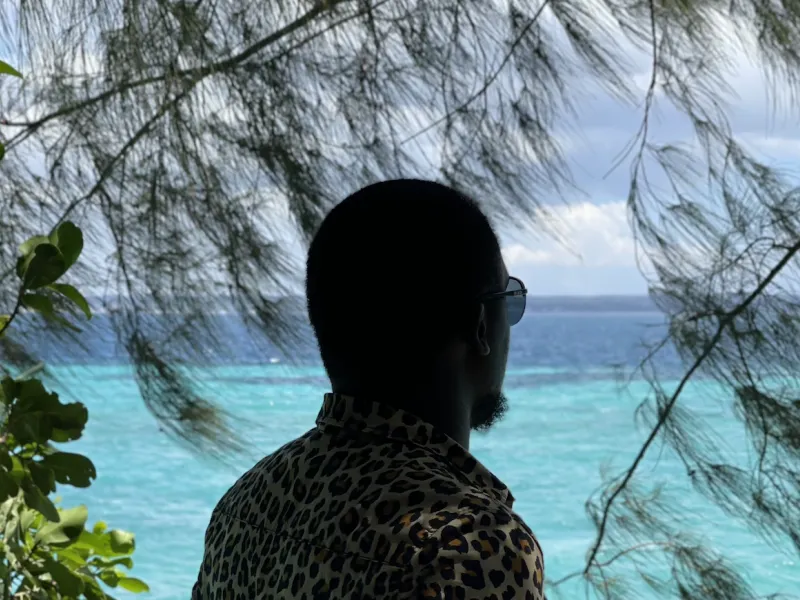 A photo of myself looking at the Zanzibari waters
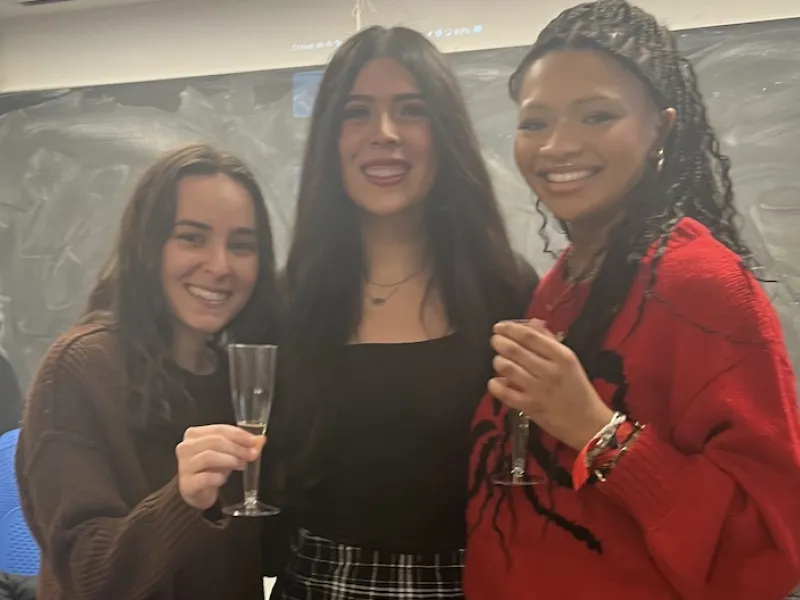 Laboratory of Cognitive Neuroscience Senior Thesis Writers
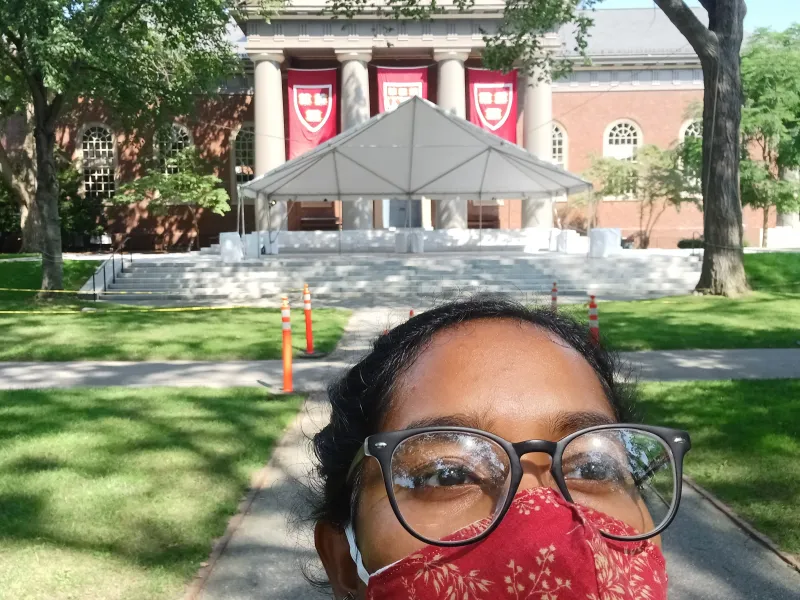
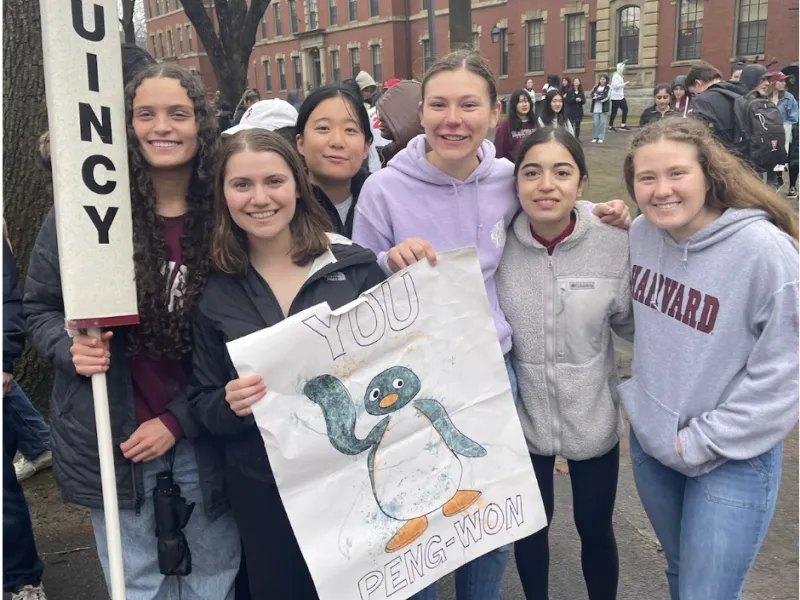 My blocking group and I after being dorm stormed
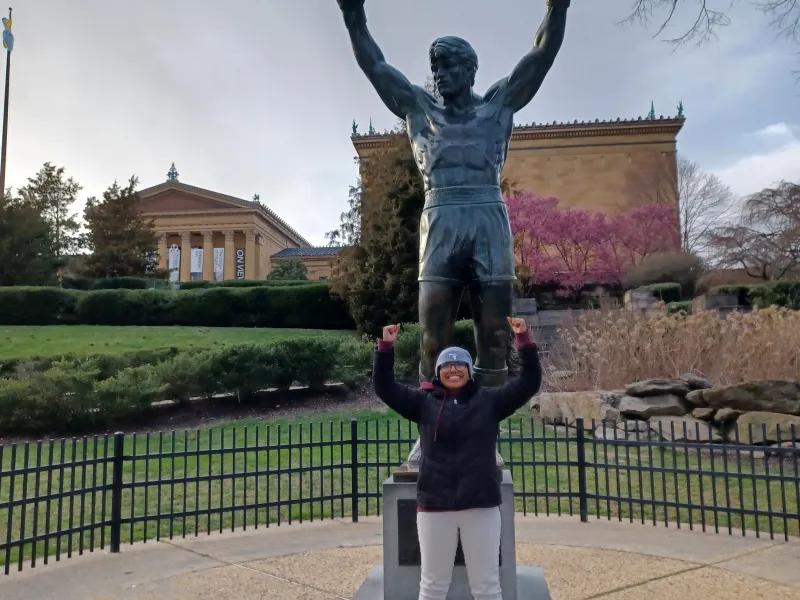 Cheering you on in your scholarship application journey!
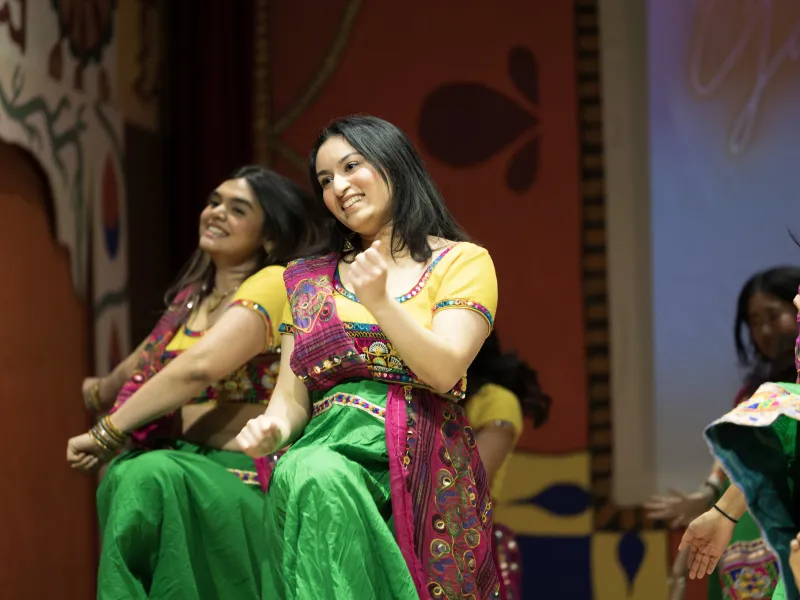
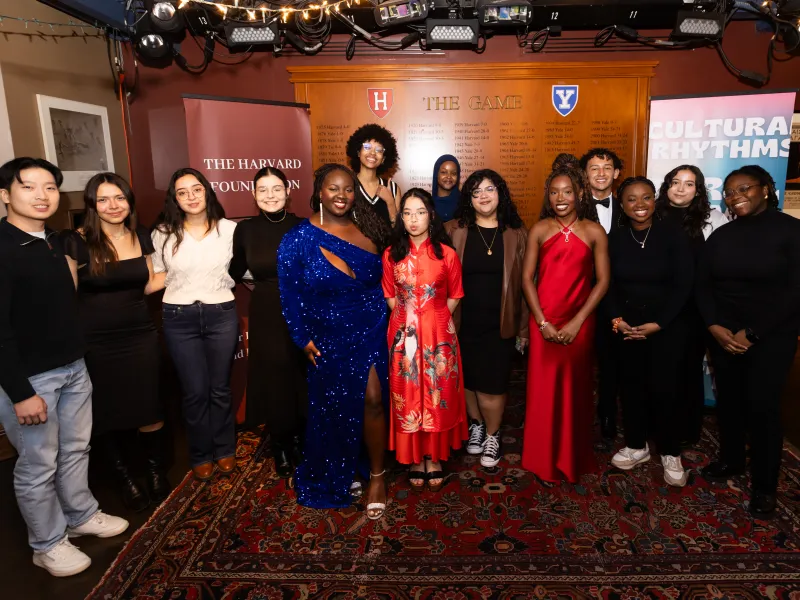 Harvard Foundation interns in the spring of 2024, dressed up before the event of Cultural Rhythms.
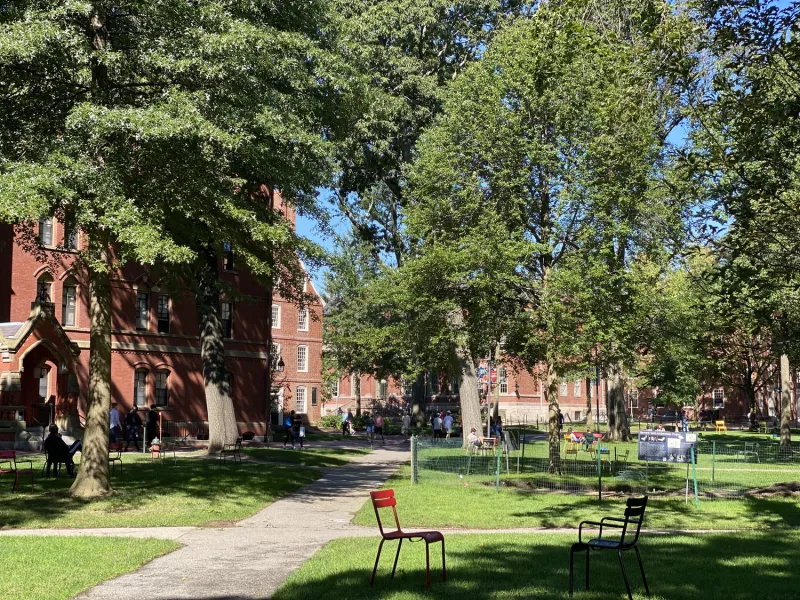
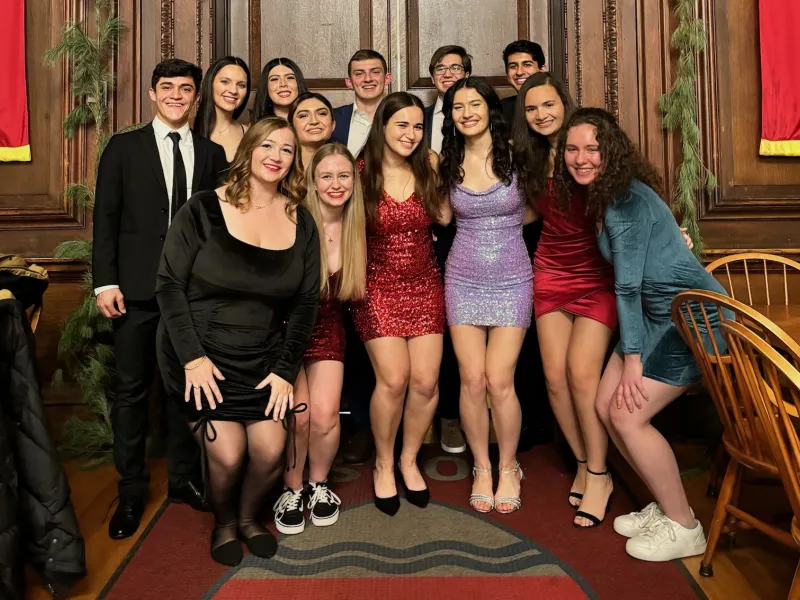 My friends and I before our last Eliot Fall Formal
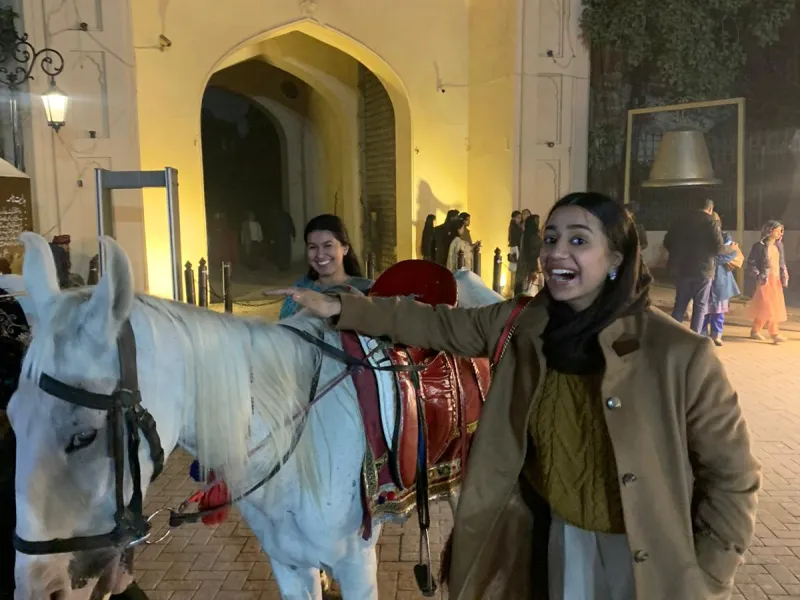
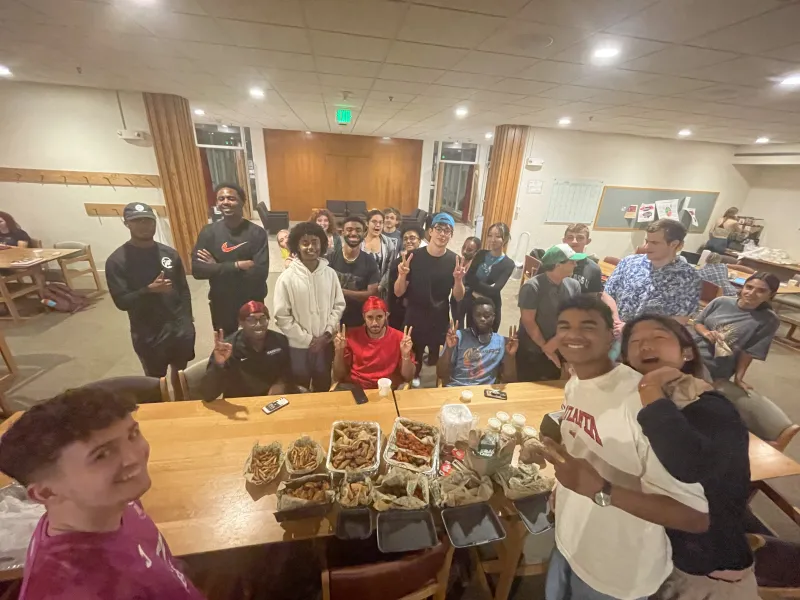
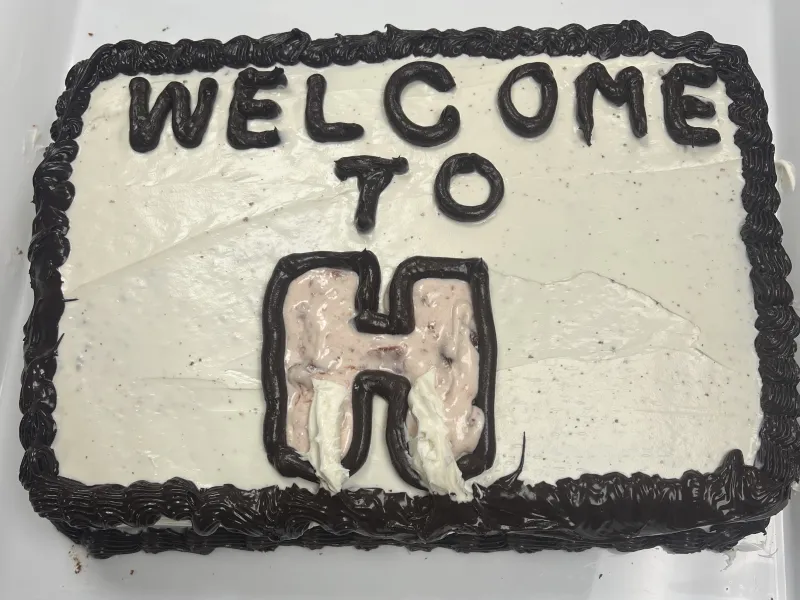
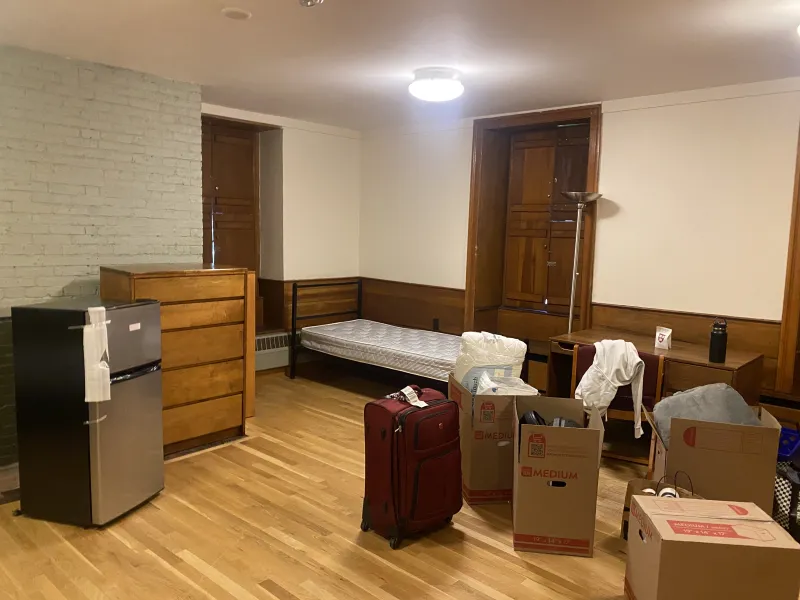 My room in the wonderful Stoughton Hall!
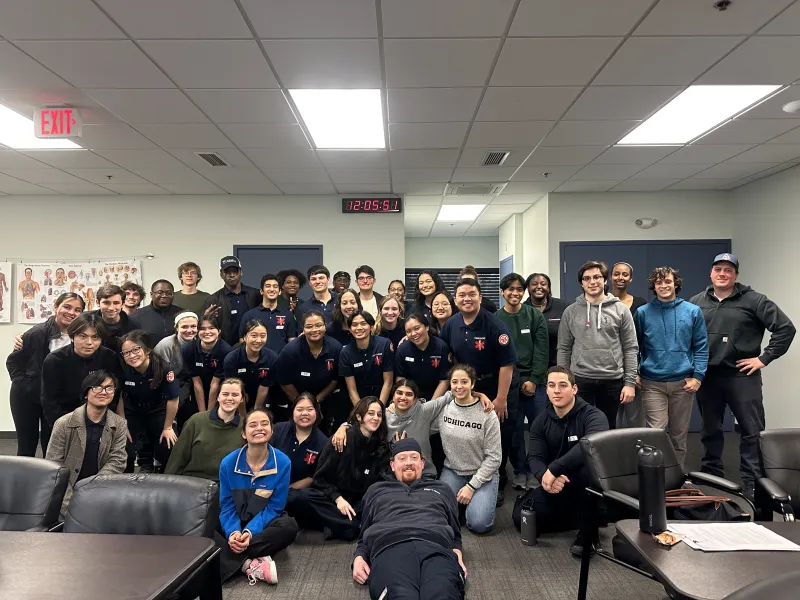 A group photo on the last day of class!

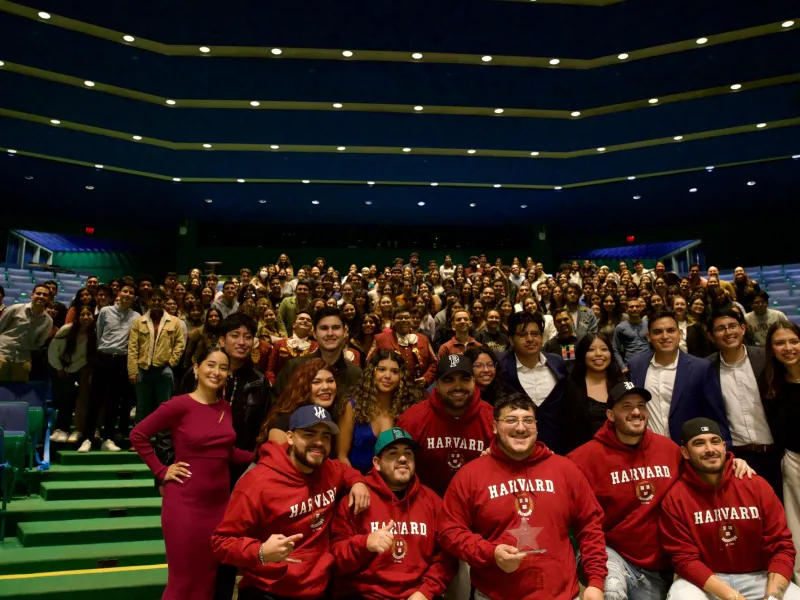 Grupo Frontera with those who attended RAZA’s Trailblazer Award ceremony
 My view from atop a hill near a mining camp.
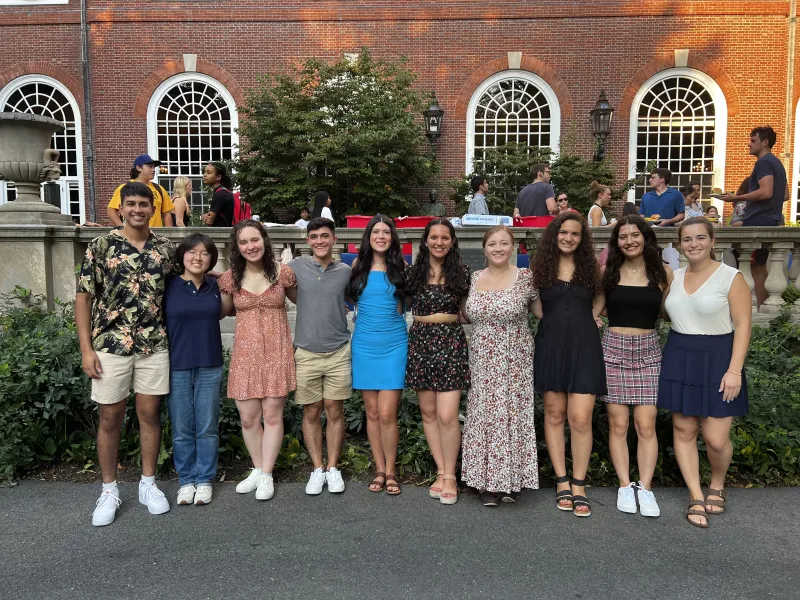 Eliot First day of class BBQ

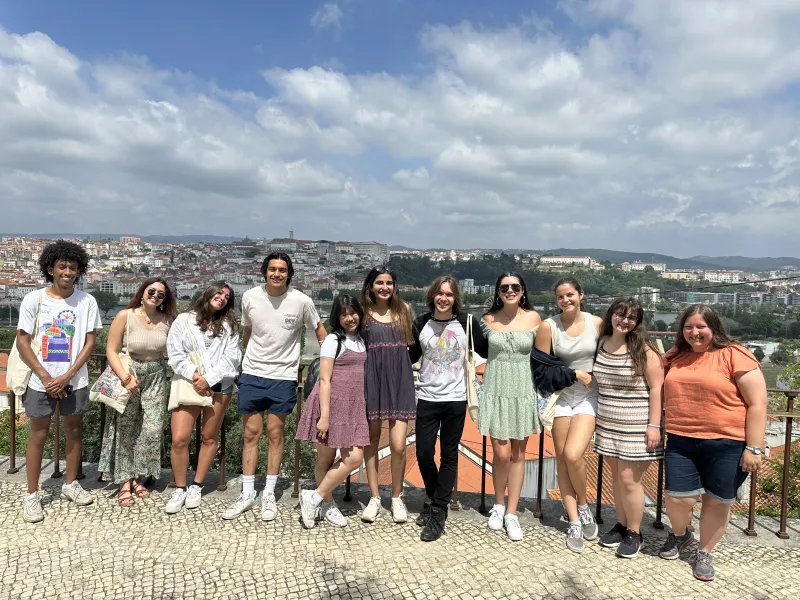 Our first day we were taken on a city tour to explore!
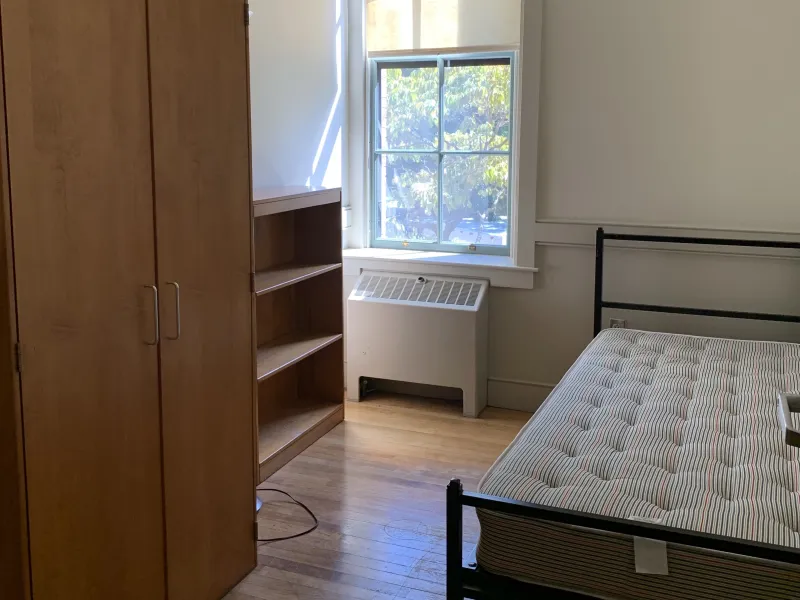
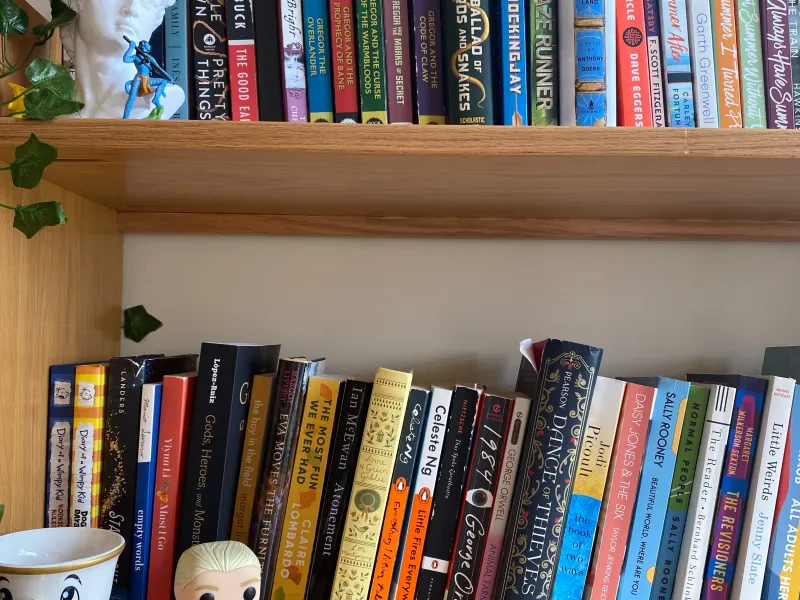 My bookshelf in my dorm!
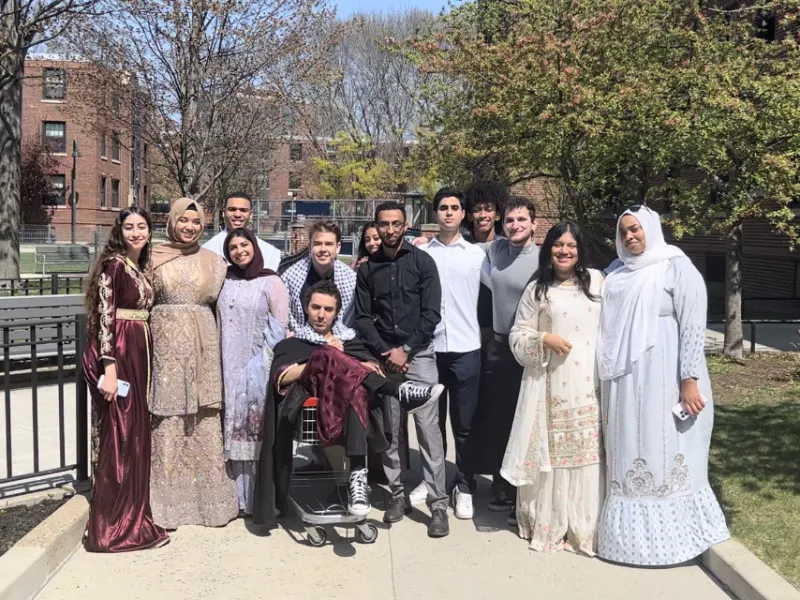
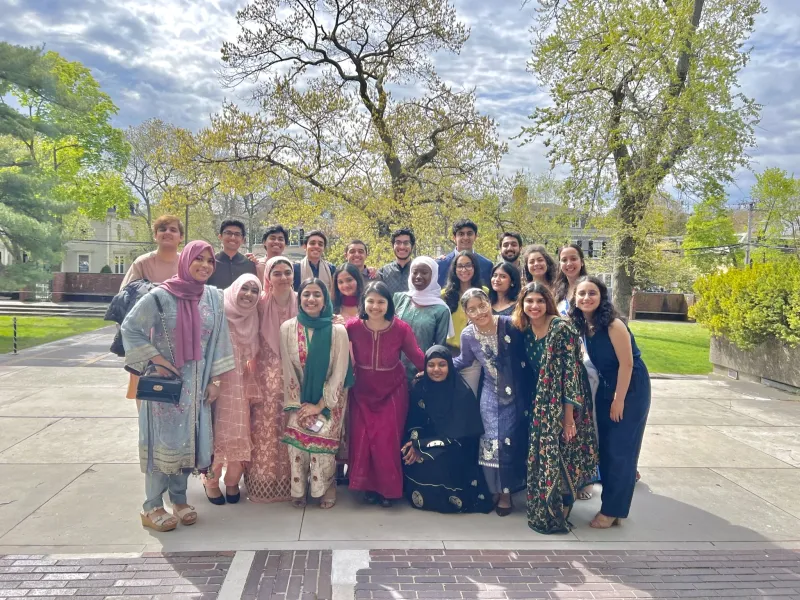
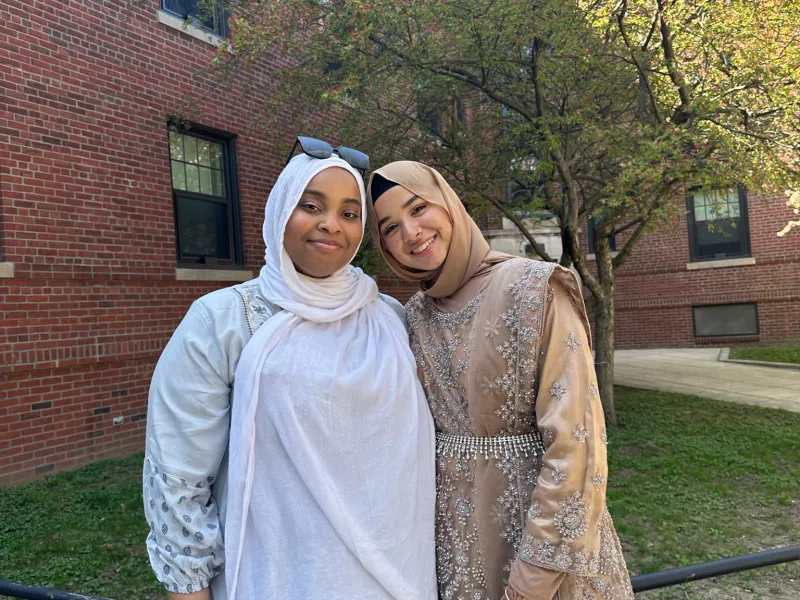 Malika Umar and Samia Afrose Celebrating Eid-al-Fitr
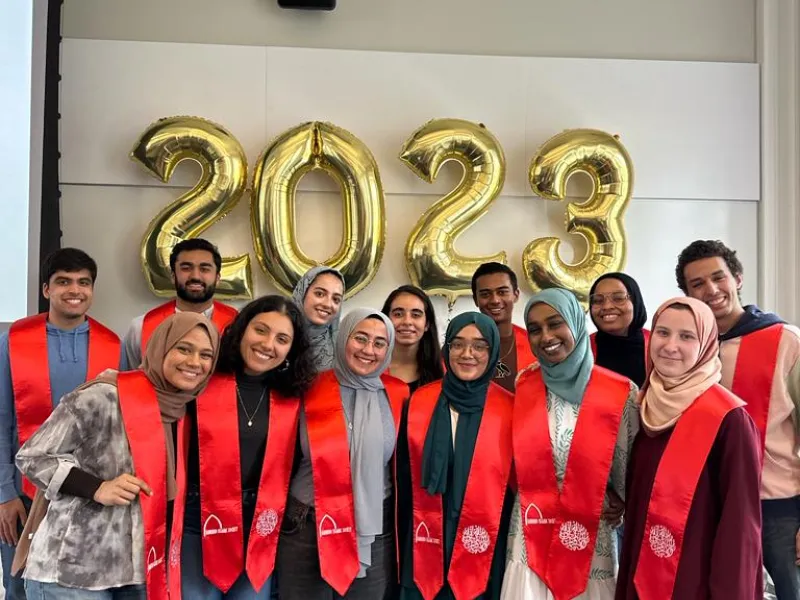 Seniors at the Harvard Islamic Society Send Off

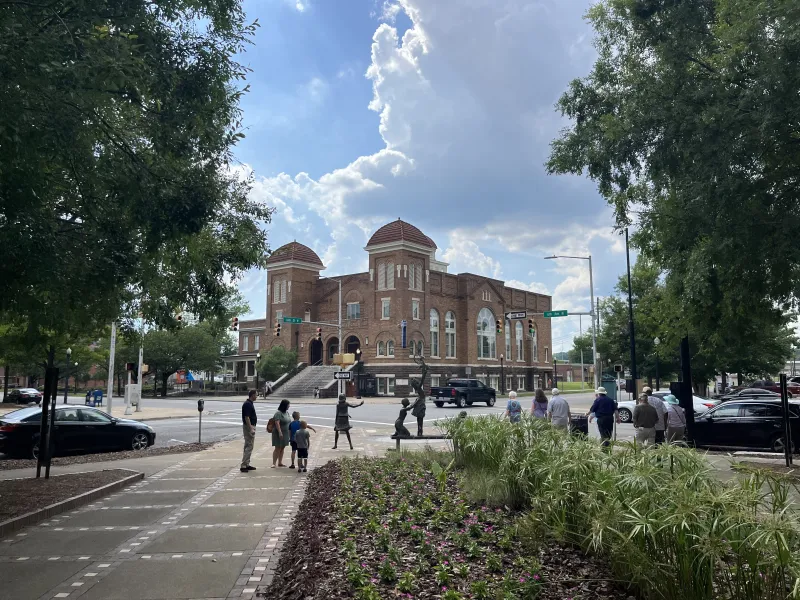 16th St Baptist Church Birmingham, AL
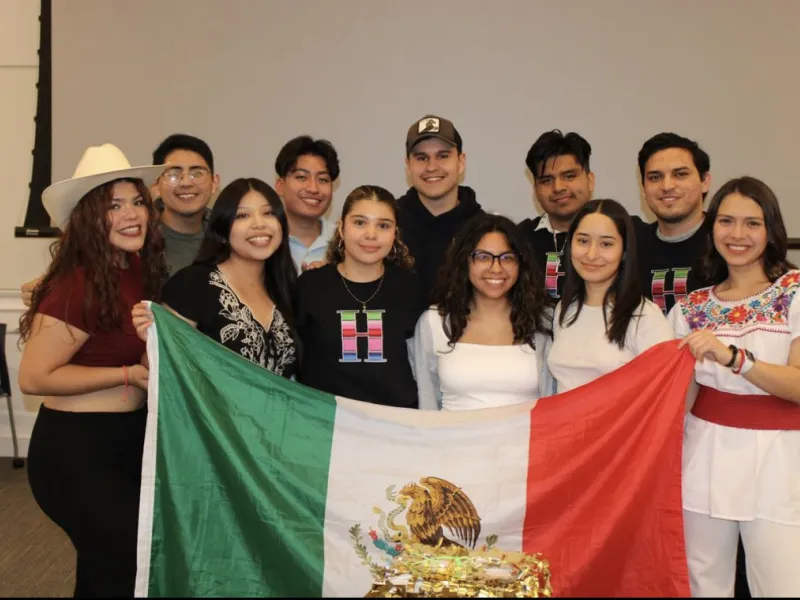 RAZA's Board on the last Mesa (social event) of the 2023 spring semester.
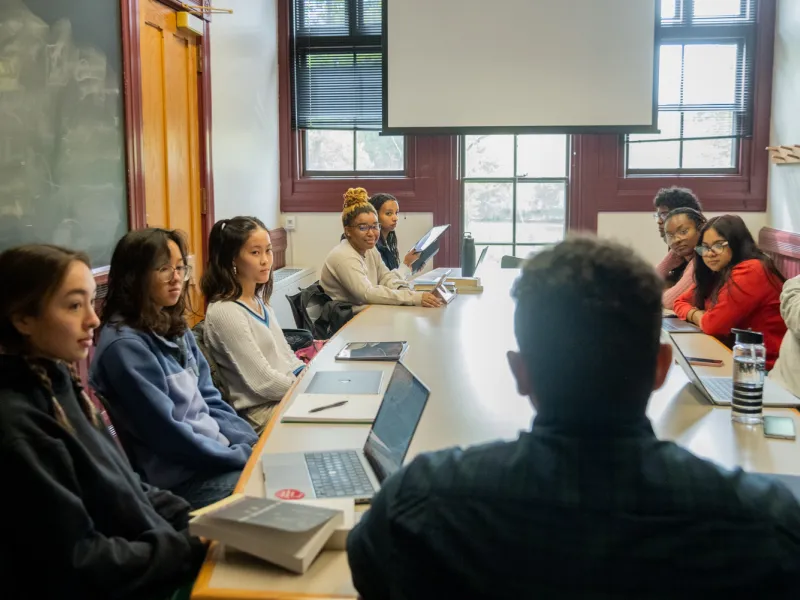
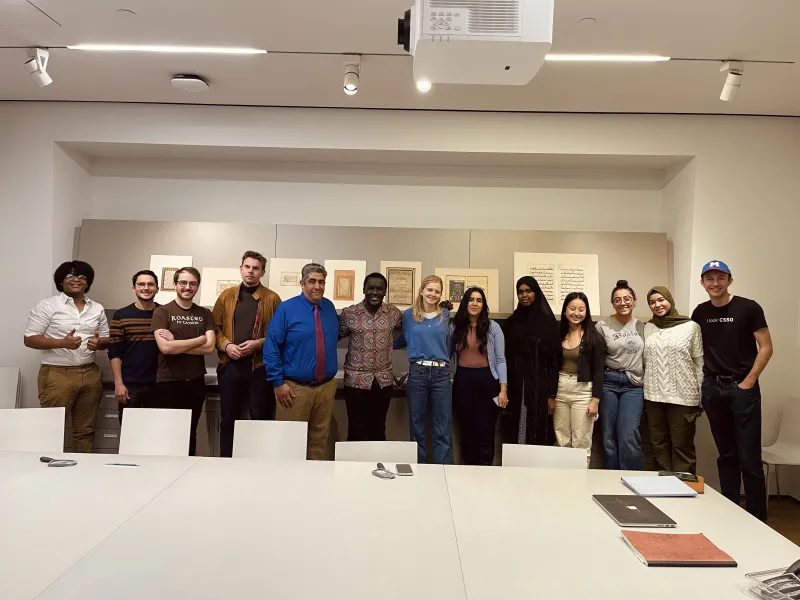 A photo of my classmates, Prof. Habib and I
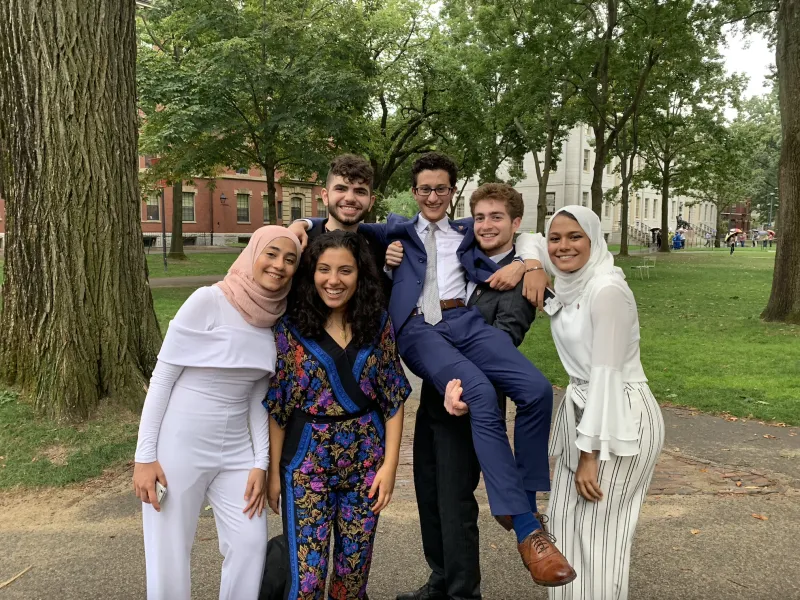 Some of the many great friends I made during my first-year!
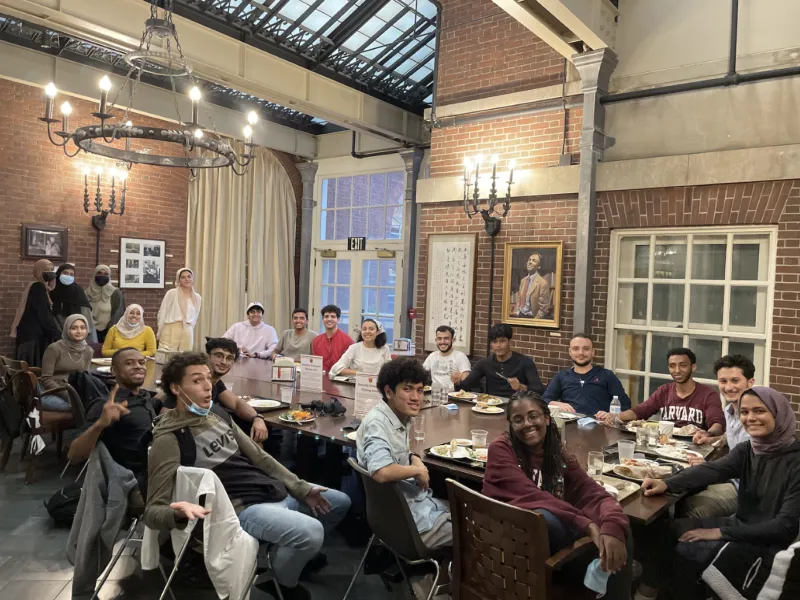 Dining with the Harvard Muslim community, my junior year
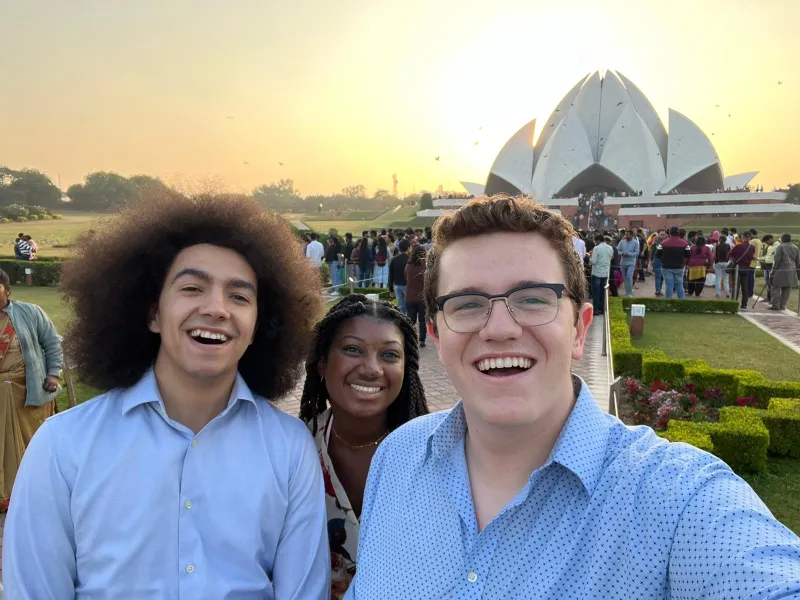 Seeing the Lotus Temple in Delhi, India was only one of the many great experiences I've had thanks to Harvard Model Congress
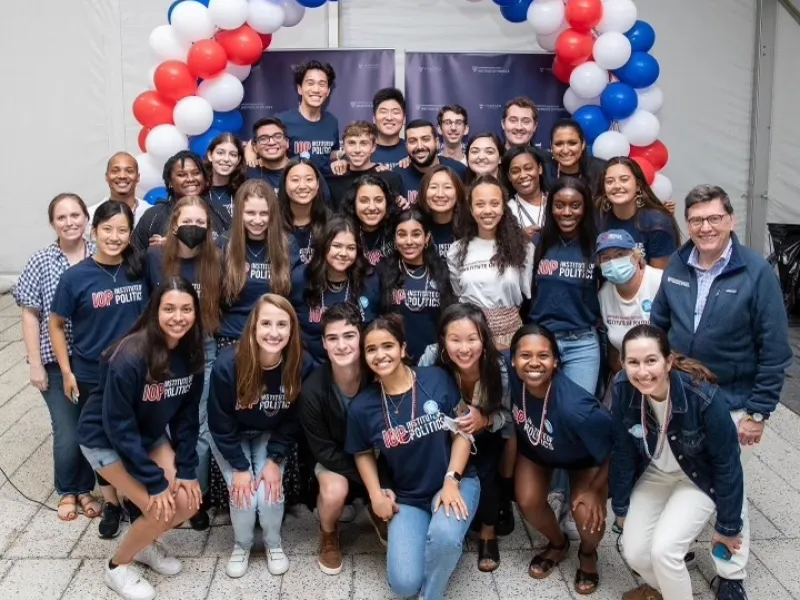
 Me with the director of FOP, the wonderful Lesedi Graveline
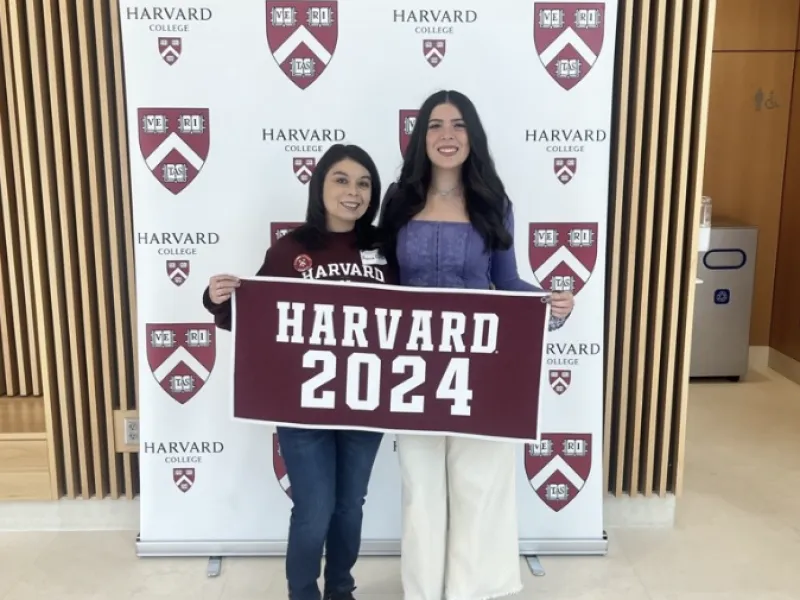 My mom and I at Junior Parents Weekend
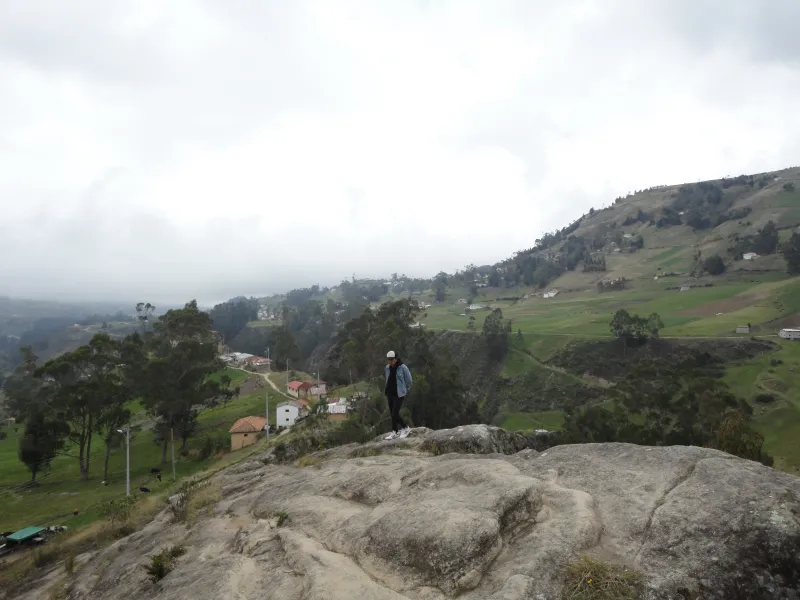 I passed through Cañar on my trip to my hometown, where I got to visit the Ingapirca Ruins!
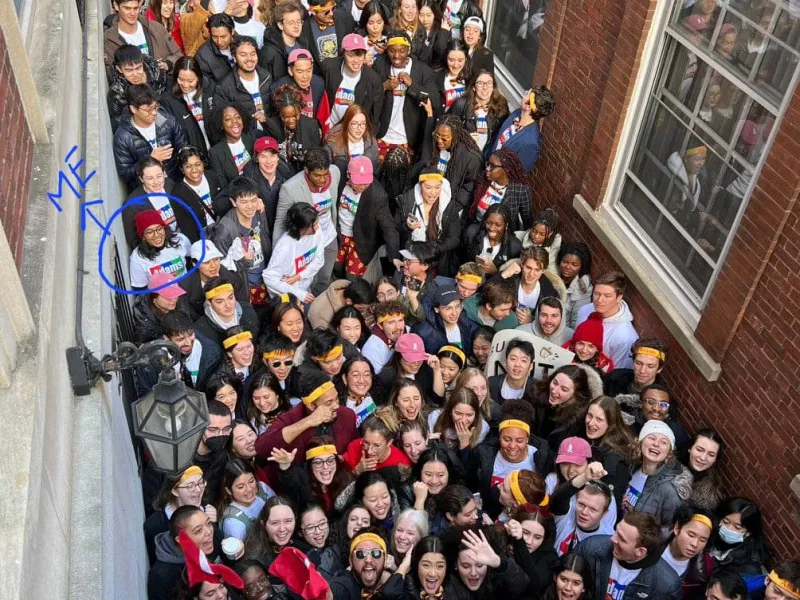
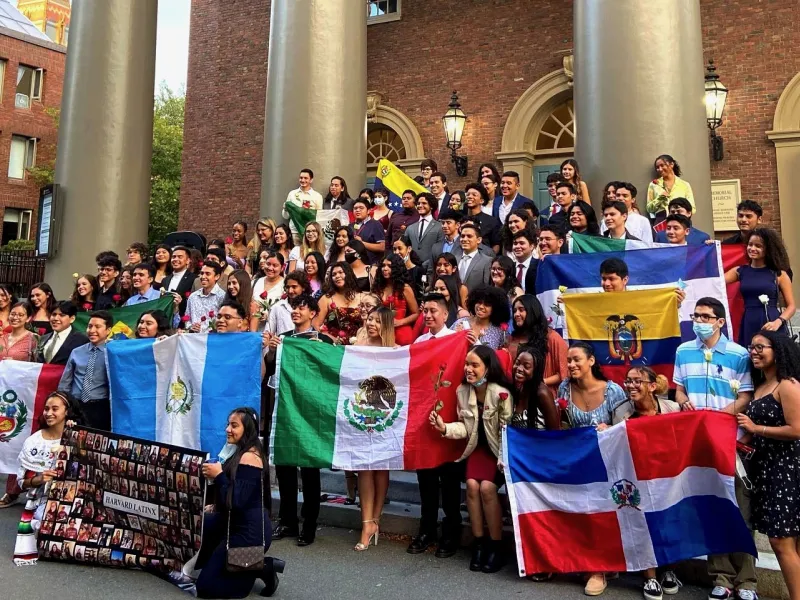
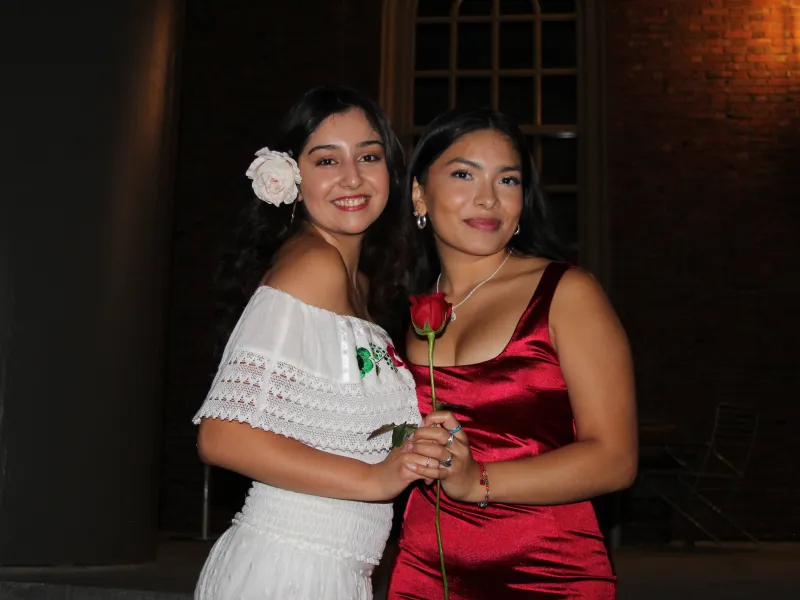 Latinx Convocation is an important event that celebrates Latinx culture and welcomes first years to Harvard! Julia Casas president of Fuerza on the left and Gloria Maldonado president of Latinas Unidas on the right.
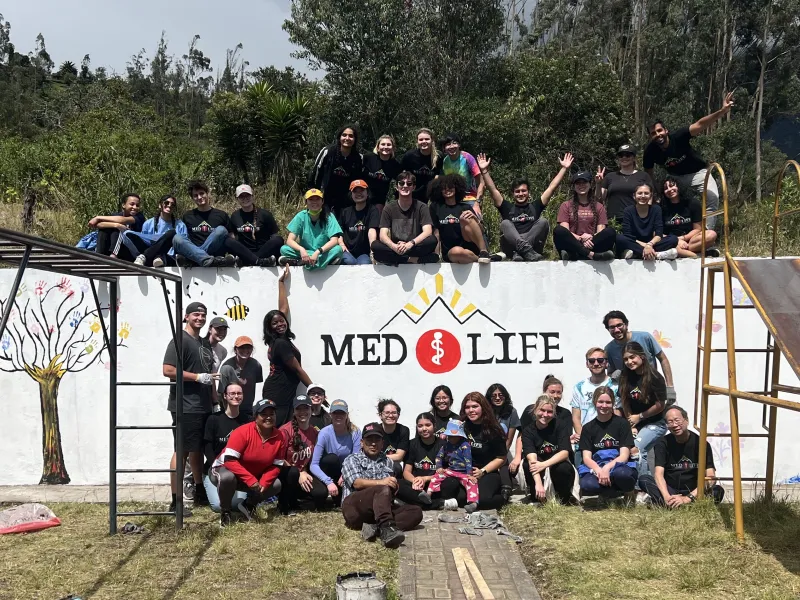 MEDLife volunteers posing for picture with MEDLife Logo
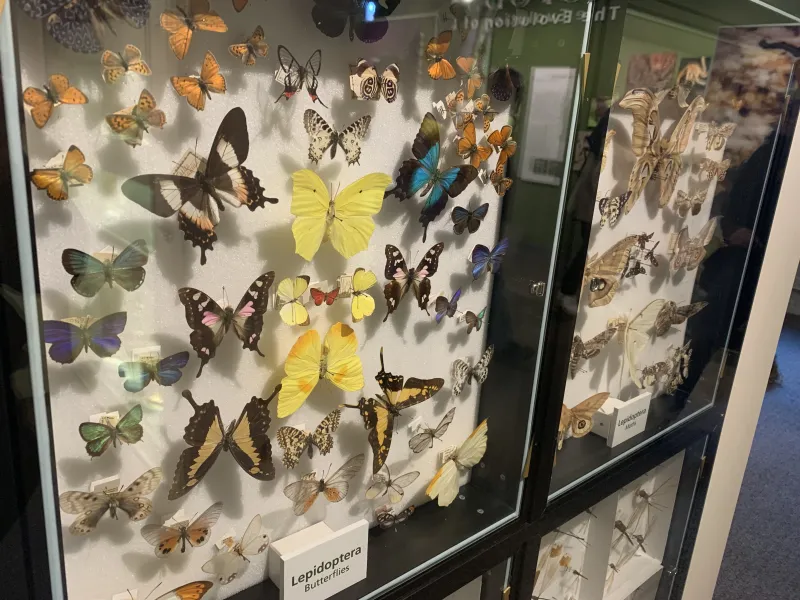 Display of butterflies at the Harvard Natural History Museum.

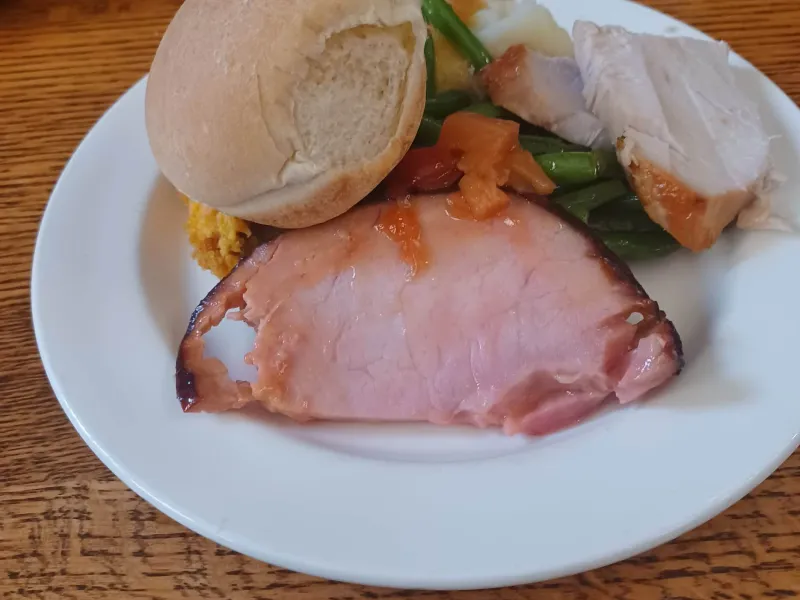 Food provided by Harvard University Dining Service Workers on Thanksgiving Day
 My fellow HFAI coordinators and I at Sufra!
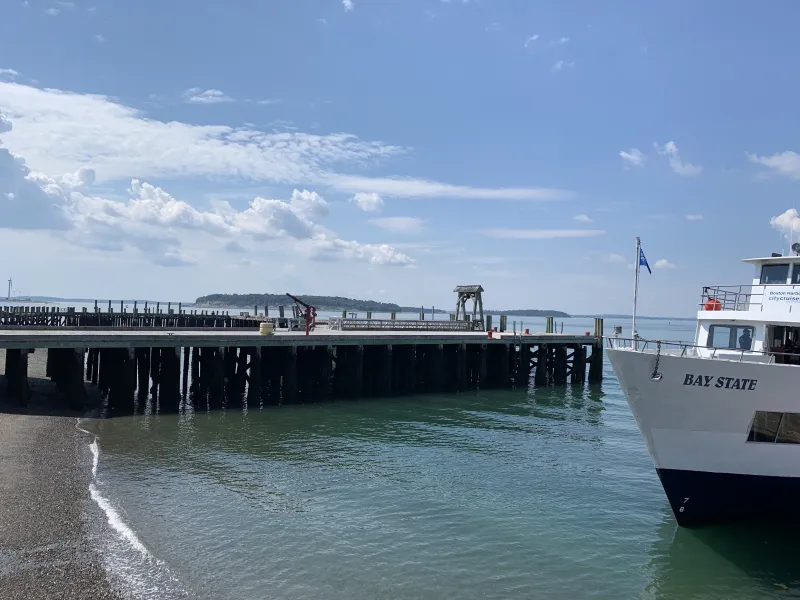 After a warm ride aboard the ferry, we made it to Georges Island!
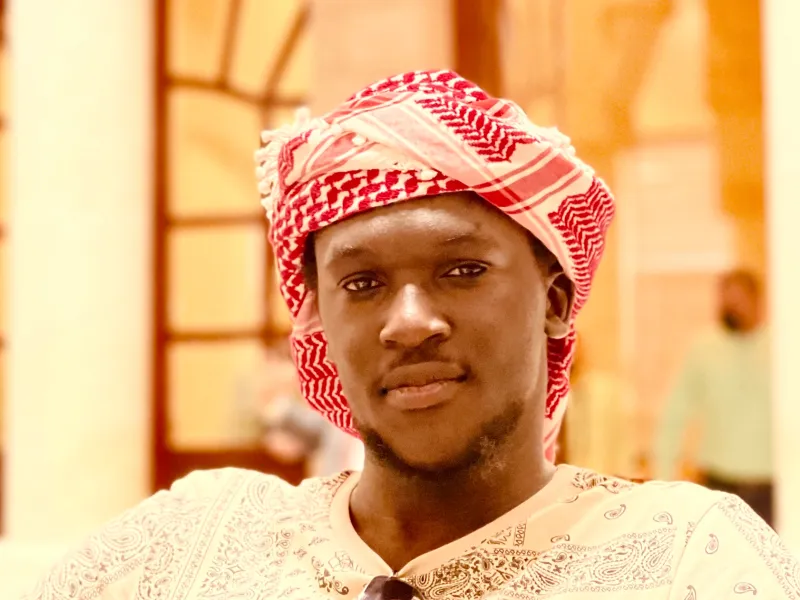
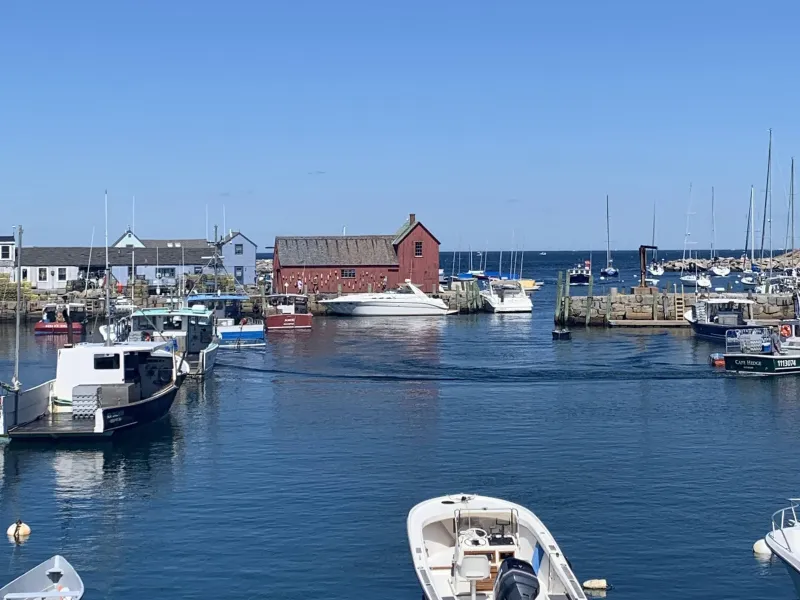
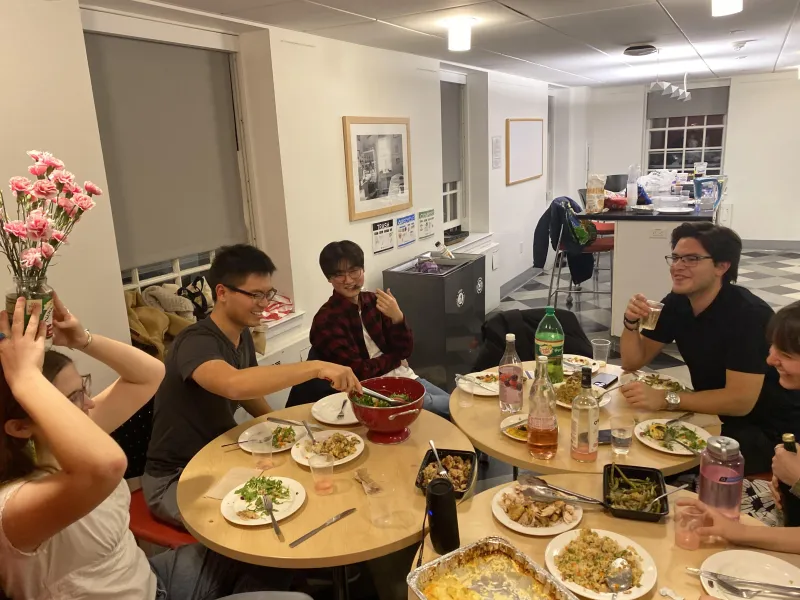 My friends and our Thanksgiving dinner.
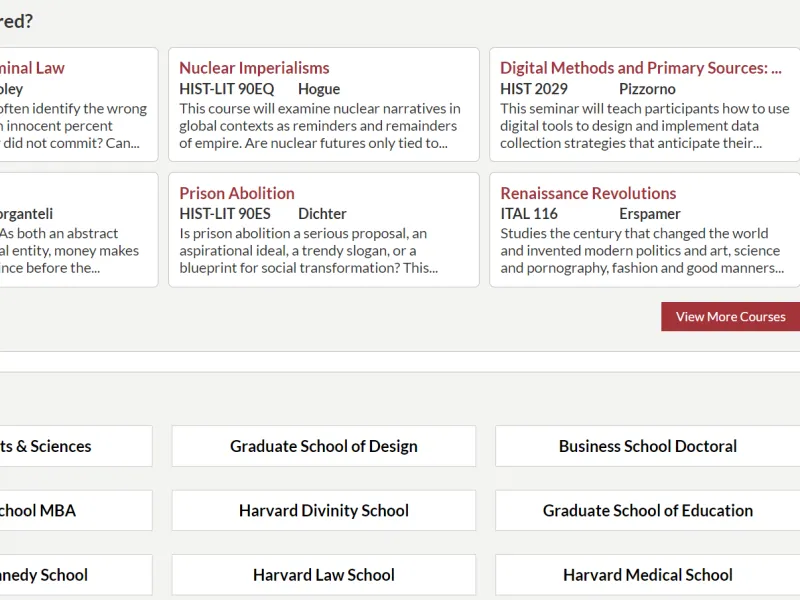 Harvard's course search page allows you to browse the 3,500+ courses offered each semester
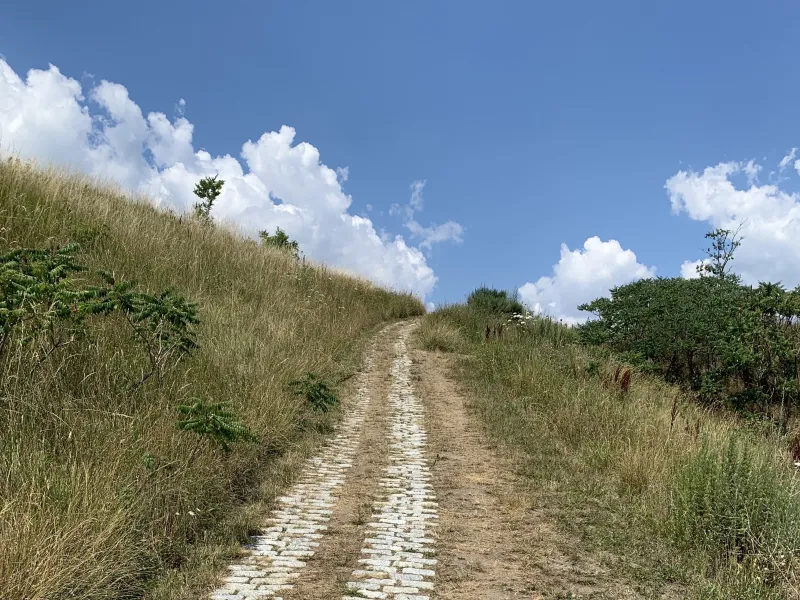
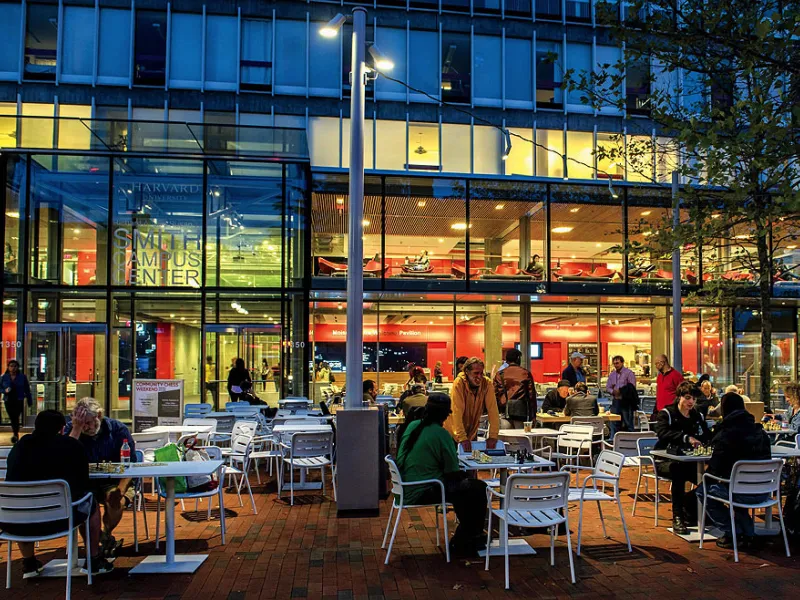 The SCC
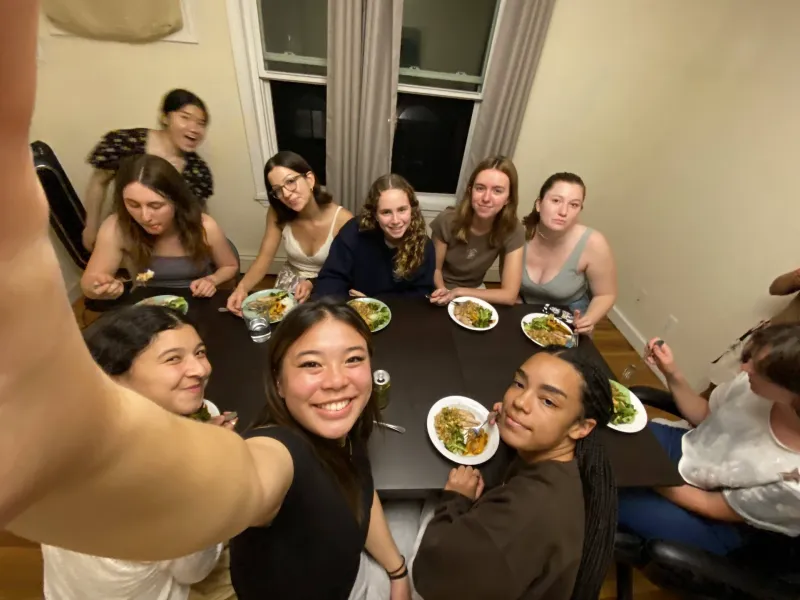

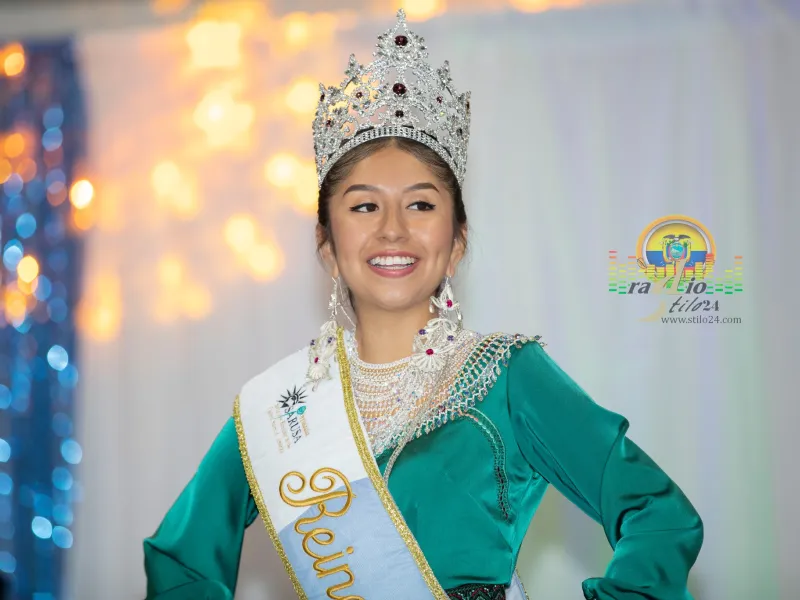 After weeks of preparation, my hard work paid off when I was elected as the queen of my tribal organization in the US, SarUSA (Saraguro Residents in the USA).
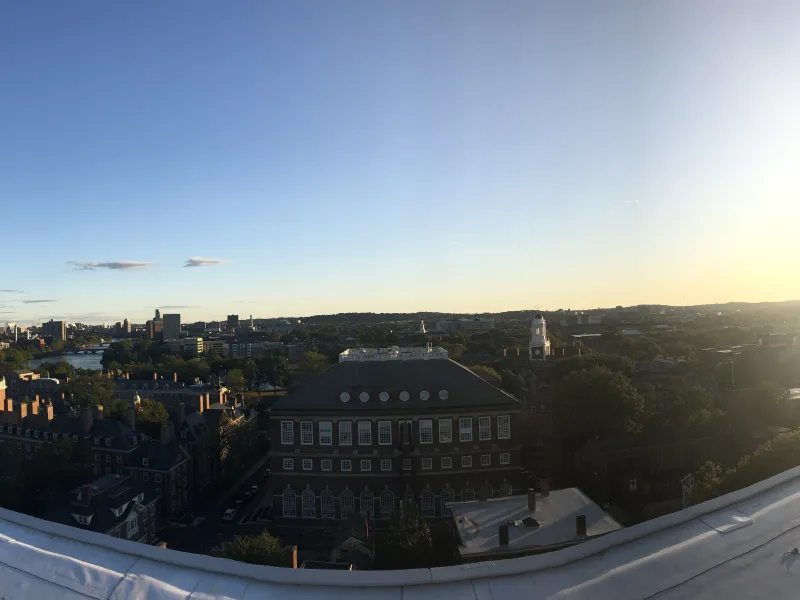
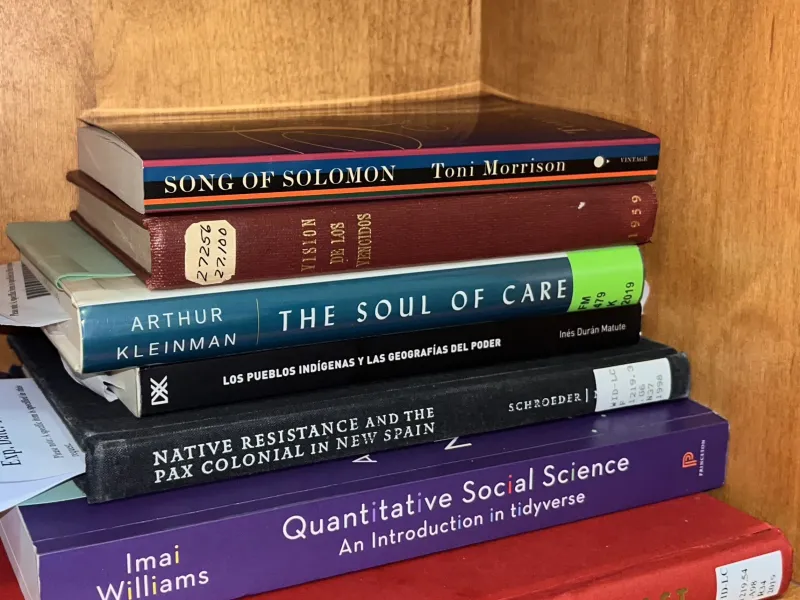 These are some of the books sitting on my shelf.
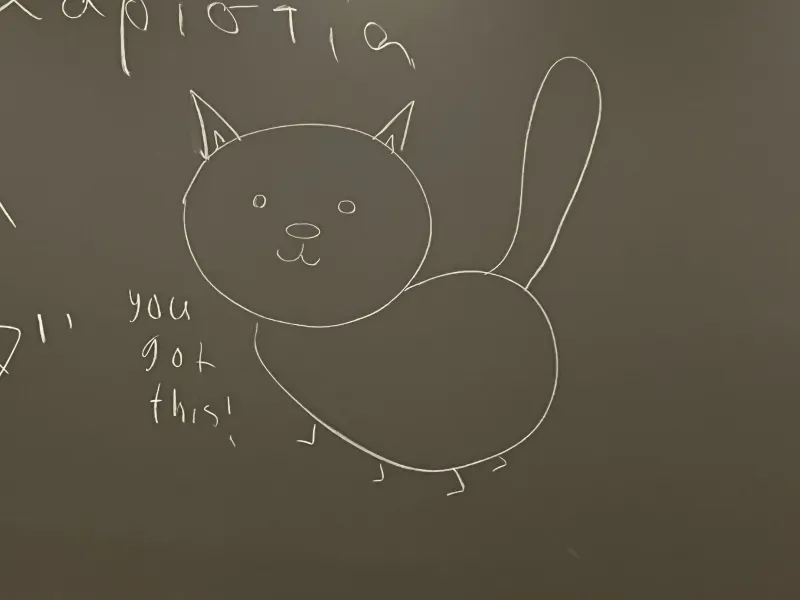
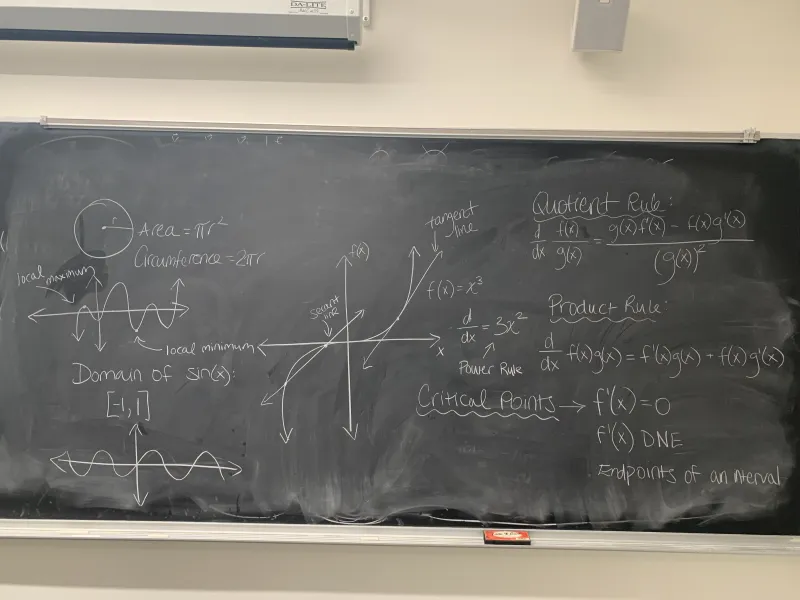 A chalkboard full of math in the Science Center
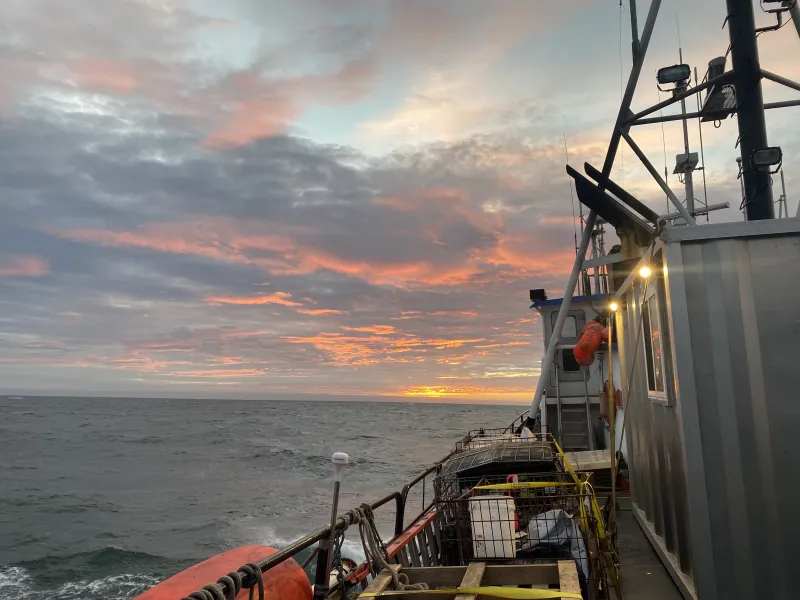 Sunrise during our first morning at sea.
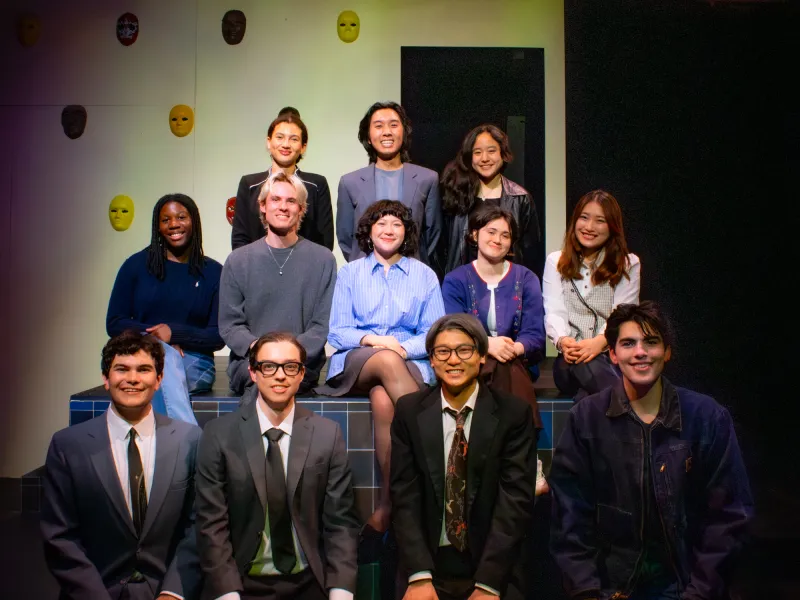
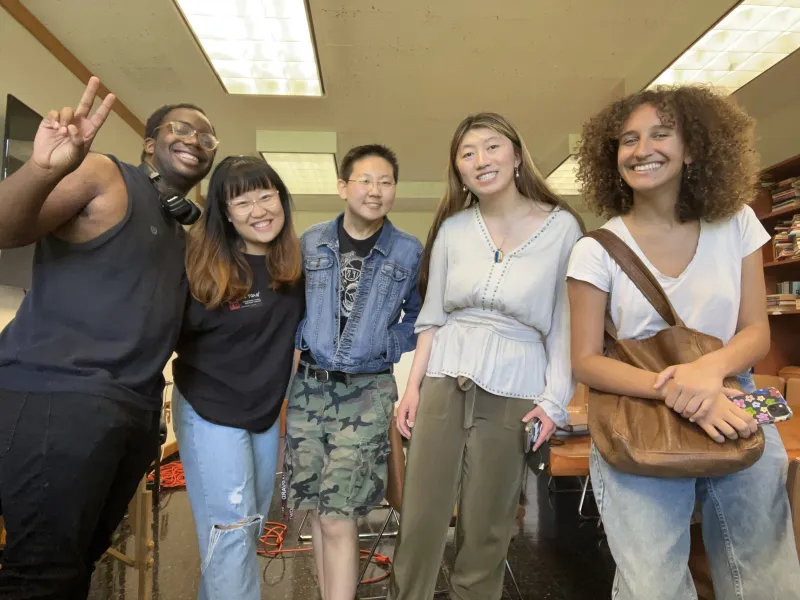 The 2022 summer American Repertory Theater (from left to right): Chinyere Obasi '24, Caron Kim '24, Sophie Kim '24, Diana Chen '25, Sophie Garrigus '25.
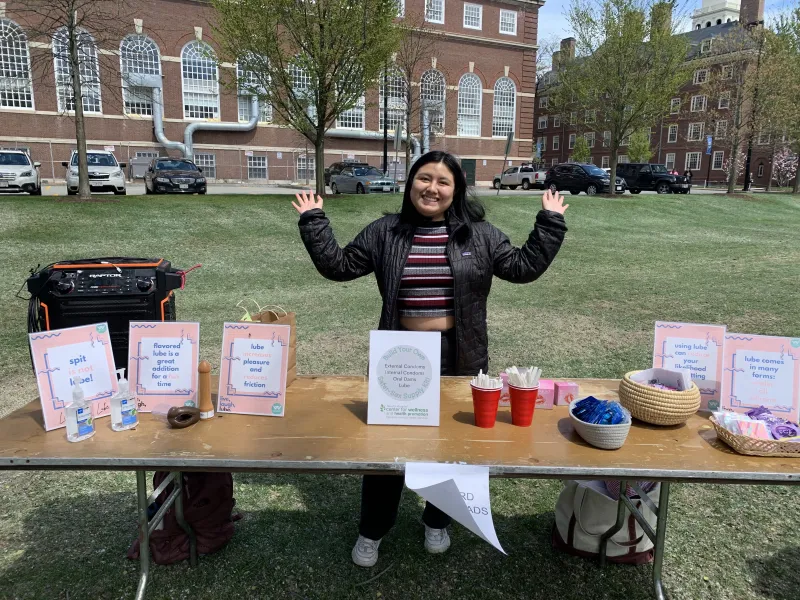
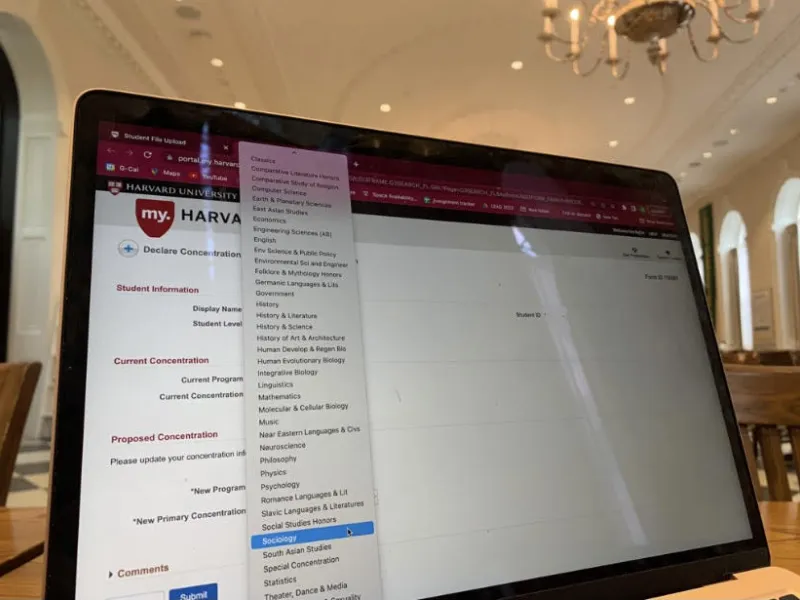 I officially declared Sociology as my concentration this fall!
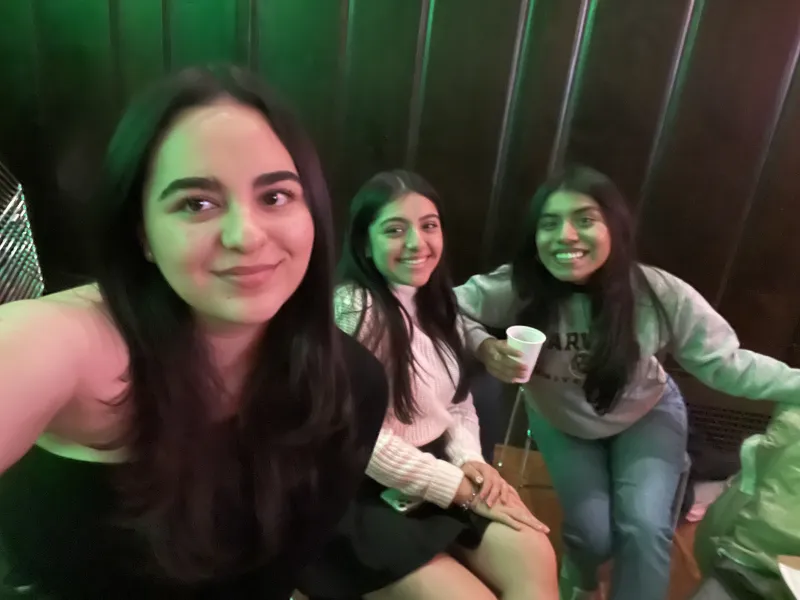 My friends and I love attending the socials that are hosted by the affinity groups!
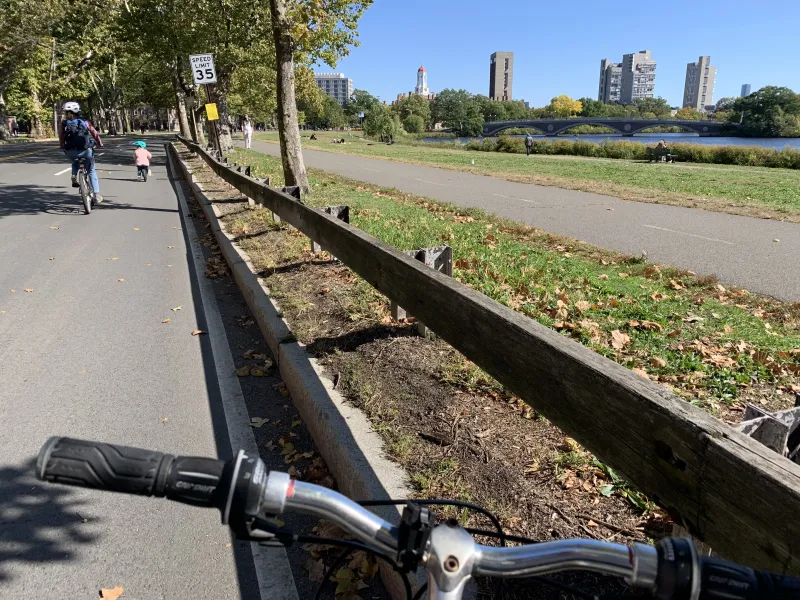 I love catching the crisp morning breeze every Saturday morning!
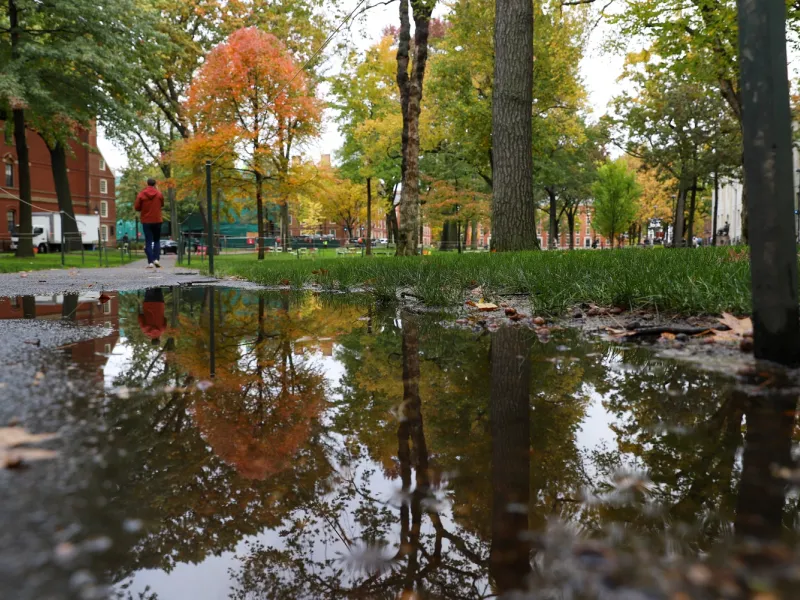
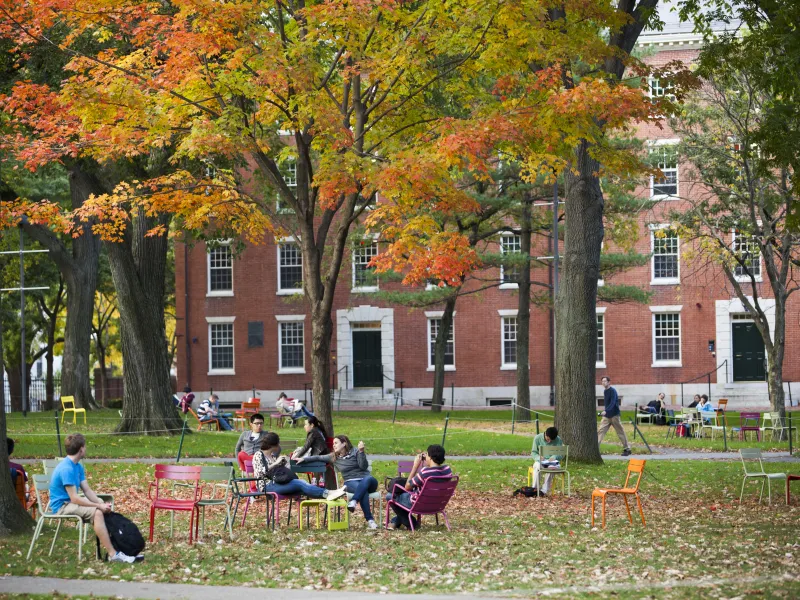
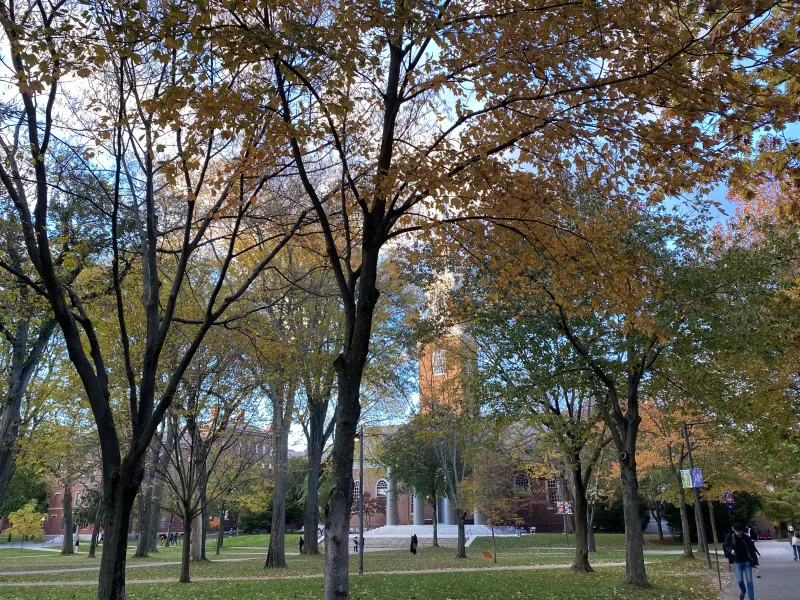 Fall foliage
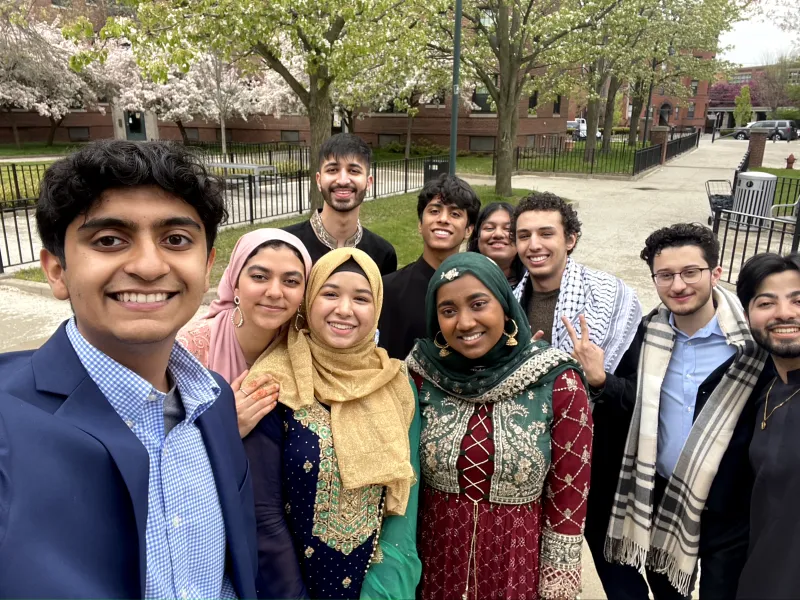
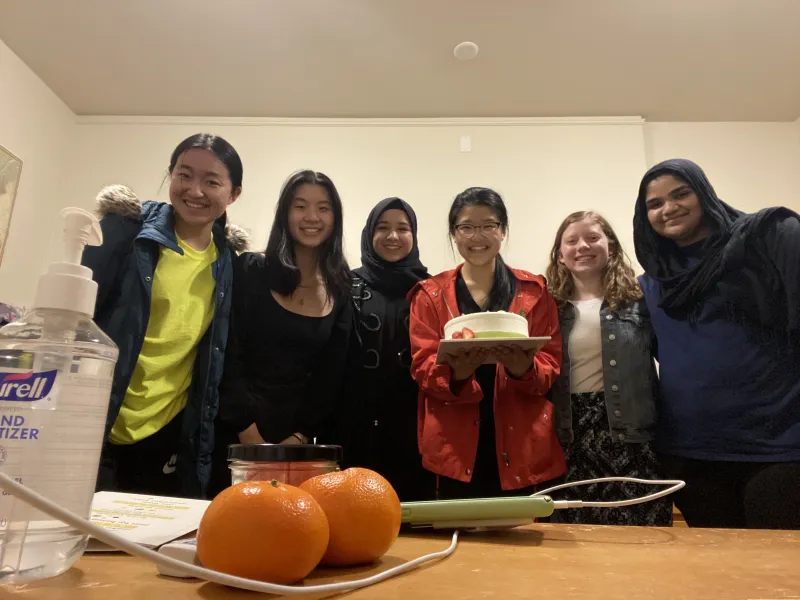

 This is LS50.
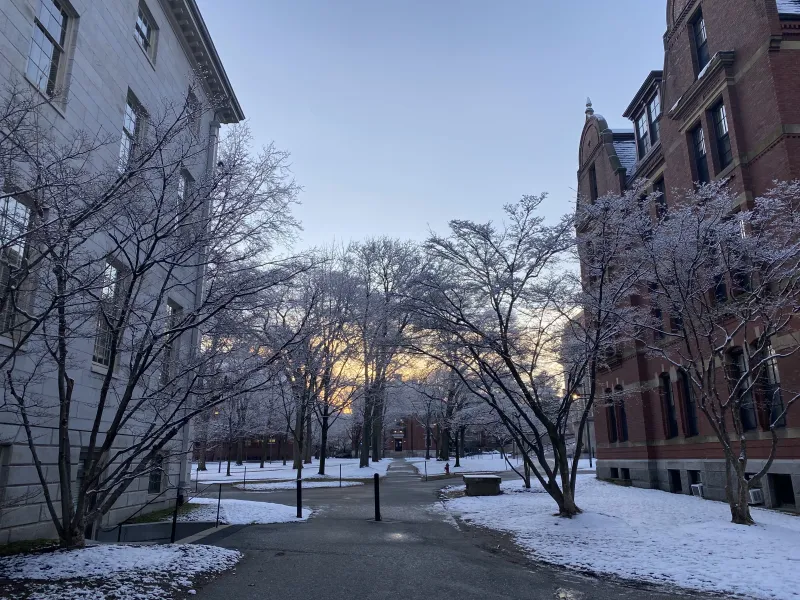 The sunrise on the morning of Housing Day this year.
 Ana's Blog Thumbnail
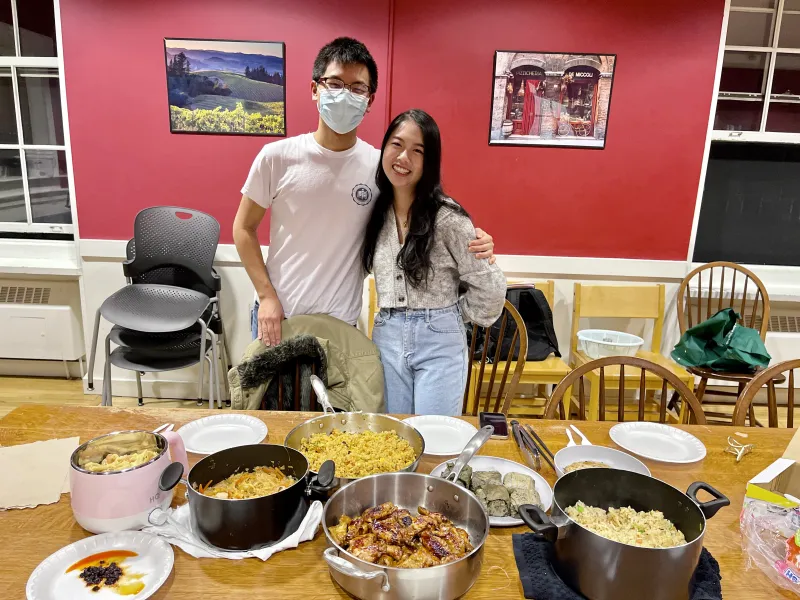 My first cookout at Harvard was successful!
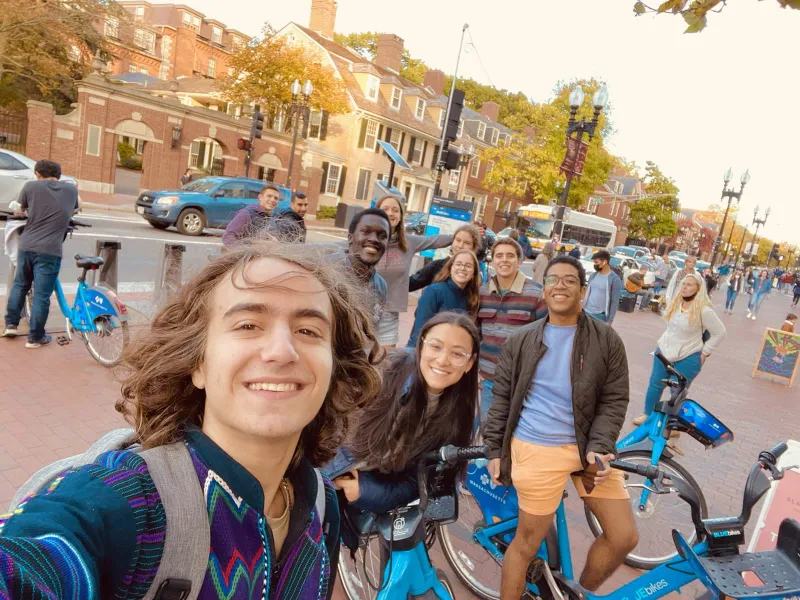
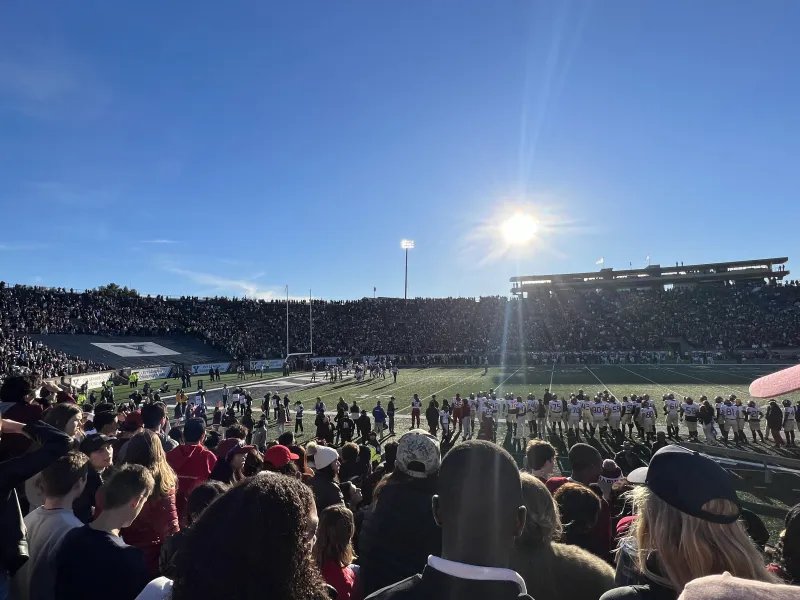
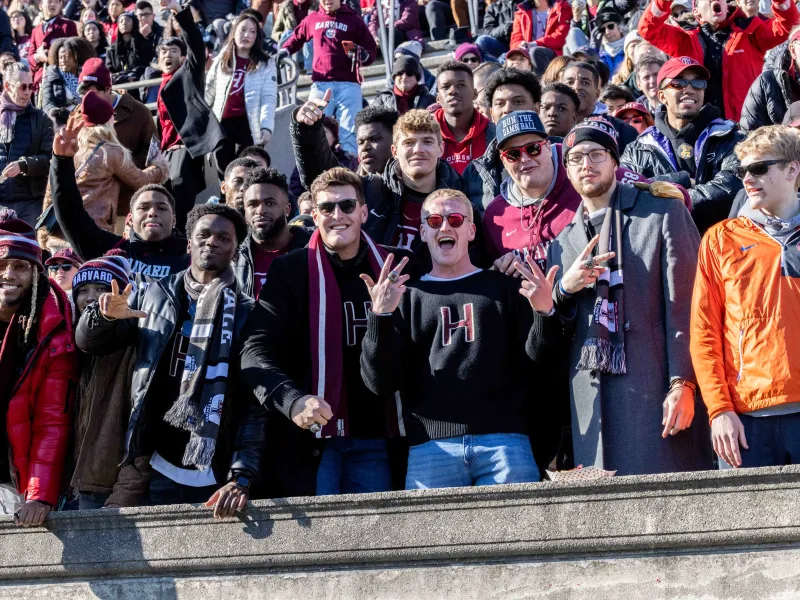
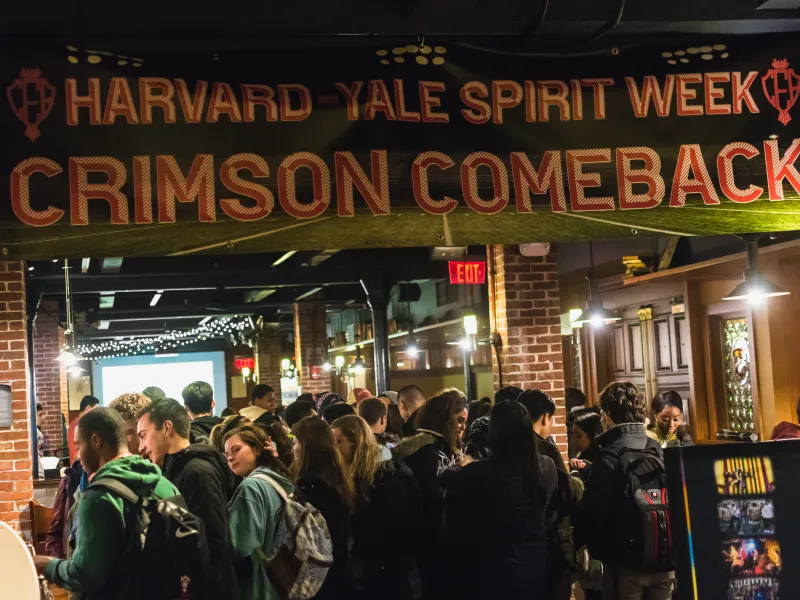
 My First Harvard Yale Game
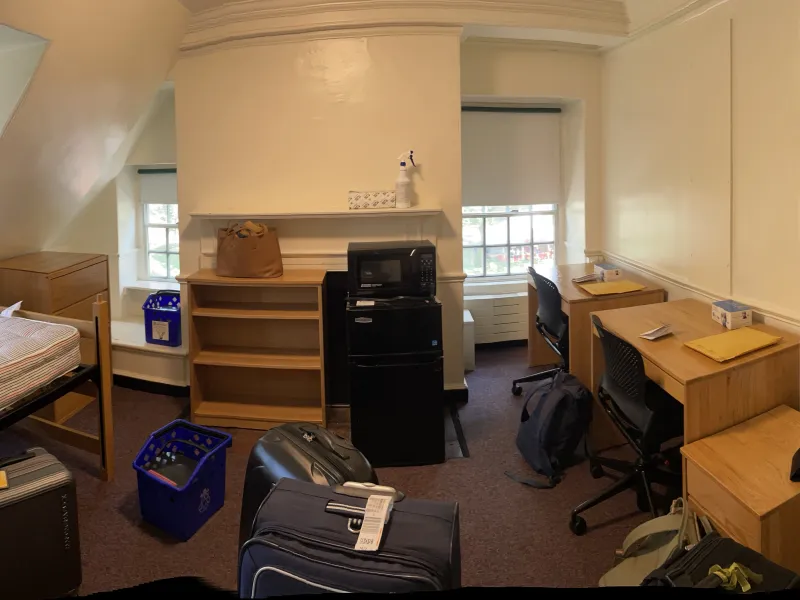 An empty room? More like a clean canvas!
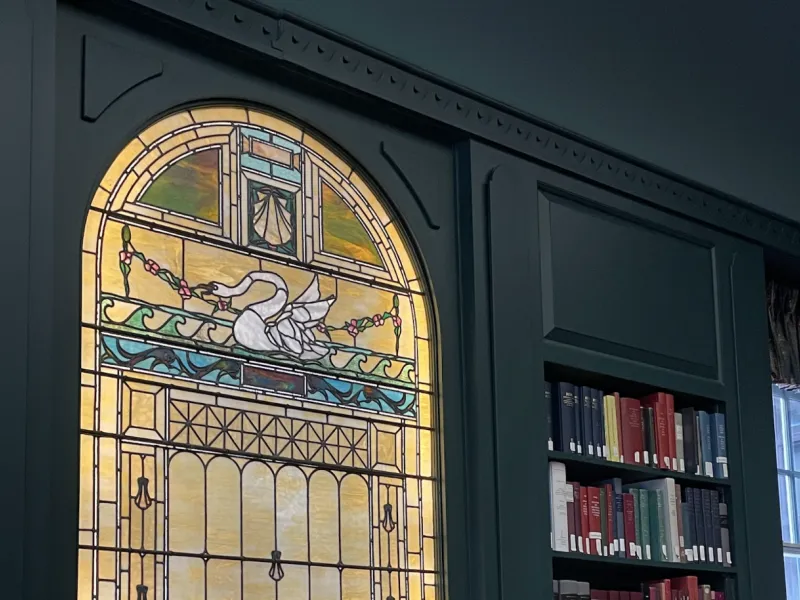 Where I love to study no matter what I’m concentrating in!
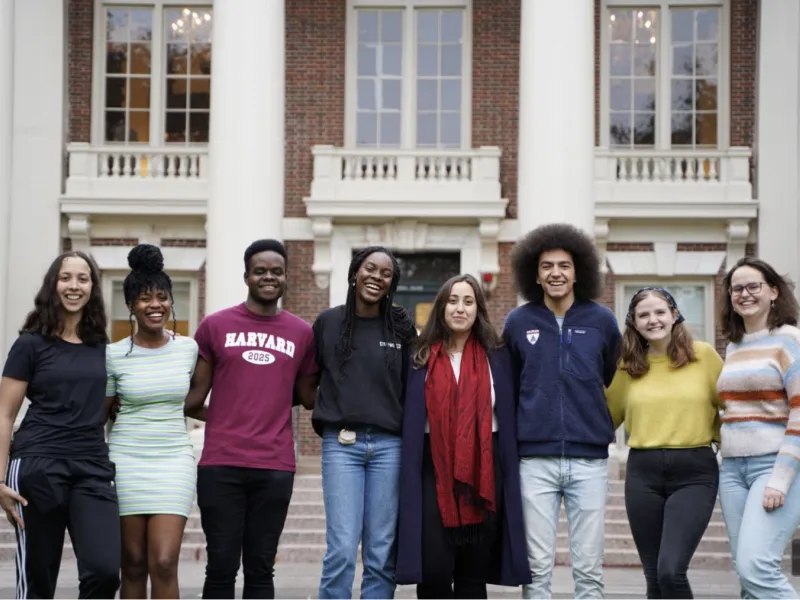 The Fall 2021 HFAI Student Coordinator Team!
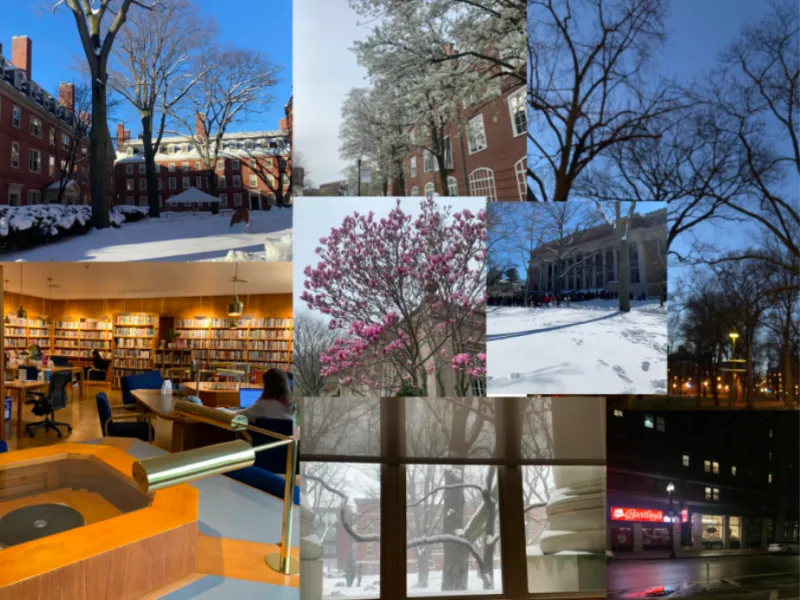 Adding as thumbnail for blog

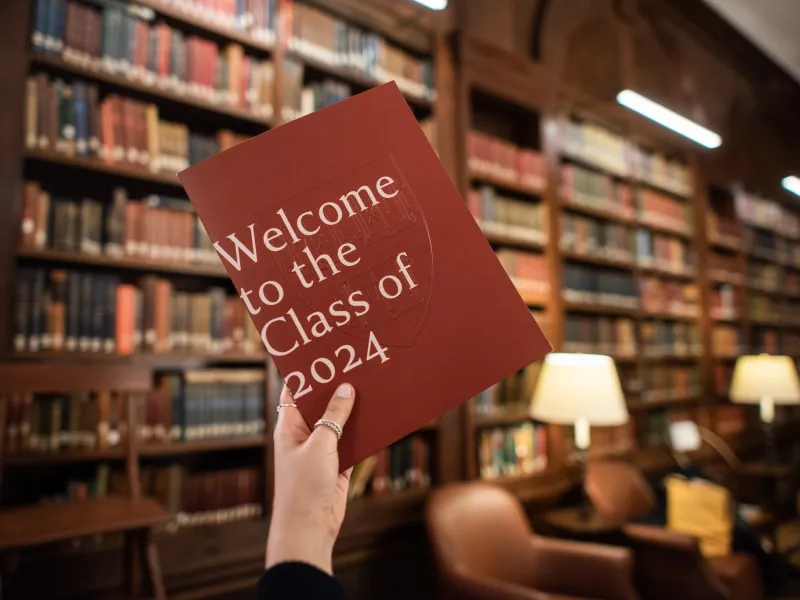
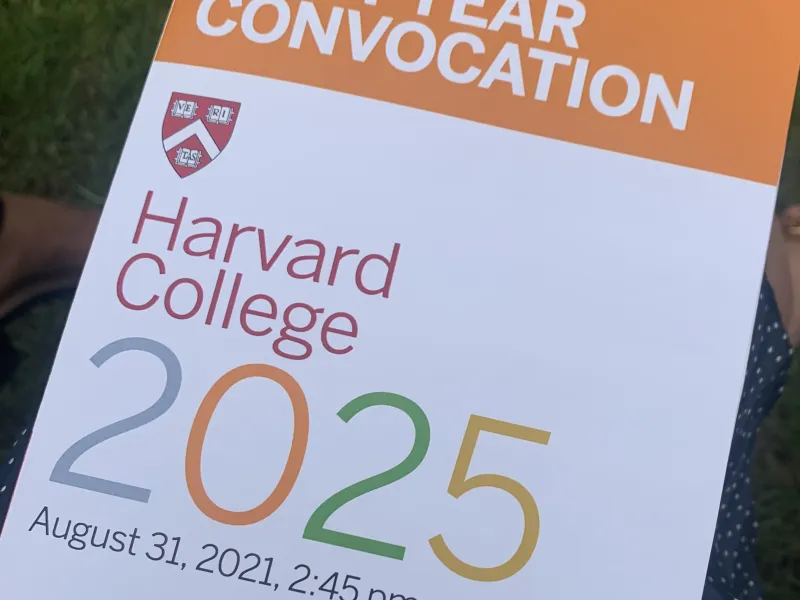 The brochure given to us on Convocation, a day before the start of classes
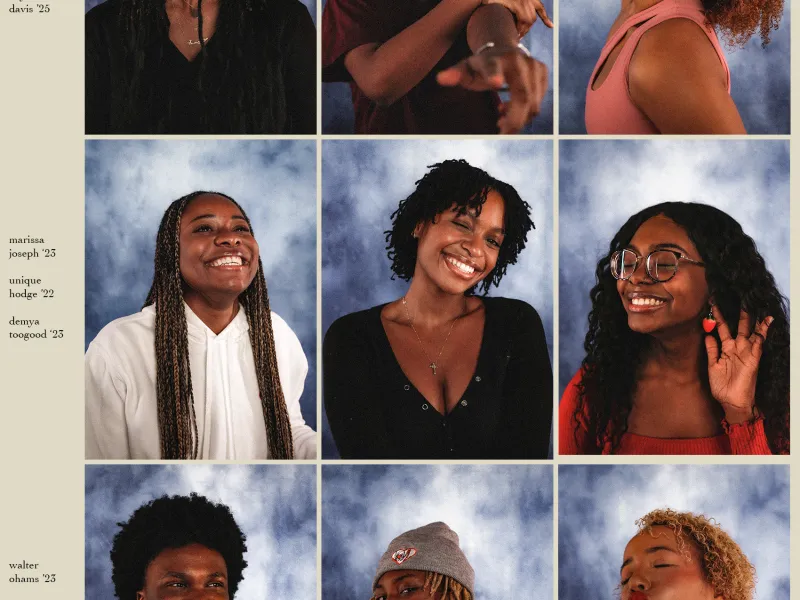
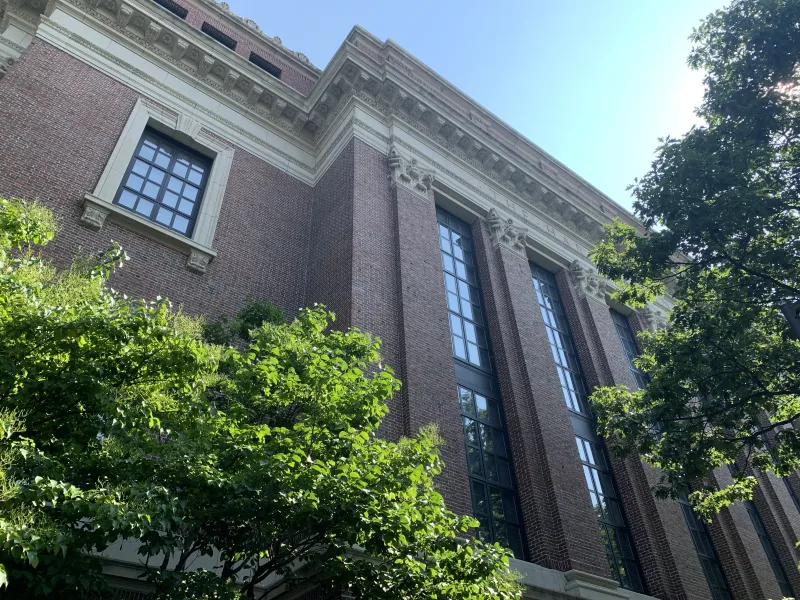
 A picture of a white poster with "Adams House is the Best House" written on it.
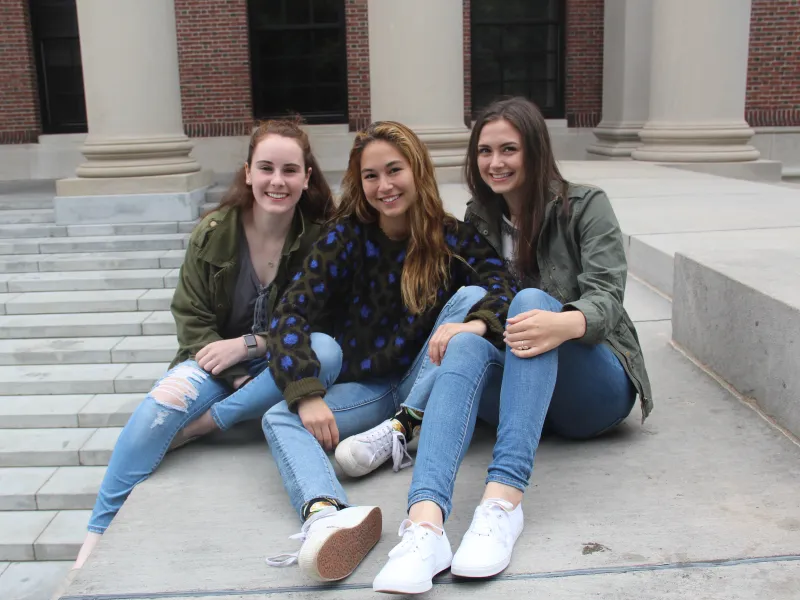 Sitting in front of Widener with my first friends at Harvard in fall 2018. None of us could have predicted that we would end up taking a leave of absence together two years later.

 A friend and I celebrating our high school graduation!
 So grateful to have worked with these amazing student leaders this past year!
 hey, what's that--a liminal space?
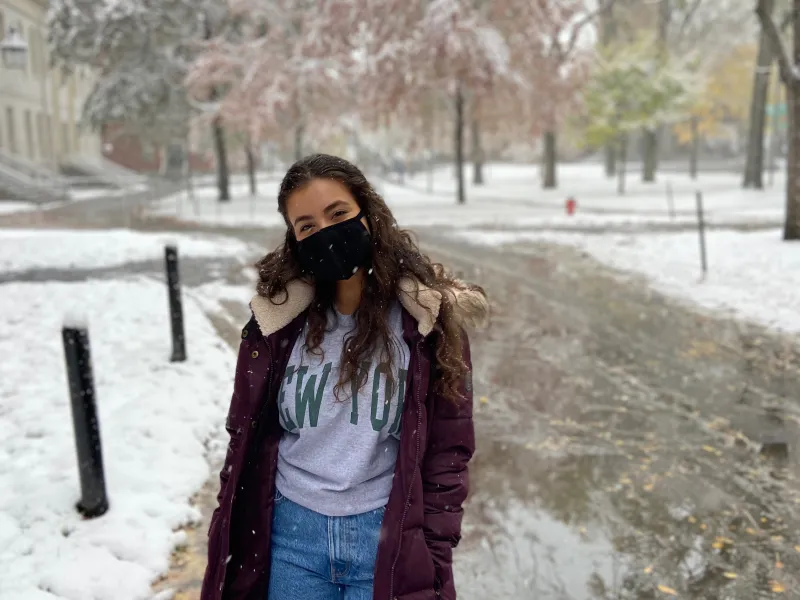 My one of my Floridian roommates in the snow last year looking warm in a coat and jeans!

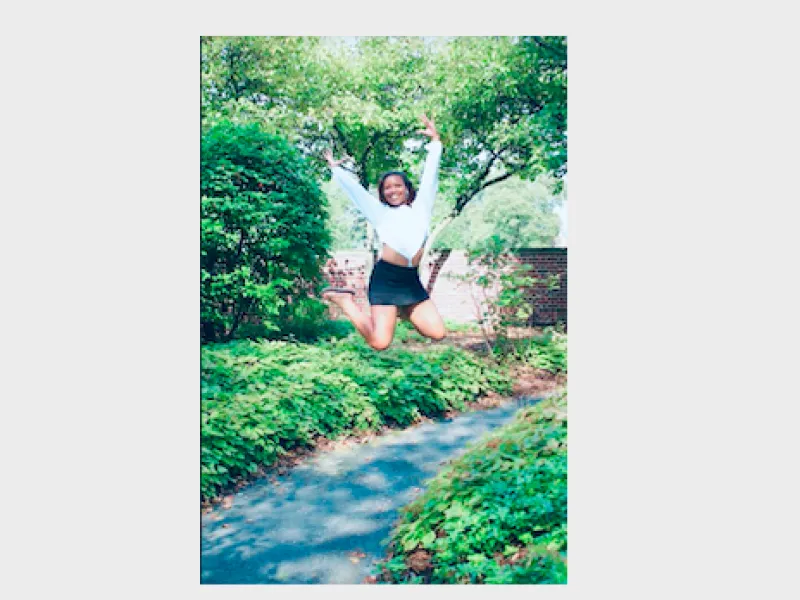 A dancer jumping in the air
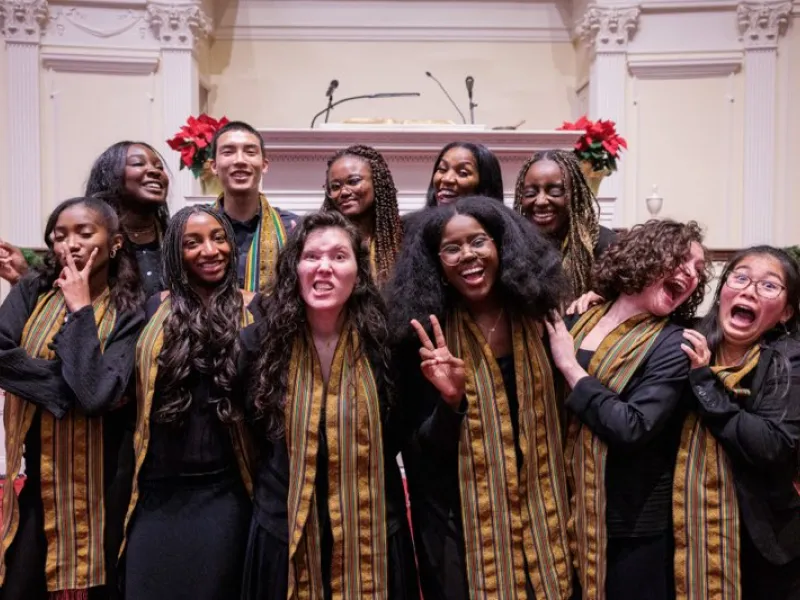
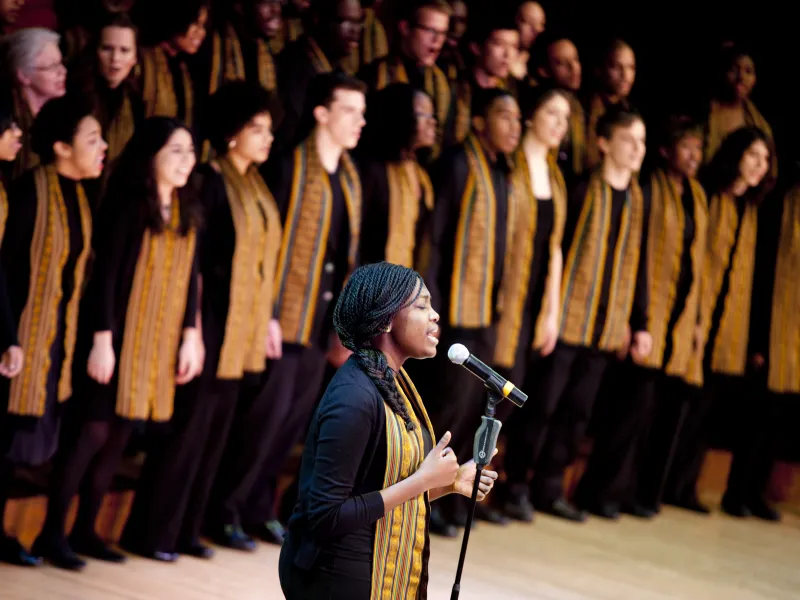
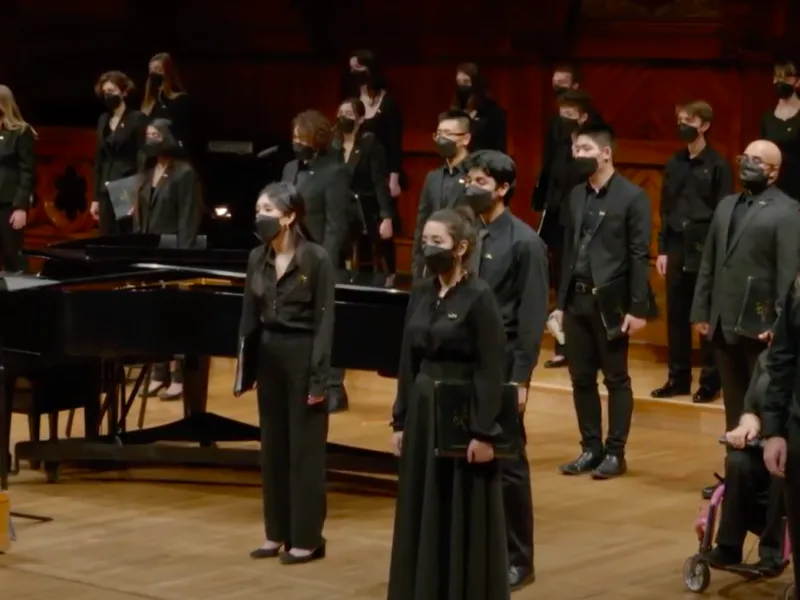 My fellow singers and I singing “Lay Me Low,” our closing number, by Addah Z. Potter and arranged by Kevin Siegfried, at Reunion: A Fall Concert.
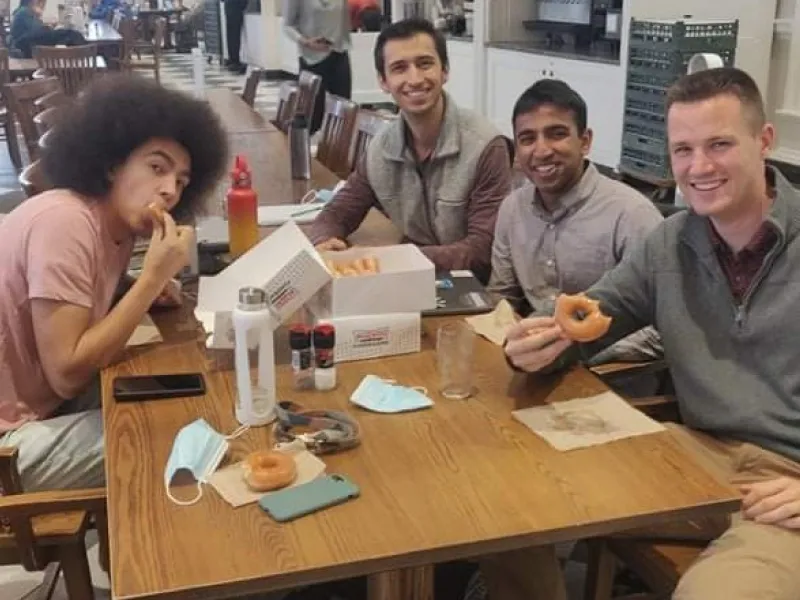 To relax after midterms, some friends and I enjoyed donuts for breakfast in Leverett Dining hall.
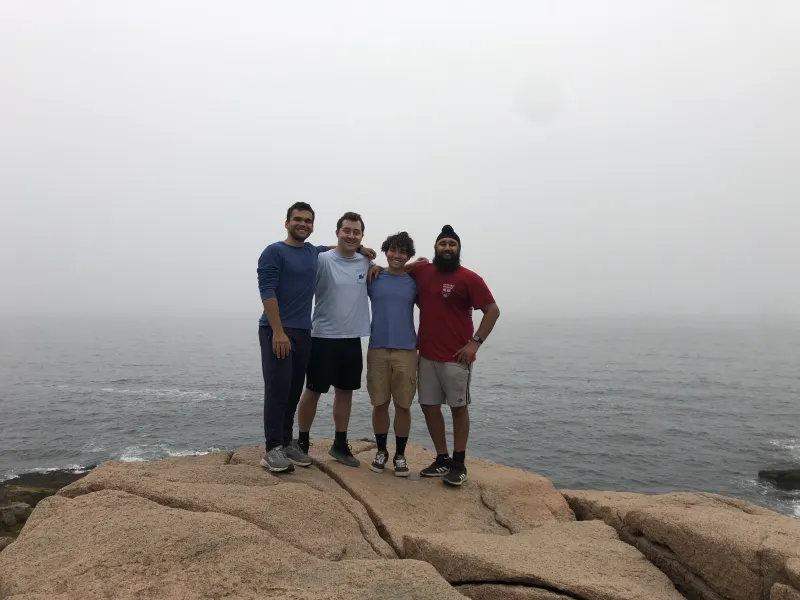 Here's some friends and I at Acadia National Park over an extended weekend!
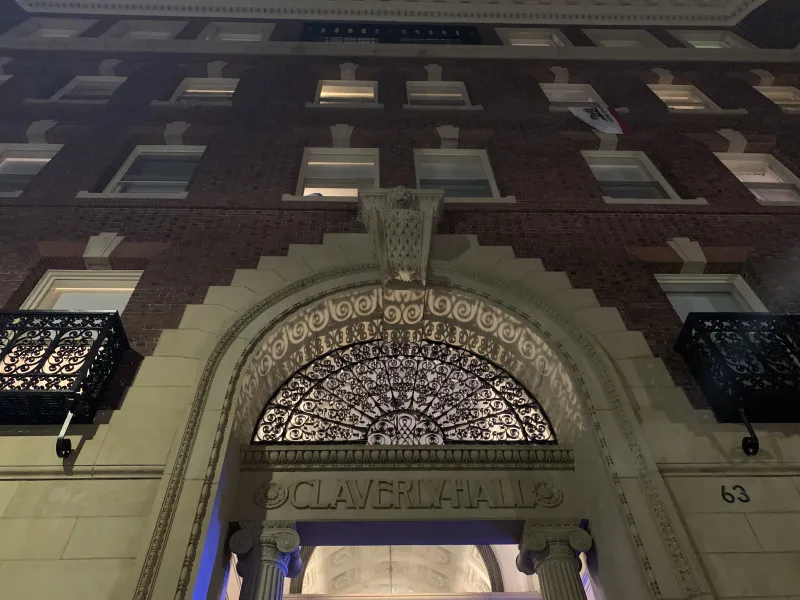 The front of Claverly Hall on Mt. Auburn Street.
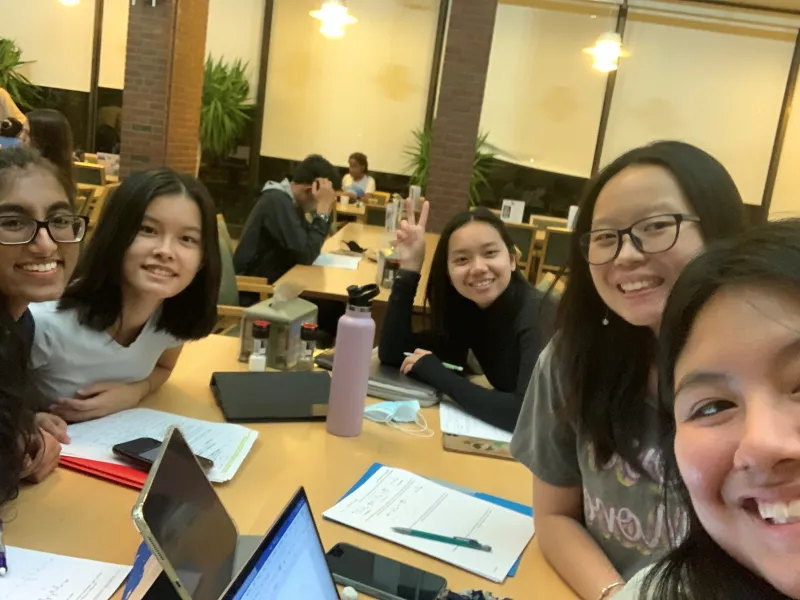
 This is our entryway ready for their convocation!
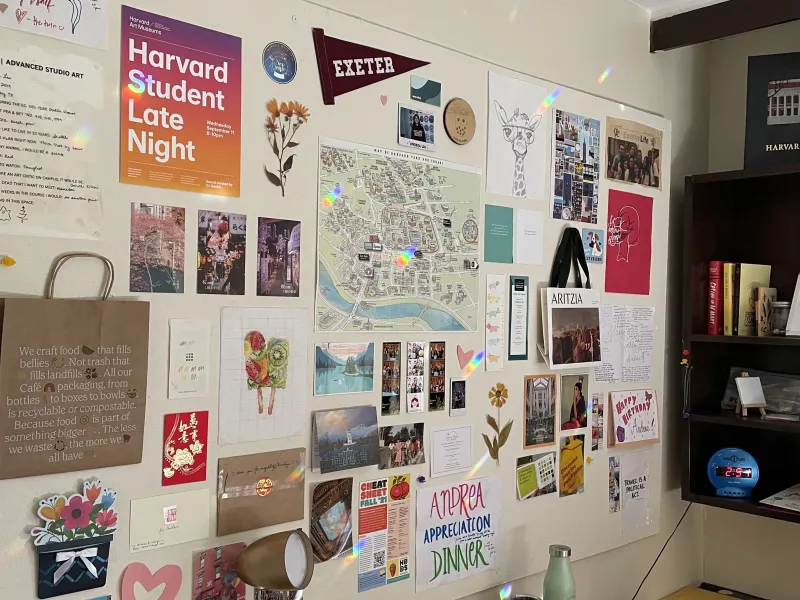 A snapshot of my room in the afternoon
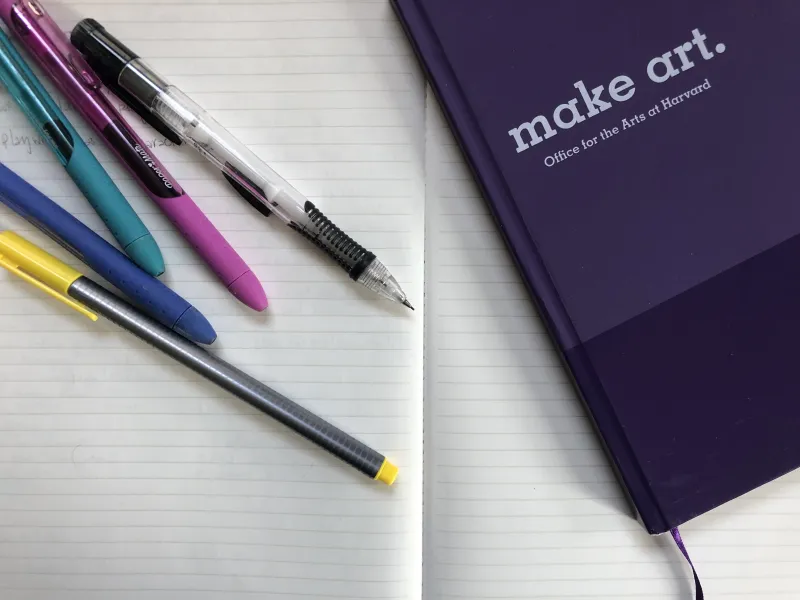
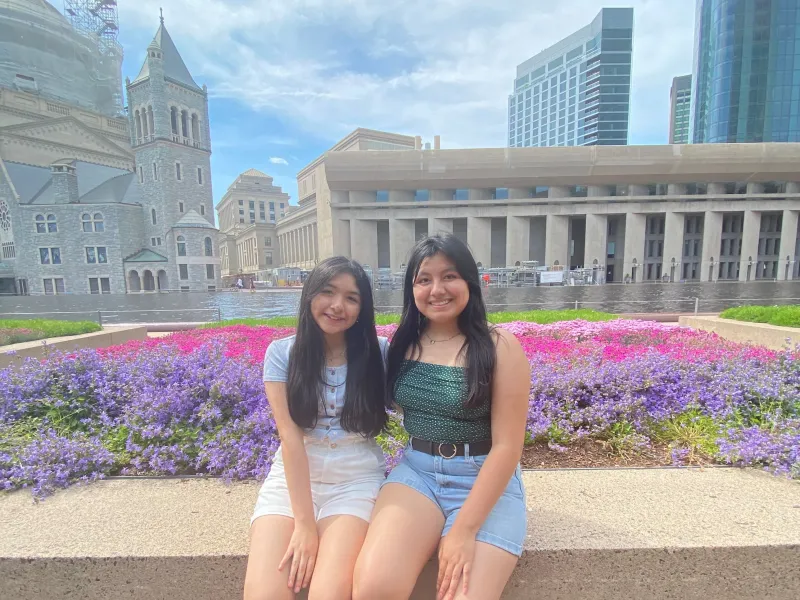
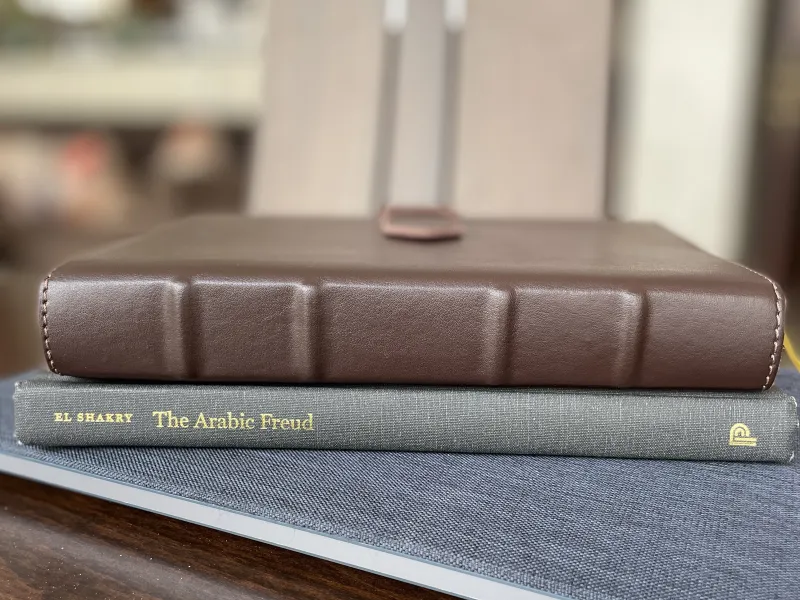 These research materials and I have been attached all summer.
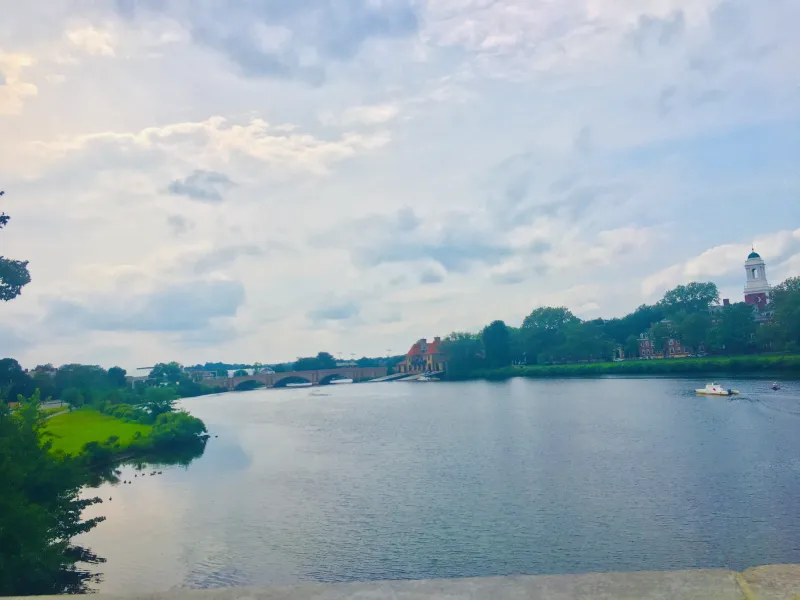 A picture of the Charles River overlooking Harvard's River Houses
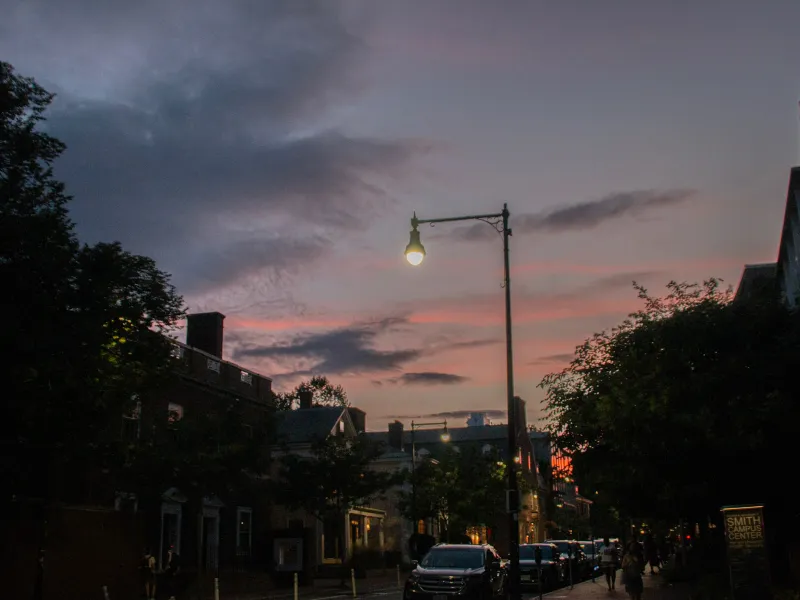
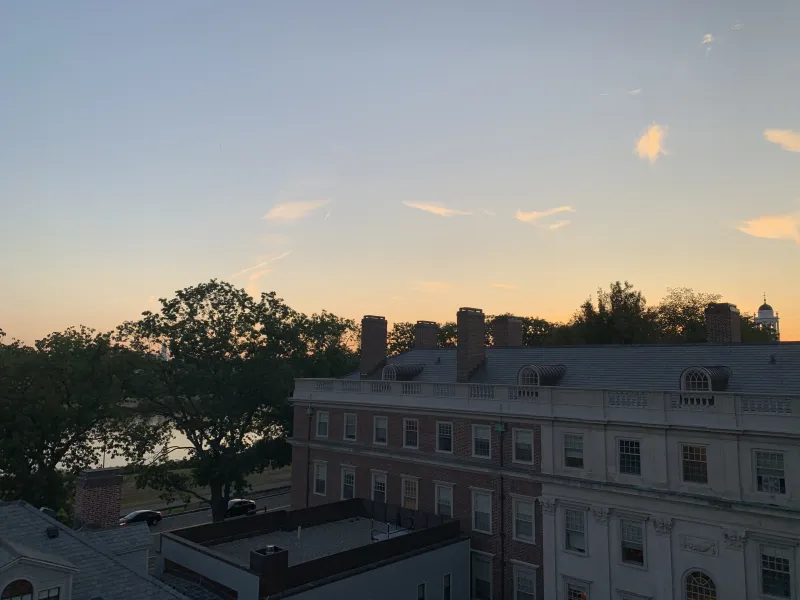
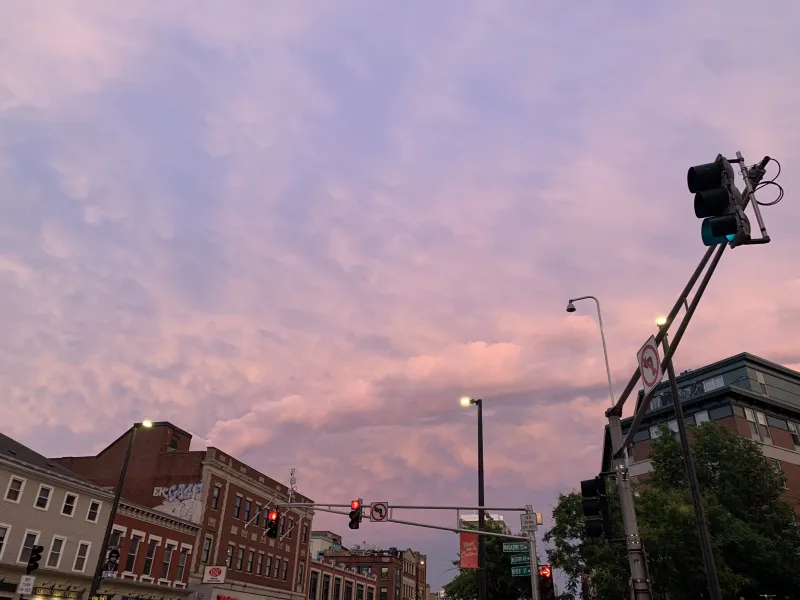 One of my favorite parts of Cambridge summers is how beautiful the sky gets as the sun starts to set. I've dubbed them "cotton candy skies" due to the vibrant pinks, blues, and purples that the sky takes on during this time.
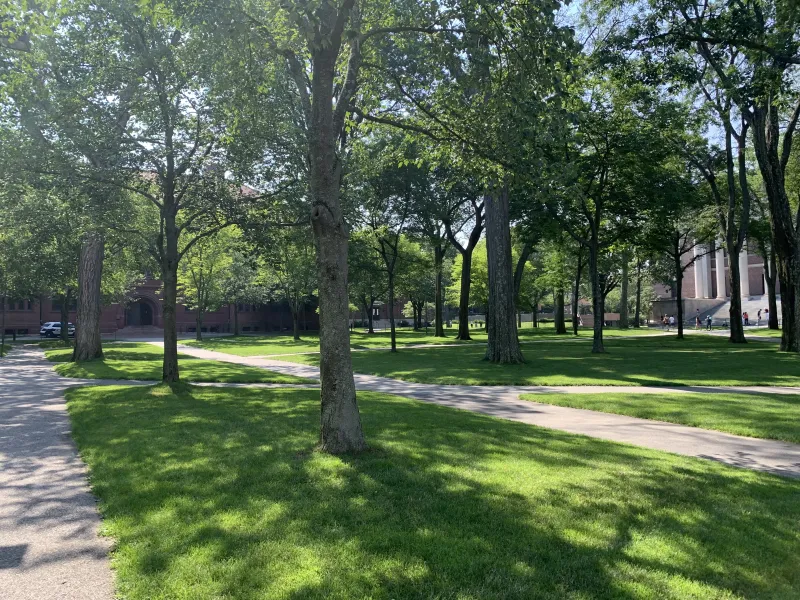
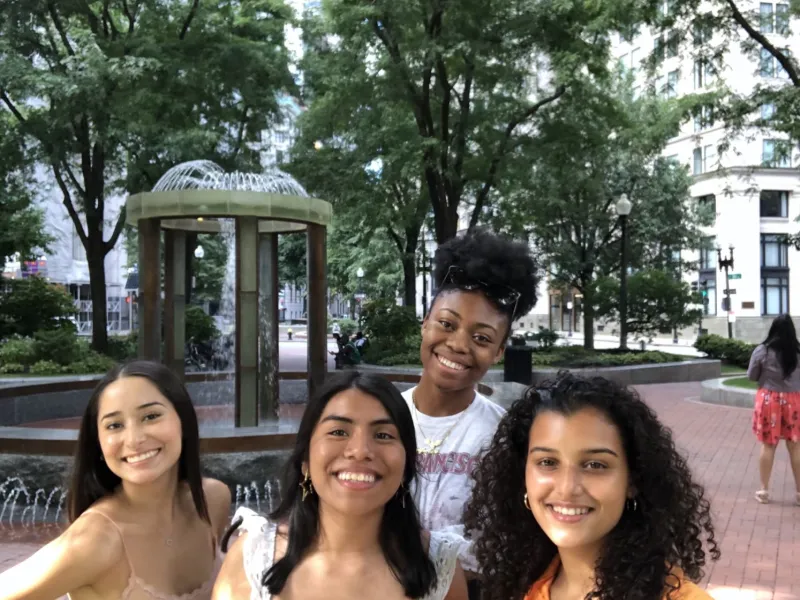 This was during our first few weeks at Harvard!
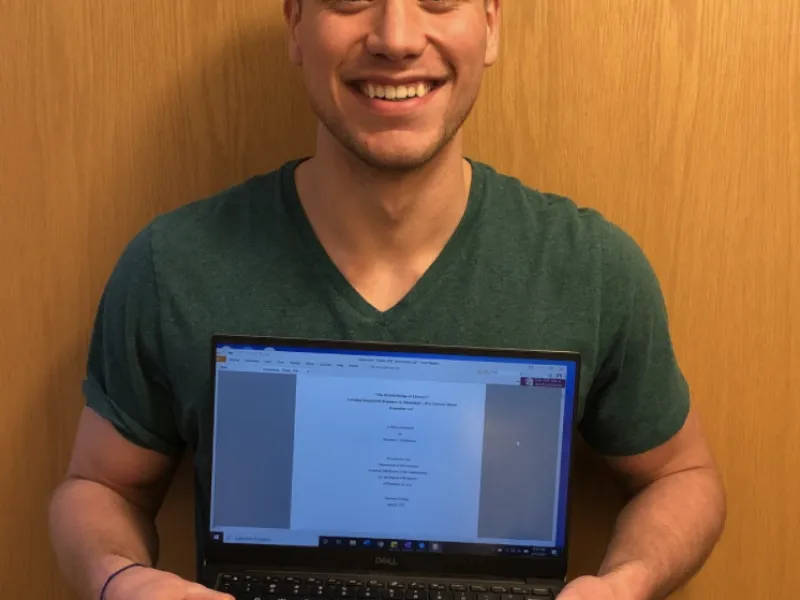
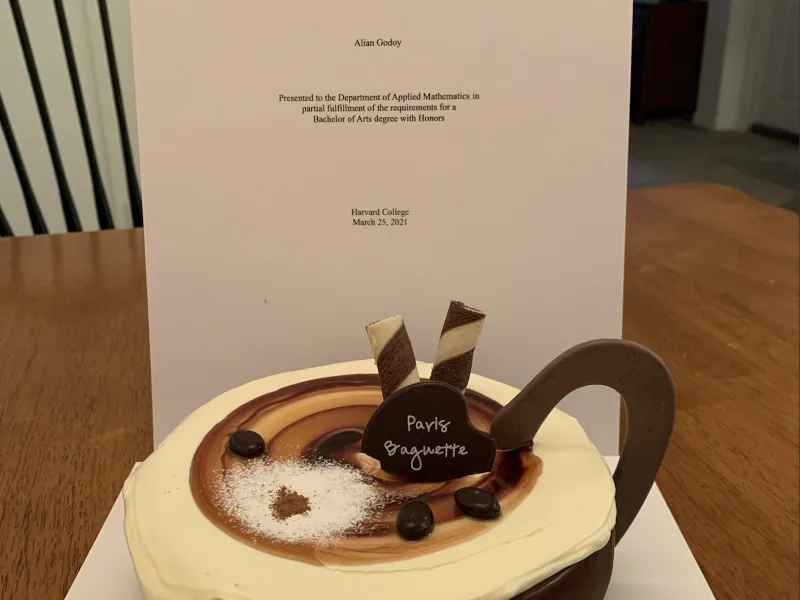 Cake from Paris Baguette & my Thesis Title Page
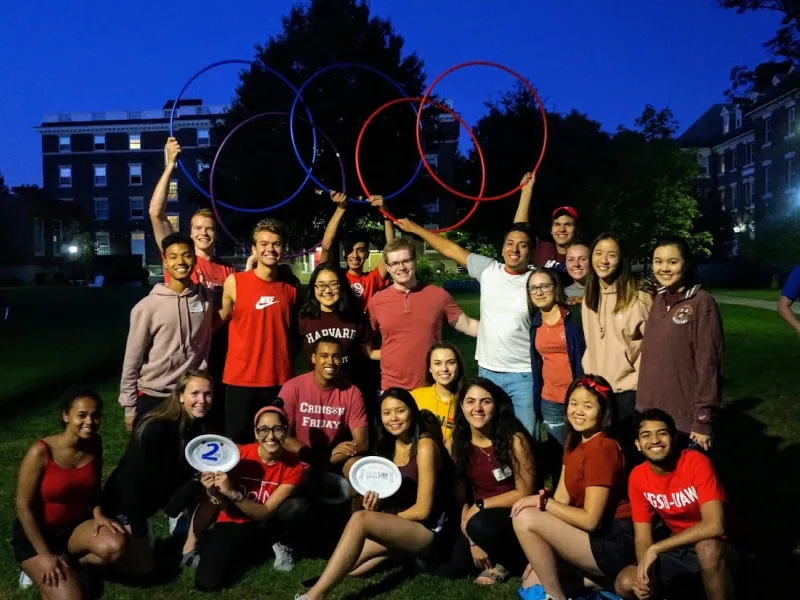 A group of PAFs after an evening of games during orientation.
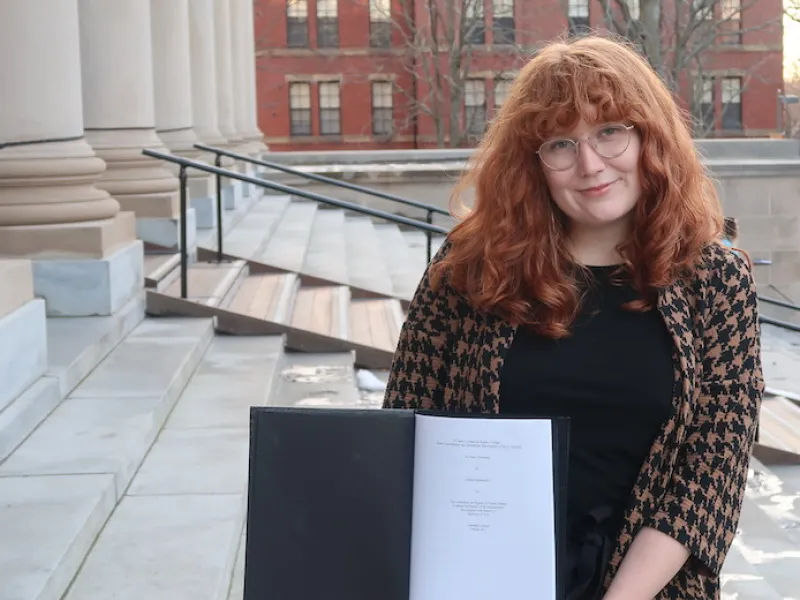 I got to take photos with my thesis (or at least the first 25 pages of it) on the steps of Widener Library!
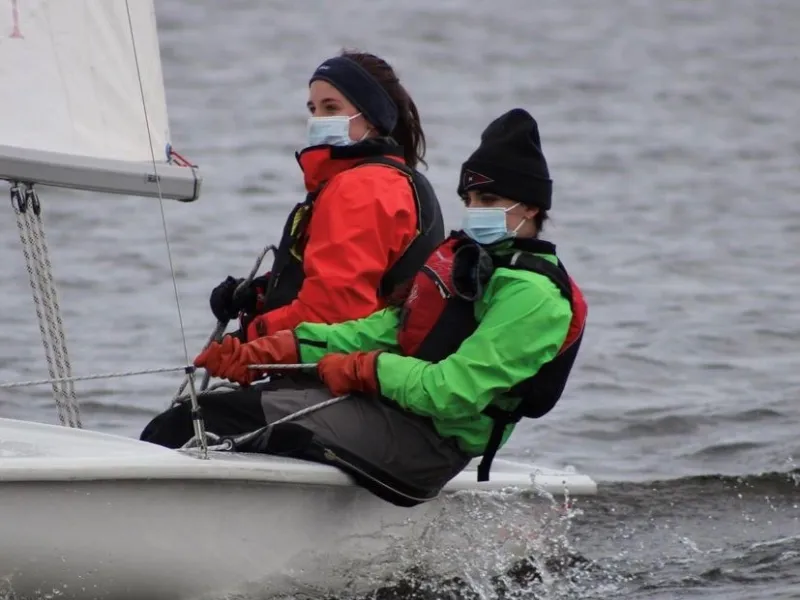 Me and a teammate sailing the first double handed sail of the year.
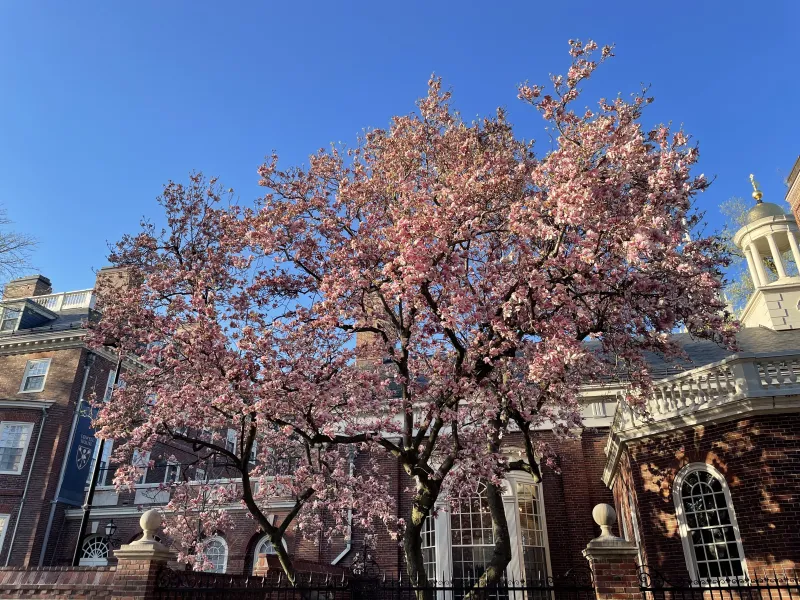 Cherry Blossom outside Lowell
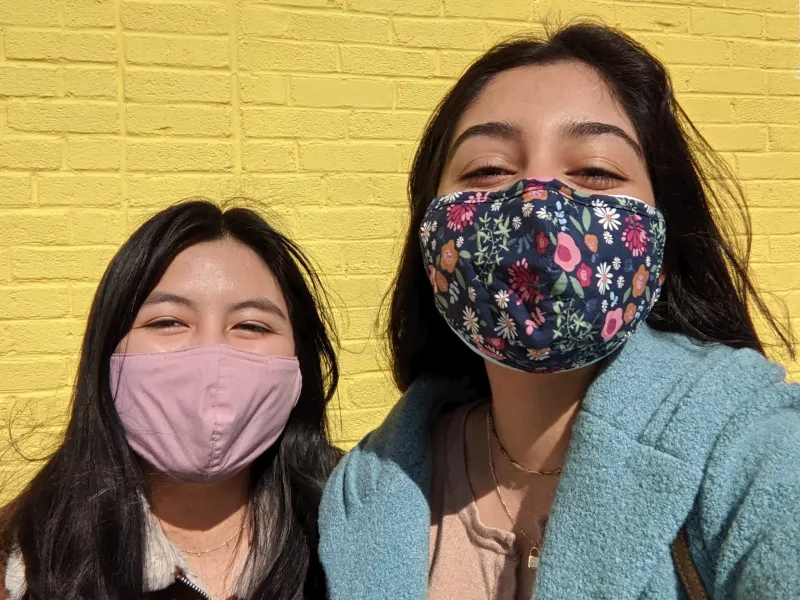
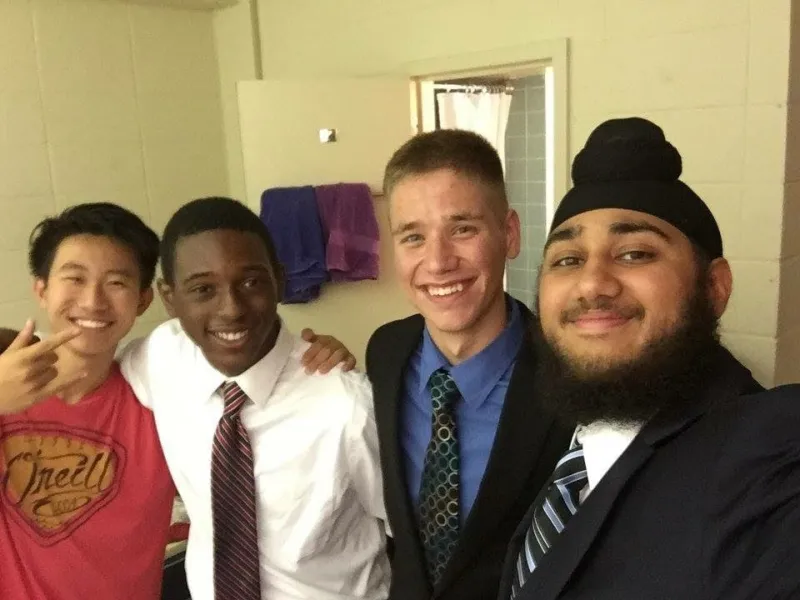 Here's Harpreet and I with our best friends back in high school!
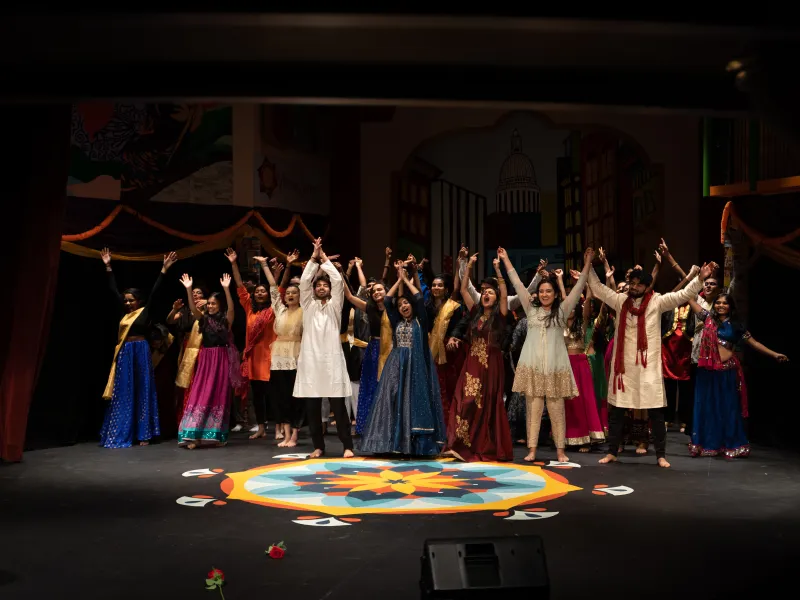 The finale act of the 2020 show!
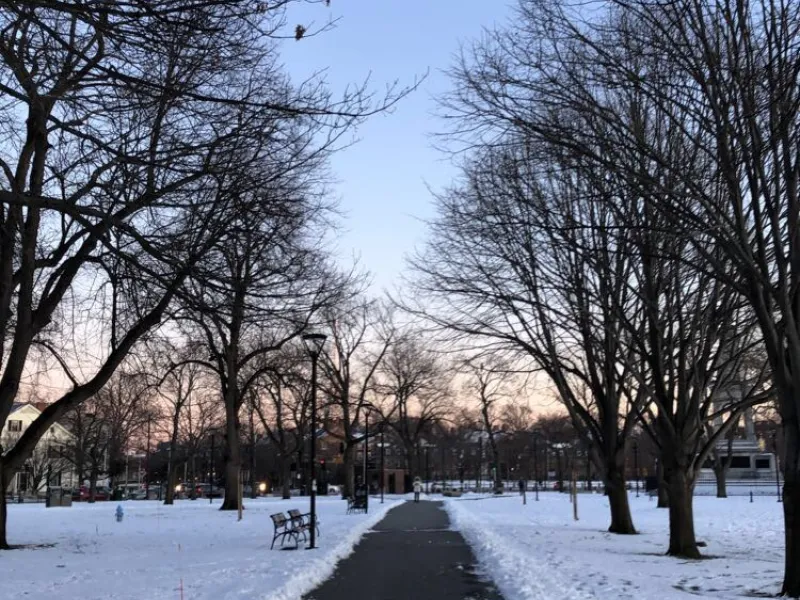

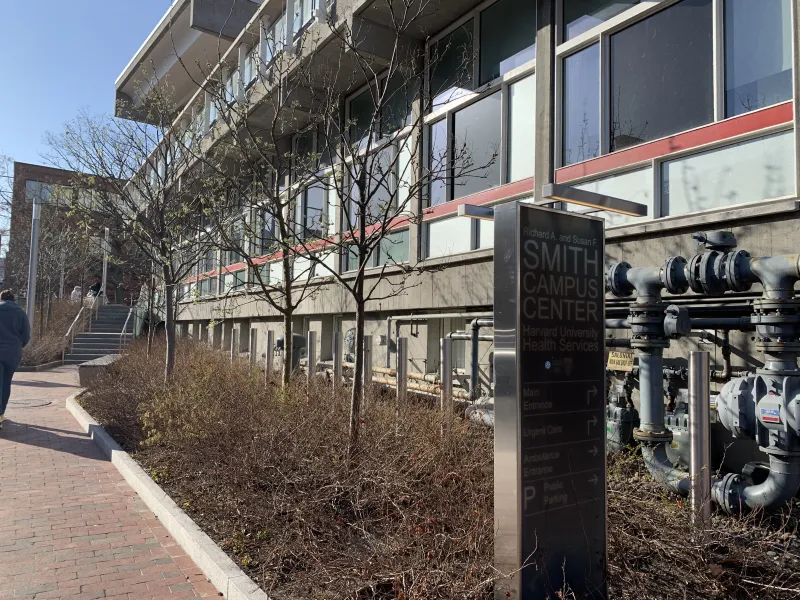 Mt. Auburn Street Side of Harvard University Health Services/Smith Center


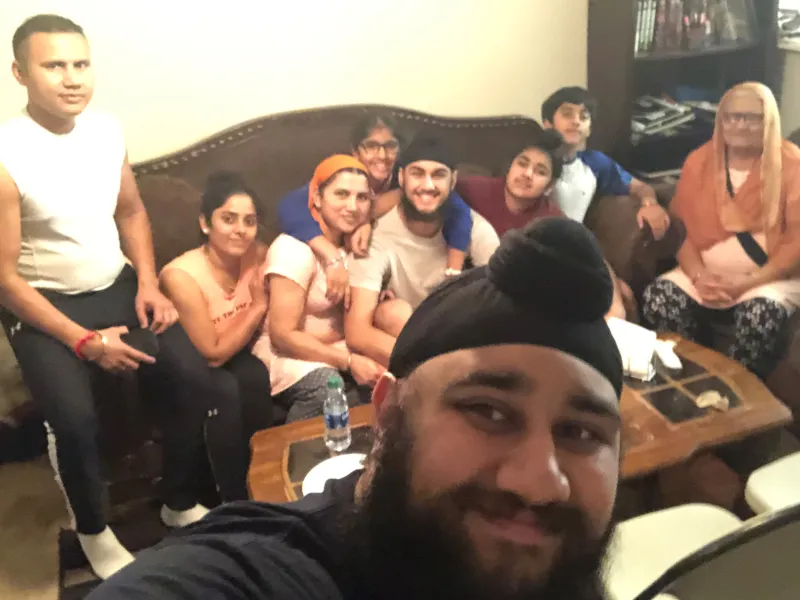 Here is a picture of my family, including my mom, brothers, grandma, uncle and aunt, and cousins.
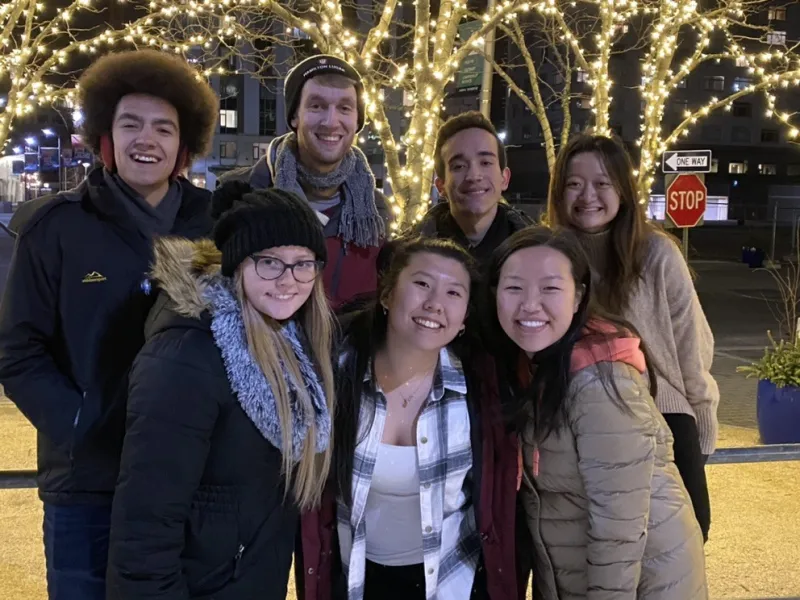 The SEF is just one way for low-income students to receive extra support towards the cost of attendance at Harvard
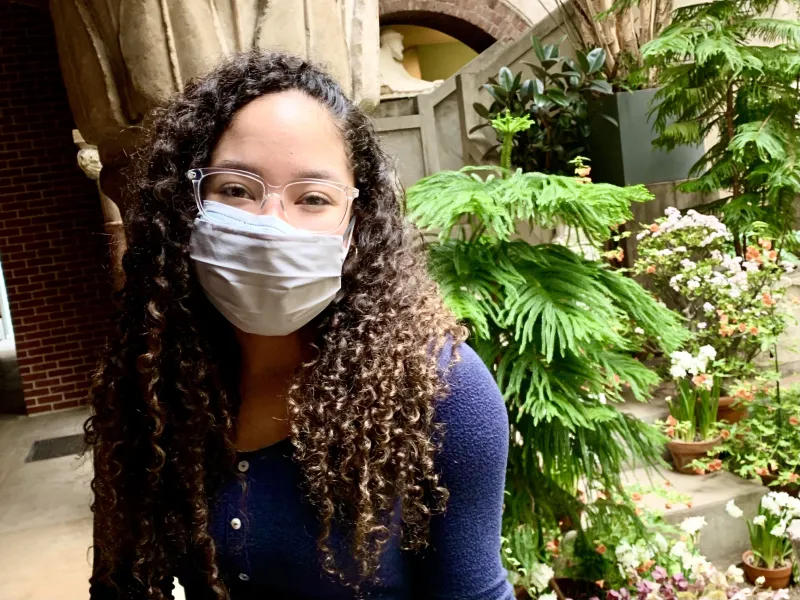 trips into Boston are worth it!
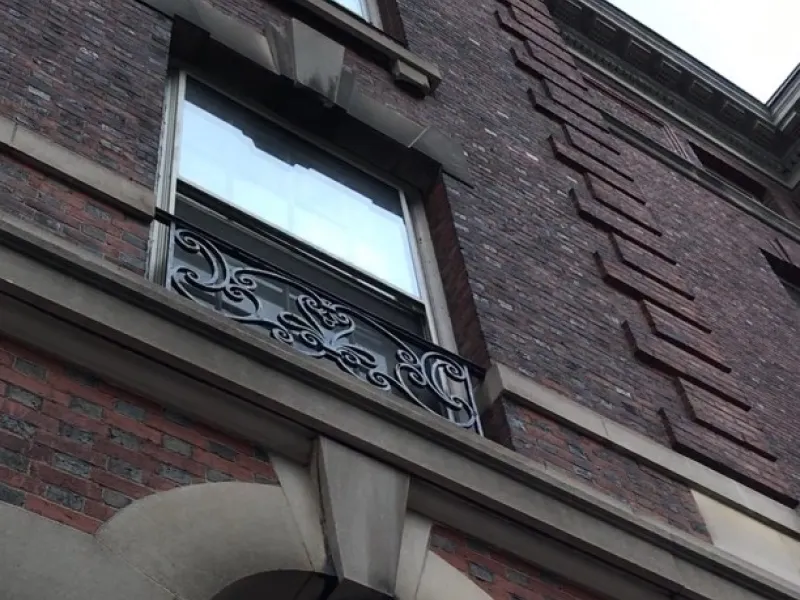 Photo of side of Apley Court
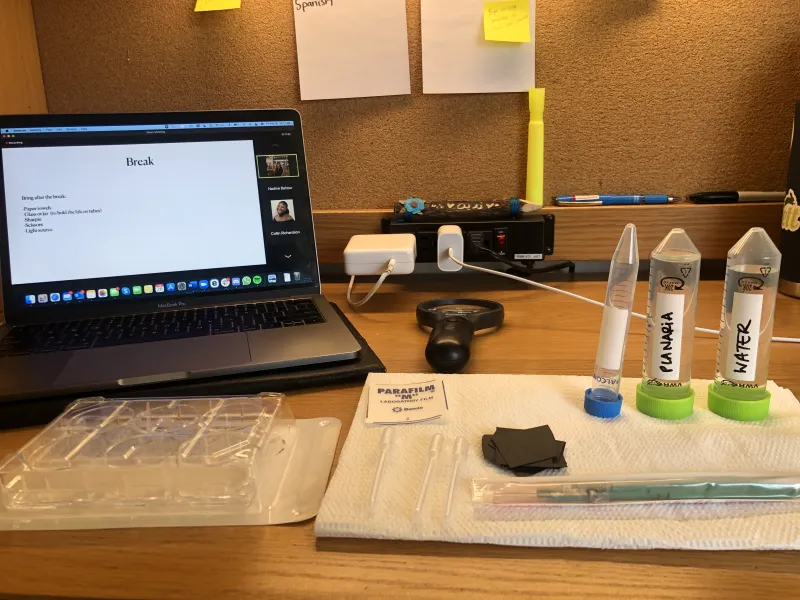 I transformed my desk to a workstation to dissect the worms for my lab.
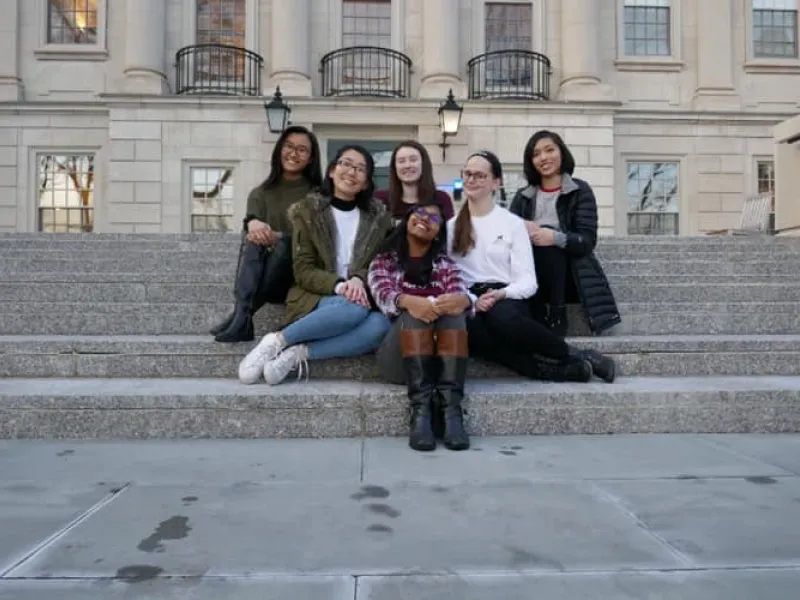 My blockmates and I at Winthrop House on our Housing Day!
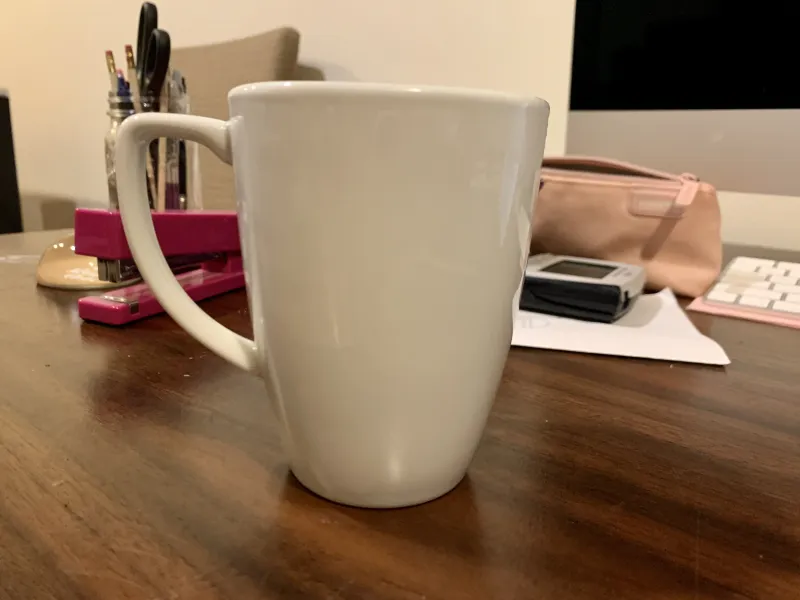
 Studying on a cold day with some coffee.
 I have very specific playlists for every mood.
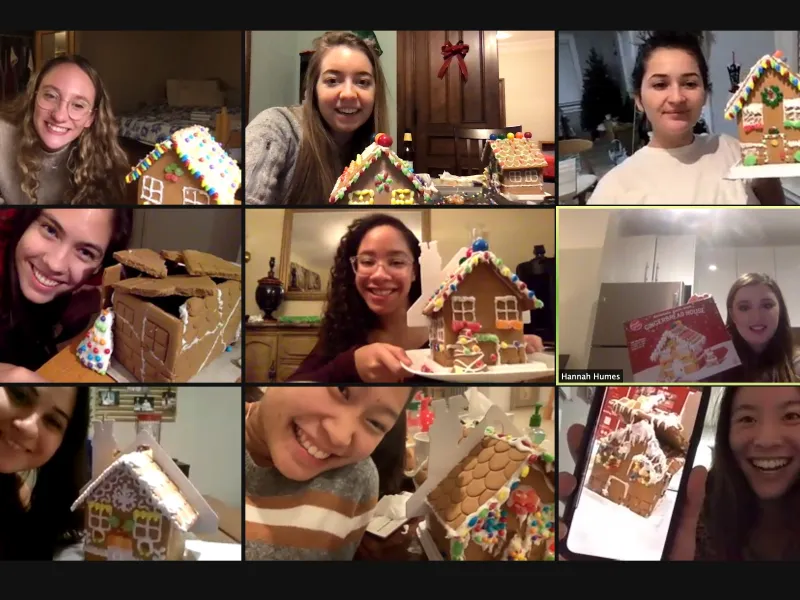
 Here are some of the books I've been reading for fun lately!
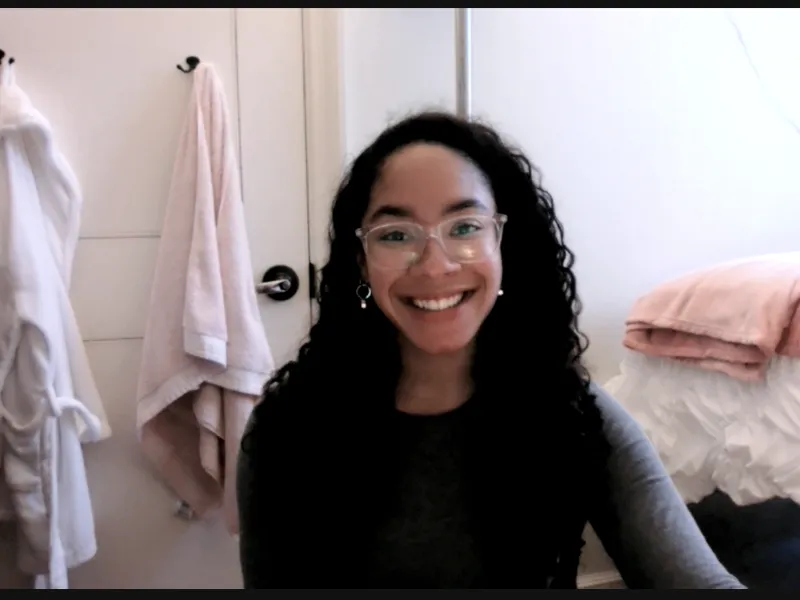
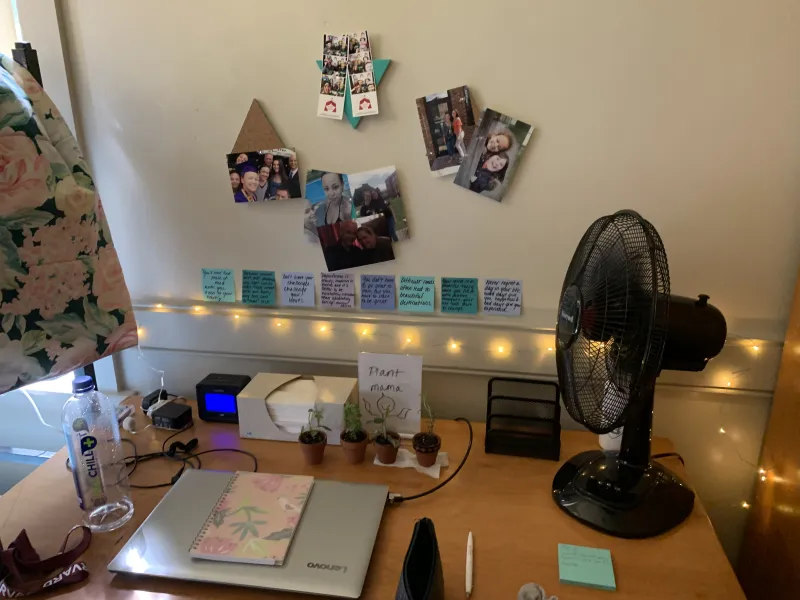


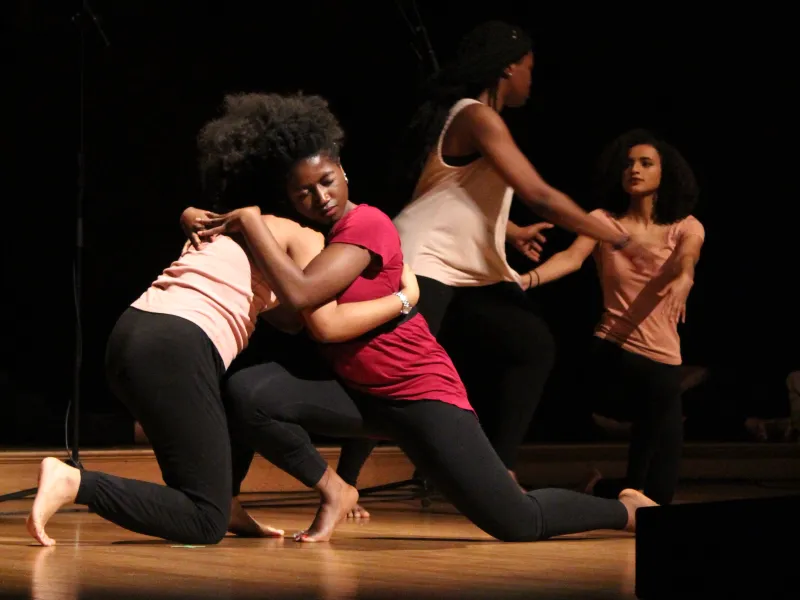 Kuumba had a winter concert last year that focused on the importance of Black Love; this photo, which captures the power of intimacy, was taken during the dance section of the concert.
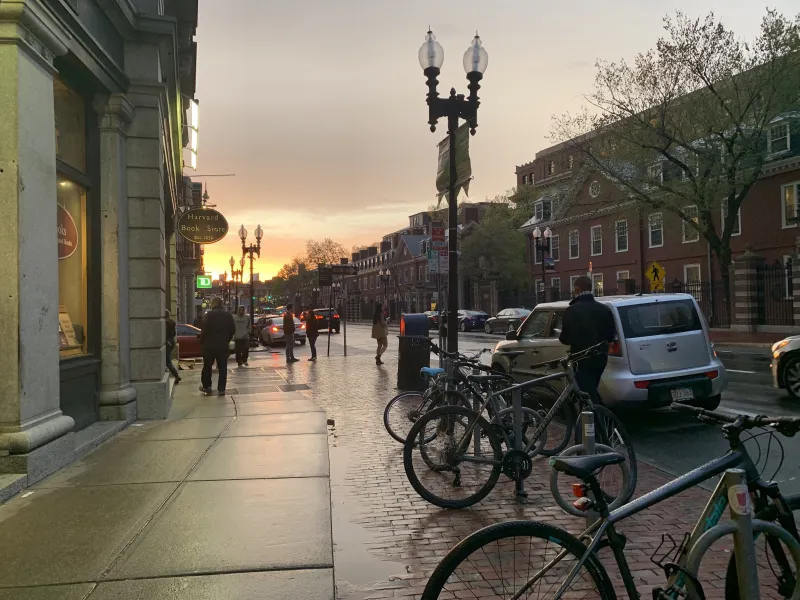

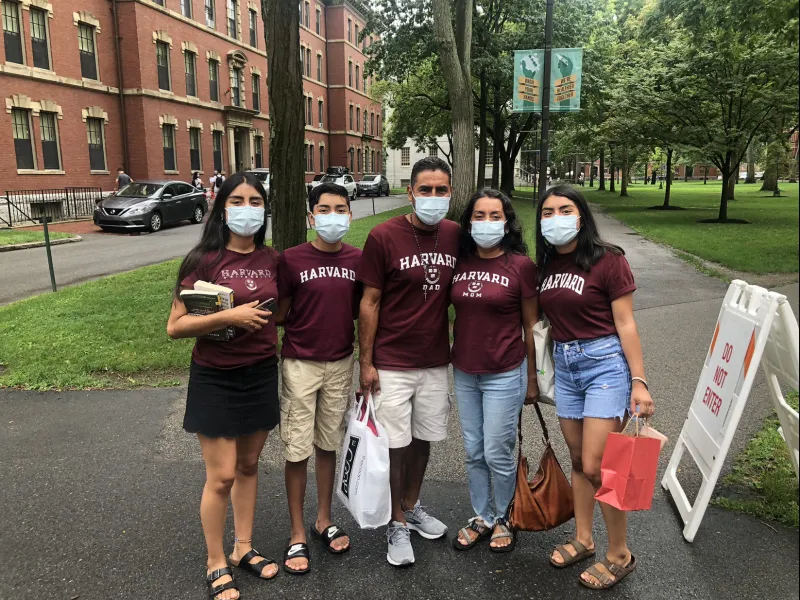 My family and I during my move in.
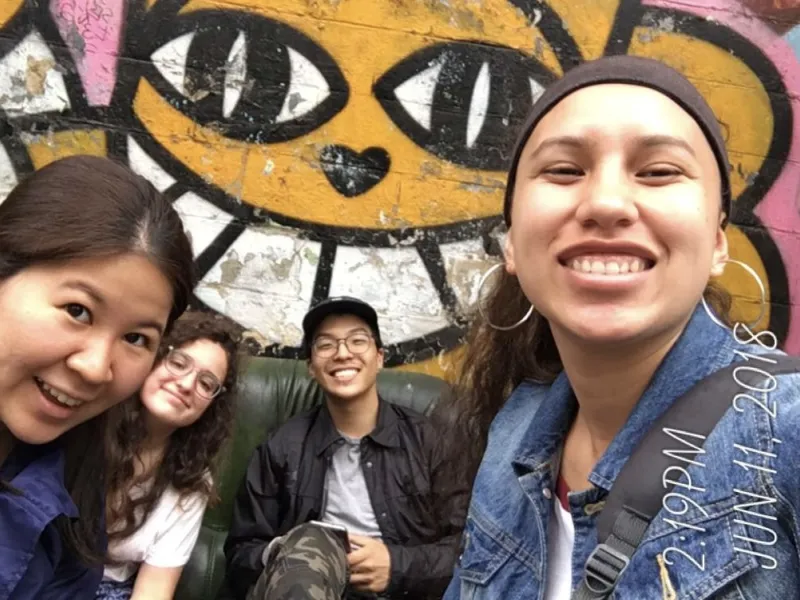 Pictured with me (on the left) are Louisa (student at the Center for Research and Interdisciplinarity in Paris), TJ (Harvard Class of 2020), and Gabi (Harvard Class of 2021) from left to right.
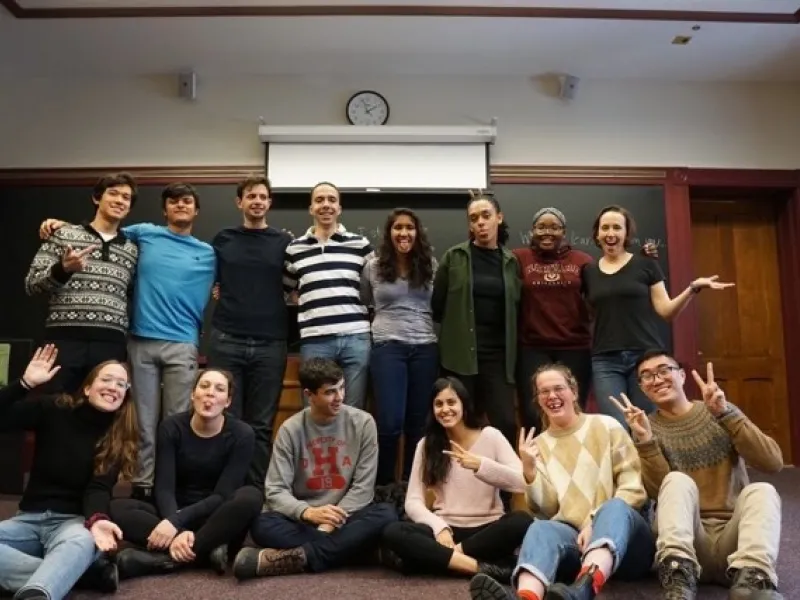
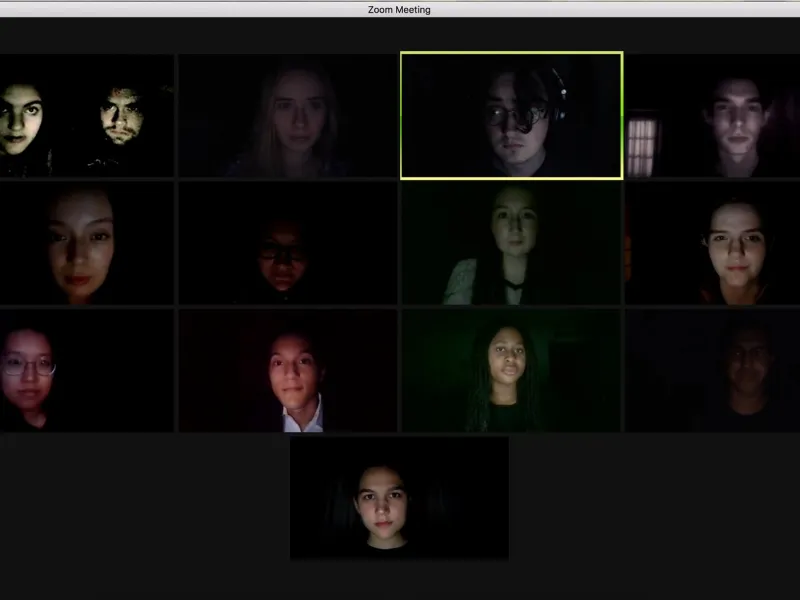 Here is the full cast (and some of our crew) for the Hyperion Shakespeare Company's production of Macbeth!
 Walking to Class
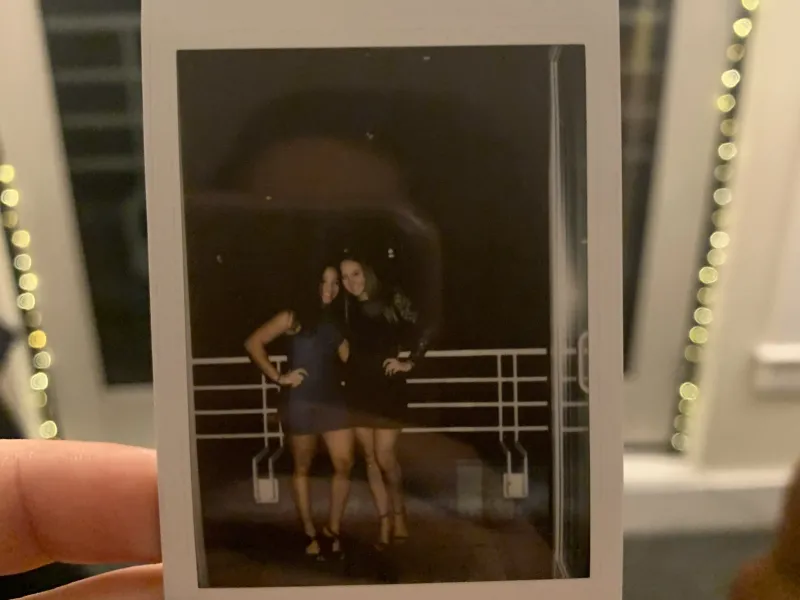
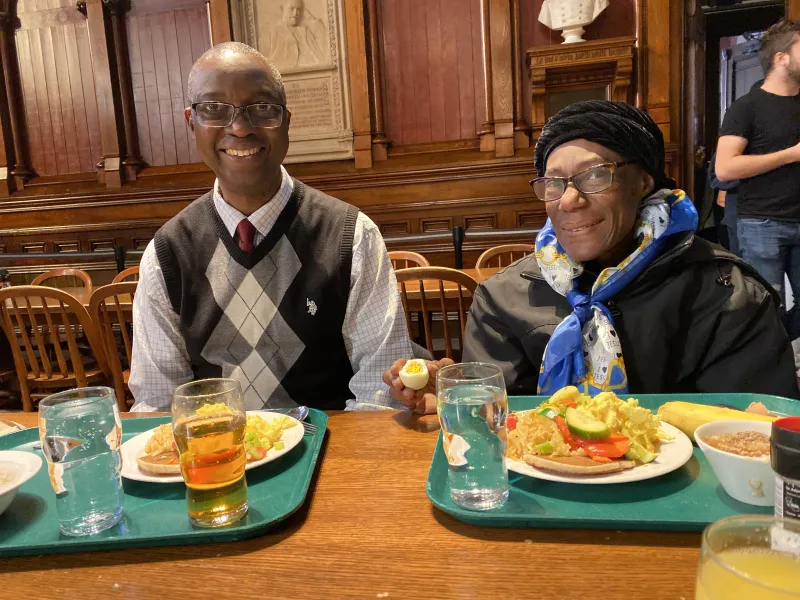

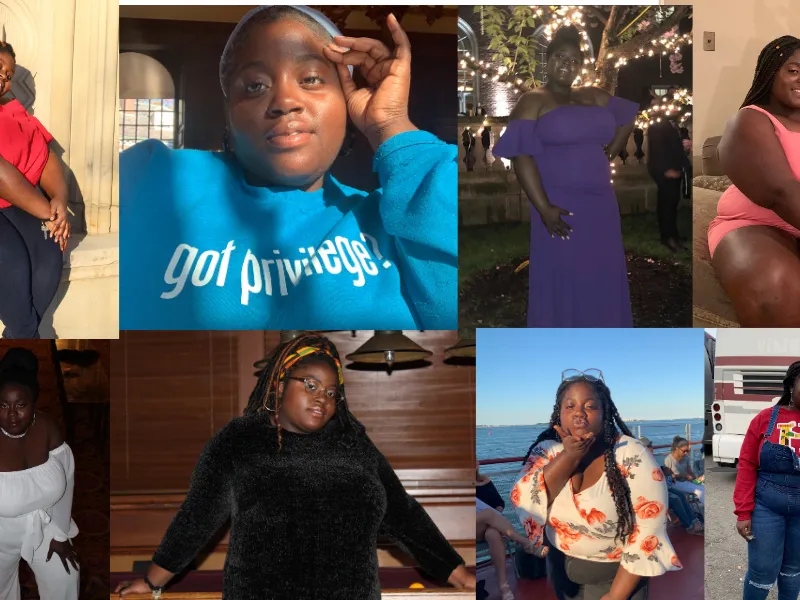 Here's a collage of all the outfits I'll be featuring in this blog.
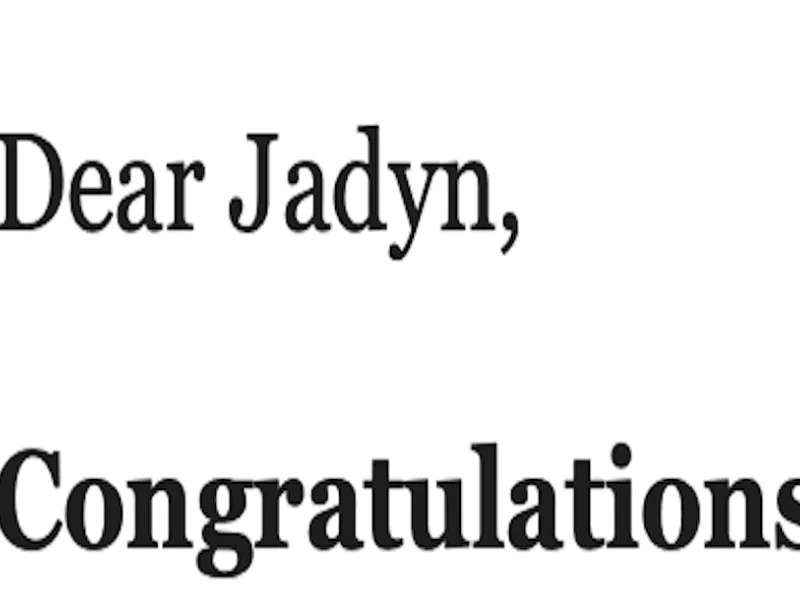 A screenshot I took from my college admissions decision from Harvard.
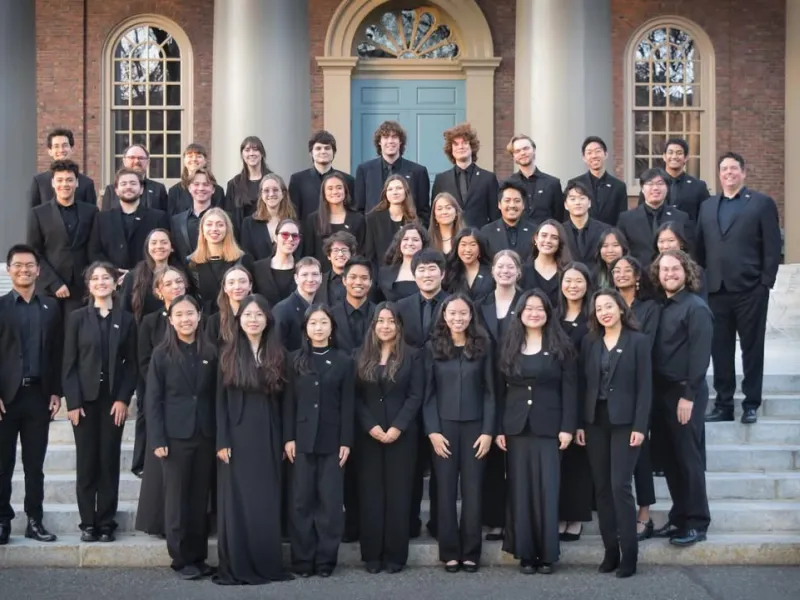
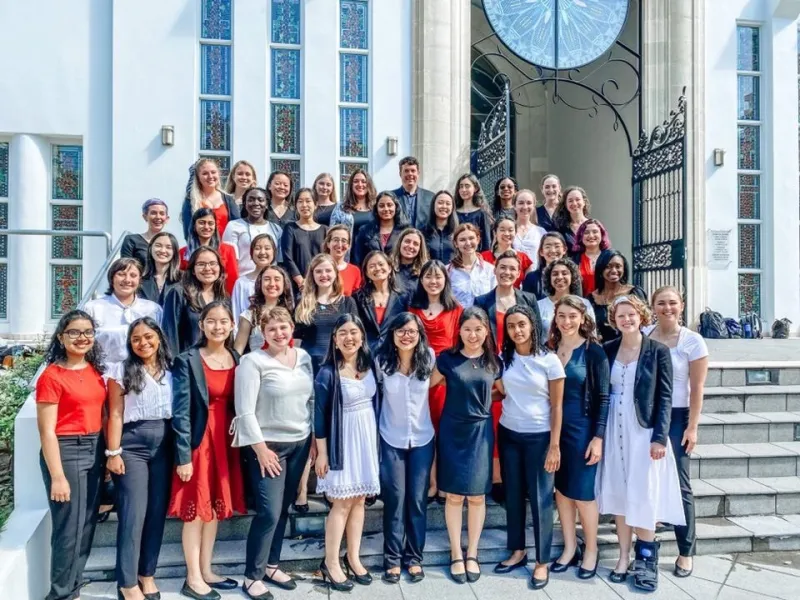 Here's a group photo of the Radcliffe Choral Society on the steps of Stella Maris Church in San Juan! We sang here several times, for rehearsals, church services, and our finale concert the night before we flew back to Boston.
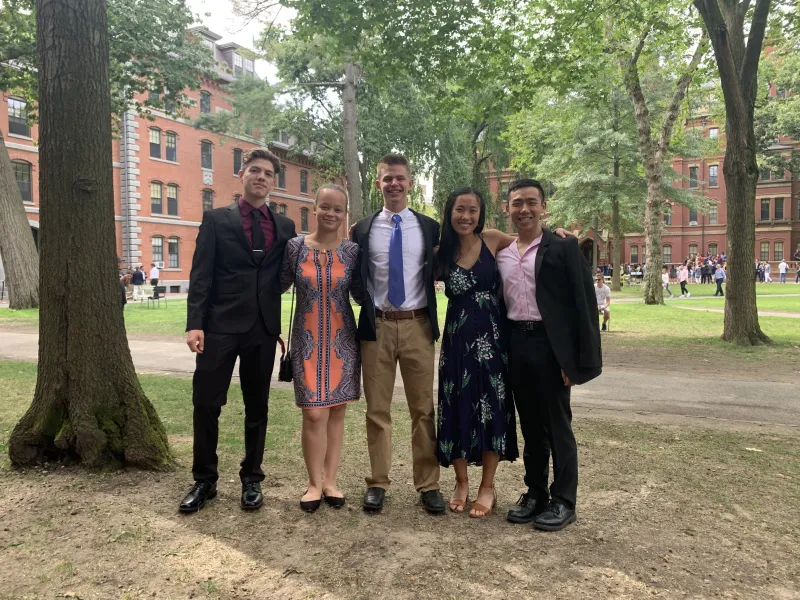
 Here's the new Sunflower sign we just put up with our students as community service.
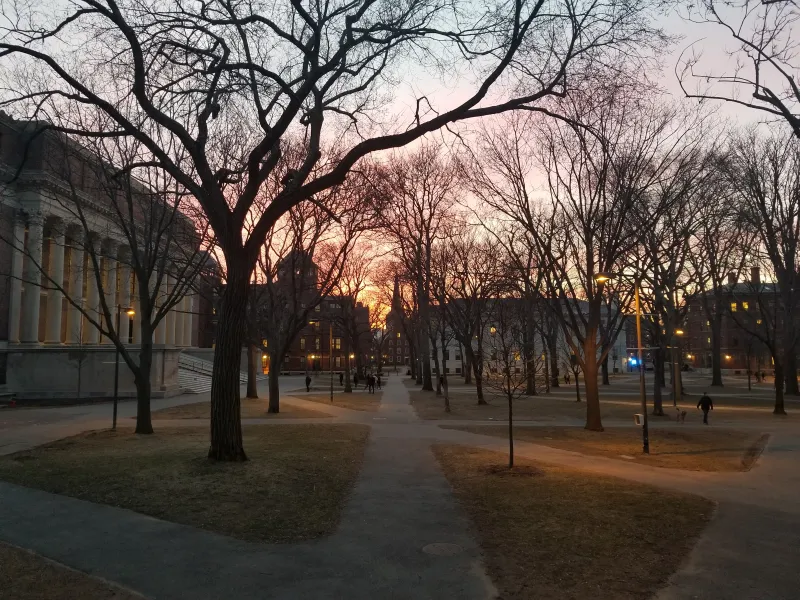
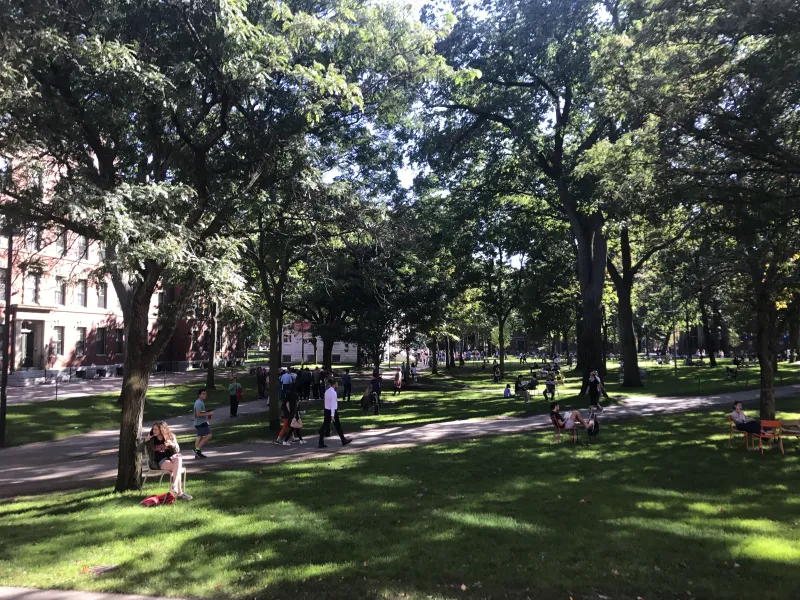
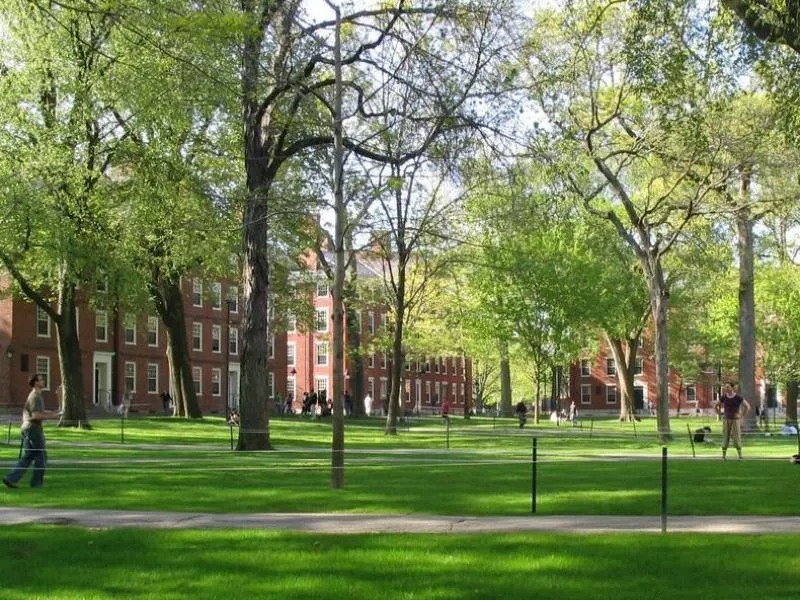 Harvard Yard, where many first-year students live.

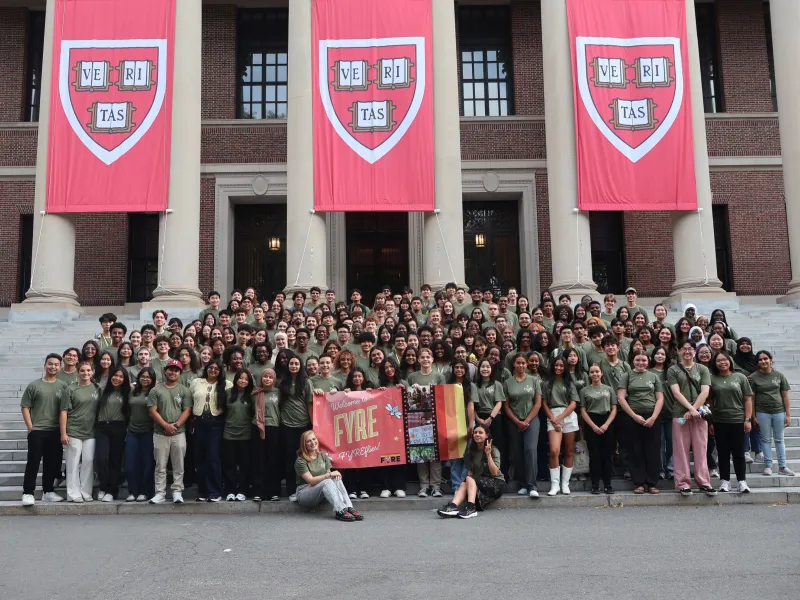
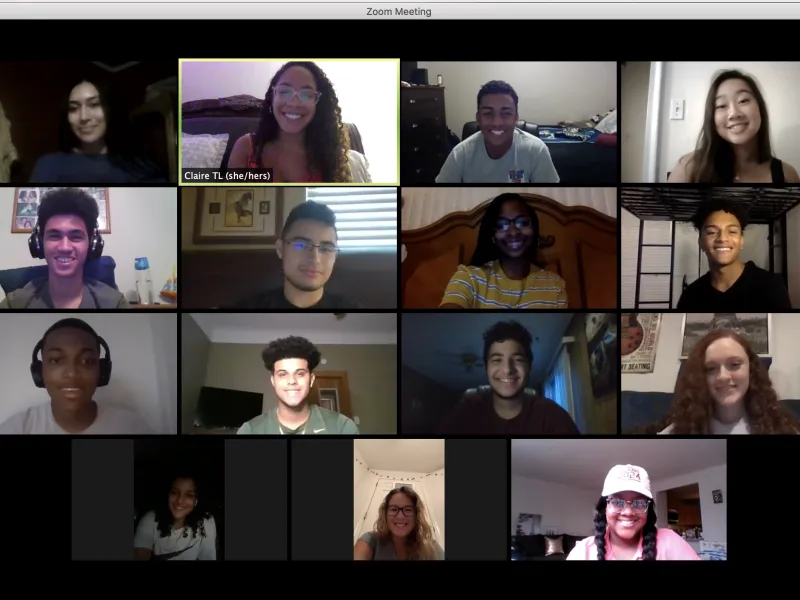 A Zoom Picture from my FYRE Family!
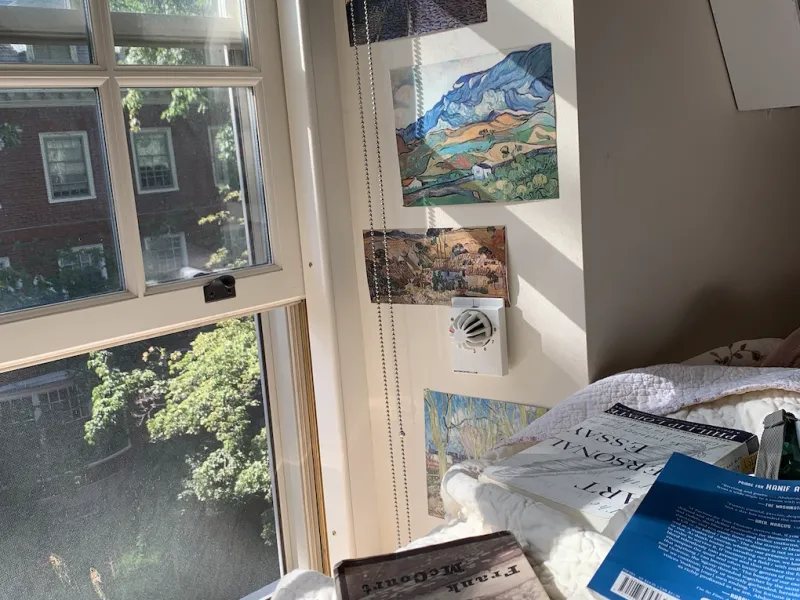 I miss doing reading for my English and creative writing classes on my Winthrop House dorm room!
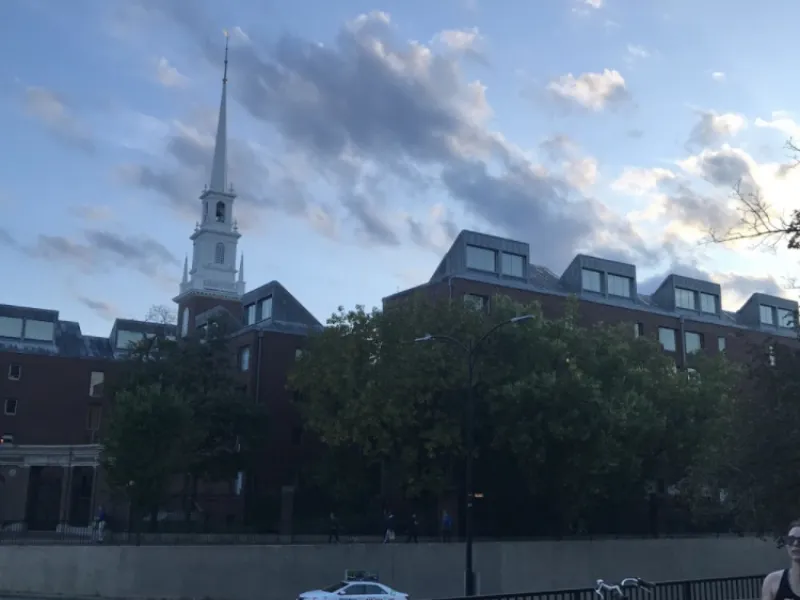
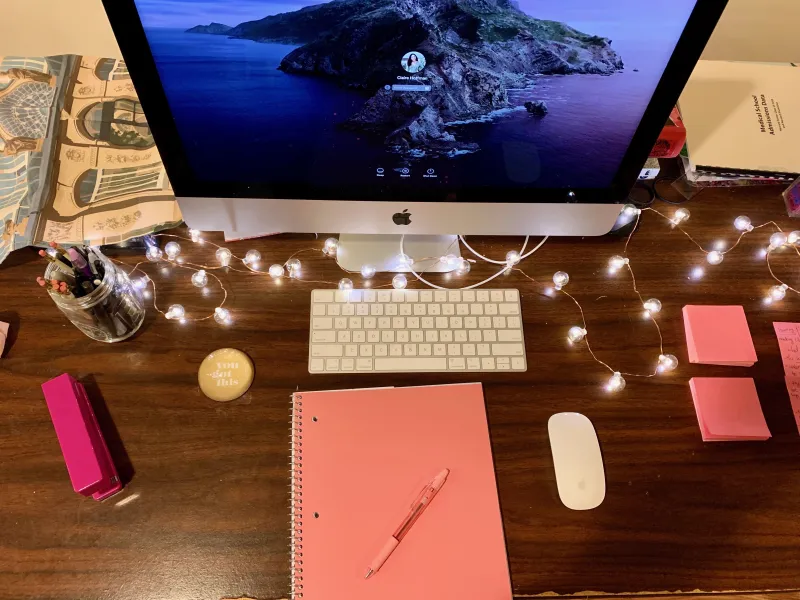

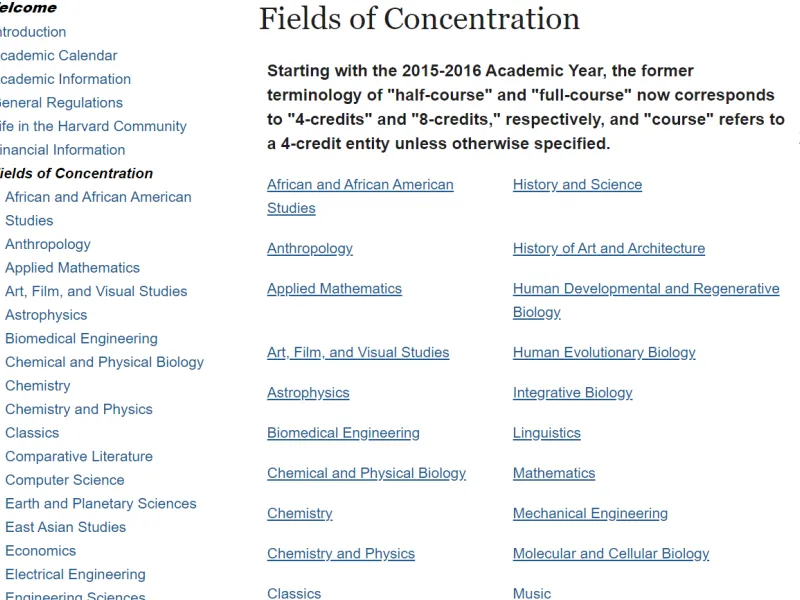 A list of just some of the possible concentrations offered at Harvard
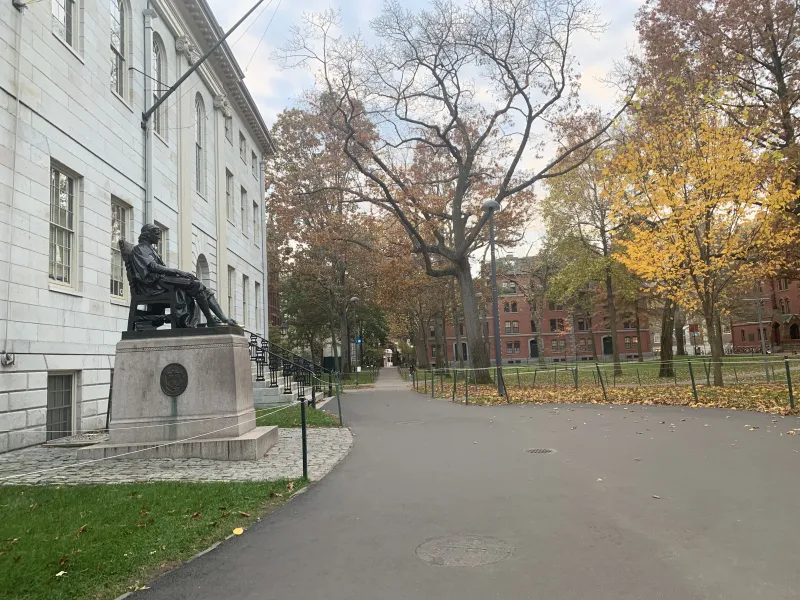
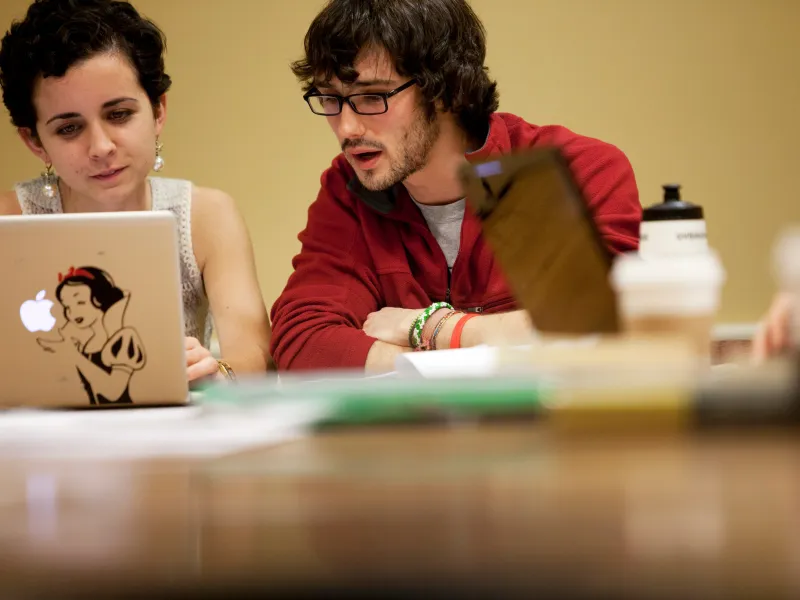
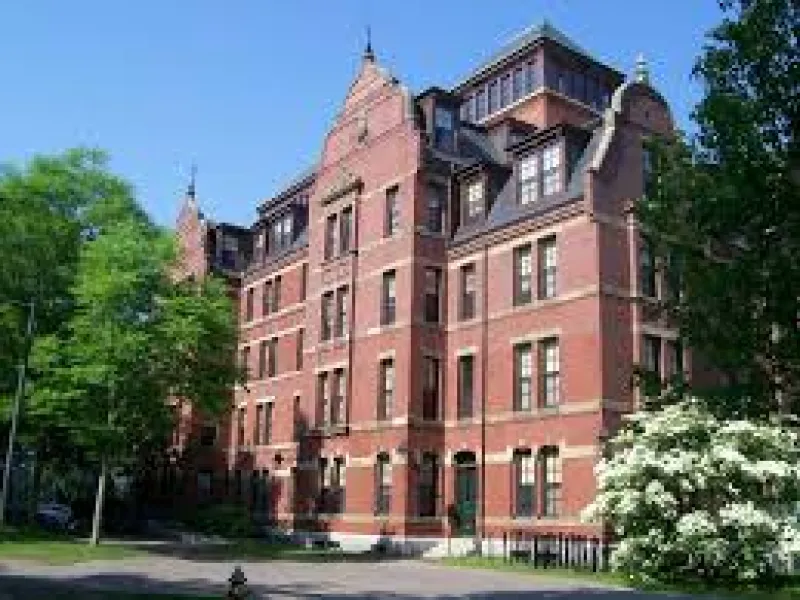 Weld Hall, the first-year dorm where I am a PAF!
 A snap of an empty Tercentenary theater as I worked on my homework
 My friends and I love hanging out in the roof-top common room in Winthrop House!
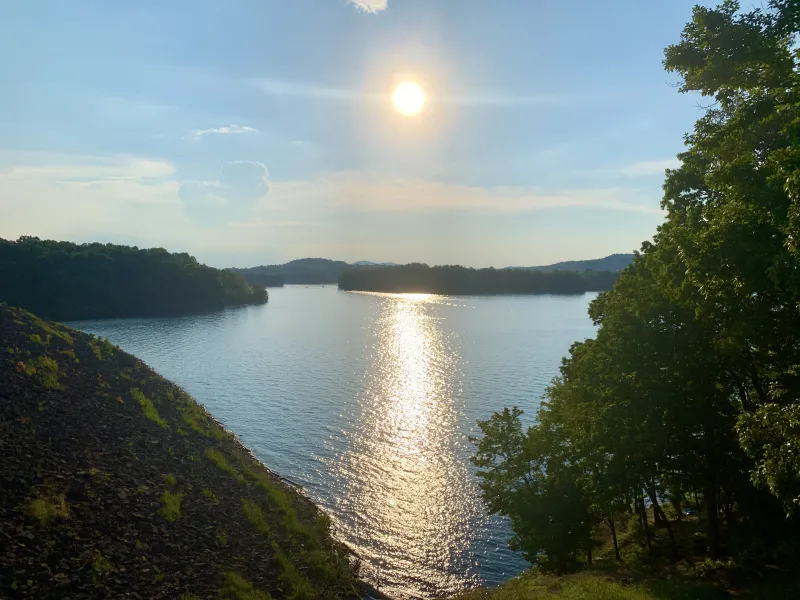
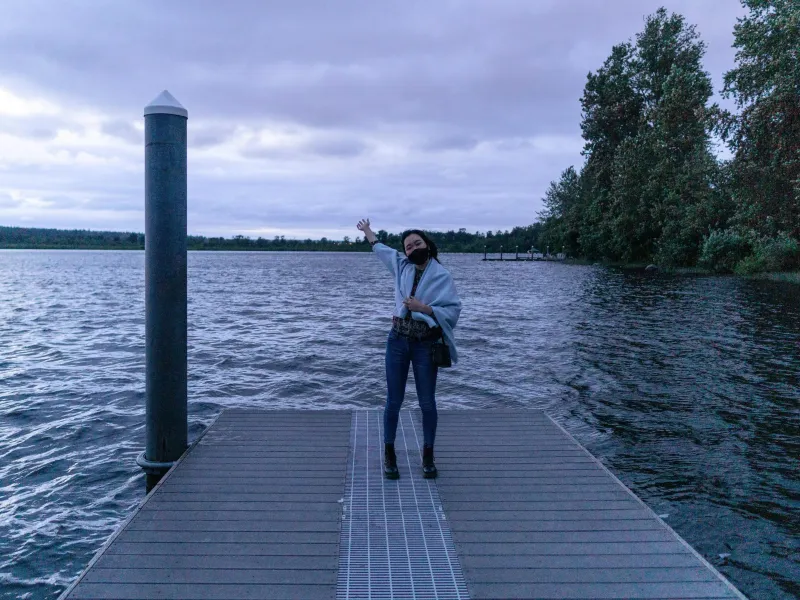
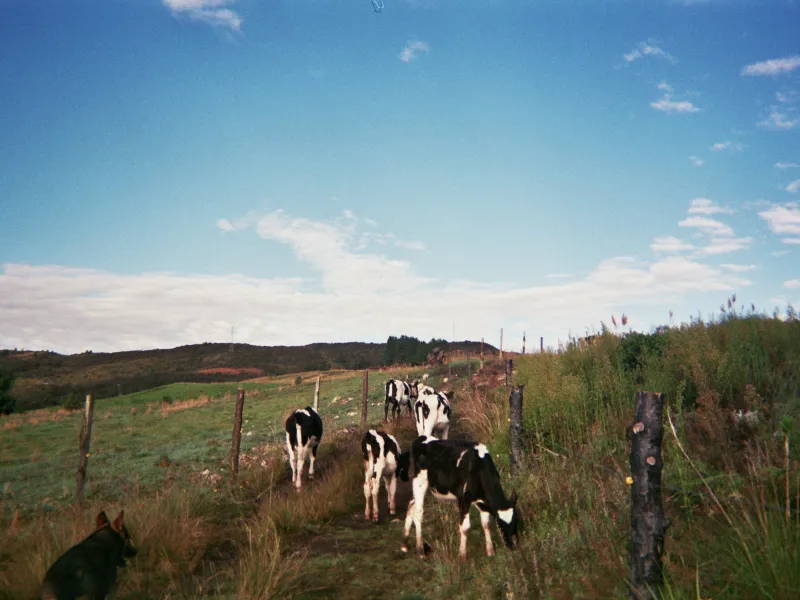 I took this photo of my grandpa's cows on a film camera during one of my visits! The view was absolutely breathtaking.
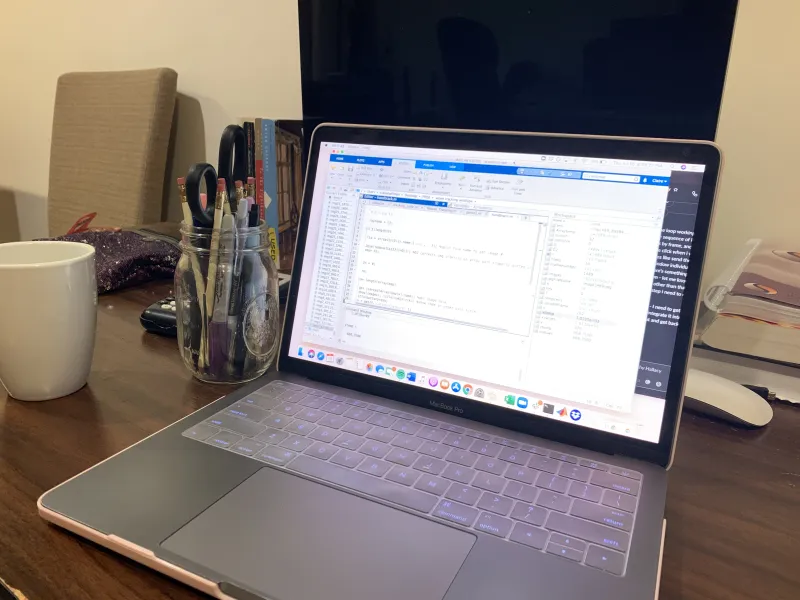
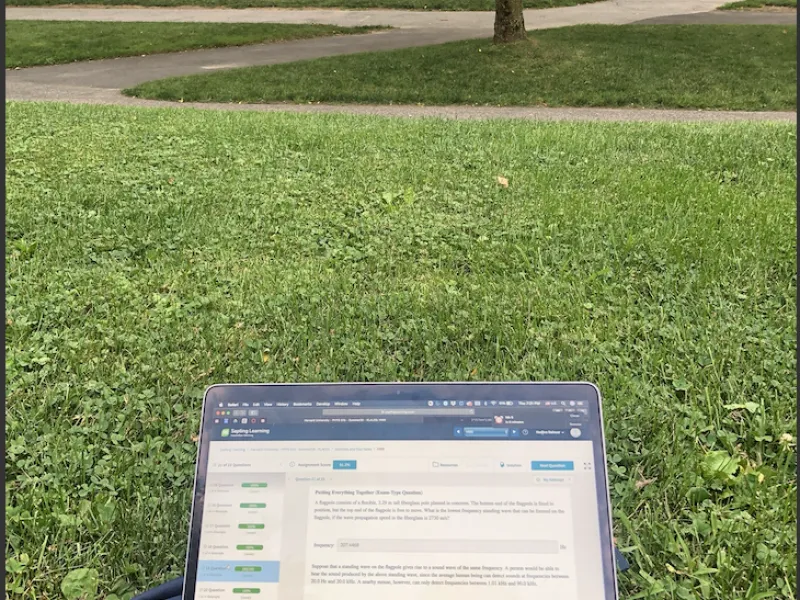
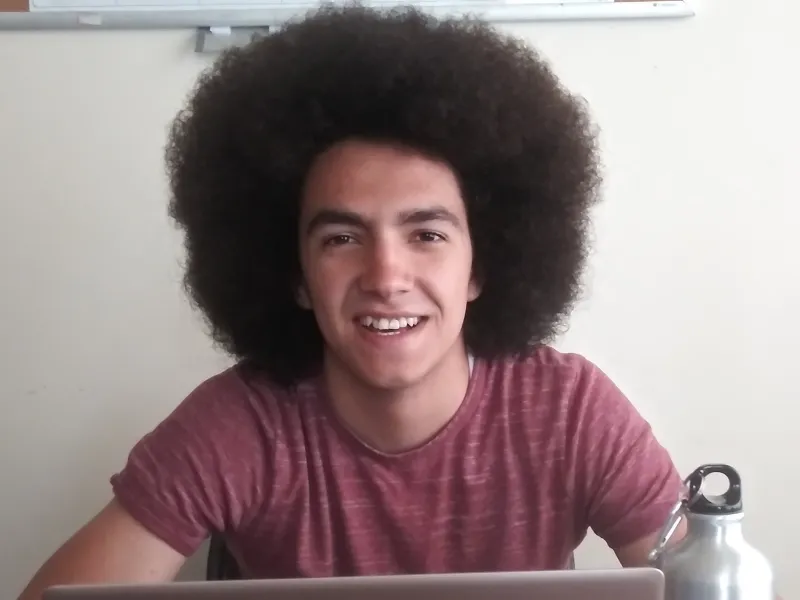 I found myself this summer sitting at my laptop a lot more than I had originally planned
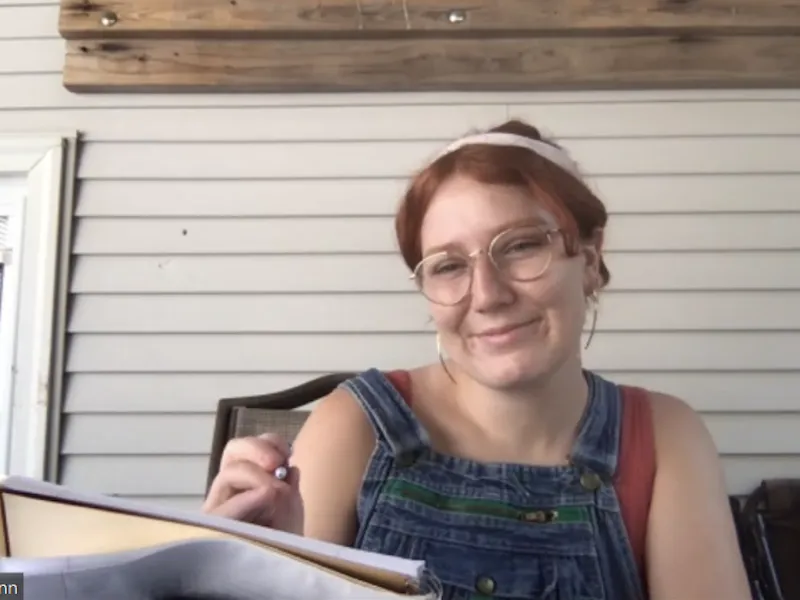 I make the most of my Zoom-ed reality by taking calls outside!
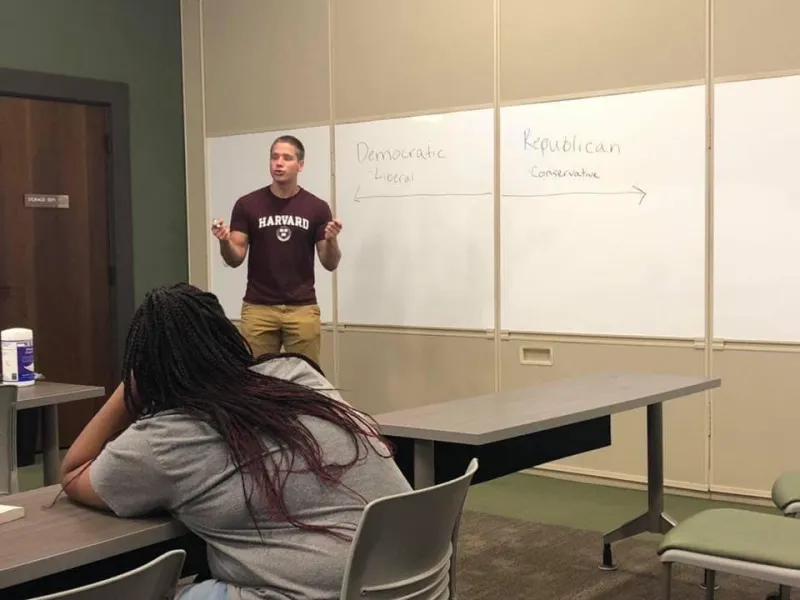 Here I am teaching a government class from last summer!
 During the last days of first-year, I organized an outdoor picnic in Harvard Yard for the Black Class of 2022. There was pizza, music, and an entertaining, but yet chaotic game of musical chairs.
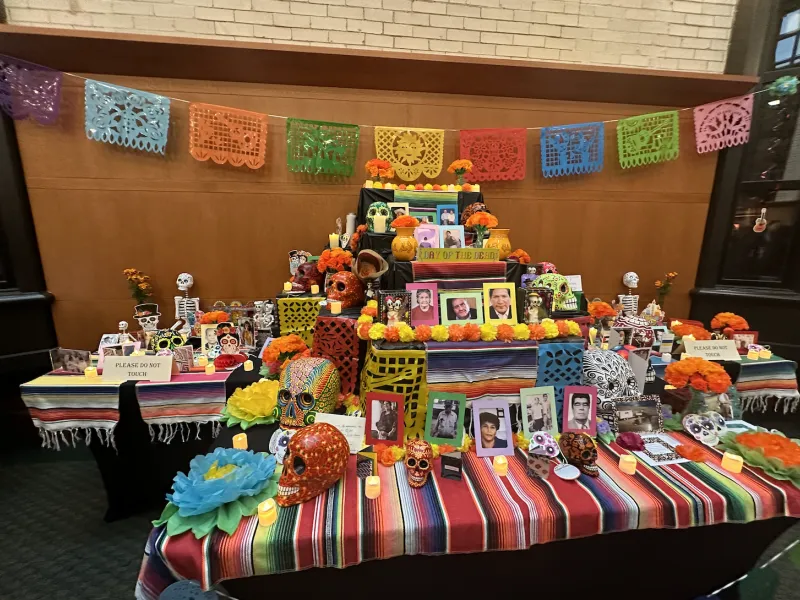
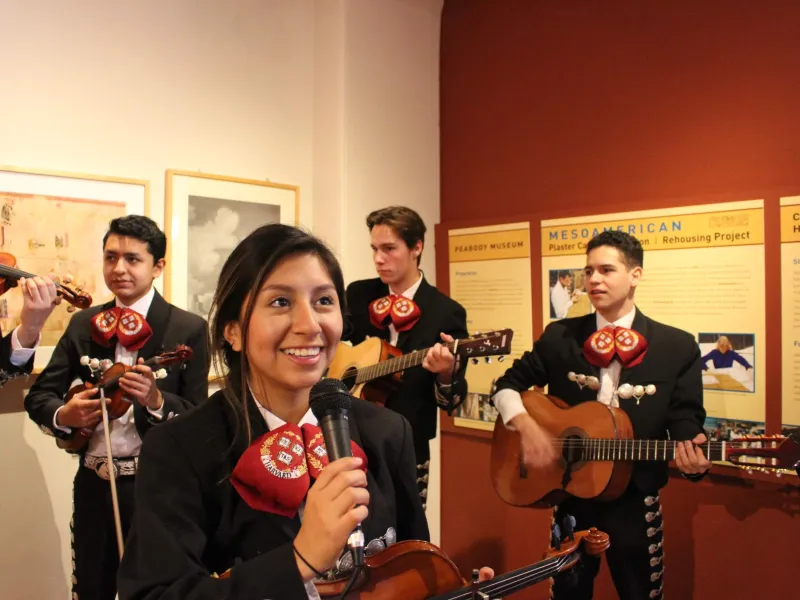 Performing at the Peabody Museum's Day of the Dead celebration and exhibit.
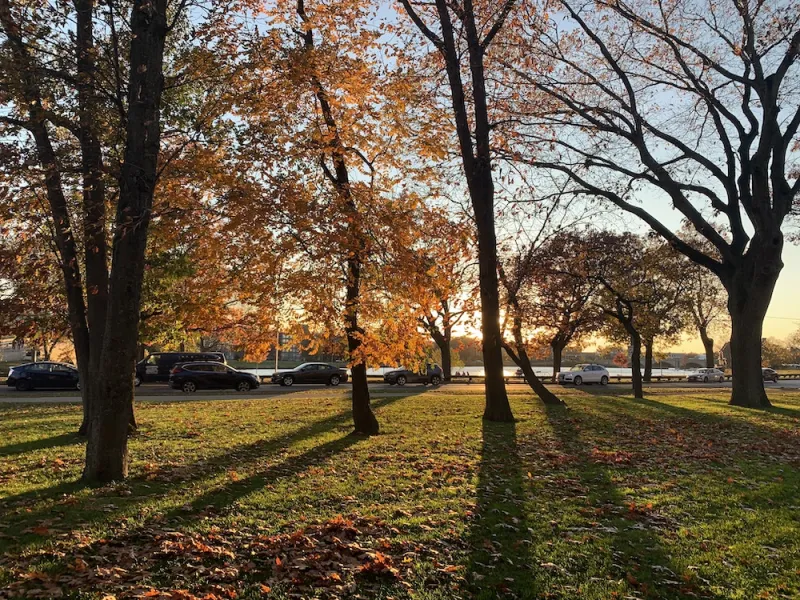 The view of the Charles River from Leveret House, which is right next to Winthrop House!
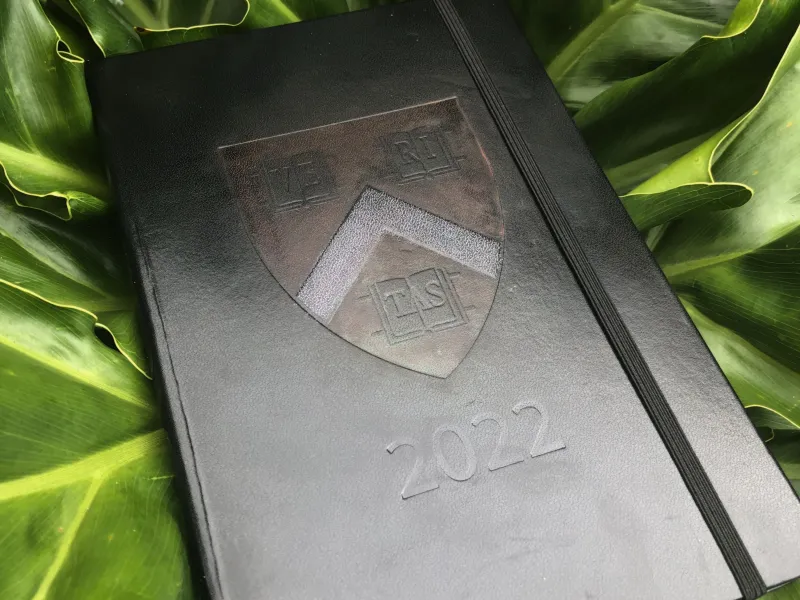 My Harvard Journal Project notebook, with its (not so successful) attempt to color the Harvard logo on the front.
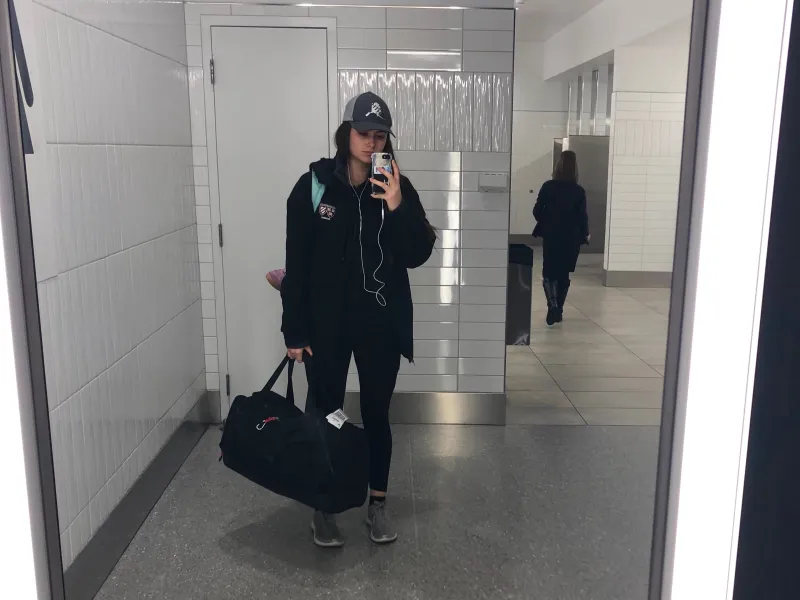 Selfie in the Seattle Airport.
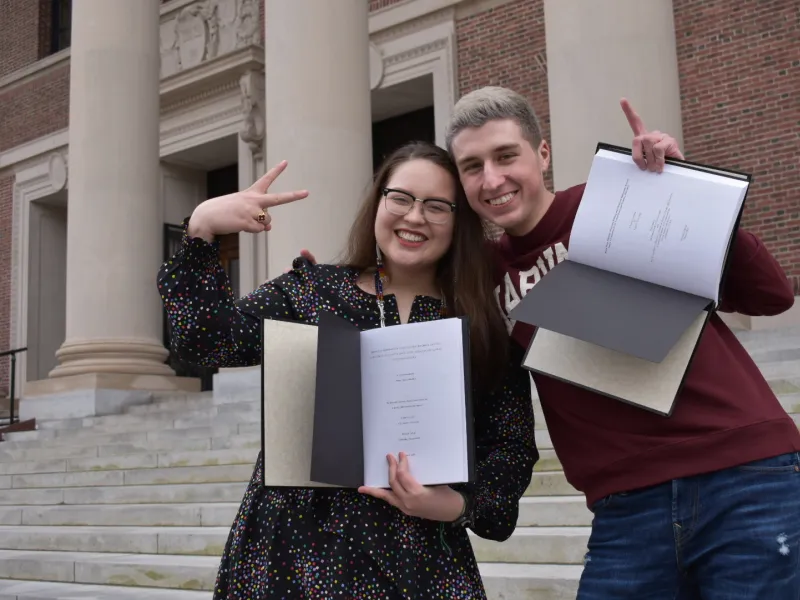
 My friends and I decided to have a group photo session the day before leaving campus!
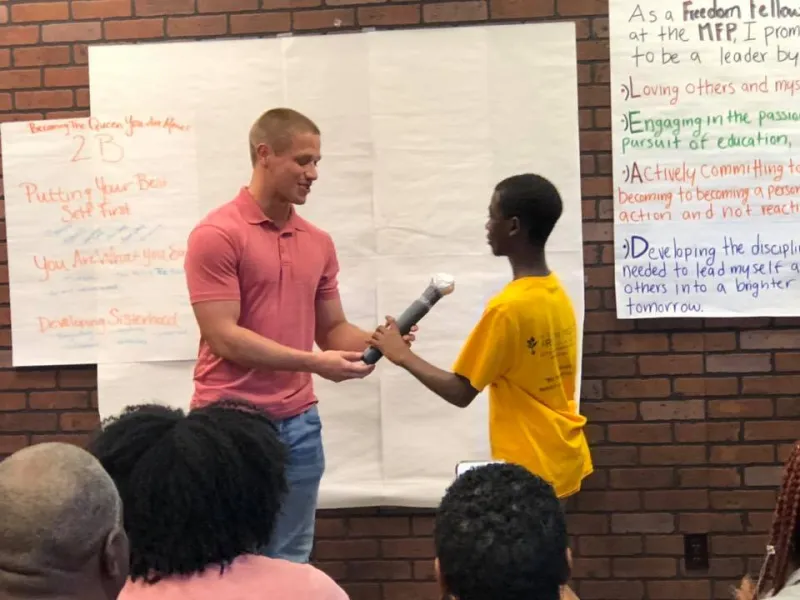 Me giving out homemade awards to my MFP students!
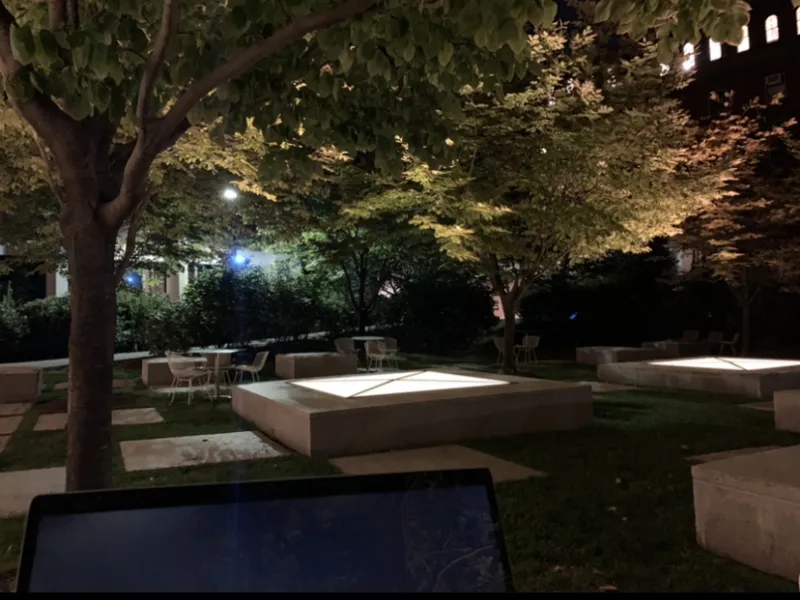

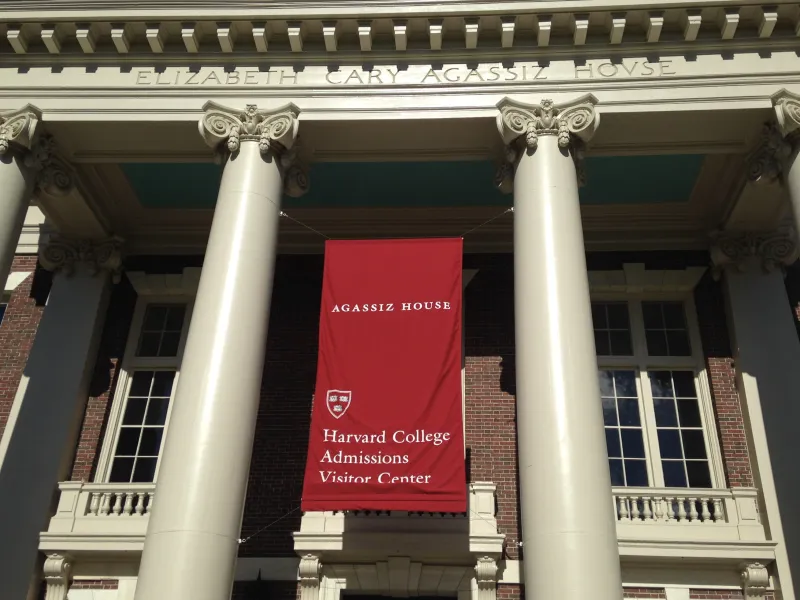 A picture of Agassiz House, taken during my first visit to Harvard. Although I had not previously considered Harvard an option, I applied Early Action two months later, feeling an immediate connection to the campus.
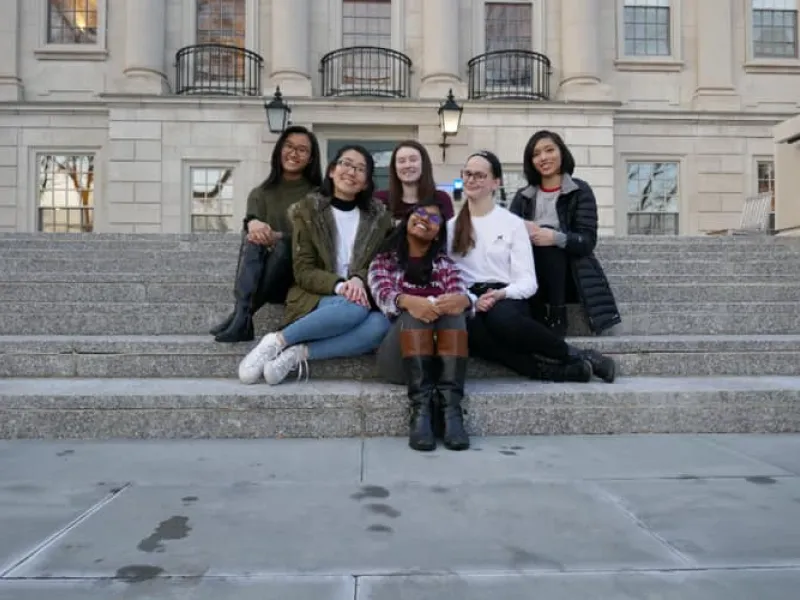
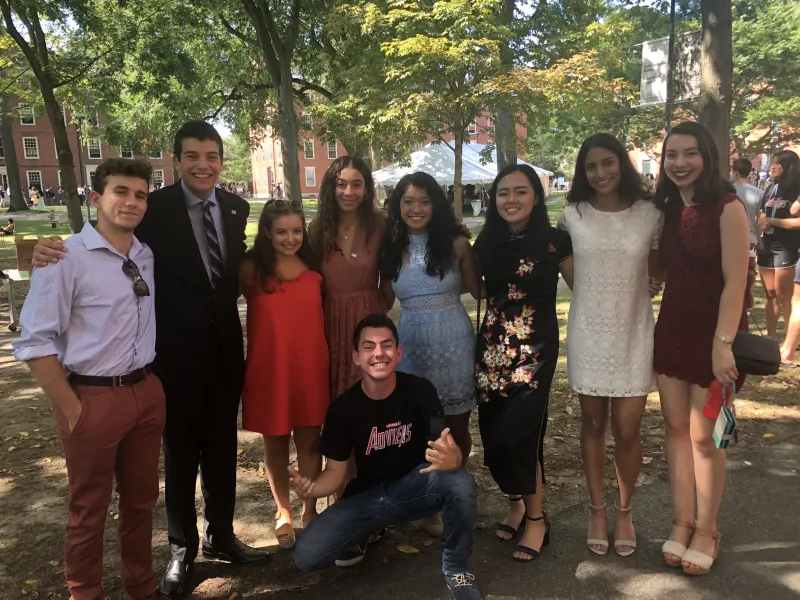
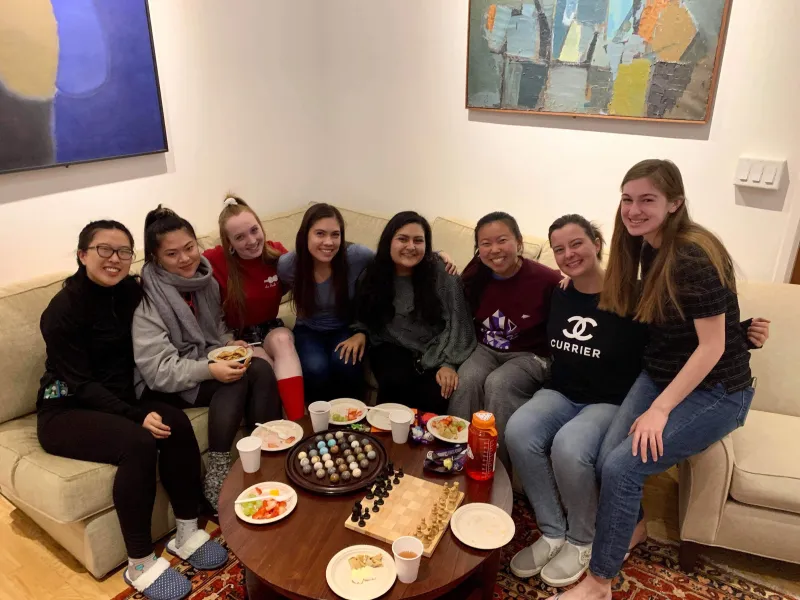 I've gotten to make some incredible friendships during my time here, and these lovely people are some of my closest friends.
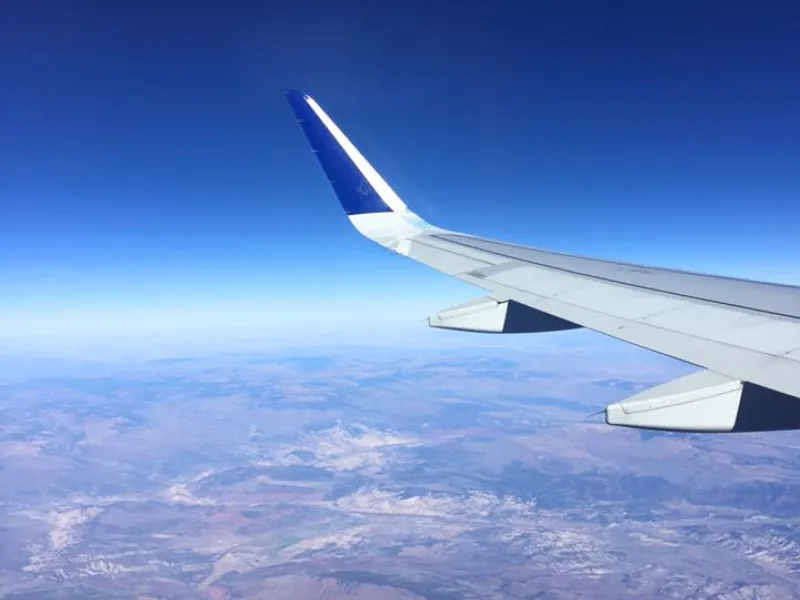 My view out the window as I flew to Europe for the first time

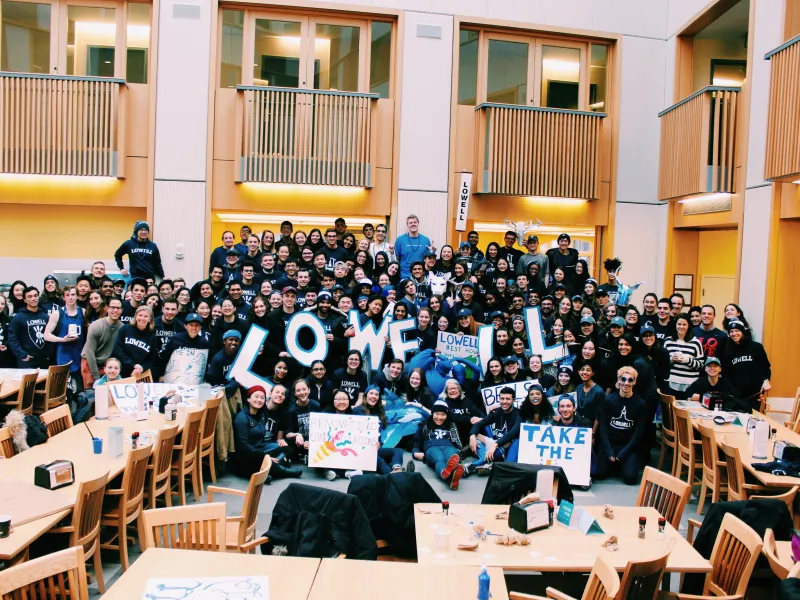 Lowellians ready to welcome first years to our home!
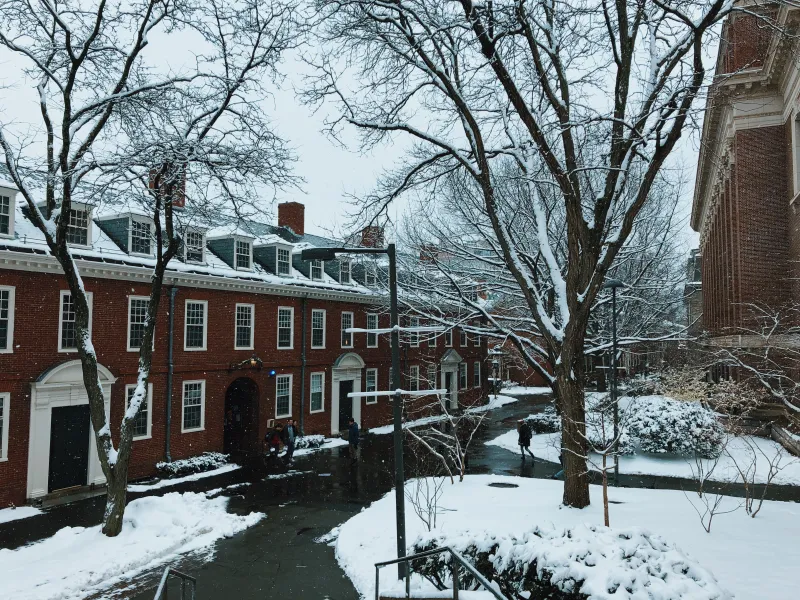 Snow falling outside Wigglesworth Hall, one of 17 first-year dorms.
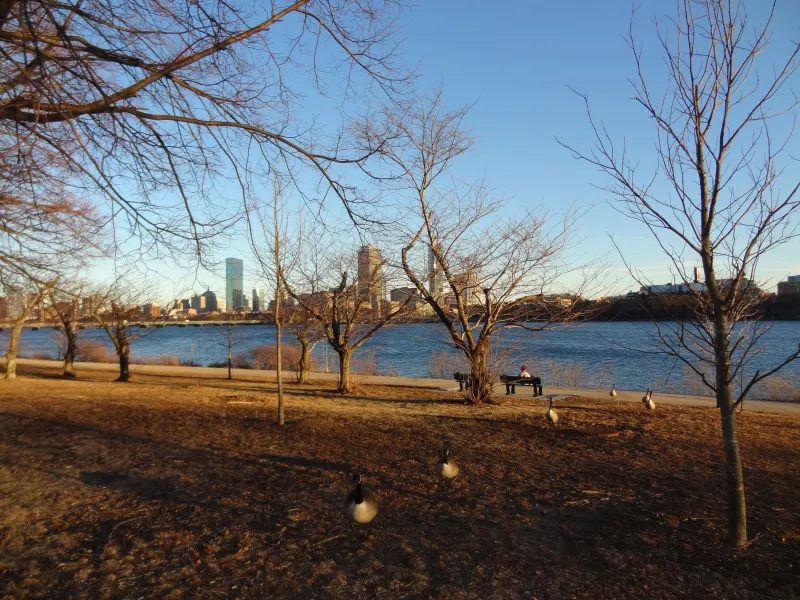
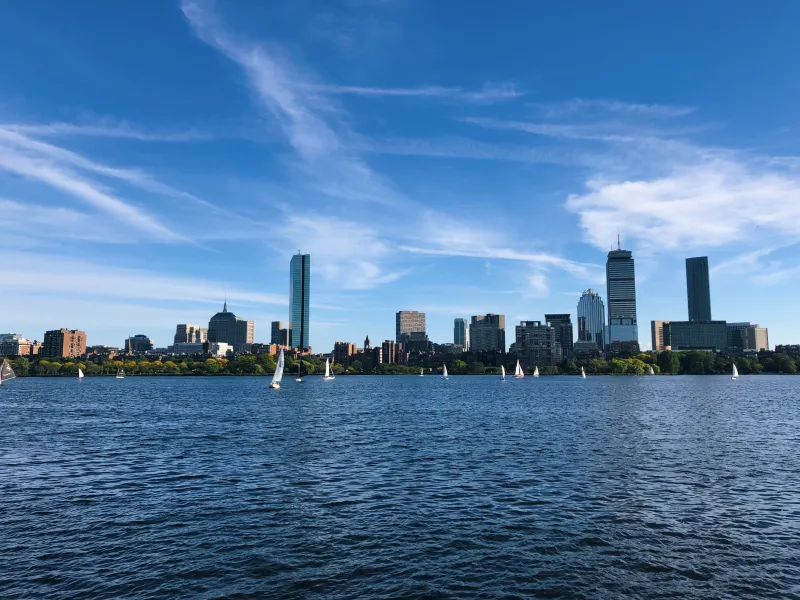 I took this photo of the Boston skyline while running by the Charles River.
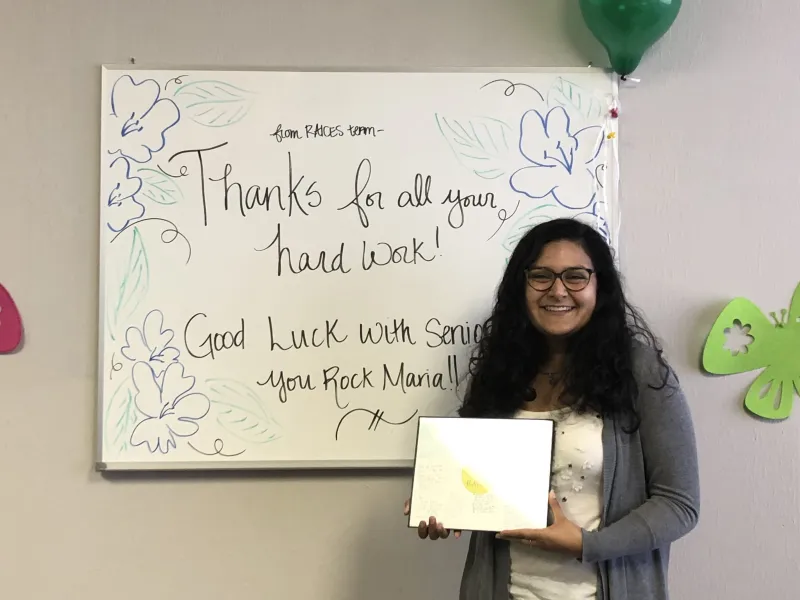 The office threw me a mini goodbye party to thank me for my work during the summer!
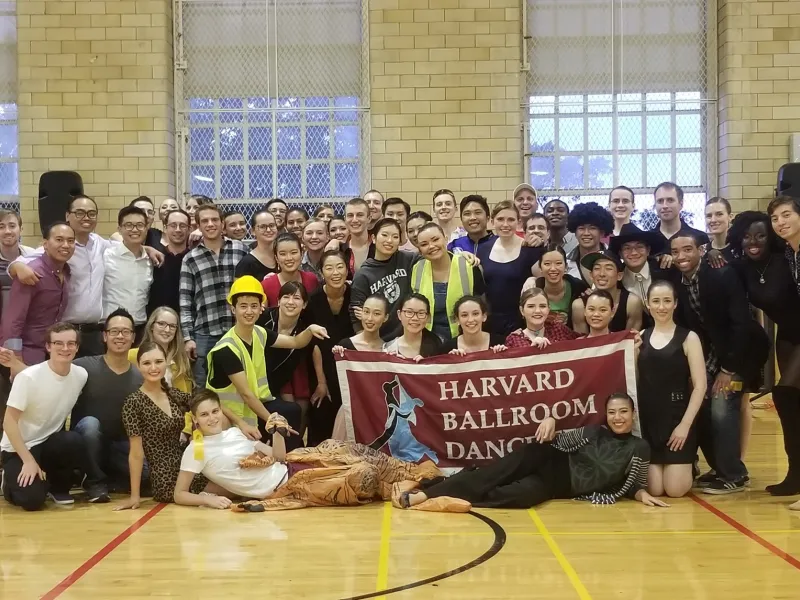
 A photo of me and friends in front of the Carpenter Center my freshman year
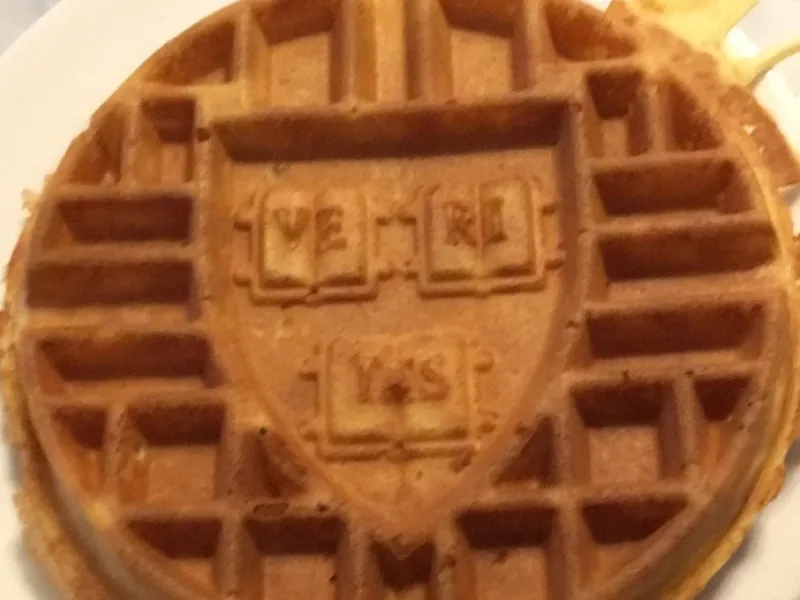
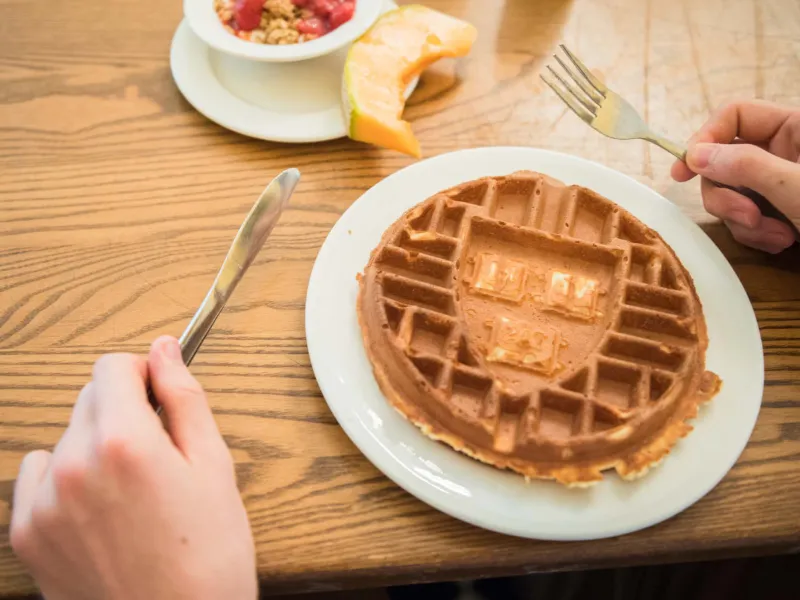 Veritaffle
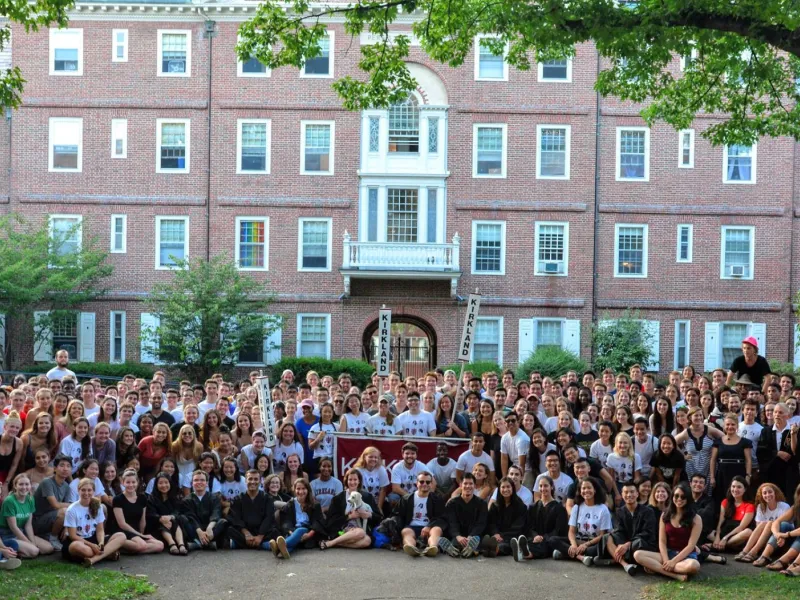 Kirkland House Opening Days 2018

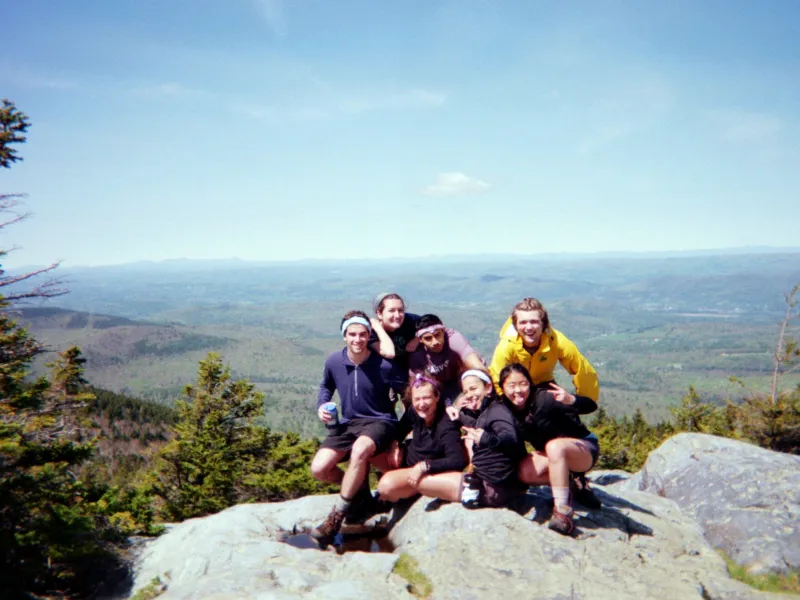 Another spot to rest with great views of New Hampshire!
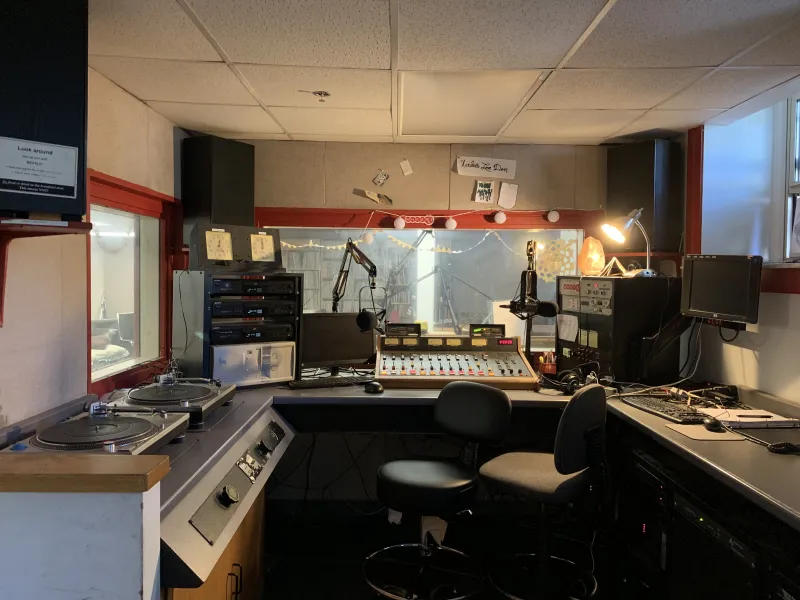
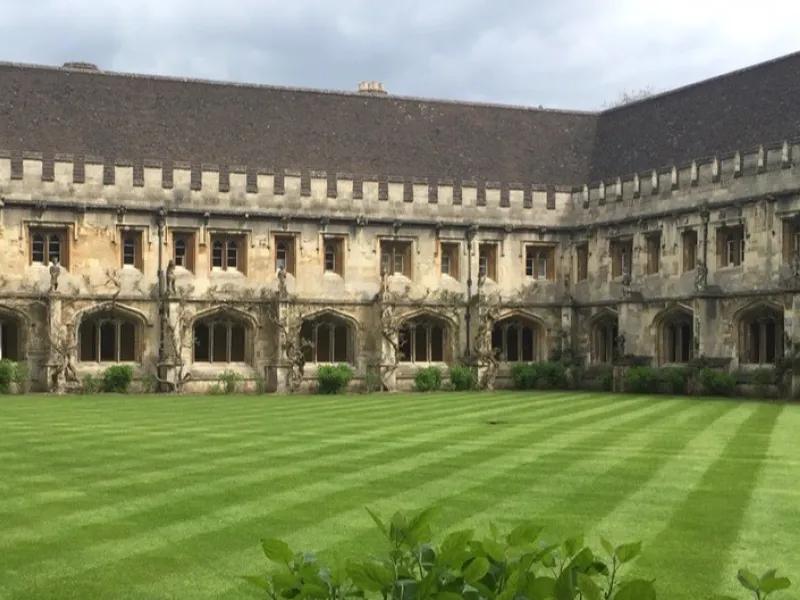
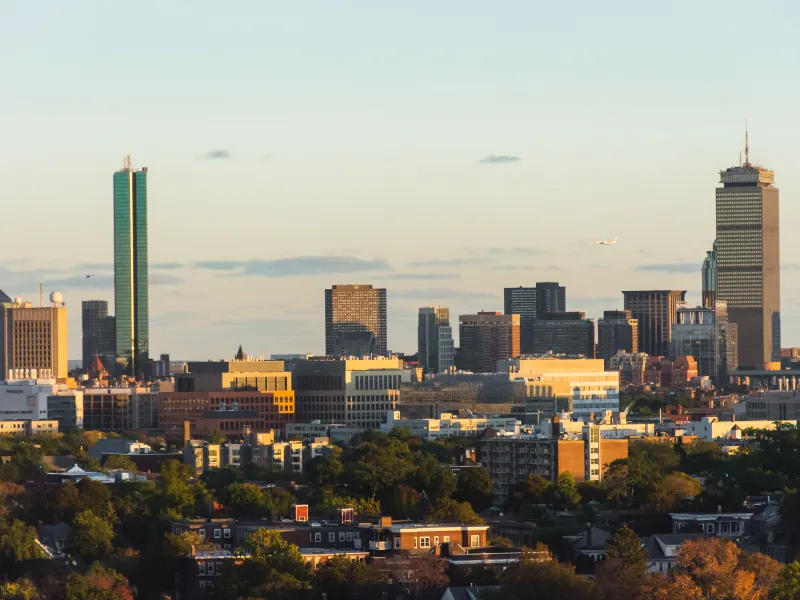 A view of the city of Boston from Harvard's campus.
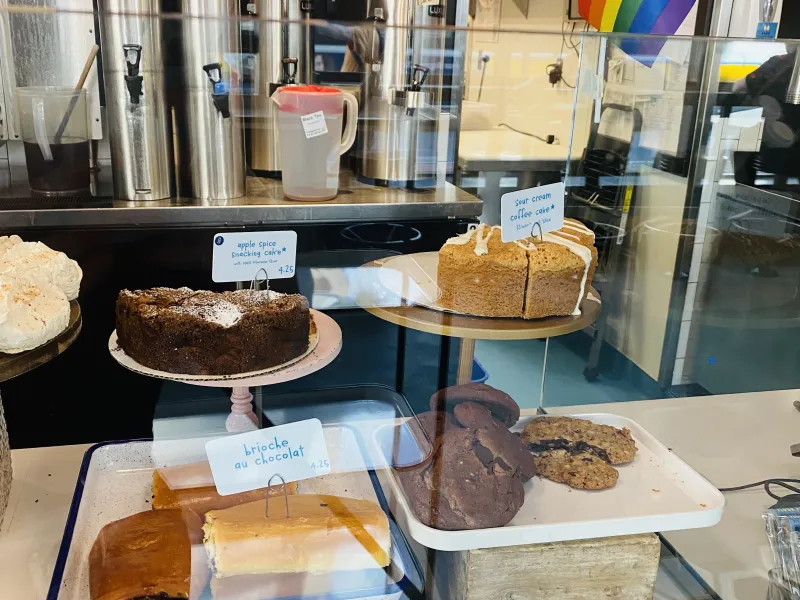
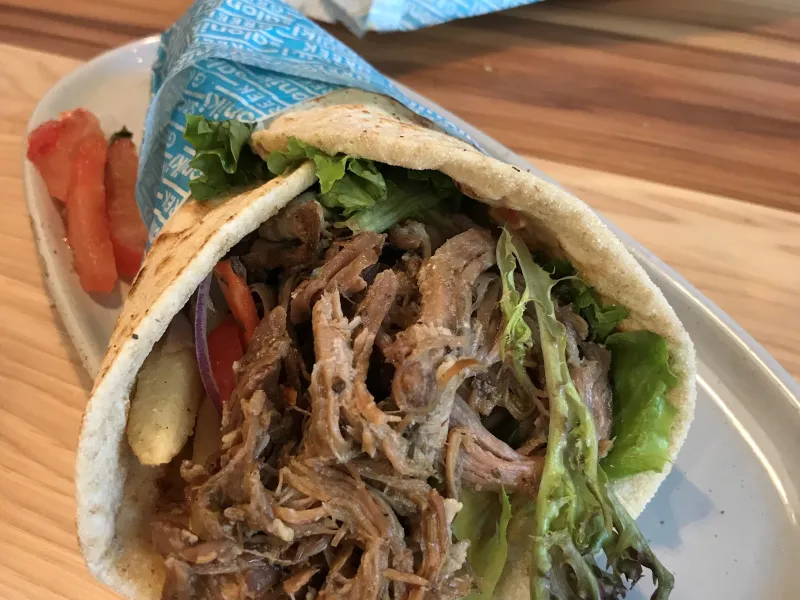
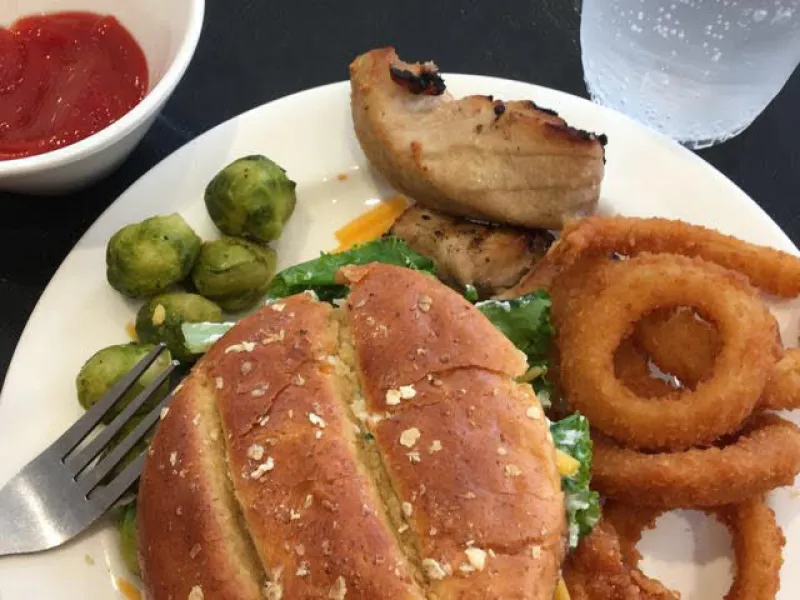 Chicken Schnitzel Sandwich
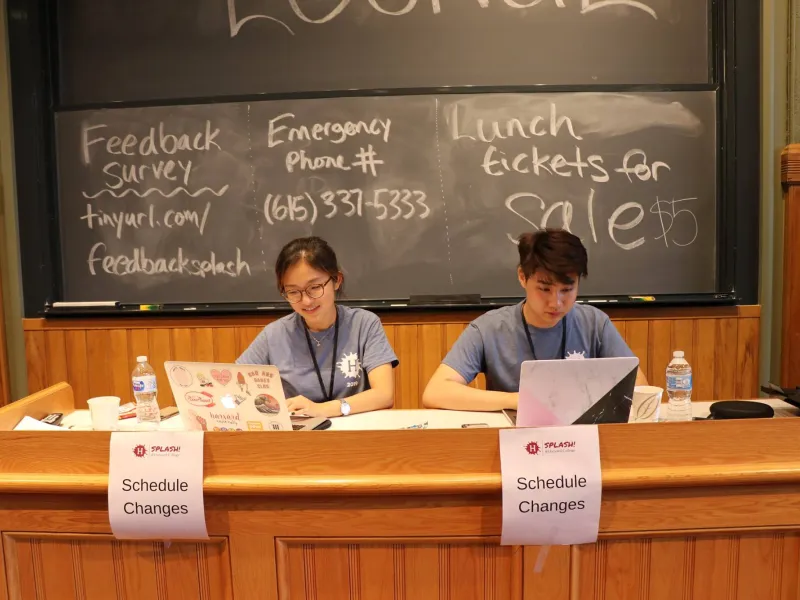 HUSE board members working hard to manage student lounge and to assist students during Splash.
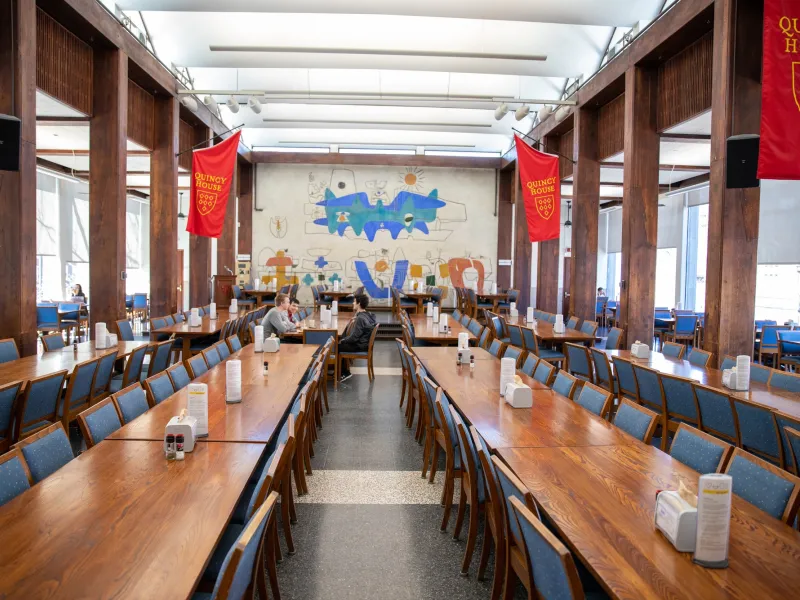
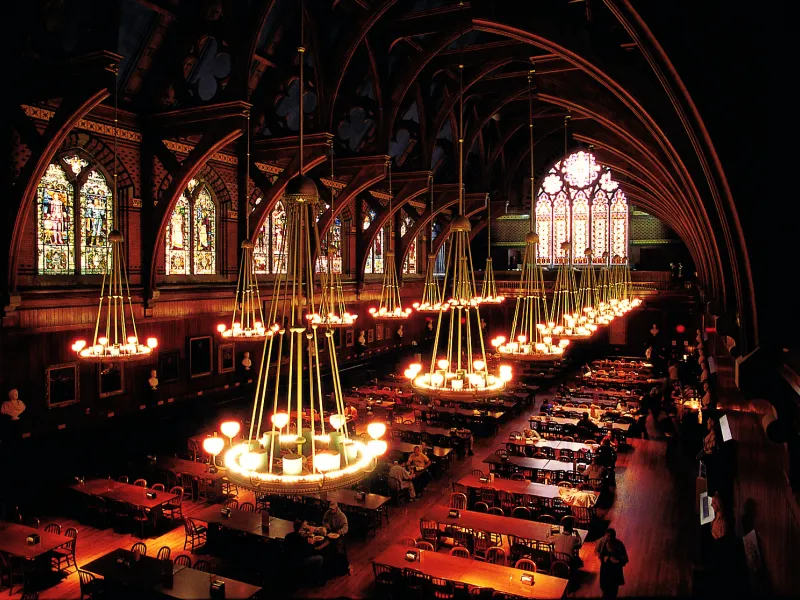 Harvard's dining hall for first-year students.
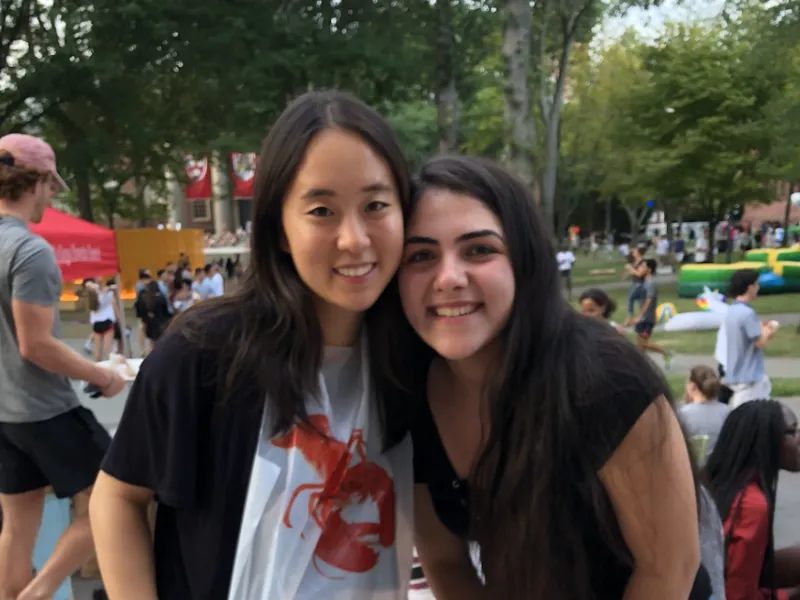
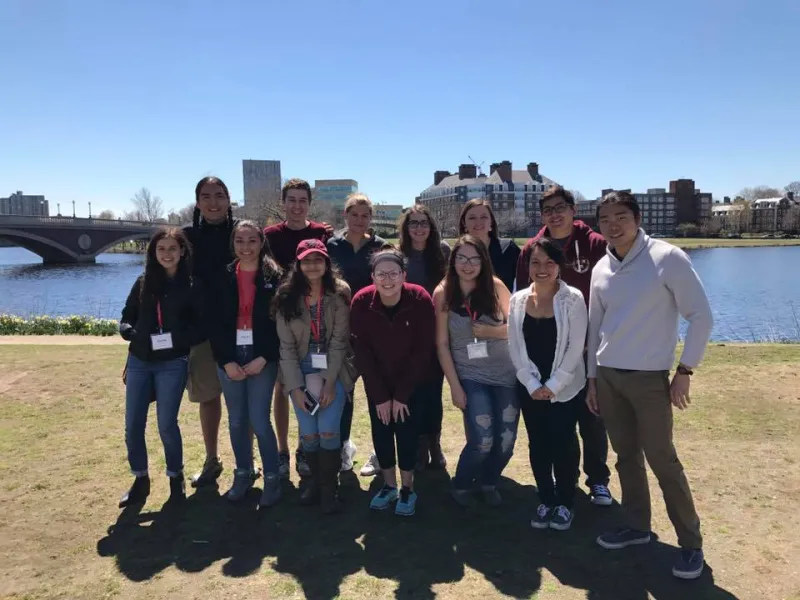 PicNAHC! One of the many events students hold for prefrosh.
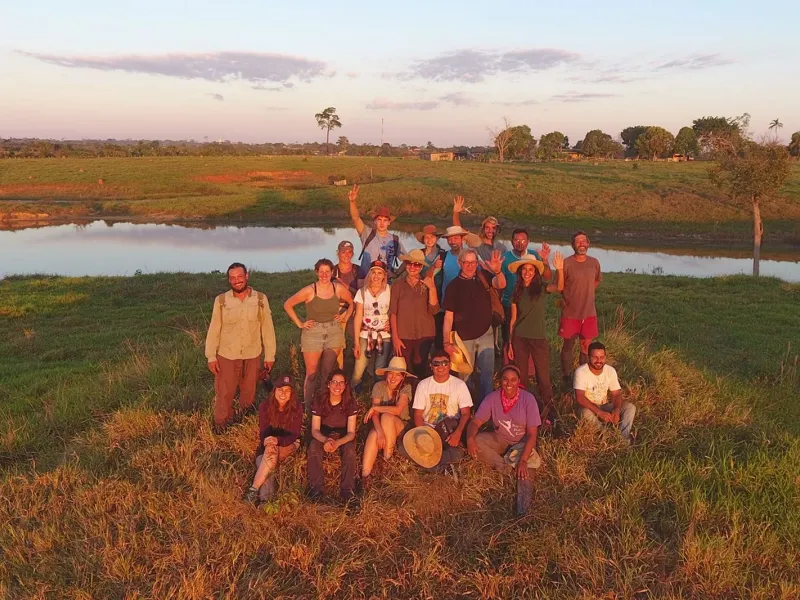 My field team in Bazil.
 FUP leader family 2018
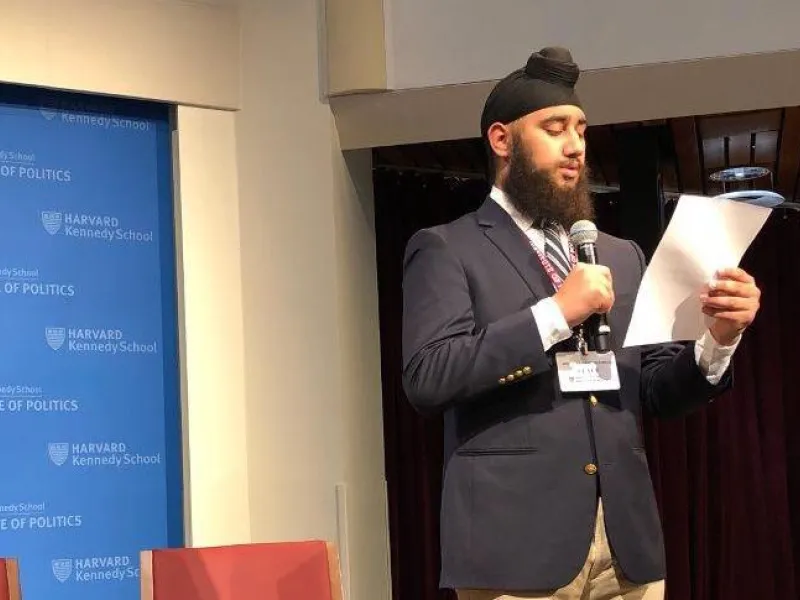
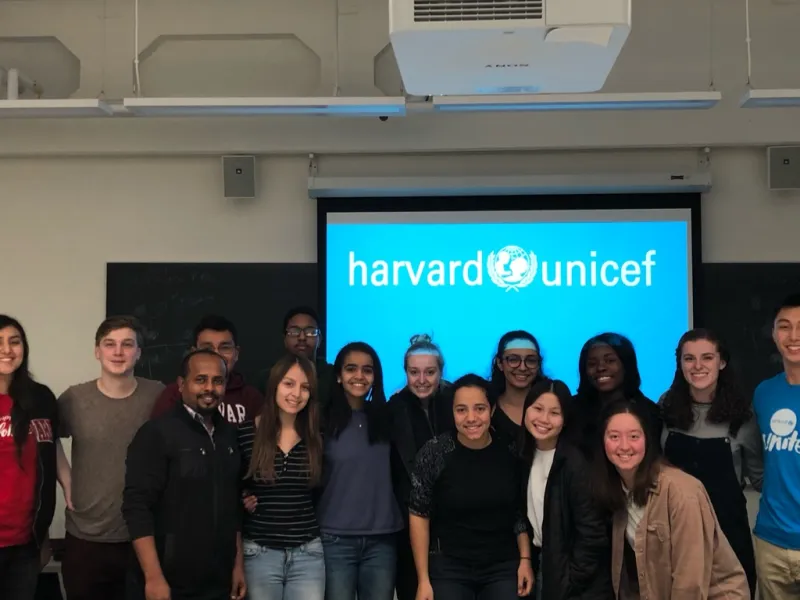 Harvard Undergraduate UNICEF Club
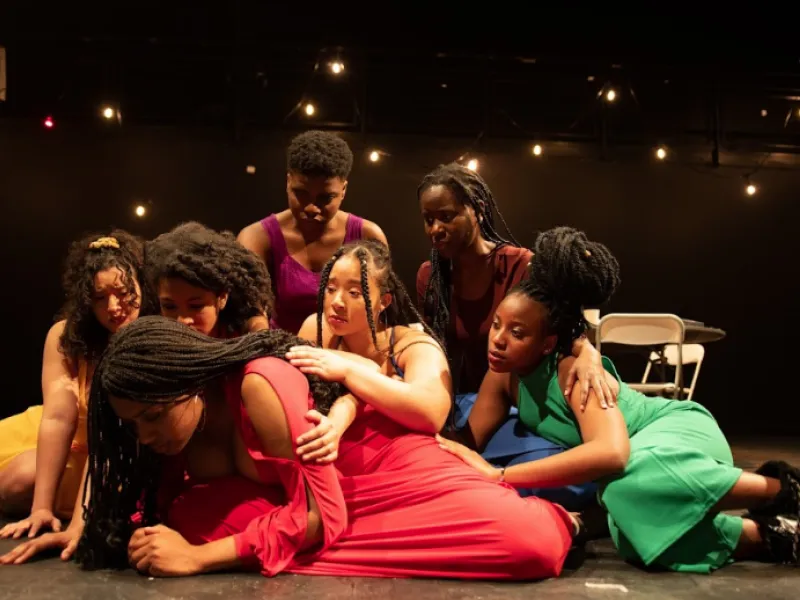 The Ladies of the Rainbow. I am the Lady in Blue in my last Black CAST production.
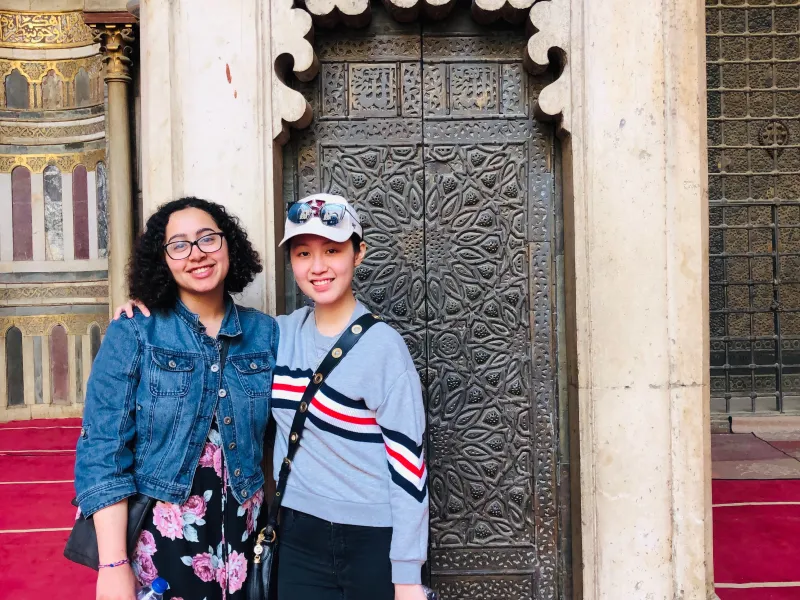 A sophomore and I at a mosque in the City of the Dead!
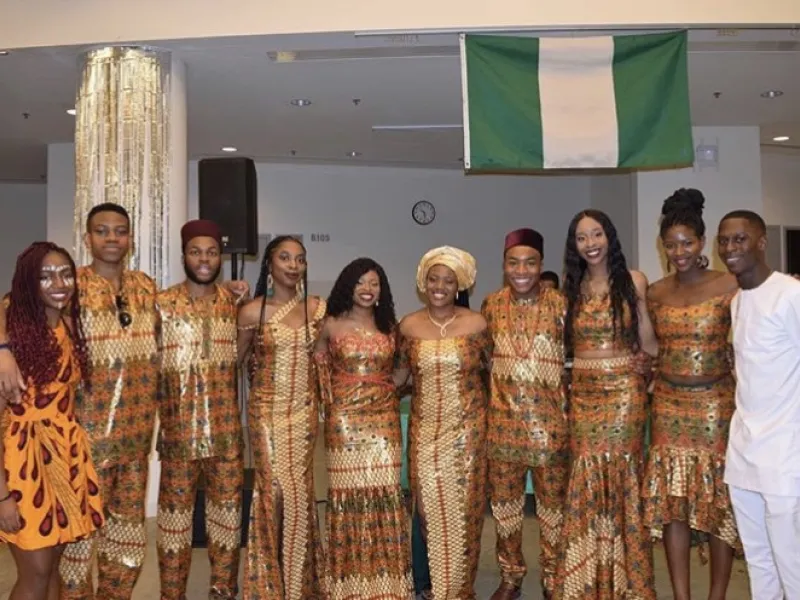 Nigerian Students Association Executive Board at our 9th Annual Independence Day Gala
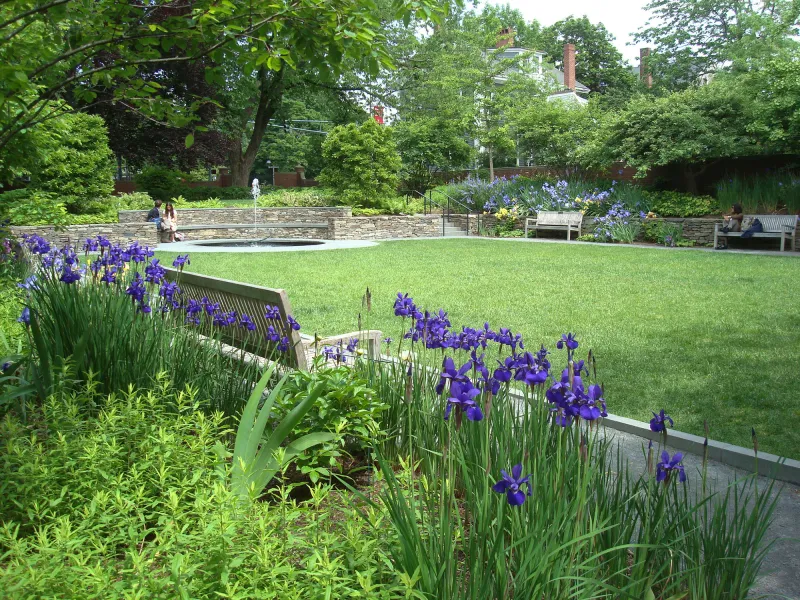
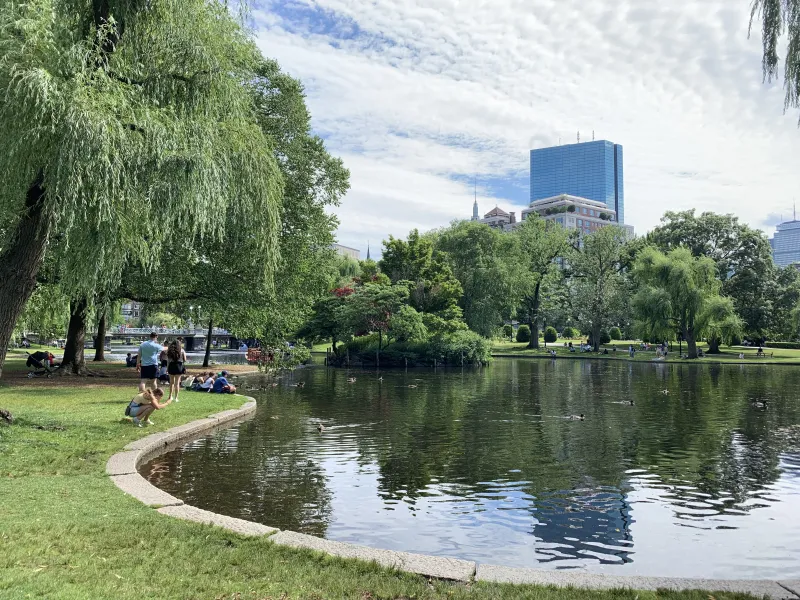
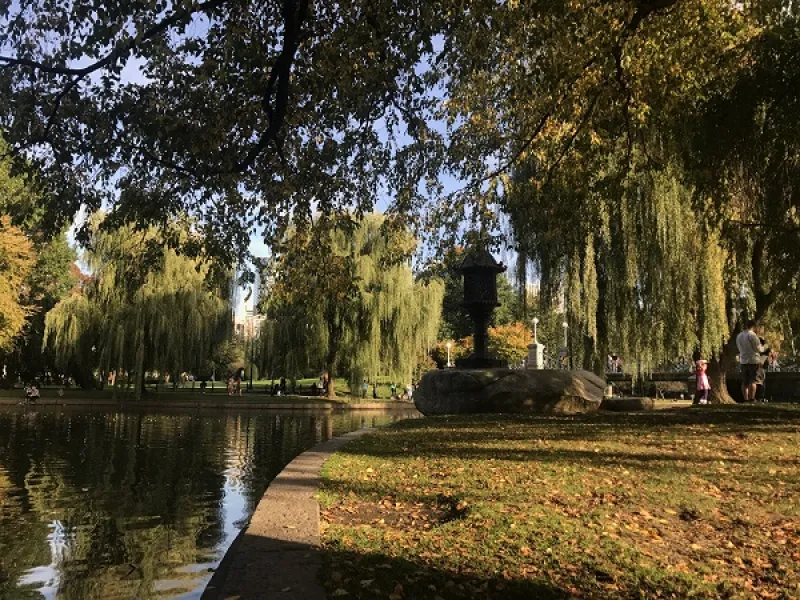 My favorite place to read at the Public Garden is in the shade by one of the ponds!
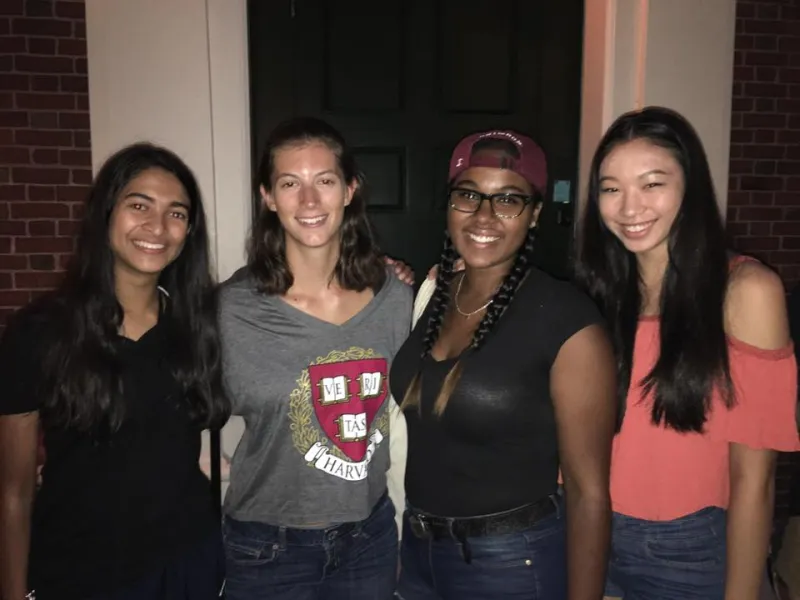 Me and three of my first-year suite mates
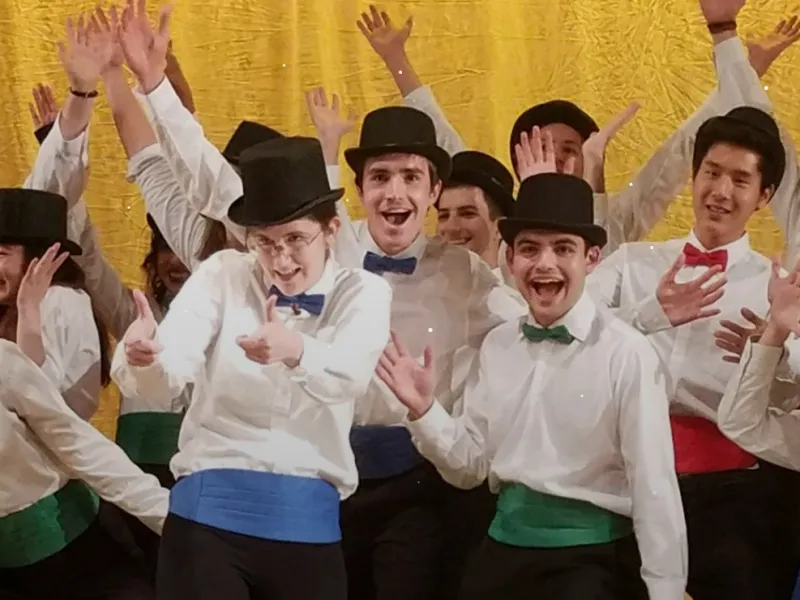
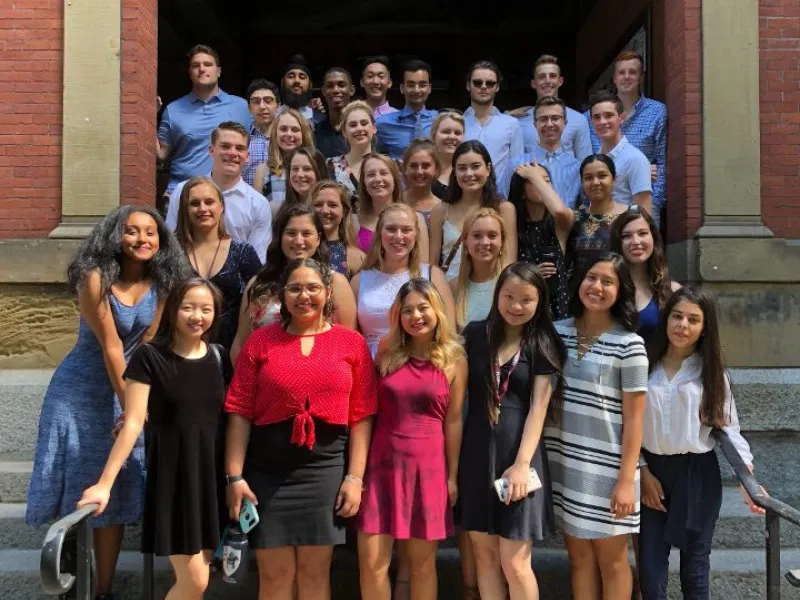 Here's a picture that includes members of my entryway community at Weld Hall!
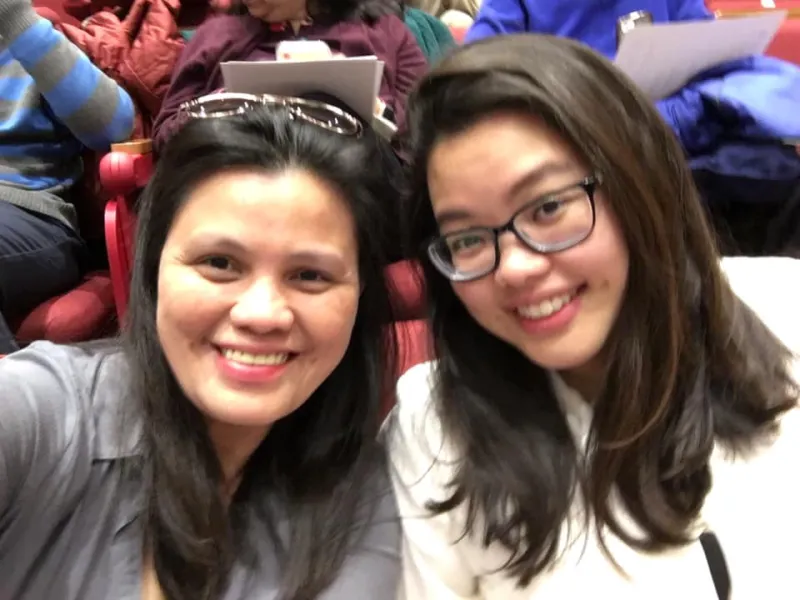 My mom and I in a lecture hall for the Junior One Ring Ceremony.
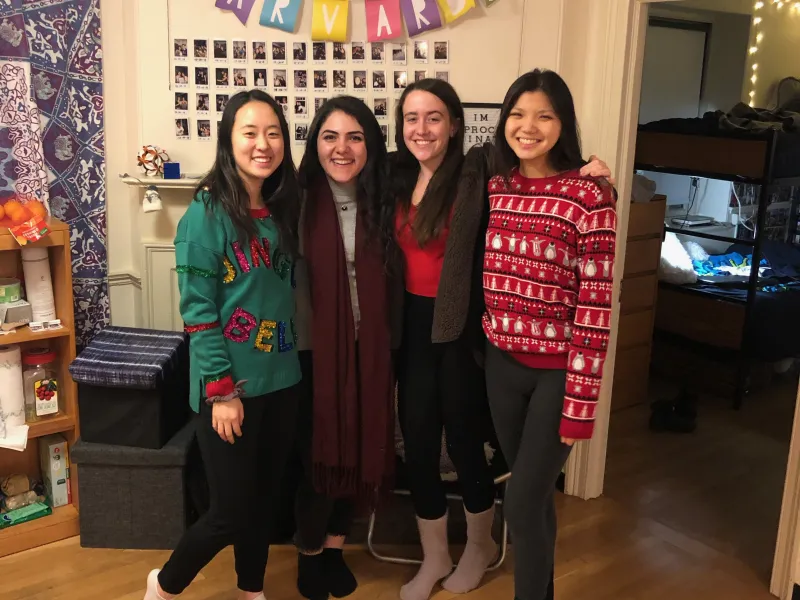 My roommates and I in our Straus room
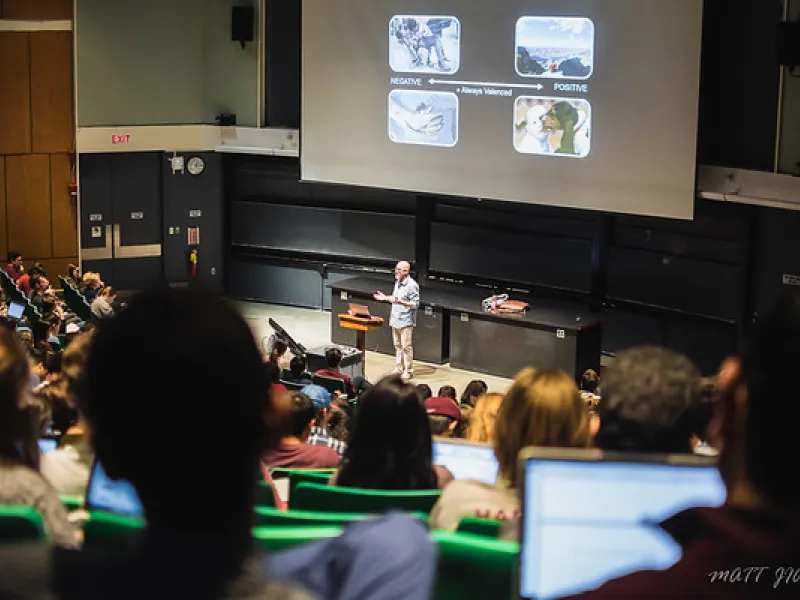
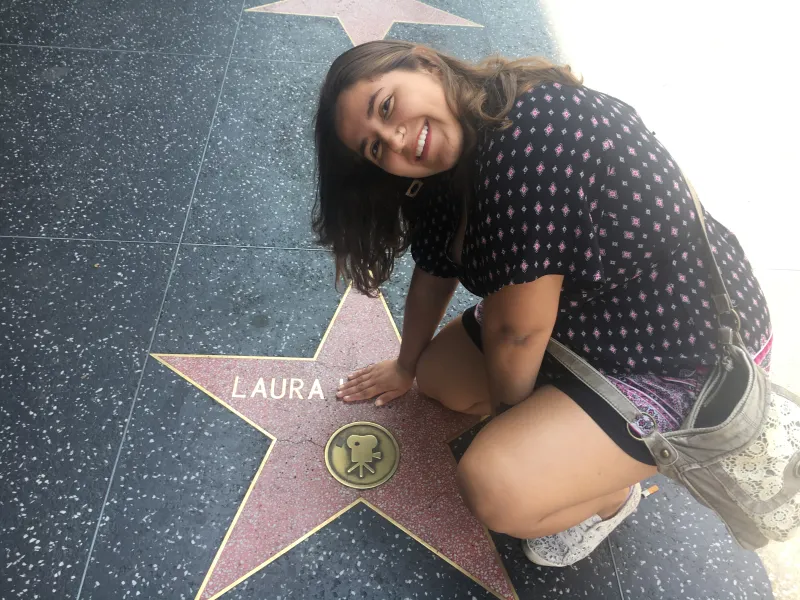
 Dining in at By Chloe in Fenway
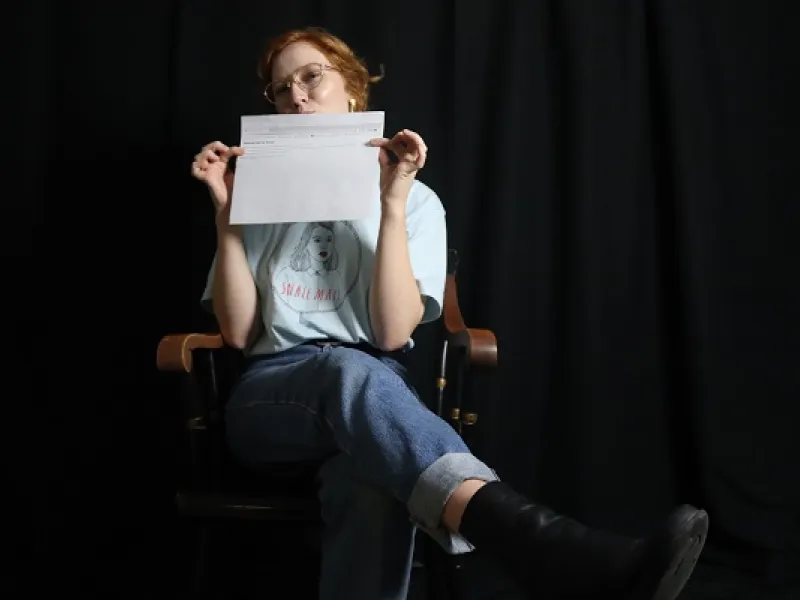 This is the photo for my satirical piece: "My Guilty Pleasure is the Crimson Arts Internal Service Error."
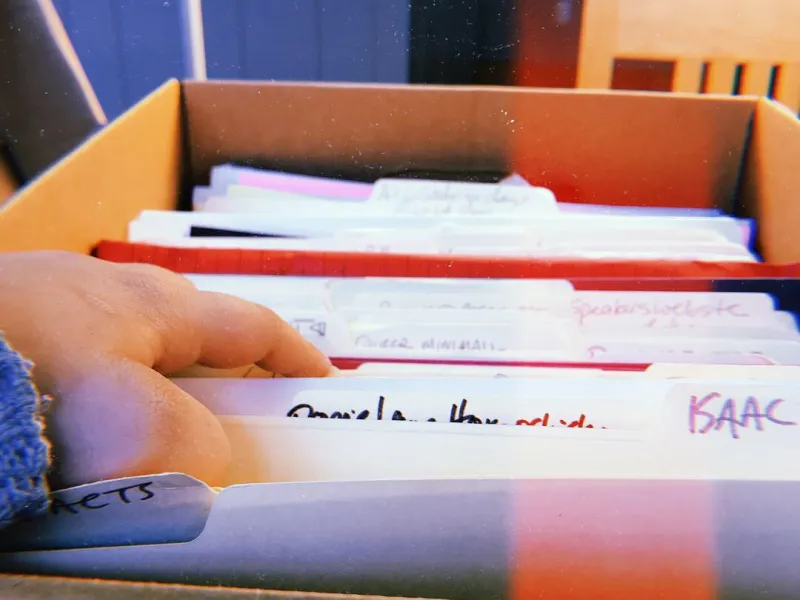 I spent A LOT of days in the archives
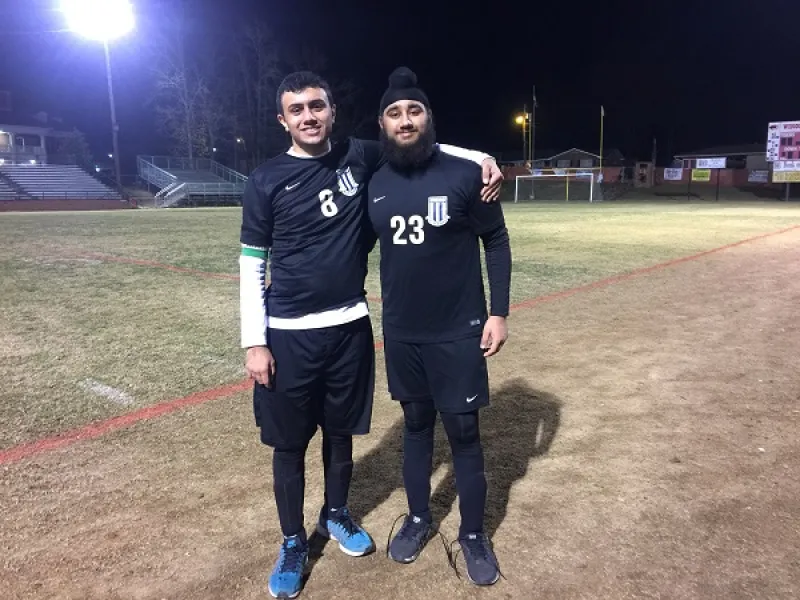 Taking a victory picture with one of my best friends and teammates.
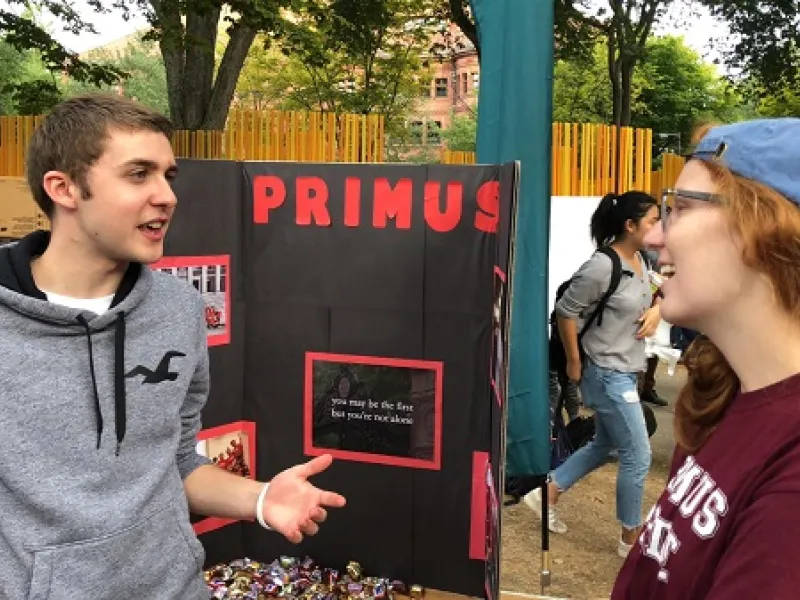 Harvard Primus's President Brandon and I at our table at this year's activities fair!
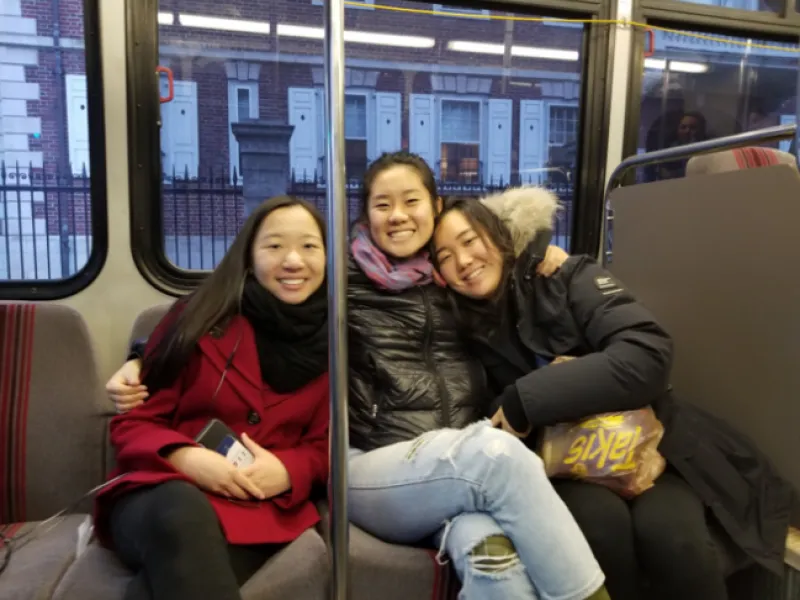
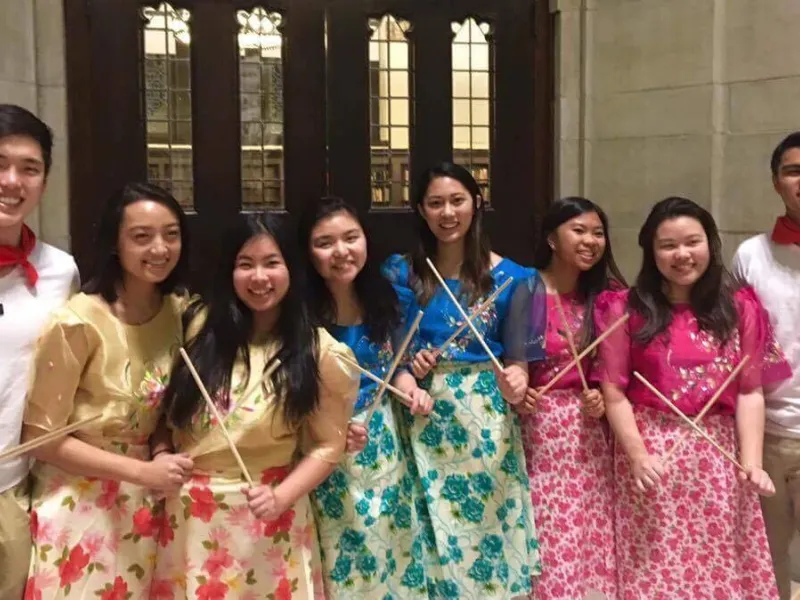 HPF teamed up with Wellesley's Club Filipino for a Kamayan performance!
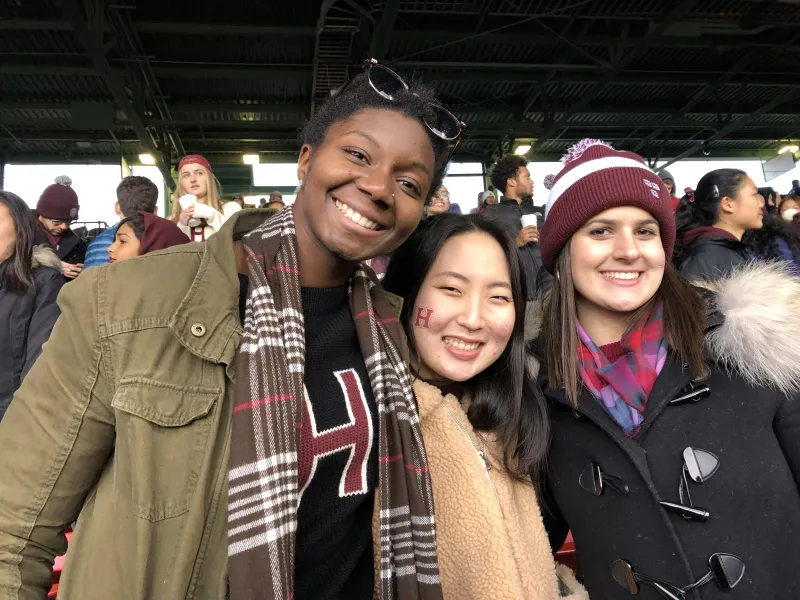 Me and my friends at Fenway during this year's game
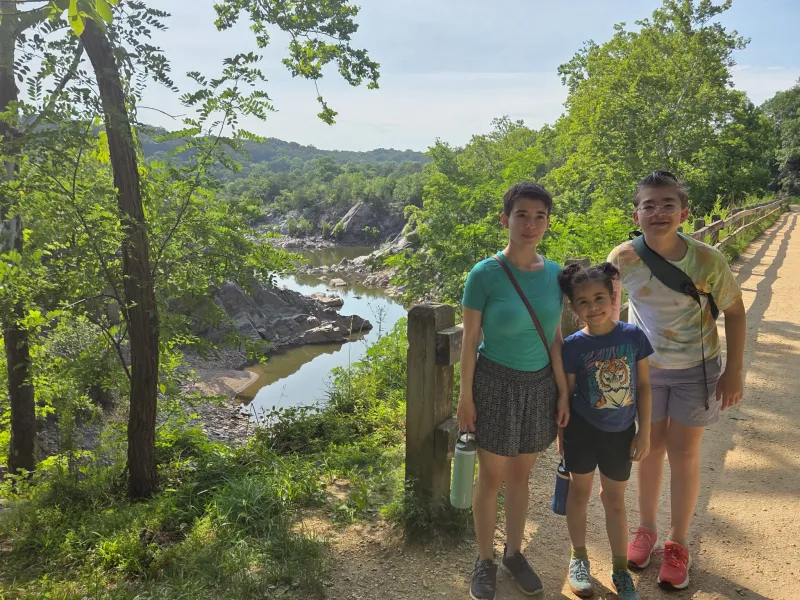
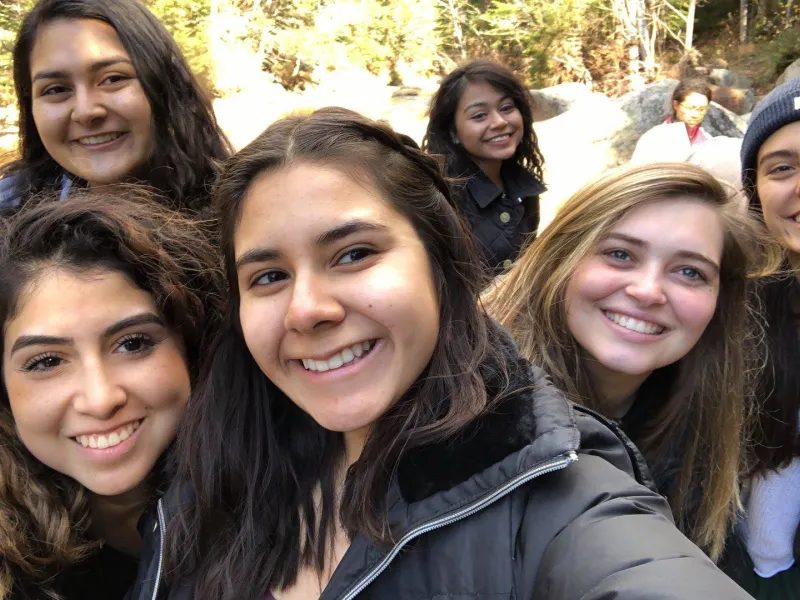 Since the trail was too muddy to actually hike, we decided to walk around near the creek and take pictures together.
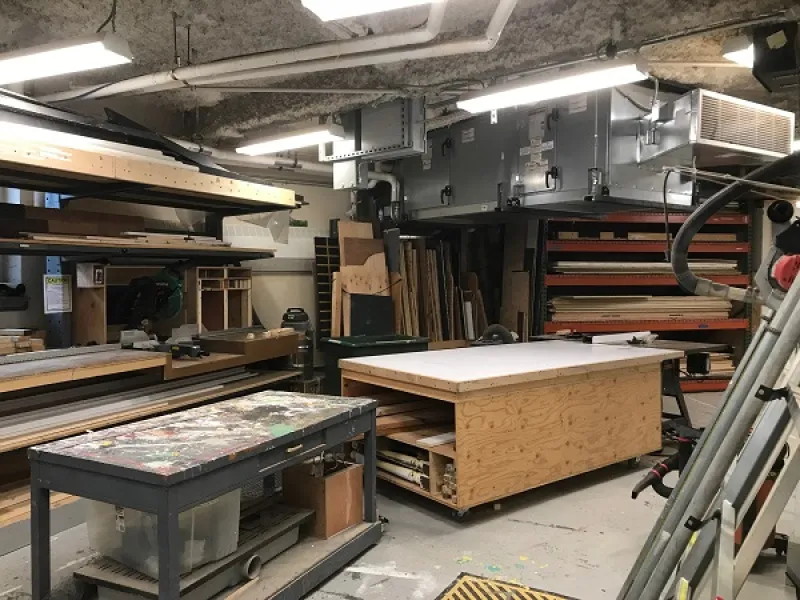 This is where I'm building the R&J set!
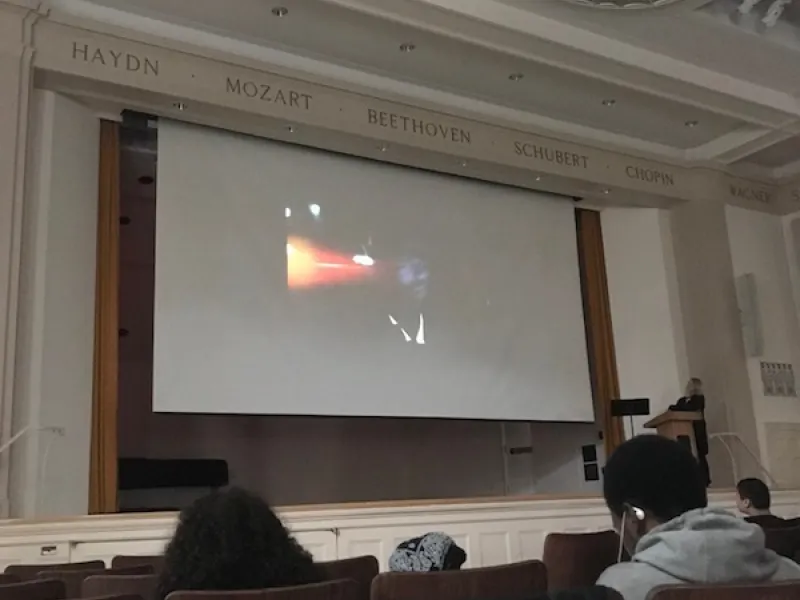 Watching a music video in class during a lecture about "Consuming Black Culture"
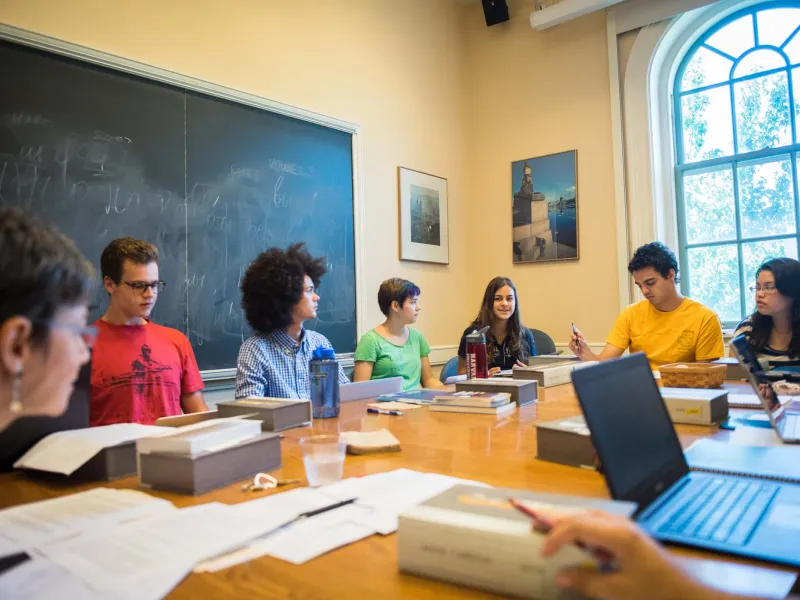
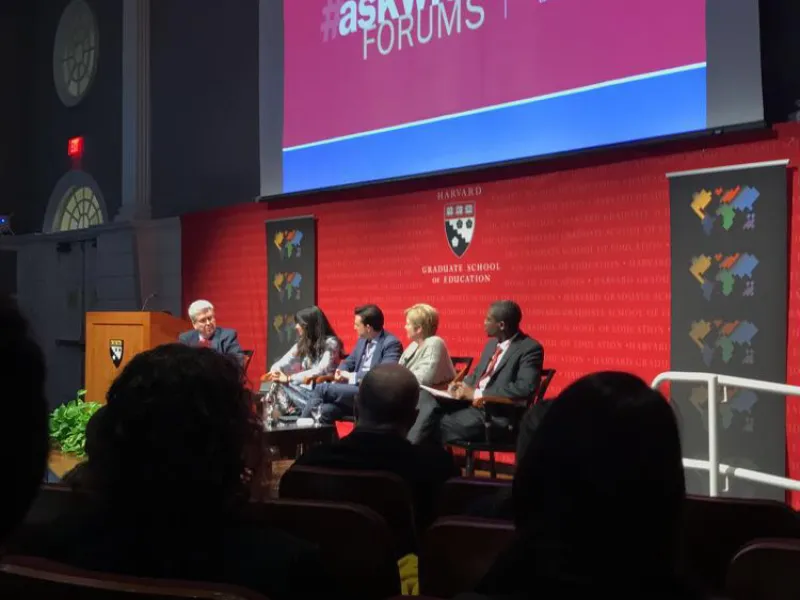
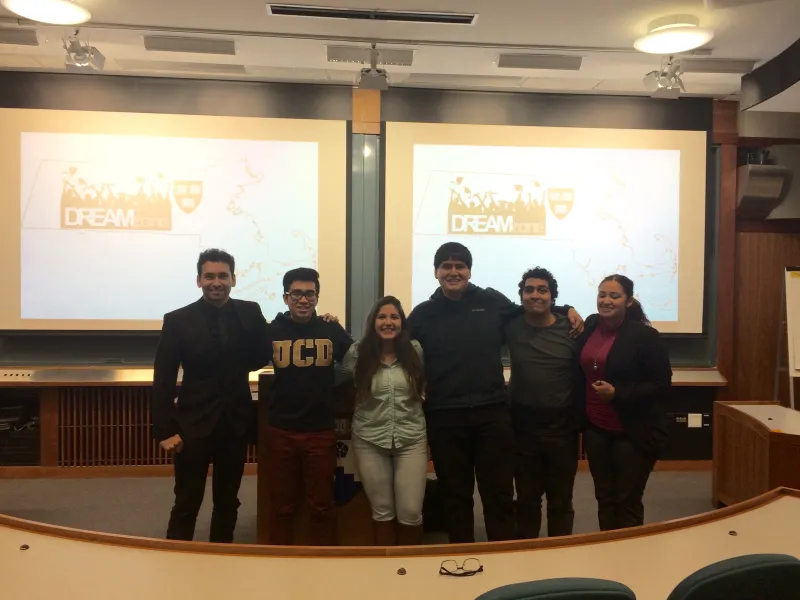 A photo of me and my classmates during a group presentation!
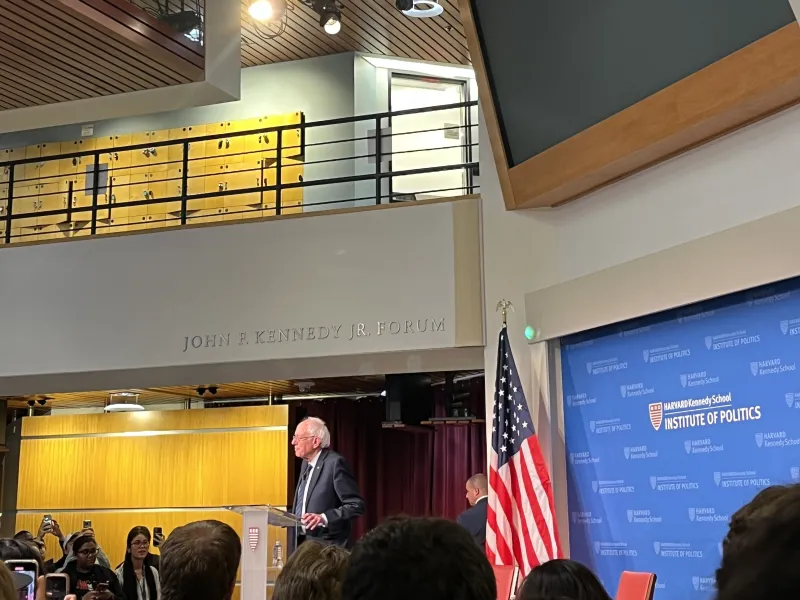
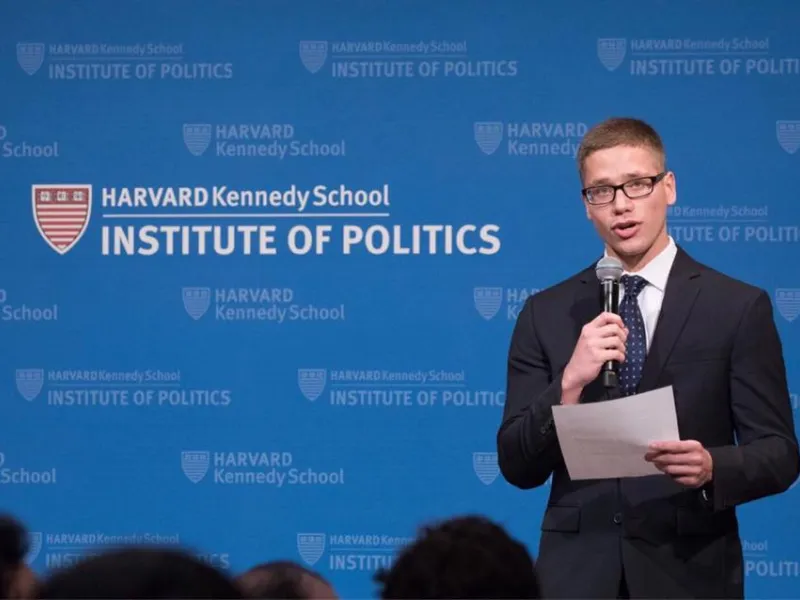 Me introducing speakers at the JFK Jr. Forum!
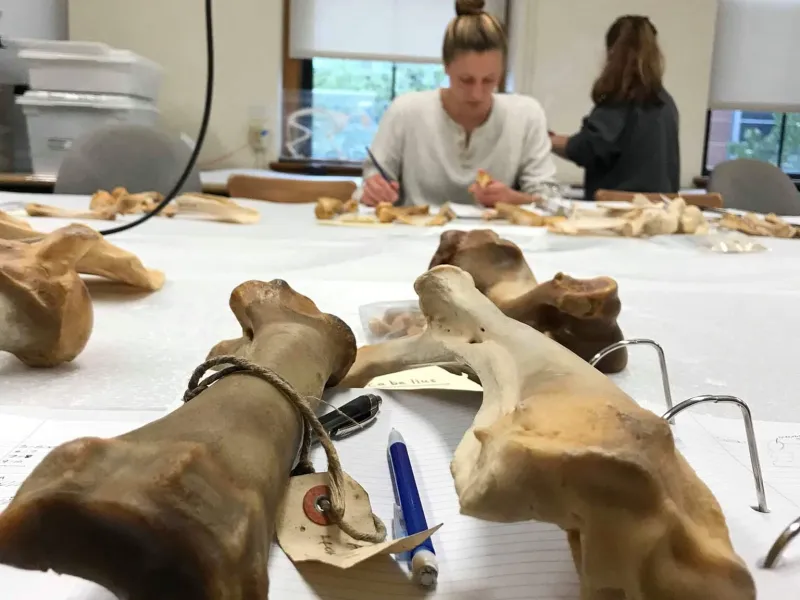 My friend Mathilde in our Osteoarchaeology class
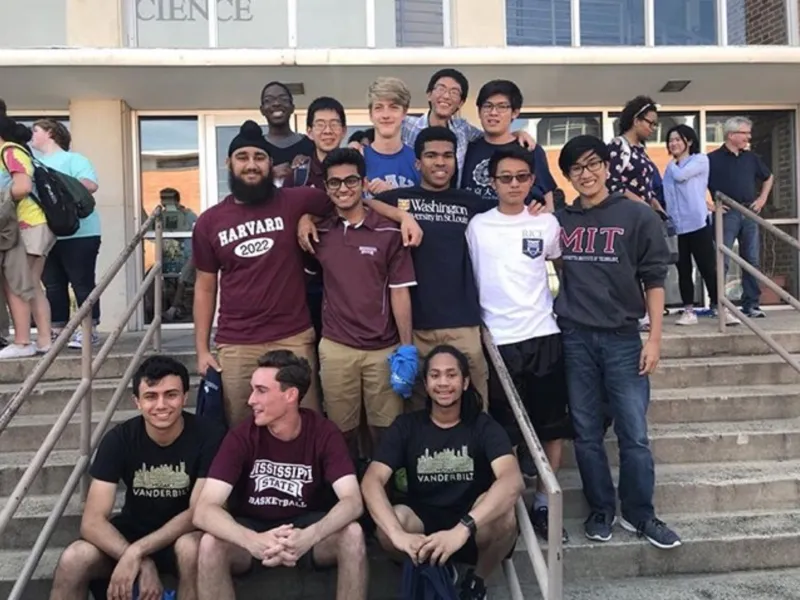
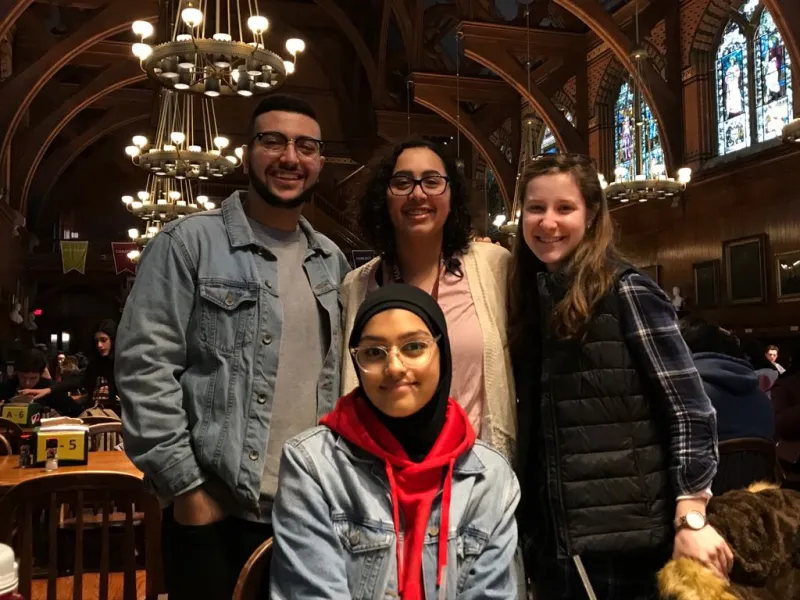
 The NAHC Board!
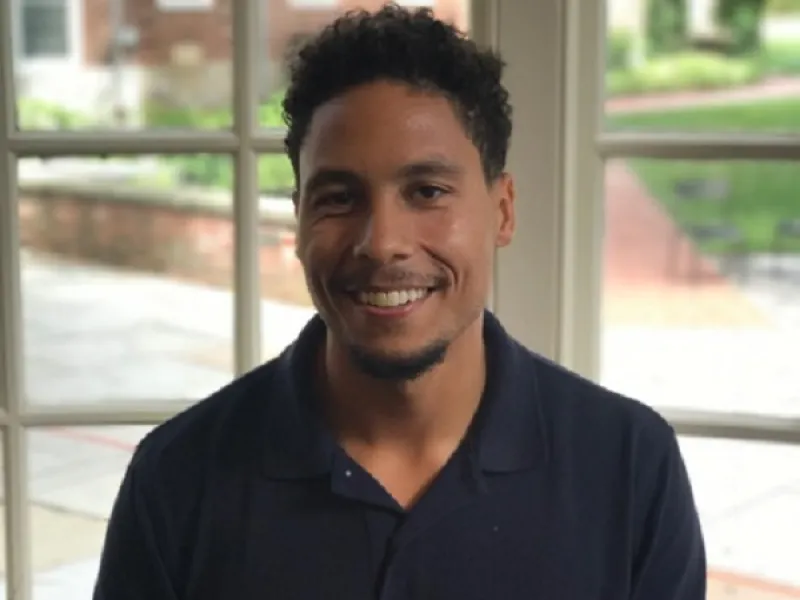 Photograph of Dan Lobo
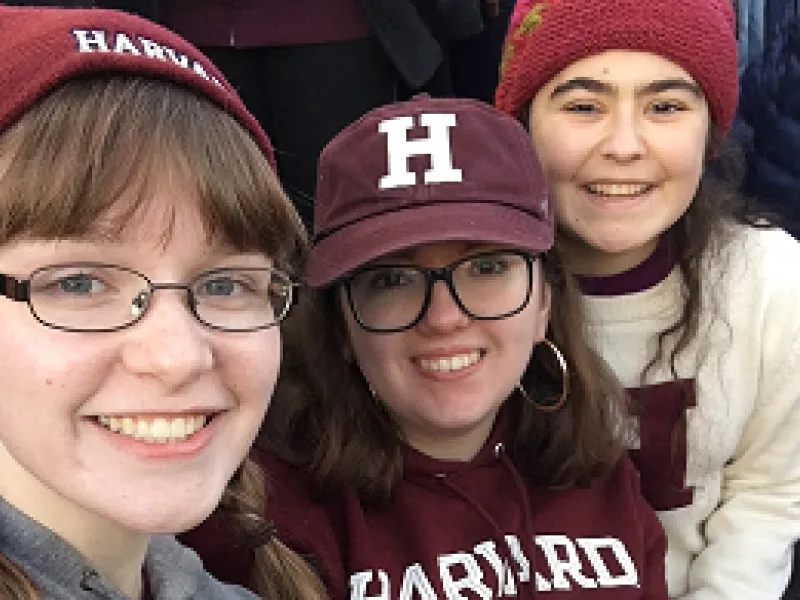
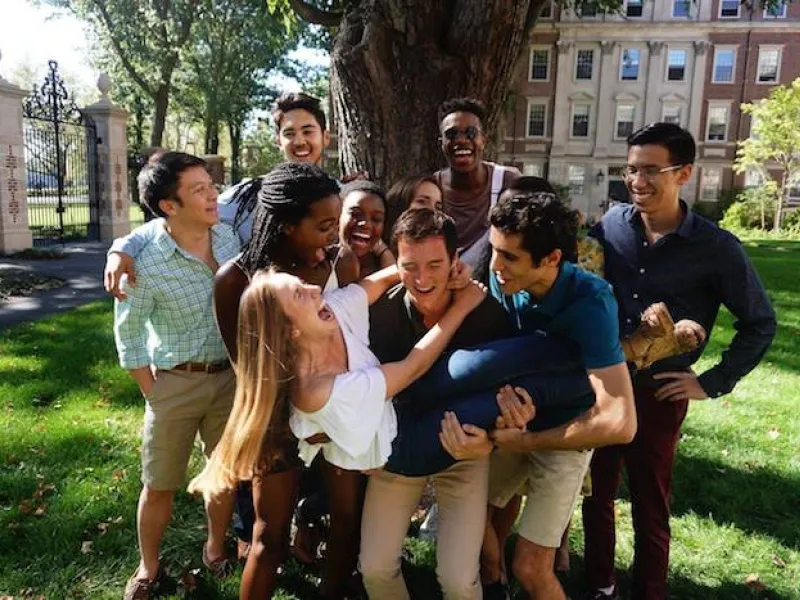
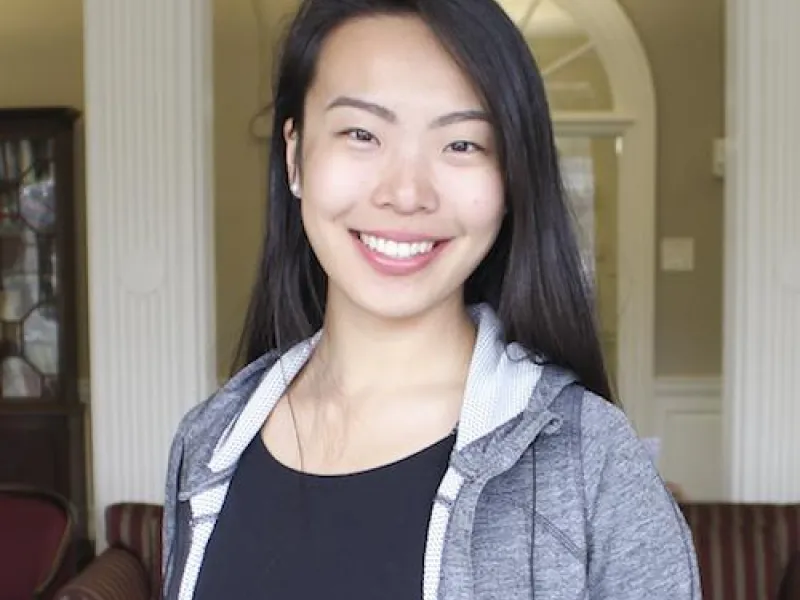
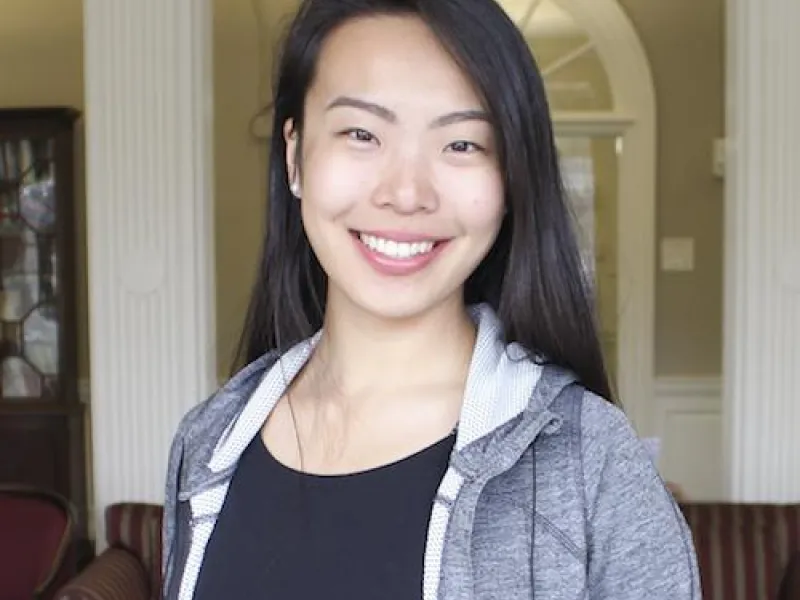
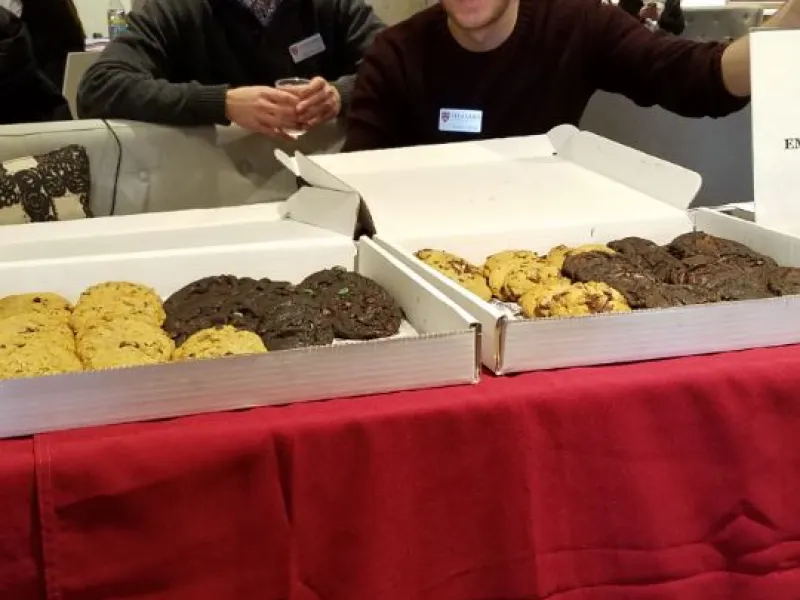
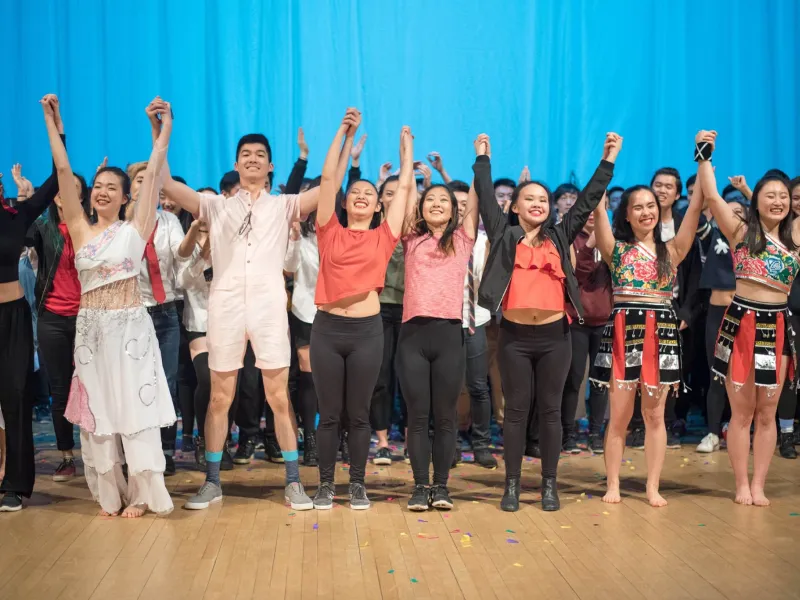
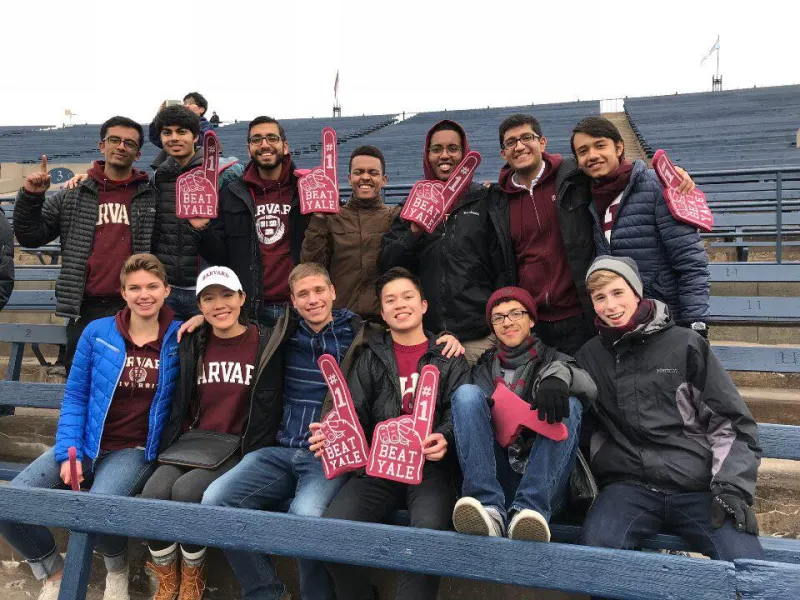
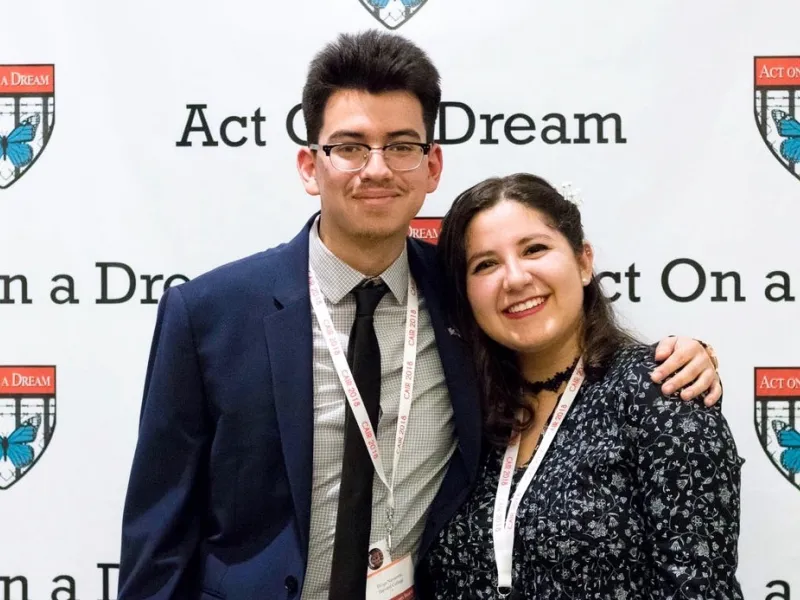
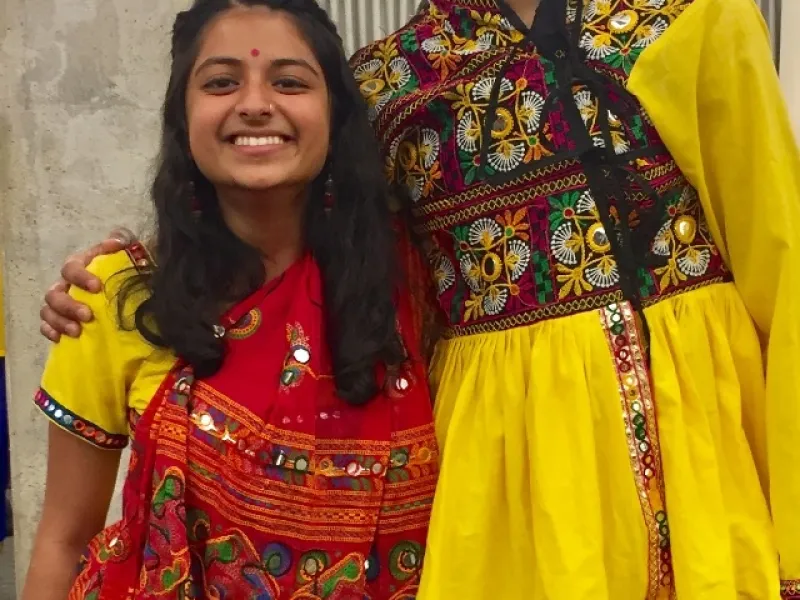
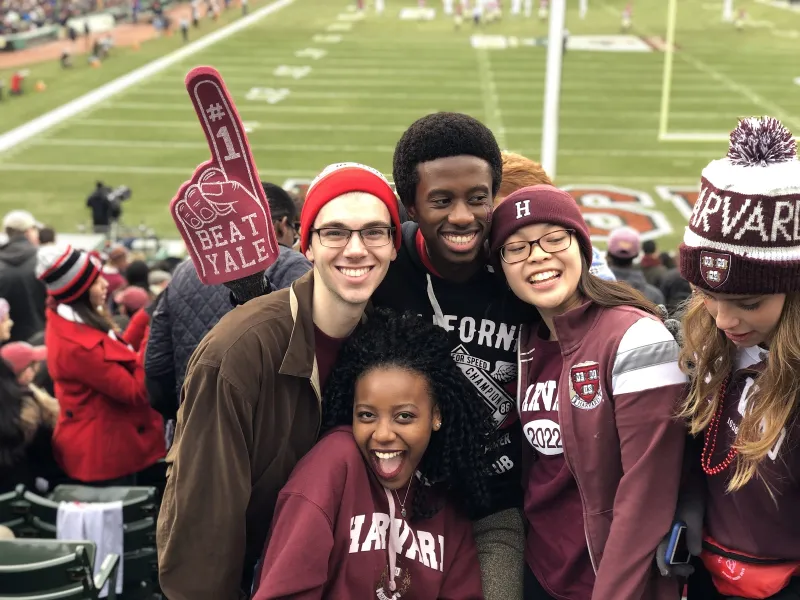
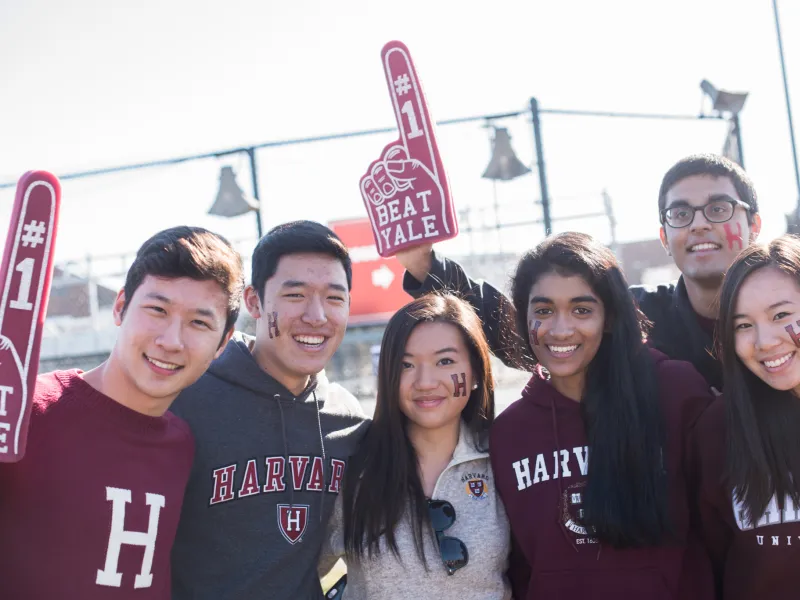
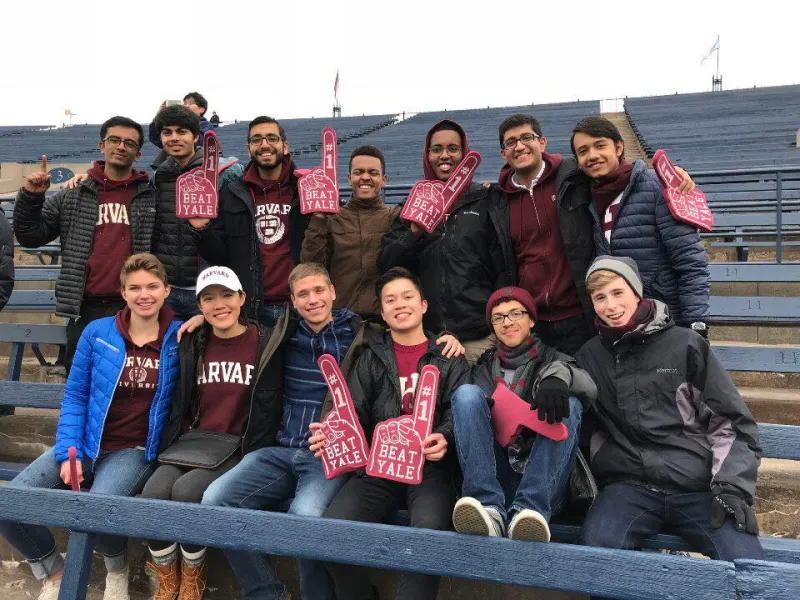 My Friends and I at Harvard-Yale!
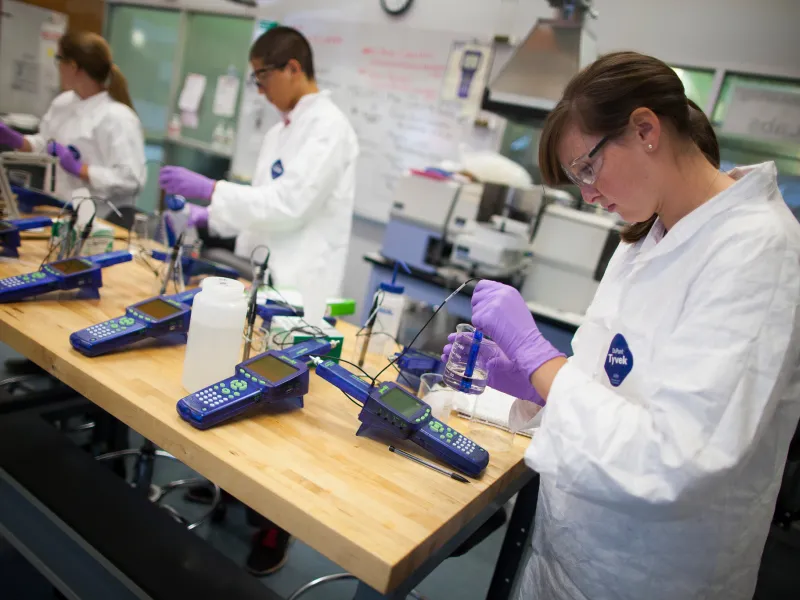
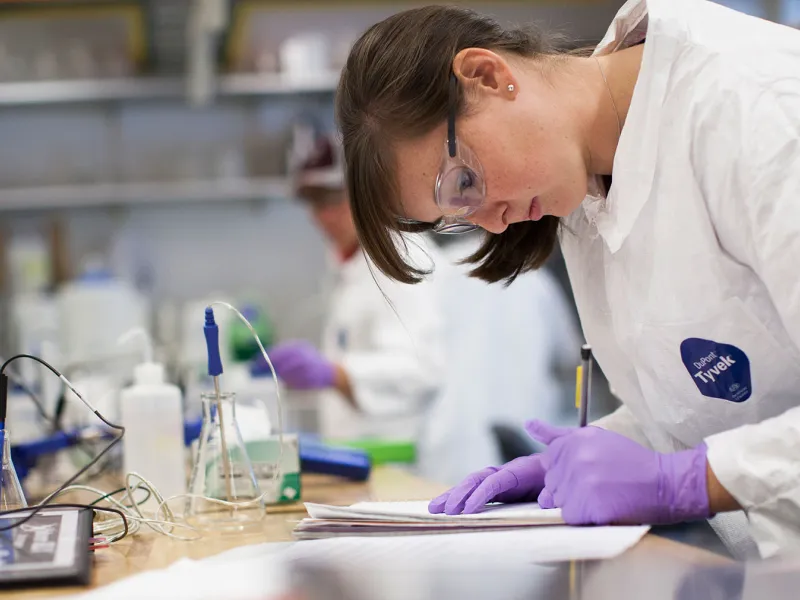
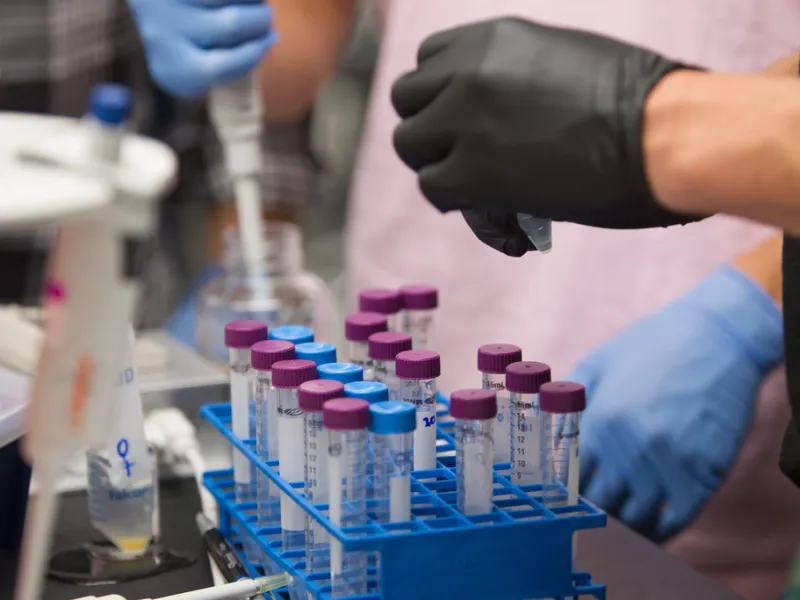 Test tubes in a laboratory
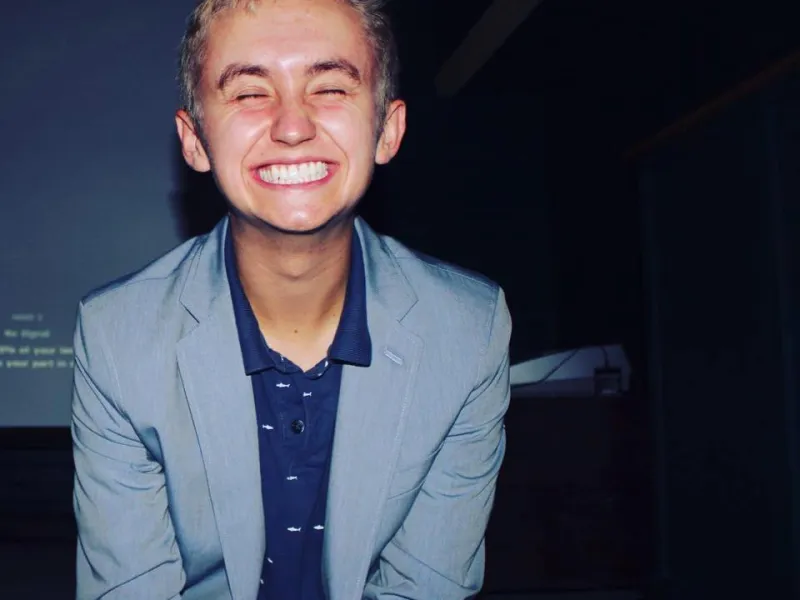 This dweeb could be your alumni interviewer. Don't be afraid!
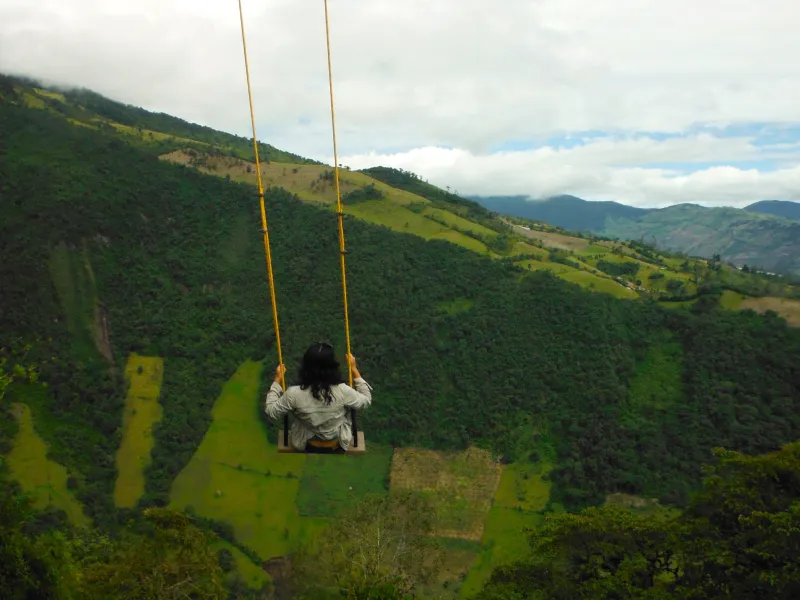
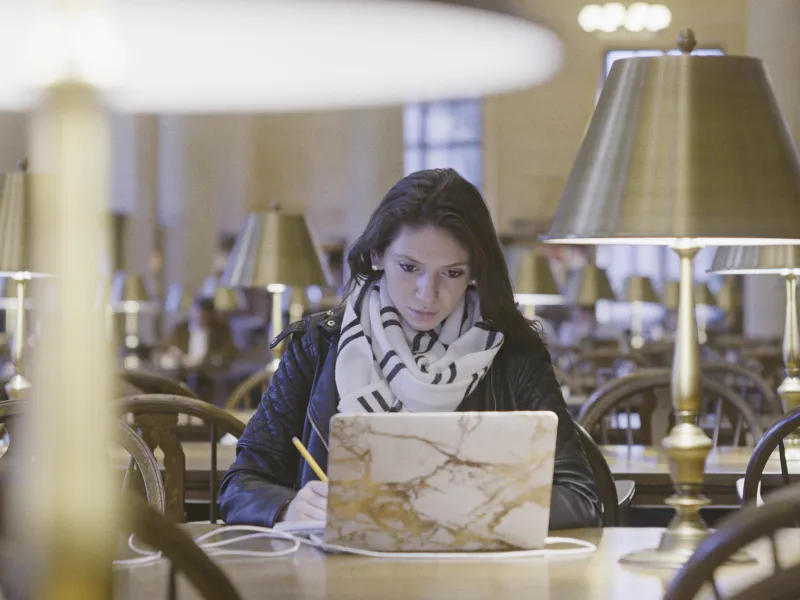
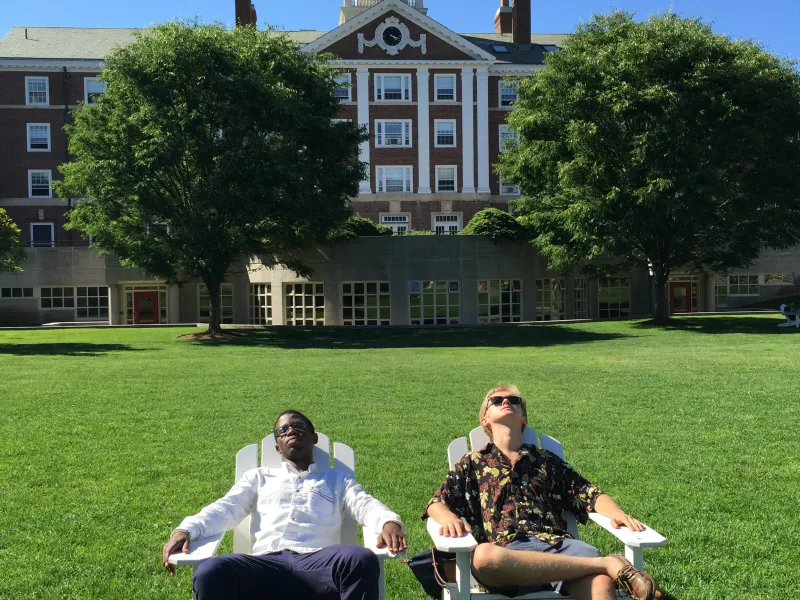
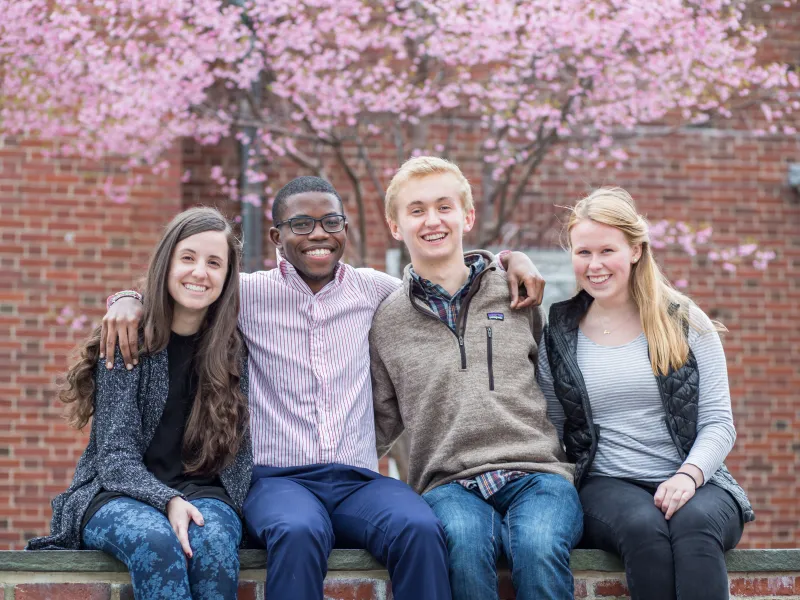 The HCC crew, we're here for you!
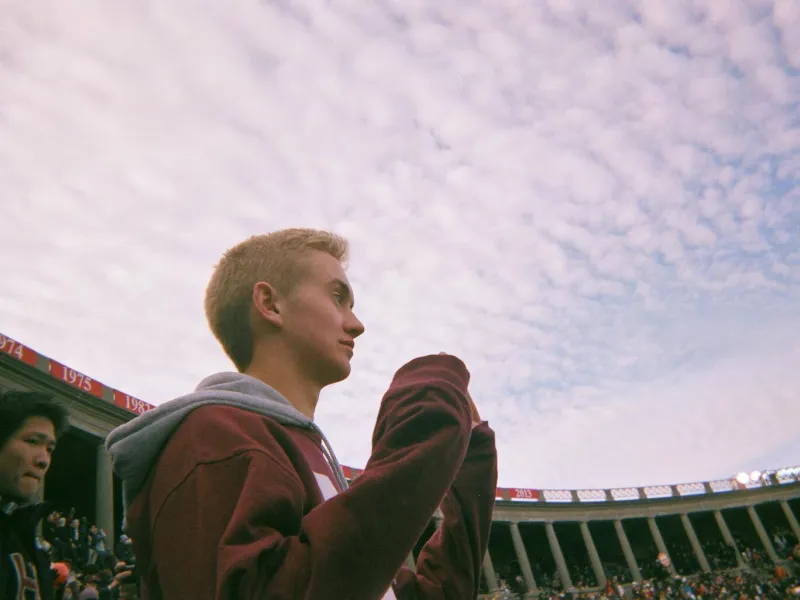 I never thought I'd be wearing that big H sweater or be looking this ~artsy~.
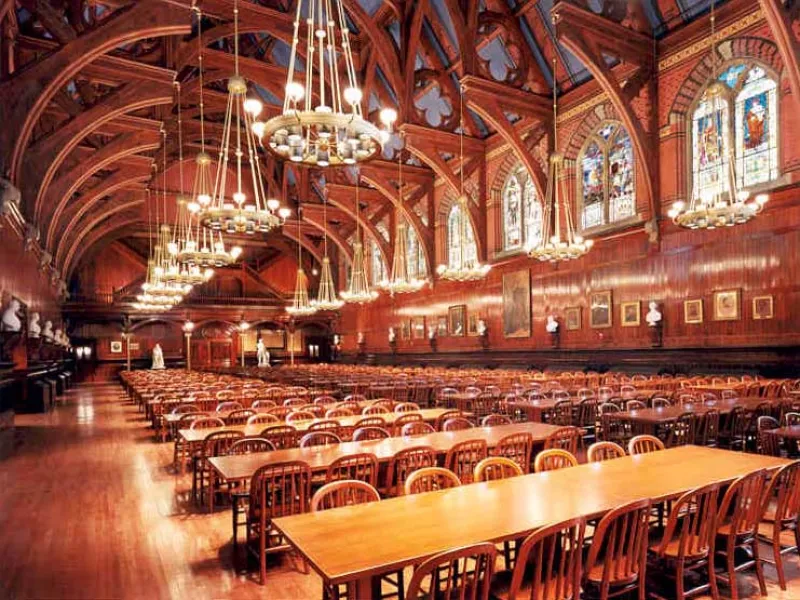 Annenberg or The Berg or The Great Hall of Hogwarts
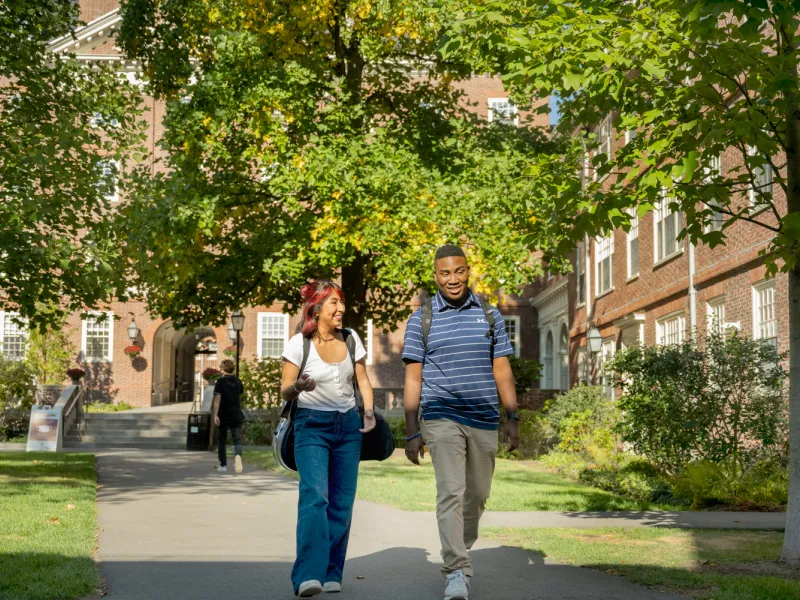
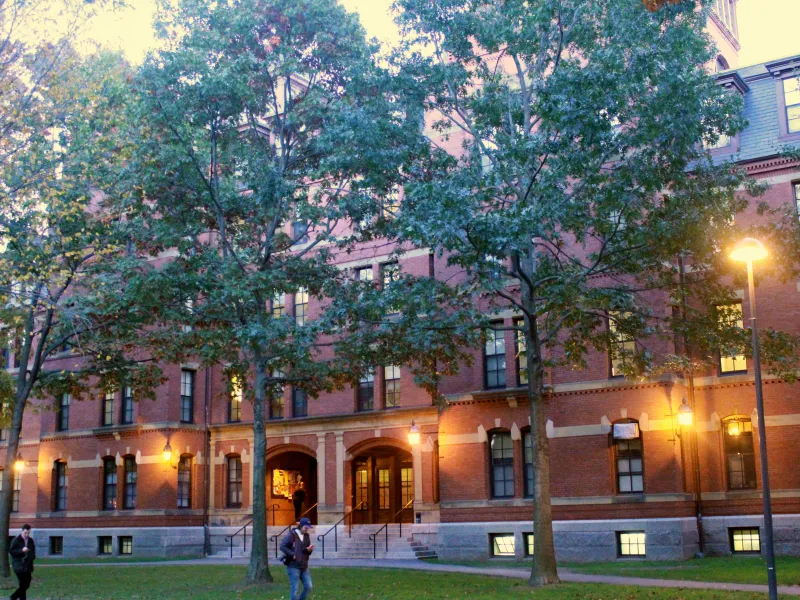 Going back to Weld at the end of the day is a great feeling.