
After I found out that one of my courses no longer fulfilled the requirements for my secondary (Global Health & Health Policy), I had to find a substitute quickly. That class ended up being EAS170: Medicine and the Self in China and in the West.
This class wasn’t part of my original plan, but from the first few weeks, it became clear that it would shape how I think about health, the body, and the values I should have as a physician.
EAS170 (East Asian Studies 170: Medicine and the Body in East Asia and in Europe) how different medical traditions understand health, illness, and the body. Rather than focusing solely on biological mechanisms, the course emphasized experience–how people feel and interpret their own bodies within cultural and historical contexts. This approach was very different from many of the previous science courses I’ve taken, like LS1B (Life Sciences 1B) or Chem 17 & 27 (Principles of Organic Chemistry & Organic Chemistry of Life), where clear answers often take center stage.
As someone interested in medicine, this shift felt especially important. The course pushed me to think beyond diagnoses and treatments, and instead consider the values that should guide medical practice. It made me reflect more deeply on the importance of truly listening to patients’ experiences, rather than assuming that one framework alone can fully capture what someone is feeling or going through.
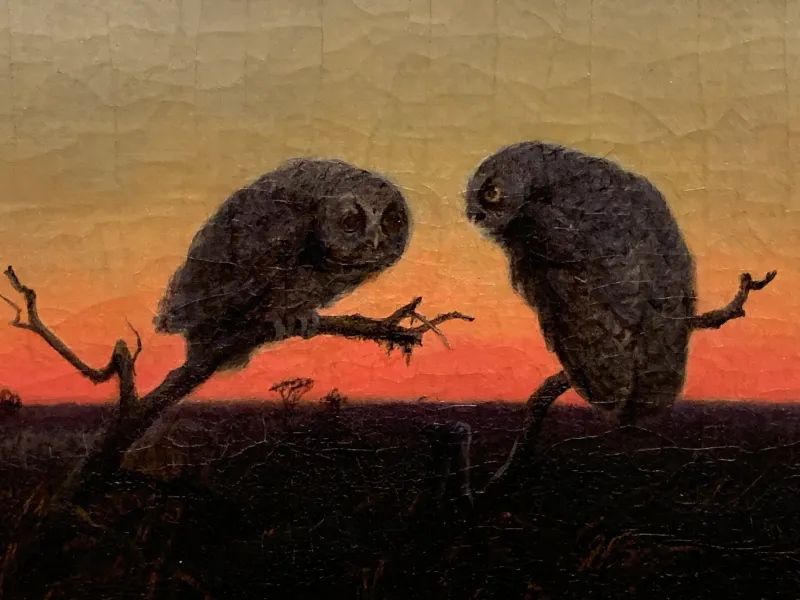
In class, we often discussed and looked back on the parable of the Blind Men and the Elephant. In the story, each man touches a different part of the elephant and comes away with a completely different understanding of what an elephant is. They discuss and argue their findings, not able to come to a consensus. None of them are entirely wrong, but none of them are entirely correct either. We returned to this throughout the semester as a way to think about medicine: not as a single and complete truth, but as a collection of perspectives shaped by where we stand and what we are trained to notice.
Looking back on this semester, I’m grateful that a practical decision led me to a class that challenged my assumptions and expanded my perspective. EAS170 showed me that understanding the body and the self often requires holding multiple viewpoints at once, and being open to what we might not yet fully see.
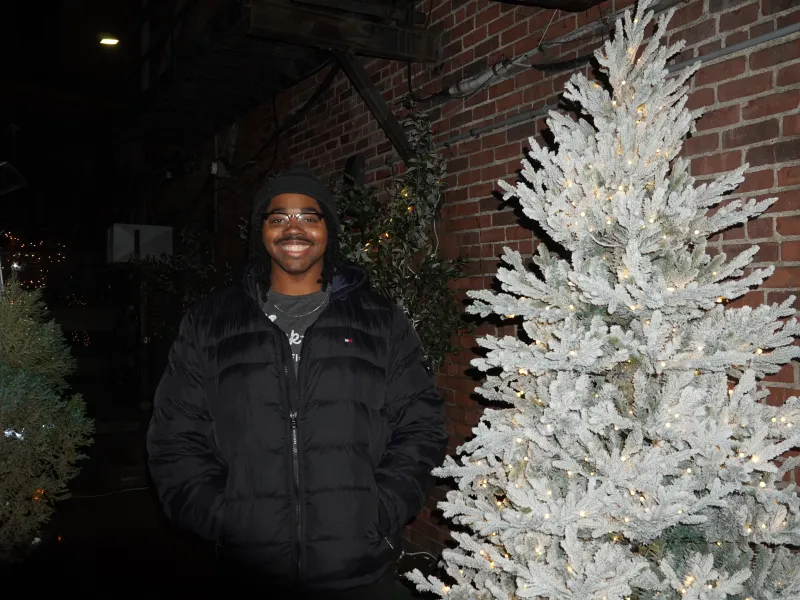
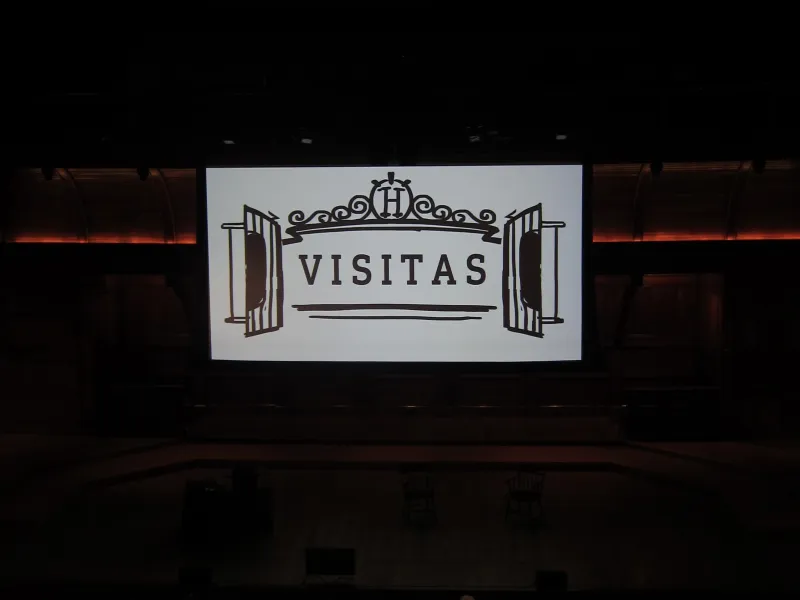
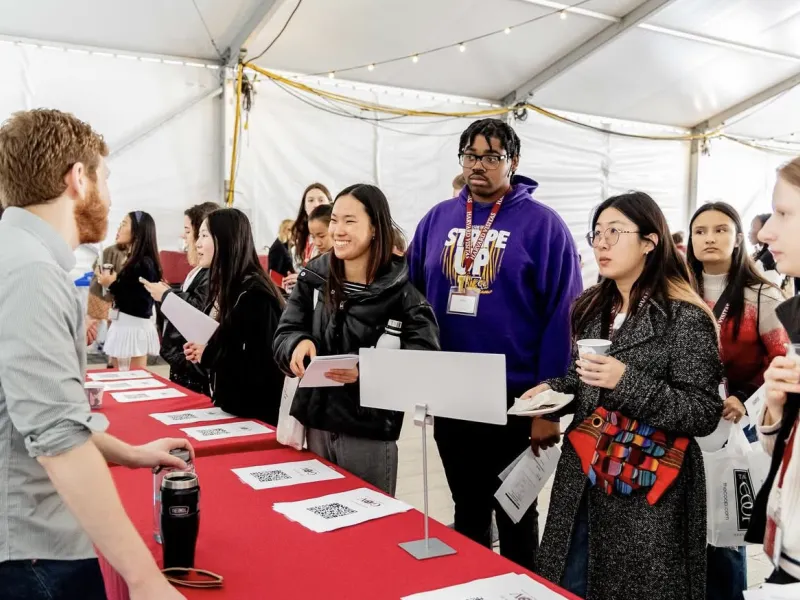 Picture of me and others at the Visitas Concentration Fair in 2024
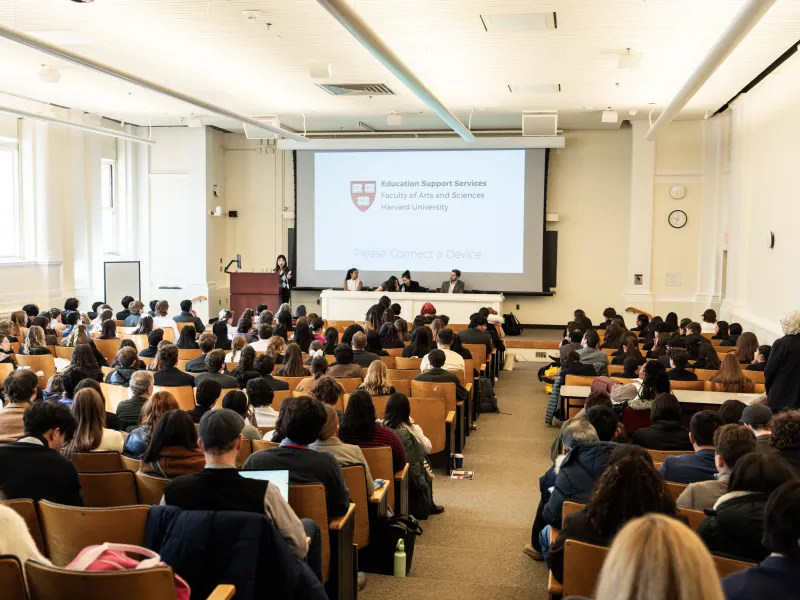 Nearly 200 students across 20+ high schools attended Harvard's first High School Ethics Bowl (HCHSEB)
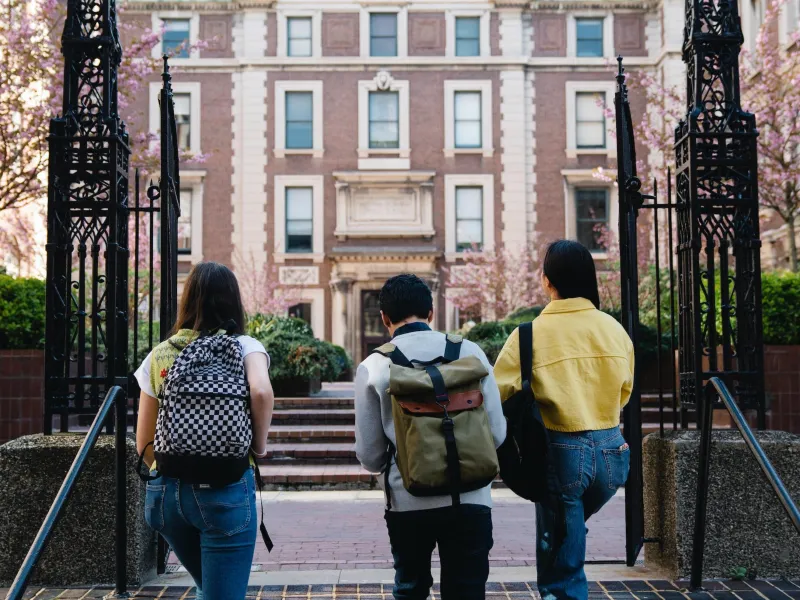 The Barker Center, home to the Harvard College Writing Center
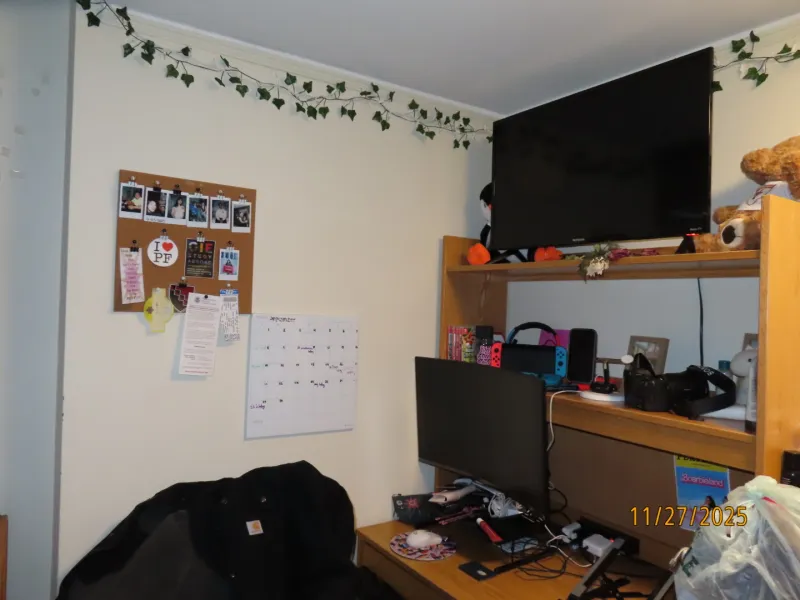 This is my junior year desk where I have my trusty monitor where I did most of my readings. But the TV served as a great medium to watch comfort movies and shows.
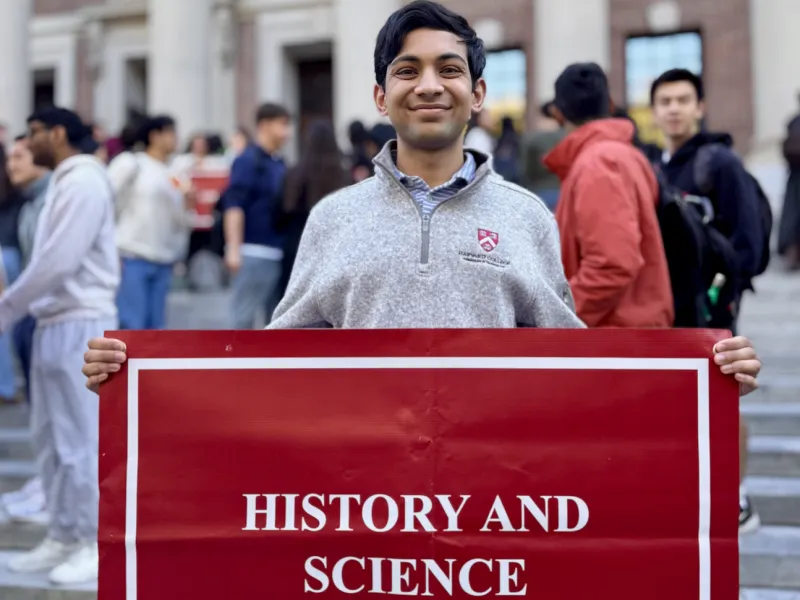 I pose with the sign for History and Science in front of Widener Library
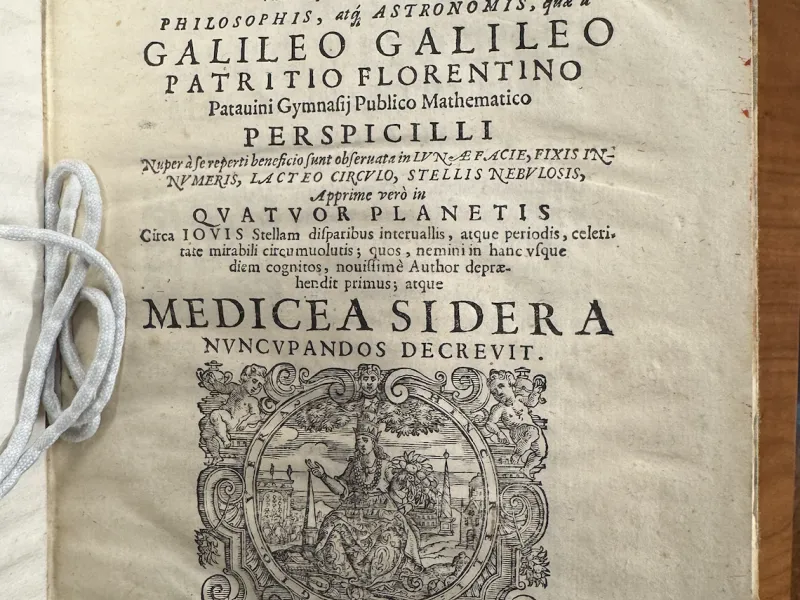 One of Galileo's works in Houghton Library.
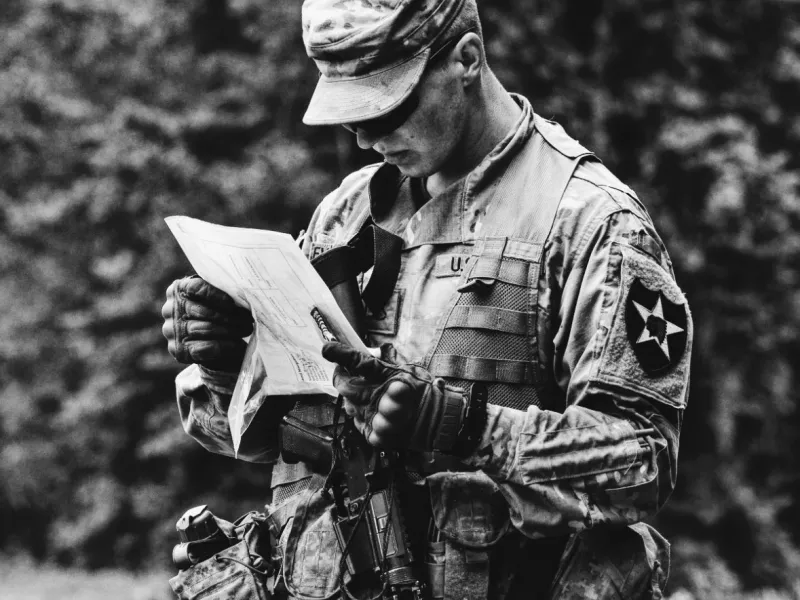
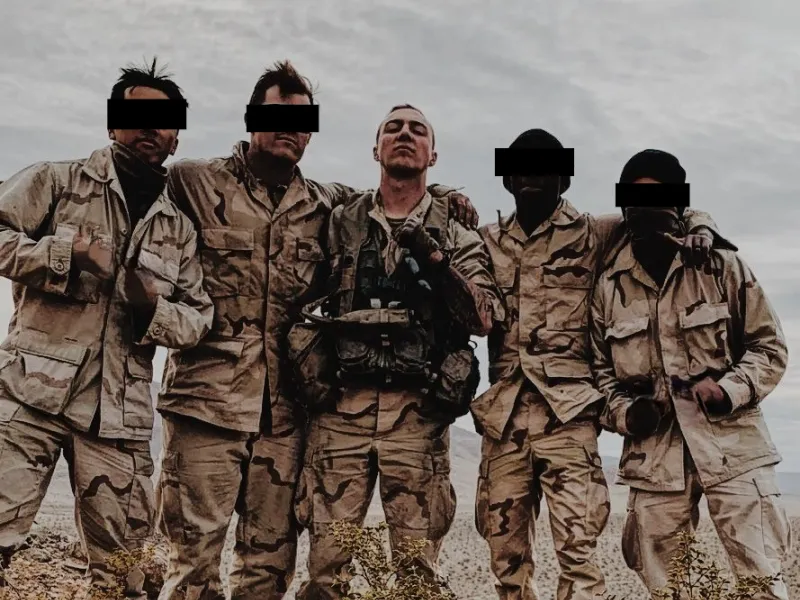 Quinn Ewanchyna '26 stands with platoon members during a training exercise in the Mojave Desert, 2020
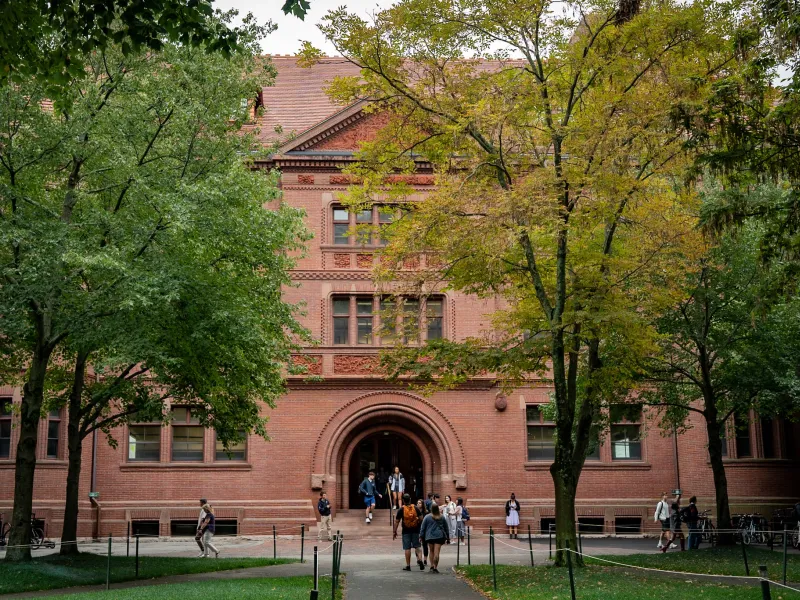
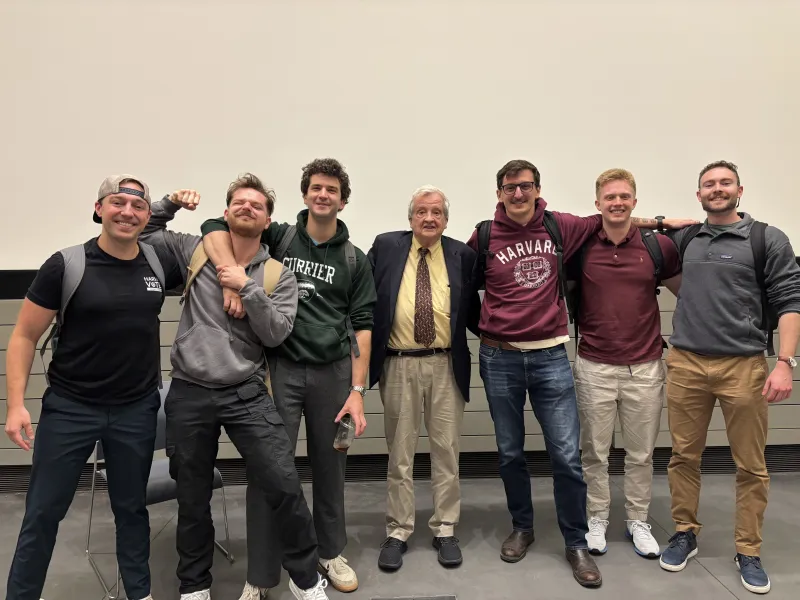
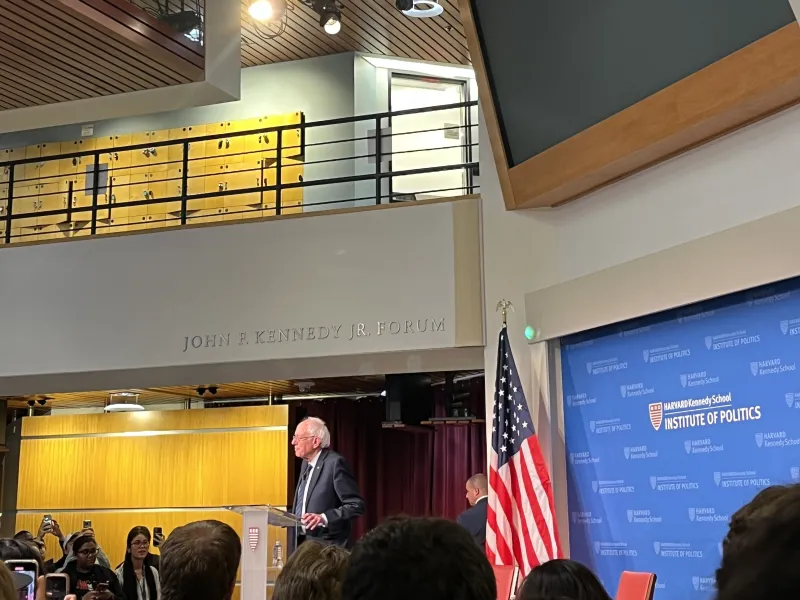
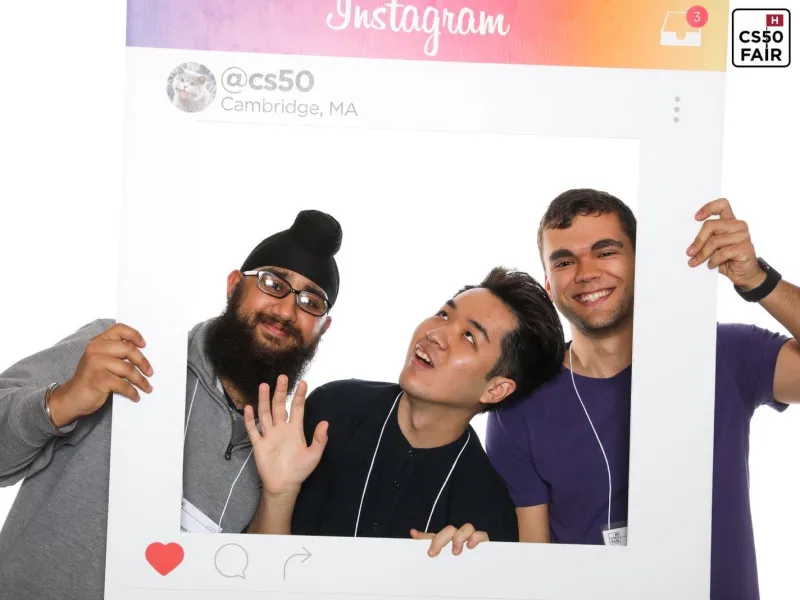
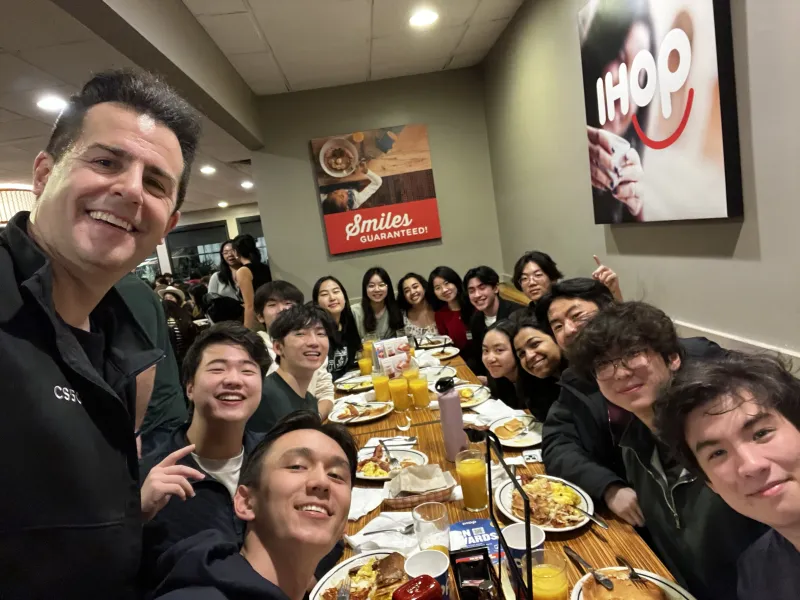 CS50 Hackathon IHOP Breakfas
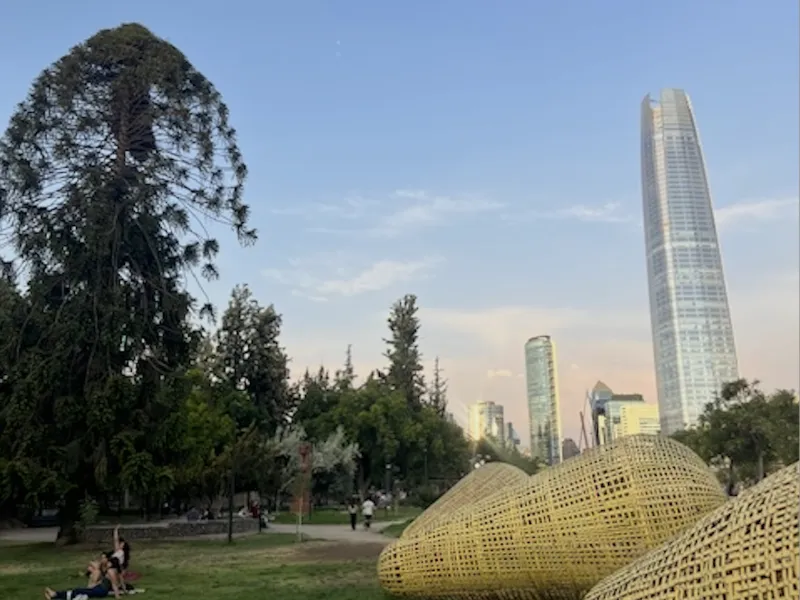
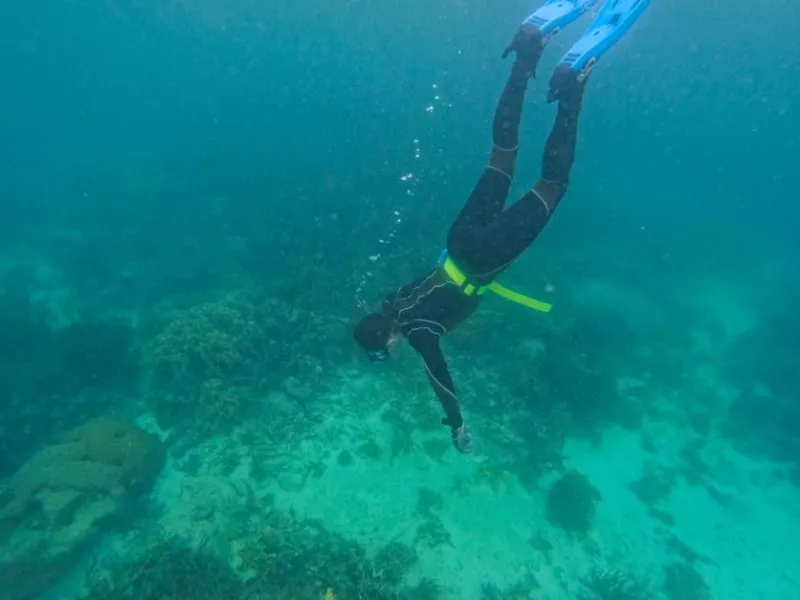 First-time snorkeling!
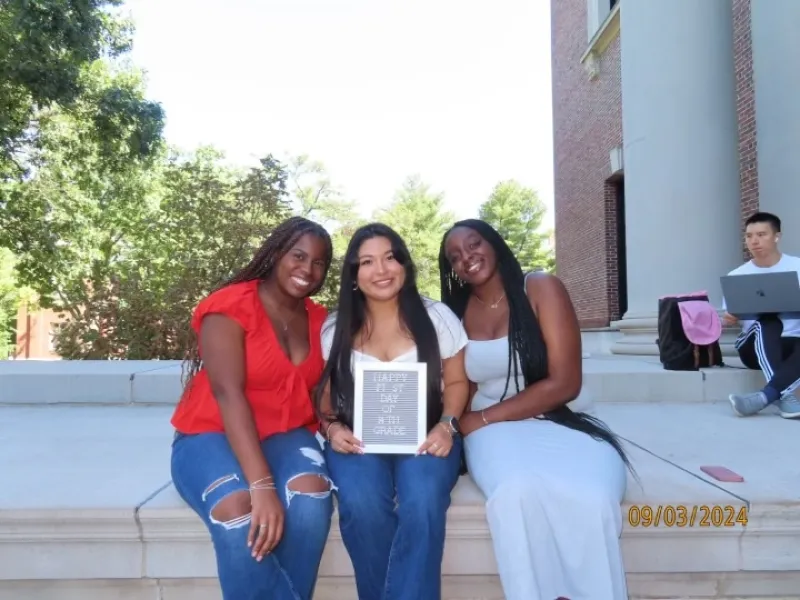
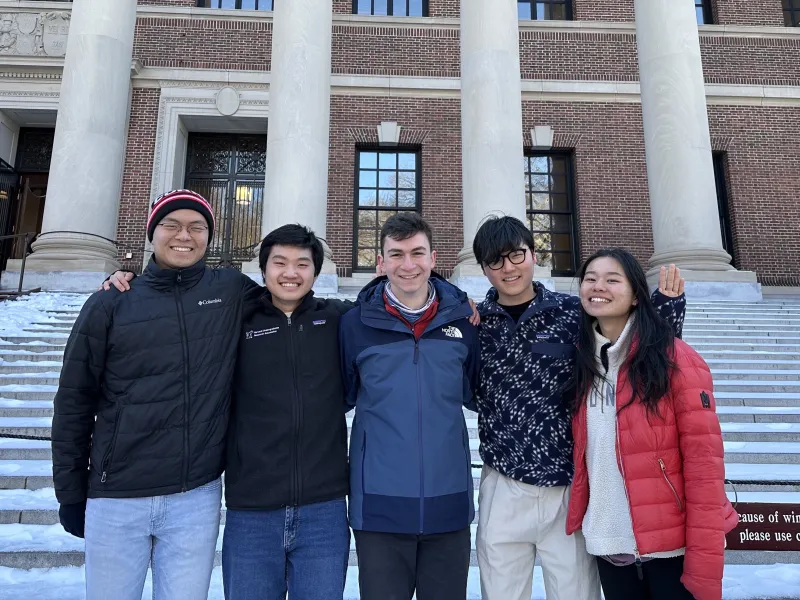 My friends and I celebrating our last first day of classes this semester.
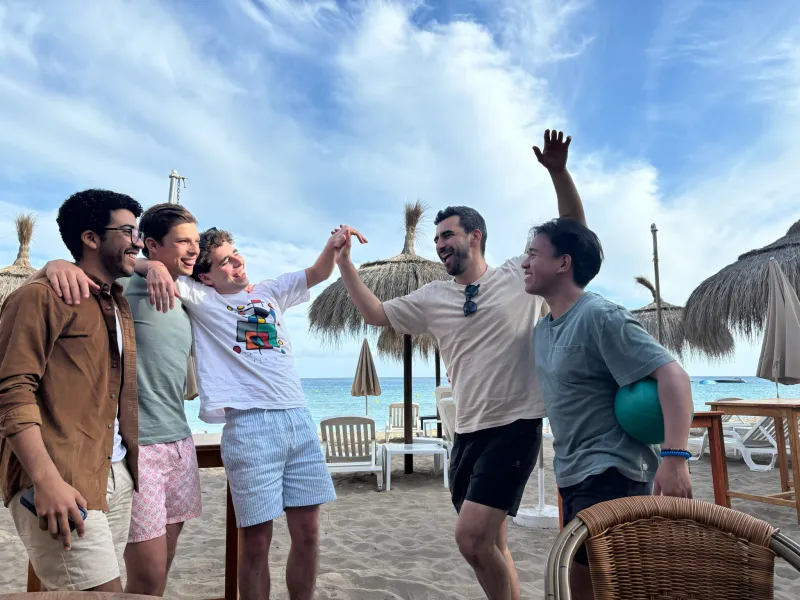
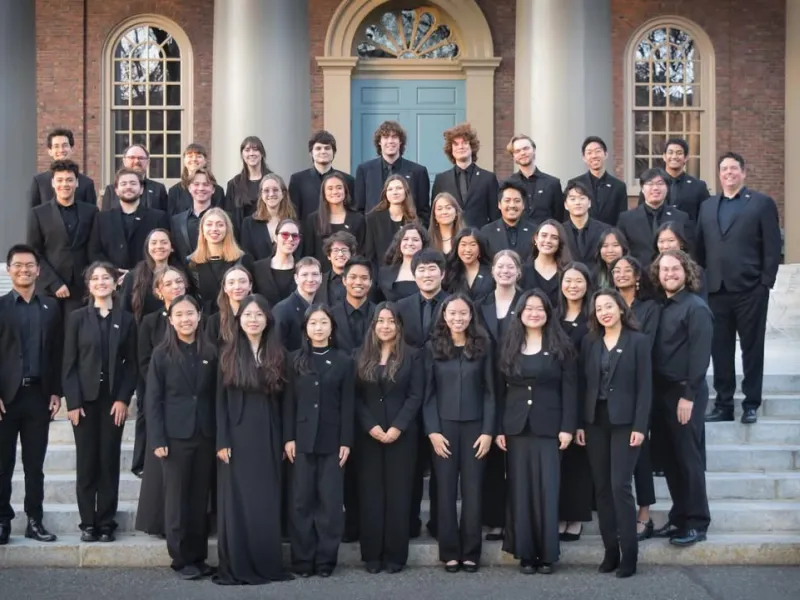
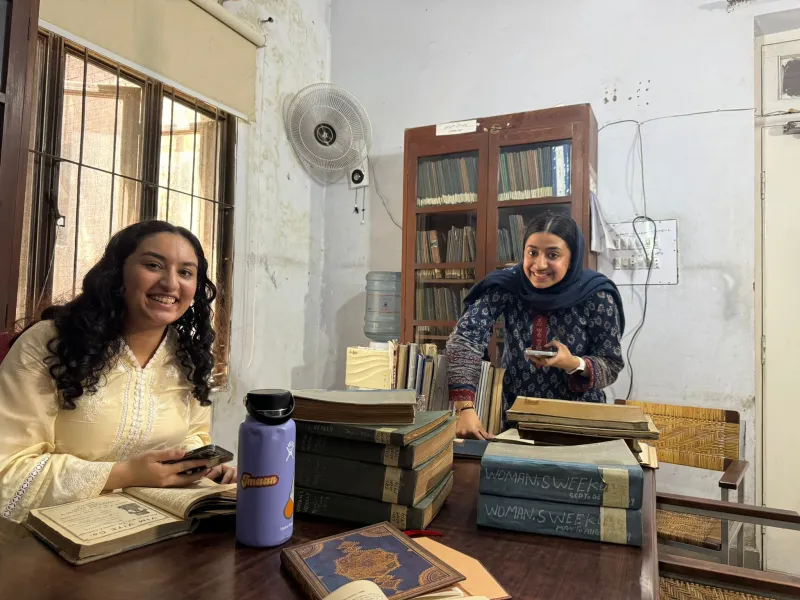
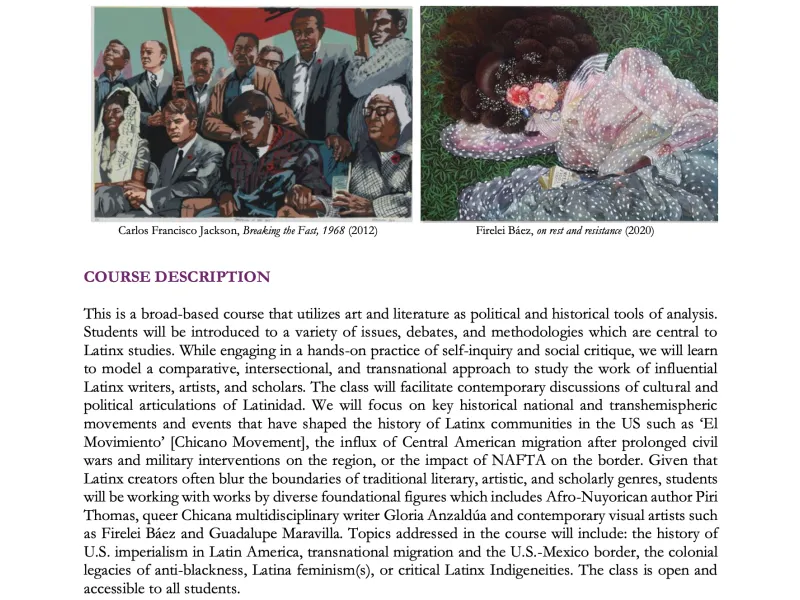
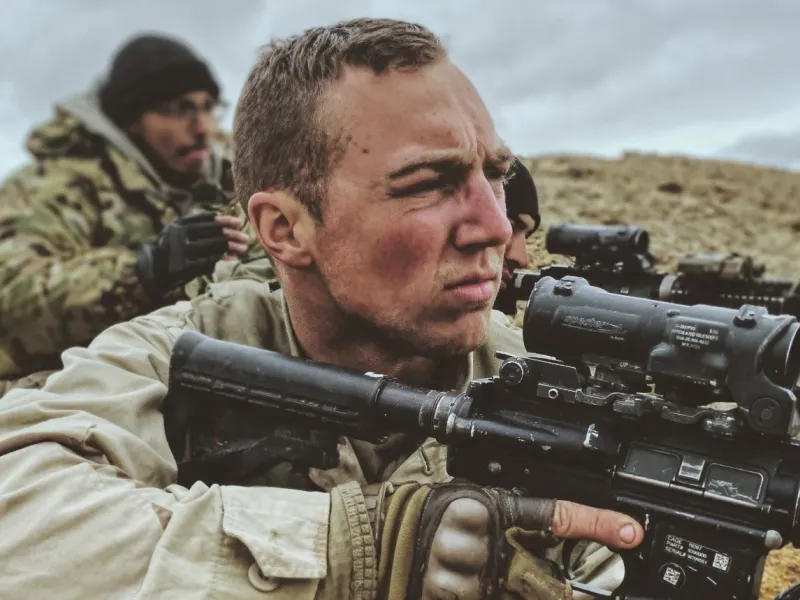
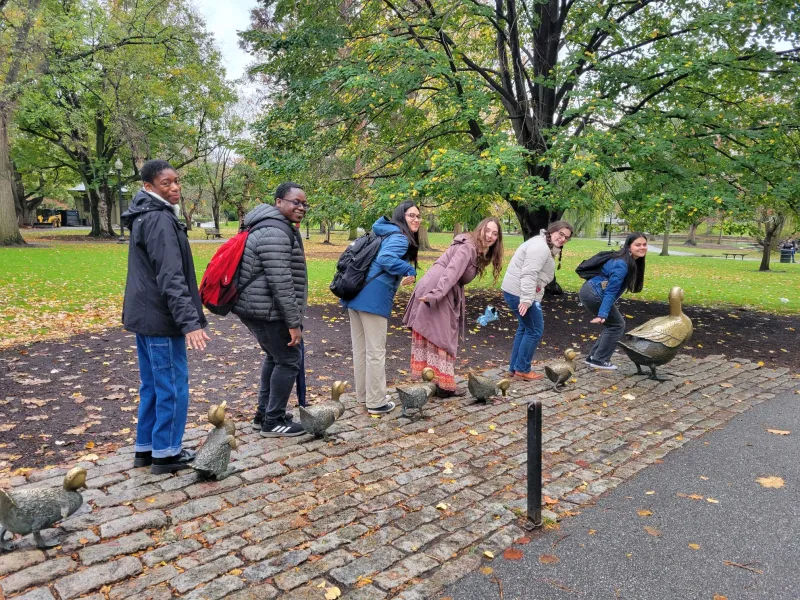 Lizbeth pictured in the Boston Commons with five friends from her Emerging Scholars Program cohort.
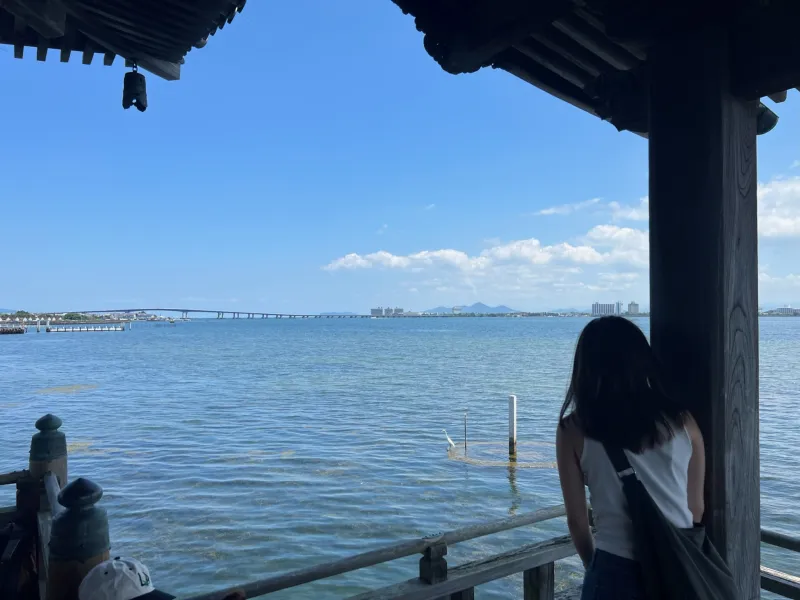
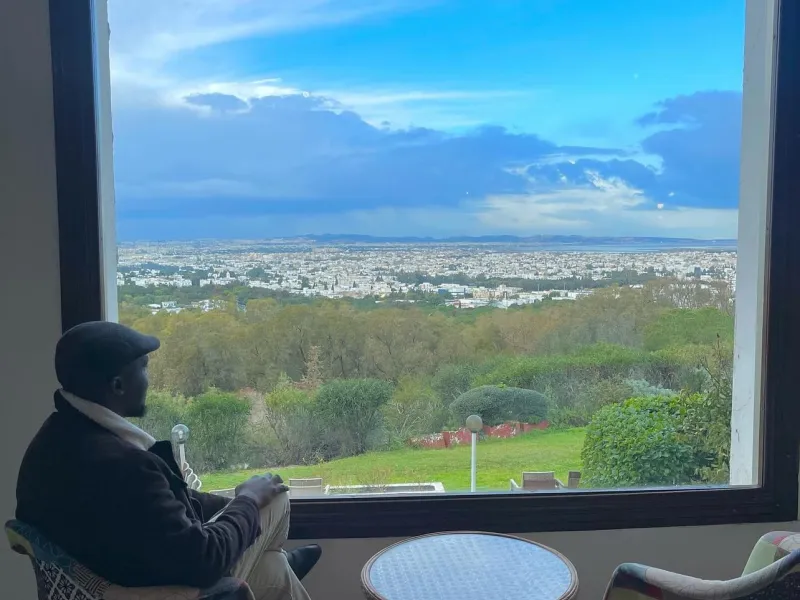 View from the hotel in Sidi Bou Said, Tunis
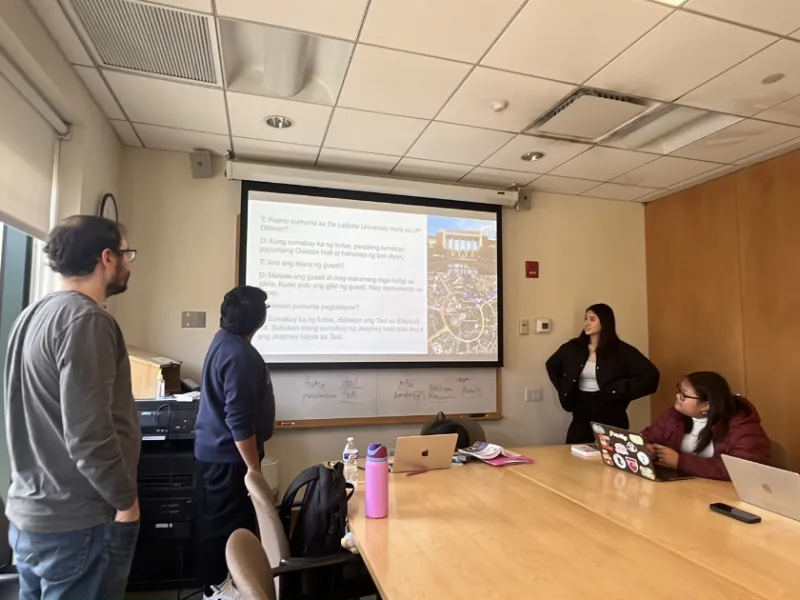 Intermediate Filipino Class
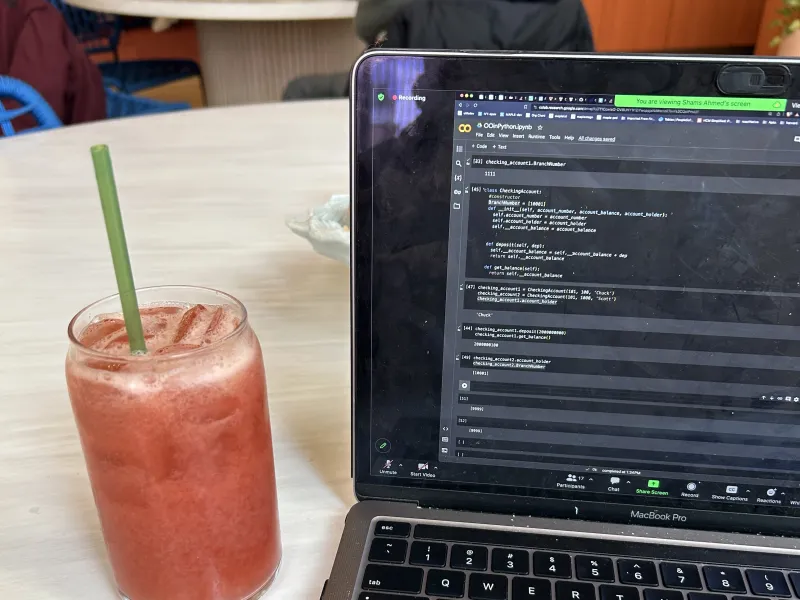

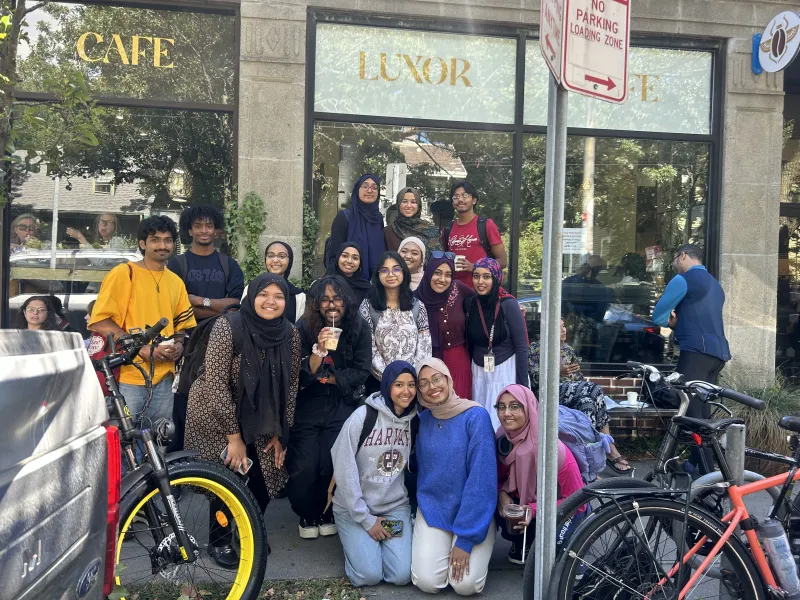 Samia Afrose with friends at Luxor Cafe

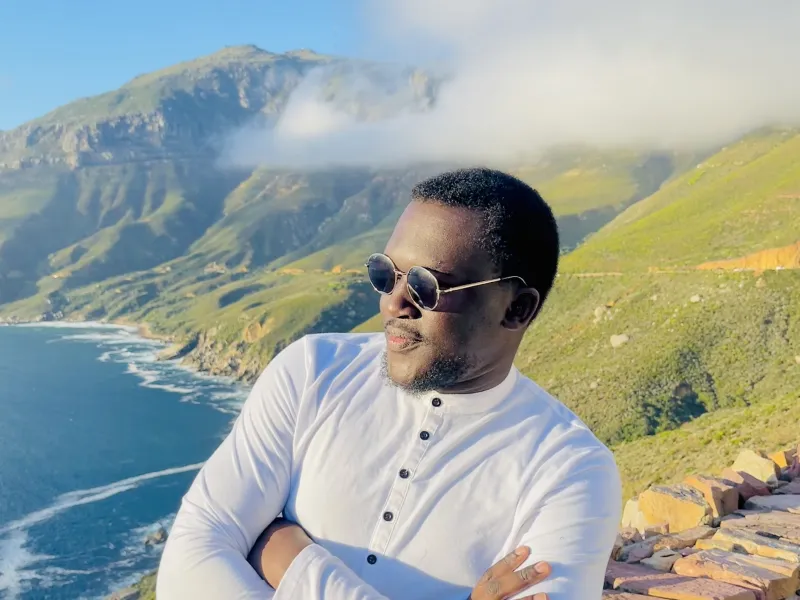
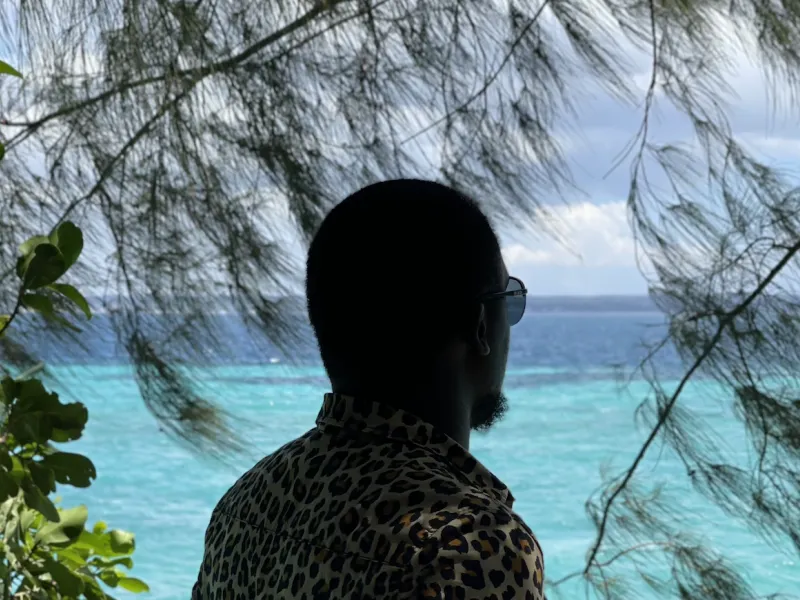 A photo of myself looking at the Zanzibari waters
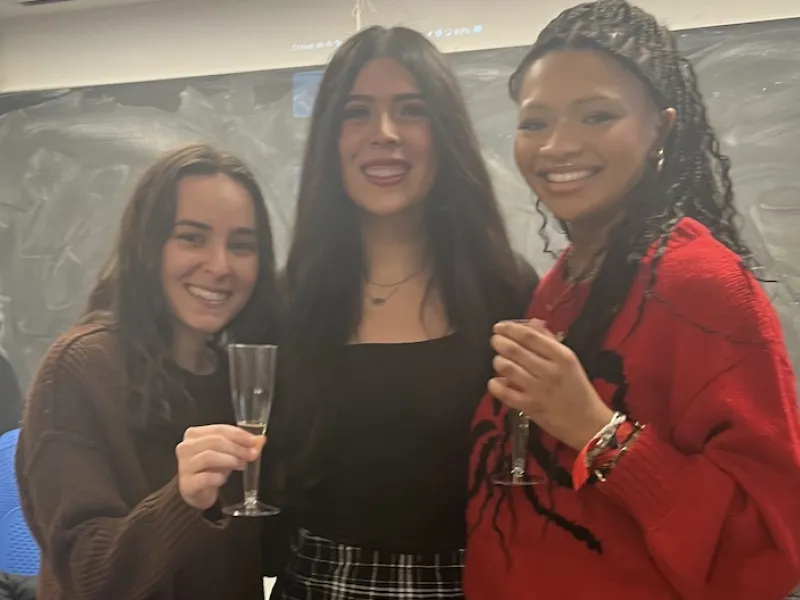 Laboratory of Cognitive Neuroscience Senior Thesis Writers

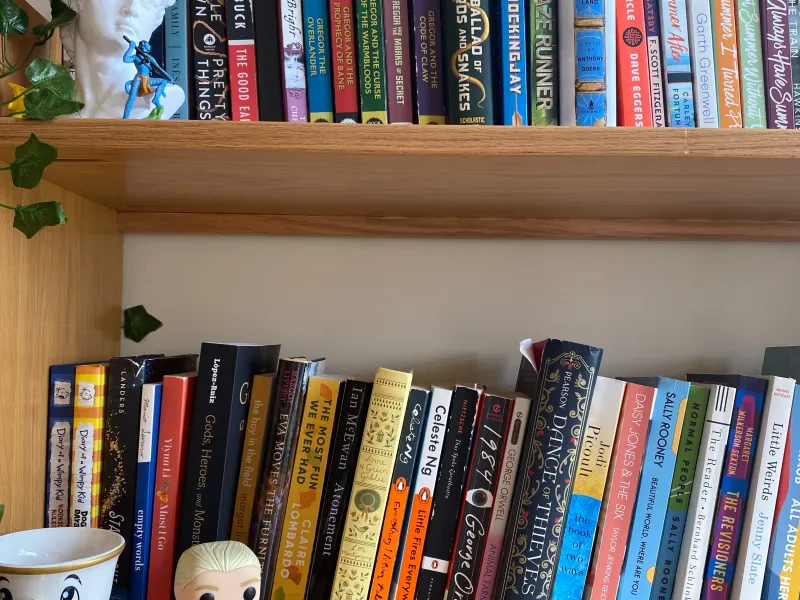 My bookshelf in my dorm!
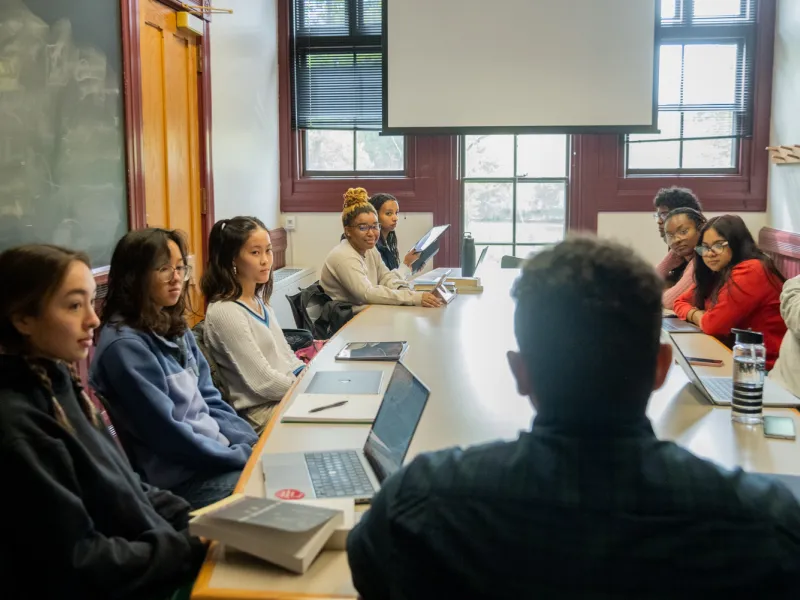
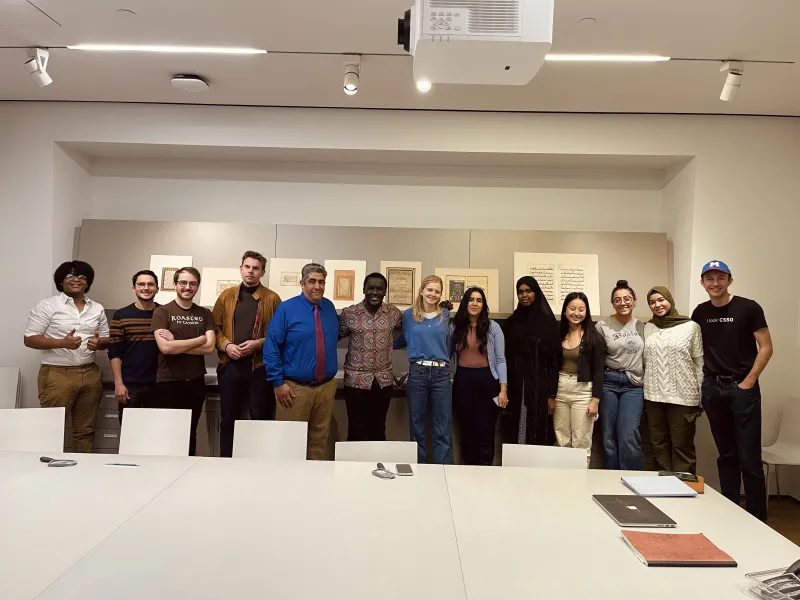 A photo of my classmates, Prof. Habib and I
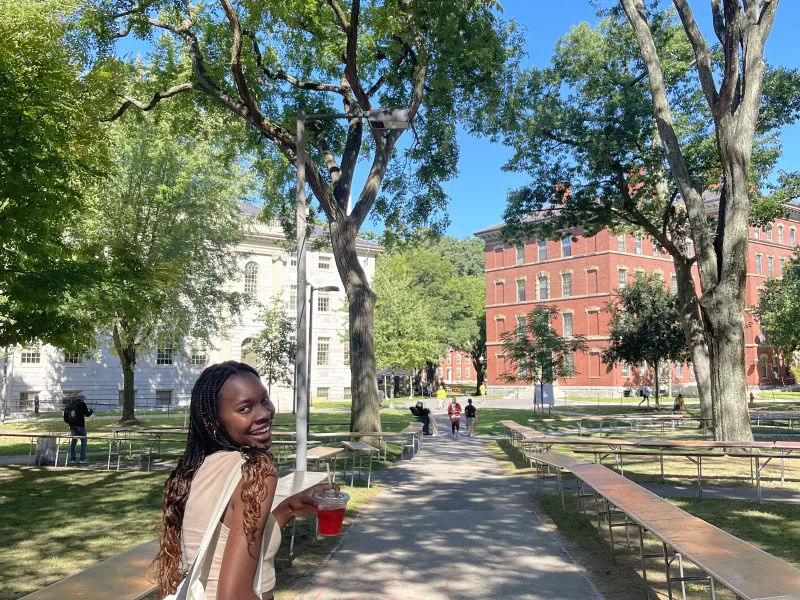
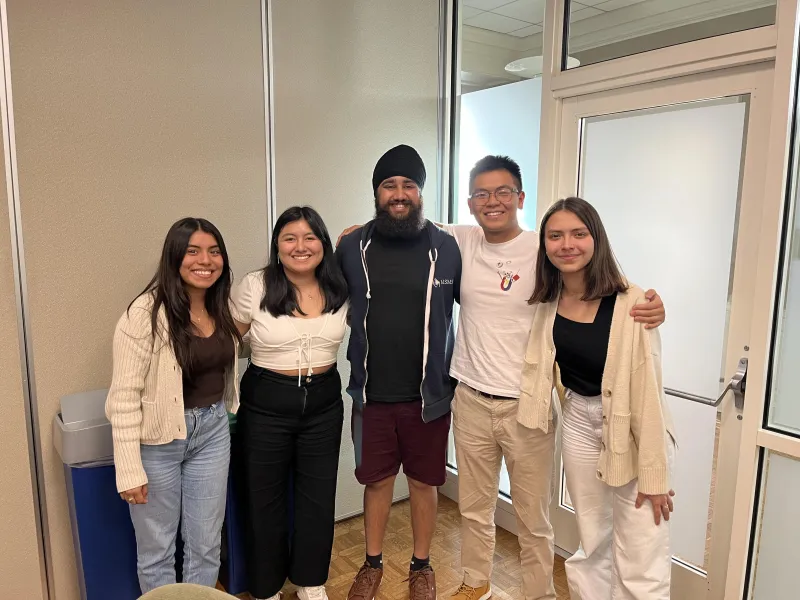
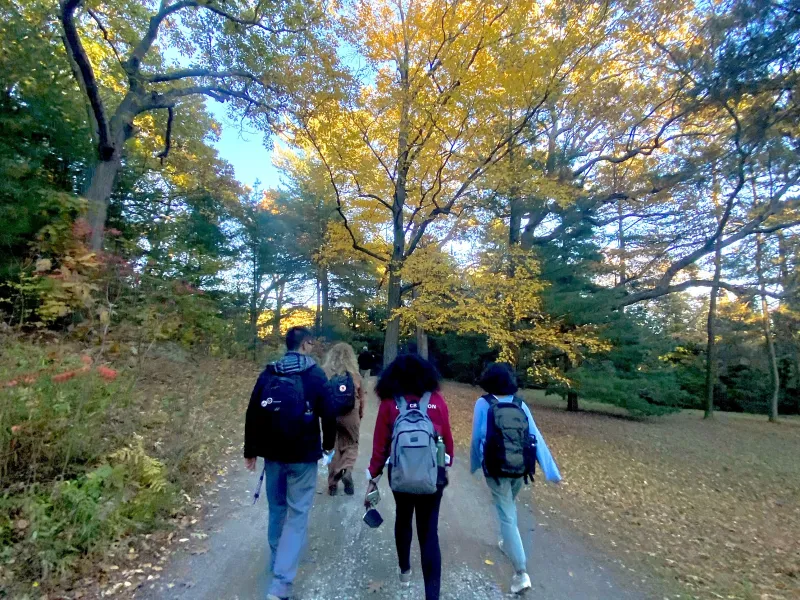
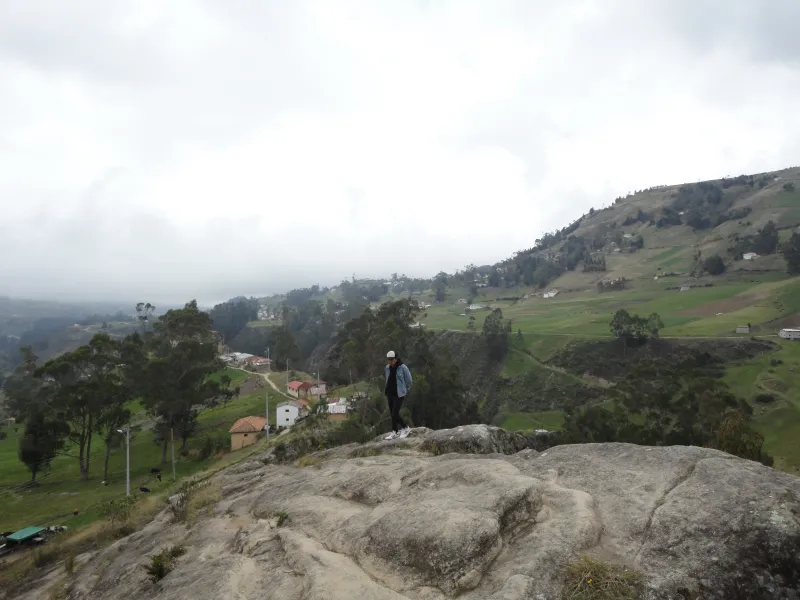 I passed through Cañar on my trip to my hometown, where I got to visit the Ingapirca Ruins!
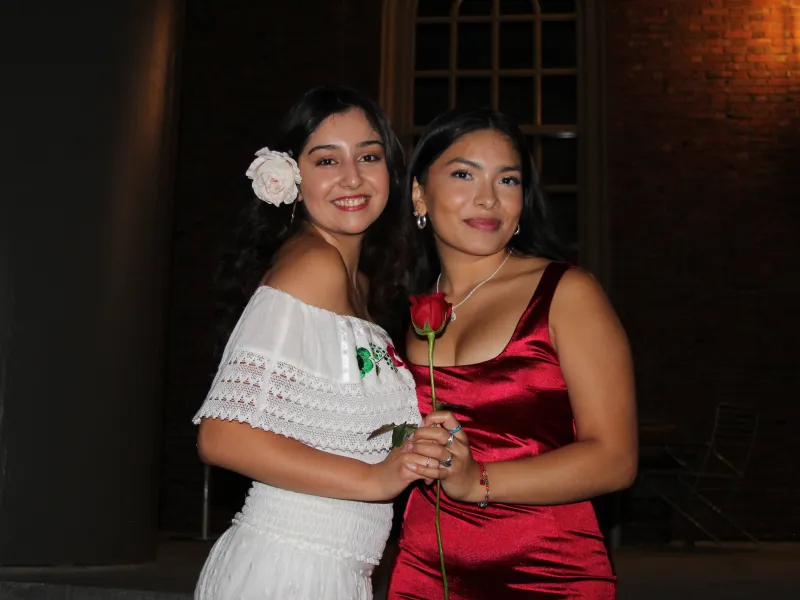 Latinx Convocation is an important event that celebrates Latinx culture and welcomes first years to Harvard! Julia Casas president of Fuerza on the left and Gloria Maldonado president of Latinas Unidas on the right.
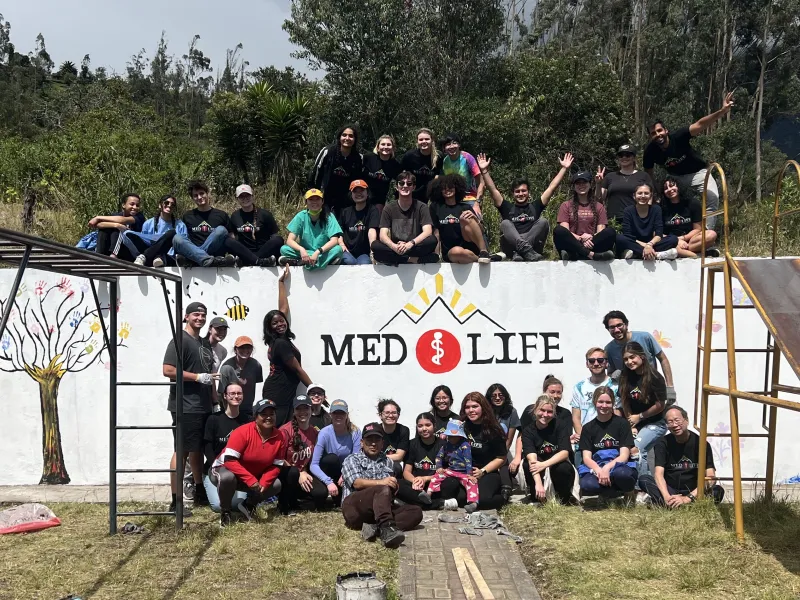 MEDLife volunteers posing for picture with MEDLife Logo
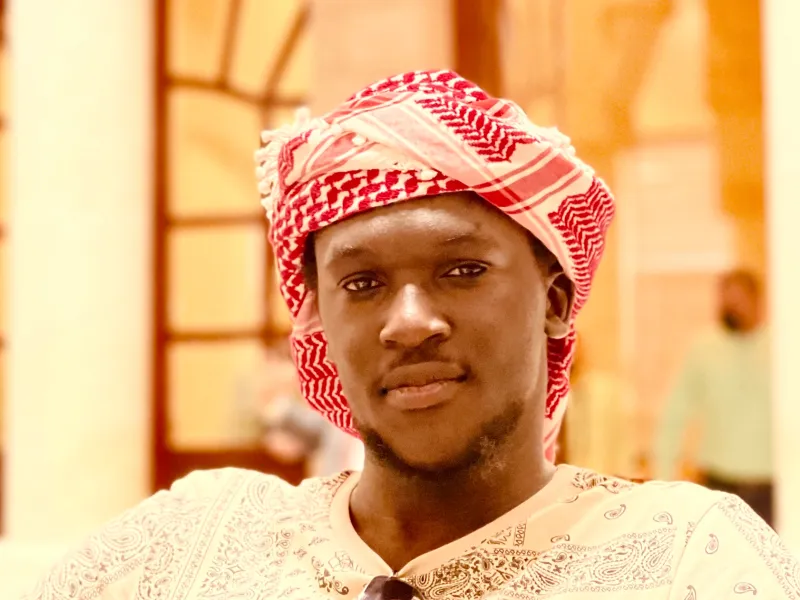
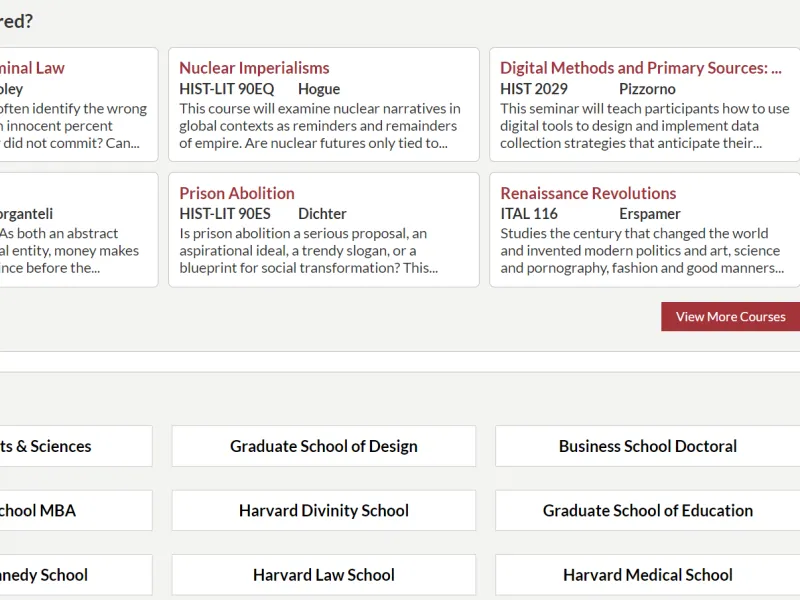 Harvard's course search page allows you to browse the 3,500+ courses offered each semester

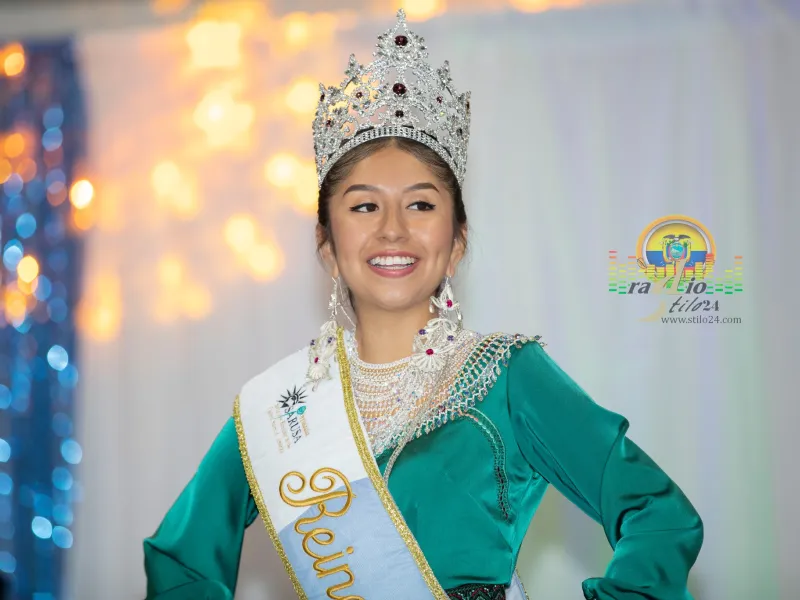 After weeks of preparation, my hard work paid off when I was elected as the queen of my tribal organization in the US, SarUSA (Saraguro Residents in the USA).
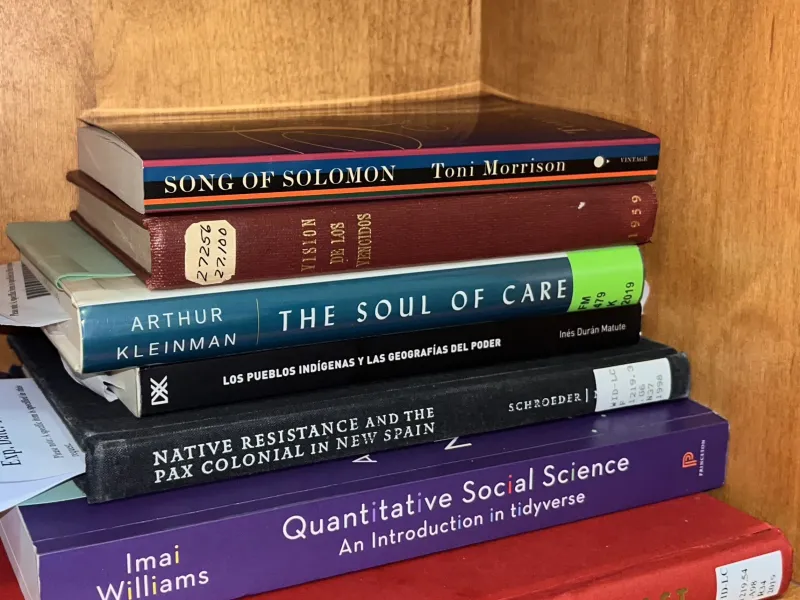 These are some of the books sitting on my shelf.
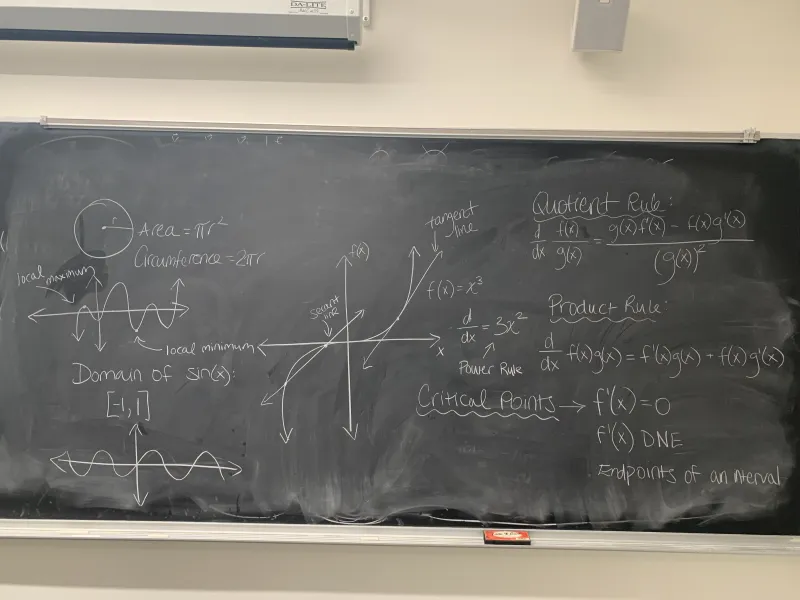 A chalkboard full of math in the Science Center
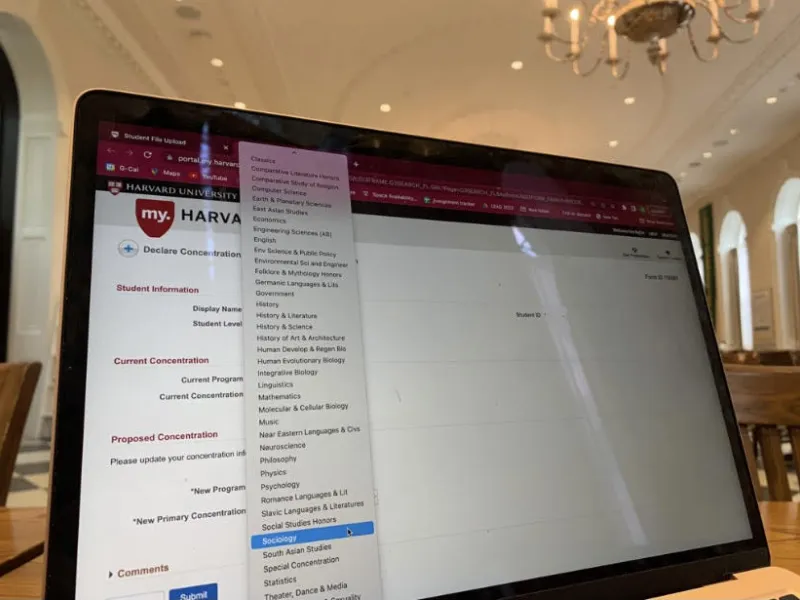 I officially declared Sociology as my concentration this fall!
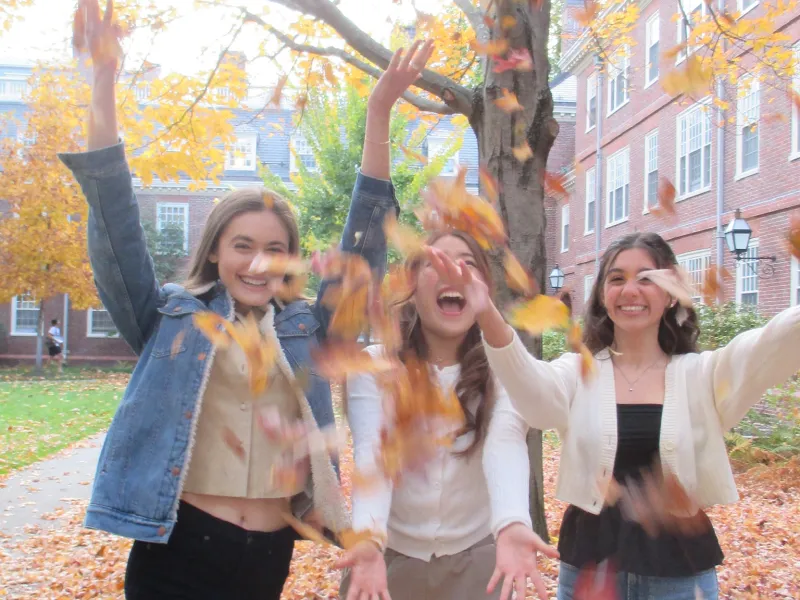
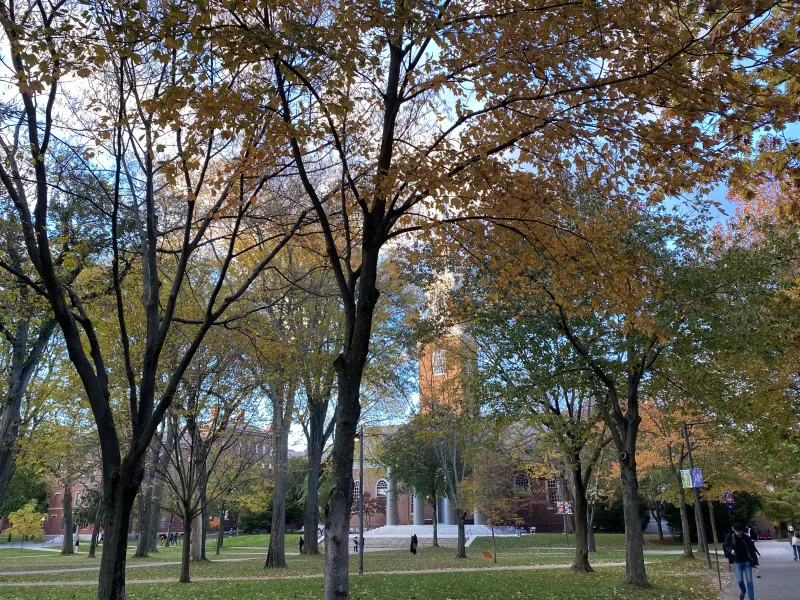 Fall foliage
 This is LS50.
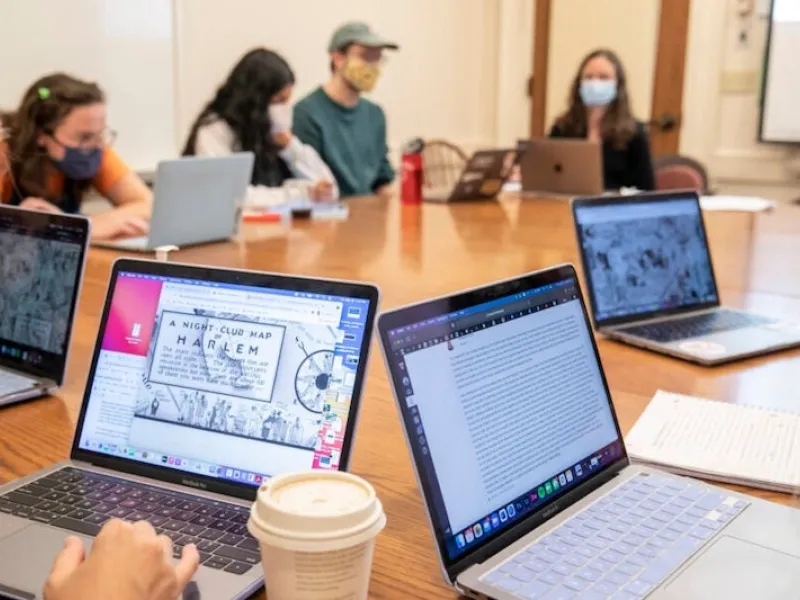
 Ana's Blog Thumbnail
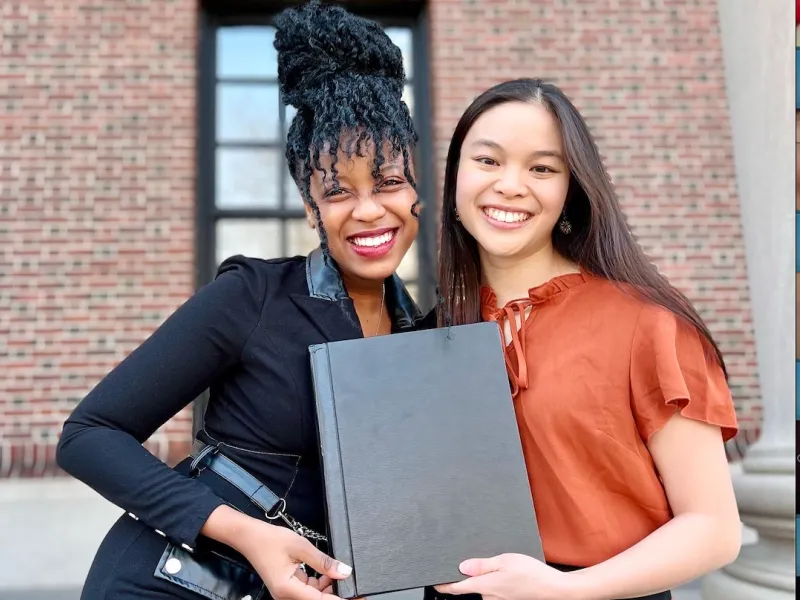 My First Harvard Yale Game
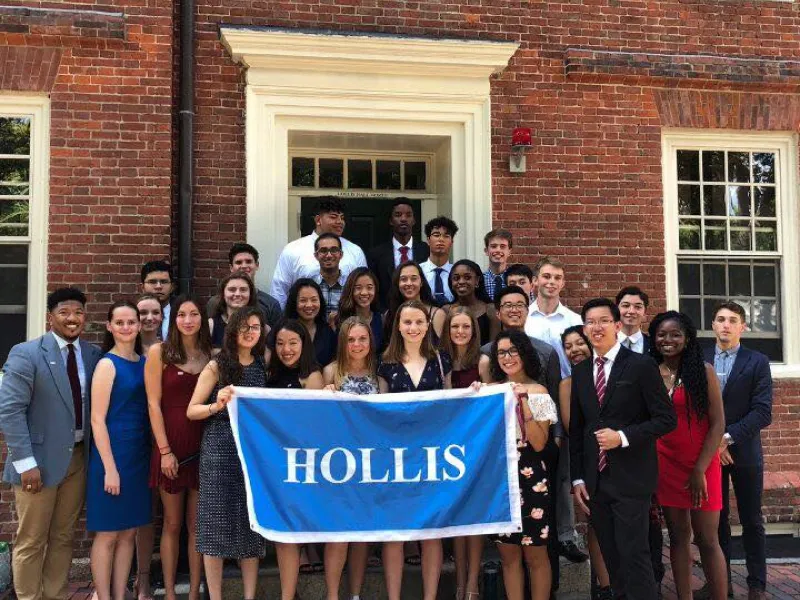
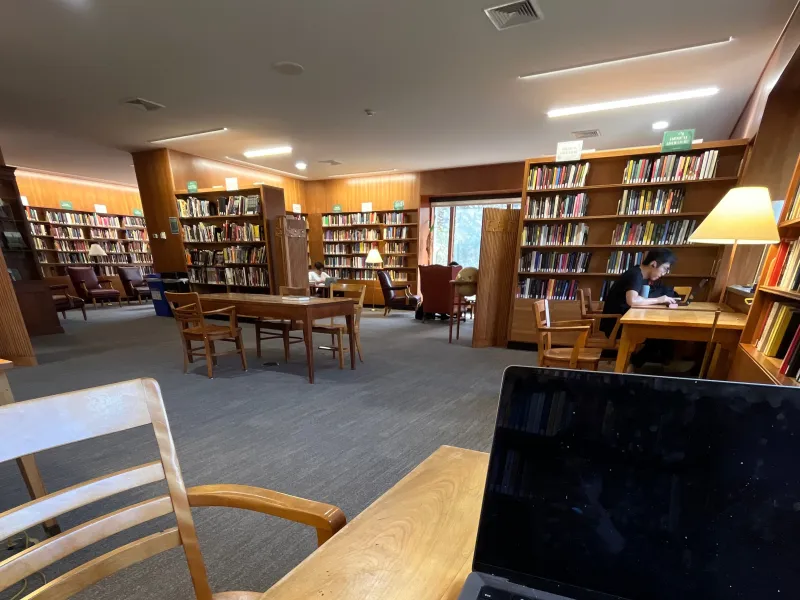
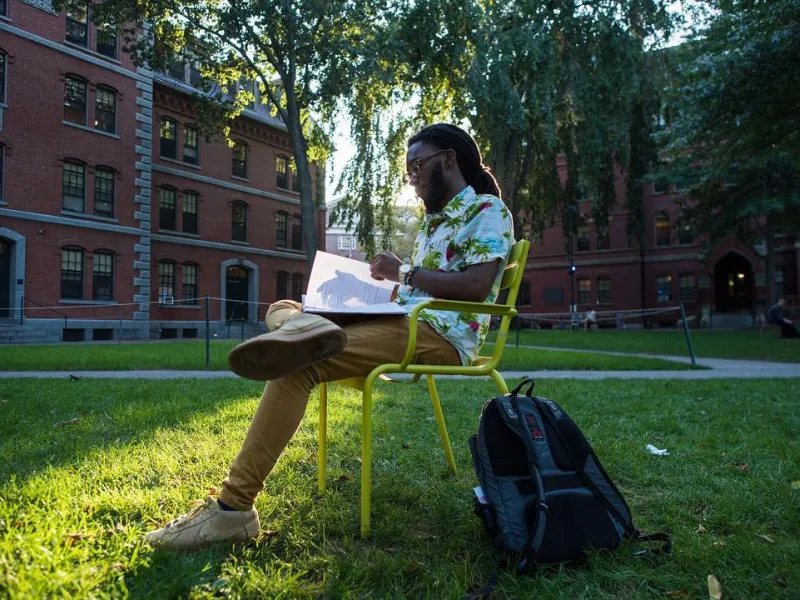
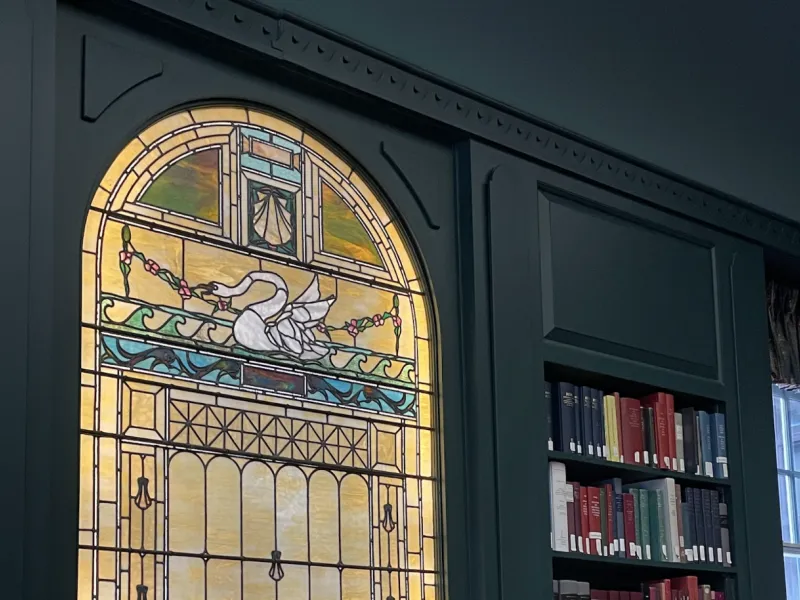 Where I love to study no matter what I’m concentrating in!
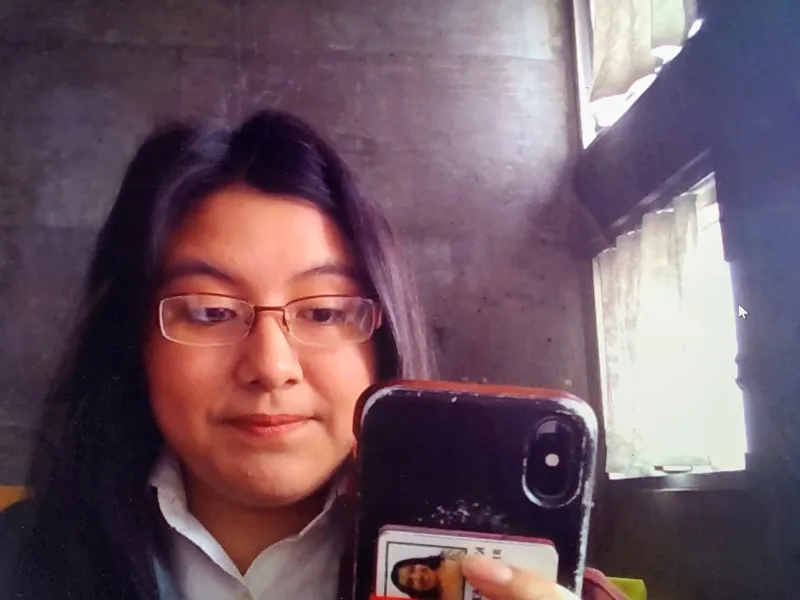
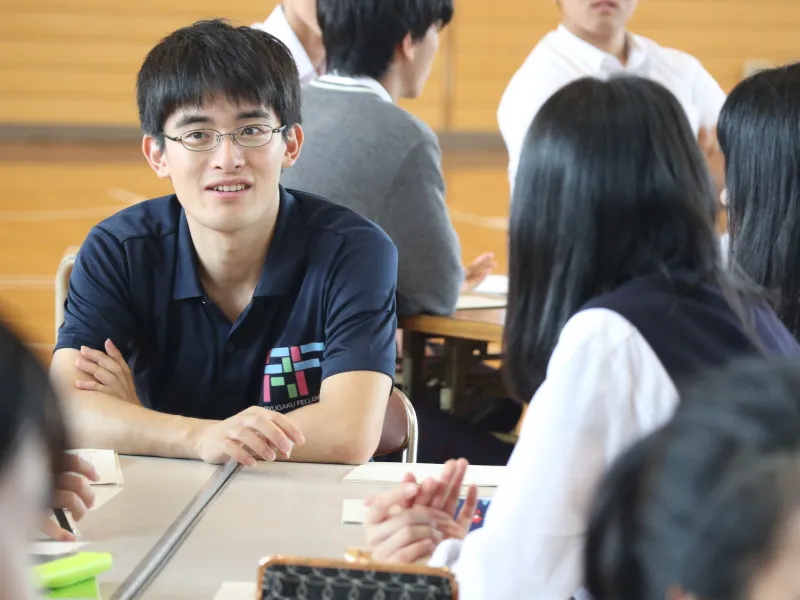

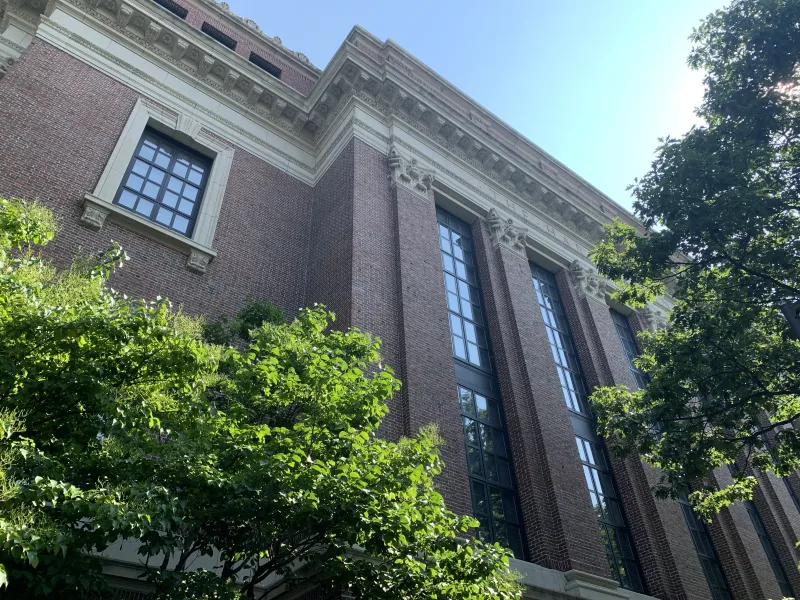
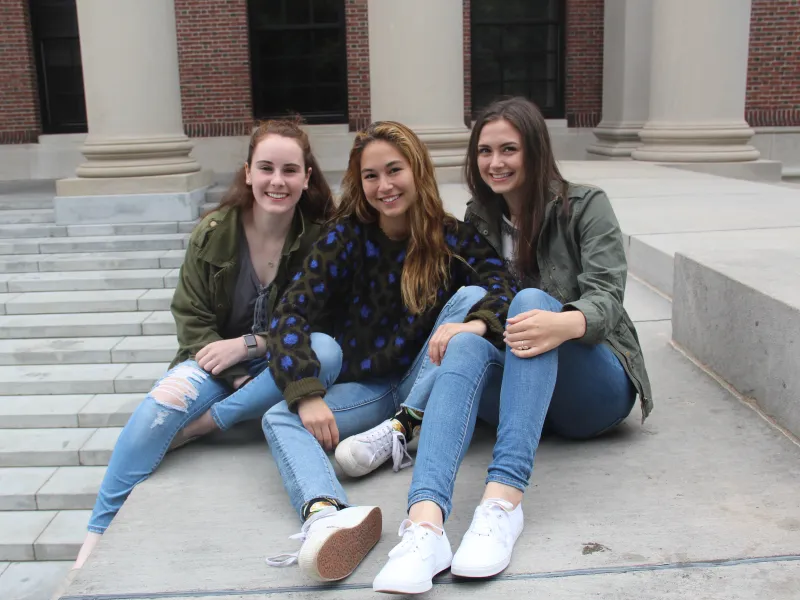 Sitting in front of Widener with my first friends at Harvard in fall 2018. None of us could have predicted that we would end up taking a leave of absence together two years later.

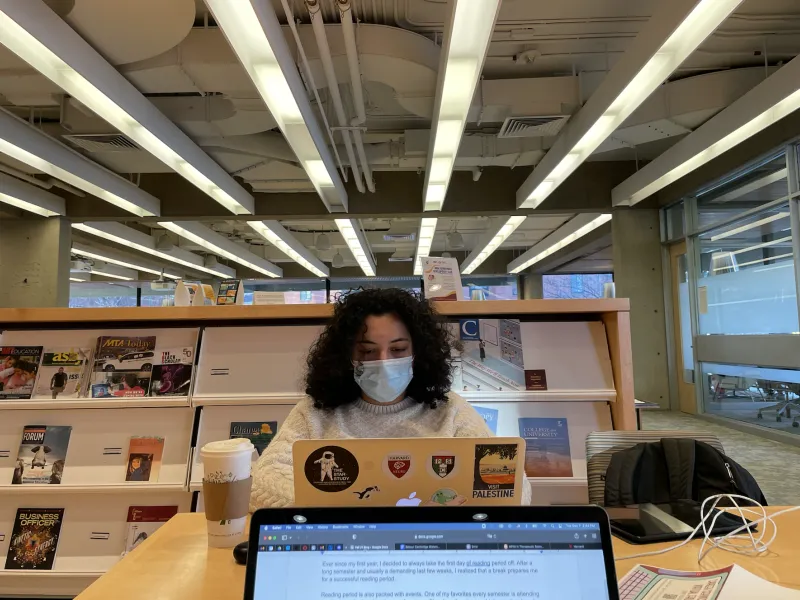
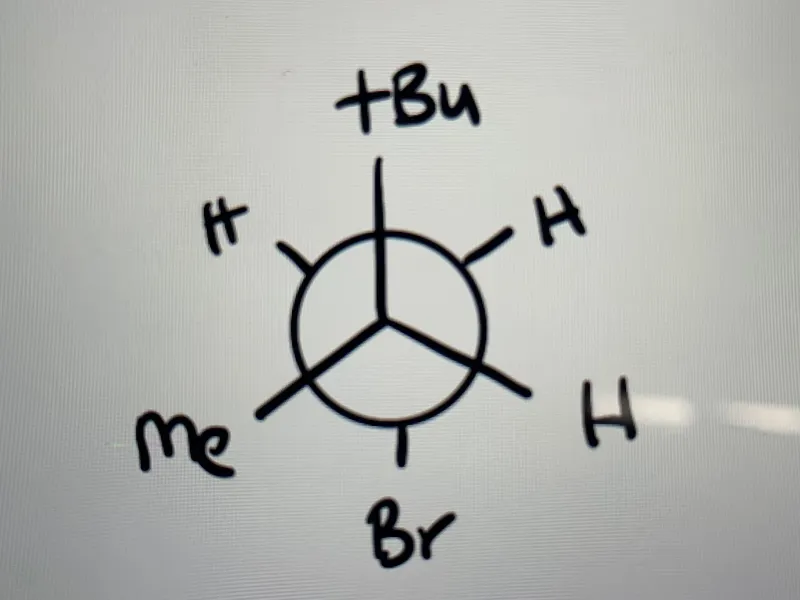
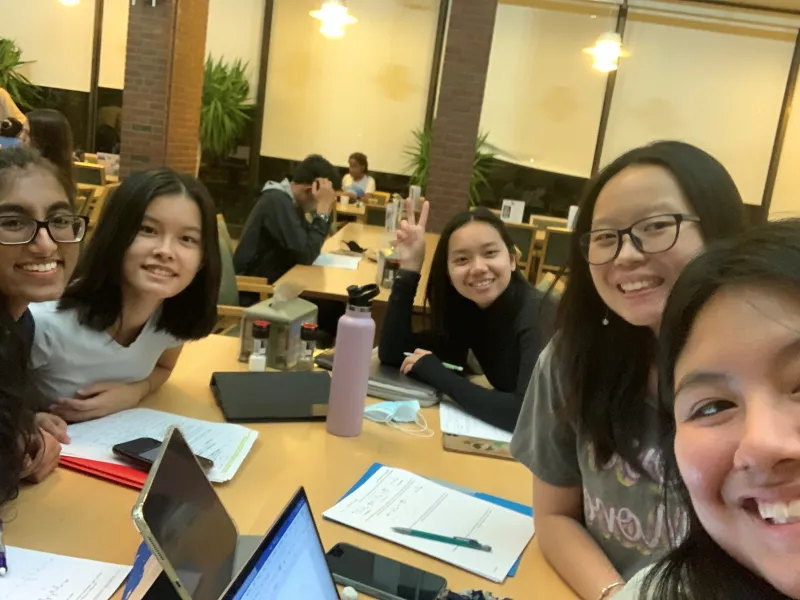
 These research materials and I have been attached all summer.
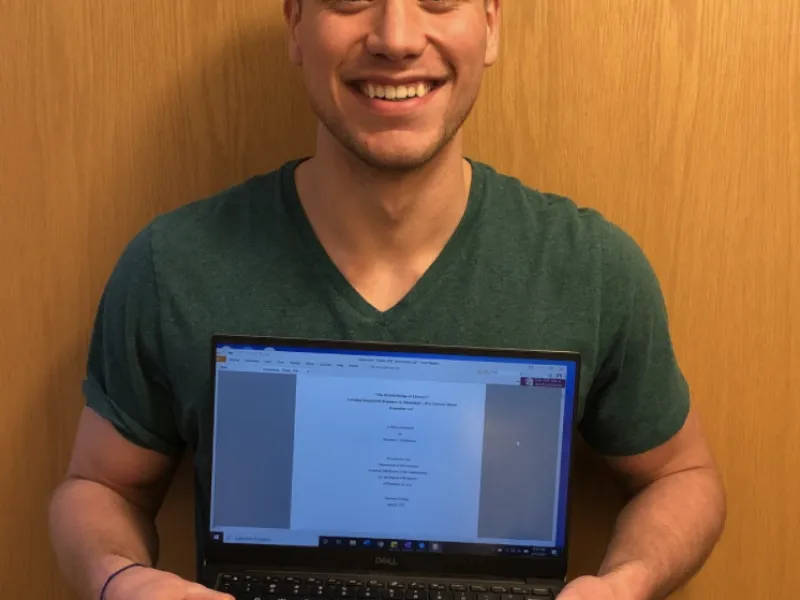
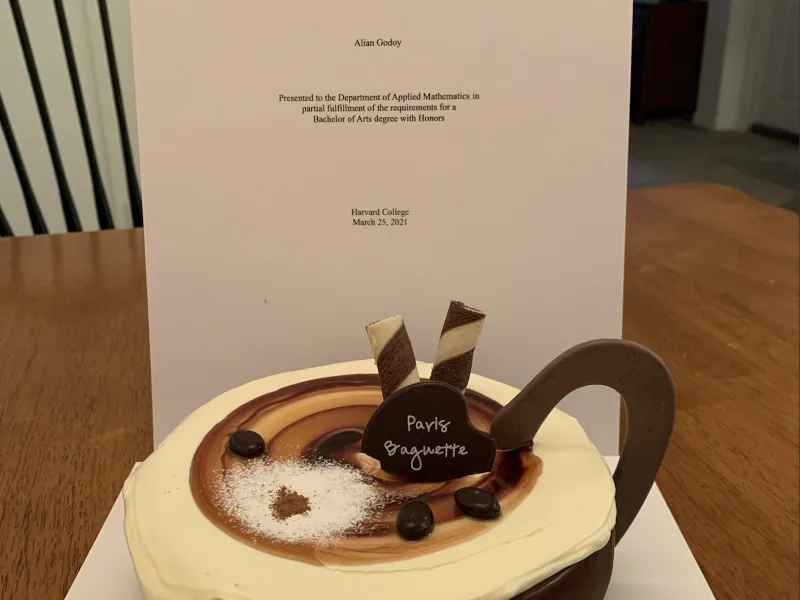 Cake from Paris Baguette & my Thesis Title Page
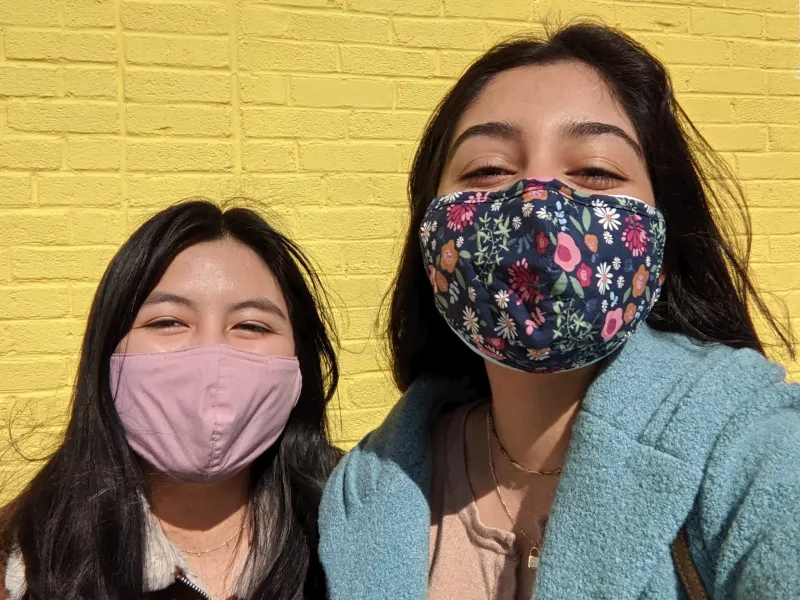
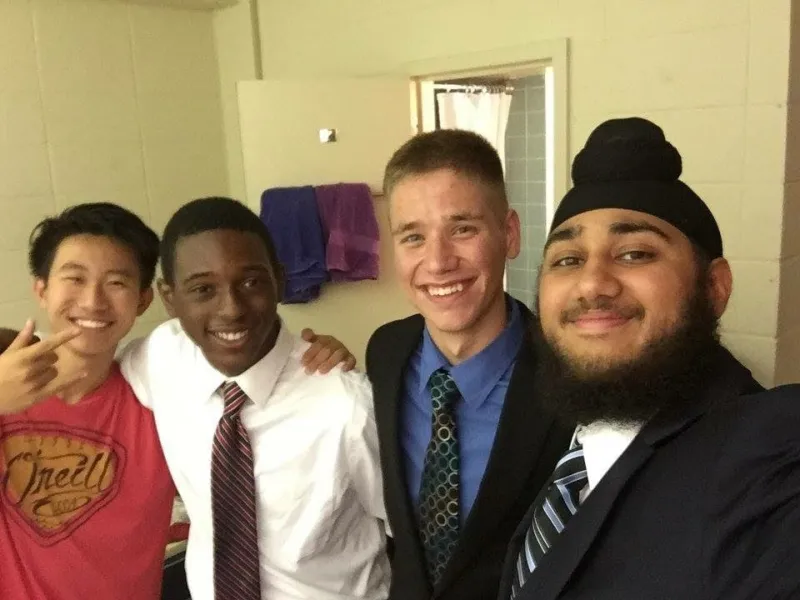 Here's Harpreet and I with our best friends back in high school!
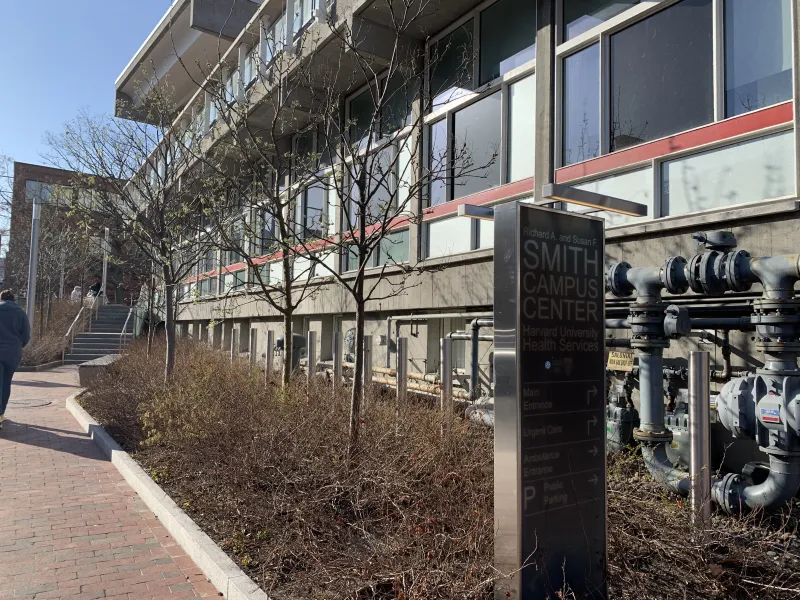 Mt. Auburn Street Side of Harvard University Health Services/Smith Center

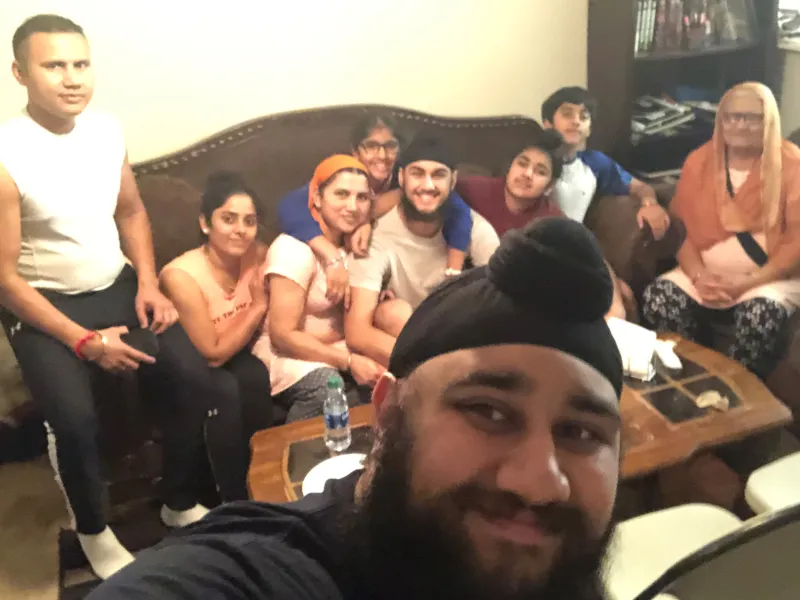 Here is a picture of my family, including my mom, brothers, grandma, uncle and aunt, and cousins.
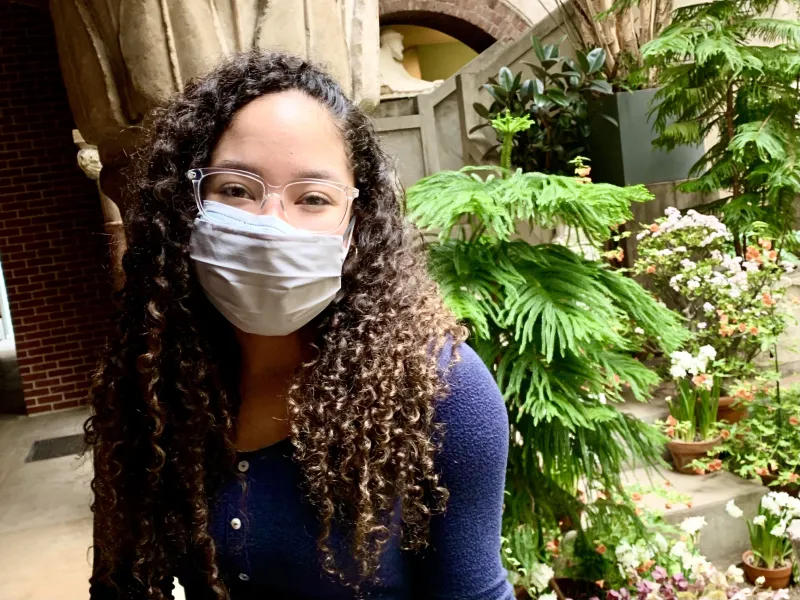 trips into Boston are worth it!
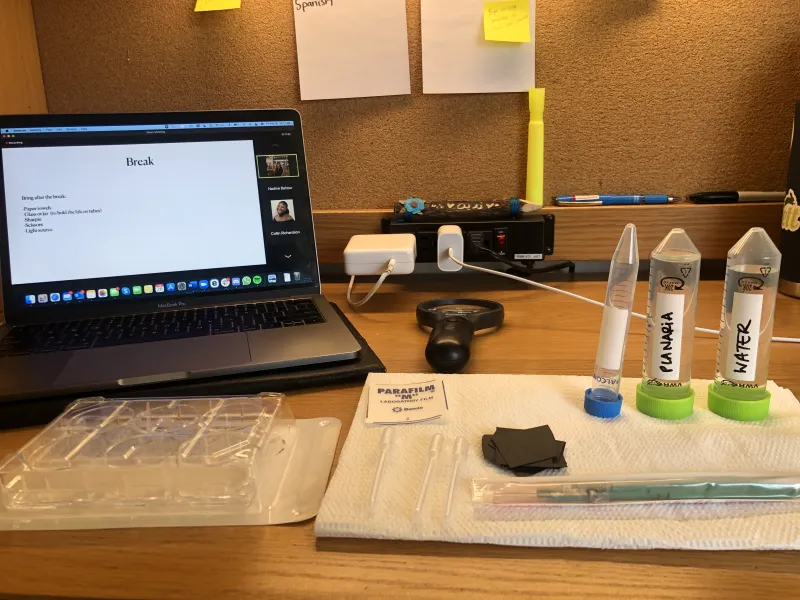 I transformed my desk to a workstation to dissect the worms for my lab.
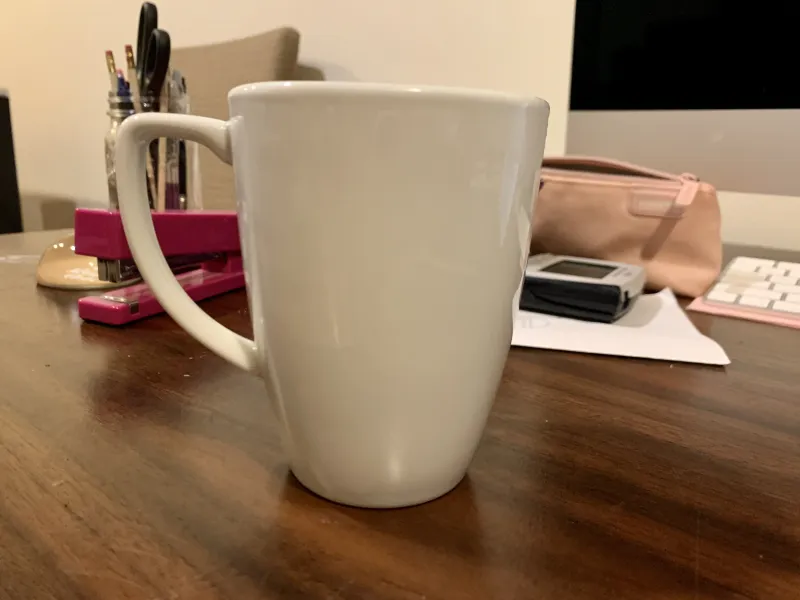
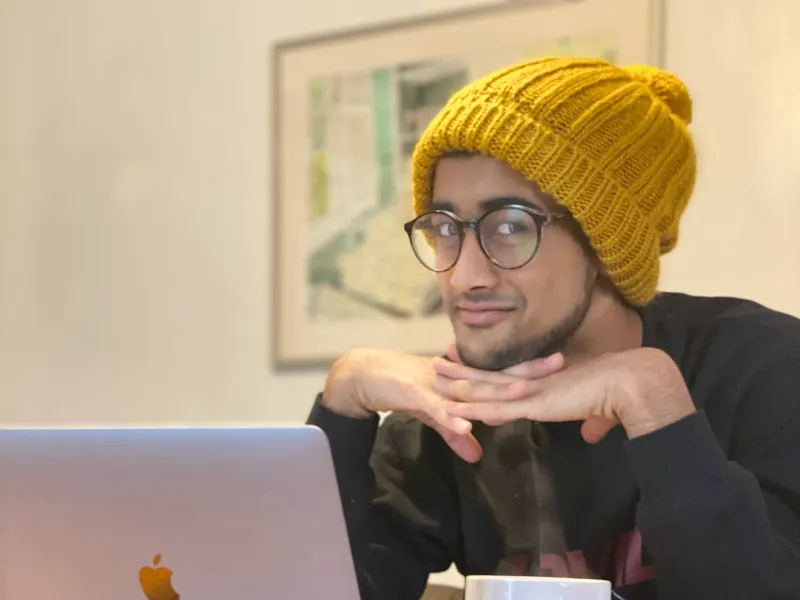 Studying on a cold day with some coffee.
 I have very specific playlists for every mood.
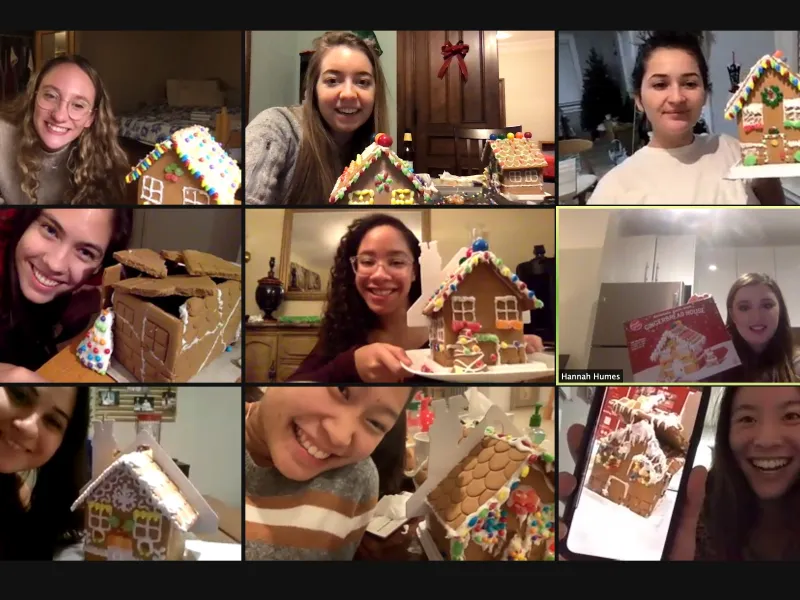
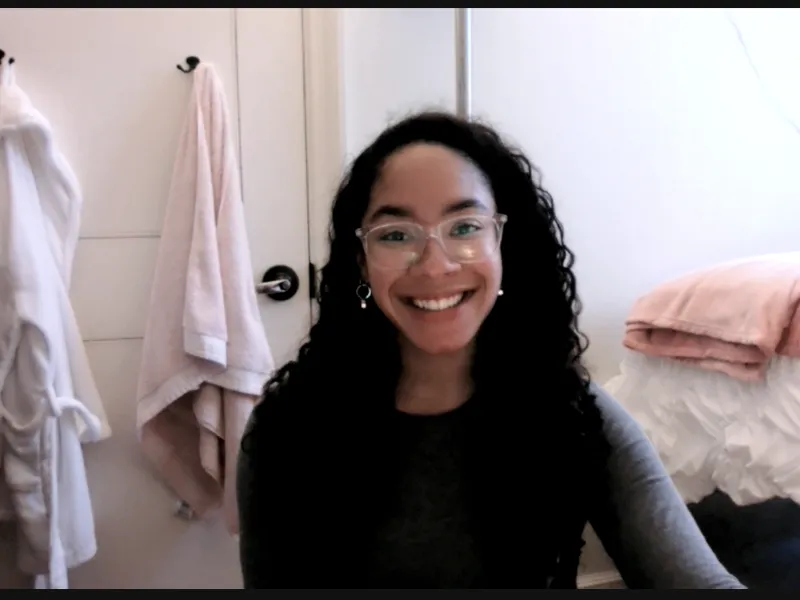
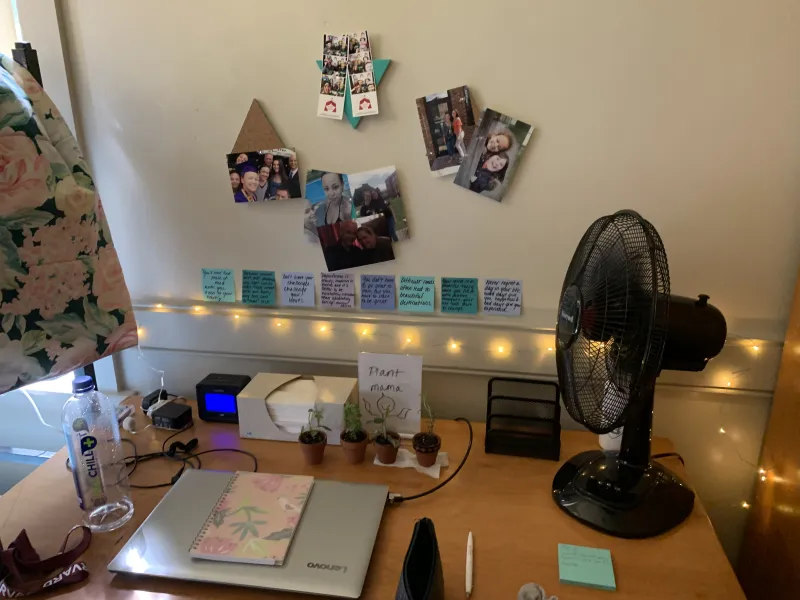

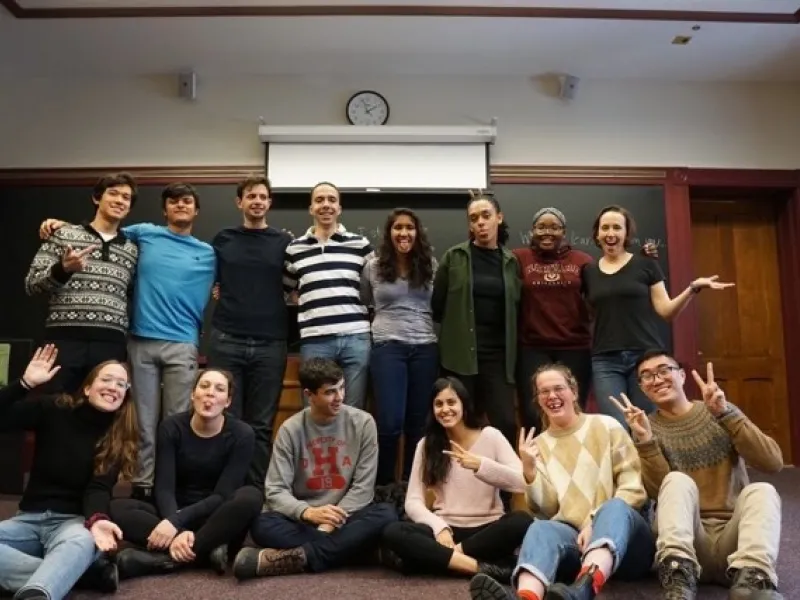
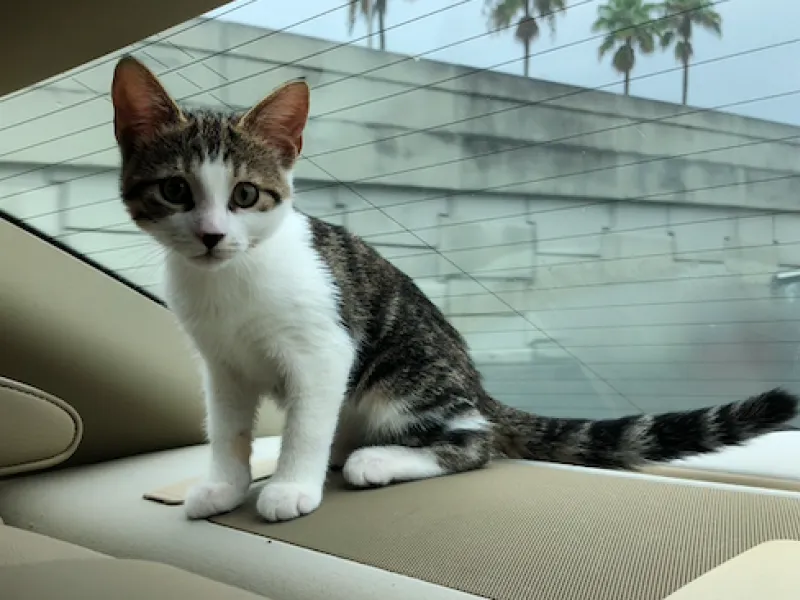
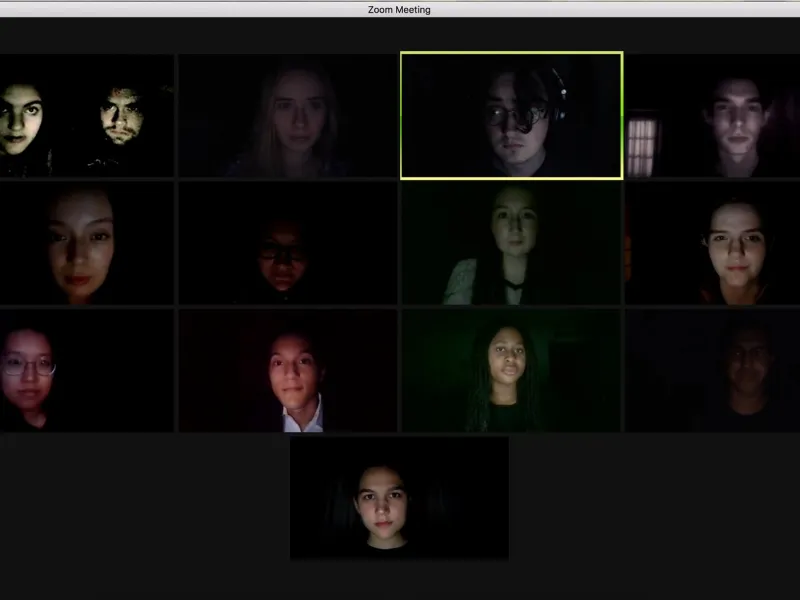 Here is the full cast (and some of our crew) for the Hyperion Shakespeare Company's production of Macbeth!
 Walking to Class
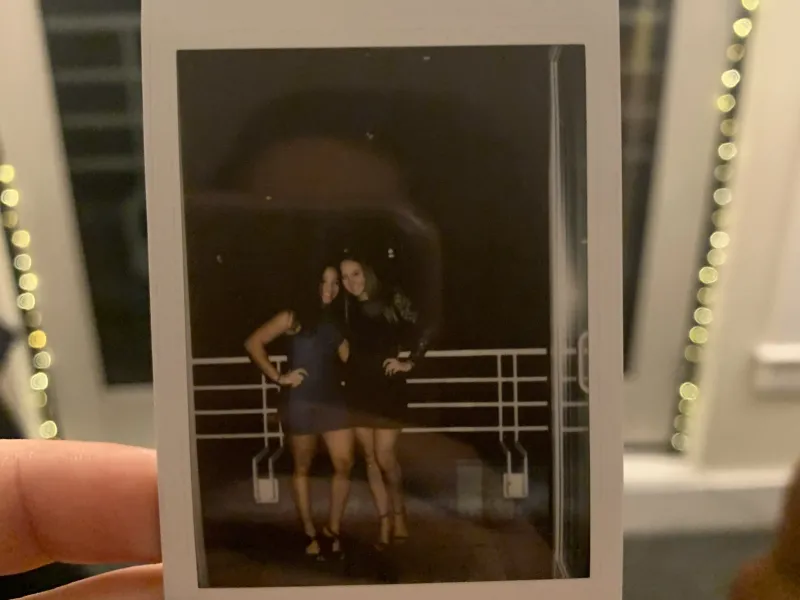
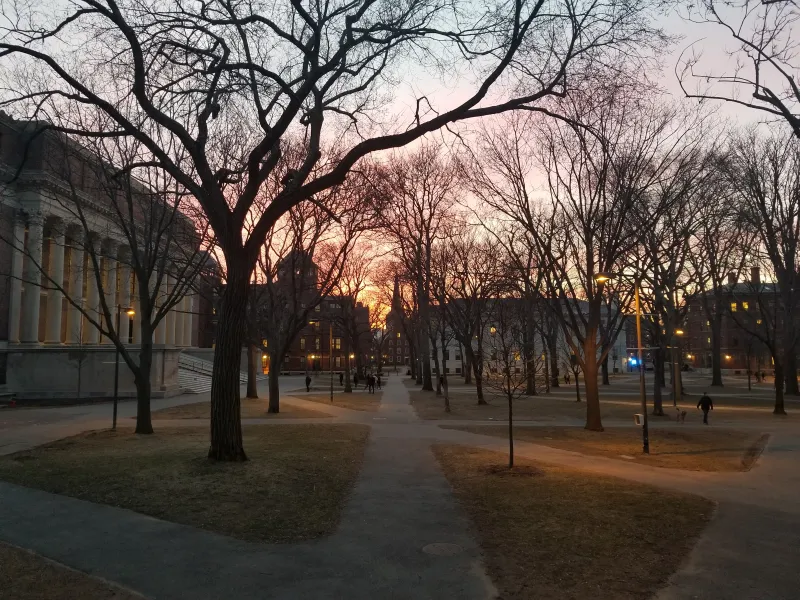
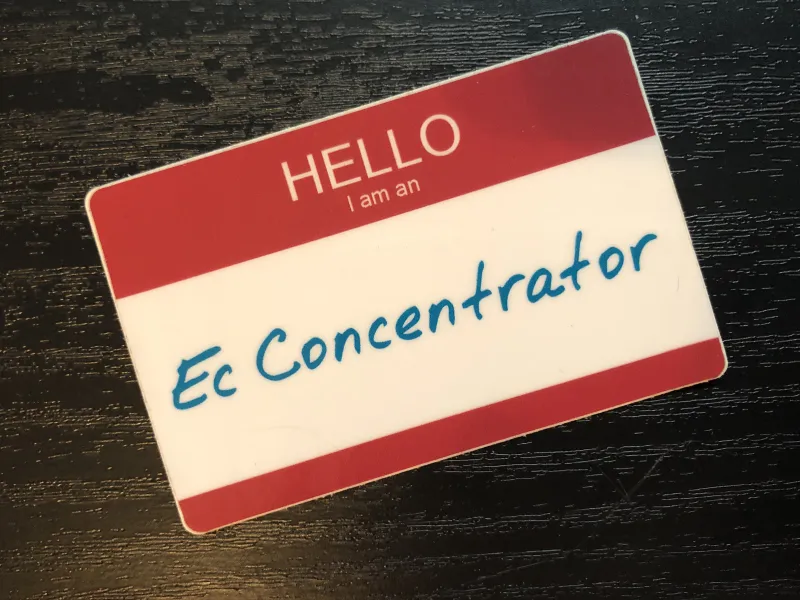
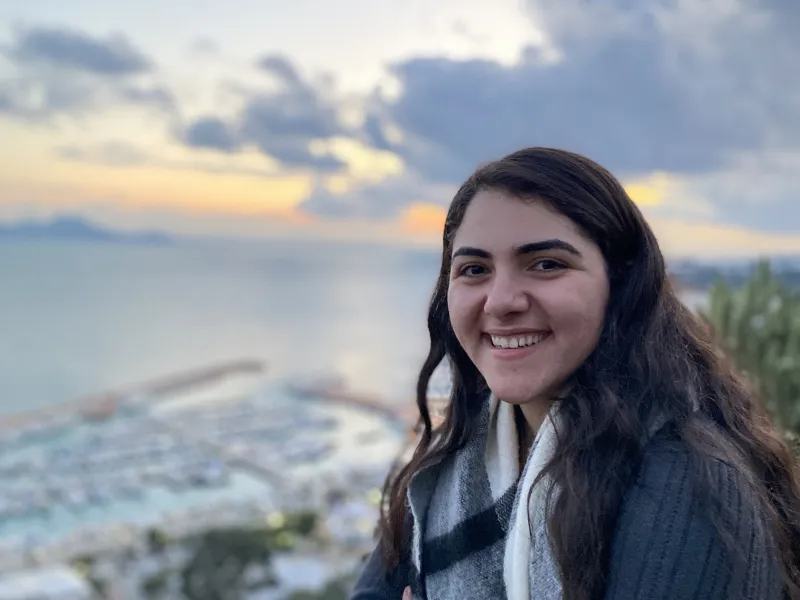

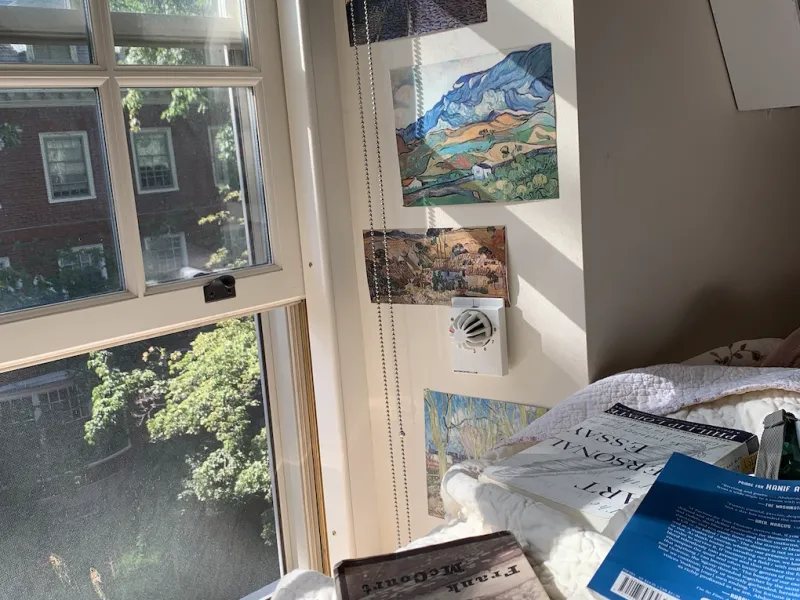 I miss doing reading for my English and creative writing classes on my Winthrop House dorm room!

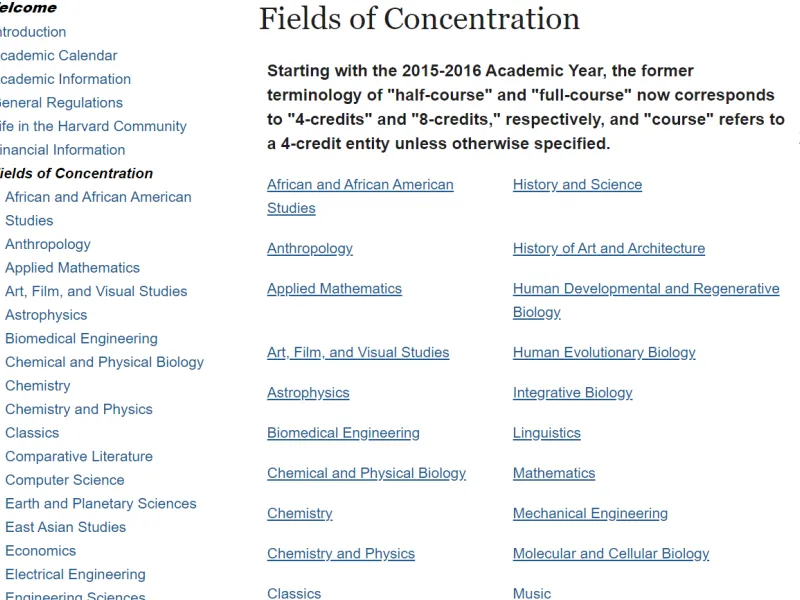 A list of just some of the possible concentrations offered at Harvard
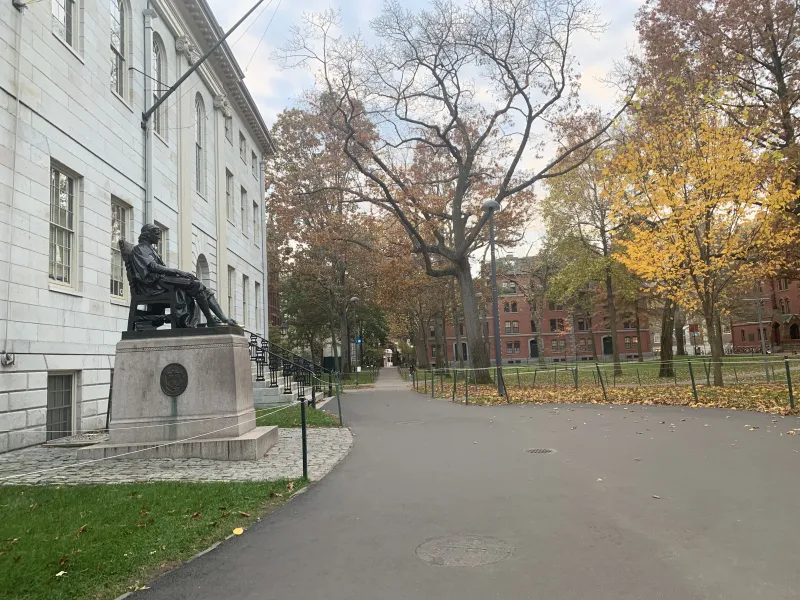
 A snap of an empty Tercentenary theater as I worked on my homework
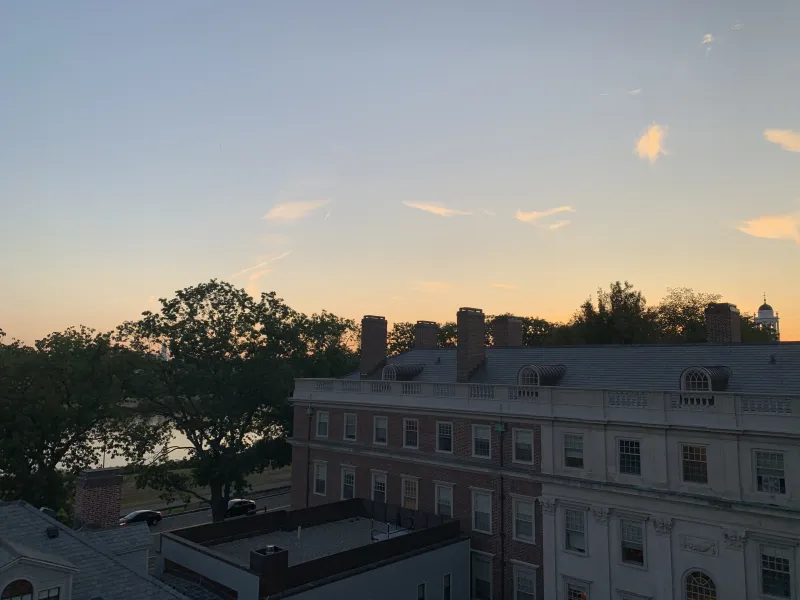 My friends and I love hanging out in the roof-top common room in Winthrop House!
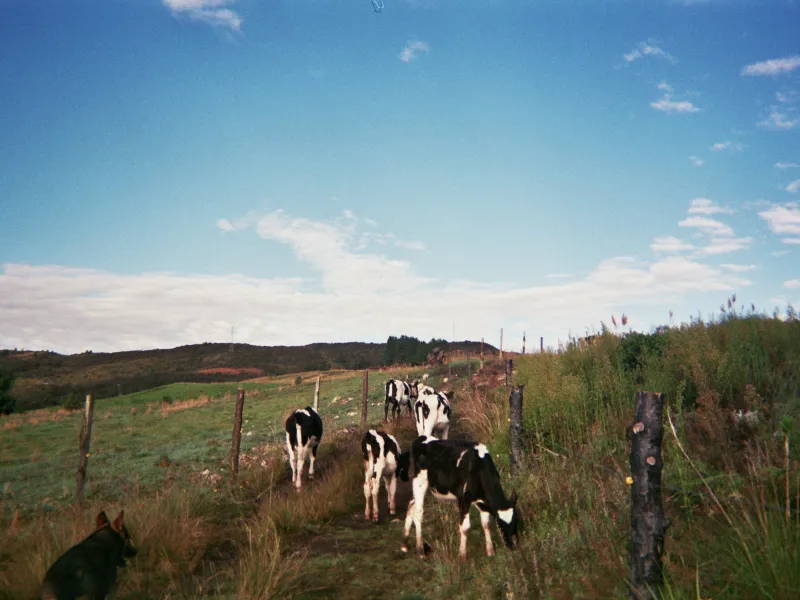 I took this photo of my grandpa's cows on a film camera during one of my visits! The view was absolutely breathtaking.
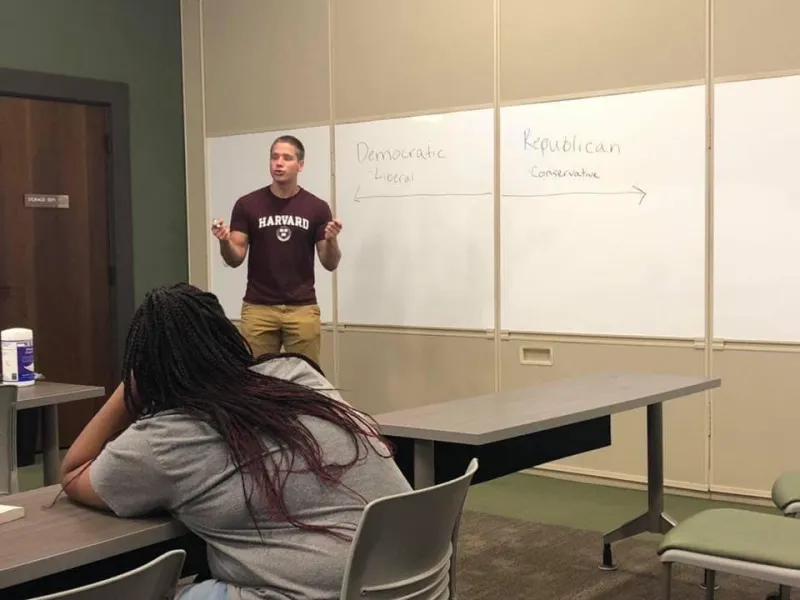 Here I am teaching a government class from last summer!
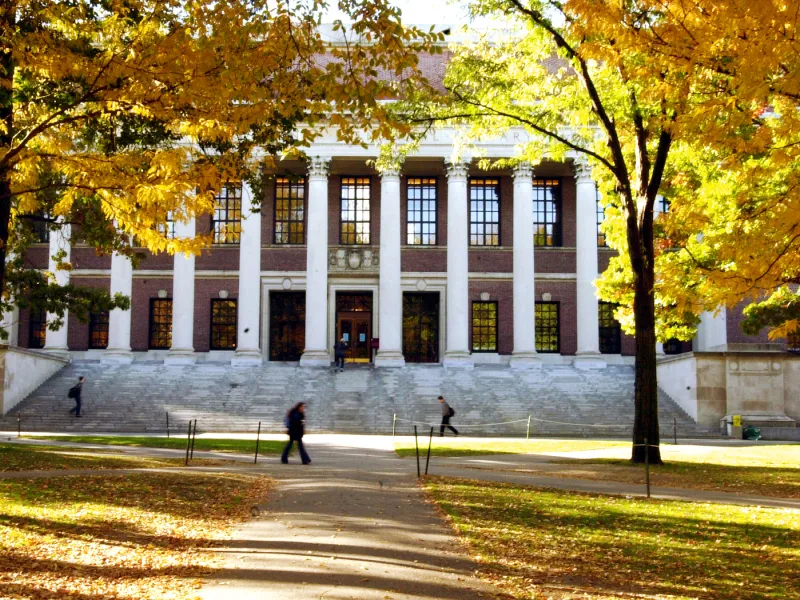
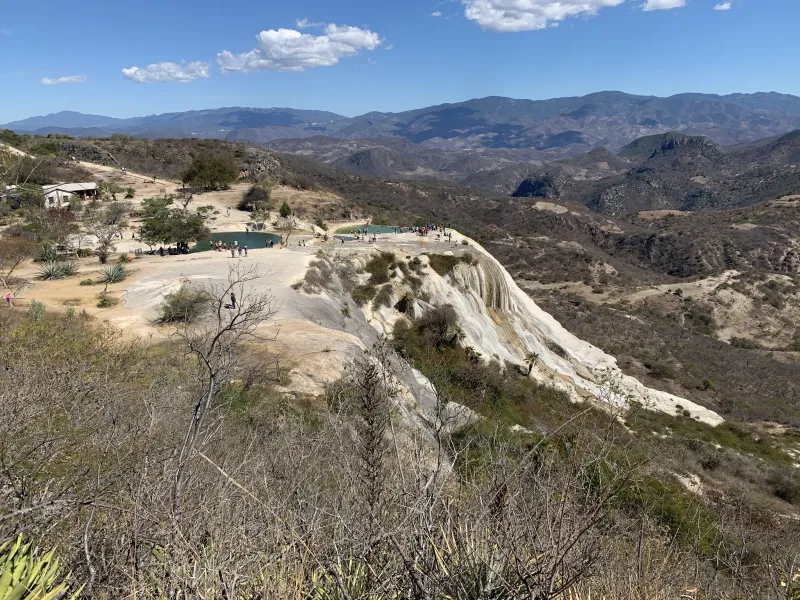
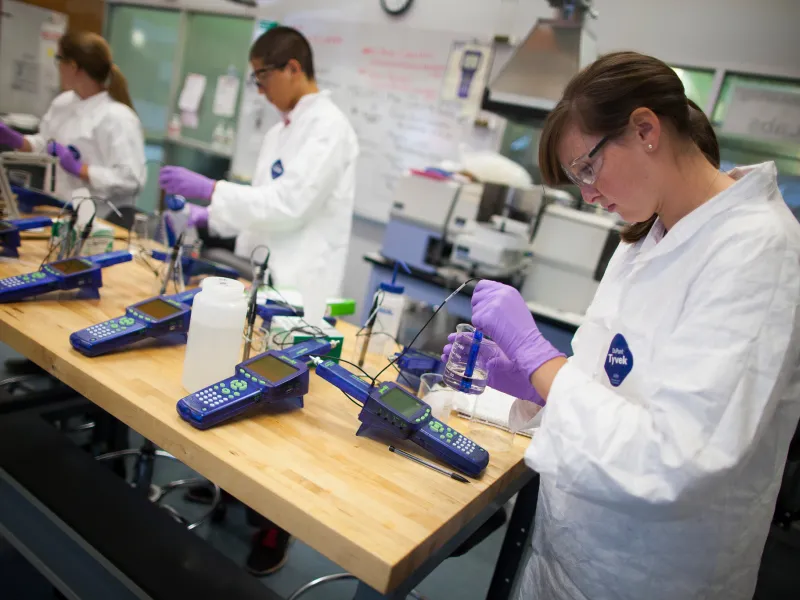
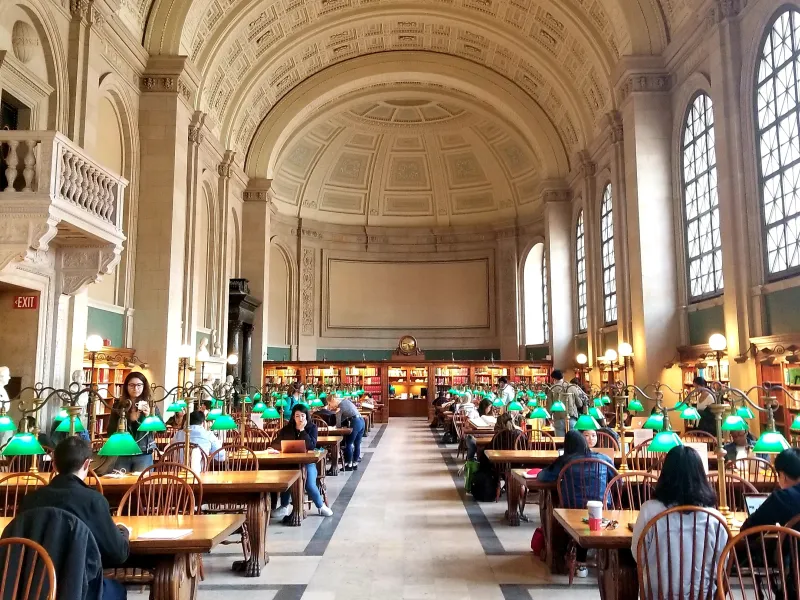
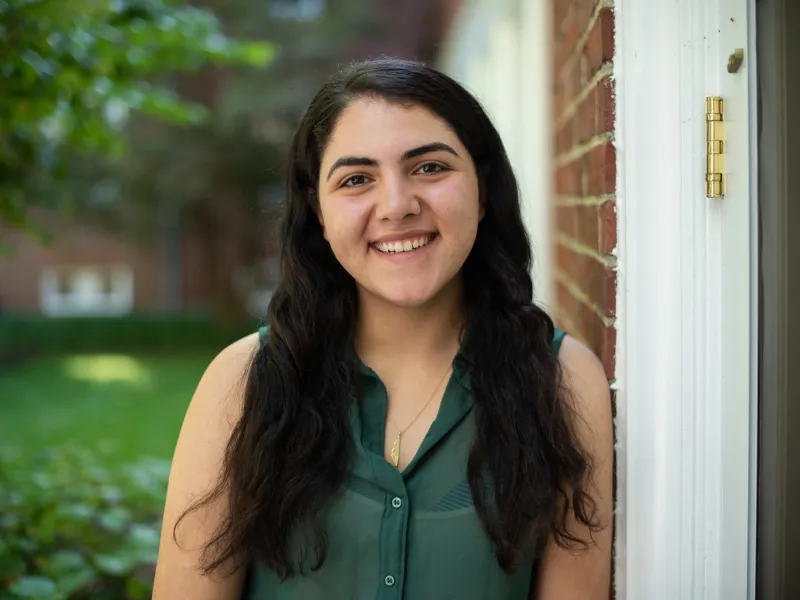
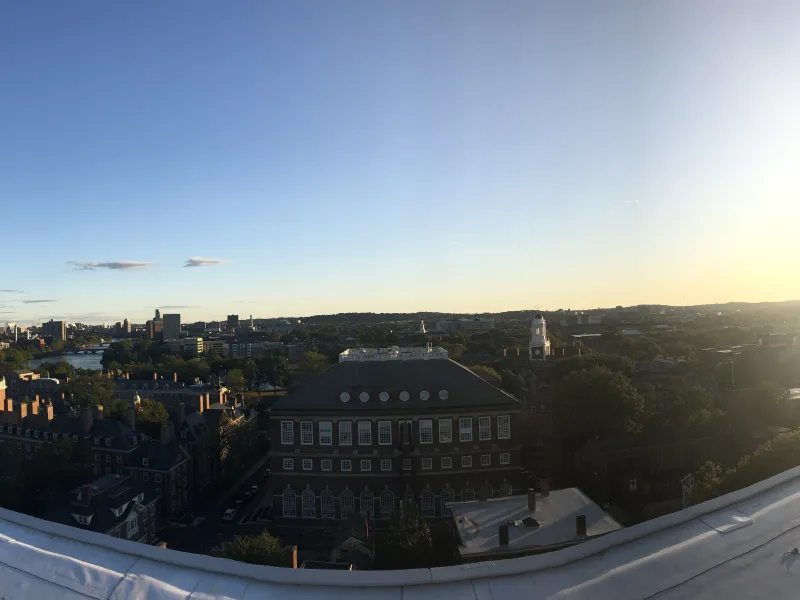
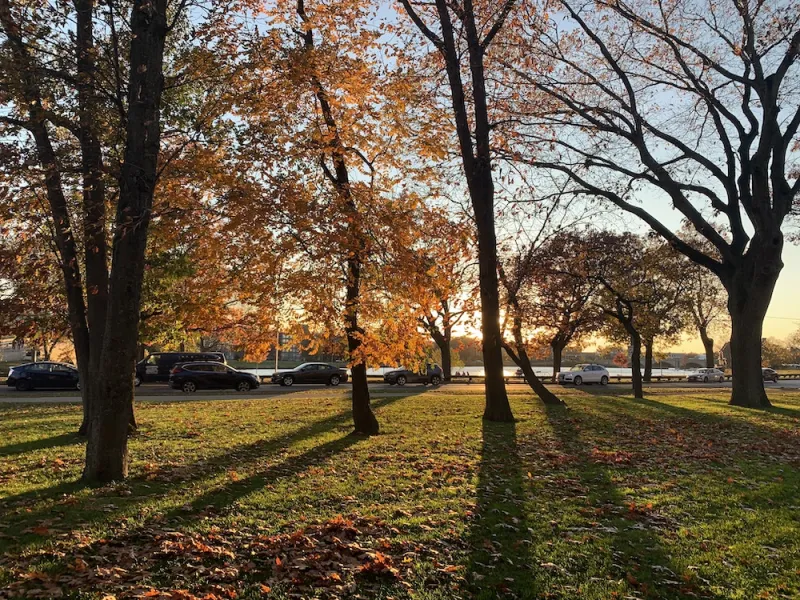 The view of the Charles River from Leveret House, which is right next to Winthrop House!
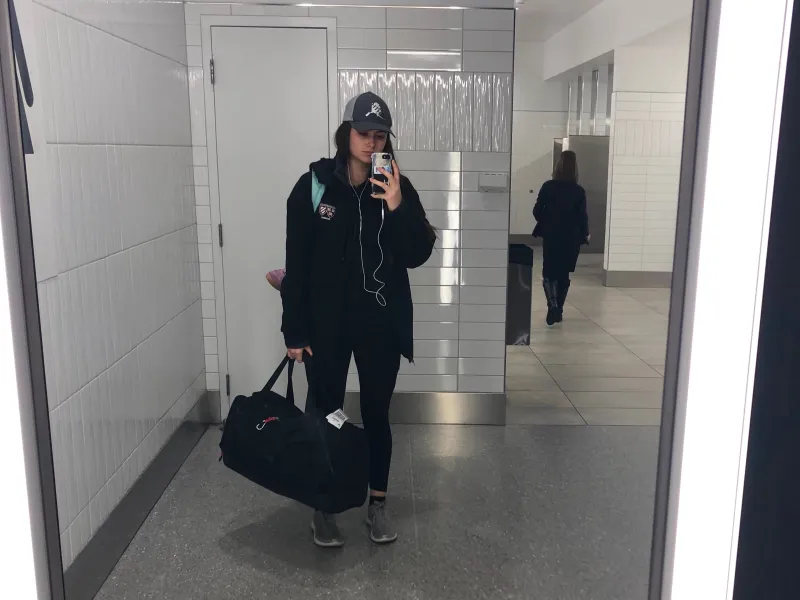 Selfie in the Seattle Airport.
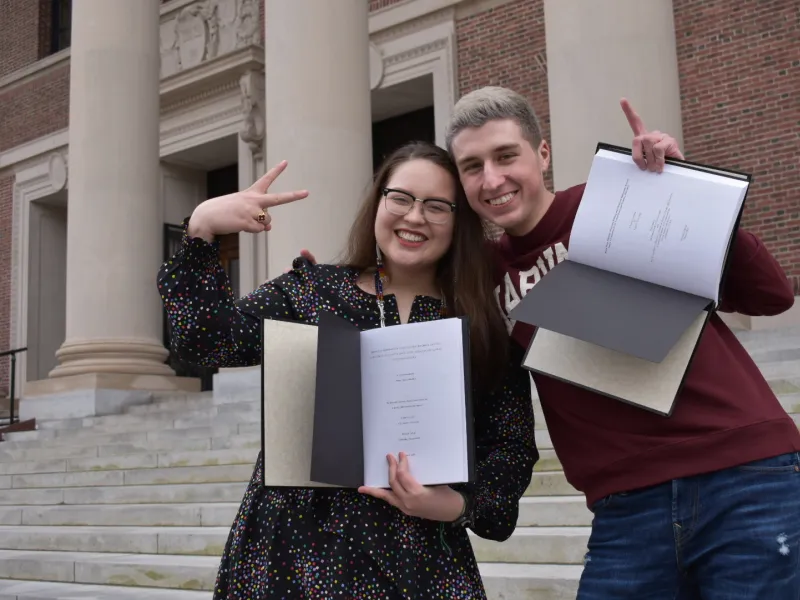
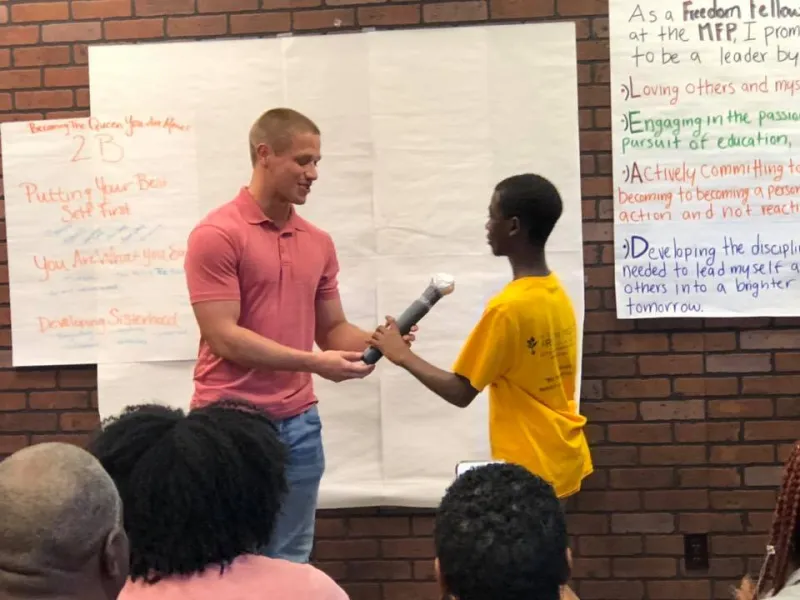 Me giving out homemade awards to my MFP students!
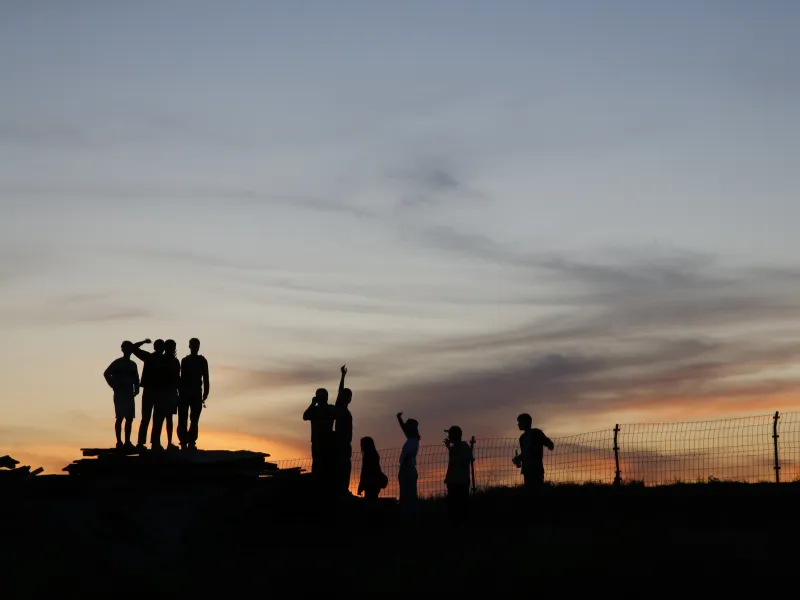
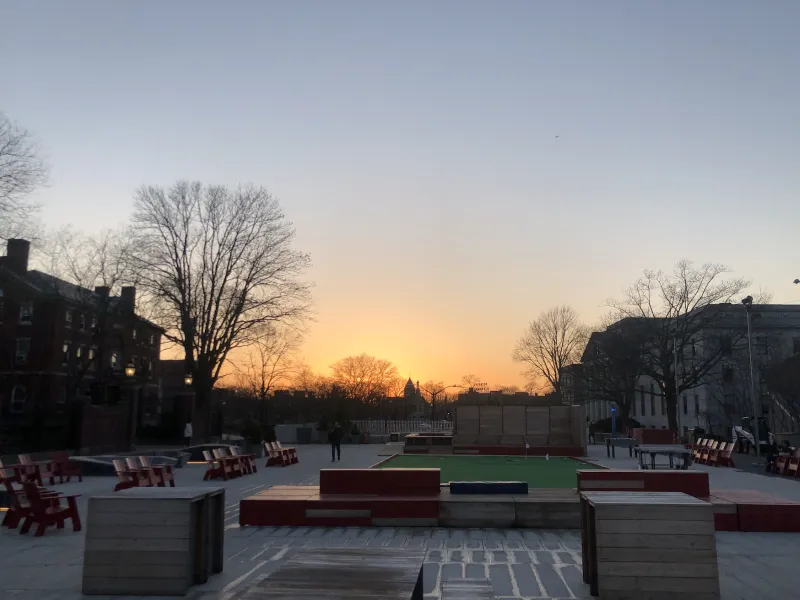
 A photo of me and friends in front of the Carpenter Center my freshman year
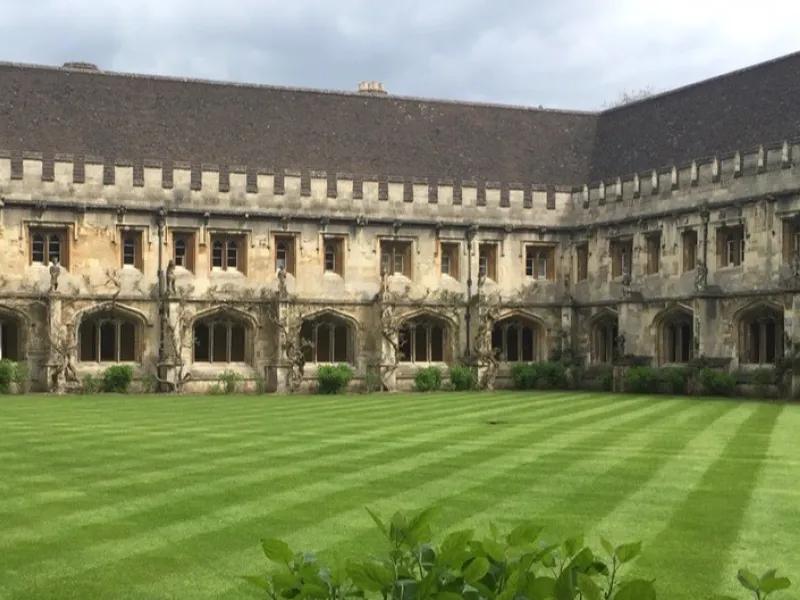
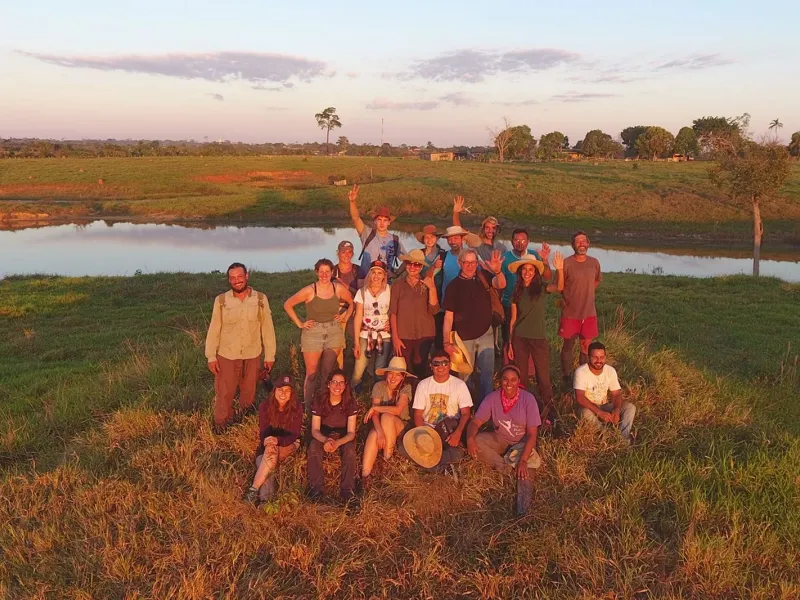 My field team in Bazil.
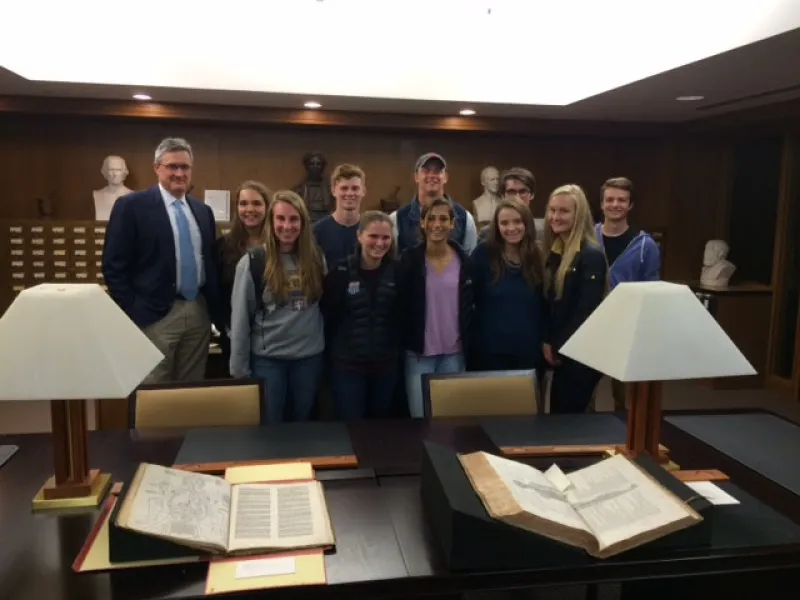
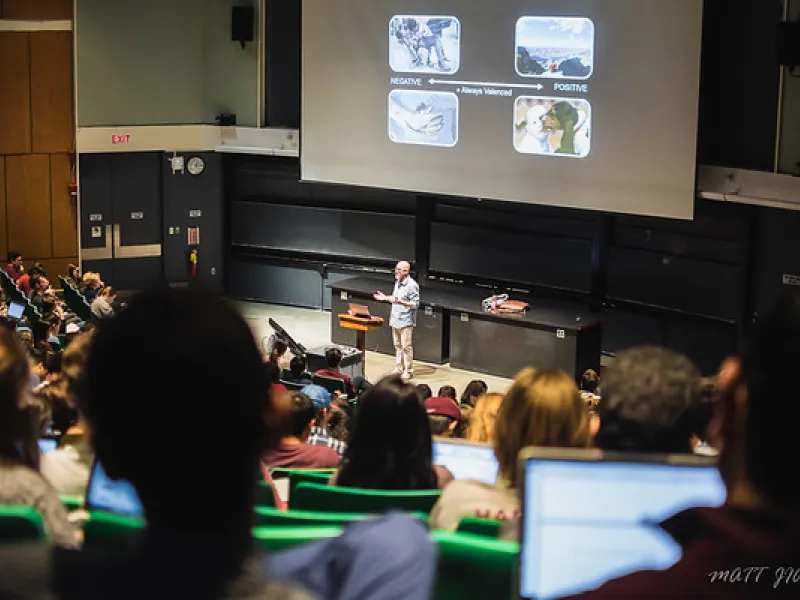
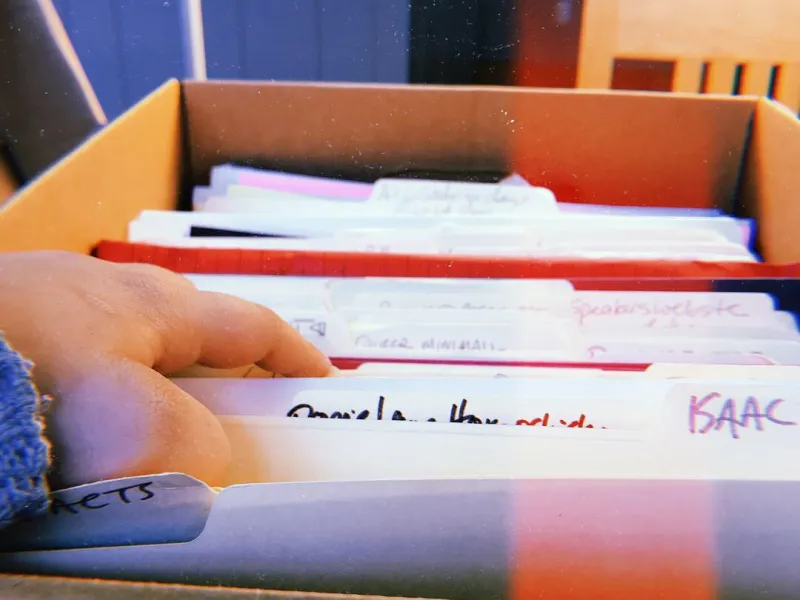 I spent A LOT of days in the archives
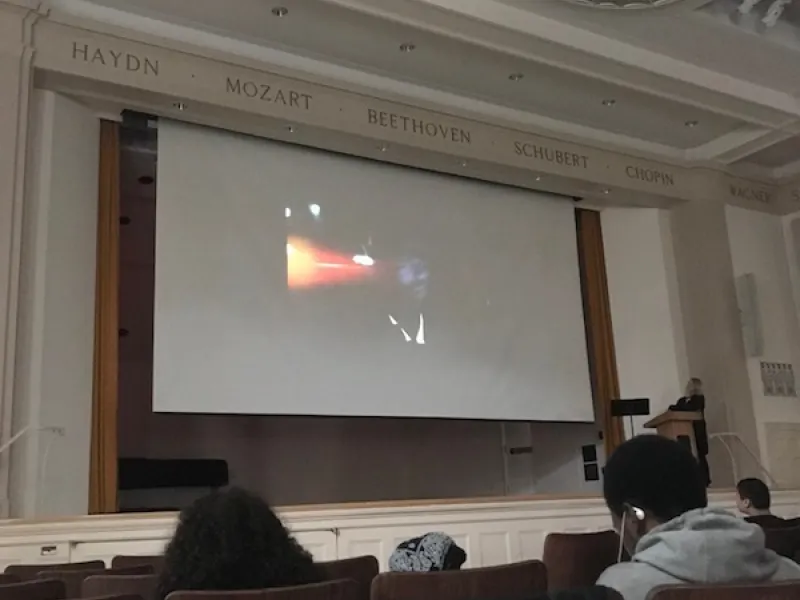 Watching a music video in class during a lecture about "Consuming Black Culture"
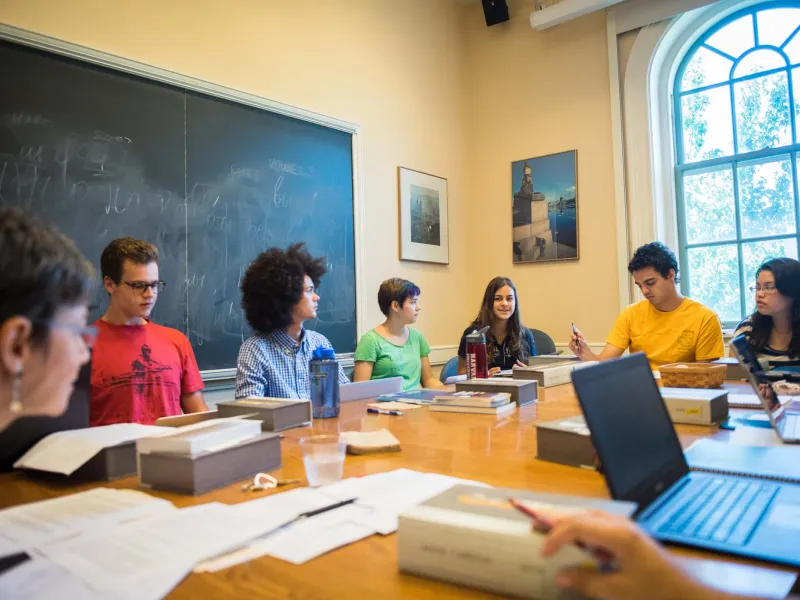
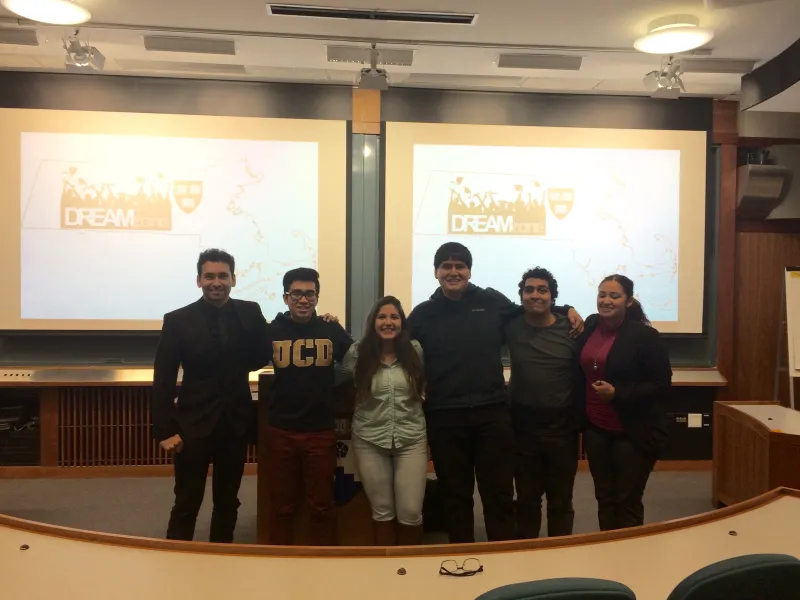 A photo of me and my classmates during a group presentation!
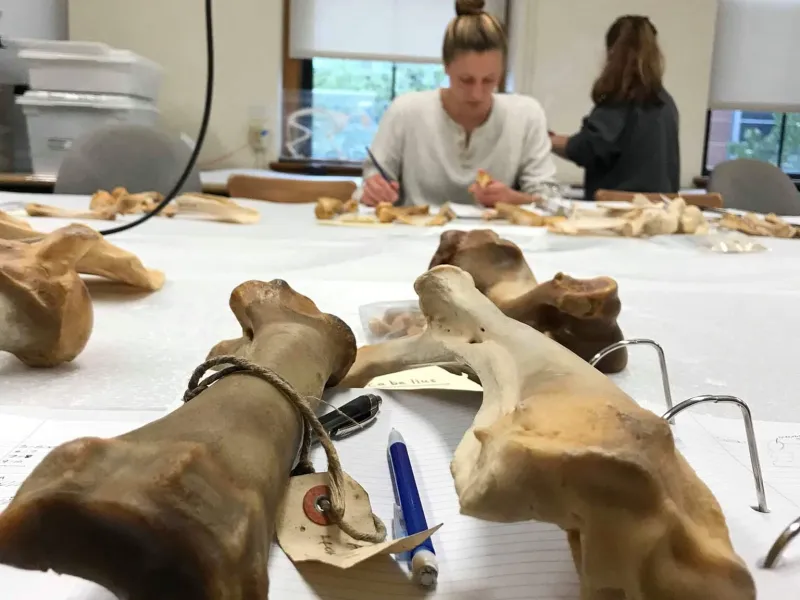 My friend Mathilde in our Osteoarchaeology class
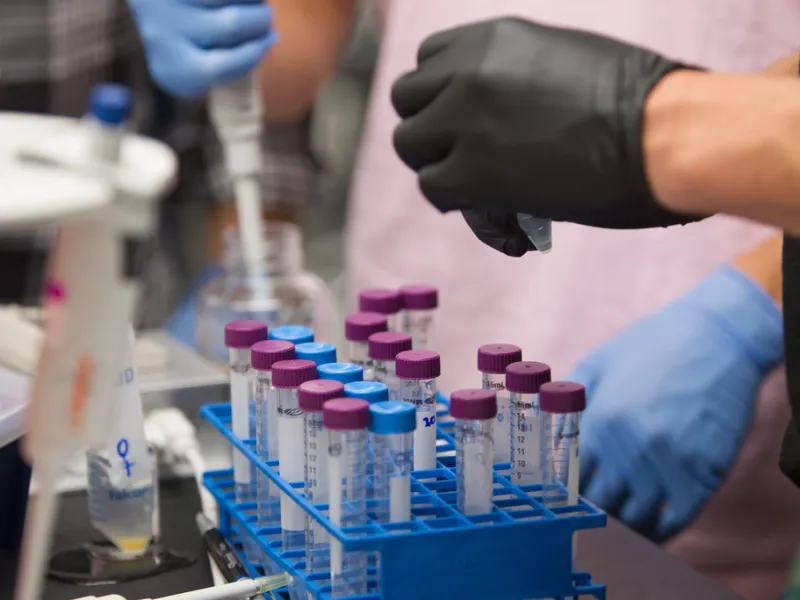 Test tubes in a laboratory