
Most of us think history class consists of just reading pages of a textbook and memorizing events and people from long ago. So, when I enrolled in HS100: Introduction to the History of Science, I was not expecting to be able to read and handle dozens of original materials from up to 400 years ago, right here at Harvard and in the greater Boston area.
Houghton Library: Early Scientific Writings
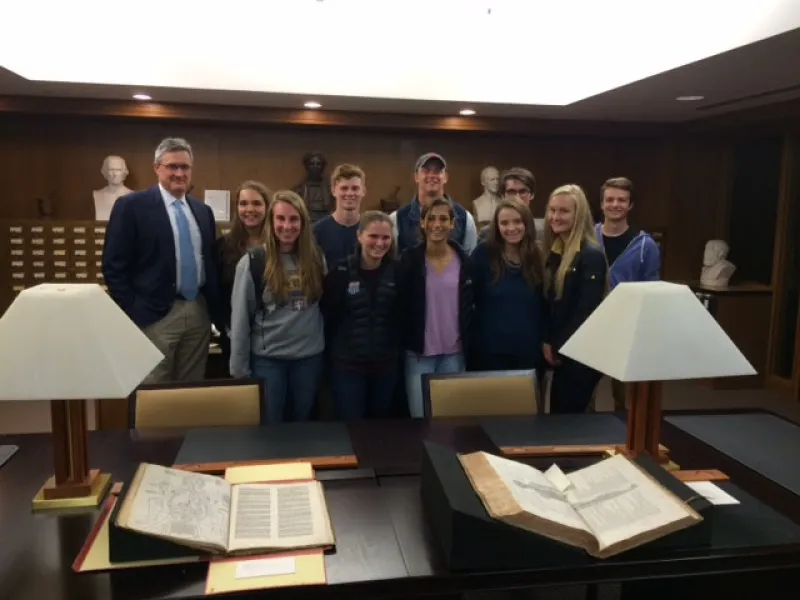
Our first “site visit” was just days into the semester. Unbeknownst to me, just feet away from (and underneath) Lamont Library, a popular study spot, is Harvard’s Houghton Library, which contains rare books and materials. My professor and a librarian led us into a reading room, where we were greeted by dozens of historic books in foam cradles lining the tables. We looked and listened as our professor explained that these were original writings and books from historical scientific figures, including Galileo, Copernicus, Avicenna, Leonhart Fuchs, and Robert Hooke. Some of these works, we learned, were created over 500 years ago. And after a brief introduction and instructions on handling the materials to avoid damage, we were permitted to spend hours analyzing, handling, and reading these books. I was thrilled and stunned; never before had I imagined that I would have the opportunity to touch and read a several-hundred-year-old book written by a scientific great such as Galileo! At the end of the visit, I was further surprised to learn that we could “check out” these materials at any time through a similar system as any other library; the only difference being that they obviously cannot be removed from Houghton.
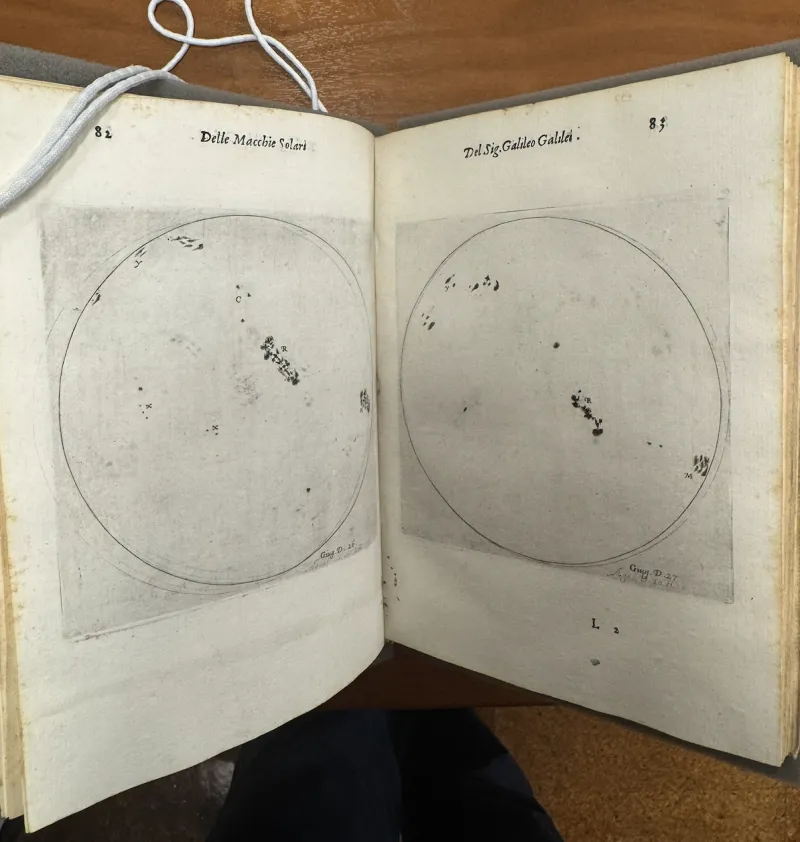
Sunspot illustrations by Galileo in Houghton Library Pavan Thakkar
The Harvard Collection of Historical Scientific Instruments
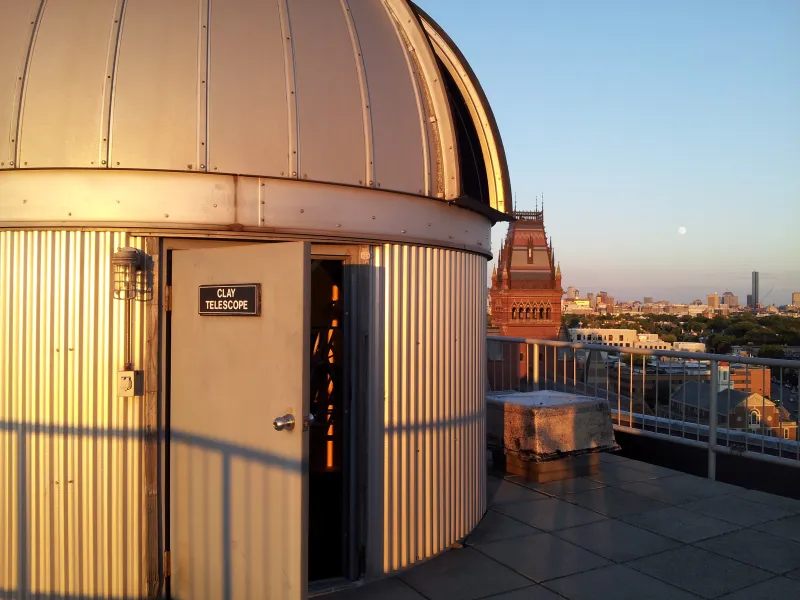
We also visited Harvard's Collection of Historical Scientific Instruments (CHSI). Located just feet away from most classes in the Science Center, CHSI also has exhibits which are open to the public! Here, guided by our professor and a curator, we had the opportunity to hold, manipulate, and experiment with historic scientific instruments, ranging from early telescopes and microscopes to a mountain barometer. It was particularly exciting to get to use some of these instruments and see how they continue to function.
The Harvard University Archives
During one of the final weeks of the course, we visited the Harvard University Archives, located in the mostly-underground Pusey Library. Harvard professors, students, and leaders were quite involved in the scientific development and ethical/policy debates regarding the atomic bomb during the Second World War through the Cold War and beyond. Many of these individuals later provided their writings, correspondence, and more to the University Archives, providing a unique, firsthand source of information about the atomic bomb, right here on campus. It was truly fascinating to see how the nuances of these debates and questions played out by reading through and discussing pages of historical correspondence as a class.
The Boston Museum of Fine Arts
To understand how science and the arts interact, we also had the opportunity to take a trip to Boston's Museum of Fine Arts to see an exhibit on Rachel Ruysch. The trip, including transportation, was entirely paid for by Harvard, and we received a custom tour by the exhibit's curator, helping us understand how art and natural history interacted and influenced each other.
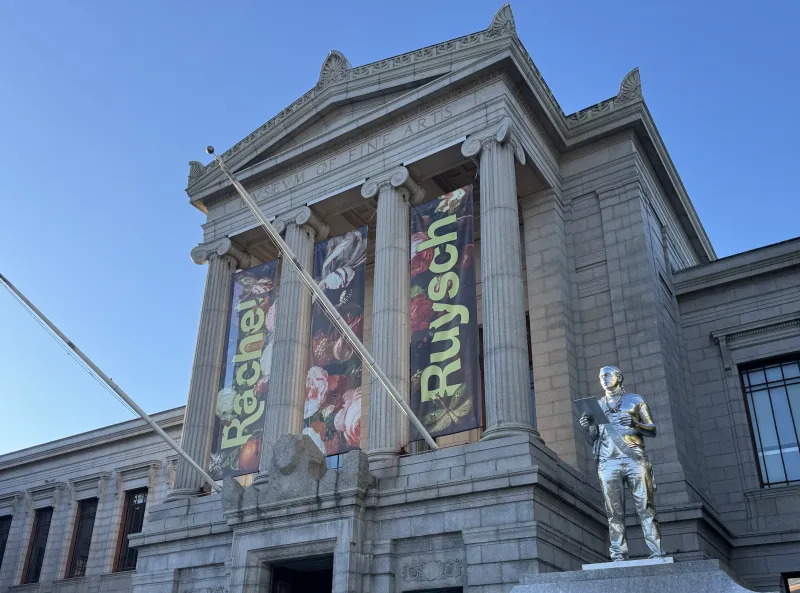
The Boston Museum of Fine Arts Pavan Thakkar
Ultimately, through these field trips to various libraries and archives on campus and in the greater Boston area, HS100 truly exemplified how at Harvard, history is hands-on; not something you just read about in a book. I feel truly lucky to have had the opportunity to interact firsthand with so many historical materials--without traveling far from campus--in order to enhance my understanding of the history of science.
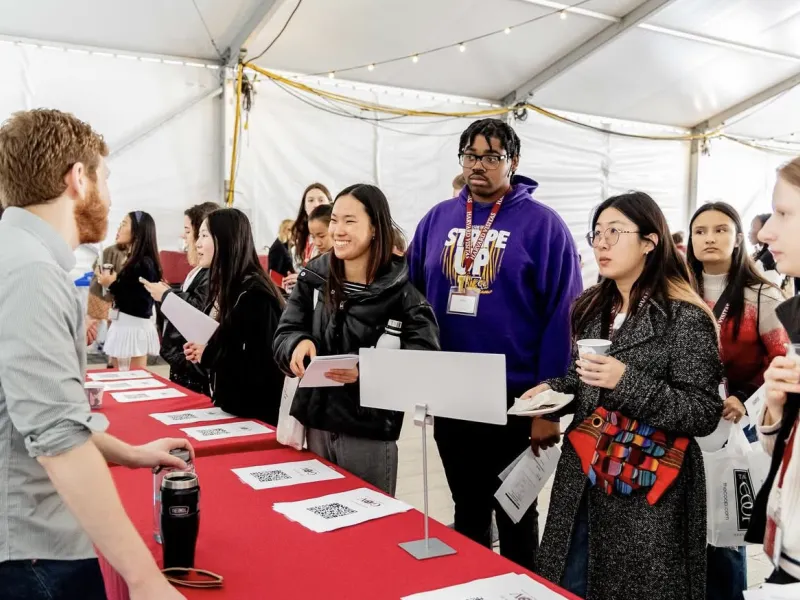 Picture of me and others at the Visitas Concentration Fair in 2024
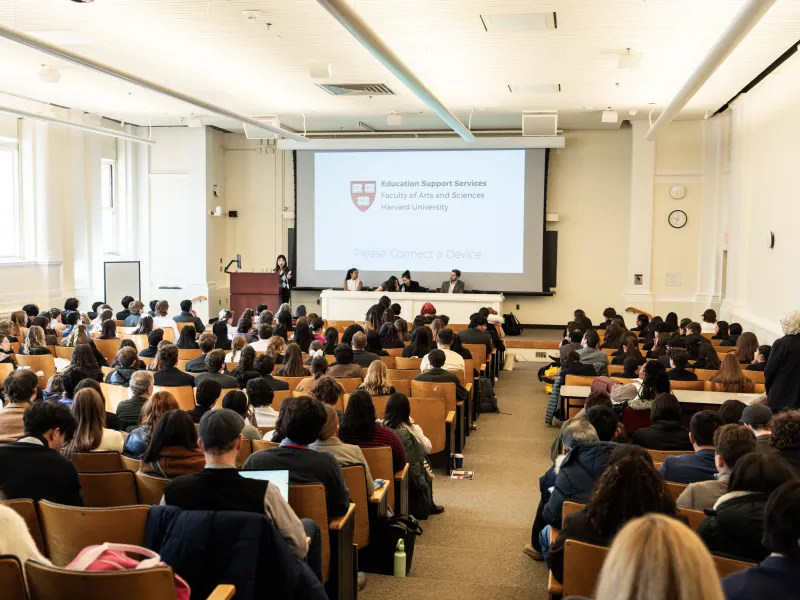 Nearly 200 students across 20+ high schools attended Harvard's first High School Ethics Bowl (HCHSEB)
 The Barker Center, home to the Harvard College Writing Center
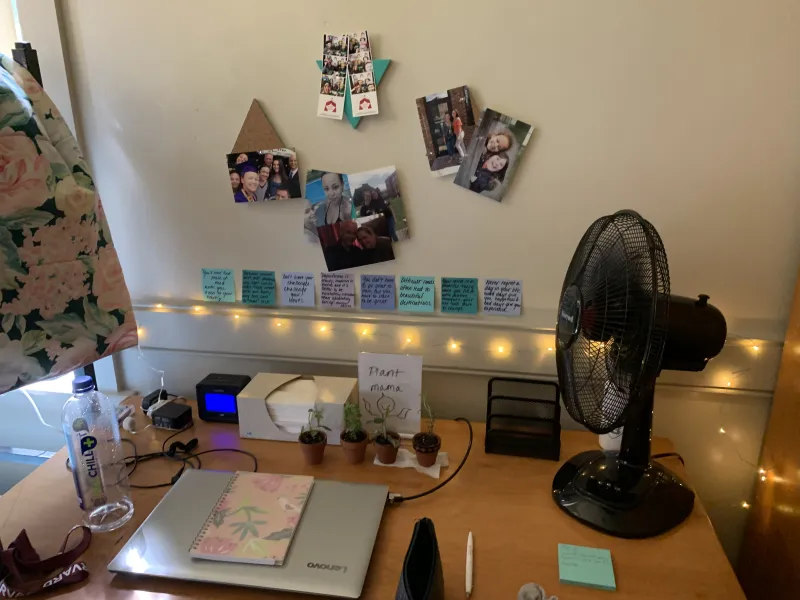
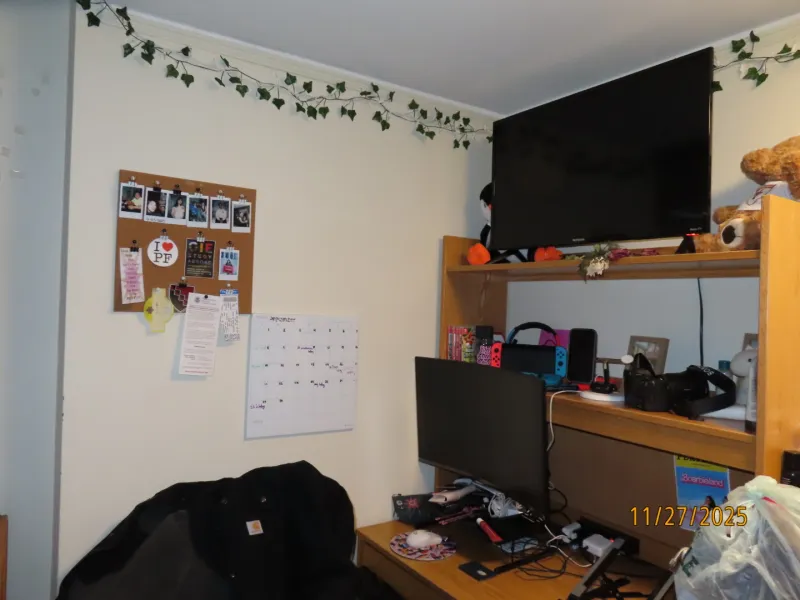 This is my junior year desk where I have my trusty monitor where I did most of my readings. But the TV served as a great medium to watch comfort movies and shows.
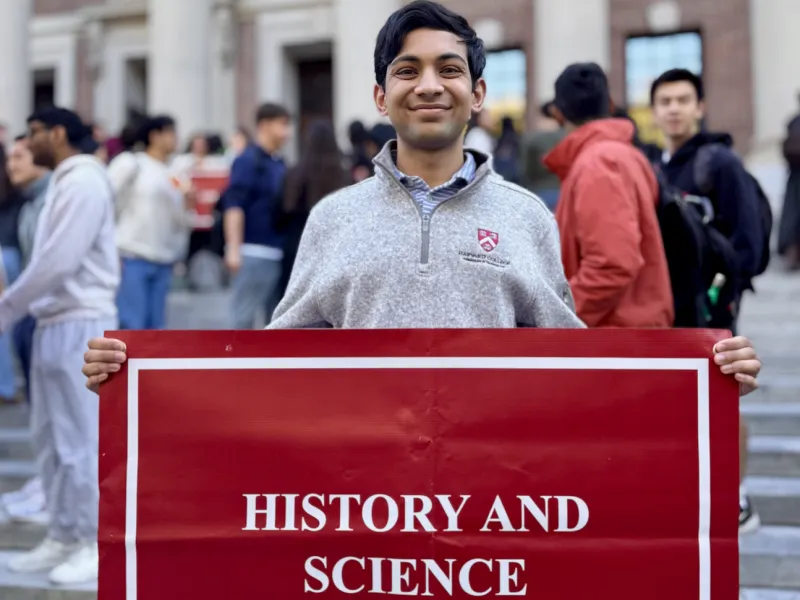 I pose with the sign for History and Science in front of Widener Library
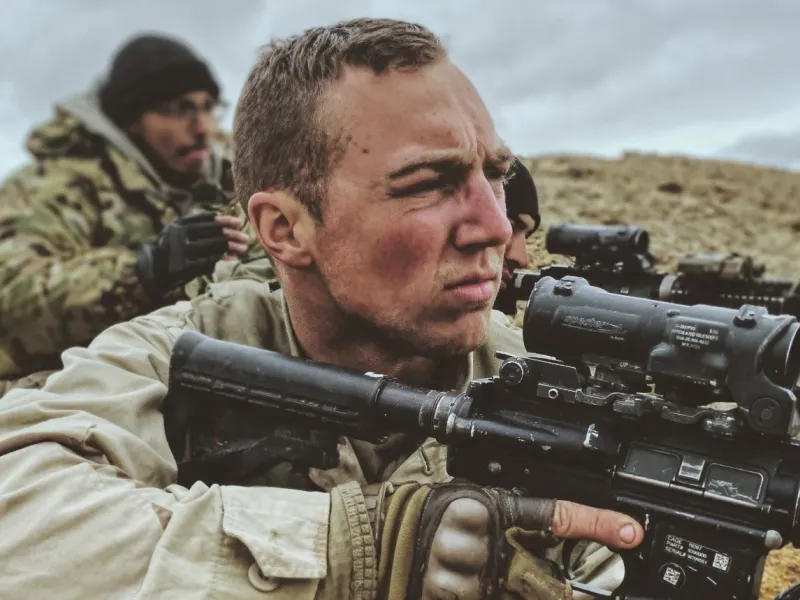
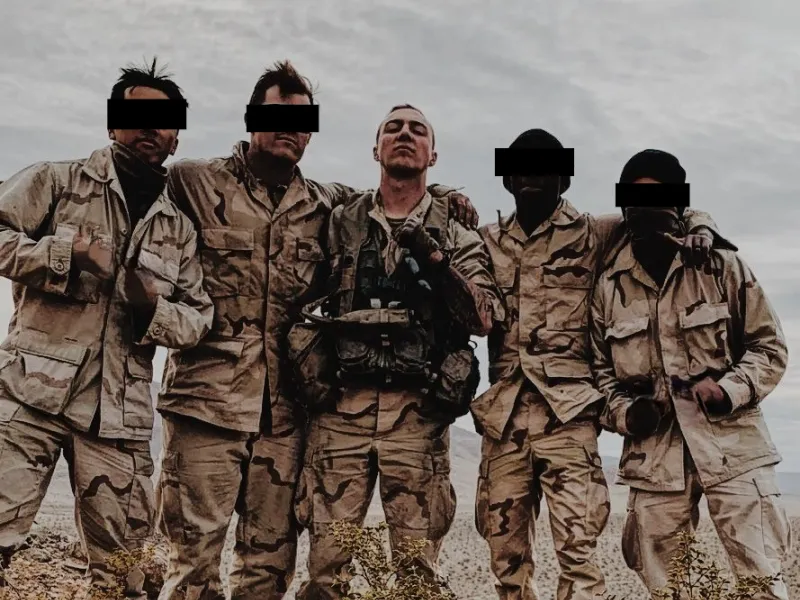 Quinn Ewanchyna '26 stands with platoon members during a training exercise in the Mojave Desert, 2020
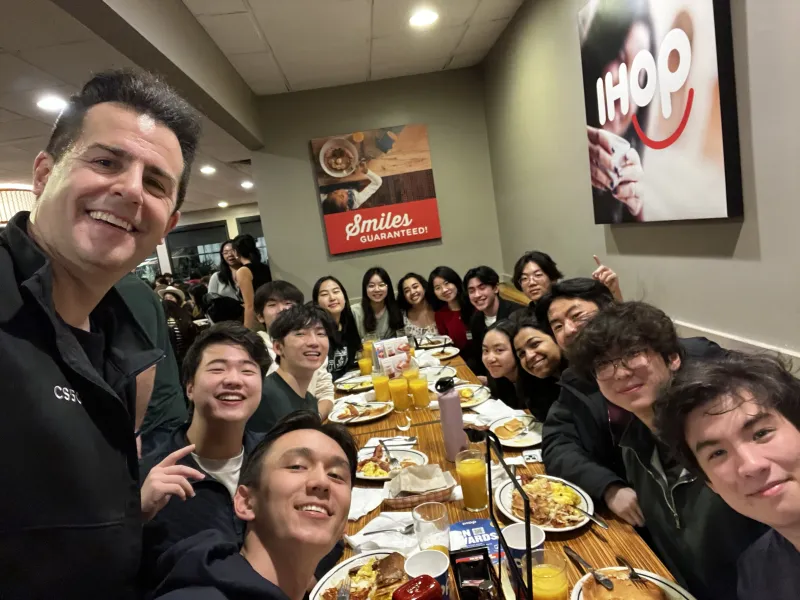 CS50 Hackathon IHOP Breakfas
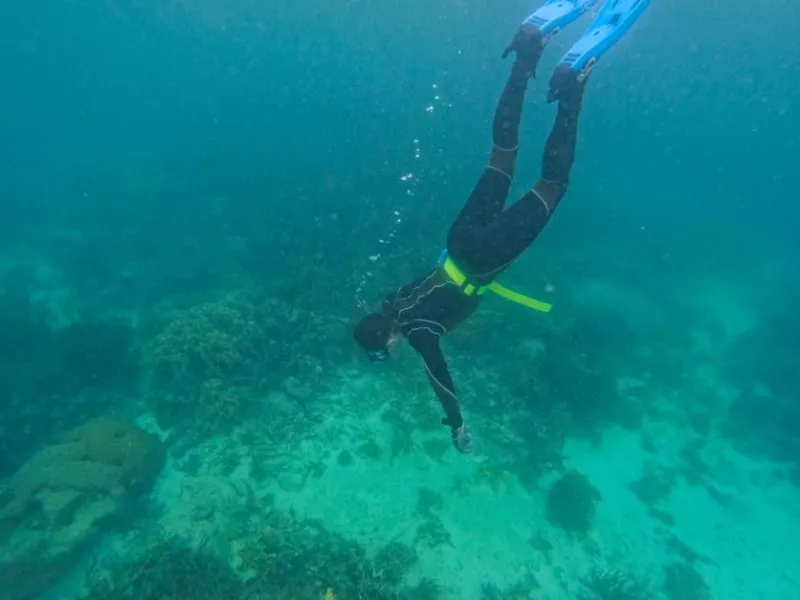 First-time snorkeling!
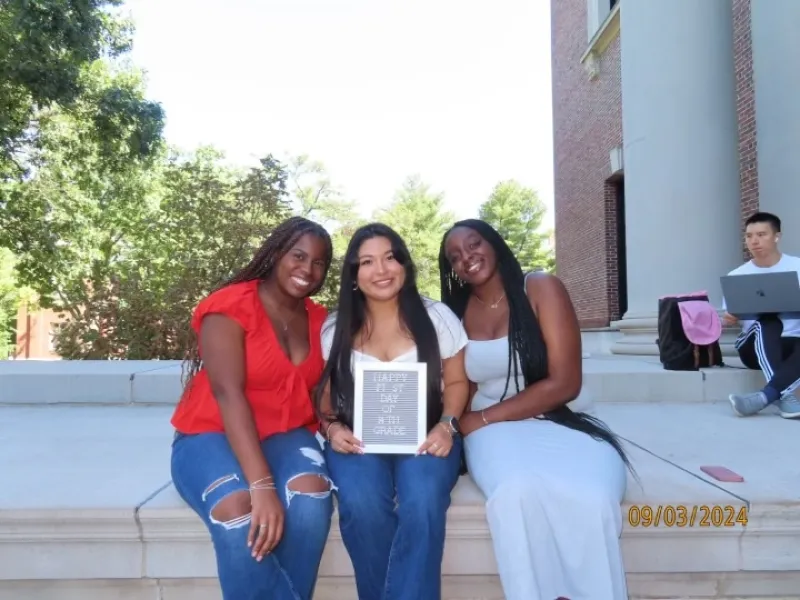
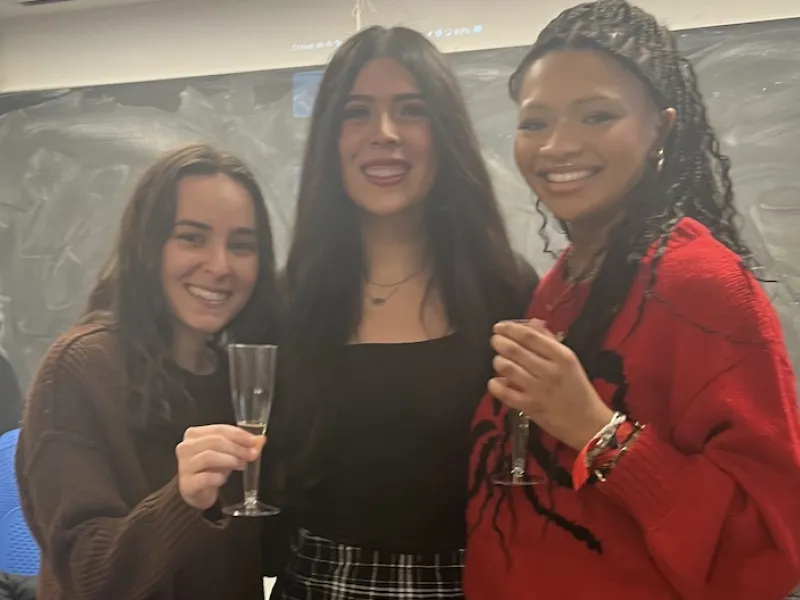
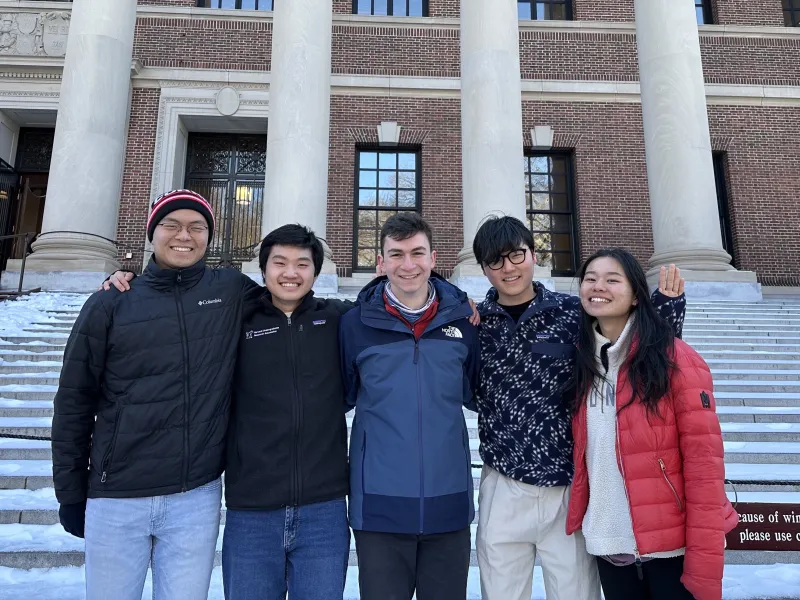 My friends and I celebrating our last first day of classes this semester.
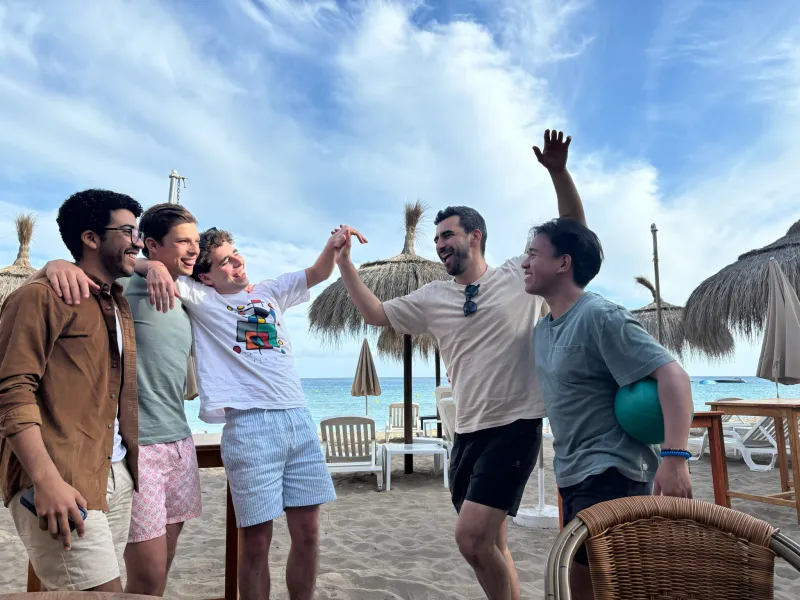
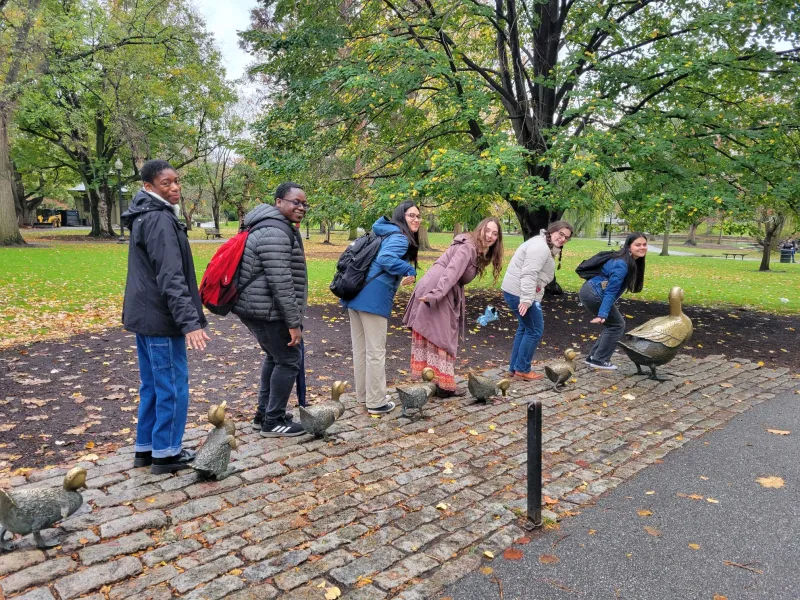 Lizbeth pictured in the Boston Commons with five friends from her Emerging Scholars Program cohort.
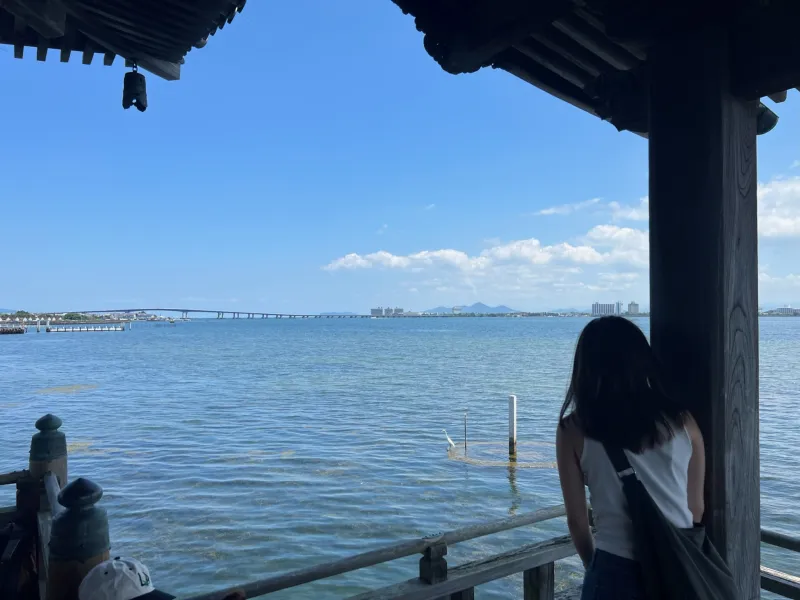
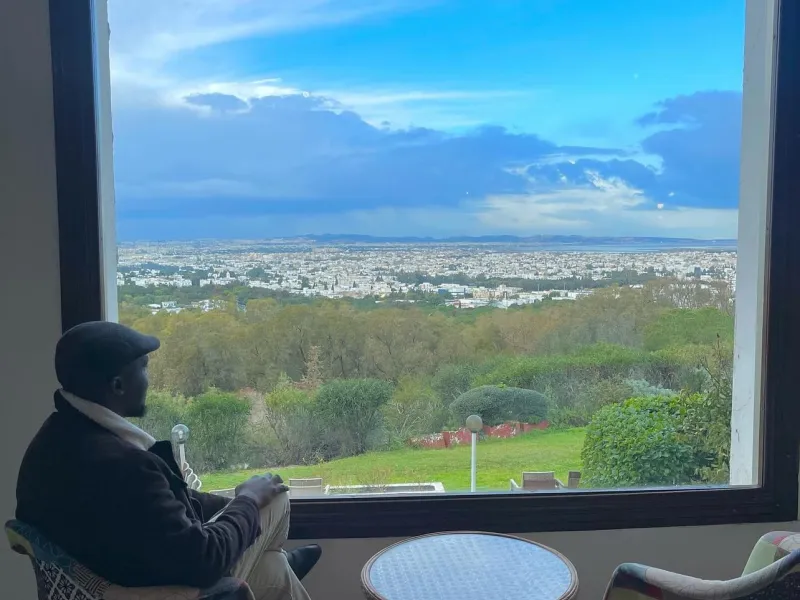 View from the hotel in Sidi Bou Said, Tunis
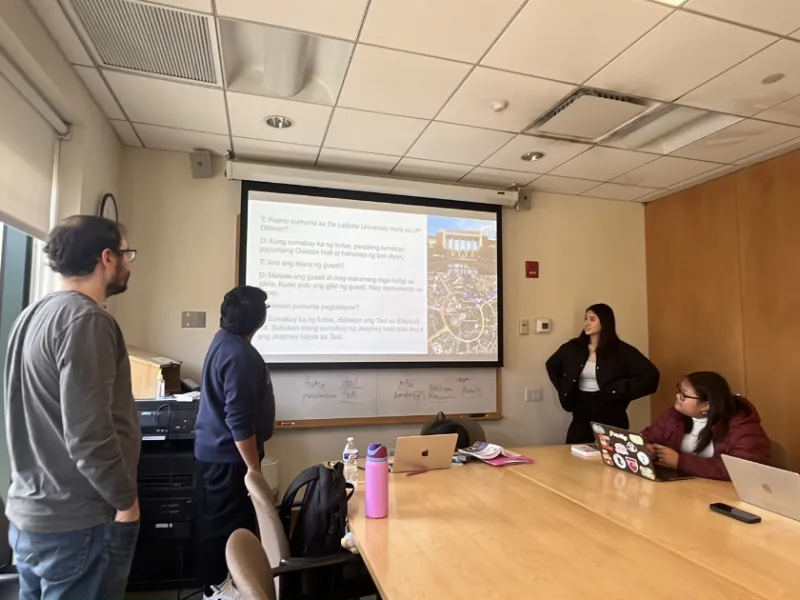 Intermediate Filipino Class
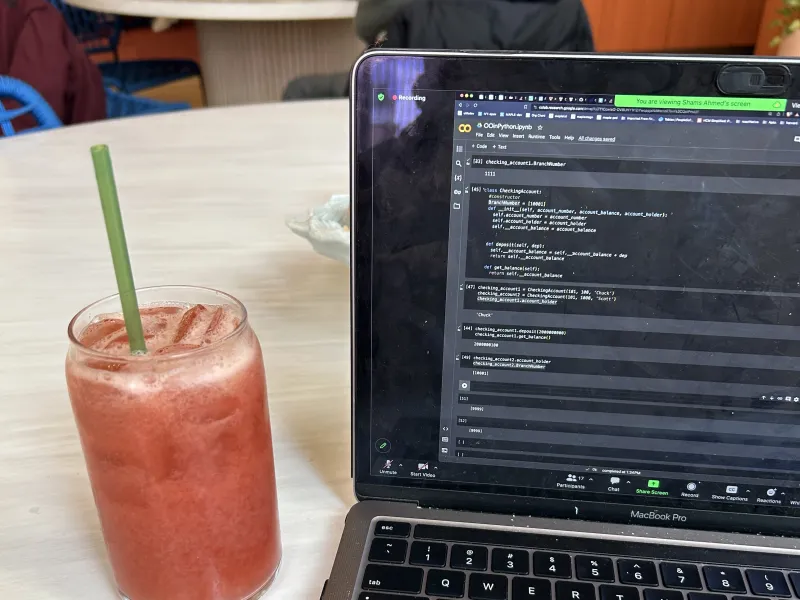

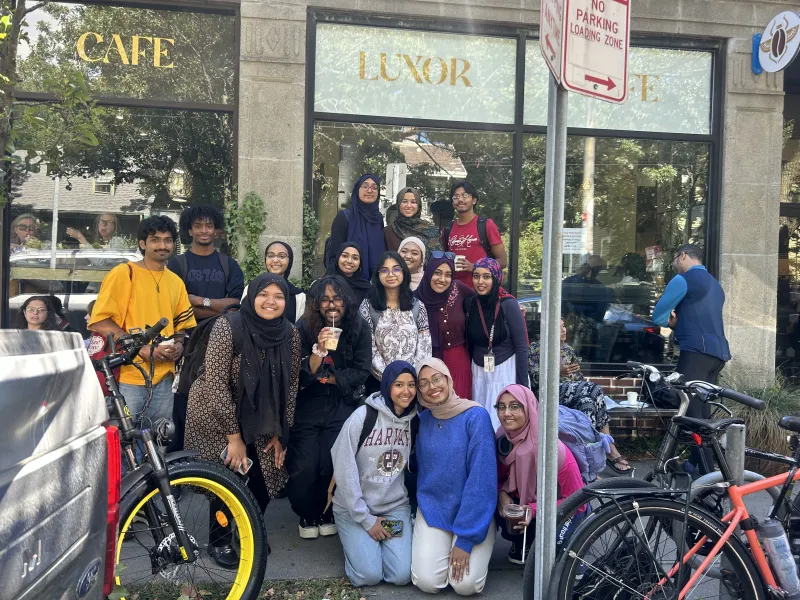 Samia Afrose with friends at Luxor Cafe

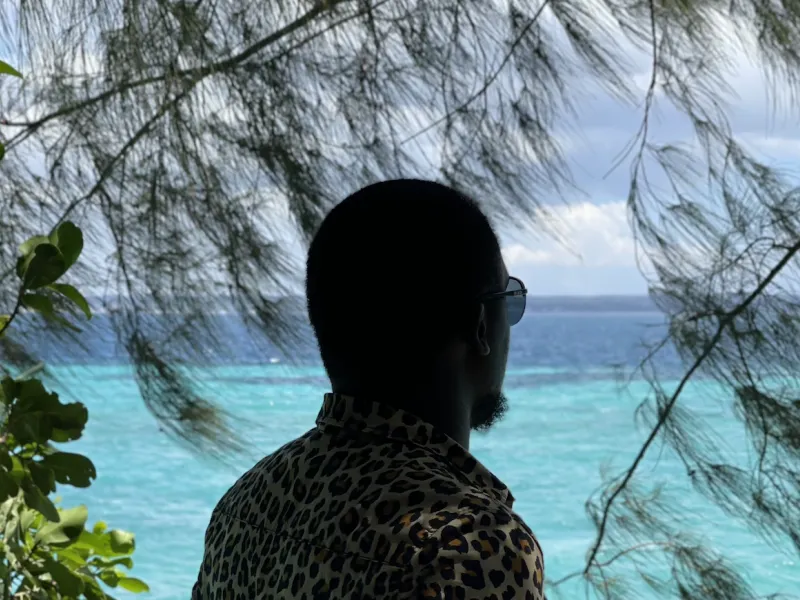 A photo of myself looking at the Zanzibari waters
 Laboratory of Cognitive Neuroscience Senior Thesis Writers

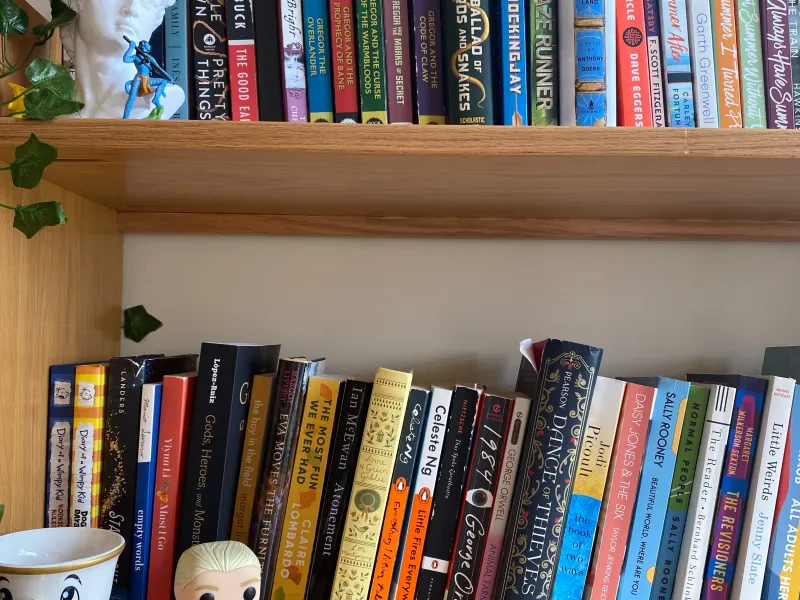 My bookshelf in my dorm!
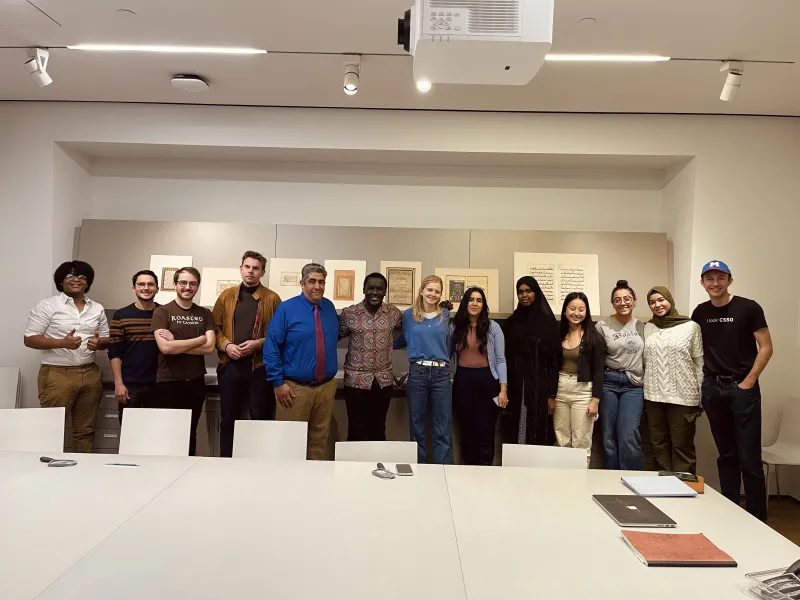 A photo of my classmates, Prof. Habib and I
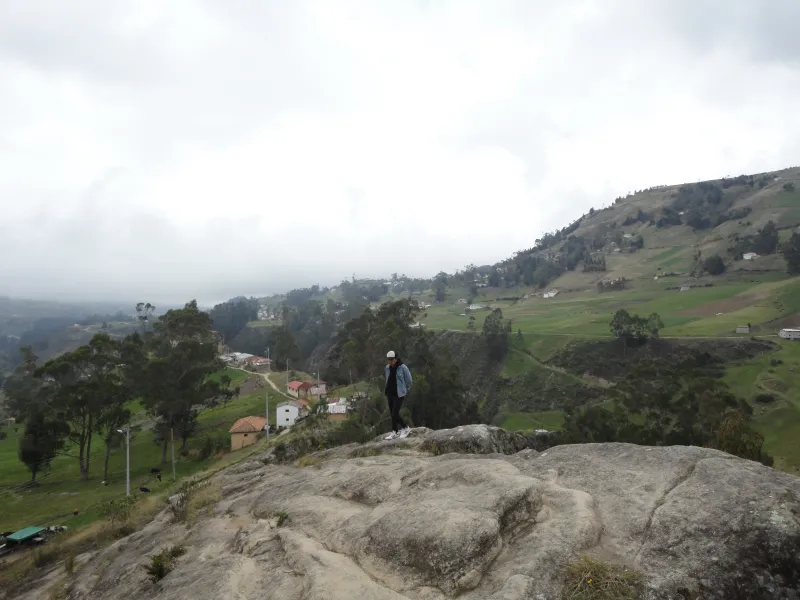 I passed through Cañar on my trip to my hometown, where I got to visit the Ingapirca Ruins!
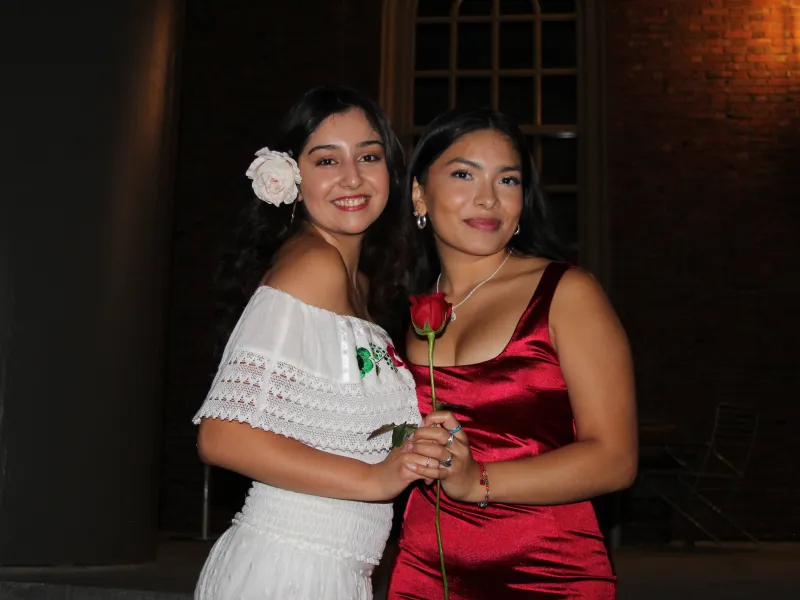 Latinx Convocation is an important event that celebrates Latinx culture and welcomes first years to Harvard! Julia Casas president of Fuerza on the left and Gloria Maldonado president of Latinas Unidas on the right.
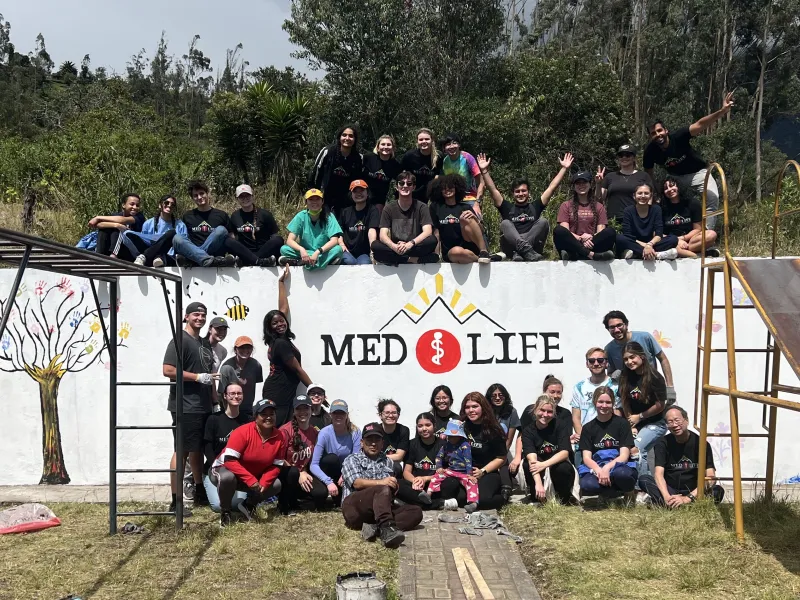 MEDLife volunteers posing for picture with MEDLife Logo
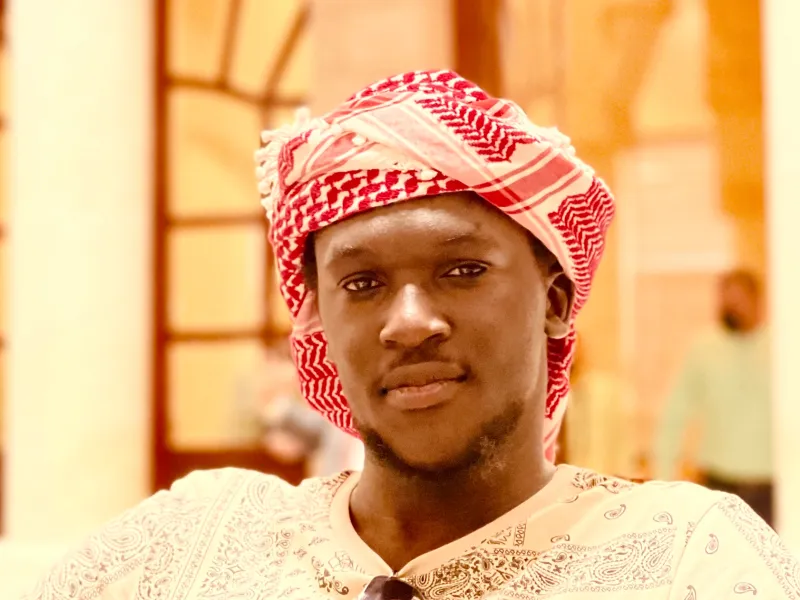
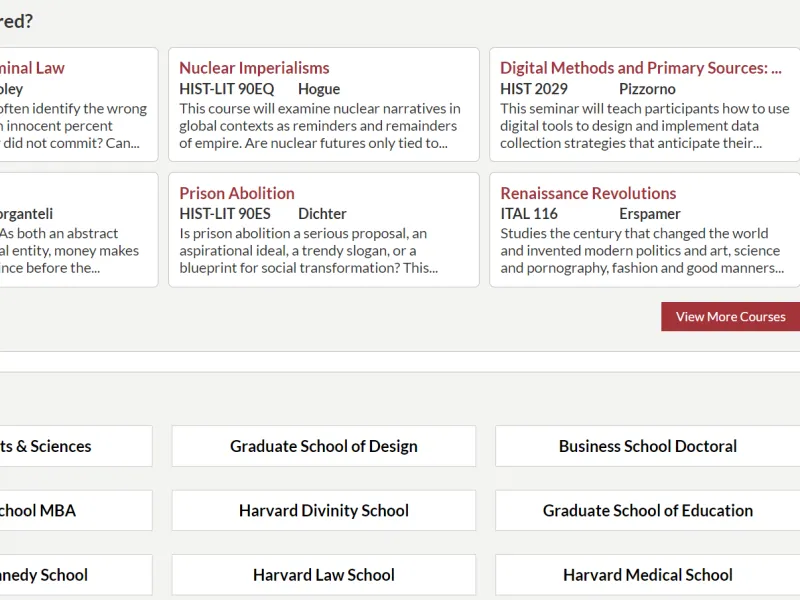 Harvard's course search page allows you to browse the 3,500+ courses offered each semester
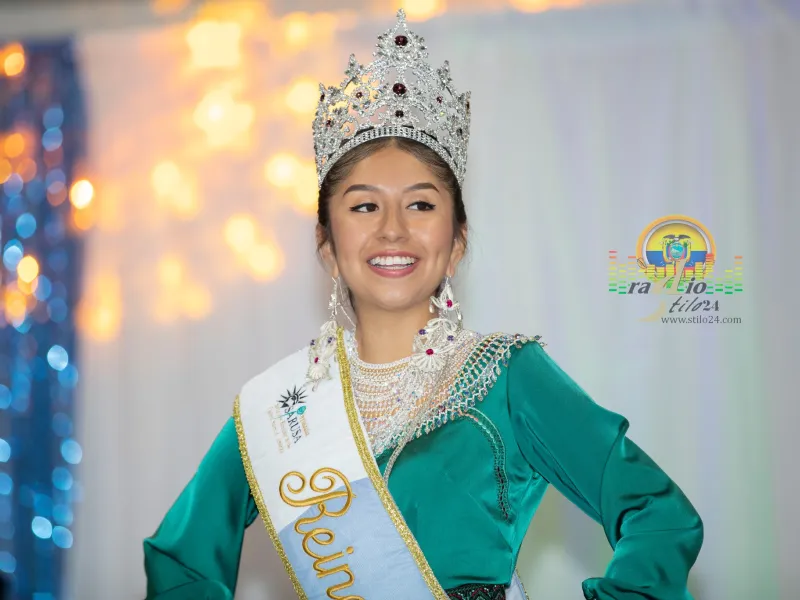 After weeks of preparation, my hard work paid off when I was elected as the queen of my tribal organization in the US, SarUSA (Saraguro Residents in the USA).
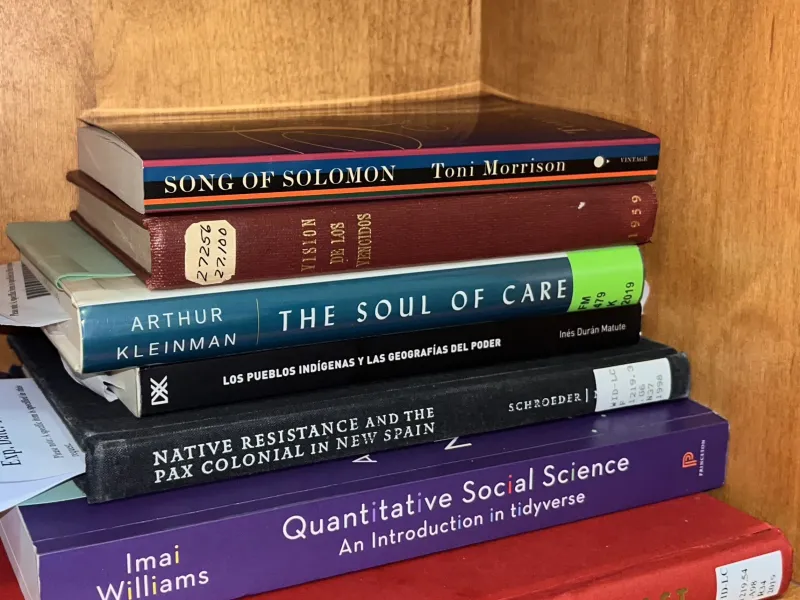 These are some of the books sitting on my shelf.
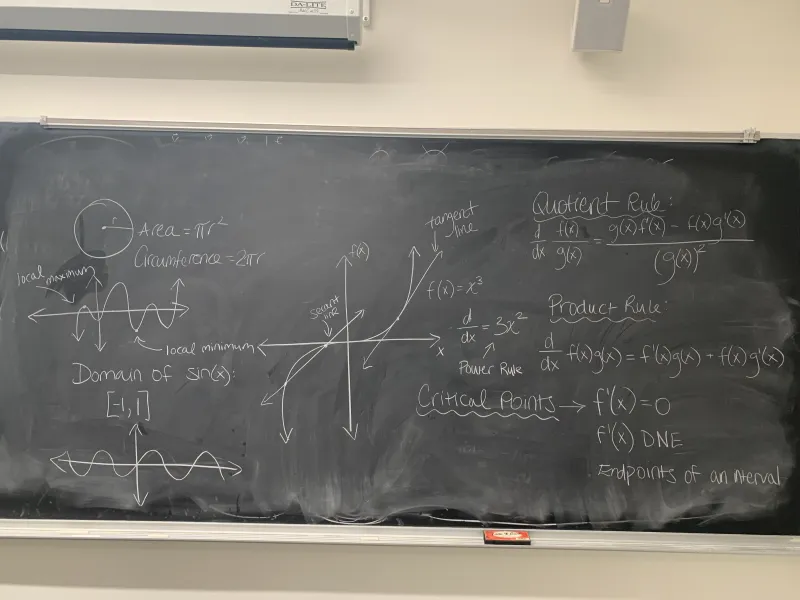 A chalkboard full of math in the Science Center
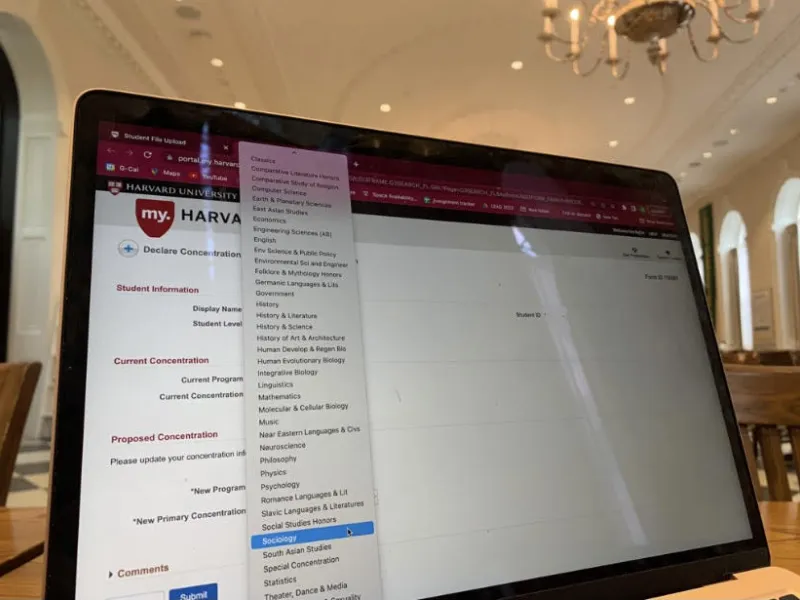 I officially declared Sociology as my concentration this fall!
 Fall foliage
 This is LS50.
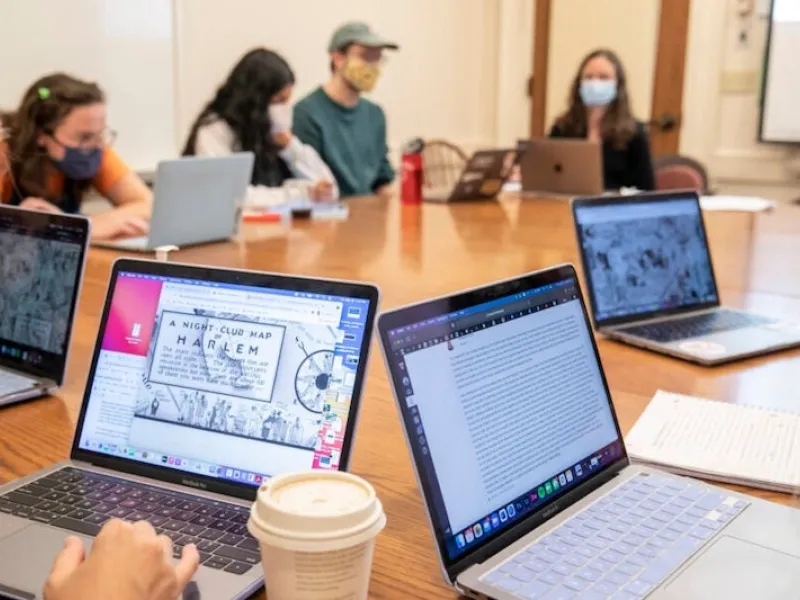
 Ana's Blog Thumbnail
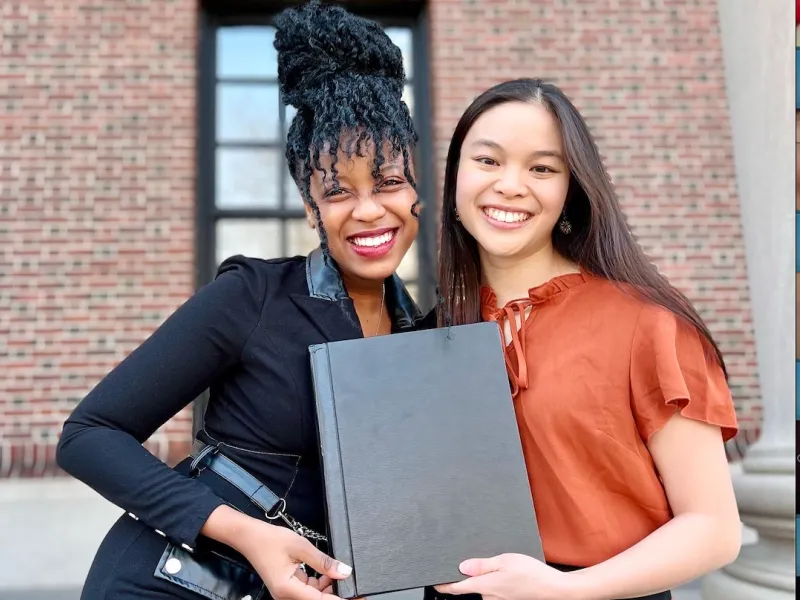 My First Harvard Yale Game
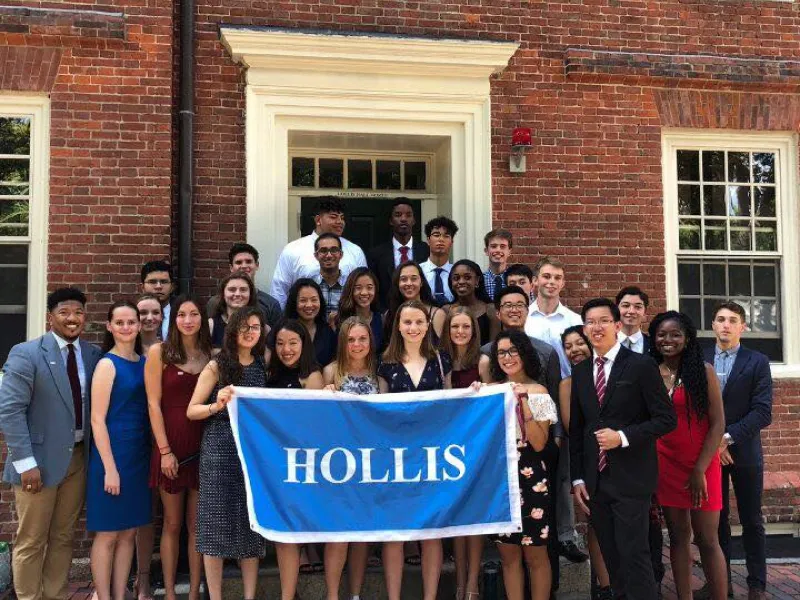
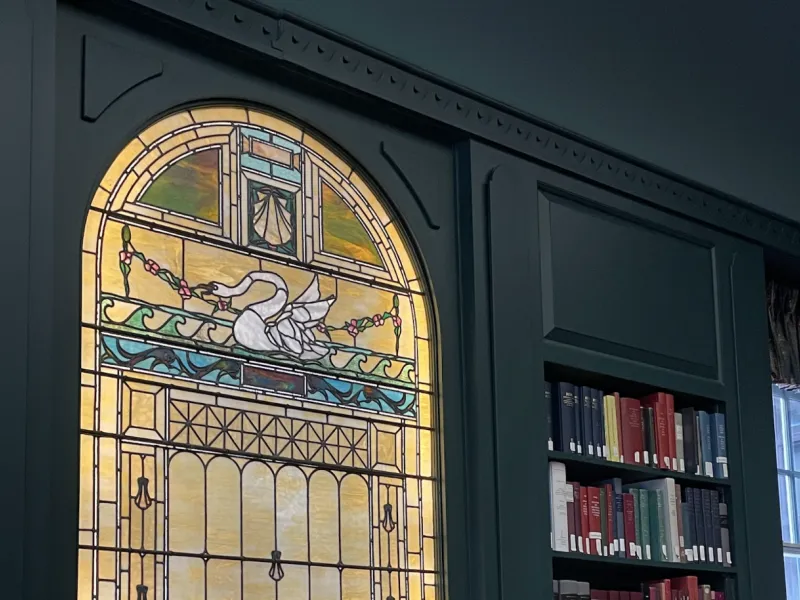 Where I love to study no matter what I’m concentrating in!

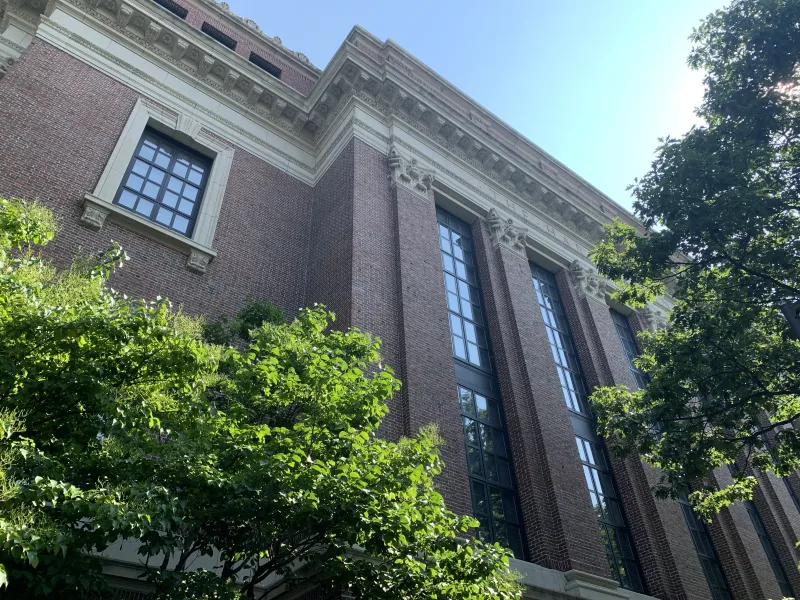
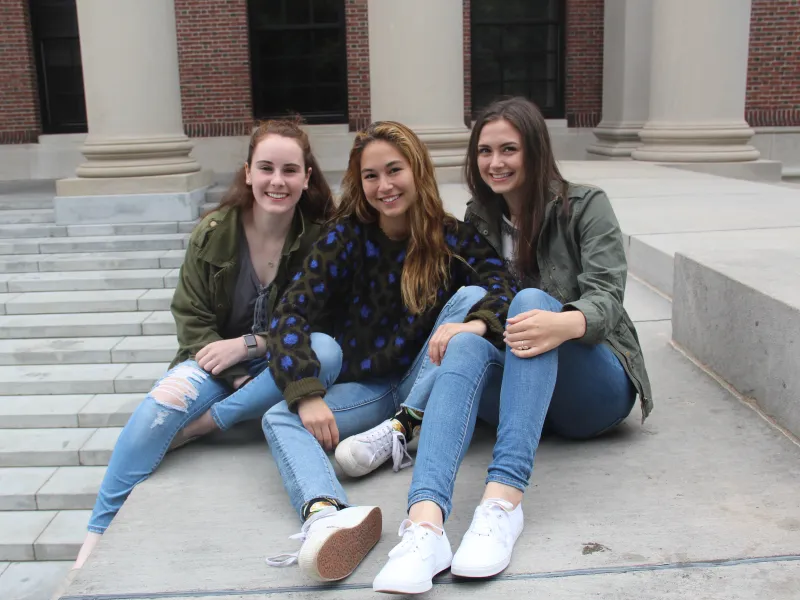 Sitting in front of Widener with my first friends at Harvard in fall 2018. None of us could have predicted that we would end up taking a leave of absence together two years later.

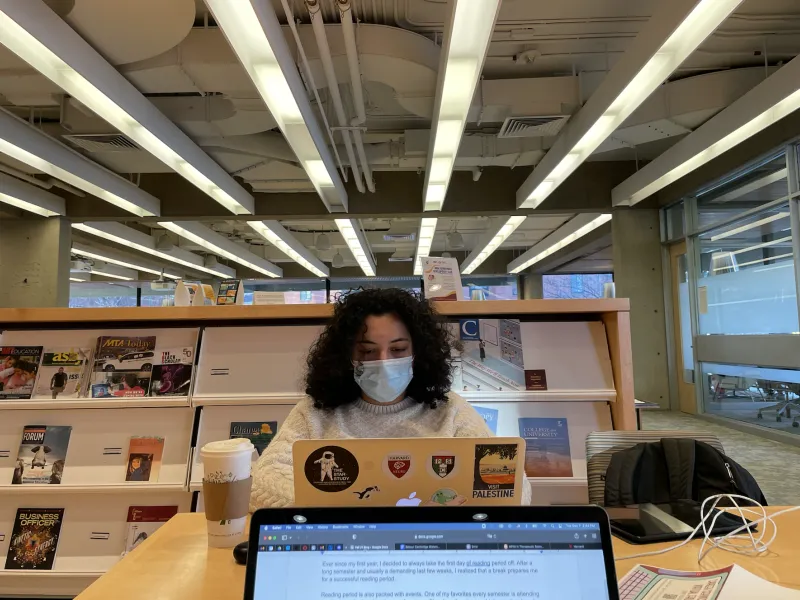
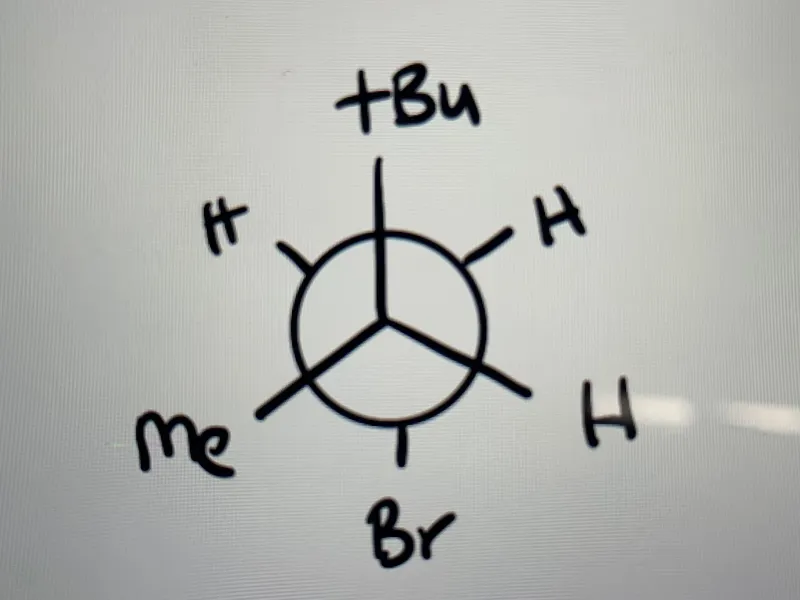
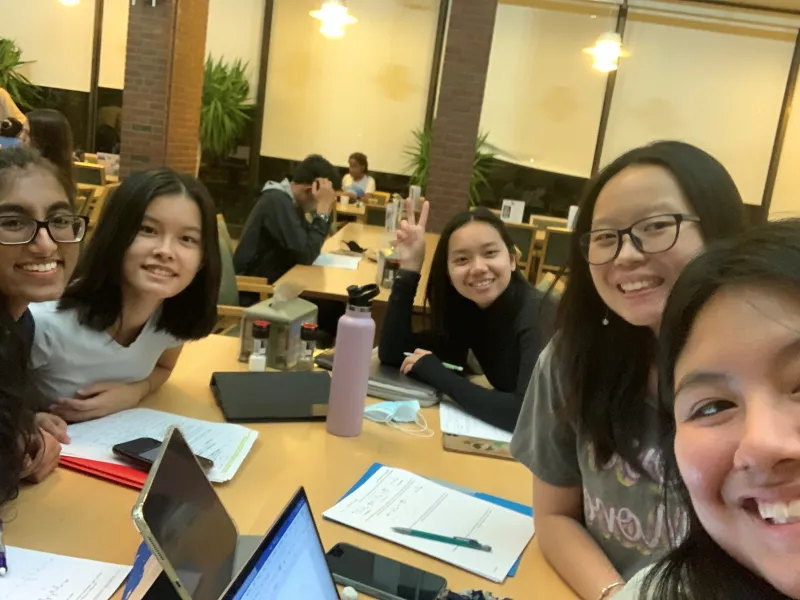
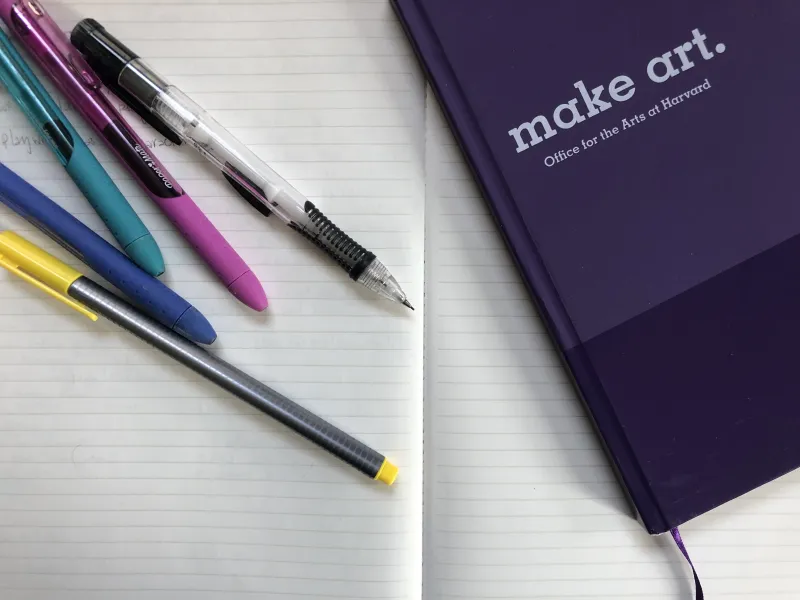
 These research materials and I have been attached all summer.
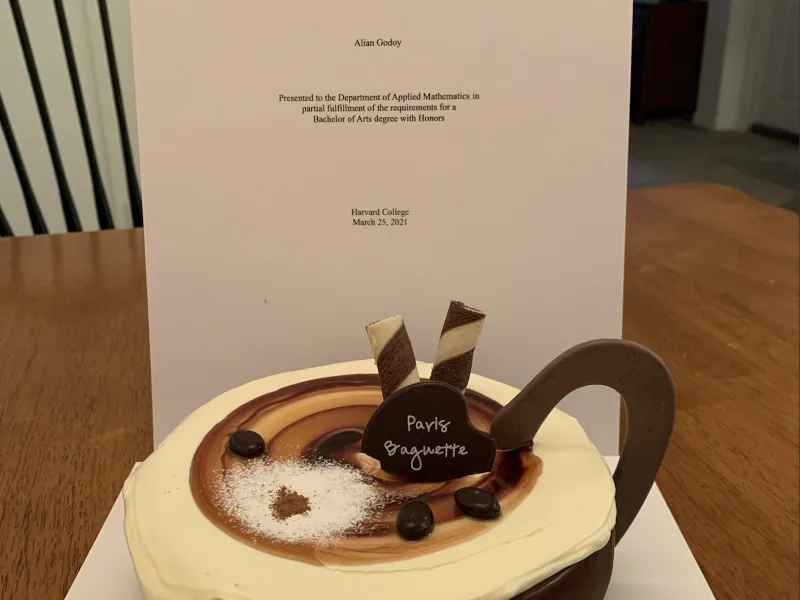 Cake from Paris Baguette & my Thesis Title Page
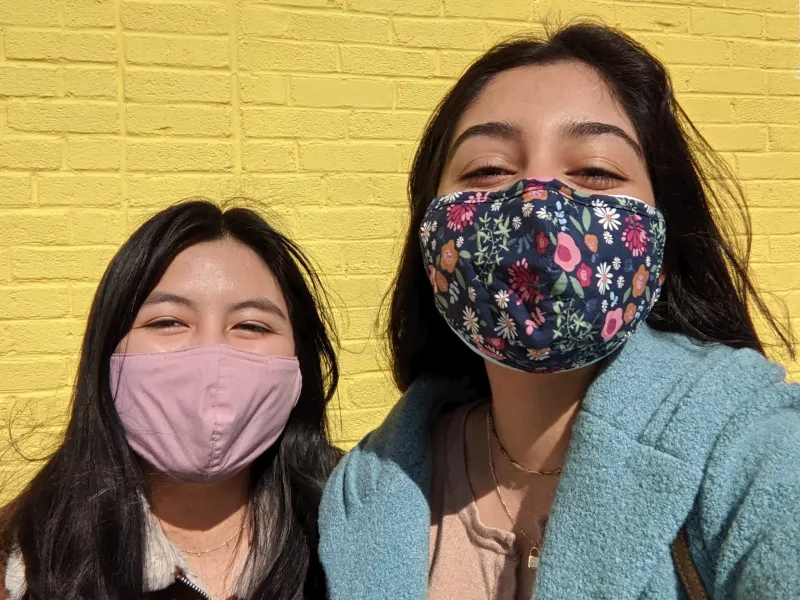
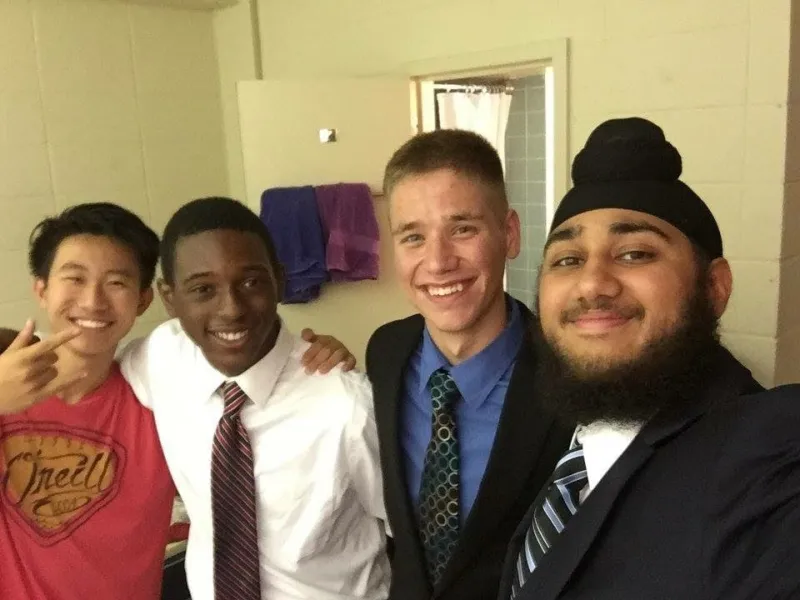 Here's Harpreet and I with our best friends back in high school!
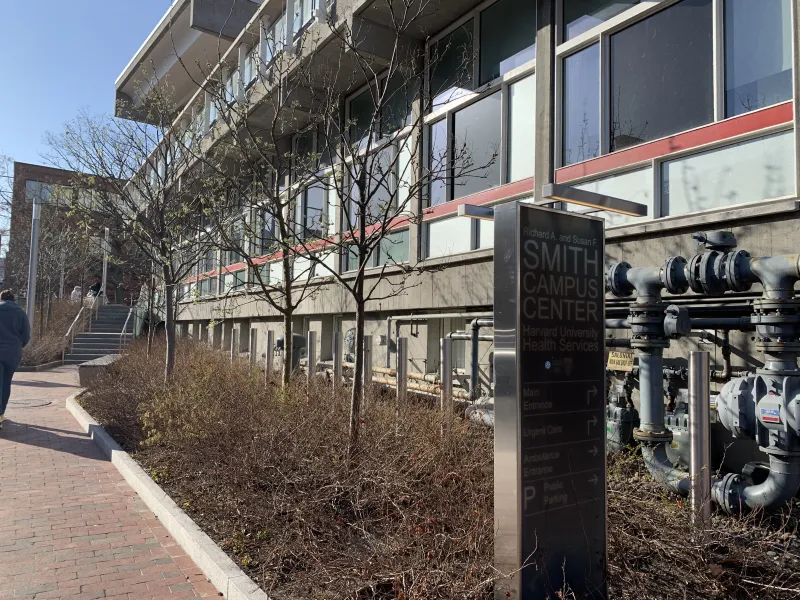 Mt. Auburn Street Side of Harvard University Health Services/Smith Center

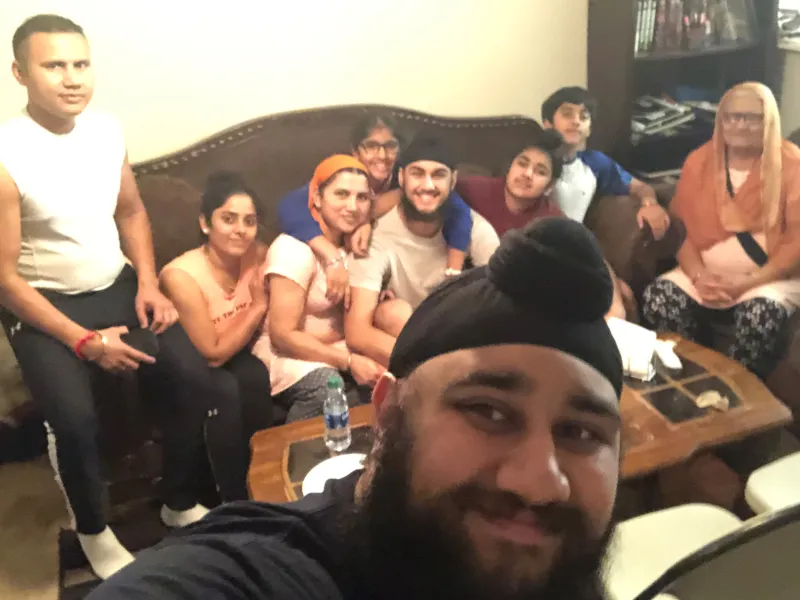 Here is a picture of my family, including my mom, brothers, grandma, uncle and aunt, and cousins.
 trips into Boston are worth it!
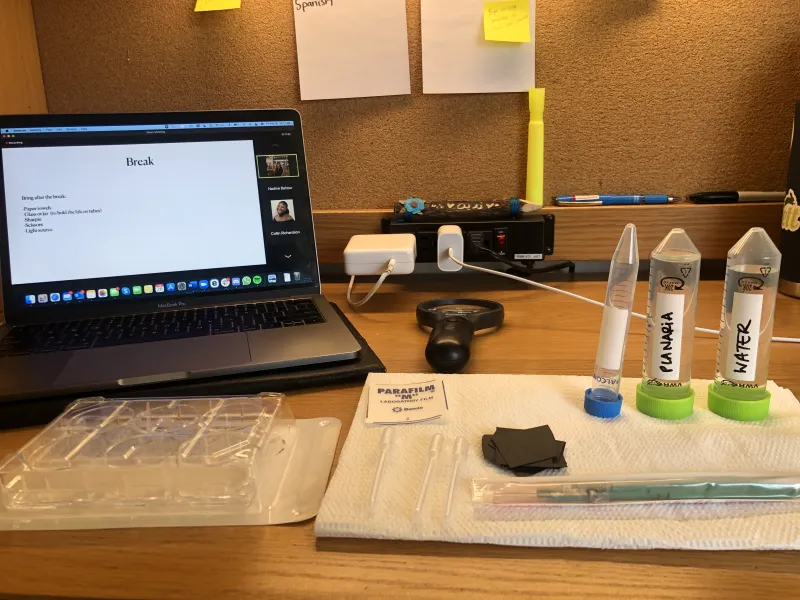 I transformed my desk to a workstation to dissect the worms for my lab.
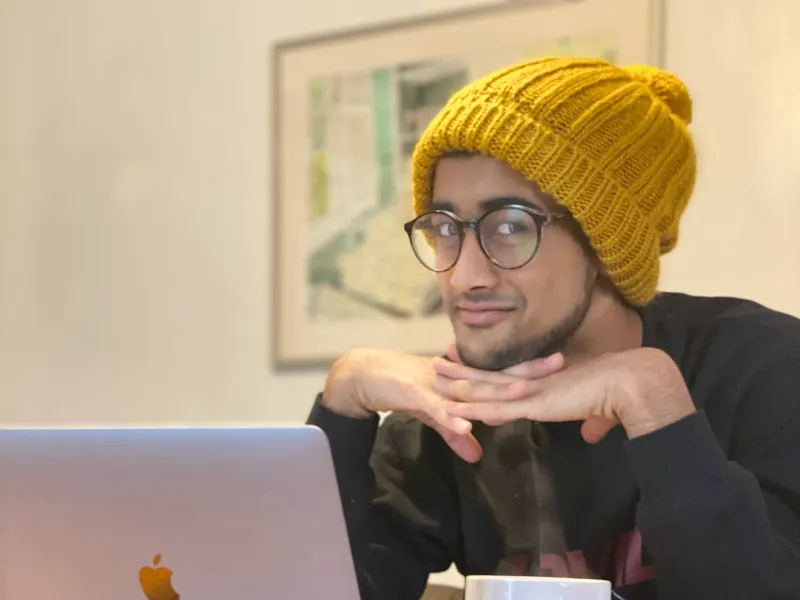 Studying on a cold day with some coffee.
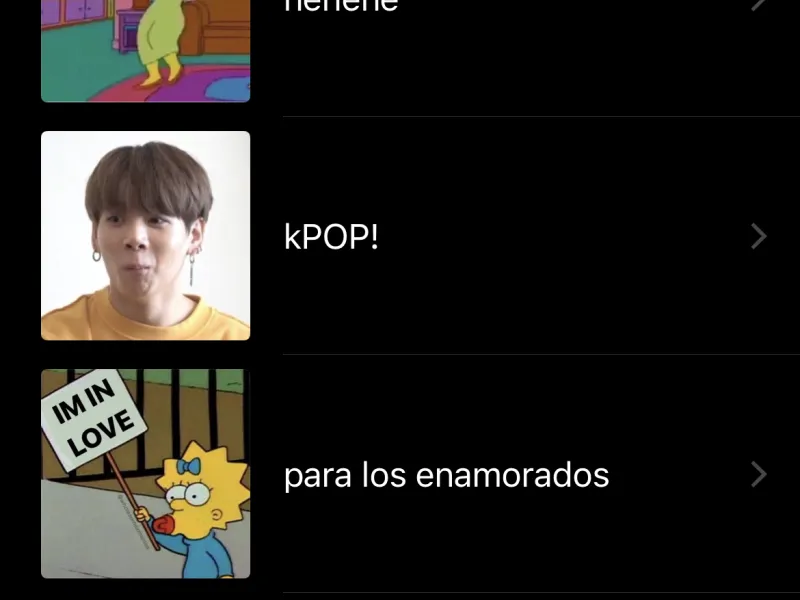 I have very specific playlists for every mood.
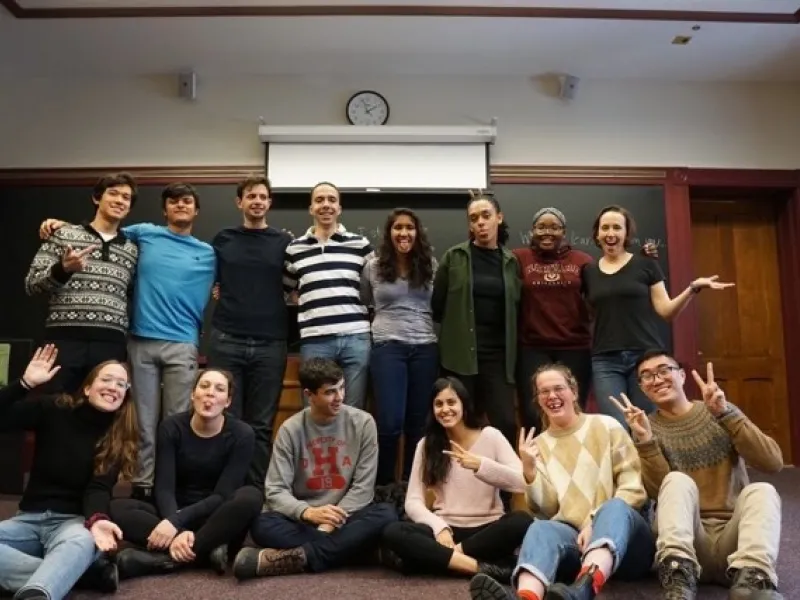
 Here is the full cast (and some of our crew) for the Hyperion Shakespeare Company's production of Macbeth!
 Walking to Class
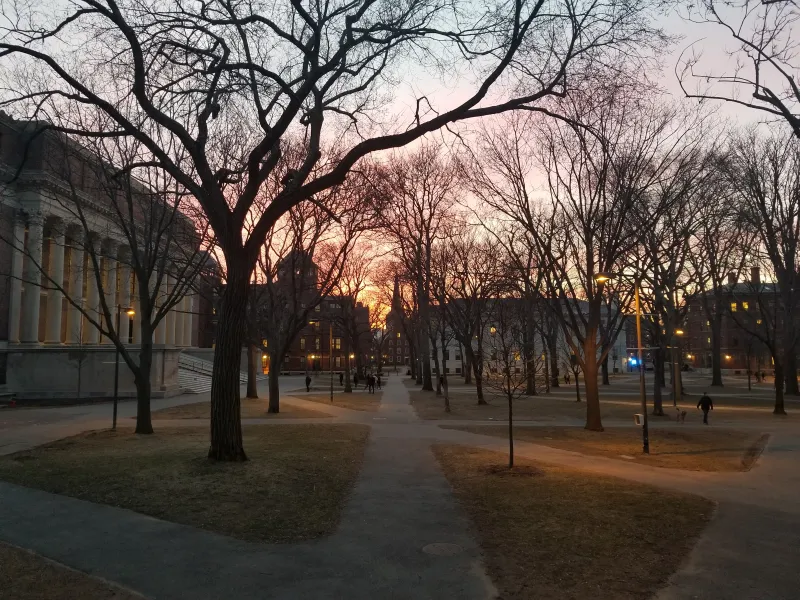

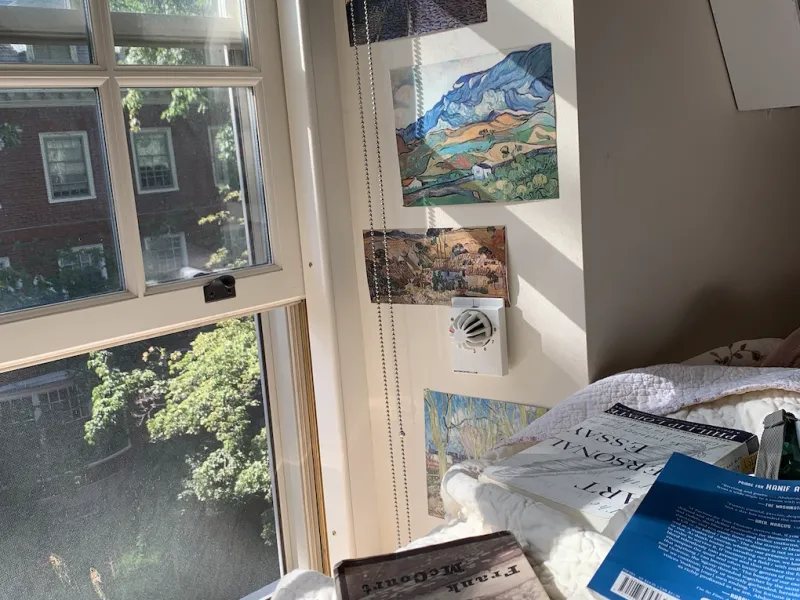 I miss doing reading for my English and creative writing classes on my Winthrop House dorm room!

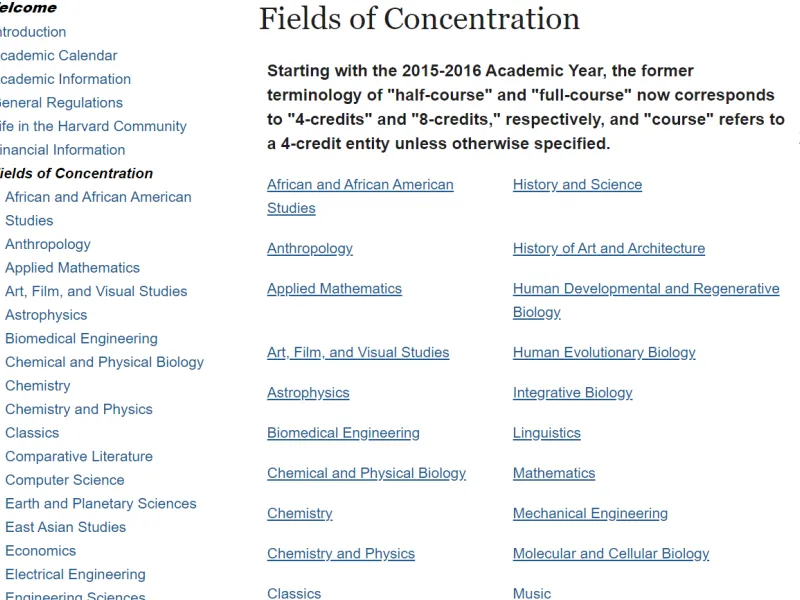 A list of just some of the possible concentrations offered at Harvard
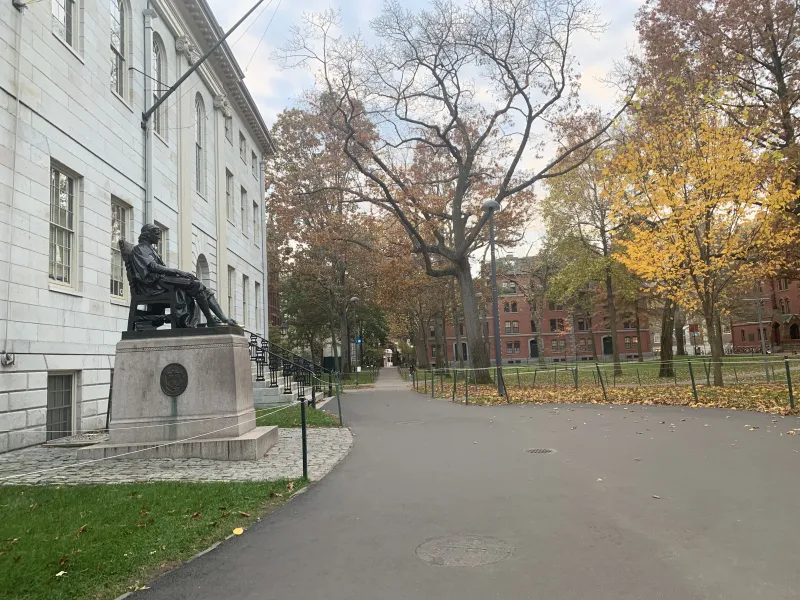
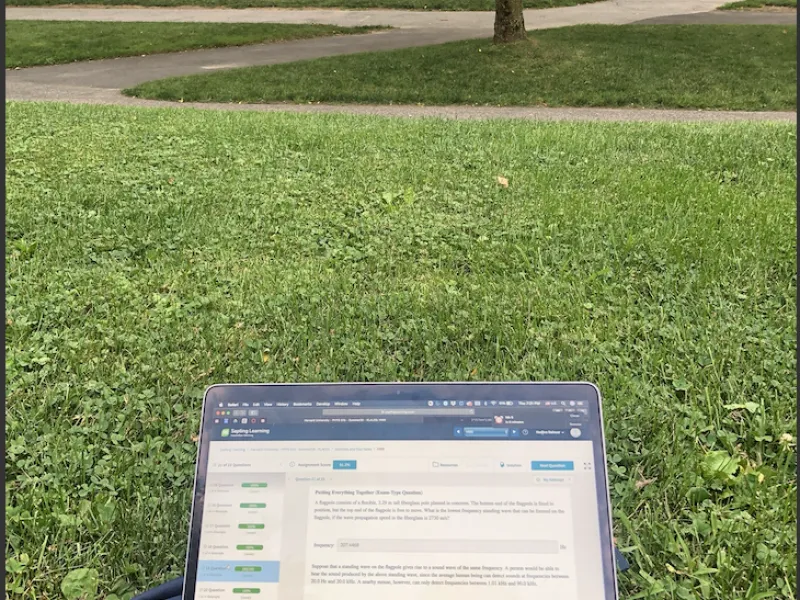 A snap of an empty Tercentenary theater as I worked on my homework
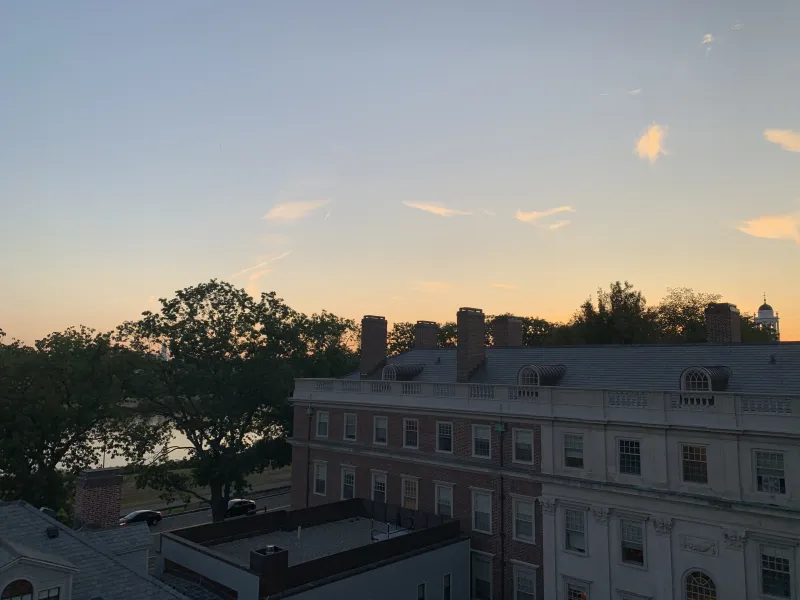 My friends and I love hanging out in the roof-top common room in Winthrop House!
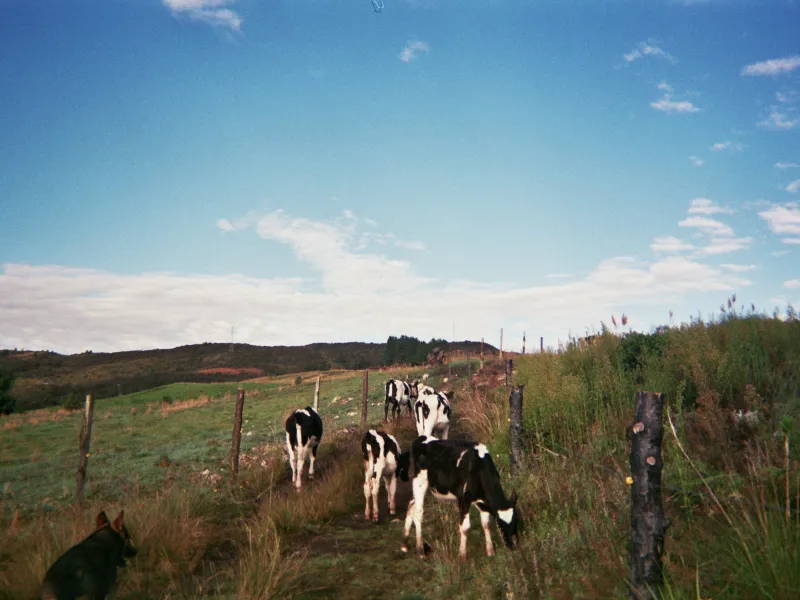 I took this photo of my grandpa's cows on a film camera during one of my visits! The view was absolutely breathtaking.
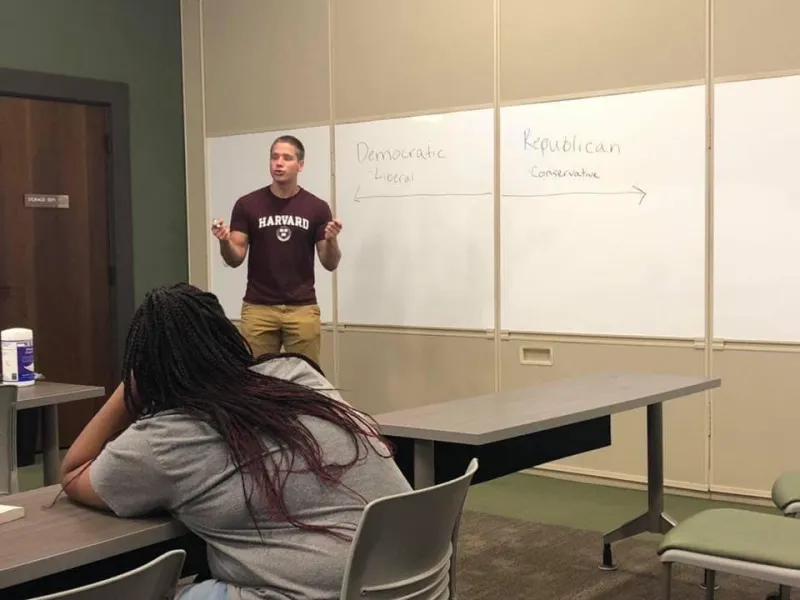 Here I am teaching a government class from last summer!
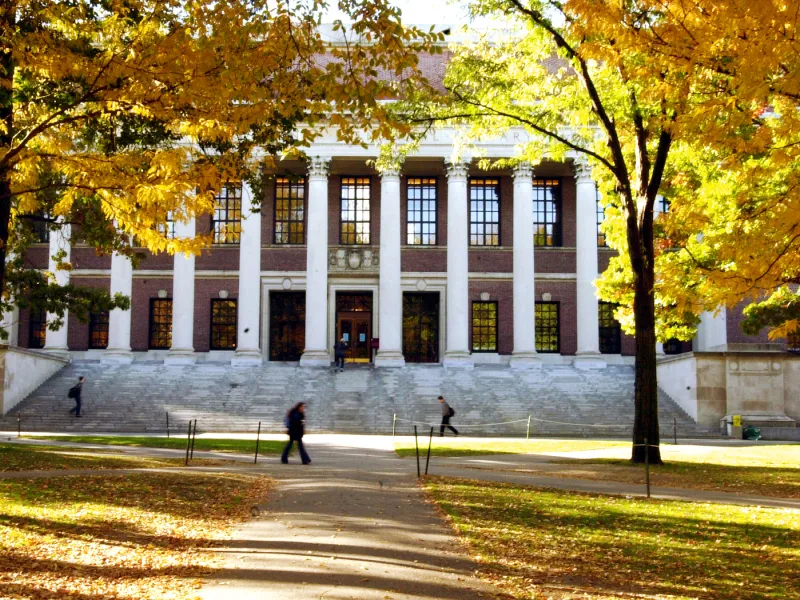
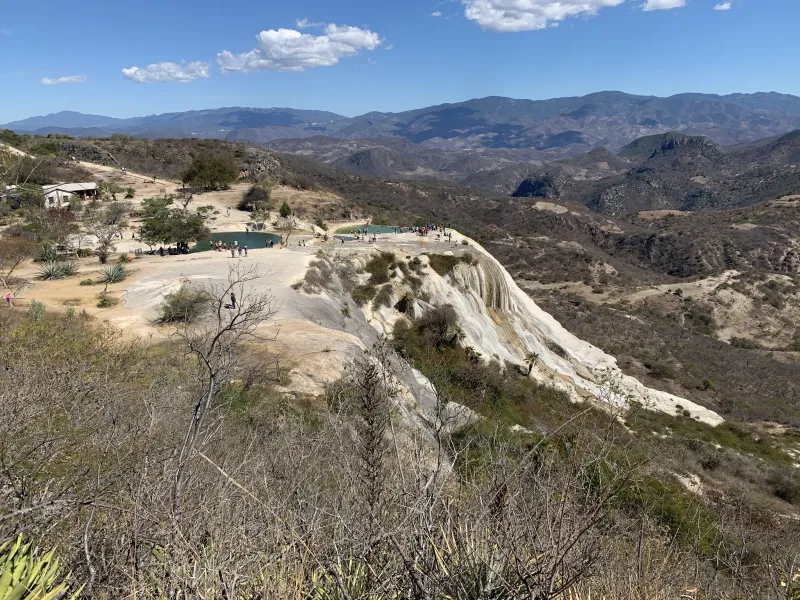
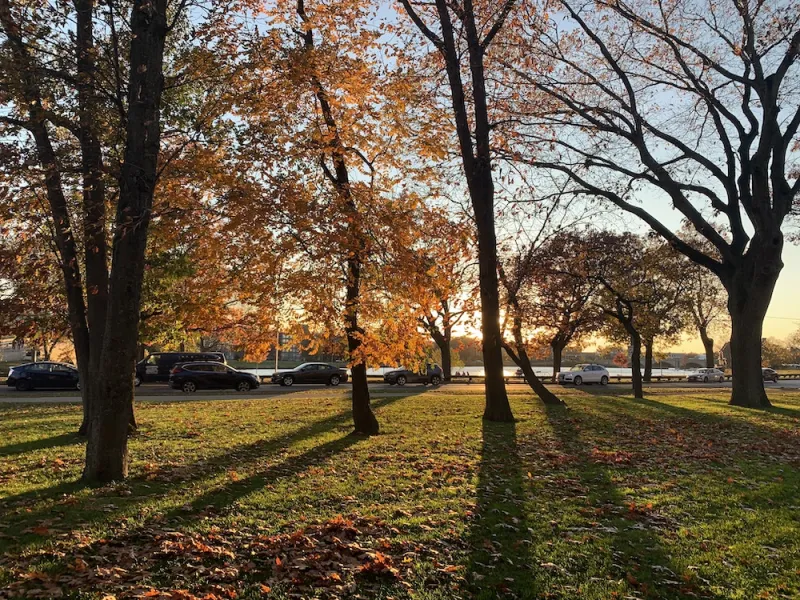 The view of the Charles River from Leveret House, which is right next to Winthrop House!
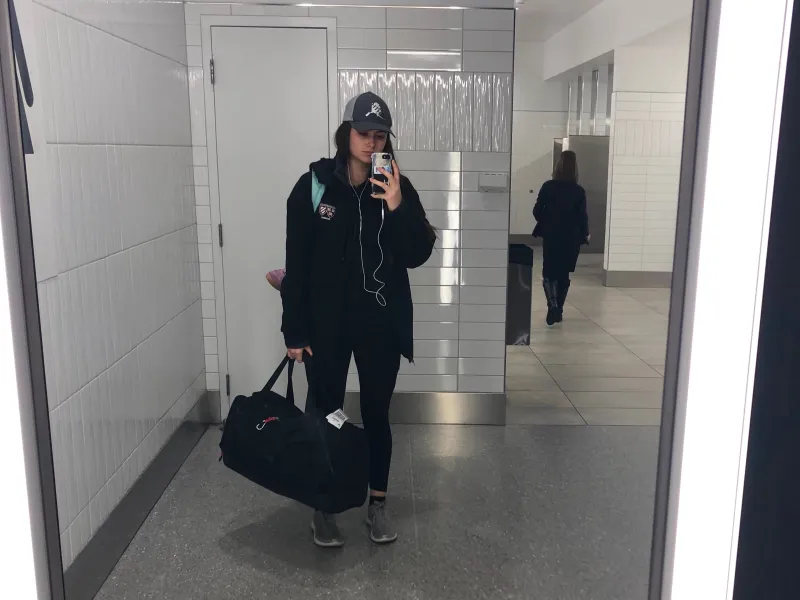 Selfie in the Seattle Airport.
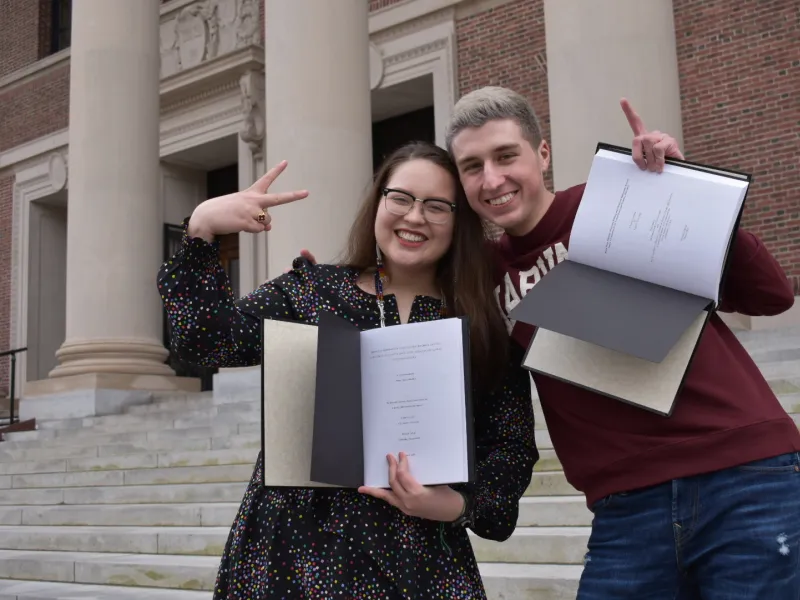
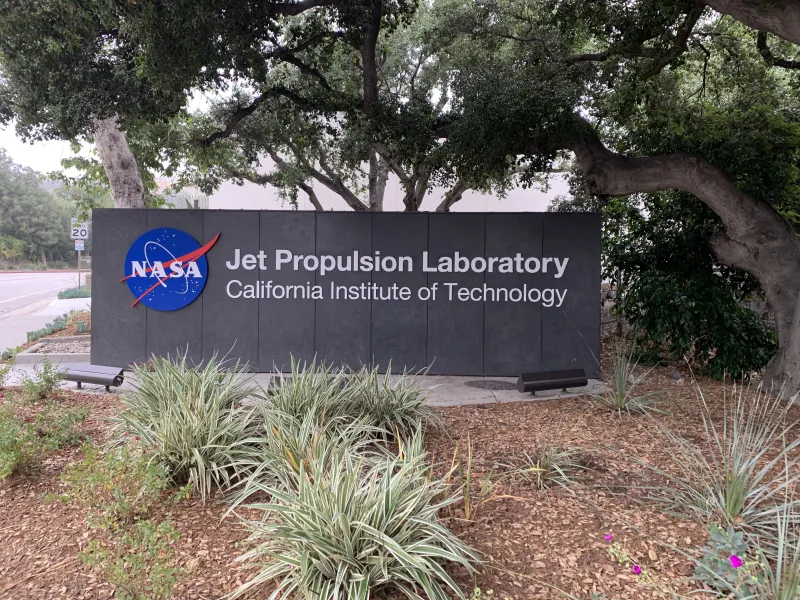
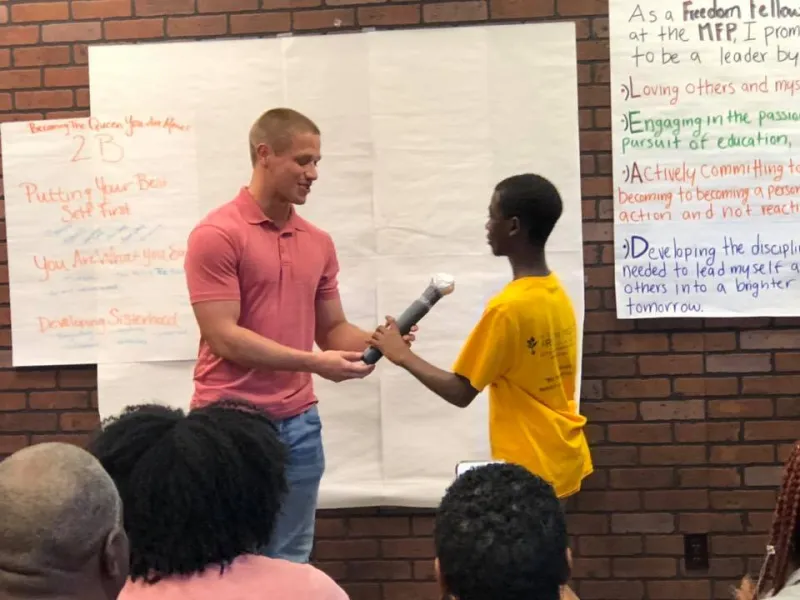 Me giving out homemade awards to my MFP students!
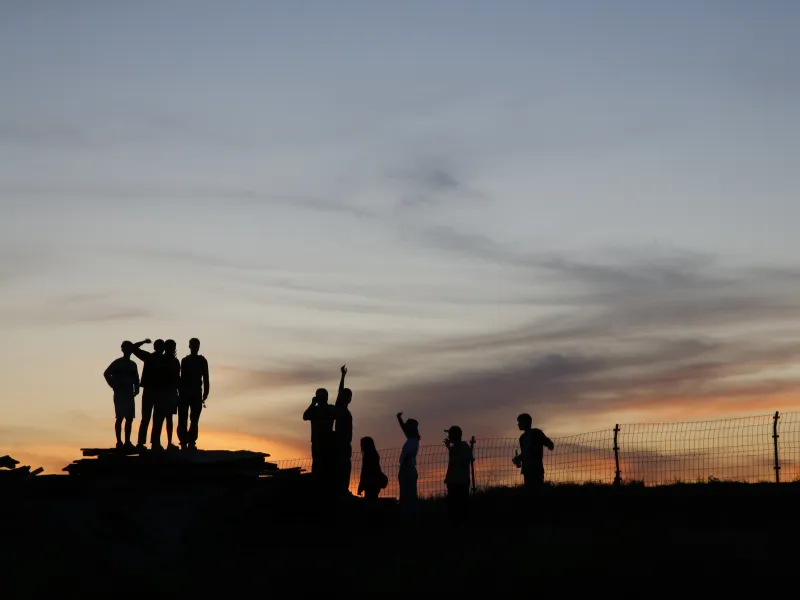
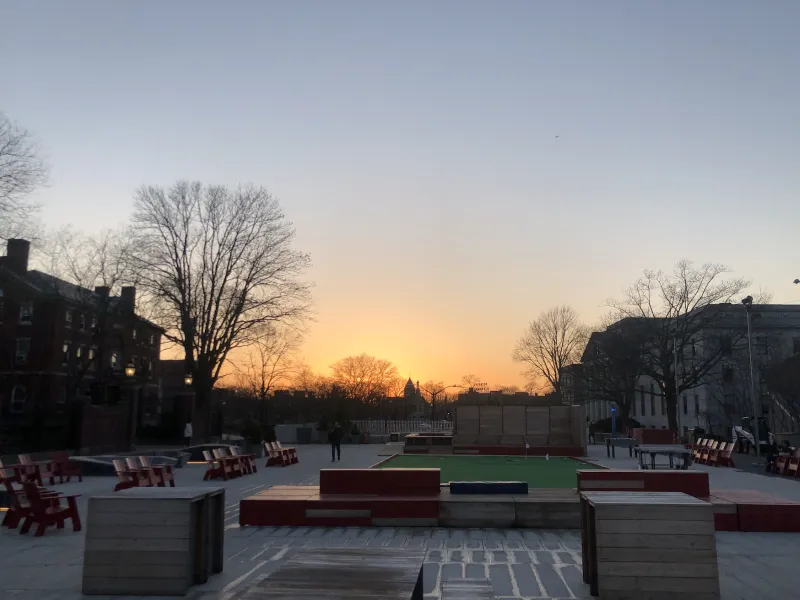
 A photo of me and friends in front of the Carpenter Center my freshman year
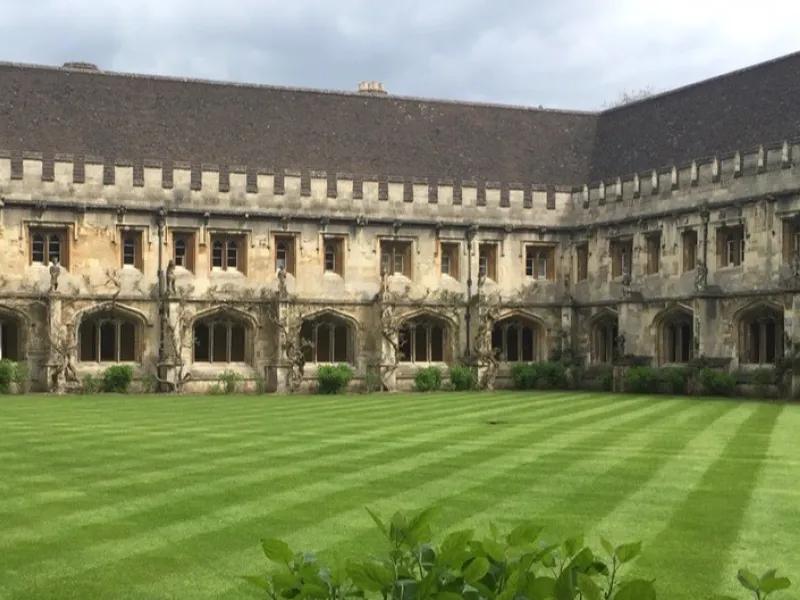
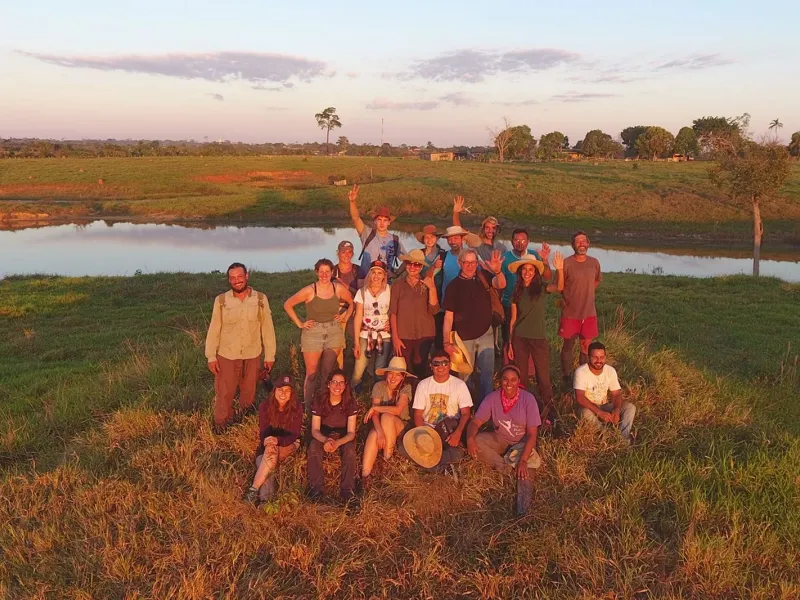 My field team in Bazil.
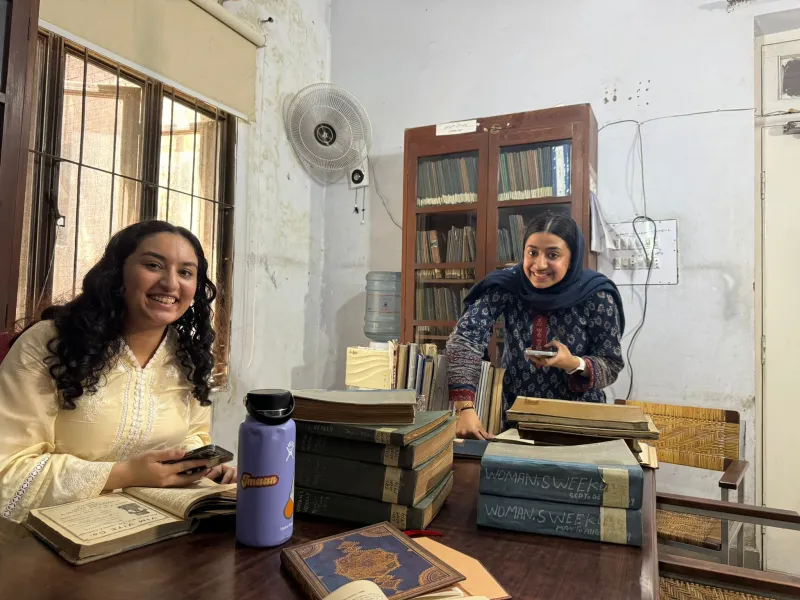
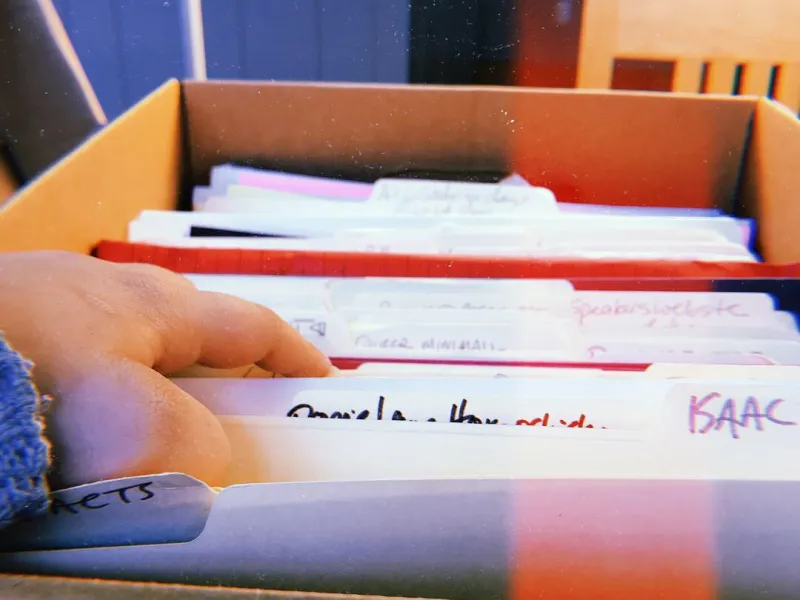 I spent A LOT of days in the archives
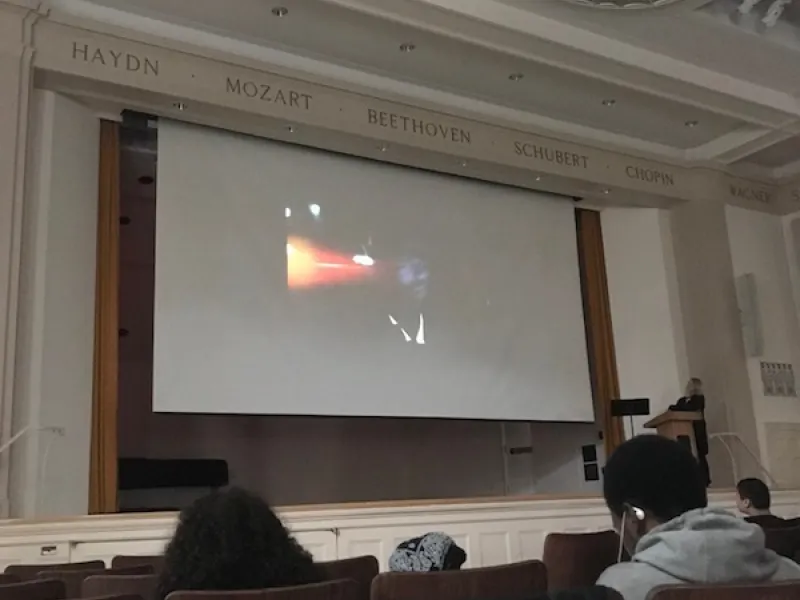 Watching a music video in class during a lecture about "Consuming Black Culture"
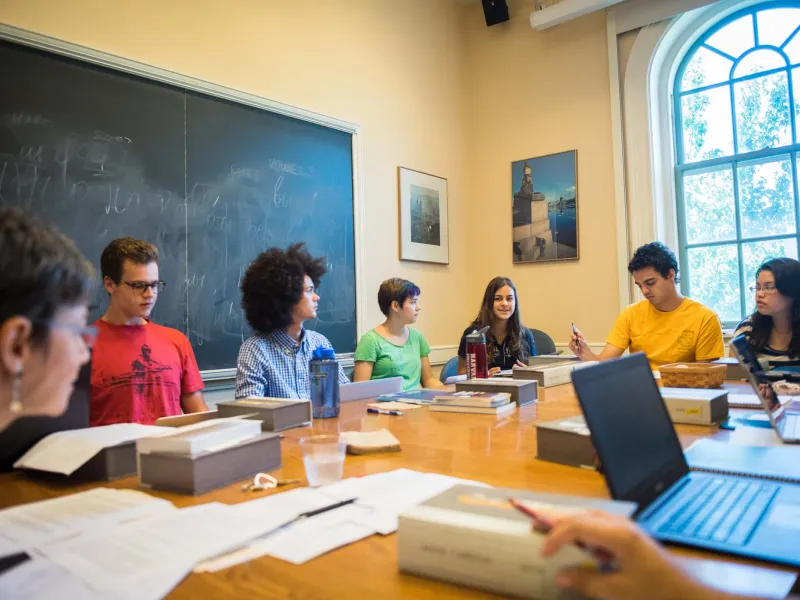
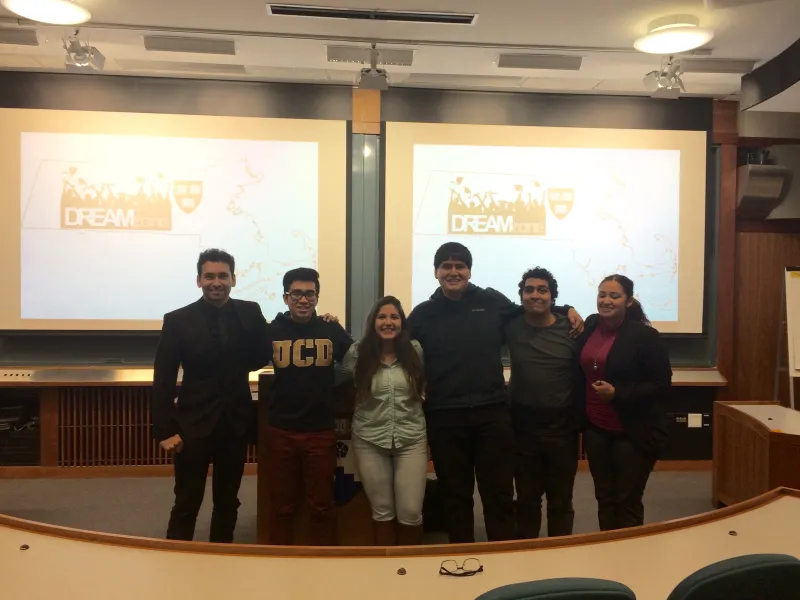 A photo of me and my classmates during a group presentation!
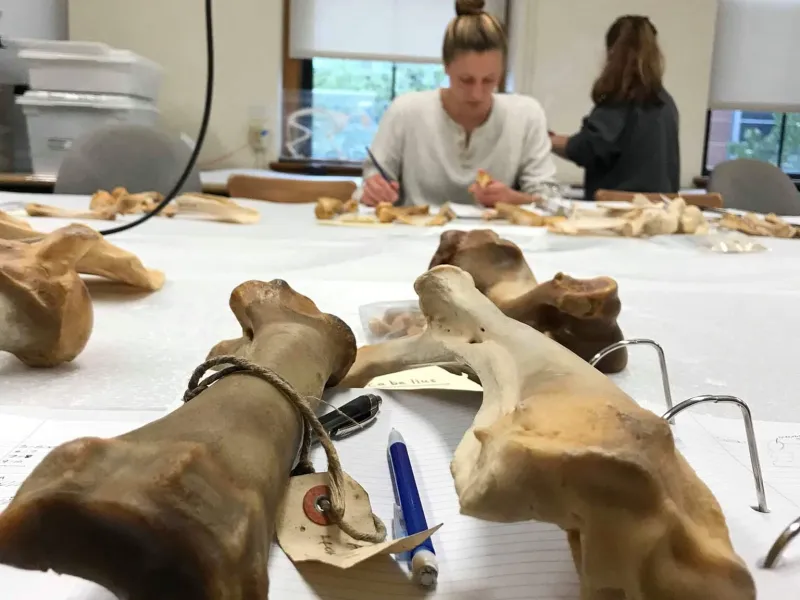 My friend Mathilde in our Osteoarchaeology class
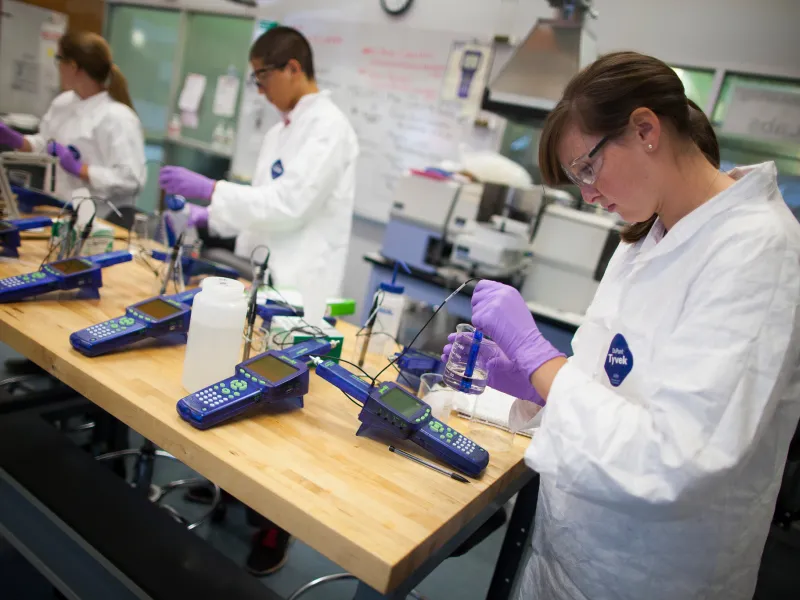
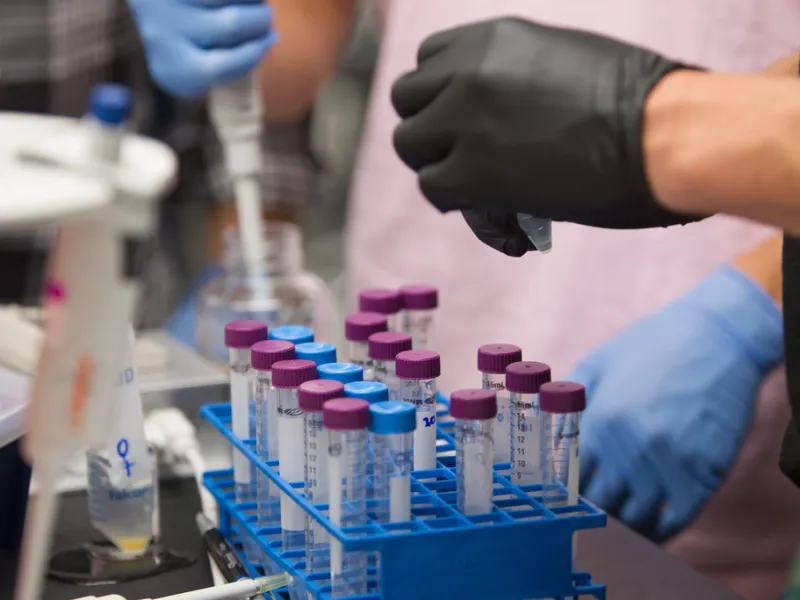 Test tubes in a laboratory