
In September, I accompanied Professor Elsie Sunderland and 16 students to Waquoit Bay National Estuarine Research Reserve as part of a field trip for a class about local pollution issues. We drove for a little over two hours from the Earth & Planetary Sciences department to the Bay which stretches over 825 acres on the south shore of Cape Cod and is the source of an abundance of scientific research.
This was my second trip to Waquoit Bay; my first was as an undergraduate when I took this same course with Prof. Sunderland. On this day, it was sunny and warm—the perfect weather for going out on a boat!
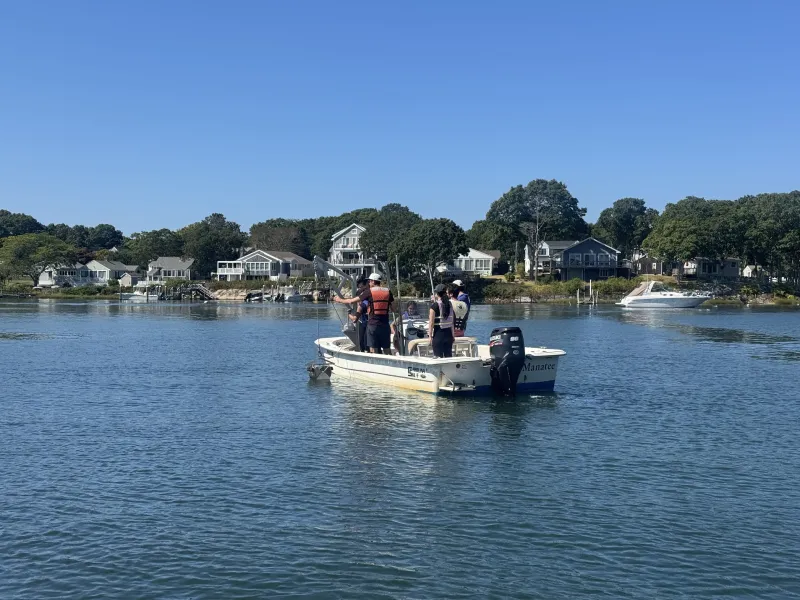
Students on a research boat with a researcher from Waquoit Bay National Estuarine Research Reserve.
E-PSCI/ESE 169 is a field- and lab-based class that allows students to conduct research at Cape Cod to understand how fishermen and the local community may be affected by issues like mercury pollution. Waquoit Bay is a popular fishing site, making it crucial to know whether the fish being caught and eaten are contaminated. Research has shown that mercury poisoning has a variety of negative health effects.
While my peers and I were excited to take the course because of its lack of exams, I now find that this class greatly shaped the way that I think about research today. What issues are affecting our local communities? How can we address them? What kinds of data do we need to answer those questions? These were all questions that we had to consider in developing our research project.
A key aspect of the field trip was learning about the science being done at Waquoit Bay from researchers at the Reserve. Dr. Megan Tyrrell and Theo Collins from Waquoit Bay and Dr. John Logan from the U.S. Geological Survey have been recurring guest speakers for the class for the past few years. They talked about the kinds of data collected from the Bay, the instruments used to make the measurements, and the different ways that the data can be analyzed to answer key questions about climate, biology, and pollution. Once out on the research boats, they guided the students in using a plankton net, a ponar grab to collect sand, and a secchi disk to measure the water’s turbidity. They identified the birds that glided over the water as well as the mollusks pulled up from the bottom of the Bay. Their deep knowledge and understanding of this diverse ecosystem is incredible.
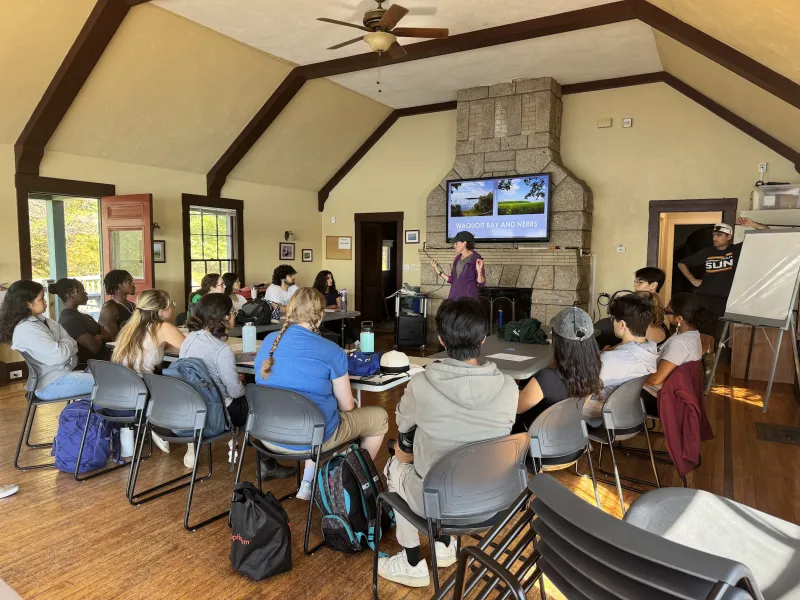
Dr. Megan Tyrell introducing students to Waquoit Bay.
Before taking Prof. Sunderland’s class, most of the research I conducted had been “desk research.” I had worked on some modeling and data analysis projects which required me to become best friends with RStudio and Jupyter Notebooks. However, my forays into lab and field work were minimal (except for three days of field work that I conducted in Northern California one summer, the extent of which was digging about a dozen large holes in the ground; yes, I felt like Shia LaBeouf).
At the Cape, we used a seine to bring dozens of fish to the shore. We splashed around in the shallow water and tried not to let the wriggling fish slip out of our grasp before we could collect them to later sample their mercury content. It was messy work but holding the fish we would research made me feel emotionally attached to our research project. I left the field trip wet, sandy, and a little fishy. I had learned a lot about not just the methodologies for conducting this type of field research but also about the necessary mindset. Field research requires patience, creativity, and a readiness to meet any challenge that arises.
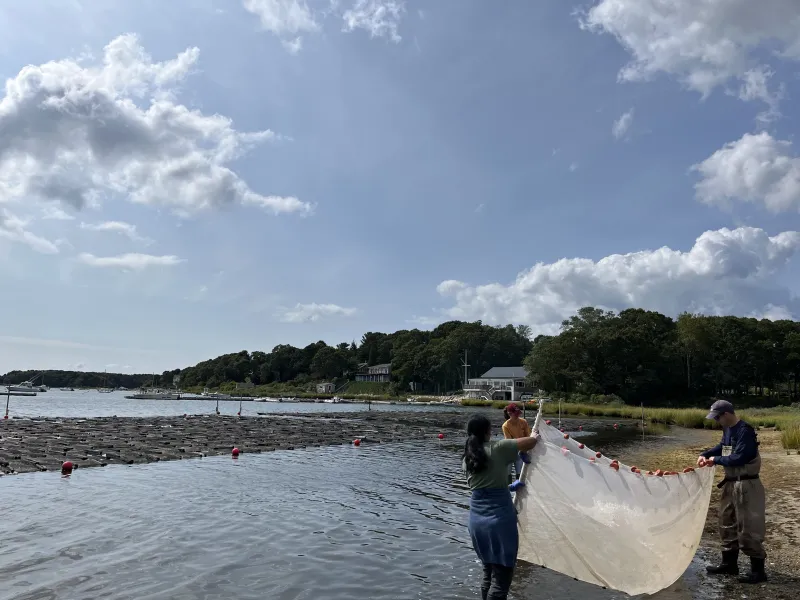
Another student and me using a seine net to bring fish to shore.
These skills will be essential across all fields of science in the coming years. I am incredibly lucky to have been able to participate in the class field trip to Waquoit Bay and learn from the amazing on-site researchers two different times. I hope that future students have the chance to benefit from their expertise and have the chance to learn about conducting research on issues relevant to their local community. Personally, I have found that research grounded in real-world solutions is incredibly rewarding.
If you’re a Harvard student interested in working at Waquoit Bay, consider applying for a Harvard Club of Cape Cod Summer Community Service Fellowship!
 A photo of the Harvard Art Museums
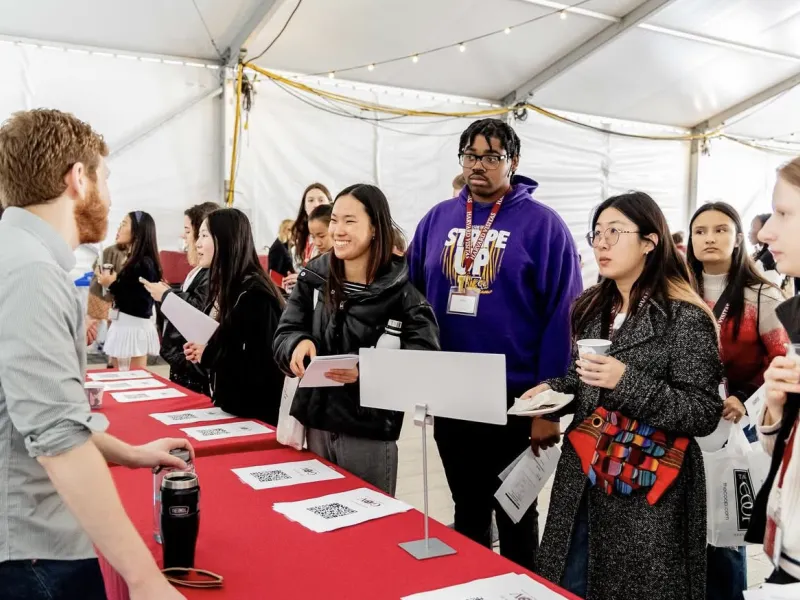 Picture of me and others at the Visitas Concentration Fair in 2024
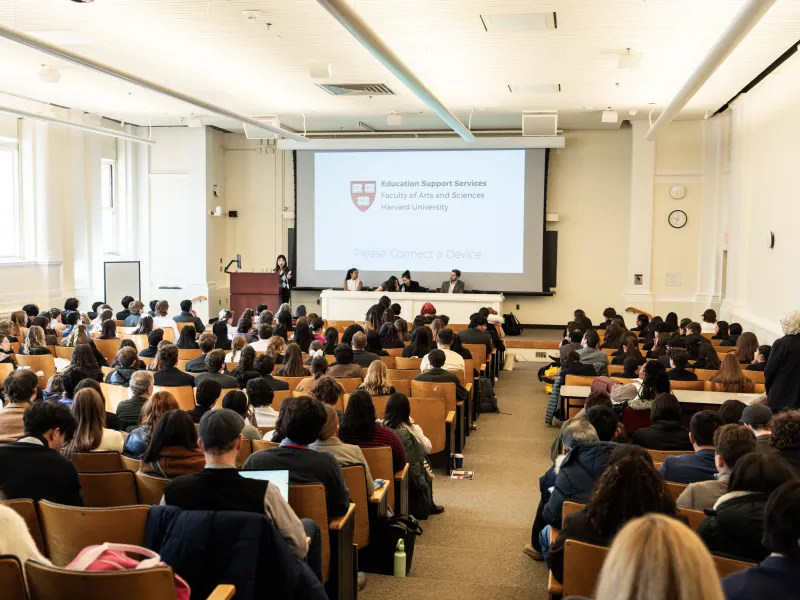 Nearly 200 students across 20+ high schools attended Harvard's first High School Ethics Bowl (HCHSEB)
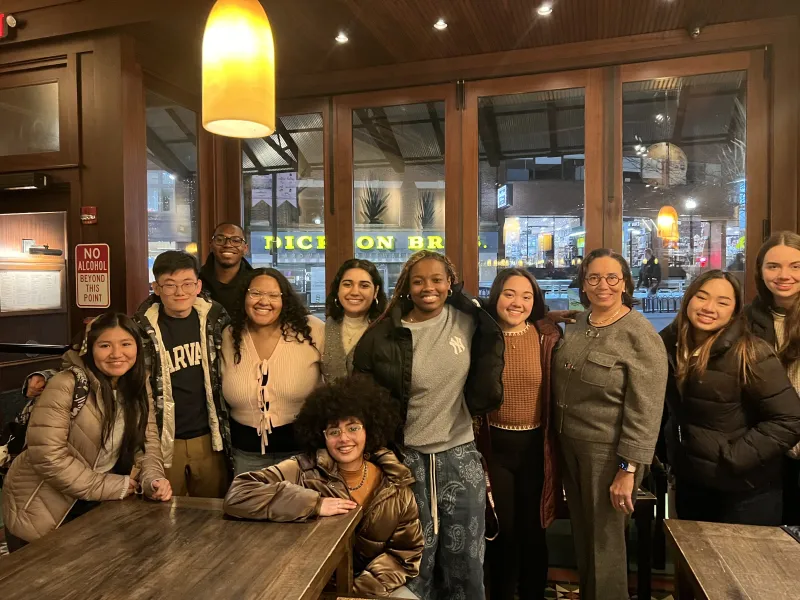
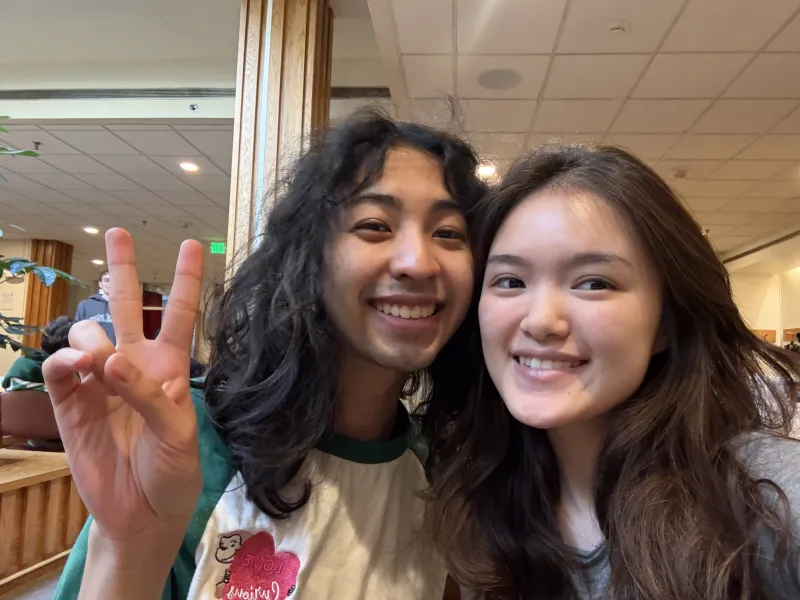 Mollie and Kai during the interview at Currier House!
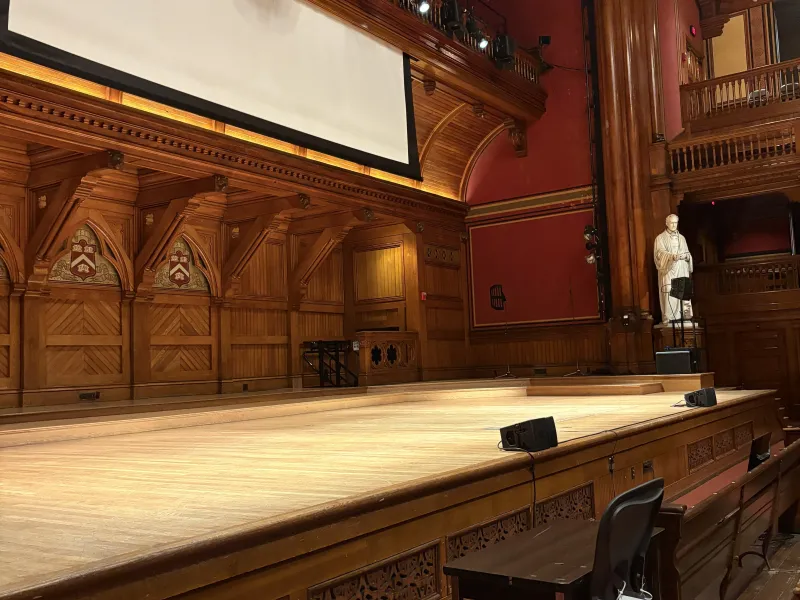
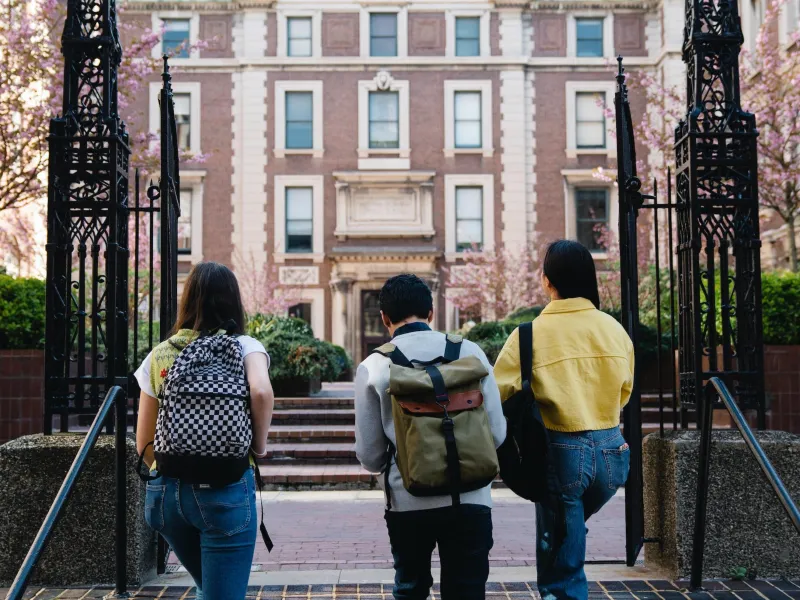 The Barker Center, home to the Harvard College Writing Center
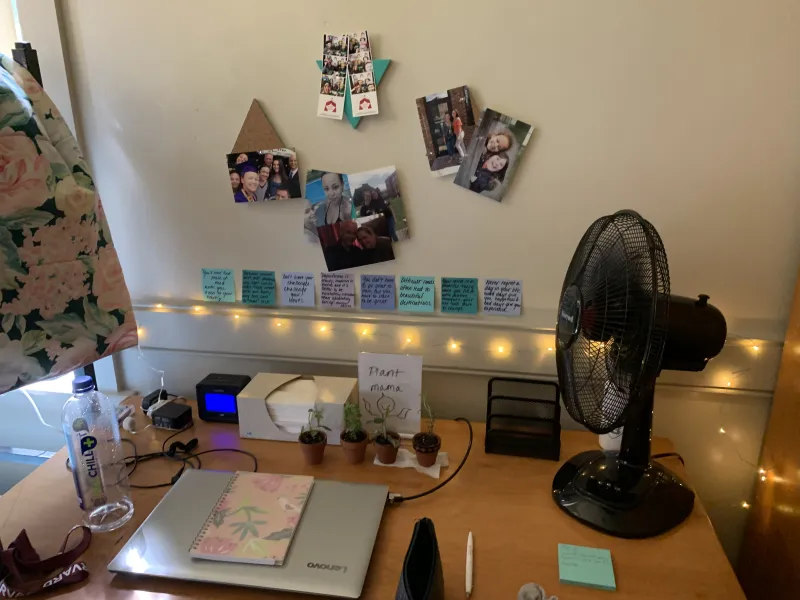
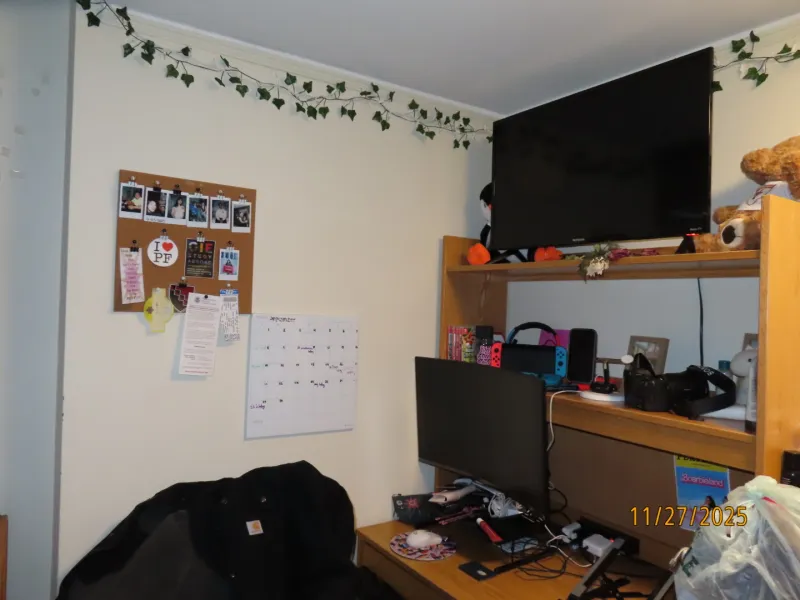 This is my junior year desk where I have my trusty monitor where I did most of my readings. But the TV served as a great medium to watch comfort movies and shows.
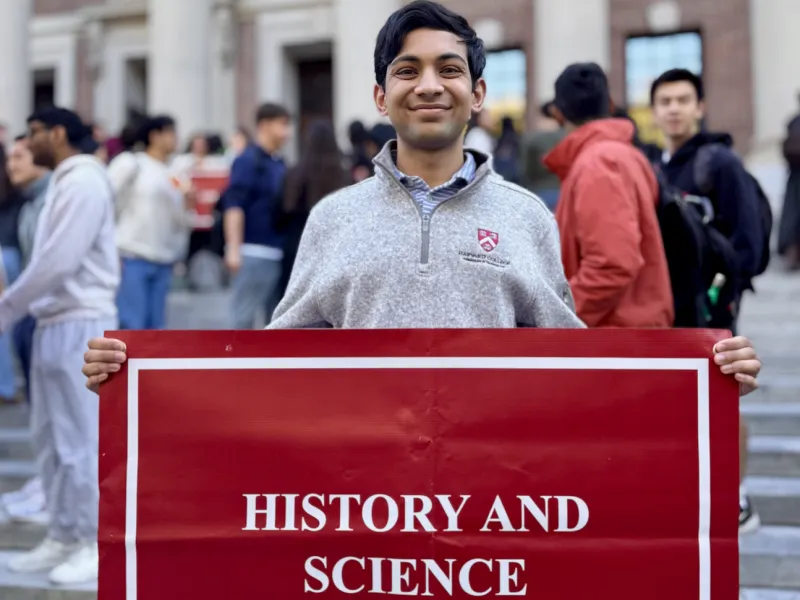 I pose with the sign for History and Science in front of Widener Library
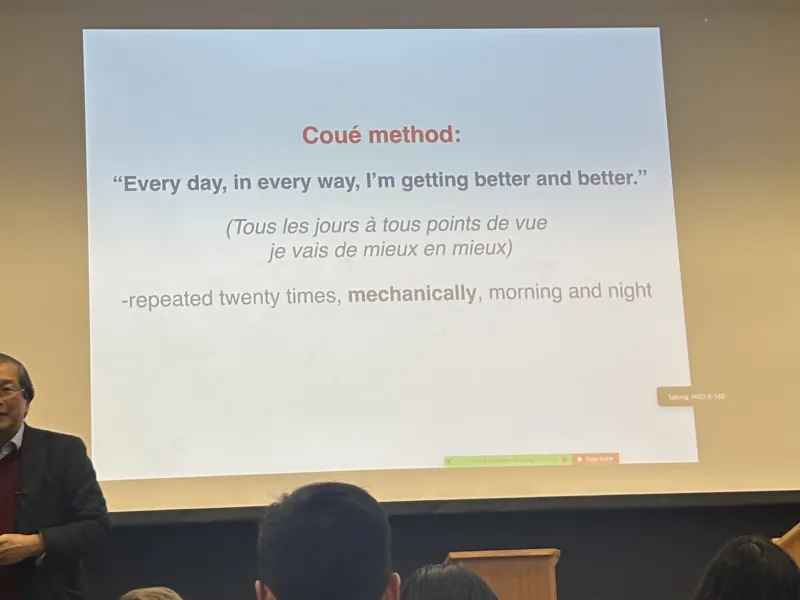
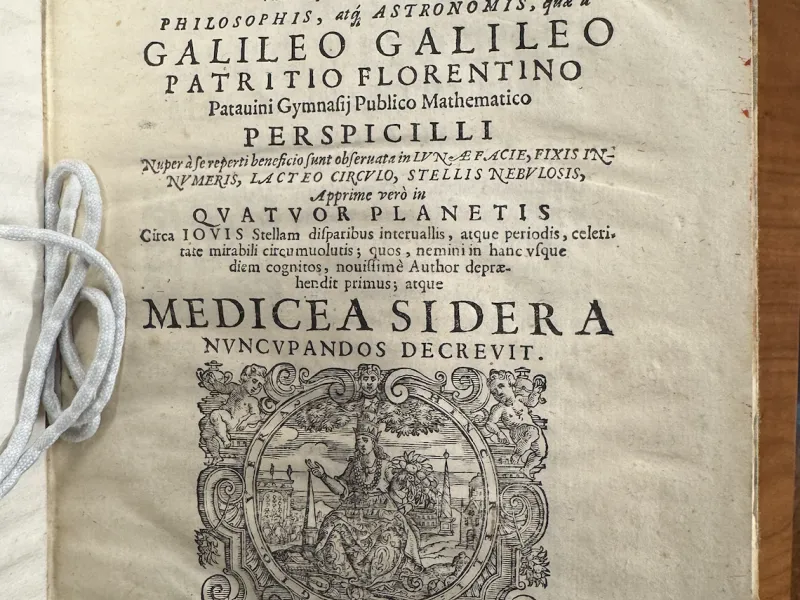 One of Galileo's works in Houghton Library.
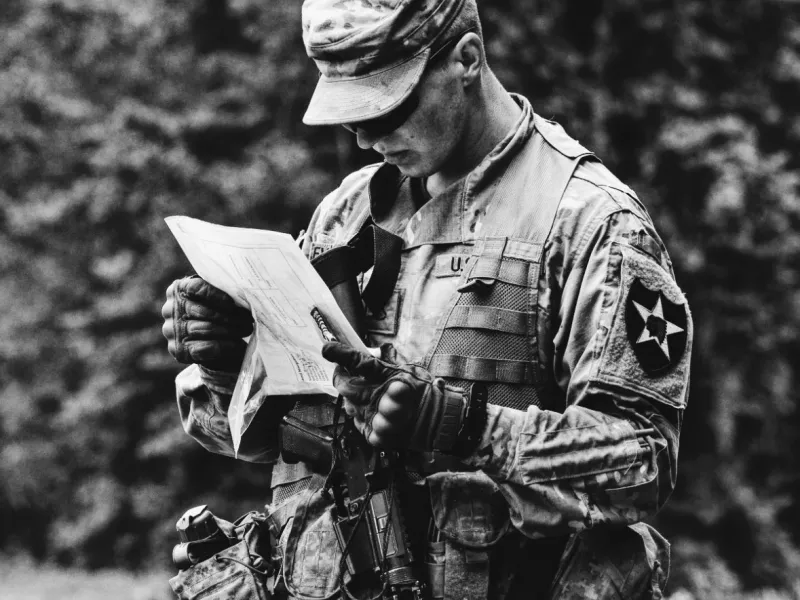
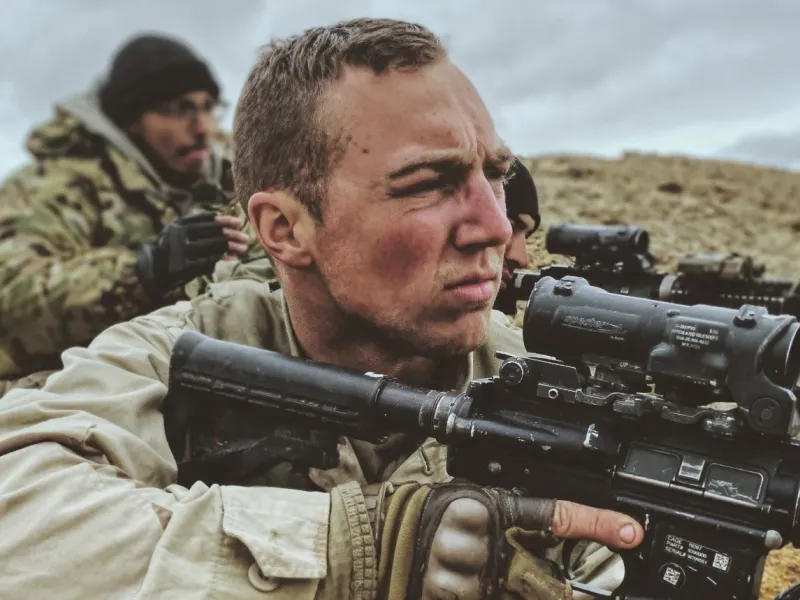
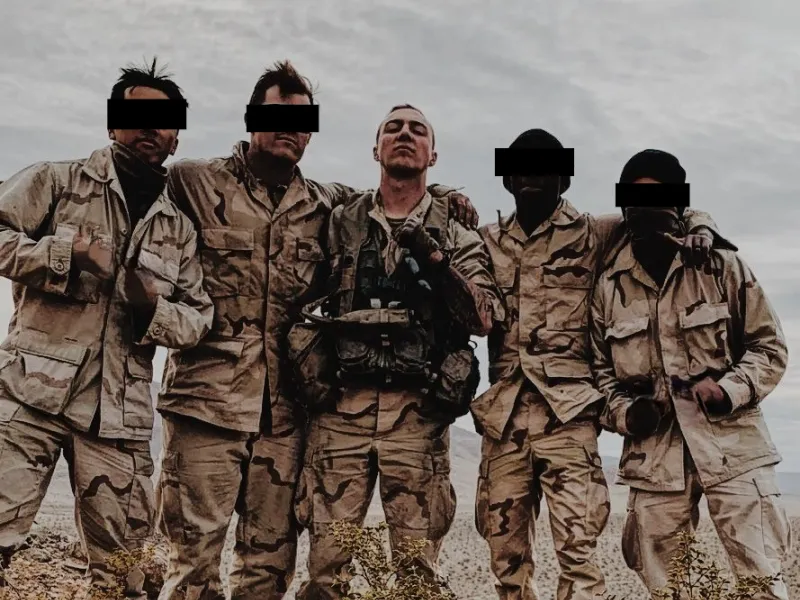 Quinn Ewanchyna '26 stands with platoon members during a training exercise in the Mojave Desert, 2020
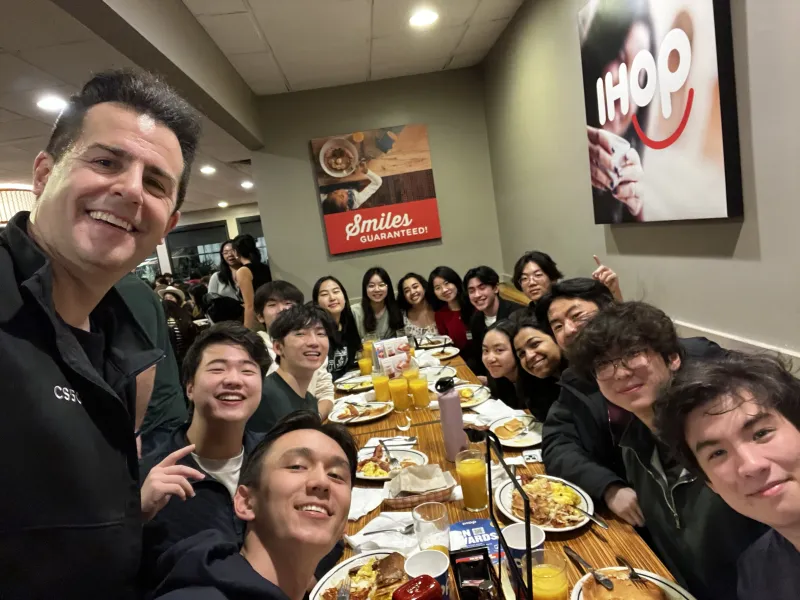 CS50 Hackathon IHOP Breakfas
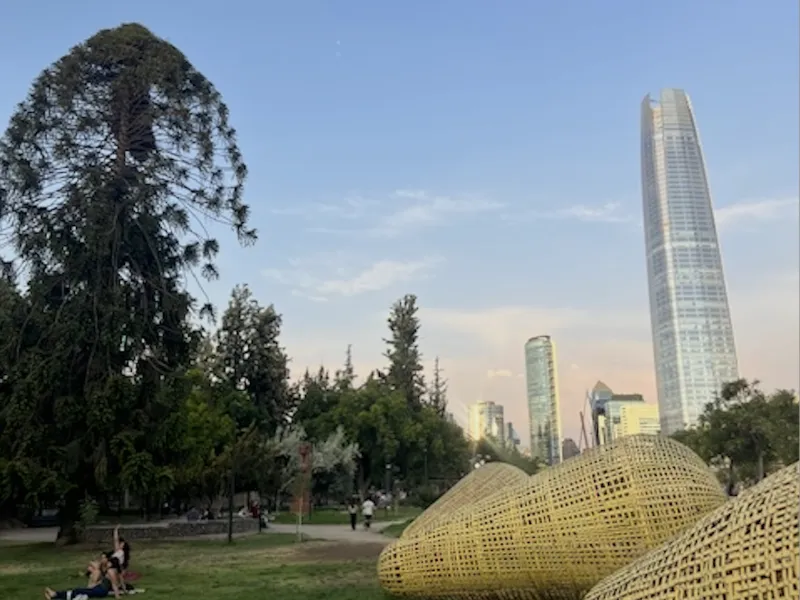
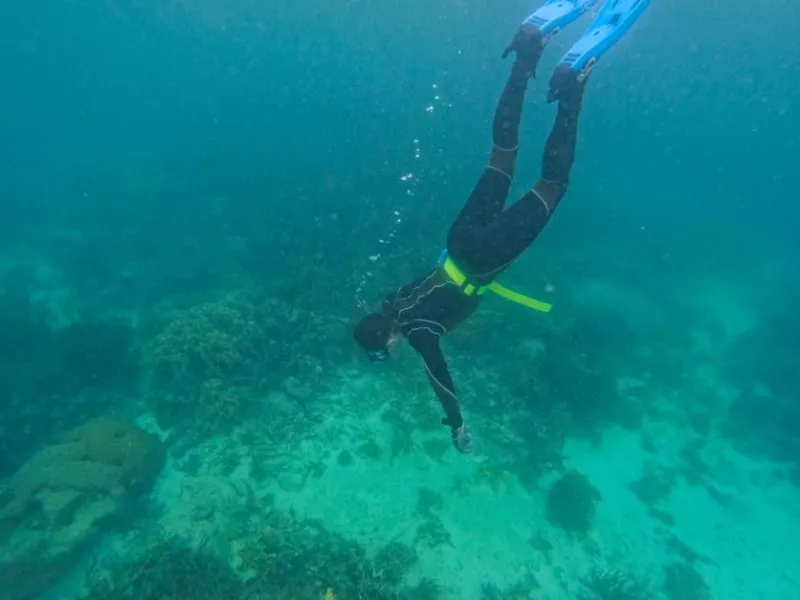 First-time snorkeling!
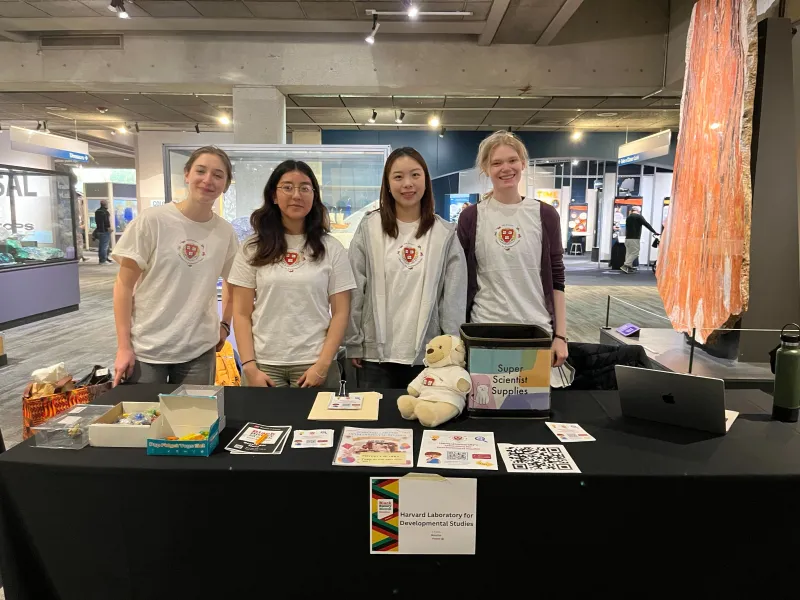
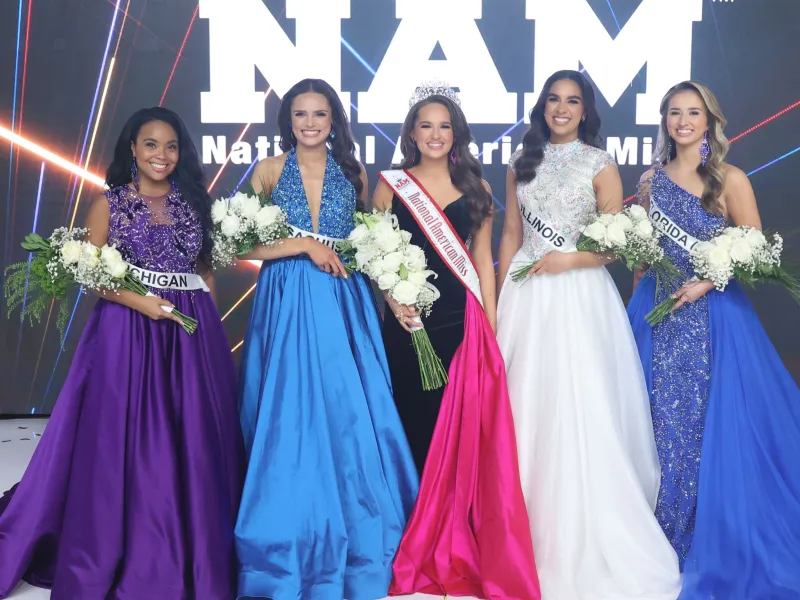
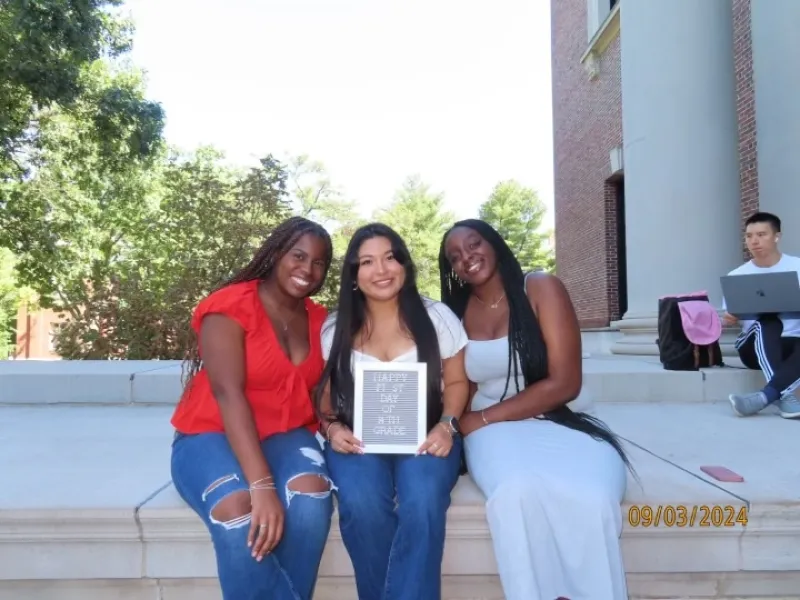
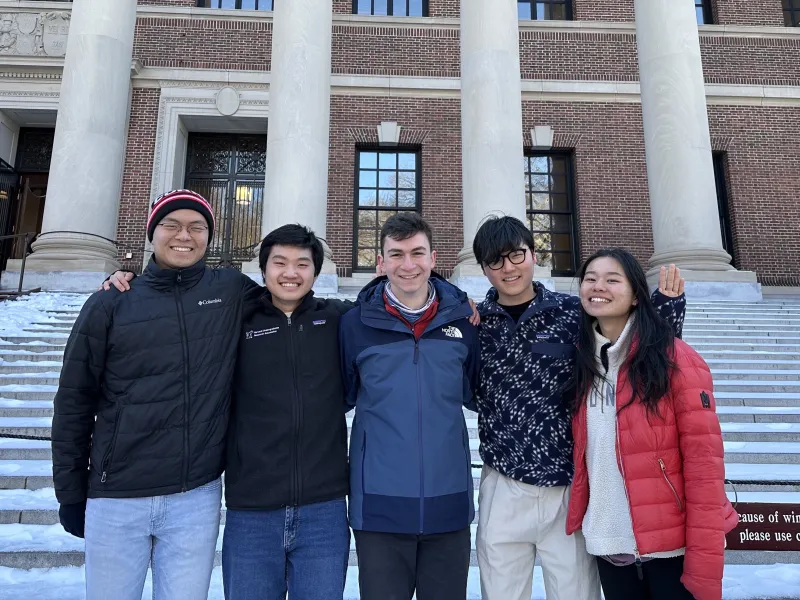 My friends and I celebrating our last first day of classes this semester.
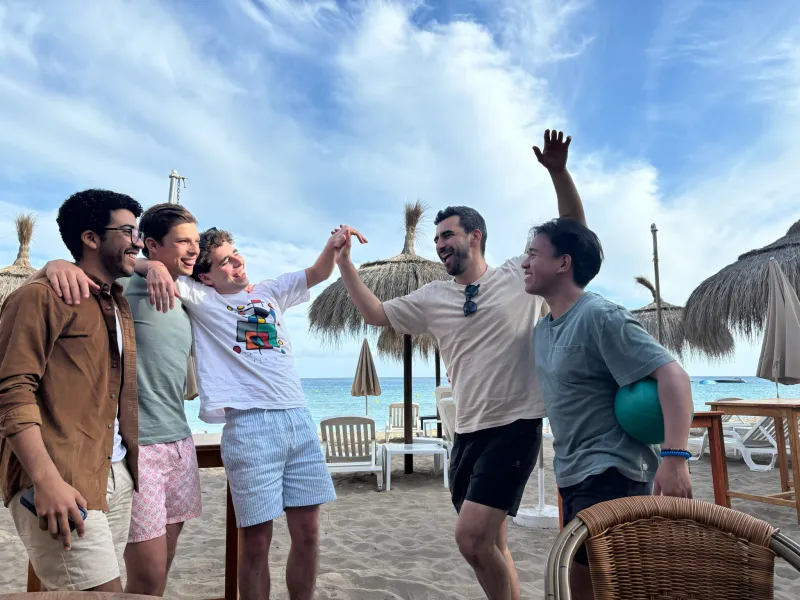
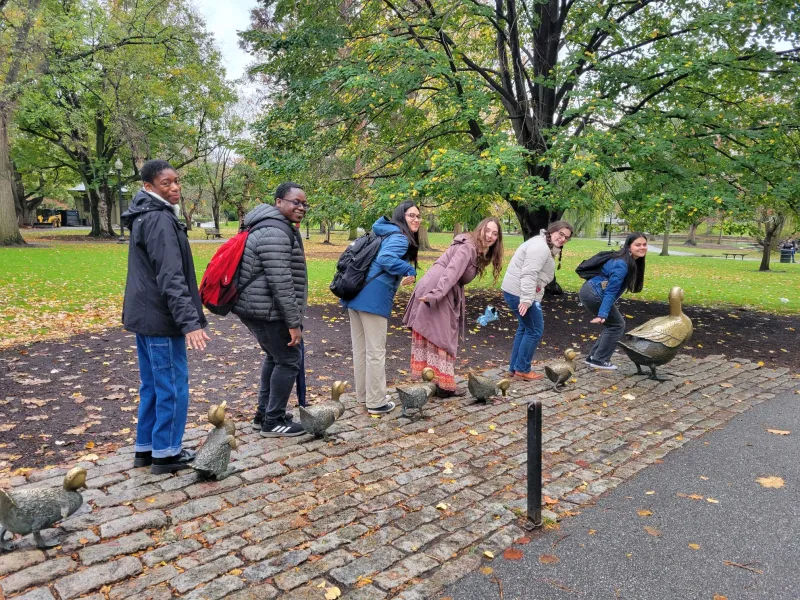 Lizbeth pictured in the Boston Commons with five friends from her Emerging Scholars Program cohort.
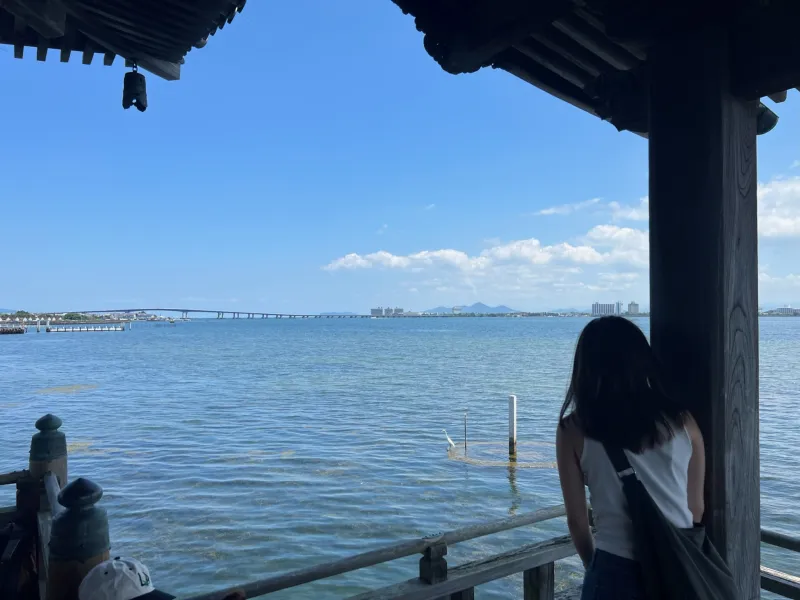
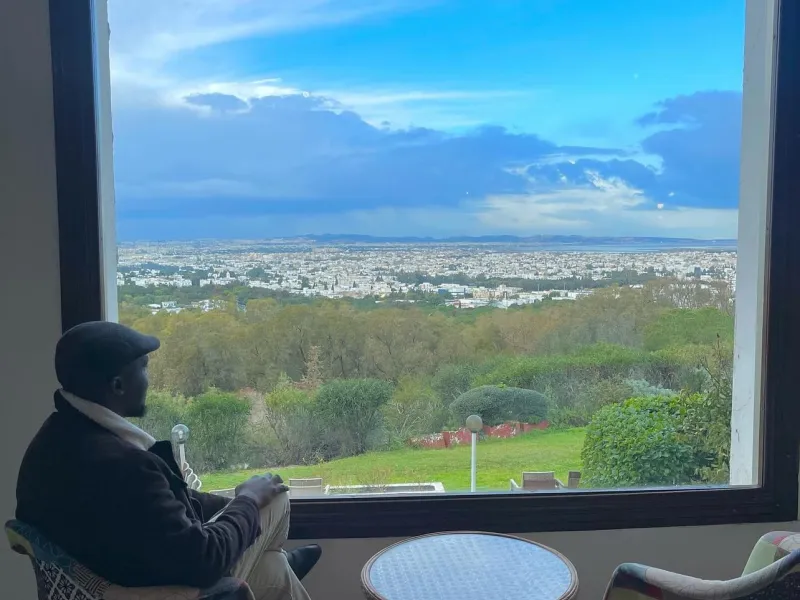 View from the hotel in Sidi Bou Said, Tunis
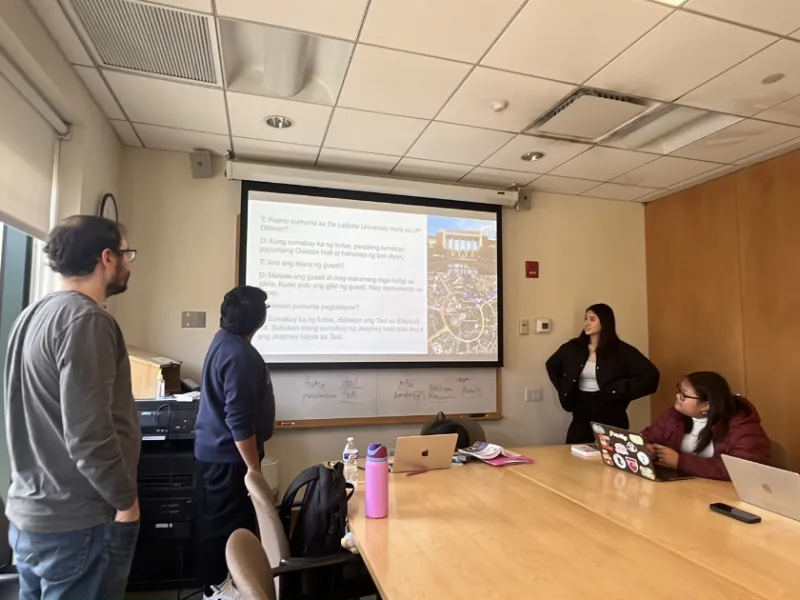 Intermediate Filipino Class
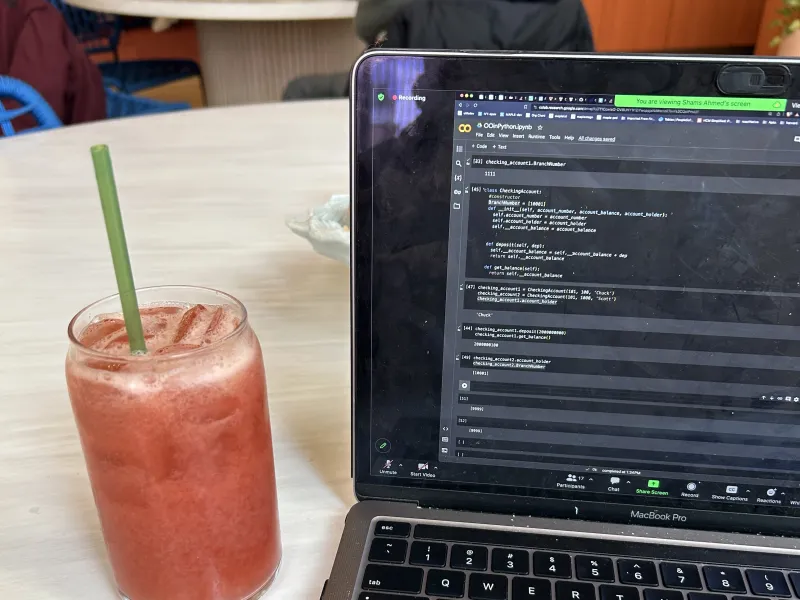

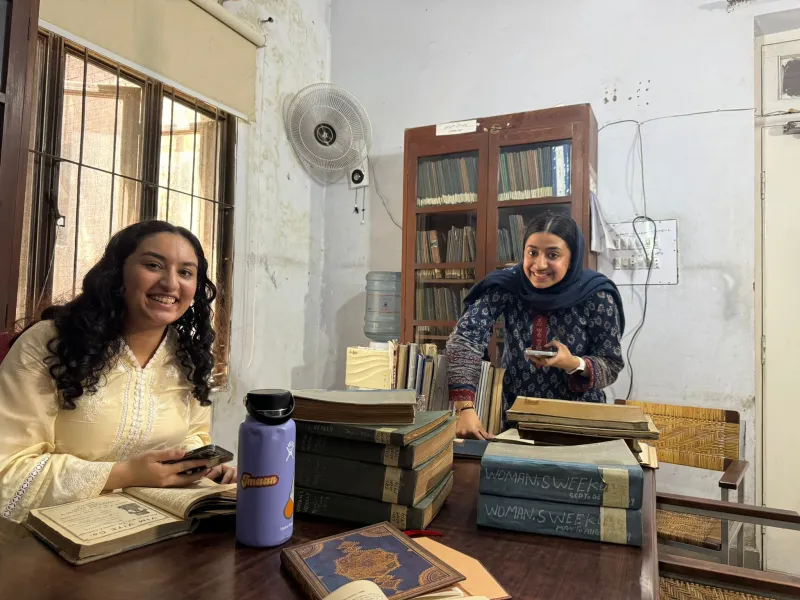
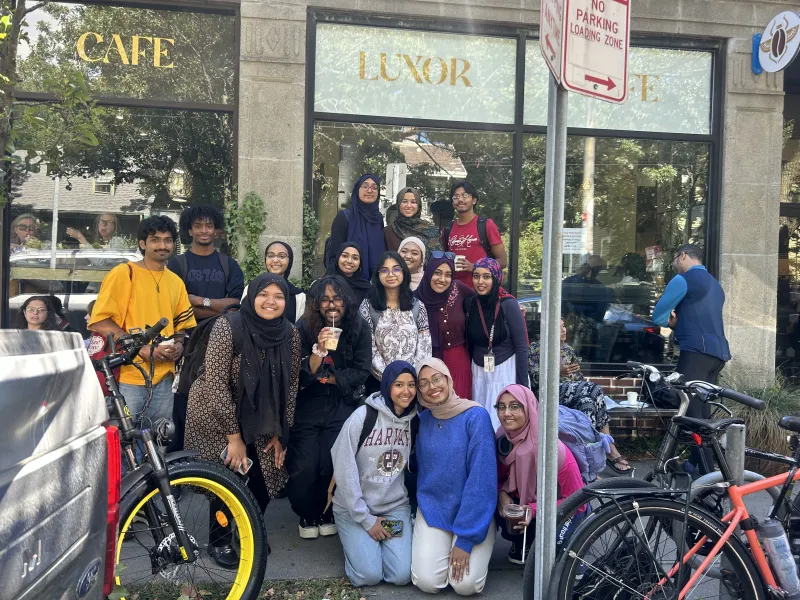 Samia Afrose with friends at Luxor Cafe

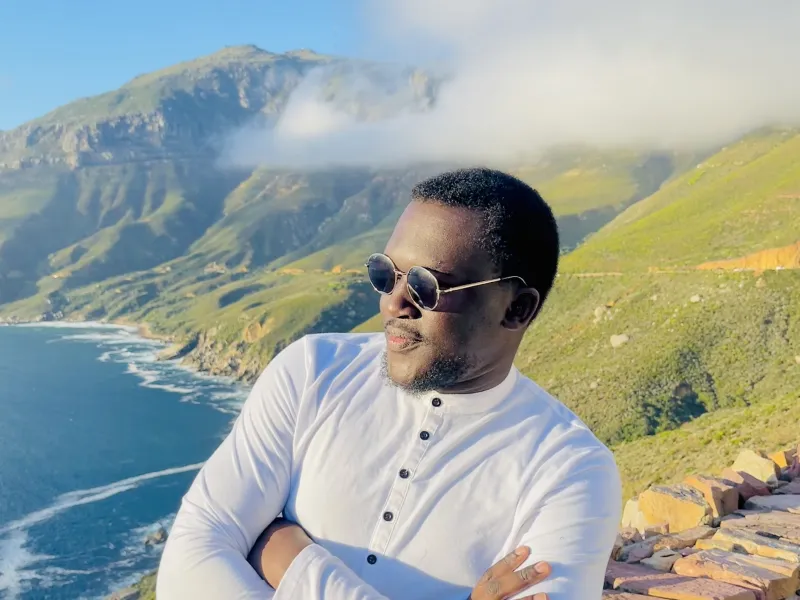
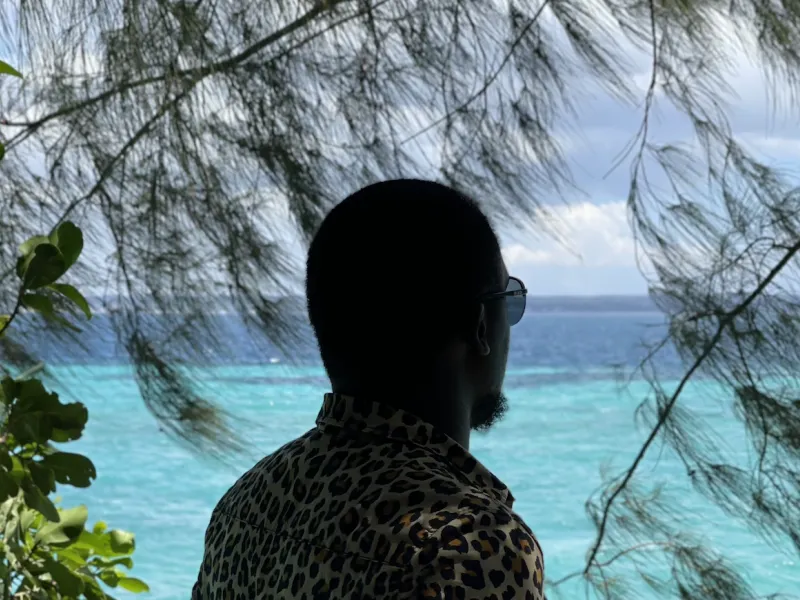 A photo of myself looking at the Zanzibari waters
 Laboratory of Cognitive Neuroscience Senior Thesis Writers
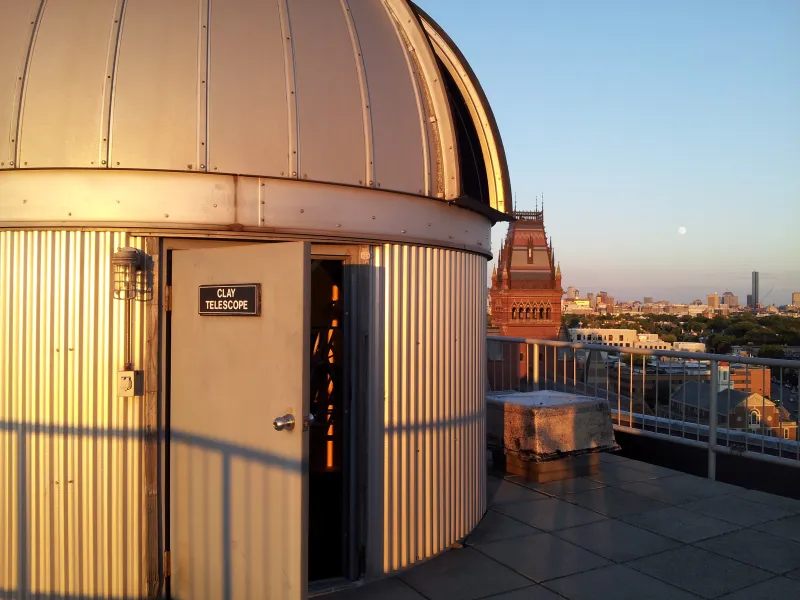
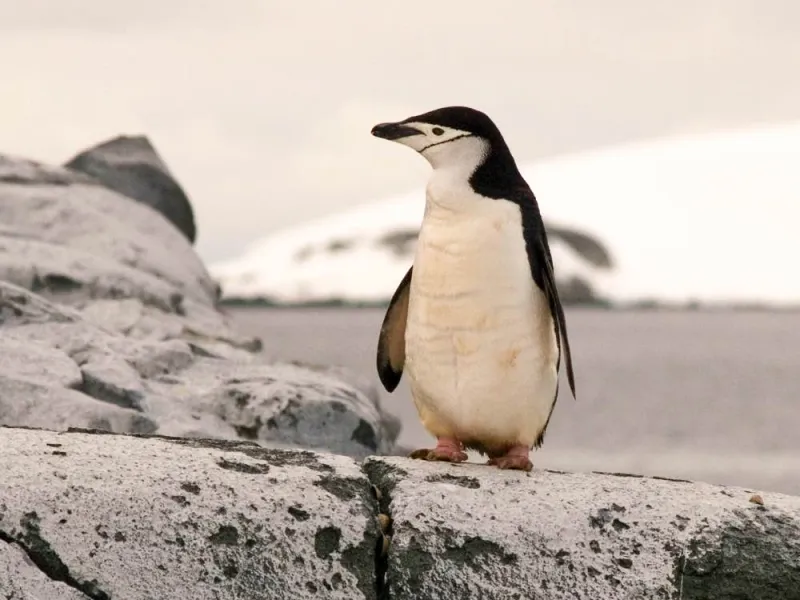
 My view from atop a hill near a mining camp.

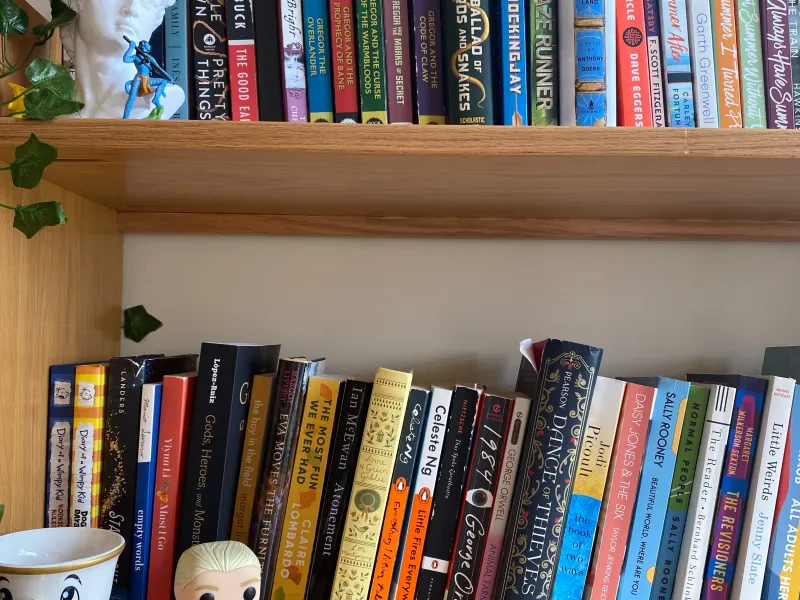 My bookshelf in my dorm!
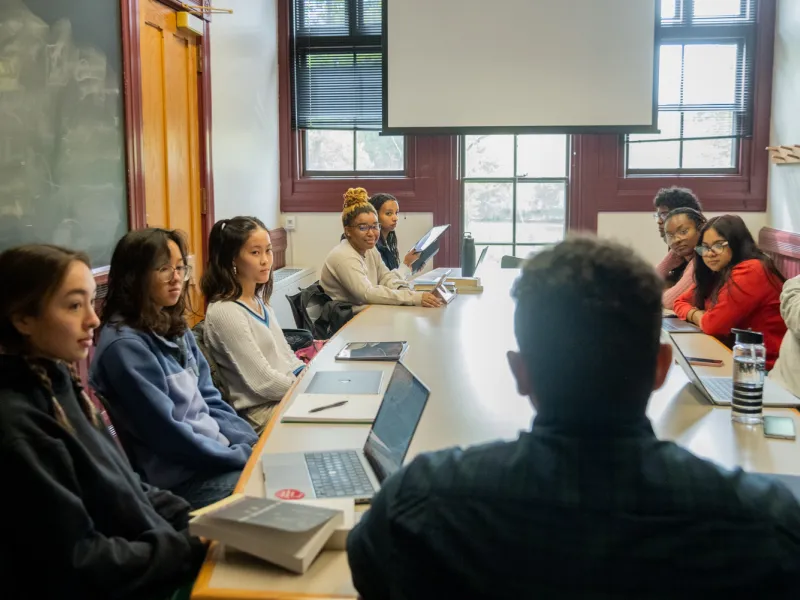
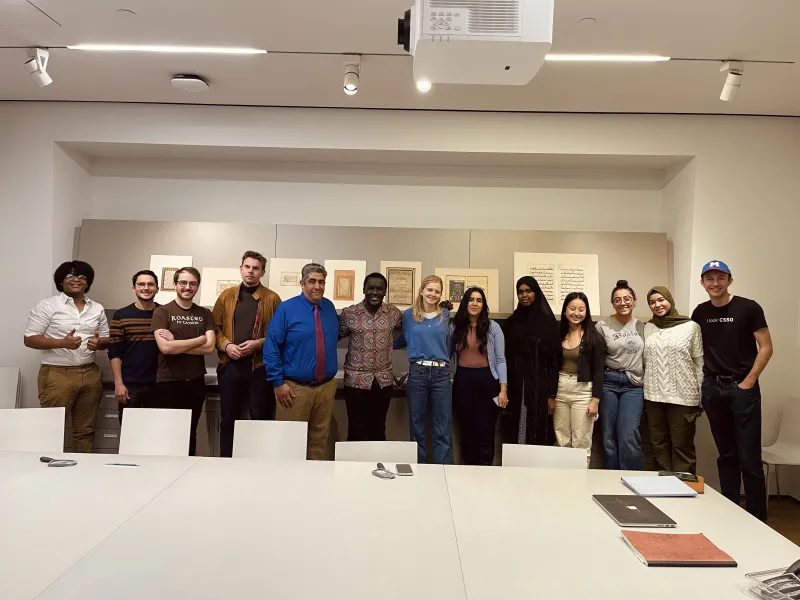 A photo of my classmates, Prof. Habib and I
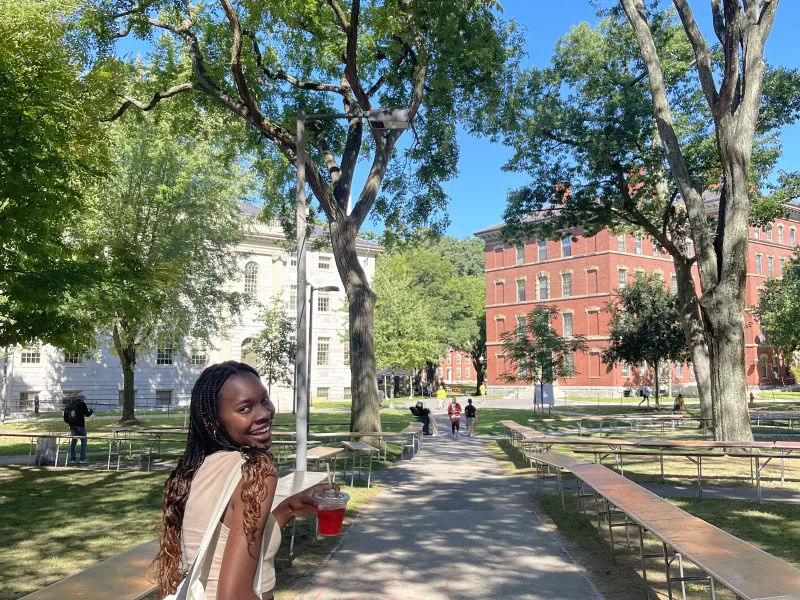
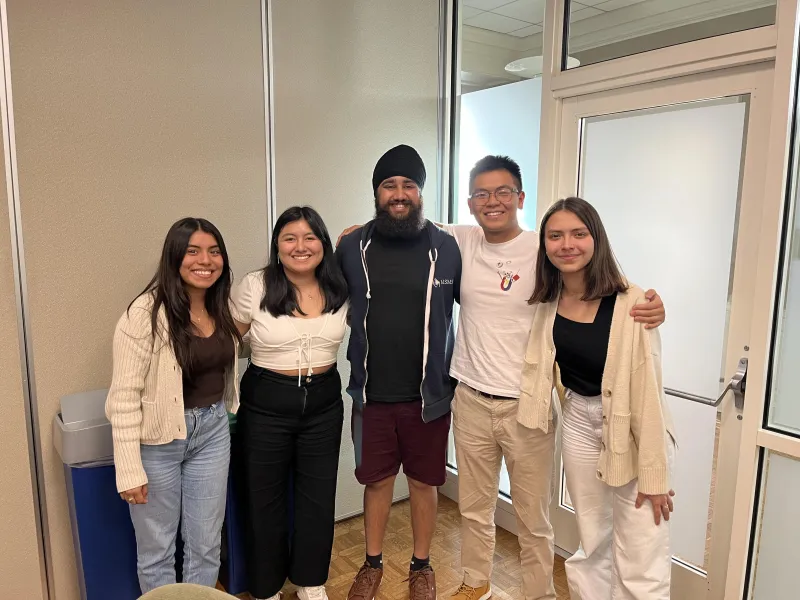
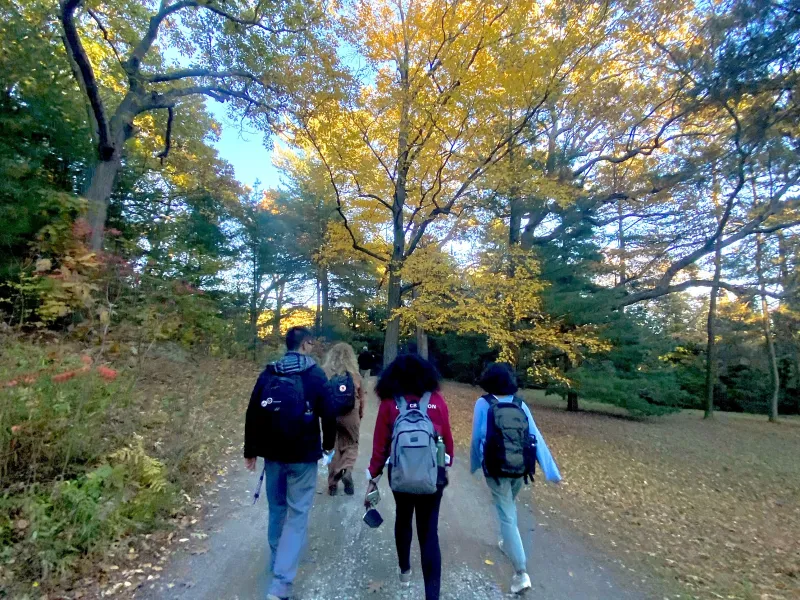
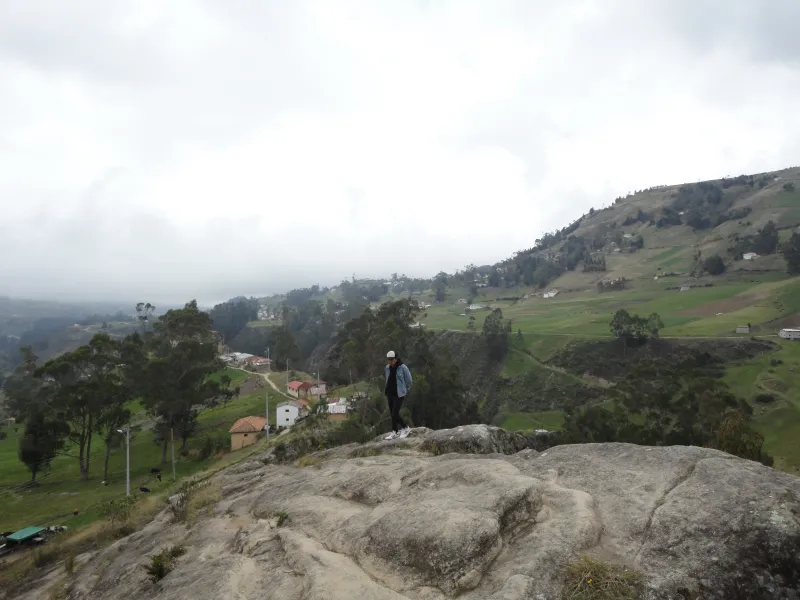 I passed through Cañar on my trip to my hometown, where I got to visit the Ingapirca Ruins!
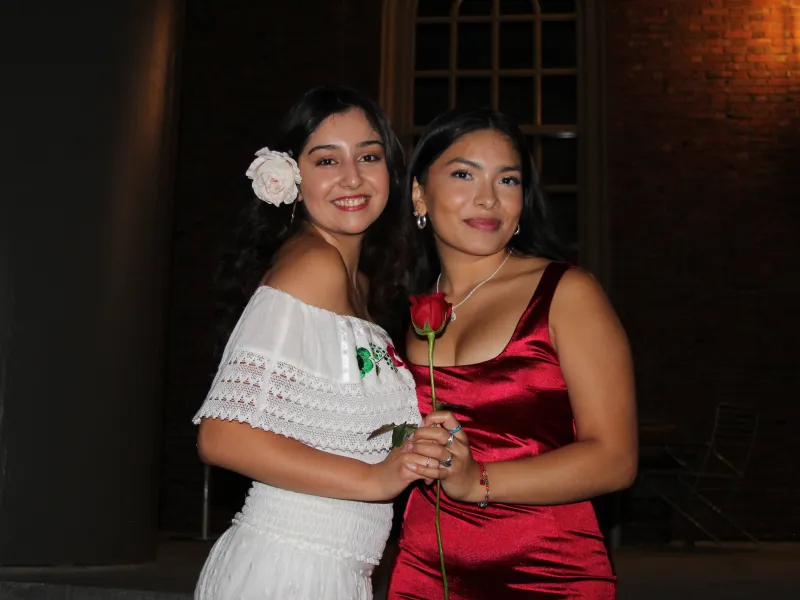 Latinx Convocation is an important event that celebrates Latinx culture and welcomes first years to Harvard! Julia Casas president of Fuerza on the left and Gloria Maldonado president of Latinas Unidas on the right.
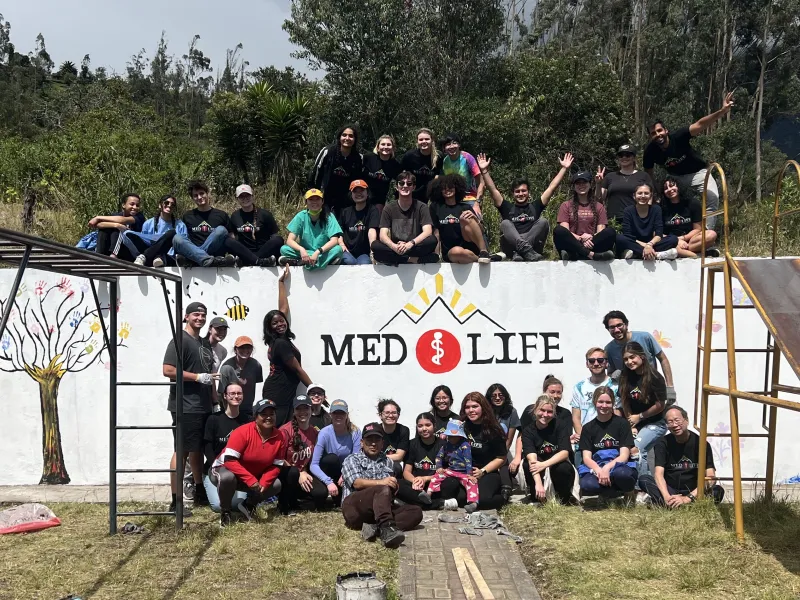 MEDLife volunteers posing for picture with MEDLife Logo
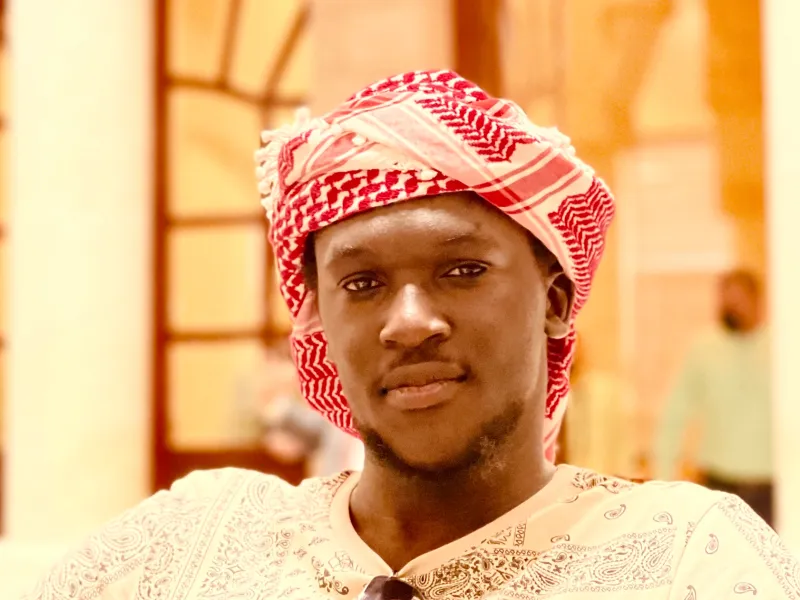
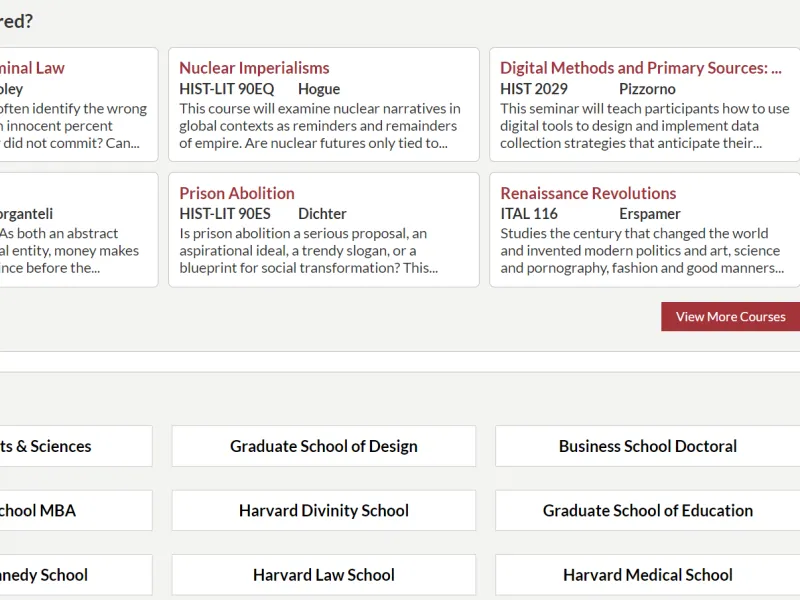 Harvard's course search page allows you to browse the 3,500+ courses offered each semester

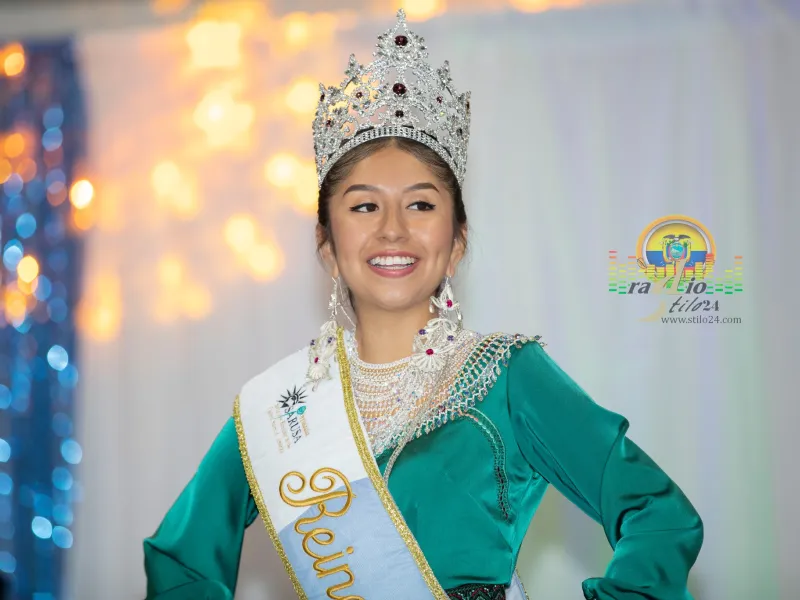 After weeks of preparation, my hard work paid off when I was elected as the queen of my tribal organization in the US, SarUSA (Saraguro Residents in the USA).
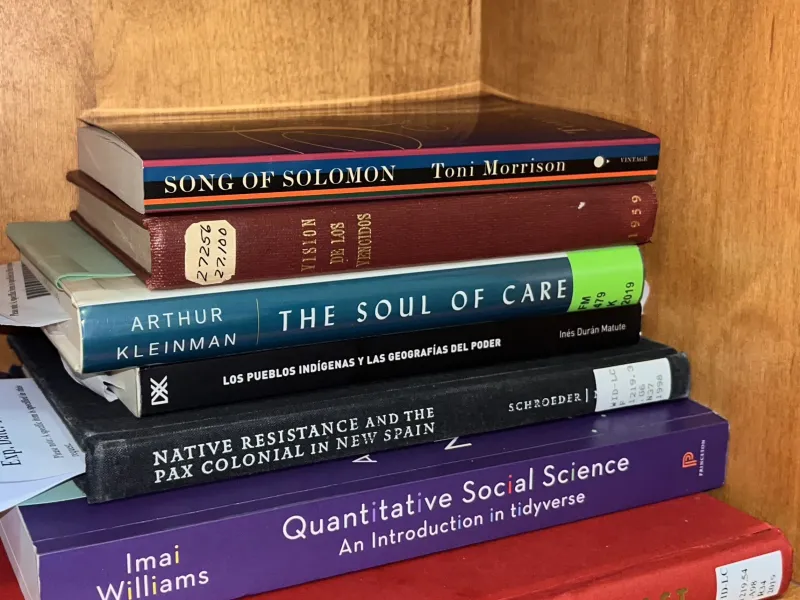 These are some of the books sitting on my shelf.
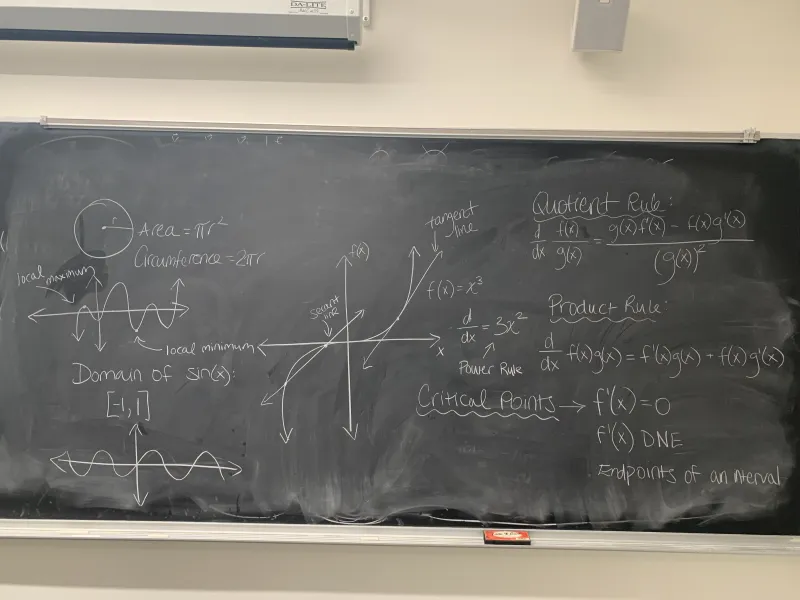 A chalkboard full of math in the Science Center
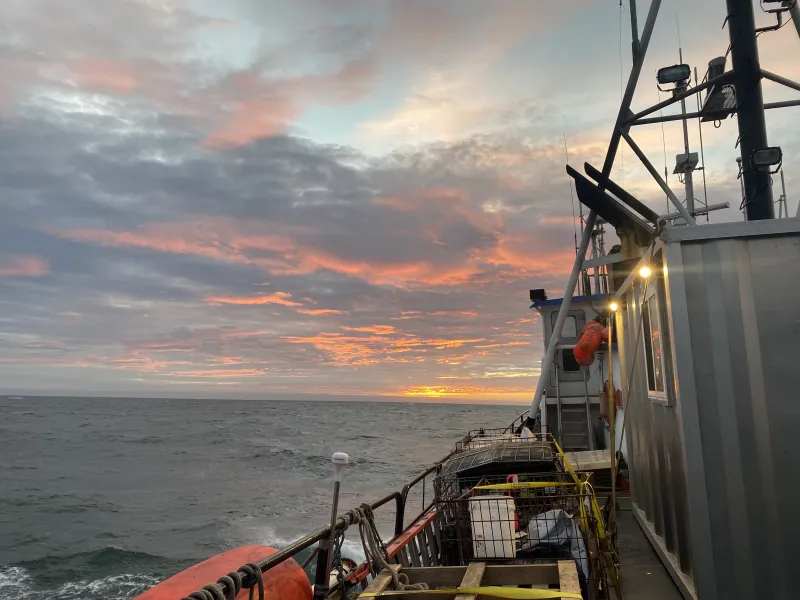 Sunrise during our first morning at sea.
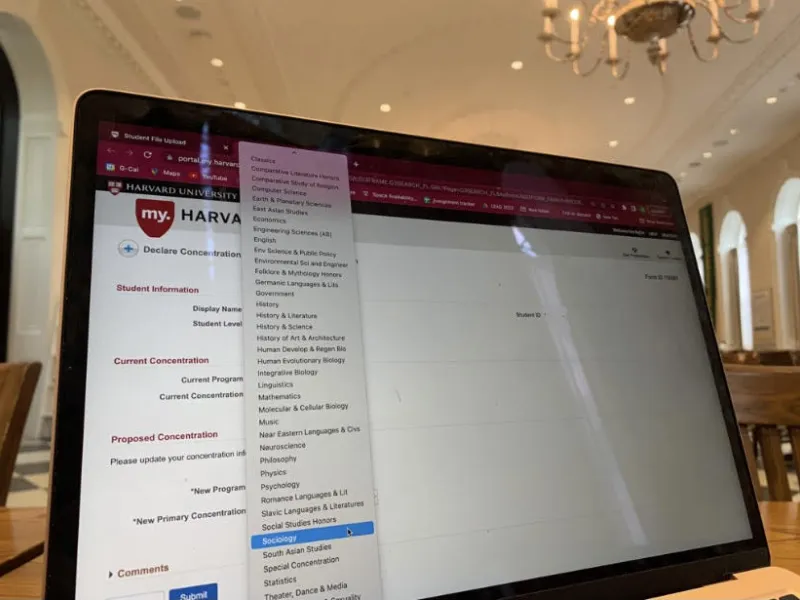 I officially declared Sociology as my concentration this fall!
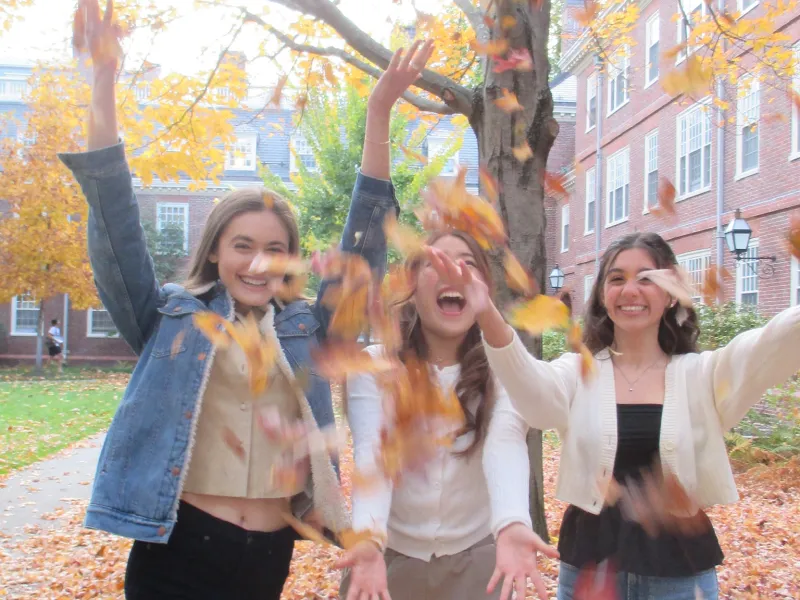
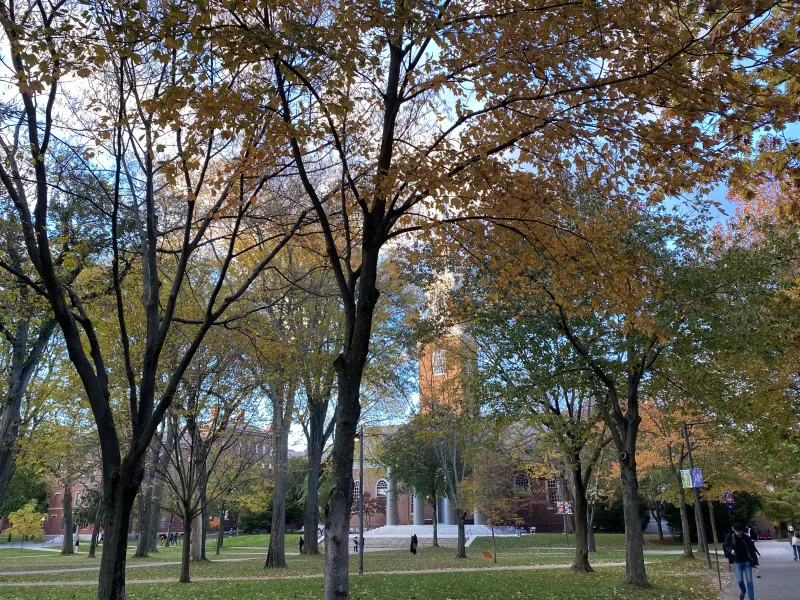 Fall foliage
 This is LS50.
 Ana's Blog Thumbnail
 My First Harvard Yale Game
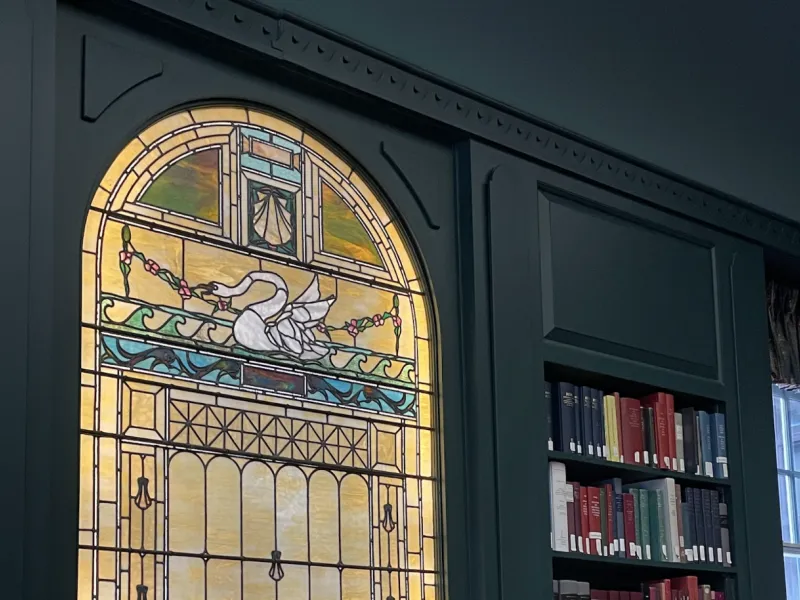 Where I love to study no matter what I’m concentrating in!

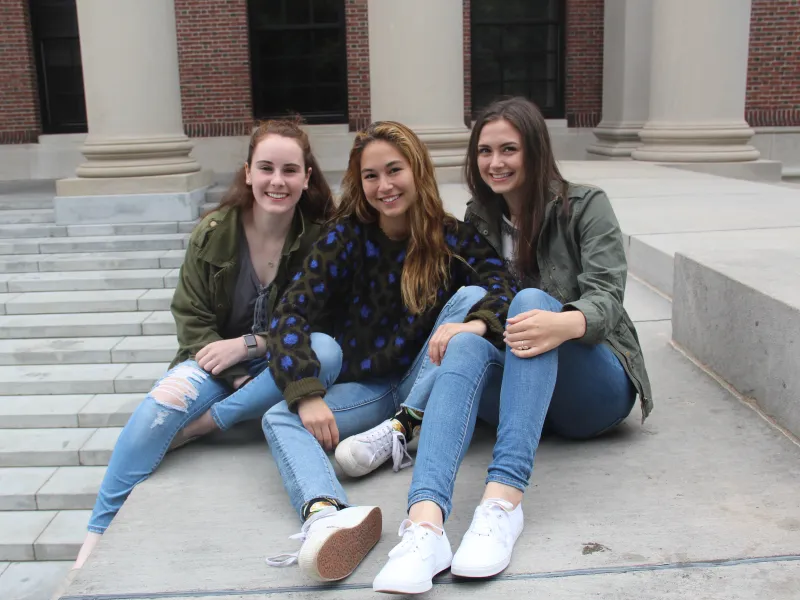 Sitting in front of Widener with my first friends at Harvard in fall 2018. None of us could have predicted that we would end up taking a leave of absence together two years later.

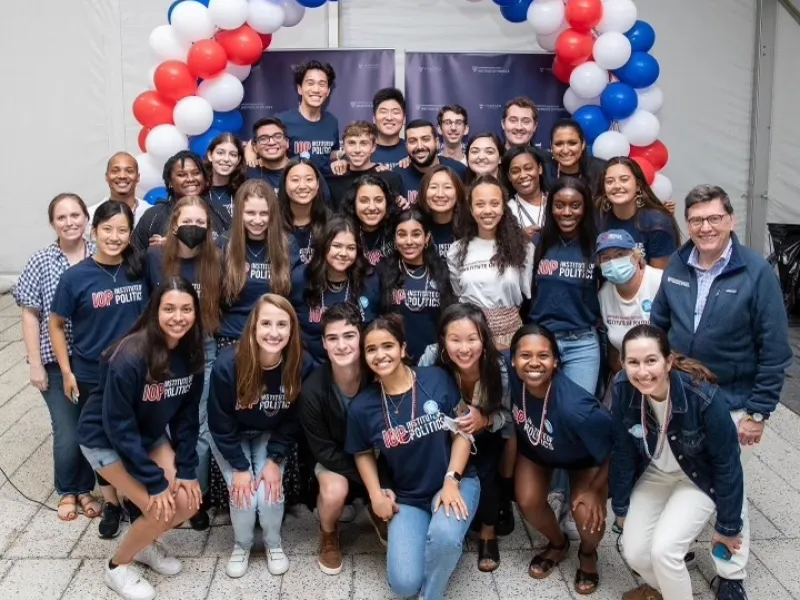 So grateful to have worked with these amazing student leaders this past year!
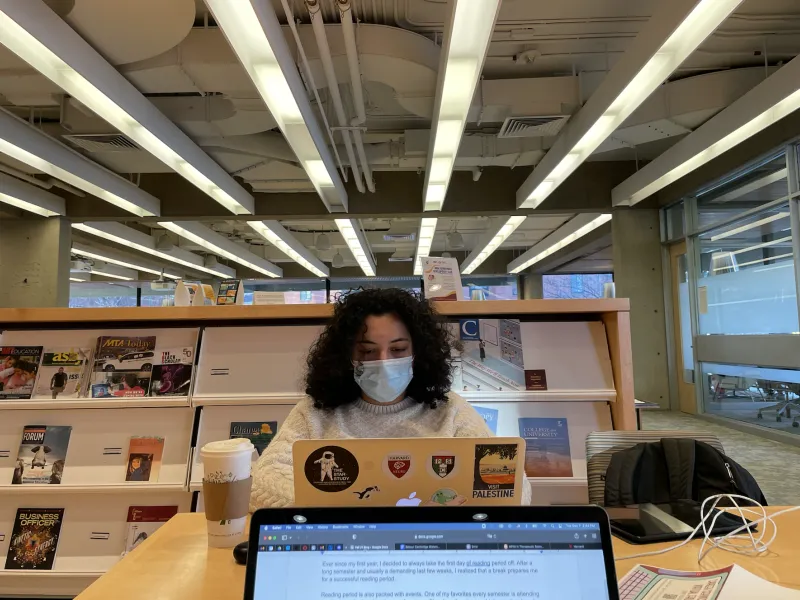
 These research materials and I have been attached all summer.
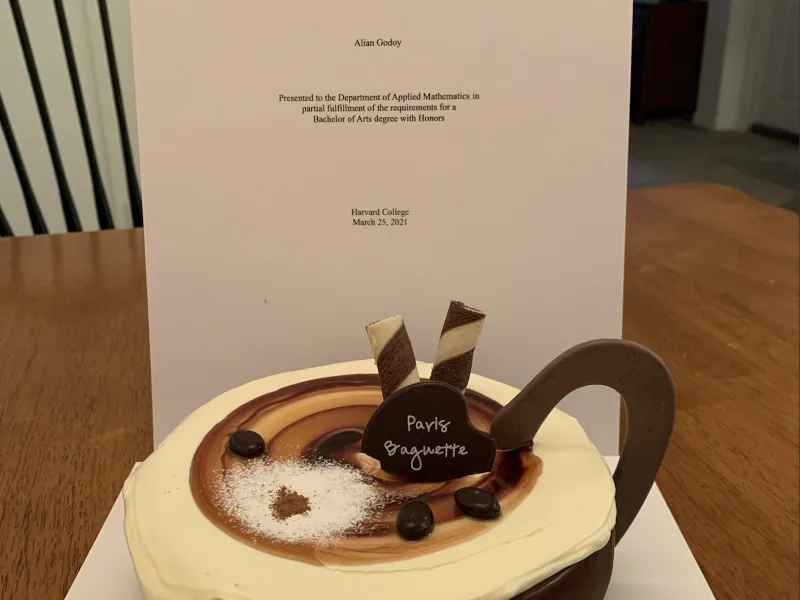 Cake from Paris Baguette & my Thesis Title Page
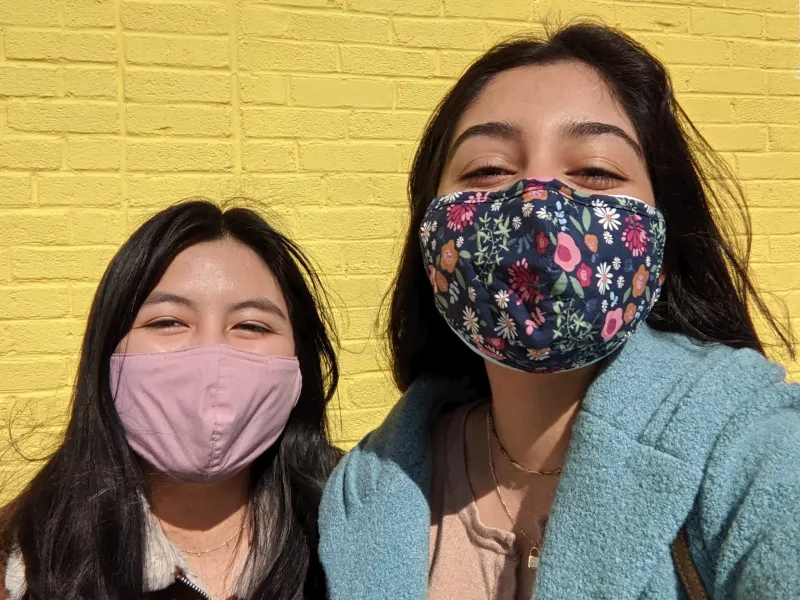
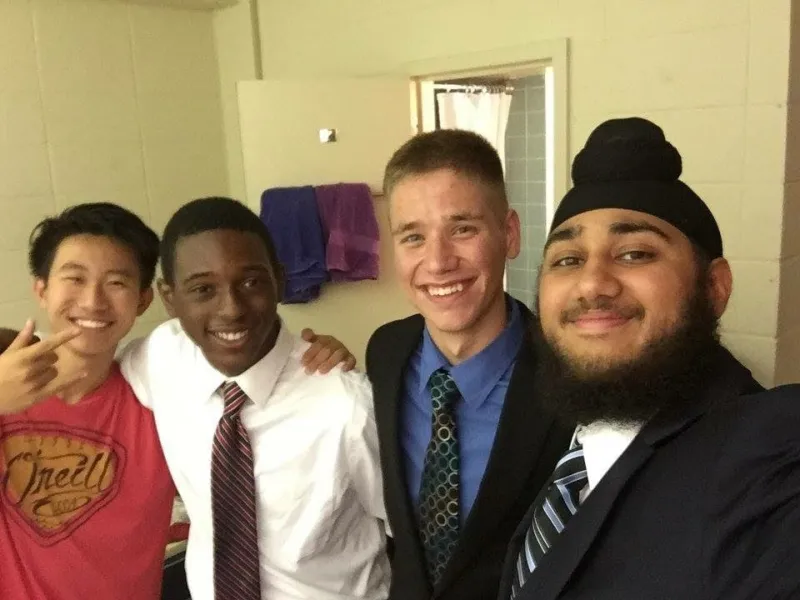 Here's Harpreet and I with our best friends back in high school!
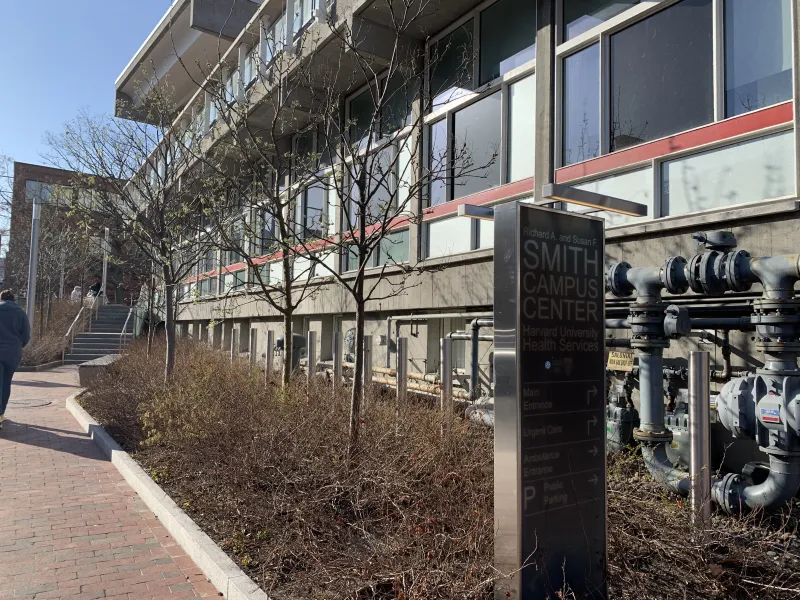 Mt. Auburn Street Side of Harvard University Health Services/Smith Center

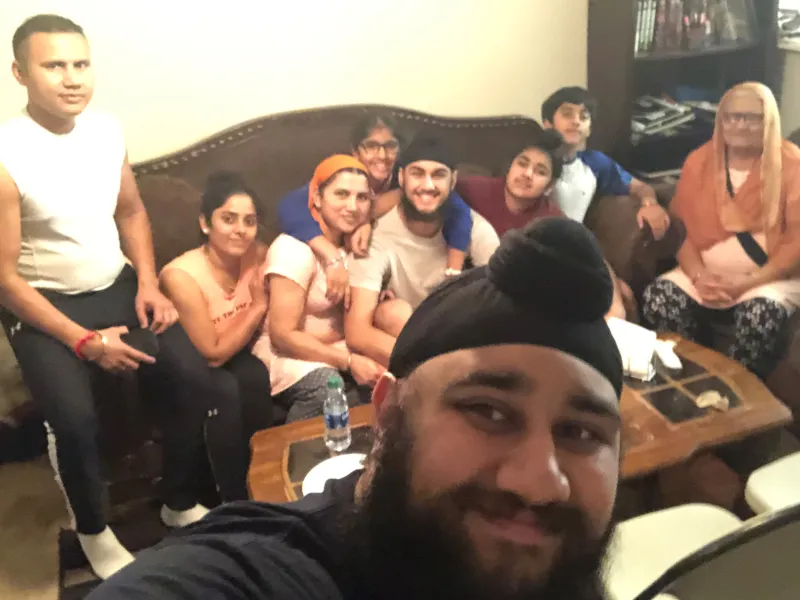 Here is a picture of my family, including my mom, brothers, grandma, uncle and aunt, and cousins.
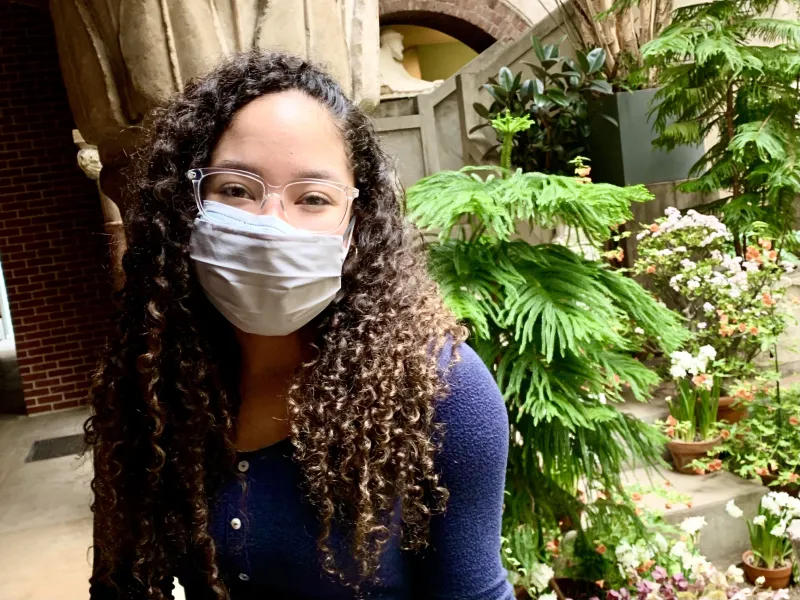 trips into Boston are worth it!
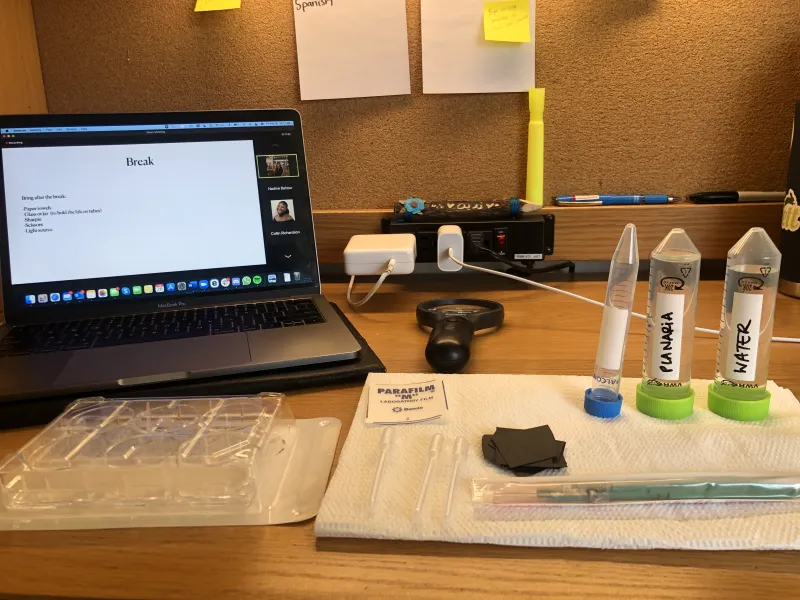 I transformed my desk to a workstation to dissect the worms for my lab.
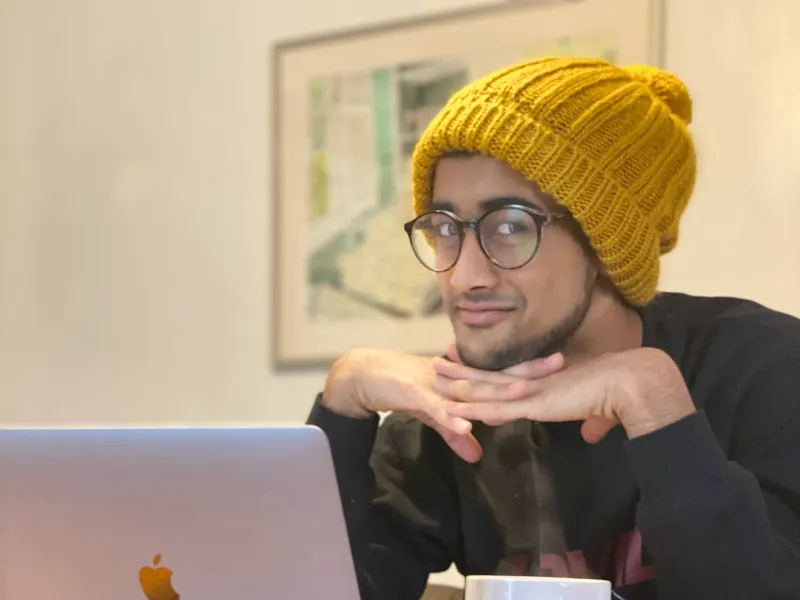 Studying on a cold day with some coffee.
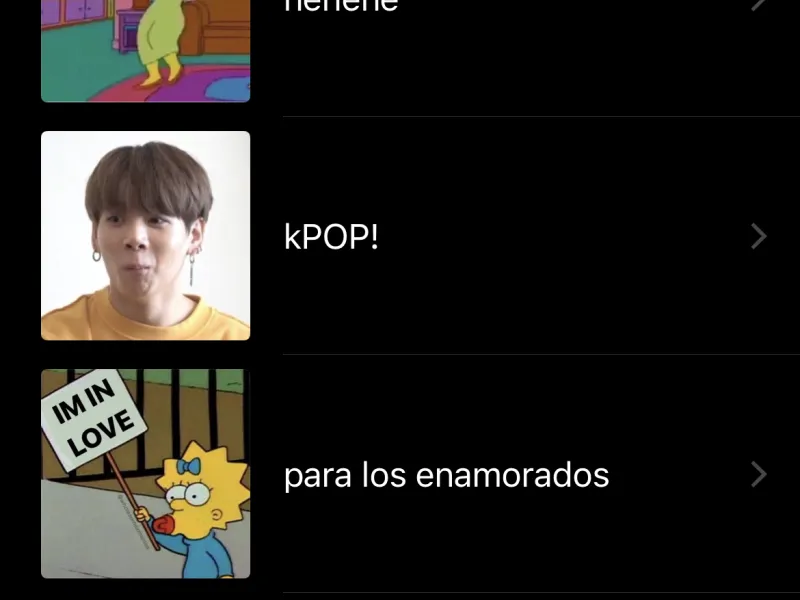 I have very specific playlists for every mood.

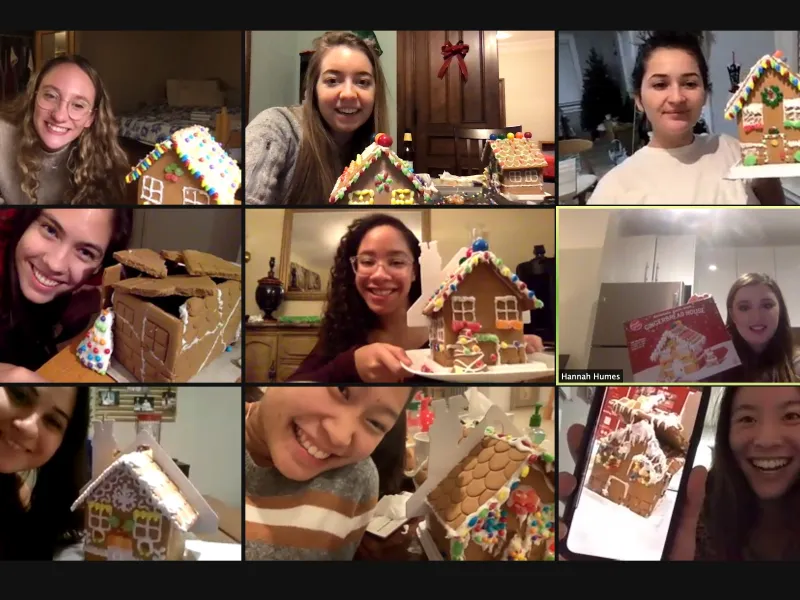
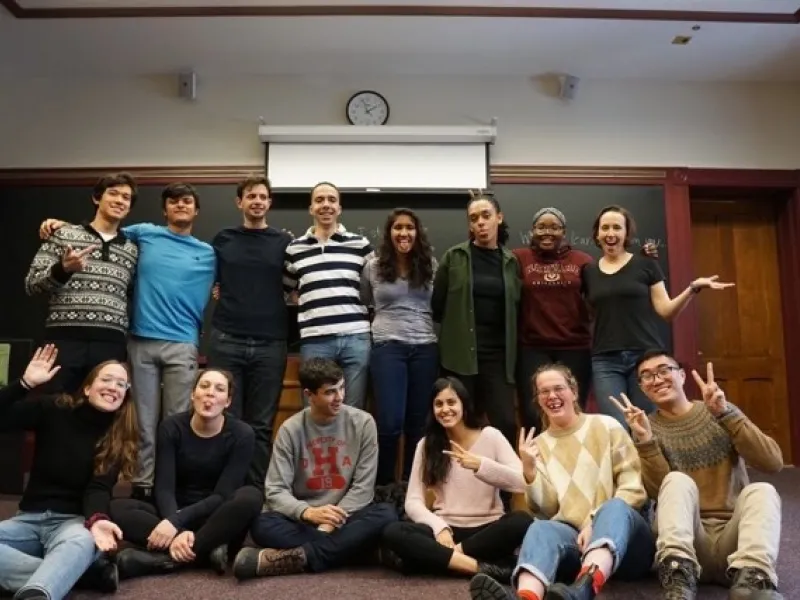
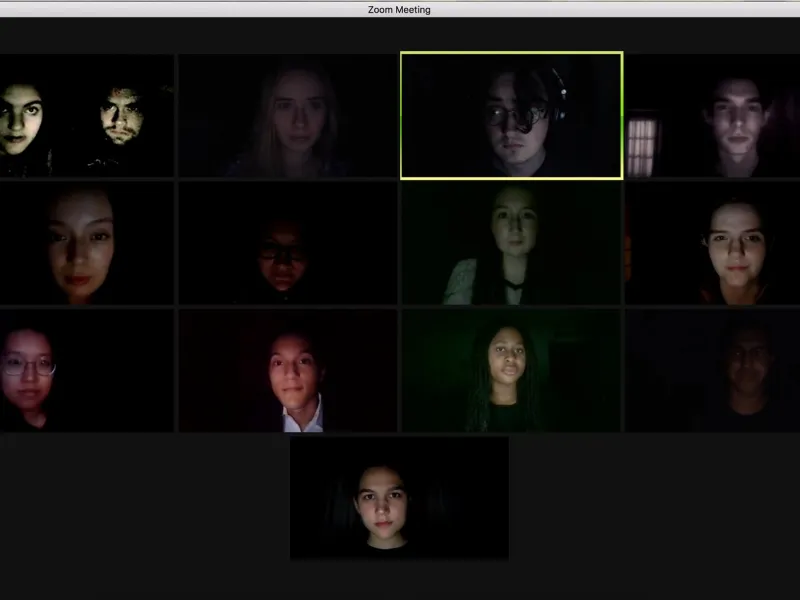 Here is the full cast (and some of our crew) for the Hyperion Shakespeare Company's production of Macbeth!
 Walking to Class

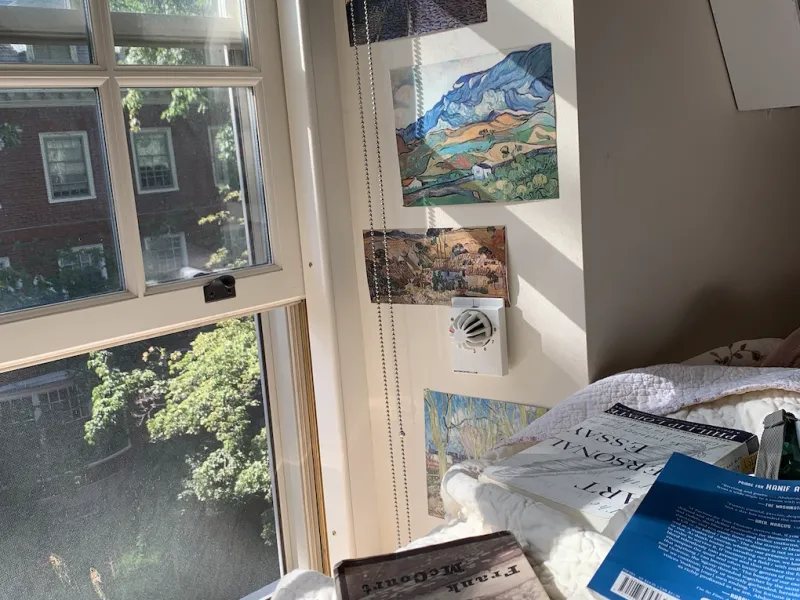 I miss doing reading for my English and creative writing classes on my Winthrop House dorm room!

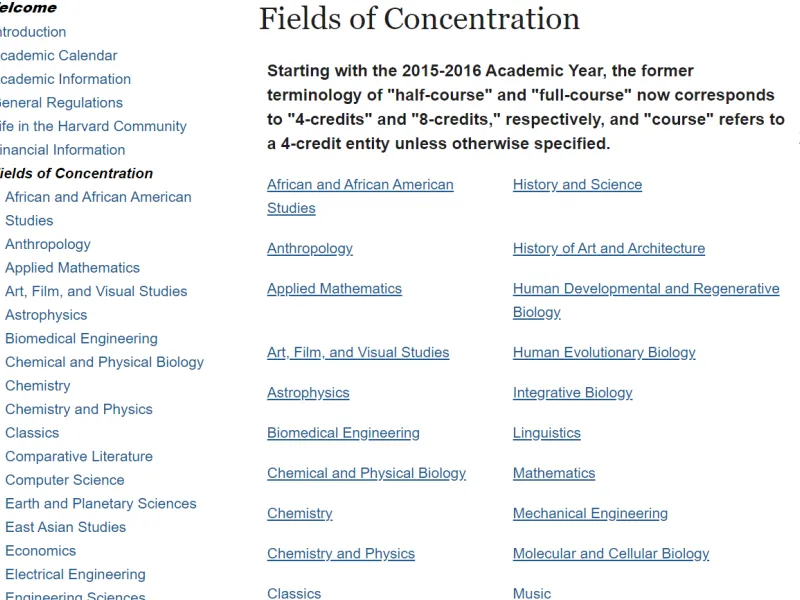 A list of just some of the possible concentrations offered at Harvard
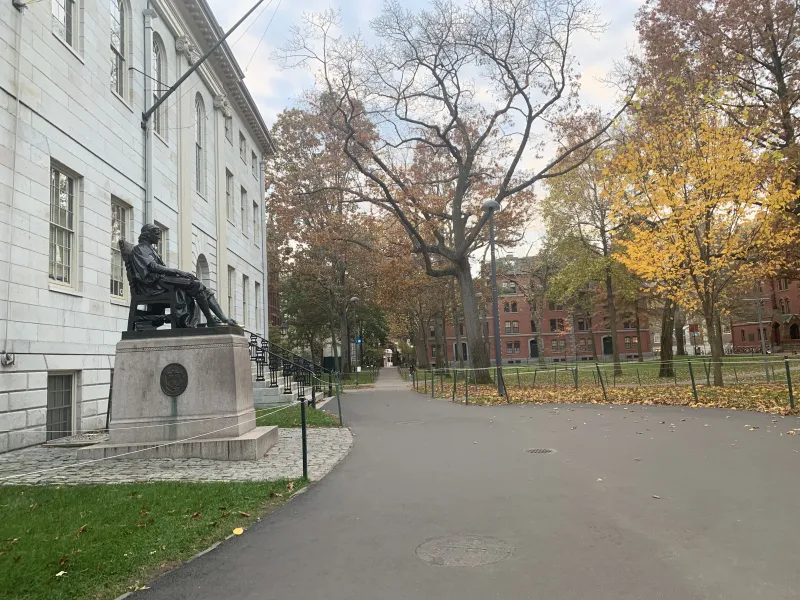
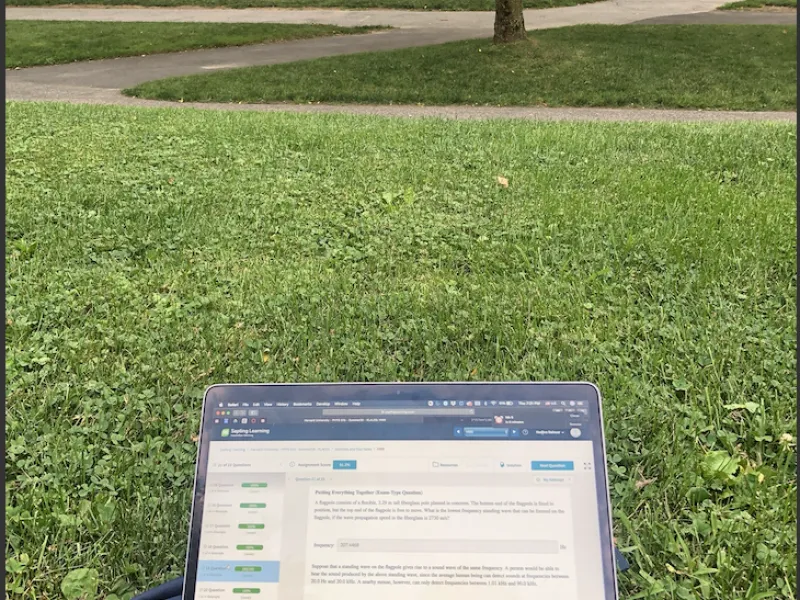 A snap of an empty Tercentenary theater as I worked on my homework
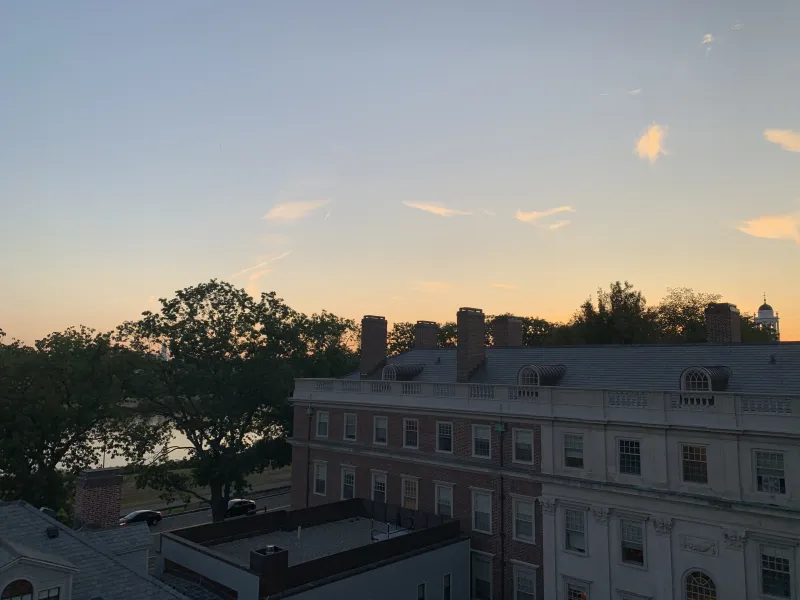 My friends and I love hanging out in the roof-top common room in Winthrop House!
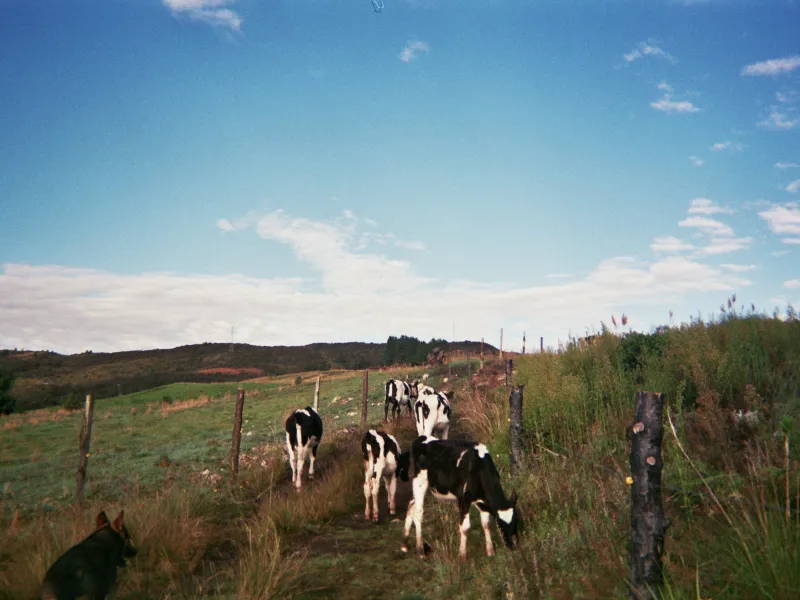 I took this photo of my grandpa's cows on a film camera during one of my visits! The view was absolutely breathtaking.
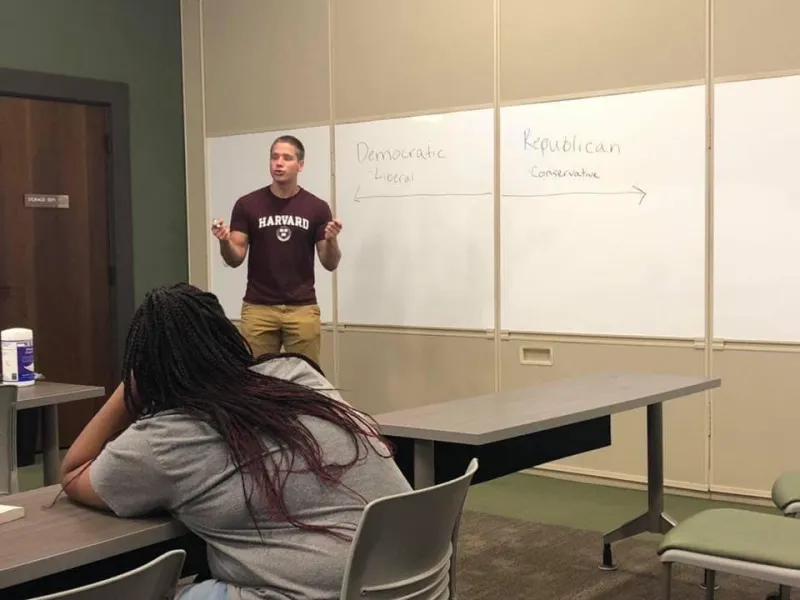 Here I am teaching a government class from last summer!
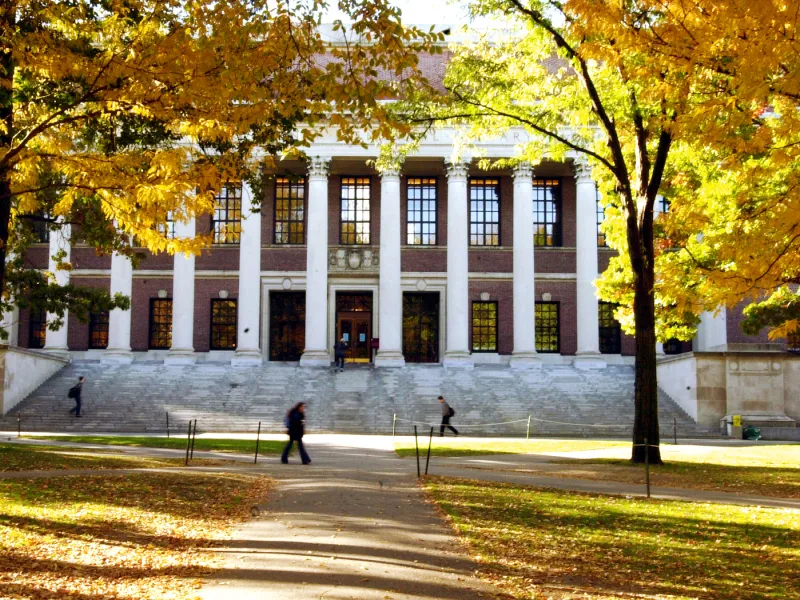
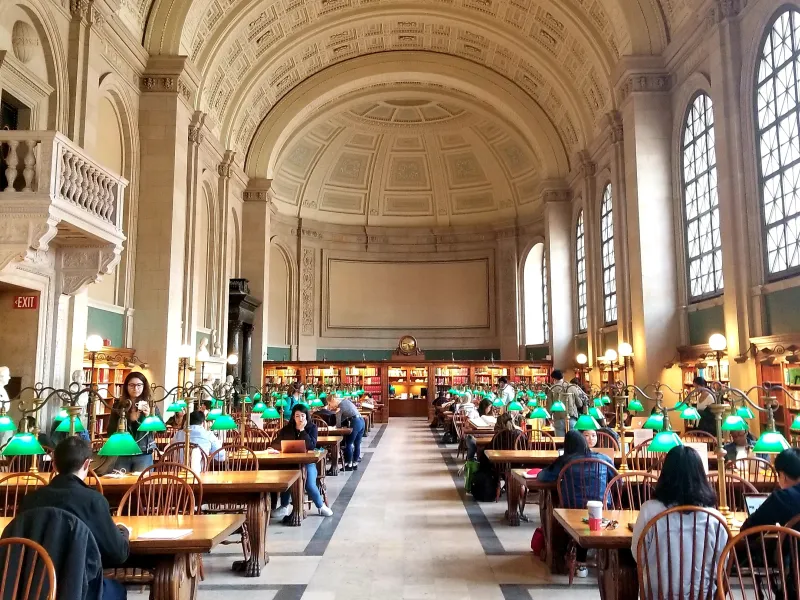
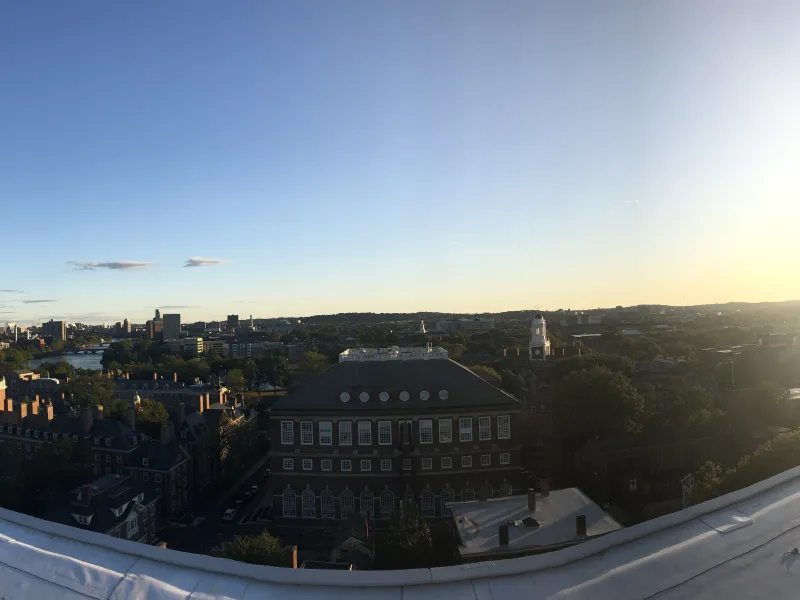
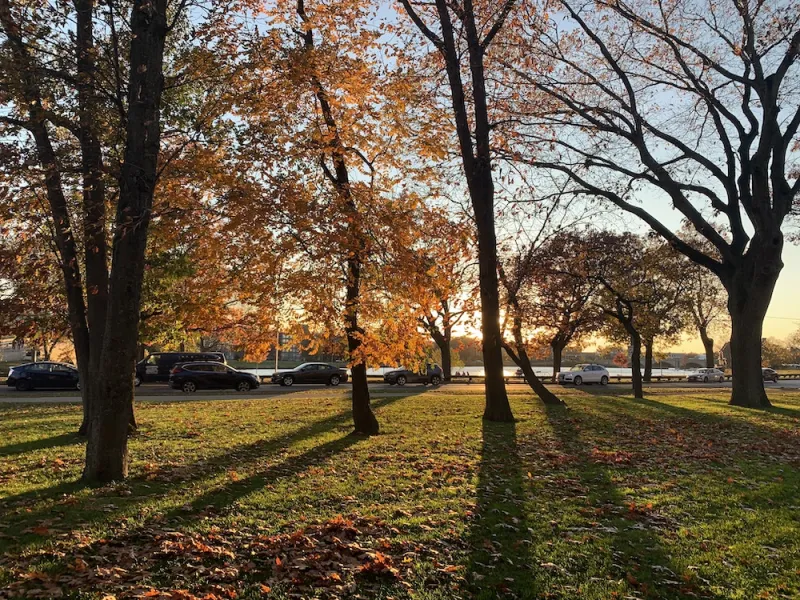 The view of the Charles River from Leveret House, which is right next to Winthrop House!
 Selfie in the Seattle Airport.
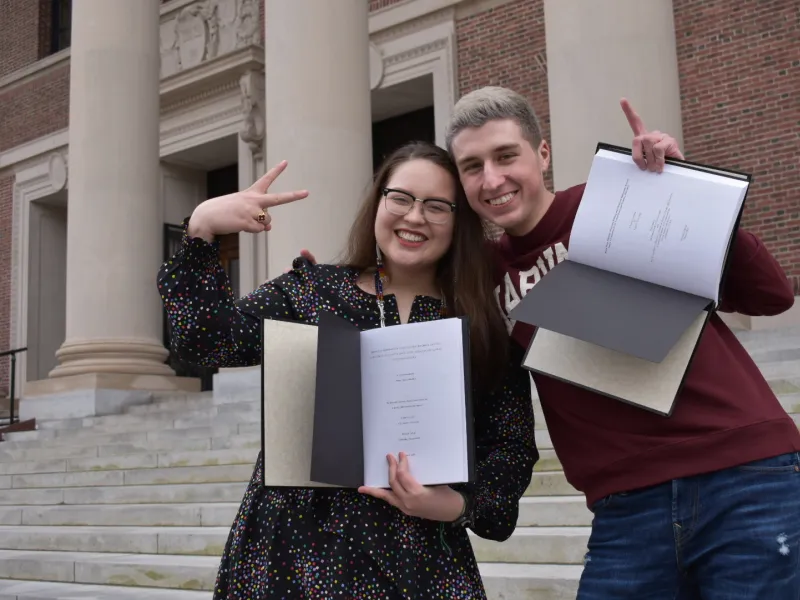
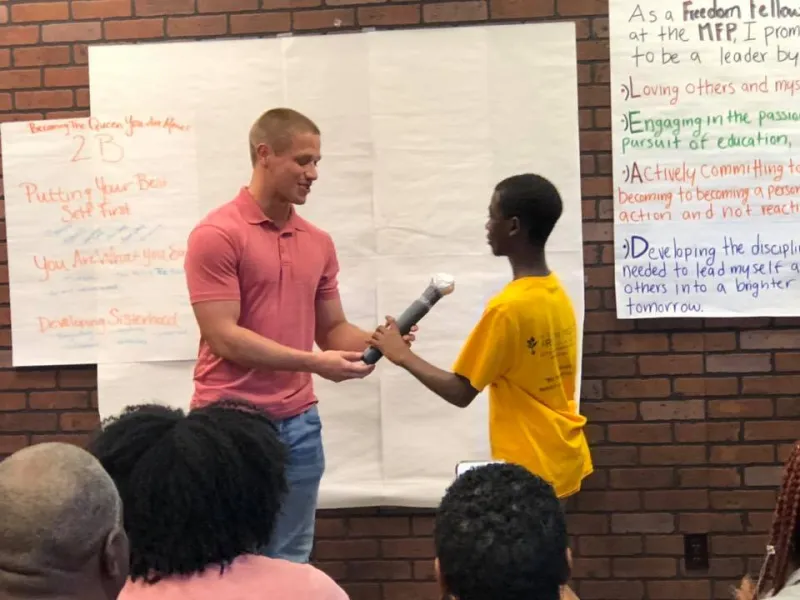 Me giving out homemade awards to my MFP students!
 A photo of me and friends in front of the Carpenter Center my freshman year
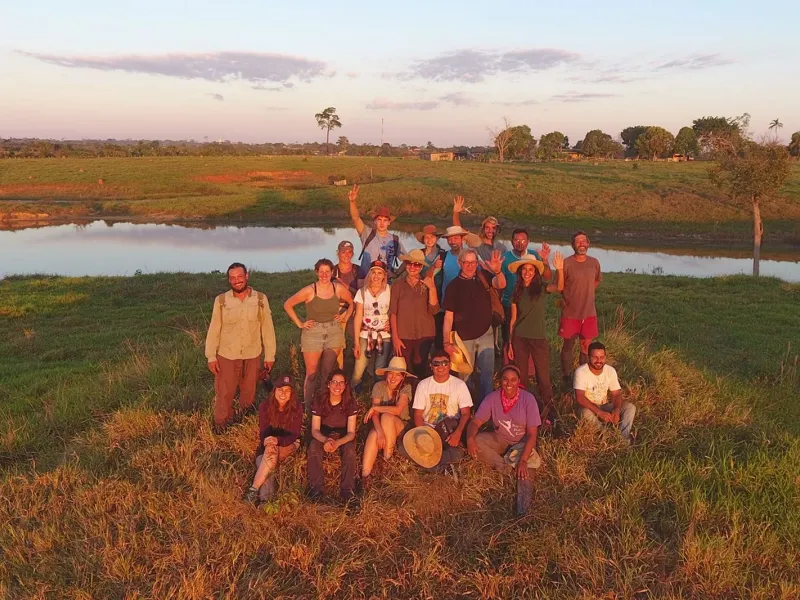 My field team in Bazil.
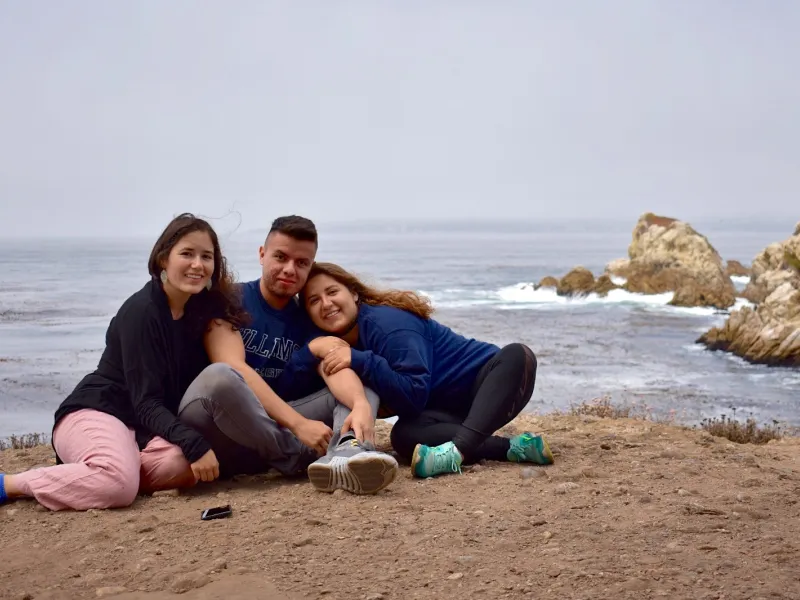
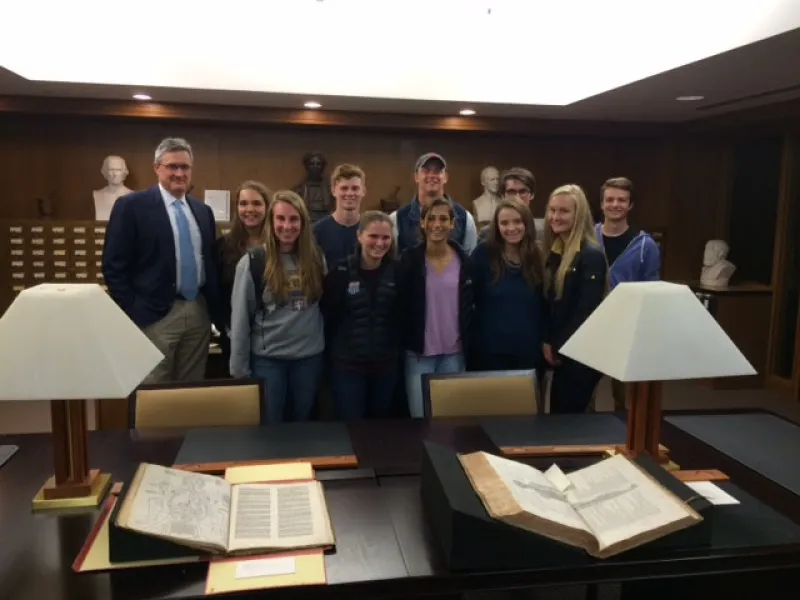
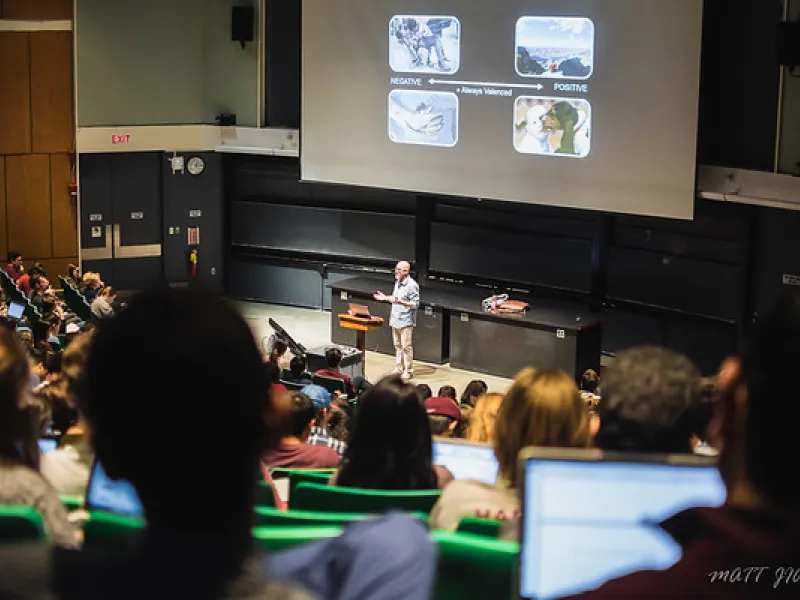
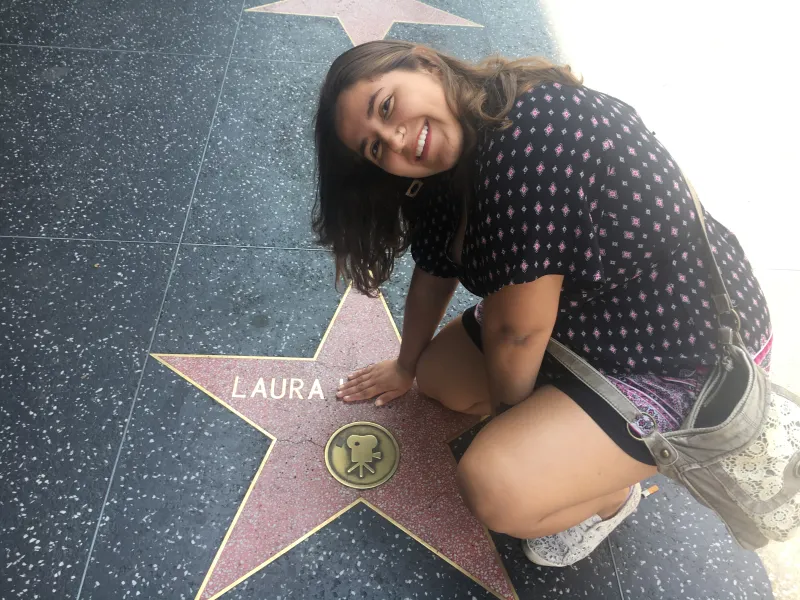
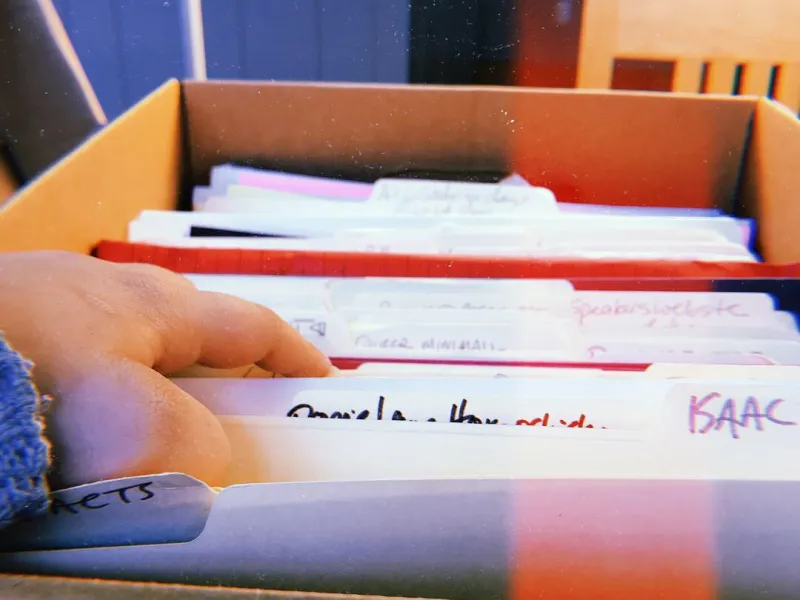 I spent A LOT of days in the archives
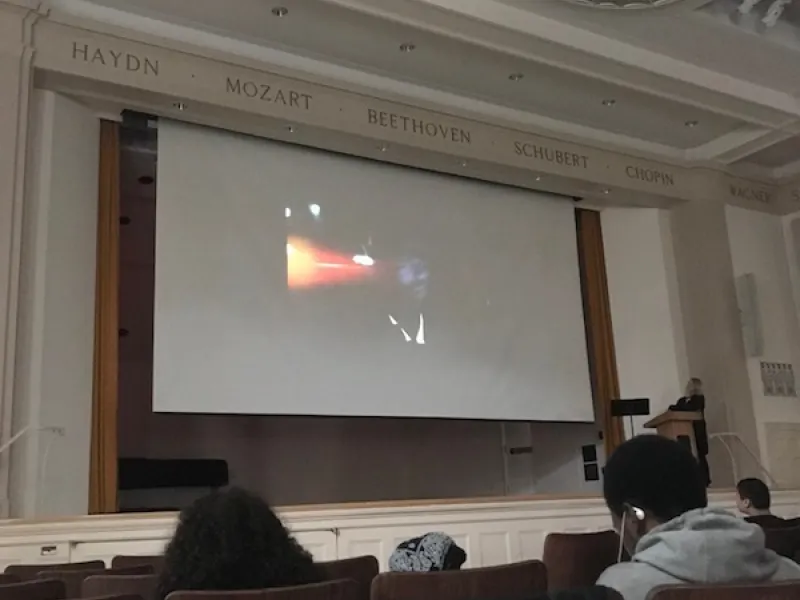 Watching a music video in class during a lecture about "Consuming Black Culture"
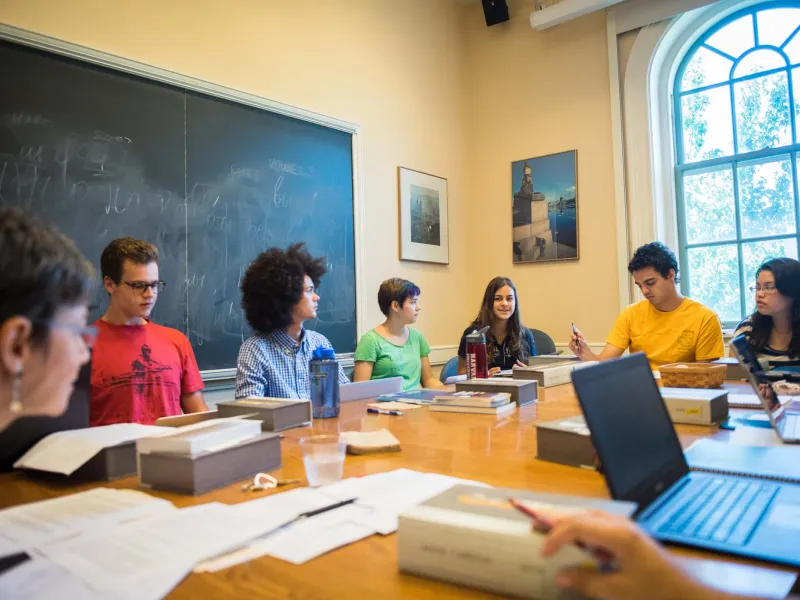
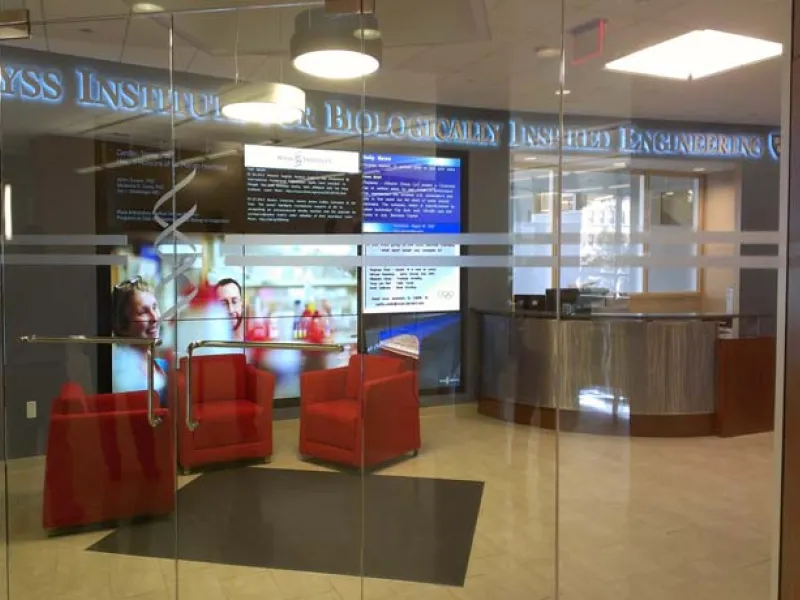
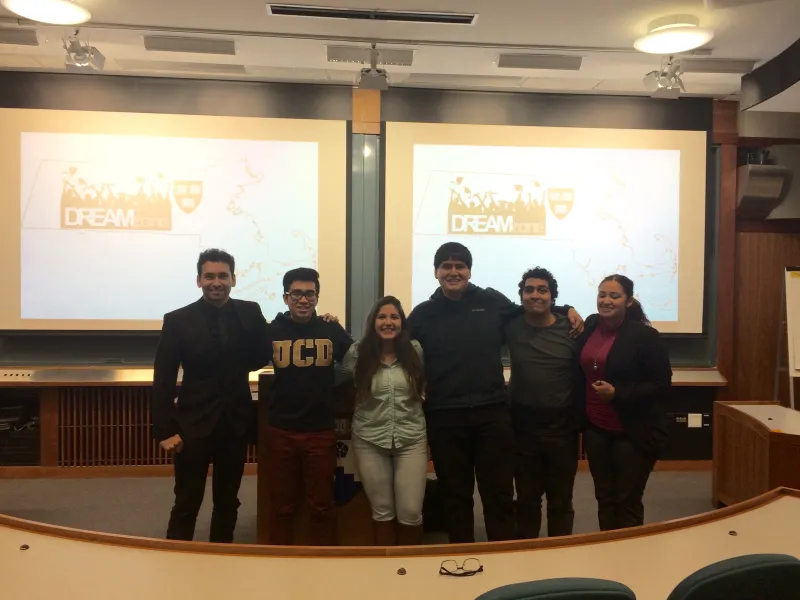 A photo of me and my classmates during a group presentation!
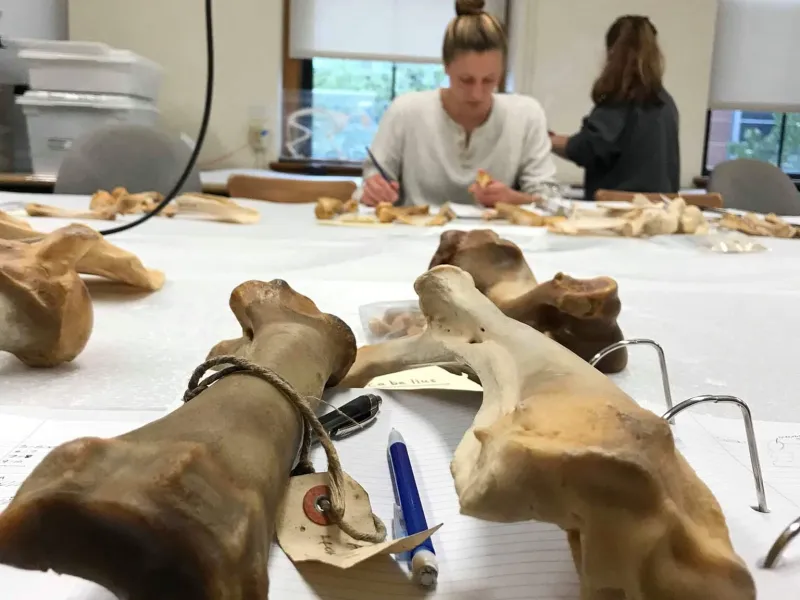 My friend Mathilde in our Osteoarchaeology class
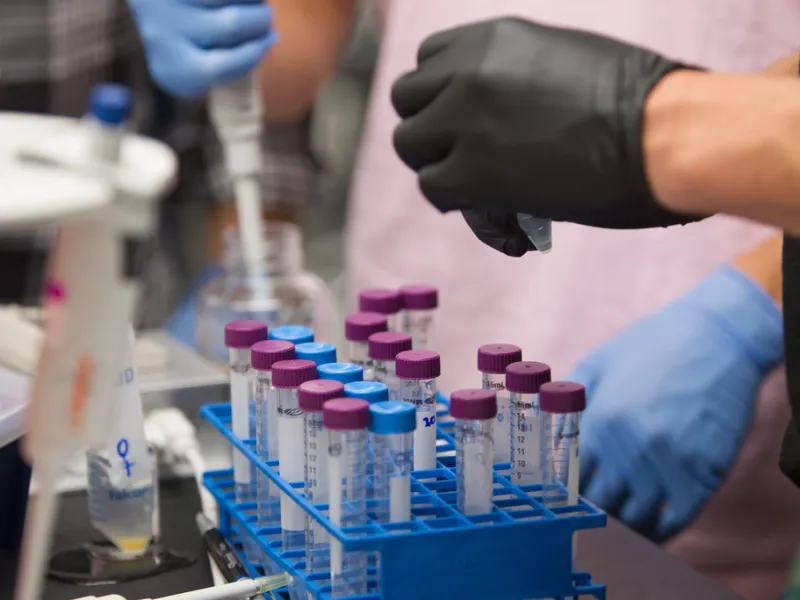 Test tubes in a laboratory