
For several students, special concentrations promote academic exploration beyond what's currently offered at Harvard.
While Harvard College offers more than 3,700 courses in 50 undergraduate fields of study, special concentrations allow students to draw from multiple disciplines and design their own curriculum. Hear from my friend Kai, a special concentrator, about their experience!
Mollie: “Thanks for doing this, Kai! Can you briefly introduce yourself?”
Kai: “My name is Kai, I’m from Australia and Japan, and I’m doing a special concentration in Innovation and Social Impact with a focus area in Global Health Inequality. I am very interested in how the community can fill in the gaps of public health infrastructure.”
Mollie: What is a special concentration, and how is it unique from other concentrations offered at Harvard?
Kai: “Special concentration allows students to develop their own liberal arts curriculum to study fields that are not currently existing as departments at Harvard. [Students can] combine courses from a lot of different fields into a unique concentration. It gives you a lot of flexibility and support to study topics that you are truly passionate about.”
Mollie: What led you to discover special concentration?
Kai: “I wasn’t sure what I wanted to study when I first came in [to college]. I tried a lot of classes, from filmmaking to public health, and I even took a class held at carceral facilities. At first, I gravitated towards Social Studies because it’s also quite an interdisciplinary concentration. However, while Social Studies requires a written senior thesis, I wanted to apply my learnings in a hands-on project. The special concentration let me do that, and it allowed me to select courses that I was more interested in.”
Mollie: What topic did you research as part of your capstone project?
Kai: "My capstone project works with local governments in Japan to help design a community initiative for elderly care. With an aging society, Japan is facing an elderly care crisis. At the same time, families are becoming more fragmented as younger members move to the city for work. Especially in rural areas, many elderly individuals live by themselves and are quite lonely. Long term care insurance offers medical care, but not accompaniment and daily life care."
Mollie: How does your initiative engage with this question, and how did the special concentration help you bring this project to life?
Kai: "We are designing a platform to matchmake between members of the community -- university students, stay at home parents, or retirees -- with elderly people in their neighborhood for different activities. We now have a partnership with the mayor of the city! Special concentrations gave me the opportunity to pursue this as part of coursework."
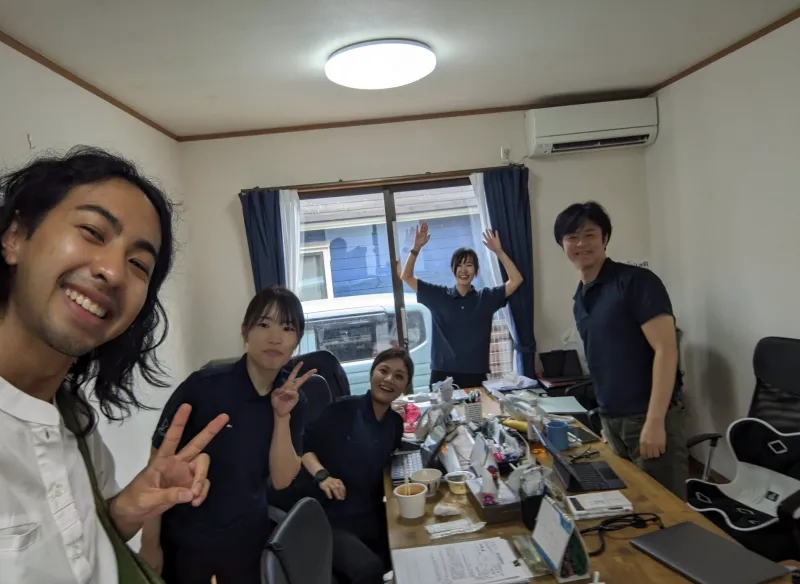
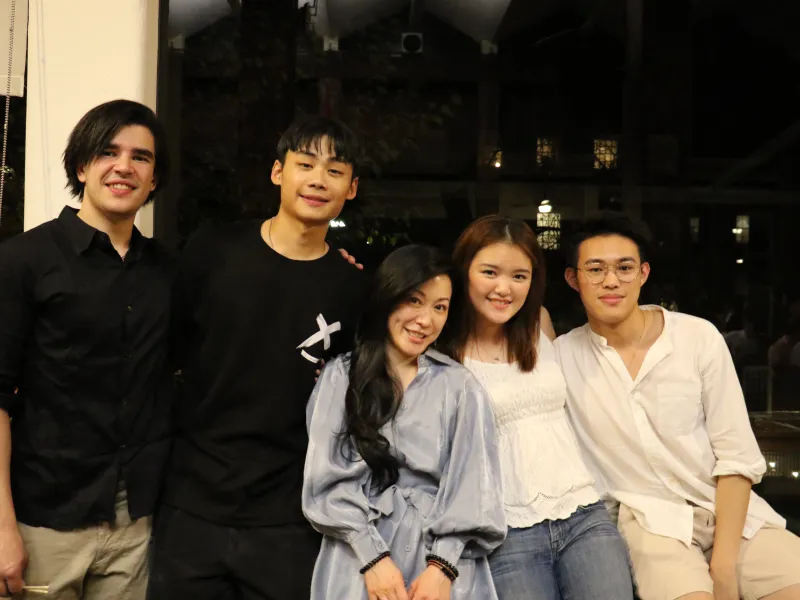
Kai's photo from their time in Japan
Mollie: How do you apply to be a special concentrator?
Kai: "Application processes for special concentration take place in either Sophomore or Junior year. You share your goals and vision for the curriculum, explain why it can’t be studied currently, and demonstrate that it’s still liberal arts. You also find your own faculty advisor, who helps you design the curriculum and project."
Mollie: For anyone reading this blog, who would a special concentration be a good fit for?
Kai: "People who have a good idea of what they want to study that might not be traditional would benefit from doing a special concentration! There’s still a lot of support – I got funding for my fieldwork – but because you design your own curriculum, there’s some level of independence there."
Mollie: If you had to pick your favorite thing about being a special concentrator, what would it be?
Kai: "While most departments require courses to be taken on campus, I counted courses from Kenya, India, South Africa, and Argentina into my requirements. Even when I was in Cambridge, I took classes at the Kennedy School, Medical School, and MIT."
Mollie: Outside of academics, what else are you involved in on campus?
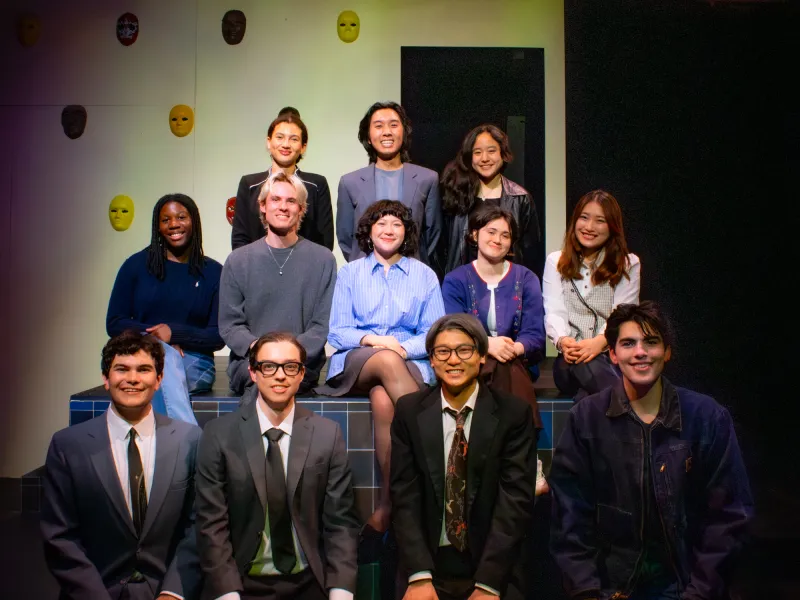
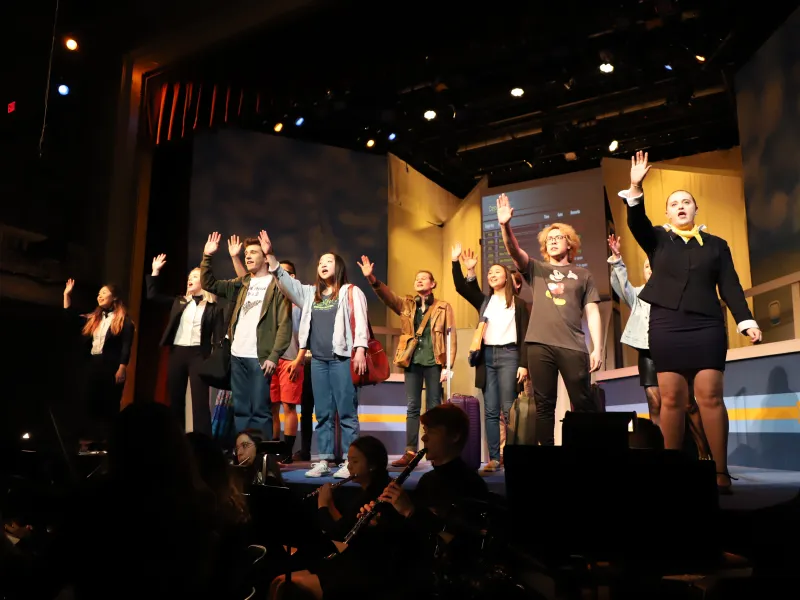
Kai: "This semester, I am a part of a musical called The Crane Wife's Return of a Favor. Recently, I’ve enjoyed biking along the Charles River and karaoke-ing with my friends."
A big thanks to Kai for sharing their experience!
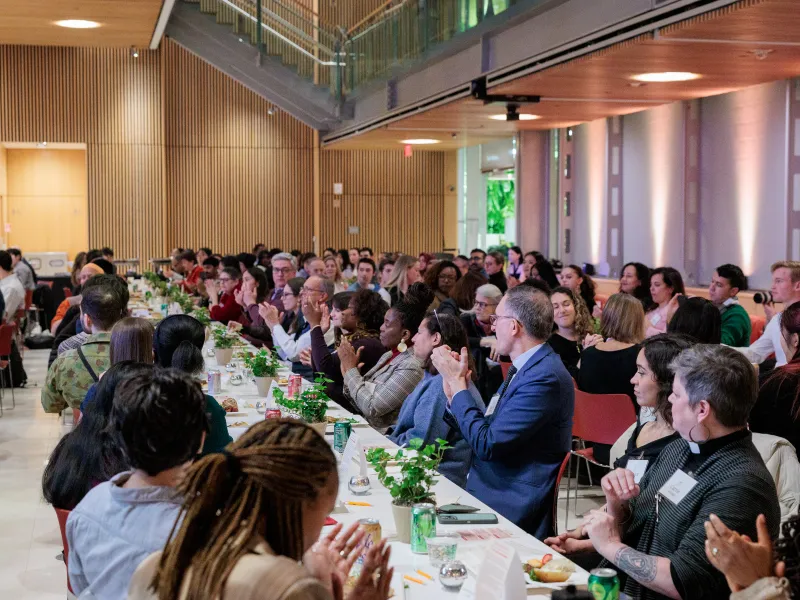
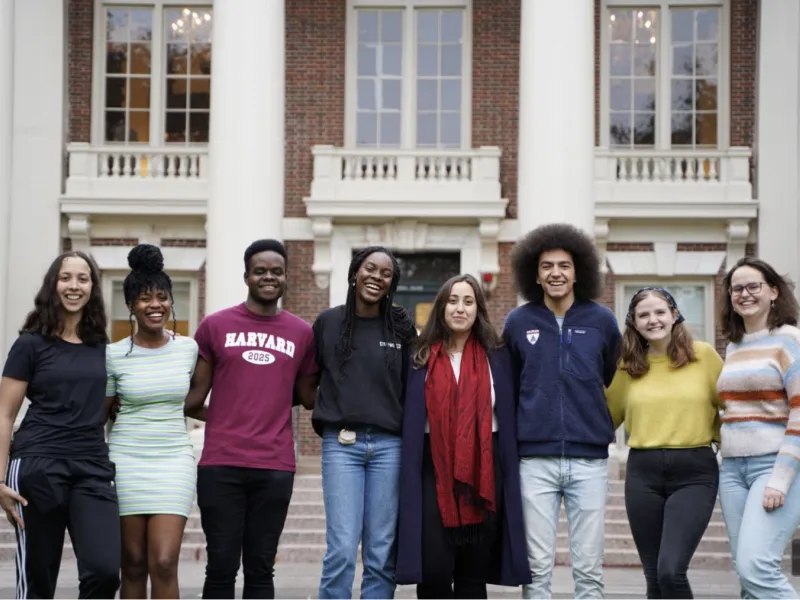
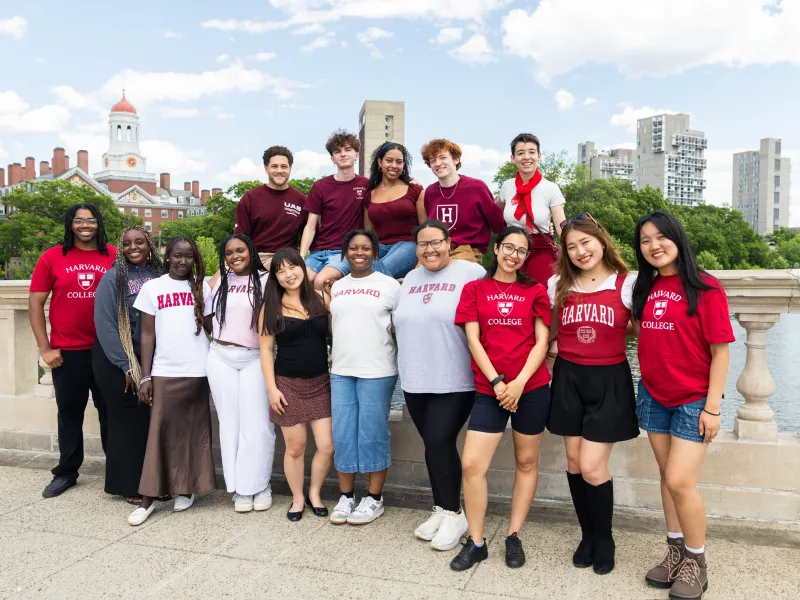 A photo of the 2026 Summer Recruitment Ambassadors on the Weeks Bridge
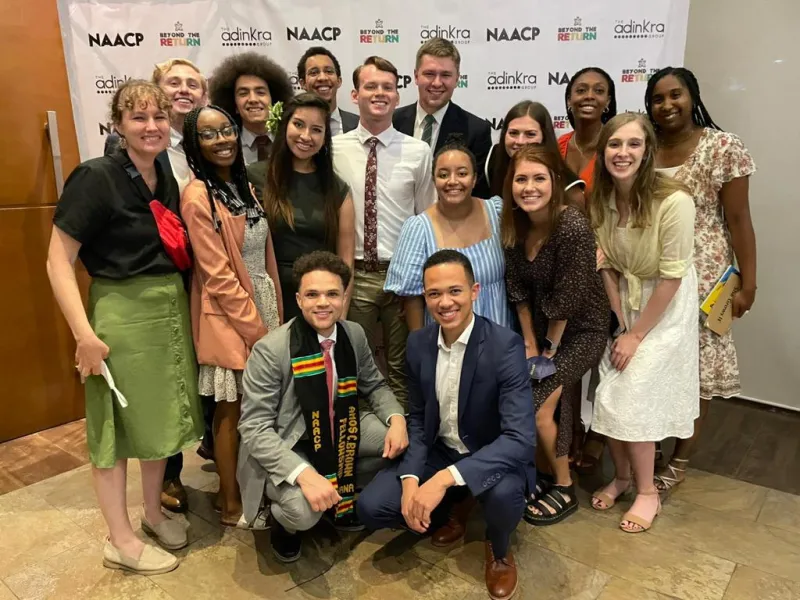
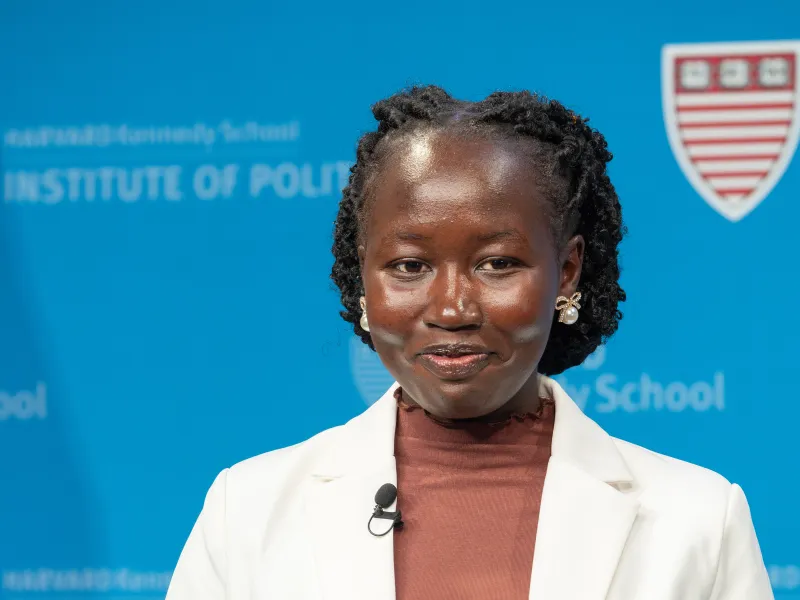 The Our Narrative brings 6-7 student speakers every semester to share their journey into public service
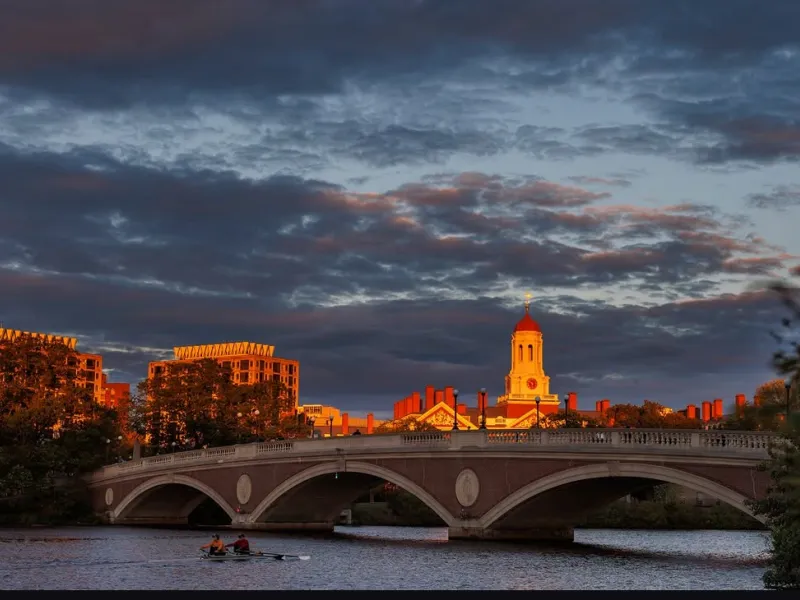
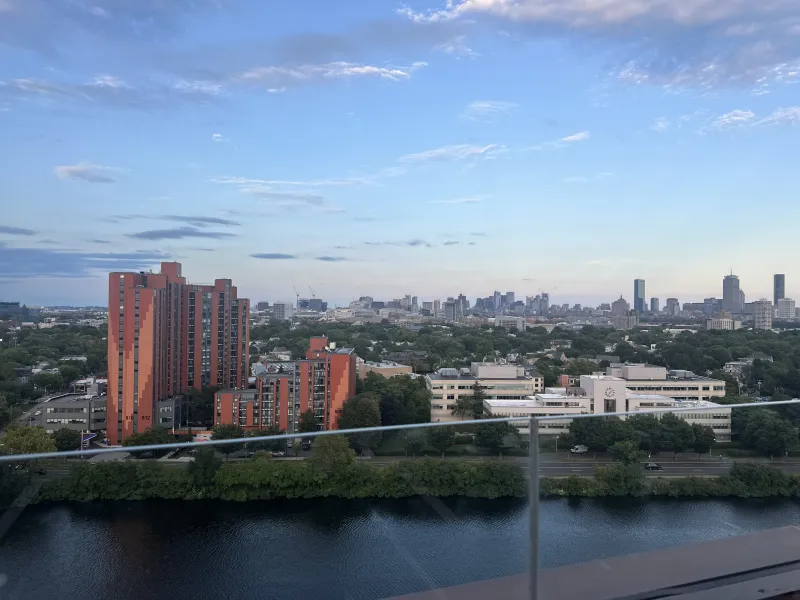
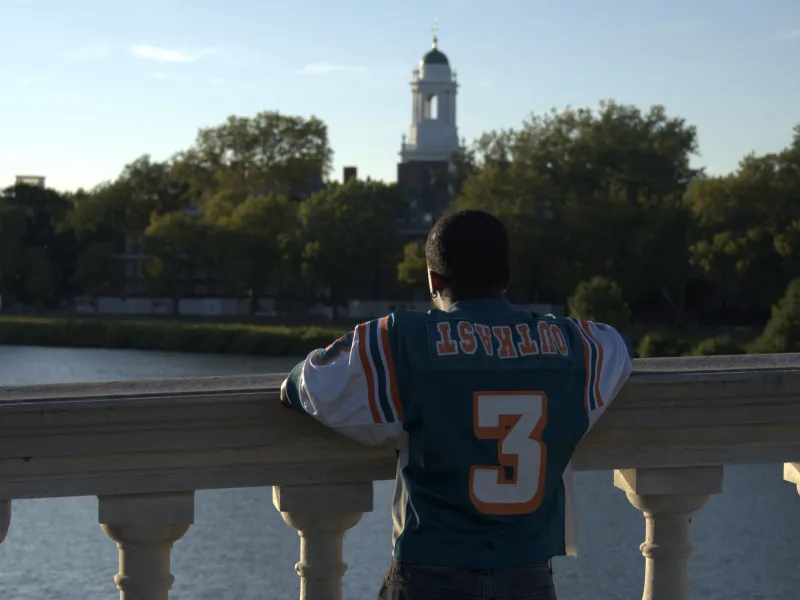
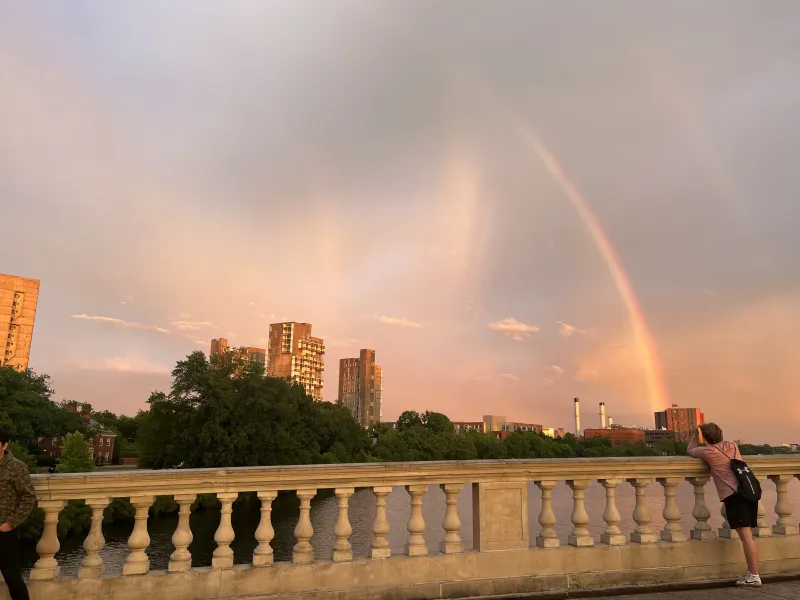 Weeks Bridge has one of the best views of the Cambridge skyline, especially at sunset.
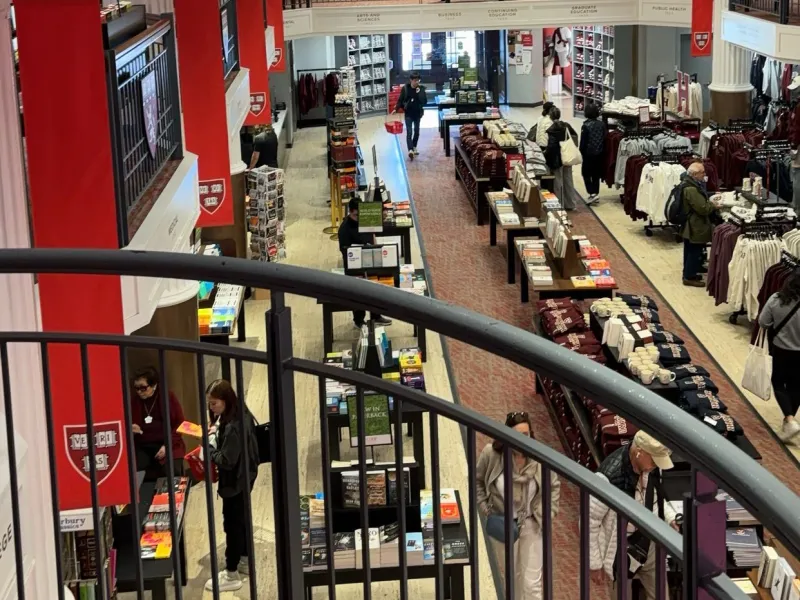 The inside of The Coop from the second floor view
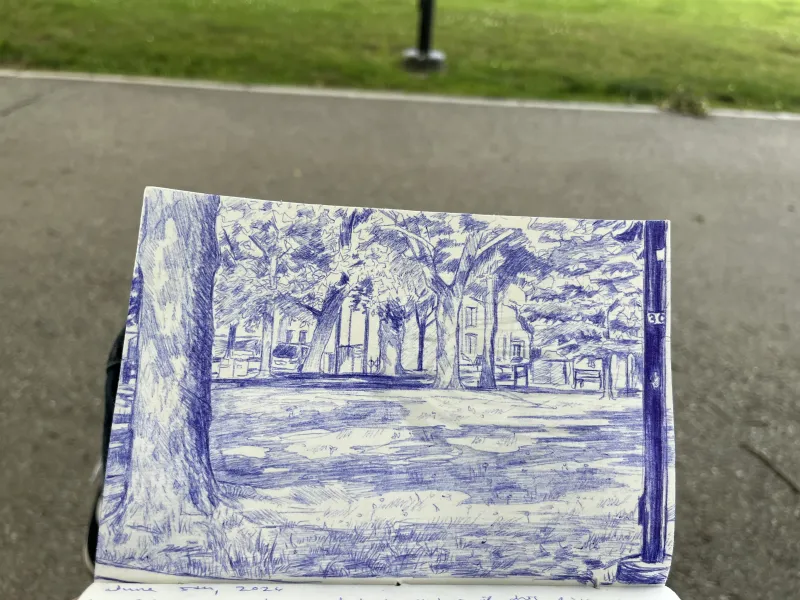 Drawing can be a leisure activity or a great way to relax. A sketch book and pen often accompanied me at the park in my free moments.
 A photo of the Harvard Art Museums
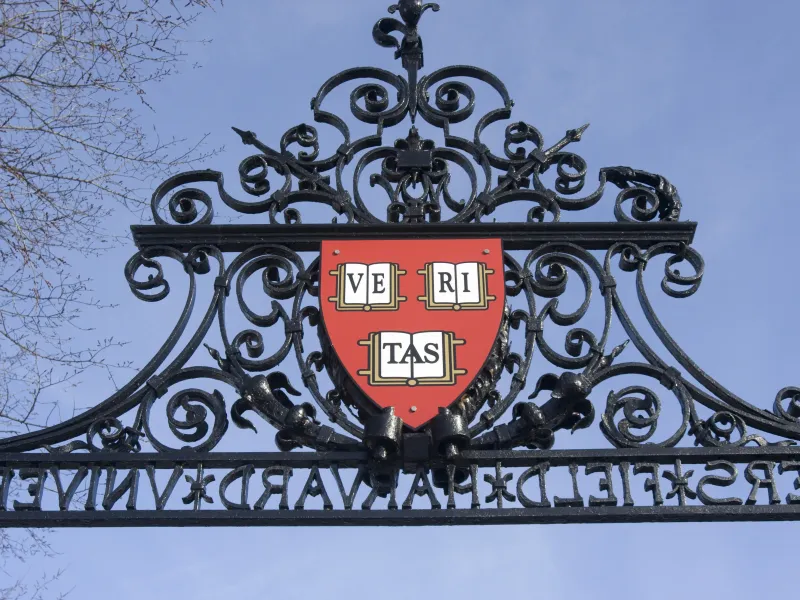
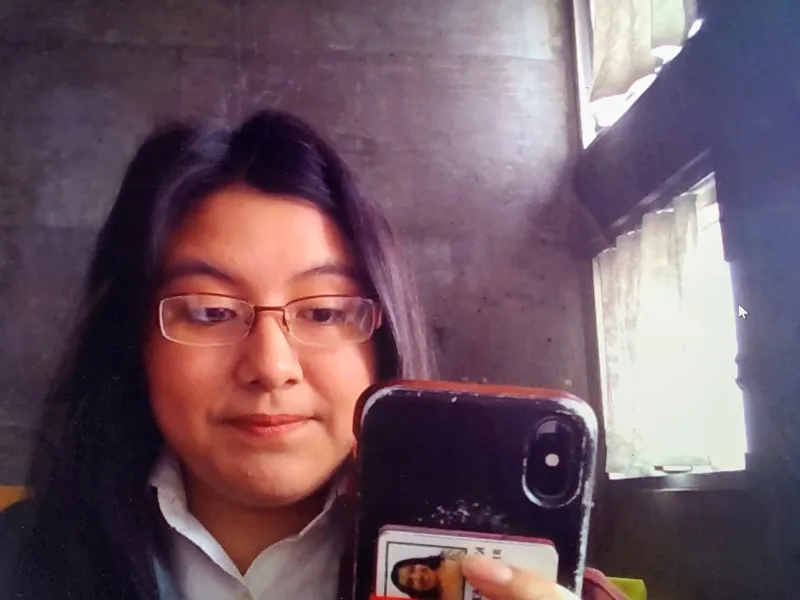
 A hand holding a card featuring a Harvard ID with the Harvard crest
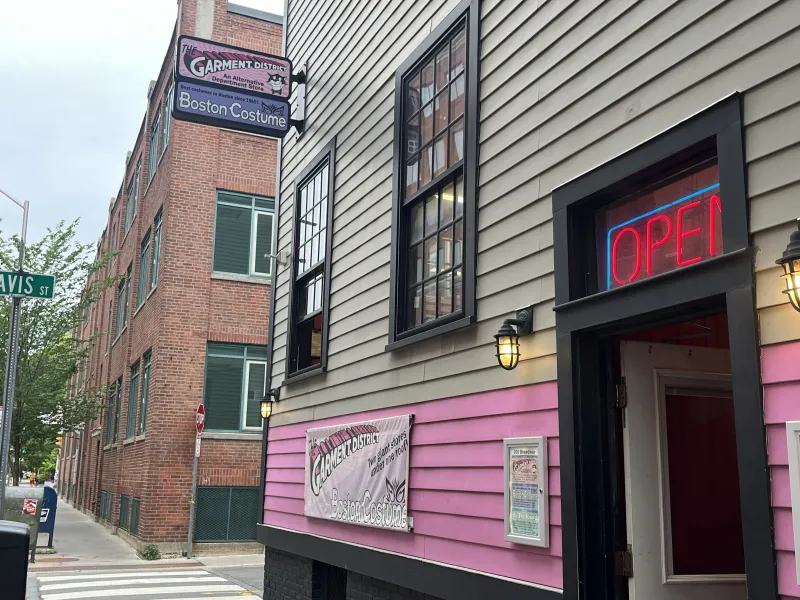 The Garment District is a thrift and costume shop just outside of Harvard's campus.
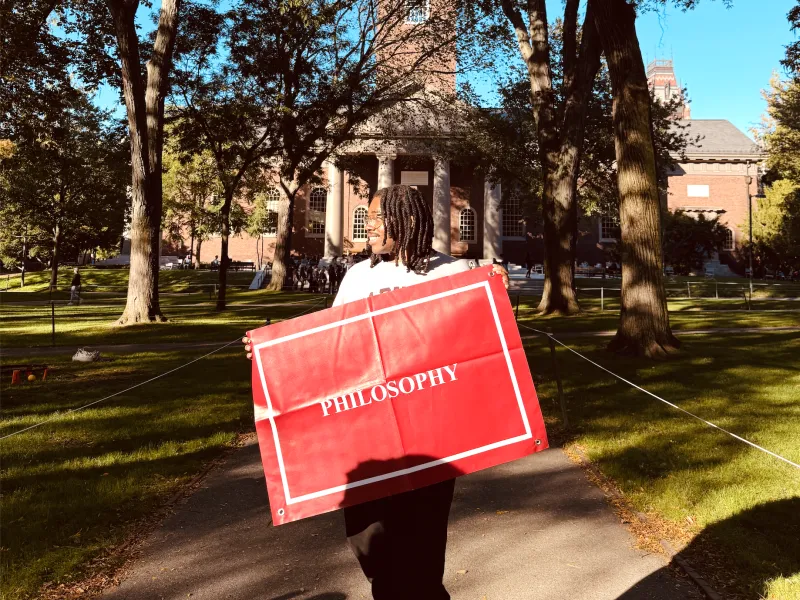 My Philosophy banner
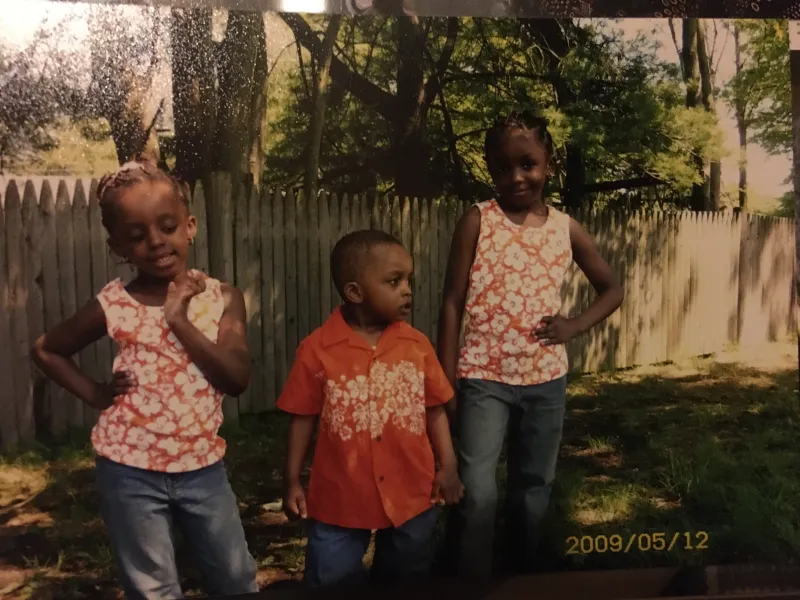 My Siblings and I When we were Younger
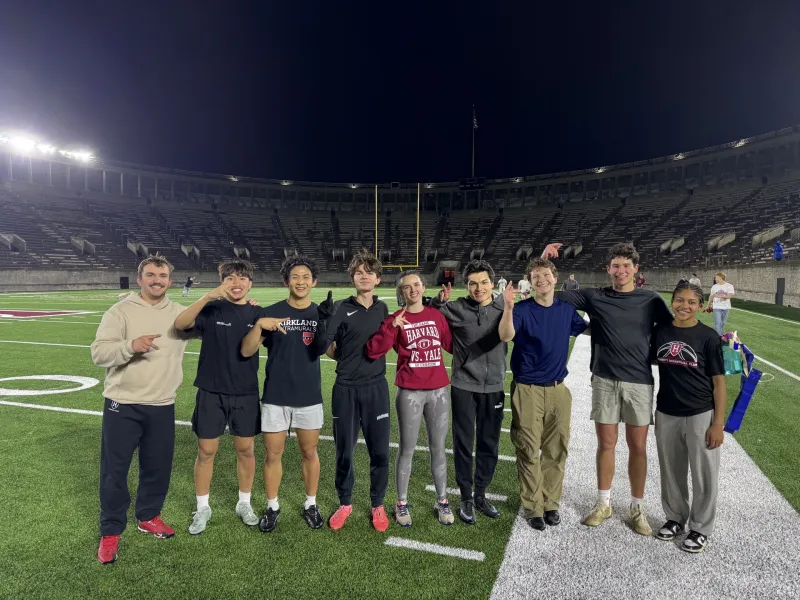 Here I posed with my new team to celebrate our victory in my first game of flag football. I even taught the team how to sign "K" for Kirkland House in ASL
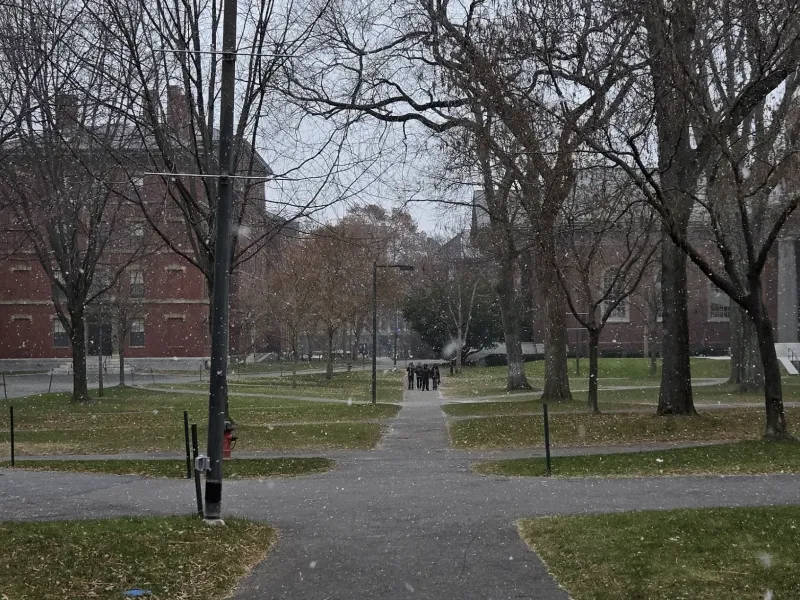 My daily walk during the winter
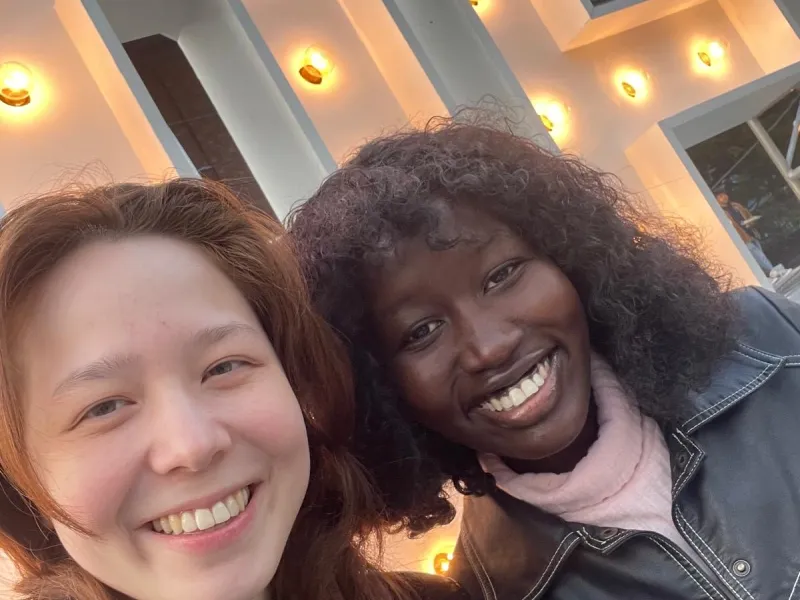
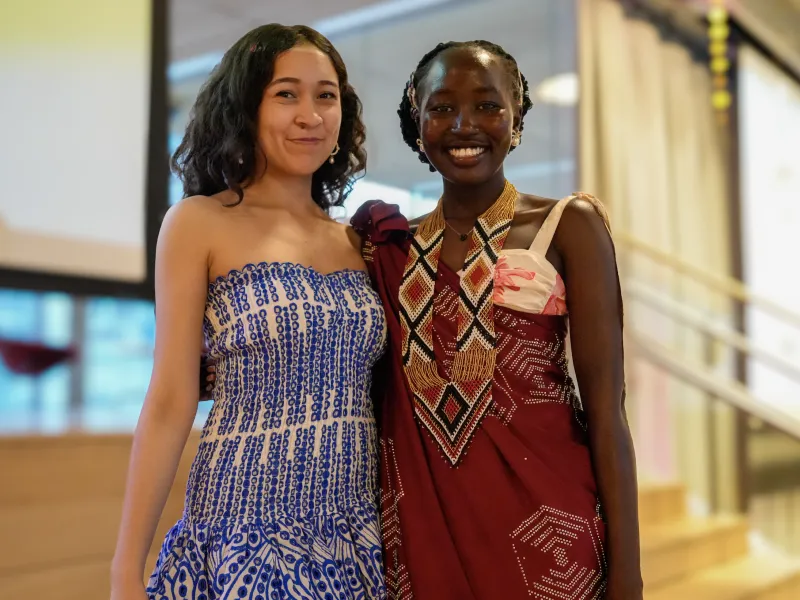 During the Cultural Rhythms, Caitlyn showcased her beautiful Vesido De Flores dress from Mexico and I showcased South Sudanese Lawa. Later only to find out she is in Pforzheimer House, the best house. We become friends ever since. An amazing woman
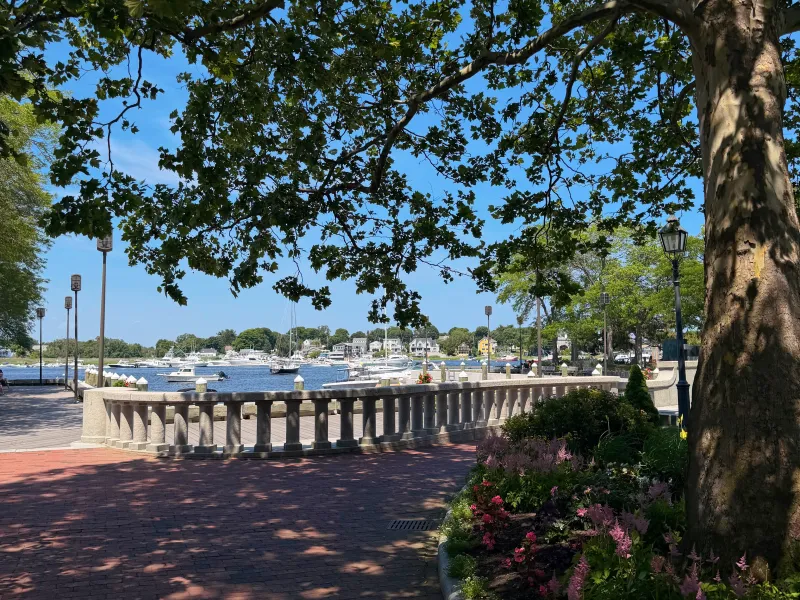
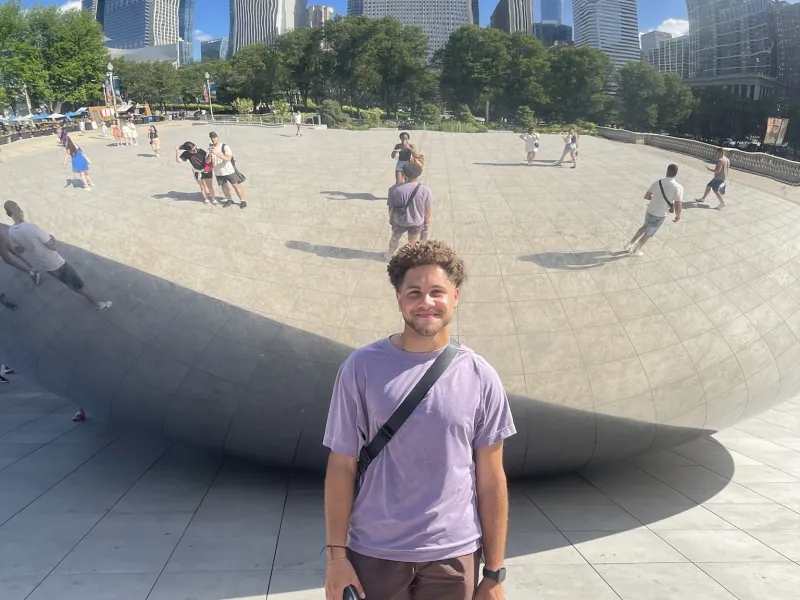
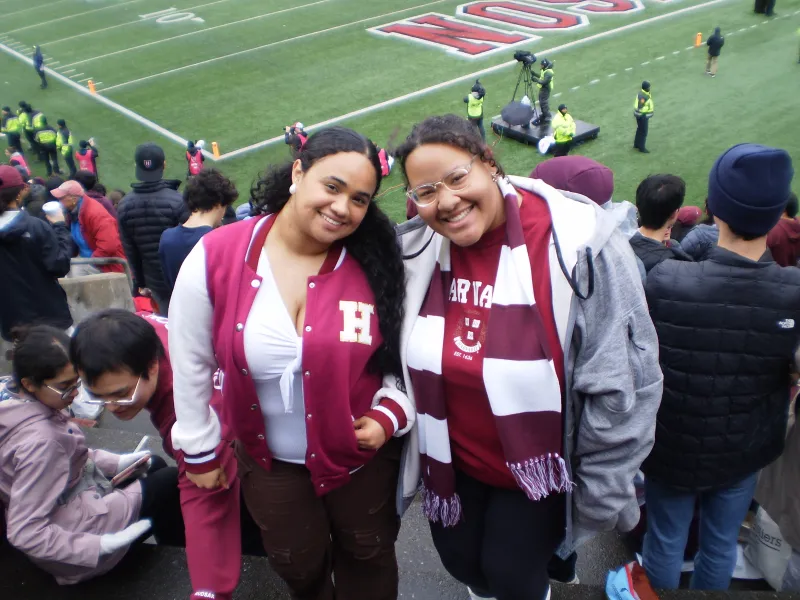
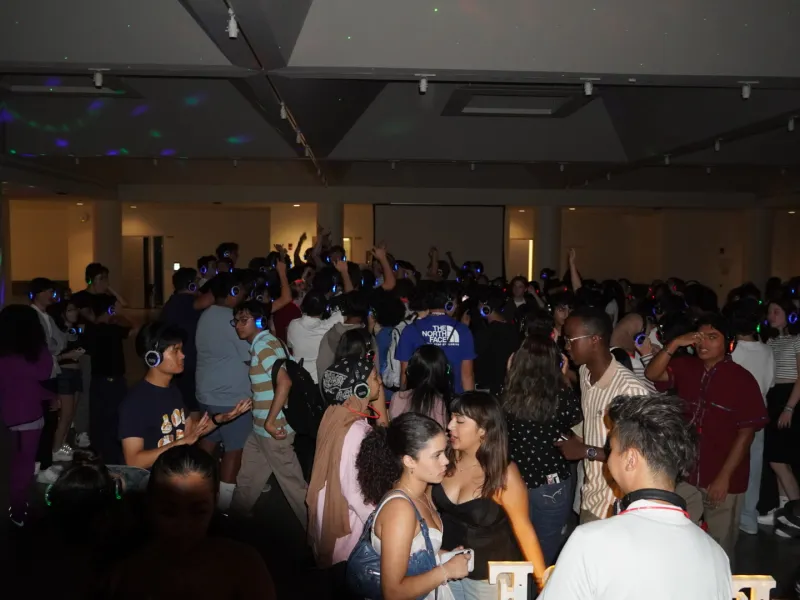 FUP Silent Disco
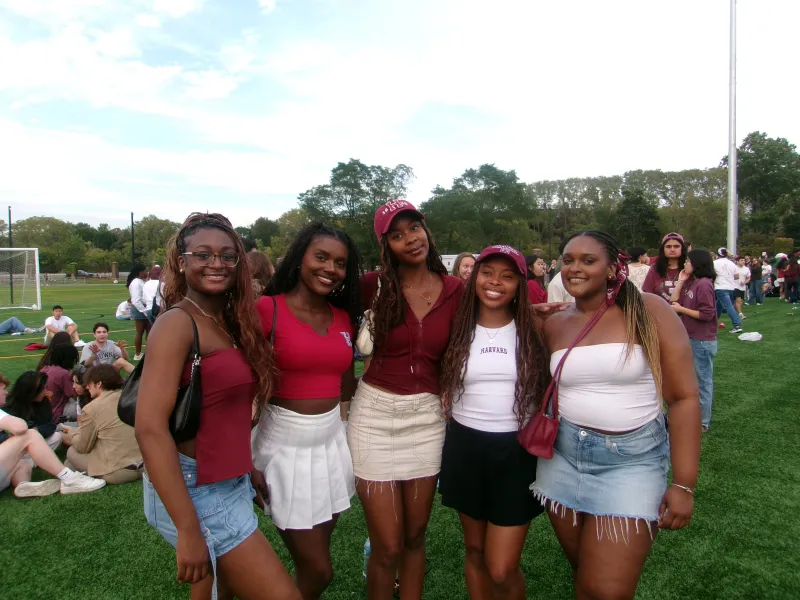 Me and my friends showcase similar styles
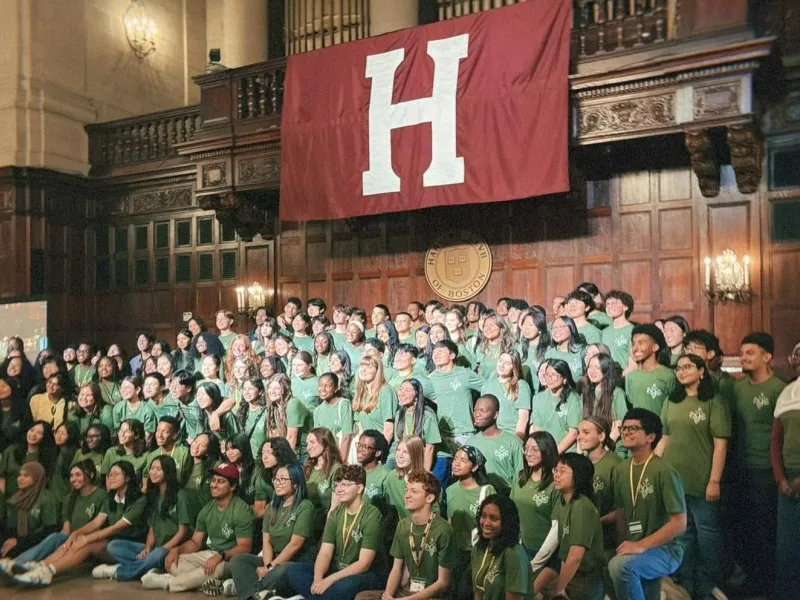 First-year students gather to commemorate a successful alumni networking event at the historically exclusive Harvard Club of Boston
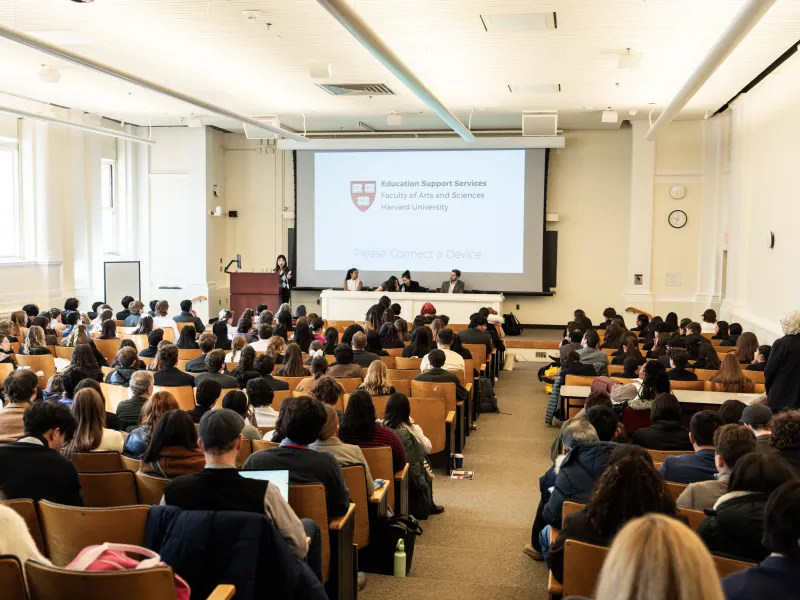 Nearly 200 students across 20+ high schools attended Harvard's first High School Ethics Bowl (HCHSEB)
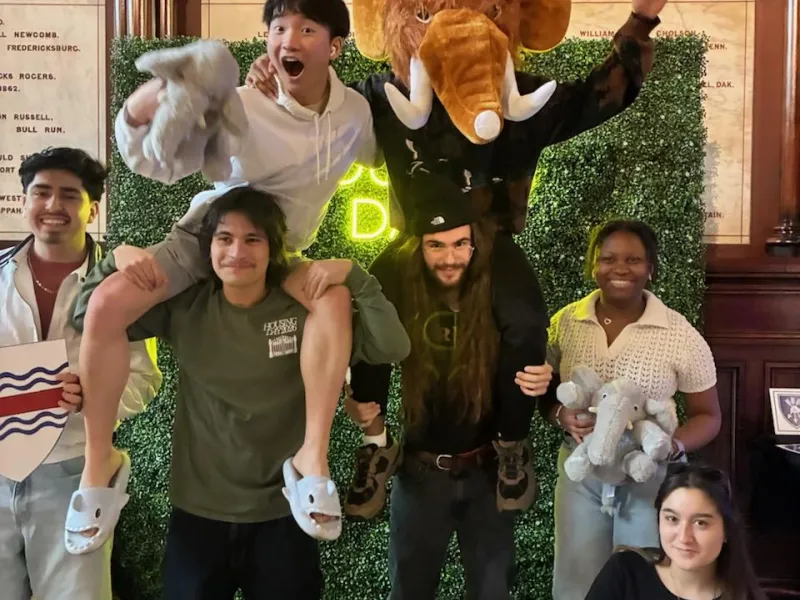 A picture of some of my blocking group members and I on Housing Day!
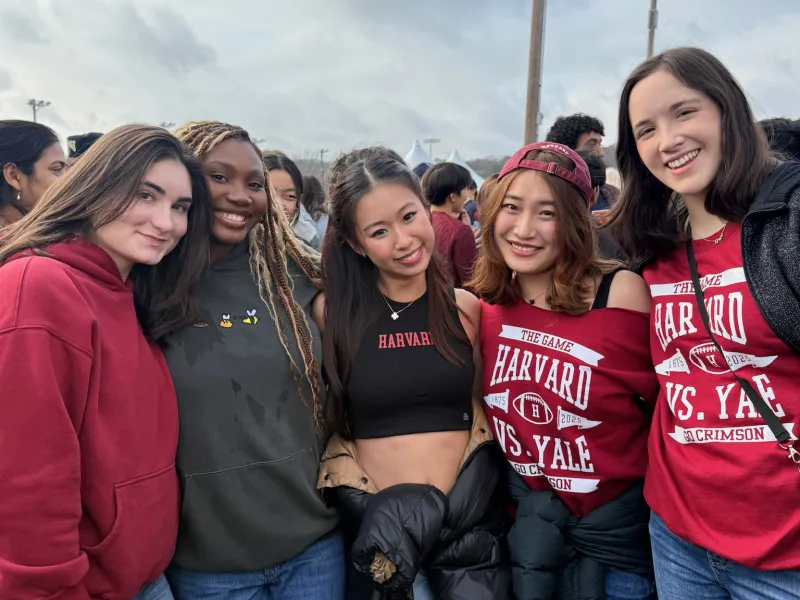
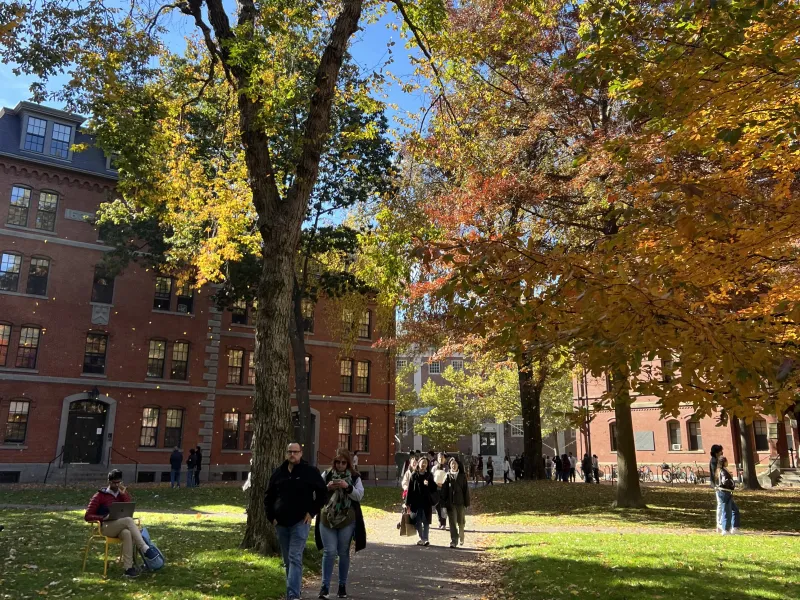 Harvard Yard
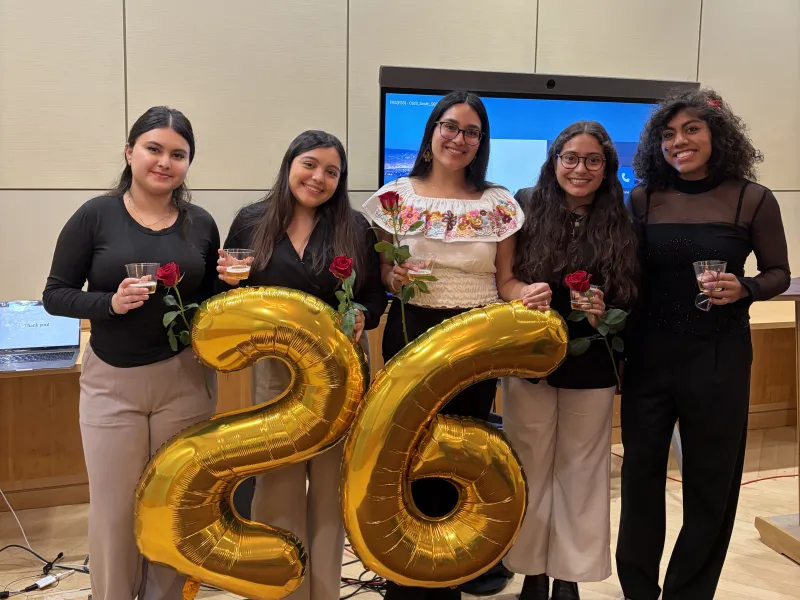 Lizbeth and friends at the Latinx Senior Thesis Forum, where they presented on their year-long projects.
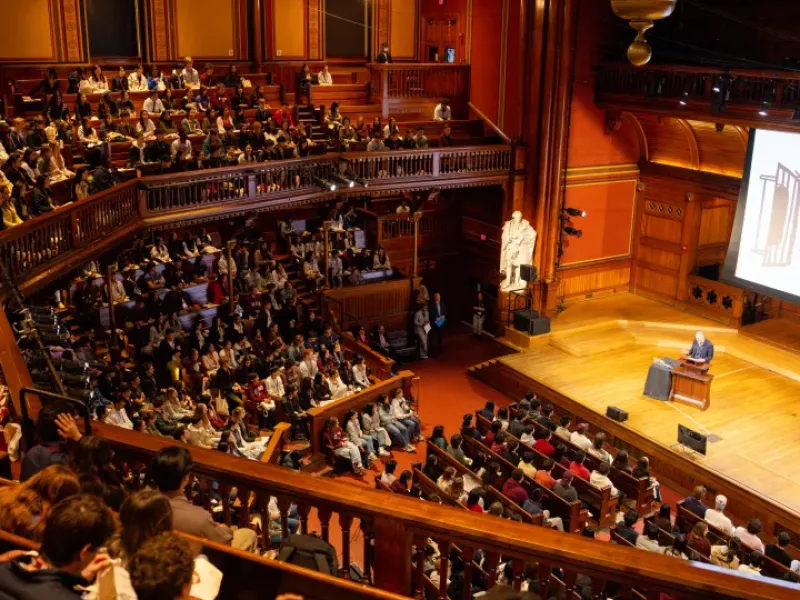
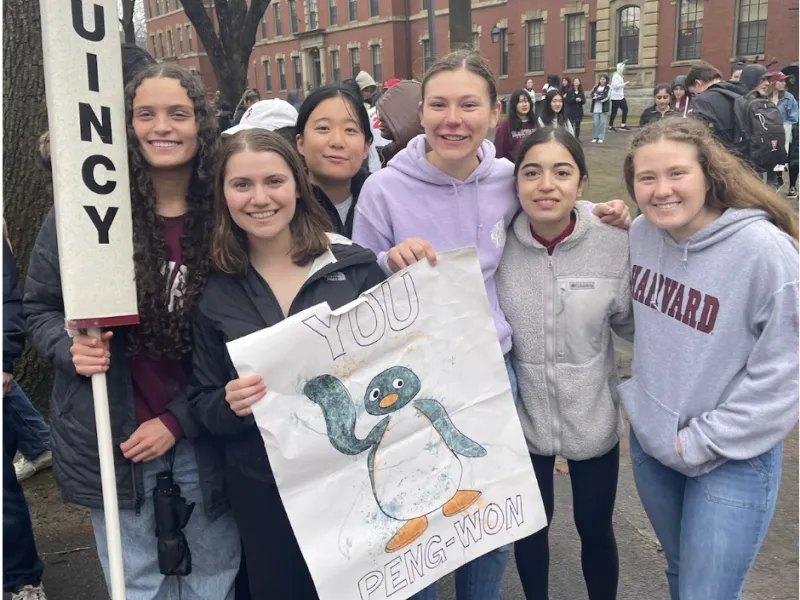
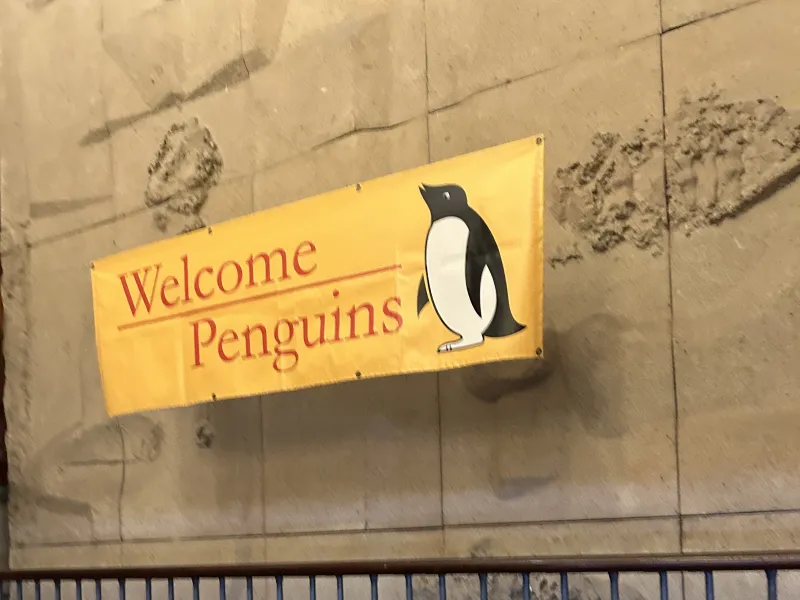 A sign welcoming new Quincy house residents on Housing Day!
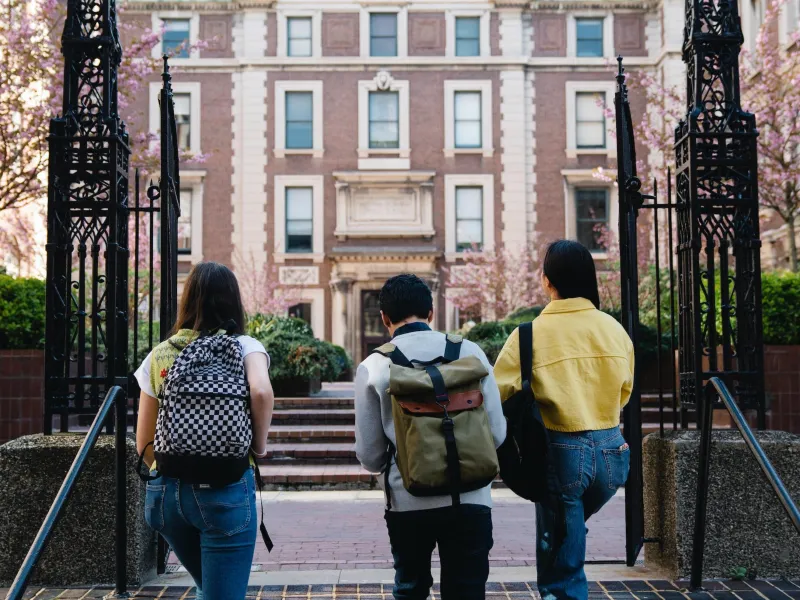 The Barker Center, home to the Harvard College Writing Center
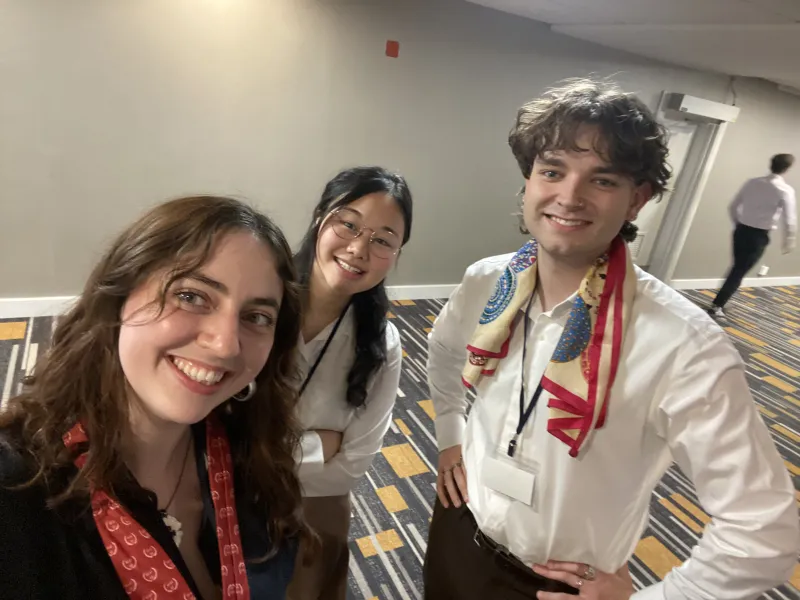
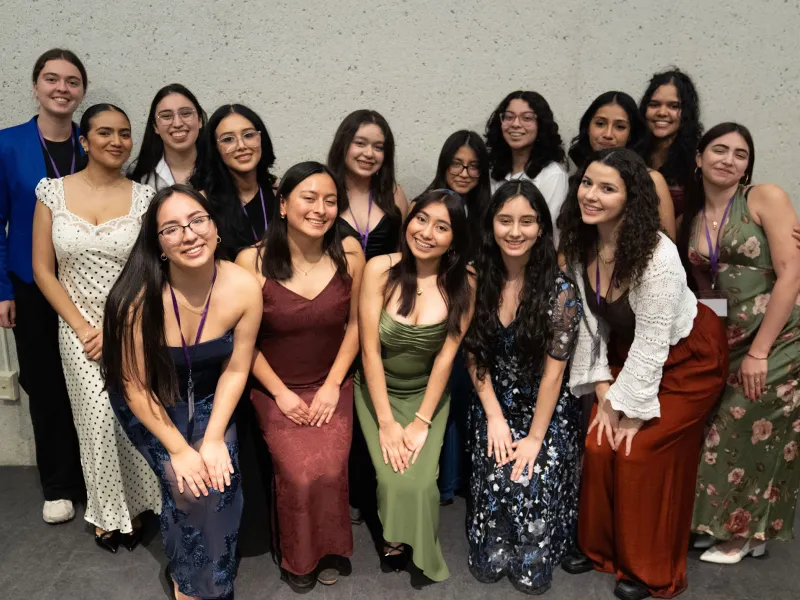 2026 LEAD Board
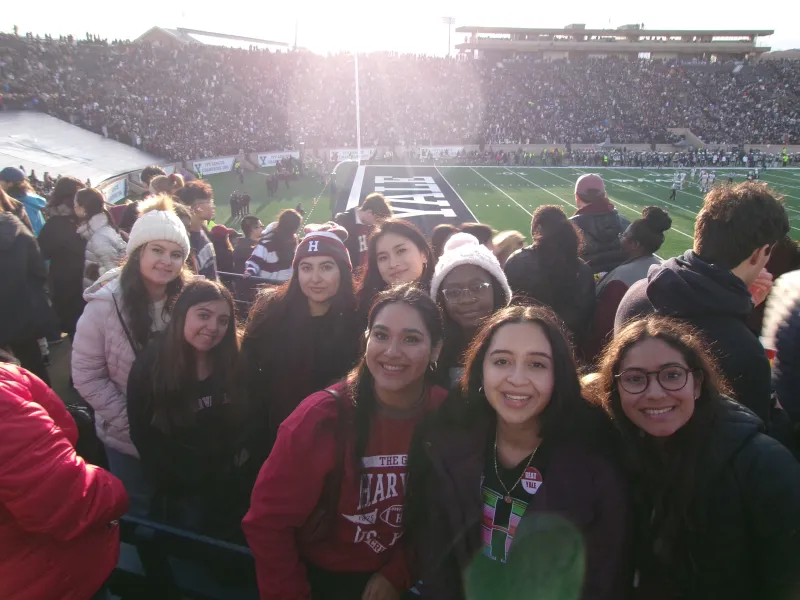
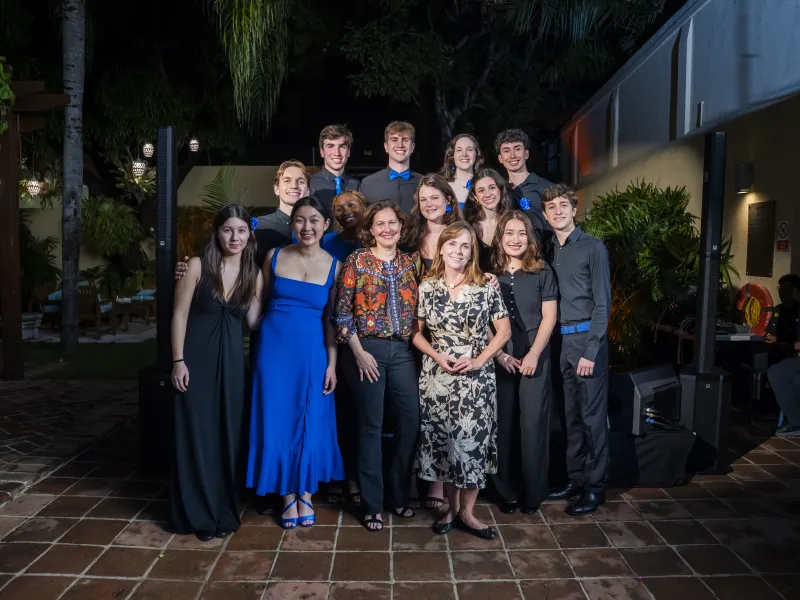
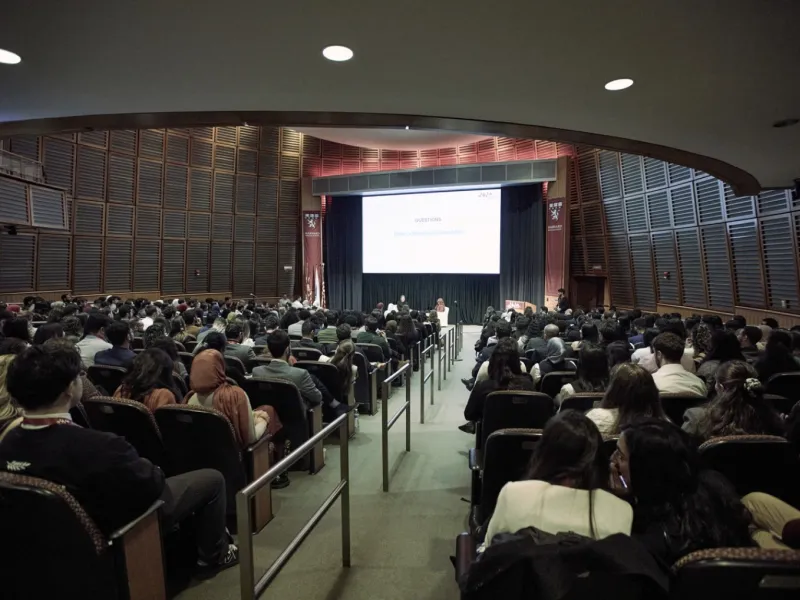
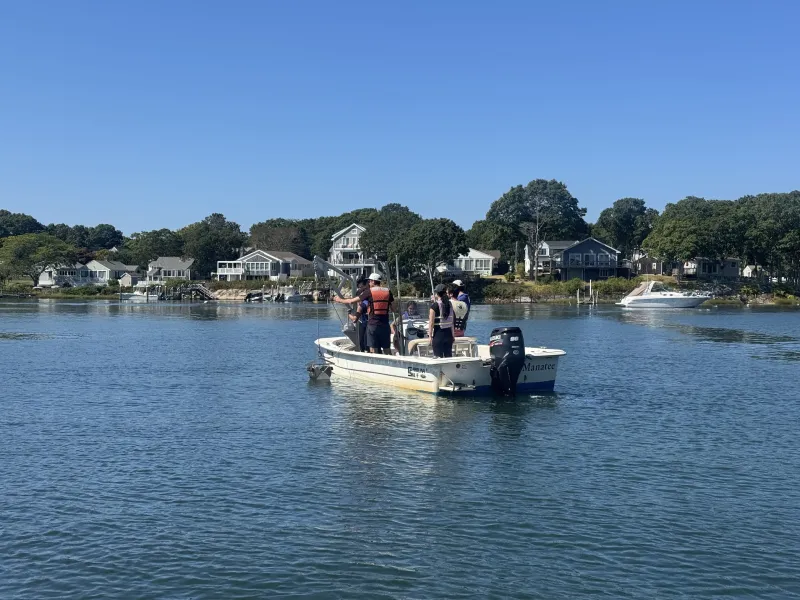
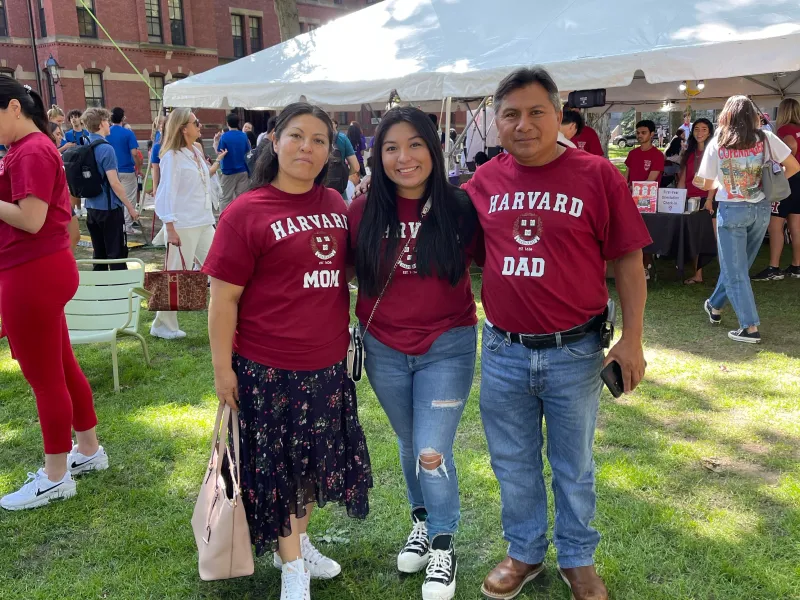
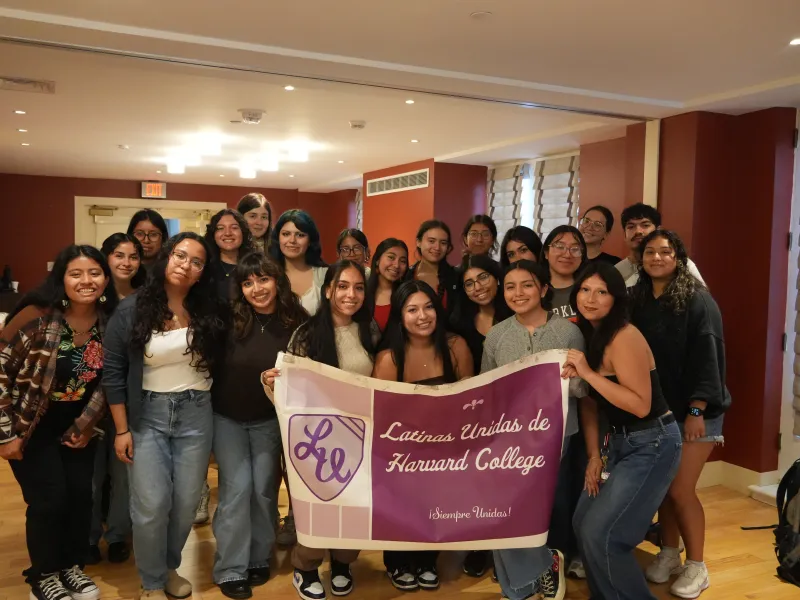
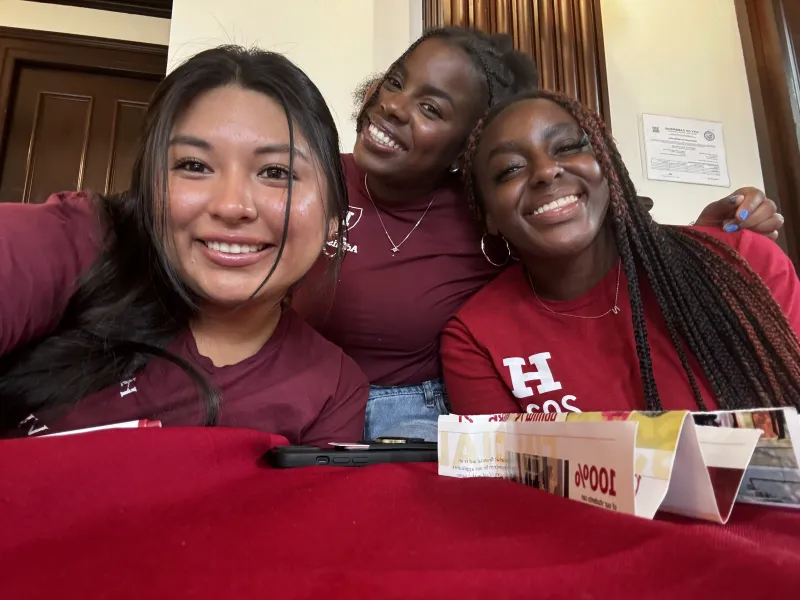 During my internship at the Harvard Admissions Office, I met great people who continue to be my close friends.
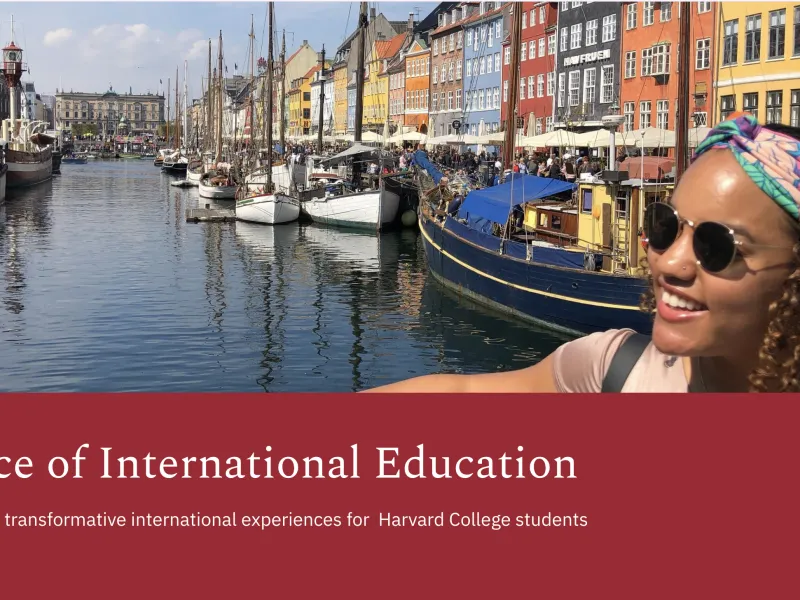 This is the opening page of Harvard's Office of International Education, where you can find plenty of resources in your study abroad journey.
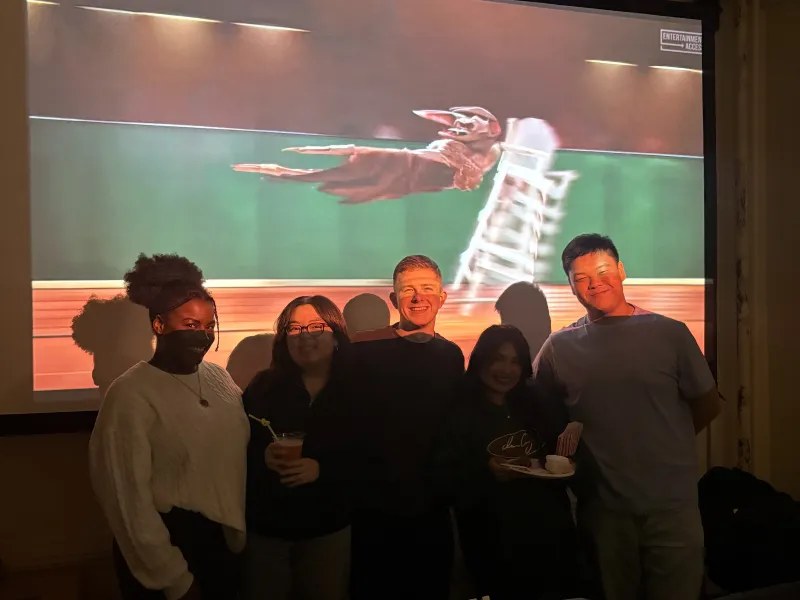
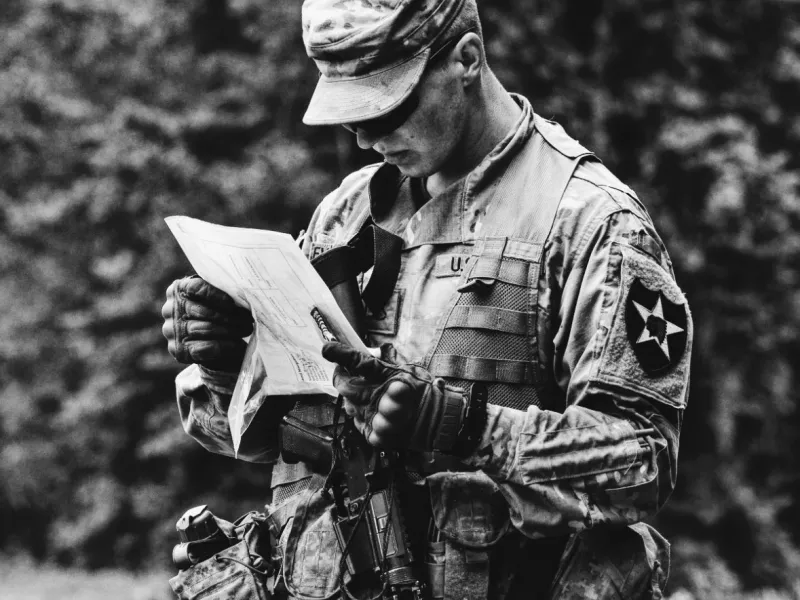
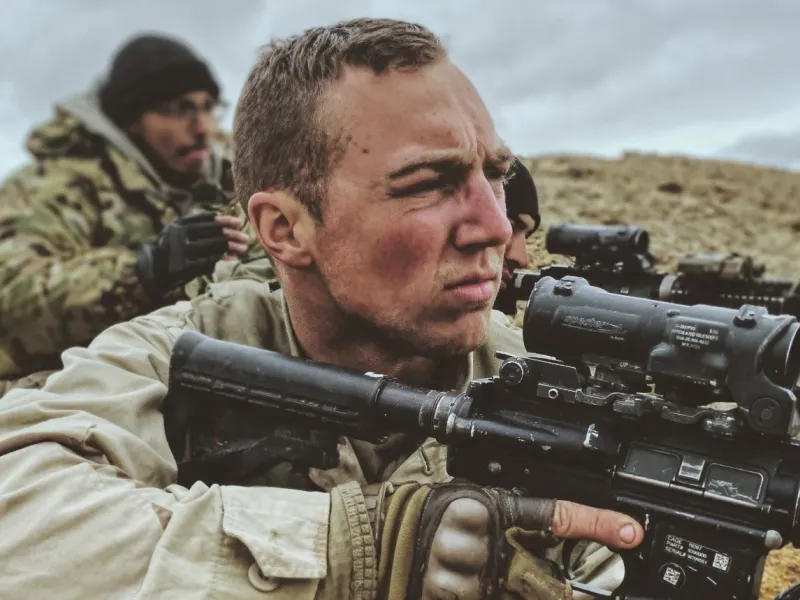
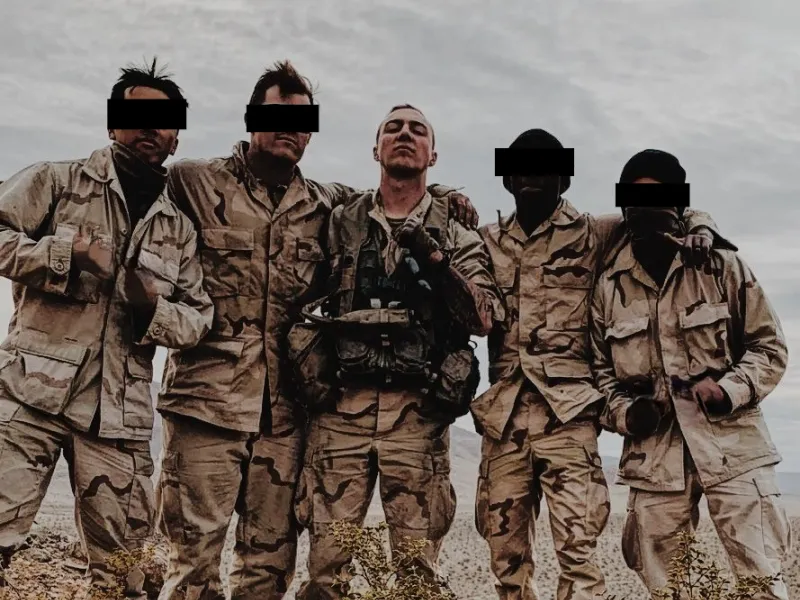 Quinn Ewanchyna '26 stands with platoon members during a training exercise in the Mojave Desert, 2020
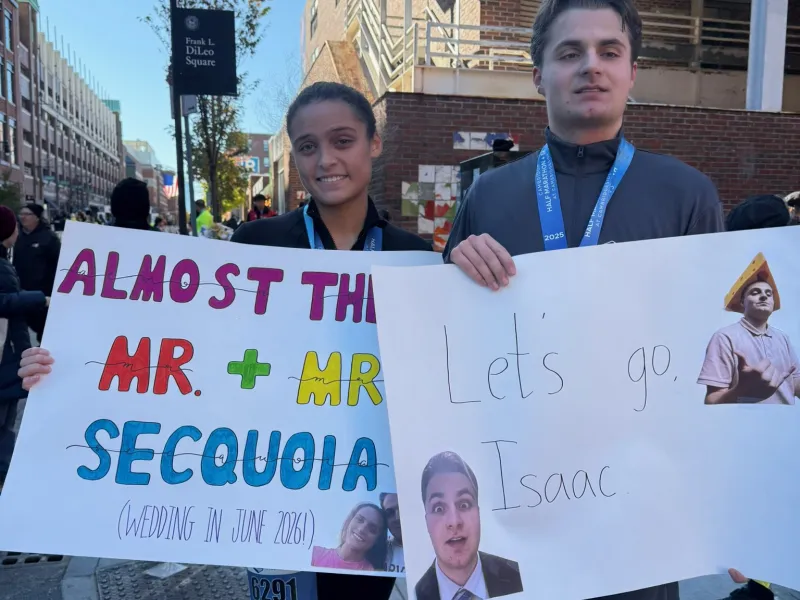 Secquoia and her fiancé after running the Cambridge Half Marathon
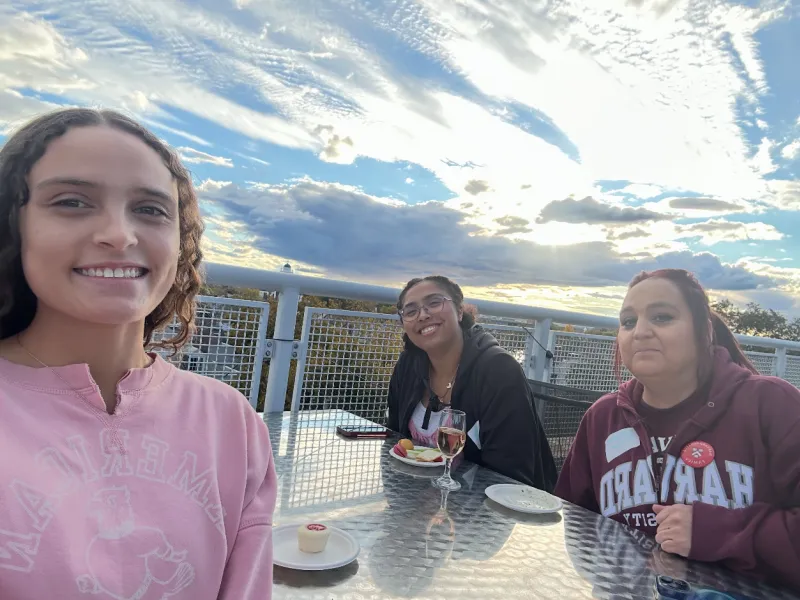 Secquoia with her mom and sister at a family weekend event!
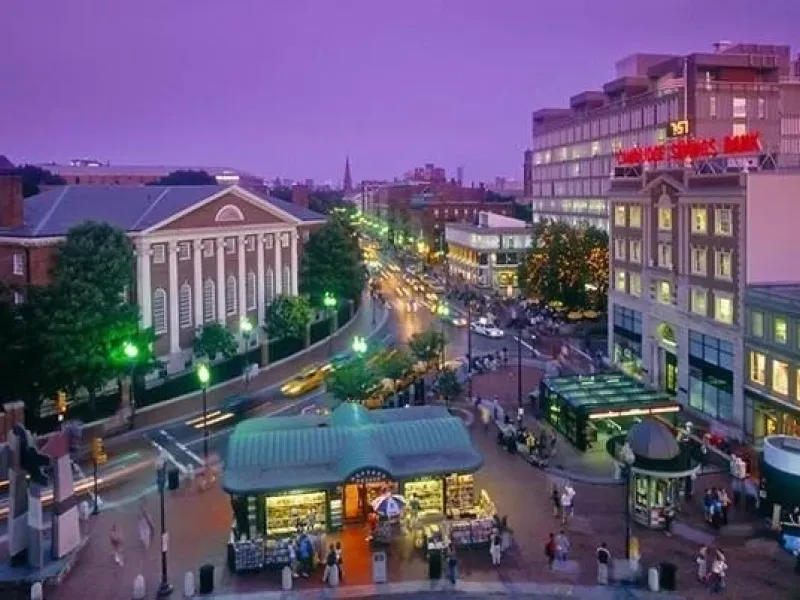
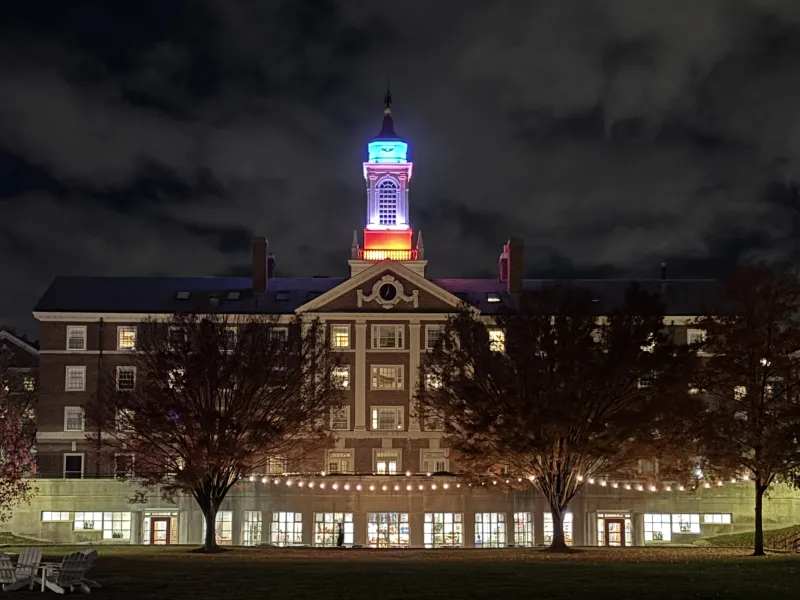 Pforzheimer House at night with its beautifully lit belltower.
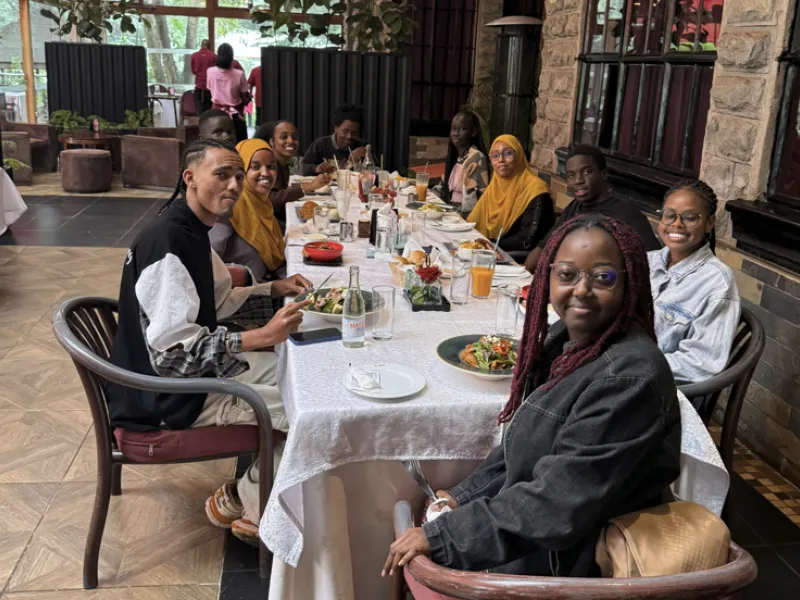
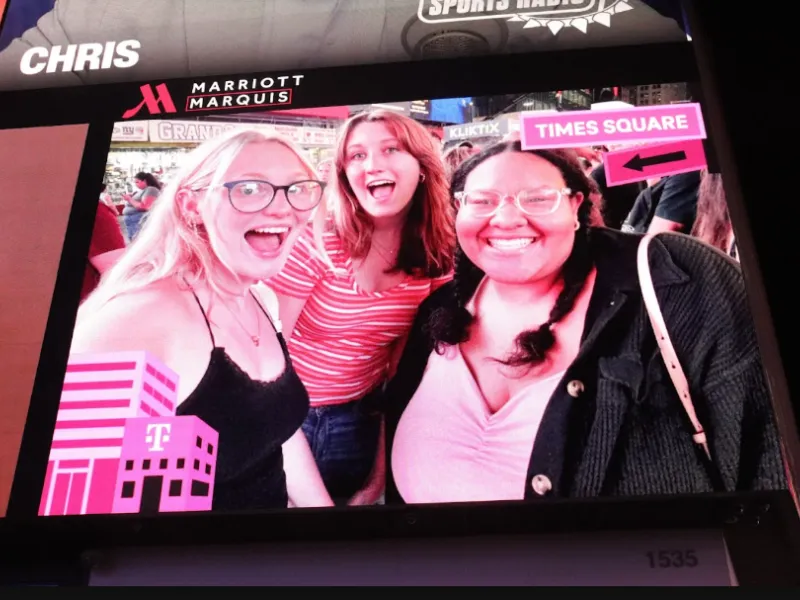
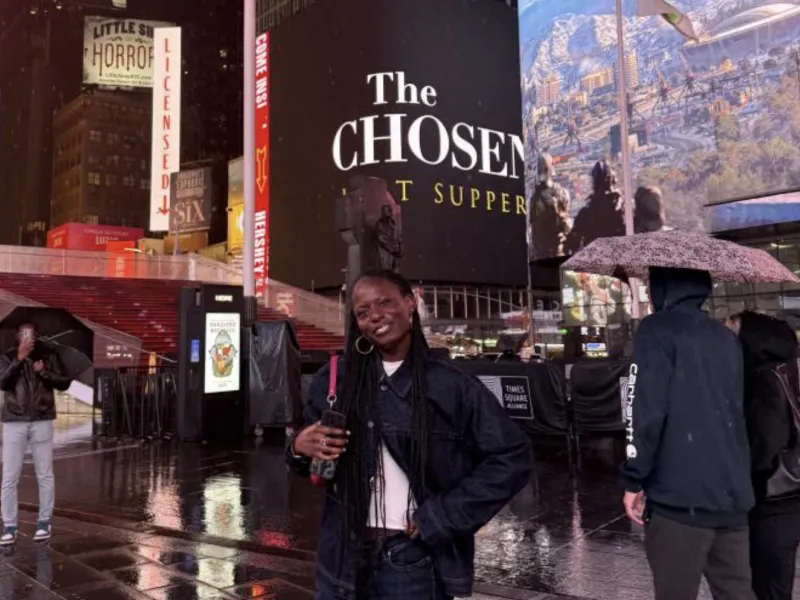 Some friends and I took a coach bus from Boston to New York City and visited Times Square as a part of this trip!
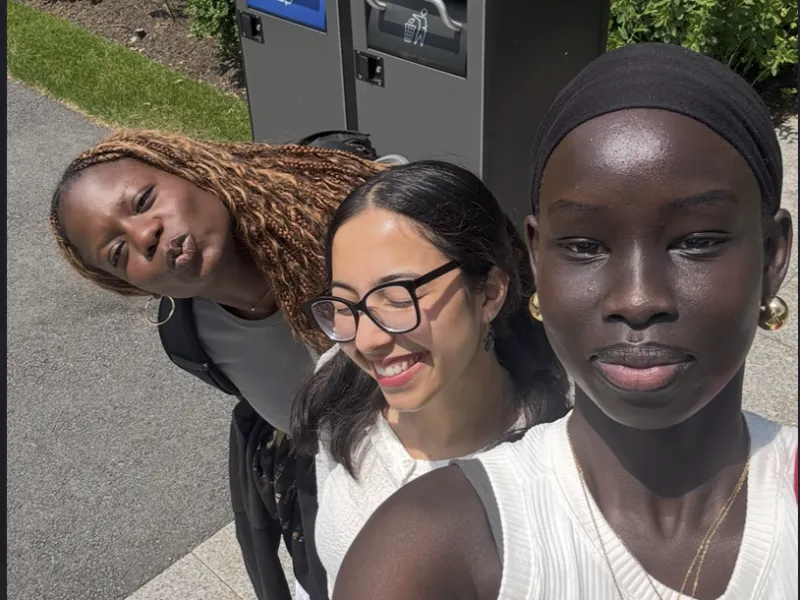
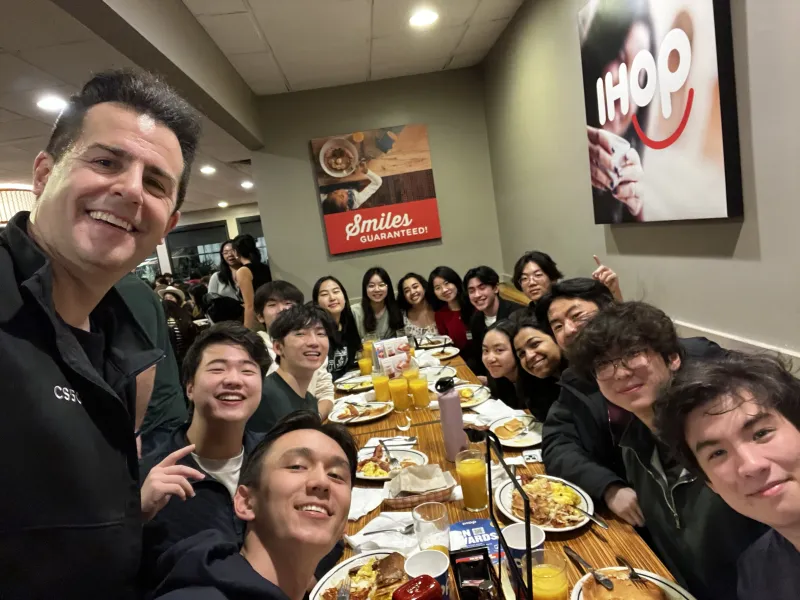 CS50 Hackathon IHOP Breakfas
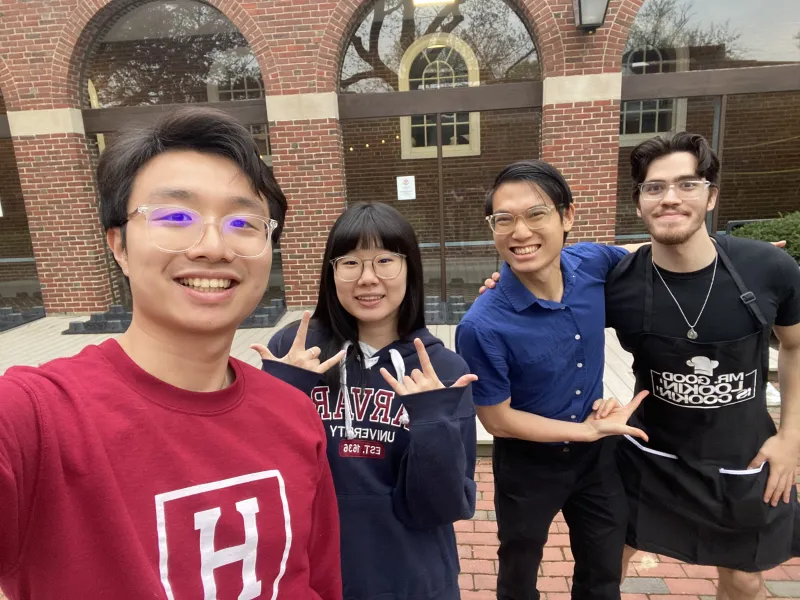 Pfohomies Enjoying the Grill'n'Stein
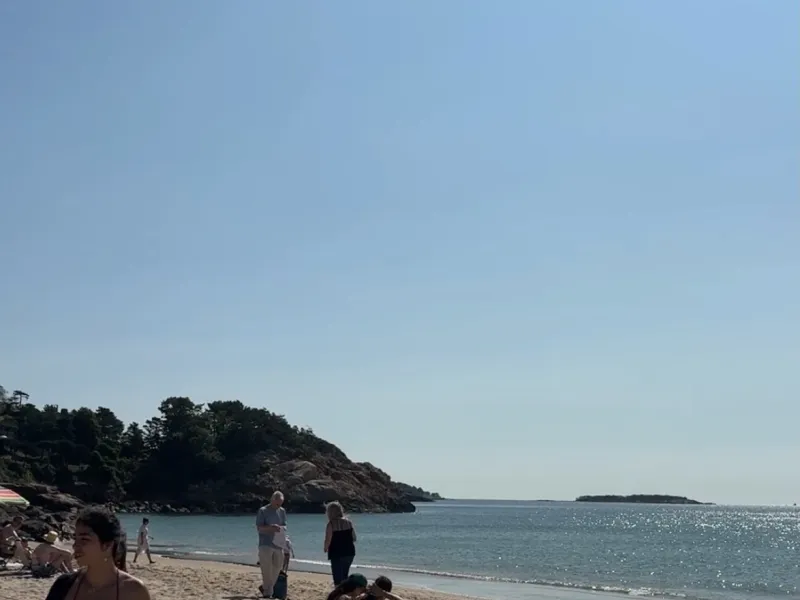
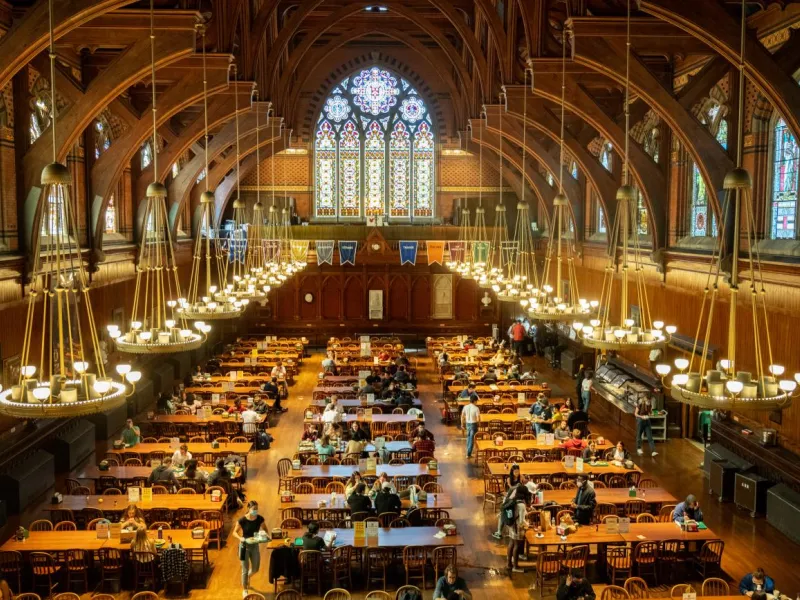
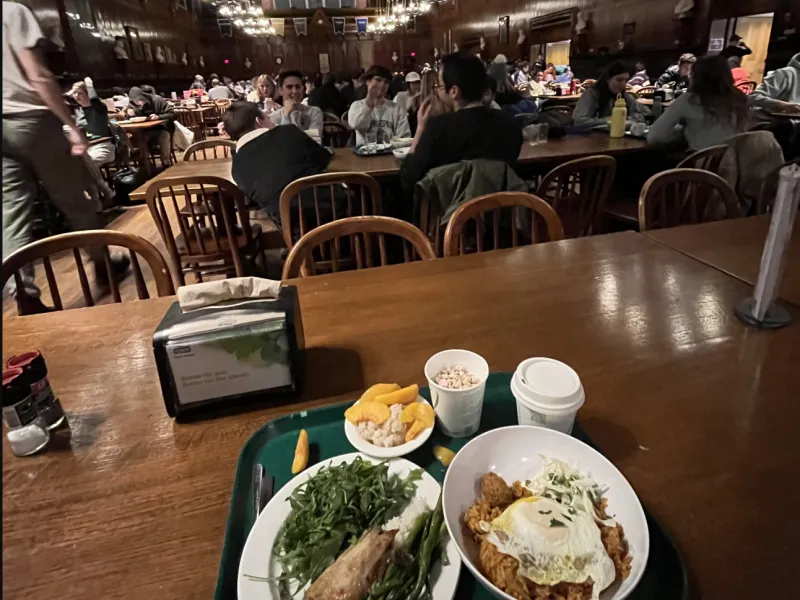 A view with my food from my first year, eating in the famous Annenberg Hall.
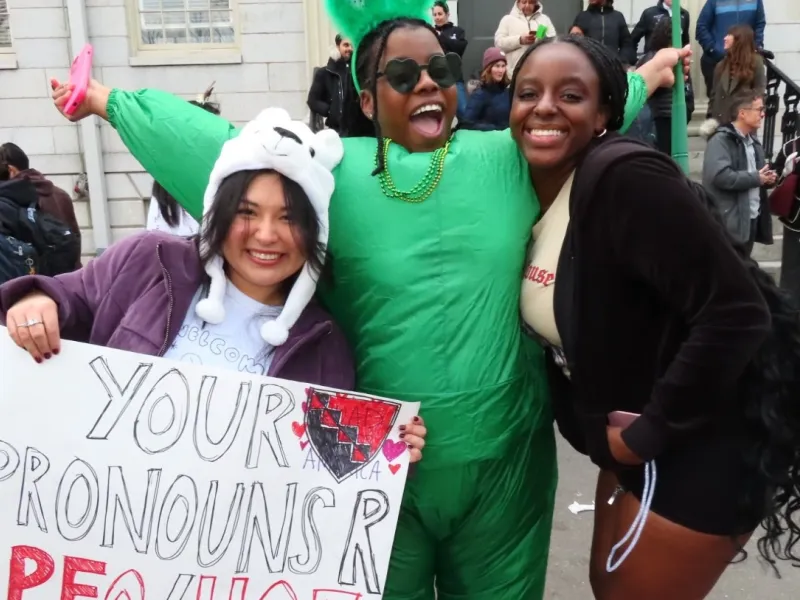
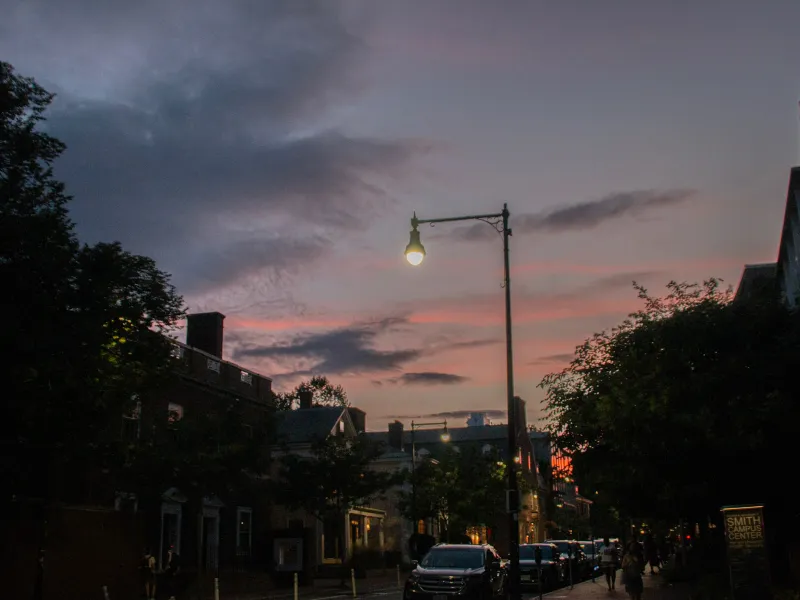
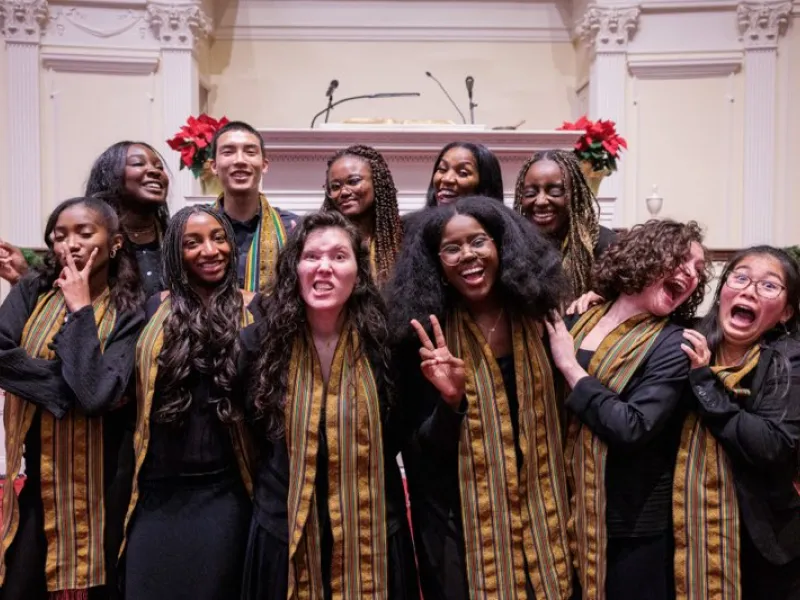
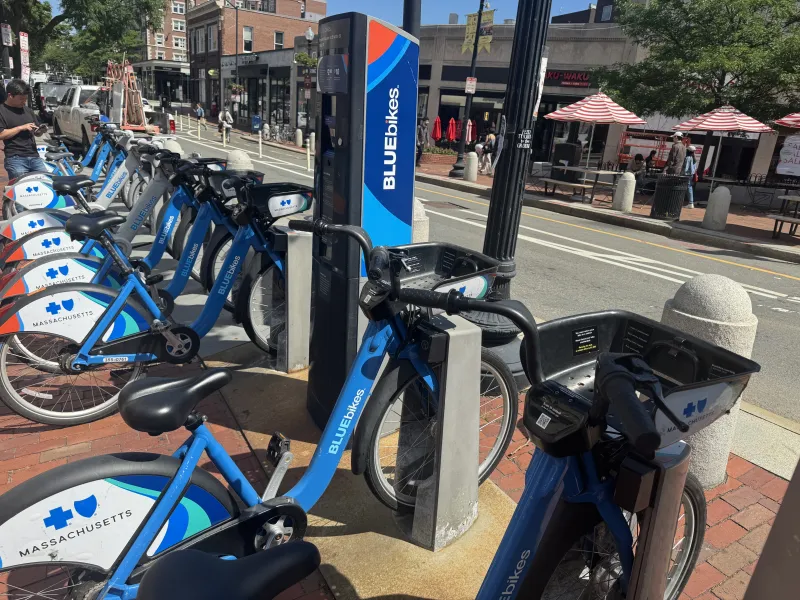
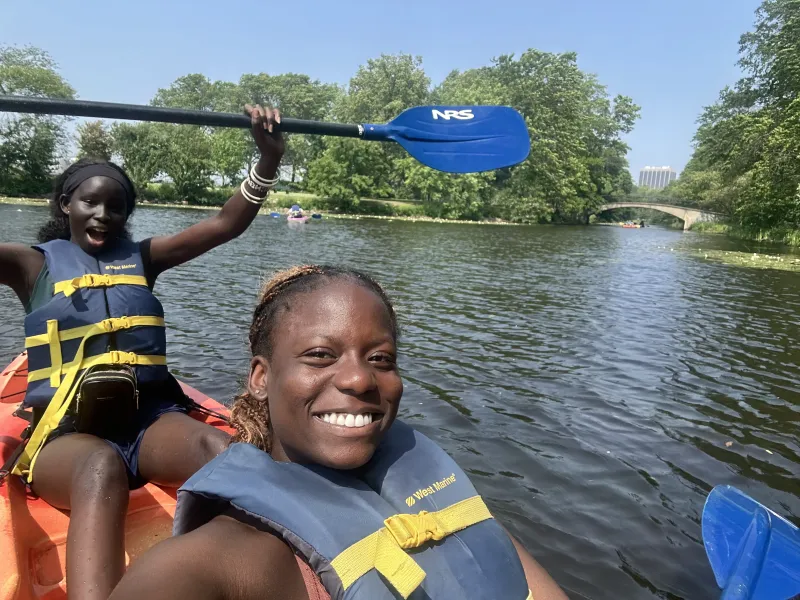
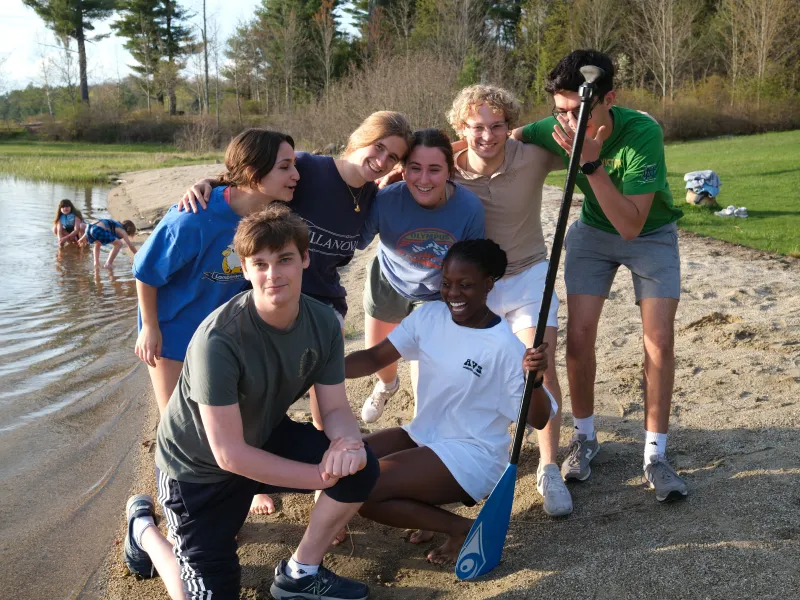 My friends from my entryway and I pose for a picture together before we go kayaking!
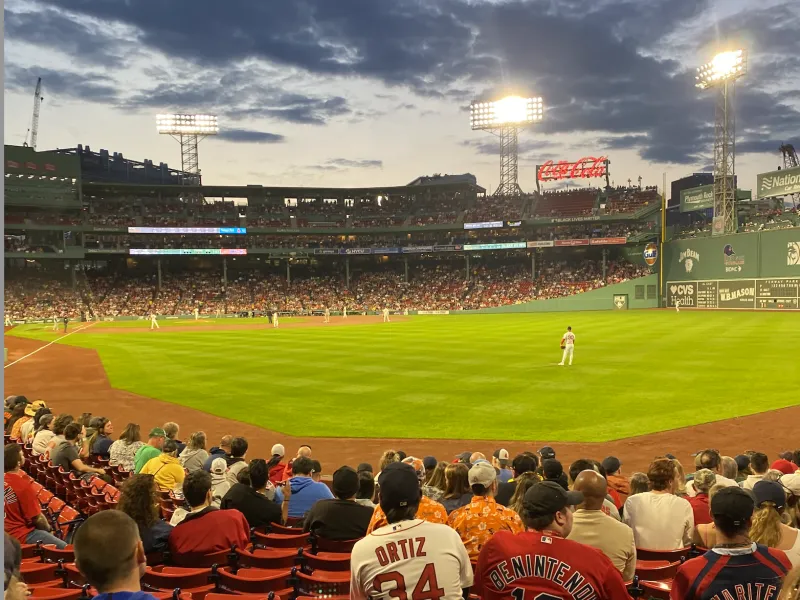 Outfield seat view of a game at Fenway Park between the Boston Red Sox and the Baltimore Orioles
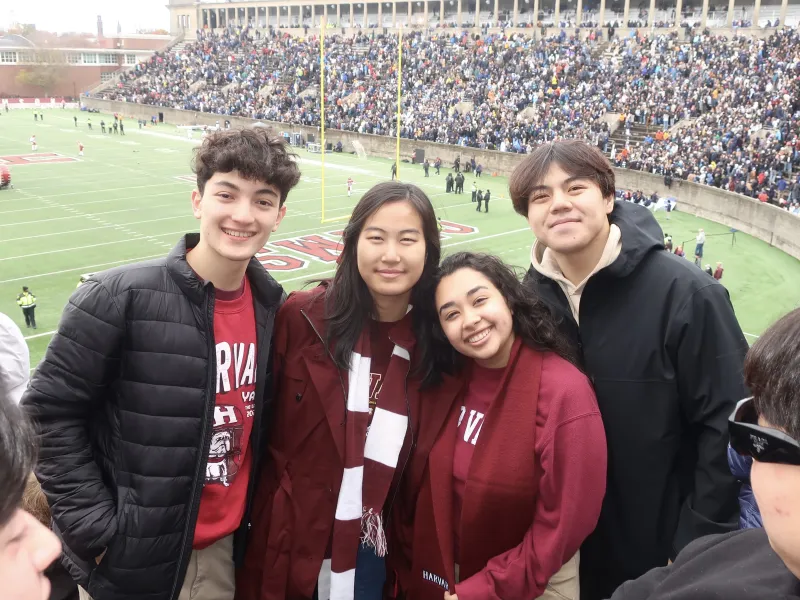
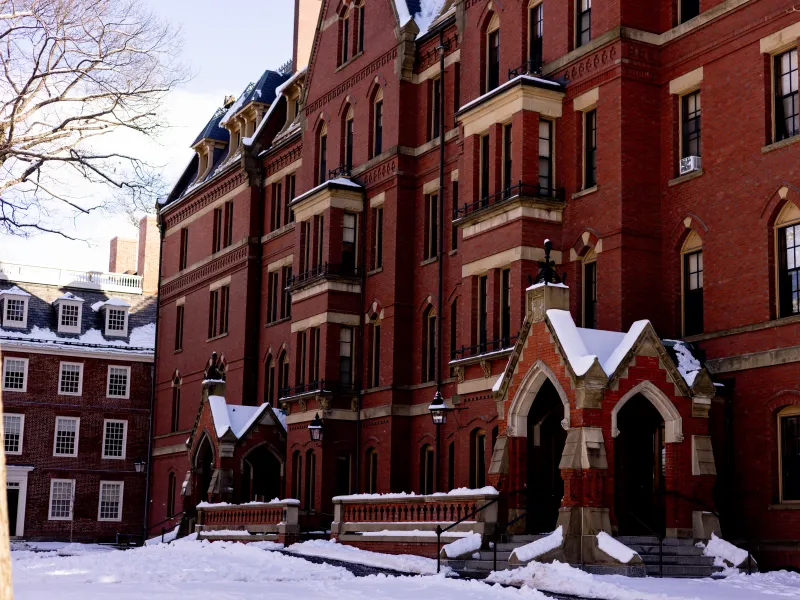
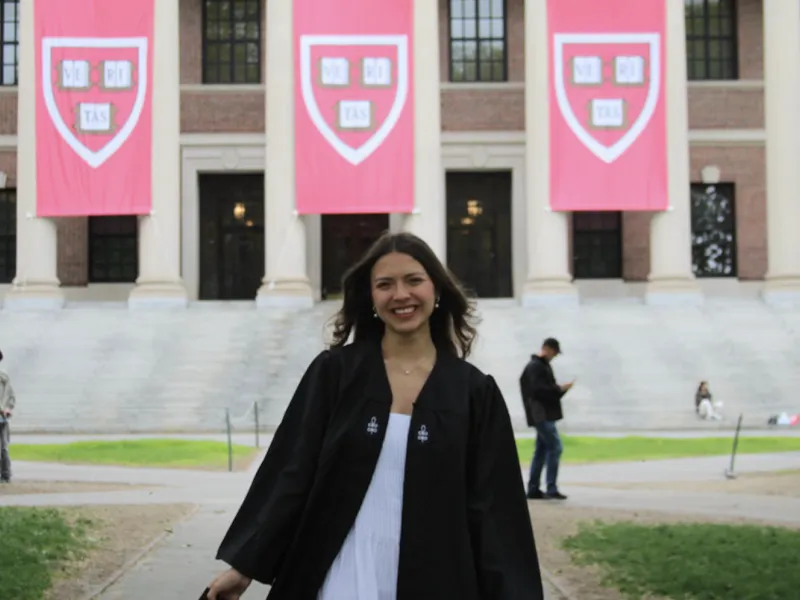
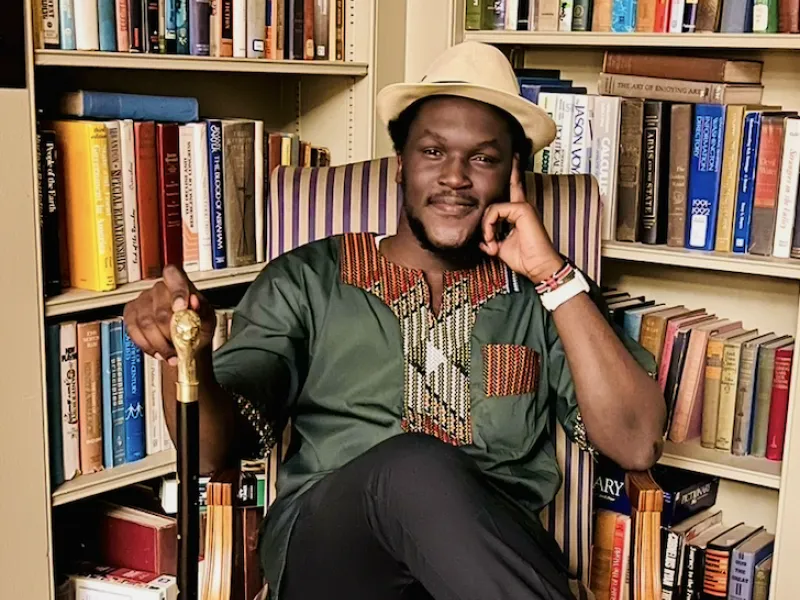
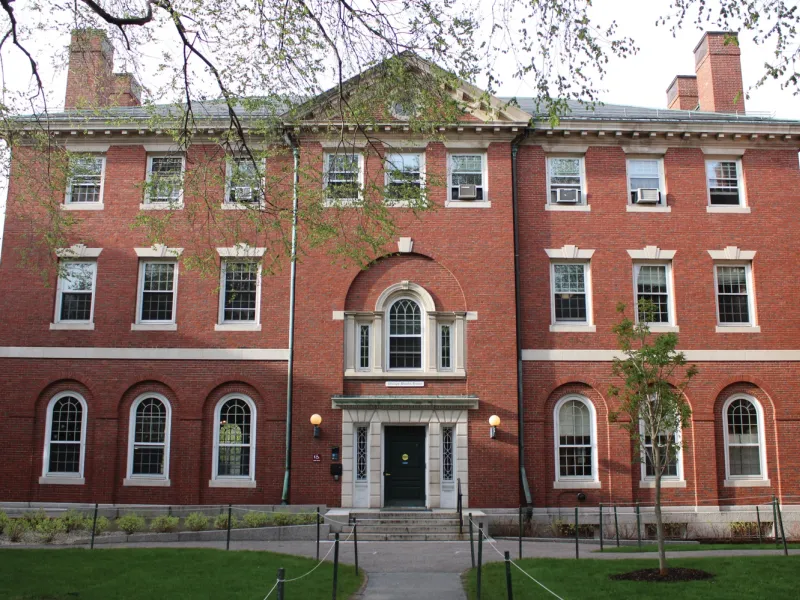 Philip Brooks House, the locus of public service on campus, located in Harvard Yard.
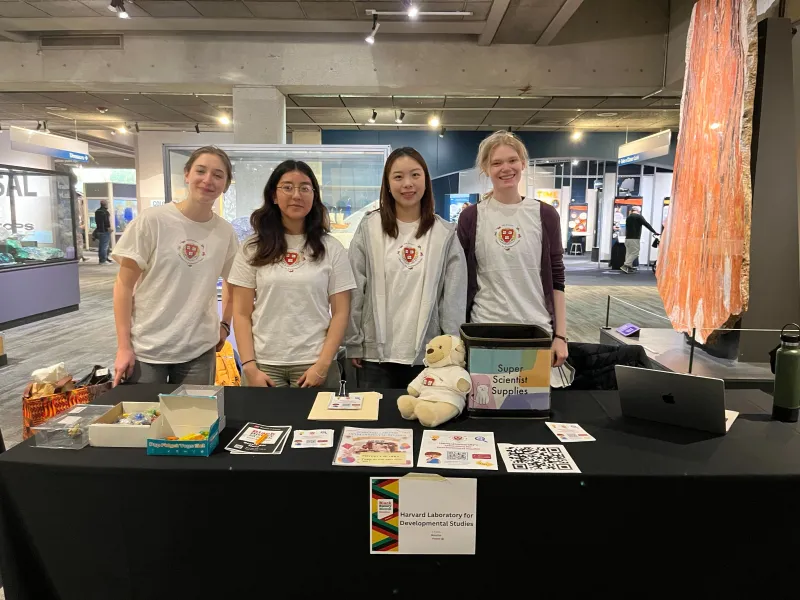
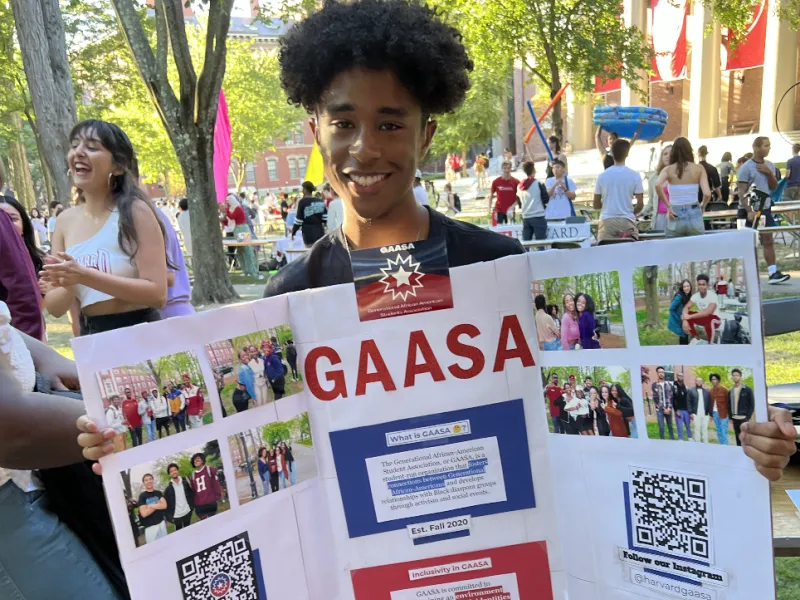 Every September, the College holds an Extracurricular Fair in Harvard Yard. This is one of the first opportunities for many to learn about GAASA.
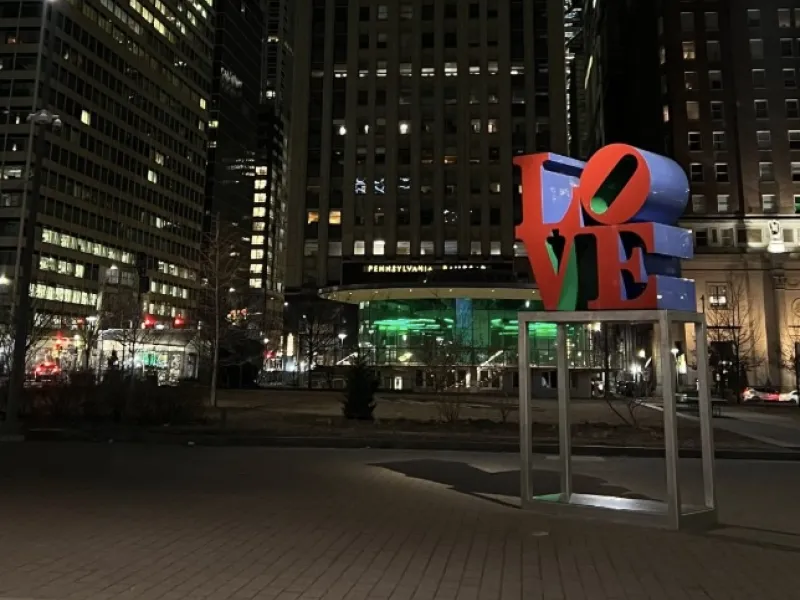
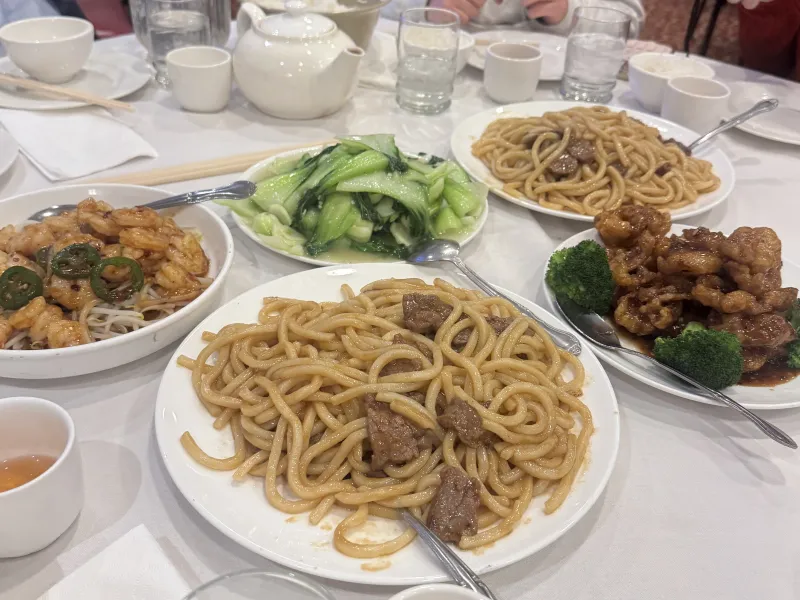
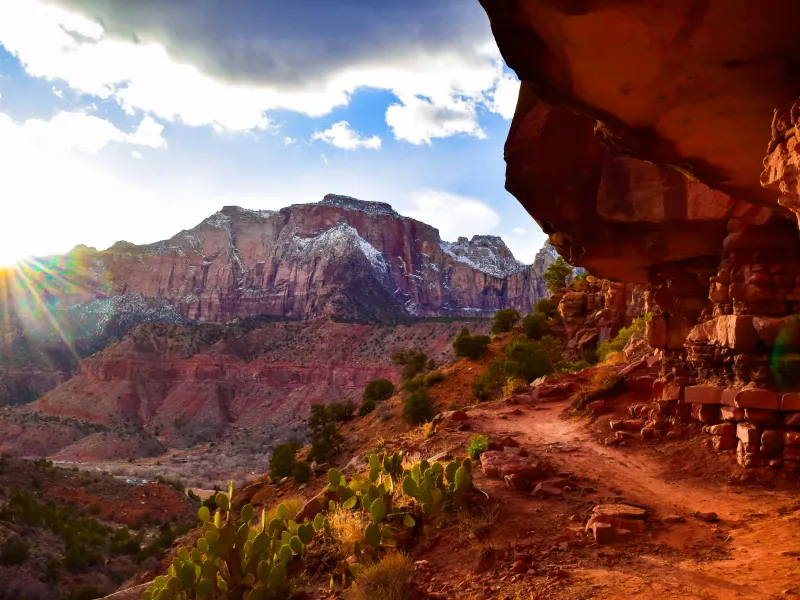 Captured around sunset as we hiked the Watchman Trail.
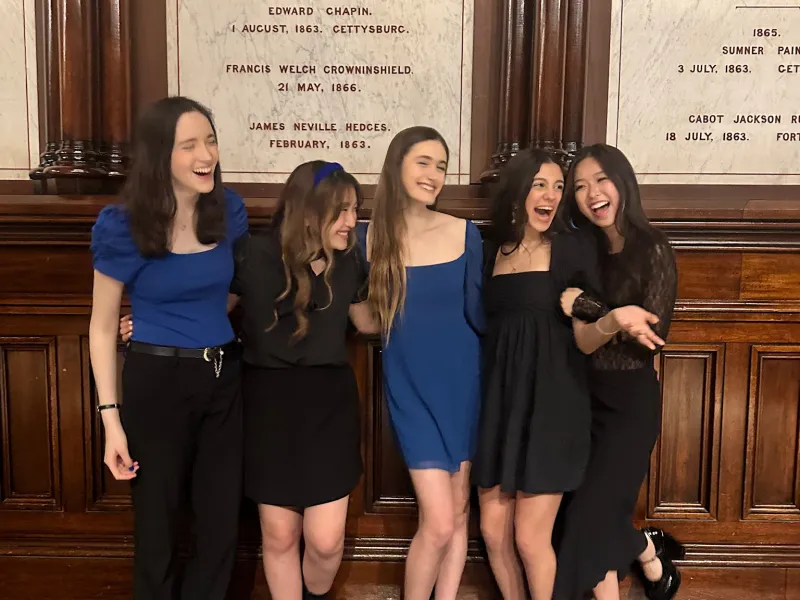
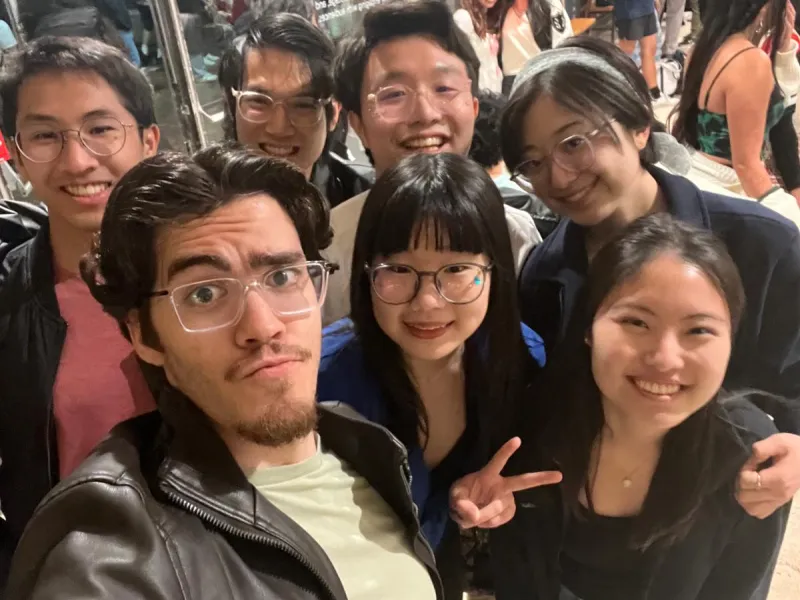 A selfie with six of my block mates, two of which performed in this dance show!
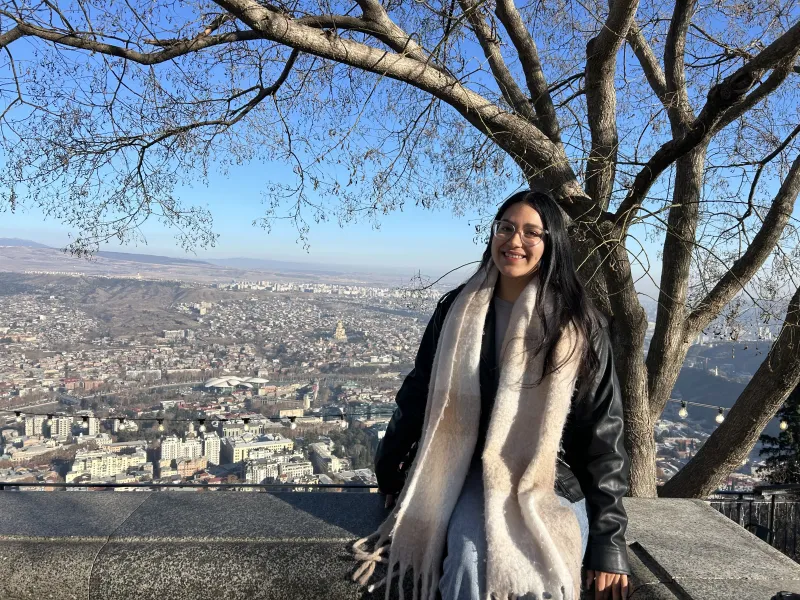
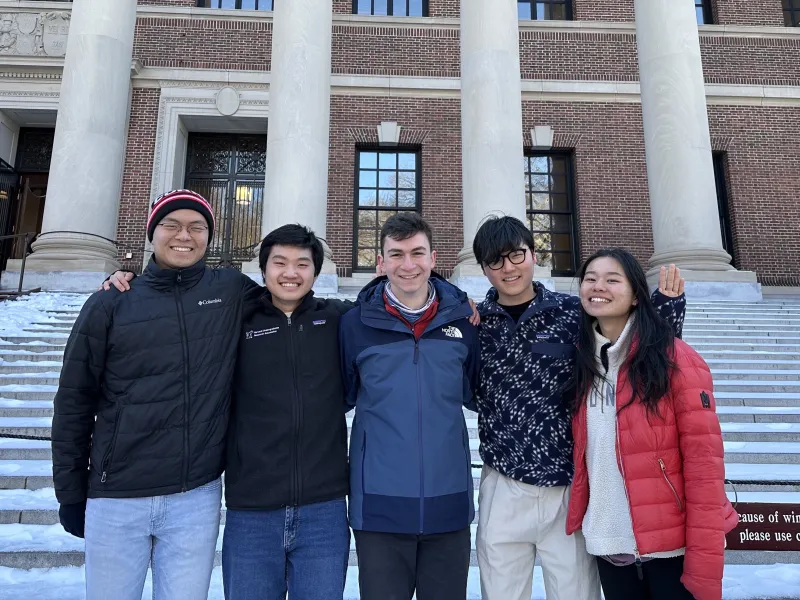 My friends and I celebrating our last first day of classes this semester.
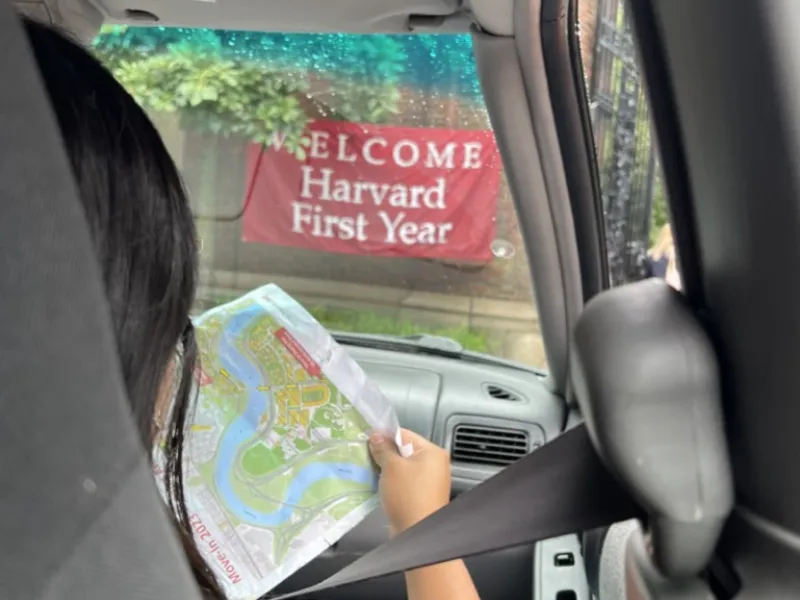
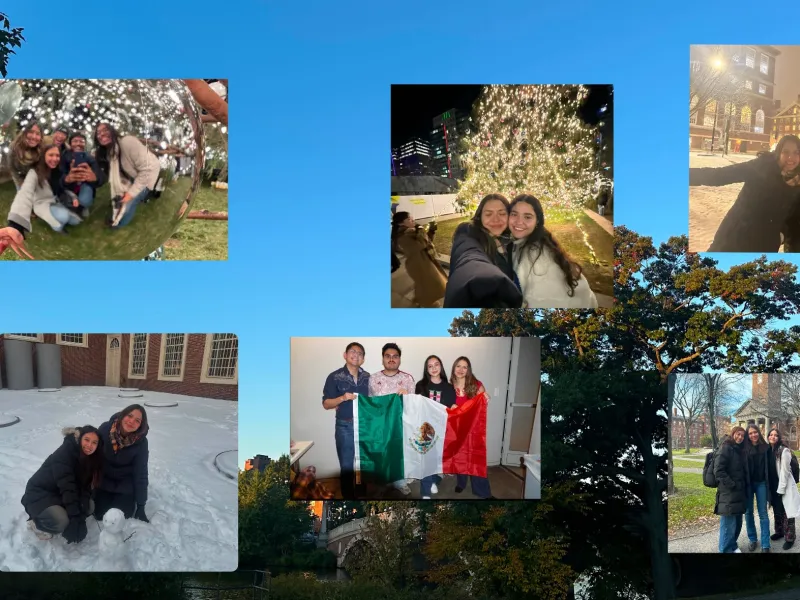 Ana's Harvard (Friends)
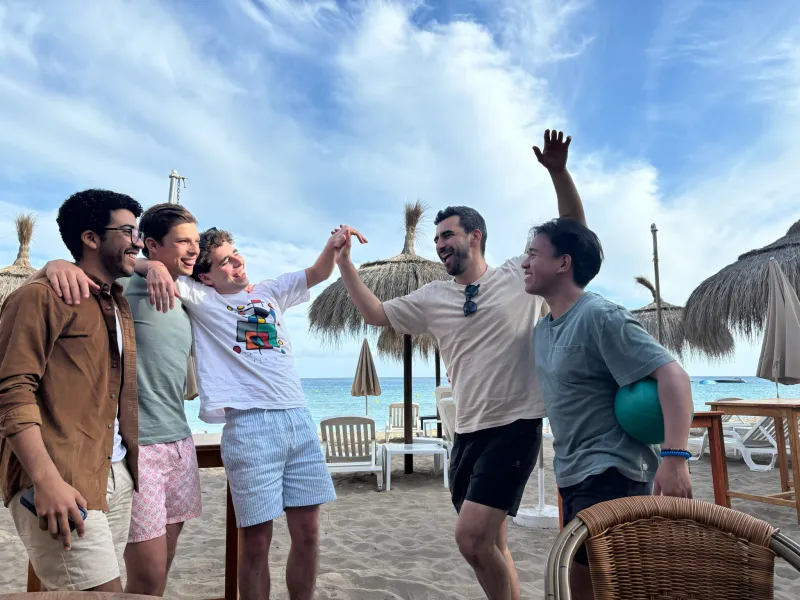
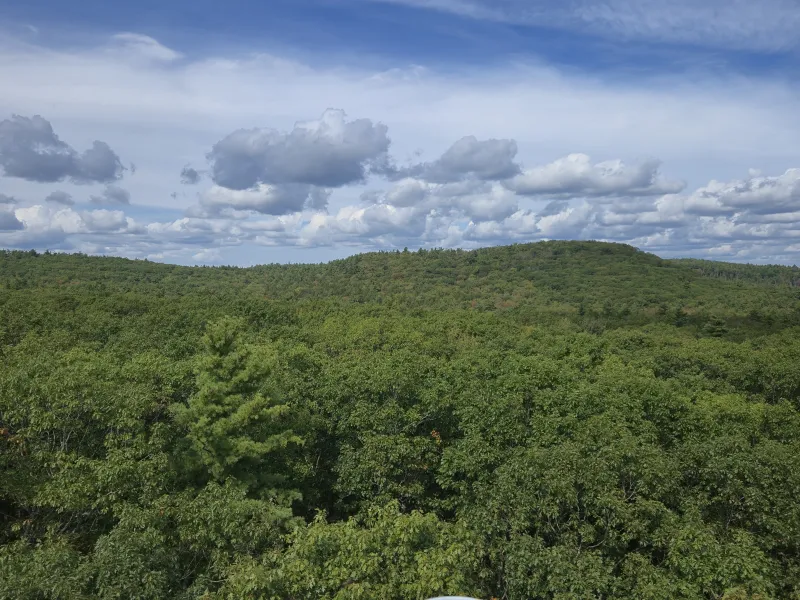
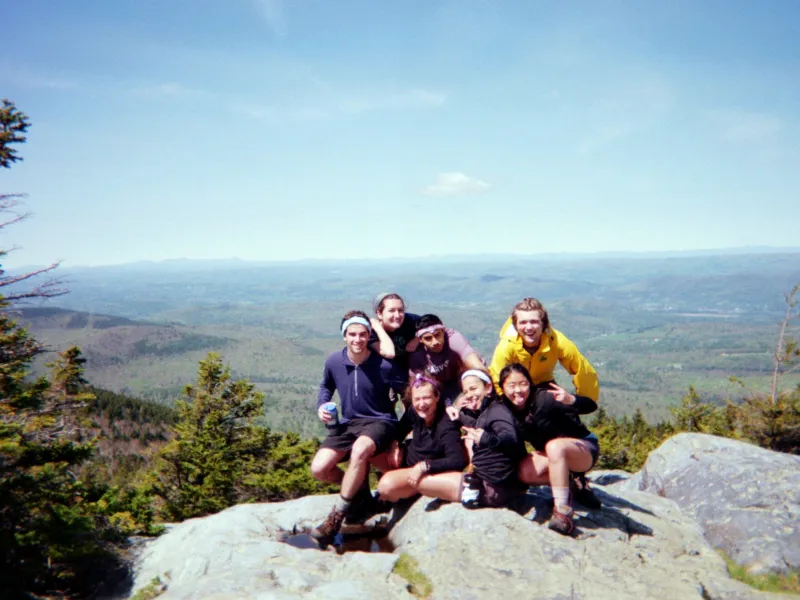
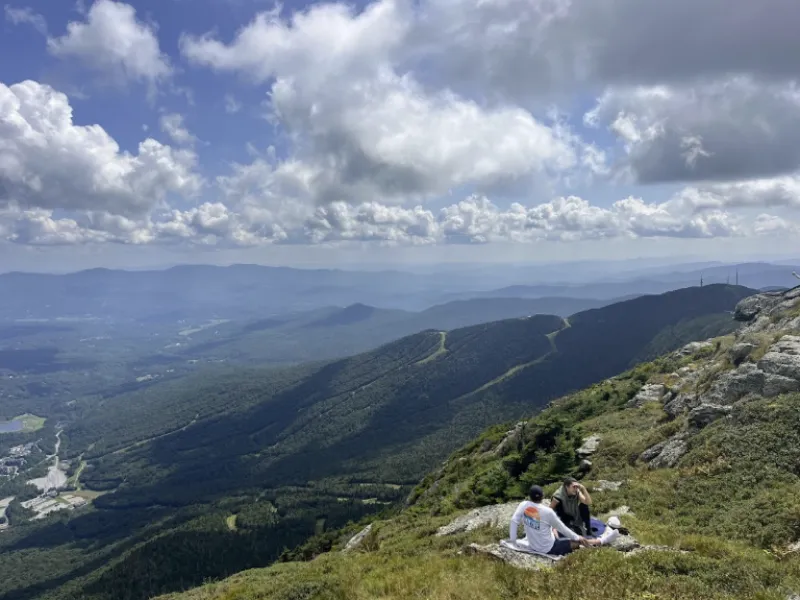 The view from one of the peaks in Mount Mansfield State Forest, Vermont!
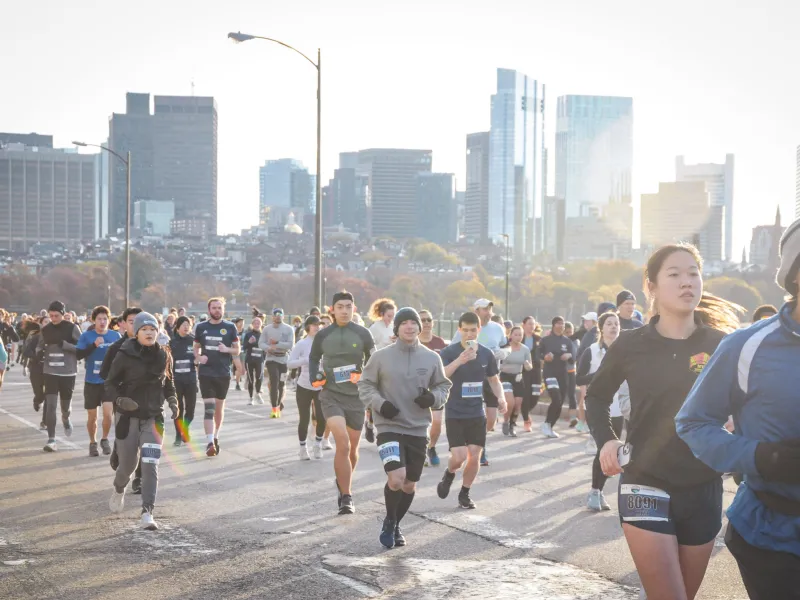 A picture of many runners (including the author, Ricky) running during the Cambridge Half Marathon.
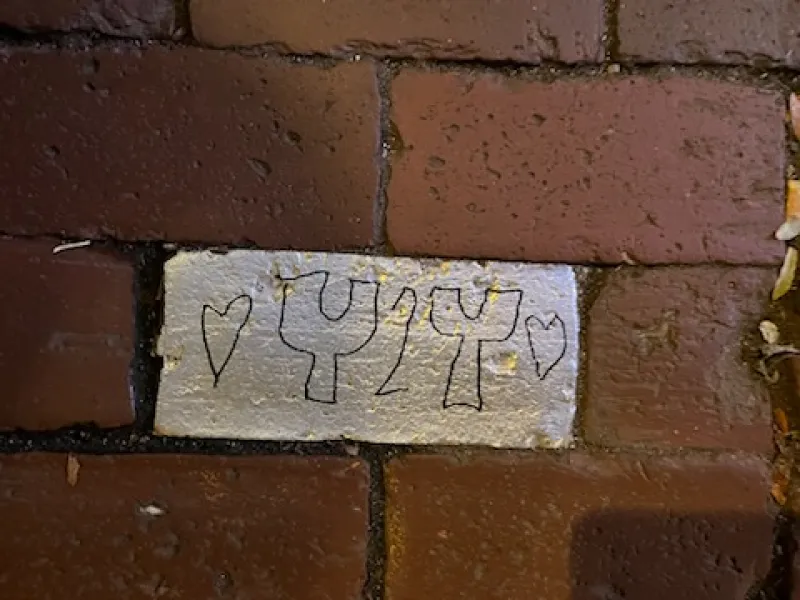
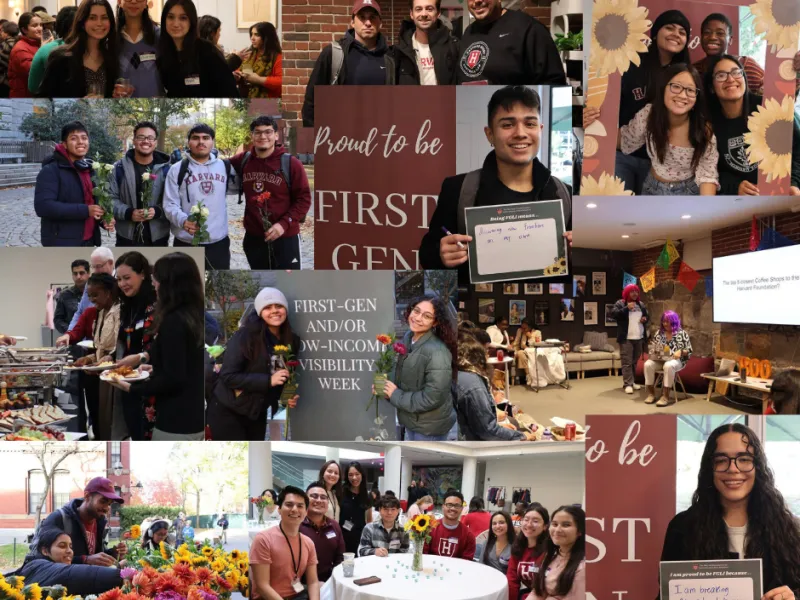
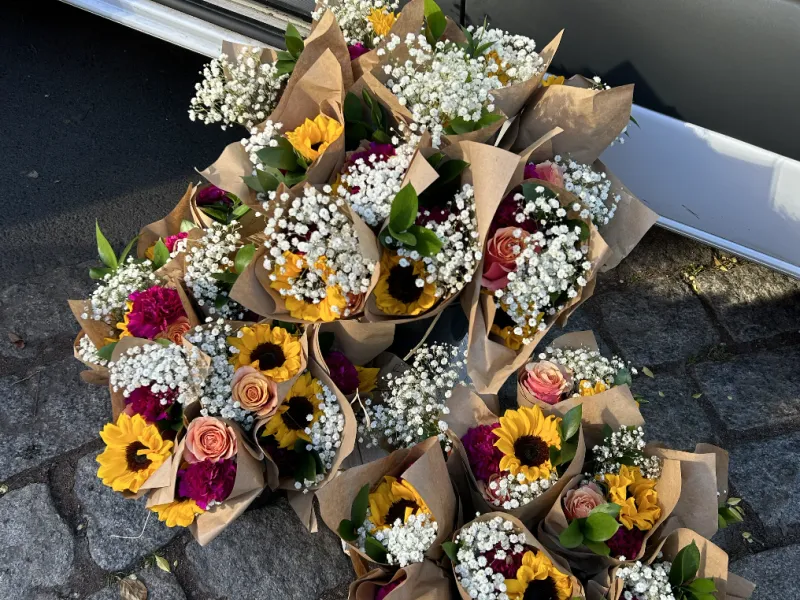 Various colorful flower bouquets which were given to first-gen/low-income student on the kick of of FGLI Visibility Week.
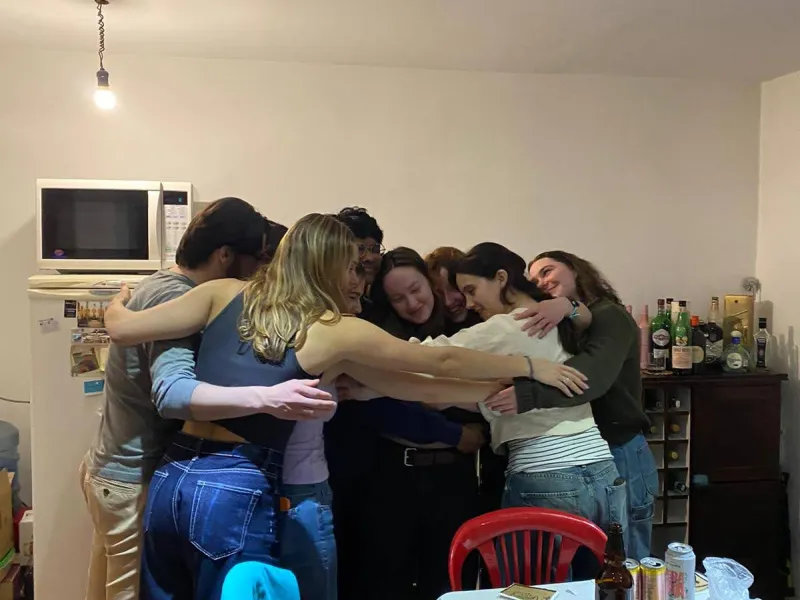
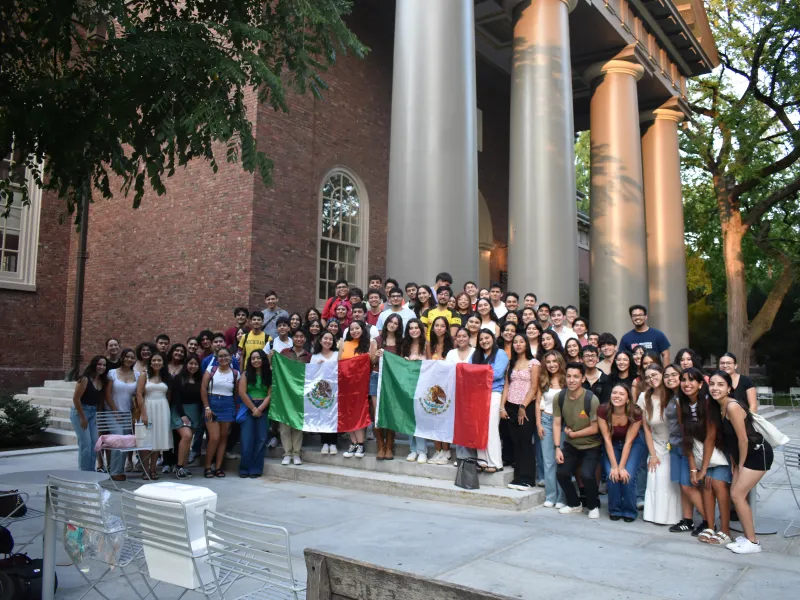 A picture of Harvard College students who attended RAZA's first event of the semester in the fall of 2024.

 A photo of me with the first two other students who were hired as freshman student workers last fall
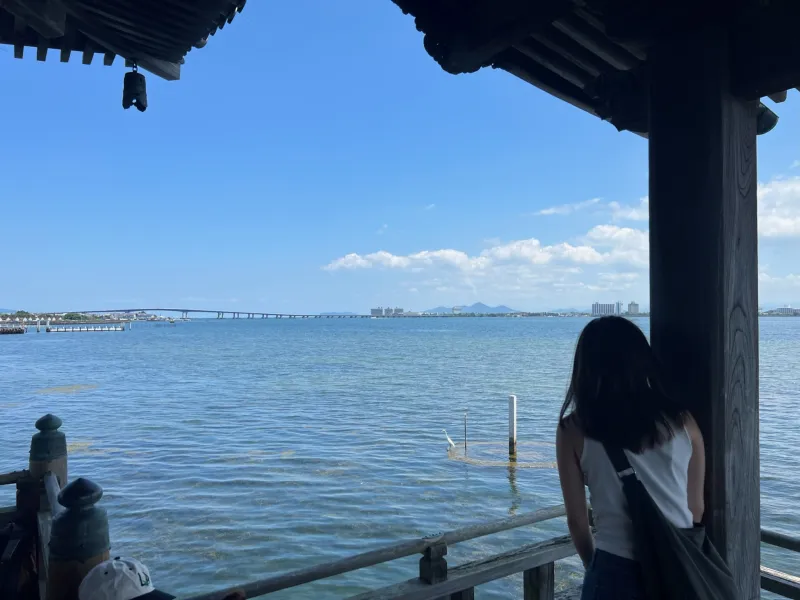
 One of my favorite photos of TCS. Small Island, Big Family!
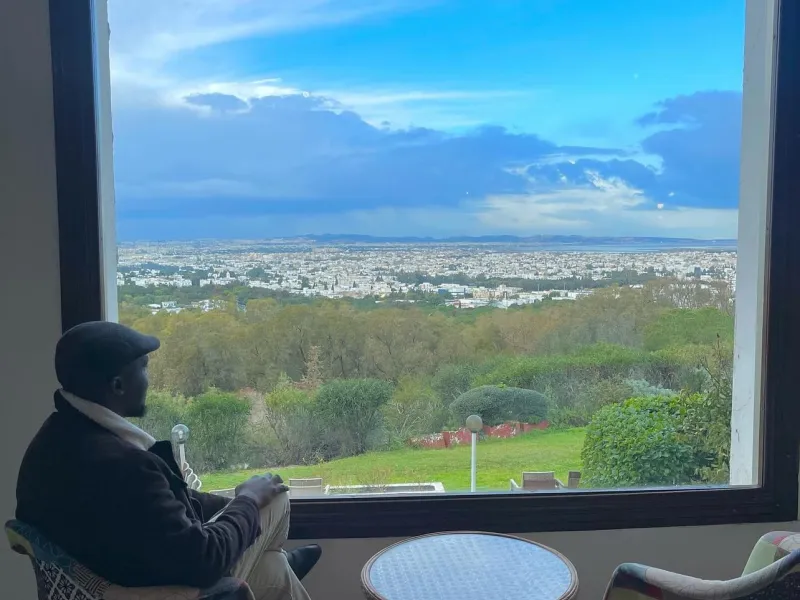 View from the hotel in Sidi Bou Said, Tunis
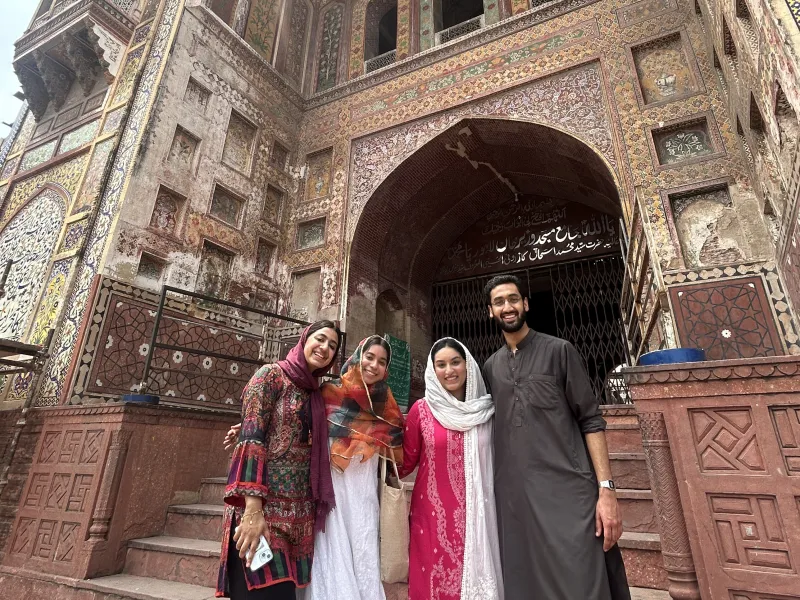
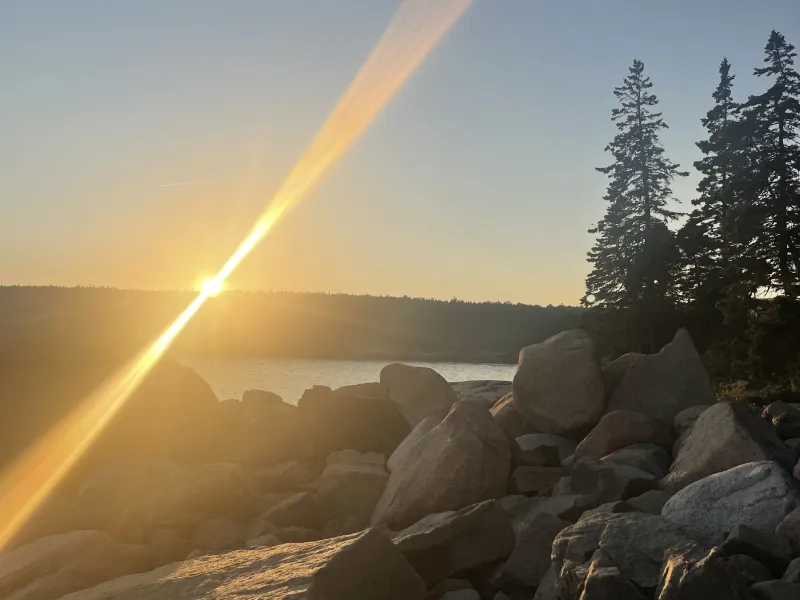
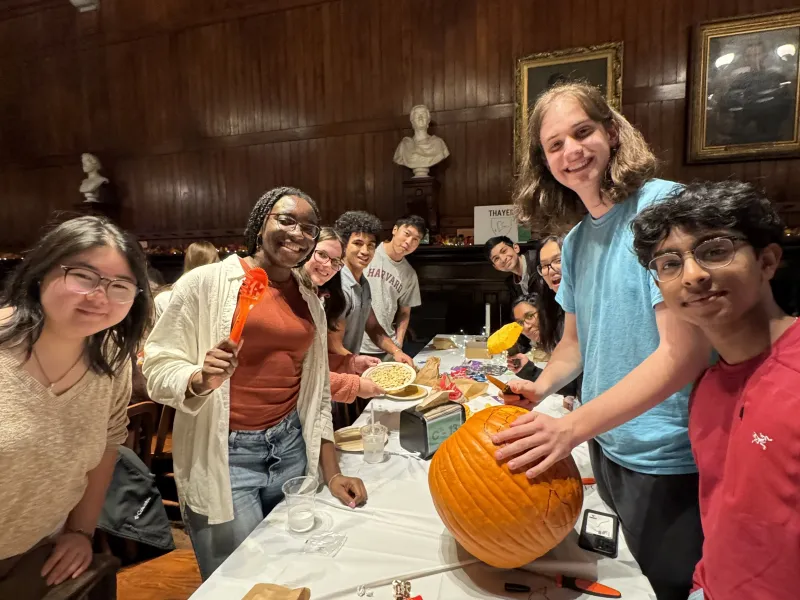
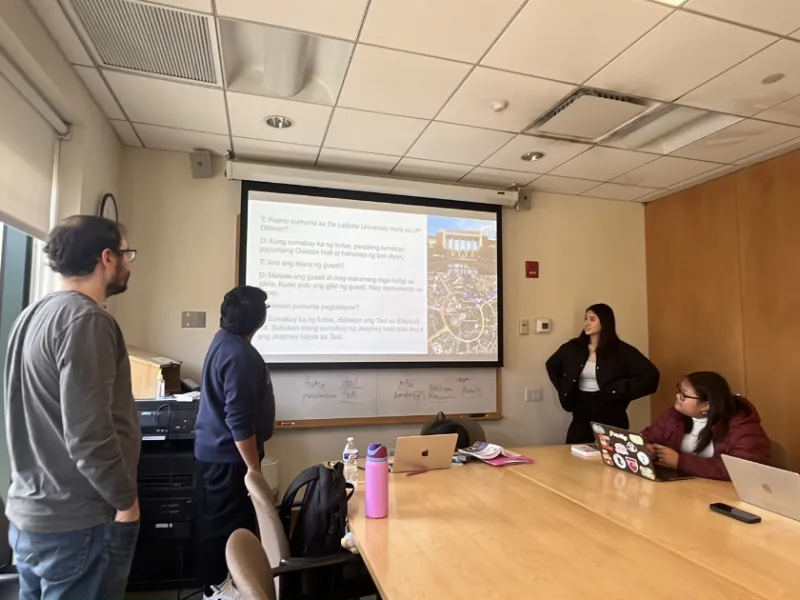 Intermediate Filipino Class
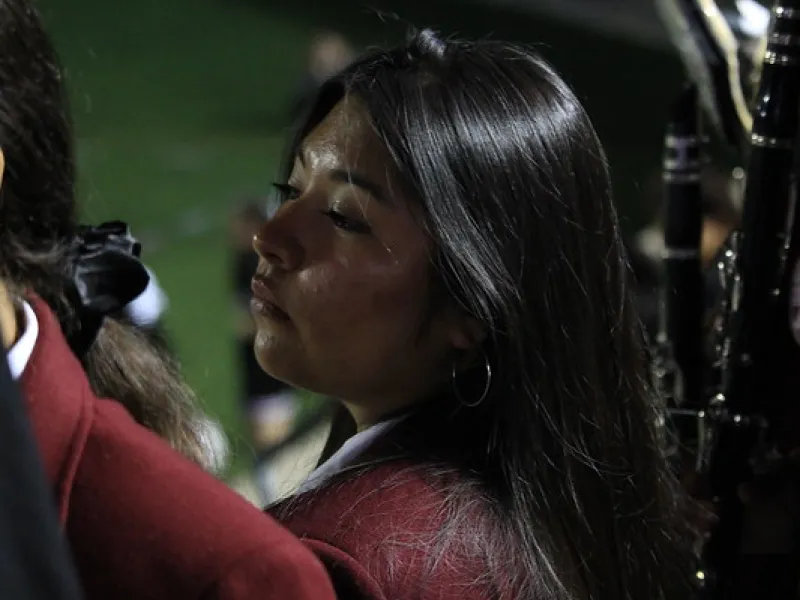 A picture taken of me during Harvard vs. University of New Hampshire.
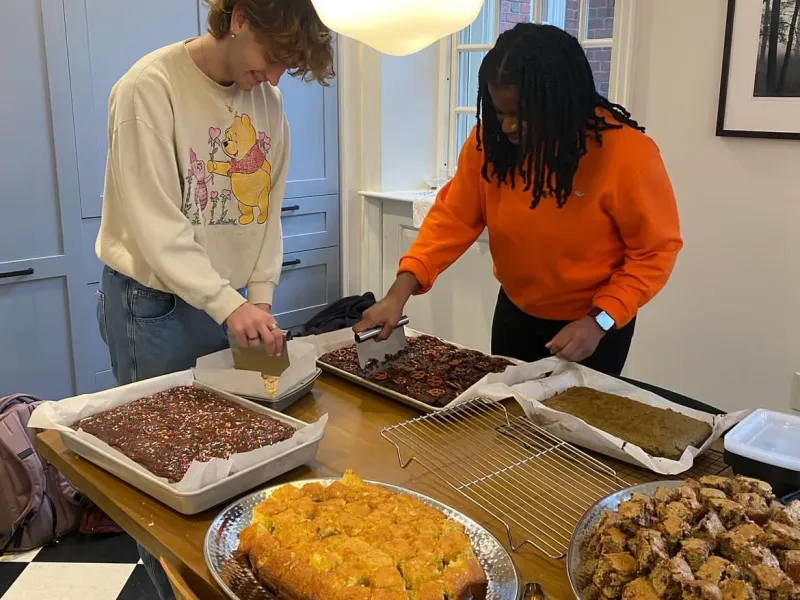
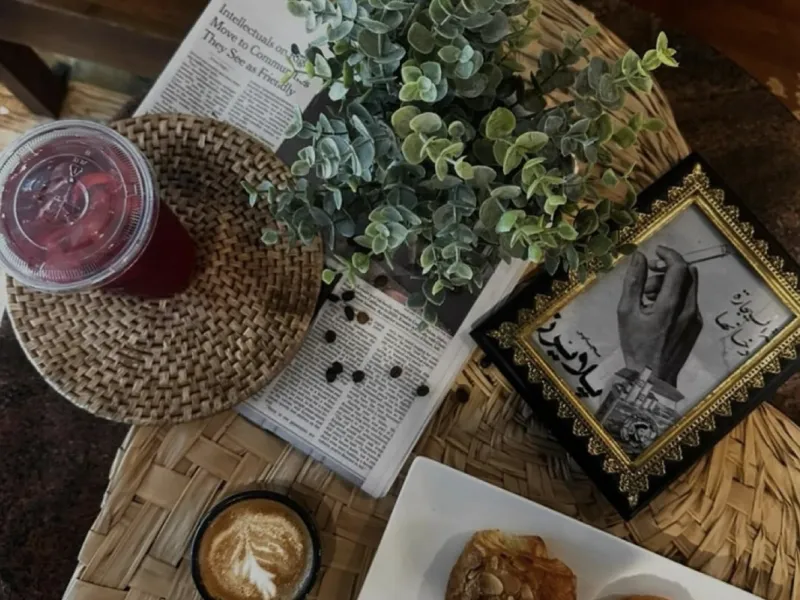
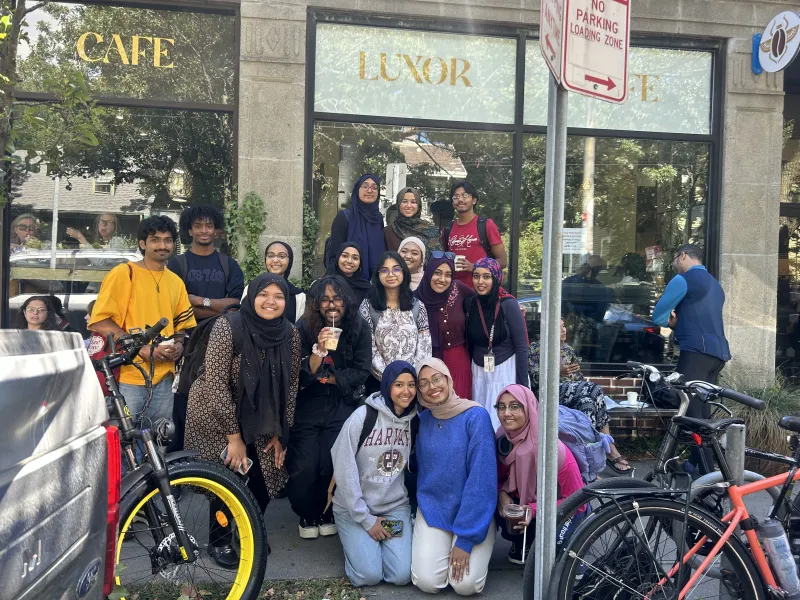 Samia Afrose with friends at Luxor Cafe
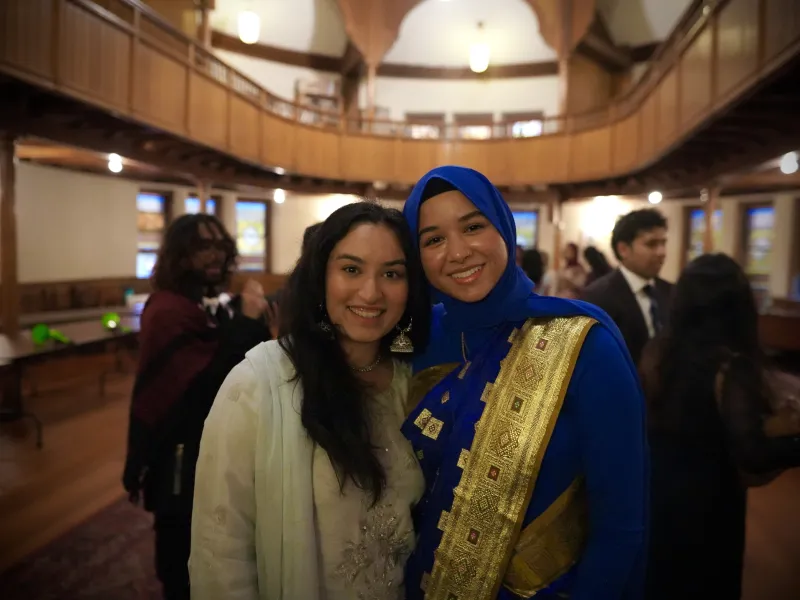 Samia Afrose and Hana Rehman at South Asian Convocation
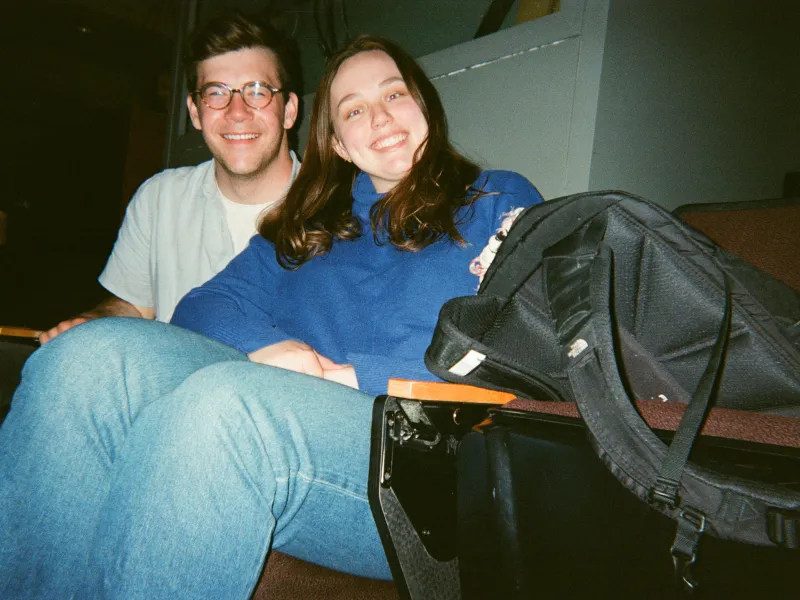 A photo taken in my last class at Harvard with one of my closest friends my senior year.
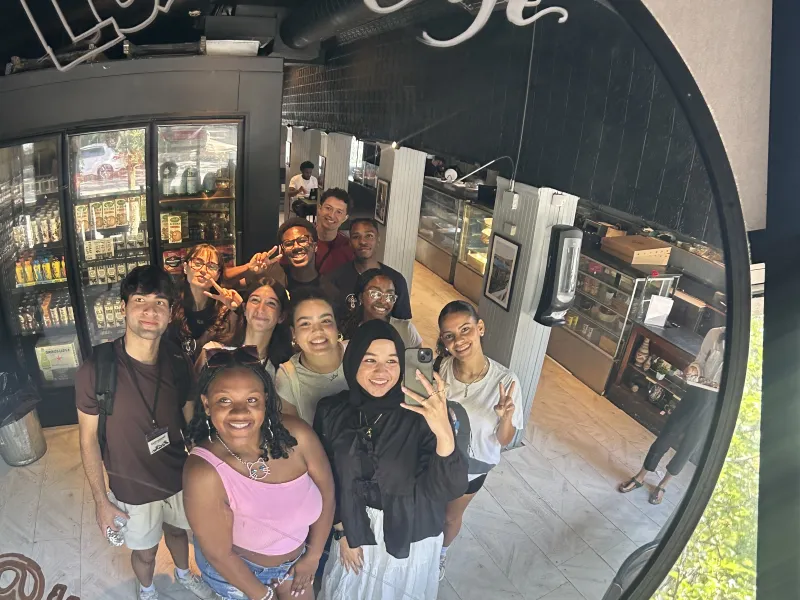
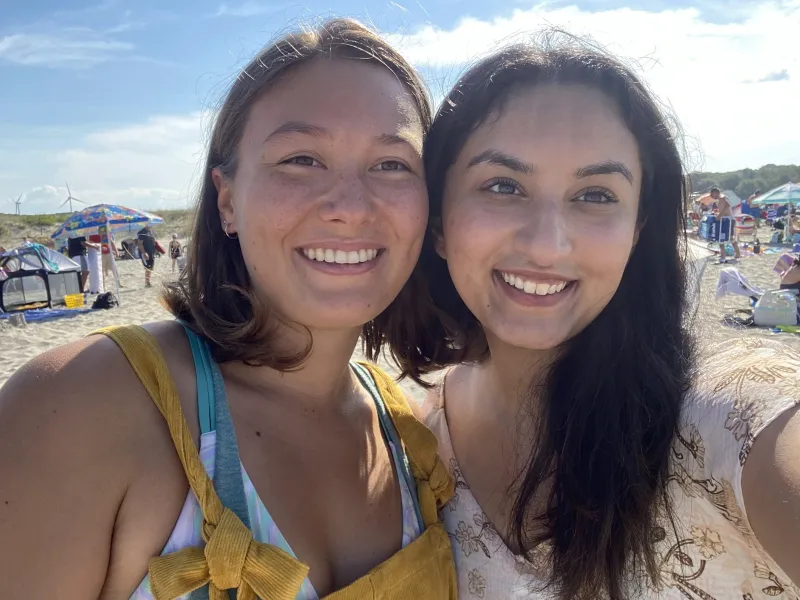 Hana Rehman in Gloucester
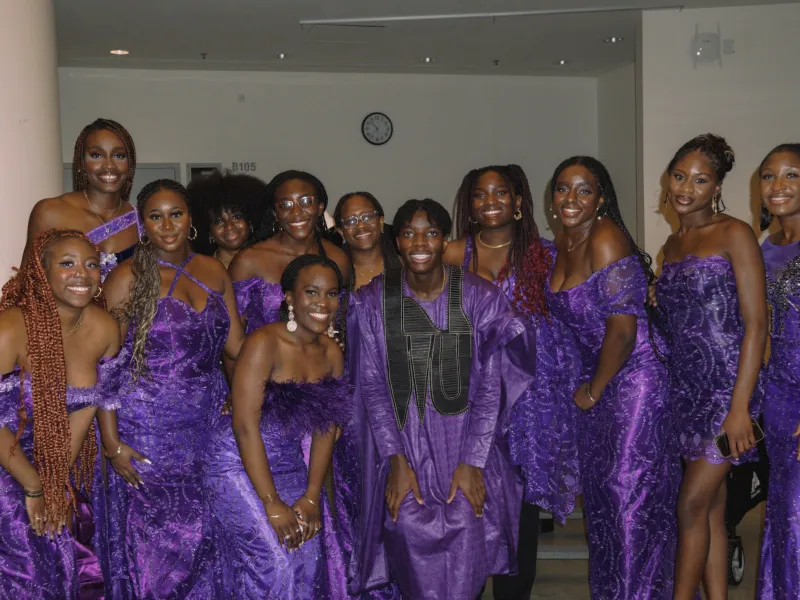 My Sister and I on NSA's Executive Board in 2023
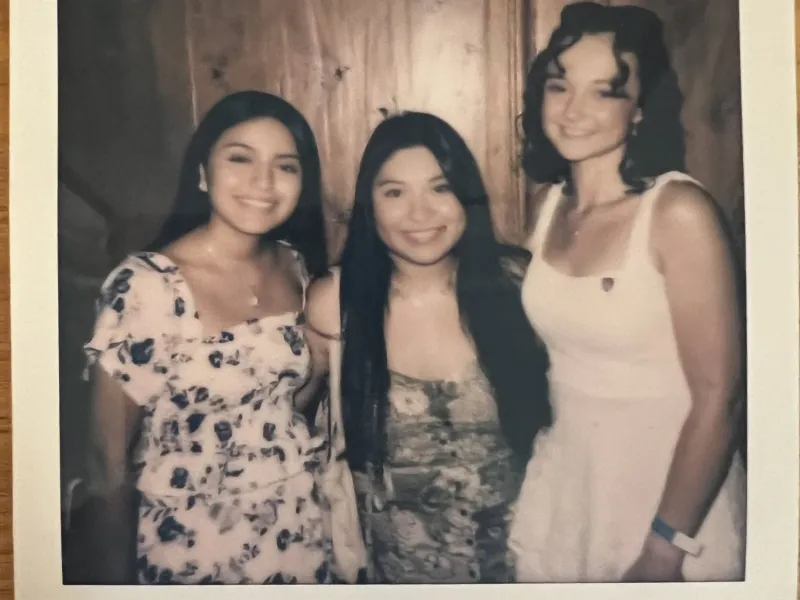
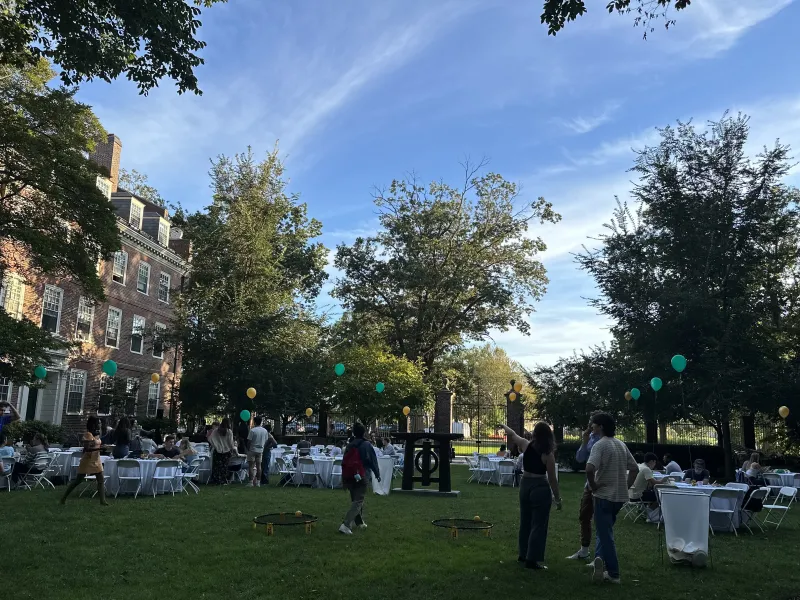
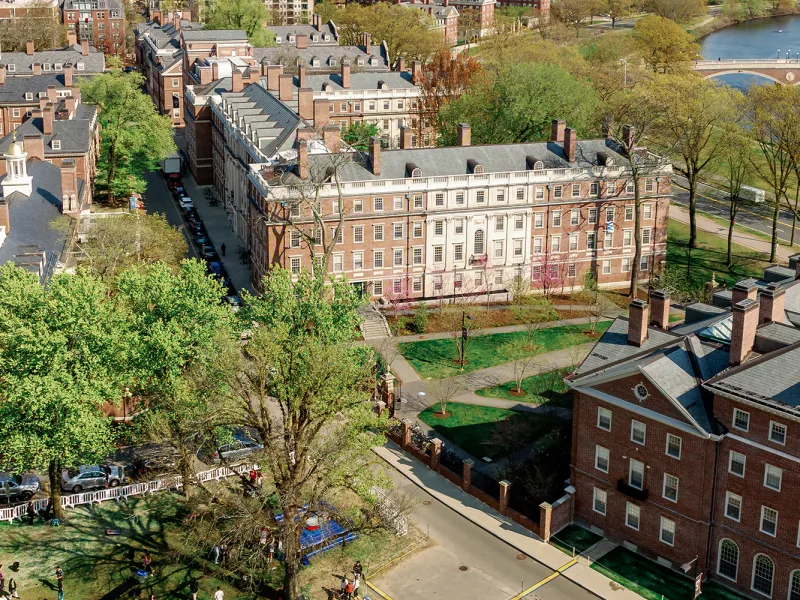
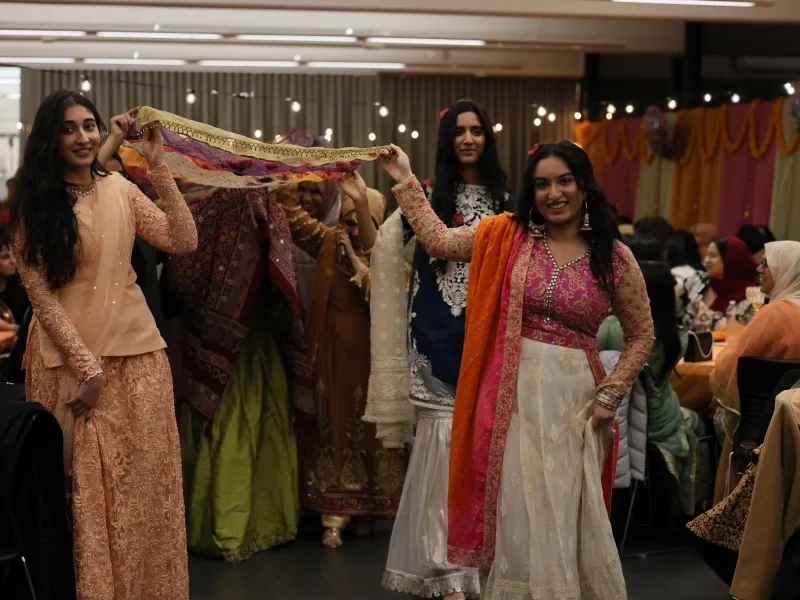 Hana Rehman at Mock Mehndi
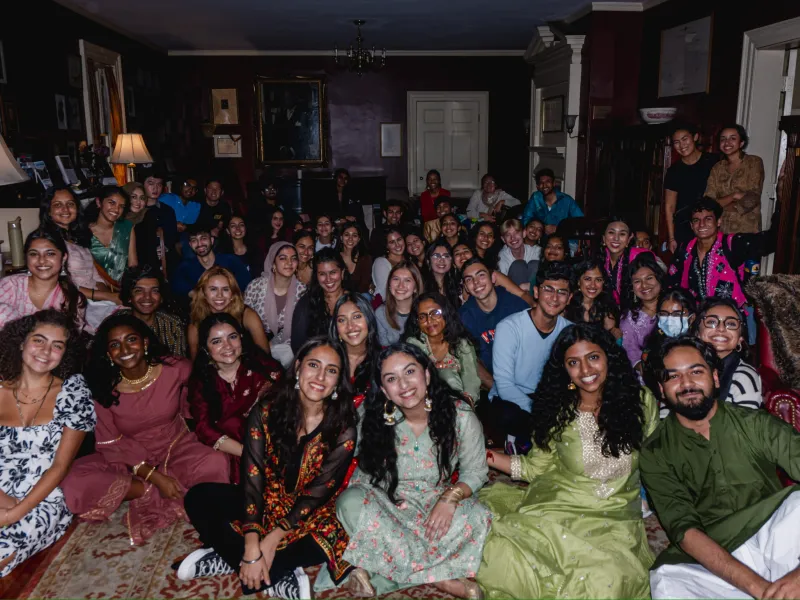 Hana Rehman at Sur Sagar
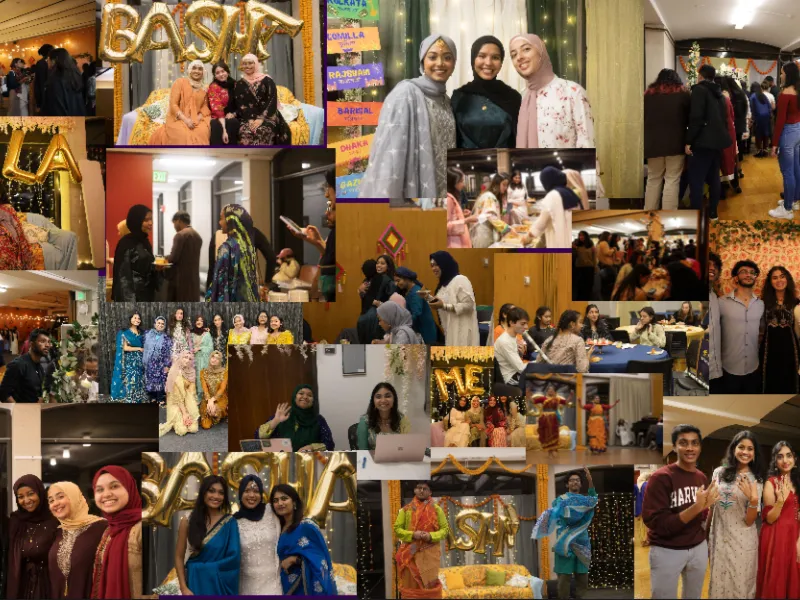
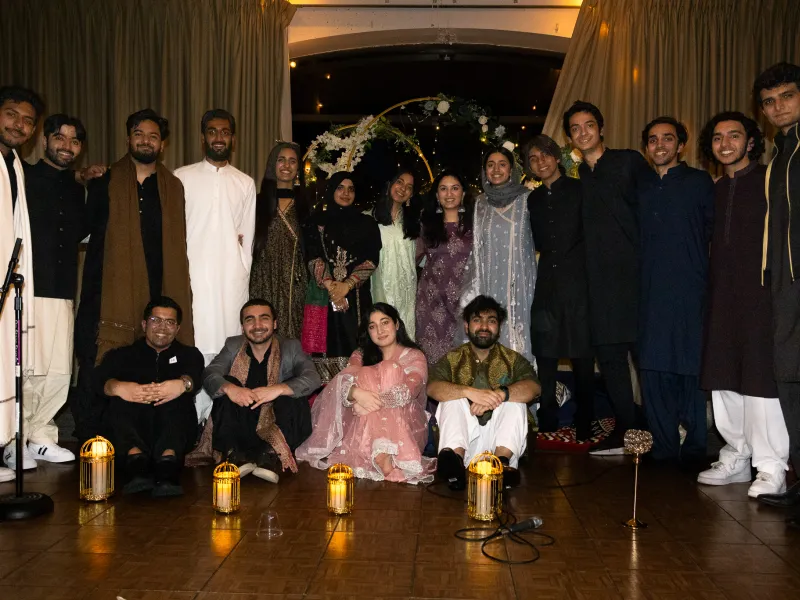 Harvard College students host Chaand Raat.

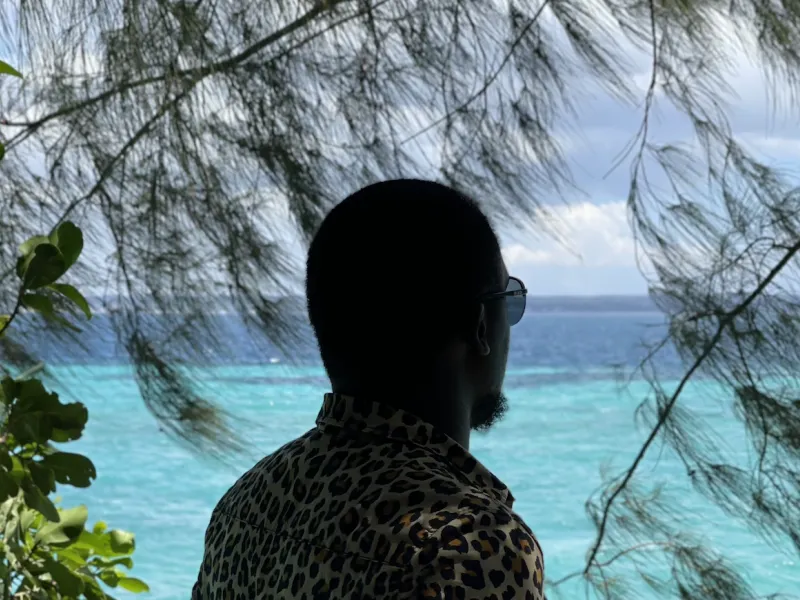 A photo of myself looking at the Zanzibari waters
 My blocking group and I after being dorm stormed
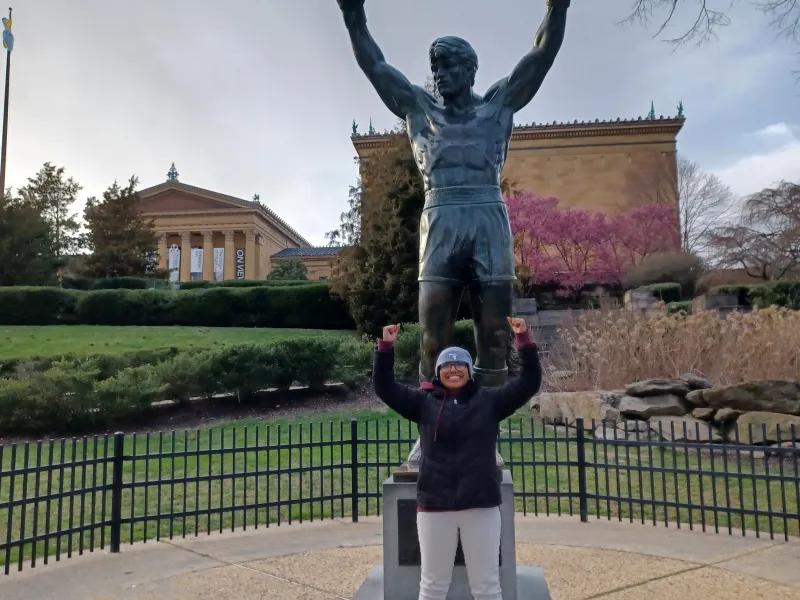 Cheering you on in your scholarship application journey!
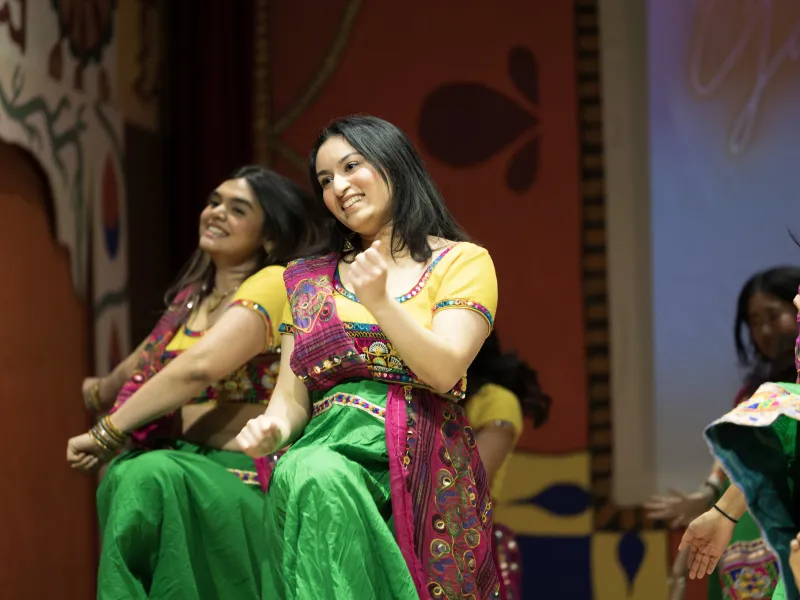
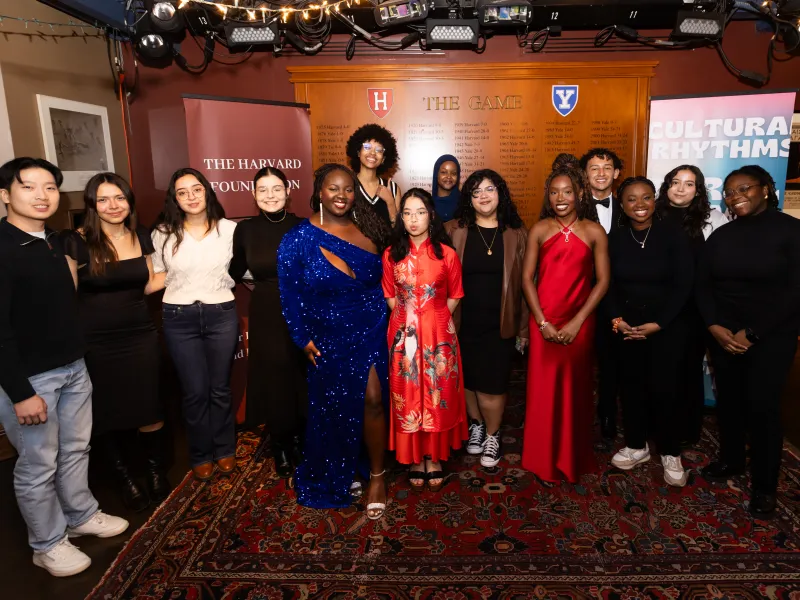 Harvard Foundation interns in the spring of 2024, dressed up before the event of Cultural Rhythms.
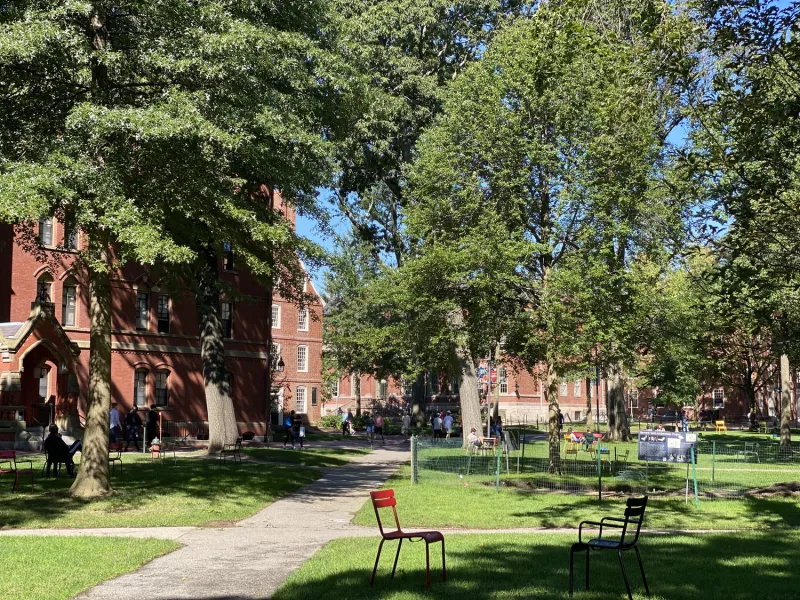
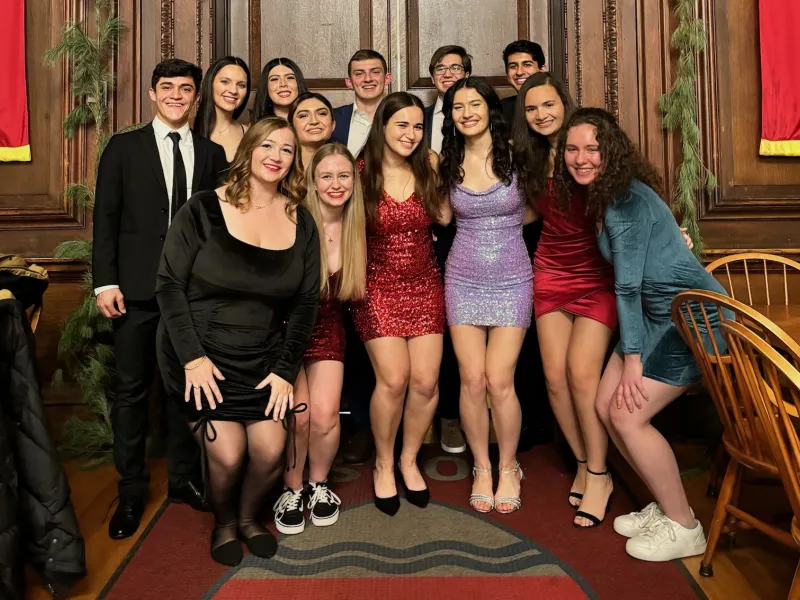 My friends and I before our last Eliot Fall Formal
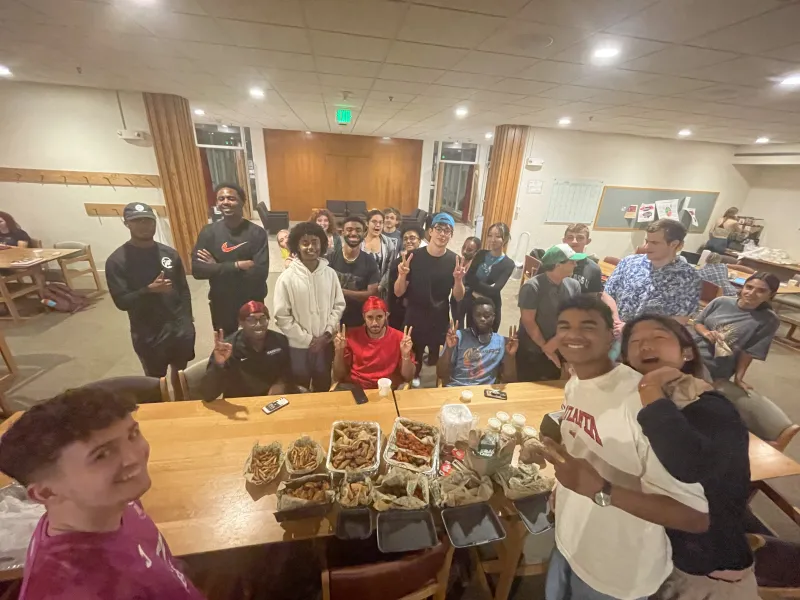
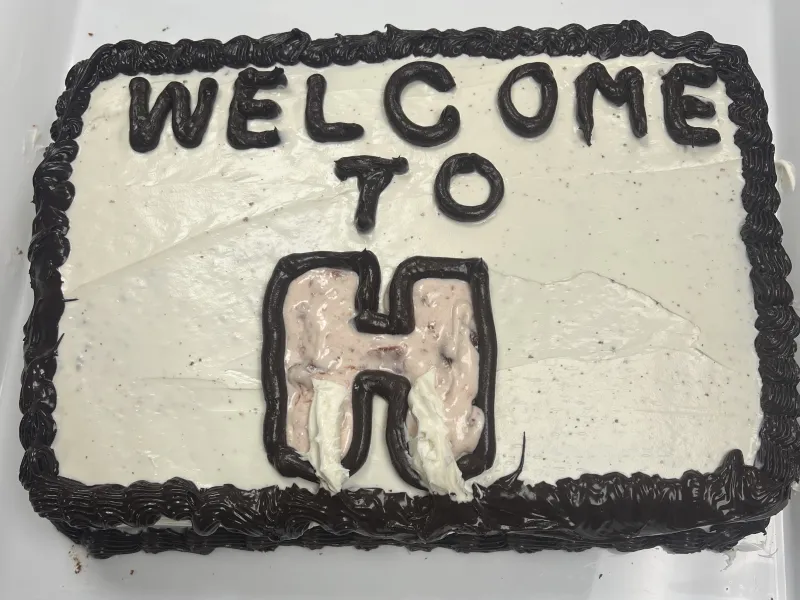
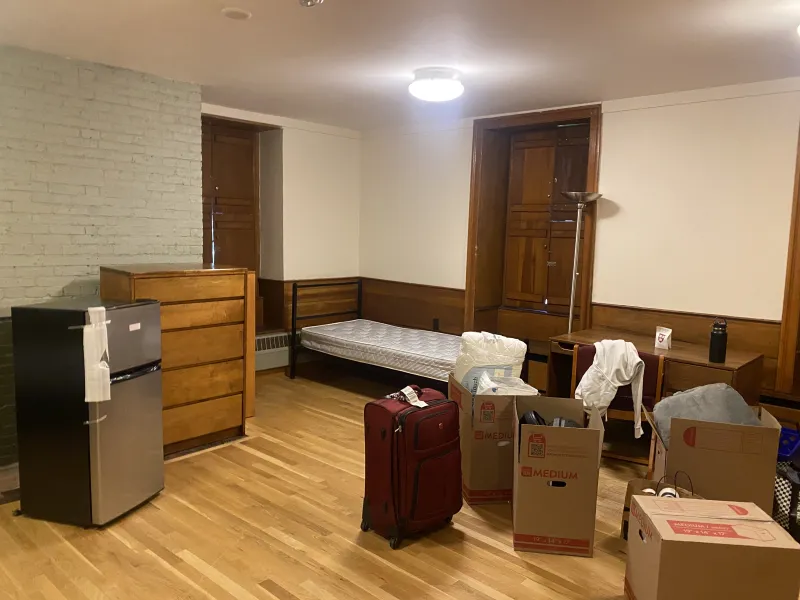 My room in the wonderful Stoughton Hall!
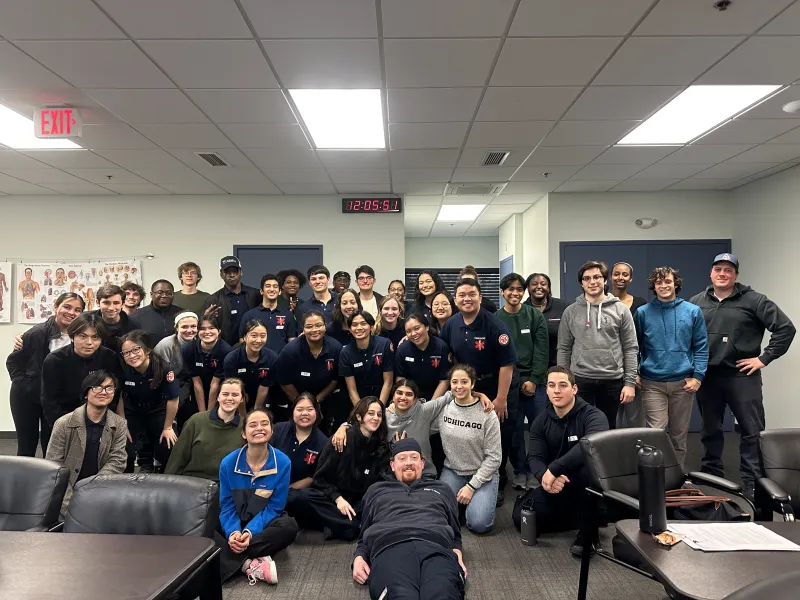 A group photo on the last day of class!
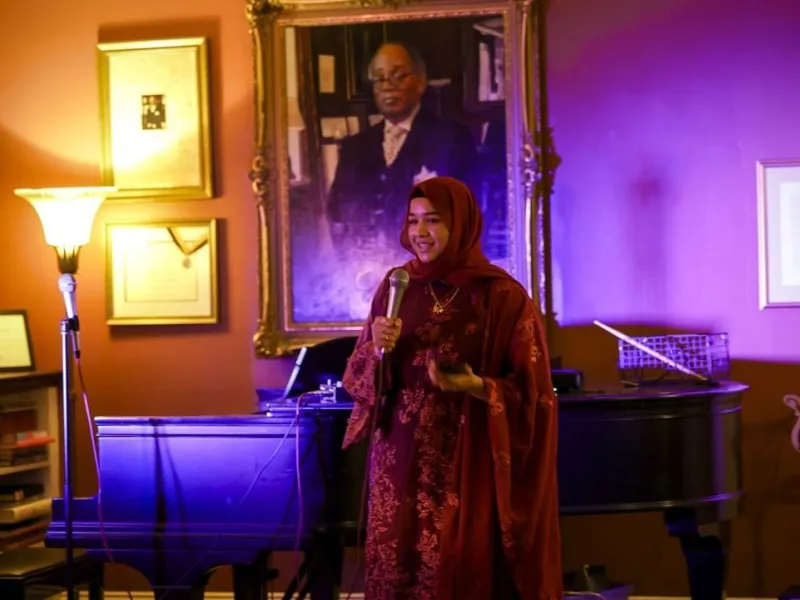
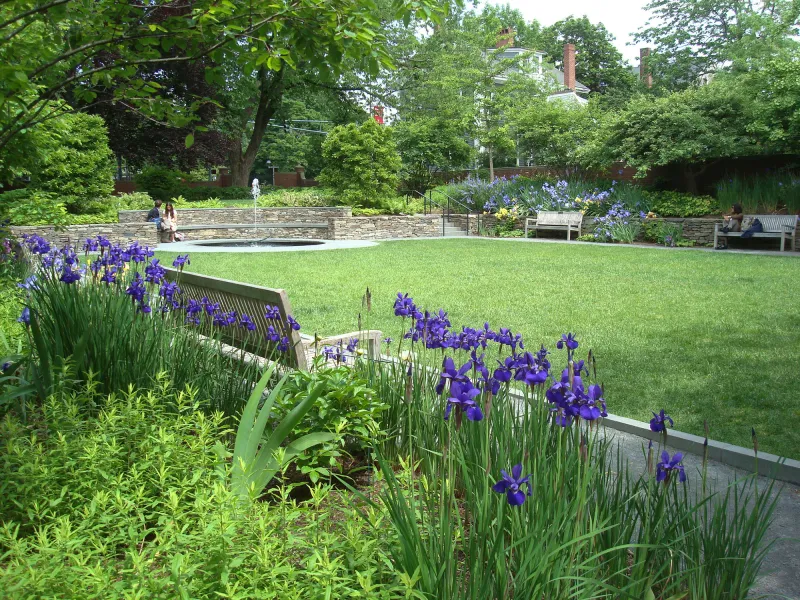

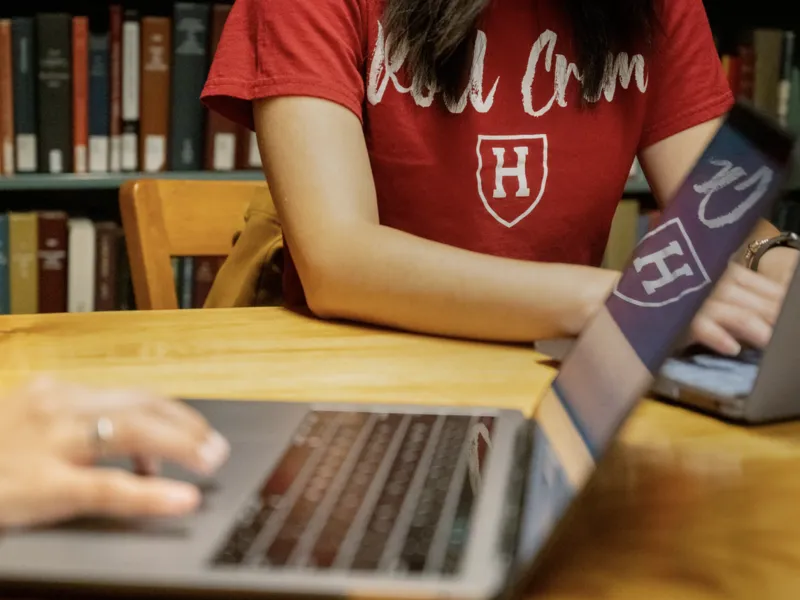
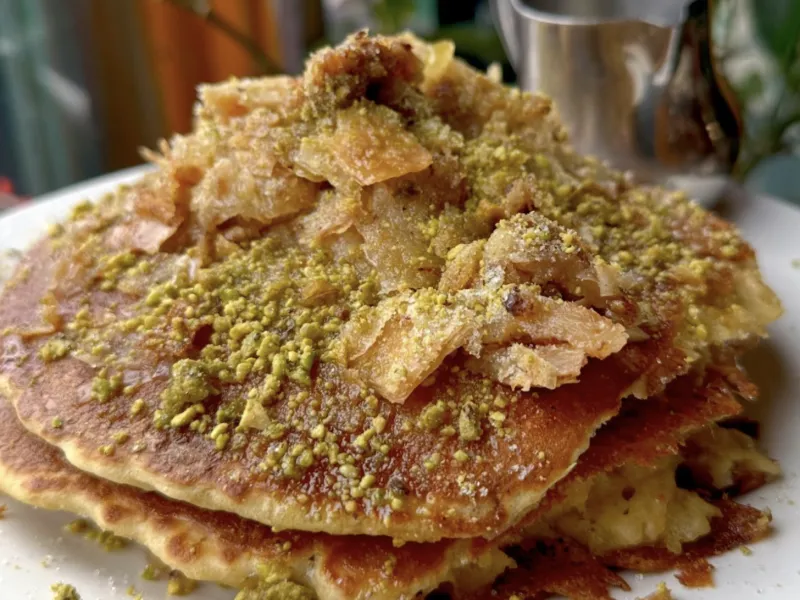
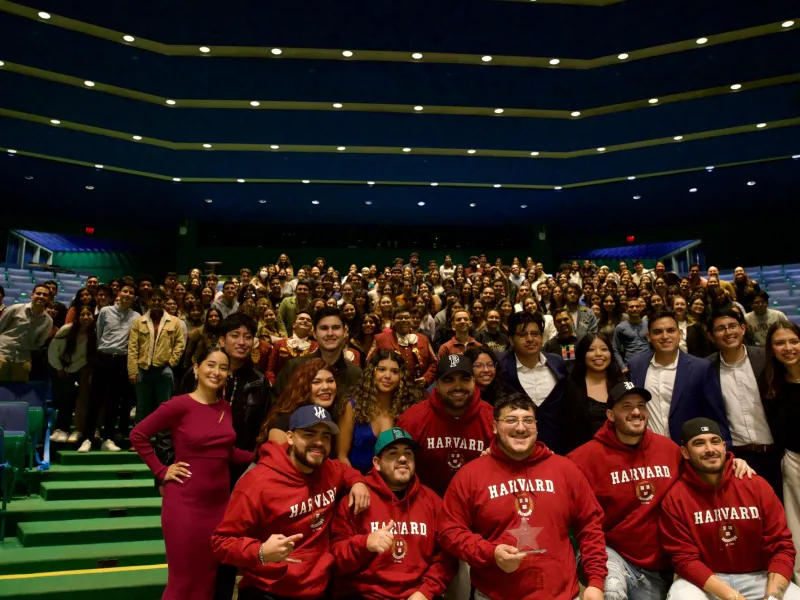 Grupo Frontera with those who attended RAZA’s Trailblazer Award ceremony
 My view from atop a hill near a mining camp.
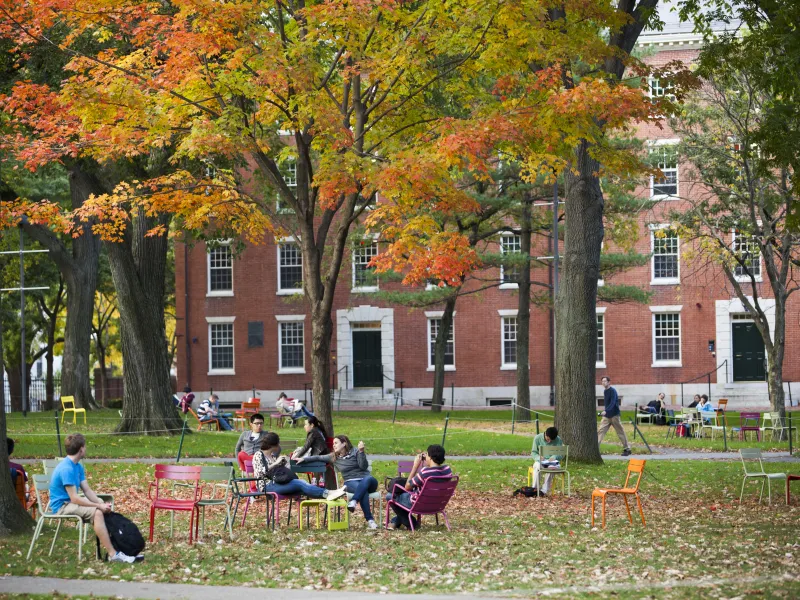
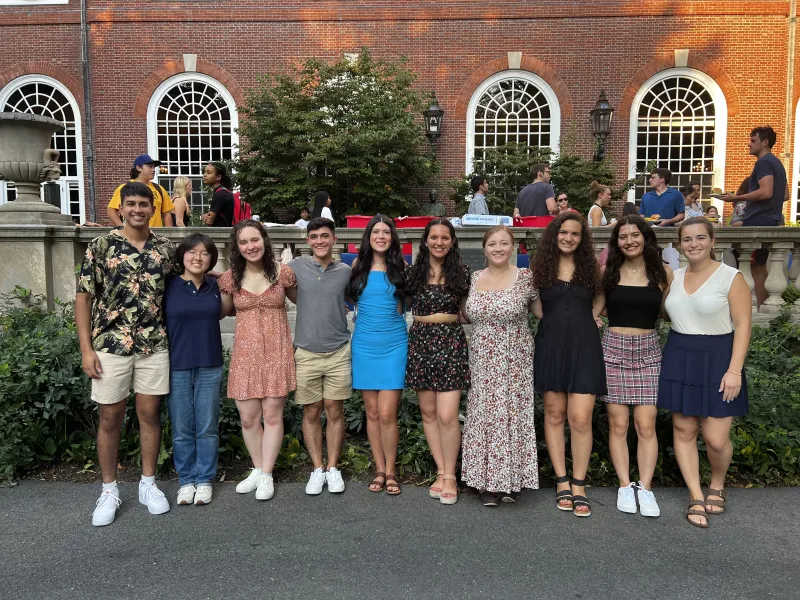 Eliot First day of class BBQ

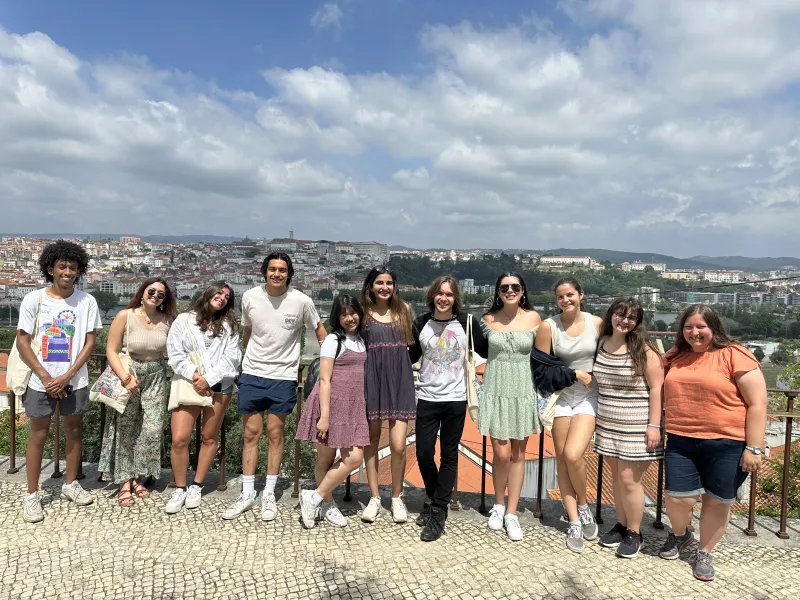 Our first day we were taken on a city tour to explore!
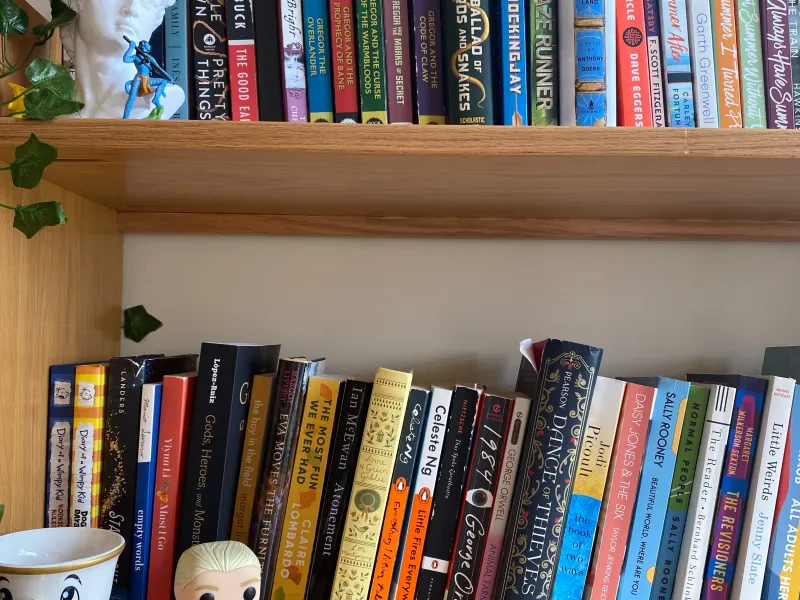 My bookshelf in my dorm!
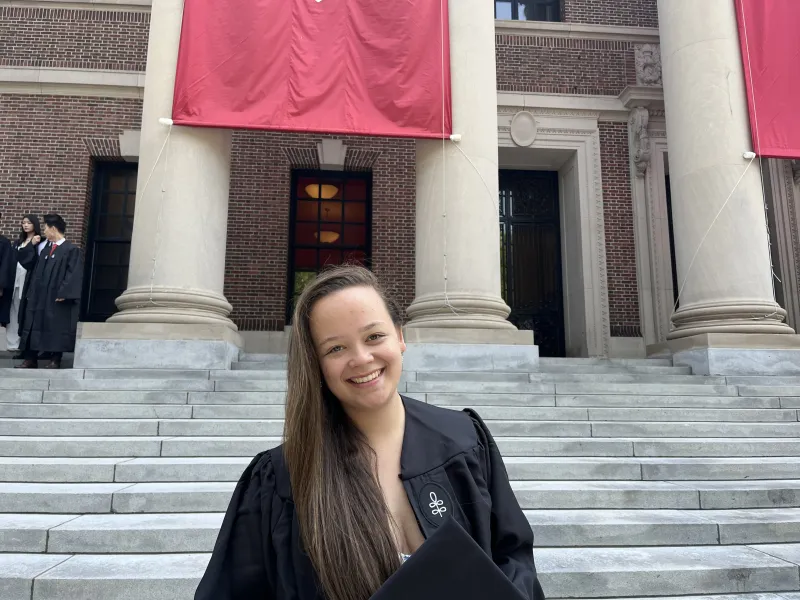
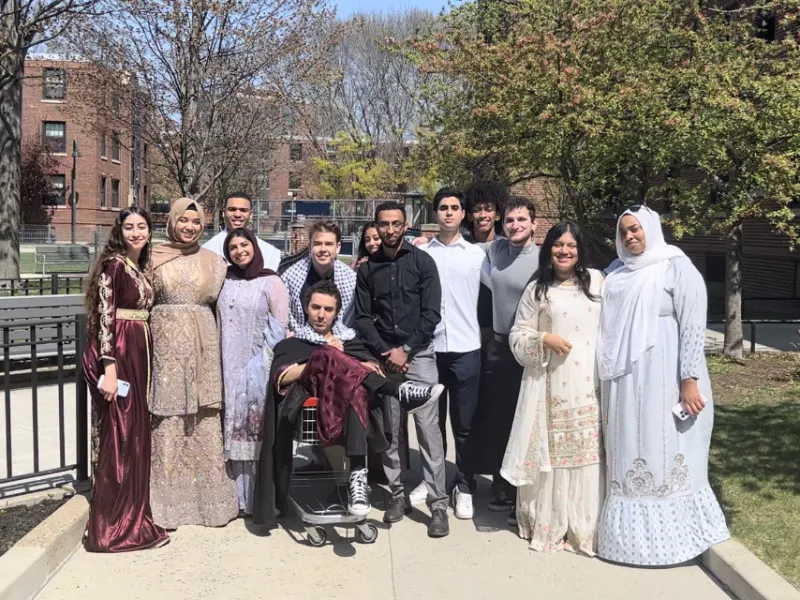
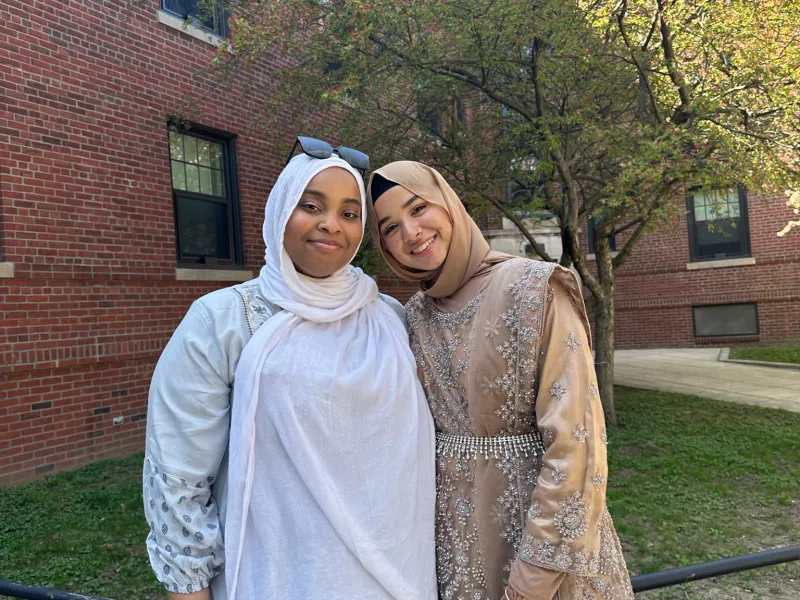 Malika Umar and Samia Afrose Celebrating Eid-al-Fitr
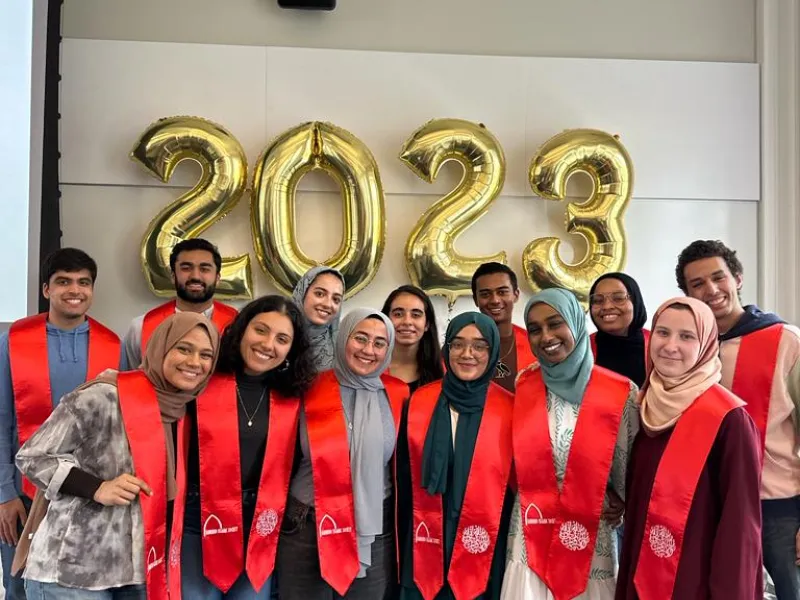 Seniors at the Harvard Islamic Society Send Off

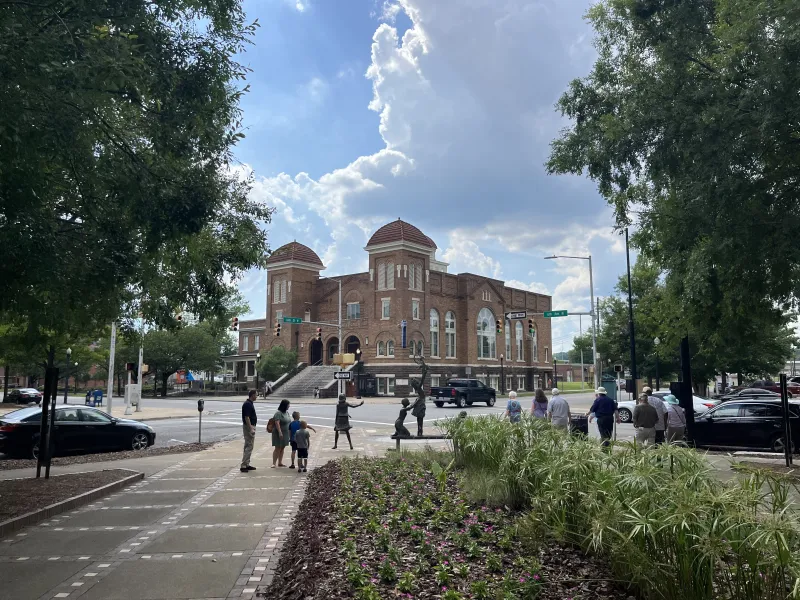 16th St Baptist Church Birmingham, AL
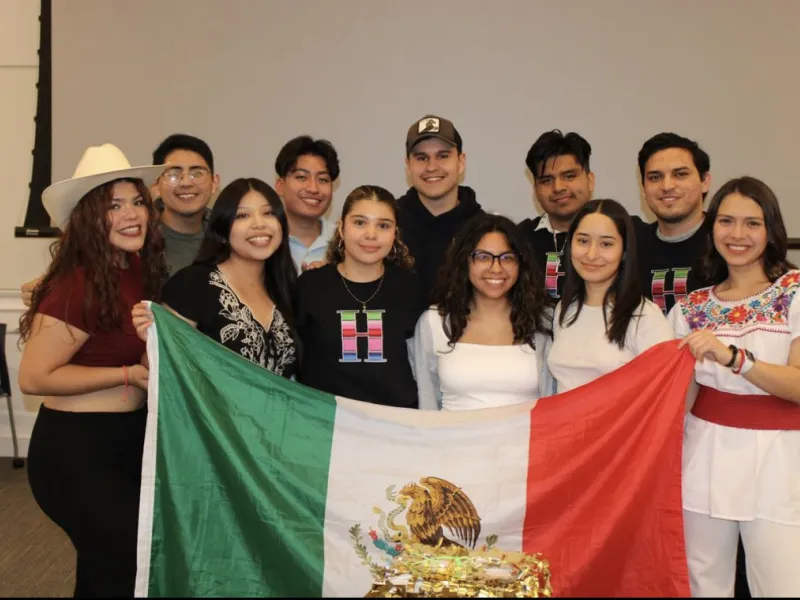 RAZA's Board on the last Mesa (social event) of the 2023 spring semester.
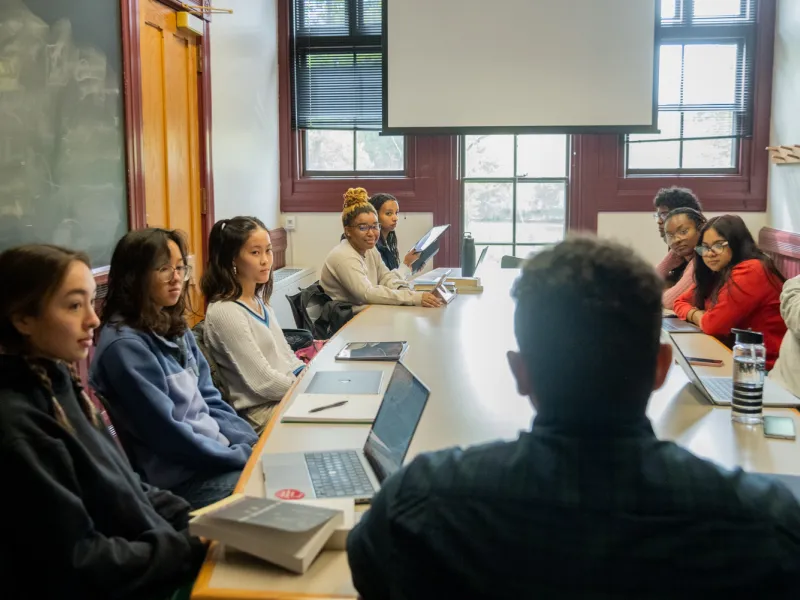
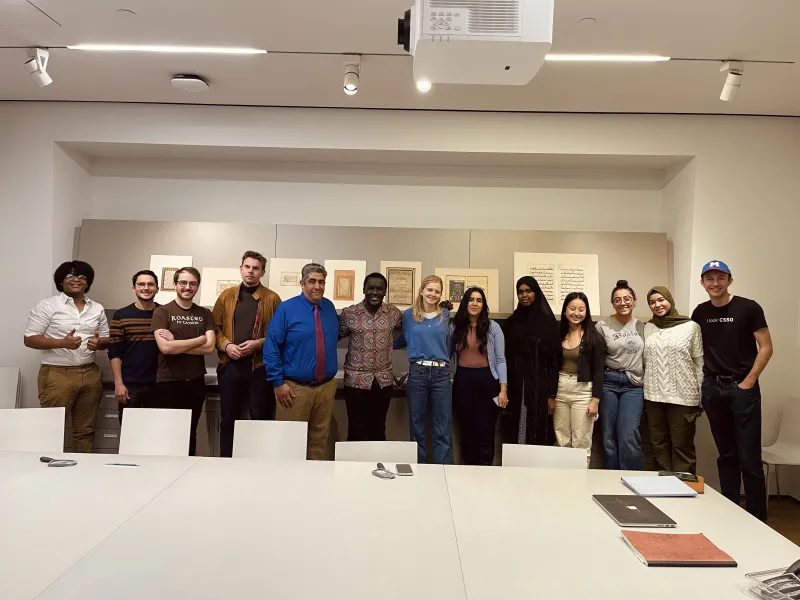 A photo of my classmates, Prof. Habib and I
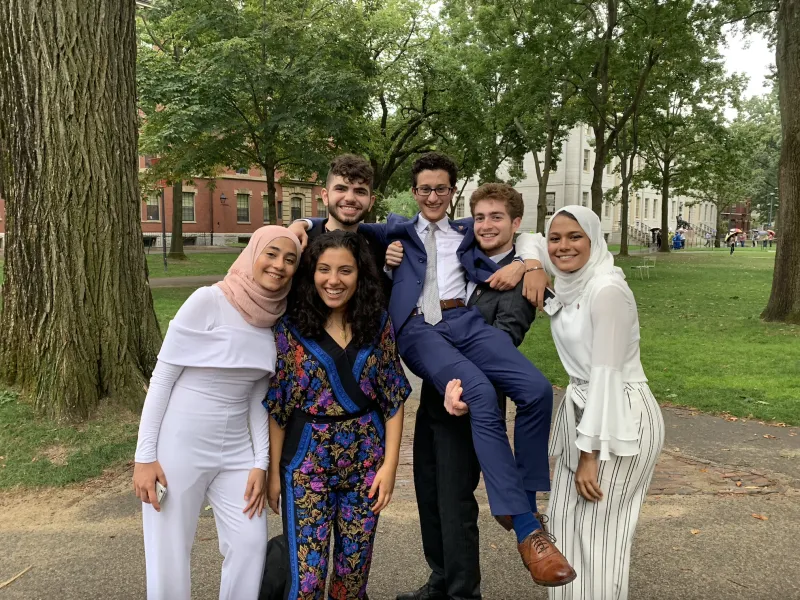 Some of the many great friends I made during my first-year!
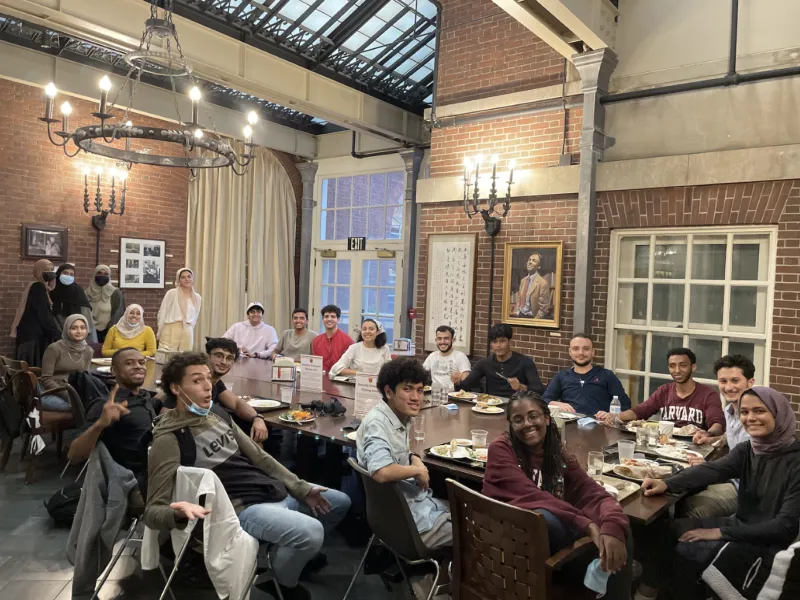 Dining with the Harvard Muslim community, my junior year
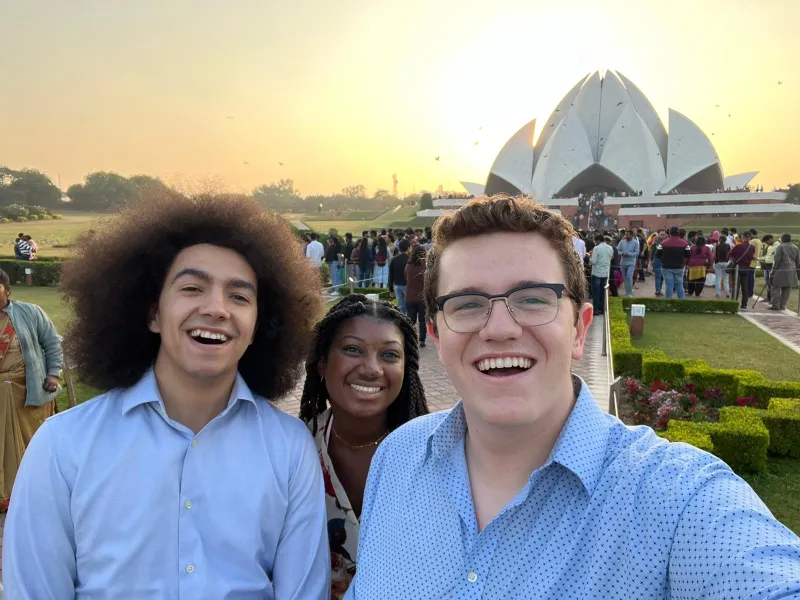 Seeing the Lotus Temple in Delhi, India was only one of the many great experiences I've had thanks to Harvard Model Congress
 Me with the director of FOP, the wonderful Lesedi Graveline
 My mom and I at Junior Parents Weekend
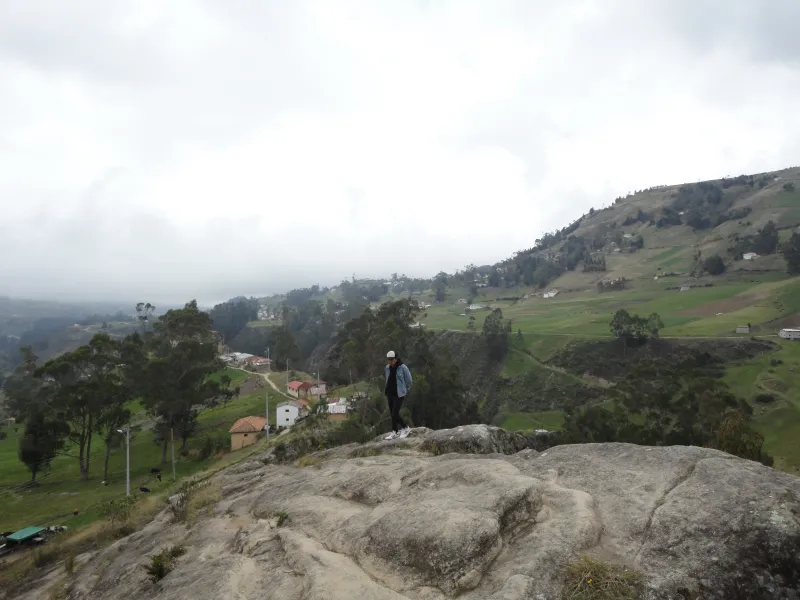 I passed through Cañar on my trip to my hometown, where I got to visit the Ingapirca Ruins!
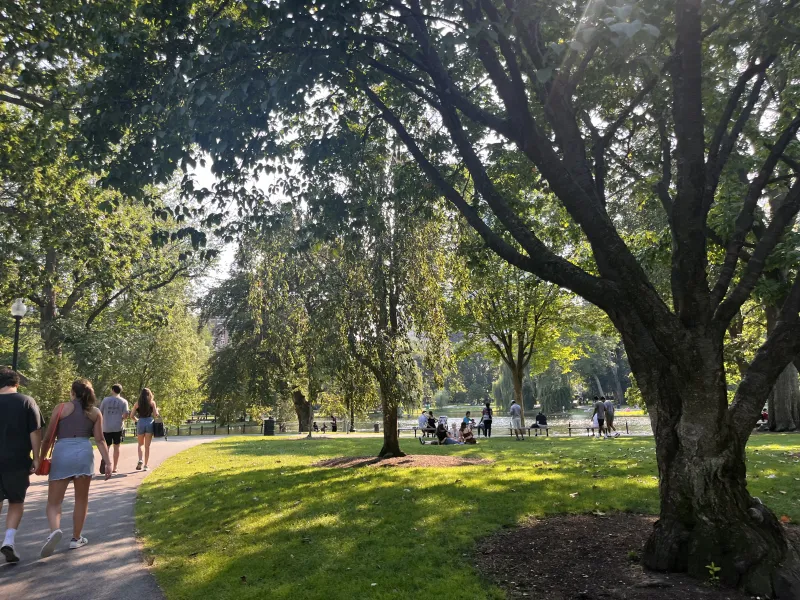
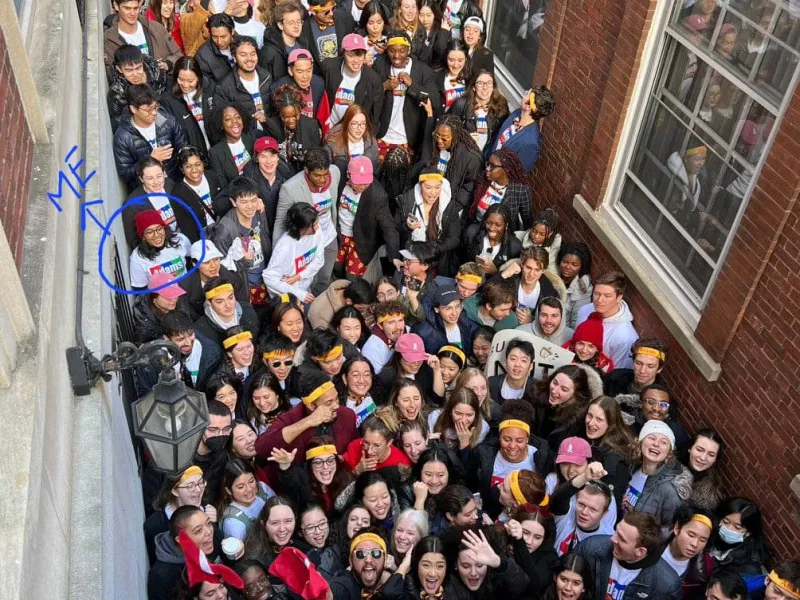
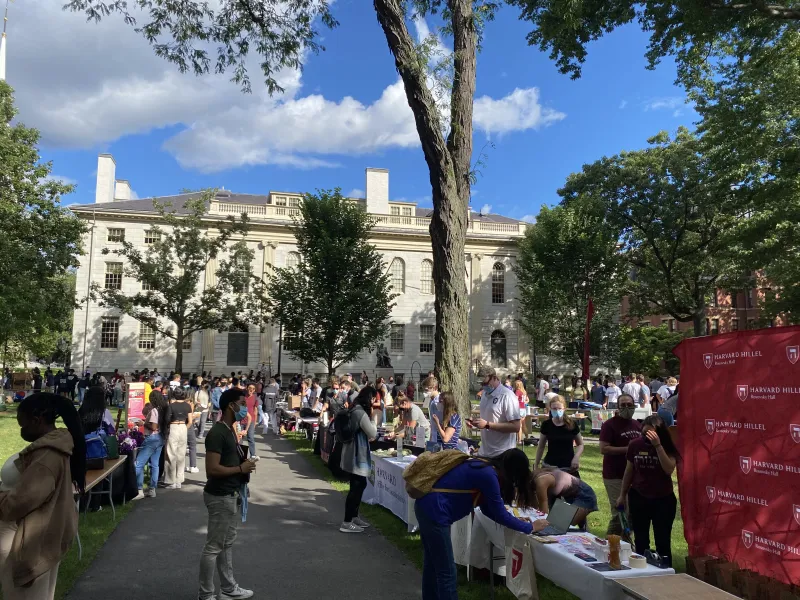
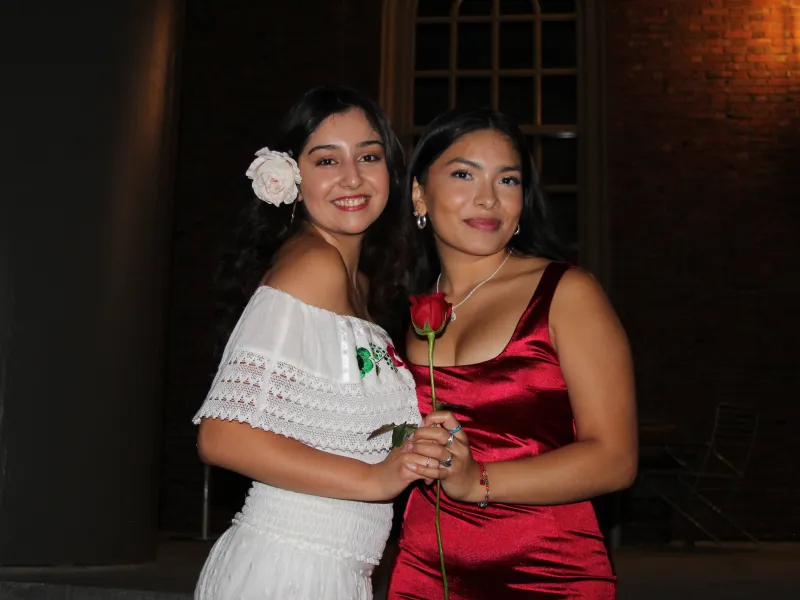 Latinx Convocation is an important event that celebrates Latinx culture and welcomes first years to Harvard! Julia Casas president of Fuerza on the left and Gloria Maldonado president of Latinas Unidas on the right.
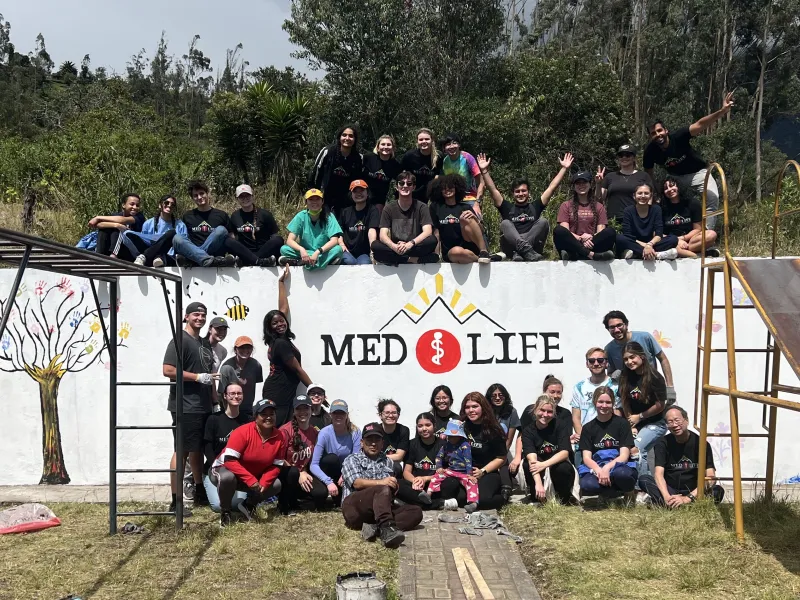 MEDLife volunteers posing for picture with MEDLife Logo
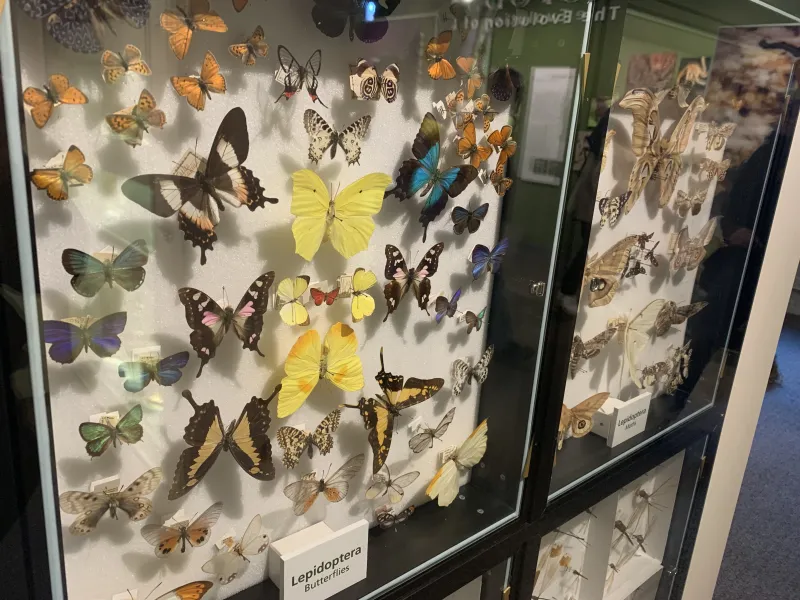 Display of butterflies at the Harvard Natural History Museum.
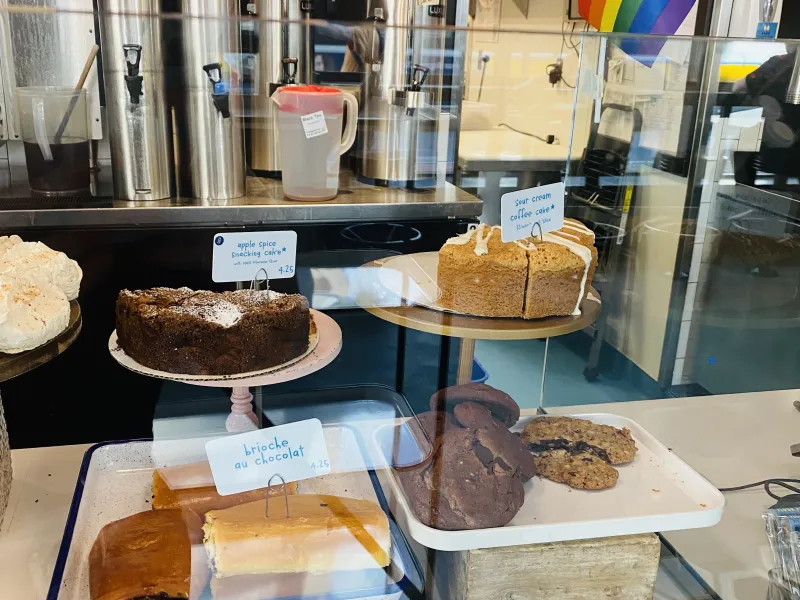

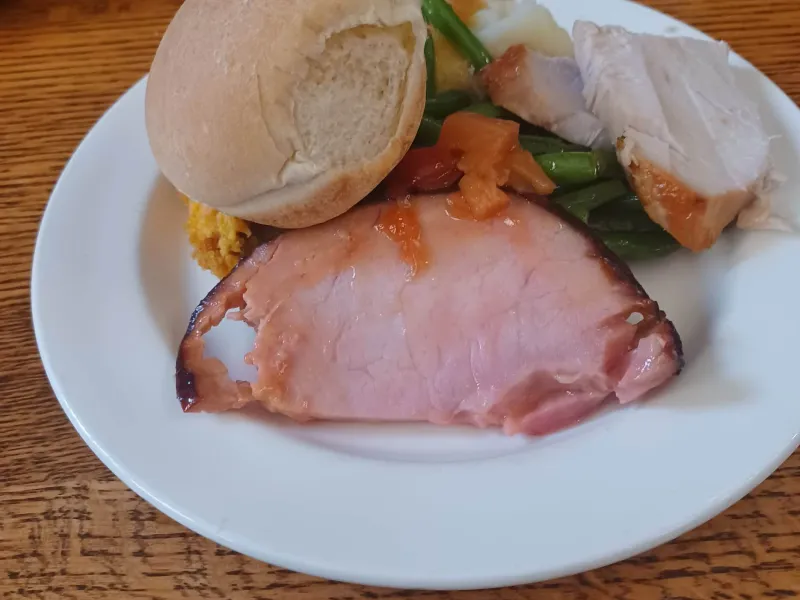 Food provided by Harvard University Dining Service Workers on Thanksgiving Day
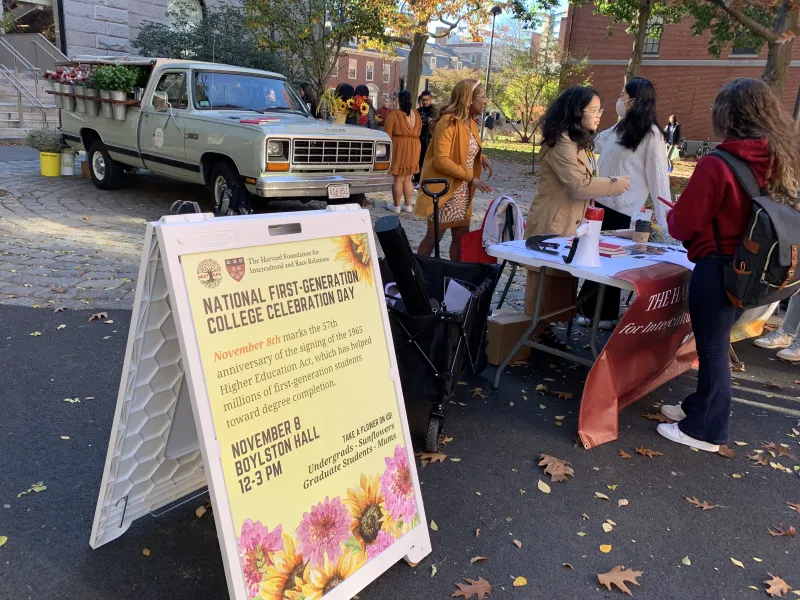
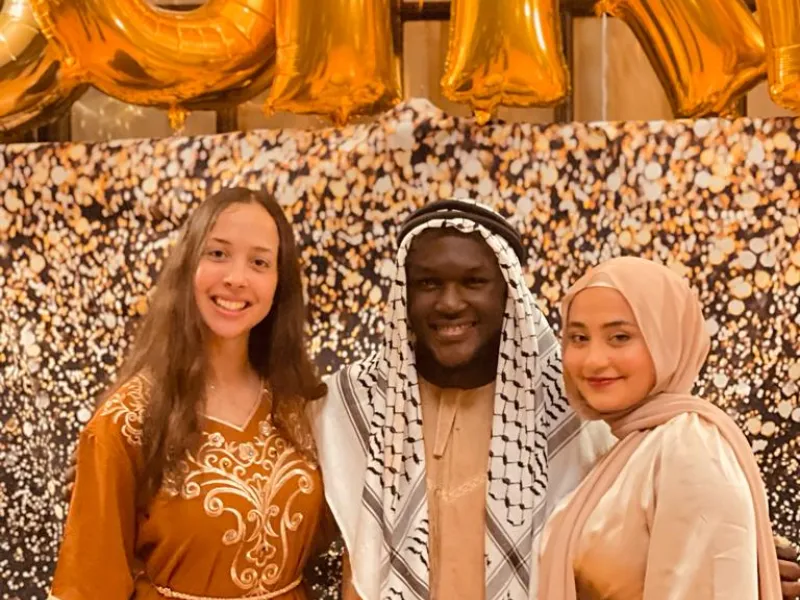 My fellow HFAI coordinators and I at Sufra!
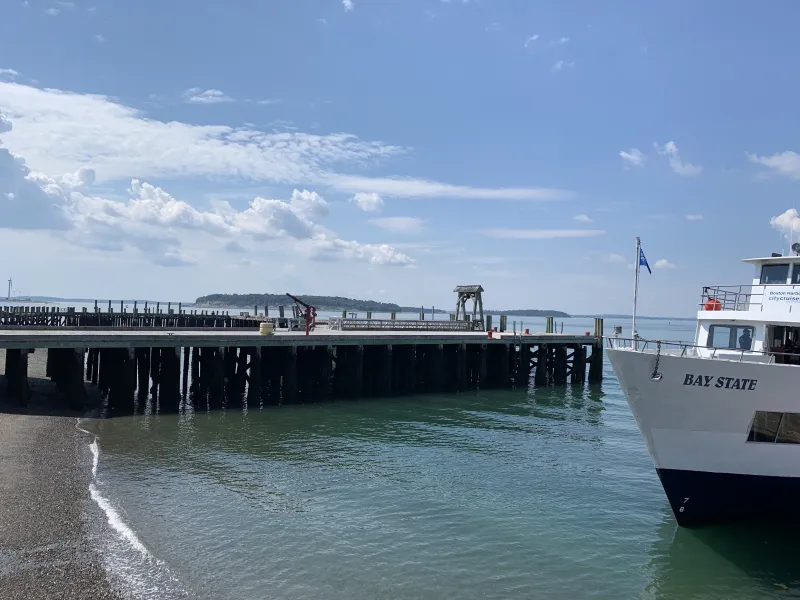 After a warm ride aboard the ferry, we made it to Georges Island!
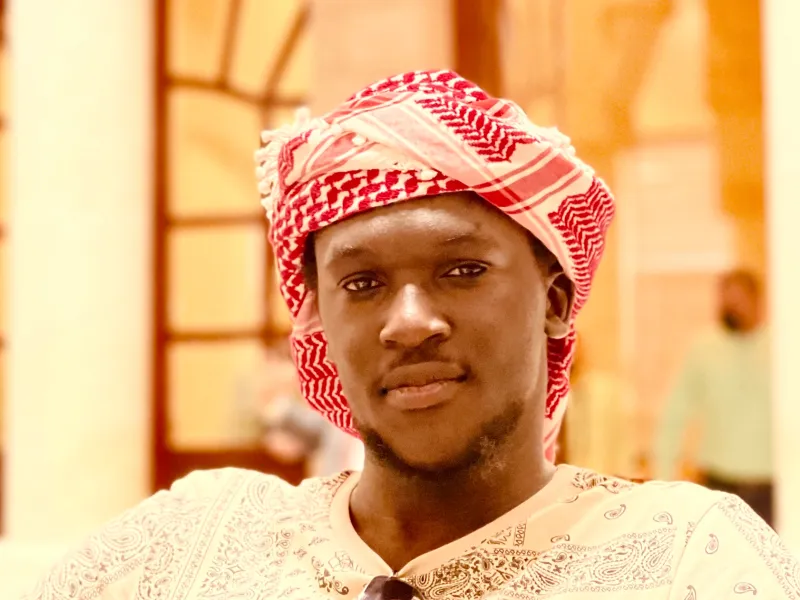
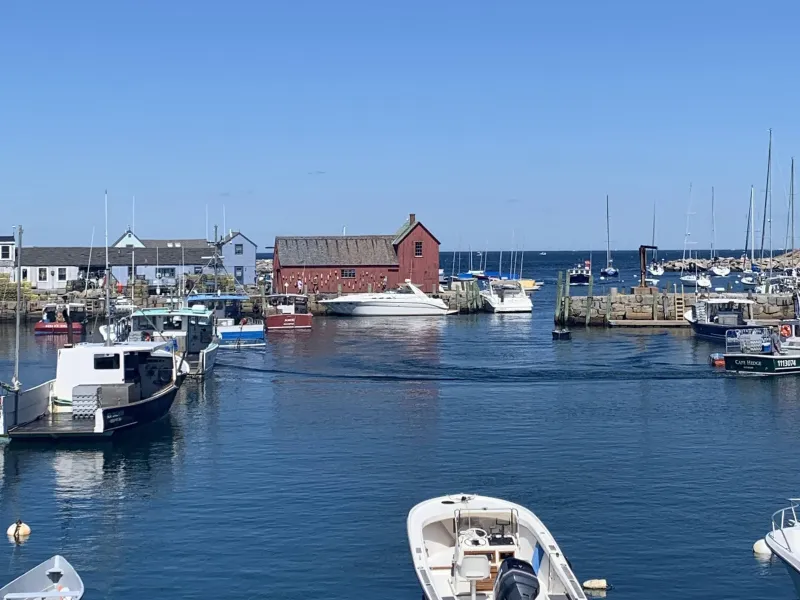
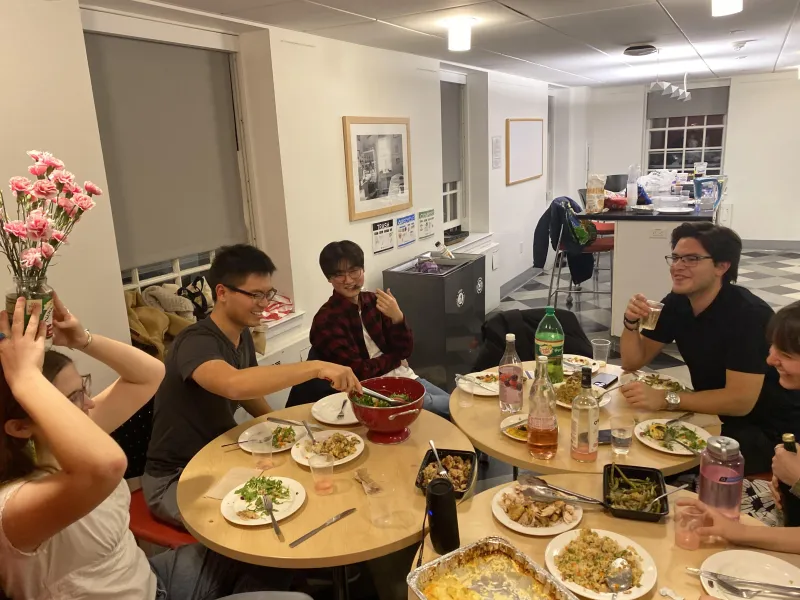 My friends and our Thanksgiving dinner.
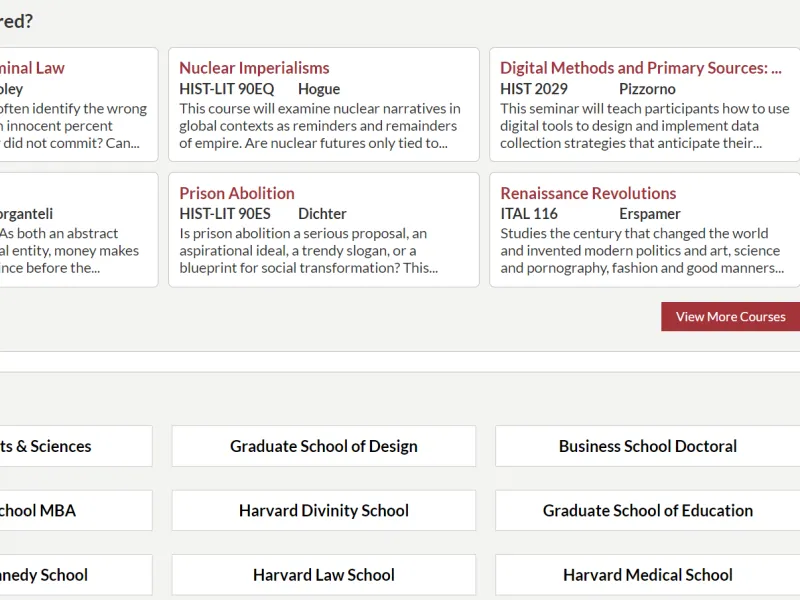 Harvard's course search page allows you to browse the 3,500+ courses offered each semester
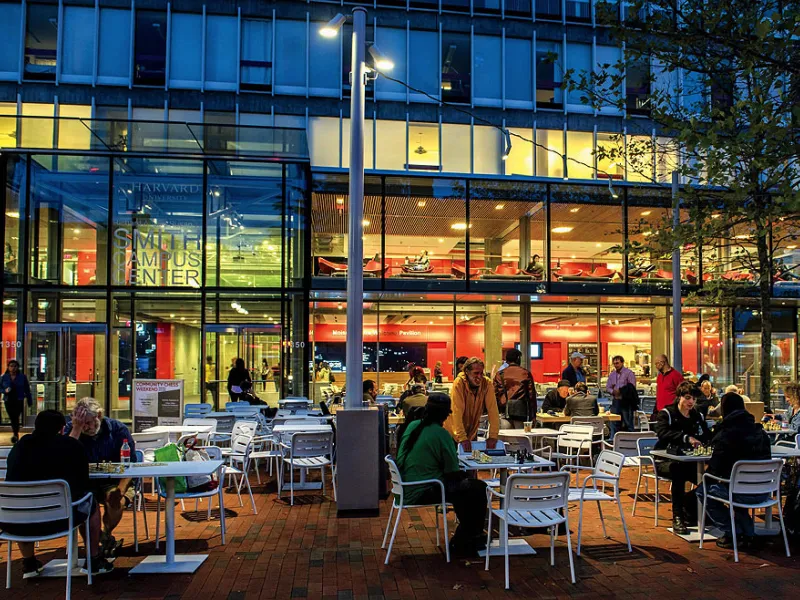 The SCC
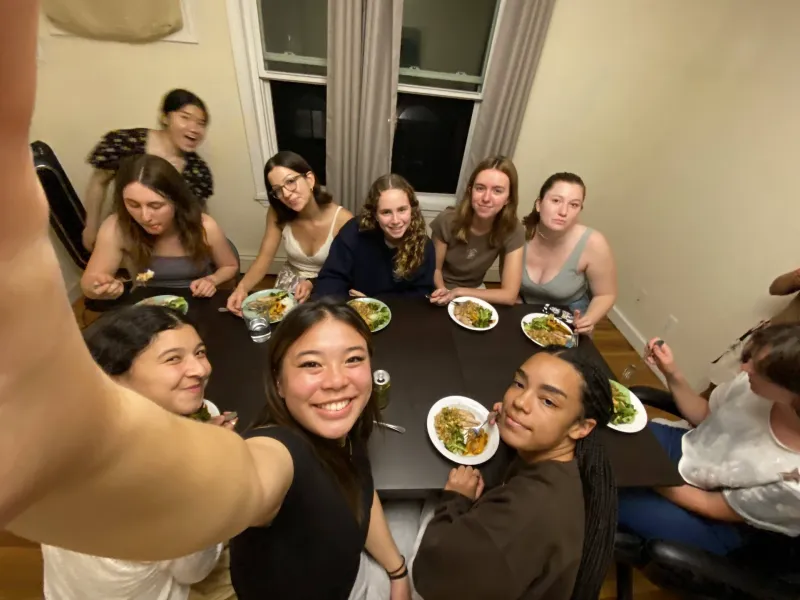
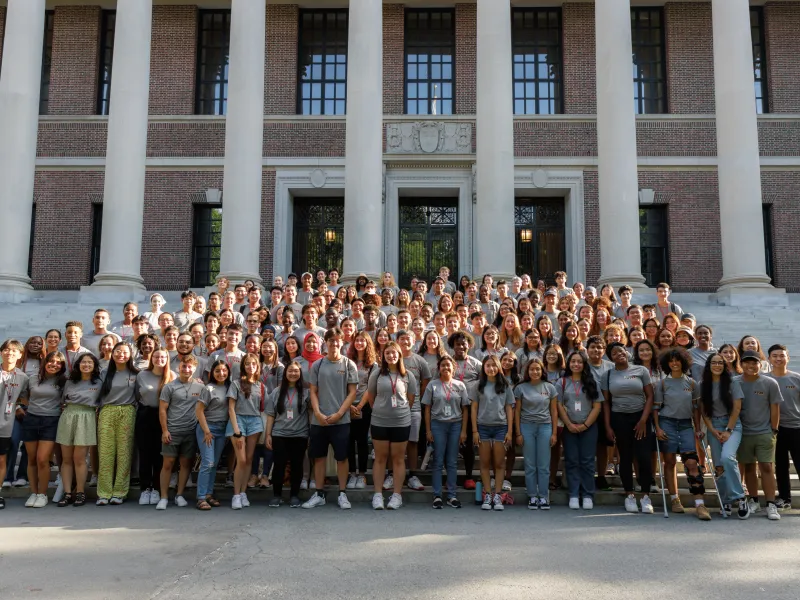
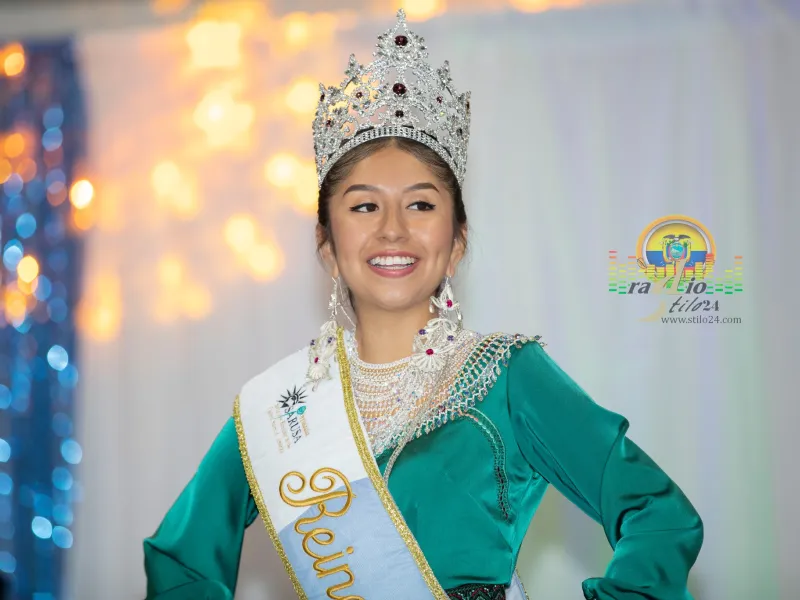 After weeks of preparation, my hard work paid off when I was elected as the queen of my tribal organization in the US, SarUSA (Saraguro Residents in the USA).
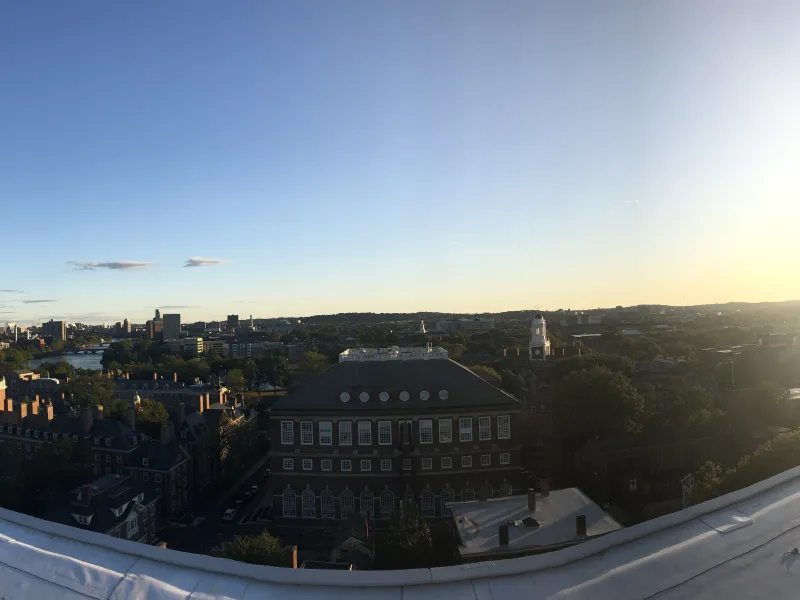
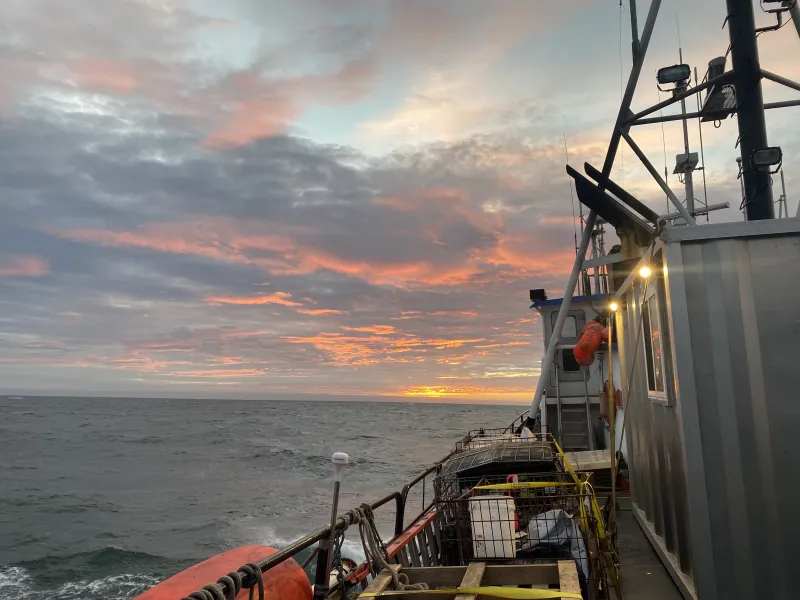 Sunrise during our first morning at sea.
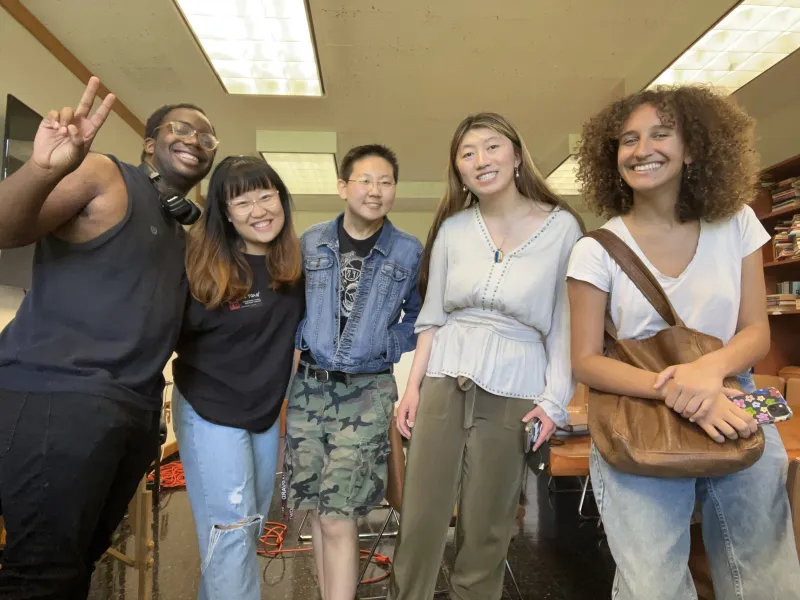 The 2022 summer American Repertory Theater (from left to right): Chinyere Obasi '24, Caron Kim '24, Sophie Kim '24, Diana Chen '25, Sophie Garrigus '25.
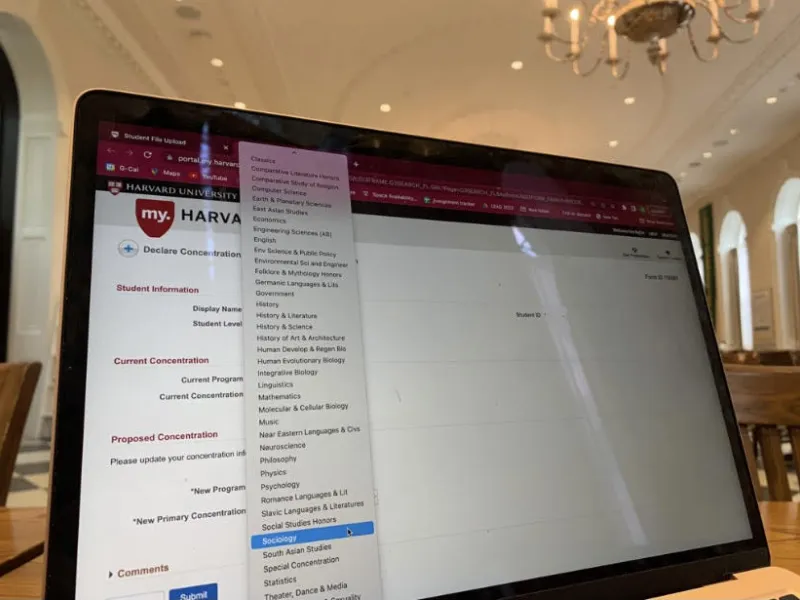 I officially declared Sociology as my concentration this fall!
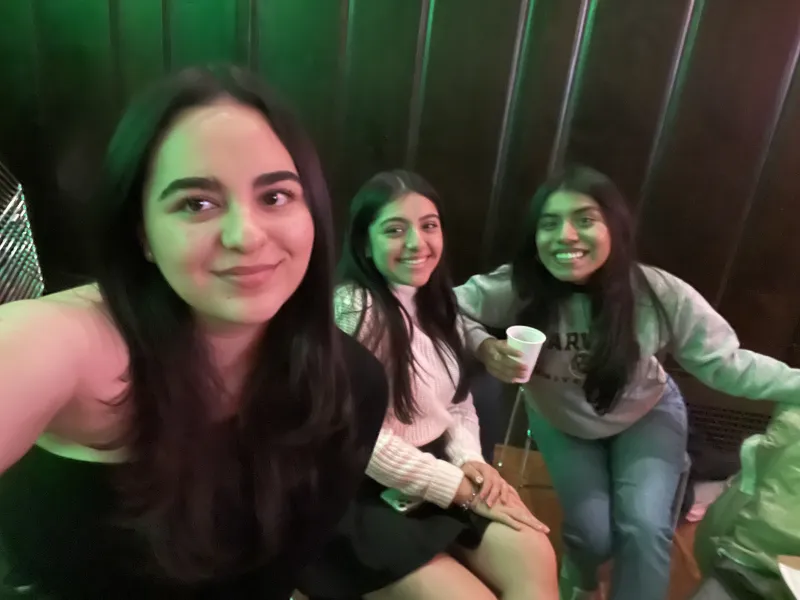 My friends and I love attending the socials that are hosted by the affinity groups!
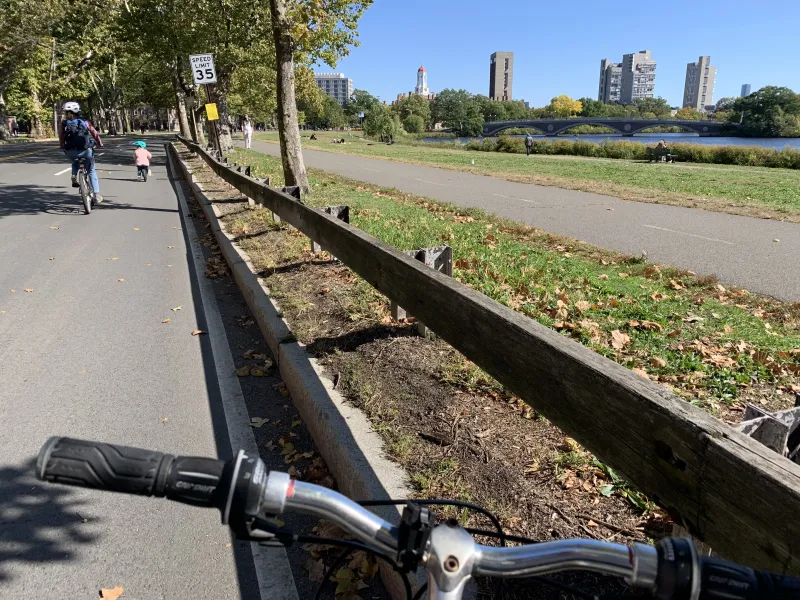 I love catching the crisp morning breeze every Saturday morning!

 The sunrise on the morning of Housing Day this year.
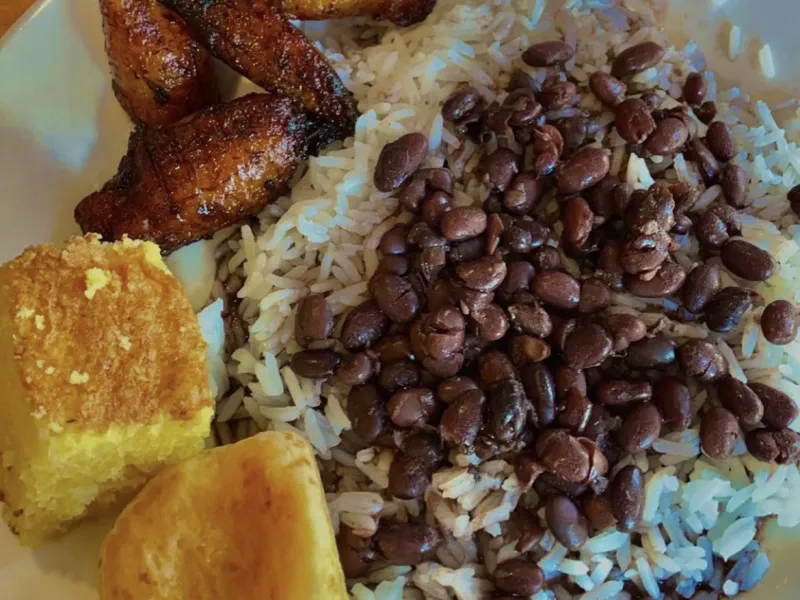
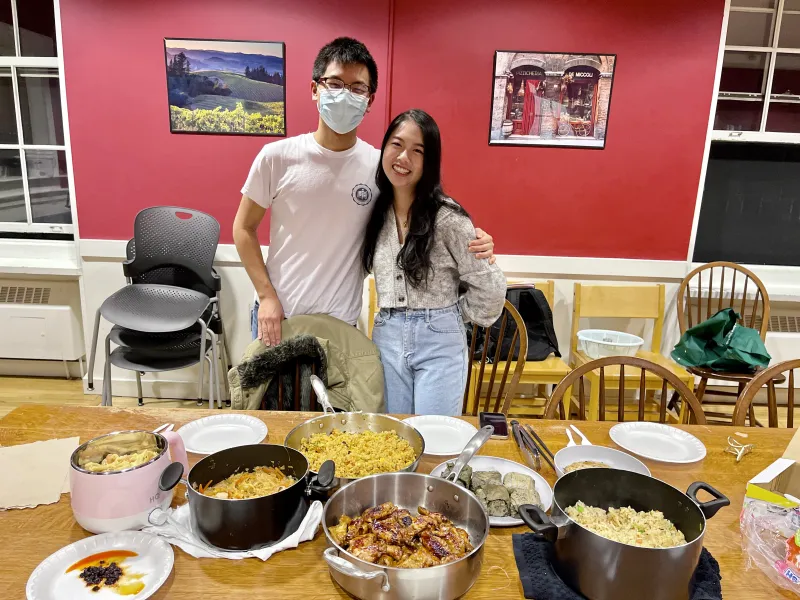 My first cookout at Harvard was successful!
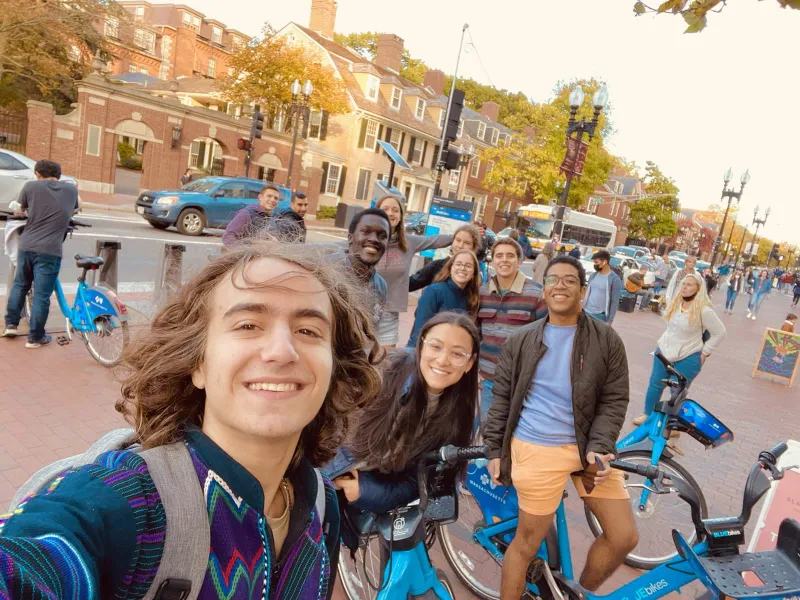
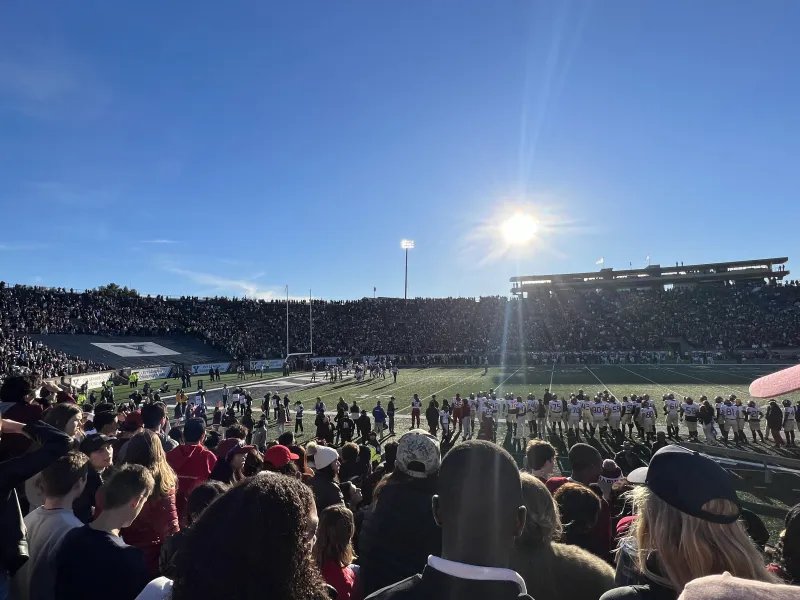
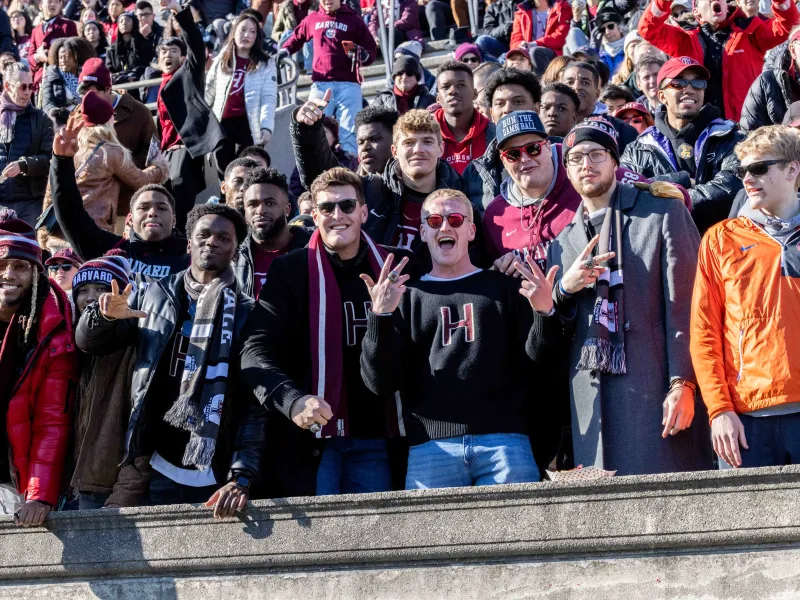
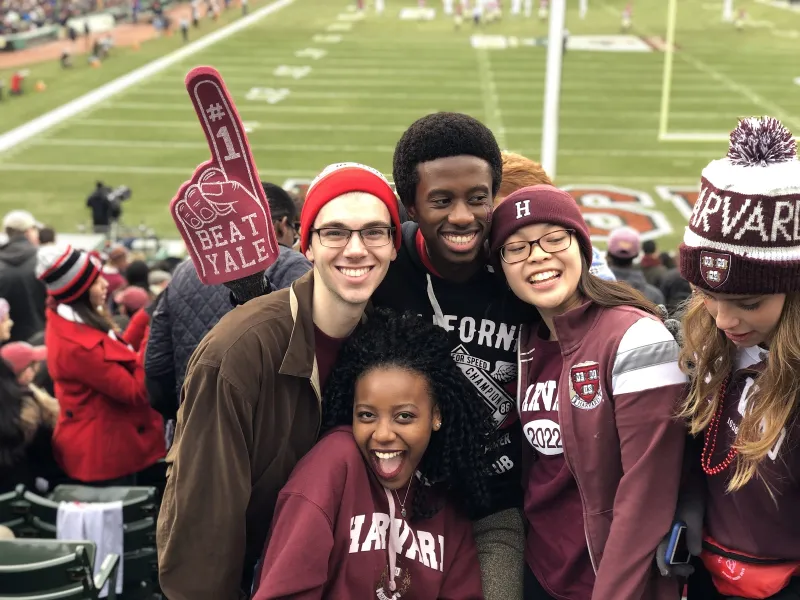
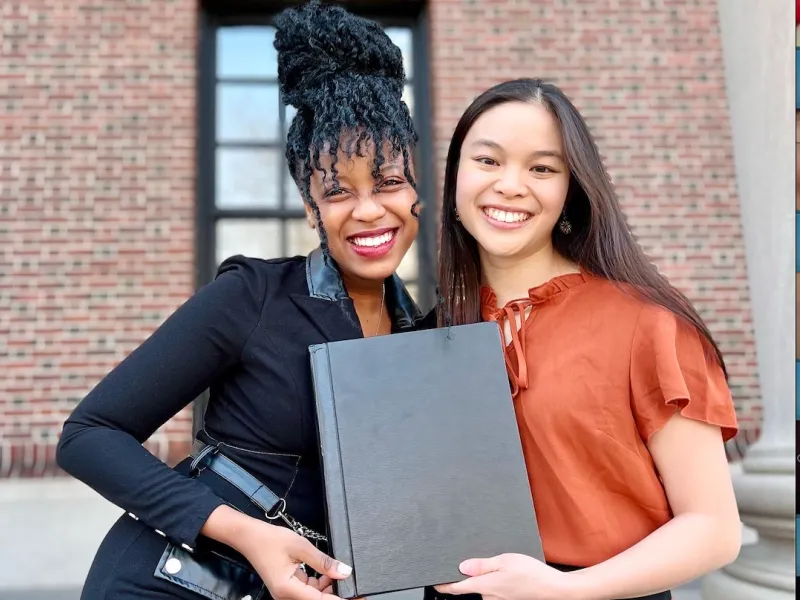 My First Harvard Yale Game
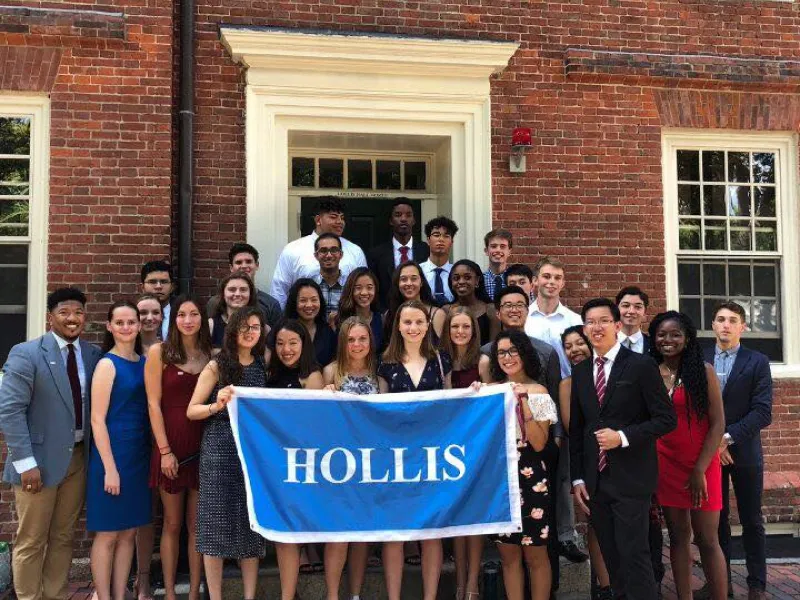
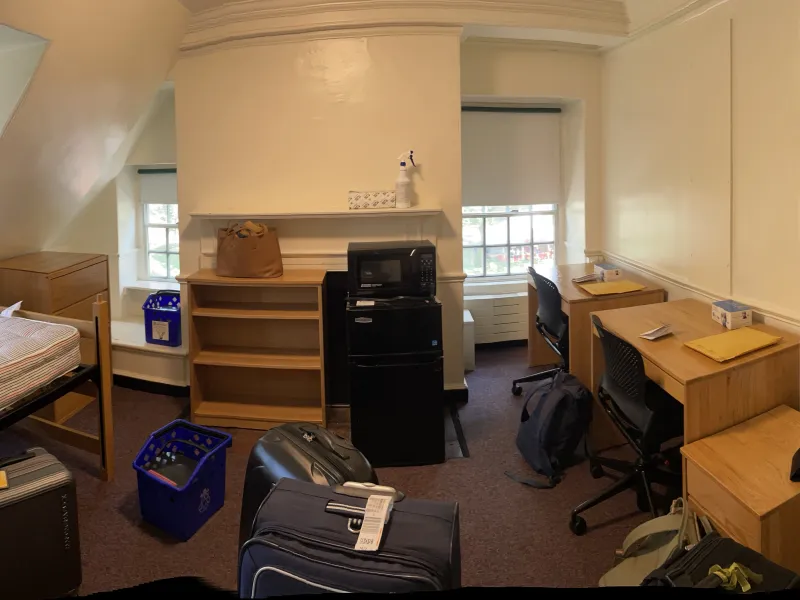 An empty room? More like a clean canvas!
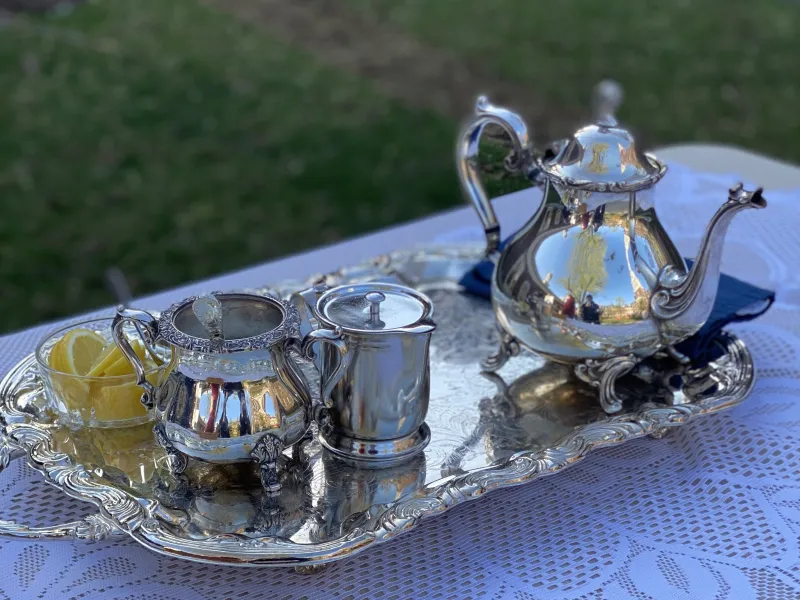
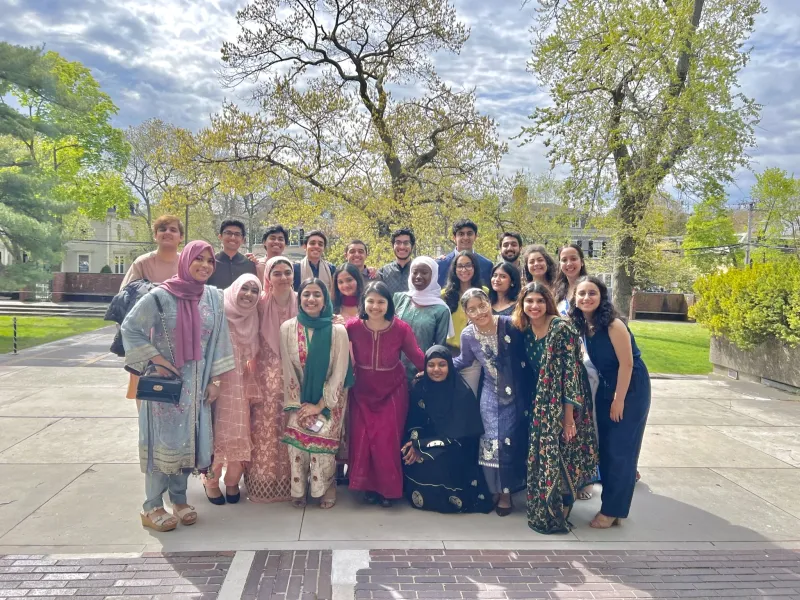
 The Fall 2021 HFAI Student Coordinator Team!
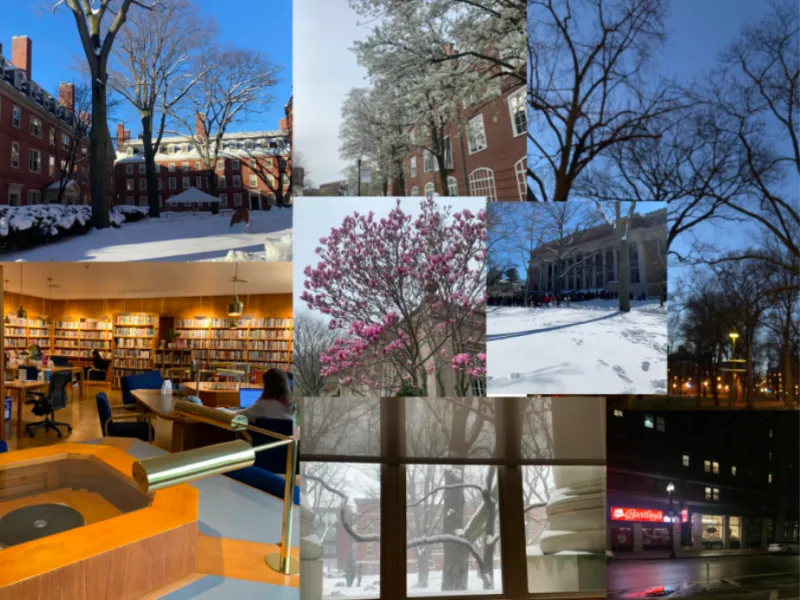 Adding as thumbnail for blog
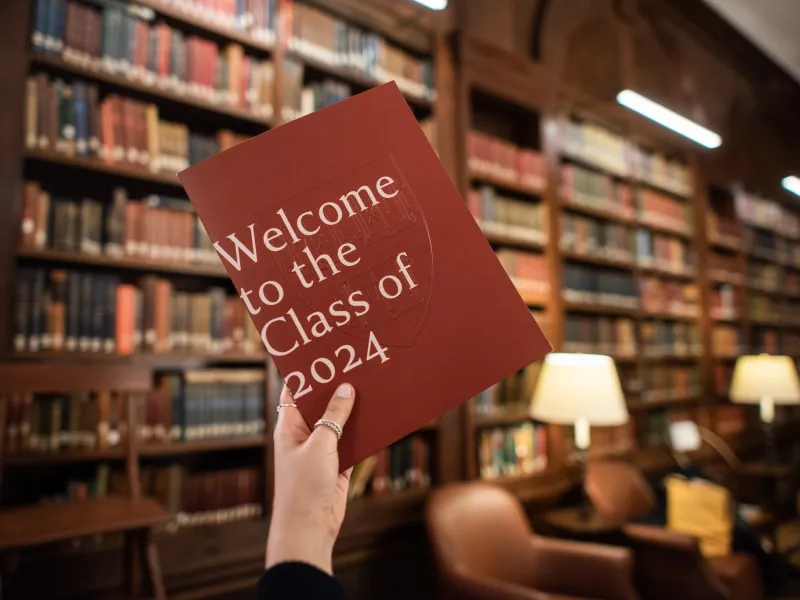
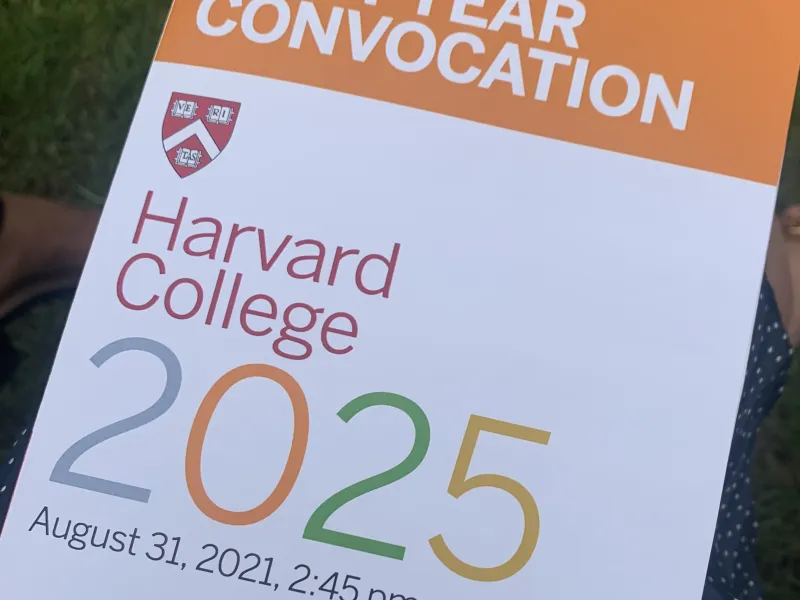 The brochure given to us on Convocation, a day before the start of classes
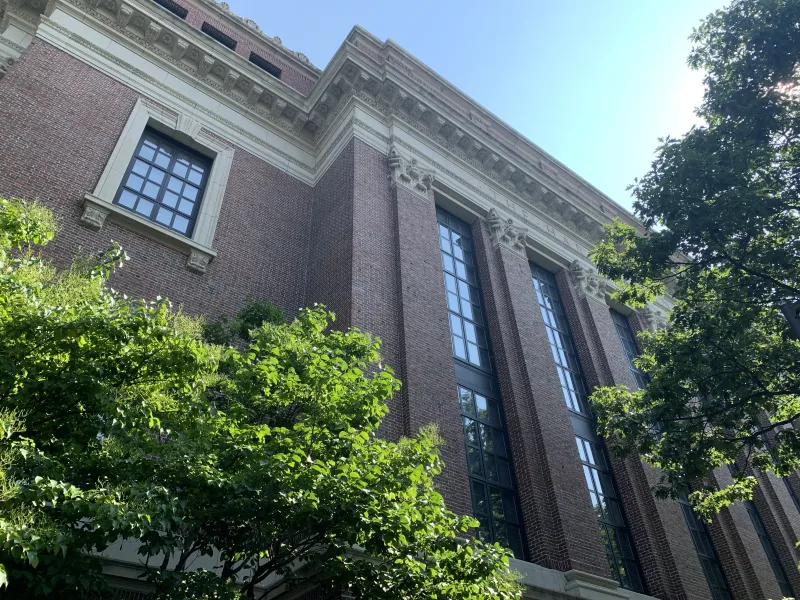
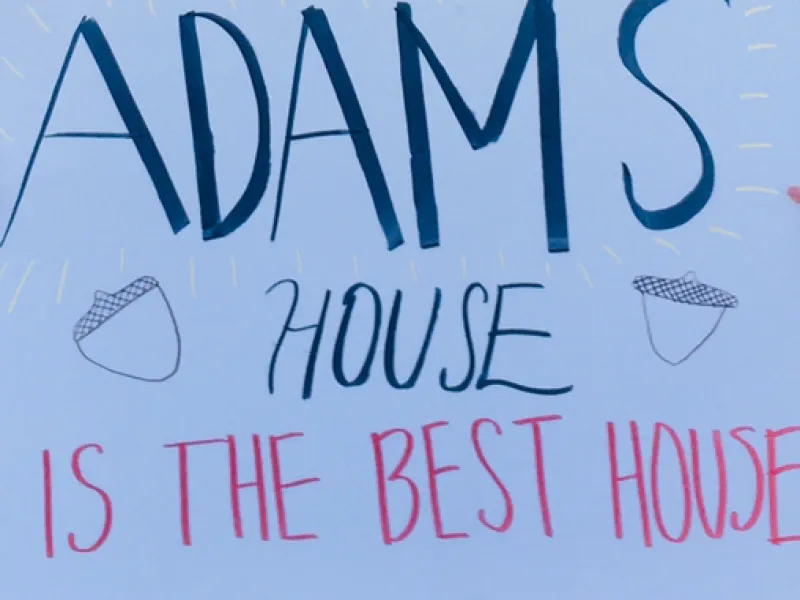 A picture of a white poster with "Adams House is the Best House" written on it.
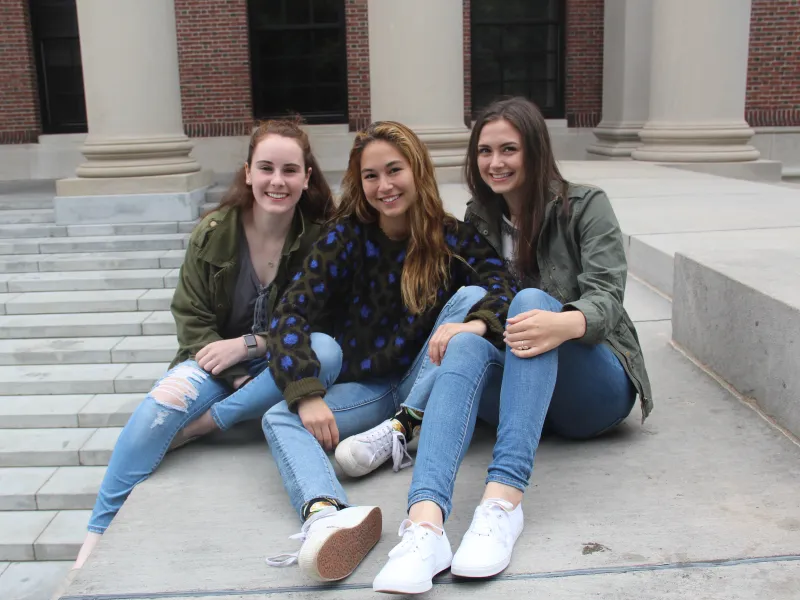 Sitting in front of Widener with my first friends at Harvard in fall 2018. None of us could have predicted that we would end up taking a leave of absence together two years later.
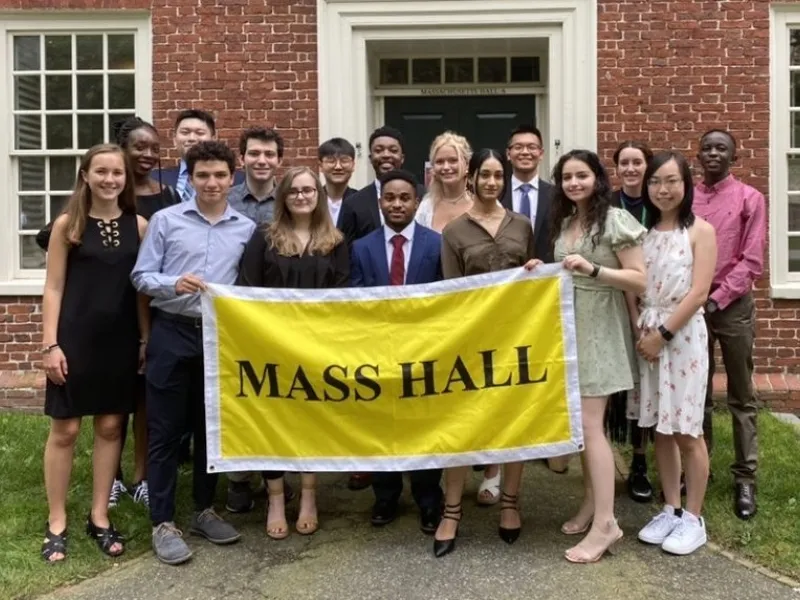
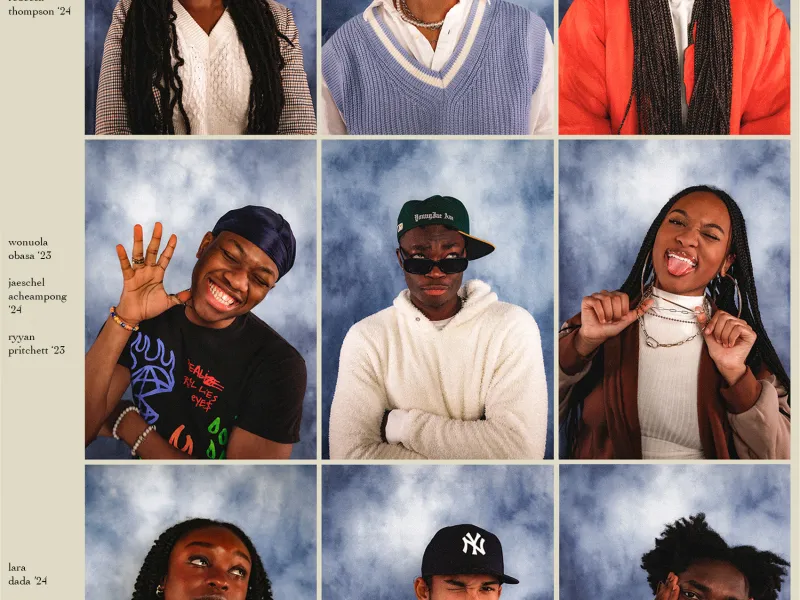
 So grateful to have worked with these amazing student leaders this past year!
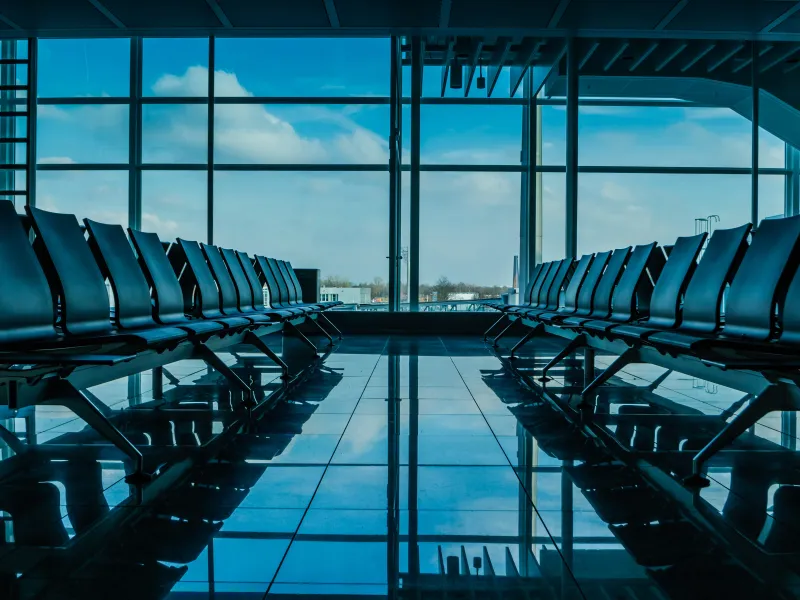 hey, what's that--a liminal space?
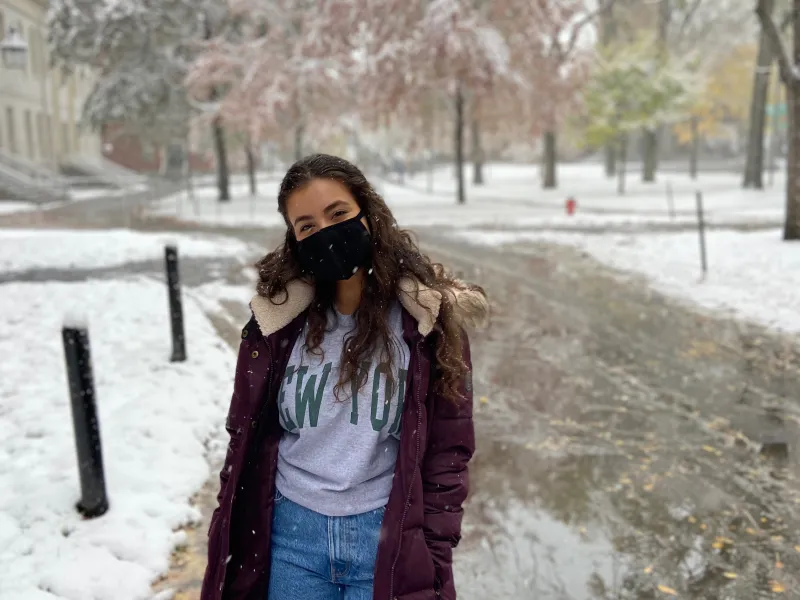 My one of my Floridian roommates in the snow last year looking warm in a coat and jeans!

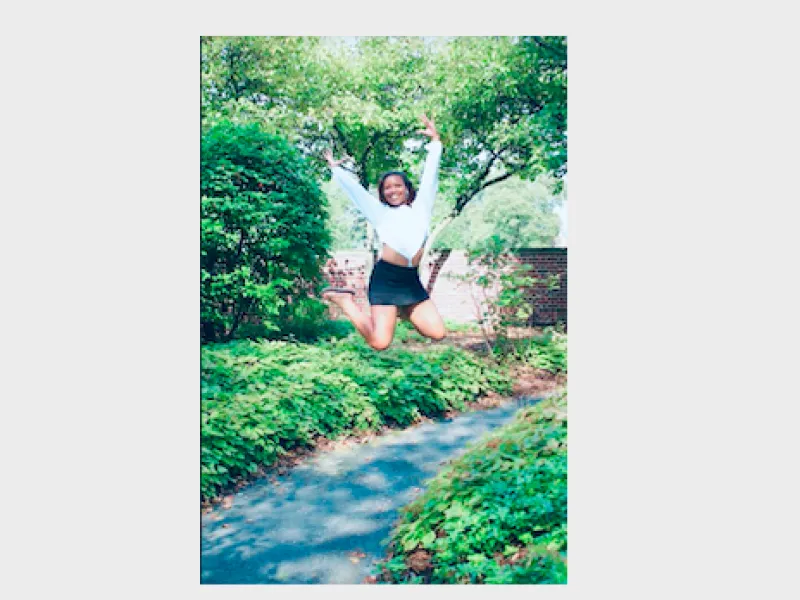 A dancer jumping in the air
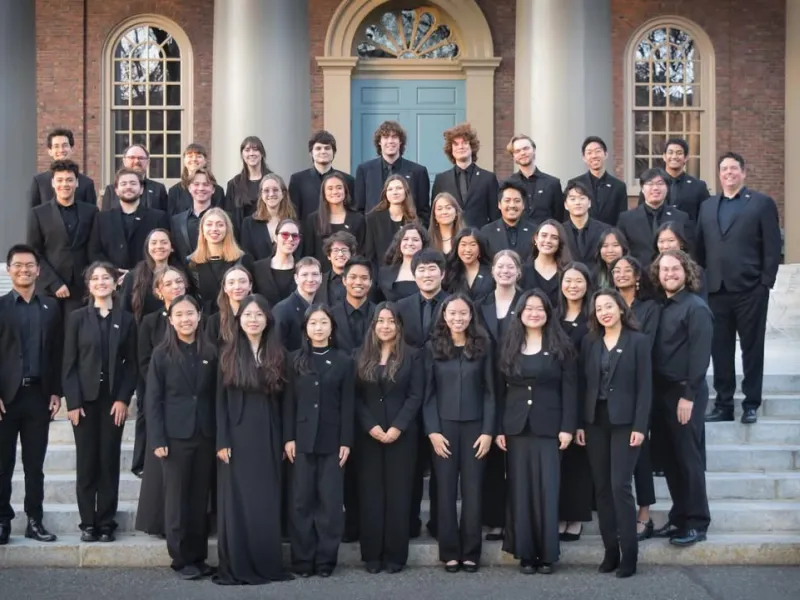
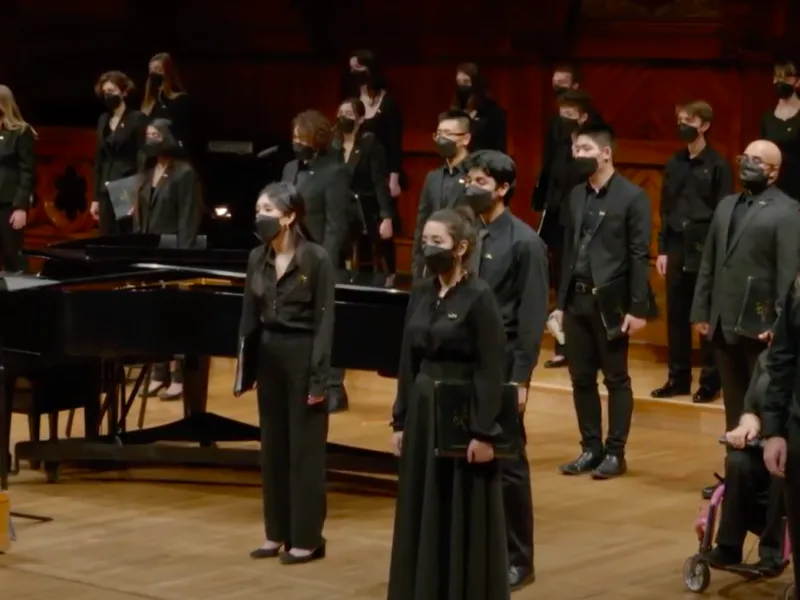 My fellow singers and I singing “Lay Me Low,” our closing number, by Addah Z. Potter and arranged by Kevin Siegfried, at Reunion: A Fall Concert.
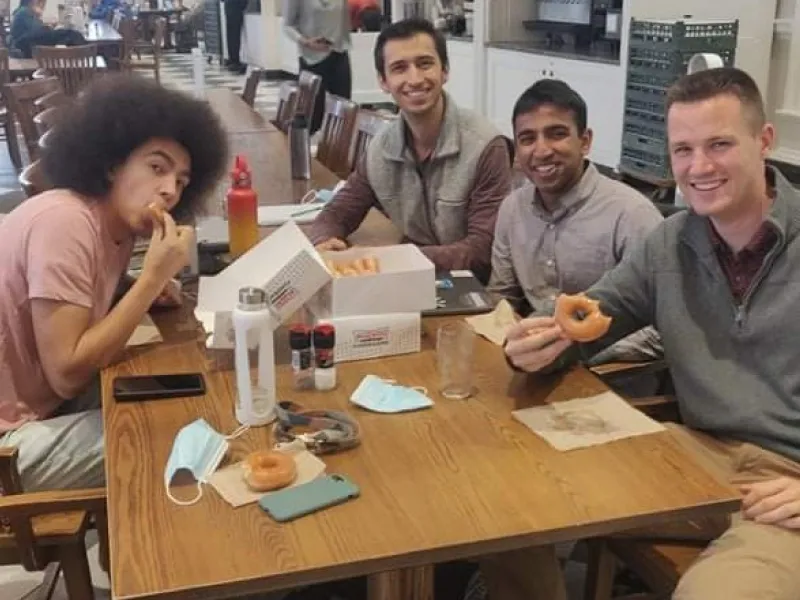 To relax after midterms, some friends and I enjoyed donuts for breakfast in Leverett Dining hall.
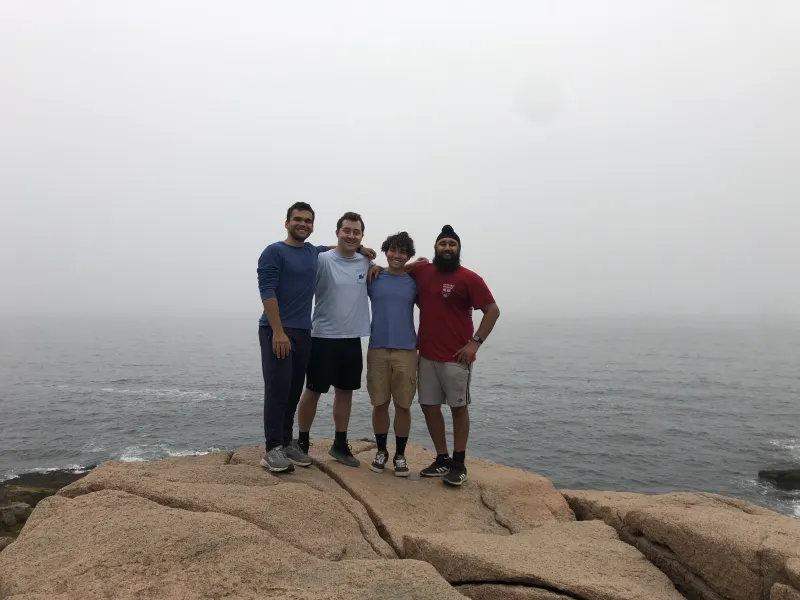 Here's some friends and I at Acadia National Park over an extended weekend!
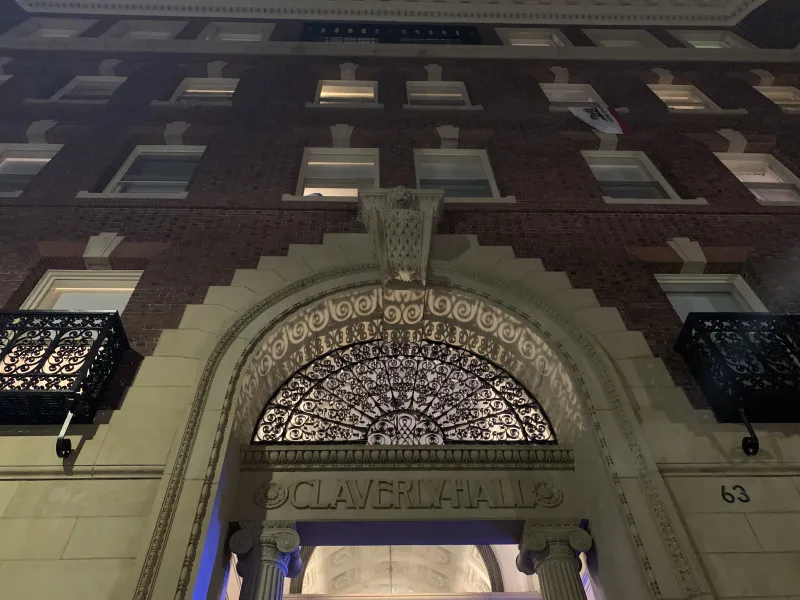 The front of Claverly Hall on Mt. Auburn Street.
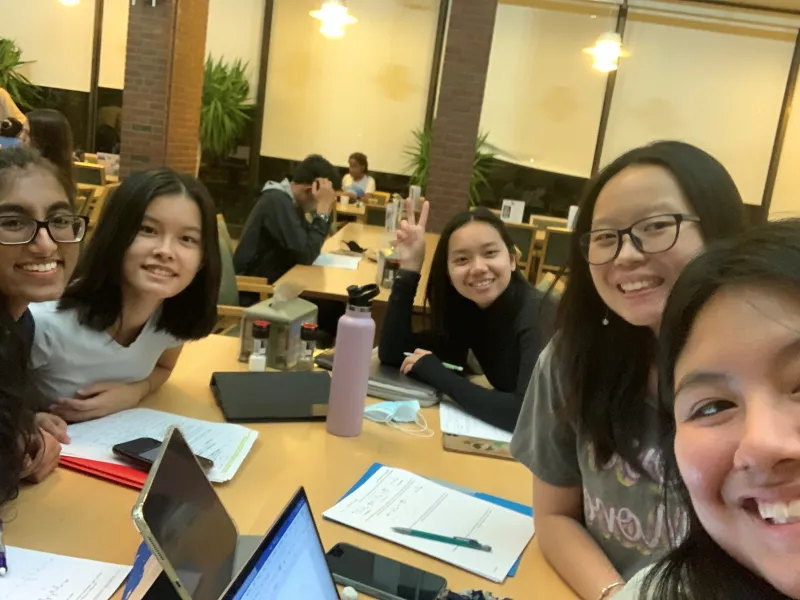
 This is our entryway ready for their convocation!
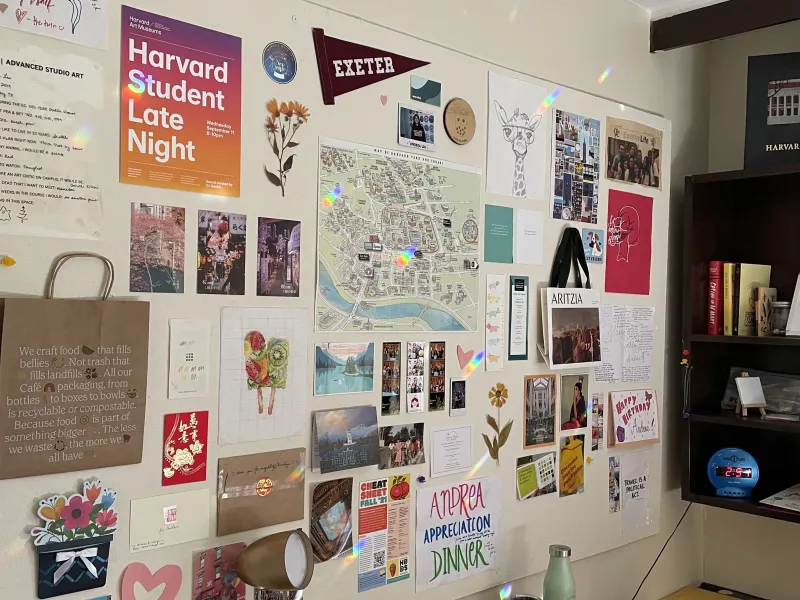 A snapshot of my room in the afternoon
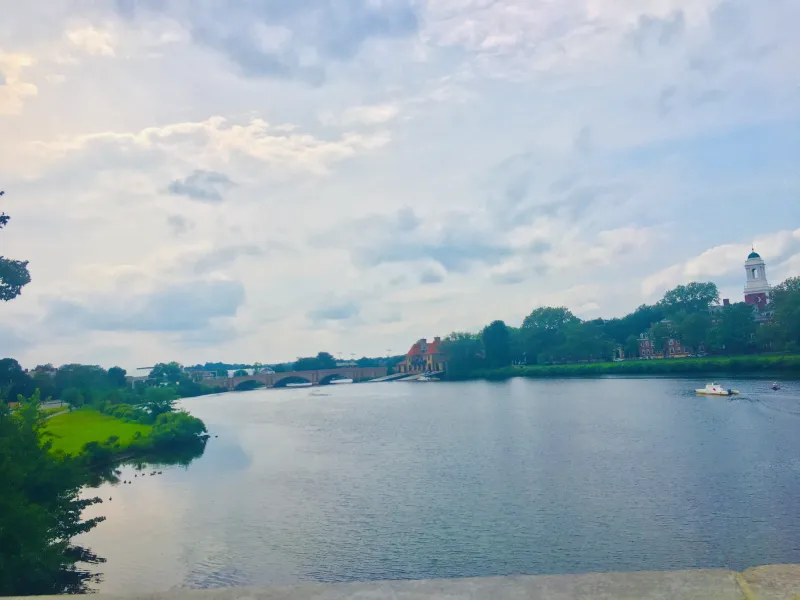 A picture of the Charles River overlooking Harvard's River Houses

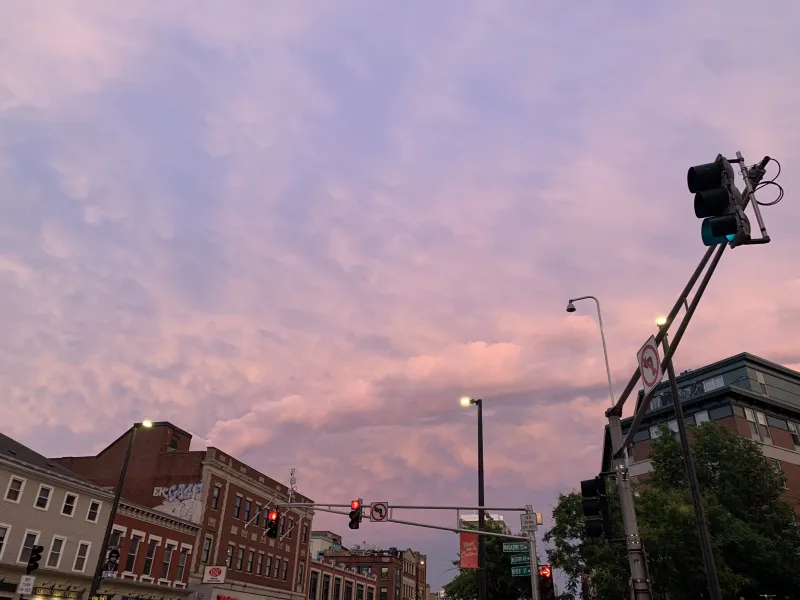 One of my favorite parts of Cambridge summers is how beautiful the sky gets as the sun starts to set. I've dubbed them "cotton candy skies" due to the vibrant pinks, blues, and purples that the sky takes on during this time.
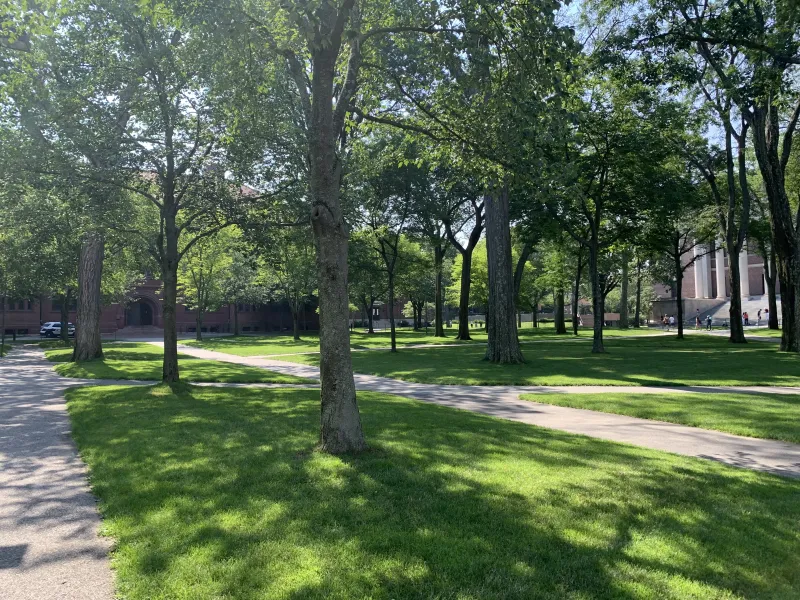
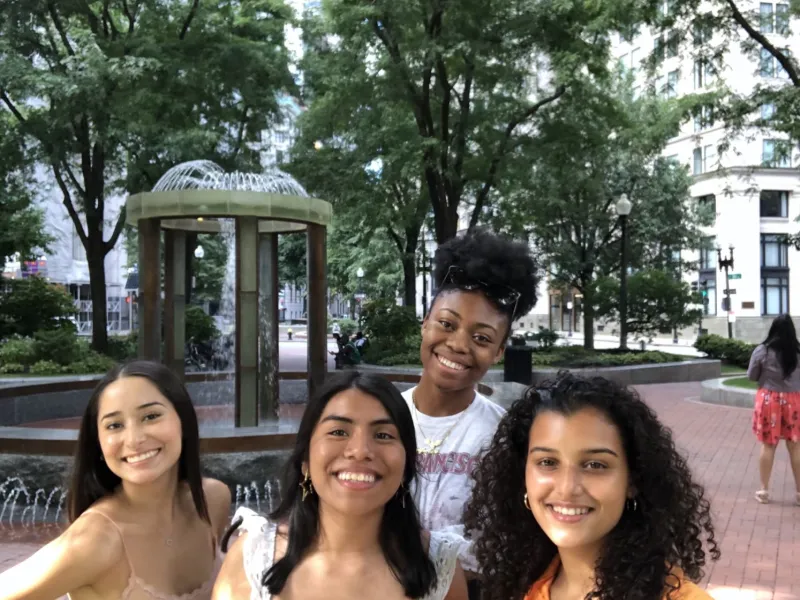 This was during our first few weeks at Harvard!
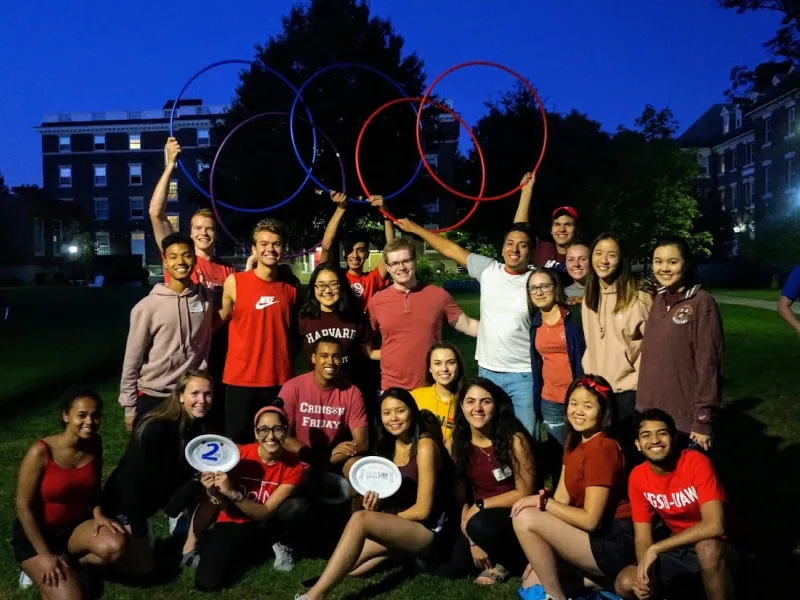 A group of PAFs after an evening of games during orientation.
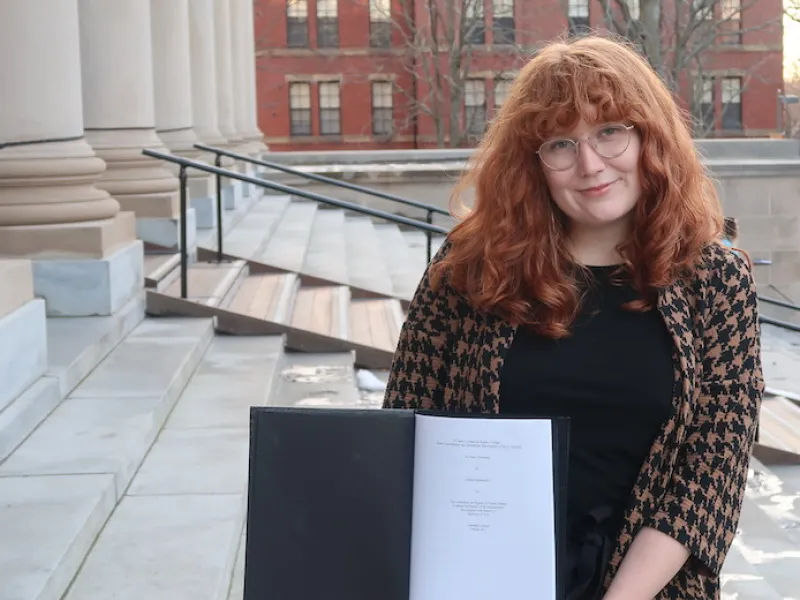 I got to take photos with my thesis (or at least the first 25 pages of it) on the steps of Widener Library!
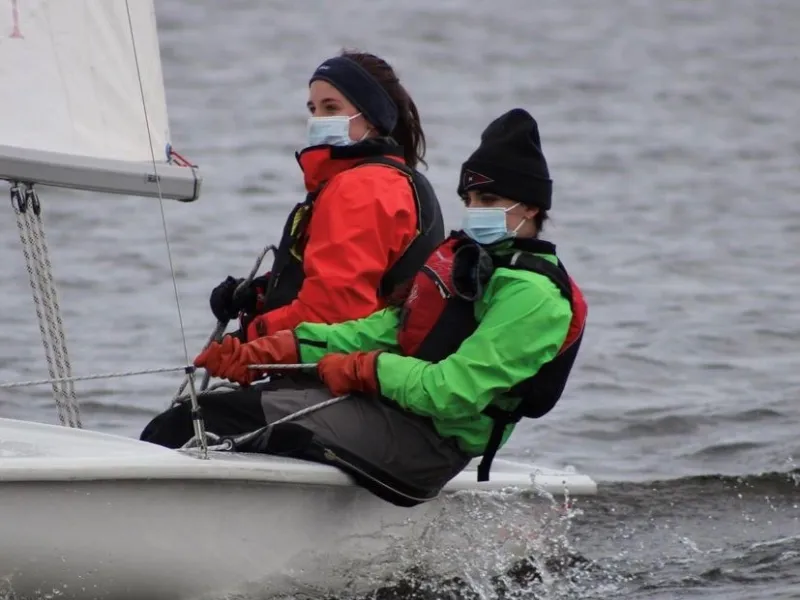 Me and a teammate sailing the first double handed sail of the year.
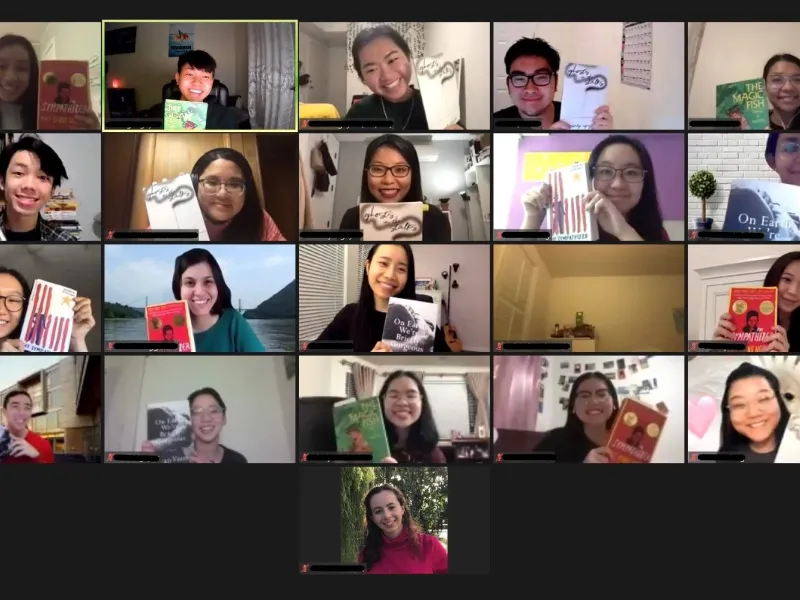
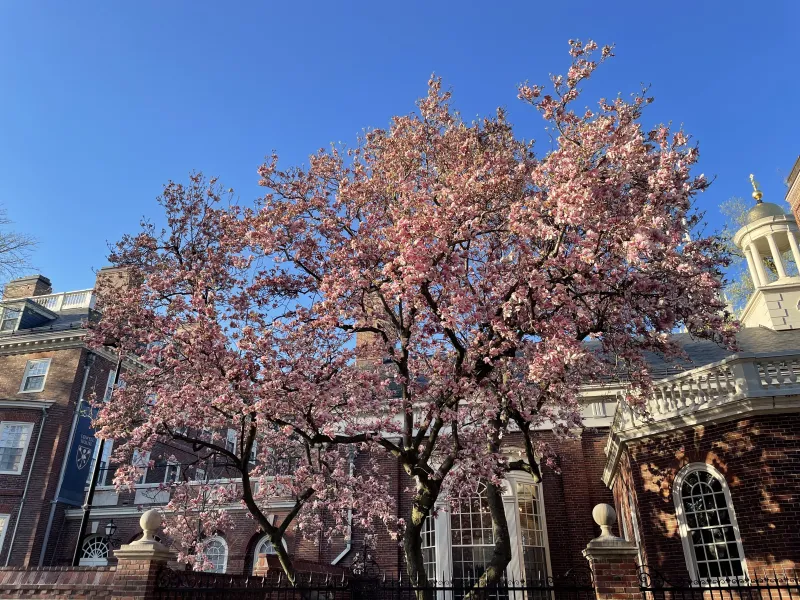 Cherry Blossom outside Lowell
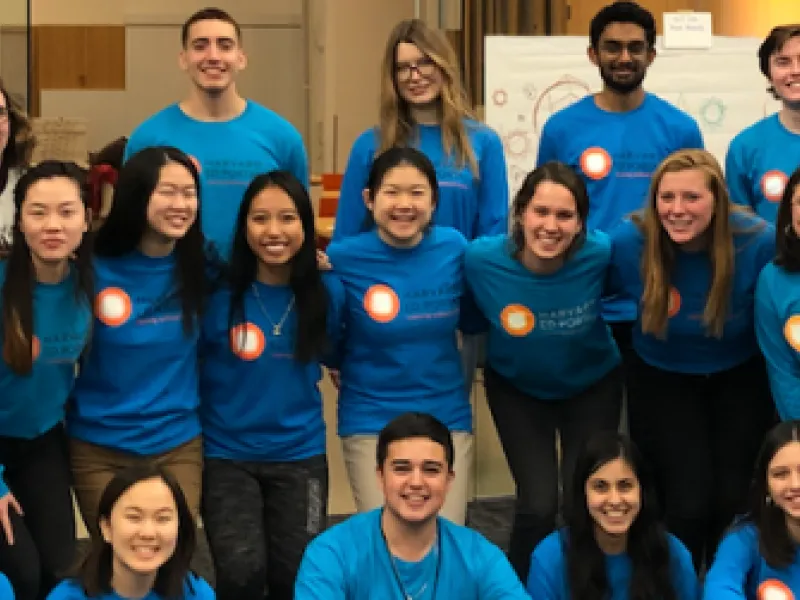
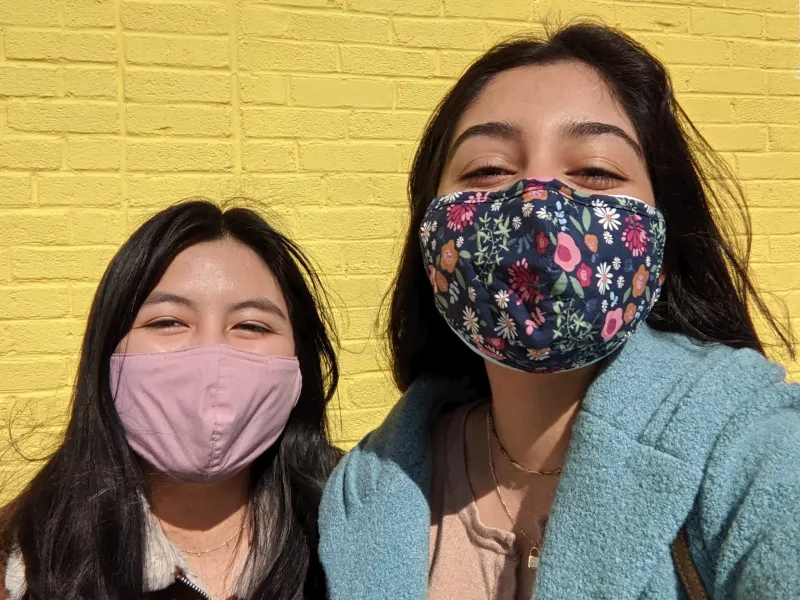
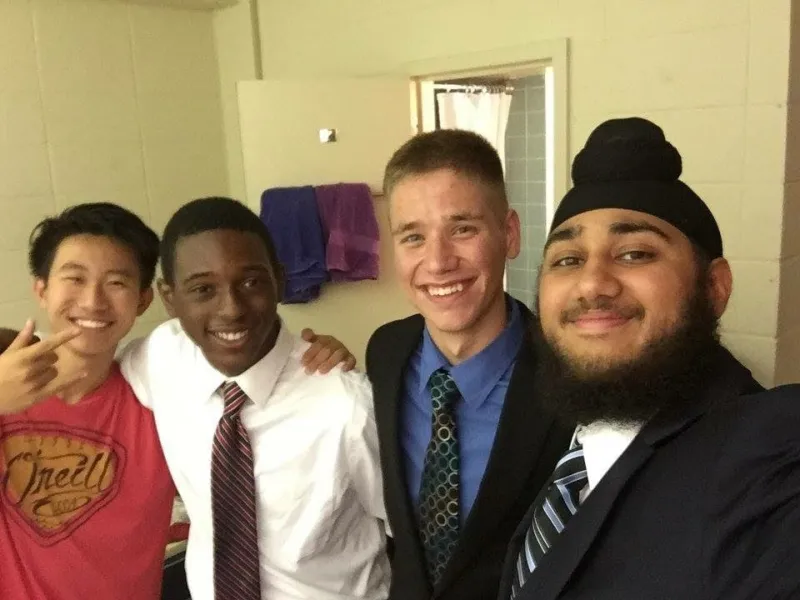 Here's Harpreet and I with our best friends back in high school!
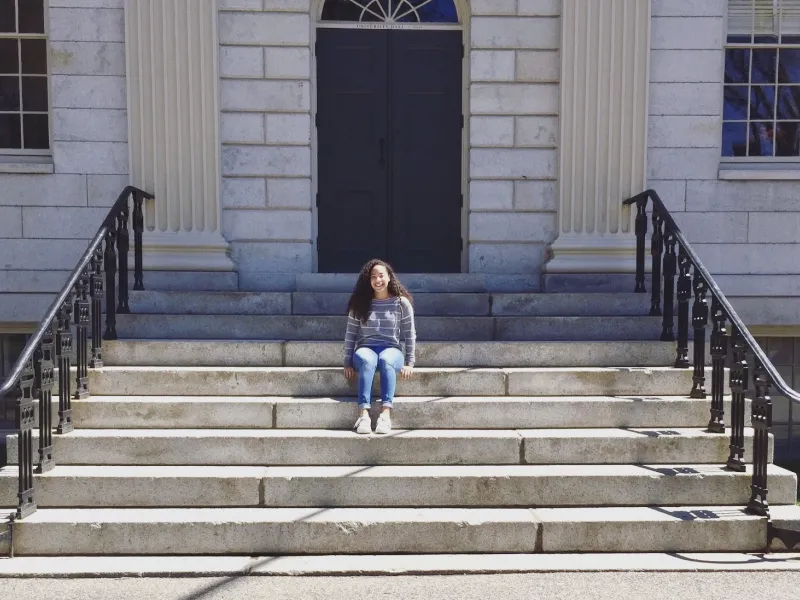
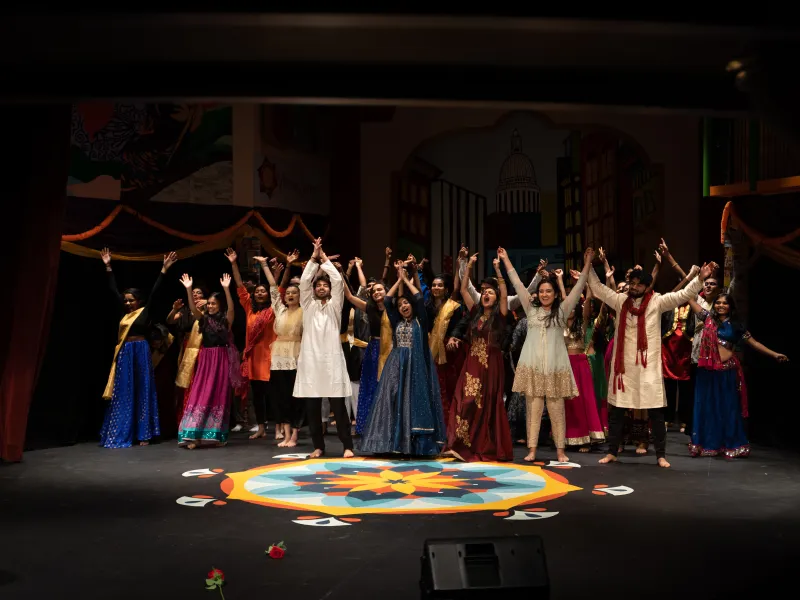 The finale act of the 2020 show!
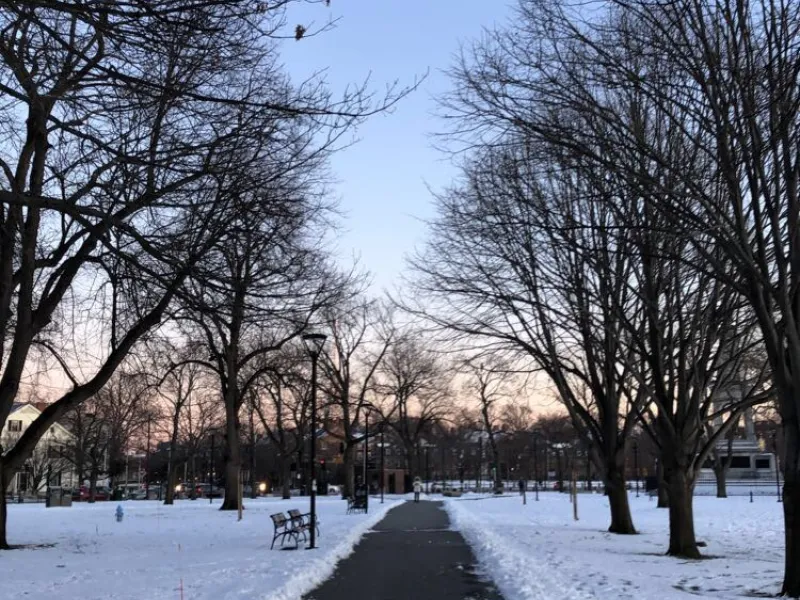
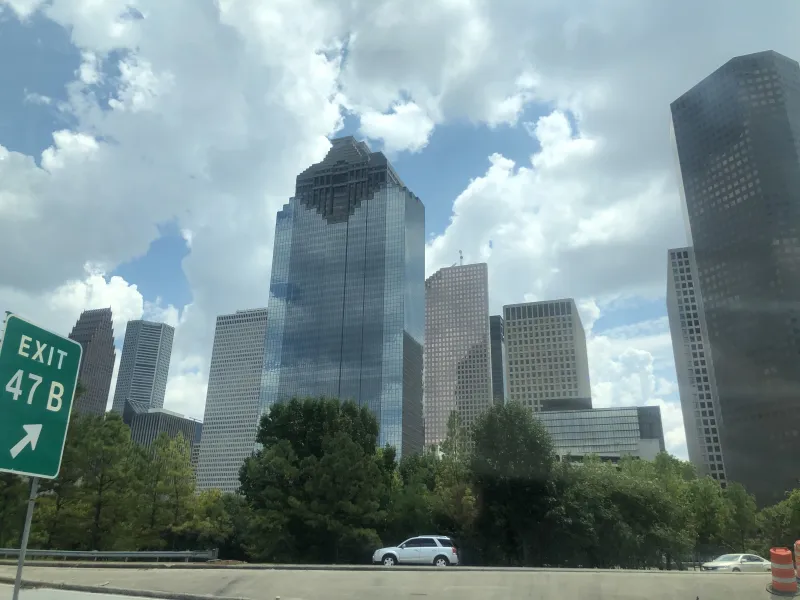
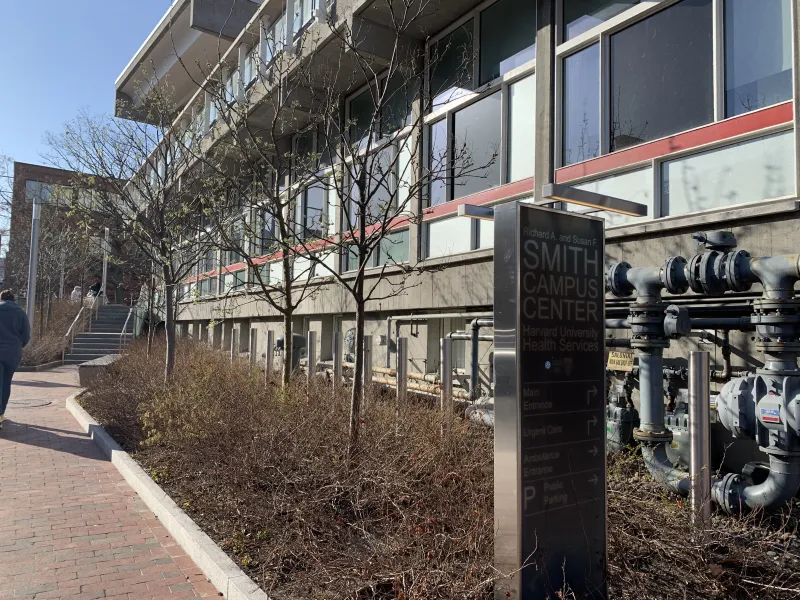 Mt. Auburn Street Side of Harvard University Health Services/Smith Center
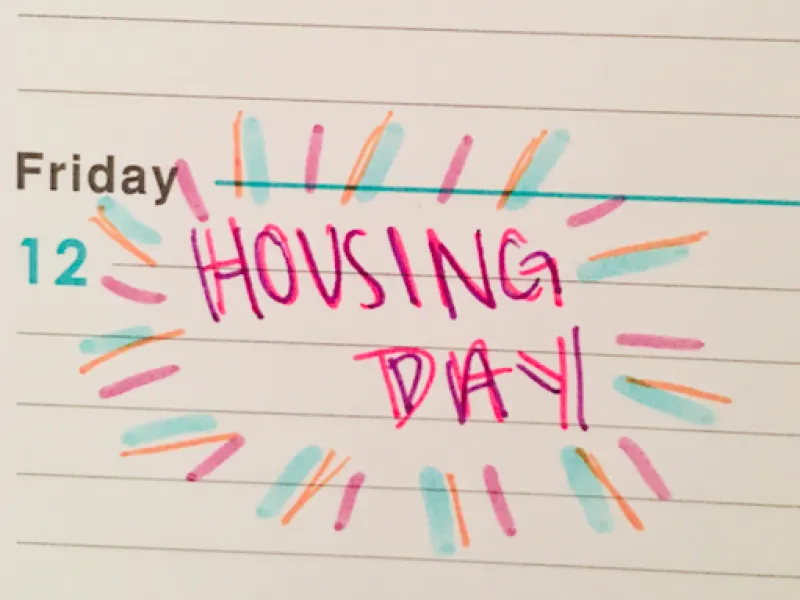

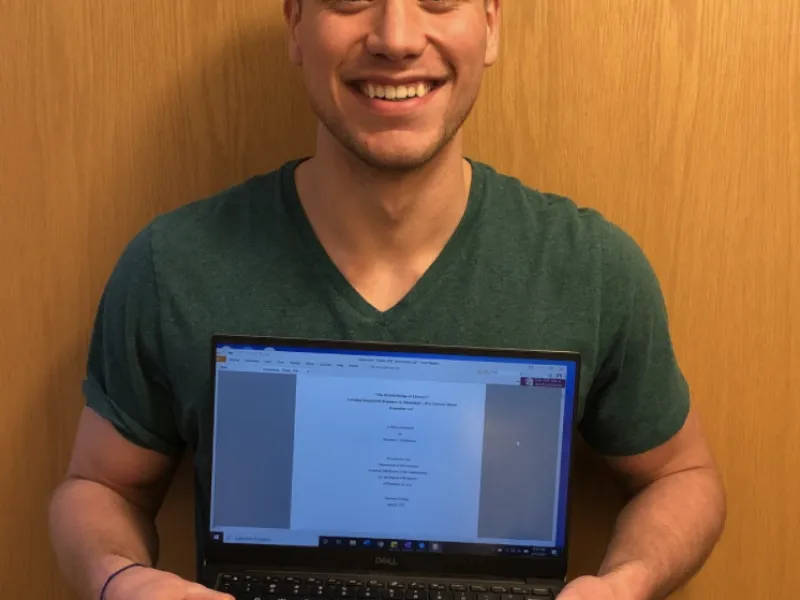

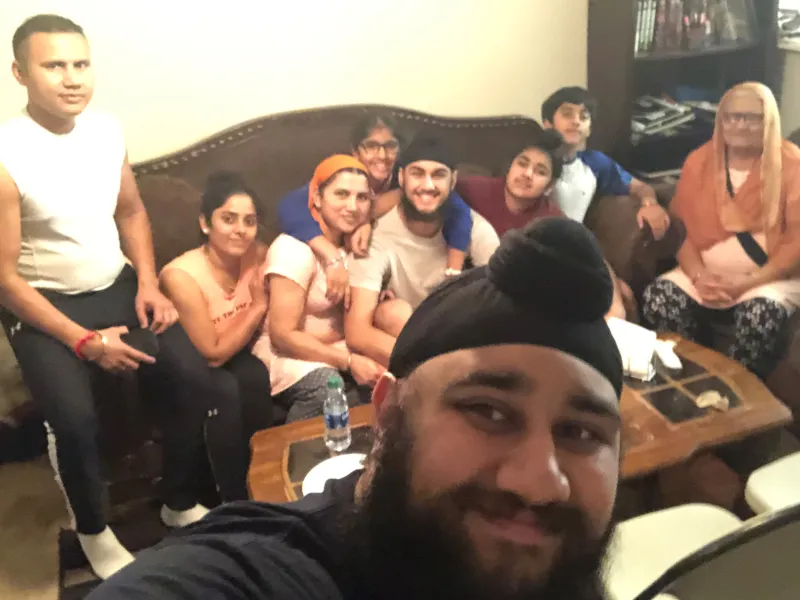 Here is a picture of my family, including my mom, brothers, grandma, uncle and aunt, and cousins.
 The SEF is just one way for low-income students to receive extra support towards the cost of attendance at Harvard
 trips into Boston are worth it!
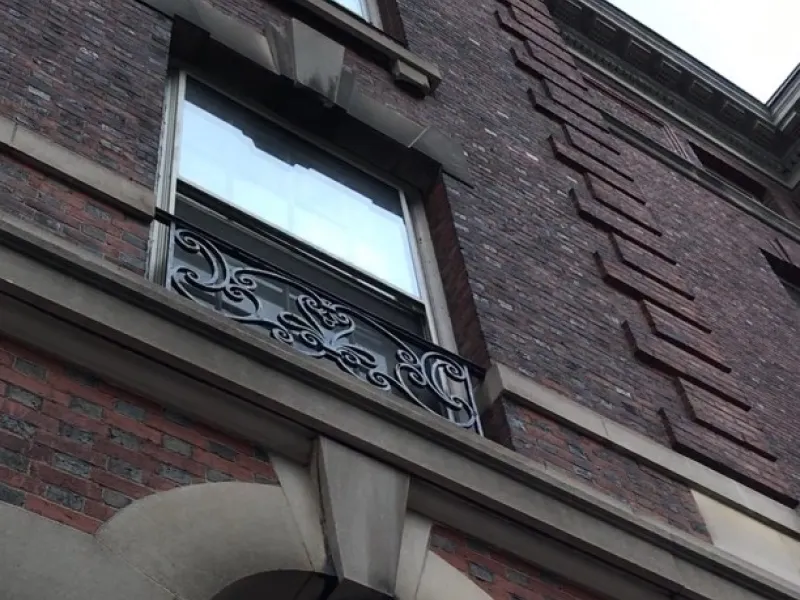 Photo of side of Apley Court
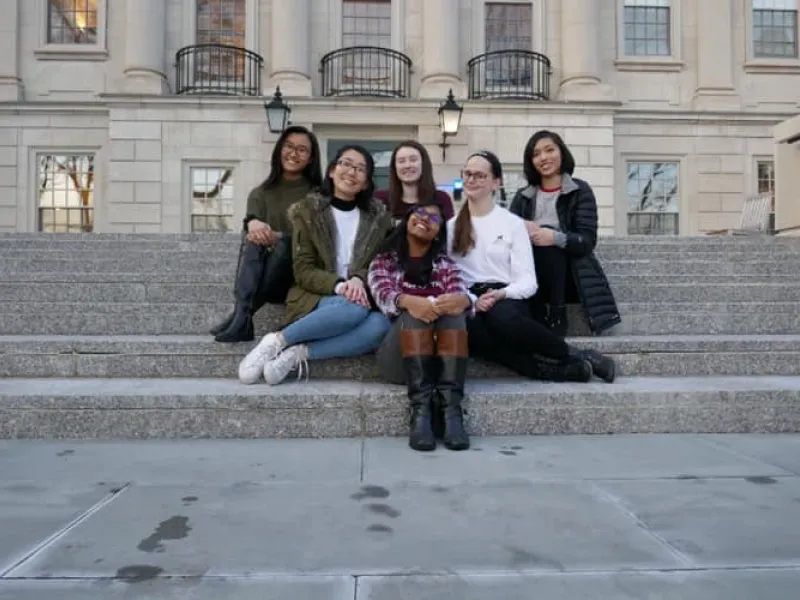 My blockmates and I at Winthrop House on our Housing Day!
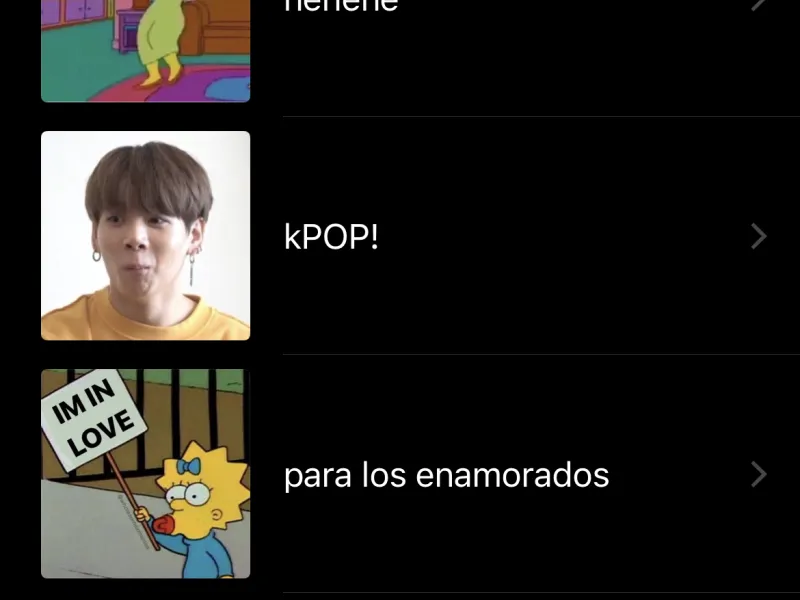 I have very specific playlists for every mood.
 Here are some of the books I've been reading for fun lately!


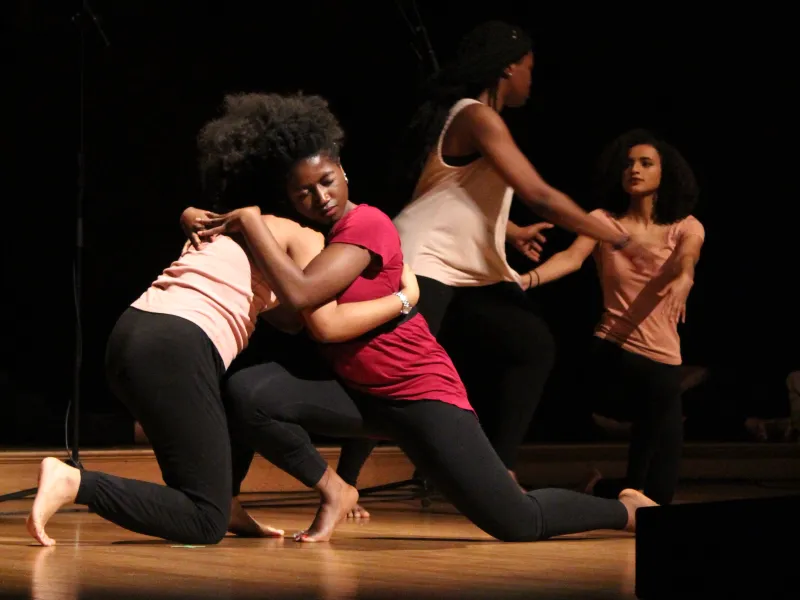 Kuumba had a winter concert last year that focused on the importance of Black Love; this photo, which captures the power of intimacy, was taken during the dance section of the concert.



 My family and I during my move in.
 Pictured with me (on the left) are Louisa (student at the Center for Research and Interdisciplinarity in Paris), TJ (Harvard Class of 2020), and Gabi (Harvard Class of 2021) from left to right.
 Here is the full cast (and some of our crew) for the Hyperion Shakespeare Company's production of Macbeth!
 Walking to Class
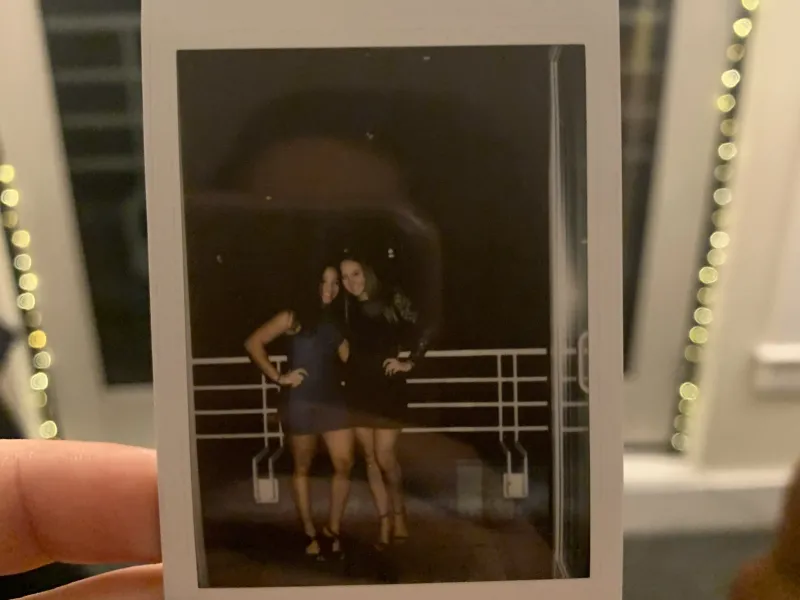
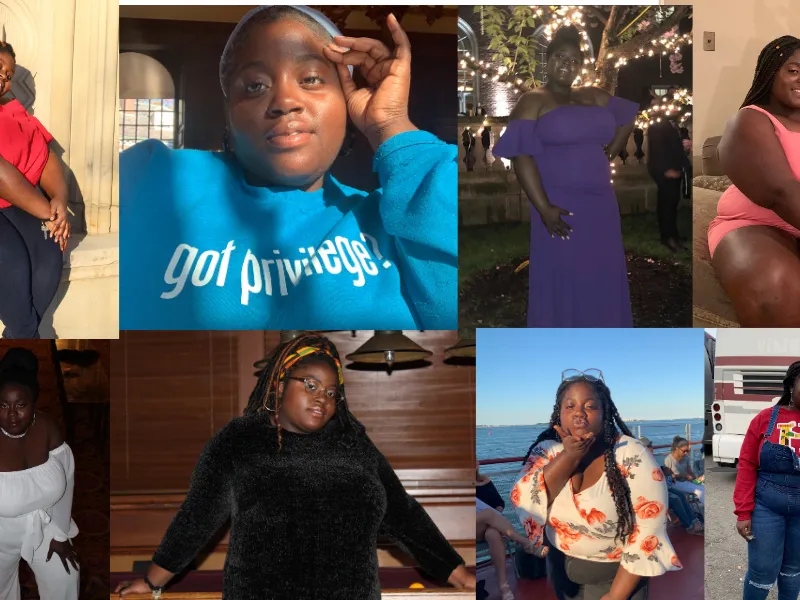 Here's a collage of all the outfits I'll be featuring in this blog.
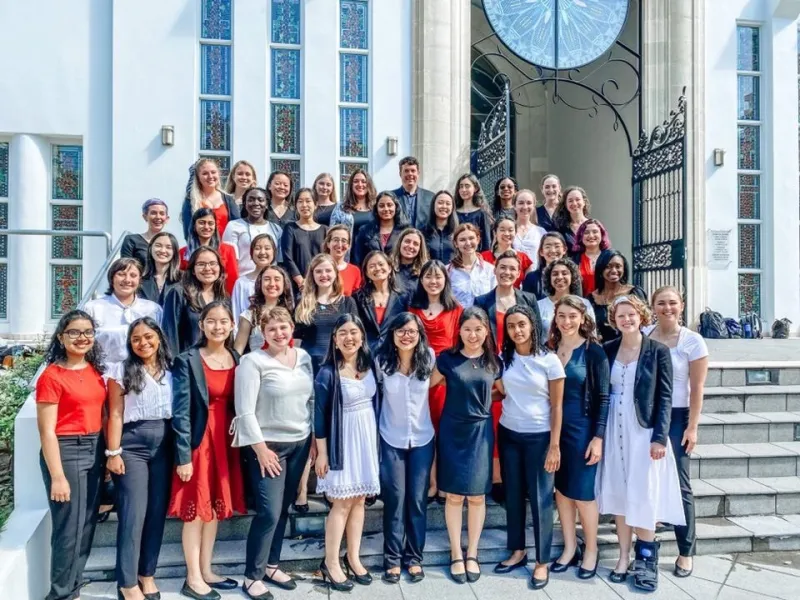 Here's a group photo of the Radcliffe Choral Society on the steps of Stella Maris Church in San Juan! We sang here several times, for rehearsals, church services, and our finale concert the night before we flew back to Boston.
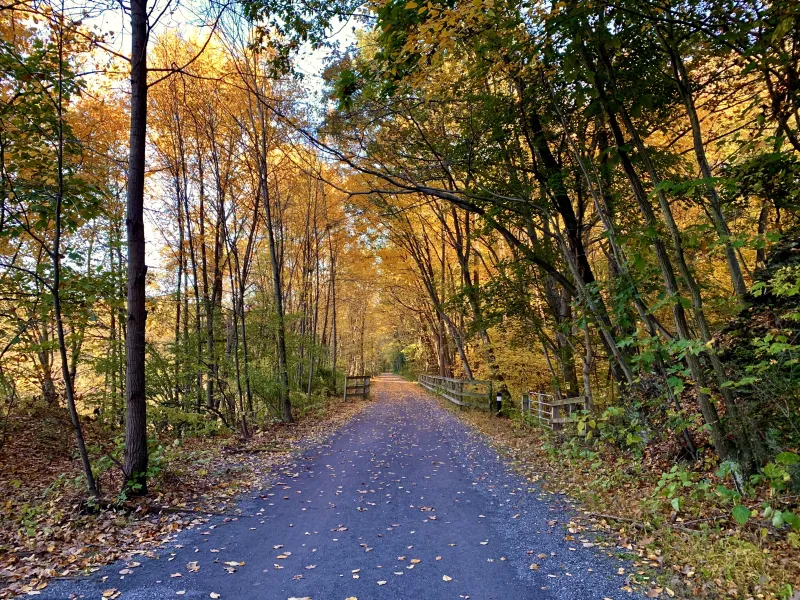
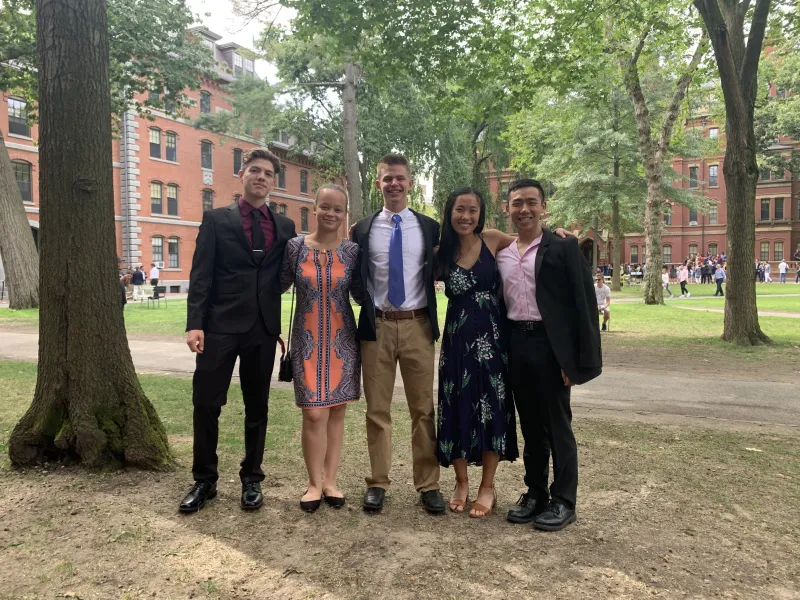
 Here's the new Sunflower sign we just put up with our students as community service.
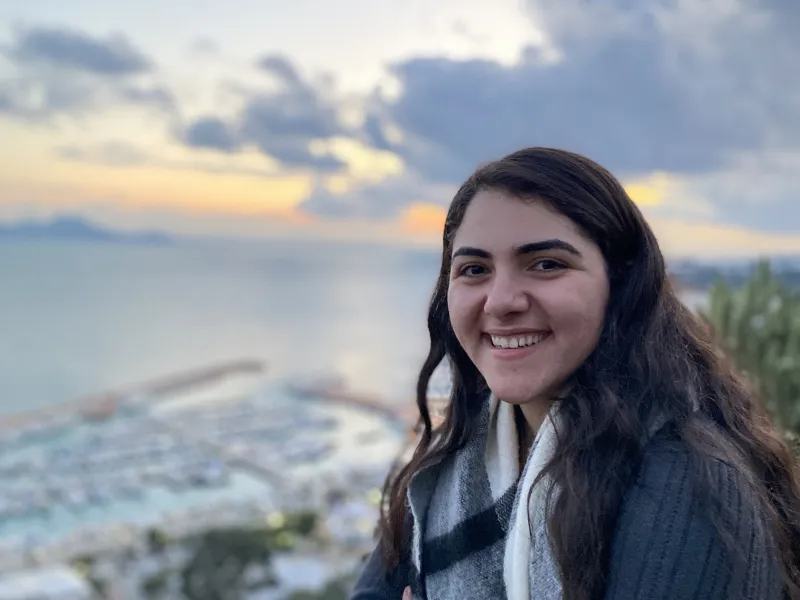
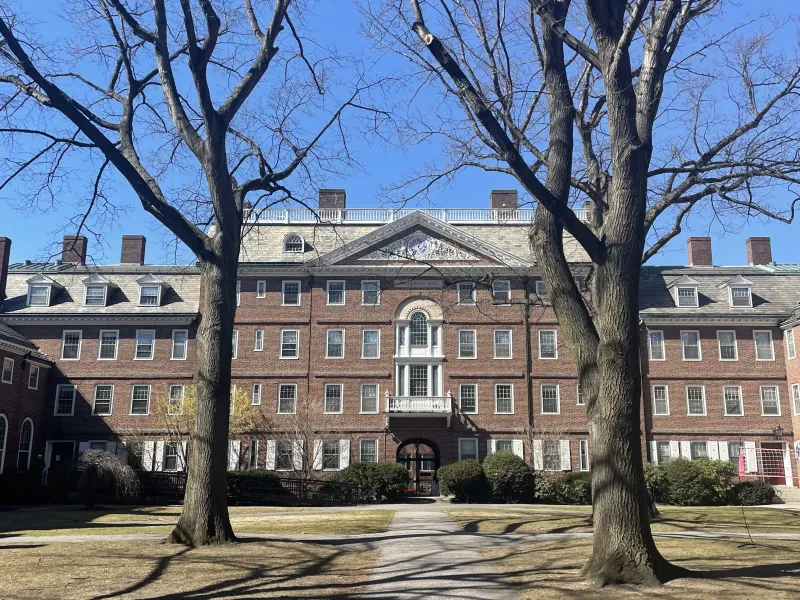
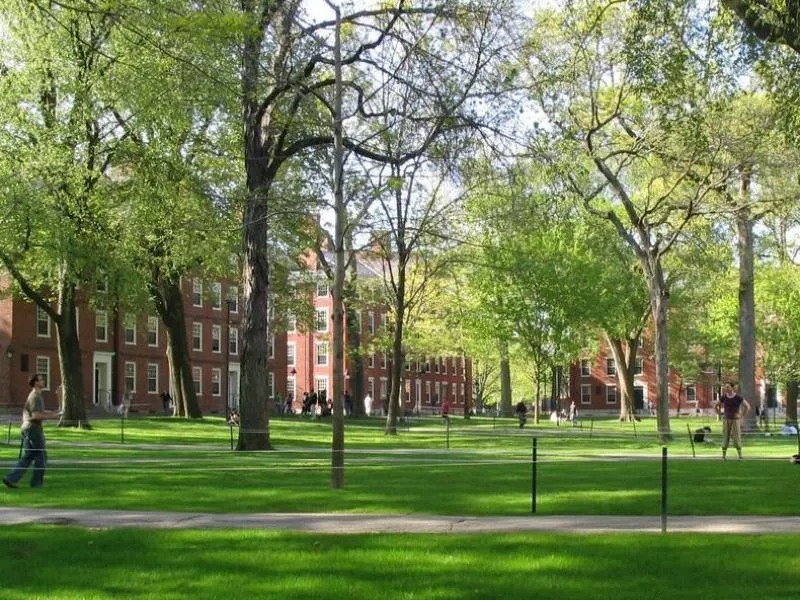 Harvard Yard, where many first-year students live.
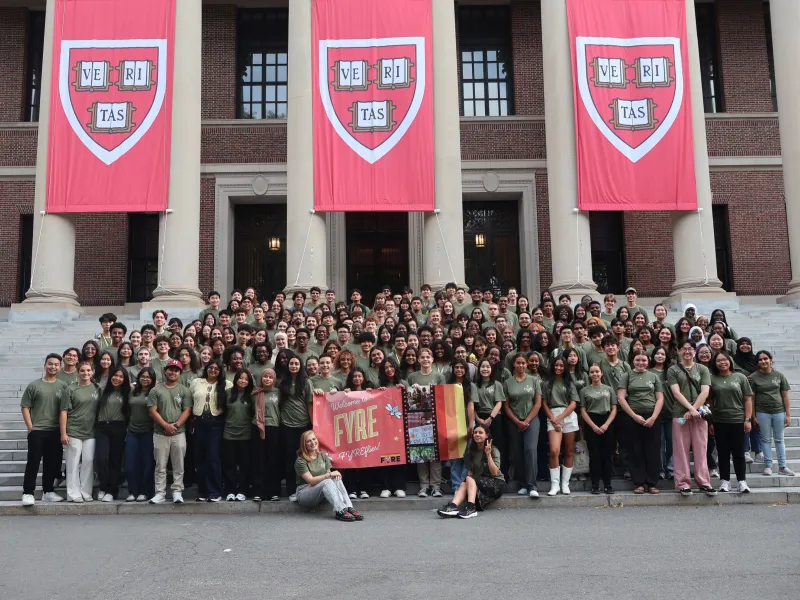
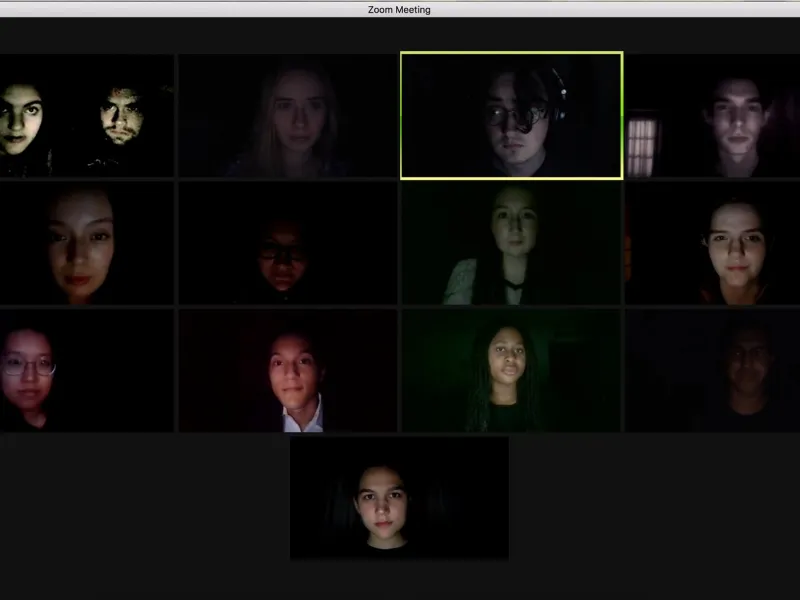
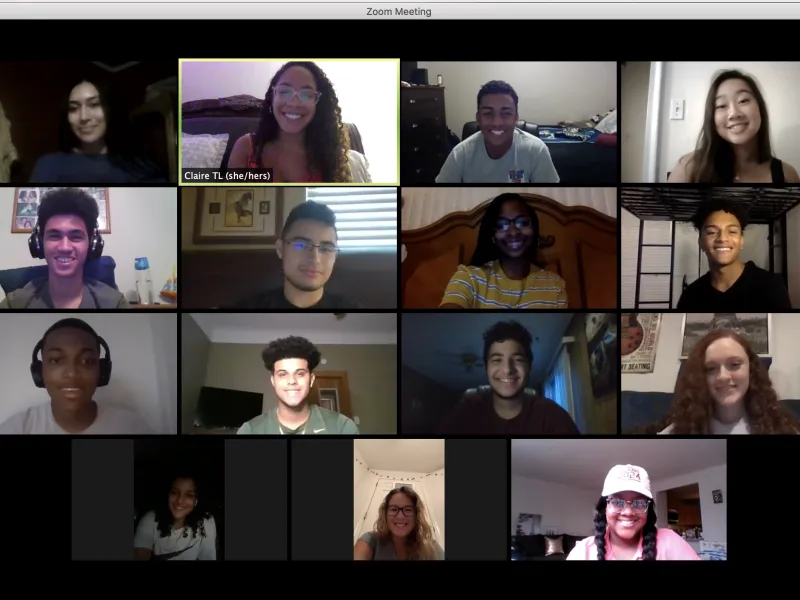 A Zoom Picture from my FYRE Family!
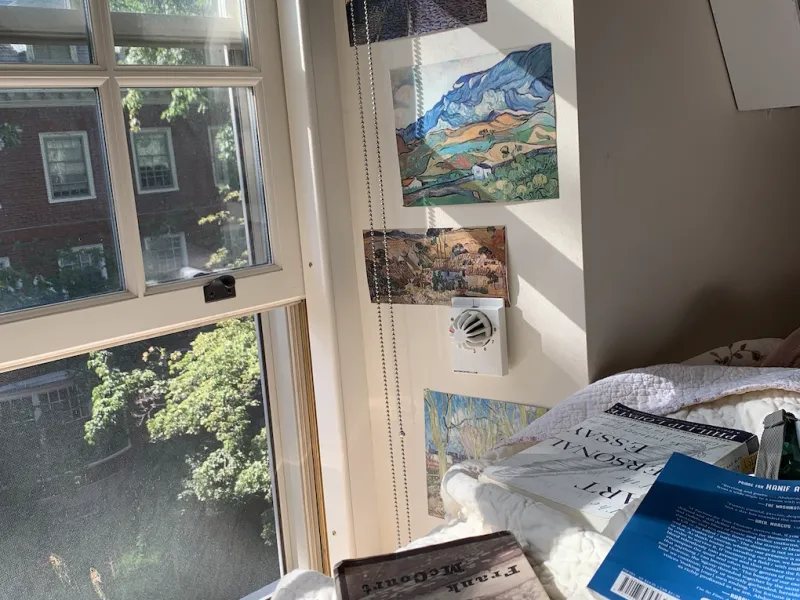 I miss doing reading for my English and creative writing classes on my Winthrop House dorm room!
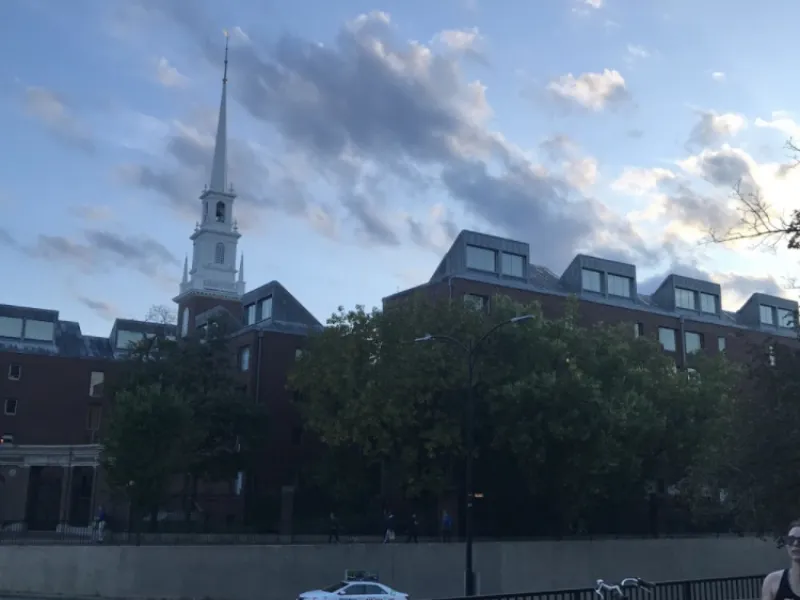

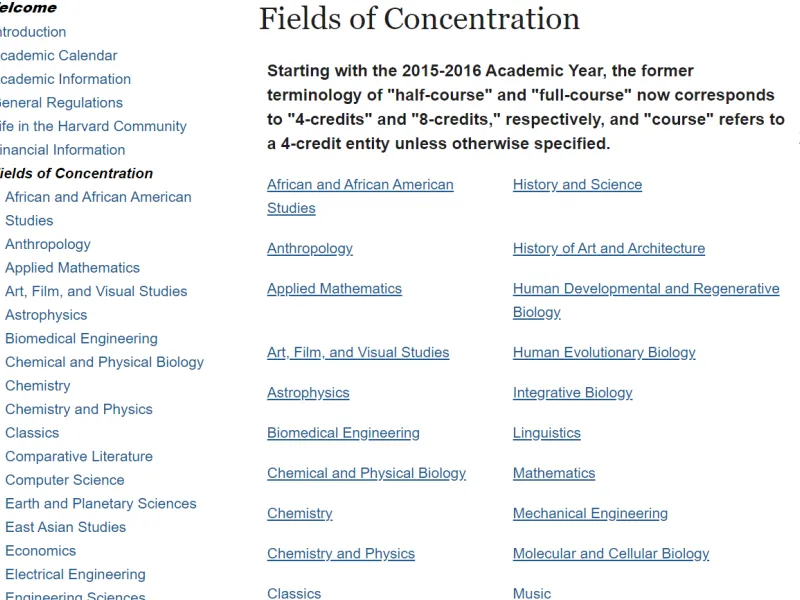 A list of just some of the possible concentrations offered at Harvard
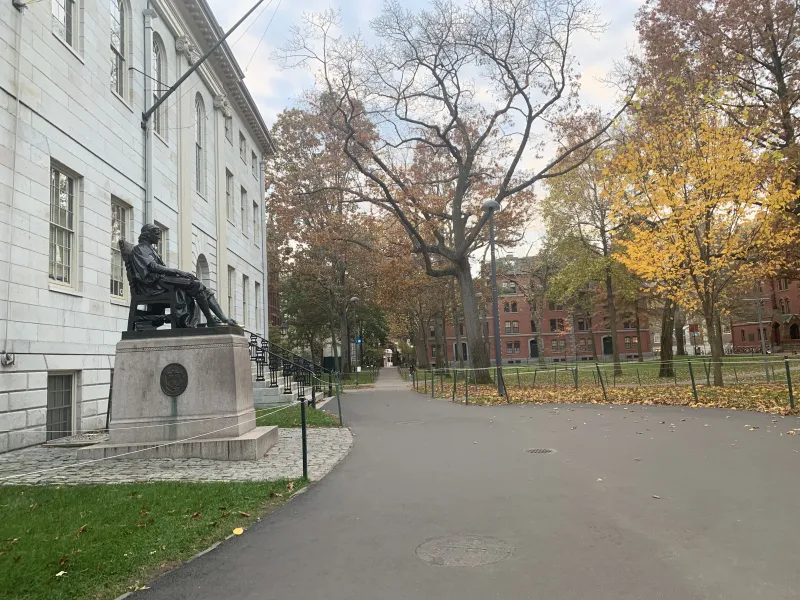
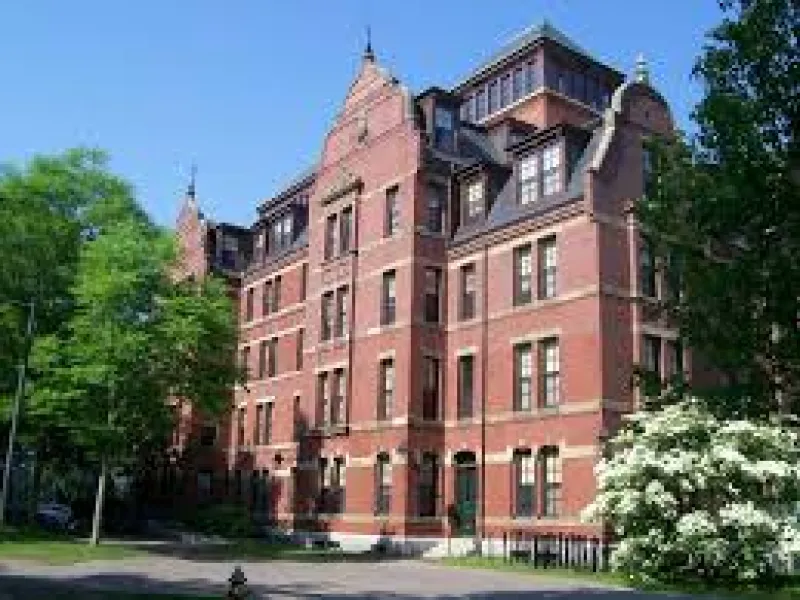 Weld Hall, the first-year dorm where I am a PAF!
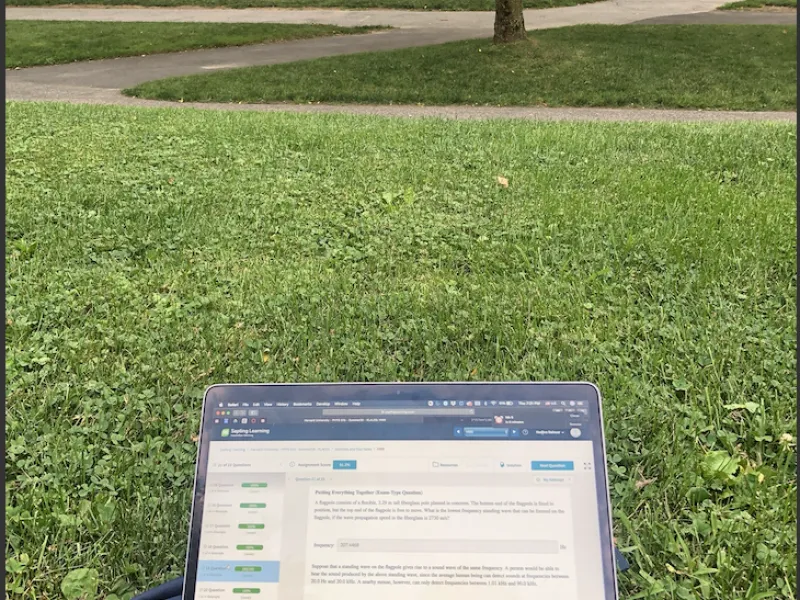 A snap of an empty Tercentenary theater as I worked on my homework
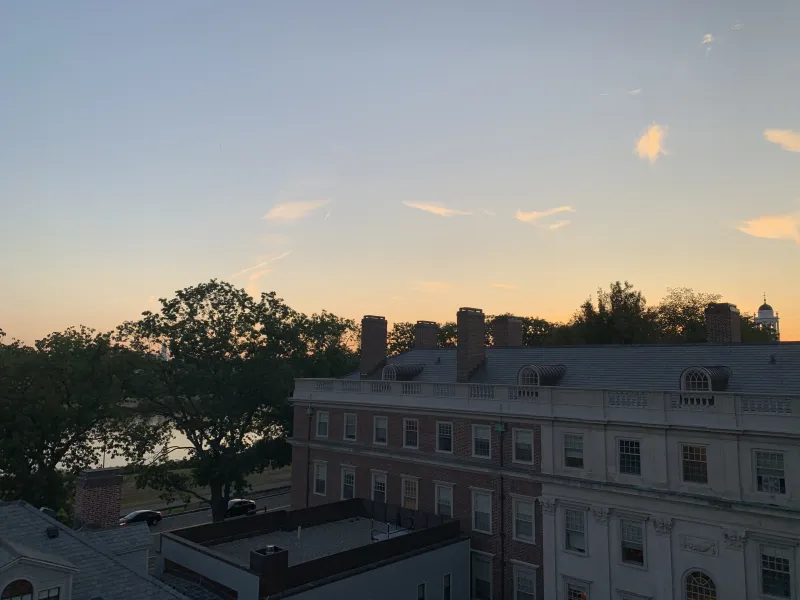 My friends and I love hanging out in the roof-top common room in Winthrop House!
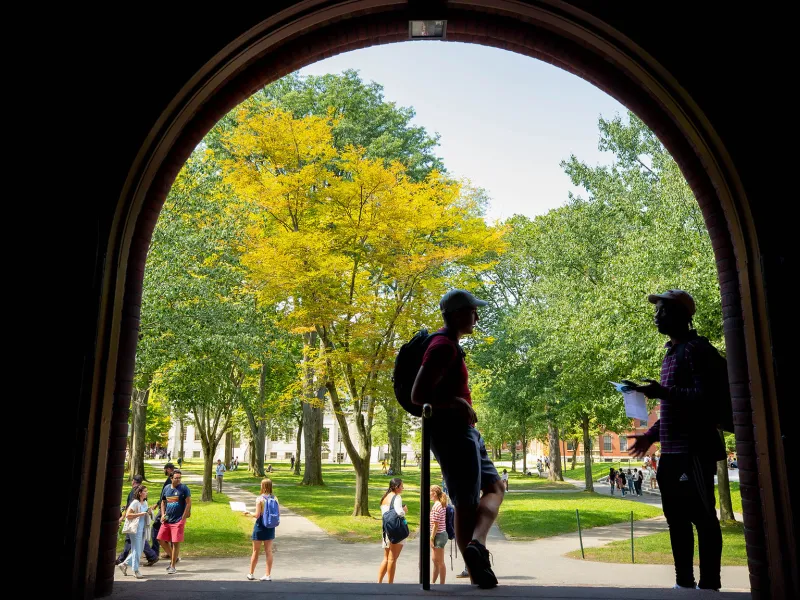
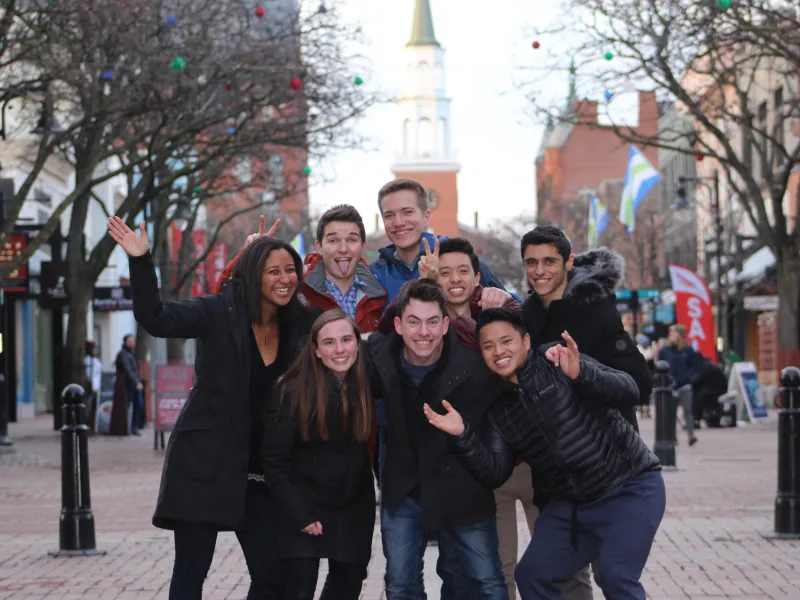
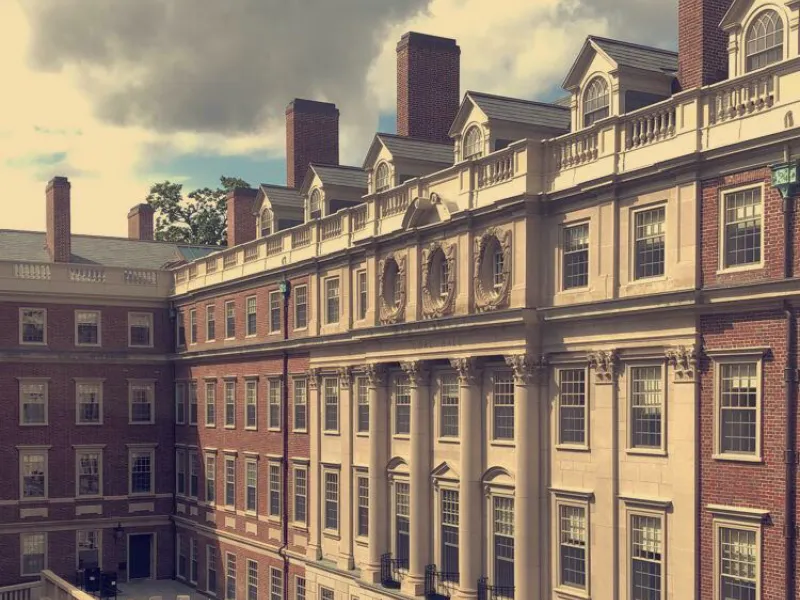
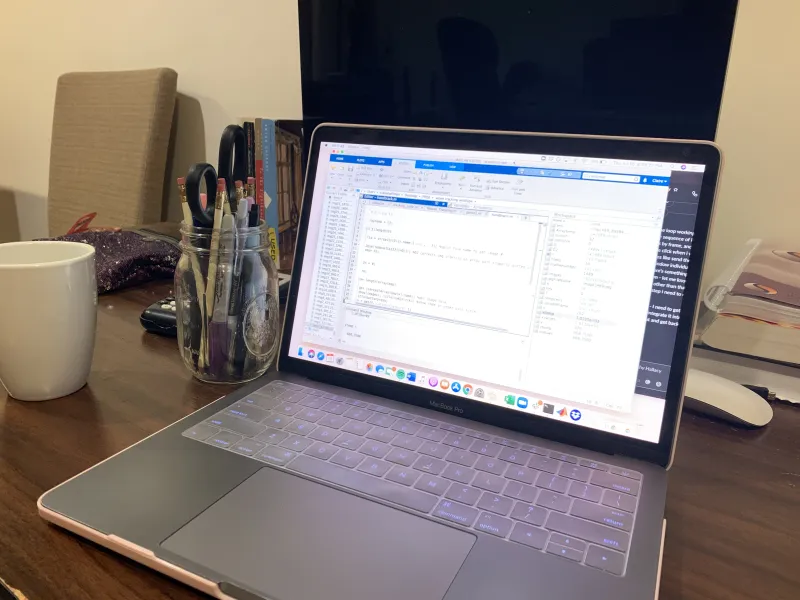
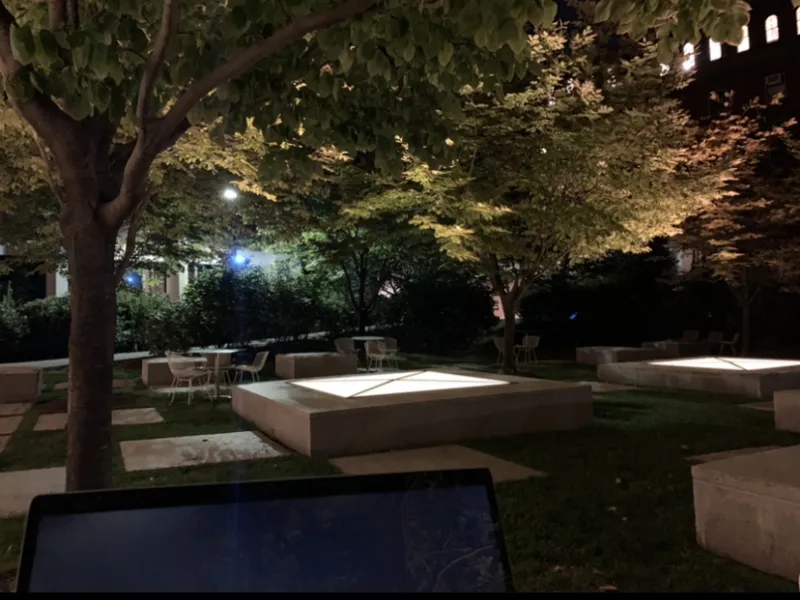
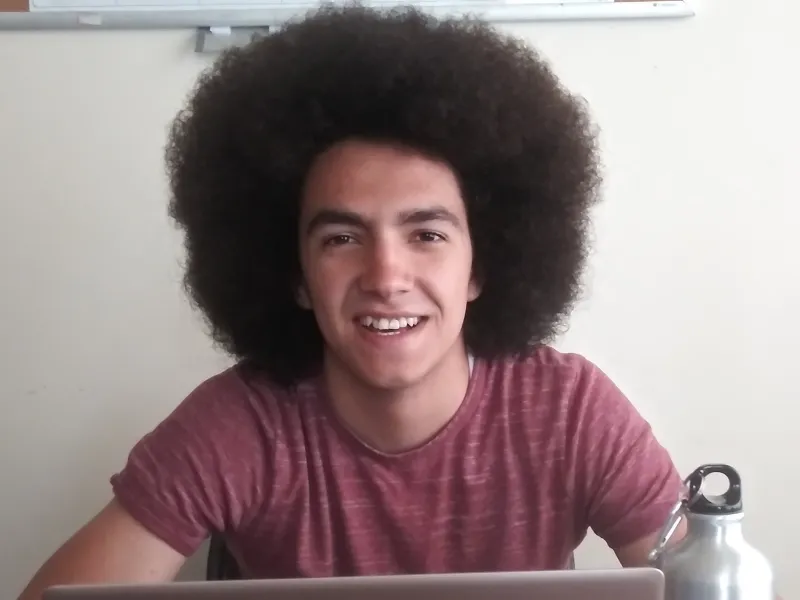 I found myself this summer sitting at my laptop a lot more than I had originally planned
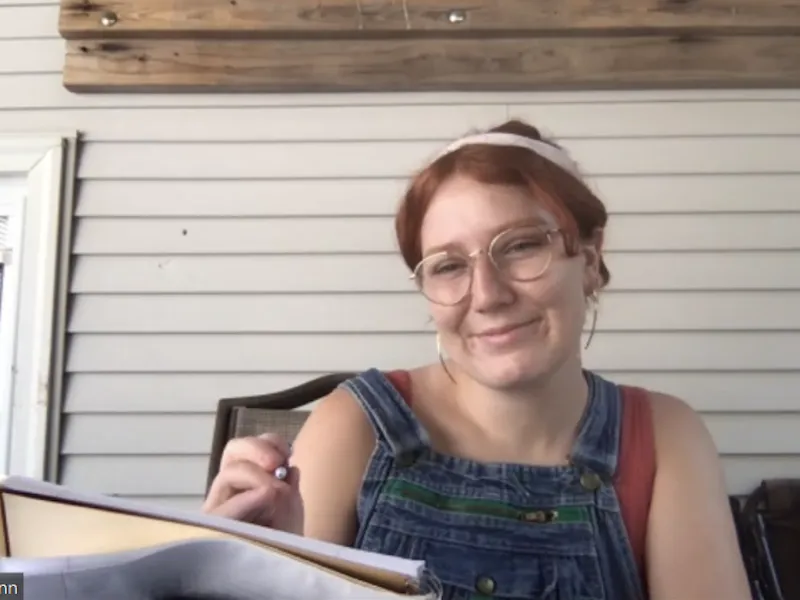 I make the most of my Zoom-ed reality by taking calls outside!
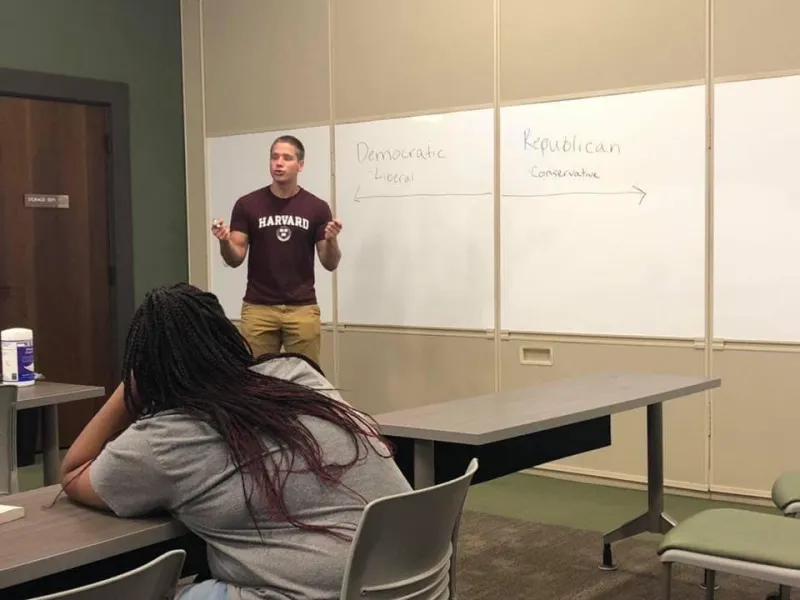 Here I am teaching a government class from last summer!
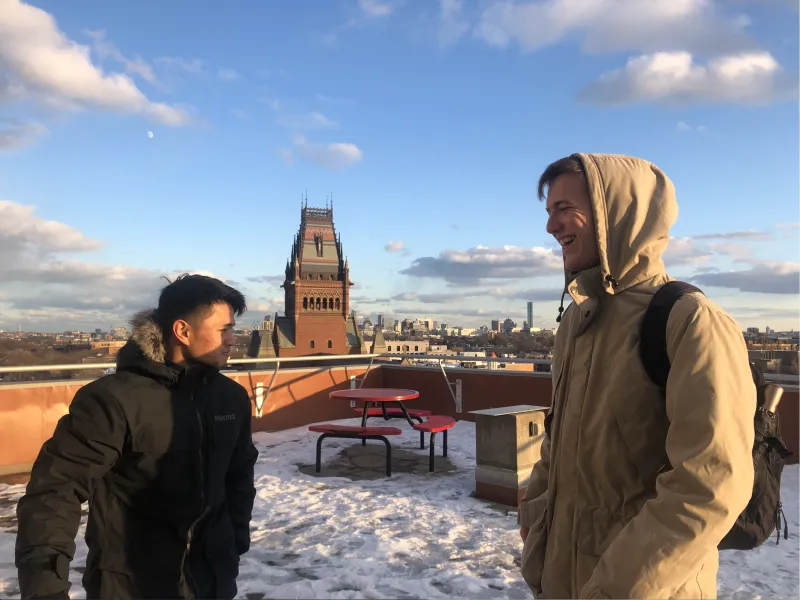
 During the last days of first-year, I organized an outdoor picnic in Harvard Yard for the Black Class of 2022. There was pizza, music, and an entertaining, but yet chaotic game of musical chairs.
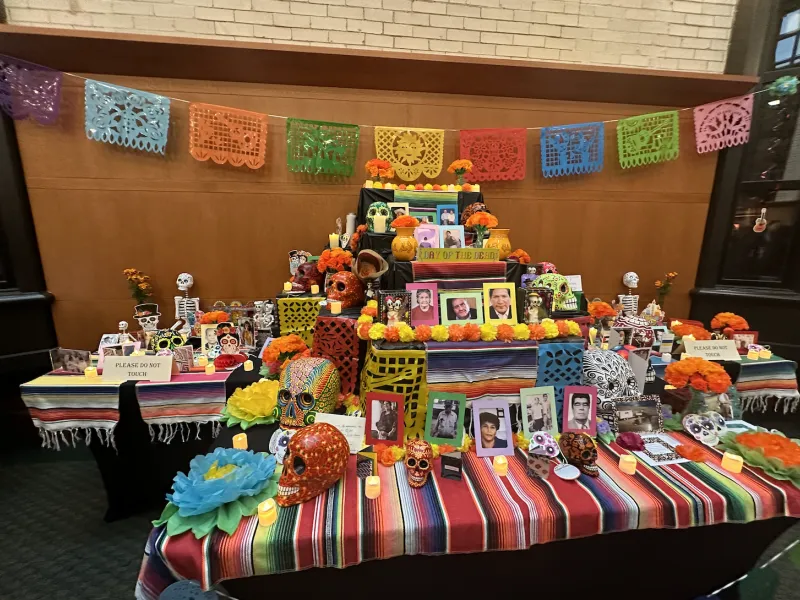
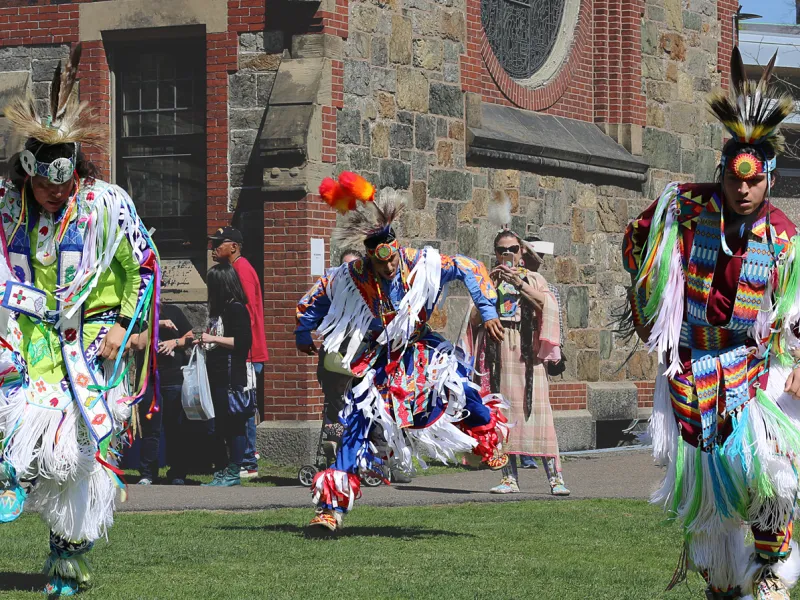
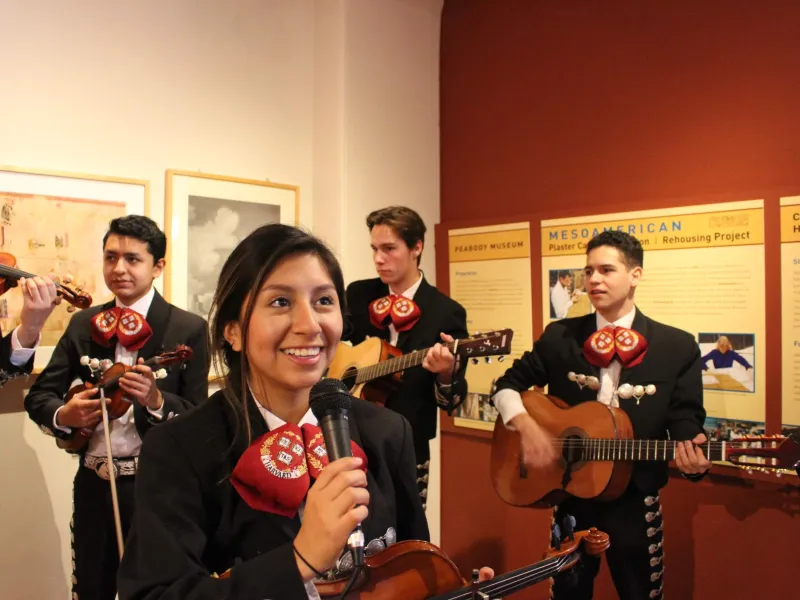 Performing at the Peabody Museum's Day of the Dead celebration and exhibit.
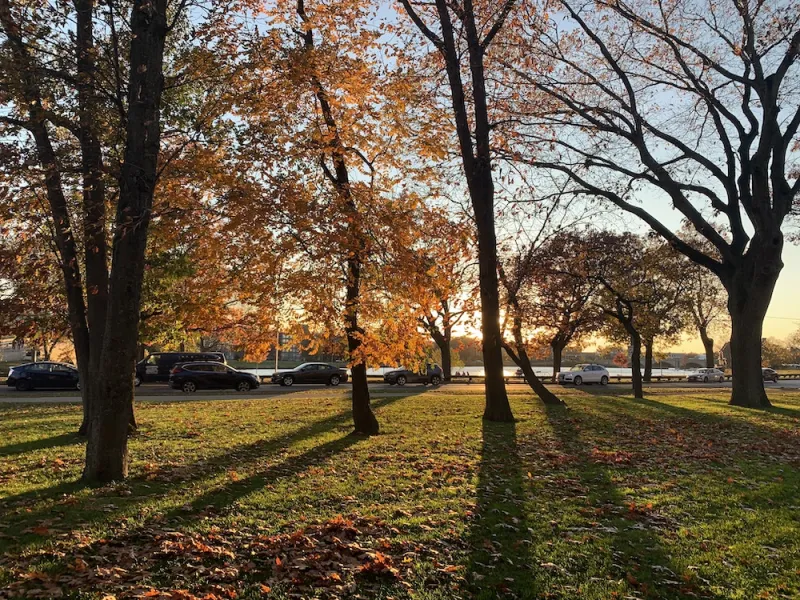 The view of the Charles River from Leveret House, which is right next to Winthrop House!
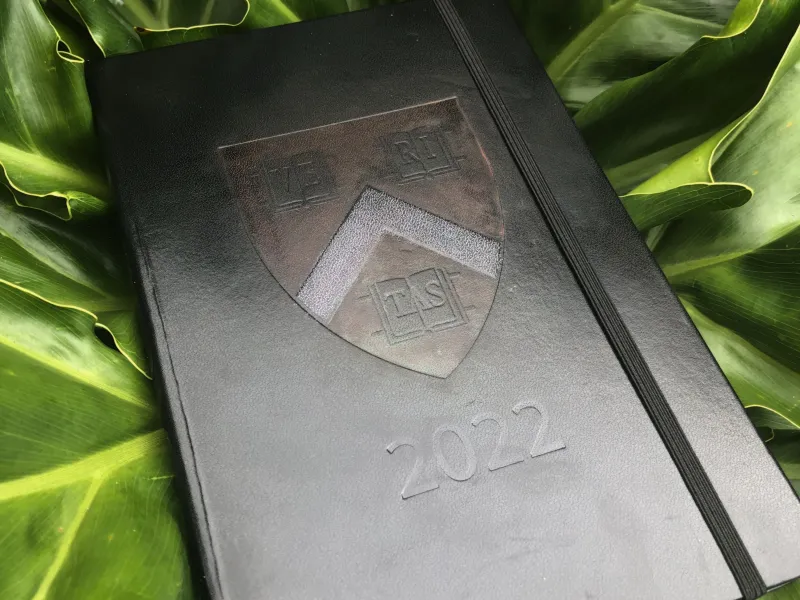 My Harvard Journal Project notebook, with its (not so successful) attempt to color the Harvard logo on the front.
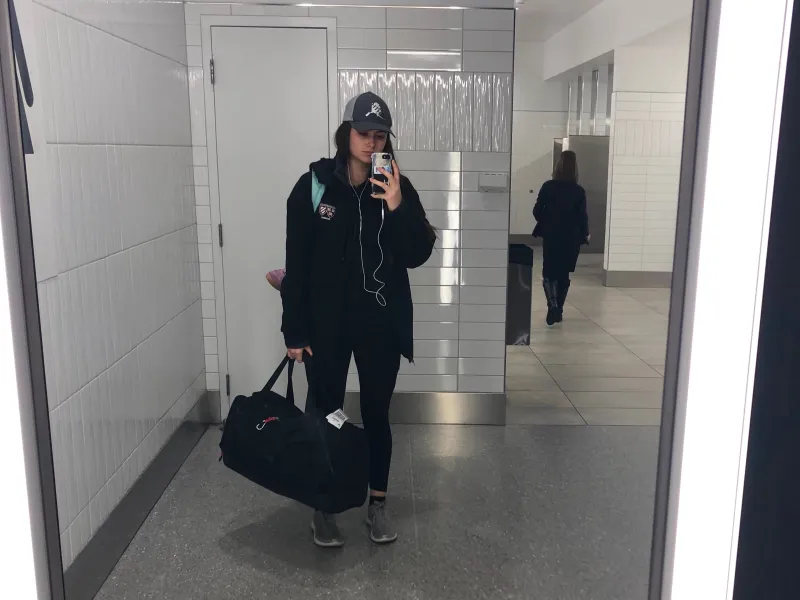 Selfie in the Seattle Airport.
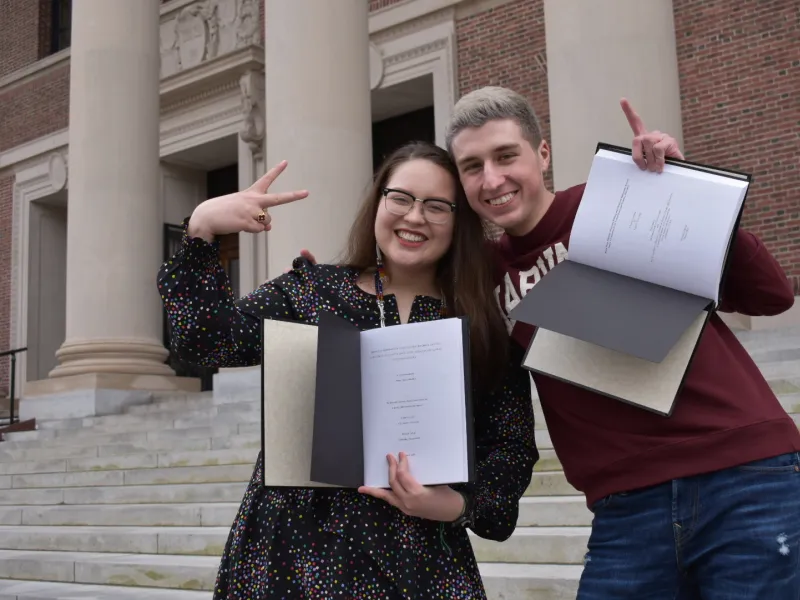
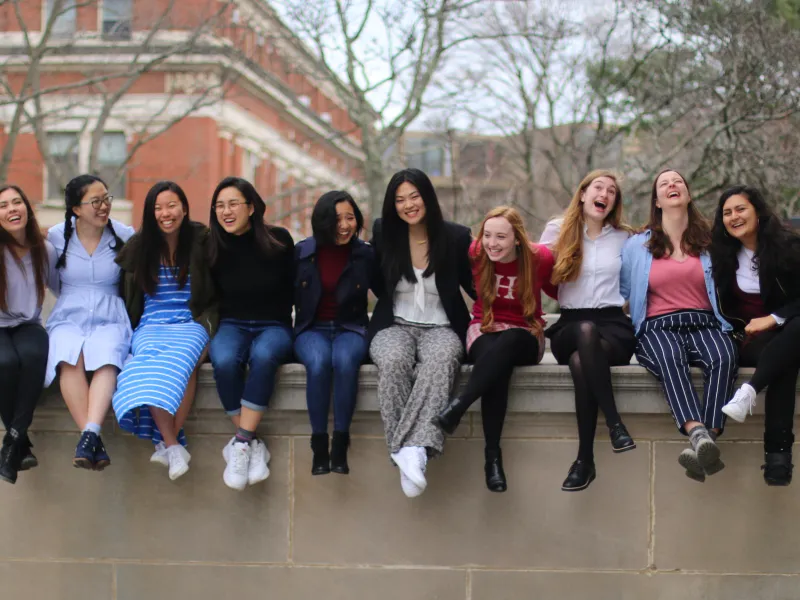
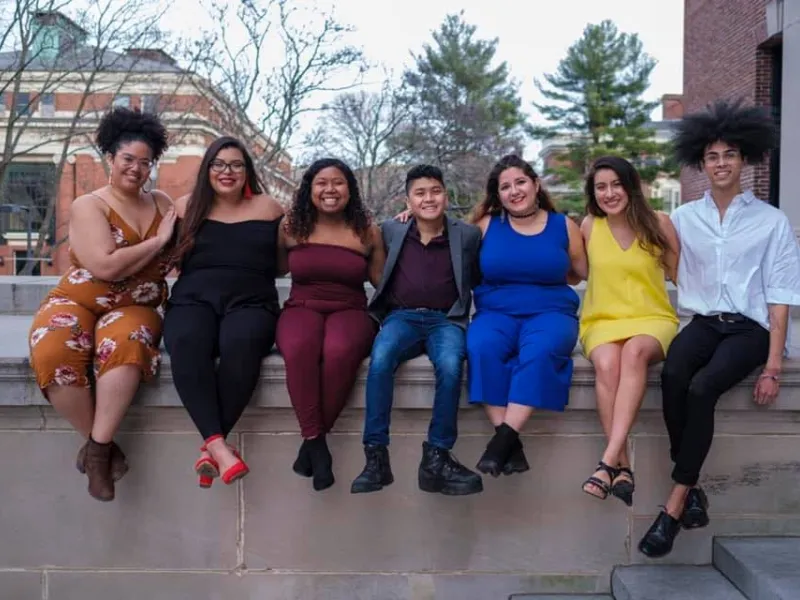 My friends and I decided to have a group photo session the day before leaving campus!

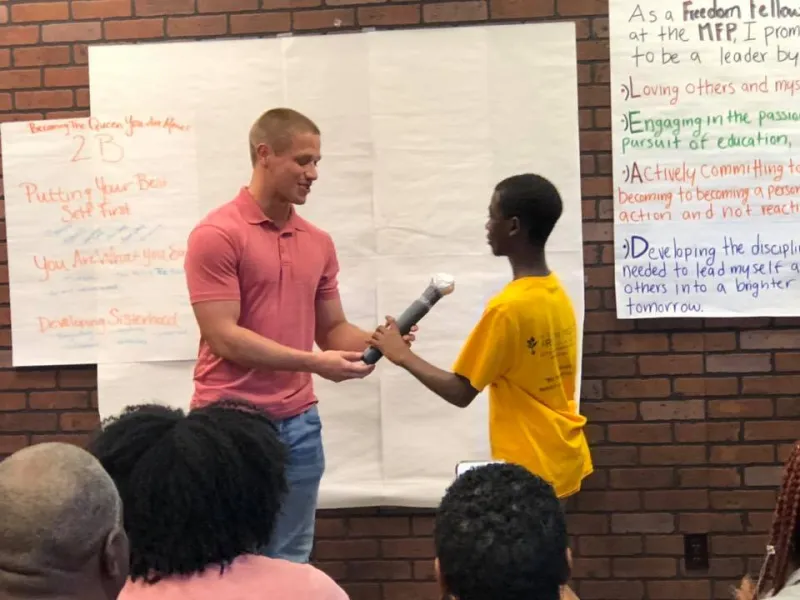 Me giving out homemade awards to my MFP students!

 I've gotten to make some incredible friendships during my time here, and these lovely people are some of my closest friends.
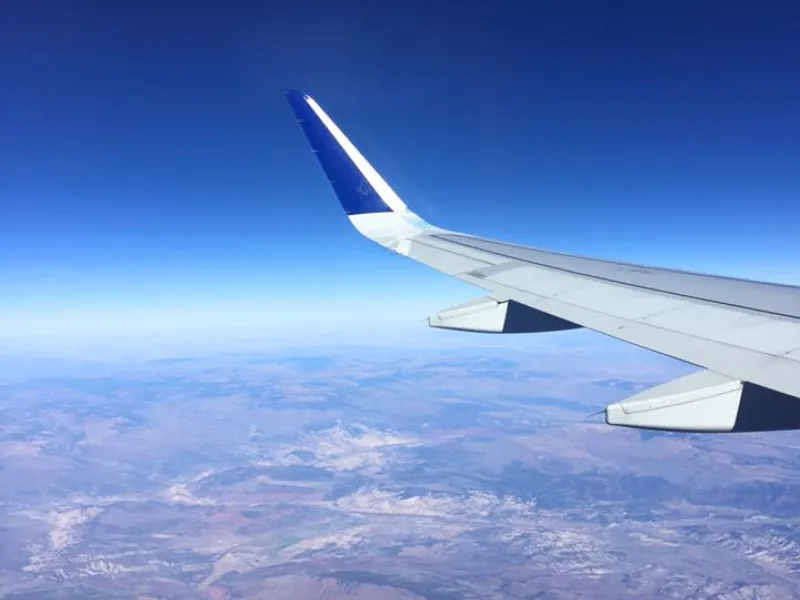 My view out the window as I flew to Europe for the first time
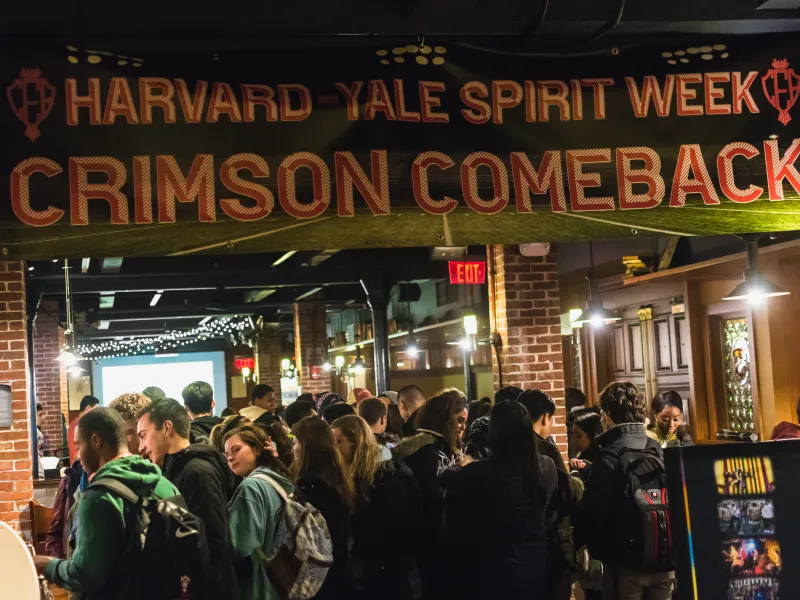
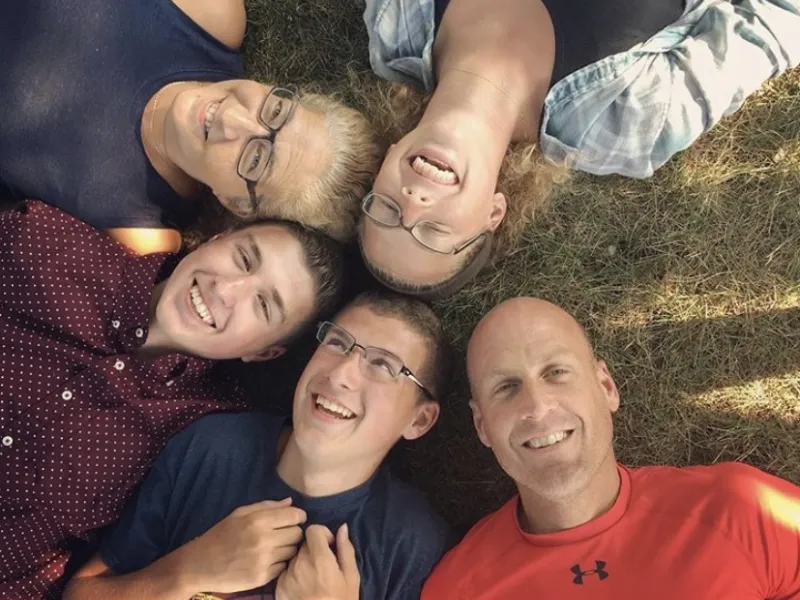

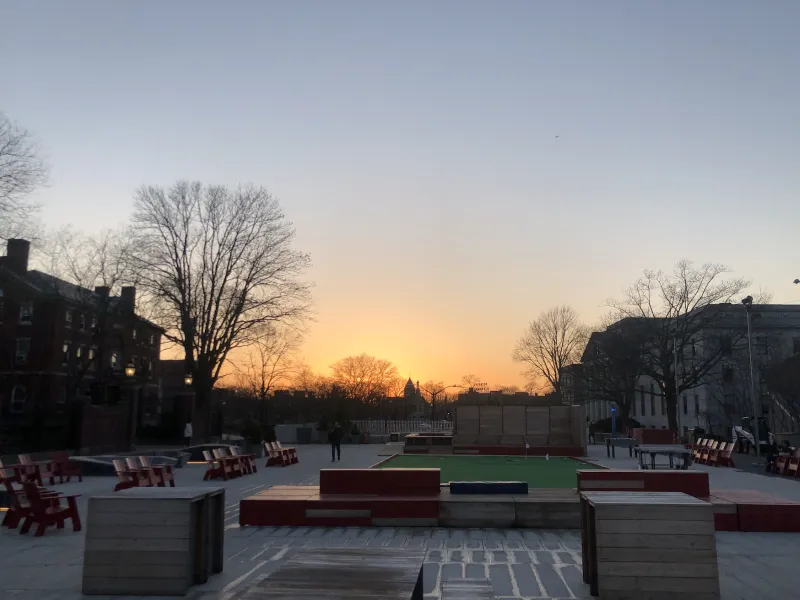
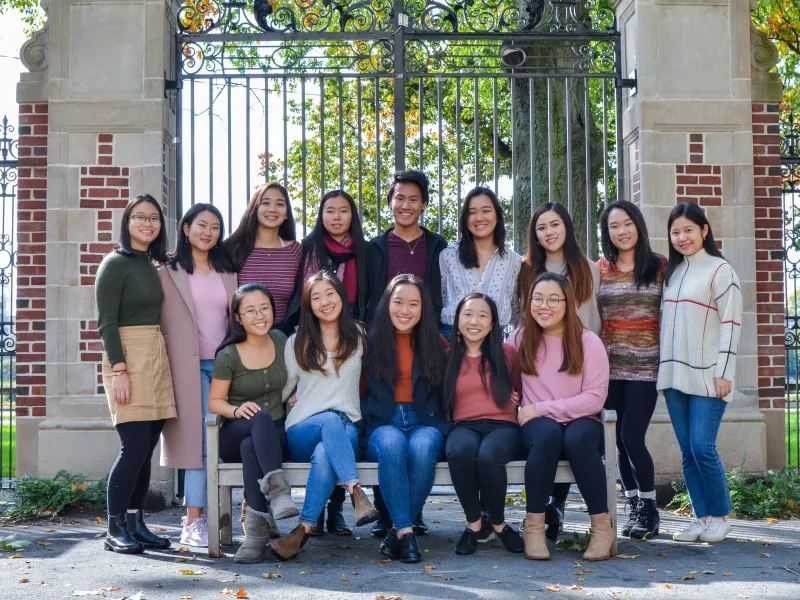
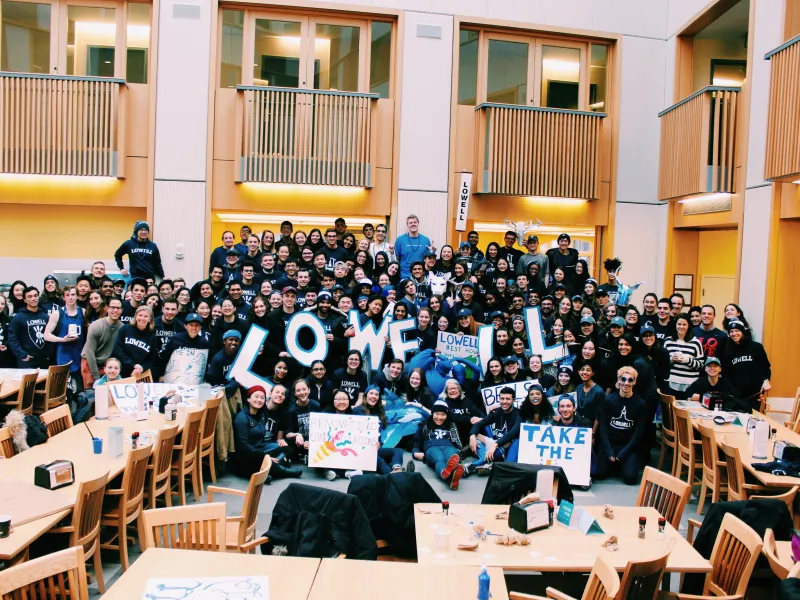 Lowellians ready to welcome first years to our home!
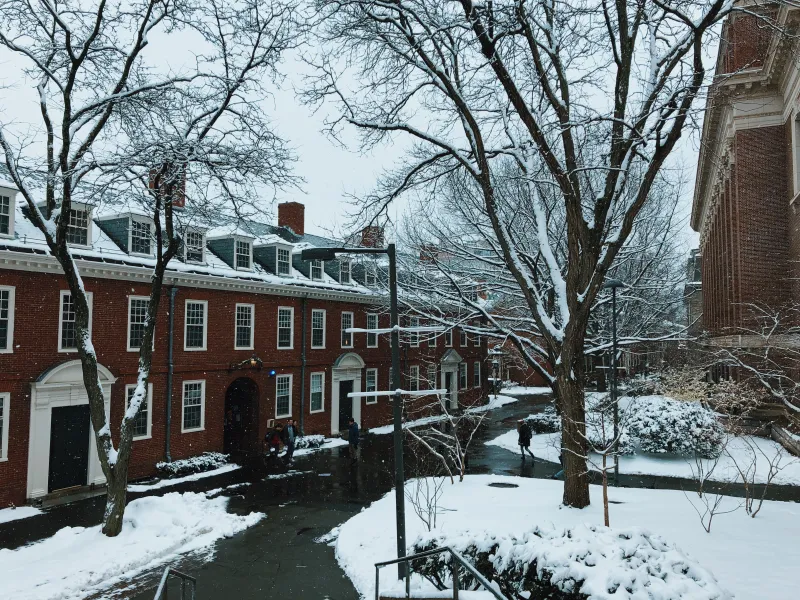 Snow falling outside Wigglesworth Hall, one of 17 first-year dorms.
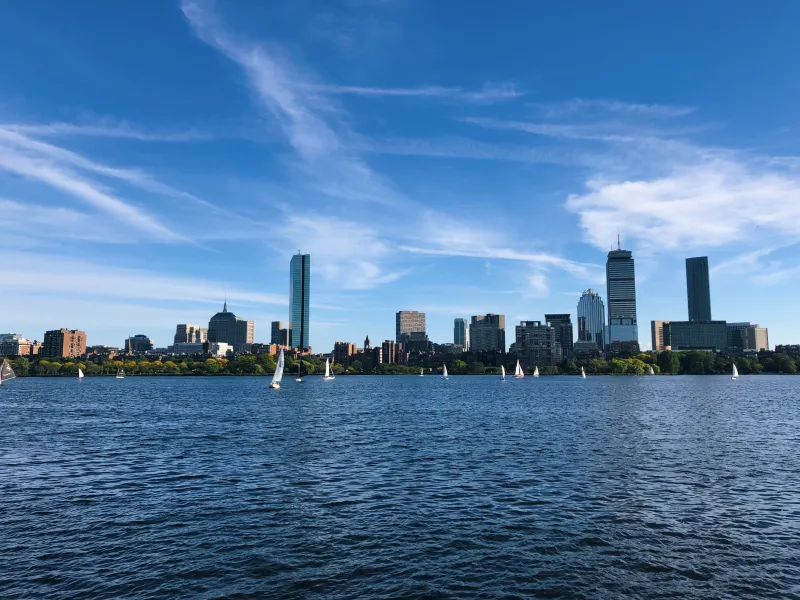 I took this photo of the Boston skyline while running by the Charles River.
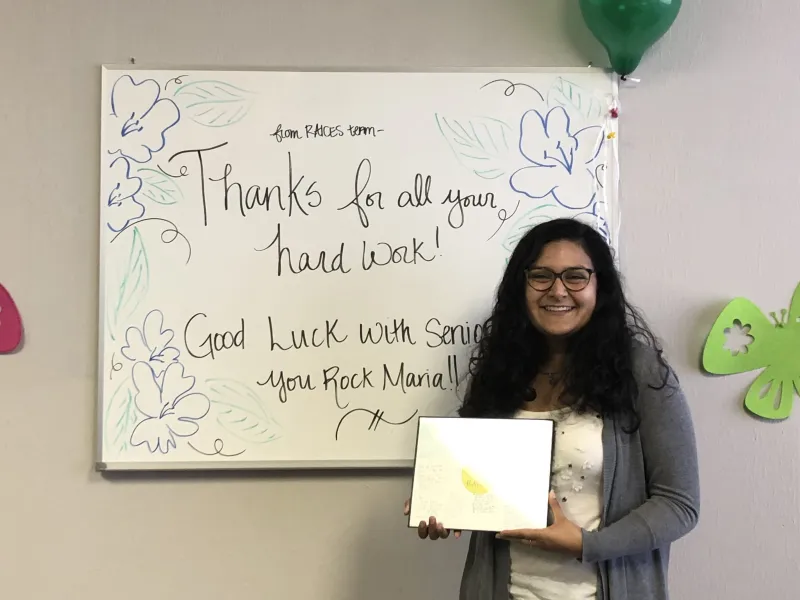 The office threw me a mini goodbye party to thank me for my work during the summer!
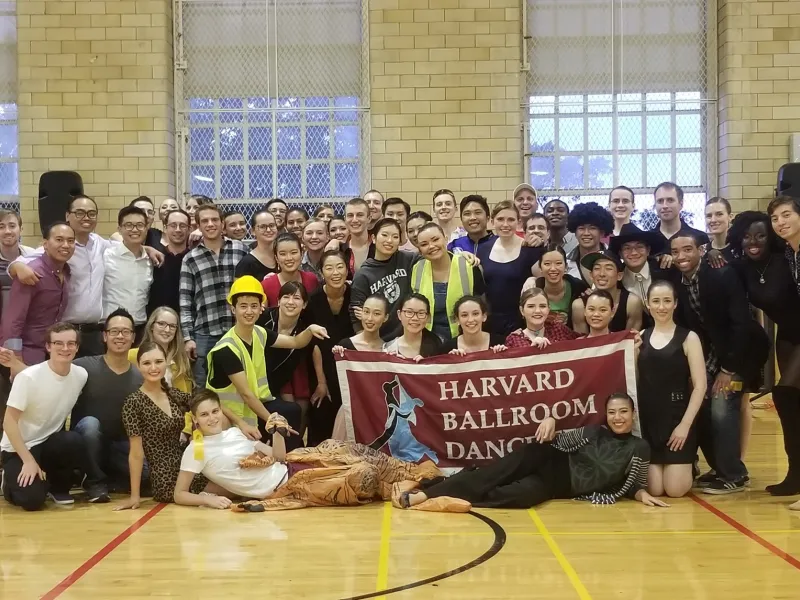
 A photo of me and friends in front of the Carpenter Center my freshman year
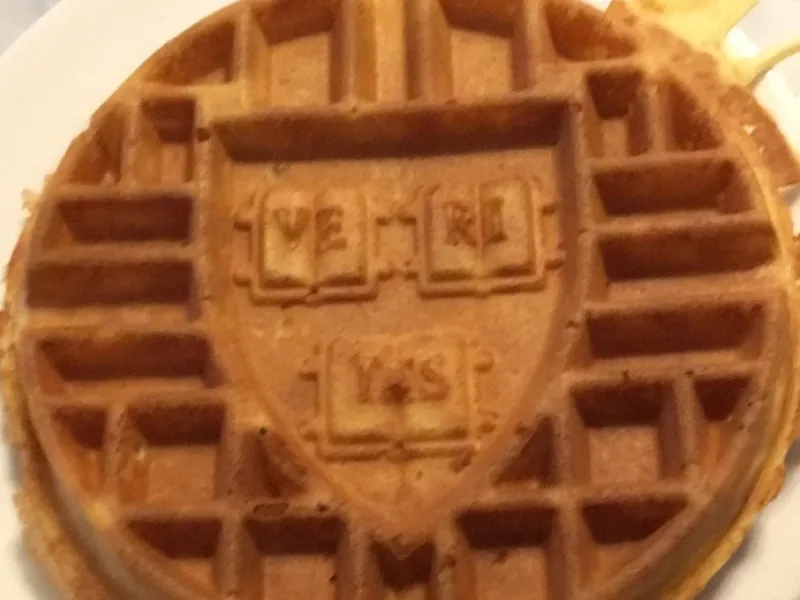
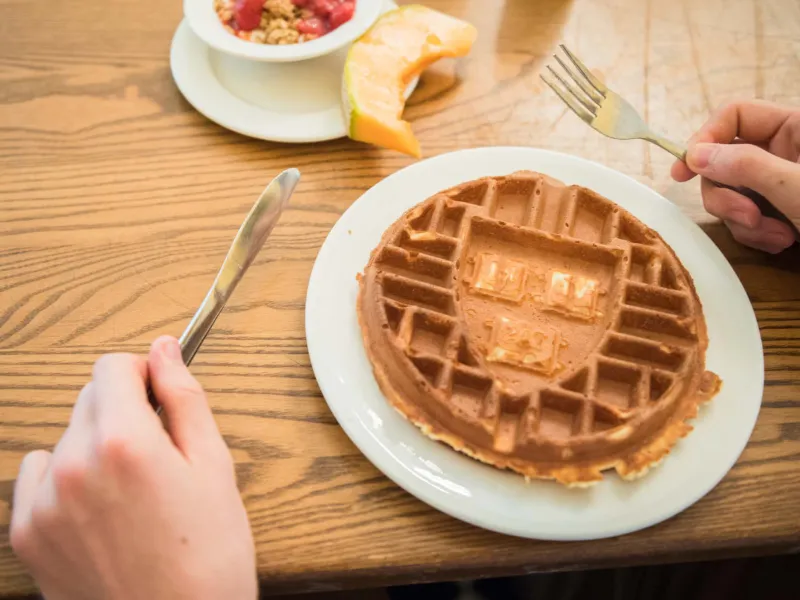 Veritaffle
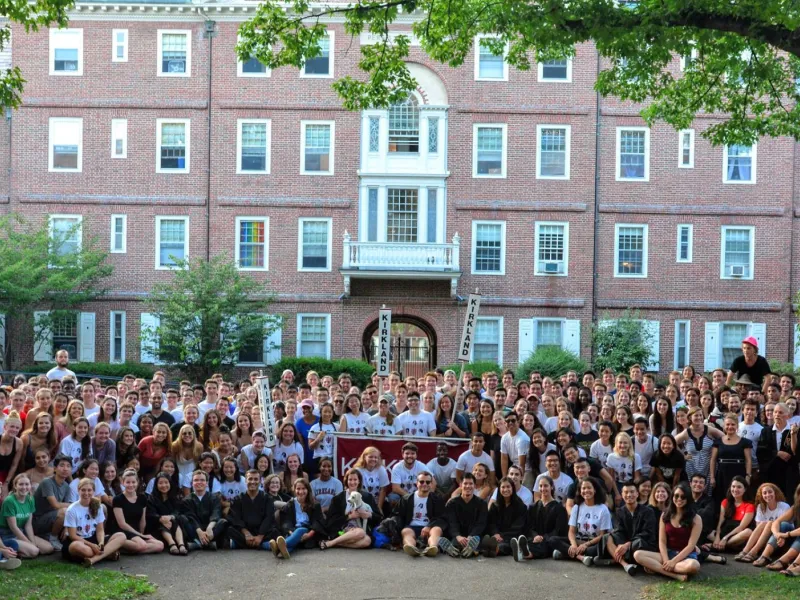 Kirkland House Opening Days 2018

 Another spot to rest with great views of New Hampshire!
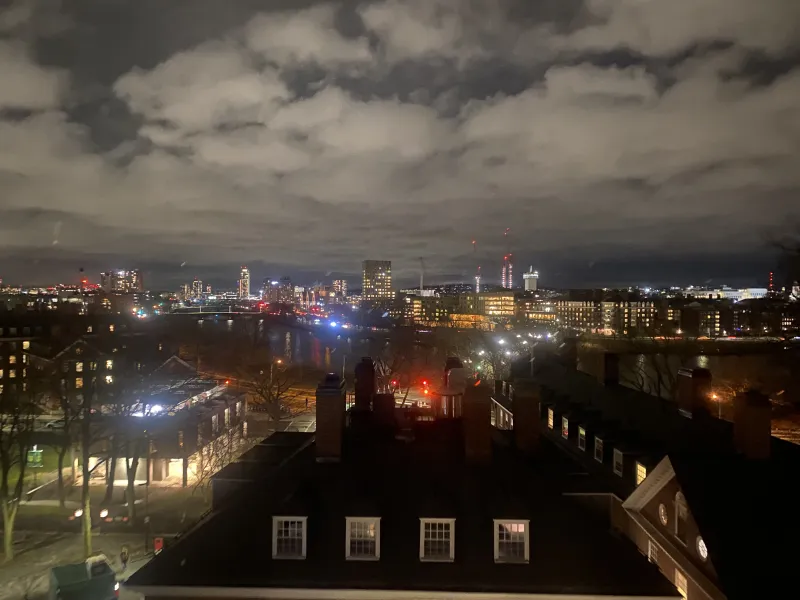
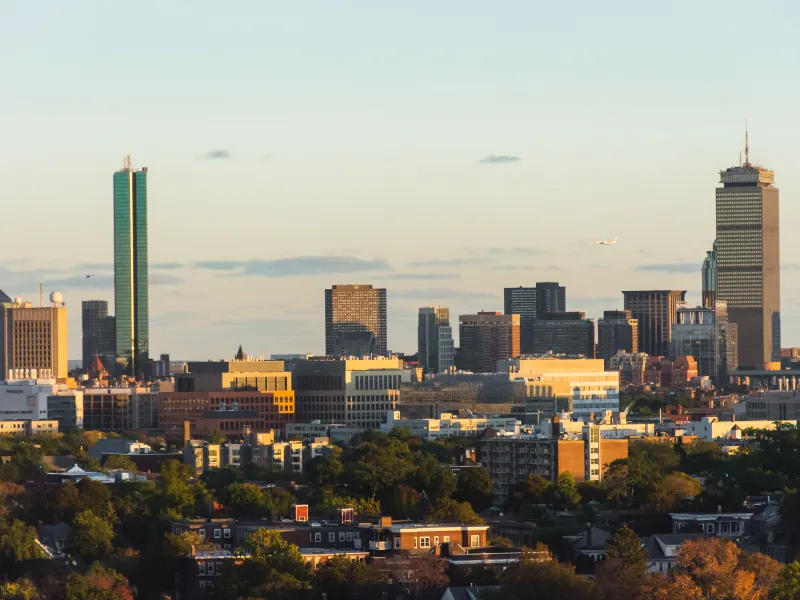 A view of the city of Boston from Harvard's campus.
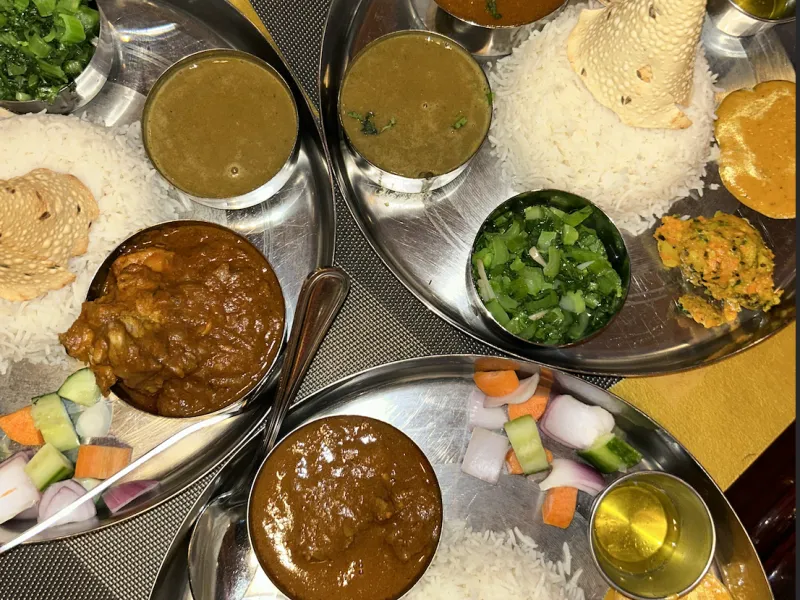
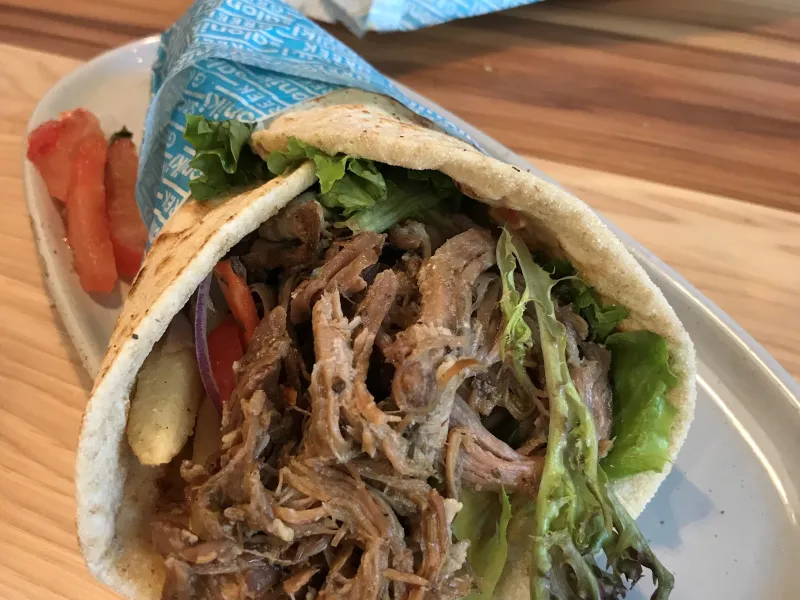
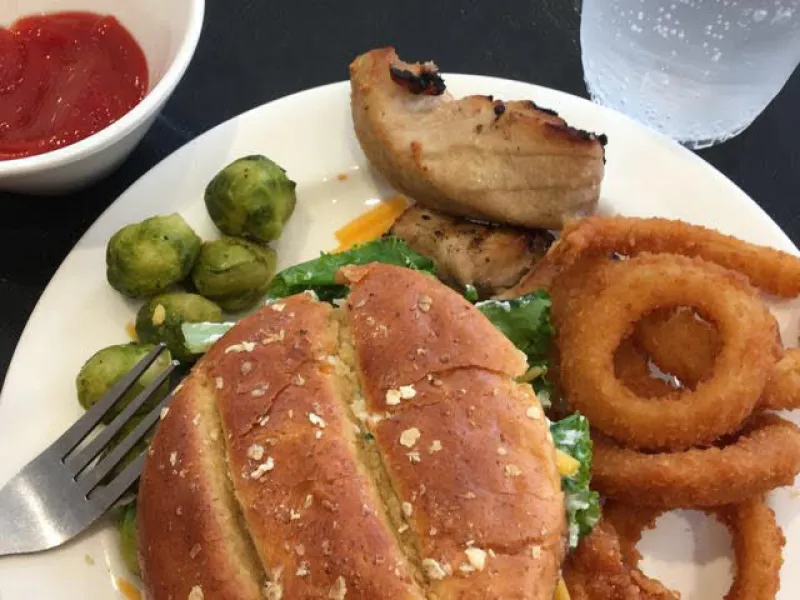 Chicken Schnitzel Sandwich
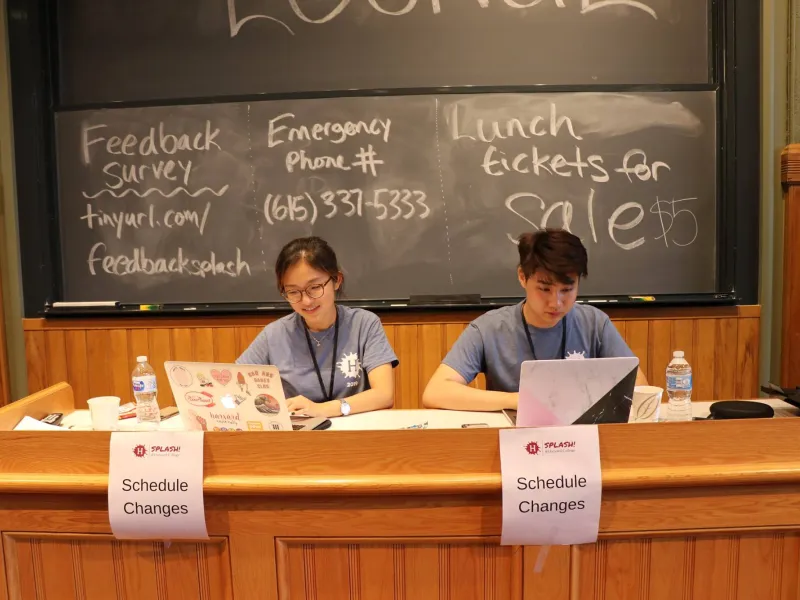 HUSE board members working hard to manage student lounge and to assist students during Splash.
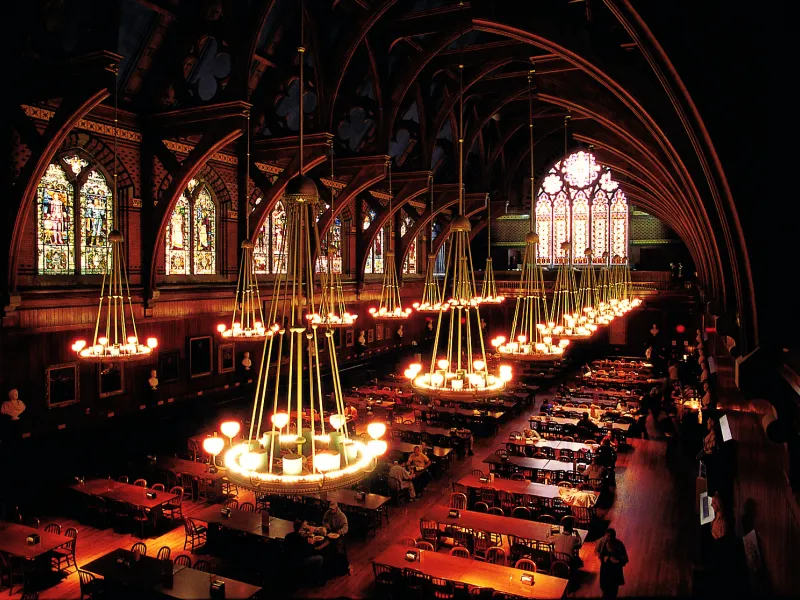 Harvard's dining hall for first-year students.
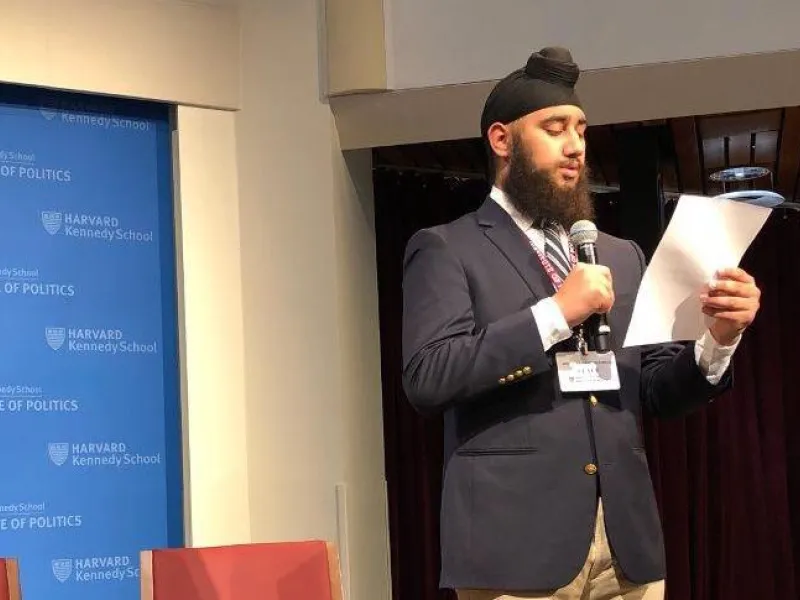
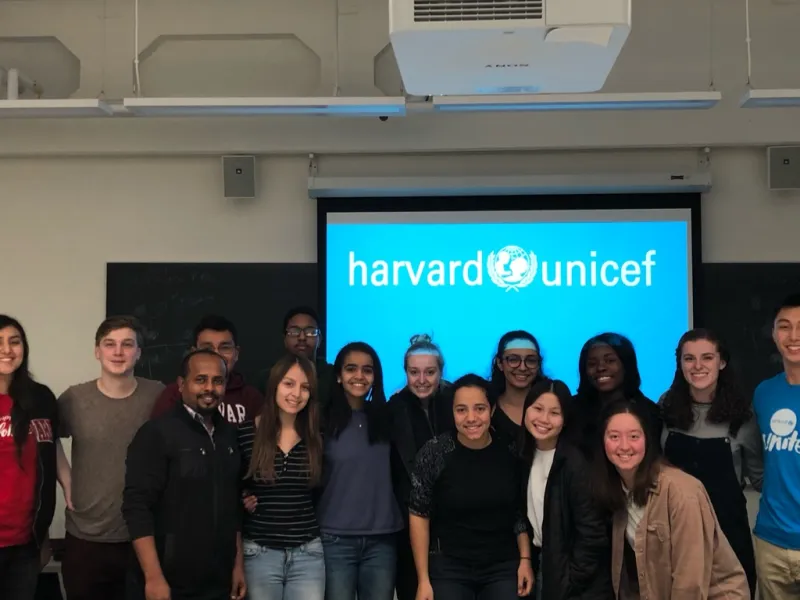 Harvard Undergraduate UNICEF Club
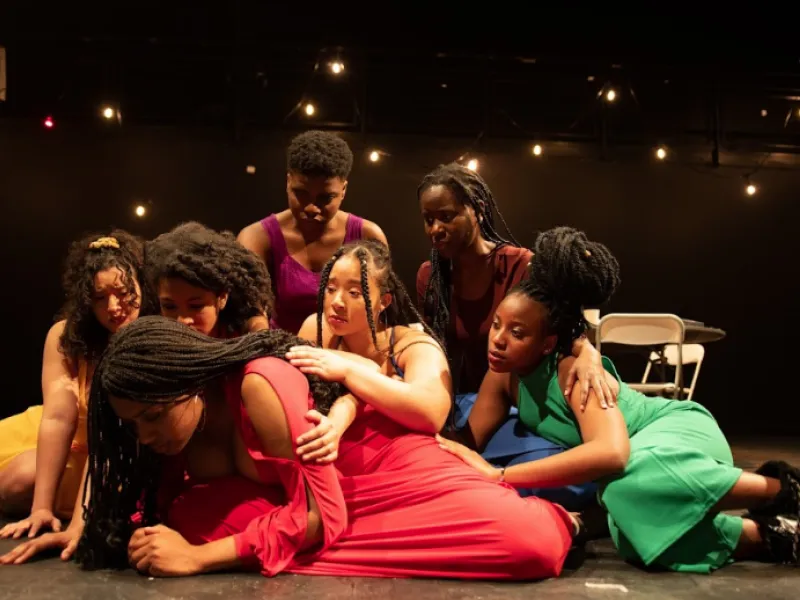 The Ladies of the Rainbow. I am the Lady in Blue in my last Black CAST production.
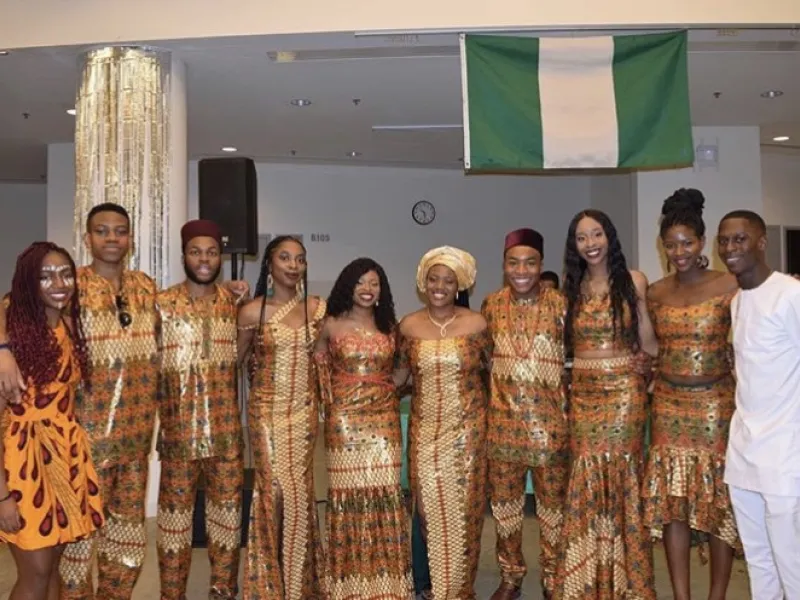 Nigerian Students Association Executive Board at our 9th Annual Independence Day Gala
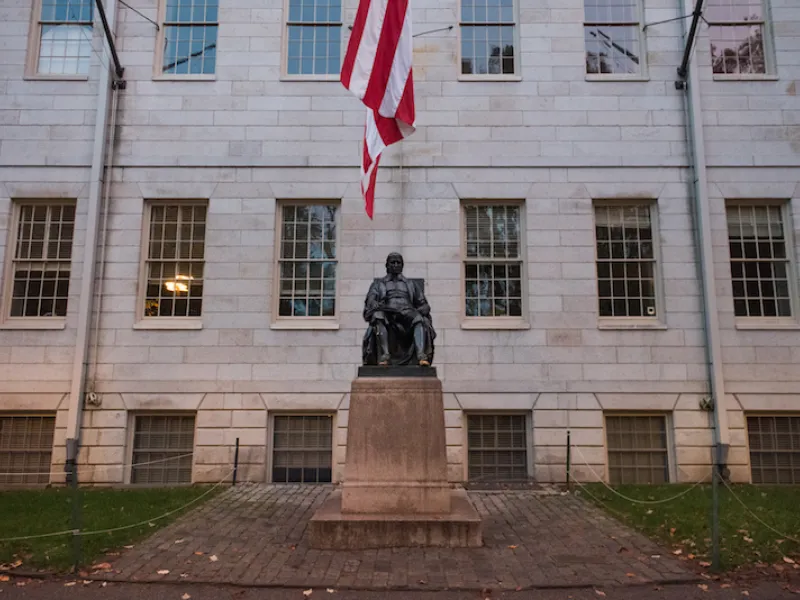
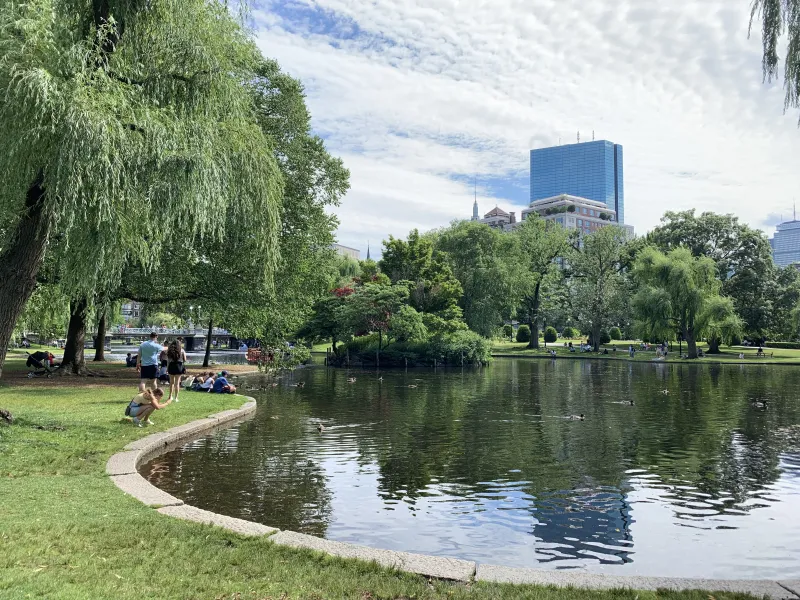
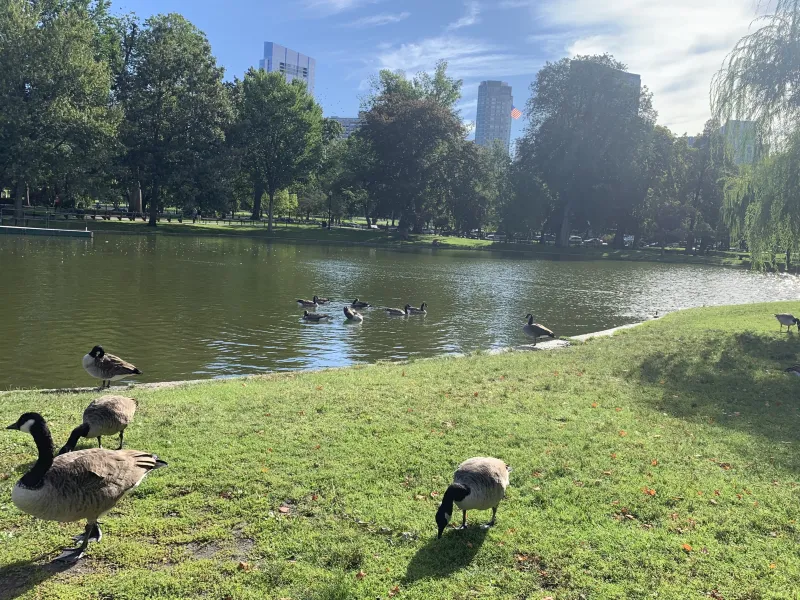
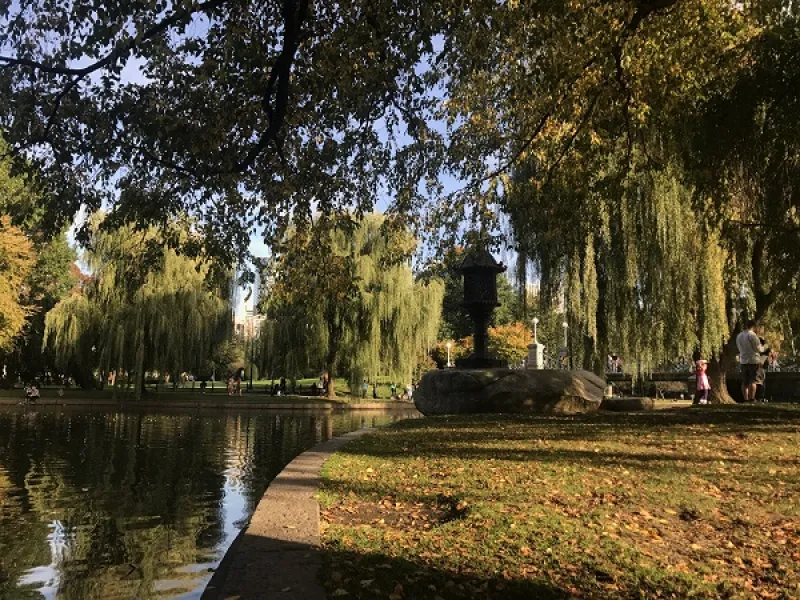 My favorite place to read at the Public Garden is in the shade by one of the ponds!
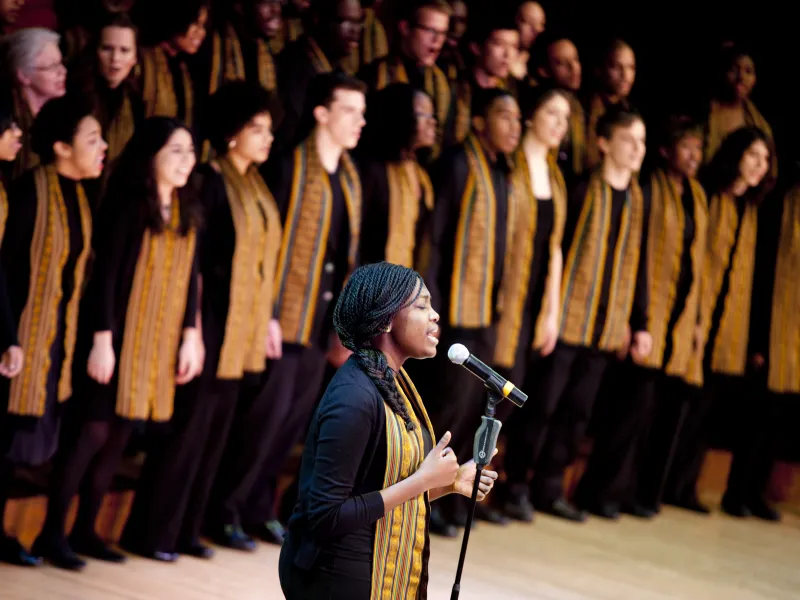
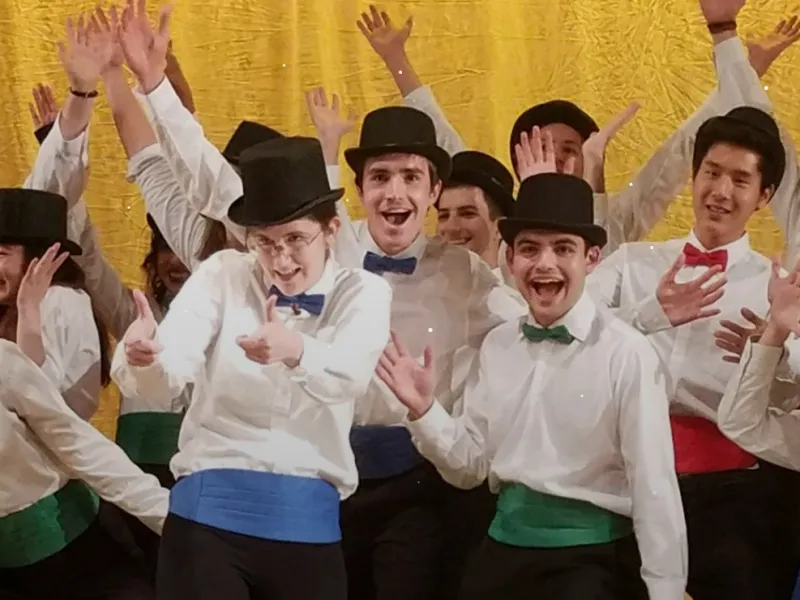
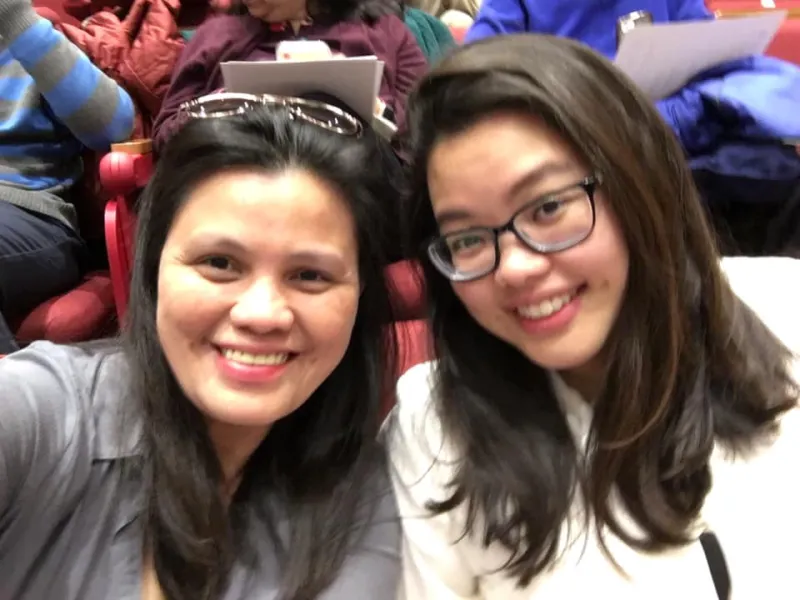 My mom and I in a lecture hall for the Junior One Ring Ceremony.
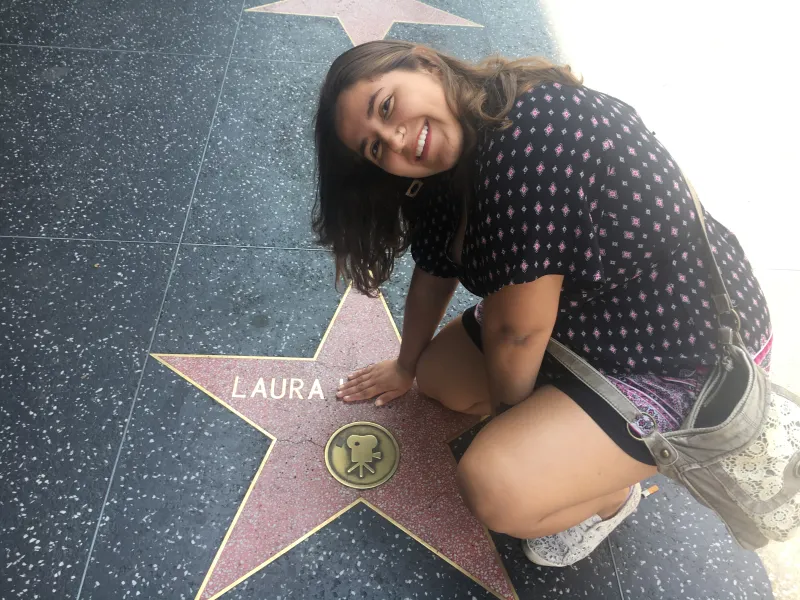
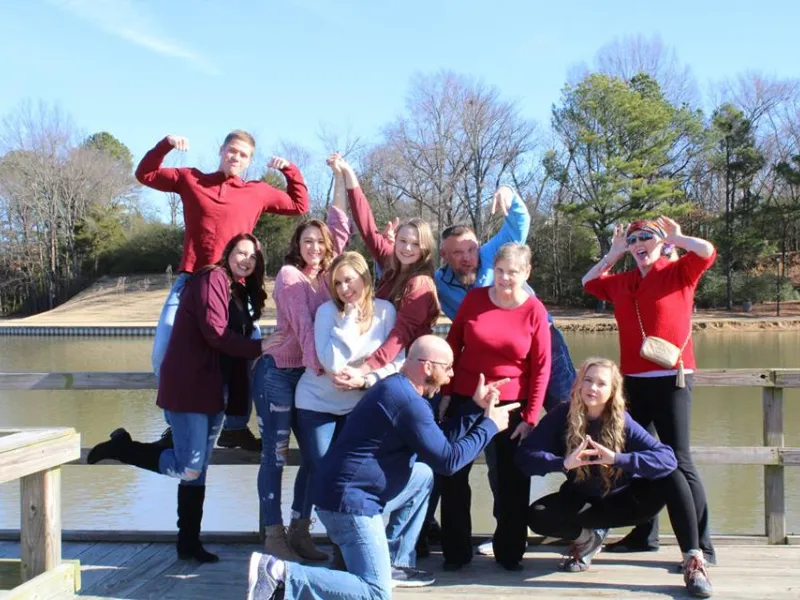
 Dining in at By Chloe in Fenway
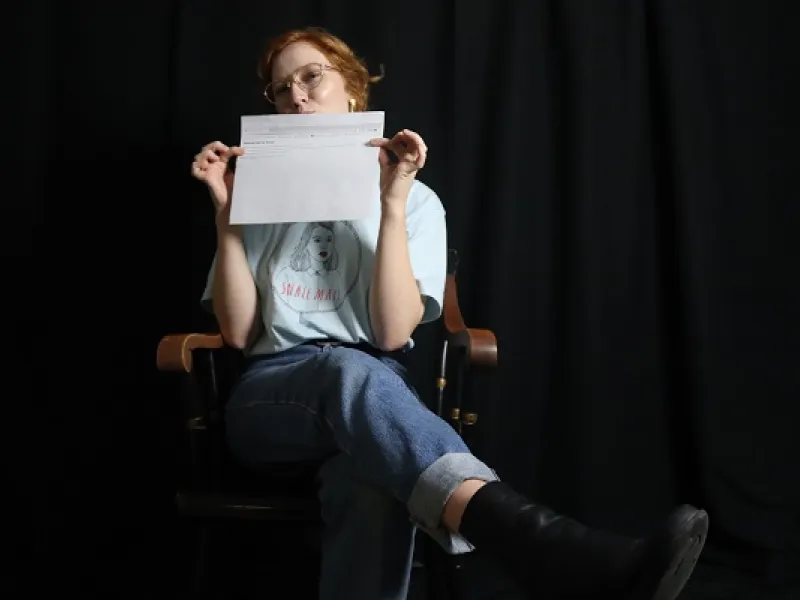 This is the photo for my satirical piece: "My Guilty Pleasure is the Crimson Arts Internal Service Error."
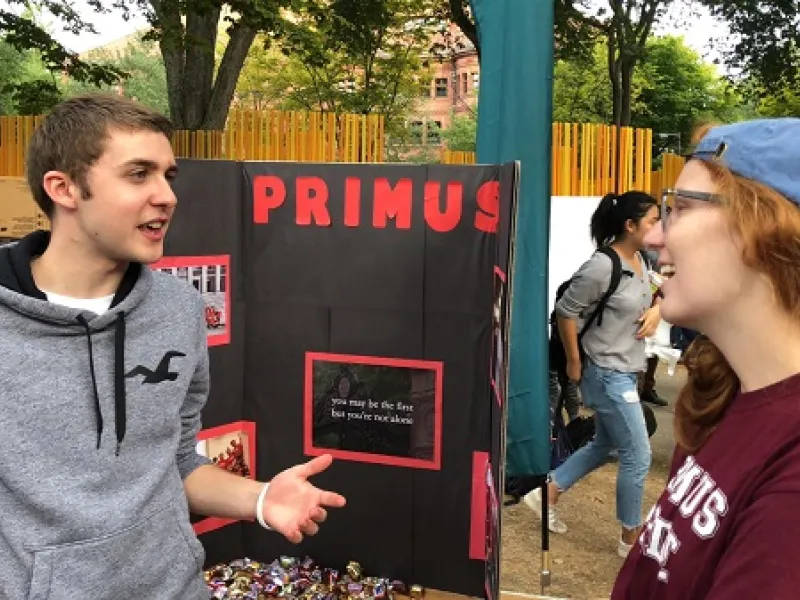 Harvard Primus's President Brandon and I at our table at this year's activities fair!
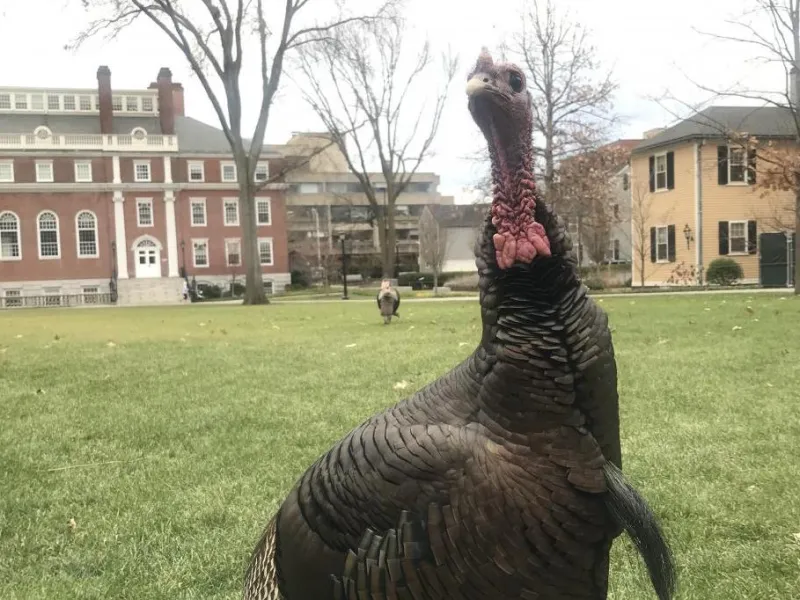
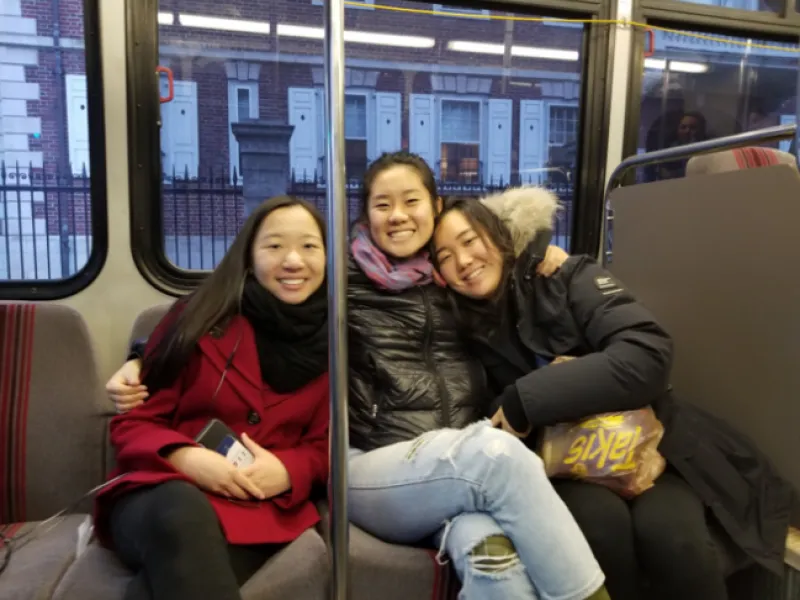
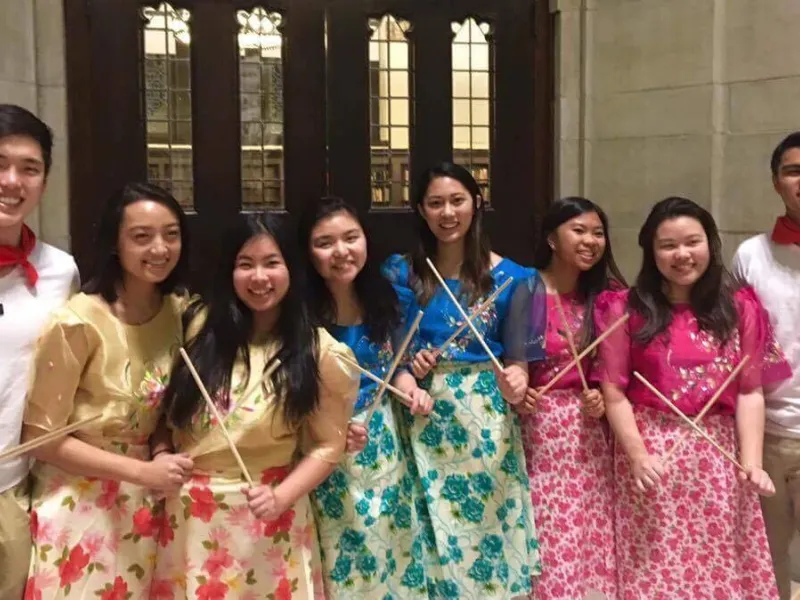 HPF teamed up with Wellesley's Club Filipino for a Kamayan performance!
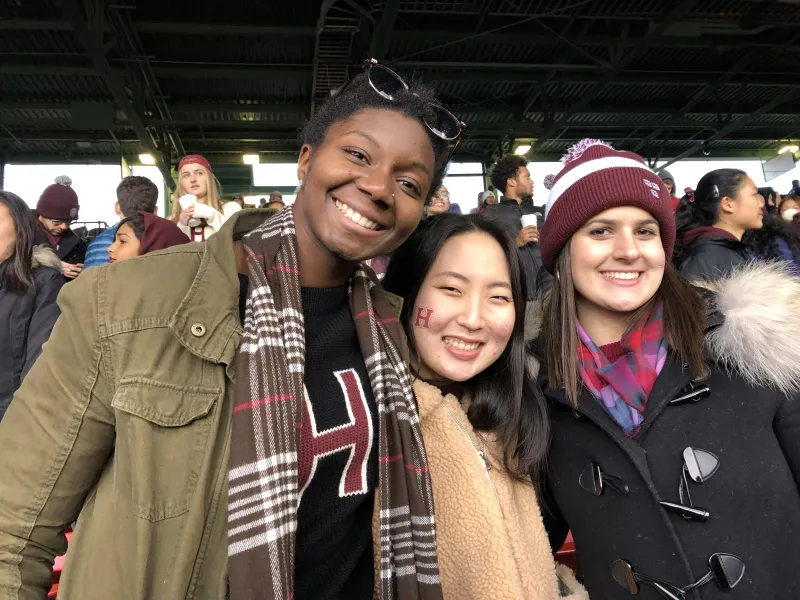 Me and my friends at Fenway during this year's game
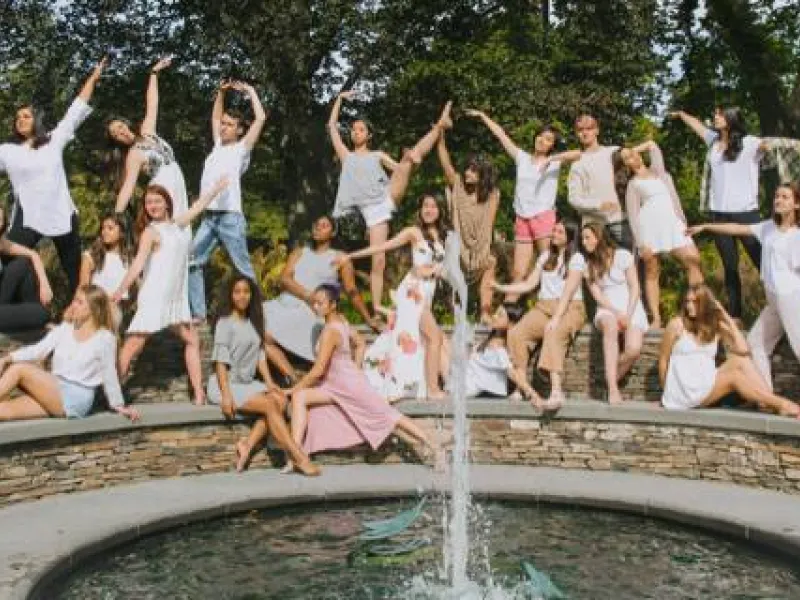
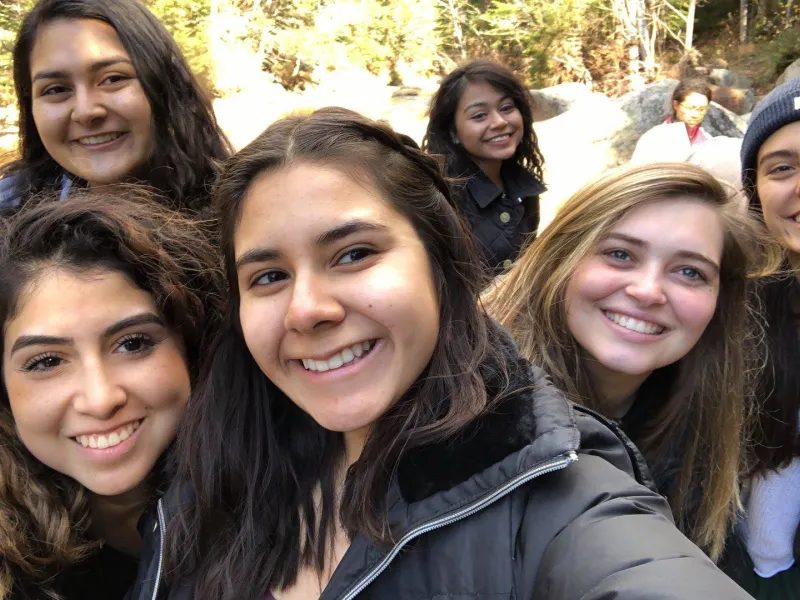 Since the trail was too muddy to actually hike, we decided to walk around near the creek and take pictures together.
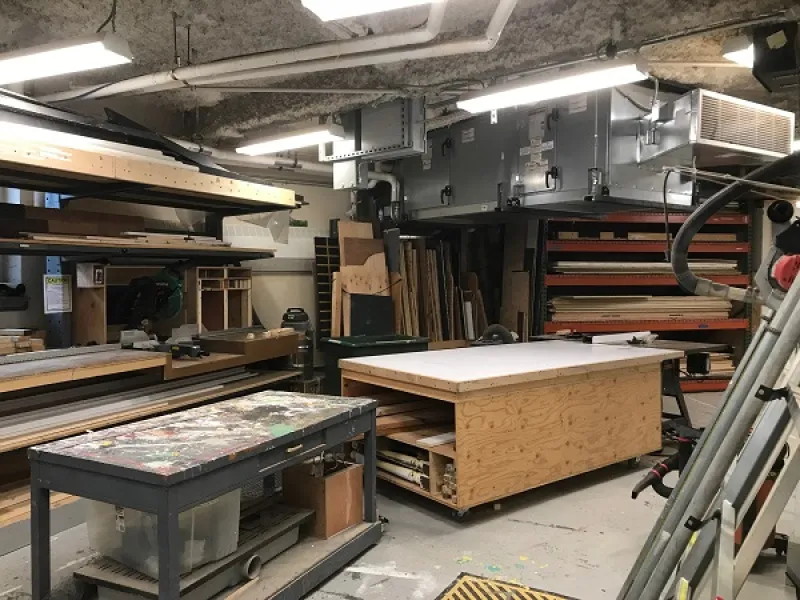 This is where I'm building the R&J set!
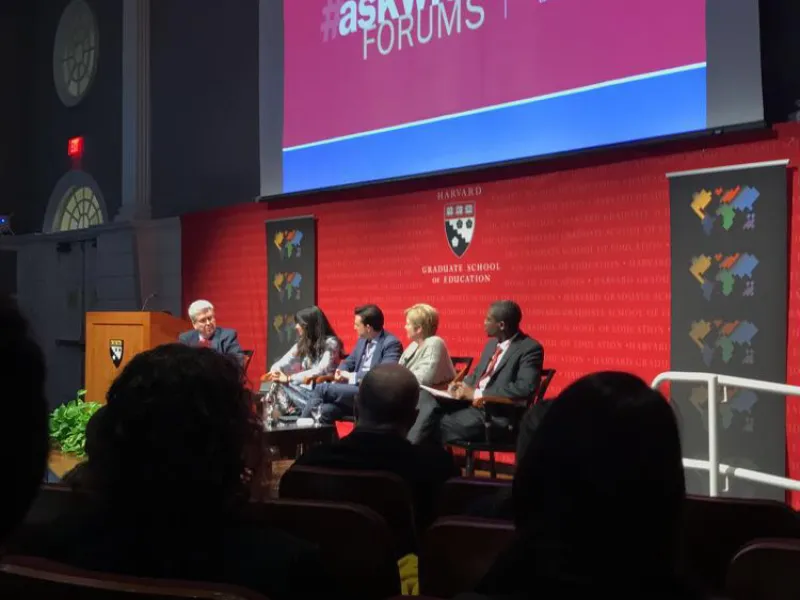
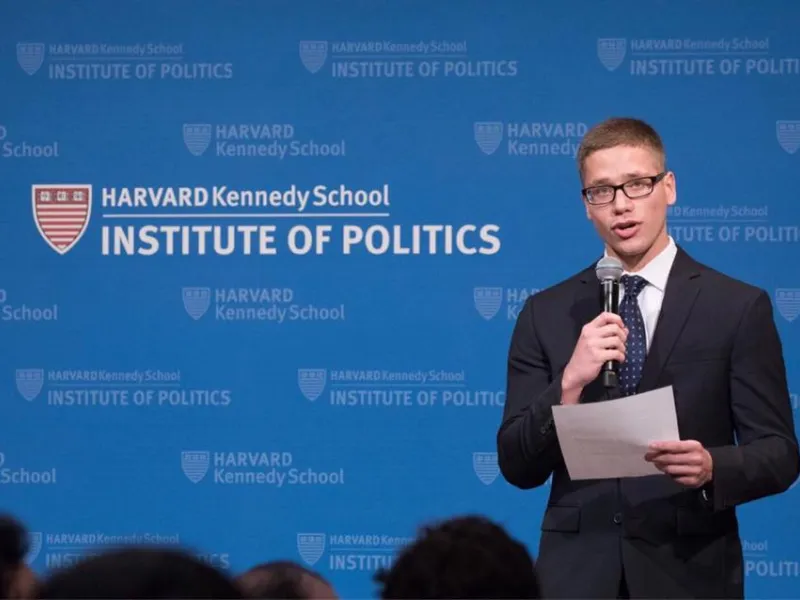 Me introducing speakers at the JFK Jr. Forum!
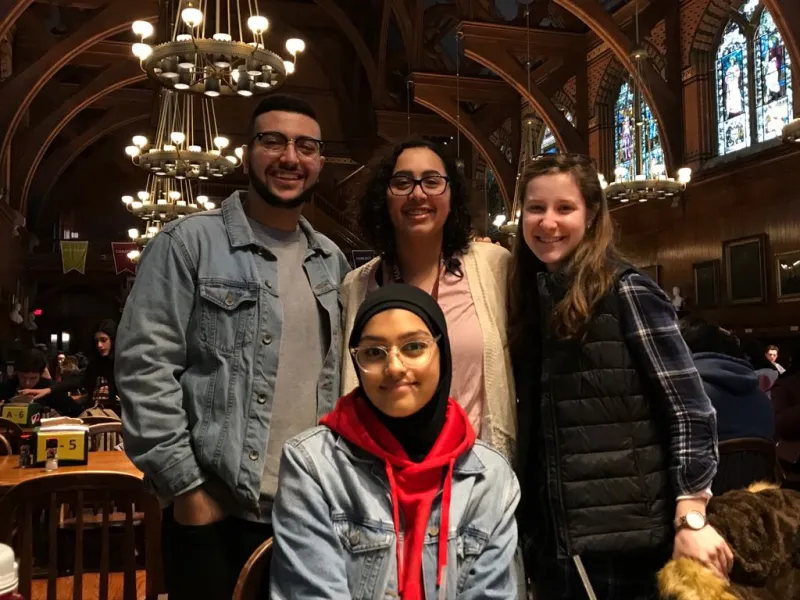
 The NAHC Board!
 Photograph of Dan Lobo
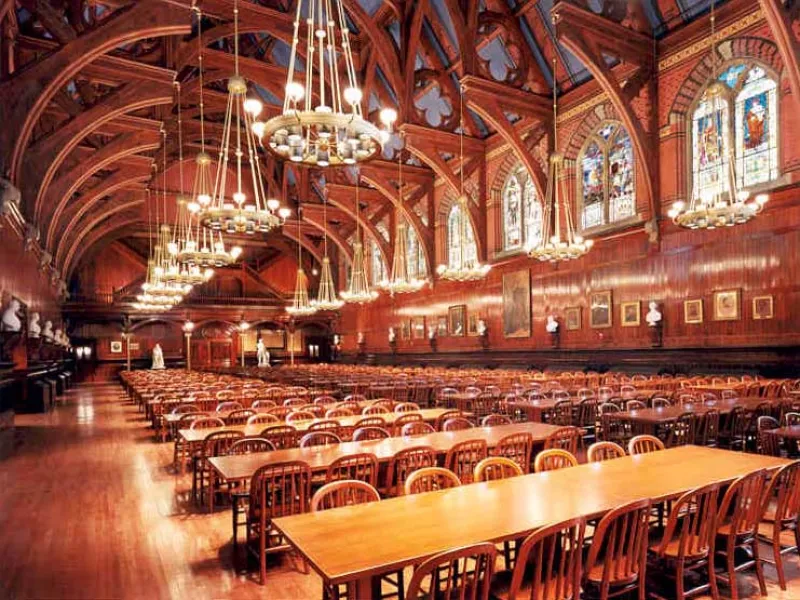 Annenberg or The Berg or The Great Hall of Hogwarts