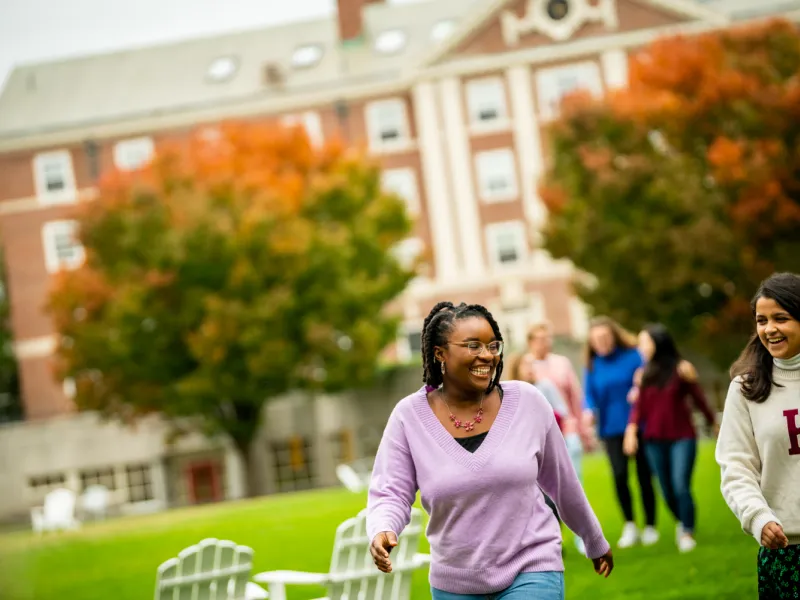

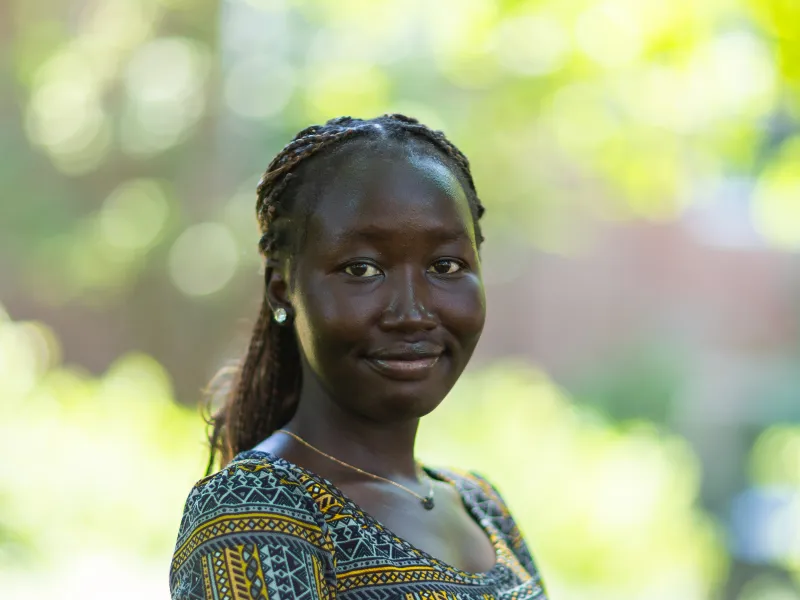
One thing I liked about the Harvard application process was the research. It allowed me not only to look inward as a person, but also to draw my dreams, emotions, and questions about life into written language.
Then it made me ask where at Harvard I might look for answers, where I might find people who thought as I did, and where I might meet people who thought differently so that we could build something together. While researching Harvard, among the many amazing student opportunities available here, two student organizations stood out to me: the Phillips Brooks House Association and the Institute of Politics (IOP). At first, I was drawn to them because of my prior exposure to advocacy and public service. Later, I became interested in politics because of a question I had begun asking through my work in children’s rights: How can we use government policy to create child-centered systems and make children’s participation meaningful rather than tokenistic? Children have agency. They understand their environments. Yet adults often make decisions about their lives without them.
I arrived at Harvard with these questions and almost three years of work experience with Save the Children. Still, none of that prepared me for the fear I felt about joining the IOP. After the Student Activities Fair, I returned to my dorm thinking that I was somehow not ready. Perhaps I needed more time to prepare. Perhaps I would not fit in. I worried that IOP opportunities would be too competitive, that what I had done back home would not be relevant in the United States, and that no one would be interested in or resonate with my work in the first place. Fear is interesting because it can make postponement feel like preparation. I told myself that I would apply at the “right time,” when I finally felt ready. Instead of applying to the IOP during my freshman fall, or even joining a program at Phillips Brooks House, I waited. What I did not yet understand was that readiness is sometimes the result of beginning, not the requirement for it
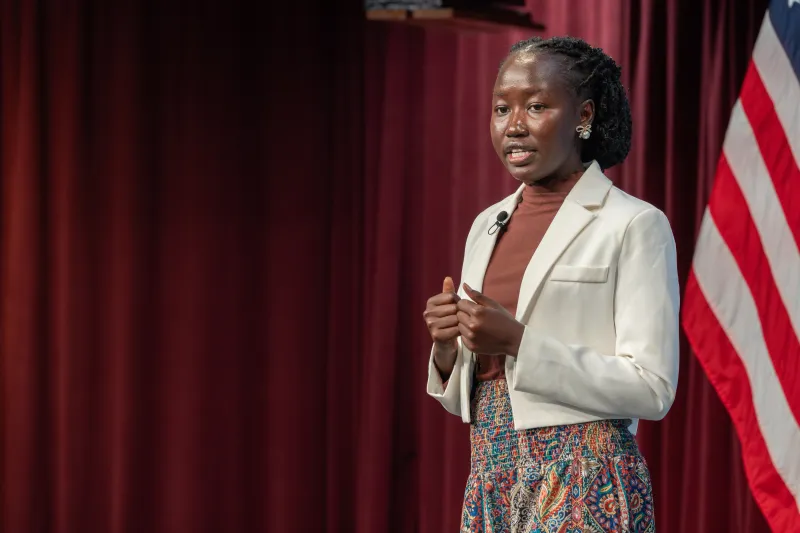
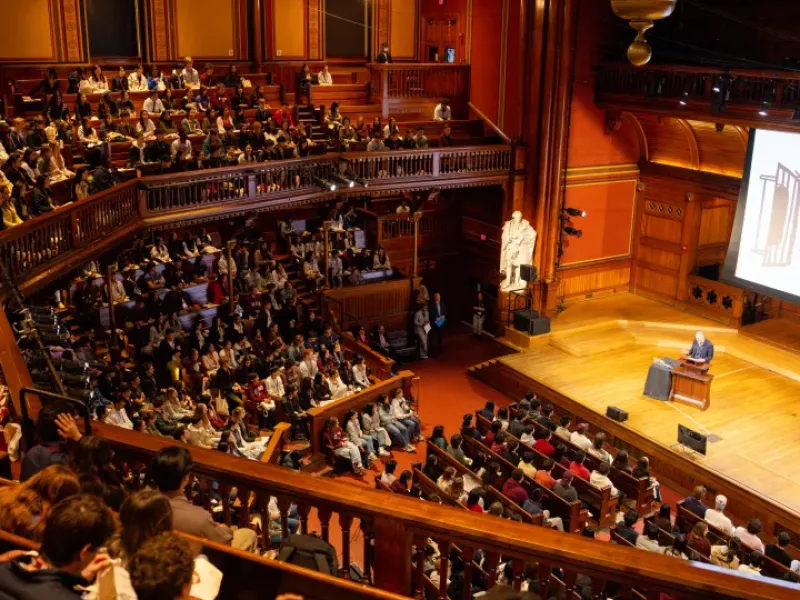
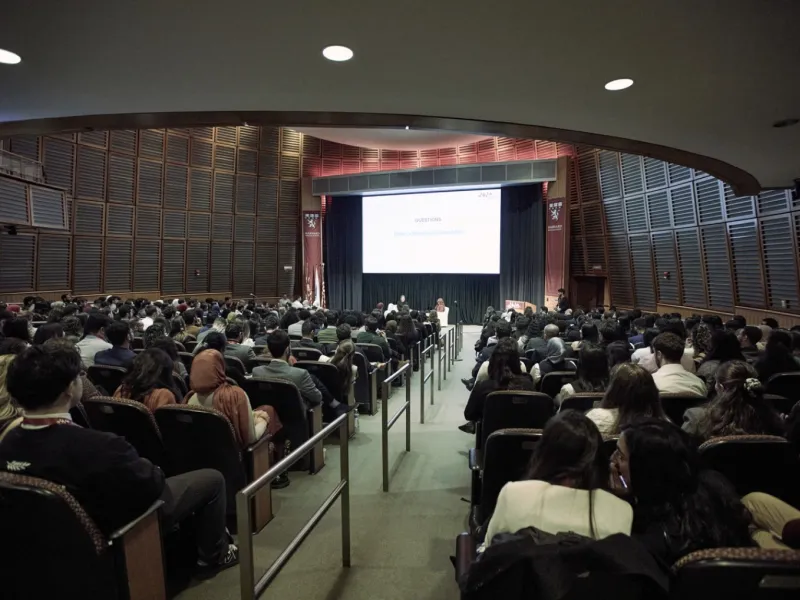
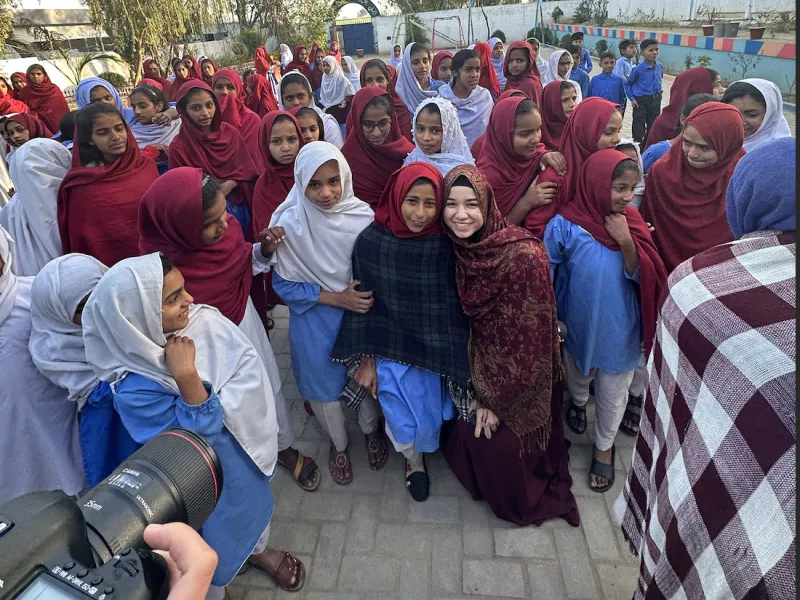
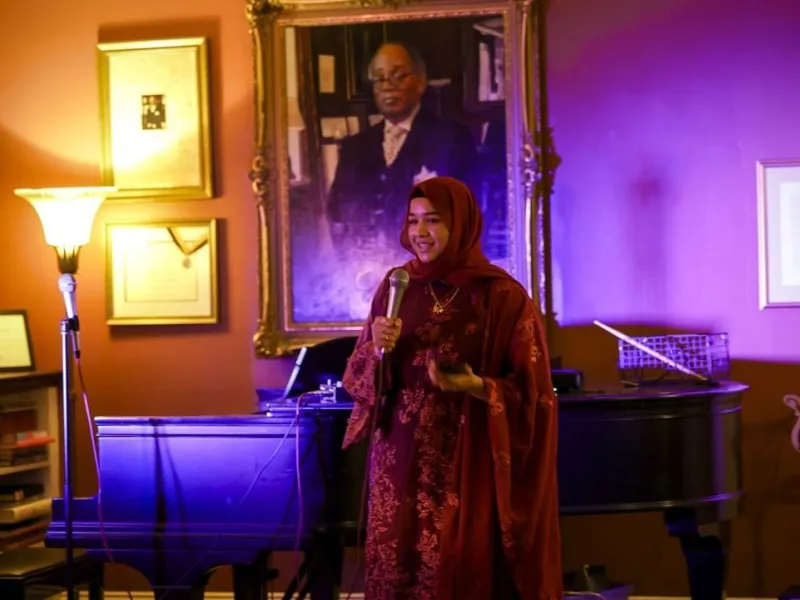
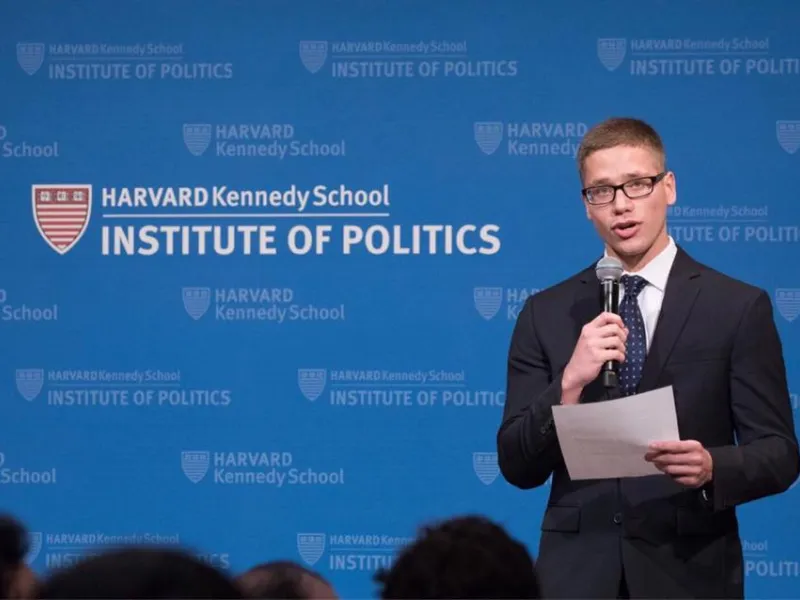
Elizabeth standing in front of the audience at the JFK forum
So, if you are standing where I once stood, do not let fear stop you from applying to a program you care about. As I later discovered, there is almost always a way to engage with the things you care about at Harvard. The IOP alone has 17 programs, which means there are 17 different doors into politics and public service. Moreover, much of the work is student-led. You work alongside other students, directors, and co-chairs, so the gap in experience or authority is often much smaller than you might imagine from the outside.
Nevertheless, misconceptions about the IOP are common. One is that it is only for students concentrating in Government, the social sciences, or the humanities. Another is that only students with political connections can enter the most competitive programs, or any program at all. From the outside, the IOP can look like a place built for aspiring politicians and students who can confidently explain the latest headline in American politics.
As an international student from South Sudan, I remember wondering: What exactly am I supposed to do here?
When I arrived at Harvard, I thought my humanitarian background wouldn’t be relevant in the new context. I was still learning how American political institutions worked, and I did not yet know where my experiences fit within conversations about politics and public service. These are the kind of assumption that made me hesitant at first to get involved in politics or public service spaces.
It did not take long for me to realize how wrong my assumptions had been.
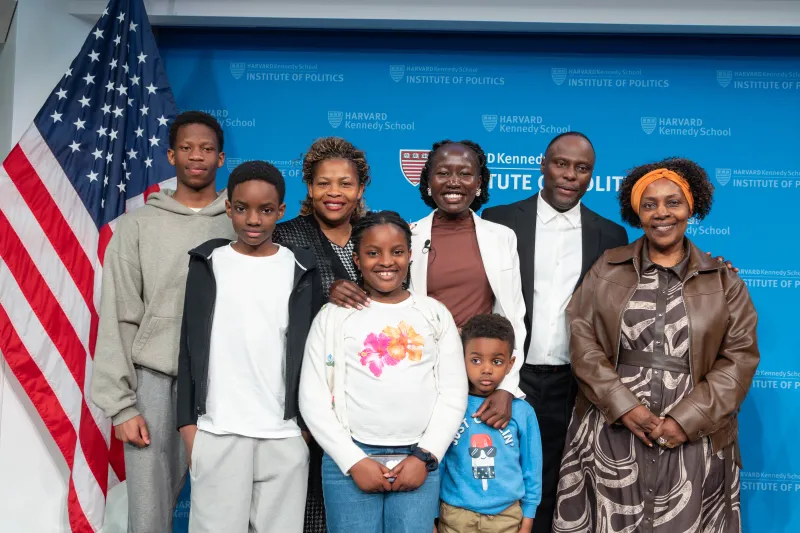
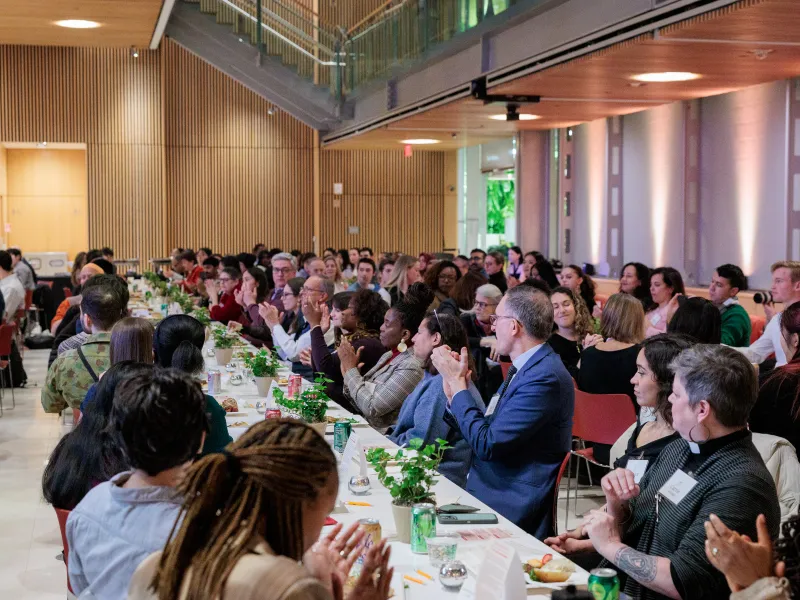
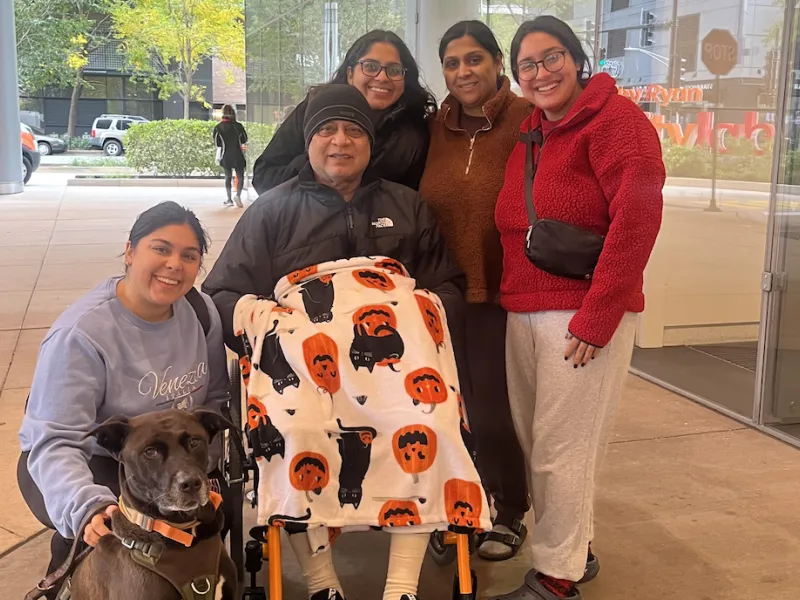
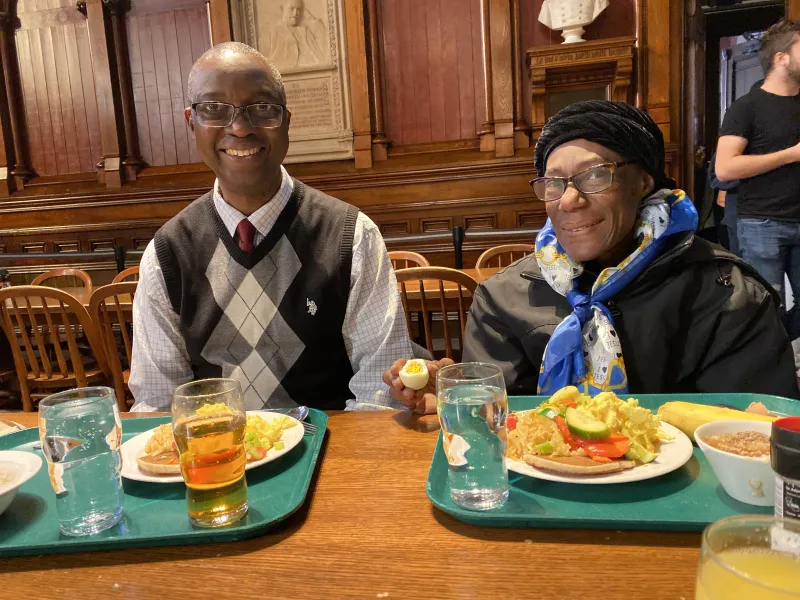
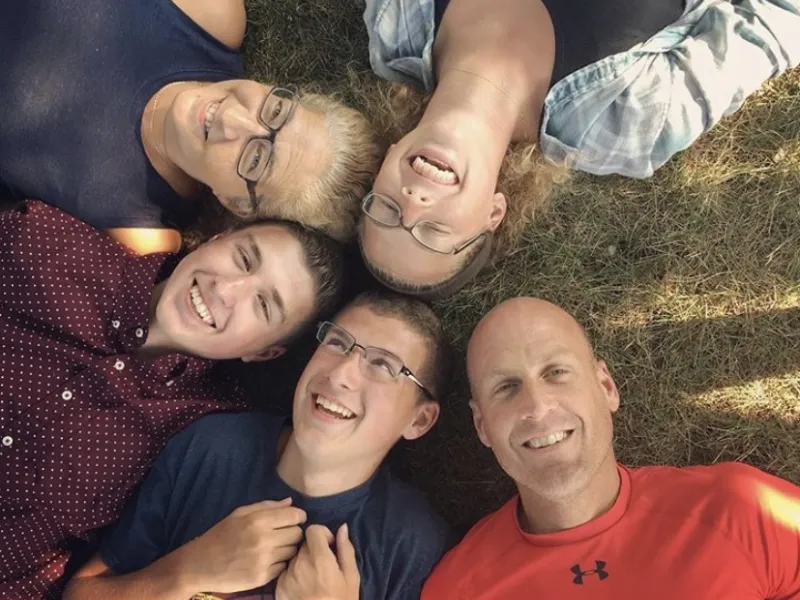
My Pastor Daniel and His Family: A Circle of Support
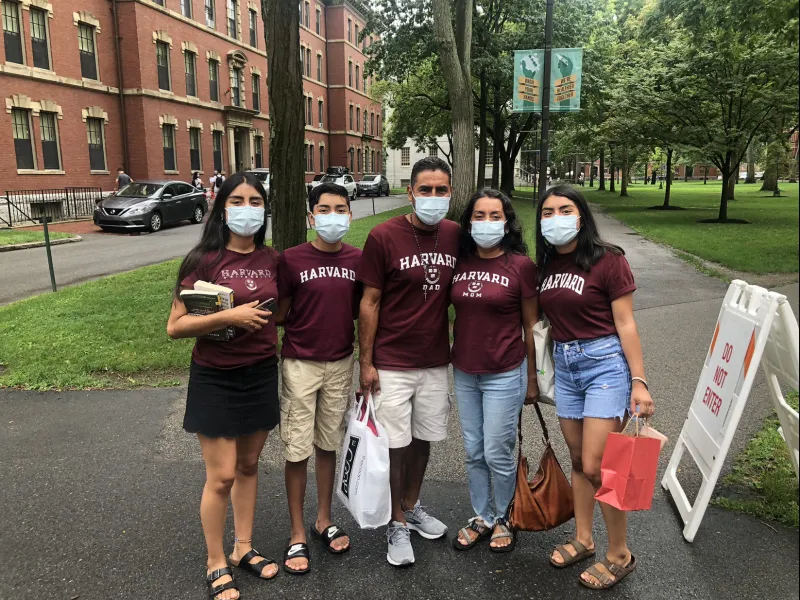
Pastor Daniel and his family showing their support at the Our Narratives Showcase at Harvard’s JFK Jr. Forum.
The IOP is not only about elections, political parties, or preparing to run for office. It is a community for people who care about public service in its many forms. Journalism, advocacy, diplomacy, community organizing, education, environmental policy, research, technology, and leadership all have a place there. From all these list, it is very clear that the Institute of politics has alot of programs, with this in mind, I was able to talk to a few student Leaders at the IOP who were more than happy to share their individual experiences and work in these different programs.
Take Citizenship Tutoring, or CitTut, for instance. The program pairs Harvard students with immigrants preparing for the U.S. citizenship process and offers free one-on-one support in civics, English, and interview preparation. Yet, as Co-Director Susie Coakley ’29 explained, the program is about more than gaining new skills; it is also about cultivating relationships. “Last fall, I began tutoring a woman studying for her exam, and what started as weekly sessions has become something closer to family,” Susie shared. “I’ve learned as much from her about resilience and hope as she has from our lessons together.”
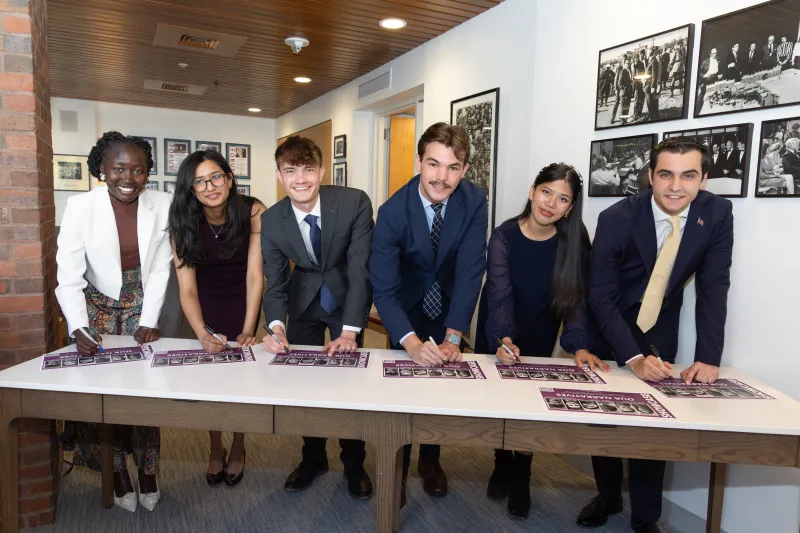
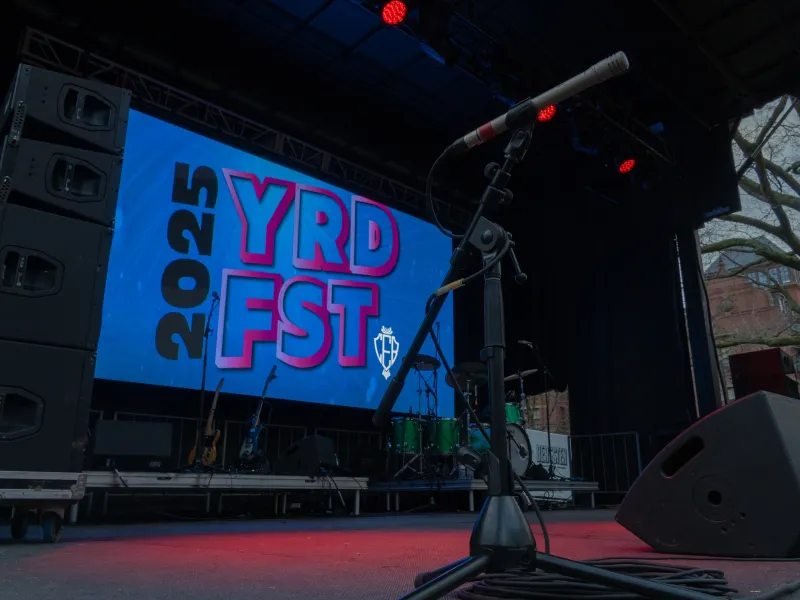
The 6 badge of the 8th biannual Our Narrative Showcase at the IOP, JFK. Jr Forum at Harvard Kennedy School
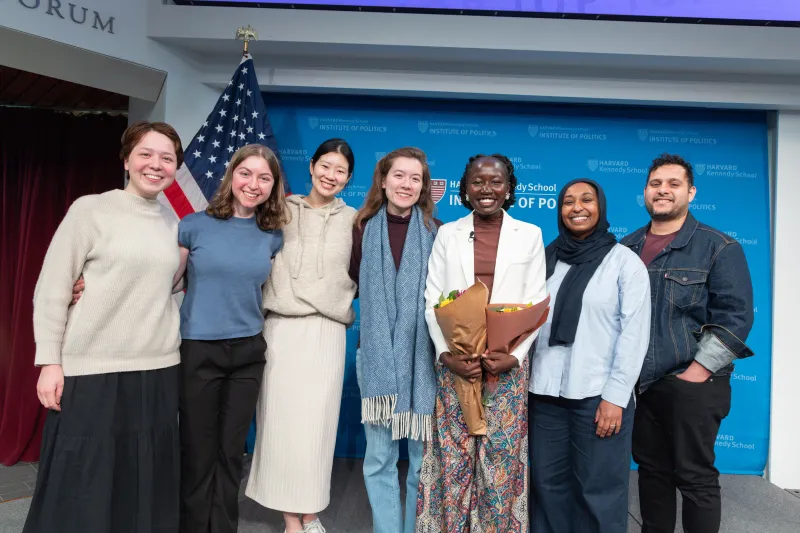
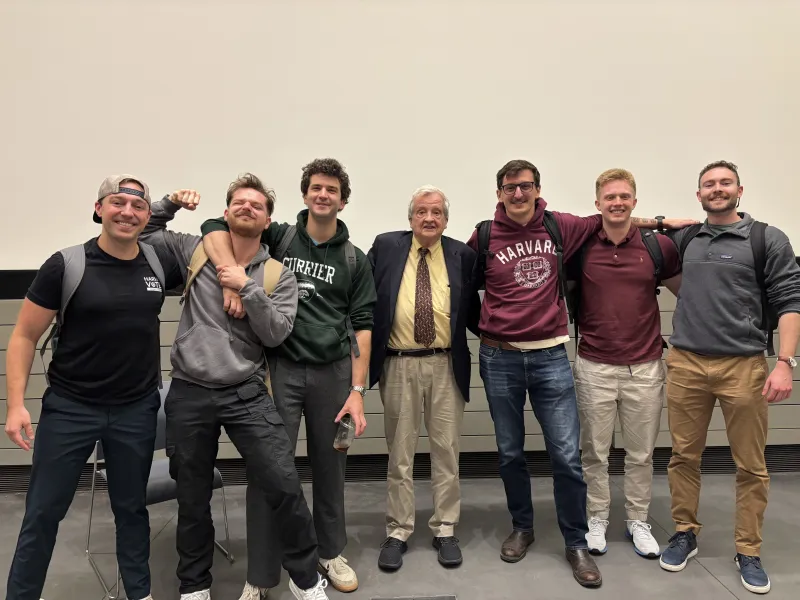
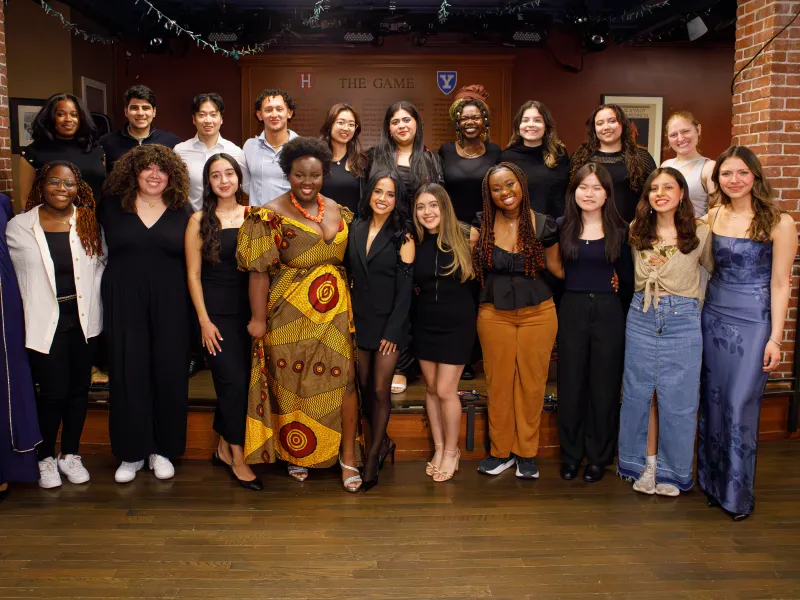
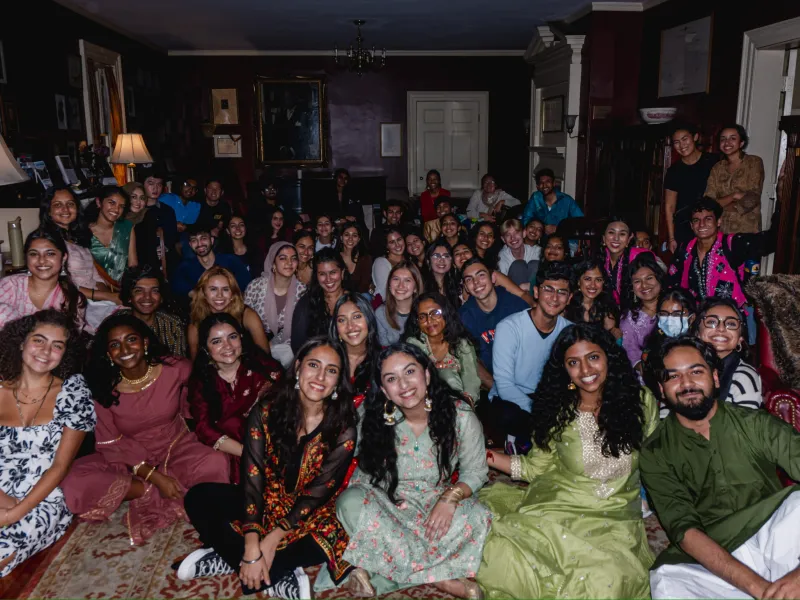
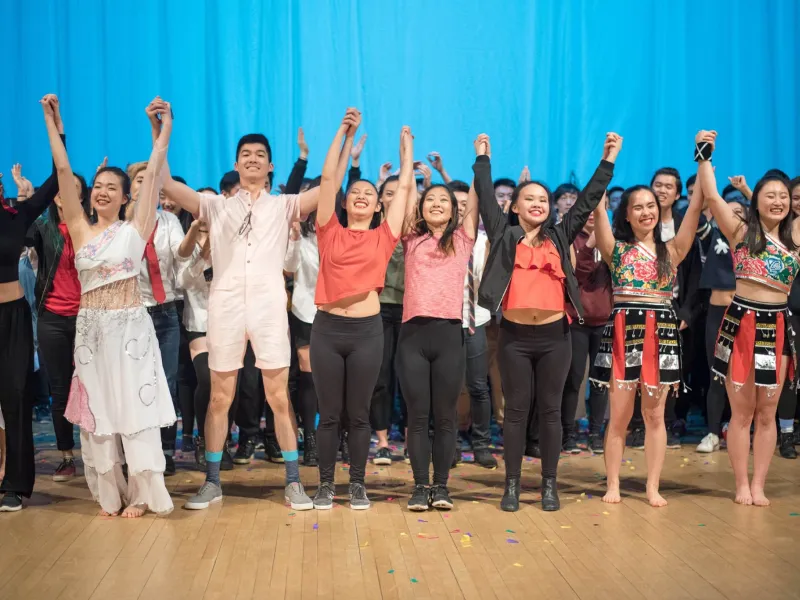
The student speakers shared stories of public service, advocacy, perseverance, identity and democracy. Elizabeth'28, Risha'29 , Dylan'29, Cole'28, Jana'29 and Maurits'29
The relationship does not always remain in a classroom. Susie recalled running into one of her tutees at Lowell Dining Hall, where he works with Yard Operations, and sharing a moment over lunch. Because many tutees are Harvard employees or Cambridge residents, she explained, the bond can transcend the tutoring session and become part of everyday community life.
Just as importantly, service connects students to one another. According to Susie, whether students are joining a CitTut social or attending a special speaker event at the IOP, they find themselves surrounded by “some of the best, most generous people Harvard has to offer.” In other words, CitTut shows that politics can begin with civics, but public service often becomes meaningful through relationships.
The Global Affairs Program, or GAP, offers another kind of doorway. As GAP Co-Chair Gaia ’27 explained, “GAP is the first and only program within the IOP that focuses solely on global affairs. It provides a unique space for international students to feel at home in the IOP.” That space did not appear all at once. GAP began in 2024 and grew from a coalition into an official program. Gaia was there through that growth, first participating in the IOP through Fellows and then through GAP. “I’ve had the chance to meet incredible mentors and friends,” she said, “and two years later, I couldn’t be happier to be co-leading GAP.” Gaia’s advice to incoming students is that “the IOP has so many offerings that you will surely find your place, and if you’re an international freshman looking to get involved, don’t be afraid. GAP’s doors are always open.” That message mattered to me because I had initially treated my international background as something I needed to explain before I could participate. GAP taught me the opposite. The experiences I brought from South Sudan were not a detour from politics; they were one of the ways of understanding it.
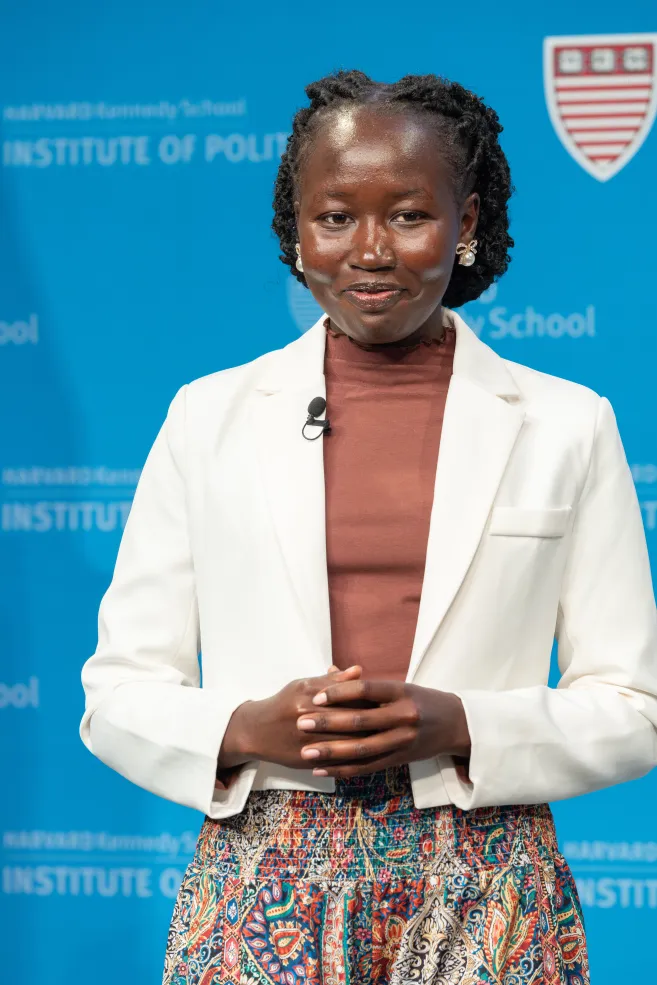
Expanding our Circle of Concern
Sharing stories of advocacy, children and youth participation
More importantly, I began to understand that I did not need to know everything about politics before walking through the door. I only needed to care about an issue enough to begin. During my conversation with Sophia ’29, the Co-Director of the Program on Environmental Policy (PEP) at the Institute of Politics (IOP), she shared a very insightful thought that I am still pondering on. She told me that , “When I came to Harvard and joined the IOP, I had no experience in politics. I was doing work related to robotics and had never been involved in public service.” She explained that being part of the IOP is not about knowing the name of every politician or following every political headline. Instead, it is about caring enough about an issue to pursue it and seek answers to the questions that matter to you. That realization helped me understand why I came to PEP in the first place.” Sophia also emphasized that what makes spaces like the IOP so valuable is the diversity of perspectives they bring together. “What makes spaces like the IOP better,” she said, “is having people who think differently than us, people who bring new ideas and new knowledge.” Her advice to students interested in the IOP is that: “You do not need any past experience to be part of any program. You just need to be passionate.” Her thinking challenged my previous assumptions and reminded me of the things I should have said to myself, that meaningful engagement does not begin with expertise, it begins with those burning questions, with that blazing curiosity, and the willingness to take the first steps about the things I am passionate about.
When sophomore fall came, some weeks, I attended the John F Kennedy Jr. Forum events because I wanted to hear political leaders, advocates, and journalists discuss current events. During others, I joined smaller conversations with IOP Fellows, where asking questions felt far less intimidating than I had imagined. Somewhere along the way, I started going to the IOP because an event sounded interesting, sometimes the topics were about other countries but they applied to my region. Then, I started going because the Institute became a place where I found answers to some of my pressing questions through listening to fellows and the students without taking another government course.
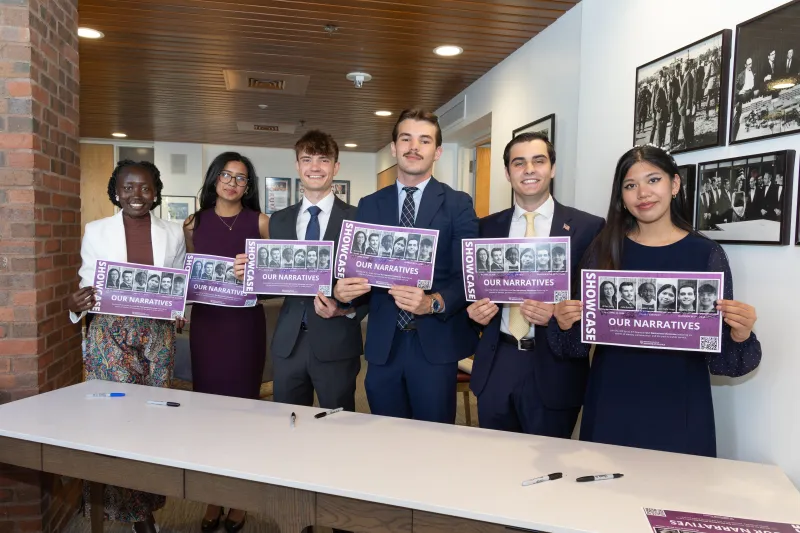
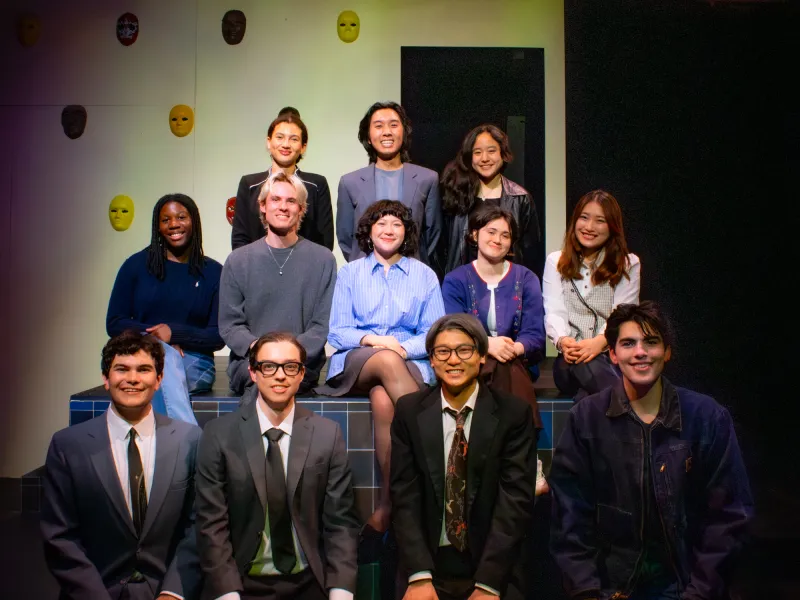
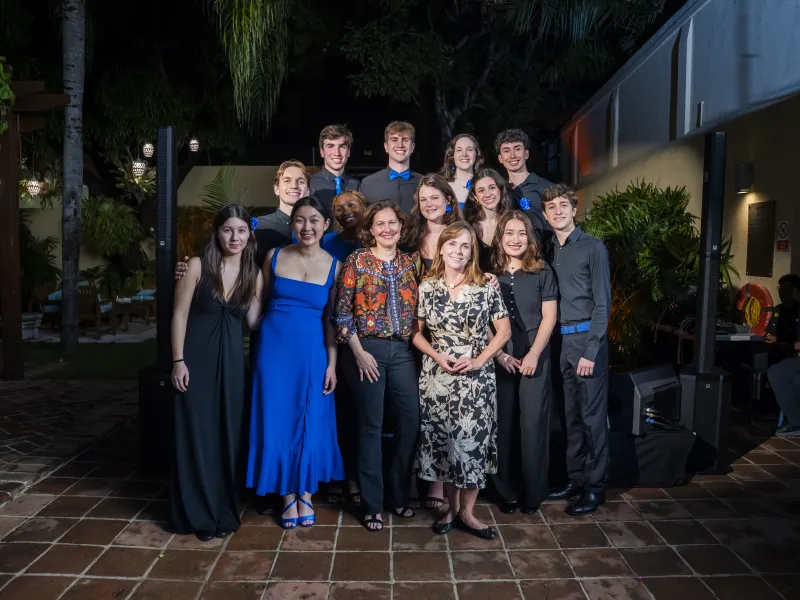
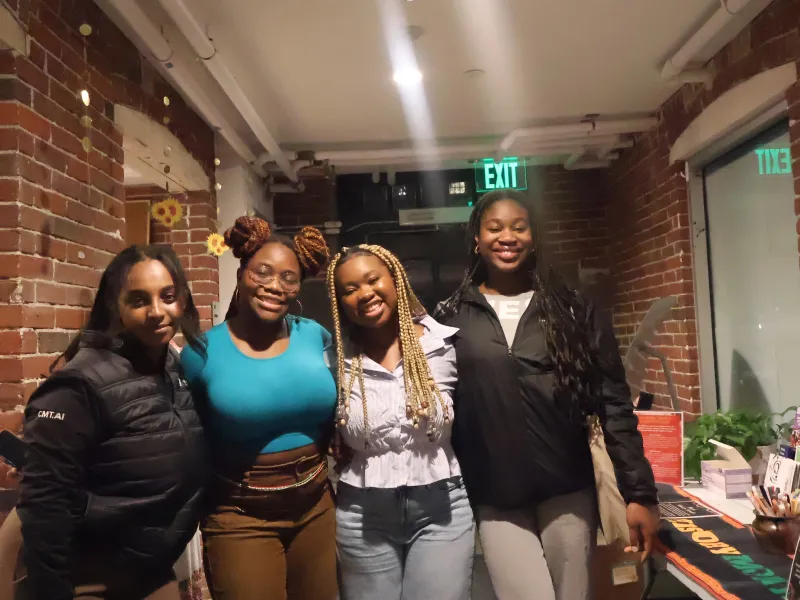
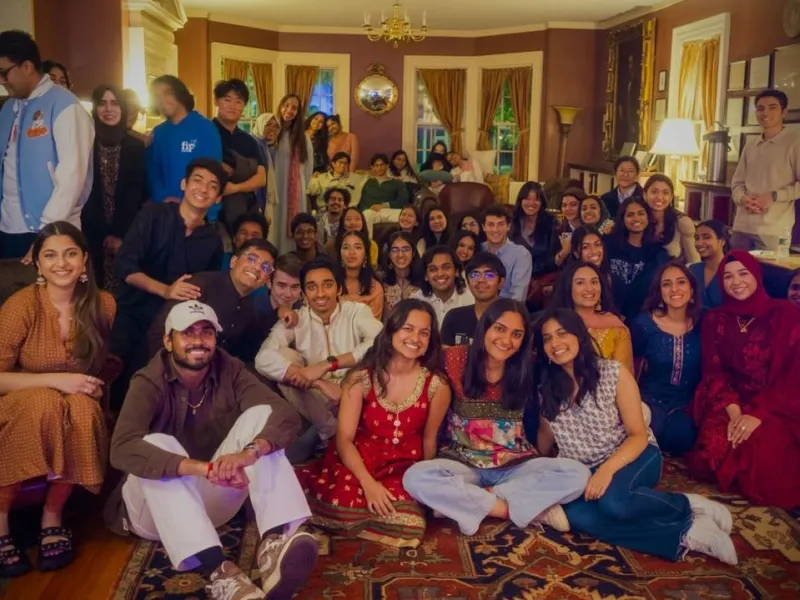
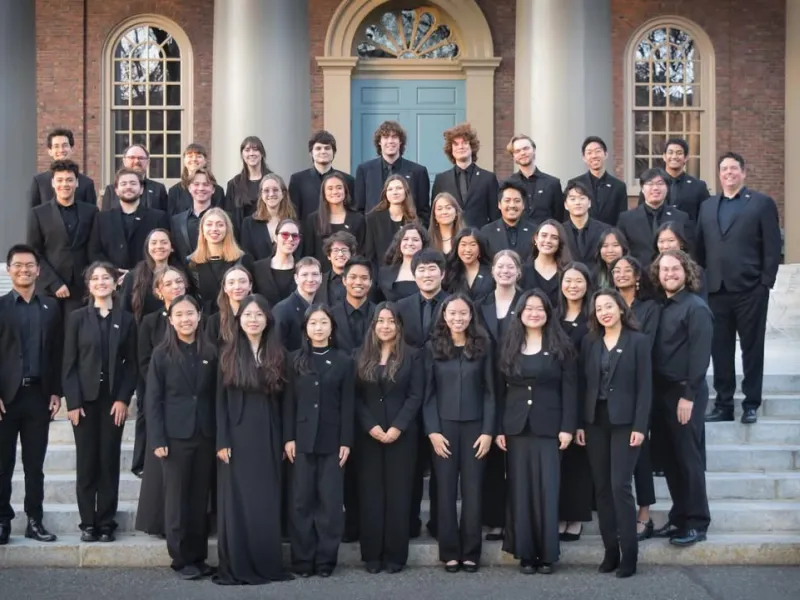
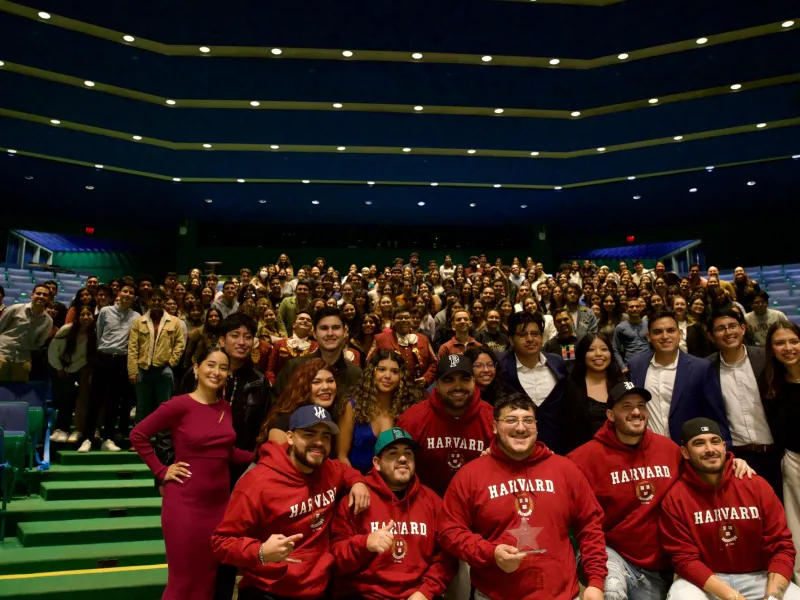
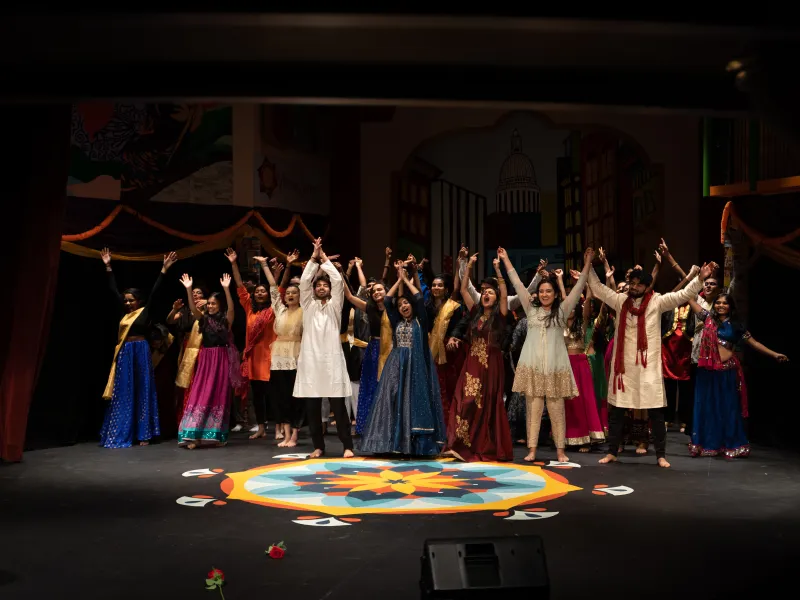
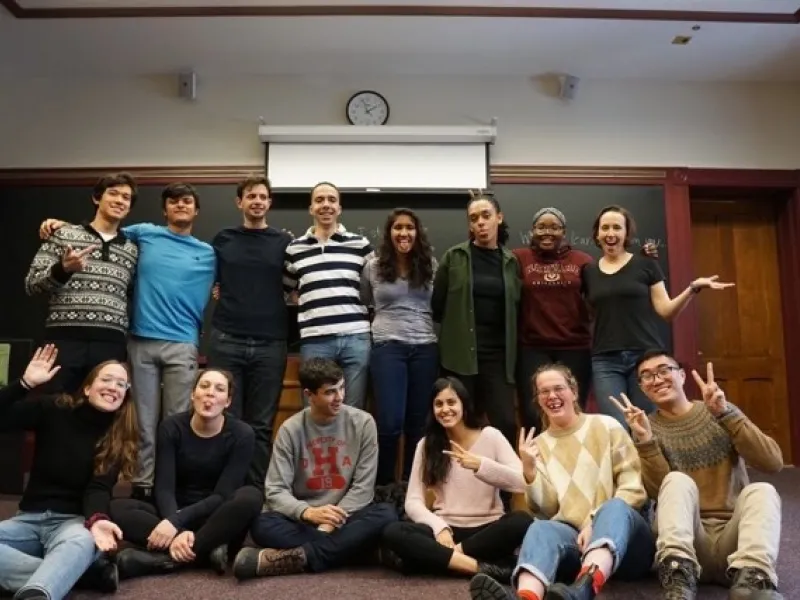
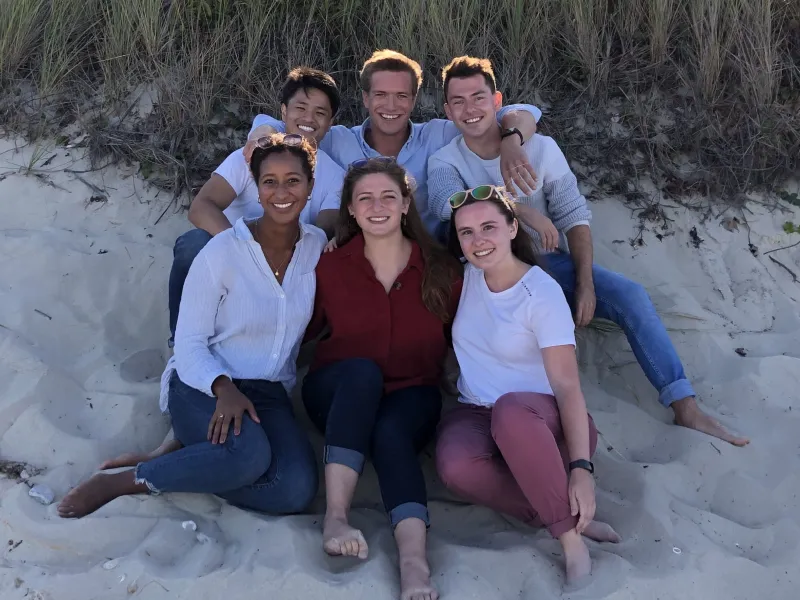
Group picture before taking the stage
From the meth of poverty by Cole, What We Owe to the Lives We Don't Live by Jana, The Responsibility We Share by Maurits and Abuse and Advocacy by Dylan and In Defense of the Rom-Com by Risha. Students shared the importance of advocacy and service
The community and the events I attended motivated me to apply to the programs I was interested in. I joined the Women’s Initiative in Leadership to learn from women, mostly in educated societies, and how they navigated and created spaces for women to be educated, to work, and to be part of every institution, mostly at the forefront of decision-making. I also joined GAP, which felt like a natural fit for someone whose understanding of politics had been shaped far beyond the borders of one country. Through GAP, instead of being participants and learners, we were writing policy briefs and suggesting solutions to policymakers in different regions of the world. Alas, I was both a listener and a contributor of solutions. As it turned out, coming from a small country wasn’t a disadvantage; it was the driving wheel that shaped my story, my passion, and the kind of real-life experiences I brought to discussions in these spaces.
This is a quote from Layla, the director of WIL:
“I first joined WIL during the fall of my freshman year, and I’ve stayed involved ever since because of the candid conversations and tight-knit community that WIL offers. WIL is a special space because we foster a supportive environment where our members make lifelong friends, feel comfortable asking any questions, and learn more about the paths they want to pursue. WIL is not a program only for future political leaders, but actually for women in public service more generally, so we have members interested in careers in a myriad of fields, including law, medicine, business, philanthropy, and science. I’ve met so many incredible women through WIL and made connections that will help me well beyond Harvard’s gates.”
Will Smialek '27, the Vice President of the IOP, described the Institute as an “equalizer.” As he put it, “It doesn’t matter where you’re from, what you care about, or what your parents do: there’s a way for you to get involved and make a difference.”
Will also entered the IOP without political connections. During his first year, he was selected to serve as a liaison to a former member of the United States Congress. The role allowed him to attend weekly dinners and learn from someone whose career he might previously have observed only from a distance. “I had no personal political connections; I had nothing to offer—yet they gave me a seat at the table anyway,” he explained. “That kind of trust, opportunity, and community is what made me want to stay.”
His words stayed with me because they captured something I had also begun to feel: belonging at the IOP is not determined by whom you already know. Sometimes, belonging begins when someone gives you an opportunity before you feel completely prepared for it.
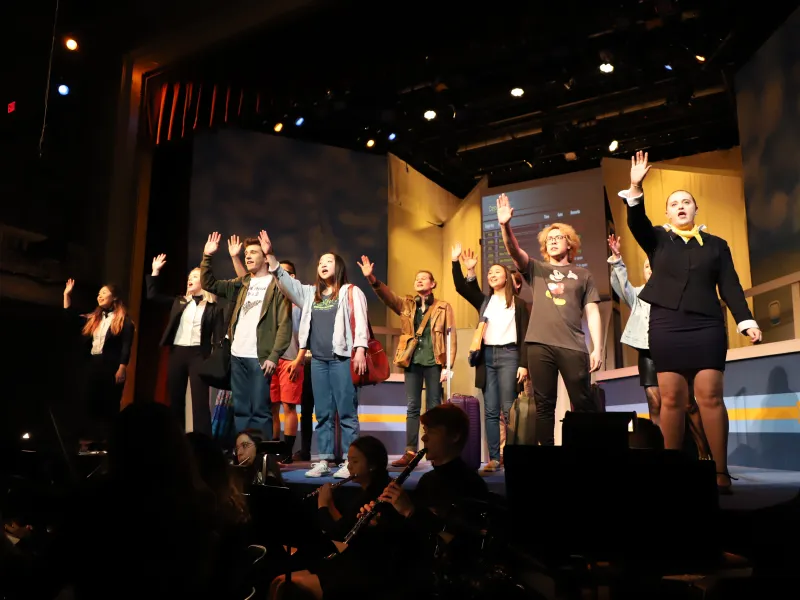
For me, the experience that brought this lesson together did not happen while I was sitting in the audience. It happened while I was standing on the stage. On April 24, I participated in the eighth biannual Our Narratives showcase, an evening in which Harvard undergraduates shared personal stories about identity, perseverance, advocacy, and their paths toward public service.
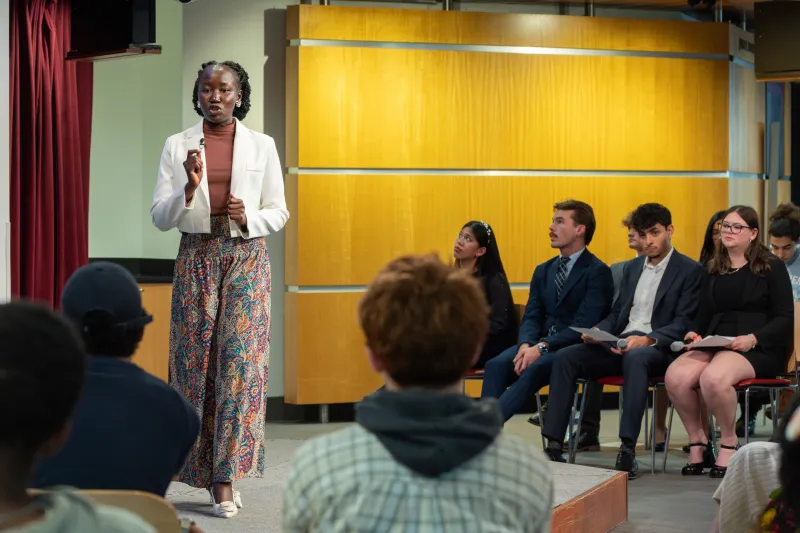
I shared the stage with Risha Sinha, who presented “In Defense of the Rom-Com (And Other Politically Radical Ideas)”; Cole Butcher, who delivered “Meth, Poverty, and Power: An Appalachian Story”; Jana Sofia Hupp, who spoke on “What We Owe to the Lives We Don’t Live”; Maurits Acosta, who presented “The Responsibility We Share”; and Dylan Szatko, who delivered “From the Eighth Stair to the State Capitol: Abuse and Advocacy.”
My speech was titled “Expanding Our Circle of Concern.”
In fact, the stories I heard at the IOP made that idea feel less like a theory and more like something people practice. GAP asks students to take seriously the lives of people beyond one country’s borders. CitTut turns an exam-preparation session into a relationship that can feel like family. Our Narratives ask an audience to enter experiences they may never have lived. The programs are different, but their goals are almost similar. When I stood at Our Narratives stage, I was not trying to convince the audience that my life had been extraordinary. I wanted to demonstrate how seemingly ordinary experiences, losing stability, watching a friend disappear from a classroom because of child/forced marriage, finding a community, and discovering a voice, can quietly shape a lifetime of public service. The other speakers were doing the same. Although our stories emerged from different families, communities, struggles, and questions, each of us demonstrated that public service often begins before a person receives a title. It begins with the things that make us uncomfortable, with the questions that we grapple with, with a relentless seeking of the truth and with the desire to see another person like you also attend Harvard.
Walking off the Our Narrative stage was very empowering, because only then did I come to the realization that, It didn't take a degree for me to advocate for children's rights, it didn't require Harvard or any other institution of higher learning for me to know that something is wrong when another child wakes up to selling me bread while I am on a school uniform. Maybe that is where social service really starts from, noticing what goes on around you, "to see a need and finding ways of meeting that need". Thankfully, the Institute does not just teach students about leadership. It creates spaces where students can put that leadership to test through practice, by beginning to recognize their own stories as a source of leadership and even listening in itself as an advantage to developing leadership
Before joining the IOP, I thought my unfamiliarity with American politics might make me an outsider. Through WIL, GAP, the Forum, and Our Narratives, I learned that my experiences were not evidence that I did not belong. They were part of the reason I did. One common misconception is that the IOP is a single club with one type of student. In reality, its programs vary in size, focus, and structure. Some center on research or technology, while others focus on direct service, mentorship, writing, diplomacy, advocacy, or professional development. As Will explained, “Whatever way someone wants to get involved in politics or public service, there’s a home for them here, not a single mold everyone has to fit.”
So in the end, this blog is all about saying the most difficult of things in the simplest of sentences which is; dear aspiring members, attend one Forum. Apply to one program. Introduce yourself to one person. Ask one question, even if your voice shakes. You never know which conversation, application, or opportunity will change how you understand your experiences—or how you see yourself.
When I first entered the IOP, I wondered what someone like me was supposed to do there. Now I understand that the more important question was never whether I already knew how to belong. It was whether I was willing to walk through the door and discover that a place had been waiting for me. Take this from someone with my background, there is always a place for you at the IOP. That is what I hope every incoming student to know. You do not need political connections. You do not need to be a Government concentrator. You do not need to understand every political headline, have a perfectly polished resume, or arrive knowing precisely what kind of a leader you want to become. Just know that there is always something to do at the IOP because there is always a place for you at the IOP.
See you all soon!
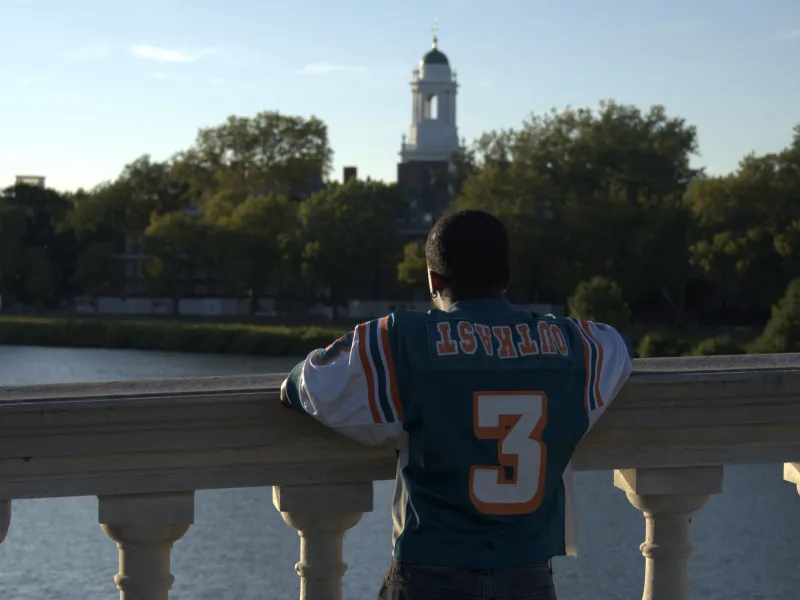
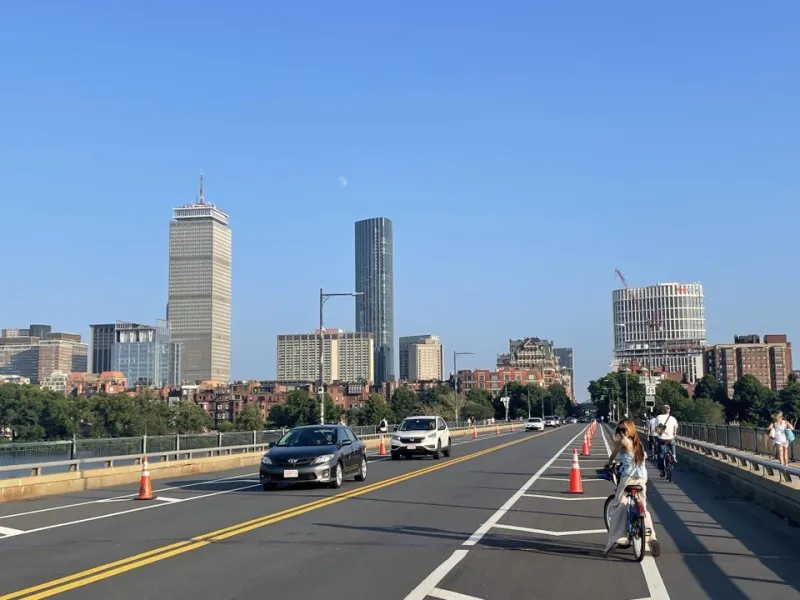
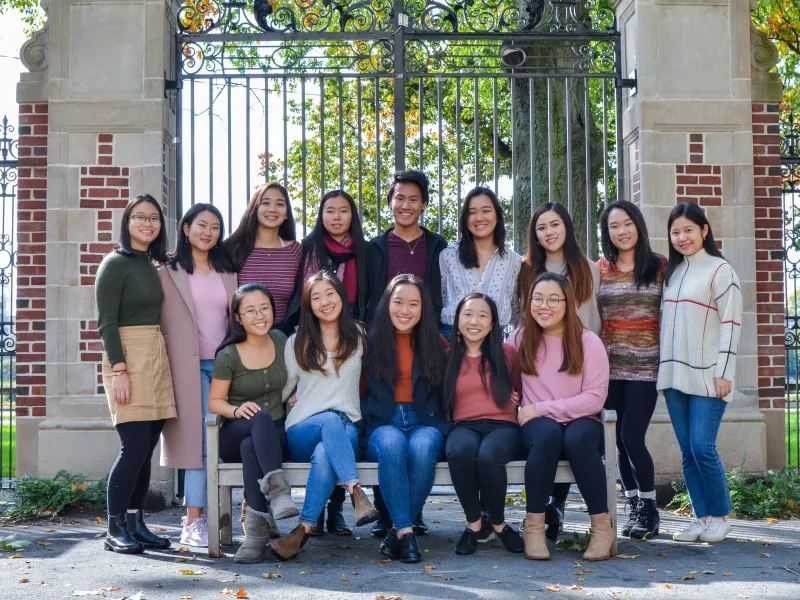
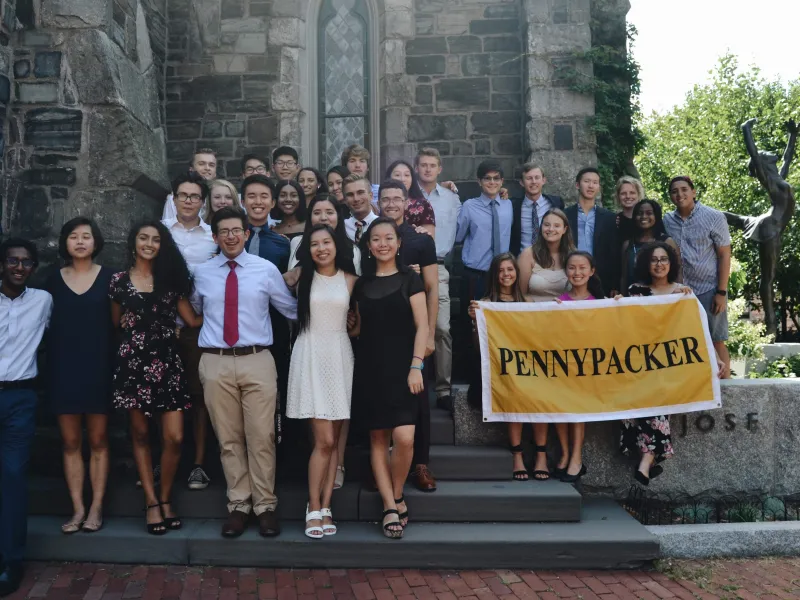
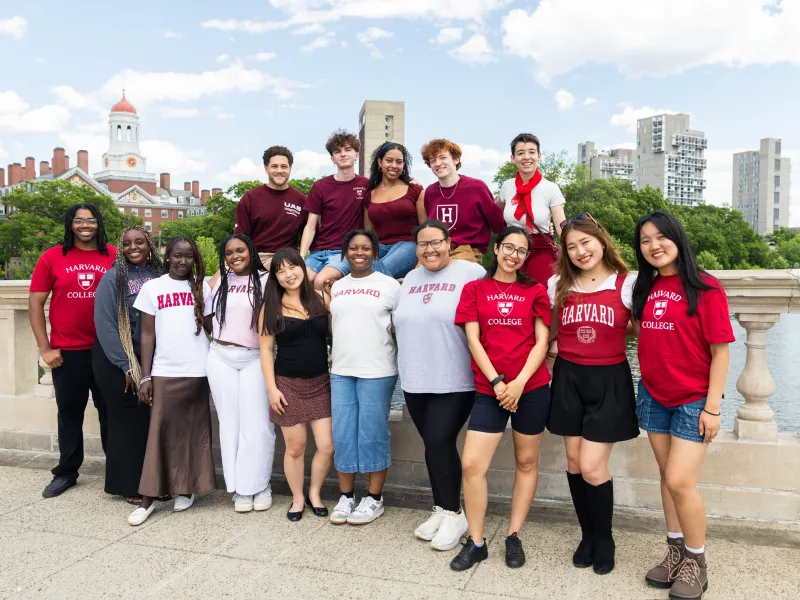 A photo of the 2026 Summer Recruitment Ambassadors on the Weeks Bridge
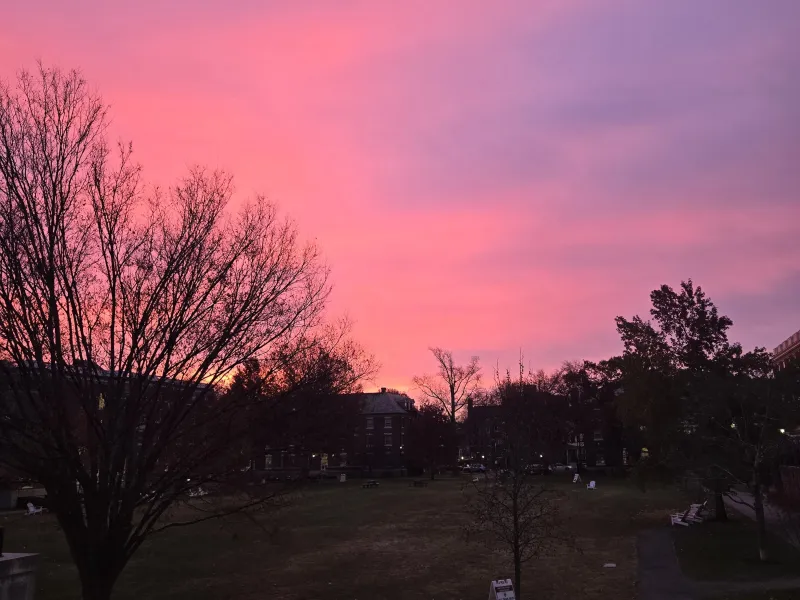
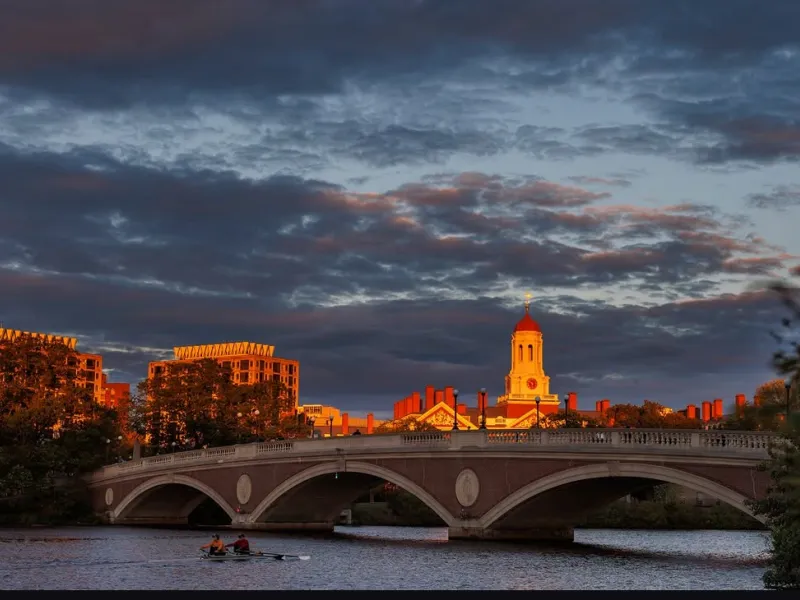
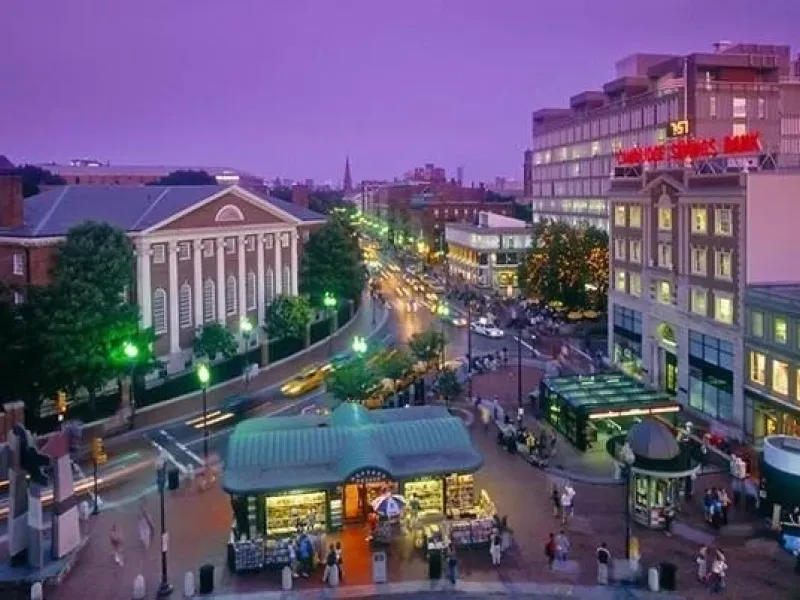
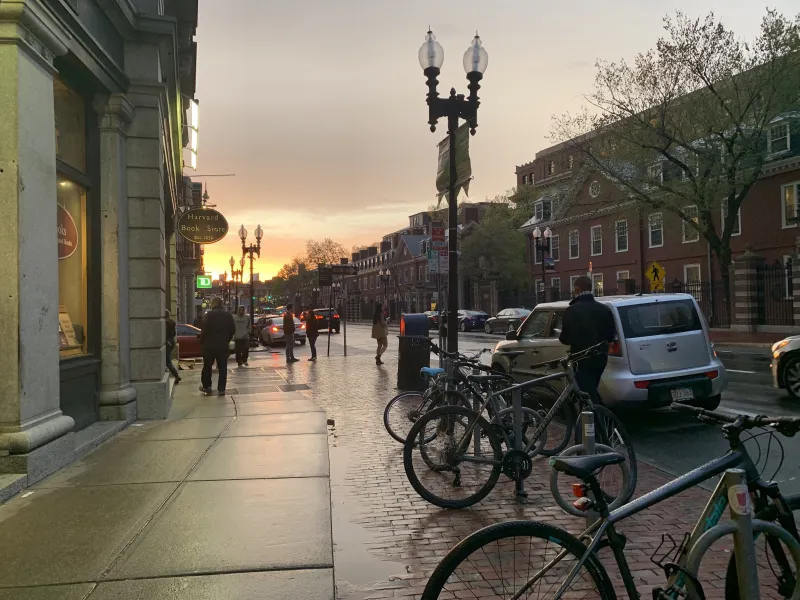
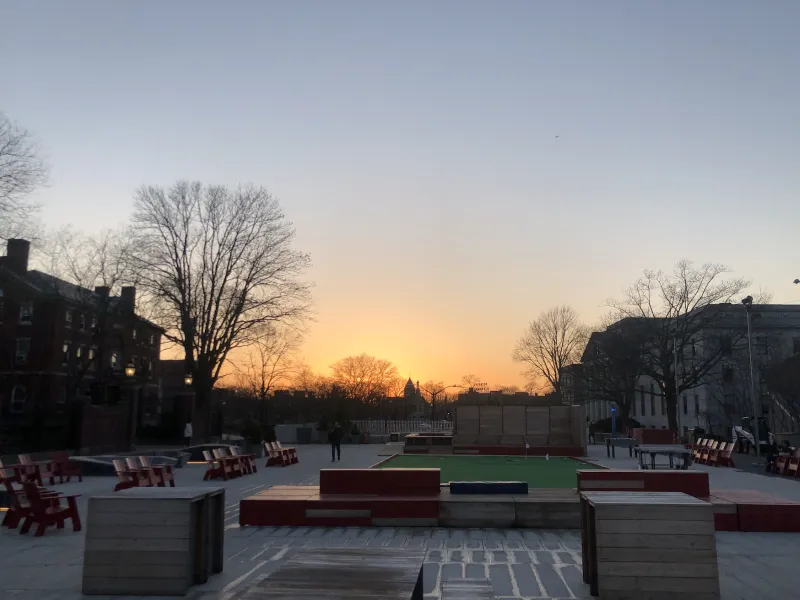
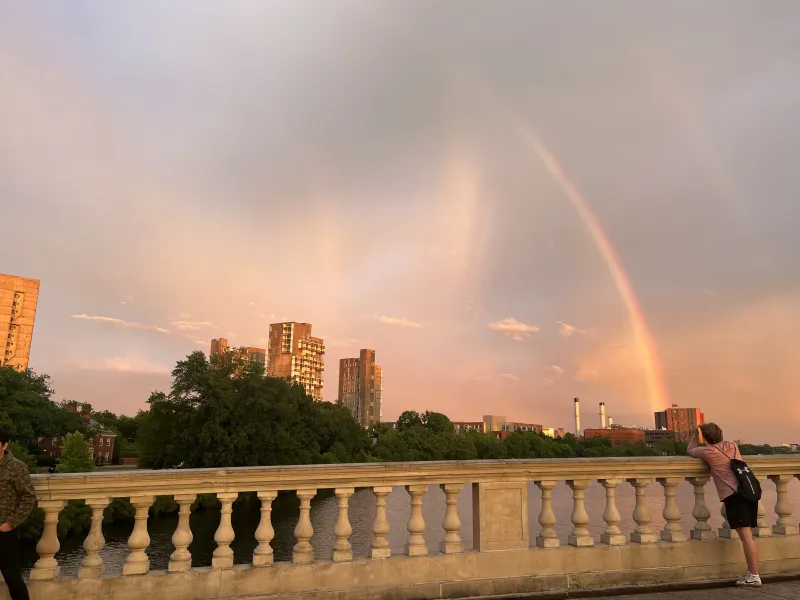 Weeks Bridge has one of the best views of the Cambridge skyline, especially at sunset.
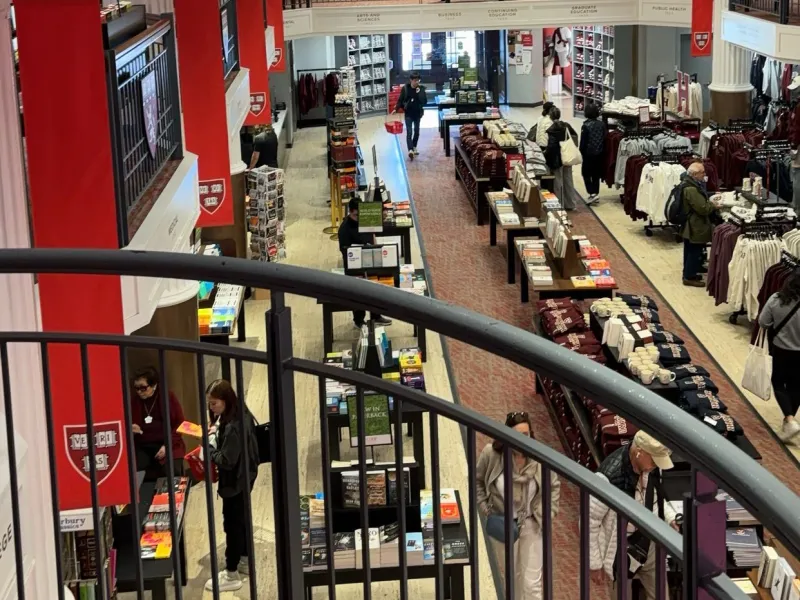 The inside of The Coop from the second floor view
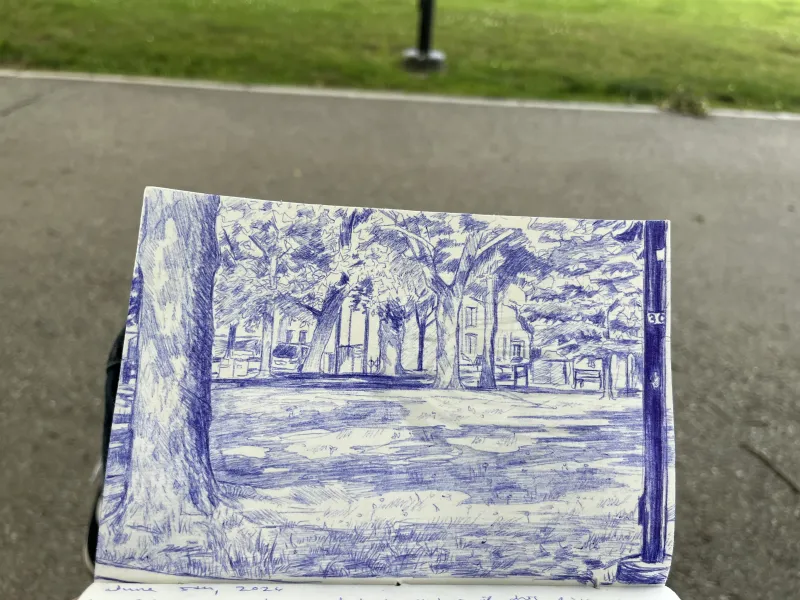 Drawing can be a leisure activity or a great way to relax. A sketch book and pen often accompanied me at the park in my free moments.
 A photo of the Harvard Art Museums
 A hand holding a card featuring a Harvard ID with the Harvard crest
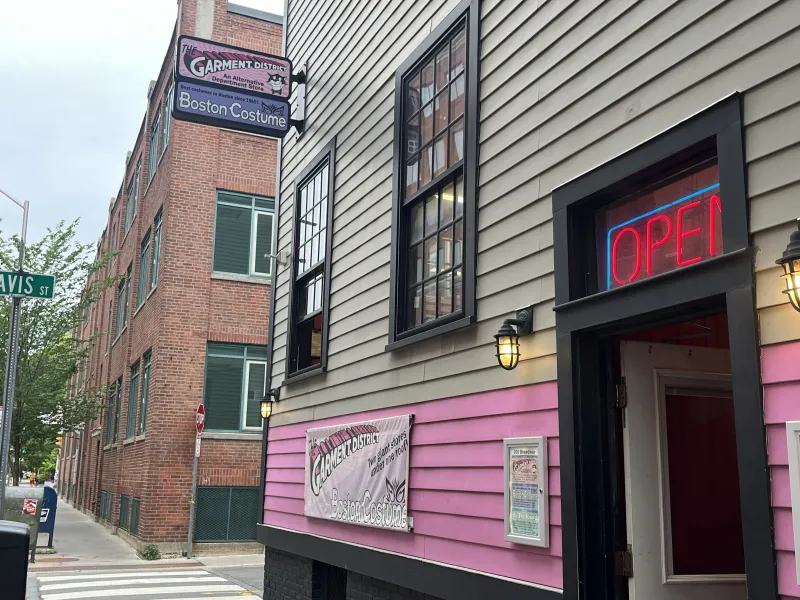 The Garment District is a thrift and costume shop just outside of Harvard's campus.
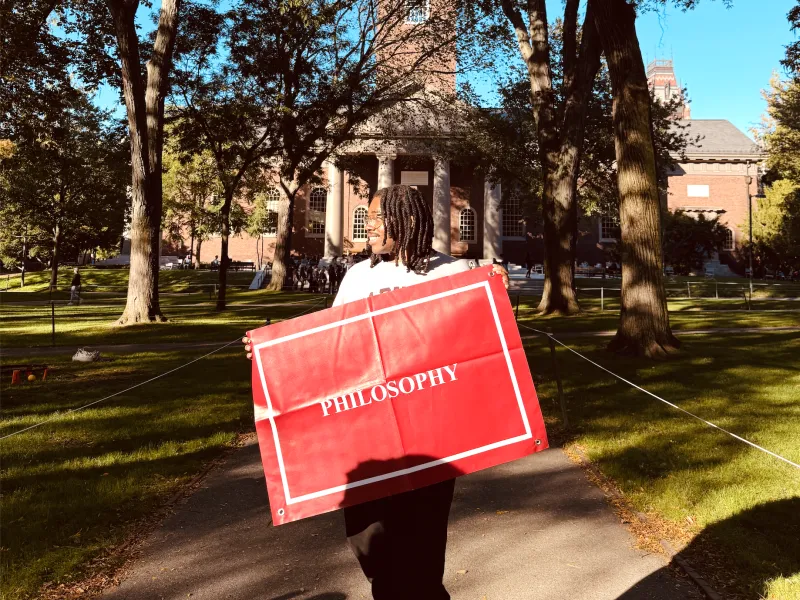 My Philosophy banner
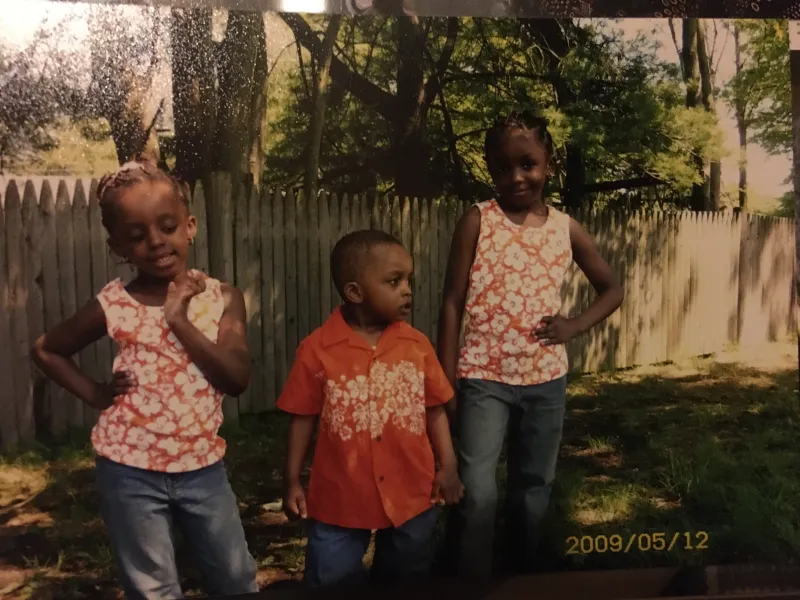 My Siblings and I When we were Younger
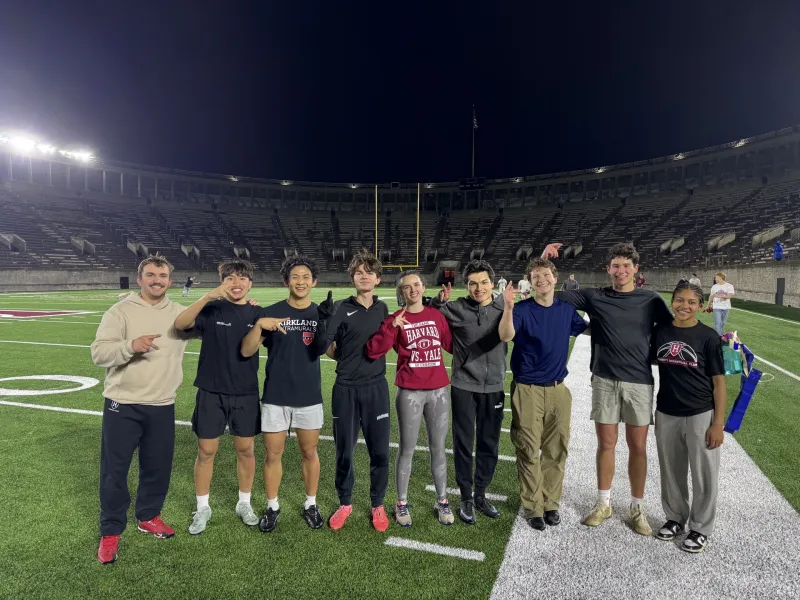 Here I posed with my new team to celebrate our victory in my first game of flag football. I even taught the team how to sign "K" for Kirkland House in ASL
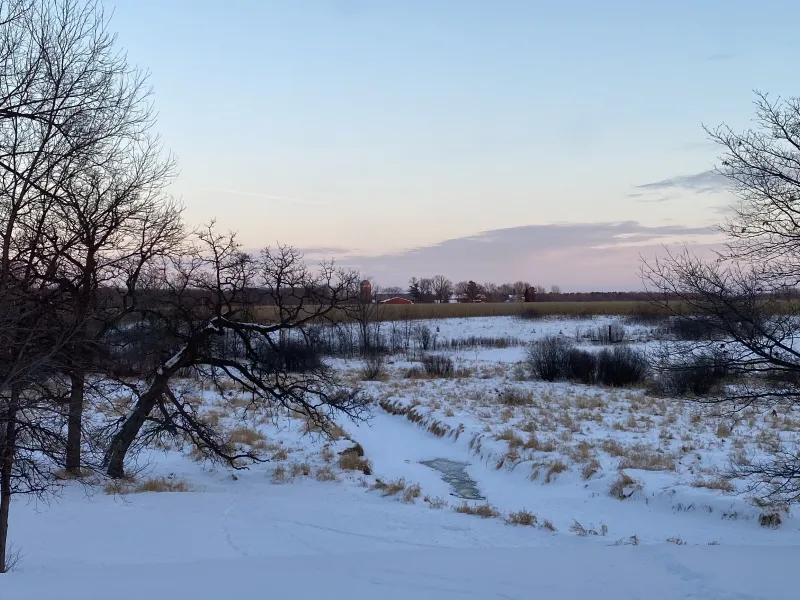
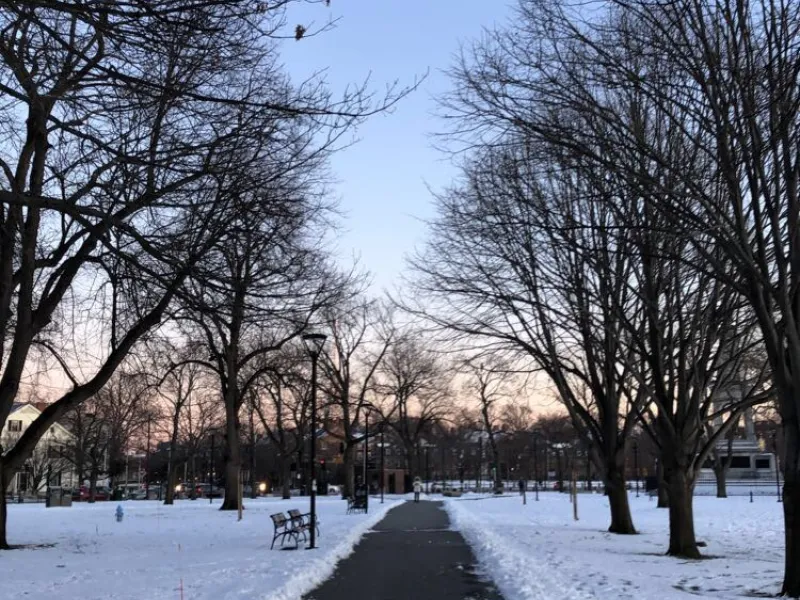
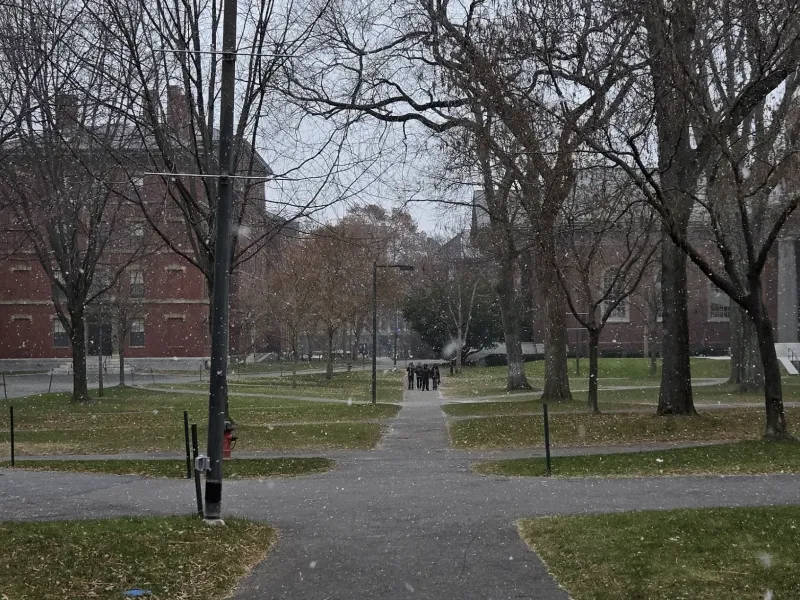 My daily walk during the winter
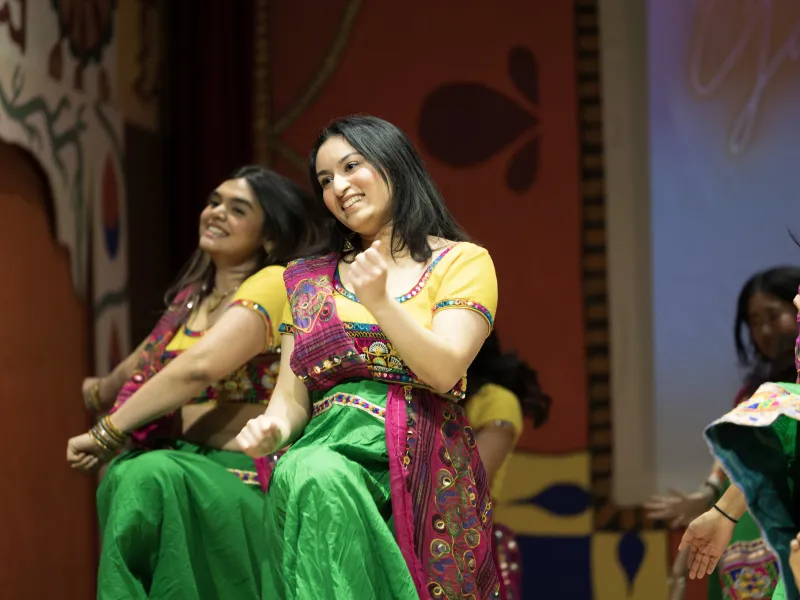
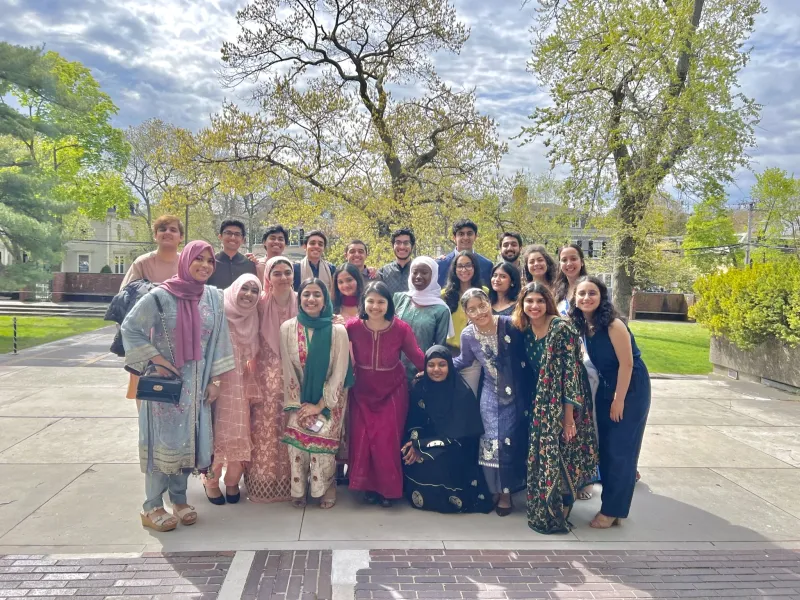
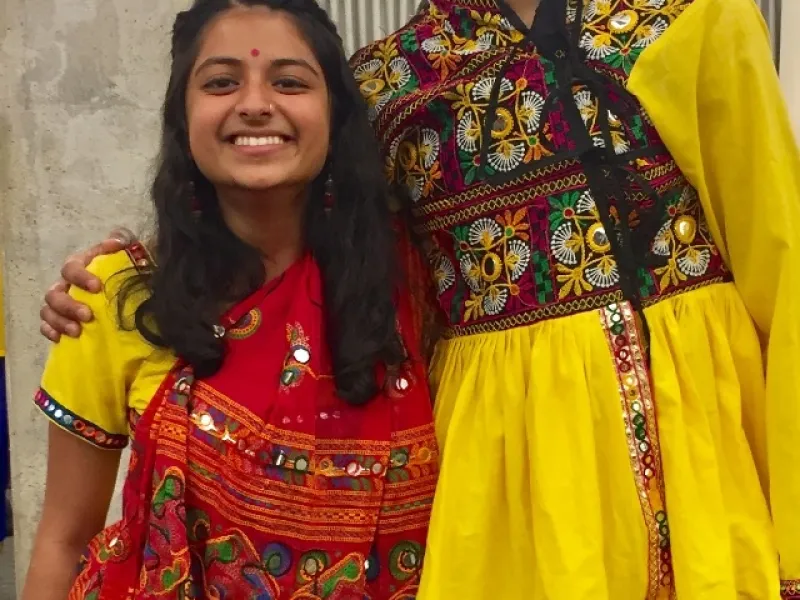
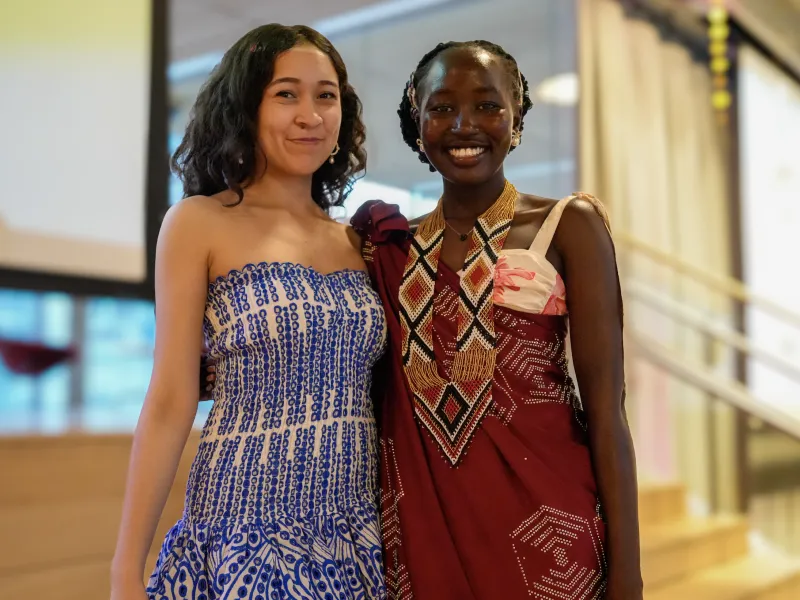 During the Cultural Rhythms, Caitlyn showcased her beautiful Vesido De Flores dress from Mexico and I showcased South Sudanese Lawa. Later only to find out she is in Pforzheimer House, the best house. We become friends ever since. An amazing woman
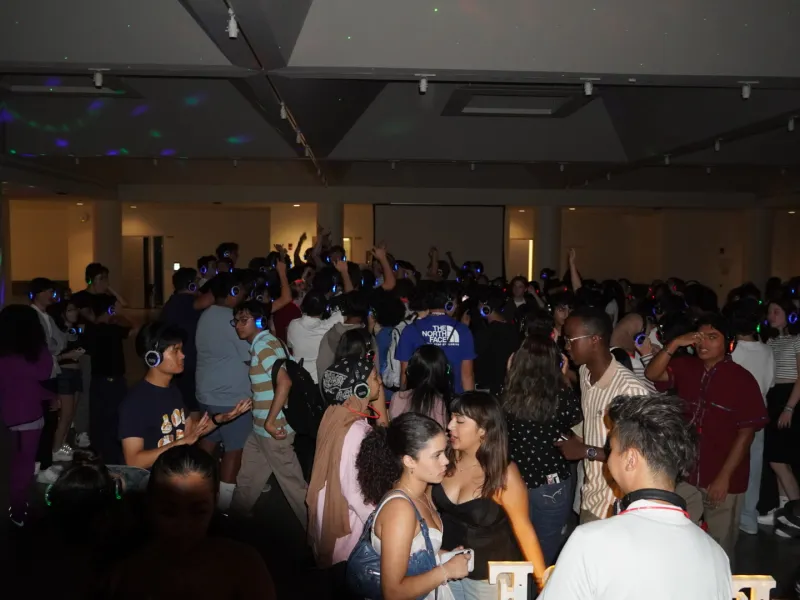 FUP Silent Disco
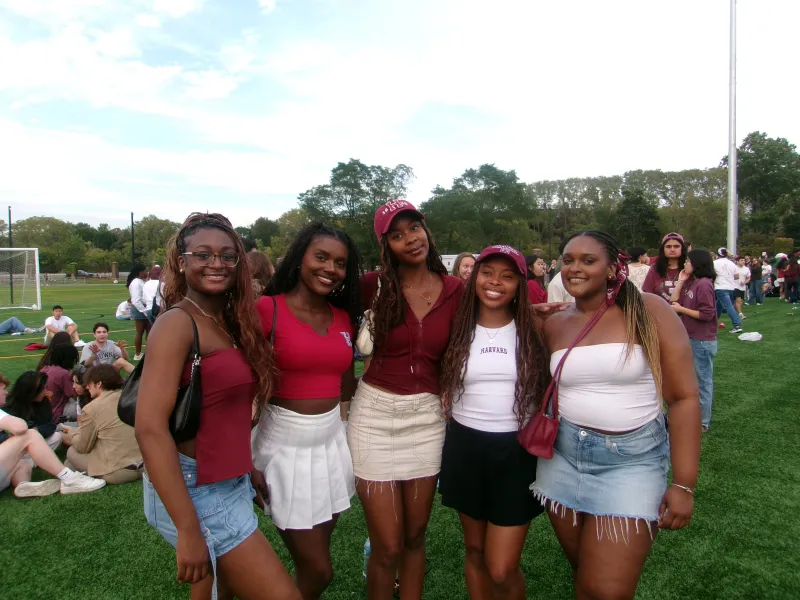 Me and my friends showcase similar styles
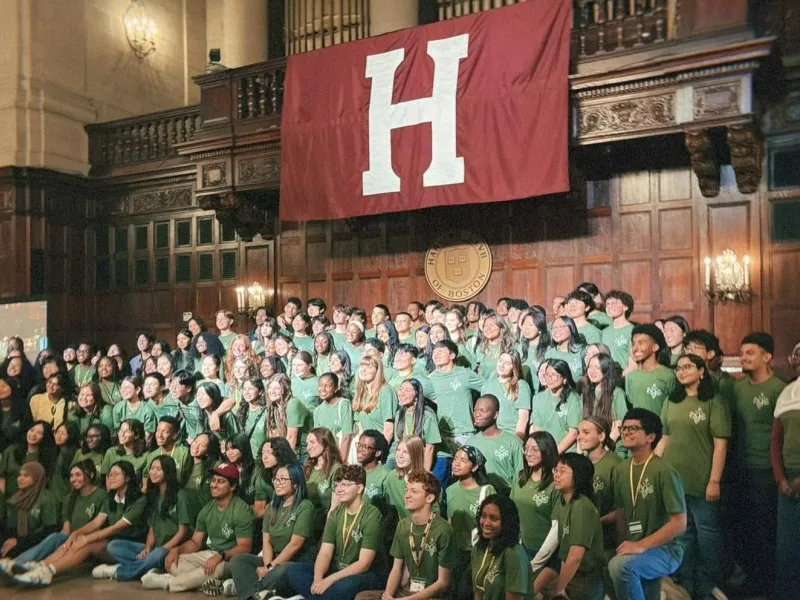 First-year students gather to commemorate a successful alumni networking event at the historically exclusive Harvard Club of Boston
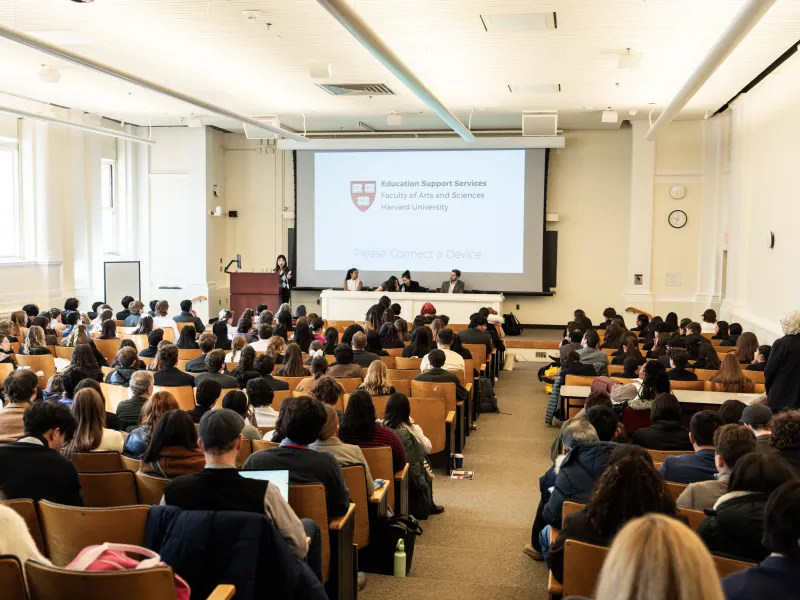 Nearly 200 students across 20+ high schools attended Harvard's first High School Ethics Bowl (HCHSEB)
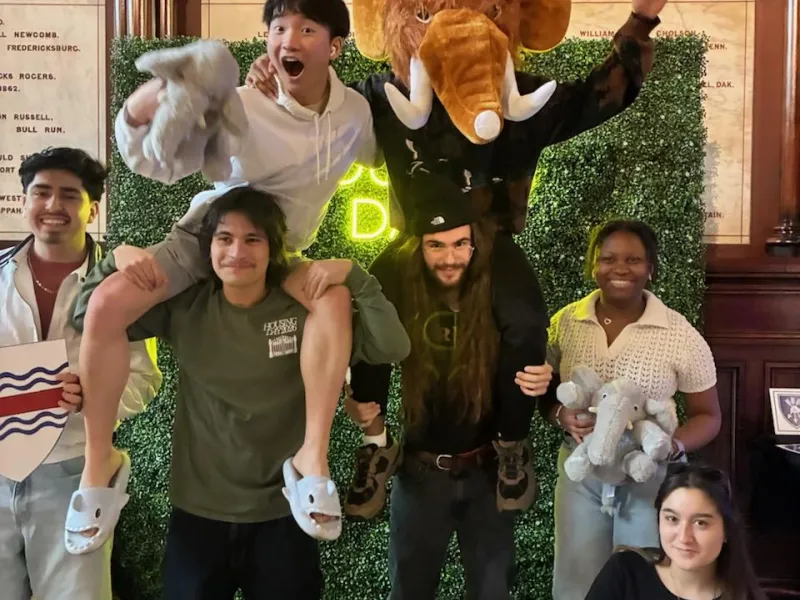 A picture of some of my blocking group members and I on Housing Day!
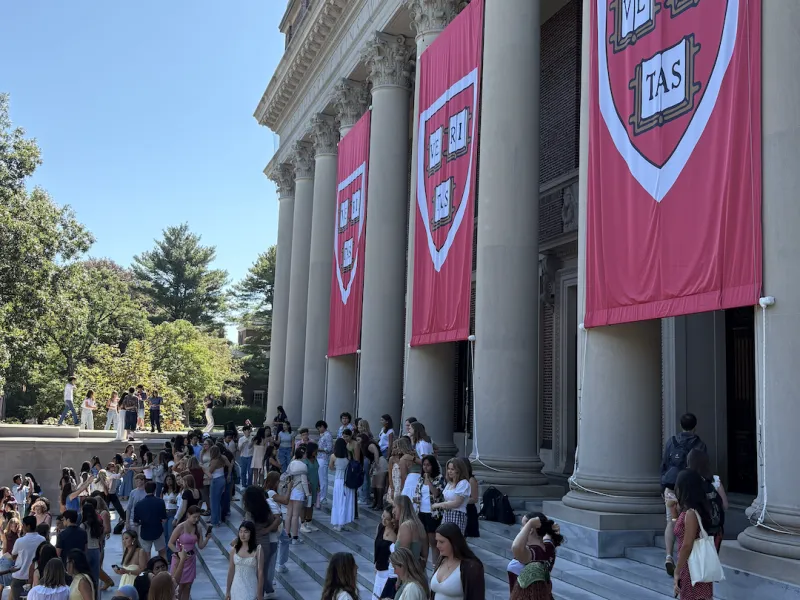
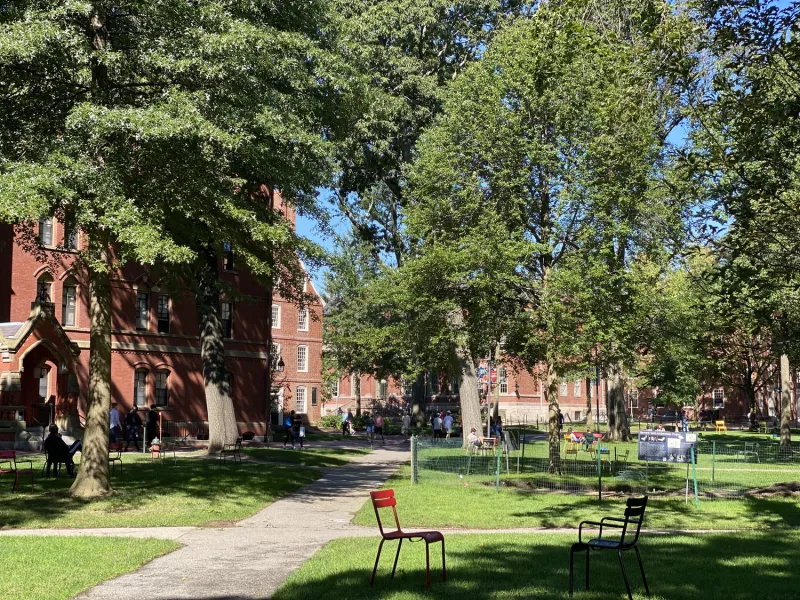
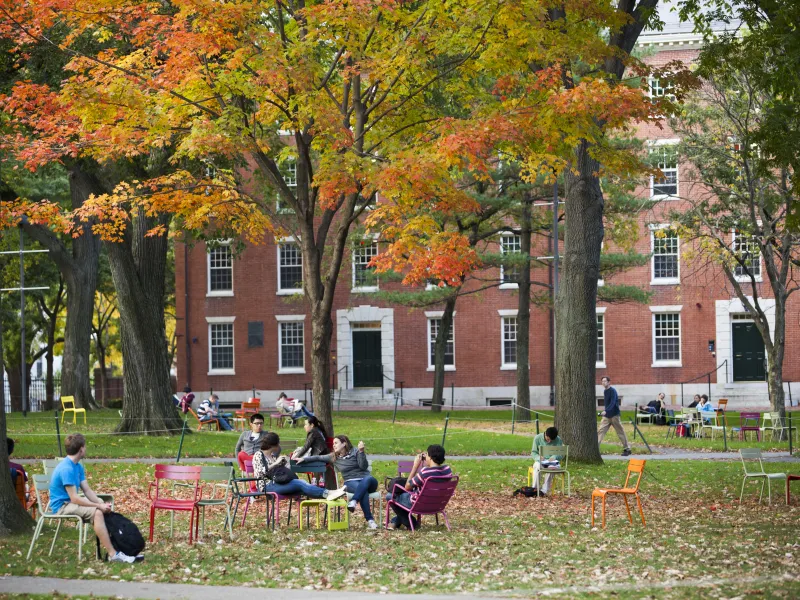
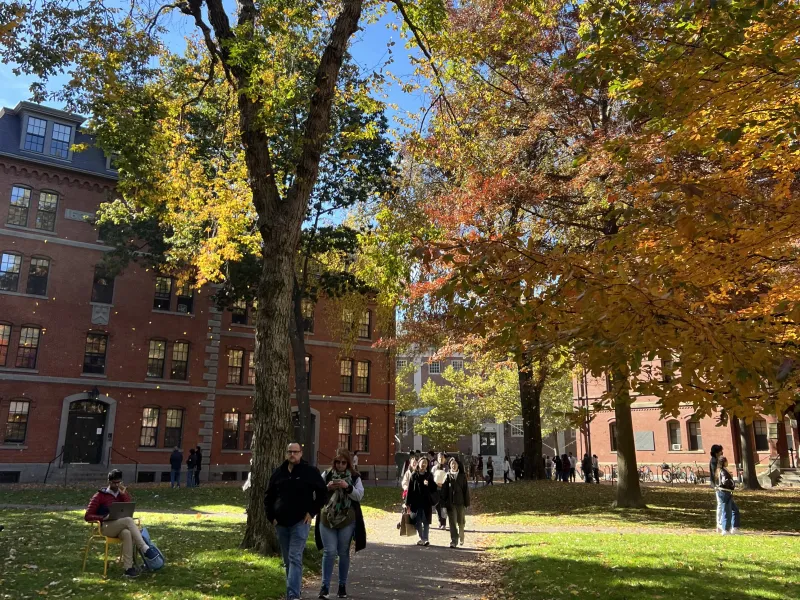 Harvard Yard
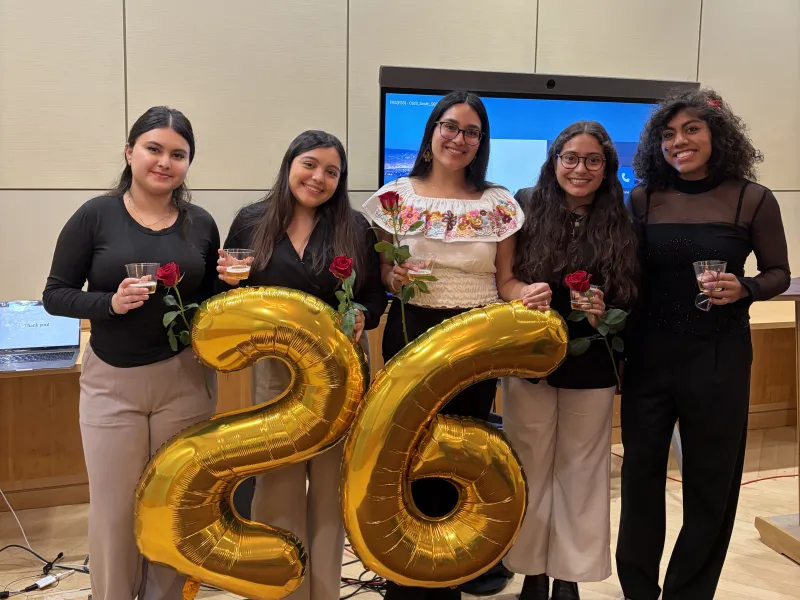 Lizbeth and friends at the Latinx Senior Thesis Forum, where they presented on their year-long projects.
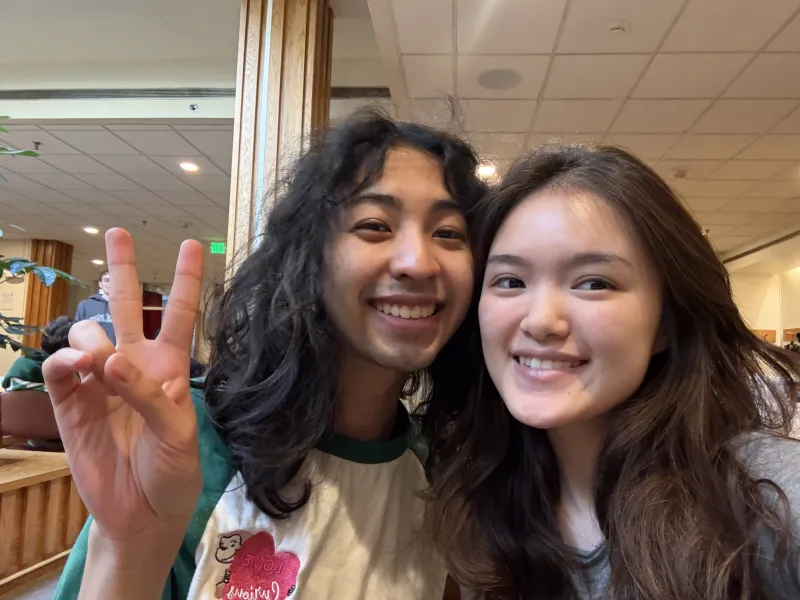 Mollie and Kai during the interview at Currier House!
 A sign welcoming new Quincy house residents on Housing Day!
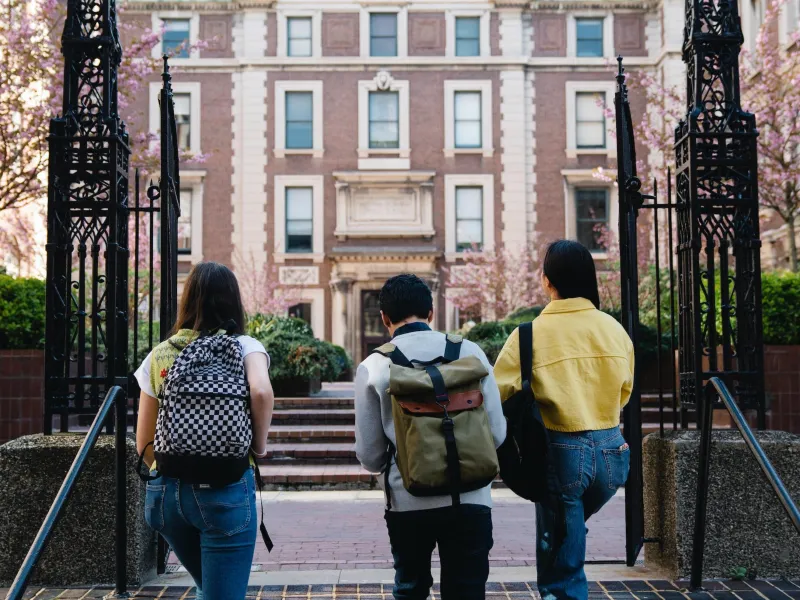 The Barker Center, home to the Harvard College Writing Center
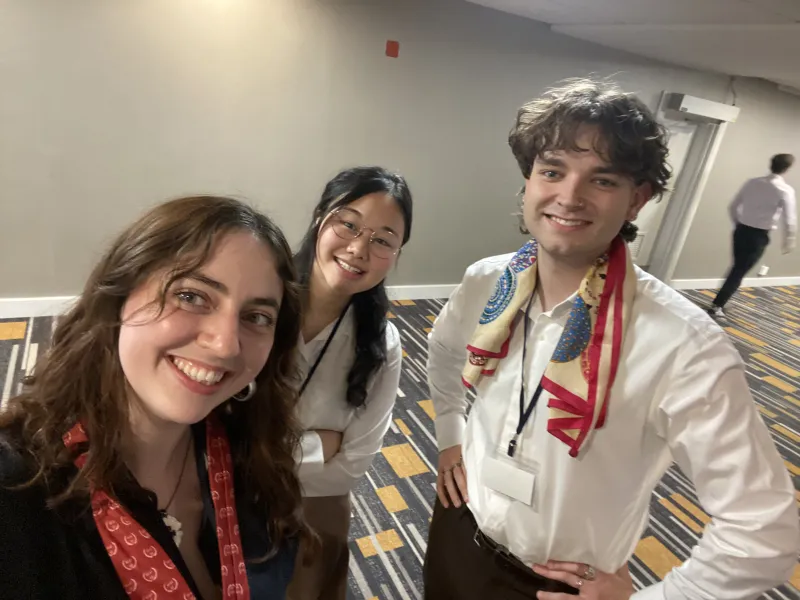
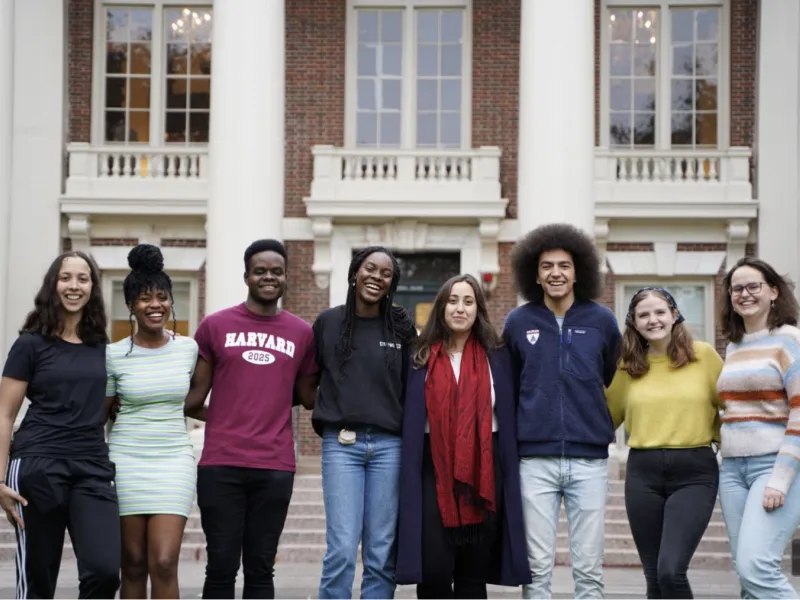
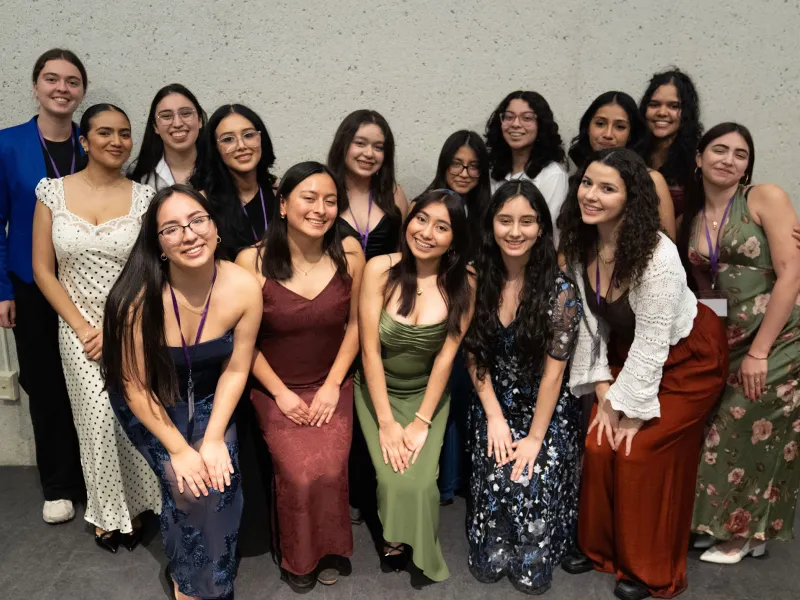 2026 LEAD Board
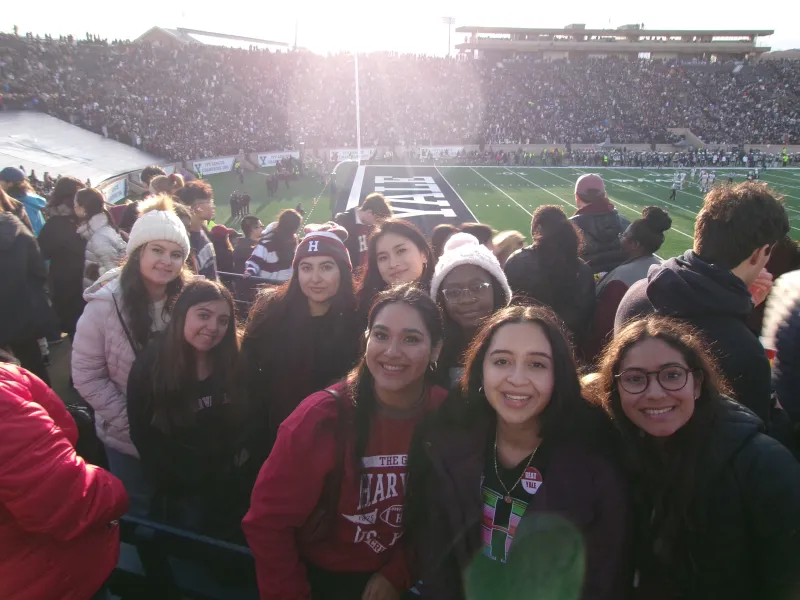
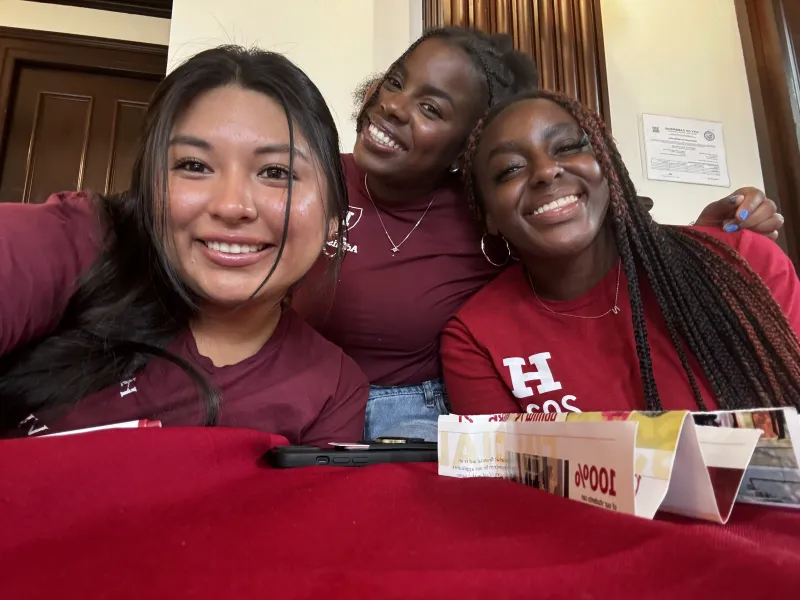 During my internship at the Harvard Admissions Office, I met great people who continue to be my close friends.
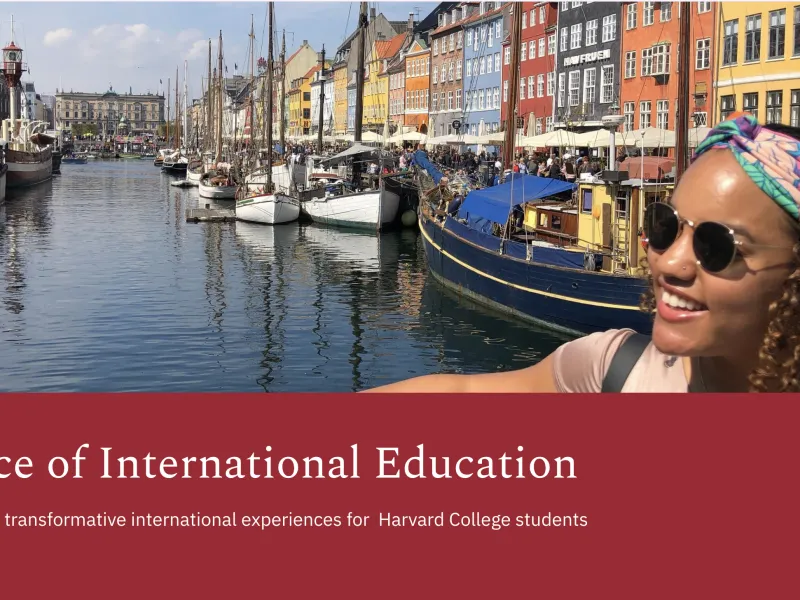 This is the opening page of Harvard's Office of International Education, where you can find plenty of resources in your study abroad journey.
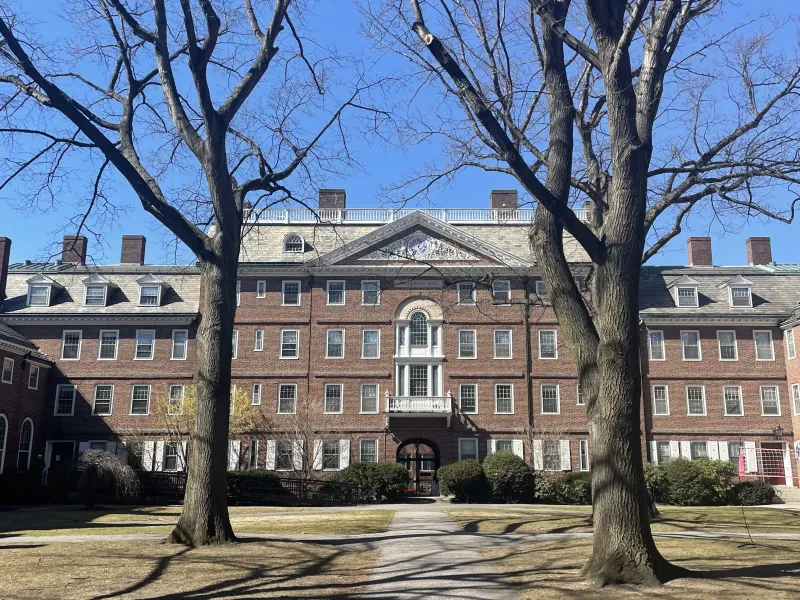
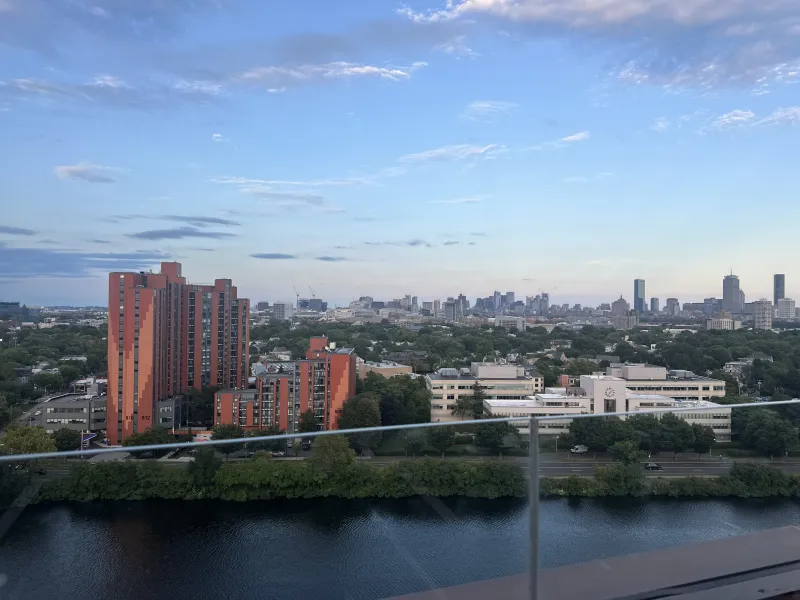
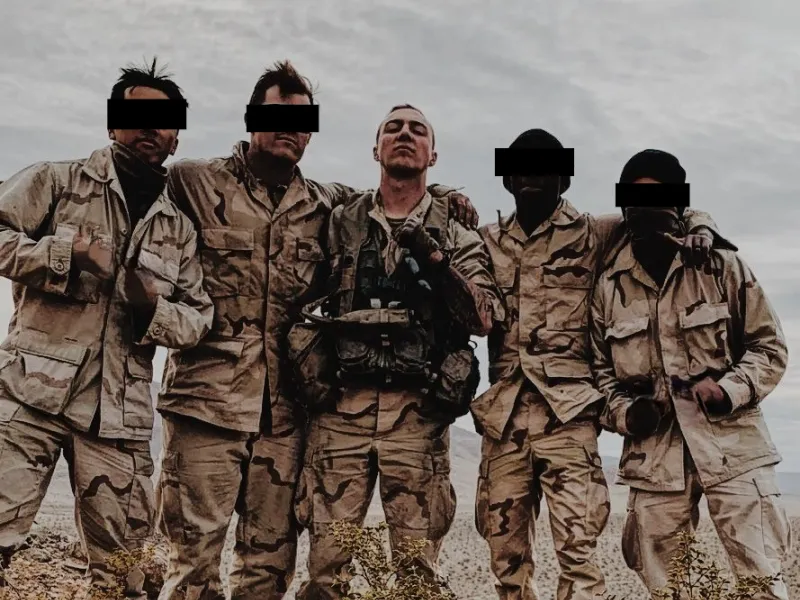 Quinn Ewanchyna '26 stands with platoon members during a training exercise in the Mojave Desert, 2020
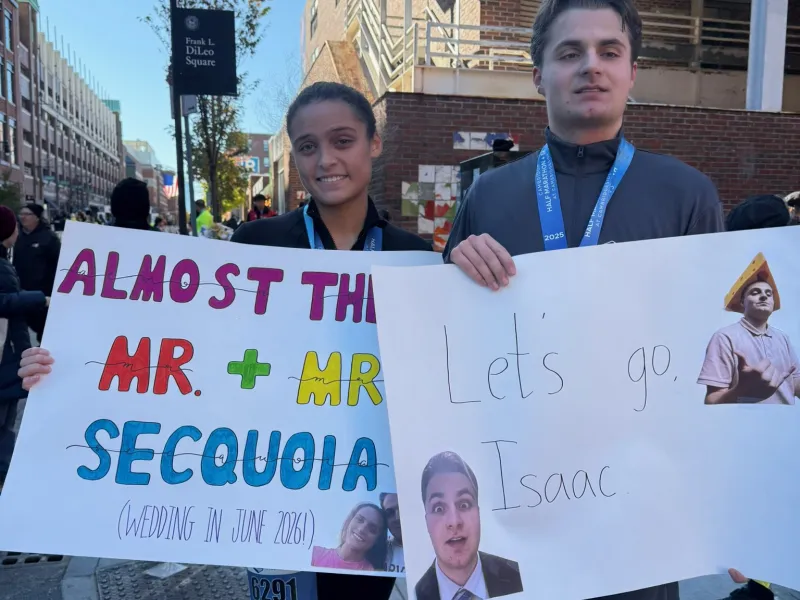 Secquoia and her fiancé after running the Cambridge Half Marathon
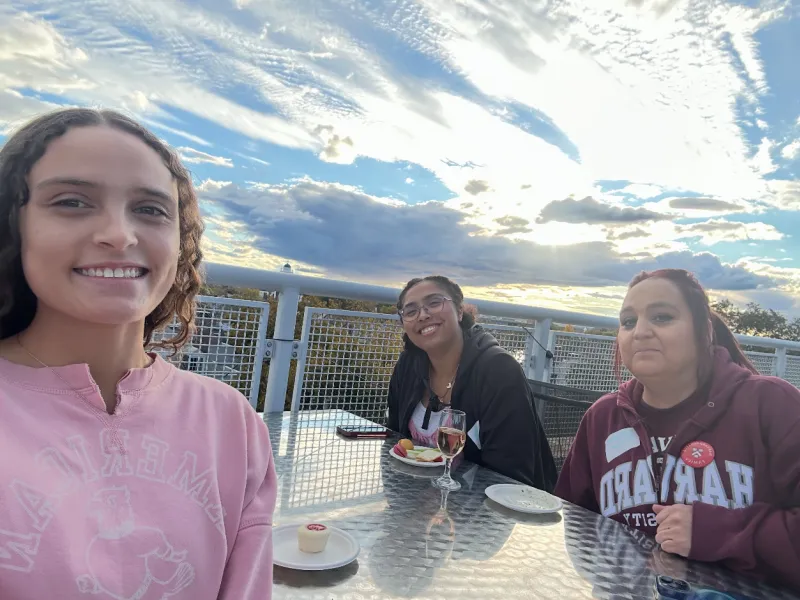 Secquoia with her mom and sister at a family weekend event!
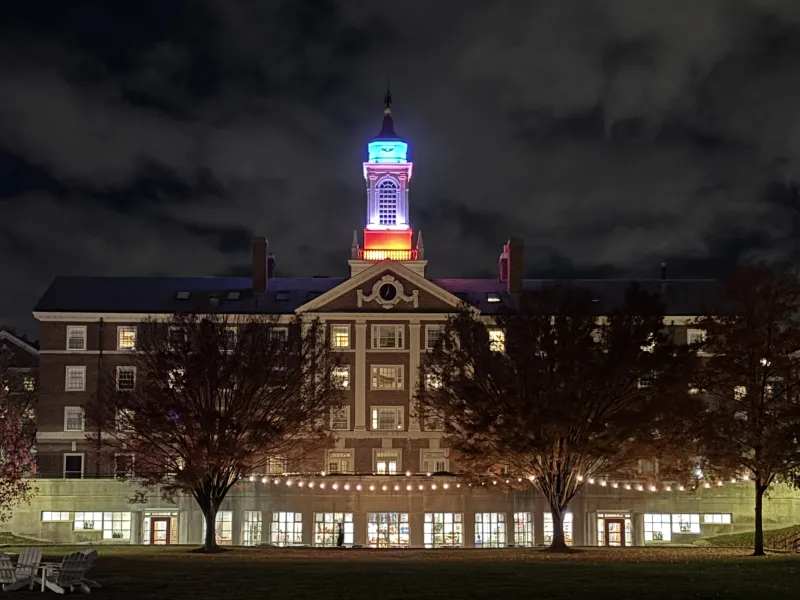 Pforzheimer House at night with its beautifully lit belltower.
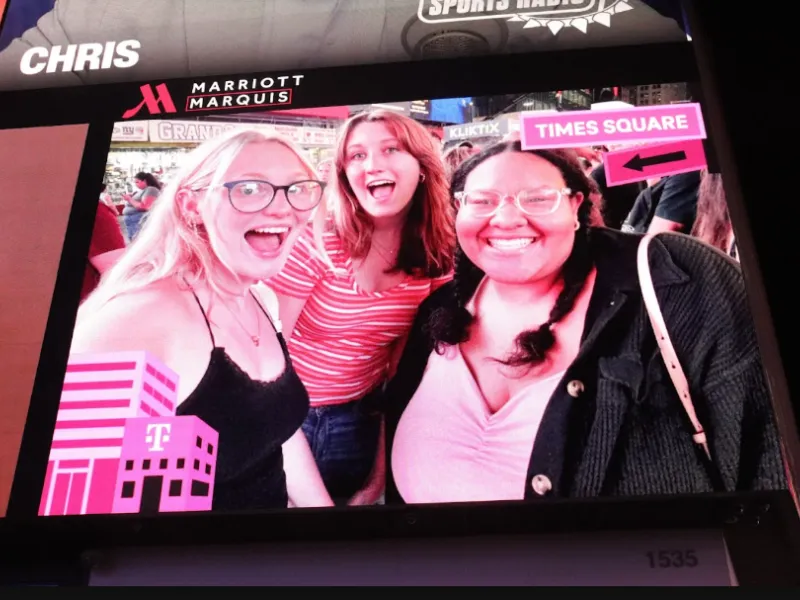
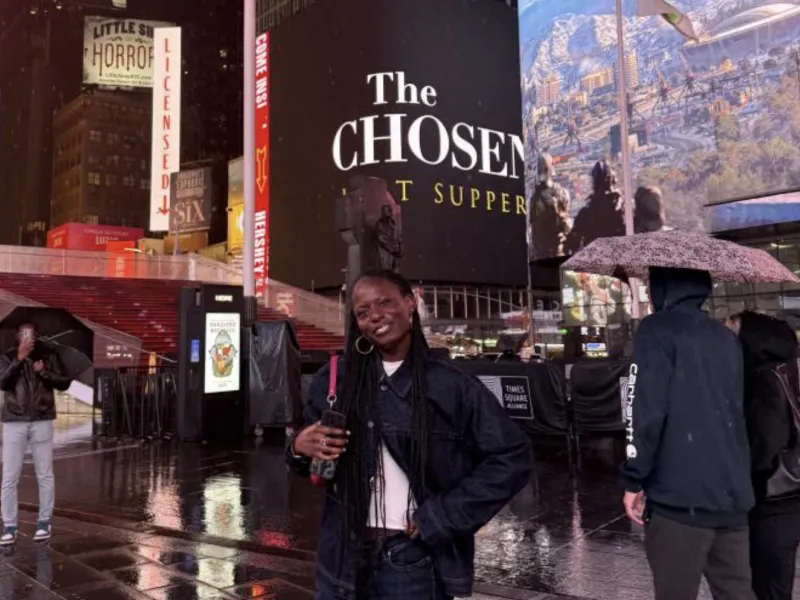 Some friends and I took a coach bus from Boston to New York City and visited Times Square as a part of this trip!
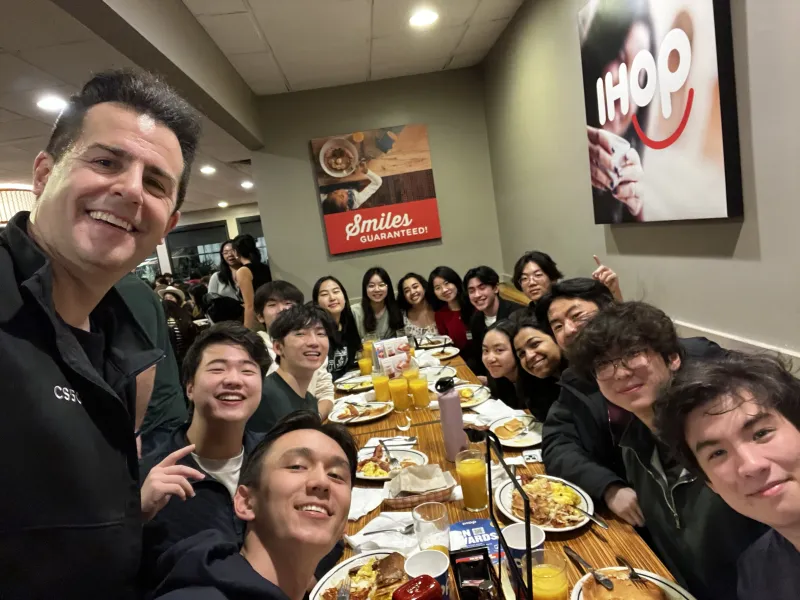 CS50 Hackathon IHOP Breakfas
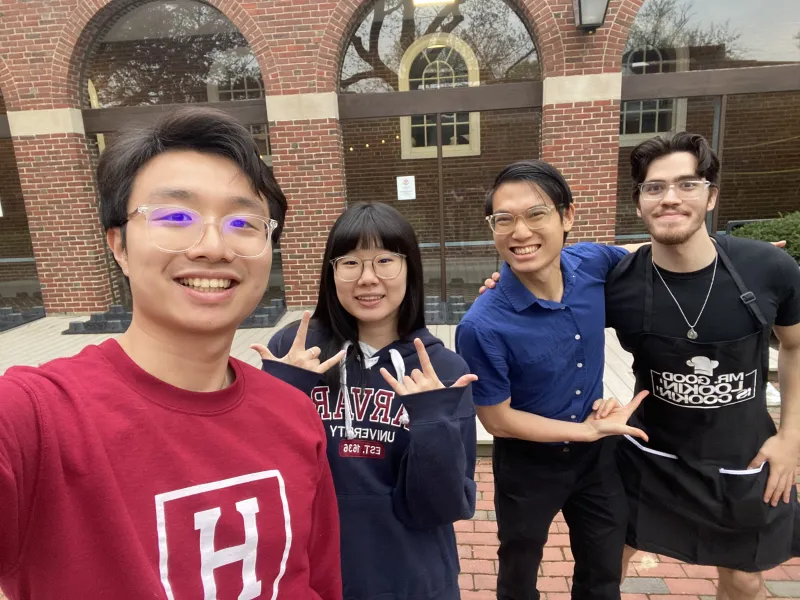 Pfohomies Enjoying the Grill'n'Stein
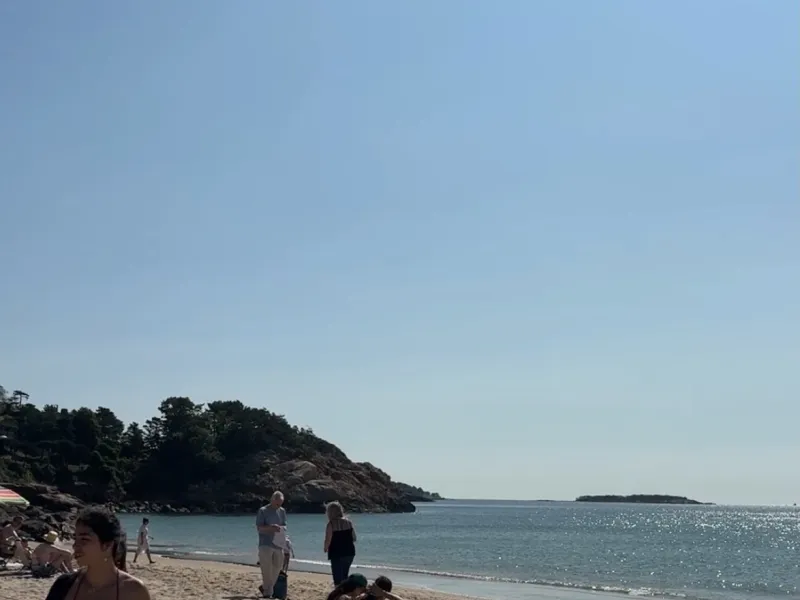
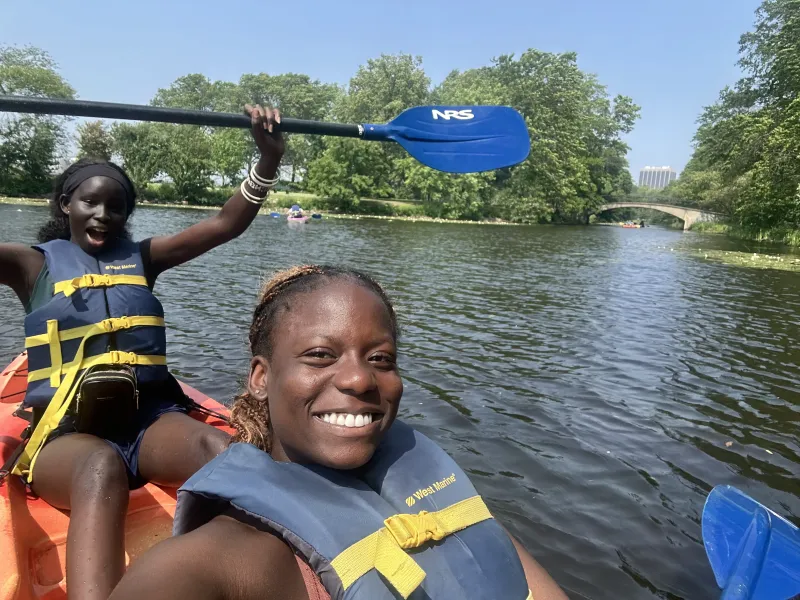
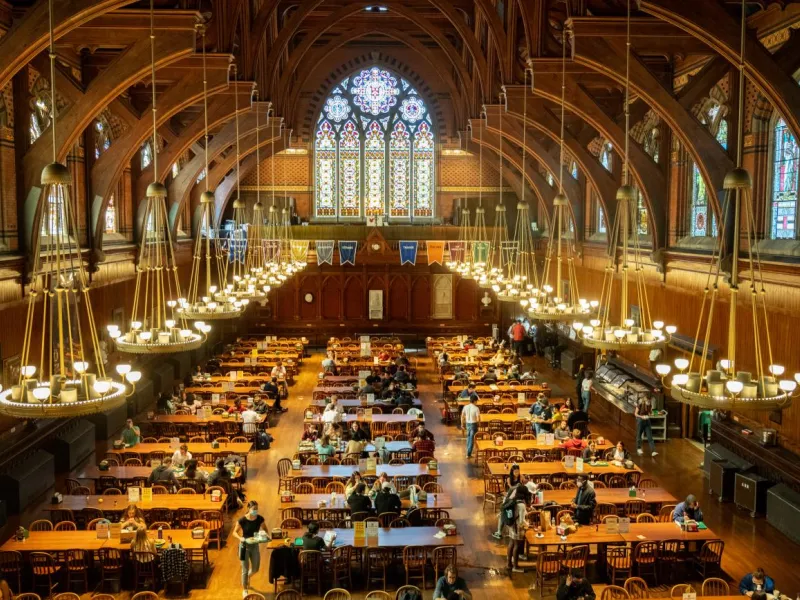
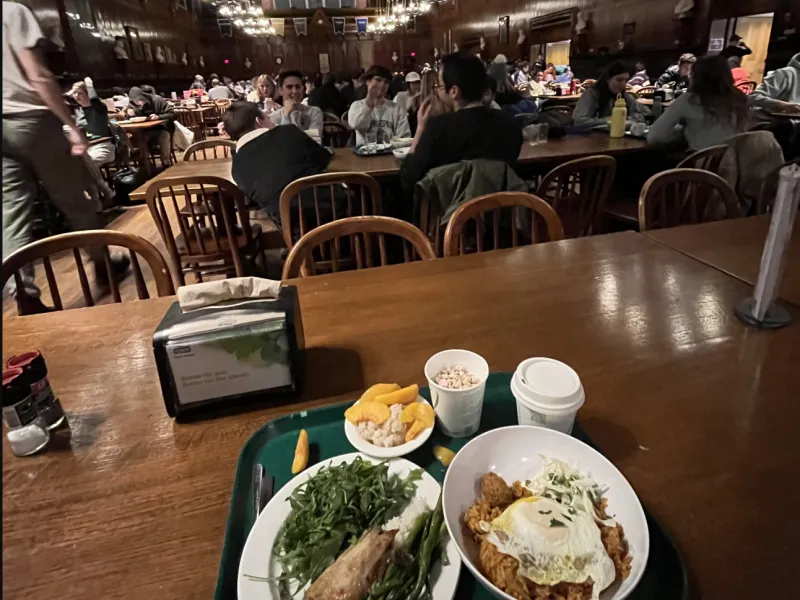 A view with my food from my first year, eating in the famous Annenberg Hall.
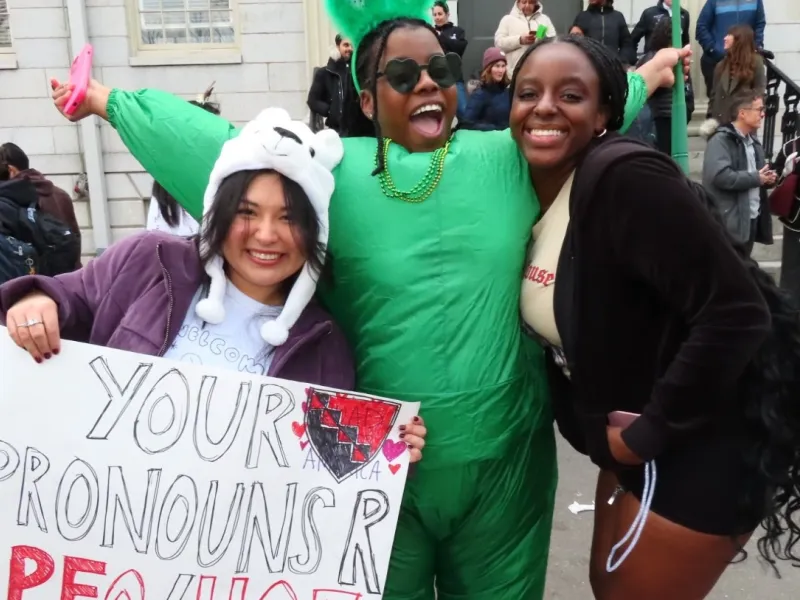
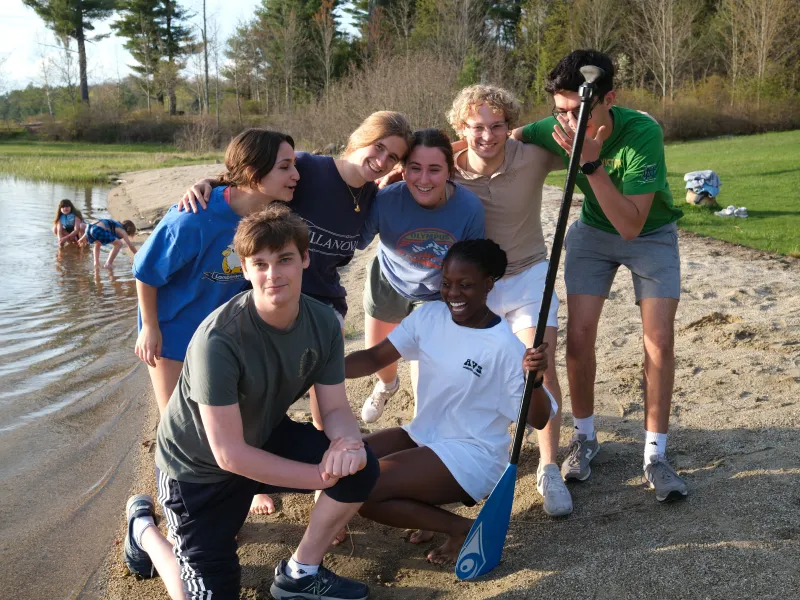 My friends from my entryway and I pose for a picture together before we go kayaking!
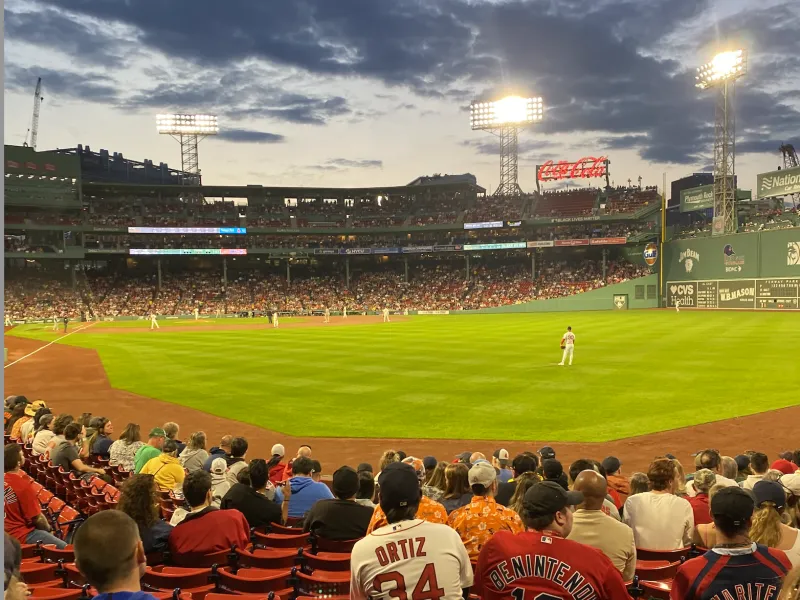 Outfield seat view of a game at Fenway Park between the Boston Red Sox and the Baltimore Orioles
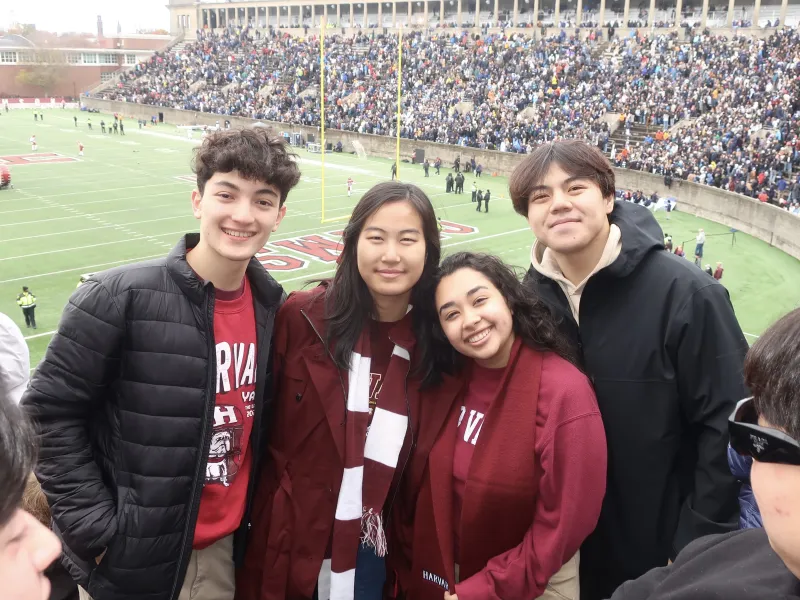
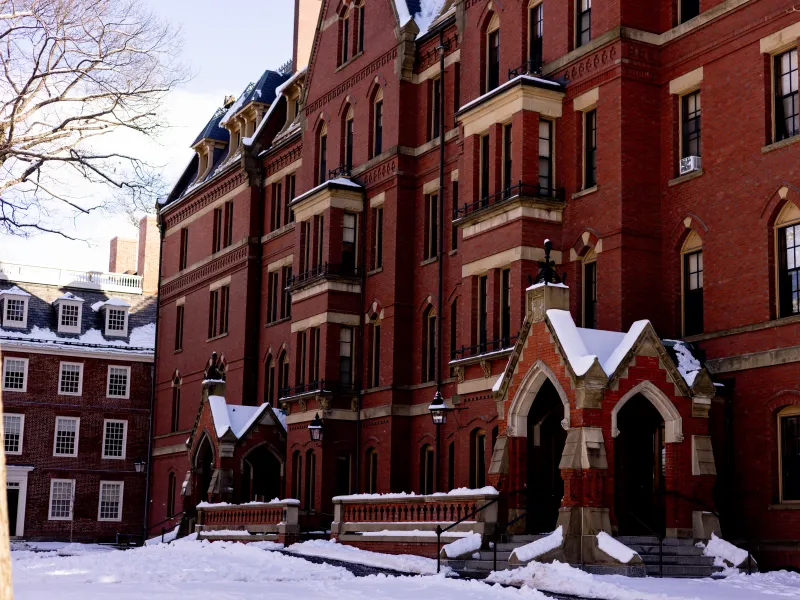
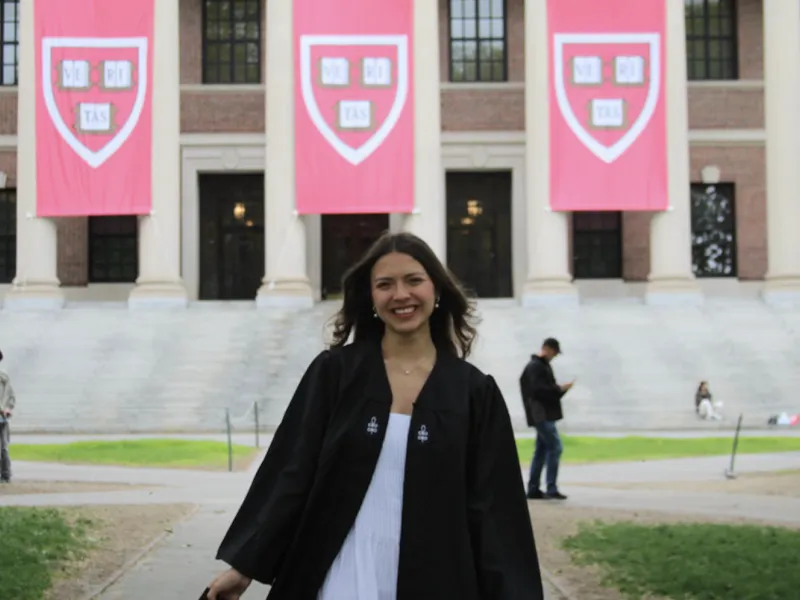

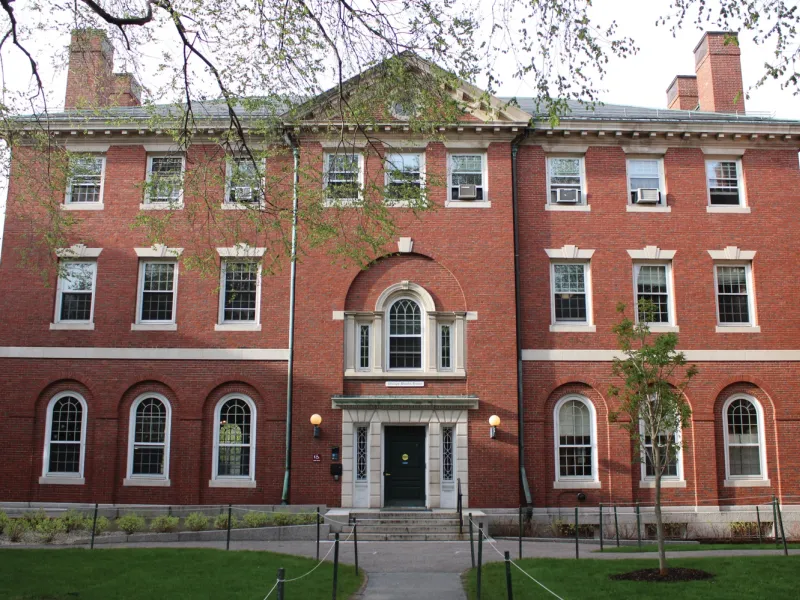 Philip Brooks House, the locus of public service on campus, located in Harvard Yard.
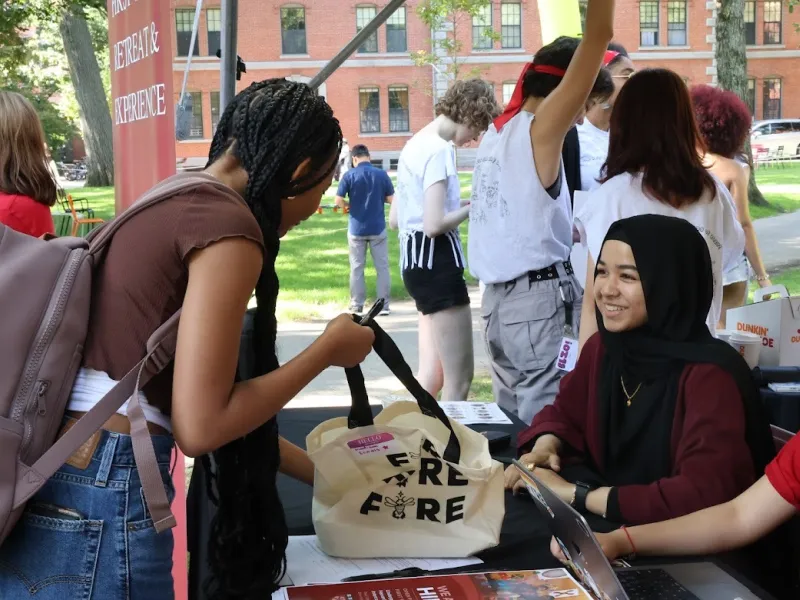
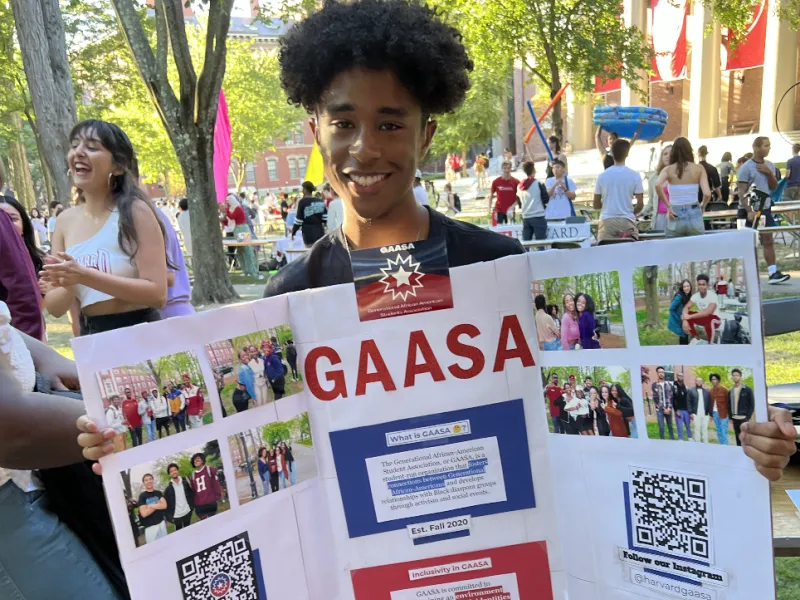 Every September, the College holds an Extracurricular Fair in Harvard Yard. This is one of the first opportunities for many to learn about GAASA.

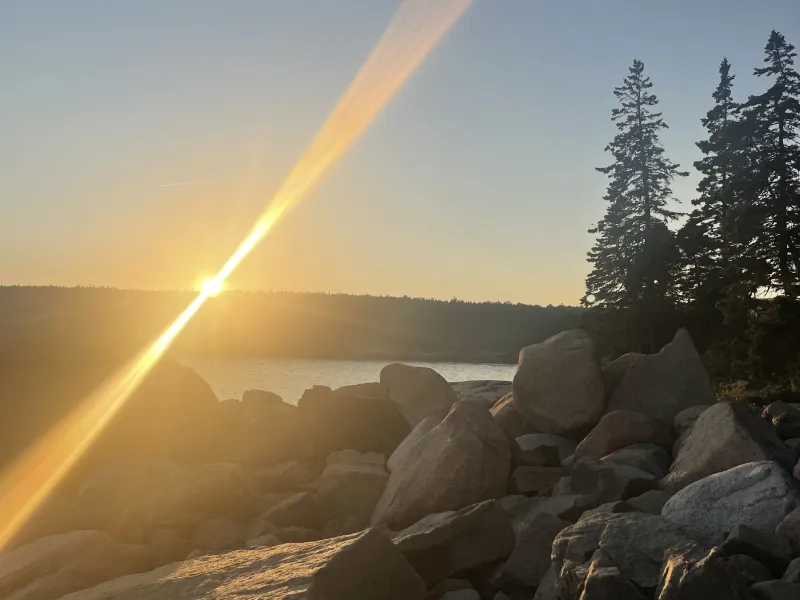
 Captured around sunset as we hiked the Watchman Trail.
 A selfie with six of my block mates, two of which performed in this dance show!
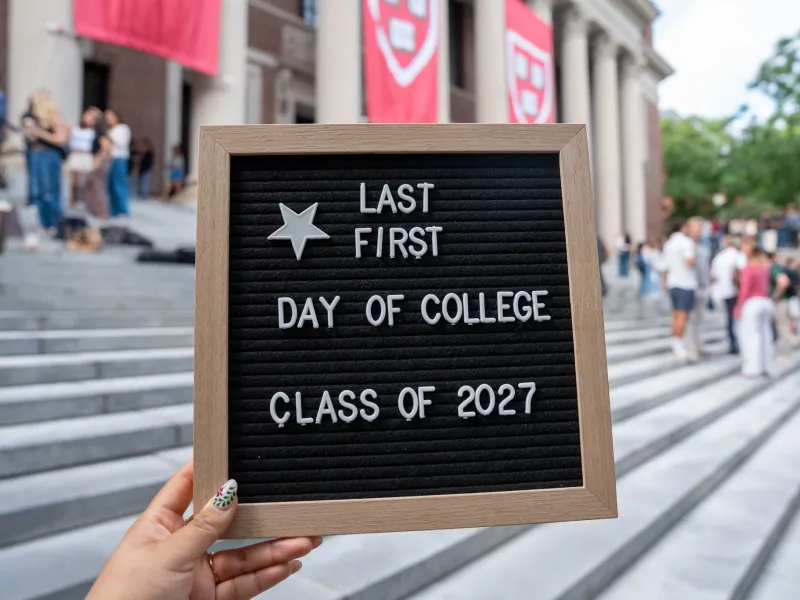
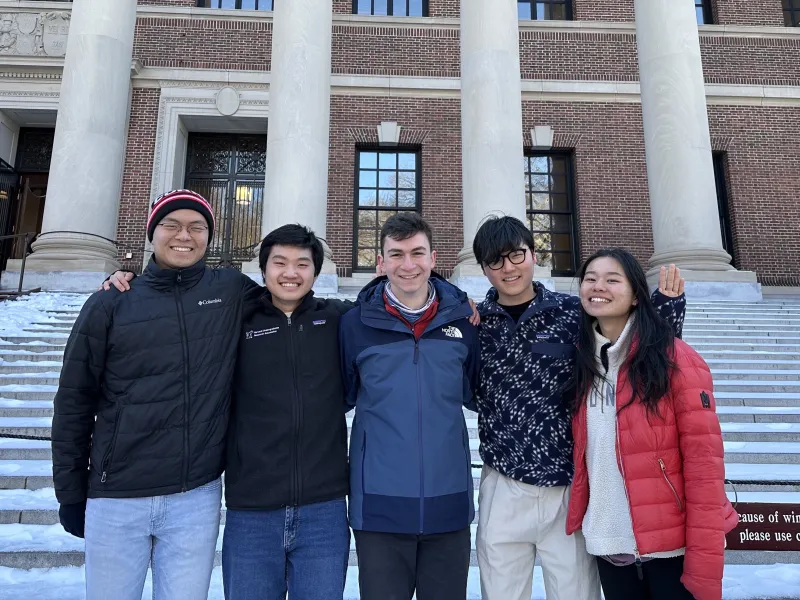 My friends and I celebrating our last first day of classes this semester.
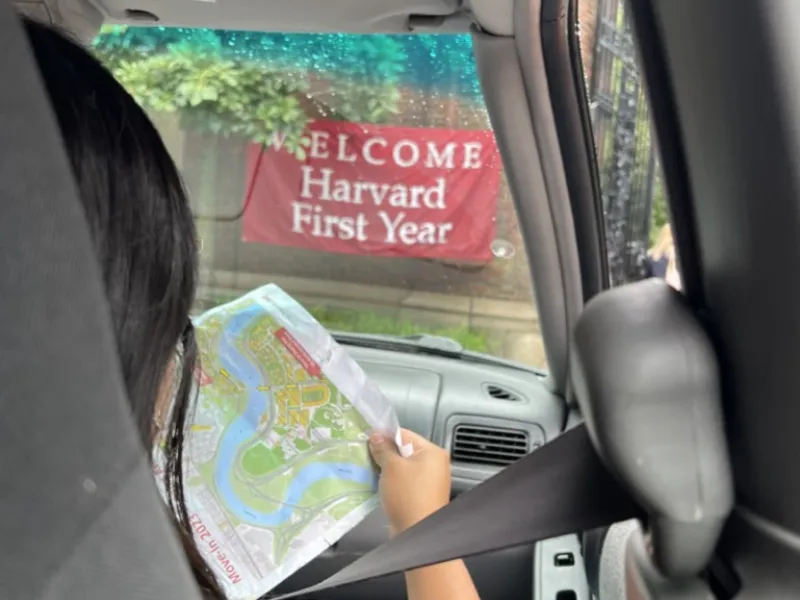
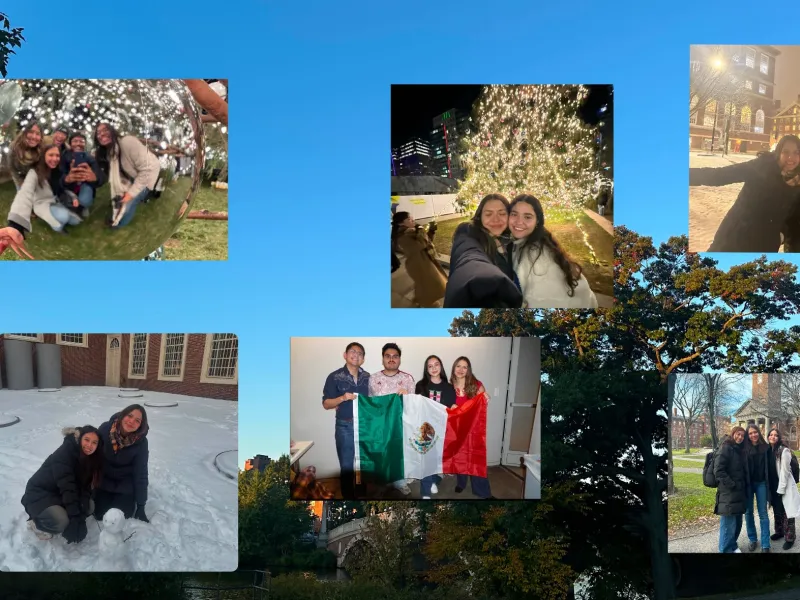 Ana's Harvard (Friends)
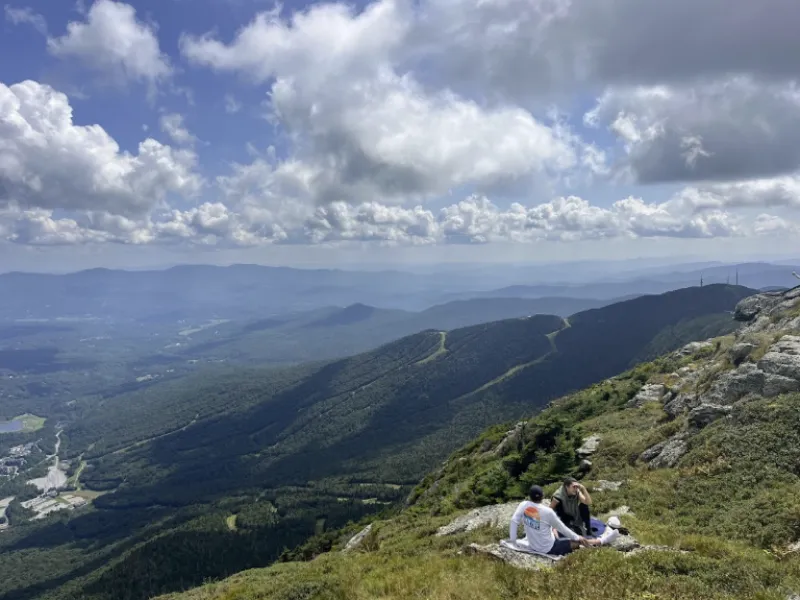 The view from one of the peaks in Mount Mansfield State Forest, Vermont!
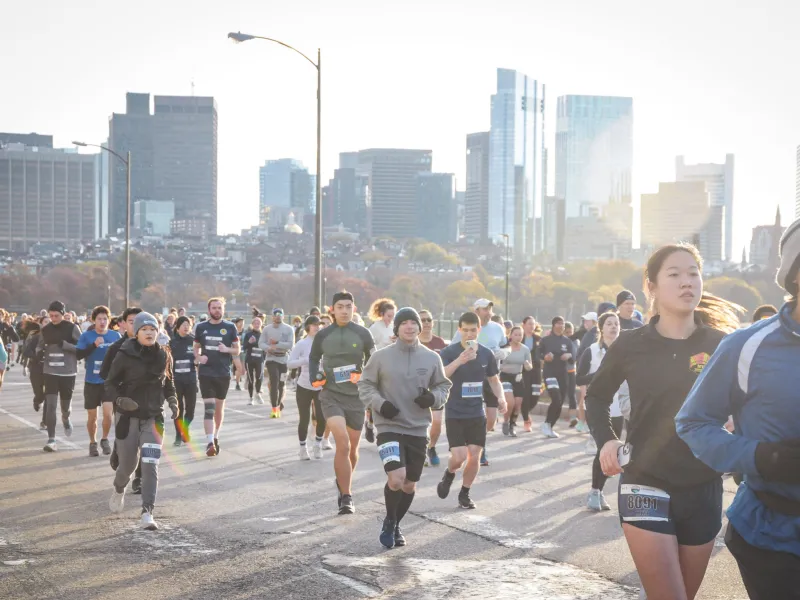 A picture of many runners (including the author, Ricky) running during the Cambridge Half Marathon.
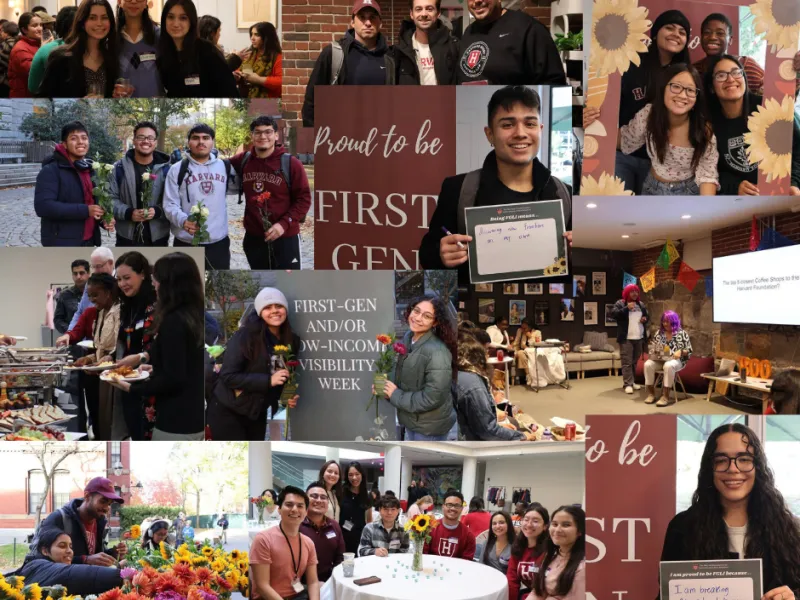
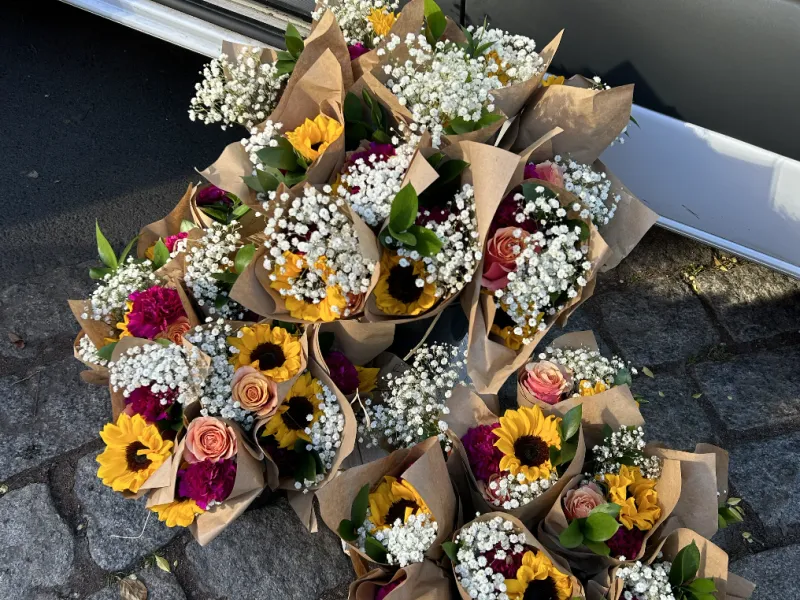 Various colorful flower bouquets which were given to first-gen/low-income student on the kick of of FGLI Visibility Week.

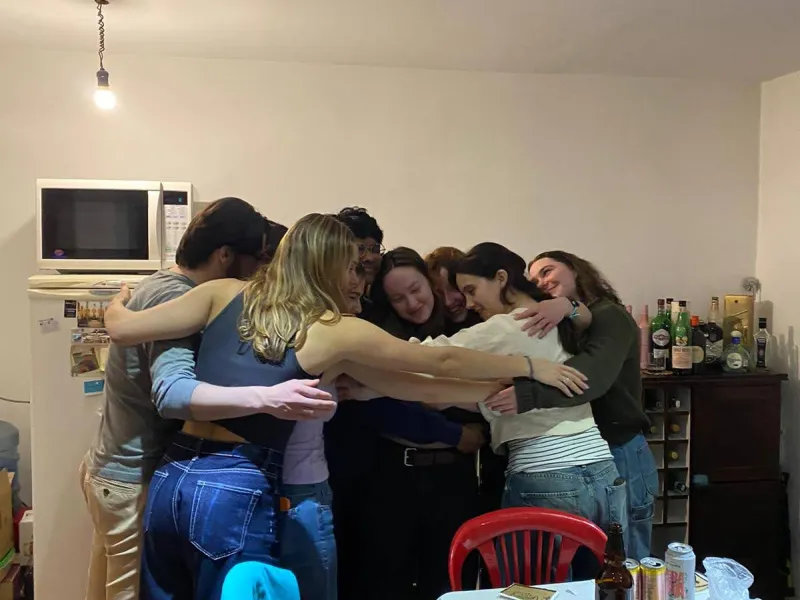
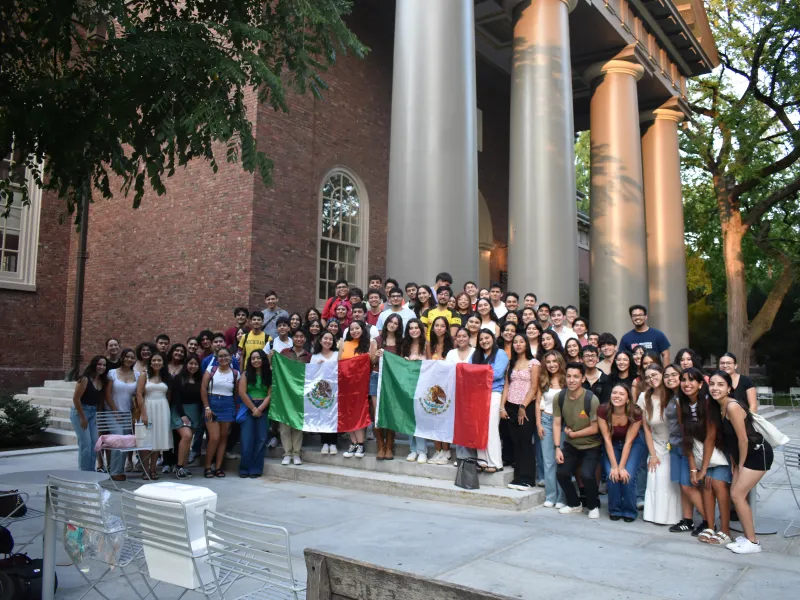 A picture of Harvard College students who attended RAZA's first event of the semester in the fall of 2024.

 A photo of me with the first two other students who were hired as freshman student workers last fall
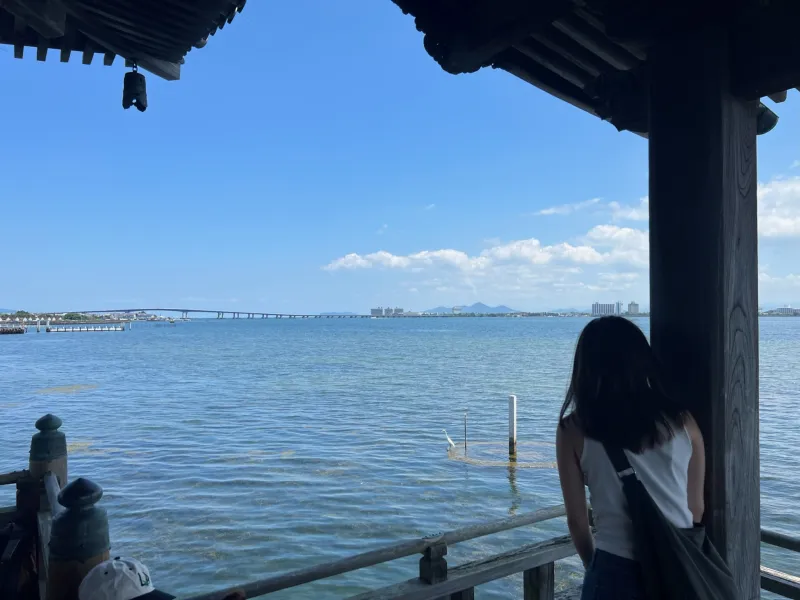
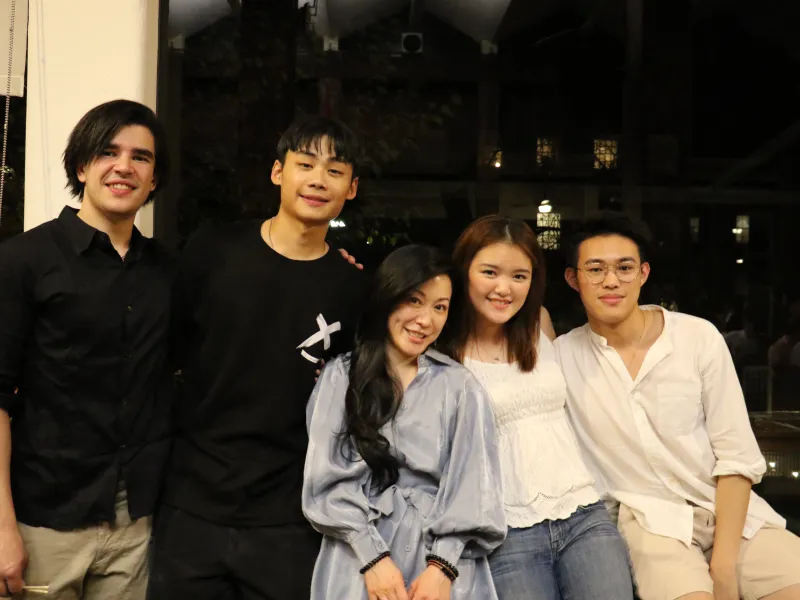 One of my favorite photos of TCS. Small Island, Big Family!
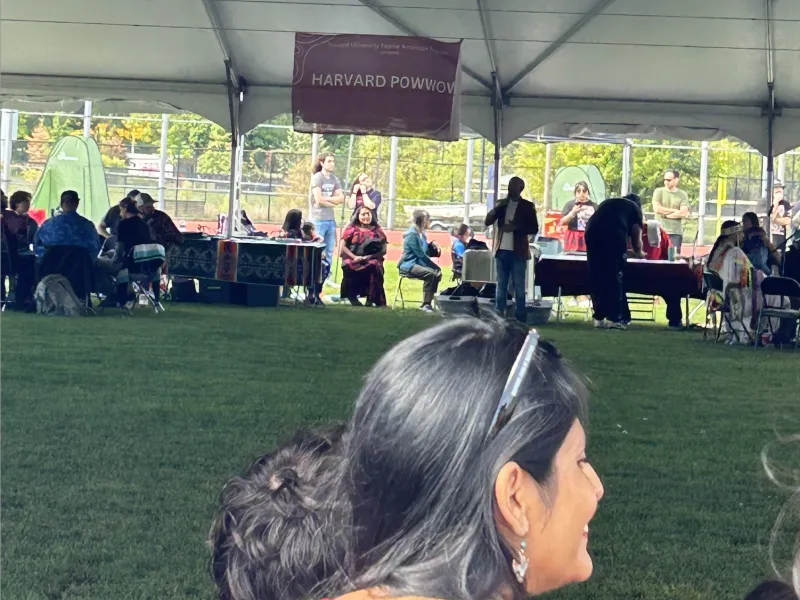

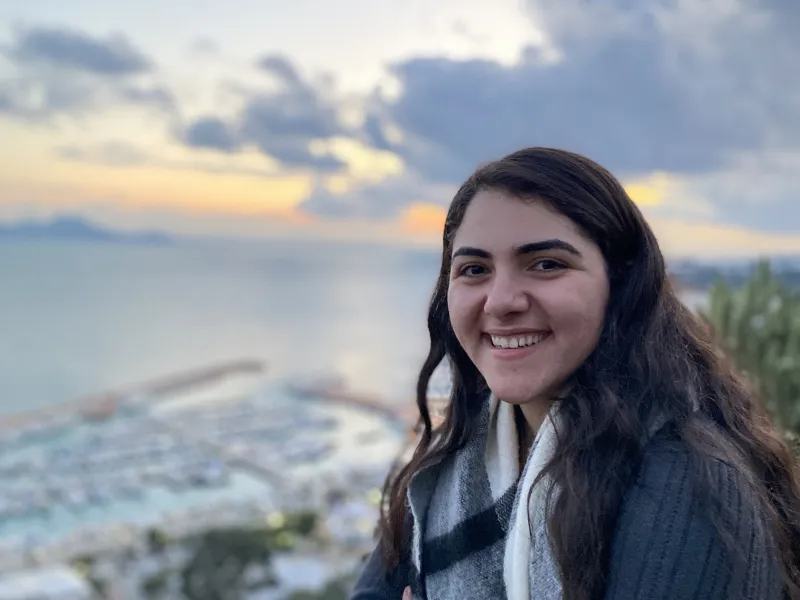
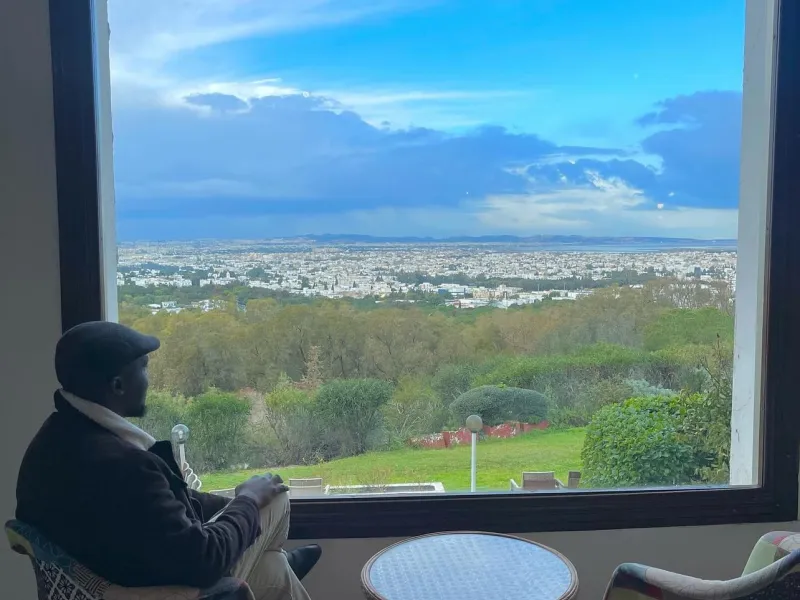 View from the hotel in Sidi Bou Said, Tunis
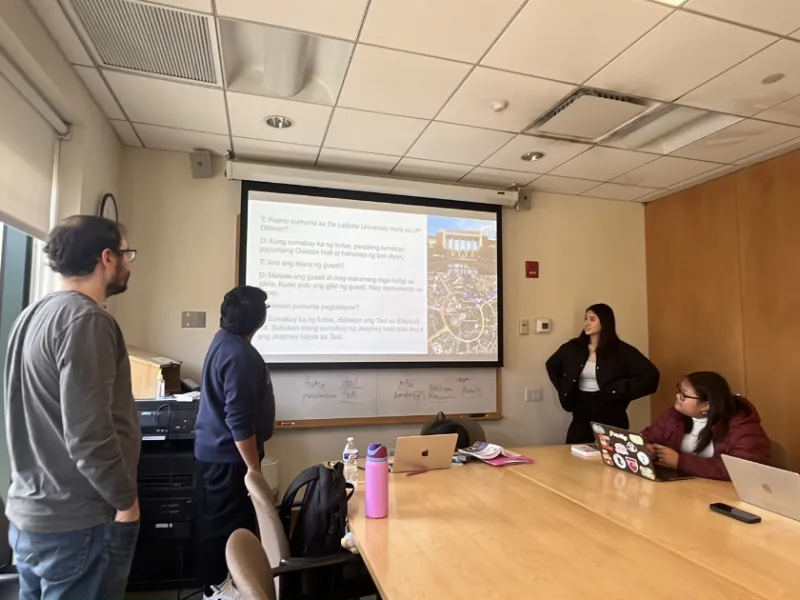 Intermediate Filipino Class
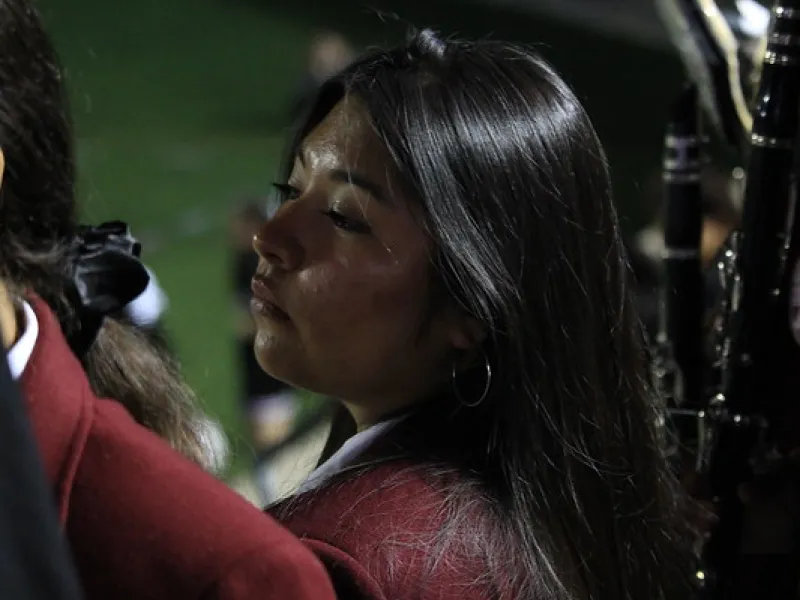 A picture taken of me during Harvard vs. University of New Hampshire.
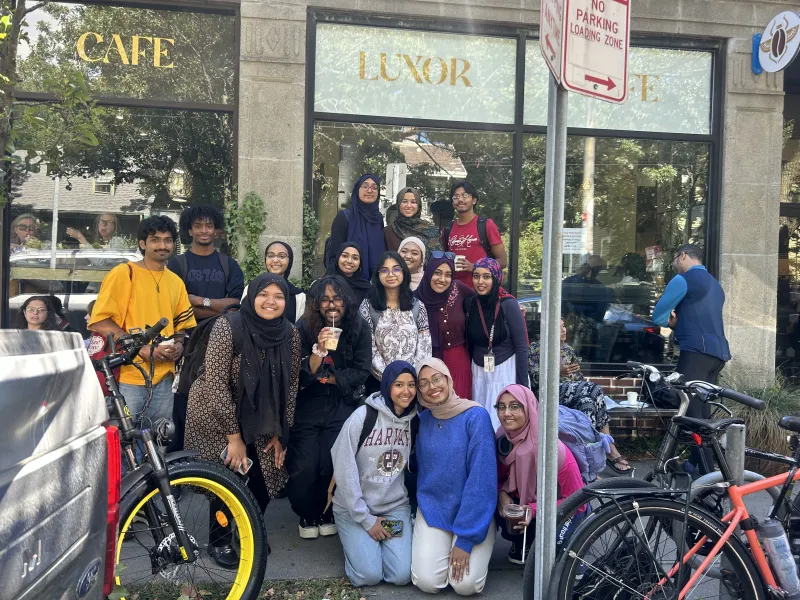 Samia Afrose with friends at Luxor Cafe
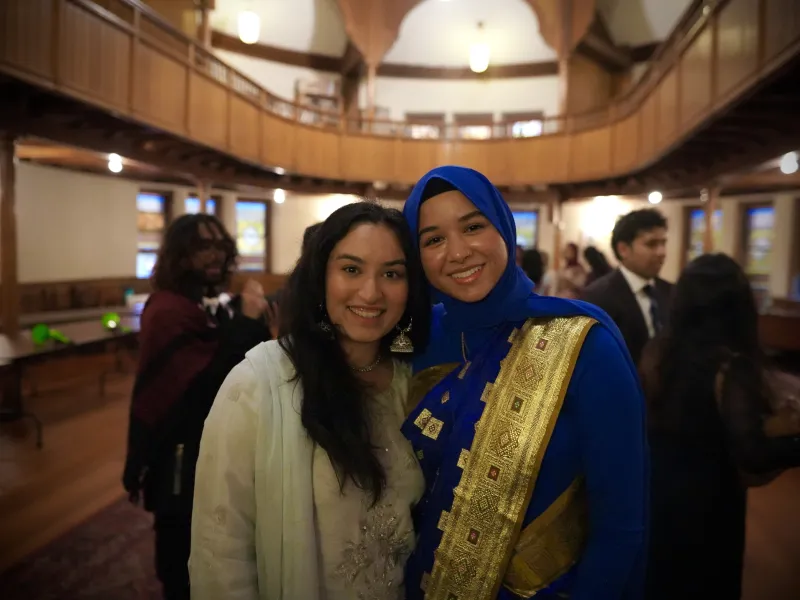 Samia Afrose and Hana Rehman at South Asian Convocation
 A photo taken in my last class at Harvard with one of my closest friends my senior year.
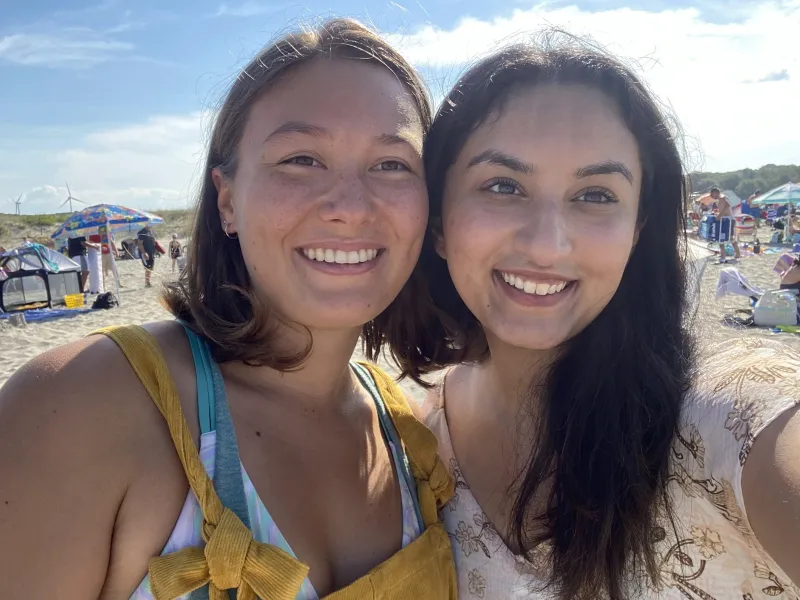 Hana Rehman in Gloucester
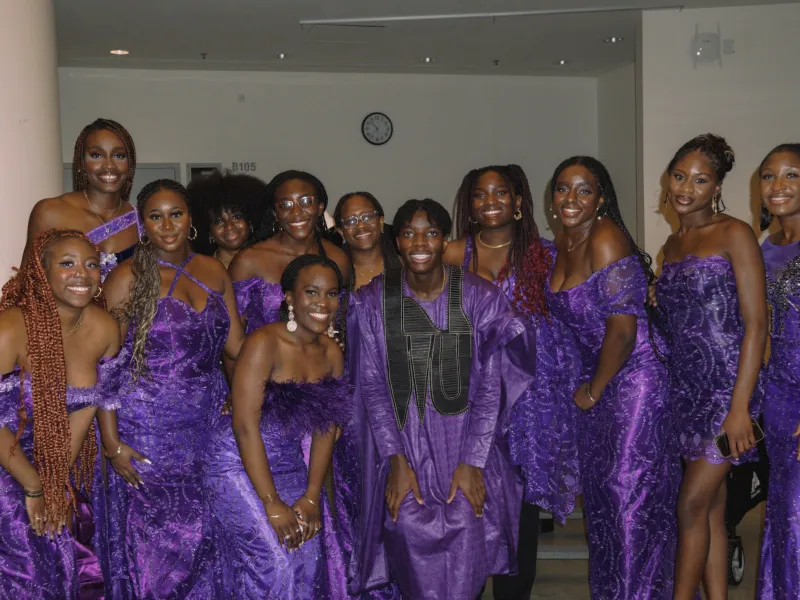 My Sister and I on NSA's Executive Board in 2023
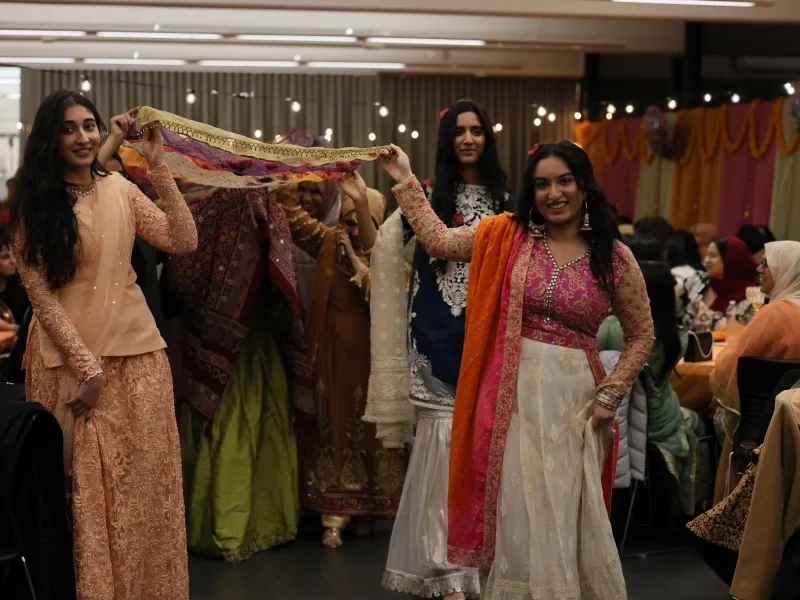 Hana Rehman at Mock Mehndi
 Hana Rehman at Sur Sagar
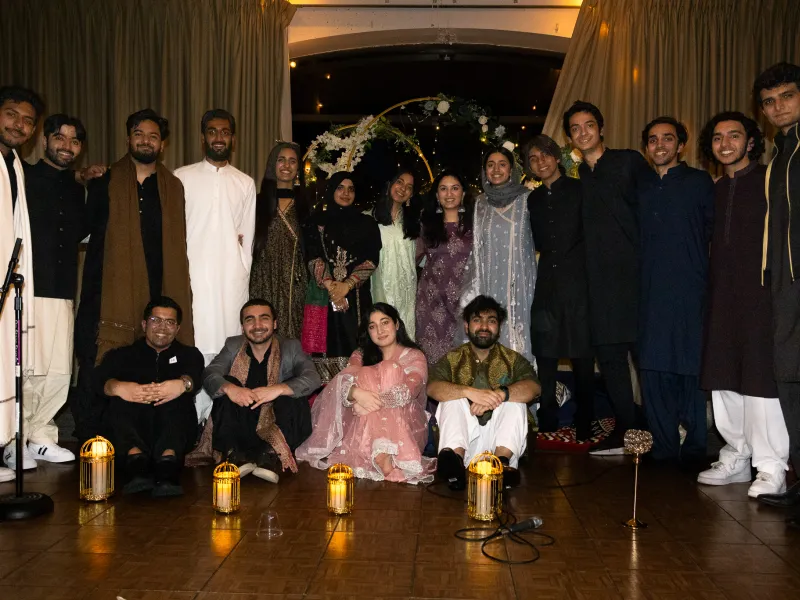 Harvard College students host Chaand Raat.
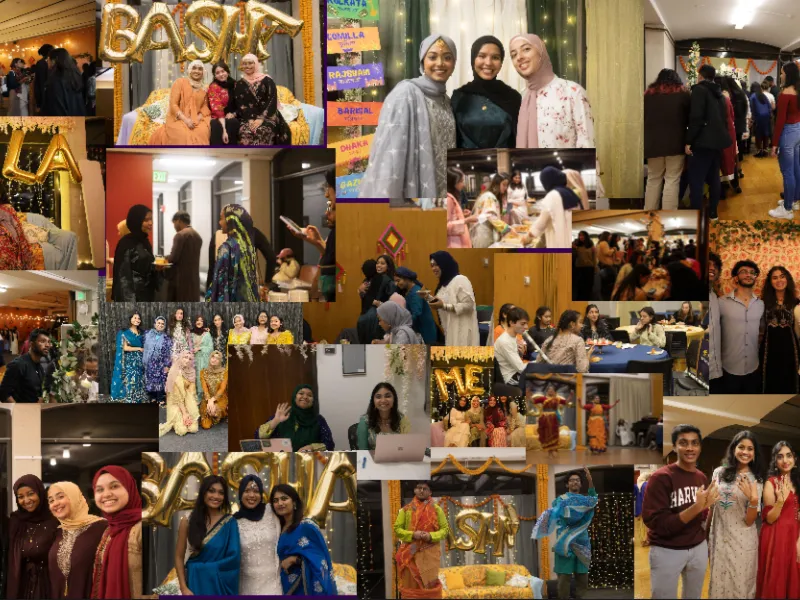
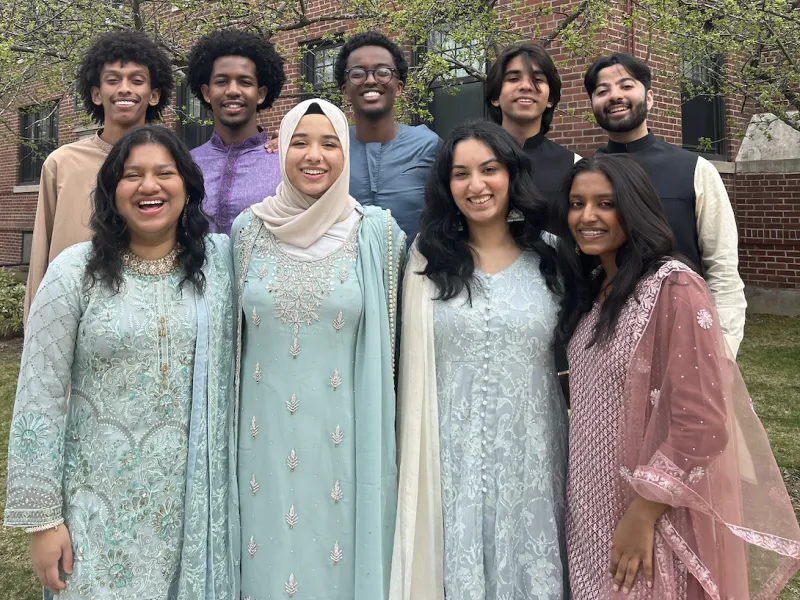
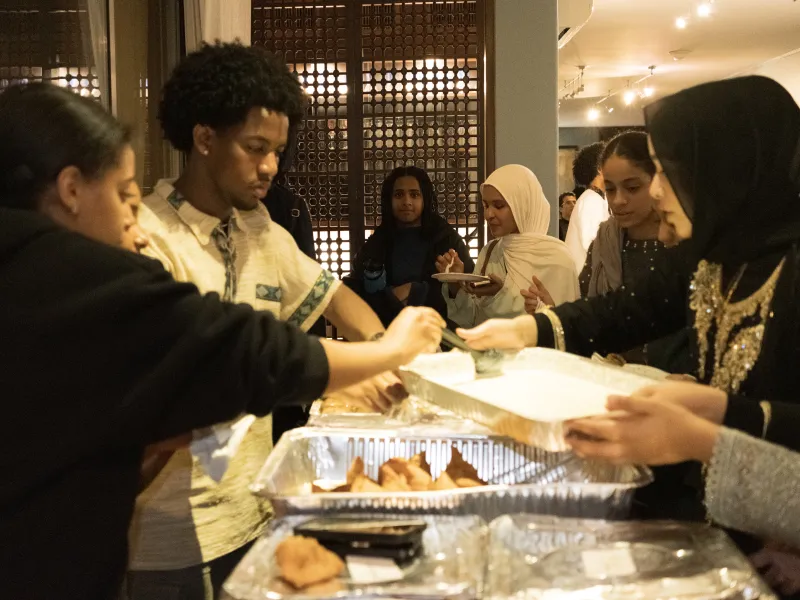
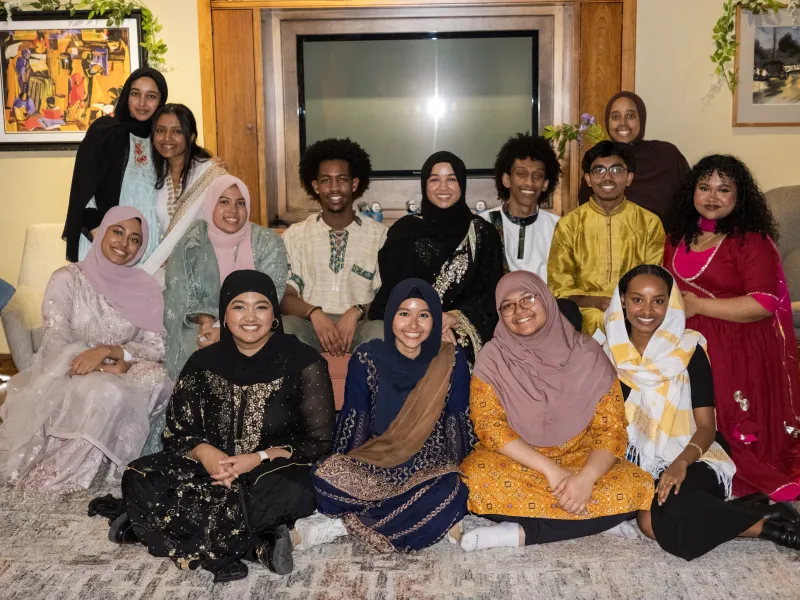

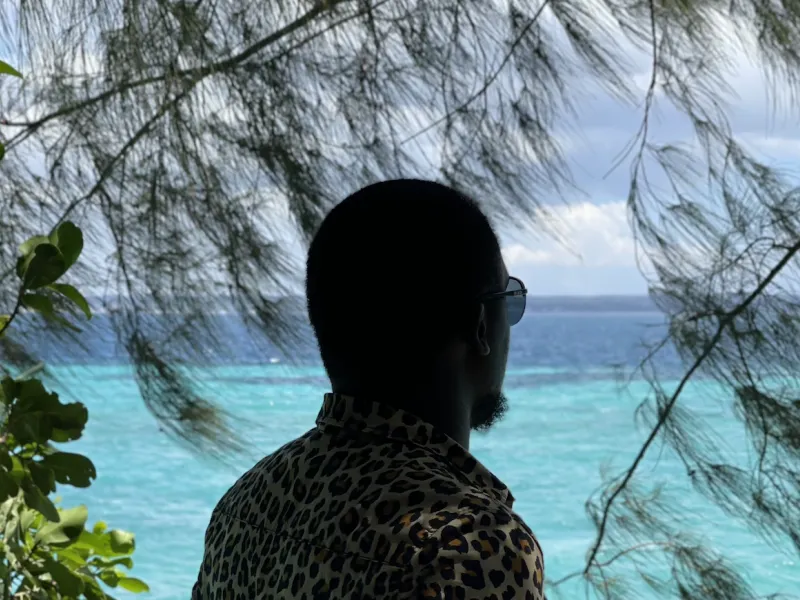 A photo of myself looking at the Zanzibari waters
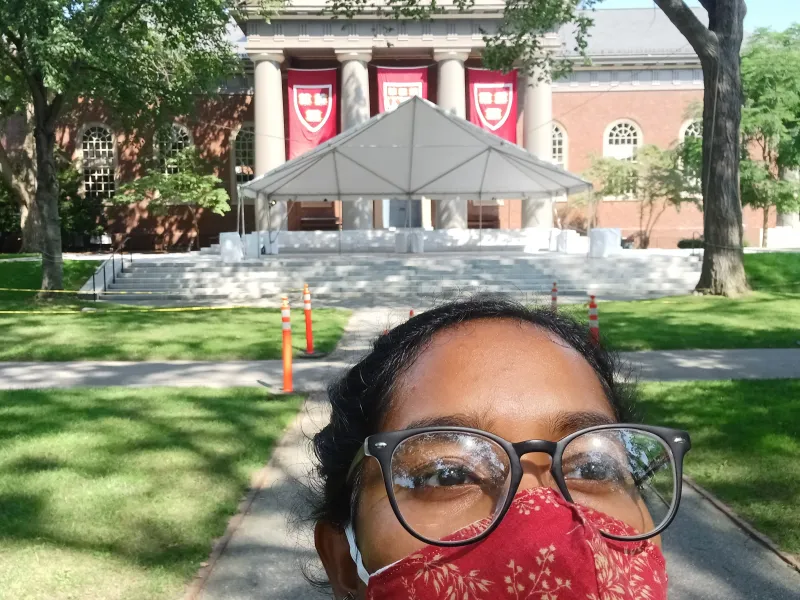
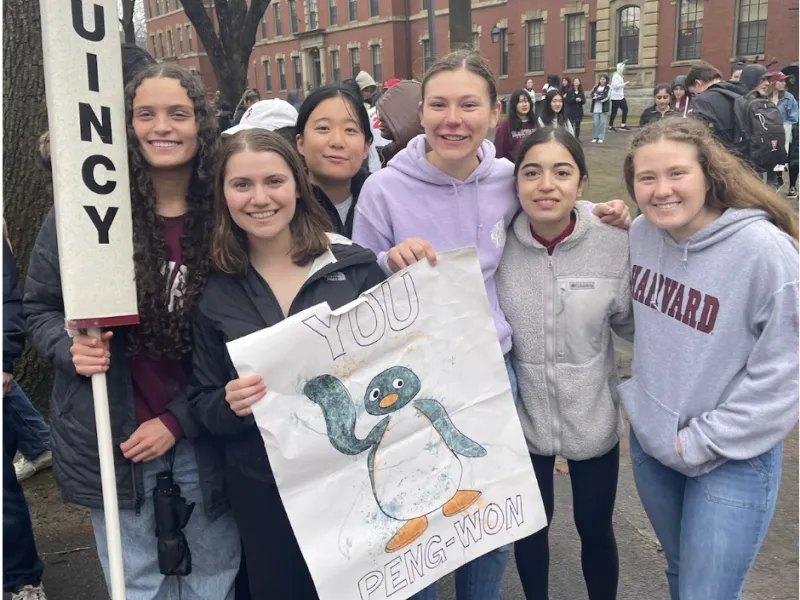 My blocking group and I after being dorm stormed
 Cheering you on in your scholarship application journey!
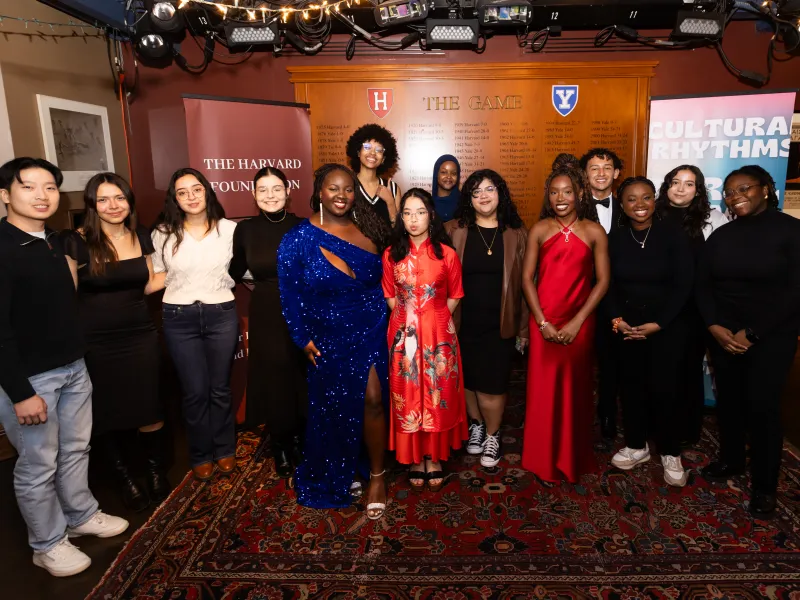 Harvard Foundation interns in the spring of 2024, dressed up before the event of Cultural Rhythms.
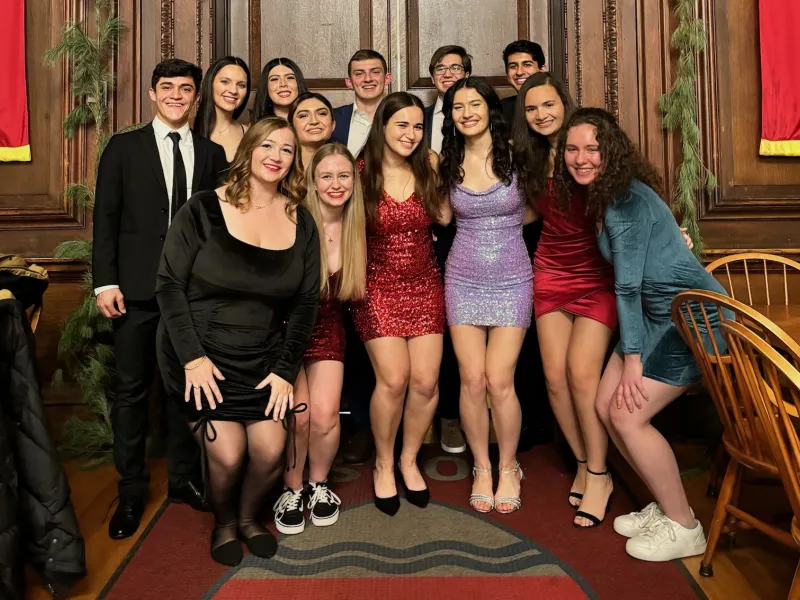 My friends and I before our last Eliot Fall Formal
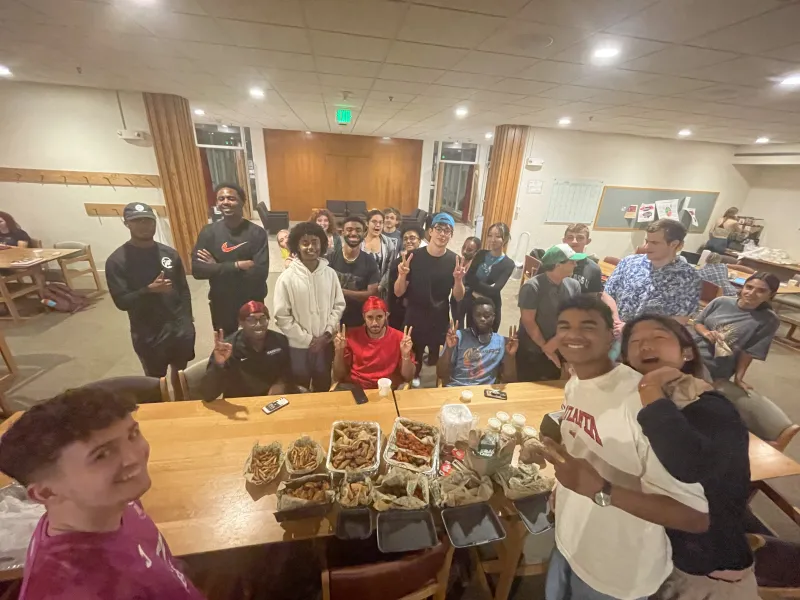
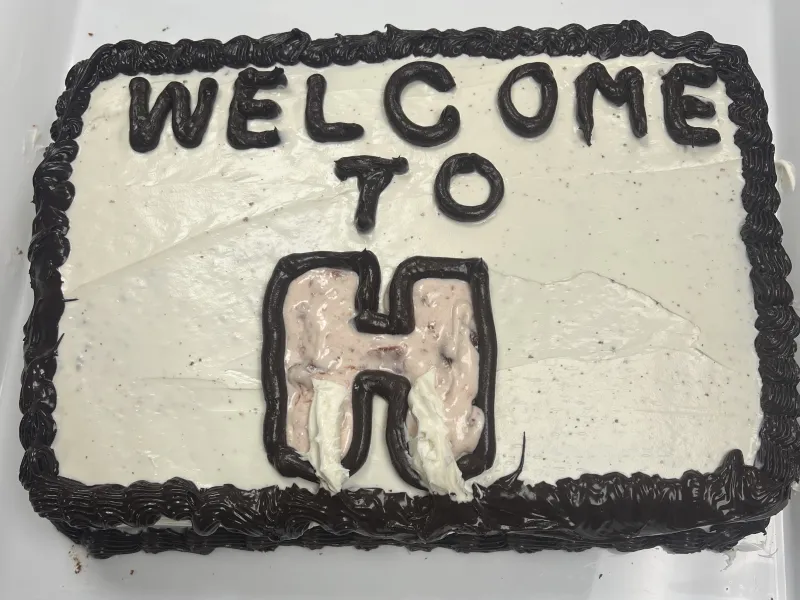
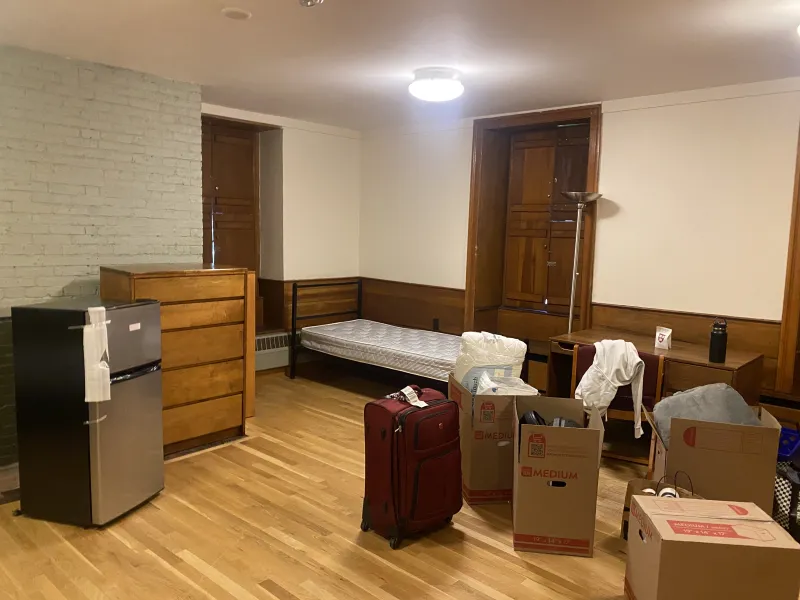 My room in the wonderful Stoughton Hall!
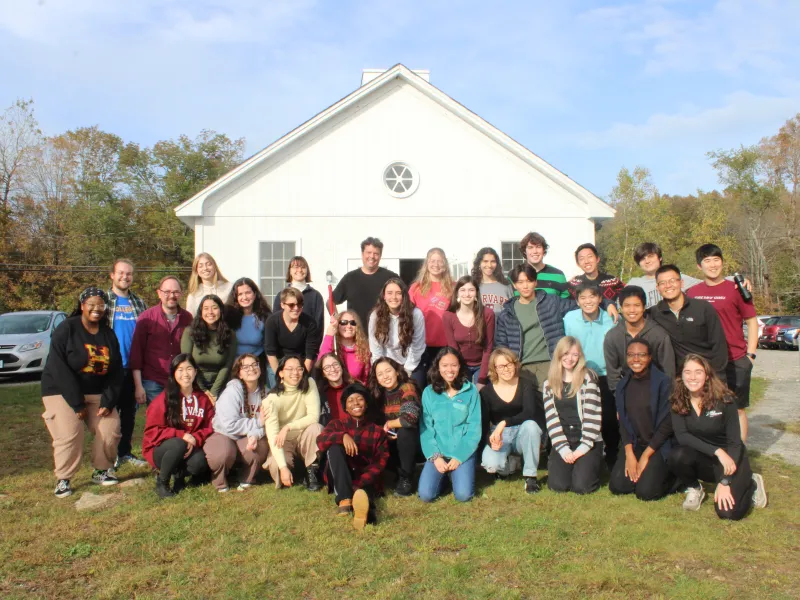
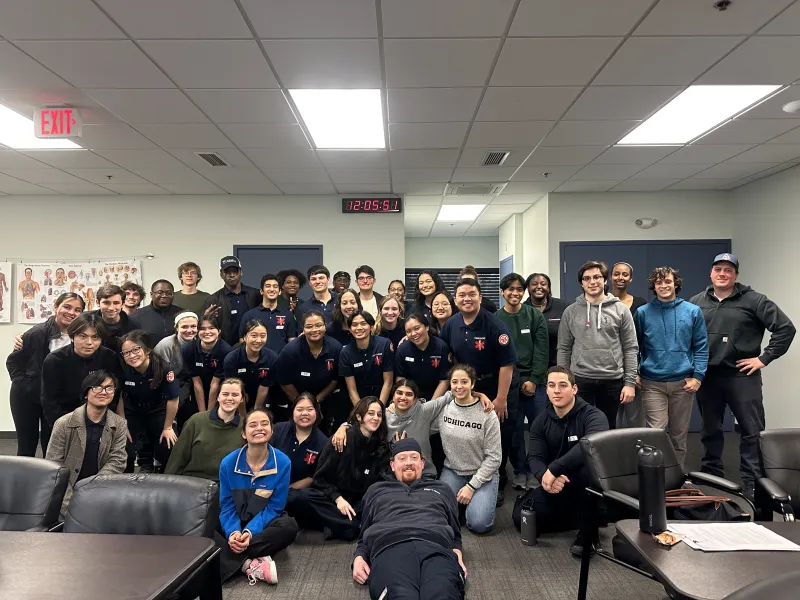 A group photo on the last day of class!



 Grupo Frontera with those who attended RAZA’s Trailblazer Award ceremony
 My view from atop a hill near a mining camp.

 Eliot First day of class BBQ

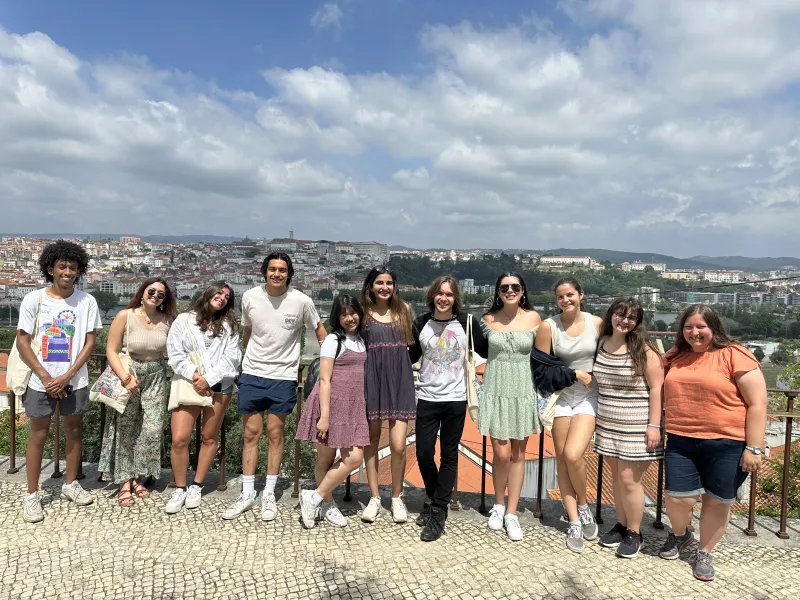 Our first day we were taken on a city tour to explore!
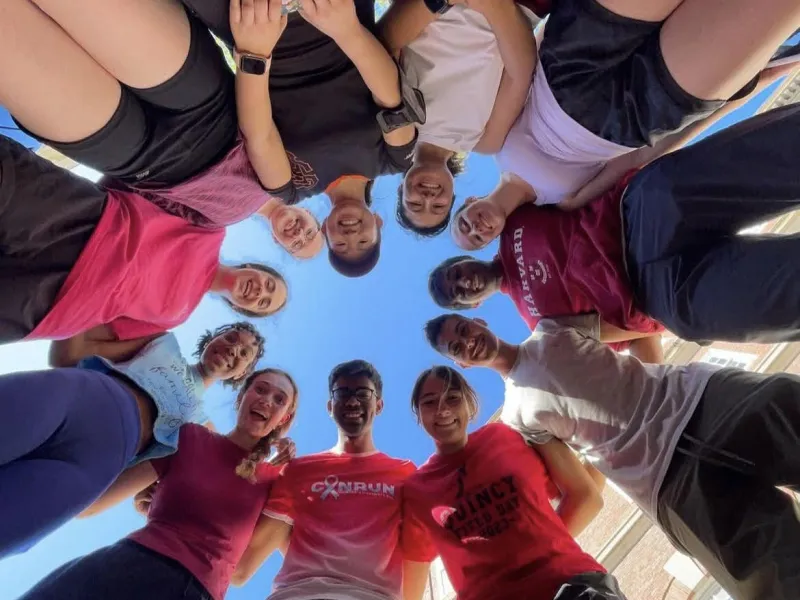
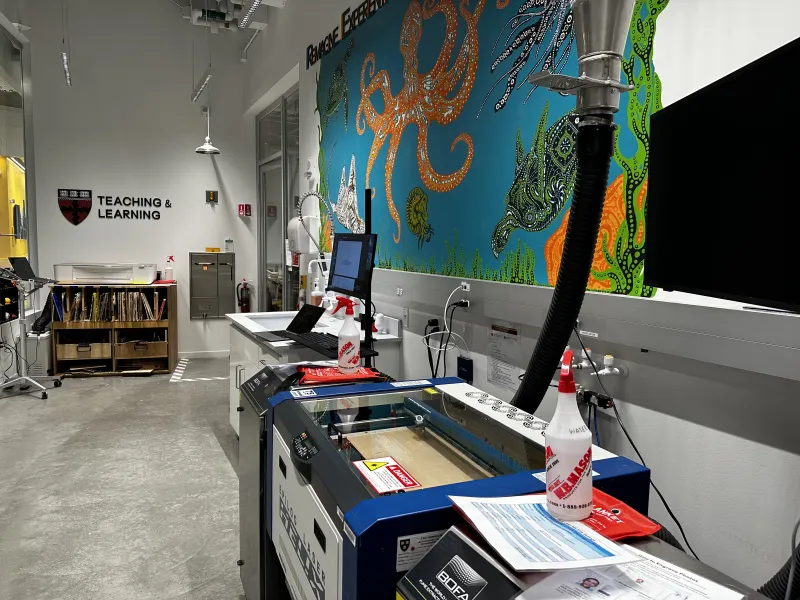
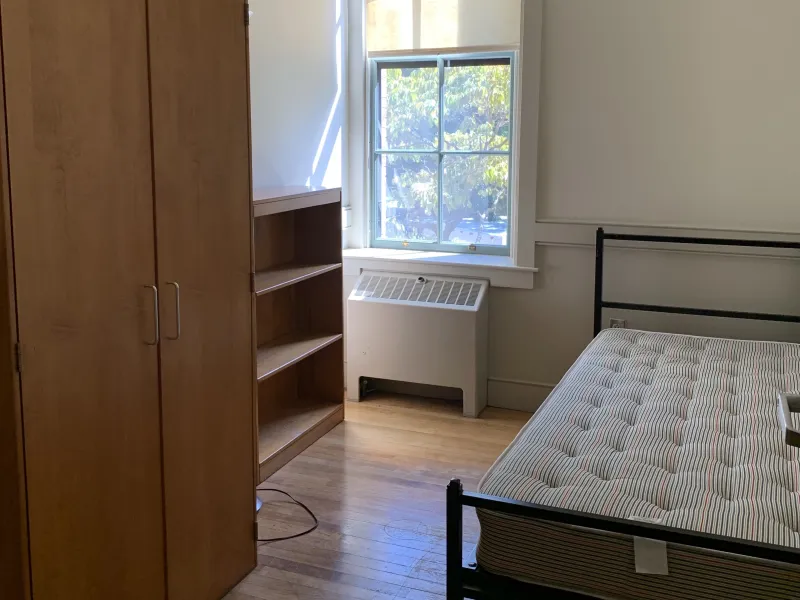
 My bookshelf in my dorm!
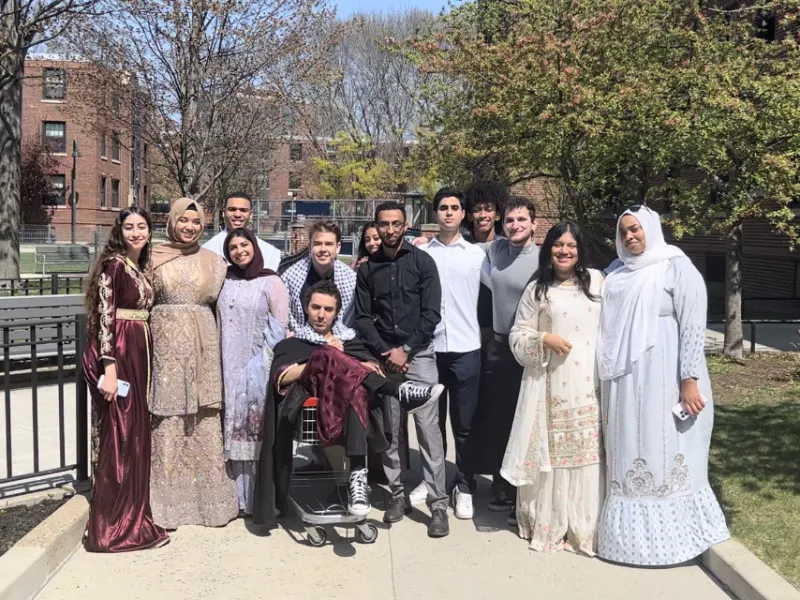
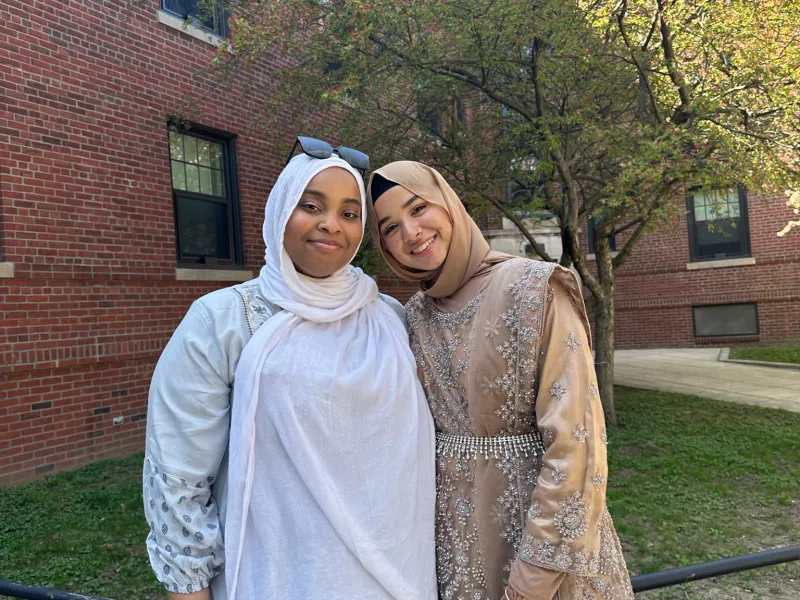 Malika Umar and Samia Afrose Celebrating Eid-al-Fitr
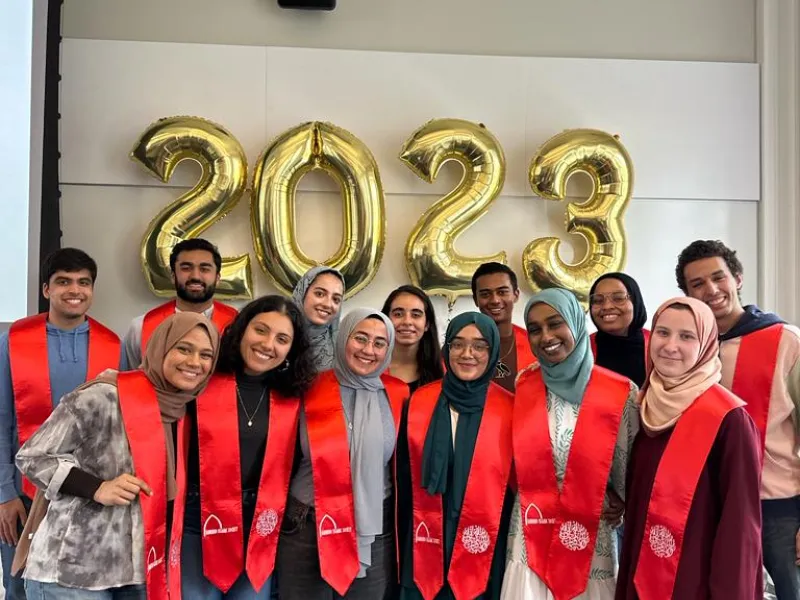 Seniors at the Harvard Islamic Society Send Off

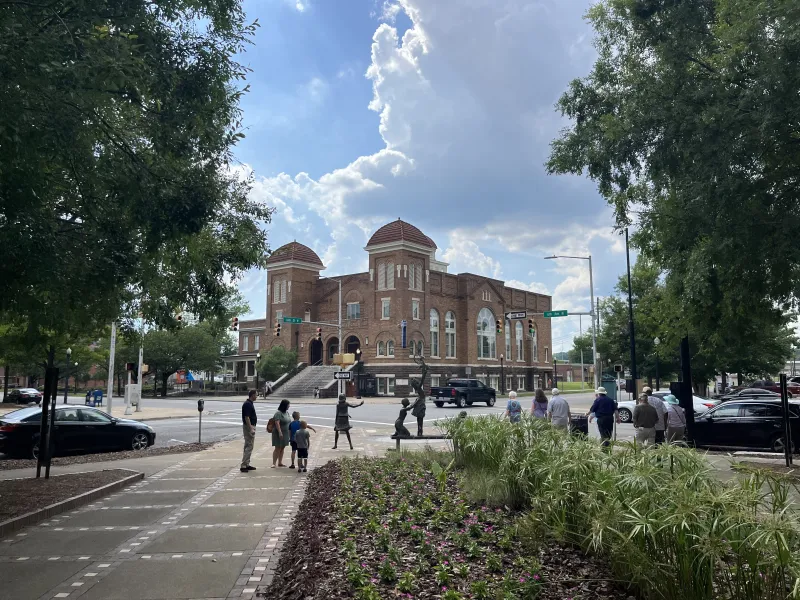 16th St Baptist Church Birmingham, AL
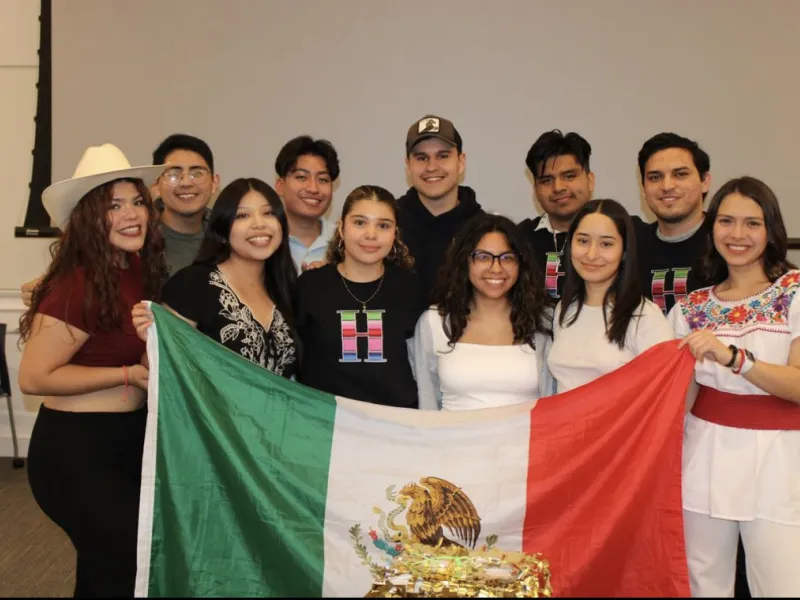 RAZA's Board on the last Mesa (social event) of the 2023 spring semester.
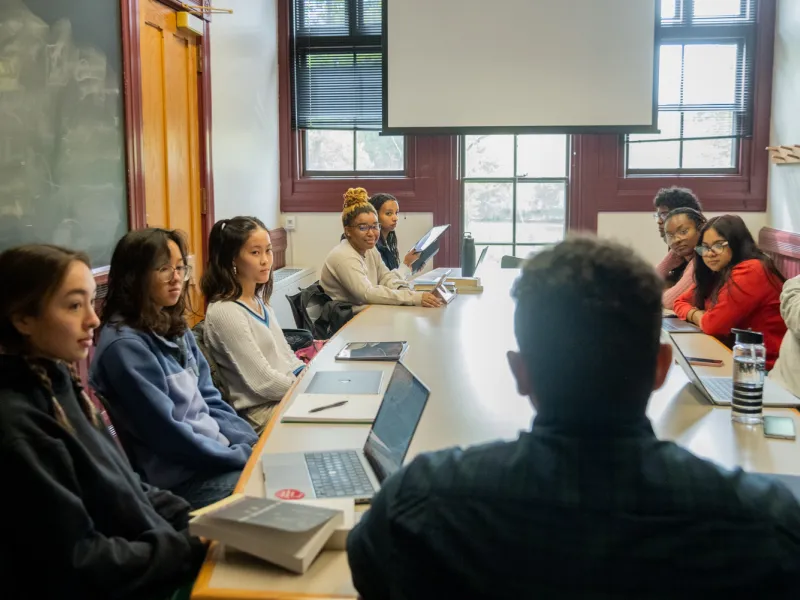
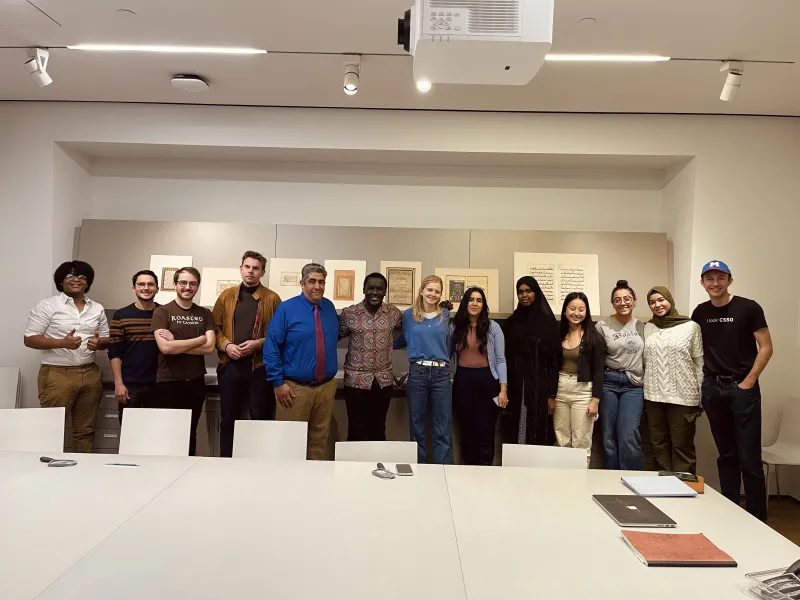 A photo of my classmates, Prof. Habib and I
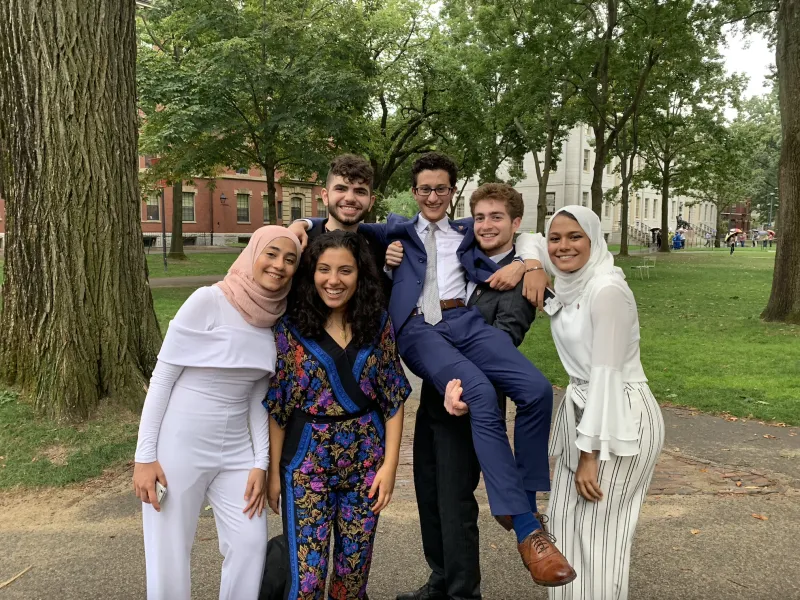 Some of the many great friends I made during my first-year!
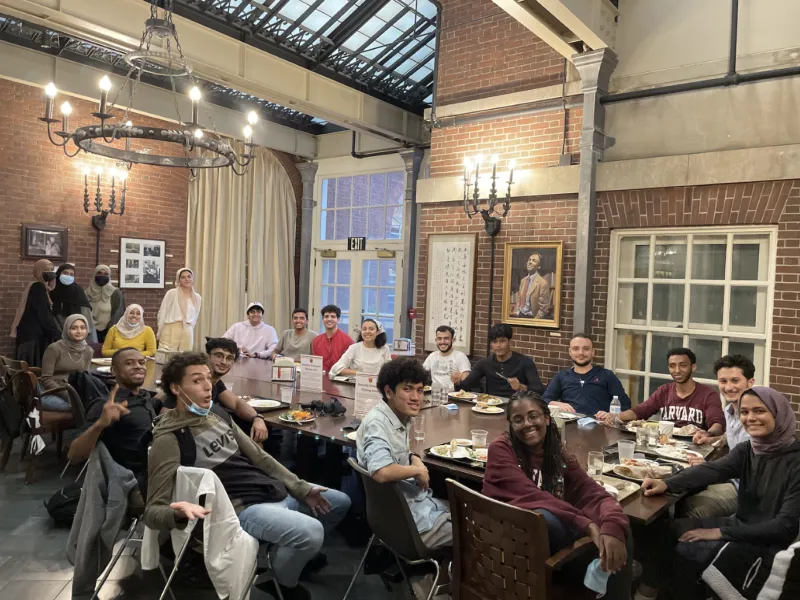 Dining with the Harvard Muslim community, my junior year
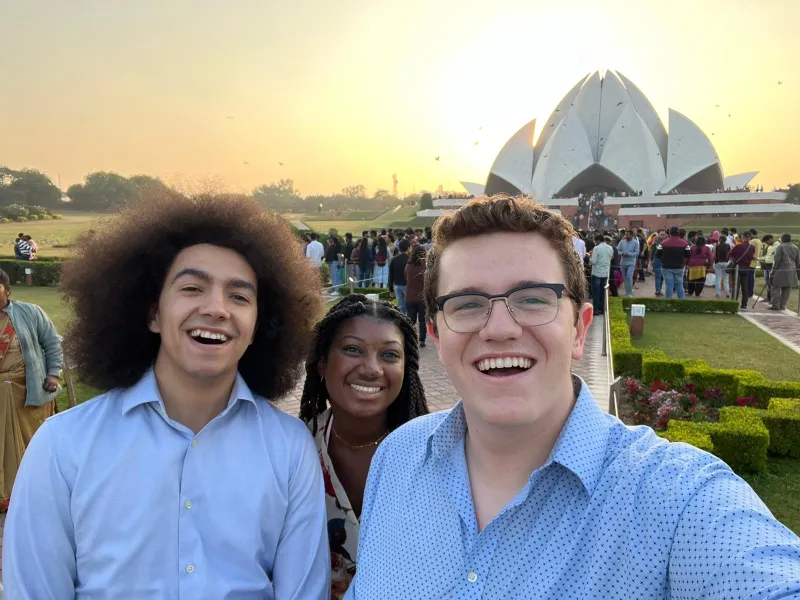 Seeing the Lotus Temple in Delhi, India was only one of the many great experiences I've had thanks to Harvard Model Congress
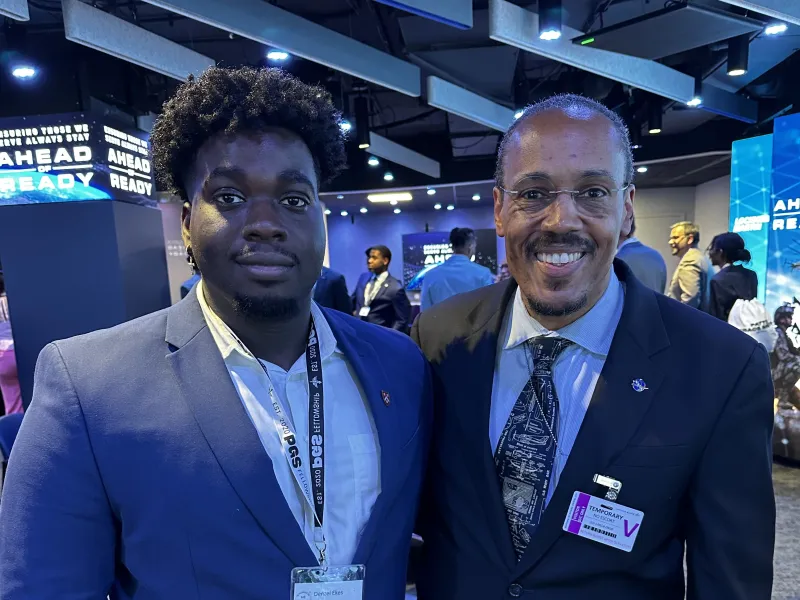
 Me with the director of FOP, the wonderful Lesedi Graveline
 My mom and I at Junior Parents Weekend
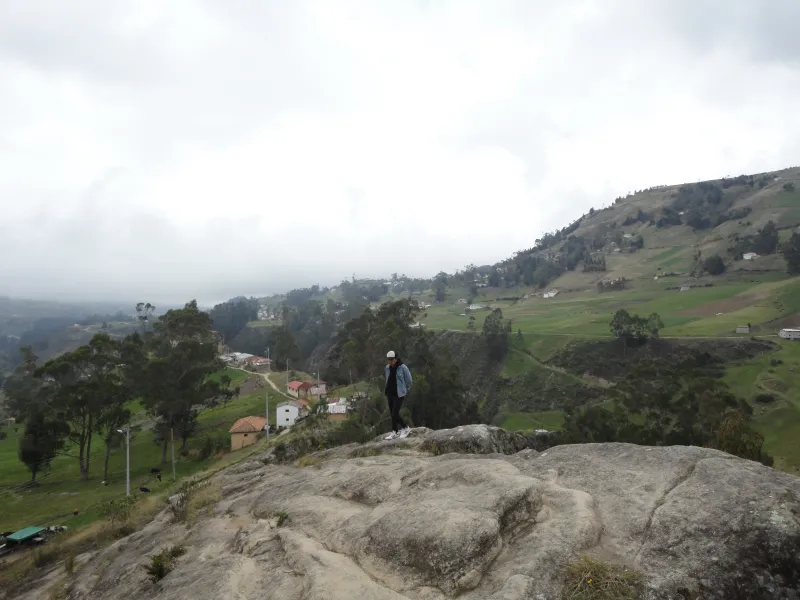 I passed through Cañar on my trip to my hometown, where I got to visit the Ingapirca Ruins!
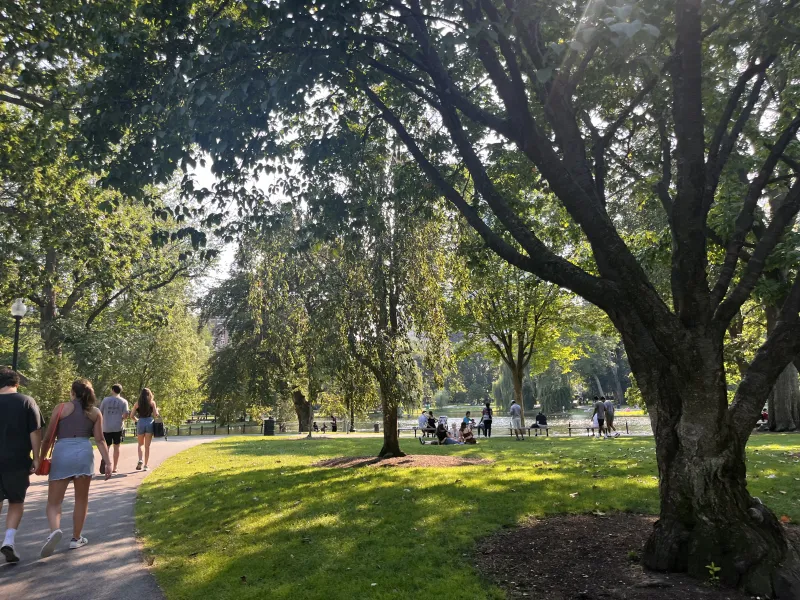
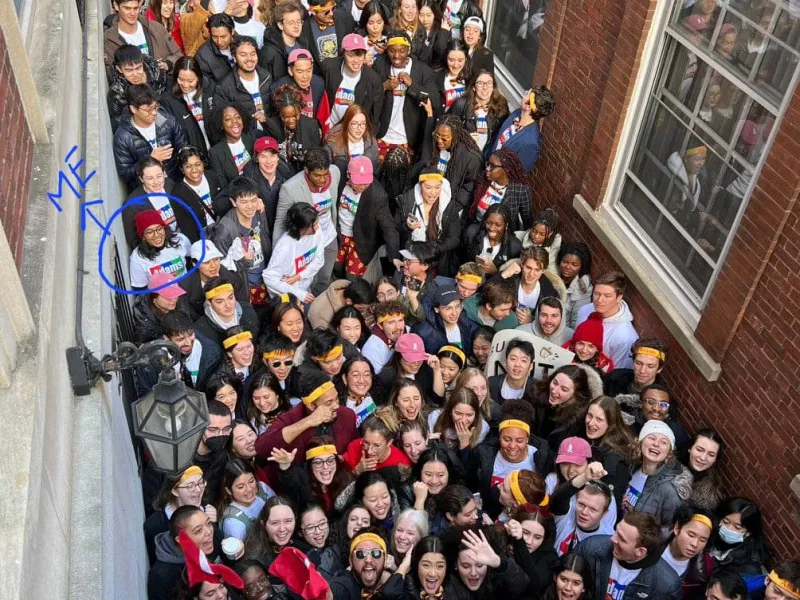
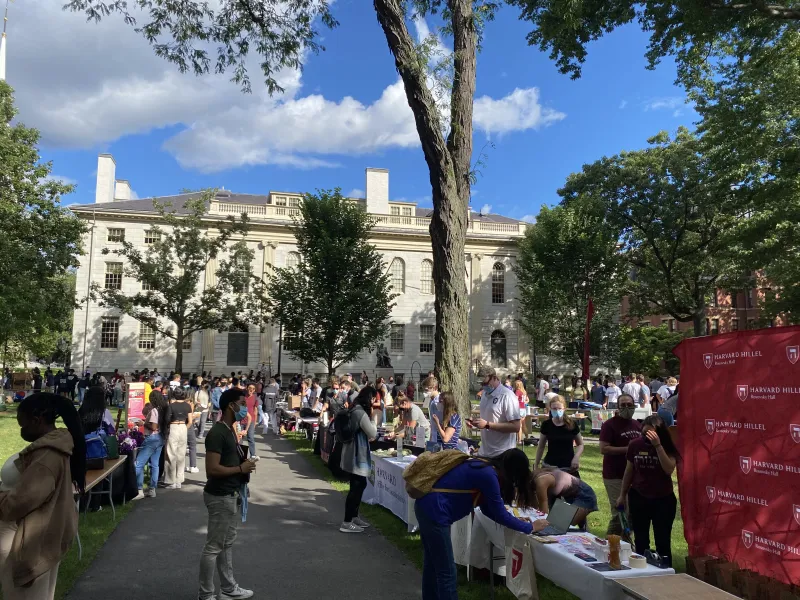
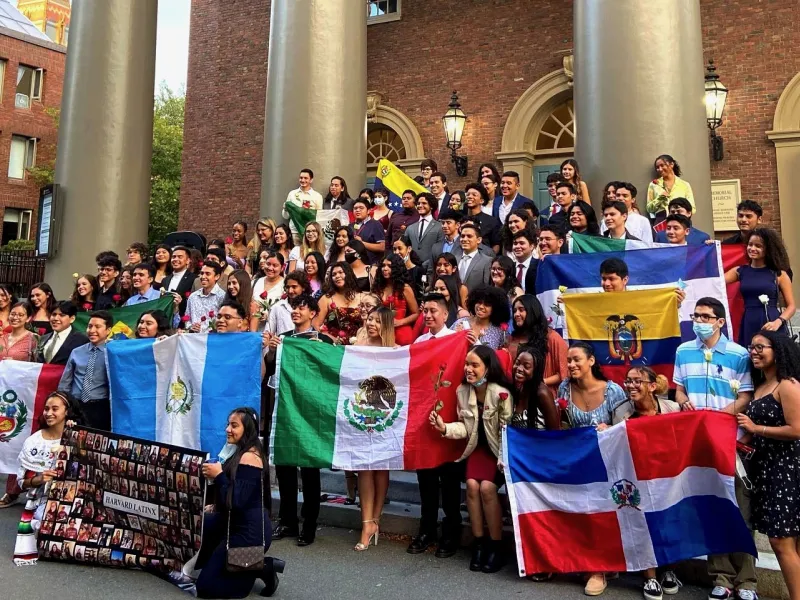
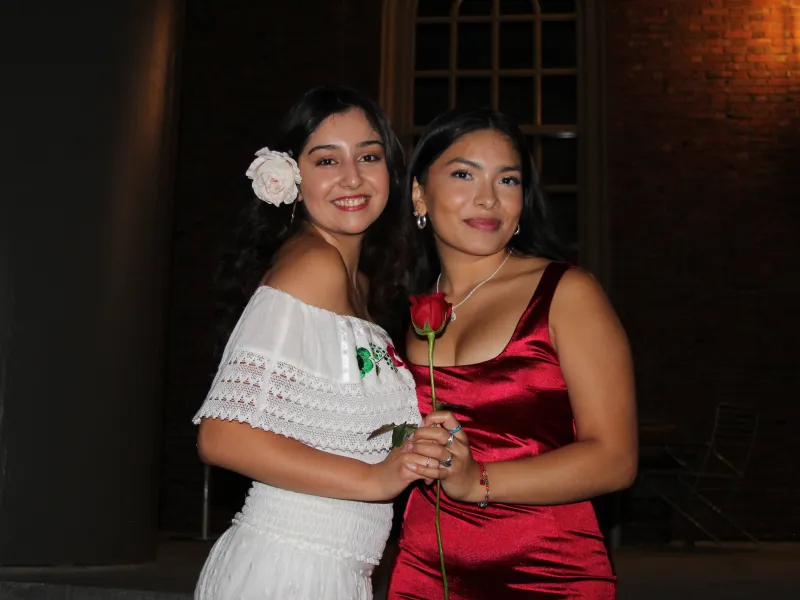 Latinx Convocation is an important event that celebrates Latinx culture and welcomes first years to Harvard! Julia Casas president of Fuerza on the left and Gloria Maldonado president of Latinas Unidas on the right.
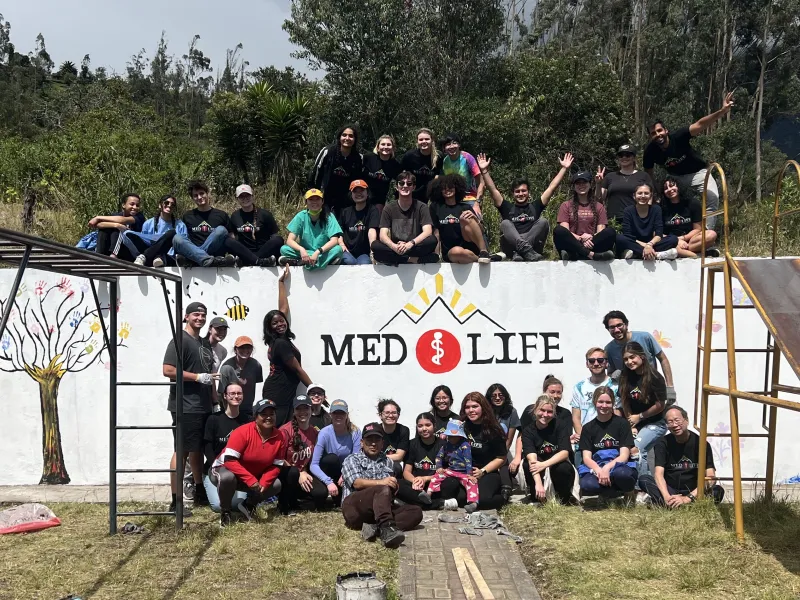 MEDLife volunteers posing for picture with MEDLife Logo
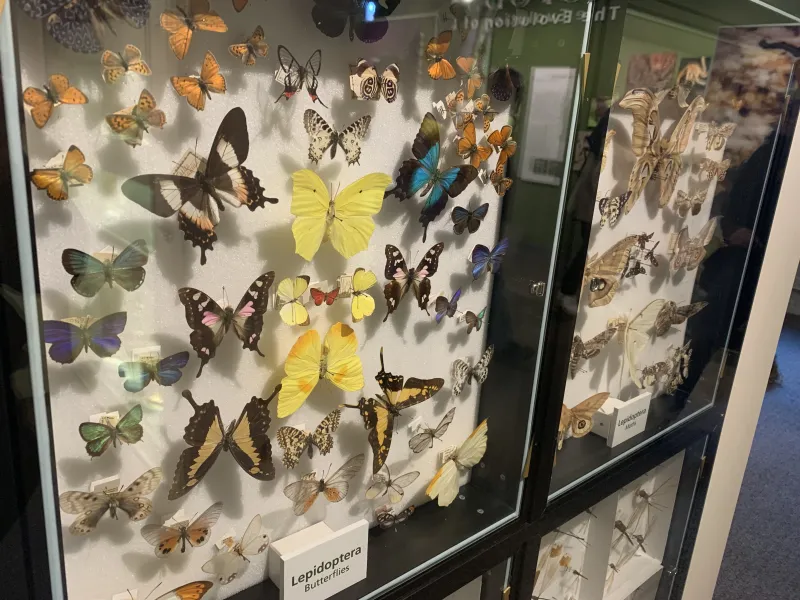 Display of butterflies at the Harvard Natural History Museum.
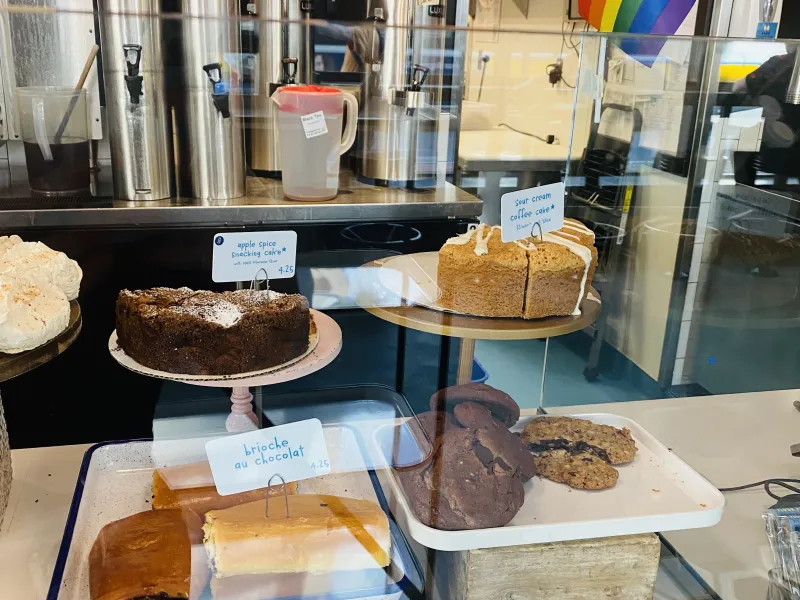

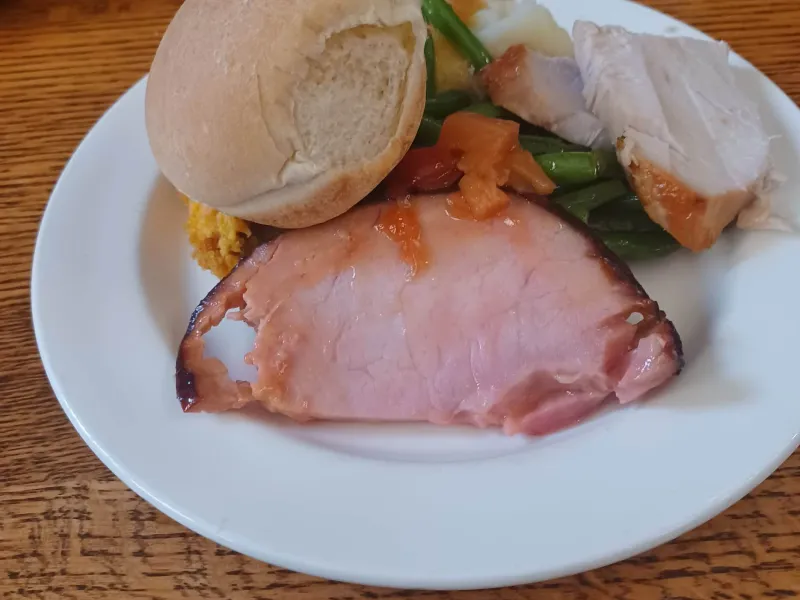 Food provided by Harvard University Dining Service Workers on Thanksgiving Day
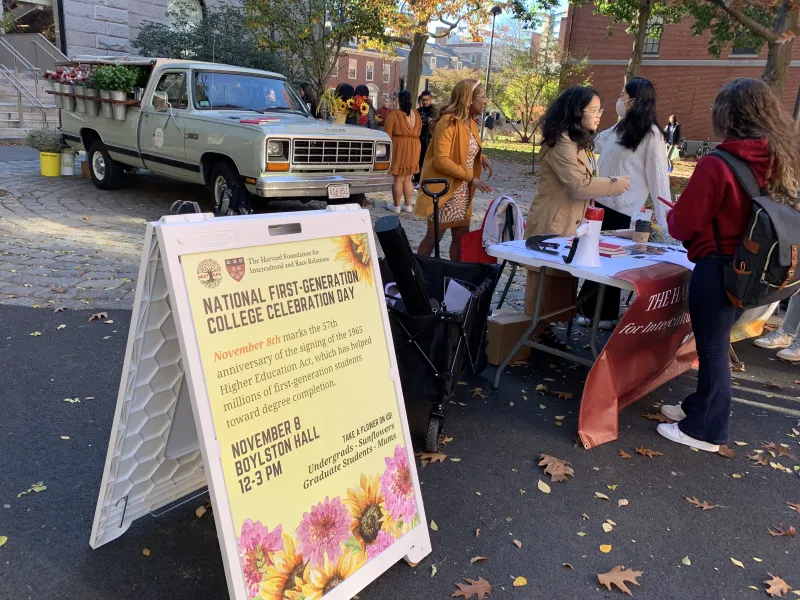
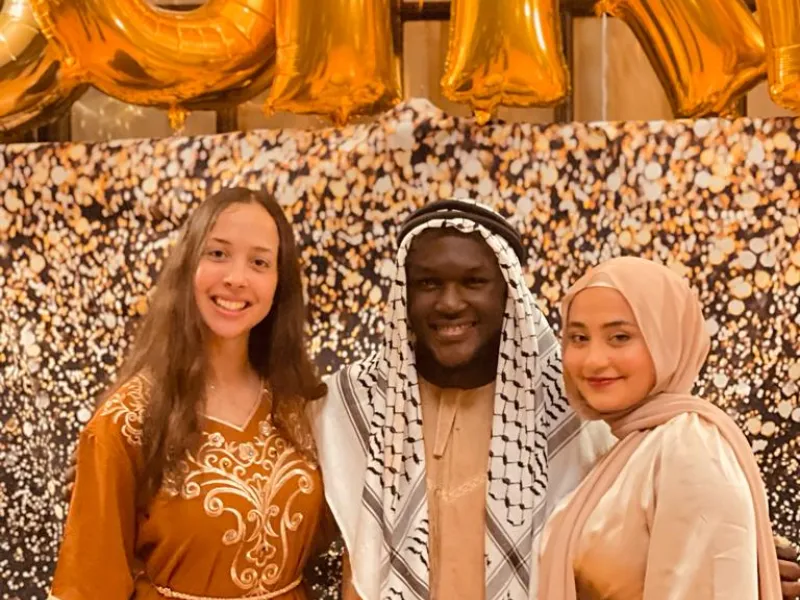 My fellow HFAI coordinators and I at Sufra!
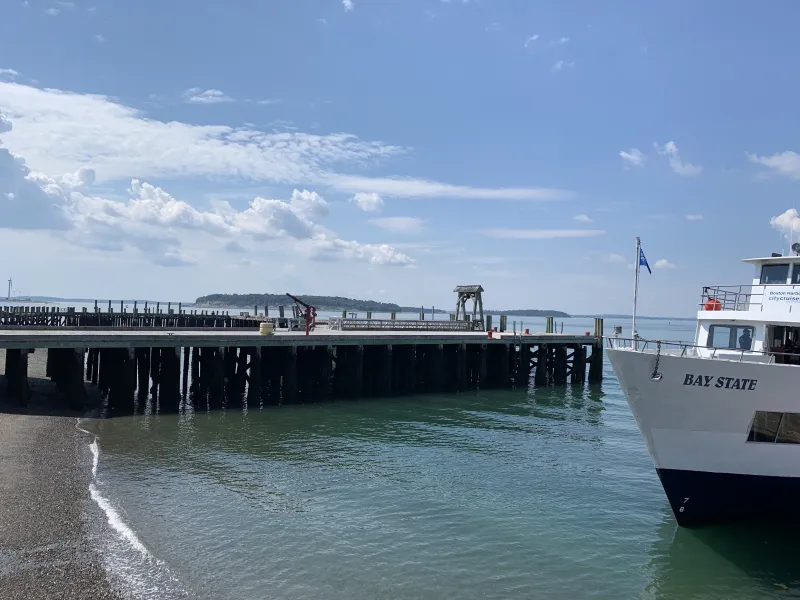 After a warm ride aboard the ferry, we made it to Georges Island!
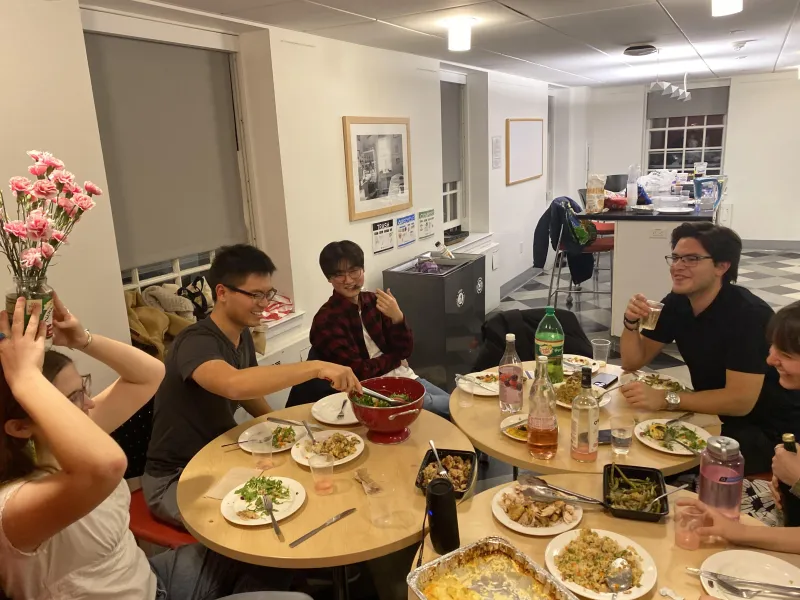 My friends and our Thanksgiving dinner.
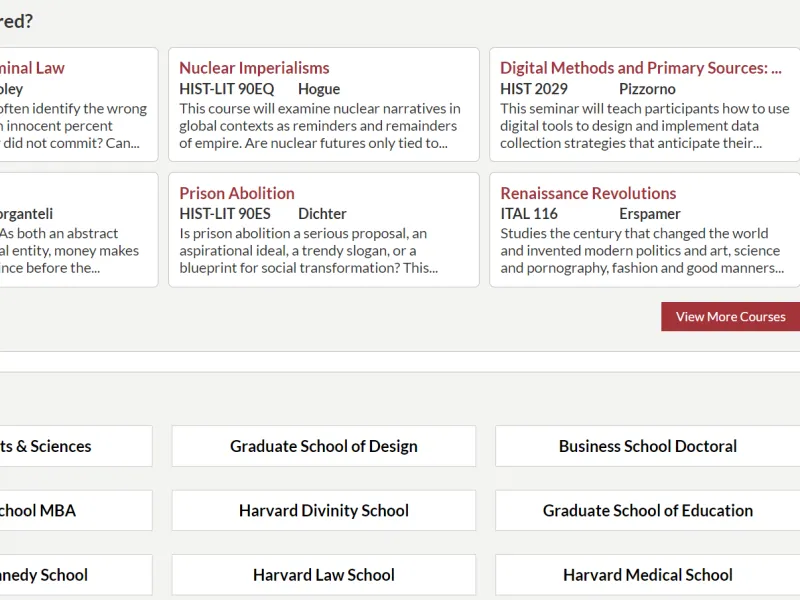 Harvard's course search page allows you to browse the 3,500+ courses offered each semester
 The SCC
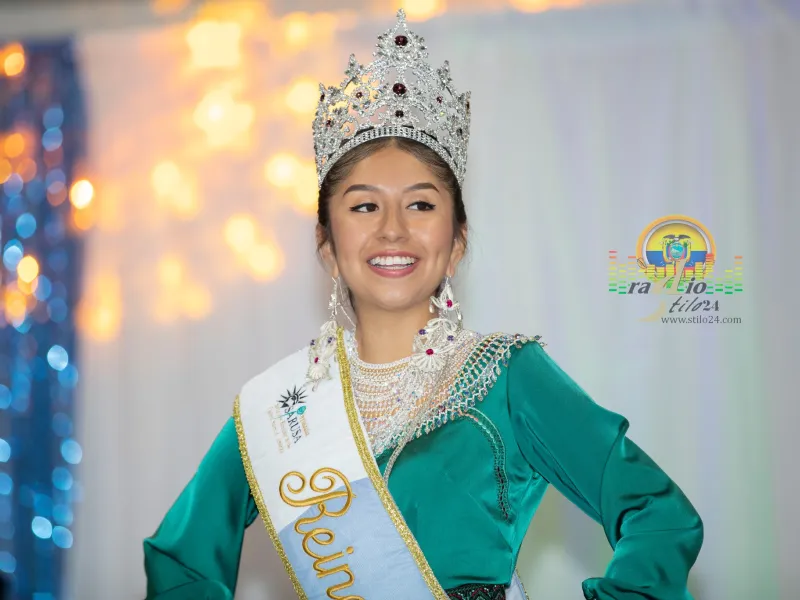 After weeks of preparation, my hard work paid off when I was elected as the queen of my tribal organization in the US, SarUSA (Saraguro Residents in the USA).
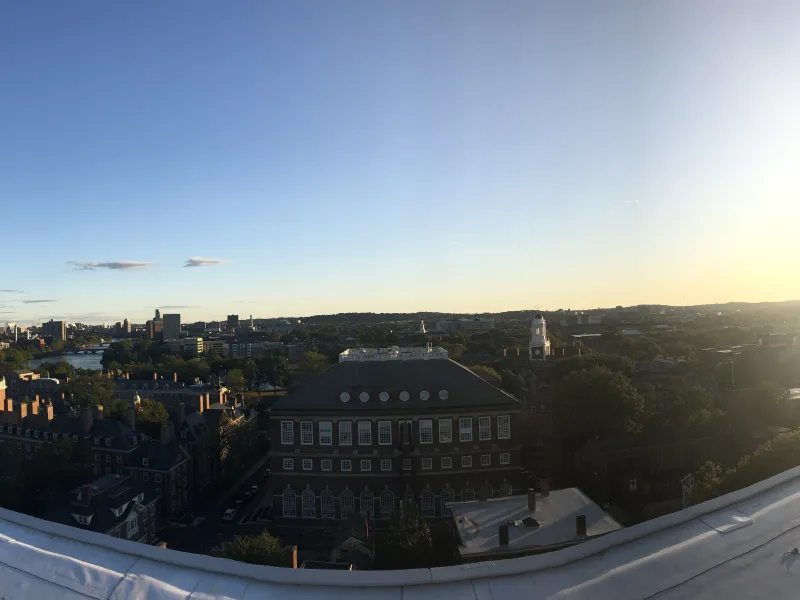
 Sunrise during our first morning at sea.
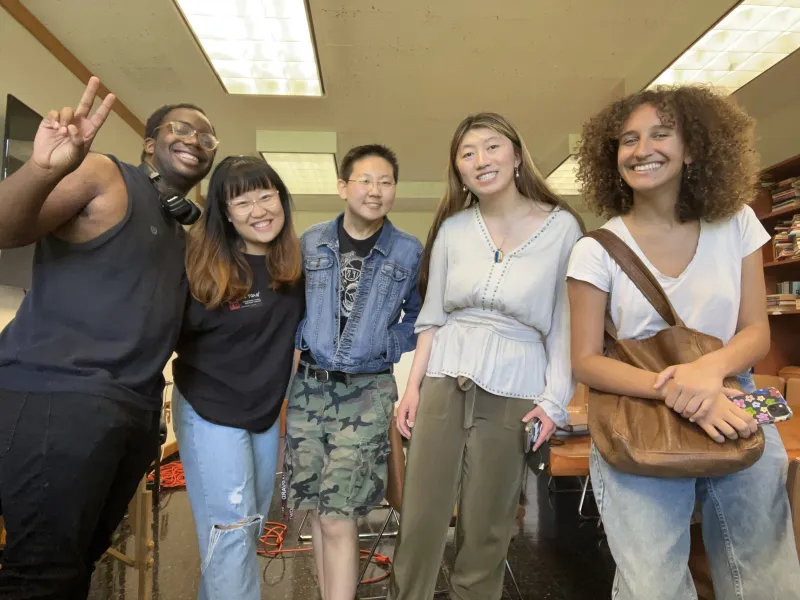 The 2022 summer American Repertory Theater (from left to right): Chinyere Obasi '24, Caron Kim '24, Sophie Kim '24, Diana Chen '25, Sophie Garrigus '25.
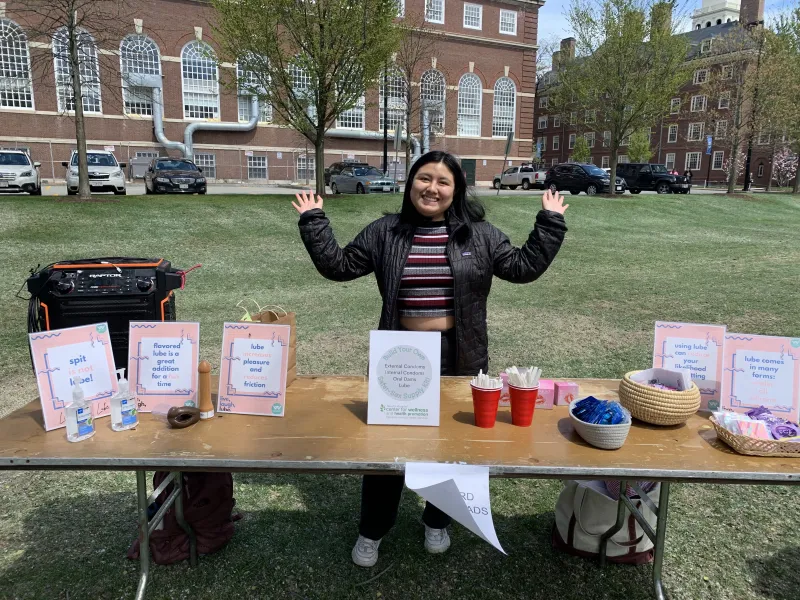
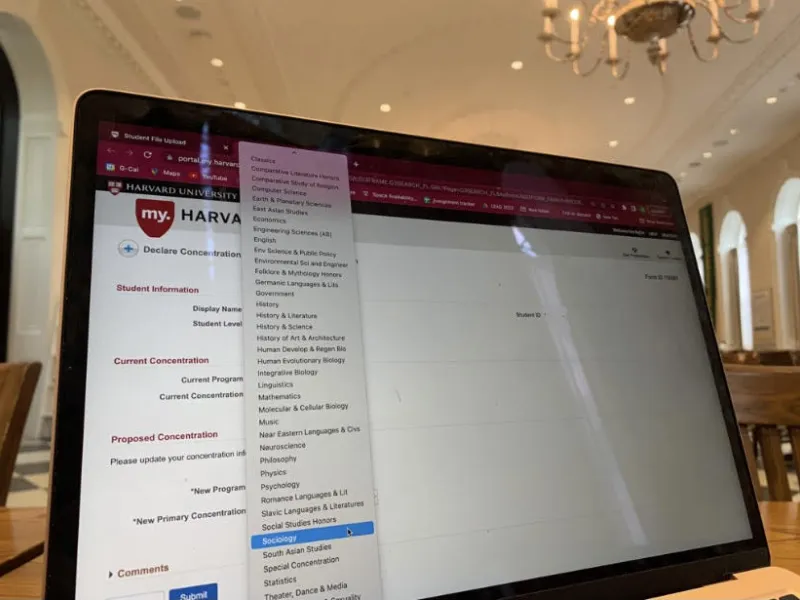 I officially declared Sociology as my concentration this fall!
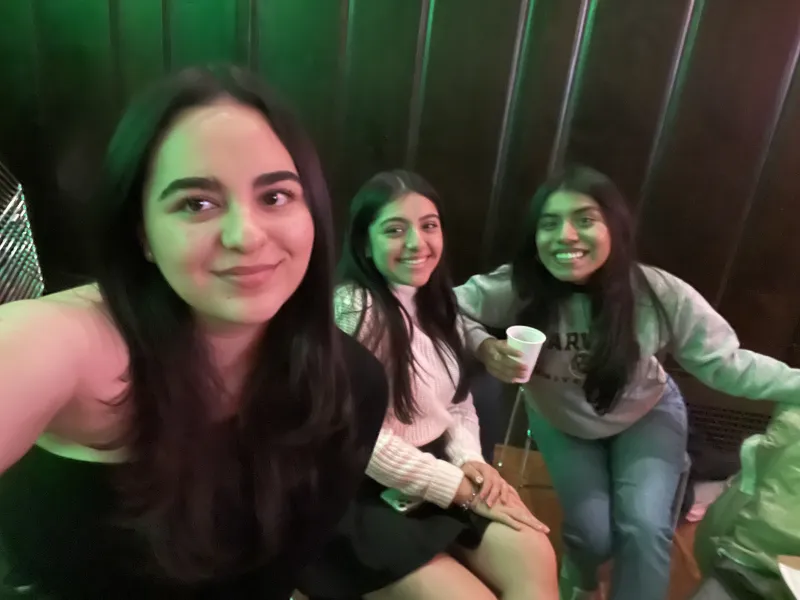 My friends and I love attending the socials that are hosted by the affinity groups!
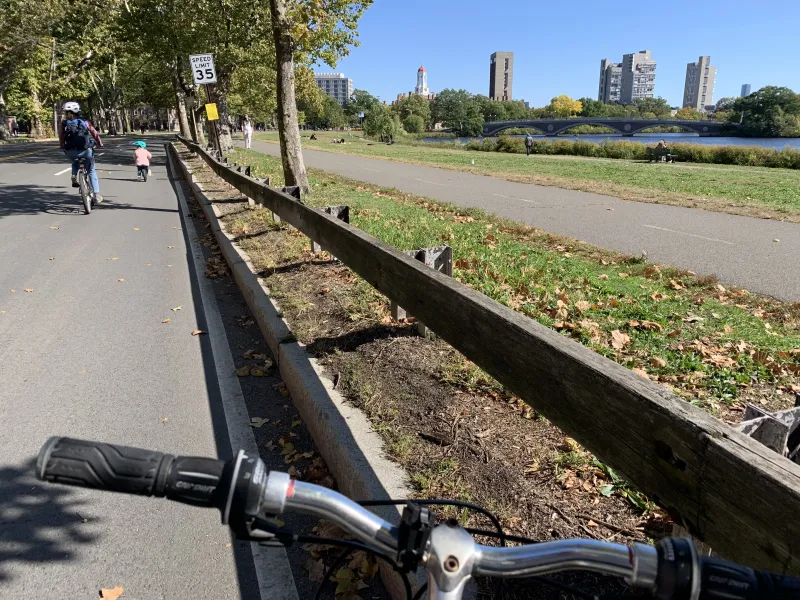 I love catching the crisp morning breeze every Saturday morning!


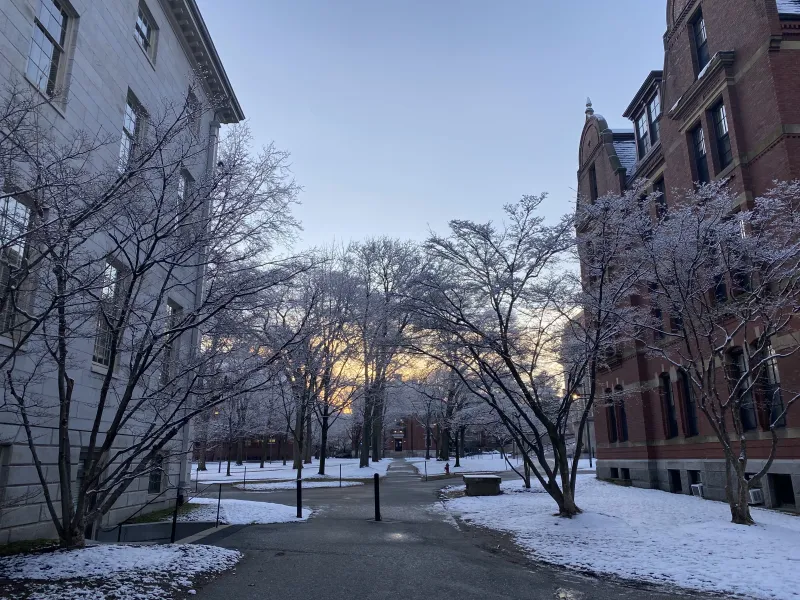 The sunrise on the morning of Housing Day this year.
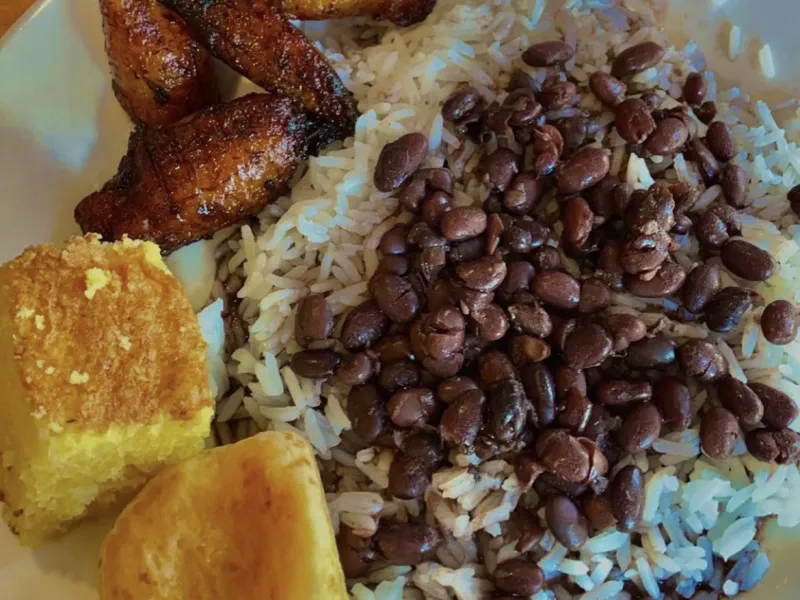
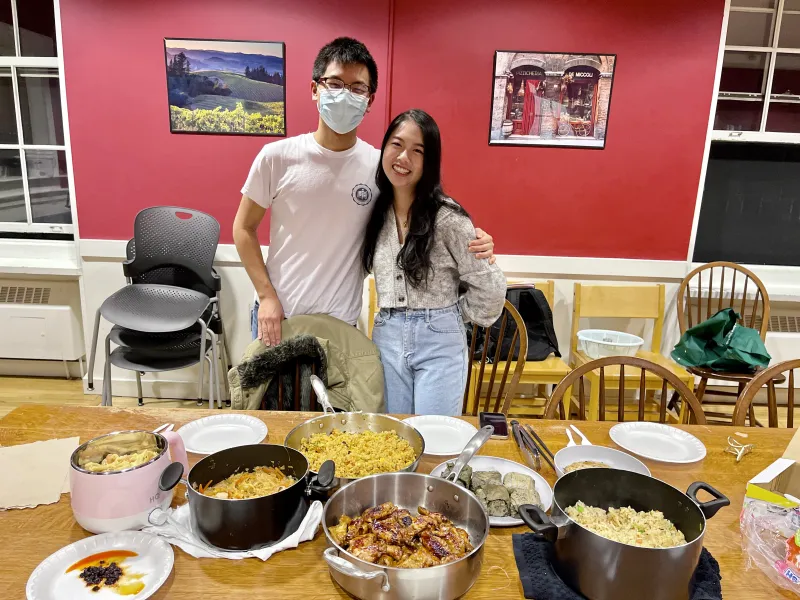 My first cookout at Harvard was successful!
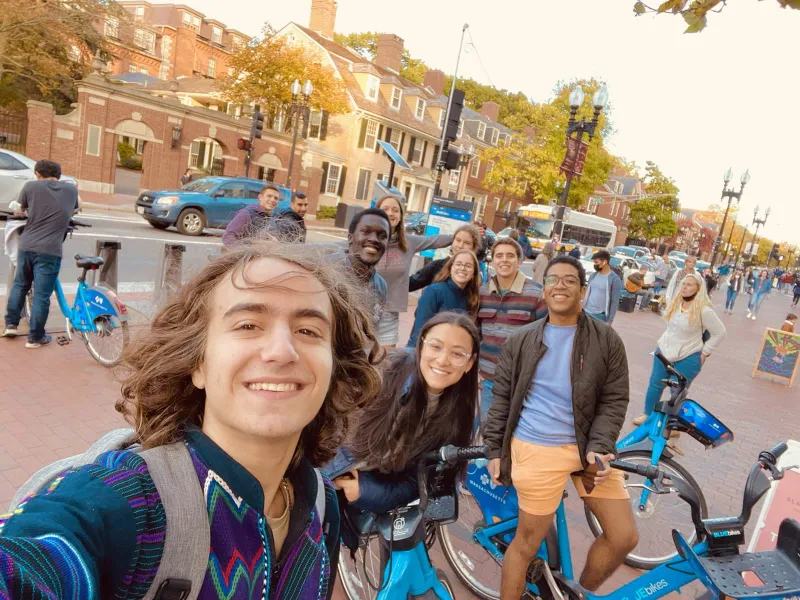
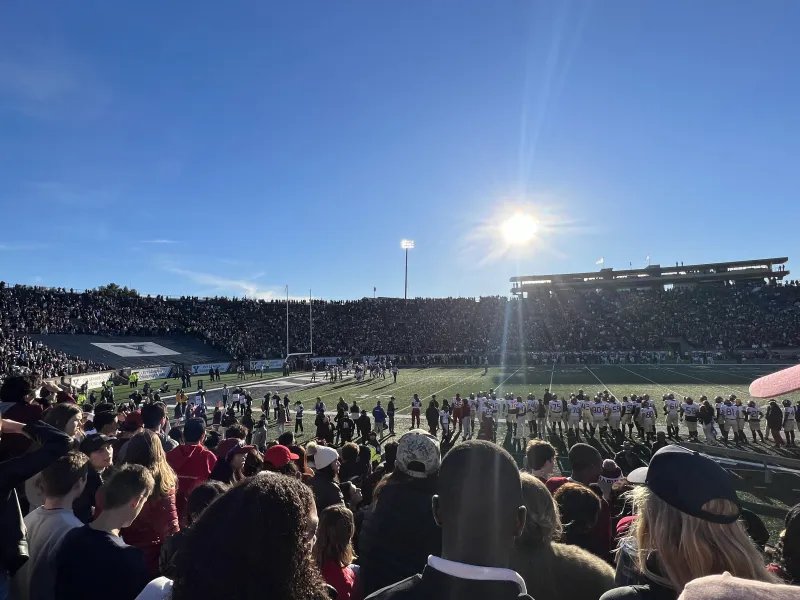
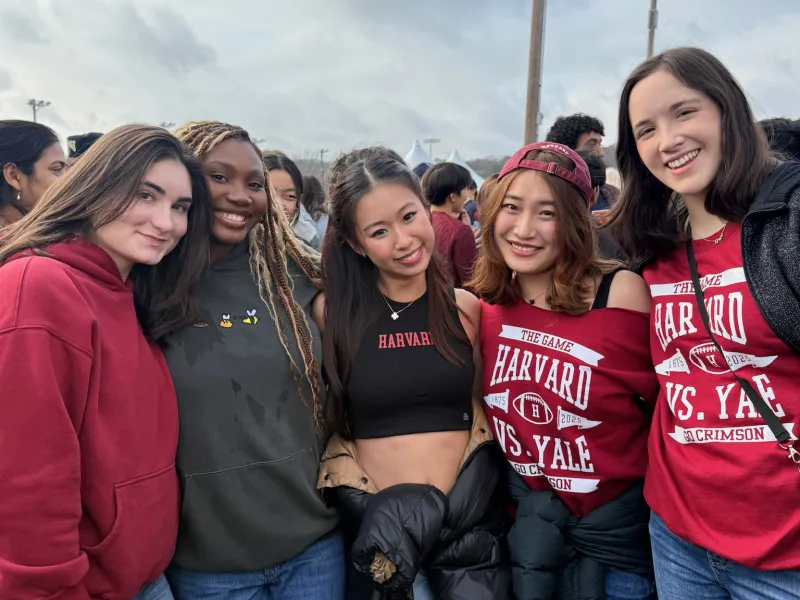
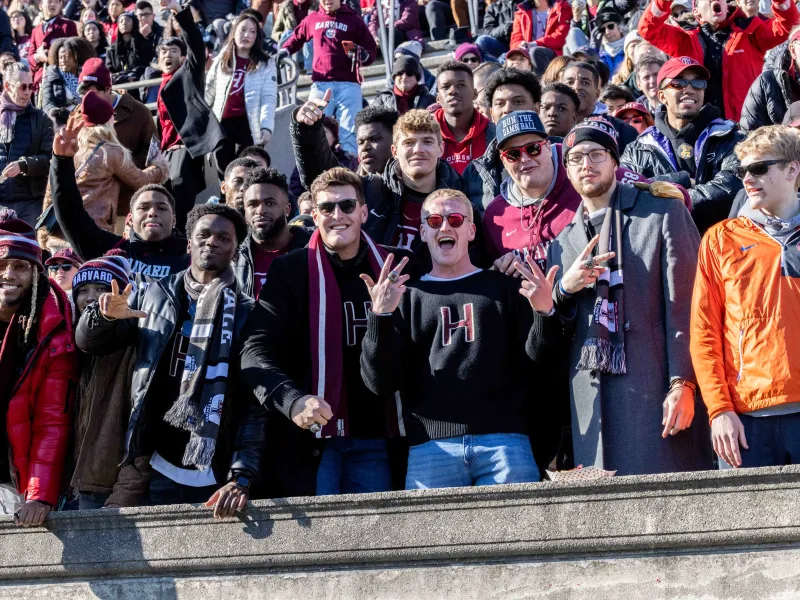
 My First Harvard Yale Game
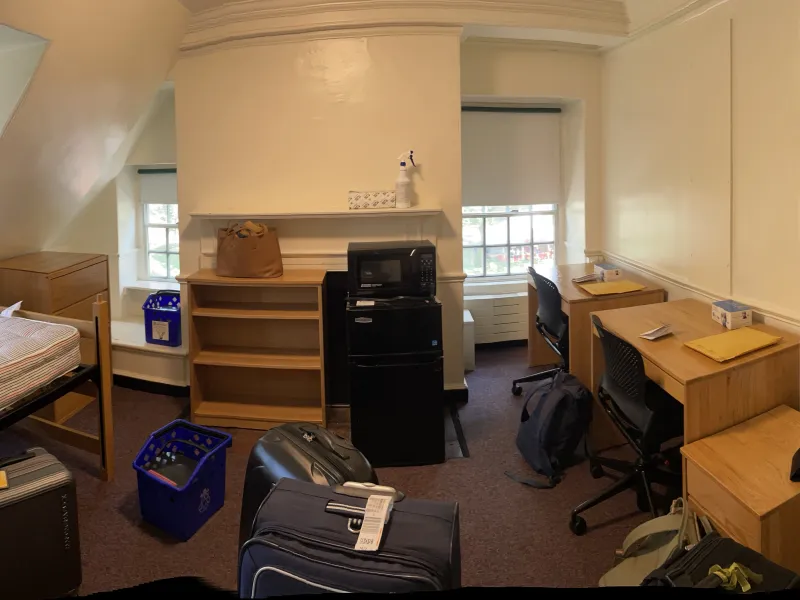 An empty room? More like a clean canvas!
 The Fall 2021 HFAI Student Coordinator Team!
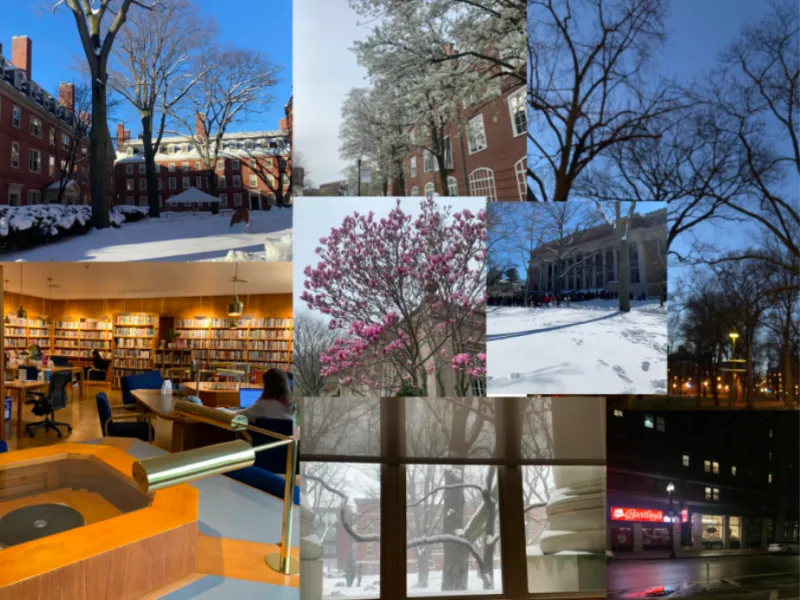 Adding as thumbnail for blog
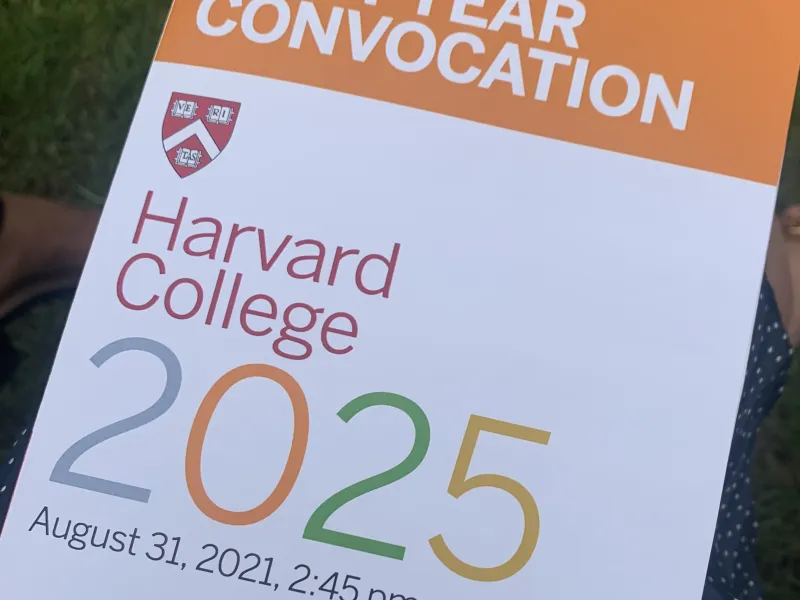 The brochure given to us on Convocation, a day before the start of classes
 A picture of a white poster with "Adams House is the Best House" written on it.
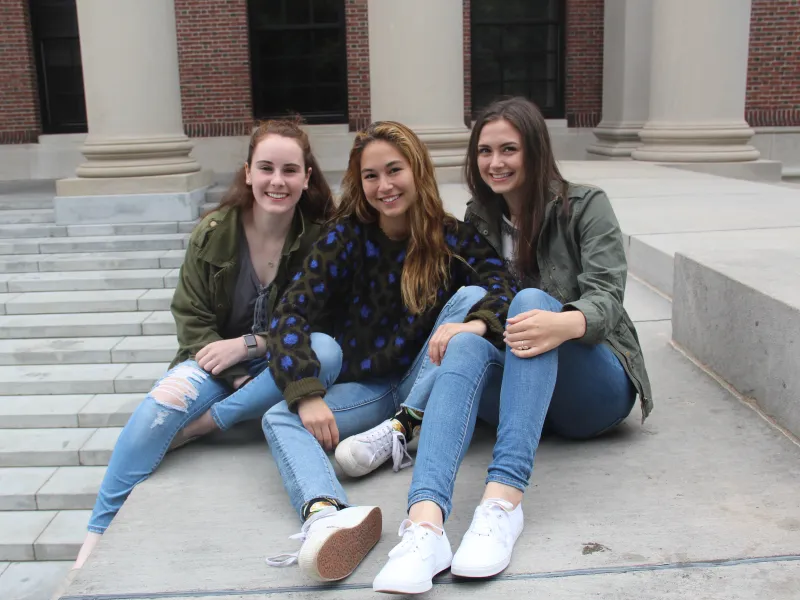 Sitting in front of Widener with my first friends at Harvard in fall 2018. None of us could have predicted that we would end up taking a leave of absence together two years later.
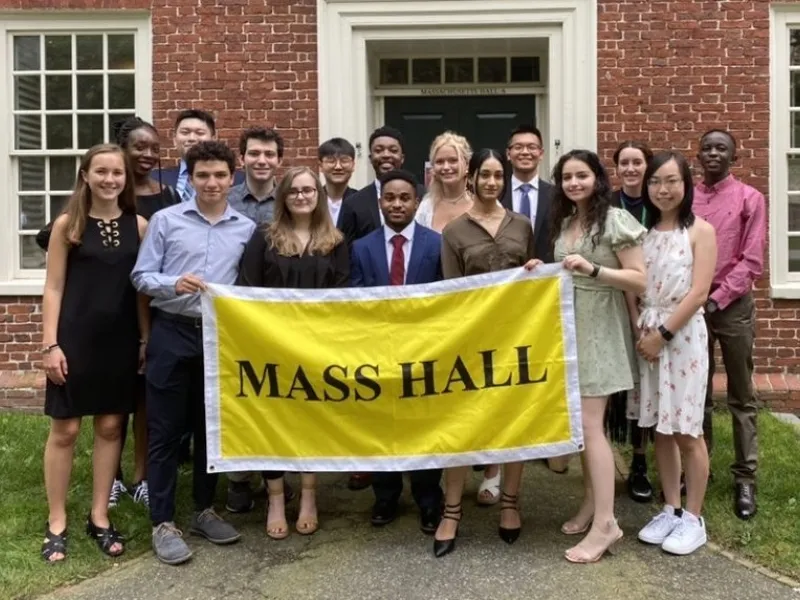
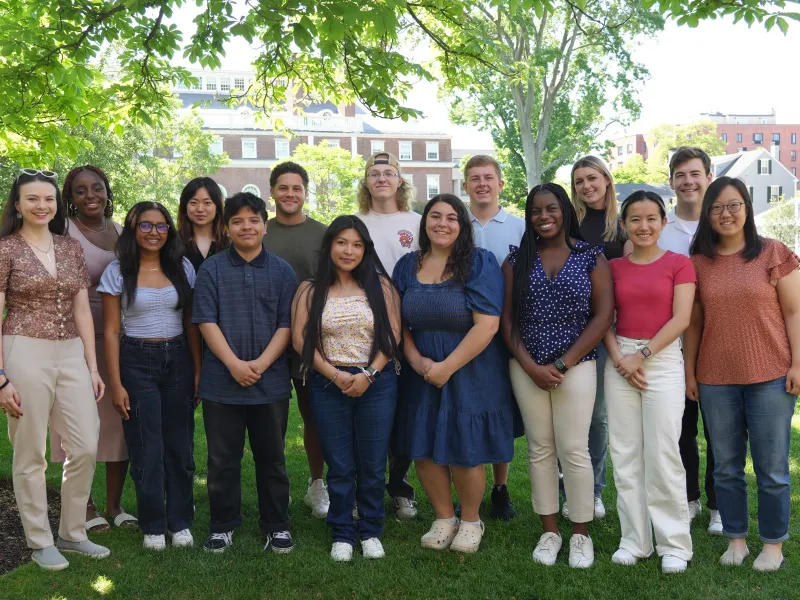
 So grateful to have worked with these amazing student leaders this past year!
 hey, what's that--a liminal space?
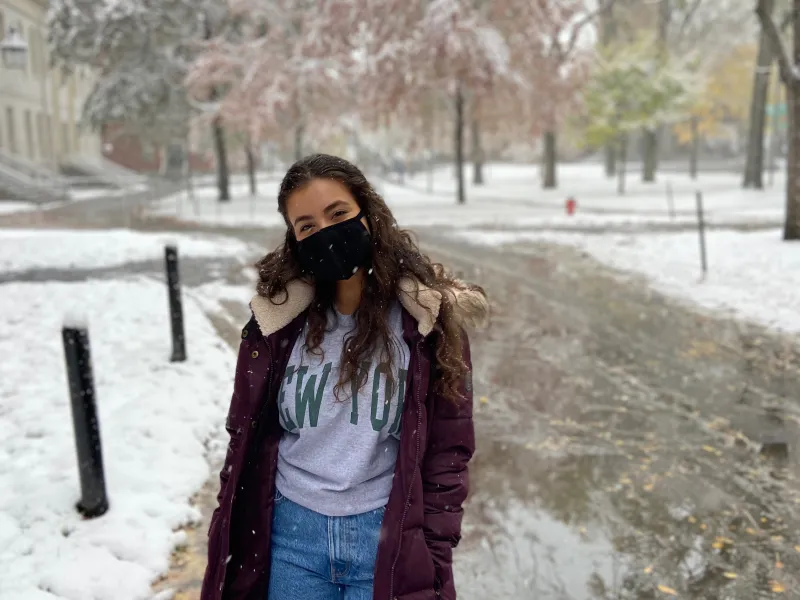 My one of my Floridian roommates in the snow last year looking warm in a coat and jeans!

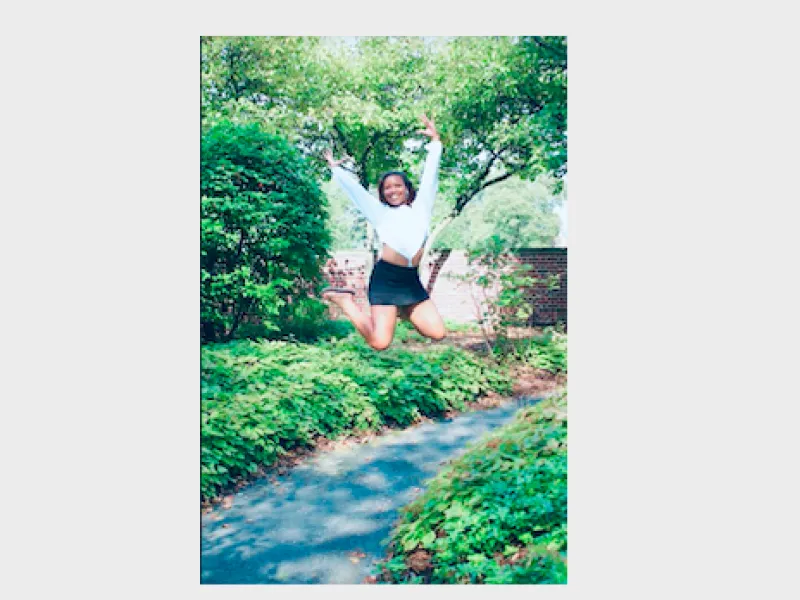 A dancer jumping in the air
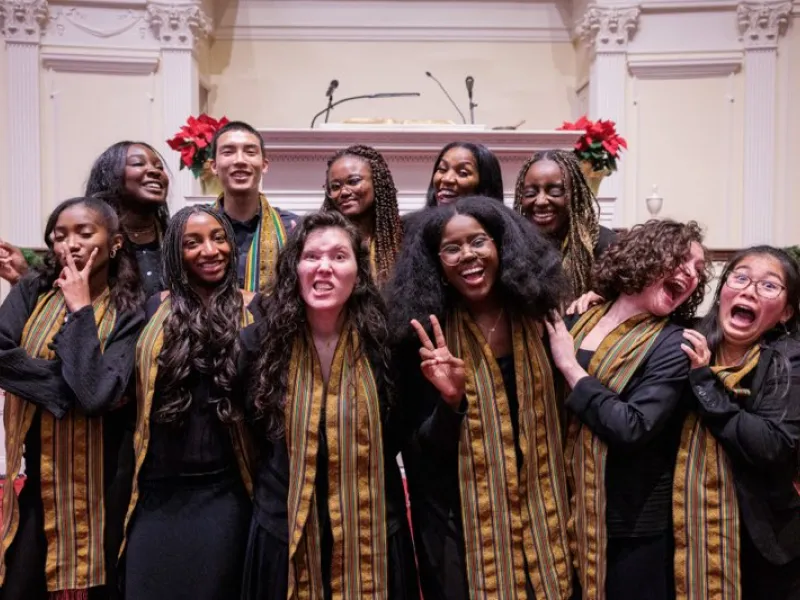
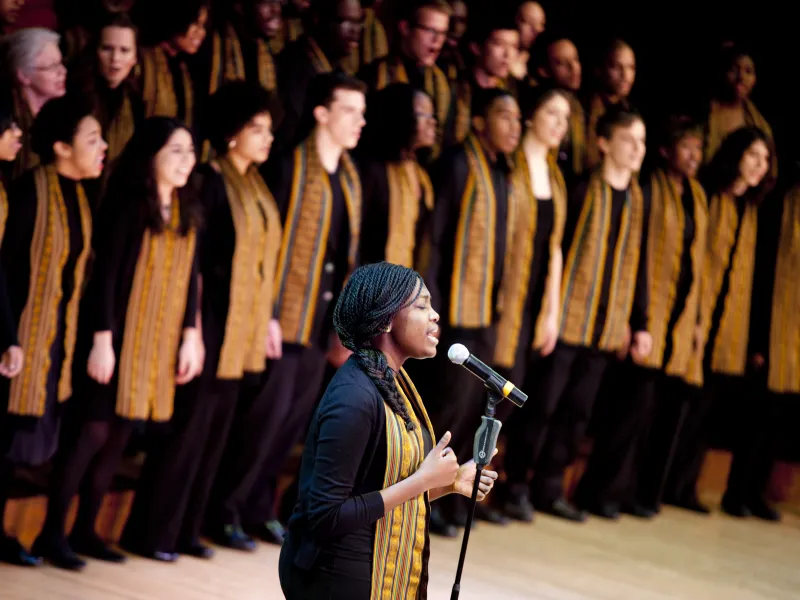
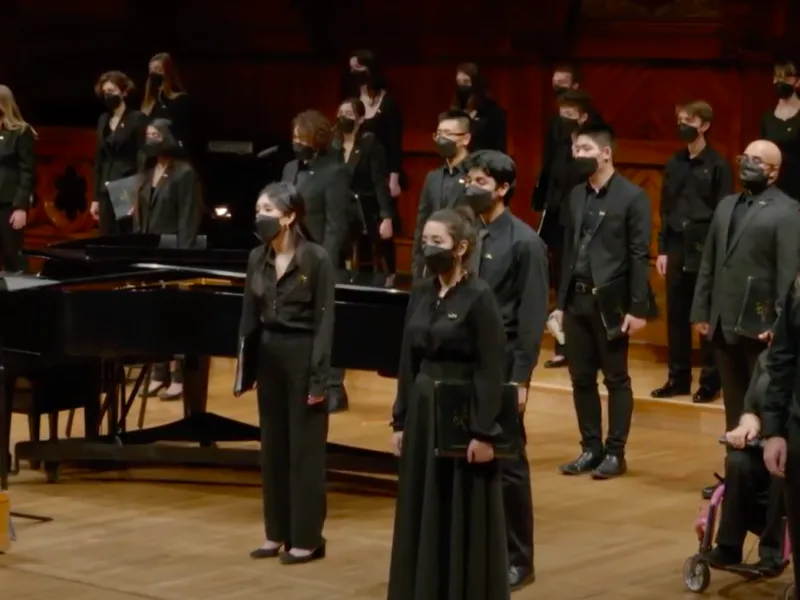 My fellow singers and I singing “Lay Me Low,” our closing number, by Addah Z. Potter and arranged by Kevin Siegfried, at Reunion: A Fall Concert.
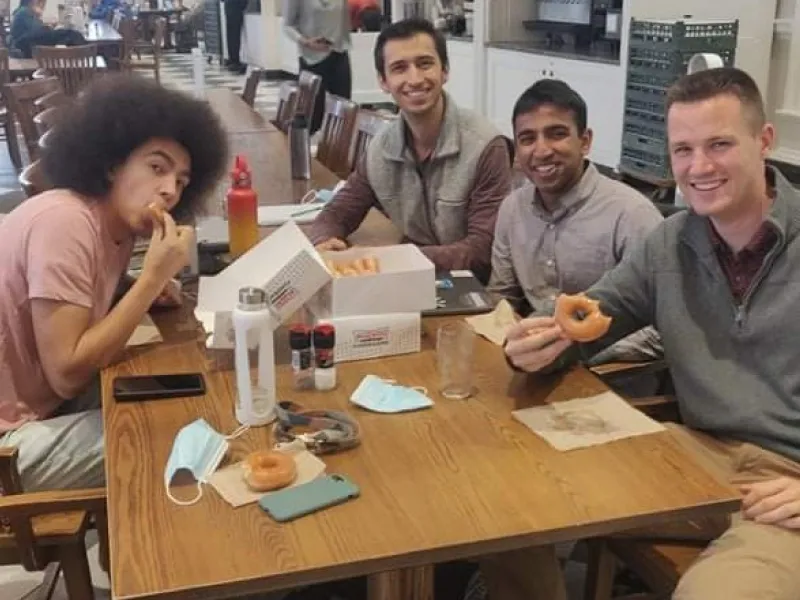 To relax after midterms, some friends and I enjoyed donuts for breakfast in Leverett Dining hall.
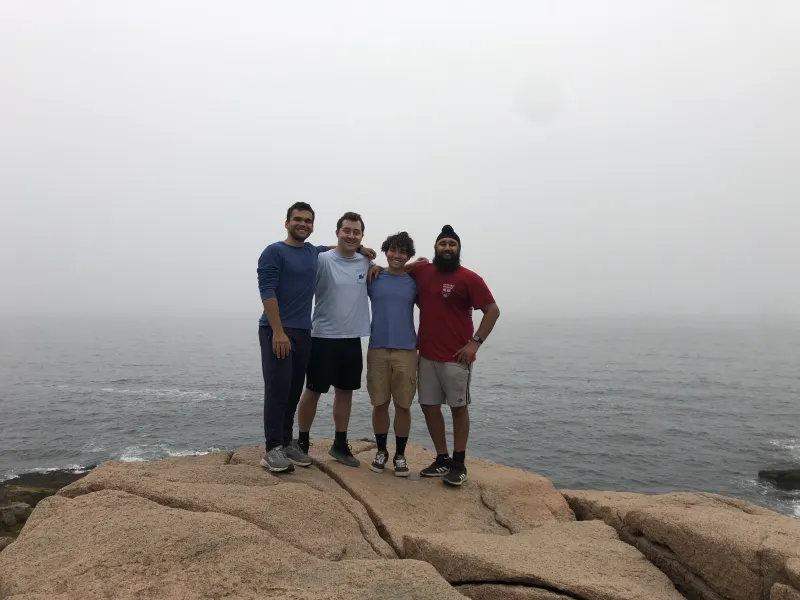 Here's some friends and I at Acadia National Park over an extended weekend!
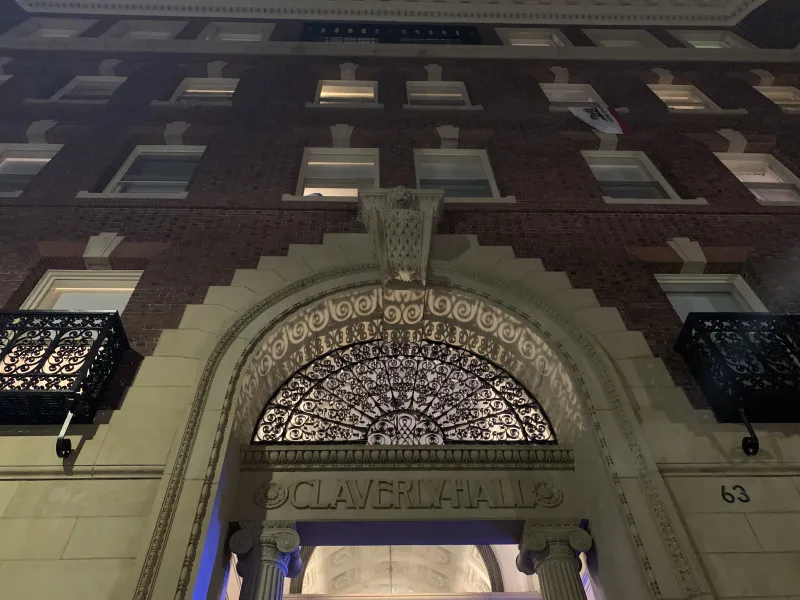 The front of Claverly Hall on Mt. Auburn Street.
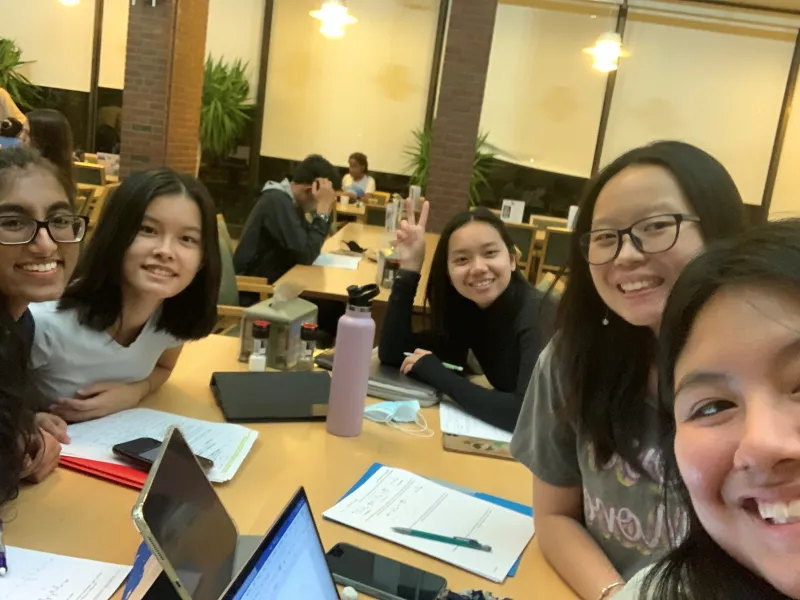
 This is our entryway ready for their convocation!
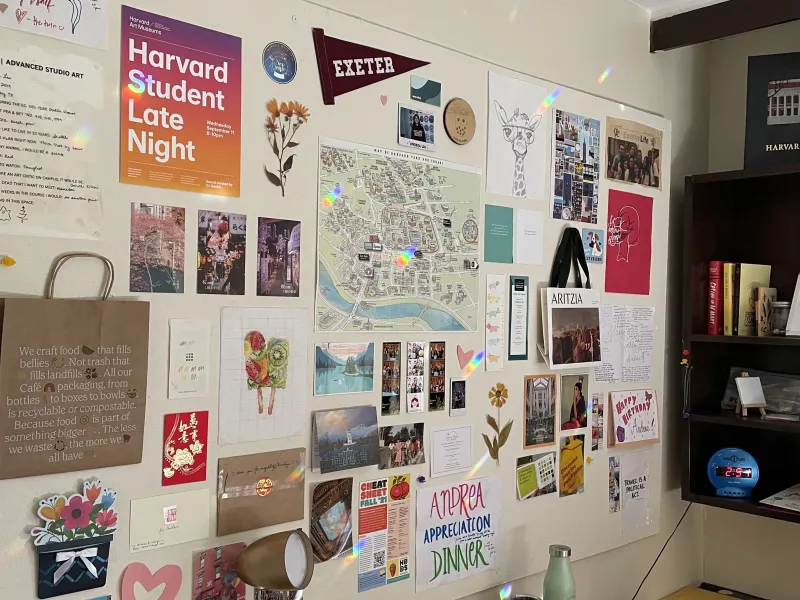 A snapshot of my room in the afternoon
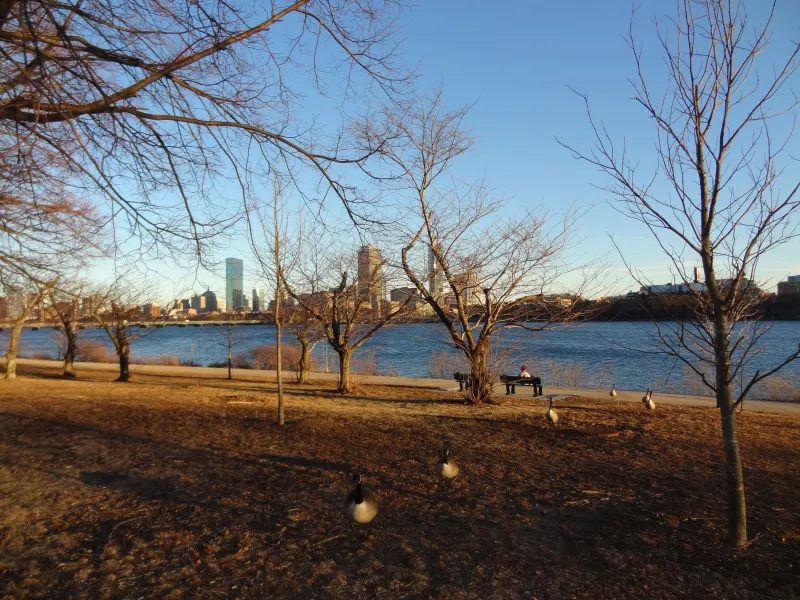
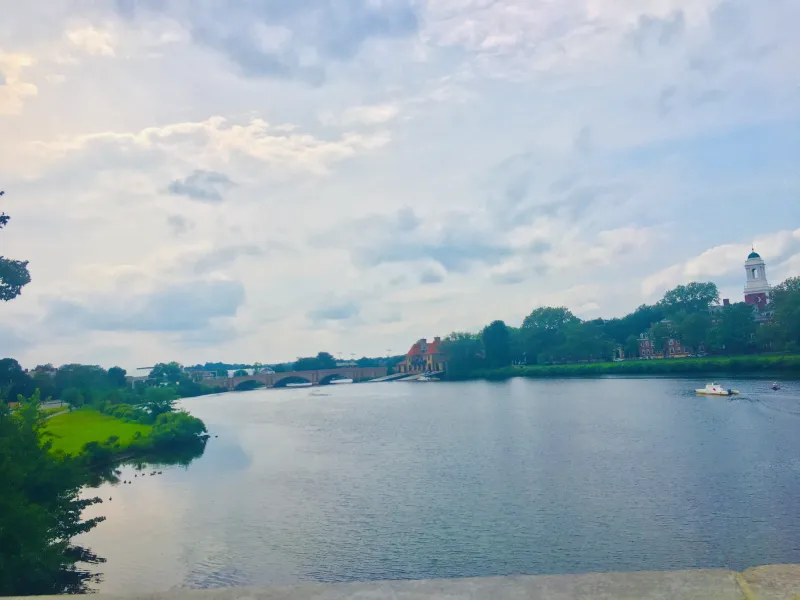 A picture of the Charles River overlooking Harvard's River Houses
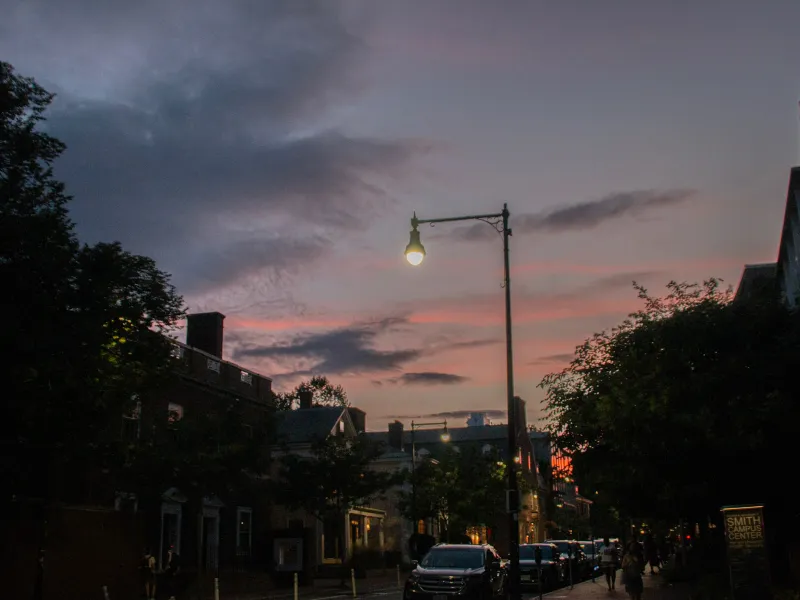
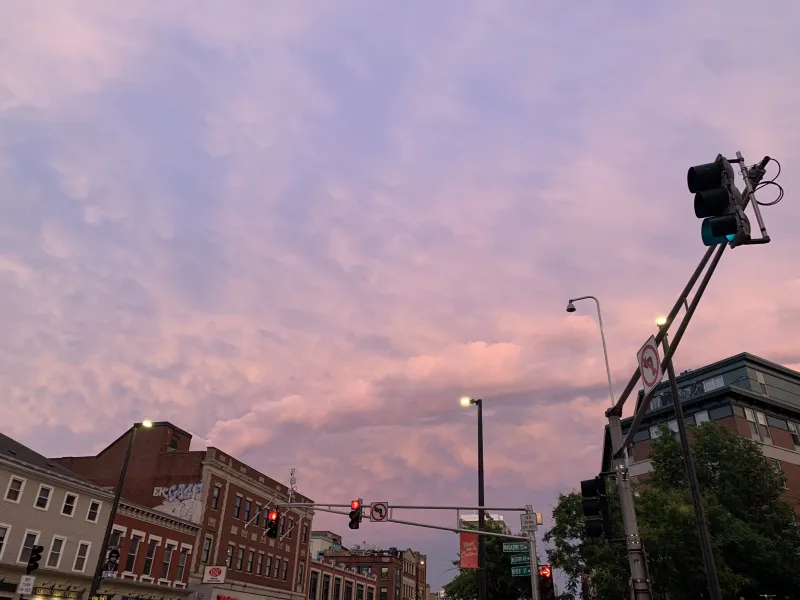 One of my favorite parts of Cambridge summers is how beautiful the sky gets as the sun starts to set. I've dubbed them "cotton candy skies" due to the vibrant pinks, blues, and purples that the sky takes on during this time.
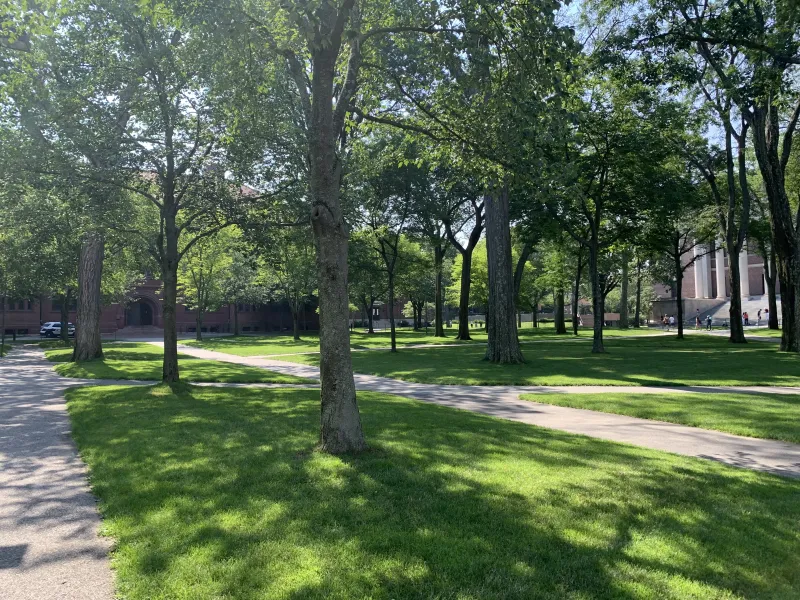
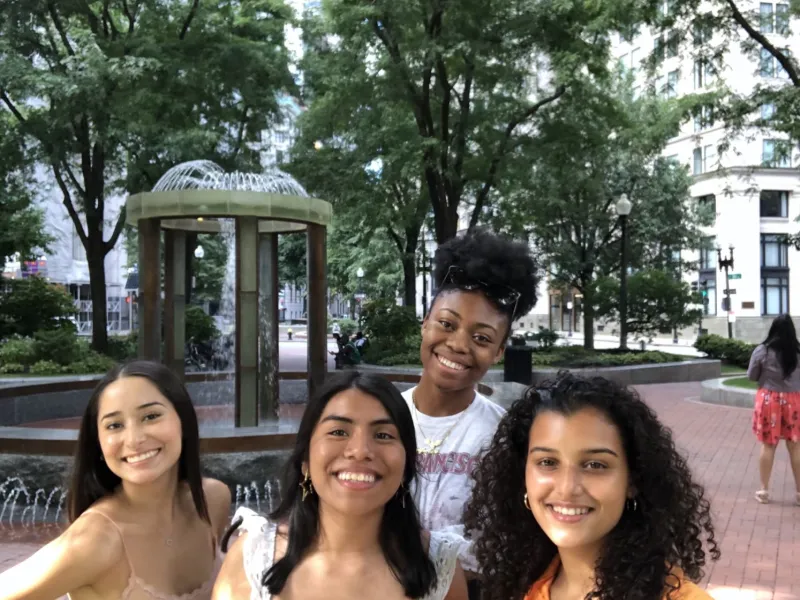 This was during our first few weeks at Harvard!
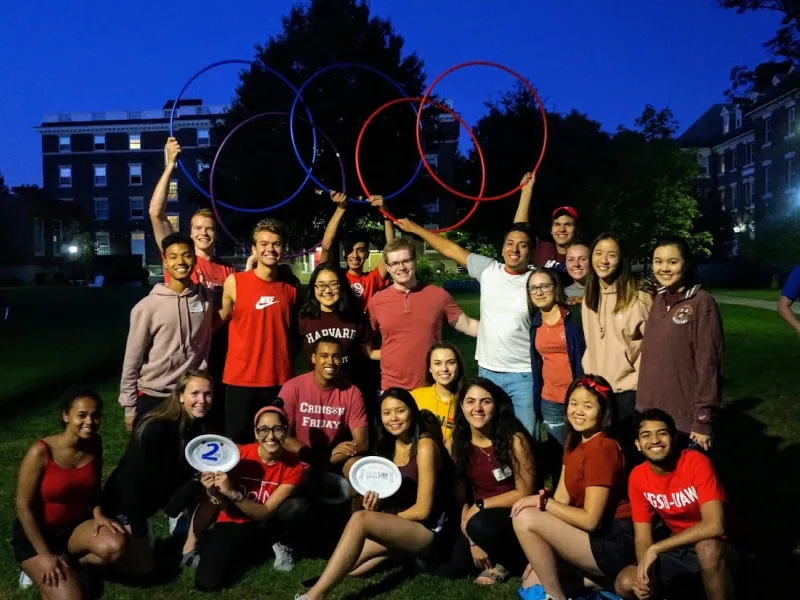 A group of PAFs after an evening of games during orientation.
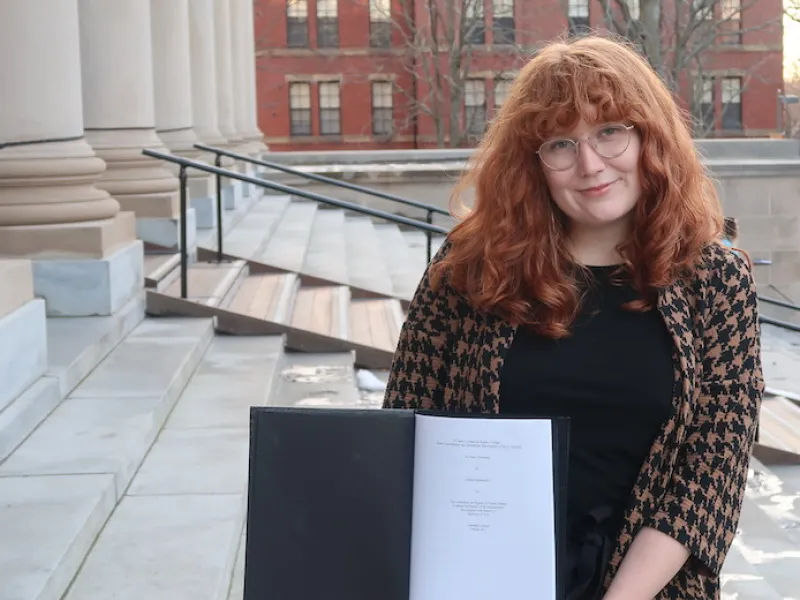 I got to take photos with my thesis (or at least the first 25 pages of it) on the steps of Widener Library!
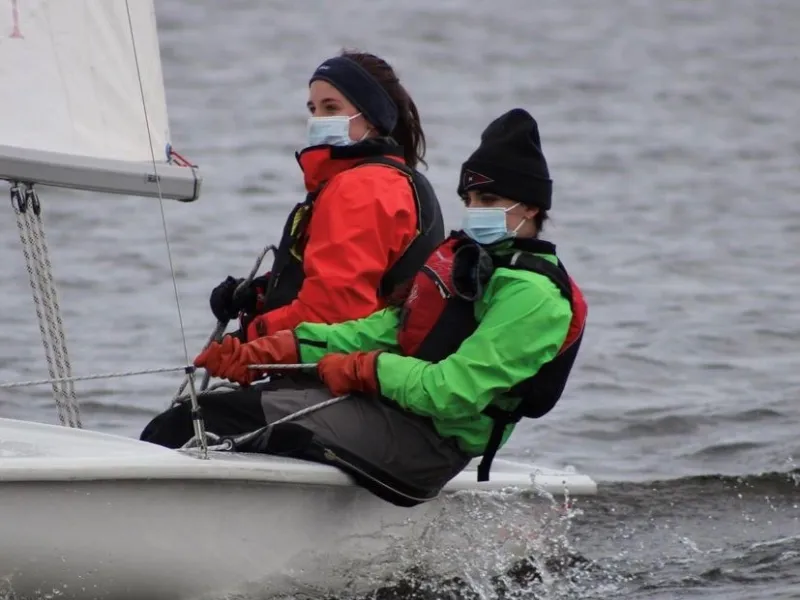 Me and a teammate sailing the first double handed sail of the year.
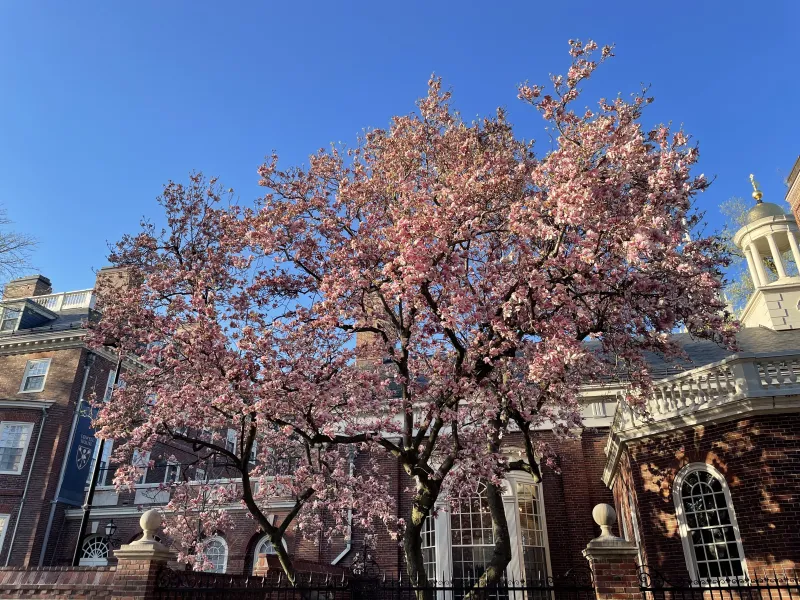 Cherry Blossom outside Lowell
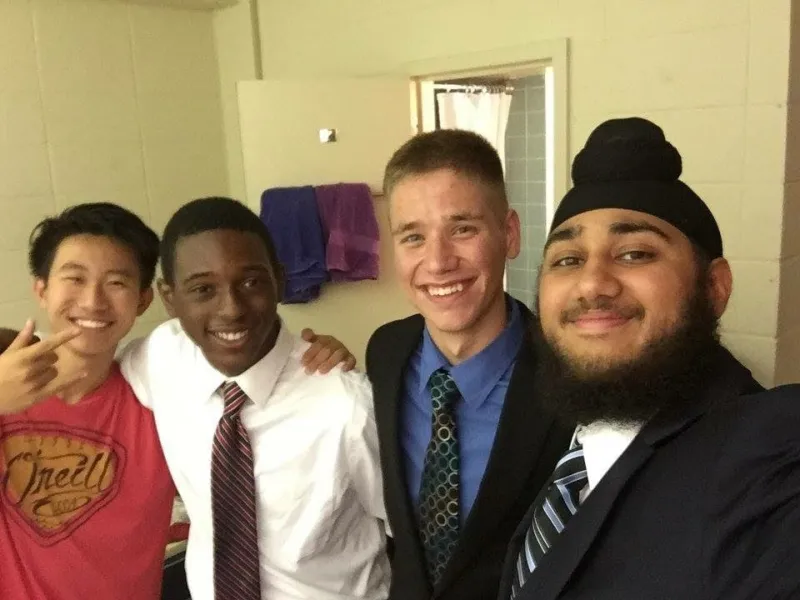 Here's Harpreet and I with our best friends back in high school!
 The finale act of the 2020 show!
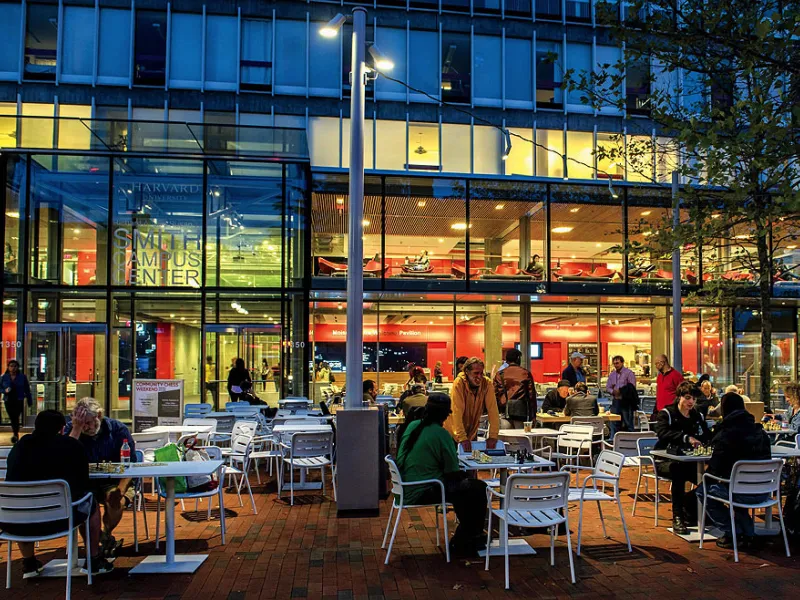
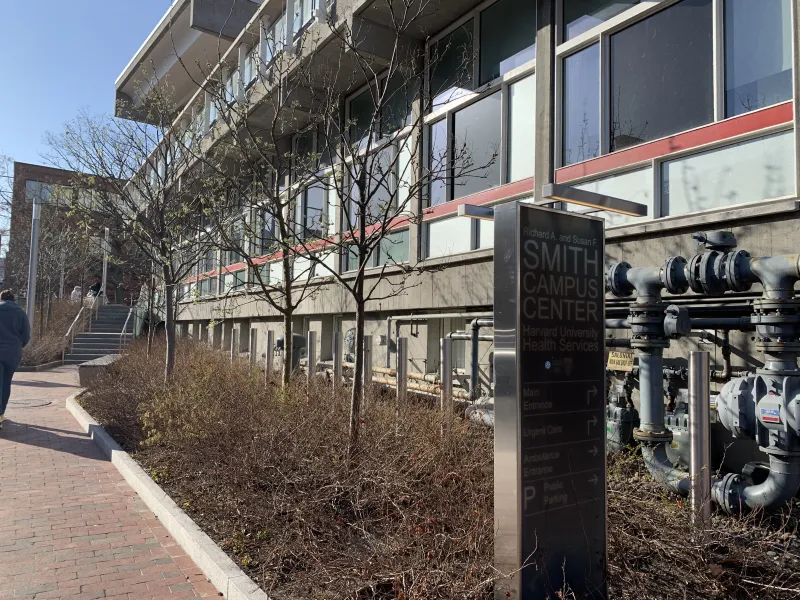 Mt. Auburn Street Side of Harvard University Health Services/Smith Center
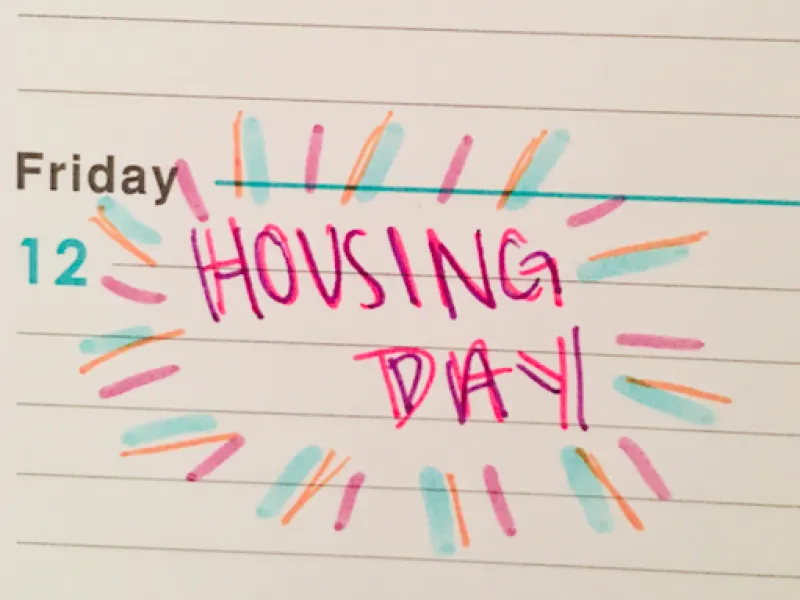


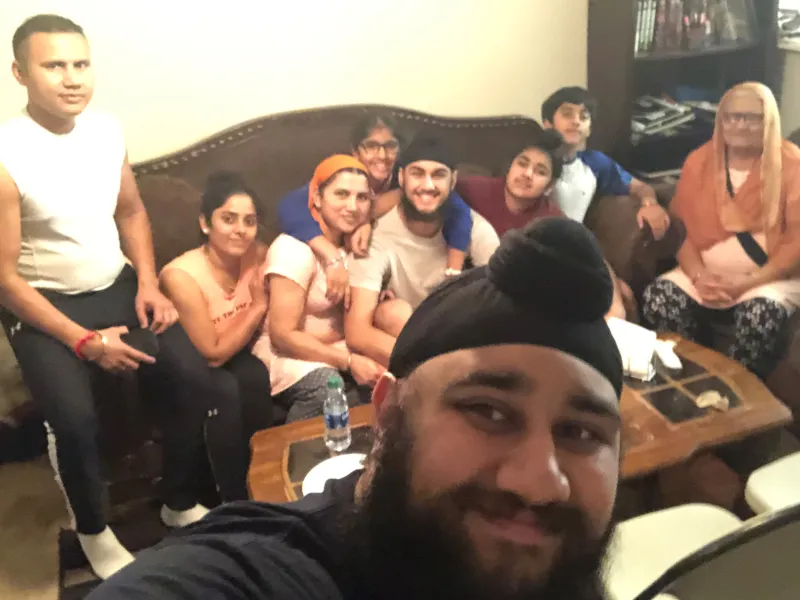 Here is a picture of my family, including my mom, brothers, grandma, uncle and aunt, and cousins.
 The SEF is just one way for low-income students to receive extra support towards the cost of attendance at Harvard
 trips into Boston are worth it!

 Photo of side of Apley Court
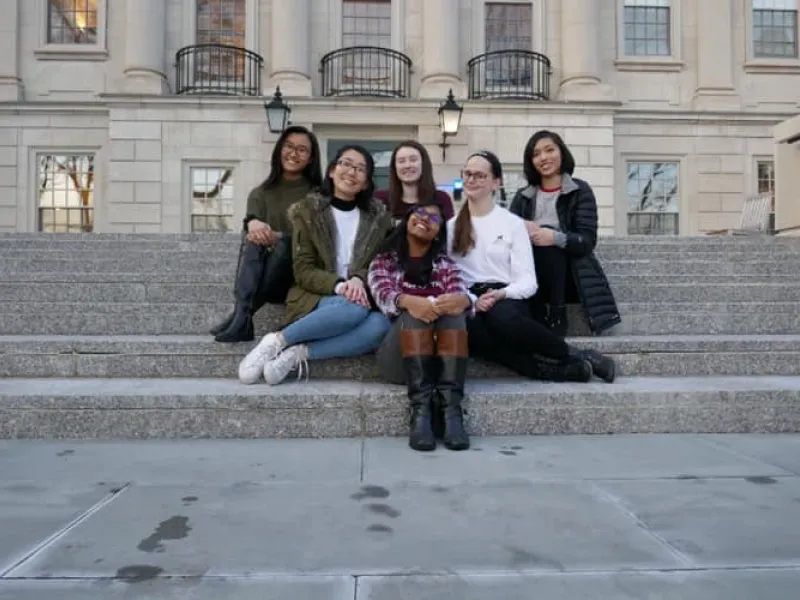 My blockmates and I at Winthrop House on our Housing Day!
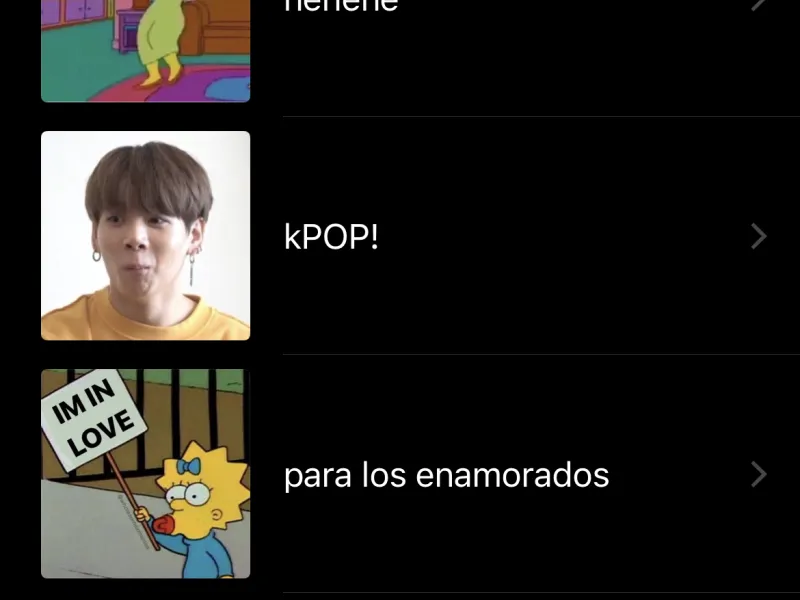 I have very specific playlists for every mood.
 Here are some of the books I've been reading for fun lately!


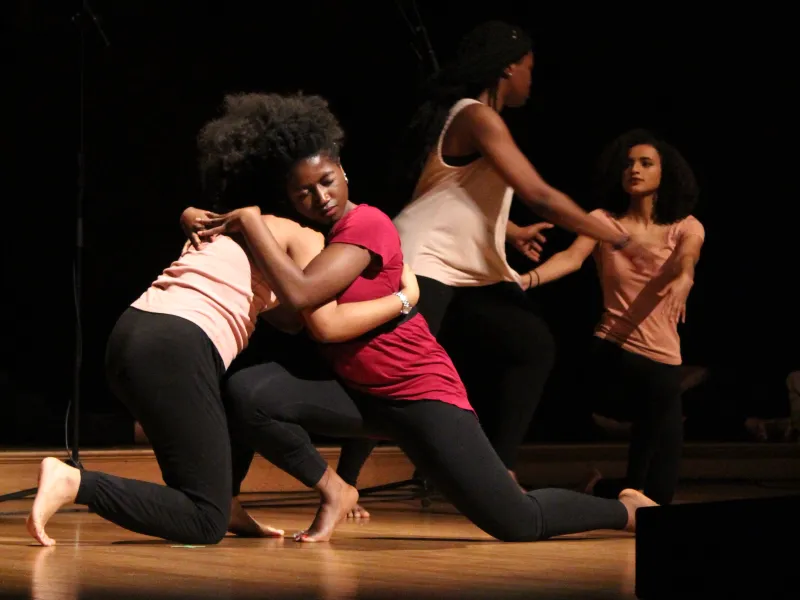 Kuumba had a winter concert last year that focused on the importance of Black Love; this photo, which captures the power of intimacy, was taken during the dance section of the concert.



 My family and I during my move in.
 Pictured with me (on the left) are Louisa (student at the Center for Research and Interdisciplinarity in Paris), TJ (Harvard Class of 2020), and Gabi (Harvard Class of 2021) from left to right.
 Here is the full cast (and some of our crew) for the Hyperion Shakespeare Company's production of Macbeth!
 Walking to Class
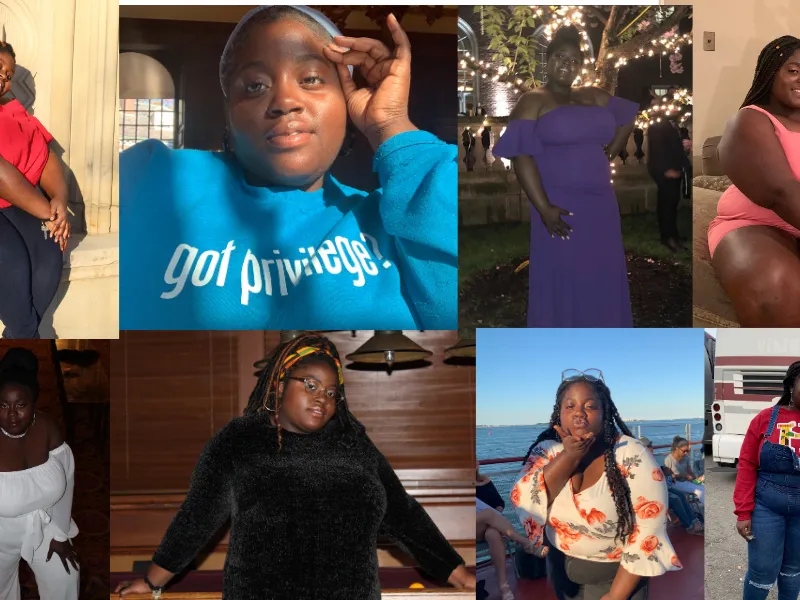 Here's a collage of all the outfits I'll be featuring in this blog.
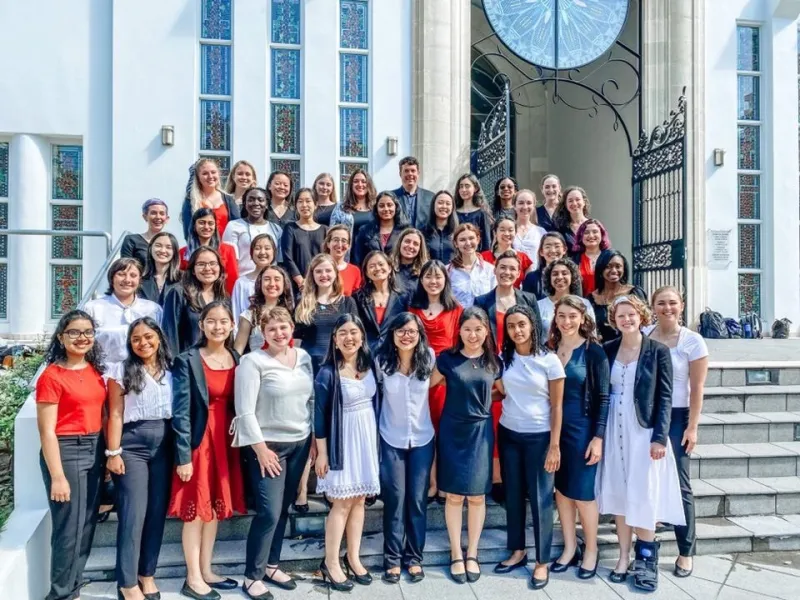 Here's a group photo of the Radcliffe Choral Society on the steps of Stella Maris Church in San Juan! We sang here several times, for rehearsals, church services, and our finale concert the night before we flew back to Boston.
 Here's the new Sunflower sign we just put up with our students as community service.
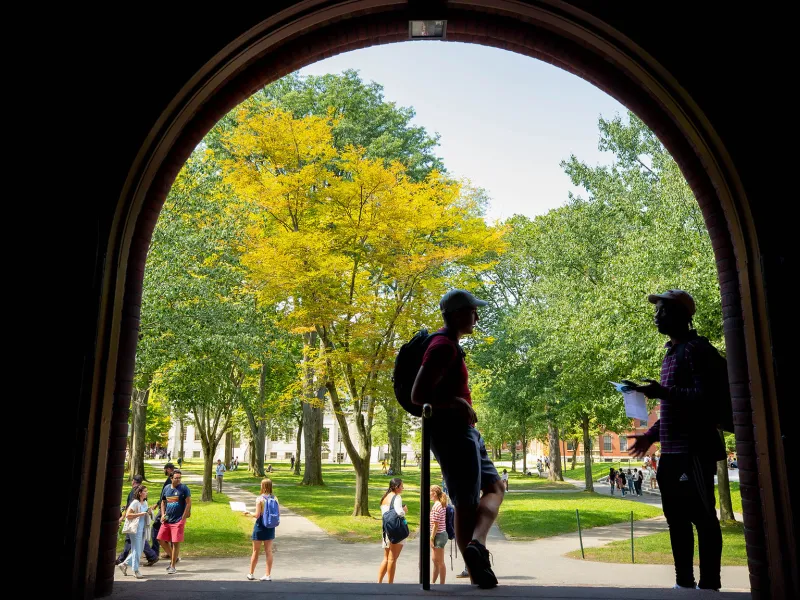
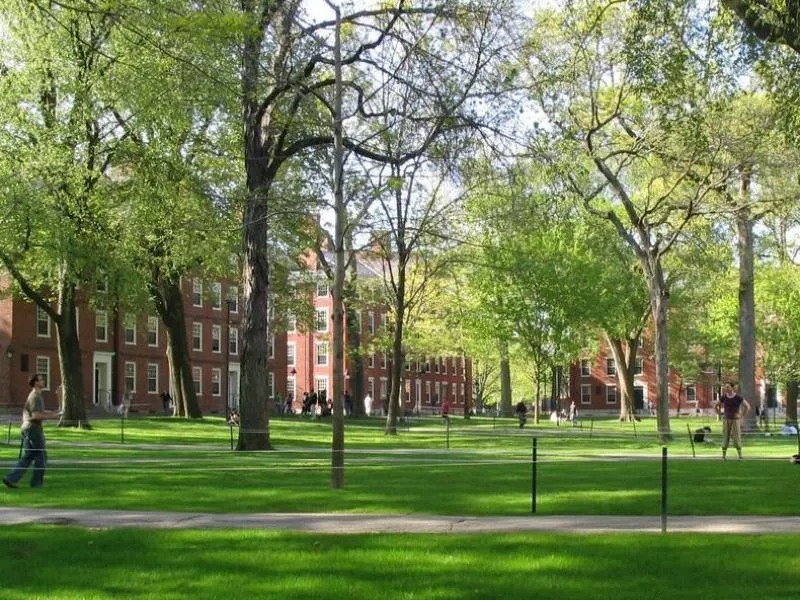 Harvard Yard, where many first-year students live.
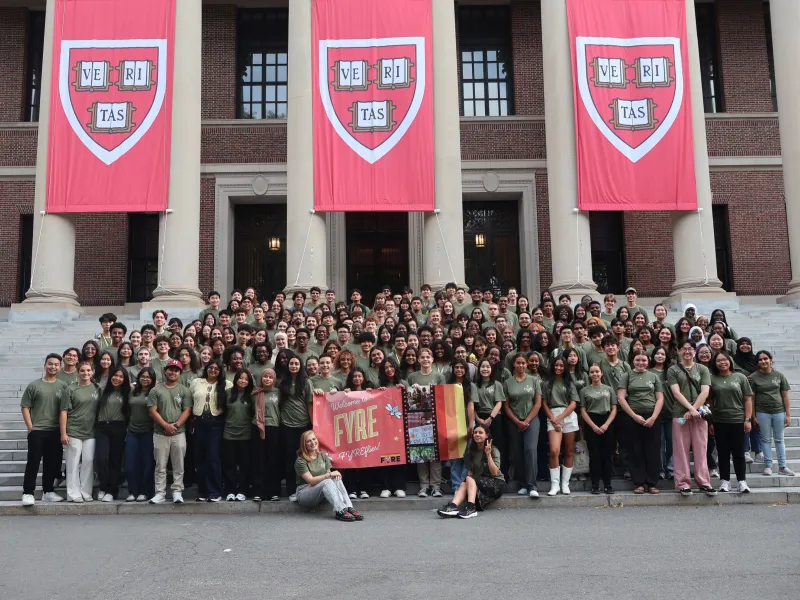
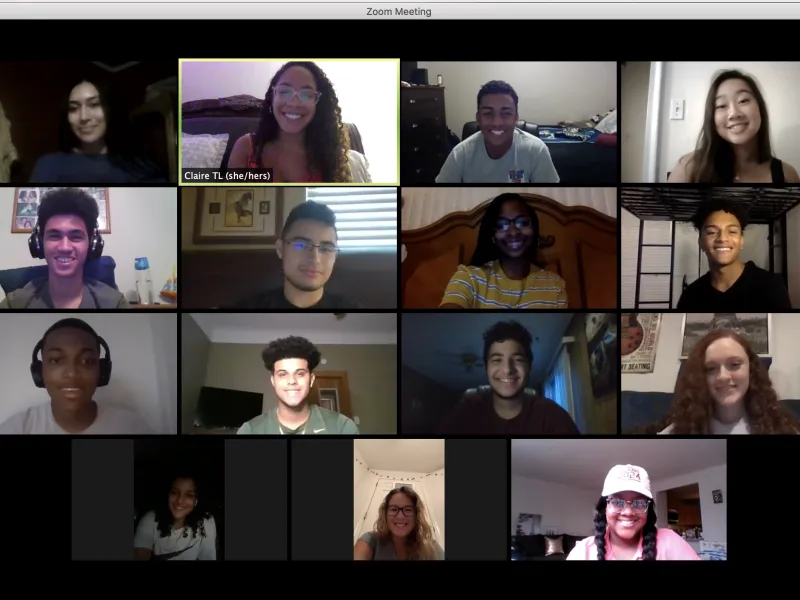 A Zoom Picture from my FYRE Family!
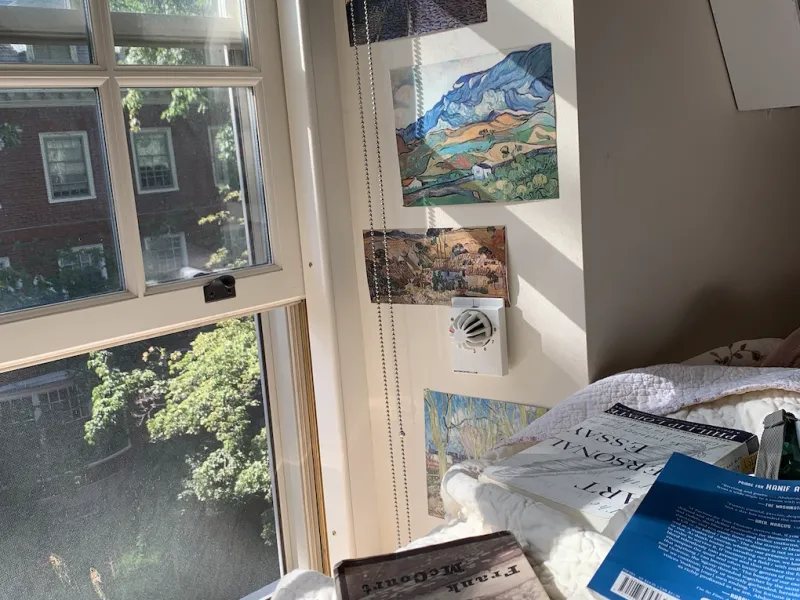 I miss doing reading for my English and creative writing classes on my Winthrop House dorm room!
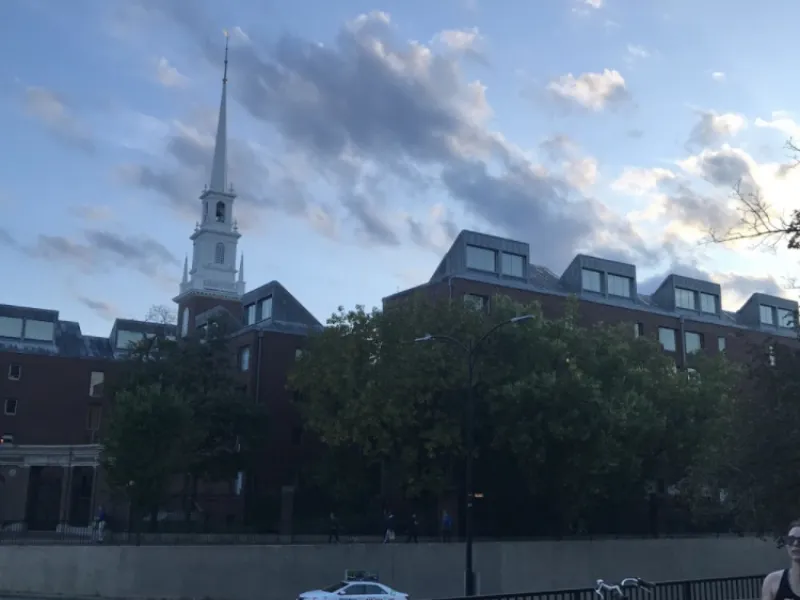

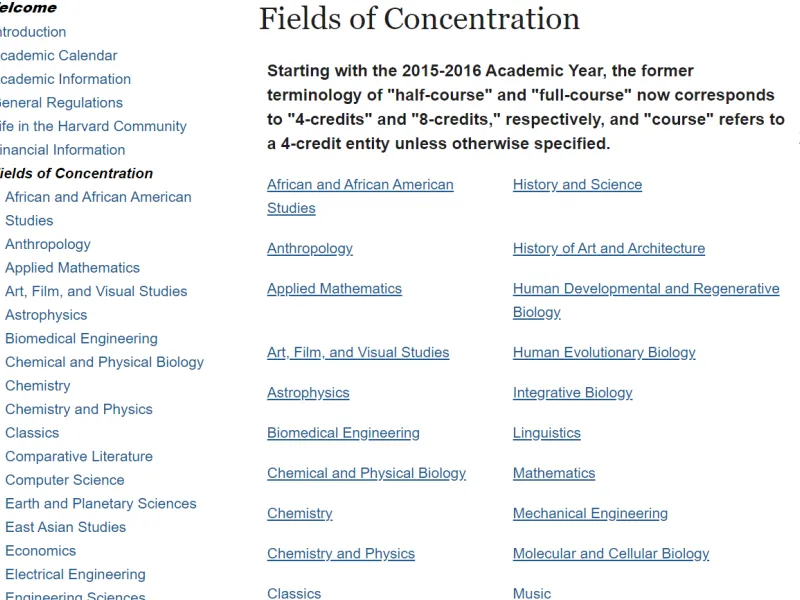 A list of just some of the possible concentrations offered at Harvard
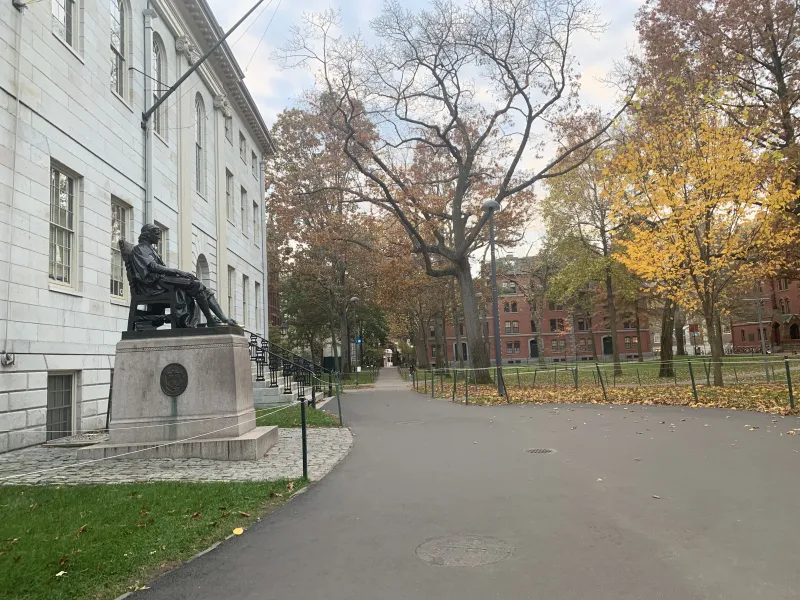
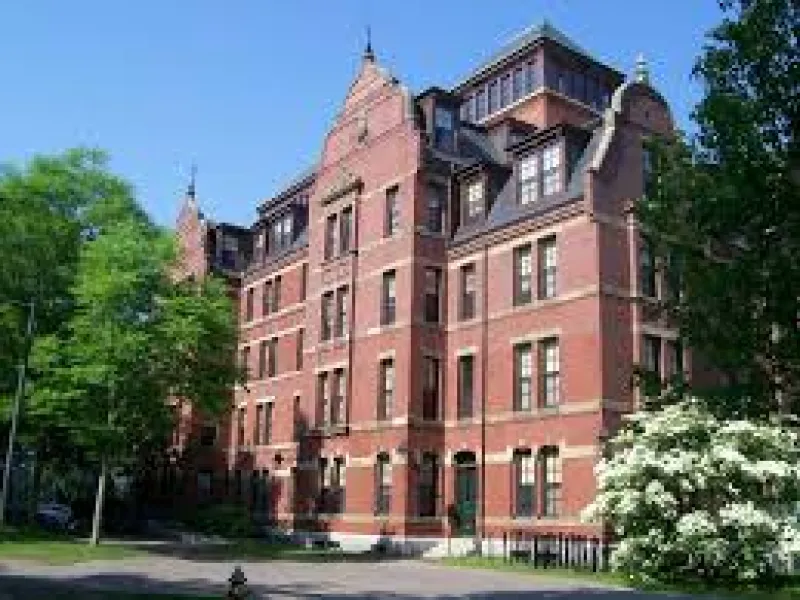 Weld Hall, the first-year dorm where I am a PAF!
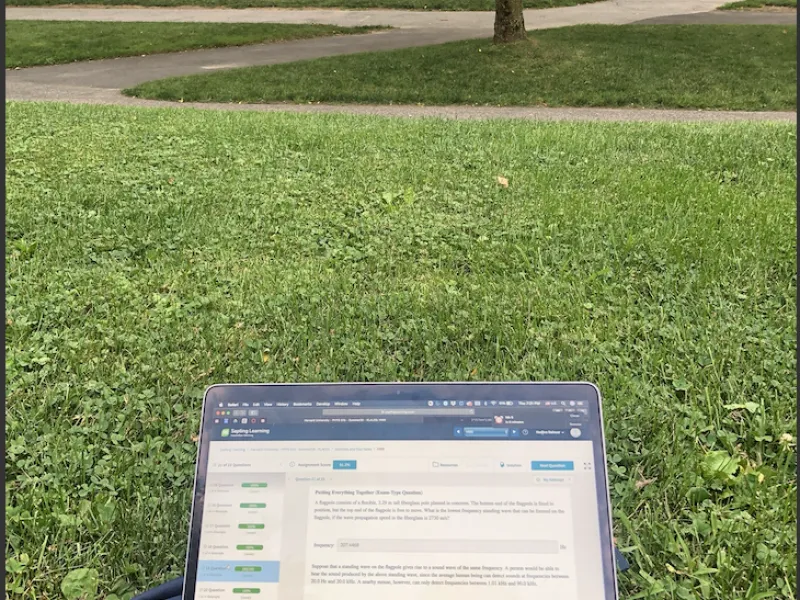 A snap of an empty Tercentenary theater as I worked on my homework
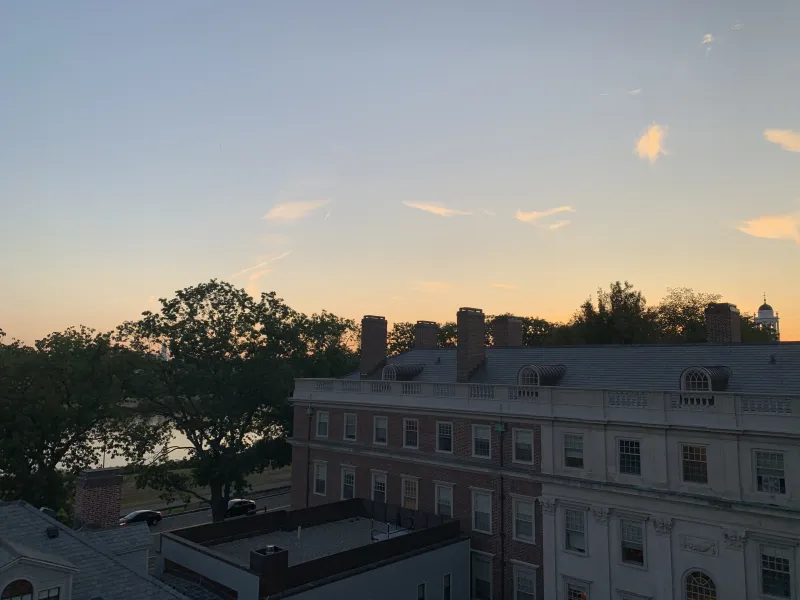 My friends and I love hanging out in the roof-top common room in Winthrop House!

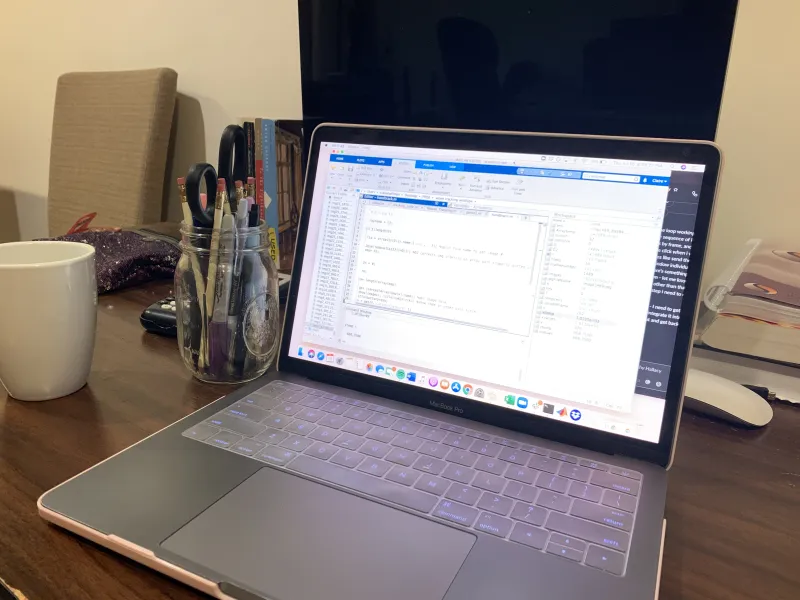
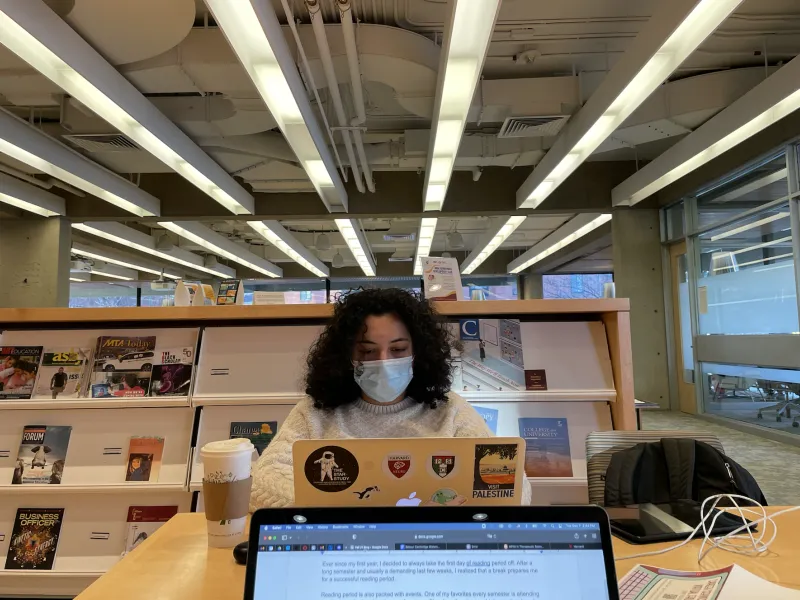
 I found myself this summer sitting at my laptop a lot more than I had originally planned
 I make the most of my Zoom-ed reality by taking calls outside!
 Here I am teaching a government class from last summer!
 During the last days of first-year, I organized an outdoor picnic in Harvard Yard for the Black Class of 2022. There was pizza, music, and an entertaining, but yet chaotic game of musical chairs.
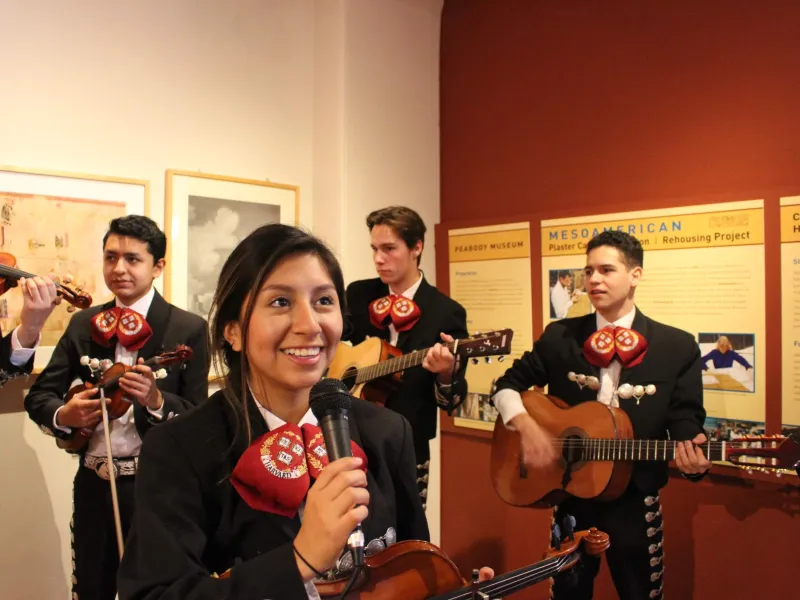 Performing at the Peabody Museum's Day of the Dead celebration and exhibit.
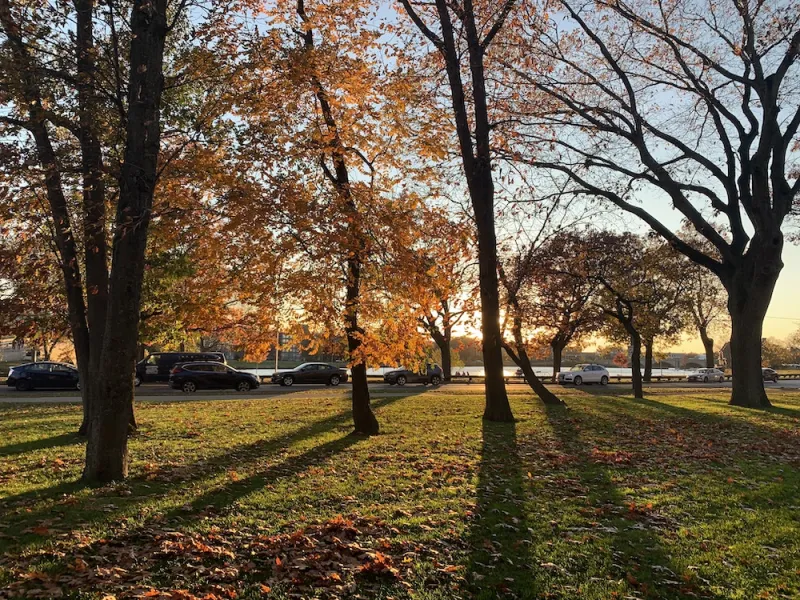 The view of the Charles River from Leveret House, which is right next to Winthrop House!
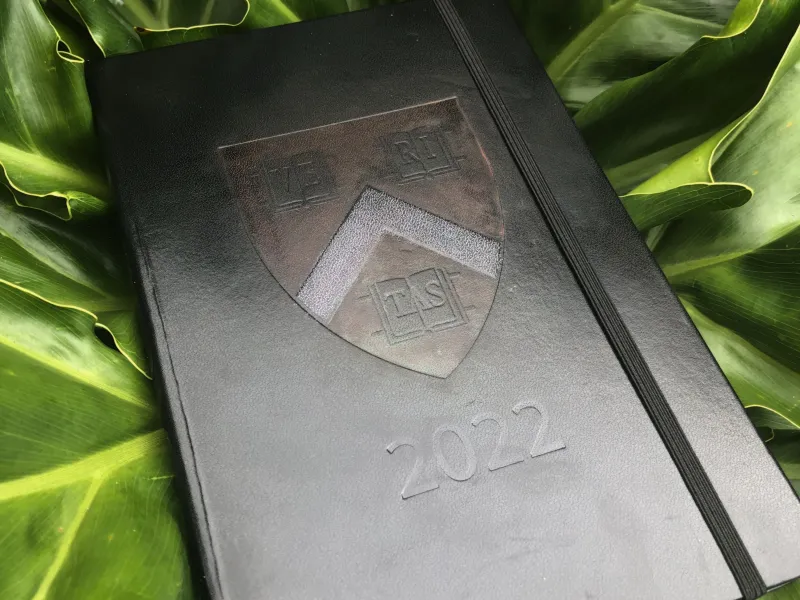 My Harvard Journal Project notebook, with its (not so successful) attempt to color the Harvard logo on the front.
 Selfie in the Seattle Airport.
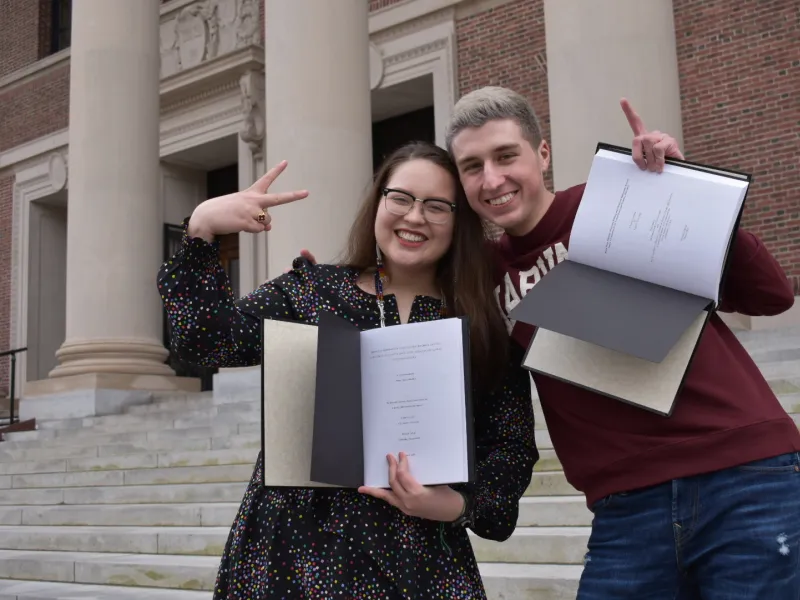
 My friends and I decided to have a group photo session the day before leaving campus!

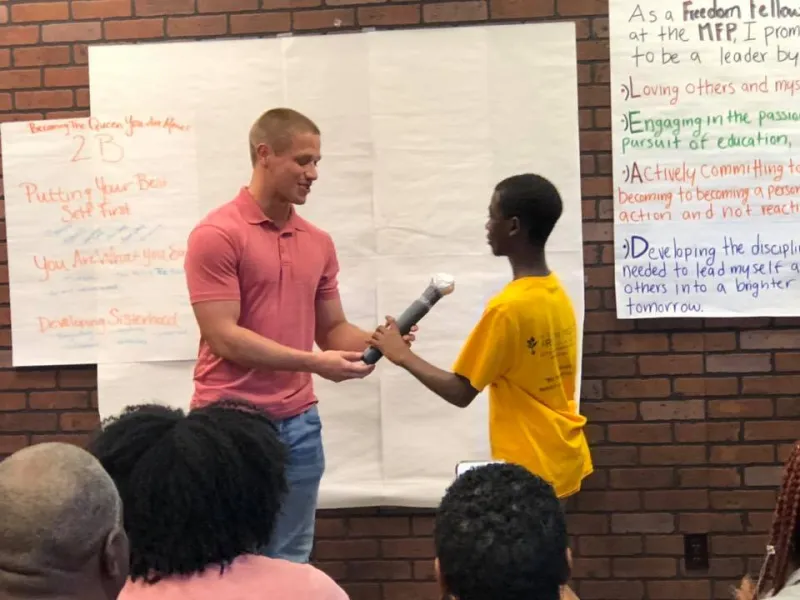 Me giving out homemade awards to my MFP students!


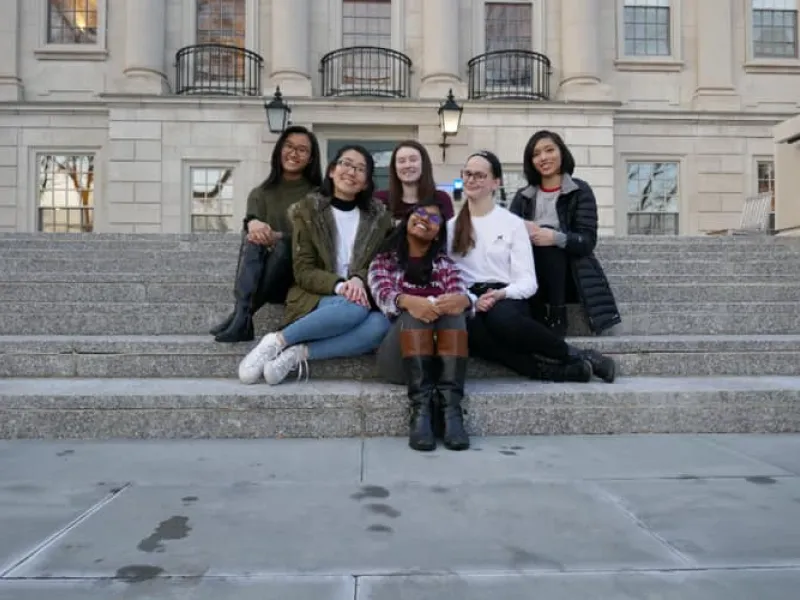
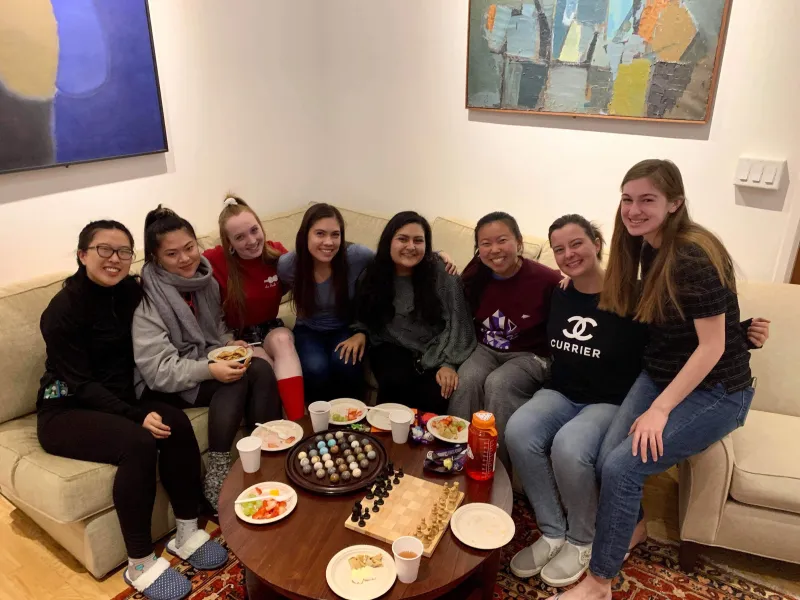 I've gotten to make some incredible friendships during my time here, and these lovely people are some of my closest friends.
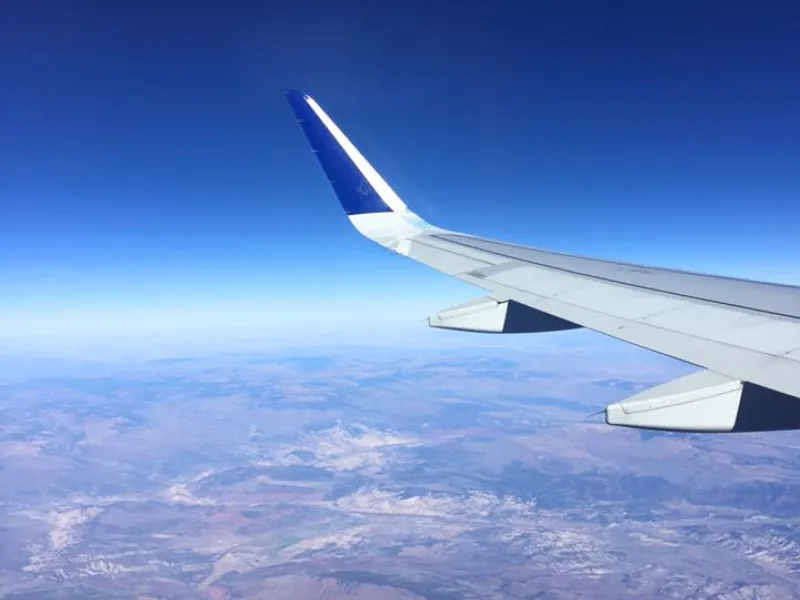 My view out the window as I flew to Europe for the first time
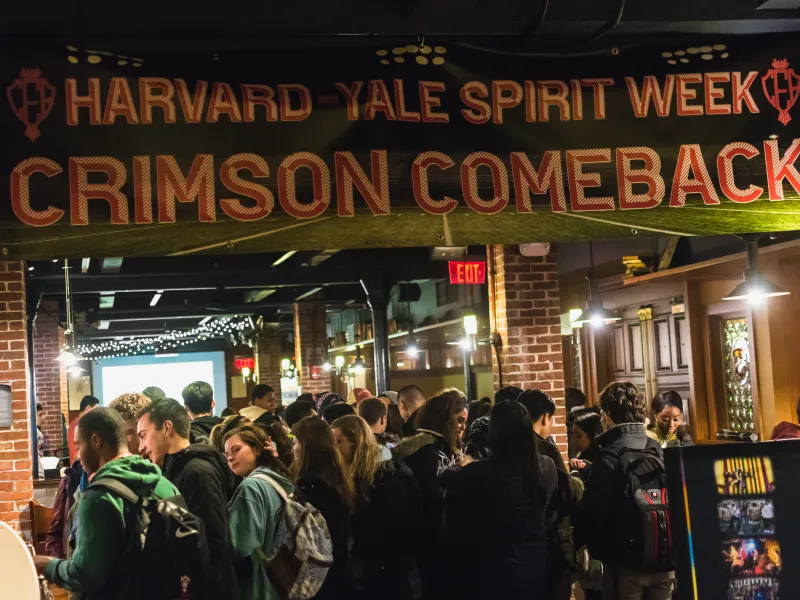

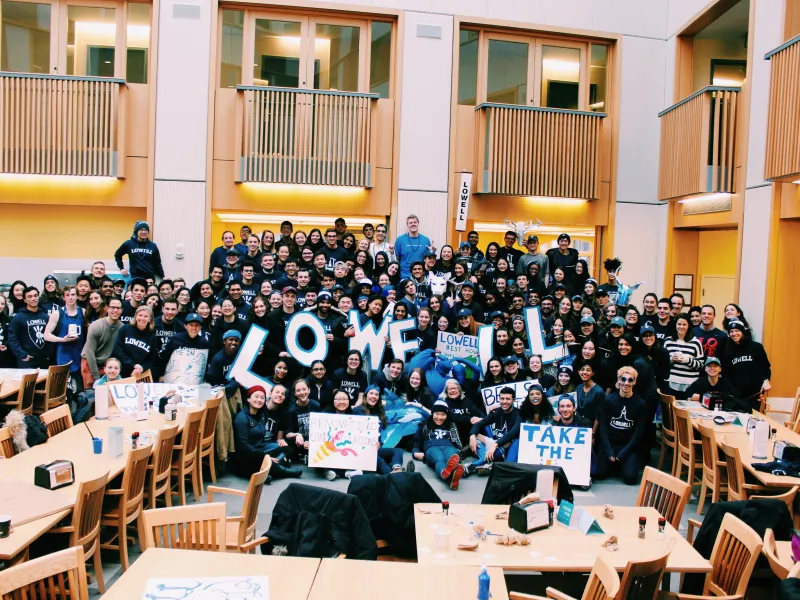 Lowellians ready to welcome first years to our home!
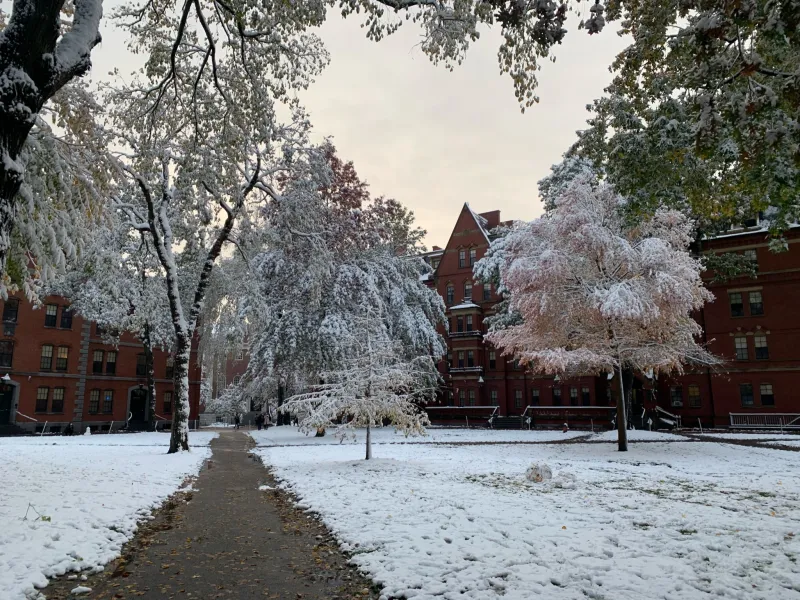
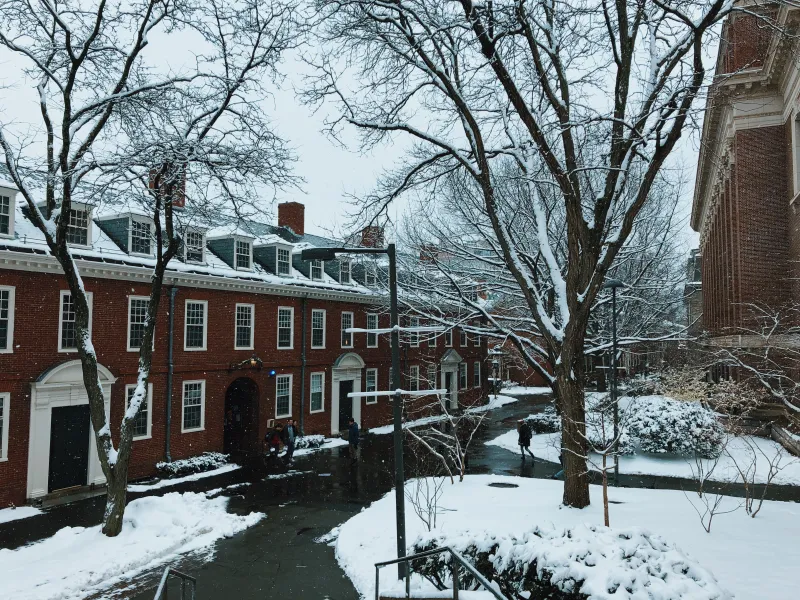 Snow falling outside Wigglesworth Hall, one of 17 first-year dorms.
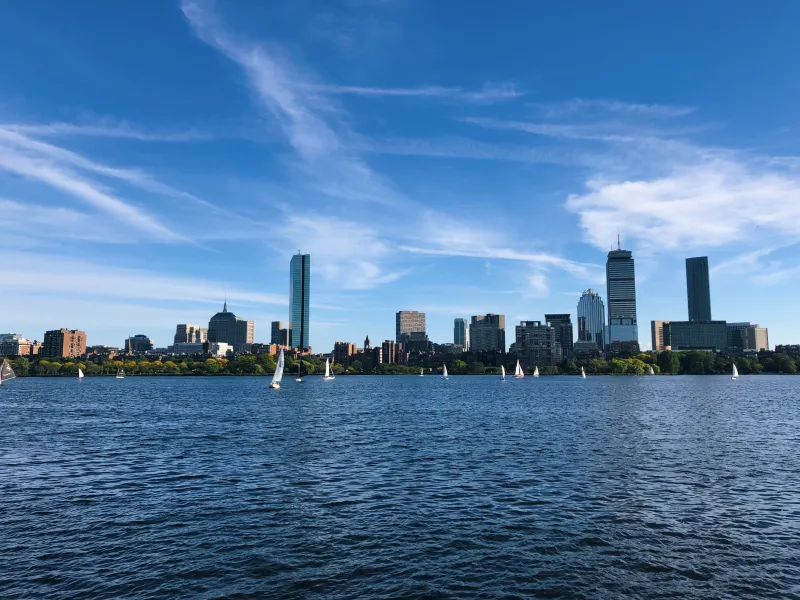 I took this photo of the Boston skyline while running by the Charles River.
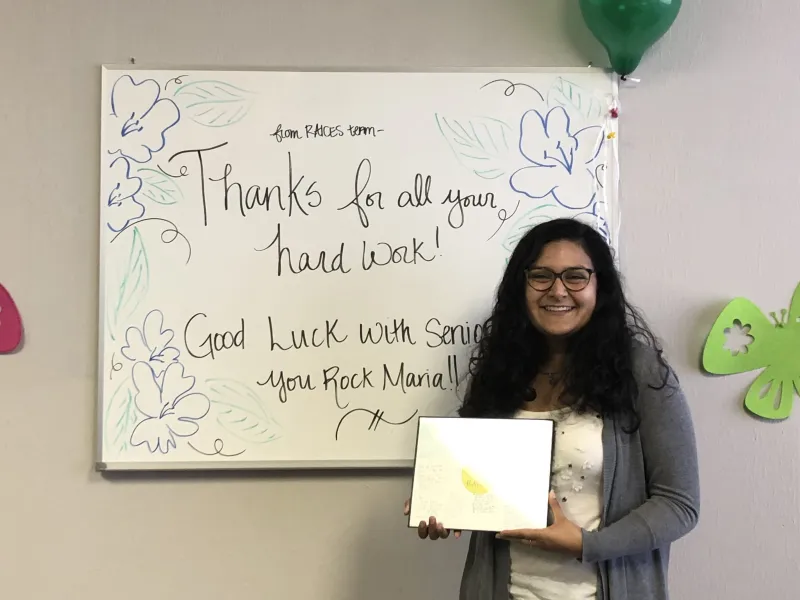 The office threw me a mini goodbye party to thank me for my work during the summer!
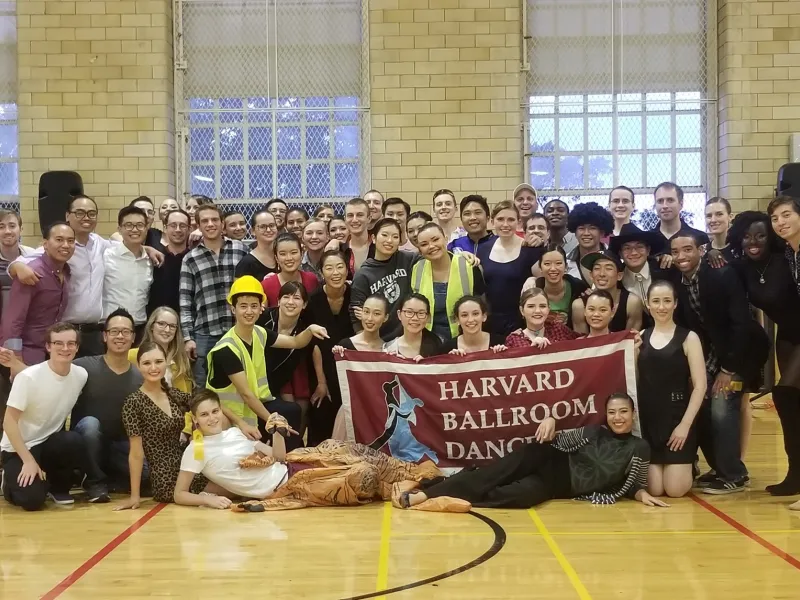
 A photo of me and friends in front of the Carpenter Center my freshman year
 Veritaffle
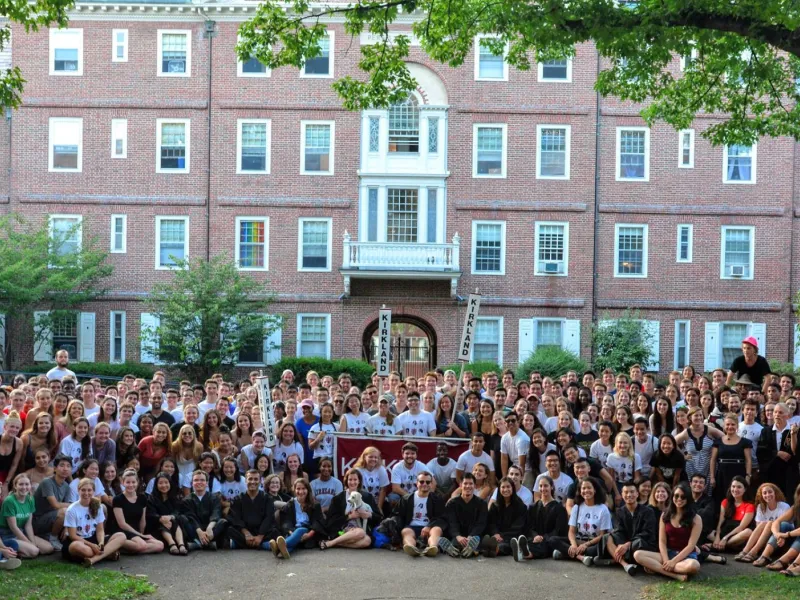 Kirkland House Opening Days 2018

 Another spot to rest with great views of New Hampshire!
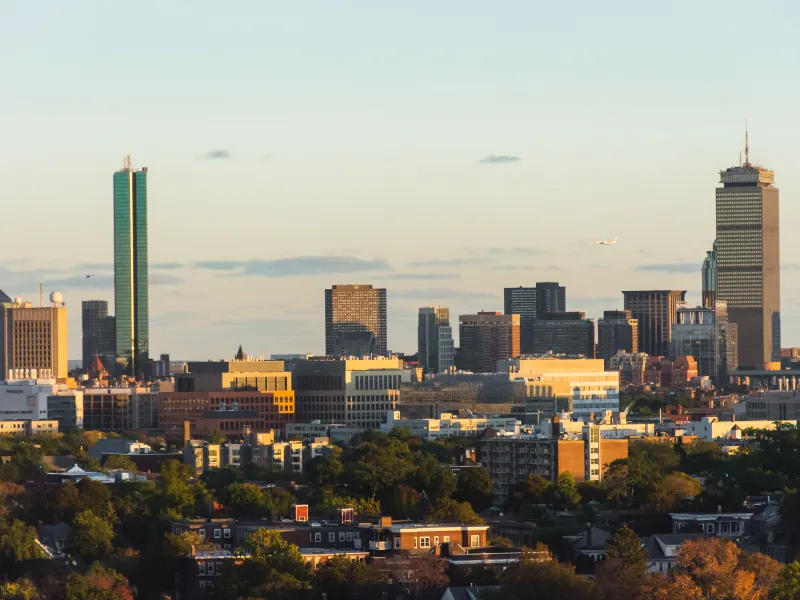 A view of the city of Boston from Harvard's campus.
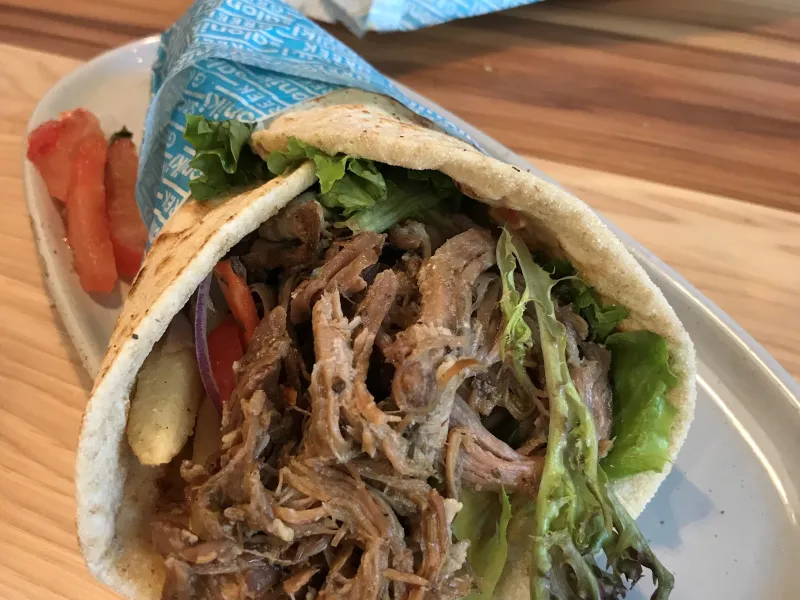
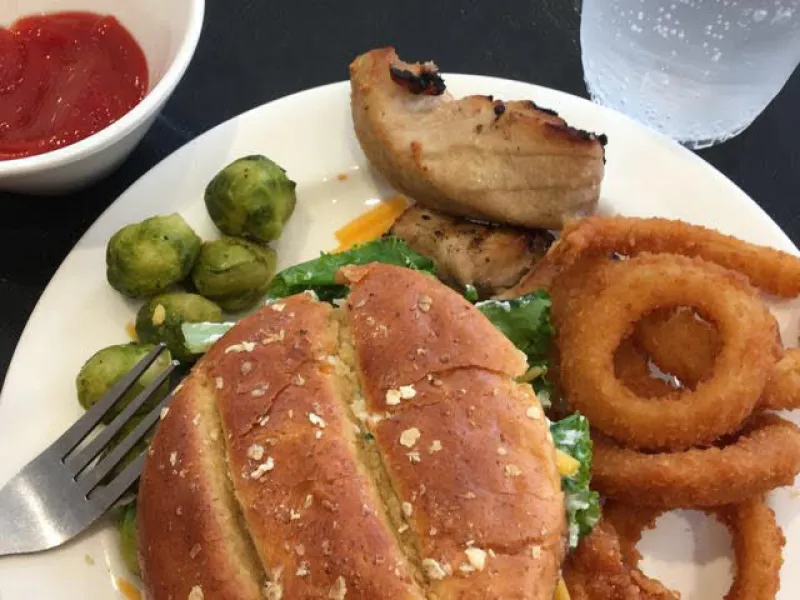 Chicken Schnitzel Sandwich
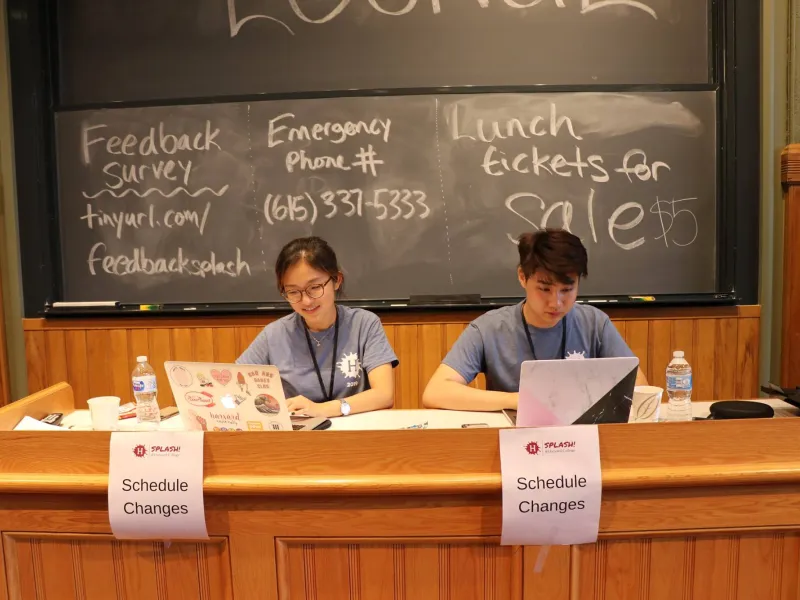 HUSE board members working hard to manage student lounge and to assist students during Splash.
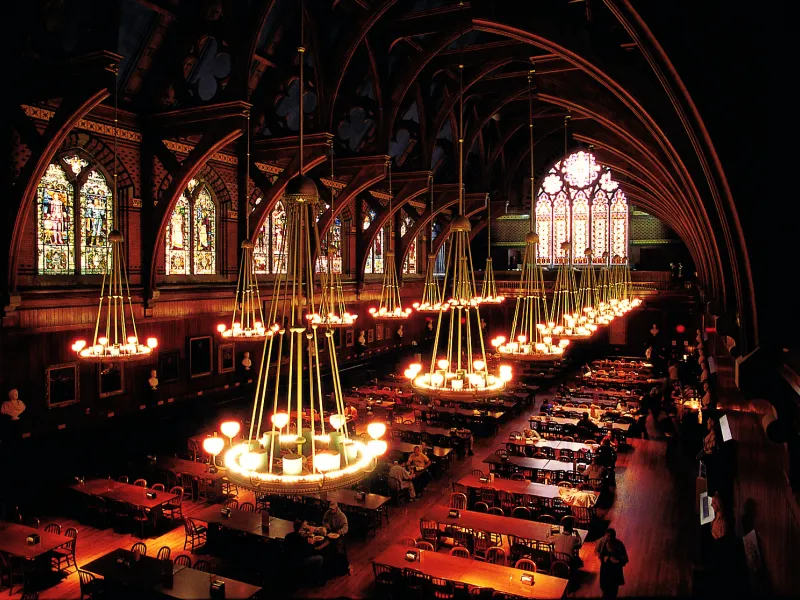 Harvard's dining hall for first-year students.
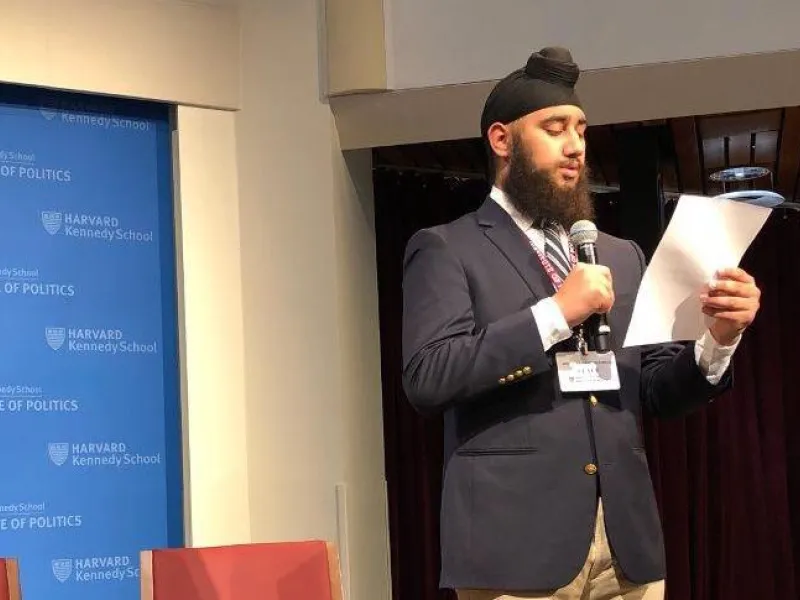
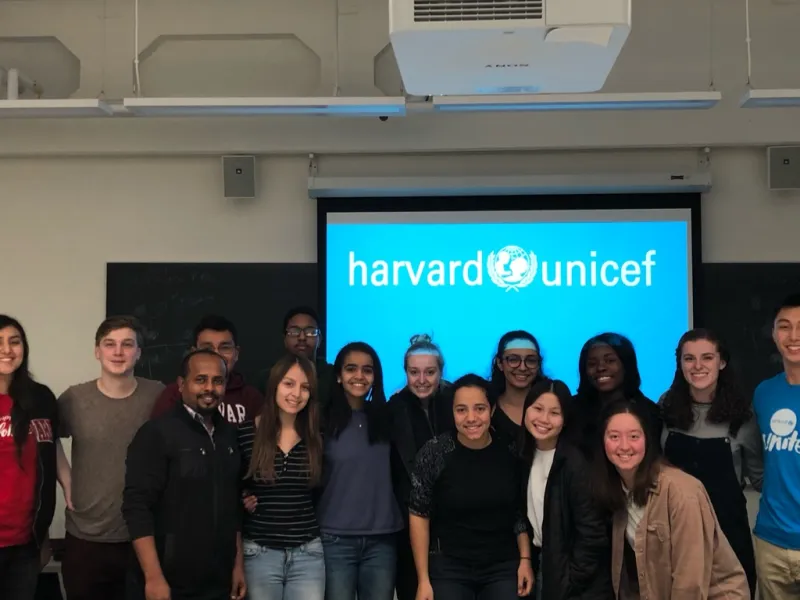 Harvard Undergraduate UNICEF Club
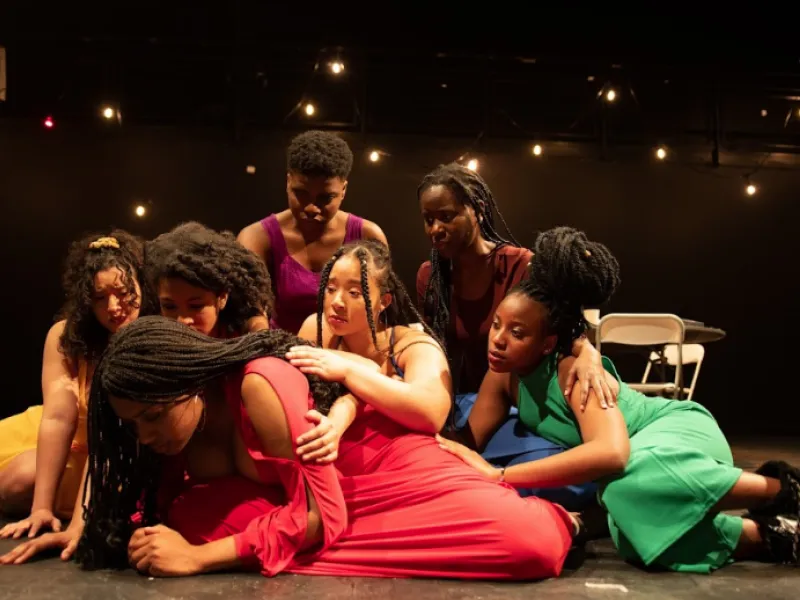 The Ladies of the Rainbow. I am the Lady in Blue in my last Black CAST production.
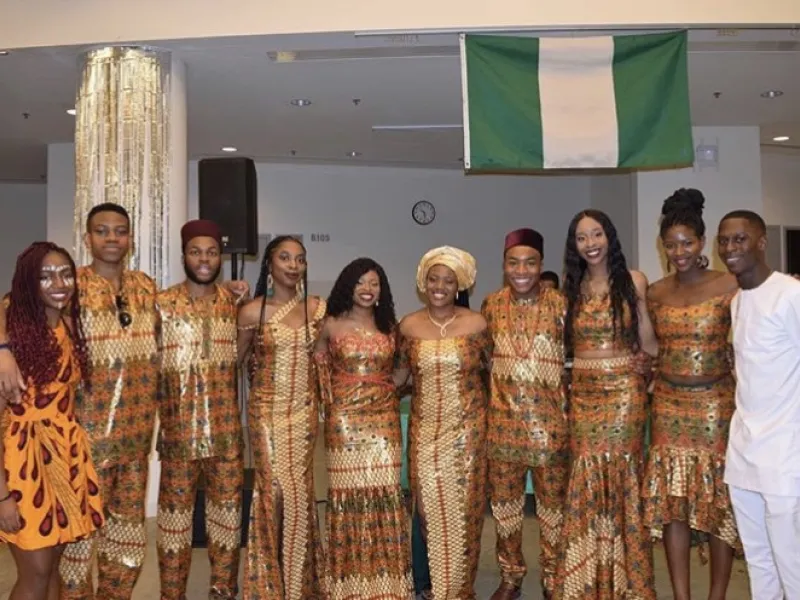 Nigerian Students Association Executive Board at our 9th Annual Independence Day Gala
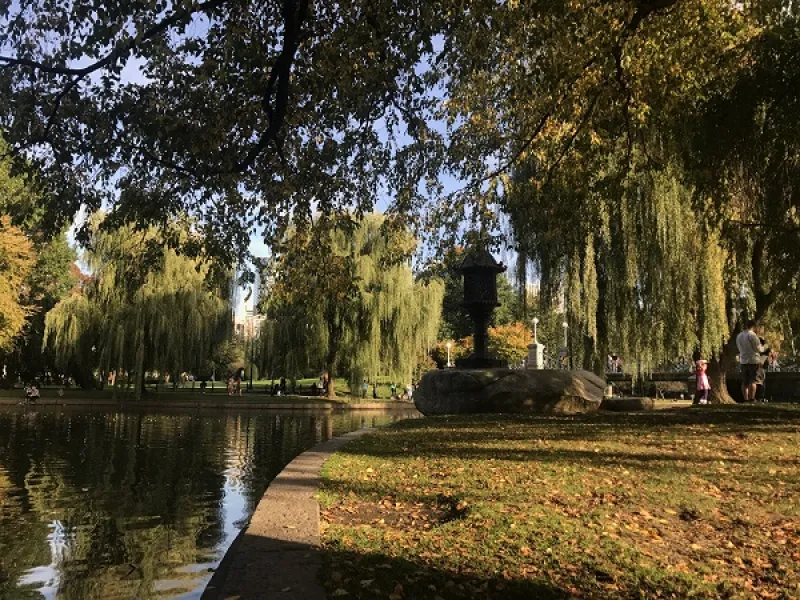 My favorite place to read at the Public Garden is in the shade by one of the ponds!
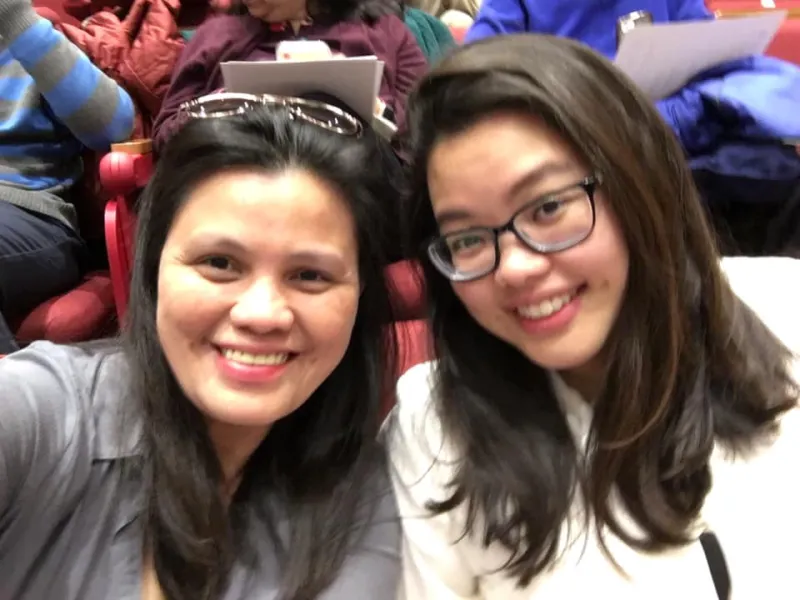 My mom and I in a lecture hall for the Junior One Ring Ceremony.
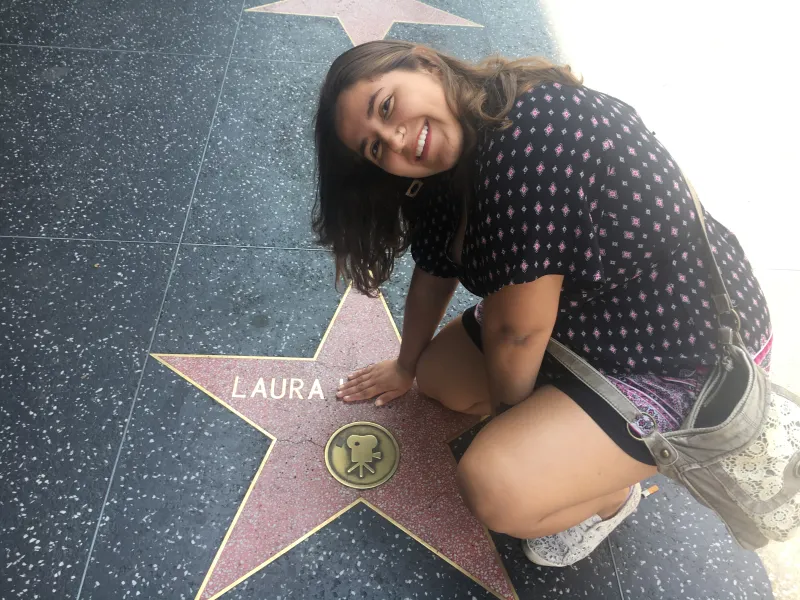
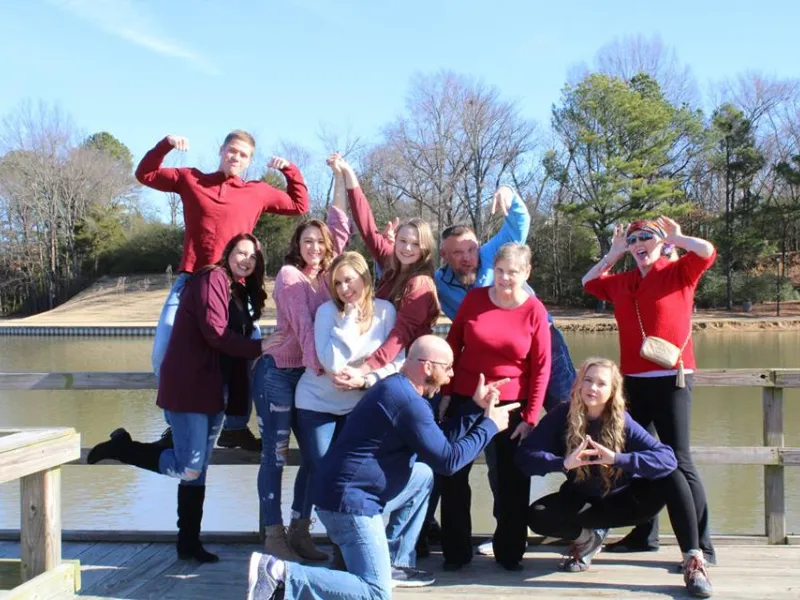
 Dining in at By Chloe in Fenway
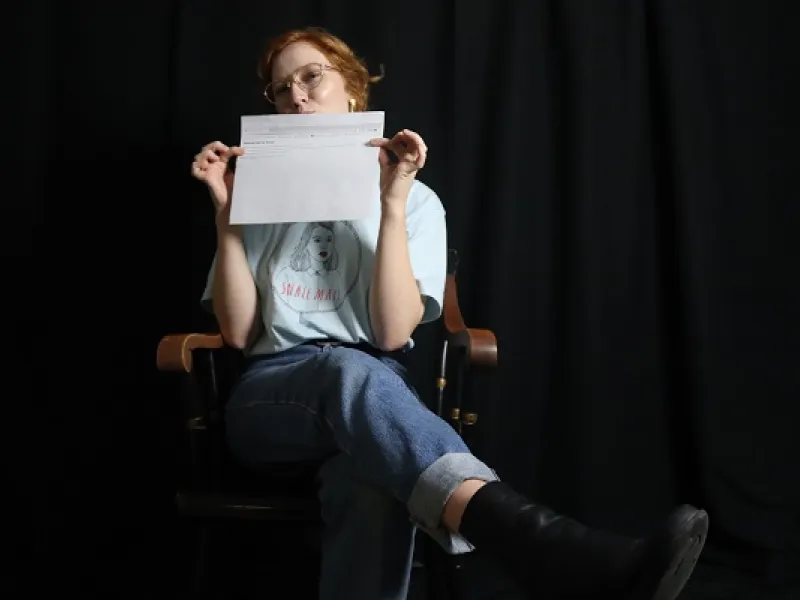 This is the photo for my satirical piece: "My Guilty Pleasure is the Crimson Arts Internal Service Error."
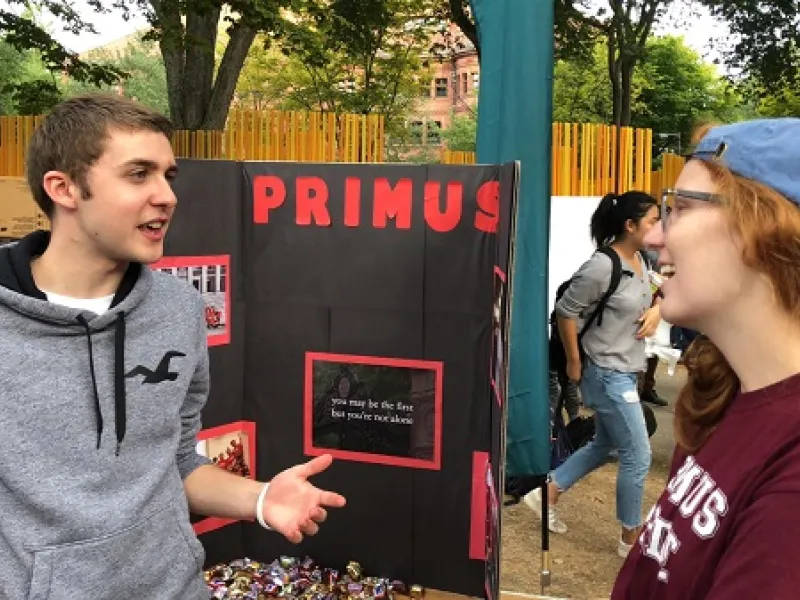 Harvard Primus's President Brandon and I at our table at this year's activities fair!
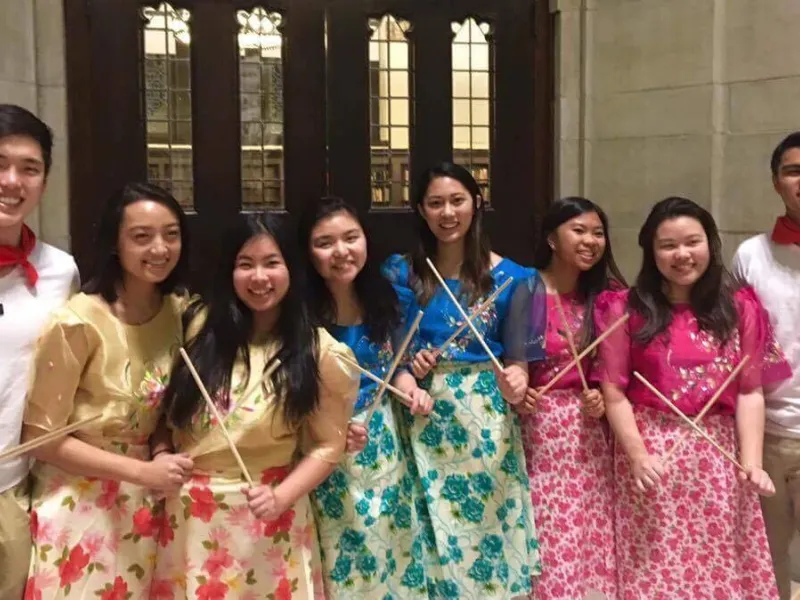 HPF teamed up with Wellesley's Club Filipino for a Kamayan performance!
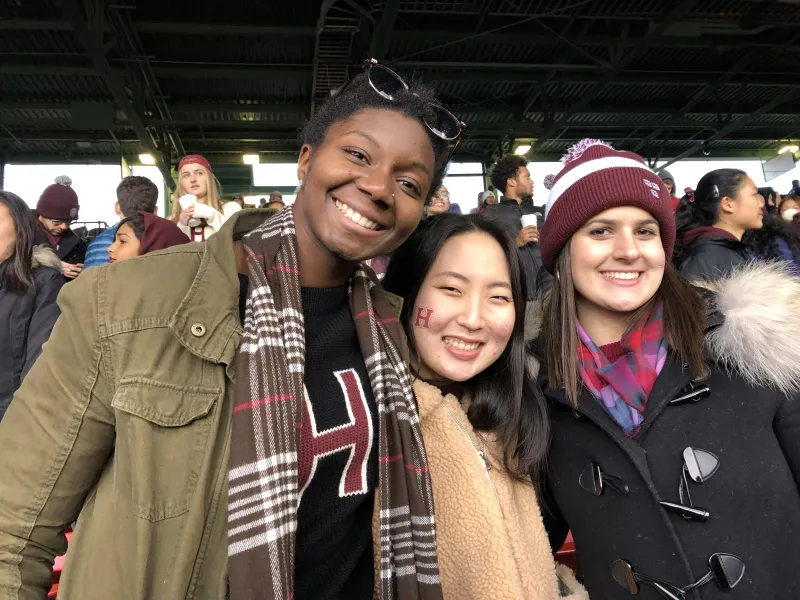 Me and my friends at Fenway during this year's game
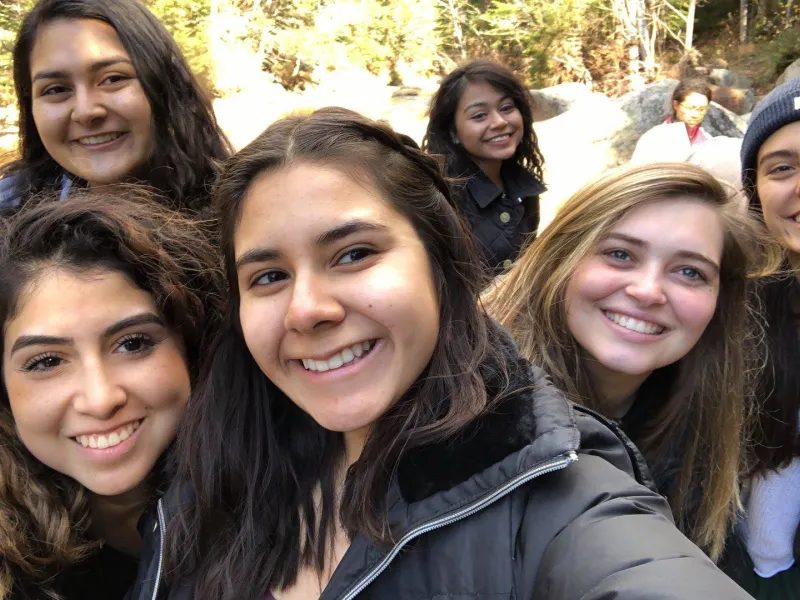 Since the trail was too muddy to actually hike, we decided to walk around near the creek and take pictures together.
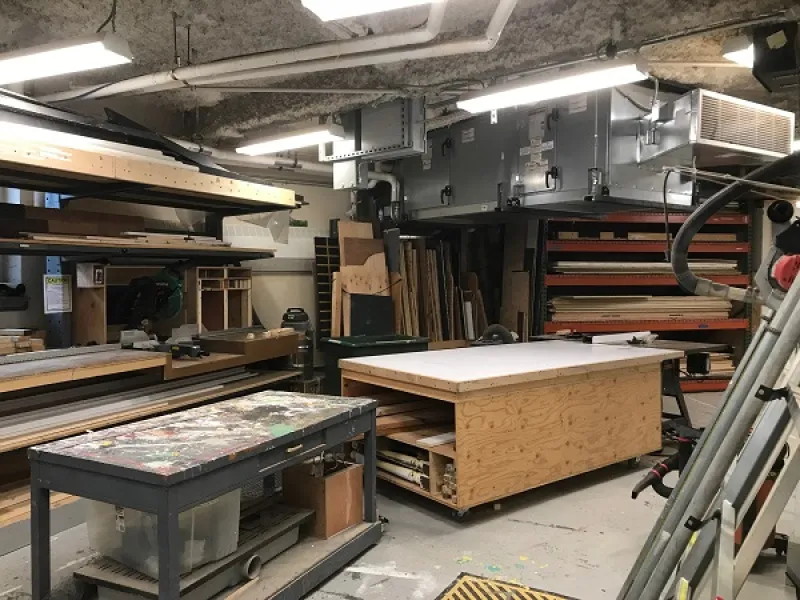 This is where I'm building the R&J set!
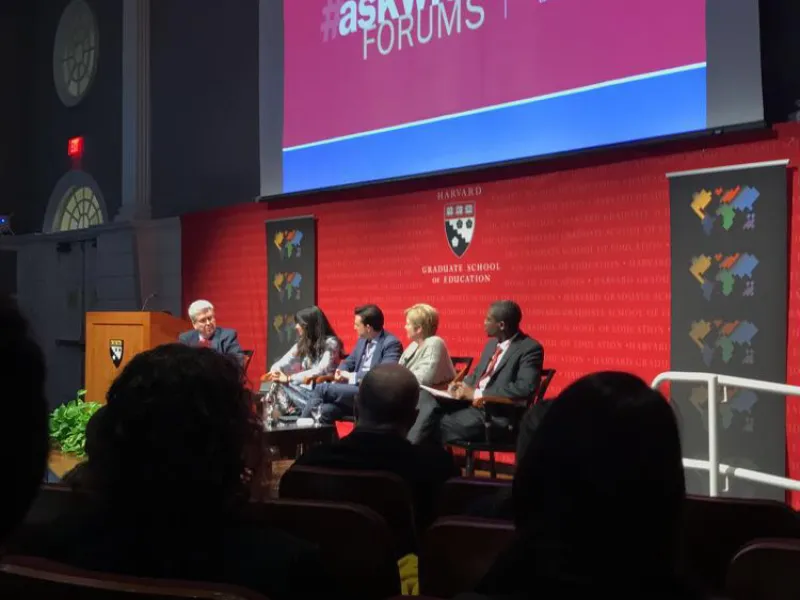
 Me introducing speakers at the JFK Jr. Forum!
 The NAHC Board!

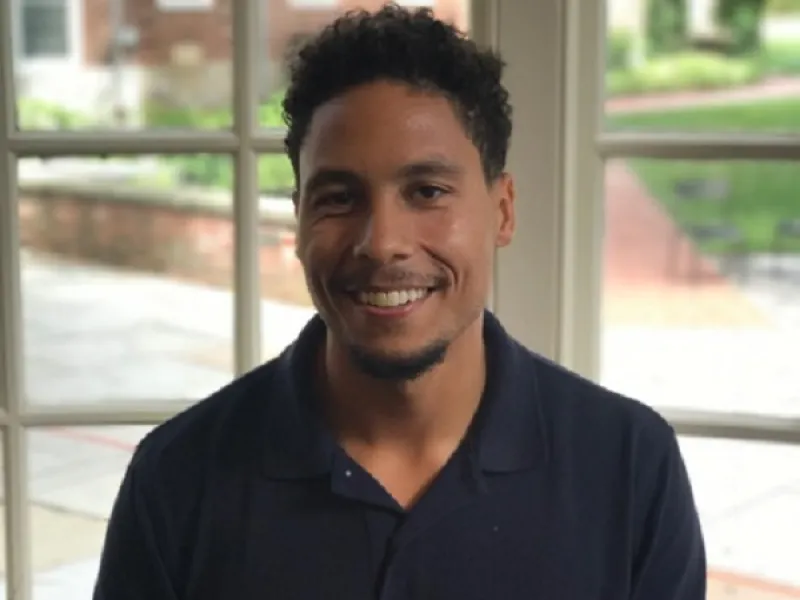 Photograph of Dan Lobo

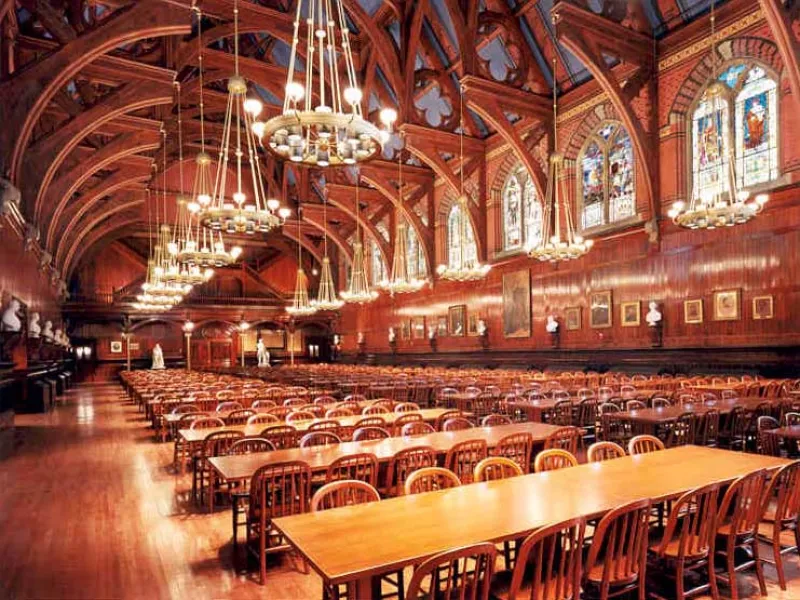 Annenberg or The Berg or The Great Hall of Hogwarts